
The Andean Ritual of Cleansing: Purifying the Body and Soul

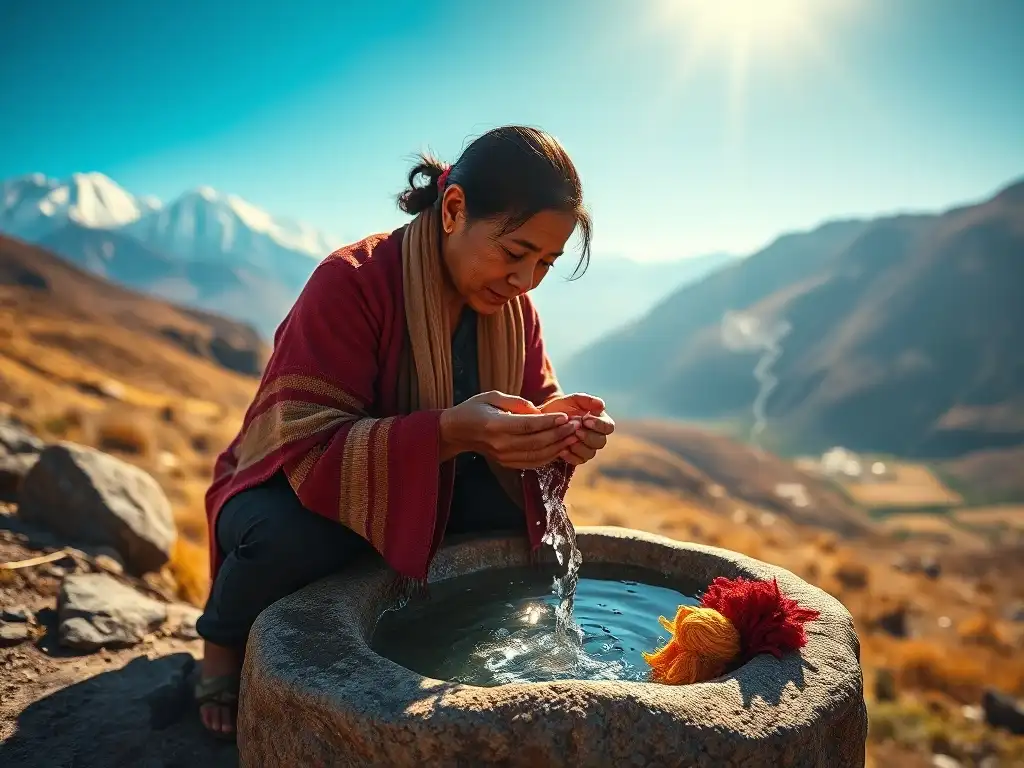
Step into a world lost to time, yet echoing with vibrant spirituality. Prepare to uncover the secrets of the Andes, a land where majestic mountains met ingenious civilizations. We delve into the fascinating world of Andean cleansing rituals, revealing the intricate practices that connected ancient Andean peoples to the cosmos. Discover how these rituals, deeply rooted in their unique cosmovision, offered both physical and spiritual purification. Are you ready to embark on this enlightening journey?
-
Andean Cleansing Rituals: Purifying Body and Soul in the Andes
- Understanding Andean Cosmovision and Spiritual Cleansing
- The Significance of Ritual Purification in Andean Cultures
- Types of Andean Cleansing Practices
- Key Elements in Andean Cleansing Ceremonies
- The Purpose of Andean Cleansing Rituals
- Contemporary Relevance of Andean Cleansing Practices
- The Legacy of Andean Cleansing: A Timeless Tradition
- Conclusion: Embracing the Power of Andean Purification
- Frequently Asked Questions
- Final Reflection: Echoes of the Andes, Whispers of the Soul
- Embrace the Andean Tradition of Cleansing Today!
Andean Cleansing Rituals: Purifying Body and Soul in the Andes
The Andes Mountains, a spine of towering peaks stretching along the western coast of South America, have been home to a vibrant tapestry of cultures for millennia. These civilizations, including the Incas, Moche, Nazca, and Tiahuanaco, developed complex belief systems deeply intertwined with the natural world. A central aspect of their spiritual lives was the practice of ritual cleansing, a multifaceted process aimed at purifying both the physical body and the spiritual essence.
This article delves into the fascinating world of Andean cleansing rituals, exploring their significance, methods, and enduring legacy within Andean cosmovision. We will examine how these practices connected individuals to the spiritual realm, fostering harmony with the cosmos and ensuring well-being.
Understanding these ancient rituals provides valuable insight into the intricate relationship between the Andean peoples and their environment, a relationship profoundly shaped by their unique spiritual beliefs and practices. The exploration of “Andean cleansing rituals” will reveal a rich and complex system of beliefs and practices that continue to resonate today.
Understanding Andean Cosmovision and Spiritual Cleansing
Andean cosmovision, the worldview of the Andean peoples, is characterized by a profound interconnectedness between the human, natural, and spiritual realms. Mountains, rivers, and celestial bodies were not merely geographical features but powerful entities imbued with spiritual significance. Illness, misfortune, and spiritual imbalance were often attributed to an interruption of this harmony, a disruption in the flow of energy between the individual and the cosmos.
Spiritual cleansing, therefore, was not merely a symbolic act but a vital practice for maintaining equilibrium and ensuring well-being. These rituals weren't solely focused on physical cleanliness; they aimed to purify the ayni, a concept representing reciprocity and balance within the Andean worldview. Disrupting this balance could lead to misfortune, so restoring it through ritual cleansing was crucial.
The methods employed varied across different Andean cultures, reflecting the diversity of their beliefs and practices, but all shared the common goal of restoring harmony and balance. Specific offerings, prayers, and the use of sacred plants were employed to cleanse the individual and their surroundings.
The significance of water in these rituals cannot be overstated. Rivers and springs were considered sacred, their waters possessing purifying properties. Many rituals involved bathing or washing in these waters, symbolically washing away negative energies and restoring spiritual purity. Furthermore, the use of specific plants, such as coca leaves and various herbs, played a crucial role in these cleansing ceremonies. These plants were believed to possess potent purifying and medicinal properties, capable of healing both physical and spiritual ailments. The precise combinations and methods varied depending on the specific ritual and the community's traditions.
The Significance of Ritual Purification in Andean Cultures
Ritual purification held immense significance in Andean cultures, permeating various aspects of life, from daily routines to major ceremonies. For example, before engaging in important activities such as planting, harvesting, or religious festivals, individuals would often undergo cleansing rituals to ensure success and divine favor. Similarly, after a period of illness or mourning, ritual purification was essential to restore balance and remove any lingering negative energies.
The specific rituals varied depending on the culture and the context. Some involved the use of medicinal plants and herbal infusions, while others focused on elaborate ceremonies involving offerings, prayers, and symbolic gestures. For instance, the despacho, a ritual offering, often included coca leaves, incense, and other sacred items arranged in a specific manner to appease deities and restore balance.
These offerings were a tangible expression of the Andean belief in reciprocity and the interconnectedness of the human and spiritual worlds. The paqo, a shaman or spiritual leader, often played a crucial role in these ceremonies, guiding the process and ensuring its effectiveness. Their expertise in interpreting the cosmos and mediating between the human and spiritual realms was essential for successful ritual purification.
The legacy of these rituals continues to inform contemporary Andean practices, demonstrating their enduring significance in the lives of Andean communities. Understanding the intricacies of these rituals offers a deeper appreciation of the Andean world view and its enduring impact on the cultural landscape. Further research into specific regional variations and their contemporary expressions would enrich our understanding of Andean cleansing rituals.
Types of Andean Cleansing Practices
Andean cleansing rituals, integral to the spiritual lives of ancient Andean communities, encompassed a variety of practices designed to purify the body and soul. These rituals weren't merely hygienic practices; they were deeply spiritual acts connecting individuals to the cosmos and the powerful forces of nature. The effectiveness of the cleansing depended heavily on the practitioner's connection to the Pachamama (Mother Earth) and the Apus (mountain spirits).
The specific method employed often depended on the individual's needs, the available resources, and the prevailing circumstances. The variety of techniques reflects the Andes' diverse geography and the ingenuity of its people in harnessing the power of their environment for spiritual renewal. Understanding these diverse approaches is key to appreciating the holistic nature of Andean spirituality.
Water Cleansing Rituals: The Power of Pachamama's Flow
Water, representing the life-giving force of Pachamama, played a central role in Andean cleansing rituals. Rivers, lakes, and springs were considered sacred, their waters believed to possess purifying properties. Participants often bathed in these natural waters, allowing the flowing current to wash away not only physical impurities but also negative energies and spiritual burdens. The ritual was not simply about physical cleanliness; it was a symbolic cleansing, a renewal of the spirit through communion with the earth's lifeblood.
Some rituals involved specific invocations to the water spirits, asking for their blessing and assistance in the purification process. The intensity and duration of the water ritual varied, depending on the individual's needs and the specific spiritual guidance received. For example, some individuals might perform a simple washing, while others might immerse themselves completely in the water for an extended period.
Fire Cleansing Ceremonies: Transforming Energy Through Flames
Fire, a powerful symbol of transformation and purification, held significant importance in Andean cleansing ceremonies. The flames were seen as a conduit to the spiritual realm, capable of burning away negativity and transforming stagnant energy. These ceremonies often involved bonfires or carefully controlled fires, where offerings such as coca leaves, herbs, or even small personal belongings were burned.
The smoke, rising towards the heavens, was believed to carry away negative influences, leaving behind a purified space and a renewed spirit. The intensity of the fire and the duration of the ceremony varied, depending on the specific ritual and the individual's needs. Some ceremonies were small, intimate affairs, while others were larger community gatherings.
Plant-Based Cleansing: Sacred Herbs and Their Purifying Properties
Many Andean cleansing rituals utilized the power of sacred plants. Certain herbs, such as muña (a fragrant mint), were believed to possess purifying properties. These herbs were often incorporated into baths, inhaled as smudges, or ingested as infusions.
The use of these plants was not arbitrary; each herb was believed to have specific spiritual properties, targeting different aspects of purification. For example, certain herbs might be used to cleanse the body of physical ailments, while others might be used to purify the spirit of negative energies. The selection of herbs was often guided by the shaman or spiritual leader, who would choose the most appropriate plants based on the individual's needs and the specific nature of the cleansing required.
Air Cleansing: Invoking the Winds for Spiritual Renewal
Air, a vital element connecting the earthly and spiritual realms, played a significant role in Andean cleansing practices. The wind was seen as a powerful force capable of sweeping away negativity and bringing about spiritual renewal. Rituals often involved facing the wind, allowing its currents to cleanse the body and spirit.
In some instances, specific invocations were made to the wind spirits, asking for their assistance in purifying the individual. The effectiveness of the air cleansing ritual was believed to be enhanced by performing it in open, high-altitude areas, where the wind was particularly strong and pure. This practice connected individuals to the vastness of the Andean landscape and the spiritual power of the natural world.
Earth Cleansing: Connecting with the Pachamama for Healing
The Pachamama, or Mother Earth, was central to Andean cosmology and held immense significance in cleansing rituals. Connecting with the earth was seen as a powerful way to restore balance and harmony. Rituals often involved direct contact with the earth, such as lying on the ground or burying oneself symbolically.
Offerings of coca leaves, food, or other items were often made to the Pachamama as a sign of respect and gratitude. The ritual's goal was to reconnect with the earth's life-giving energy and to draw strength and healing from its power. The specific practices varied depending on the region and the individual's needs; some might involve a simple offering, while others might involve more elaborate ceremonies involving community participation.
Key Elements in Andean Cleansing Ceremonies
Andean cleansing rituals, while diverse in their practices, shared several key elements that underscored their spiritual significance and effectiveness. These components ensured a holistic approach to purification, addressing physical, emotional, and spiritual aspects of well-being.
The Role of the Shaman or Spiritual Guide
The shaman or paqo played a crucial role in Andean cleansing ceremonies. Their deep understanding of Andean cosmology, herbalism, and spiritual practices guided the process. They acted as intermediaries between the individual and the spiritual world, facilitating the connection with the Pachamama, the Apus, and other spiritual entities.
The shaman's expertise was essential in identifying the root causes of imbalances and selecting the most appropriate cleansing methods. Their presence ensured the ritual's proper execution and maximized its effectiveness. Moreover, the shaman's guidance provided spiritual support and reassurance, helping the individual navigate the often complex and emotionally charged experience of spiritual cleansing.
Sacred Tools and Instruments Used in Rituals
Various sacred tools and instruments enhanced the effectiveness of Andean cleansing ceremonies. These objects were not simply utilitarian; they were imbued with spiritual power, acting as conduits for energy and facilitating the connection with the spiritual realm. Examples include chakana (Andean cross) representations, specific types of feathers, ritual vessels for offerings, and various herbs and plants.
The careful selection and use of these tools were crucial to the ritual's success, reflecting the shaman's understanding of their symbolic and energetic properties. The precise tools used often varied depending on the specific ritual and the individual's needs, showcasing the rich diversity of Andean spiritual practices.
The Importance of Intent and Prayer in Cleansing
The success of Andean cleansing ceremonies heavily relied on the individual's intent and the power of prayer. A sincere desire for purification and a deep connection to the spiritual realm were essential for the ritual to be effective. Prayers and invocations were made to the Pachamama, the Apus, and other spiritual entities, seeking their guidance and assistance in the cleansing process.
The sincerity of the individual's intentions and the depth of their faith were crucial in determining the outcome of the ritual. The process was not merely a mechanical act but a deeply spiritual experience requiring focused intent and heartfelt devotion. This emphasis on intent and prayer highlights the holistic nature of Andean spirituality, where inner transformation is as important as external purification.
The Purpose of Andean Cleansing Rituals
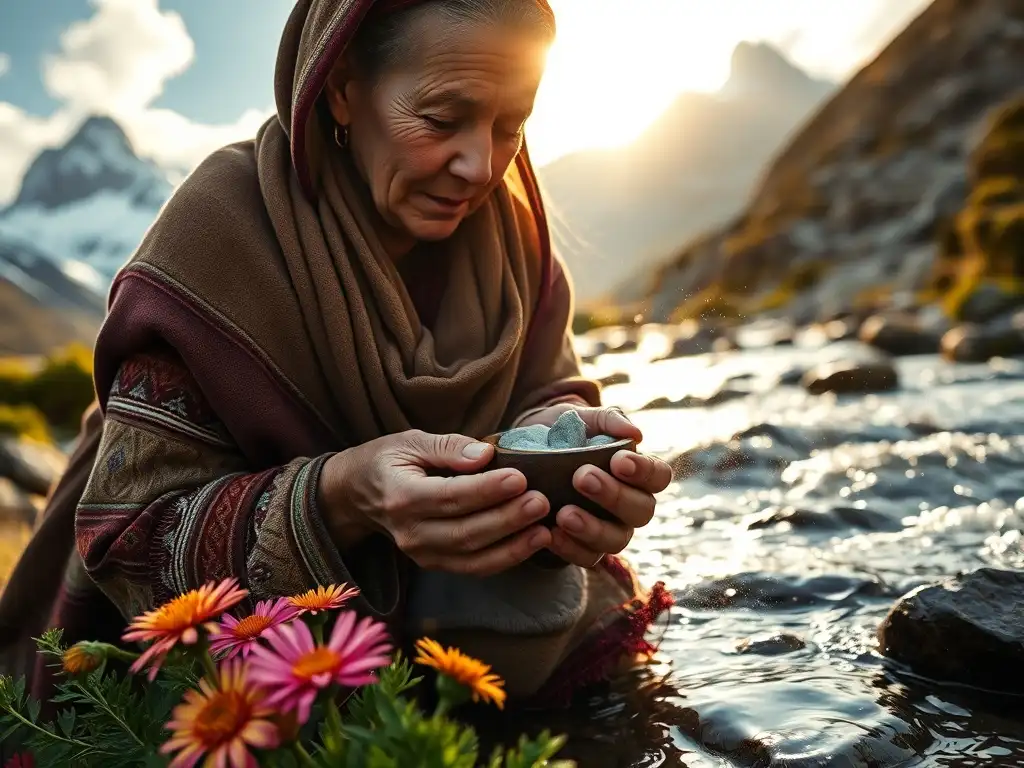
Andean cleansing rituals, a cornerstone of Andean spirituality, served multiple vital purposes across various cultures and time periods. These weren't merely hygienic practices; they were deeply spiritual acts aimed at restoring balance and harmony within the individual and their relationship with the cosmos. The intricate rituals involved a complex interplay of physical and spiritual cleansing, reflecting the Andean worldview that saw the body and soul as inextricably linked.
The effectiveness of these rituals depended heavily on the practitioner's understanding of Andean cosmology and their ability to connect with the spiritual forces at play. Failure to perform the rituals correctly could, according to Andean beliefs, lead to further imbalances and misfortune. The specific practices varied depending on the region and the specific needs of the individual, underscoring the nuanced nature of these spiritual practices.
Cleansing Negative Energies and Imbalances
A primary purpose of Andean cleansing rituals was to eliminate negative energies and restore balance. Andean cosmology recognized a delicate equilibrium between positive and negative forces, constantly vying for influence. Illness, misfortune, or feelings of unease were often attributed to an imbalance caused by the intrusion of negative energies – huacas or spirits – into an individual's aura or ayllu (community).
Rituals like limpia (cleansing) aimed to dispel these negative forces, restoring harmony and paving the way for well-being. This often involved the use of herbs, water, and other natural elements believed to possess purifying properties. The process was not merely symbolic; it was believed to physically remove the negative energy, thus restoring the individual's spiritual equilibrium.
Promoting Physical and Spiritual Health
Beyond the removal of negative energies, Andean cleansing rituals played a crucial role in promoting both physical and spiritual health. The holistic approach of Andean spirituality emphasized the interconnectedness of the physical and spiritual realms. Therefore, physical ailments were often viewed as manifestations of spiritual imbalances.
Cleansing rituals, by addressing these imbalances, directly contributed to improved physical health. This connection is reflected in the use of medicinal plants in many rituals, highlighting the close relationship between spiritual and physical well-being within the Andean worldview. The rituals were seen as a way to strengthen the body's resistance to illness and promote overall vitality.
Strengthening the Connection with the Andean Deities
Many Andean cleansing rituals served to strengthen the connection between individuals and the Andean deities. The act of purification was viewed as a way of preparing oneself for communion with the spiritual world. By cleansing the body and mind, individuals were believed to become more receptive to the divine, enabling a deeper connection with the apus (mountain spirits), the pachamama (Earth Mother), and other important deities. This strengthened relationship facilitated blessings, protection, and guidance in various aspects of life. The rituals often involved offerings and prayers, further reinforcing the individual's devotion and seeking divine favor.
Preparing for Important Life Transitions
Andean cleansing rituals were also frequently performed in preparation for significant life transitions, such as marriage, childbirth, or death. These transitions were seen as particularly vulnerable periods, where individuals were more susceptible to negative influences. Cleansing rituals served as a protective measure, ensuring a smooth and successful passage into the new phase of life.
For example, before a marriage, cleansing rituals might be performed to purify the couple and their families, ensuring a harmonious union. Similarly, after childbirth, cleansing rituals would be carried out to protect the mother and child from harm. These rituals were integral to the Andean understanding of life's cyclical nature and the importance of spiritual preparation for major milestones.
Contemporary Relevance of Andean Cleansing Practices
Despite the passage of centuries, Andean cleansing practices retain significant relevance in contemporary society, both within Andean communities and beyond. The enduring appeal of these rituals stems from their deep connection to nature, their focus on holistic well-being, and their ability to offer a sense of spiritual grounding in an increasingly complex world. The resurgence of interest in indigenous spiritual practices globally has also contributed to the growing recognition and appreciation of Andean cleansing traditions.
Andean Cleansing Rituals in Modern Andean Communities
In modern Andean communities, Andean cleansing rituals continue to be integral parts of daily life and significant events. They are often performed by yatiri (shamans) or other community elders who possess the knowledge and skills to conduct these sacred ceremonies. While the specific practices may vary depending on the region and community, the core principles of purification and spiritual balance remain central. The transmission of these traditions through generations ensures the continuity of these ancient practices, demonstrating their enduring importance to the cultural identity and spiritual well-being of Andean peoples.
Seeking Authentic Andean Spiritual Experiences
The growing interest in Andean cleansing rituals has led to a rise in individuals seeking authentic experiences. It's crucial, however, to approach these practices with respect and understanding. Participating in these rituals should be done with a genuine desire for spiritual growth and a commitment to respecting the cultural heritage they represent. It is important to seek out authentic practitioners who are knowledgeable about the traditions and committed to preserving their integrity. Approaching these practices with reverence and a willingness to learn will allow for a truly enriching and meaningful spiritual journey.
The Legacy of Andean Cleansing: A Timeless Tradition
Andean cleansing rituals, deeply rooted in the cosmovision of ancient Andean societies, represent a powerful legacy that continues to influence contemporary Andean culture. These practices weren't merely about physical cleanliness; they were—and remain—integral to maintaining harmony between the individual, the community, and the sacred forces of the Andes. The belief in a continuous interaction with the pachamama (Mother Earth) and the apus (mountain spirits) necessitated regular purification to remove negative energies and restore balance. This holistic approach to well-being encompassed spiritual, emotional, and physical dimensions, creating a profound connection with the natural world.
Evidence suggests that these practices were not limited to specific religious elites but were widely observed across different social strata, highlighting their importance in daily life. Ancient texts, archaeological findings, and oral traditions all contribute to our understanding of this enduring tradition, revealing its multifaceted nature and profound significance. The continuity of these practices across centuries speaks volumes about their enduring power and relevance.
Many contemporary Andean communities still actively incorporate these ancient cleansing rituals into their lives, demonstrating a resilient cultural inheritance. The passing down of these traditions through generations ensures the continuation of this vital aspect of Andean identity and spirituality. Understanding this historical context is crucial to appreciating the depth and complexity of modern Andean cleansing practices.
Conclusion: Embracing the Power of Andean Purification
The Andean ritual of cleansing, a vibrant tapestry woven from ancient beliefs and contemporary practices, offers a powerful pathway to physical and spiritual well-being. From the symbolic use of coca leaves to the intricate ceremonies involving water and herbs, each element contributes to a holistic purification process that transcends mere physical cleanliness. These rituals, deeply connected to the Andean cosmovision, emphasize the interconnectedness of all things—humanity, nature, and the spiritual realm.
By embracing these practices, we gain a deeper understanding of the Andean worldview and its enduring relevance in the modern world. The enduring legacy of Andean cleansing rituals serves as a testament to the enduring power of tradition and its capacity to foster harmony and balance in our lives. The continued practice of these rituals highlights the richness and depth of Andean culture and its ongoing influence on contemporary Andean societies.
Further research into specific regional variations and contemporary adaptations of these practices would provide a more comprehensive understanding of this fascinating aspect of Andean spirituality. The study of Andean cleansing rituals offers valuable insights into a holistic approach to well-being, encouraging a mindful connection with the natural world and a deeper appreciation for the intricate relationship between the physical and spiritual realms.
Frequently Asked Questions
What were Andean cleansing rituals primarily used for?
Andean cleansing rituals served a multifaceted purpose, aiming to purify both the body and soul. They were believed to remove negative energies, heal illnesses, and maintain harmony with the spiritual world.
What were some common elements used in Andean cleansing rituals?
Common elements included water, plants, and incense. Specific herbs and plants, like coca leaves or pacoca, were often used for their medicinal and spiritual properties.
Did different Andean cultures have unique cleansing rituals?
Yes, each culture, including the Inca, Moche, Nazca, and Tiahuanaco, had their own variations. While the core purpose of purification remained consistent, the specific practices and elements used differed significantly.
How were Andean cleansing rituals performed?
Rituals varied, but frequently involved bathing, sweating, and the use of sacred objects like chumpi belts. Specific prayers and offerings were also often a part of the cleansing process.
Where can I learn more about specific Andean cleansing rituals?
To delve deeper, research specific Andean cultures like the Inca or Moche and their respective traditions. Many academic resources and books explore the details of their unique cleansing practices.
Final Reflection: Echoes of the Andes, Whispers of the Soul
The ancient Andean practice of cleansing, far from being a relic of the past, offers a potent antidote to the stresses of modern life. Its emphasis on reconnecting with nature, honoring ancestral wisdom, and finding balance within oneself resonates deeply with a world increasingly seeking solace and meaning. The enduring power of these rituals lies in their ability to offer a pathway to both physical and spiritual well-being, a holistic approach desperately needed in our fragmented times.
The profound impact of these rituals extends beyond the individual, shaping cultural identity and offering a powerful lens through which to understand the enduring connection between humans and the natural world. These practices, passed down through generations, represent a living testament to the wisdom of indigenous communities and their deep understanding of the interconnectedness of all things. The earth is what we all have in common.
This simple truth, often overlooked in our modern, technology-driven world, is at the heart of Andean cleansing rituals, reminding us of our inherent dependence on and responsibility towards the planet.
Consider, then, the ways in which you can incorporate the spirit of Andean cleansing into your own life. It doesn't require a pilgrimage to the Andes; it begins with a mindful intention, a conscious effort to connect with nature, and a commitment to nurturing your physical and spiritual well-being. Perhaps it's a simple act of gratitude for the earth, a moment of quiet reflection amidst the chaos, or a deliberate practice of self-care. Embrace the echoes of the Andes, and let the whispers of your soul guide you towards a more balanced and fulfilling life.
Embrace the Andean Tradition of Cleansing Today!
Thank you for exploring the profound practice of cleansing within Andean cultures. You've taken a vital step toward understanding how these powerful rituals purify both body and soul. Now, let's put that knowledge into action!
- Participate in a local workshop or online course to experience a cleansing ritual firsthand. Feel the transformative power of this ancient practice for yourself.
- Share your experiences on social media and help spread awareness of the beauty and benefits of Andean traditions – your perspective can inspire others!
- Explore complementary practices, such as meditation or herbal remedies, in your community or online, to enhance your cleansing journey.
What cleansing practice will you integrate into your life this week, and how do you anticipate it enriching your well-being?