
Conquer the Heights: MustHave Gear for Trekking Through Andean Landscapes

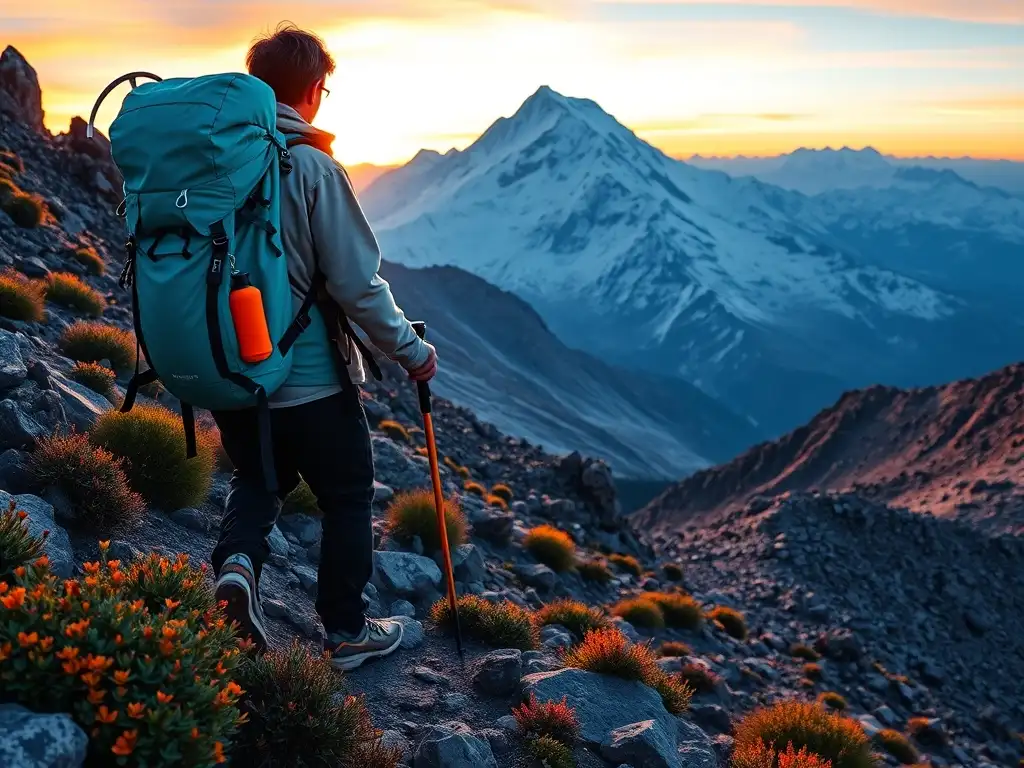
Step into a world lost in time, yet echoing through the mountains… Imagine yourself trekking across the breathtaking landscapes that once witnessed the rise and fall of the Incas, Moche, and Nazca. But before you embark on your own Andean adventure, discover the secrets to conquering these majestic heights. Our essential Andean trekking gear list will equip you for an unforgettable journey, ensuring you're prepared to explore the wonders of this ancient civilization. Read on to unveil the indispensable items that will make your expedition a resounding success.
Embarking on a trek through the breathtaking Andean landscapes is an unforgettable experience, but proper preparation is paramount. The Andes present unique challenges – from high altitudes and unpredictable weather to rugged terrains and diverse ecosystems. This guide serves as your ultimate checklist, ensuring you're equipped to conquer the heights safely and comfortably.
We'll delve into the essential gear required for a successful Andean trekking adventure, covering everything from robust footwear to crucial safety equipment. This comprehensive list will help you confidently assemble the perfect kit for your Andean expedition, allowing you to focus on the awe-inspiring beauty surrounding you. This article will help you conquer the heights and fully appreciate the incredible Andean experience, providing you with a detailed Andean trekking gear list to ensure a smooth and memorable journey.
Your Ultimate Guide to Assembling the Perfect Andean Trekking Gear List
Planning your Andean trek requires meticulous attention to detail. The unpredictable nature of the Andean weather, coupled with the varying altitudes and terrains, necessitates a well-thought-out packing strategy. This section breaks down the essential items, categorized for easier planning. Remember, pack light but smart – carrying unnecessary weight can significantly impact your enjoyment and safety. We'll cover the essentials for clothing, footwear, navigation, safety, and first aid, ensuring you're prepared for anything the Andes throws your way. Let's get started!
Clothing: Layering for Variable Conditions
Andean weather can change dramatically in a short period. Layering is key to regulating your body temperature effectively. You'll need:
- Base Layers: Moisture-wicking thermal underwear (both top and bottom) is crucial for keeping you warm and dry. Merino wool or synthetic materials are excellent choices.
- Mid Layers: Fleece jackets or lightweight down jackets provide insulation. Consider bringing a couple of options for varying temperatures.
- Outer Layers: A waterproof and windproof jacket is absolutely essential. Look for breathable materials to prevent overheating.
- Hiking Pants: Durable, quick-drying hiking pants are preferable to jeans. Consider convertible pants that can be zipped off into shorts for warmer conditions.
- Warm Hat & Gloves: Even during the day, temperatures can drop significantly, especially at higher altitudes.
- Sun Hat: Essential for protecting your face and neck from the intense sun.
Footwear: Choosing the Right Boots for Andean Trekking
Your footwear is arguably the most crucial piece of equipment. Invest in high-quality, well-broken-in hiking boots that provide ankle support and are waterproof. Consider these factors:
- Ankle Support: Essential for stability on uneven terrain.
- Waterproof & Breathable: Protects your feet from both water and sweat.
- Durability: Andean trails can be harsh, so durable boots are a must.
- Proper Fit: Get your boots professionally fitted to ensure a comfortable and supportive fit.
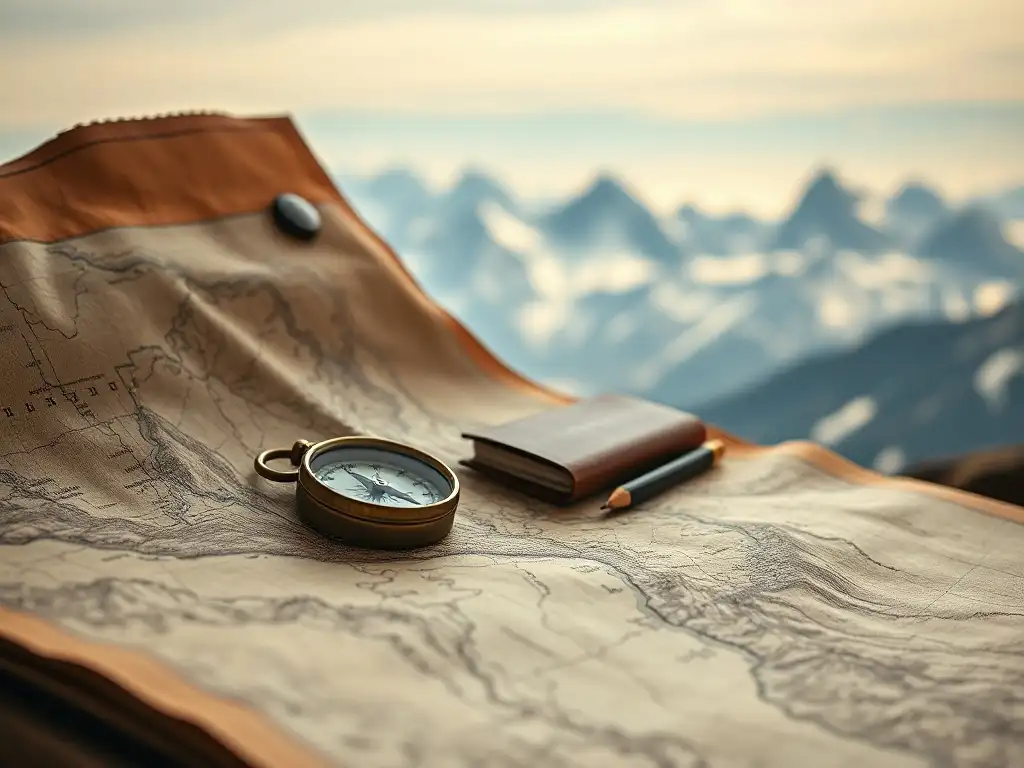
Accurate navigation is vital, especially in remote areas. Ensure you have:
- Detailed Maps: Obtain topographic maps of your trekking route.
- GPS Device: A handheld GPS device, or a GPS app on your smartphone, provides backup navigation.
- Compass: A reliable compass is essential for navigation in areas with poor GPS reception.
- Satellite Messenger: Consider a satellite messenger for emergency communication in areas without cell service. This is particularly important for solo treks or treks in remote areas. This could save your life.
Safety & First Aid: Preparing for the Unexpected
Accidents can happen, so preparedness is key. Pack a comprehensive first-aid kit including:
- Basic First-Aid Supplies: Bandages, antiseptic wipes, pain relievers, blister treatment.
- Altitude Sickness Medication: Consult your doctor about altitude sickness medication and pack accordingly.
- Headlamp or Flashlight: Essential for navigating in low-light conditions.
- Sunscreen & Lip Balm: High-altitude sun is intense, so protection is crucial.
- Pocket Knife or Multi-tool: Always useful for various tasks.
- Whistle: For signaling in emergencies.
Additional Essential Items: Completing Your Andean Trekking Gear List
This section covers a few more crucial items to round out your packing list:
- Backpack: A comfortable and durable backpack, appropriately sized for your trip, is essential.
- Trekking Poles: Highly recommended for stability and reducing strain on your knees and joints.
- Water Bottles or Hydration Reservoir: Staying hydrated is critical at high altitudes.
- Water Purification Tablets or Filter: Essential if you'll be refilling water from natural sources.
- Headlamp or Flashlight with extra batteries: Essential for navigating in low-light conditions.
- Insect Repellent: Depending on the season and location, insects can be a nuisance.
- Toiletries: Pack travel-sized essentials.
- Camera: To capture the stunning scenery!
This detailed Andean trekking gear list provides a solid foundation for planning your Andean adventure. Remember to adjust this list based on the specific requirements of your trek, including the duration, altitude, and weather conditions. Happy trekking!
- Your Ultimate Guide to Assembling the Perfect Andean Trekking Gear List
- Clothing: Layering for Variable Conditions
- Footwear: Choosing the Right Boots for Andean Trekking
- Navigation & Communication: Staying on Course and Connected
- Safety & First Aid: Preparing for the Unexpected
- Additional Essential Items: Completing Your Andean Trekking Gear List
Essential Layers for Andean Climate Trekking

The Andean region presents a diverse range of climates, even within short distances. Successful Andean trekking demands adaptability, and that starts with understanding and packing the right clothing layers. This section focuses on building a layered system to handle the unpredictable weather patterns, from scorching sun to freezing nights, common in this magnificent, yet challenging, landscape. Choosing the right Andean trekking gear list is crucial for a comfortable and safe journey. Remember, the goal isn't just to survive, but to thrive and fully appreciate the breathtaking Andean vistas.
Base Layers: The Foundation of Your Andean Trekking Apparel
Your base layers are the unsung heroes of your Andean trekking wardrobe. These garments sit closest to your skin and play a crucial role in wicking away moisture, keeping you dry and comfortable even during strenuous climbs. Opt for moisture-wicking fabrics like merino wool or synthetic materials (polyester or polypropylene) rather than cotton, which retains moisture and can lead to chills. The best Andean trekking gear list will prioritize base layers that regulate body temperature effectively.
Consider packing at least two sets of base layers: a long-sleeved shirt and long underwear for colder days and nights, and a shorter-sleeved shirt and lighter underwear for warmer periods. Look for seamless constructions to minimize chafing, a common issue during extended trekking. The fit should be snug but not restrictive, allowing for a full range of motion.
Remember that proper ventilation is key; don't choose base layers that are overly tight. Choosing the right base layer material directly impacts your comfort and overall trekking experience. Prioritizing quality in your base layers is an investment in your enjoyment of the Andean landscape.
Mid-Layers: Insulation for Varying Andean Temperatures
Mid-layers provide an extra layer of insulation, trapping your body heat and protecting you from the fluctuating Andean temperatures. A fleece jacket is a popular choice, offering excellent warmth-to-weight ratio and breathability. Alternatively, a lightweight down jacket provides superior insulation, especially at higher altitudes where temperatures plummet. However, down loses its insulating properties when wet, so consider a synthetic alternative if you anticipate significant precipitation.
A versatile mid-layer system should include at least one fleece jacket and possibly a down or synthetic insulated jacket. These layers should be easily added or removed as needed to regulate your body temperature. The Andean climate changes rapidly, and having the ability to adjust your insulation is critical for maintaining comfort and avoiding hypothermia. Think of your mid-layers as your adaptable shield against the Andean weather's whims. It's a key component of any effective Andean trekking gear list. Consider factors like packability and compressibility when choosing your mid-layers.
Outer Layers: Protection Against Andean Elements
Your outer layer serves as your primary defense against the elements. This layer should be waterproof, windproof, and breathable to protect you from rain, snow, and strong winds. A durable, lightweight hardshell jacket is essential for Andean trekking. Look for jackets with features like a hood, pit zips for ventilation, and adjustable cuffs and hem for a secure fit. The quality of your outer layer directly affects your comfort and safety during challenging weather conditions.
While a waterproof jacket is crucial, don't underestimate the importance of waterproof trousers. These will protect you from wet conditions, especially during periods of rain or snow. Andean weather can be unpredictable, and having both a waterproof jacket and trousers will ensure you stay dry and comfortable, regardless of the conditions. Investing in high-quality, durable outerwear is a wise decision for any Andean trekking adventure. It's an essential component to any well-prepared Andean trekking gear list. Remember to consider the breathability of your outer layer to prevent overheating and sweating.
Footwear: Crucial for Andean Terrain
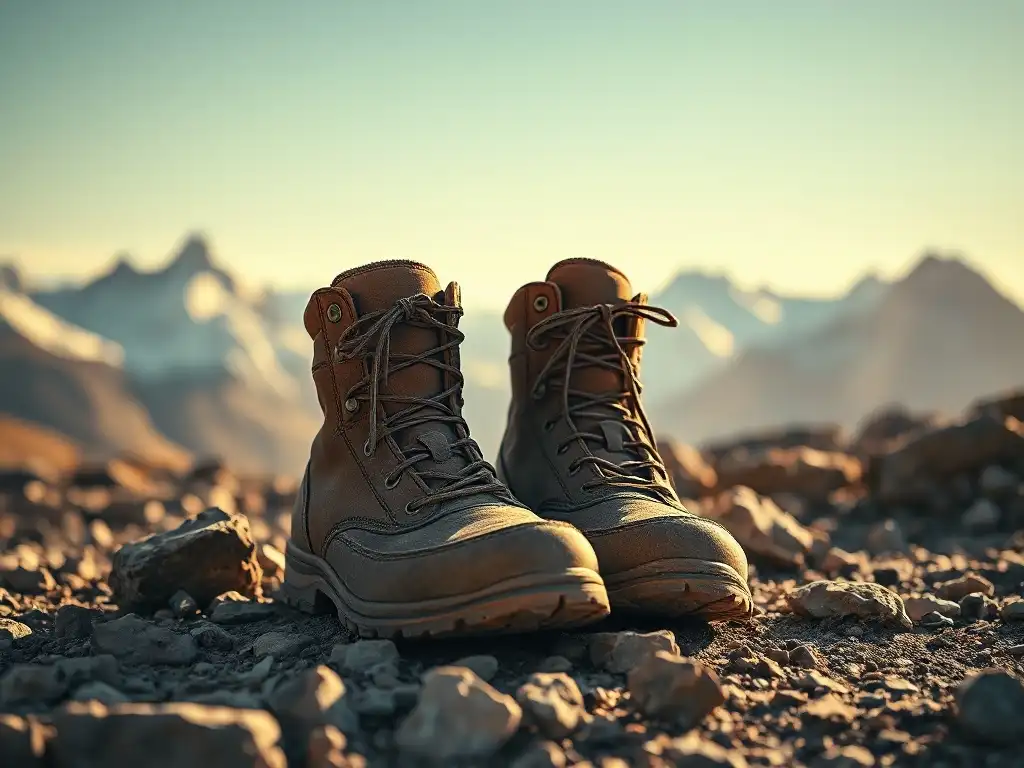
Choosing the right footwear is paramount for a successful and comfortable Andean trekking experience. The varied terrain, ranging from high-altitude trails to potentially muddy or rocky paths, demands sturdy and reliable footwear. Ignoring this crucial aspect of your preparation can lead to blisters, injuries, and ultimately, a ruined trip. This section focuses on selecting the perfect boots and socks to keep your feet happy and healthy throughout your Andean adventure. This is a key part of your Andean trekking gear list.
Selecting the Right Trekking Boots for the Andes
Your trekking boots are your most important piece of equipment. They need to provide ankle support, protection from the elements, and comfort over long distances. Consider these key factors when making your selection:
- Ankle Support: High-cut boots offering excellent ankle support are essential, especially on uneven terrain. Look for boots with stiff midsoles and supportive shanks to prevent sprains and fatigue. The Andes present unpredictable surfaces; robust ankle support is non-negotiable.
- Waterproofness & Breathability: The Andes can experience fluctuating weather conditions. Waterproof boots will protect your feet from unexpected rain or snow, while breathable materials will prevent sweat buildup and blisters. Gore-Tex lining is a popular and reliable option for achieving both.
- Sole & Tread: A durable, aggressive tread is critical for maintaining grip on varied surfaces, including loose scree, mud, and rocky trails. Vibram soles are known for their excellent traction and durability – a valuable asset when tackling challenging Andean ascents and descents.
- Fit: Proper fit is crucial. Boots should be snug but not constricting, allowing for a slight wiggle room for your toes, especially when wearing thick trekking socks. Try boots on later in the day when your feet might be slightly swollen. Consider purchasing boots slightly larger to accommodate thicker socks in colder climates.
- Break-in Period: Always break in your boots before your trek. Wearing them around the house for short periods will prevent blisters and discomfort during your actual trek. This is often overlooked, but a crucial step in your Andean trekking gear list preparation.
Trekking Socks: Protecting Your Feet
While boots provide the primary protection, trekking socks are equally important in preventing blisters and keeping your feet dry and comfortable. The right socks can significantly impact your overall trekking experience. Here's what to consider:
- Material: Merino wool or synthetic blends like polyester and nylon are ideal for wicking away moisture and keeping your feet dry. Avoid cotton socks, as they absorb moisture and can lead to blisters.
- Thickness: The thickness of your socks will depend on the temperature and the length of your trek. Thicker socks provide more cushioning and warmth in colder conditions, while thinner socks are suitable for warmer weather.
- Height: Crew or mid-calf socks are generally recommended for trekking, offering better support and protection from debris.
- Seams: Look for socks with flat or minimal seams to reduce friction and prevent chafing.
- Multiple Pairs: Pack multiple pairs of socks to change throughout the day. This will help keep your feet dry and prevent the buildup of moisture. This is a often-forgotten but crucial element of your Andean trekking gear list.
Remember, meticulous planning and the right gear are essential for a safe and enjoyable Andean trekking experience. A well-considered footwear strategy, encompassing both boots and socks, forms the foundation of your preparation. Don't underestimate the importance of this crucial part of your Andean trekking gear list.
Backpacks and Carrying Solutions for Andean Treks
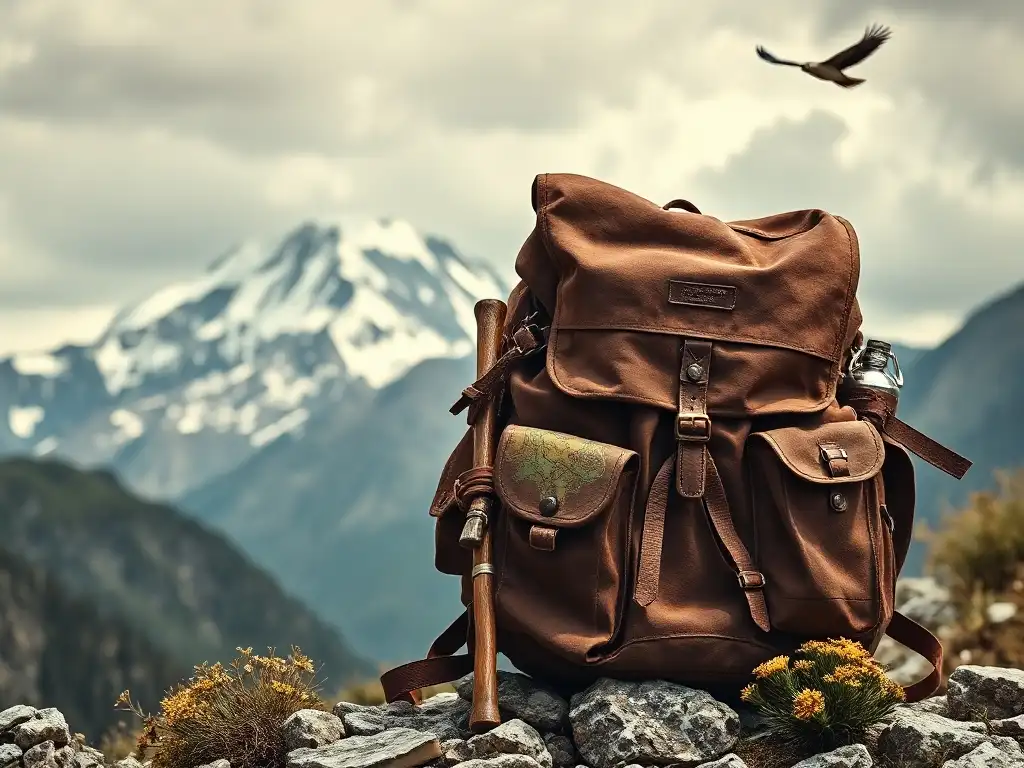
This section focuses on selecting the optimal backpack for your Andean trekking expedition. The right backpack is crucial for a comfortable and successful journey through the diverse and challenging Andean landscapes. Choosing poorly can lead to discomfort, injury, and even jeopardize your trip. This guide will help you navigate the options and select the perfect pack for your needs.
Choosing the Right Backpack for Your Andean Adventure
The ideal backpack for Andean trekking depends heavily on the length and intensity of your trip. For shorter treks (2-3 days), a 50-65 liter backpack might suffice. However, for longer, more challenging expeditions, a larger pack (65-85 liters) is recommended to accommodate all your necessary gear, including extra layers of clothing crucial for unpredictable Andean weather.
Consider these factors when making your decision:
- Capacity: As mentioned, capacity directly relates to trip length. Overpacking is a common mistake, leading to unnecessary weight and strain. Carefully plan your itinerary and pack only essential items.
- Weight: A lightweight backpack is paramount, especially when carrying heavy loads over challenging terrain. Look for backpacks made from durable yet lightweight materials like ripstop nylon or high-tenacity polyester. The weight of the empty pack itself should be a key consideration.
- Fit: A properly fitting backpack is crucial for comfort and preventing injury. Adjustability is key; look for features like adjustable torso length, hip belts, and sternum straps to ensure a snug and secure fit. Visiting a store to try on backpacks before purchasing is highly recommended.
- Features: Consider essential features like:
- Multiple compartments for organization
- Rain cover for protection against unpredictable weather
- Durable zippers and buckles
- Trekking pole attachments
- Hydration bladder compatibility
Understanding Load Distribution and Weight Management in the Andes
Efficient weight distribution is paramount for comfortable Andean trekking. Improperly distributed weight can lead to back pain, shoulder strain, and other injuries. The hip belt should bear the majority of the weight, with the shoulder straps providing additional support. Properly adjusting the straps and hip belt is essential for maximizing comfort and minimizing strain.
Consider these strategies:
- Pack heavy items close to your back: This keeps the center of gravity close to your body, improving balance and stability.
- Distribute weight evenly: Avoid overloading one side of the pack.
- Use compression straps: These straps help secure and compress your gear, preventing shifting and improving stability.
- Regularly check your pack: Throughout the trek, periodically check your pack's weight distribution to ensure even load bearing and adjust as needed. This is especially important after significant changes in terrain or weather.
Alternative Carrying Solutions for Specific Andean Treks
While backpacks are the primary carrying solution for Andean treks, alternative options might be suitable for specific situations. For shorter day hikes, a smaller daypack (20-30 liters) might suffice. For very short excursions, even a fanny pack or hydration vest could be appropriate. However, these alternatives are generally not recommended for multi-day treks due to limited capacity and often inadequate support.
Remember, proper planning and gear selection significantly impact the enjoyment and safety of your Andean trekking experience. Choosing the right backpack is just one piece of the puzzle. Careful consideration of other gear, physical preparation, and awareness of the Andean environment are all essential for a successful and memorable adventure. Don't underestimate the importance of a well-fitted, appropriately sized backpack for carrying the essential supplies necessary to conquer the heights of the Andes.
Essential Trekking Accessories for the Andes
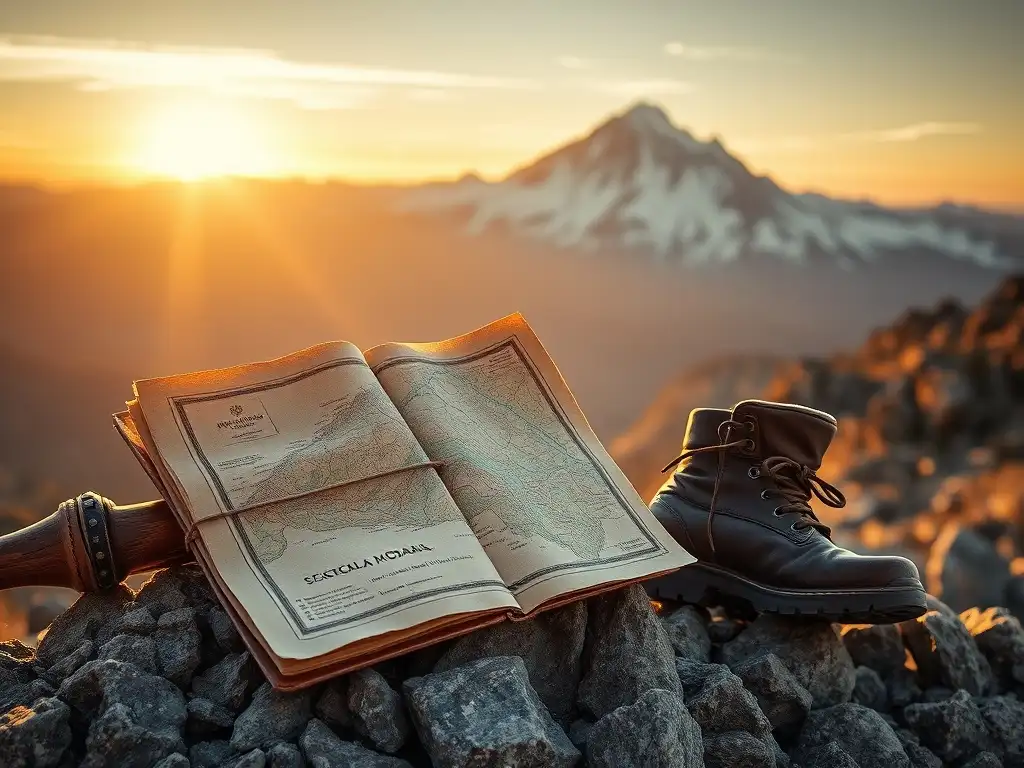
This section details crucial accessories beyond the basic trekking essentials, significantly enhancing your Andean adventure's safety, comfort, and enjoyment. Remember, proper preparation is key to conquering the heights and experiencing the breathtaking beauty of the Andes safely. This Andean trekking gear list focuses on items often overlooked but vital for a successful trek.
Navigating the Andes requires more than just a map; it demands preparedness for unexpected situations. Altitude sickness can rapidly impair judgment, emphasizing the importance of reliable navigation and safety equipment. A high-quality GPS device, pre-loaded with detailed trail maps, is paramount. Consider a device with offline mapping capabilities, crucial in areas with limited or no cell service. Many treks traverse remote areas, making a satellite messenger or personal locator beacon (PLB) a wise investment.
These devices allow you to send emergency messages even without cellular connectivity, providing a critical safety net in case of accidents or emergencies. Always carry a well-stocked first-aid kit specifically tailored for high-altitude trekking, including items for altitude sickness, blisters, and minor injuries. A whistle is also a valuable tool for signaling for help in emergencies. Don't forget a headlamp or flashlight with extra batteries; unexpected delays can easily occur at high altitudes.
Beyond technological aids, understanding basic navigation techniques is essential. Learn to use a compass and map effectively, and practice before your trip. Familiarize yourself with potential hazards, including weather patterns and terrain challenges unique to the Andean region. Packing a lightweight survival blanket provides an extra layer of warmth in case of unexpected delays or emergencies. This is especially crucial during colder months or at higher altitudes where temperatures can drop rapidly. Finally, always inform someone of your itinerary and expected return time.
Sun Protection and Hydration
The intense Andean sun is a serious concern at high altitudes, where the thinner atmosphere offers less protection. High-SPF sunscreen, rated at 50 or higher, is absolutely essential, and should be applied liberally and frequently. Don't forget lip balm with SPF protection to prevent sunburned and chapped lips. Sunglasses with UV protection are also crucial to safeguard your eyes from the harsh glare reflected off snow and ice. A wide-brimmed hat provides additional shade for your face and neck, further minimizing sun exposure.
Staying adequately hydrated is paramount in the arid Andean climate and at higher altitudes, where your body loses fluids more quickly. Carry a large-capacity water bottle or hydration reservoir, and consider a water filter or purification tablets to replenish your supply from natural water sources. Electrolyte tablets or powders can help replace essential minerals lost through sweat. Dehydration can exacerbate altitude sickness, so prioritizing hydration is critical for a safe and enjoyable trek. Remember to drink water proactively throughout the day, even if you don't feel thirsty. The signs of dehydration can be subtle at higher altitudes.
Trekking Poles for Stability and Support
Trekking poles are often underestimated, but their benefits in the Andes are immense. The uneven and sometimes treacherous terrain, combined with altitude, makes stability crucial. Trekking poles provide excellent support, reducing strain on your knees and ankles, particularly on steep ascents and descents. They offer increased balance and stability, particularly on loose scree or icy patches. This is especially important at higher altitudes where the air is thinner and fatigue sets in more easily. Choosing lightweight, adjustable poles made from strong, durable materials is recommended. The adjustable feature allows you to adapt pole length to varying terrain and personal preferences. Proper pole technique can significantly reduce fatigue and improve overall trekking efficiency. Consider poles with comfortable grips and wrist straps to ensure a secure and comfortable hold throughout your trek. Invest in quality poles; they are a worthwhile investment that will enhance your safety and comfort throughout your Andean adventure.
Final Recommendations for Your Andean Trekking Gear List
This section synthesizes the essential information discussed previously, providing a final checklist to ensure you're fully prepared for your Andean trekking adventure. Remember, the best gear list is personalized to your specific trip, duration, and physical capabilities. This list serves as a strong foundation, adaptable to your unique needs. Always prioritize quality over quantity when selecting your Andean trekking gear.
Putting It All Together: A Checklist for Andean Trekking
This checklist organizes the previously discussed gear into manageable categories. Tick off each item as you pack, ensuring nothing crucial is left behind. Remember to account for potential changes in weather conditions at higher altitudes.
| Category | Item | Notes | Checked? |
|---|---|---|---|
| Clothing | Moisture-wicking base layers | Merino wool or synthetic fabrics are ideal. Pack at least two sets. | ☐ |
| Insulating mid-layers | Fleece jacket or down vest for warmth. | ☐ | |
| Waterproof and windproof outer layer | Jacket and pants crucial for unpredictable Andean weather. | ☐ | |
| Hiking pants | Durable and comfortable, ideally quick-drying. | ☐ | |
| Hiking socks (multiple pairs) | Wool or synthetic blends to prevent blisters. | ☐ | |
| Warm hat | Essential for high-altitude cold. | ☐ | |
| Gloves | Consider liner gloves and waterproof outer gloves. | ☐ | |
| Sun hat | Wide-brimmed for sun protection. | ☐ | |
| Sunglasses | UV protection is vital at high altitudes. | ☐ | |
| Footwear | Sturdy hiking boots | Broken-in boots are crucial for comfort and support. | ☐ |
| Camp shoes | Lightweight footwear for camp. | ☐ | |
| Backpack | Appropriately sized backpack | Consider volume based on trip length. | ☐ |
| Sleeping System | Sleeping bag | Rated for expected temperatures. | ☐ |
| Sleeping pad | For insulation and comfort. | ☐ | |
| Navigation | Map | Detailed topographic map of your trekking route. | ☐ |
| Compass | Essential backup navigation tool. | ☐ | |
| GPS device or smartphone with GPS | For precise location tracking. | ☐ | |
| Cooking & Water | Water filter or purification tablets | Essential for safe drinking water. | ☐ |
| Water bottles or hydration reservoir | Carry sufficient water capacity. | ☐ | |
| Stove and fuel | If cooking your own meals. | ☐ | |
| Cooking pot and utensils | If cooking your own meals. | ☐ | |
| Food supplies | Plan meals carefully considering caloric needs and altitude. | ☐ | |
| First-Aid & Safety | Comprehensive first-aid kit | Include blister treatment, pain relievers, altitude sickness medication, etc. | ☐ |
| Headlamp or flashlight | With extra batteries. | ☐ | |
| Sunscreen | High SPF for protection from intense sun. | ☐ | |
| Lip balm with SPF | Protect your lips from sun and wind. | ☐ | |
| Trekking poles | Optional but recommended for stability and reducing strain on knees. | ☐ | |
| Whistle | For signaling in emergencies. | ☐ | |
| Personal locator beacon (PLB) | For emergency communication in remote areas – consider carefully. | ☐ |
This detailed checklist will help you confidently pack for your Andean trekking adventure. Remember to always check the weather forecast before you leave and adjust your packing list accordingly. Enjoy your trek! 🏔️
Frequently Asked Questions
What is the best type of footwear for Andean trekking?
Trekking in the Andes requires robust and waterproof boots with good ankle support. Consider boots with Vibram soles for superior grip on varied terrain. Break them in well before your trip!
What clothing is essential for Andean trekking?
Pack layers of clothing to adapt to changing weather conditions. Essentials include moisture-wicking base layers, insulating mid-layers (fleece or down), and a waterproof and windproof outer shell. Don't forget a warm hat and gloves.
What about a backpack? What size should I get?
The ideal backpack size depends on trip length, but a 50-70 liter pack is generally suitable for multi-day treks in the Andes. Ensure it's comfortable and well-fitted to avoid back pain.
What other essential gear do I need for Andean trekking?
Besides clothing and footwear, pack high-quality trekking poles, a reliable head lamp, sunscreen, sunglasses, a first-aid kit, sufficient water bottles or hydration reservoir, and a map and compass/GPS.
Are there any specific considerations for altitude sickness when packing?
Acclimatization is key! Pack medication for altitude sickness, such as Diamox, and ascend gradually. Staying hydrated is crucial, and coca tea can help. Listen to your body and descend if needed.
Final Reflection: Conquering the Heights, Embracing the Journey
The breathtaking landscapes of the Andes demand respect, and proper preparation is the key to a safe and fulfilling trek. A well-equipped journey isn't just about reaching the summit; it's about savoring every step, every vista, every moment of connection with the majestic mountains. This article has highlighted the essential gear needed to navigate these incredible environments, ensuring your safety and maximizing your enjoyment.
The impact of responsible and prepared exploration on the Andean region is profound. It's not just about personal safety; it's about minimizing our environmental impact and respecting the rich cultural heritage of the communities that call these mountains home. As we venture into these sacred spaces, we carry a responsibility to tread lightly and appreciate the delicate balance of nature. The mountains are calling and I must go.
- John Muir. This sentiment, while romantic, underscores the importance of respecting the call of the wild while acknowledging the need for preparation and mindful travel.
Now, consider your own adventures. What heights do you aspire to conquer, both literally and metaphorically? This article serves as a guide not only for Andean treks but also as a metaphor for navigating life's challenges. Take the time to equip yourself, both physically and mentally, for the journeys ahead. Embrace the preparation, appreciate the journey, and remember that the most rewarding ascents are often those where we've carefully considered every step along the way. Let the spirit of the Andes inspire you to reach for your own summits.
Embrace the Adventure: Gear Up and Go!
Thank you for reading our article on conquering the heights of the Andes! We hope you feel inspired and ready to plan your trekking journey. Now, let's turn that inspiration into an unforgettable experience.
- Find the right gear: Visit your local outdoor gear shops to find equipment suitable for trekking in the Andes. If you're unsure where to begin, ask the staff for recommendations specific to the region's conditions.
- Connect with fellow adventurers: Join online trekking communities to share your experiences and learn from others who have trekked the Andes. Many helpful groups and forums exist on platforms like Reddit.
- Plan your trek: Choose a date and route! Whether you're planning a short day hike or a longer multi-day expedition, carefully plan your itinerary and set realistic goals for conquering these majestic mountains.
What aspects of trekking in the Andes excite you the most, and how are you preparing for the challenges ahead? Share your thoughts in the comments below!