
Safety First: Essential Security Tips for Exploring the Andes

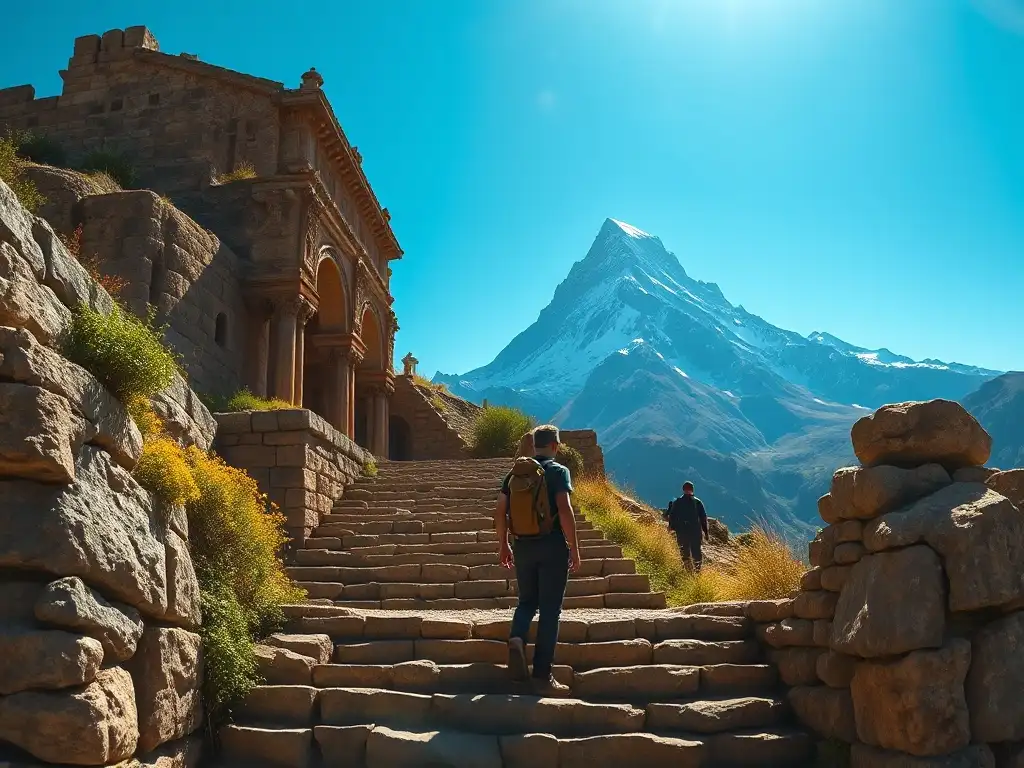
Uncover the mysteries of the Andes, a land steeped in the legacies of the Incas, Moche, and other remarkable civilizations. But before you embark on your own adventure through these breathtaking landscapes, consider this: are you prepared for the challenges of exploring ancient sites? This crucial guide on Andean archaeological site safety will equip you with the essential knowledge to ensure a safe and respectful journey, allowing you to fully appreciate the wonders that await. Discover how to protect both yourself and these invaluable historical treasures. Let's explore!
Exploring the majestic Andes Mountains offers an unparalleled journey through time, allowing visitors to witness the incredible legacy of ancient Andean civilizations like the Incas, Moche, Nazca, and Tiahuanaco. From breathtaking mountain vistas to awe-inspiring archaeological sites, the region is a treasure trove of history and culture. However, the beauty of the Andes also presents unique challenges, particularly concerning safety. This article provides essential security tips for exploring Andean archaeological sites, helping you navigate these incredible locations responsibly and confidently, ensuring a memorable and safe experience.
We will delve into common risks, practical solutions, and best practices to ensure your Andean adventure prioritizes "Andean archaeological site safety." This guide is crucial for anyone planning to explore the rich history and breathtaking landscapes of the Andes. Remember, respecting the sites and prioritizing your safety are paramount to ensuring a rewarding experience for both yourself and future generations.
Understanding the Challenges: Safety Concerns at Andean Archaeological Sites
The high altitude, remote locations, and sometimes unstable terrain of Andean archaeological sites present unique safety concerns. These sites, often located in precarious positions on mountain slopes or within expansive, sparsely populated areas, require careful planning and preparation. Many sites are exposed to the elements, with unpredictable weather changes posing a significant risk. Additionally, the delicate nature of these ancient ruins necessitates responsible behavior to prevent accidental damage or theft.
Beyond environmental challenges, there's also the potential for petty theft, particularly in crowded areas or near popular tourist attractions. Understanding these challenges is the first step towards ensuring a safe and respectful visit. The combination of environmental factors and potential human-related risks underscores the need for thorough preparation and adherence to safety guidelines. Ignoring these factors could lead to unexpected incidents, compromising both your safety and the preservation of these invaluable historical sites.
Common Risks at Archaeological Sites in the Andes
Several common risks threaten the safety of visitors to Andean archaeological sites. These include:
- Altitude Sickness: The high altitude of many sites can induce altitude sickness, characterized by symptoms ranging from headaches and nausea to more severe conditions. Proper acclimatization is crucial.
- Weather Changes: Sudden and extreme weather changes, including intense sun, rain, hail, and even snow, are common in the Andes. Being prepared for all conditions is essential.
- Terrain Hazards: Uneven terrain, steep slopes, and potential rockfalls pose significant risks, especially for those not adequately prepared with appropriate footwear and awareness.
- Wildlife Encounters: While generally not aggressive, encounters with local wildlife, such as llamas or snakes, require caution and respect for their natural habitat.
- Theft and Petty Crime: In some areas, petty theft can be a concern, particularly near popular tourist sites. Keeping valuables secure is crucial.
- Getting Lost: The vastness and sometimes confusing layouts of some sites increase the risk of getting lost, especially without proper guidance or a map.
Understanding these risks allows for proactive planning and mitigation, greatly enhancing your overall safety and enjoyment of the experience. Remember, a little preparation goes a long way in mitigating these risks.
Solutions: Essential Safety Measures for Andean Archaeological Site Safety
Prioritizing "Andean archaeological site safety" requires a multi-faceted approach. Here are some essential safety measures:
- Physical Preparation: Ensure you are physically fit for the altitude and terrain. Acclimatize gradually to avoid altitude sickness. Pack appropriate clothing and footwear for varying weather conditions.
- Informative Planning: Research your chosen site thoroughly. Understand the terrain, potential risks, and any specific safety guidelines provided by local authorities.
- Appropriate Gear: Carry essentials such as sunscreen, a hat, sunglasses, rain gear, a first-aid kit, plenty of water, and high-energy snacks. A good quality map and compass or GPS device are also recommended.
- Responsible Behavior: Respect the fragility of the archaeological sites. Stay on marked trails, avoid touching or damaging artifacts, and dispose of waste responsibly. Always follow the instructions of site guides and staff.
- Group Travel: Consider traveling with a group or hiring a local guide, especially in remote areas. A guide can provide valuable local knowledge and assistance in case of emergencies.
- Emergency Preparedness: Inform someone of your itinerary and expected return time. Carry a fully charged mobile phone (though service may be limited) and a whistle for signaling in case of emergencies.
By following these safety measures, you can significantly reduce risks and ensure a safe and rewarding exploration of the incredible Andean archaeological sites. Remember, responsible exploration is key to preserving these invaluable historical treasures for future generations.
Specific Site Safety: Examples and Recommendations
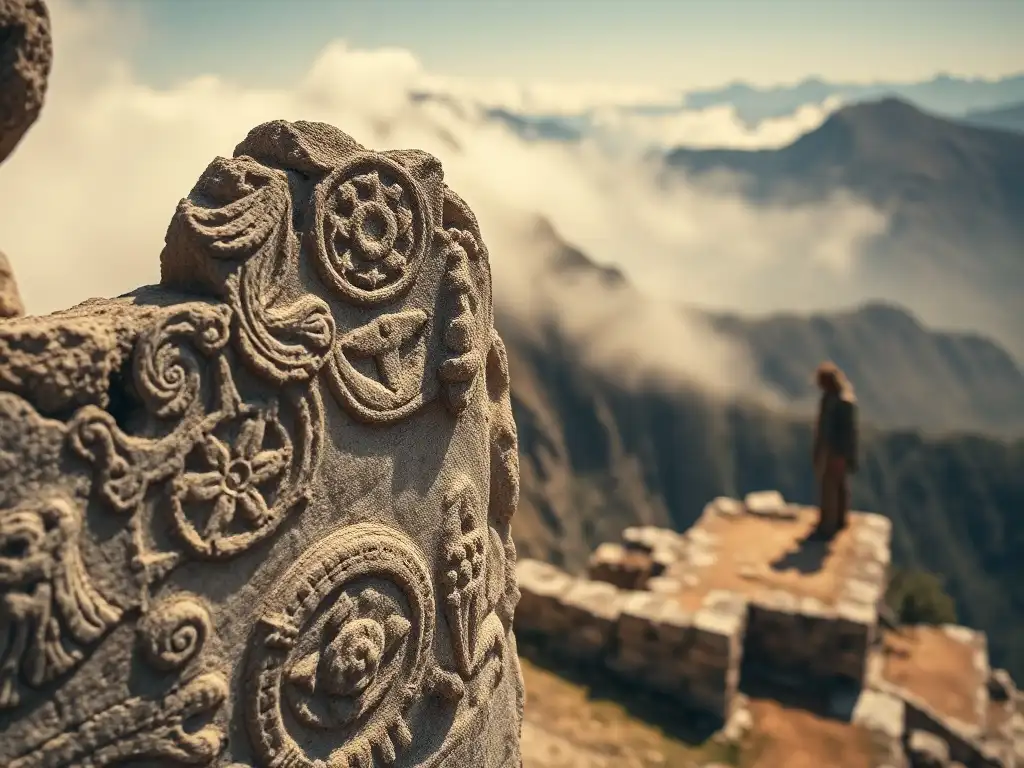
Exploring Andean archaeological sites presents unique safety challenges. Understanding these challenges and implementing preventative measures is crucial for a safe and rewarding experience. Let's look at some specific examples and recommendations:
The Machu Picchu site, incredibly popular, necessitates pre-booking tickets and guided tours to manage crowds and ensure your safety. Steep inclines and uneven terrain require appropriate footwear and a cautious pace. Altitude sickness is a real concern; acclimatization in Cusco before visiting is highly recommended. Staying on marked trails and respecting restricted areas is paramount to preserving the site and preventing accidents. Furthermore, be mindful of your belongings; petty theft can occur in crowded areas.
At Nazca Lines, the vast desert landscape presents its own set of dangers. Extreme heat requires ample water, sunscreen with a high SPF, and light-colored clothing. The fragility of the lines necessitates adhering strictly to designated viewing points and avoiding unauthorized access to protect this unique heritage. Hiring a reputable tour operator ensures adherence to safety protocols and responsible tourism practices. Remember to bring a hat and sunglasses to protect yourself from the intense sun.
The high-altitude sites like Tiahuanaco demand extra caution. The thin air can exacerbate altitude sickness, so taking it easy on arrival and staying hydrated are essential. The ancient stones and structures may be uneven and potentially hazardous, requiring careful footing. The remote location may mean limited access to medical assistance, so carrying a basic first-aid kit is advisable. Always inform someone of your travel plans, and consider traveling with a group for added safety.
Finally, many sites experience fluctuating weather conditions. Always check the forecast before you go and be prepared for sudden changes in temperature and potential rainfall. Packing layers of clothing is crucial for adapting to these variations. Remember, proper planning and preparation are key to mitigating risks and ensuring a safe and memorable exploration of these incredible sites. Always prioritize your well-being and respect the fragile environment.
Conclusion: Prioritizing Your Safety for an Enriching Andean Experience
Exploring the Andes offers unparalleled opportunities to connect with ancient civilizations and breathtaking landscapes. However, the unique challenges of these environments demand a proactive approach to safety. By carefully planning your trip, selecting reputable tour operators, and adhering to responsible tourism practices, you can significantly reduce risks and ensure a rewarding experience. Remember, prioritizing your safety doesn't detract from the adventure; it enhances it, allowing you to fully appreciate the rich history and beauty of the Andes.
Enjoy the journey, but always remember to put safety first – a well-planned trip is a safe trip, and a safe trip is a memorable trip. Embrace the adventure responsibly and return home with incredible stories and lasting memories of your Andean exploration. ⛰️
- Understanding the Challenges: Safety Concerns at Andean Archaeological Sites
- Common Risks at Archaeological Sites in the Andes
- Solutions: Essential Safety Measures for Andean Archaeological Site Safety
- Specific Site Safety: Examples and Recommendations
- Conclusion: Prioritizing Your Safety for an Enriching Andean Experience
- What safety precautions should I take when visiting Andean archaeological sites?
- Are there dangers from wildlife at Andean archaeological sites?
- What should I do if I find an artifact at an Andean archaeological site?
- What is the best way to protect myself from altitude sickness when exploring Andean sites?
- How can I contribute to the preservation of Andean archaeological sites?
Frequently Asked Questions
What safety precautions should I take when visiting Andean archaeological sites?
Always stay on marked trails to avoid damaging fragile sites. Be aware of your surroundings and respect local regulations. Carry sufficient water and inform someone of your plans.
Are there dangers from wildlife at Andean archaeological sites?
While encounters are rare, be aware of potential dangers from animals like snakes and mountain lions. Stick to well-traveled paths and avoid venturing off alone. Listen to your guide's advice.
What should I do if I find an artifact at an Andean archaeological site?
Do not touch or remove any artifacts. Report your finding to a park ranger or site authority immediately. Removing artifacts is illegal and damages the historical record.
What is the best way to protect myself from altitude sickness when exploring Andean sites?
Acclimatize gradually to the altitude by spending time at lower elevations before visiting high-altitude sites. Drink plenty of water, avoid alcohol and strenuous activity initially, and consider altitude sickness medication.
How can I contribute to the preservation of Andean archaeological sites?
Support responsible tourism by using licensed guides, respecting site rules, and avoiding activities that could damage the environment or artifacts. Consider donating to organizations dedicated to Andean site preservation.
Final Reflection: Echoes of the Past, Guardians of the Future
The Andes, a breathtaking tapestry of history and natural wonder, beckon adventurers from across the globe. However, this allure must be tempered with a profound respect for the environment and a commitment to personal safety. Ignoring the risks inherent in exploring these ancient sites can lead to irreversible damage, both to the fragile ecosystems and to the explorers themselves. This article has highlighted the crucial need for preparedness and responsible exploration, emphasizing the delicate balance between discovery and preservation.
The impact of irresponsible tourism on Andean archaeological sites is undeniable, leaving a lasting scar on both the physical landscape and the cultural heritage of the region. The echoes of past carelessness resonate in the damaged ruins and polluted trails. The past is never dead. It's not even past.
– William Faulkner. This quote rings true for the Andes; the past continues to shape the present, and our actions today will determine the future of these invaluable sites. We must learn from past mistakes and actively contribute to their preservation, ensuring future generations can experience the awe-inspiring beauty and rich history of the Andes.
You, the reader, now hold the key to responsible exploration. Consider the information presented within this article – not just as guidelines, but as a pledge. A pledge to tread lightly, to respect the sanctity of these ancient places, and to prioritize safety above all else. Embrace the adventure, but do so with mindful awareness, leaving only footprints and taking only memories. Let your journey through the Andes be a testament to the power of responsible exploration, ensuring that the echoes of the past continue to inspire and enrich us for generations to come.
Embrace Adventure: Equip Yourself for Safe Exploring!
Thank you for joining us as we explored essential safety tips for Andean adventures. You've gained valuable insights to confidently and securely explore this breathtaking region. Now, let's put that knowledge into action.
Here are some immediate steps to ensure your safety while exploring the Andes:
- Create a Personalized Safety Plan: Before you go, outline key safety measures specific to your itinerary. This includes emergency contact information, the locations of nearby medical facilities, and details of important checkpoints along your route.
- Connect with Local Experts: Reach out to local guides or join online forums dedicated to the Andes. They often possess invaluable, insider knowledge about potential hazards and hidden dangers you won't find in typical guidebooks.
- Share Your Safety Knowledge: Spread the word! Discuss what you've learned with fellow travelers or share your insights on social media. Inspire others to prioritize safety during their Andean adventures!
We'd love to hear from you: What's the most important safety tip you've learned, or plan to implement, on your next Andean journey?