
Inca Building Materials: From Stone to Adobe and Beyond

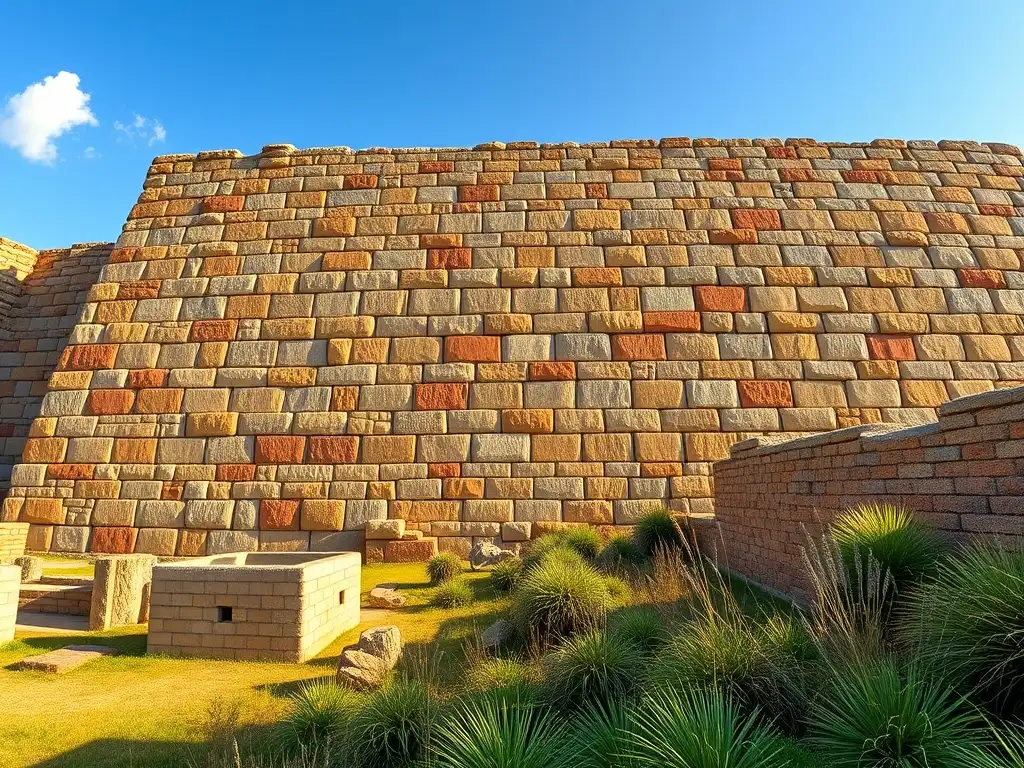
Unravel the mysteries of the Andes! Journey back in time to a world of breathtaking ingenuity and discover the secrets behind the remarkable achievements of the ancient Andean civilizations. Prepare to be amazed by the sophisticated Inca building materials techniques that defied gravity and time, shaping empires that still resonate today. Explore the innovative methods and enduring legacy of these masterful builders – your adventure into the heart of Inca architecture begins now.
The Inca Empire, renowned for its breathtaking architectural achievements, left behind a legacy of sophisticated engineering and impressive structures that still stand as testaments to their advanced building techniques. This article delves into the diverse materials employed by Inca builders, exploring their resourcefulness and mastery in transforming readily available resources into magnificent cities, temples, and fortifications.
From the meticulously cut stones of Machu Picchu to the adobe structures found in less mountainous regions, the Inca's approach to building materials showcases a deep understanding of their environment and a remarkable ability to adapt their techniques to diverse geographical challenges. Understanding their building materials techniques provides crucial insights into the ingenuity and resilience of this remarkable civilization, highlighting their innovative use of both readily available and more challenging resources.
We will explore the key building materials, focusing on the methods and expertise behind their utilization, effectively covering the spectrum of Inca building materials techniques and their impact on the empire’s architectural legacy. This exploration promises to reveal the sophisticated understanding of material science and engineering that underpinned the Inca's architectural prowess.
The Foundation of Inca Construction: An Overview of Building Resources
The Inca Empire spanned diverse geographical landscapes, ranging from the high Andes mountains to coastal deserts. This variety directly influenced the availability and selection of building materials. While stone, particularly andesite and granite, formed the backbone of much of their iconic architecture, the Inca also skillfully utilized other materials such as adobe, wood, and thatch depending on location and purpose.
Their resourcefulness is evident in their ability to adapt their construction techniques to the specific resources available in each region. For example, in the high Andes where stone was abundant, monumental stone structures prevailed. In contrast, regions with less stone relied more on adobe brick construction, demonstrating a flexible and adaptable approach to building.
This pragmatic approach allowed them to construct impressive structures across a vast and diverse empire. The availability of resources, combined with their innovative techniques, allowed the Inca to create structures suited to their environment and purpose. This adaptability is a key characteristic of Inca building techniques and a testament to their engineering skills.
Inca Stone Construction: Mastery in Stoneworking
The Inca's mastery of stonework is arguably their most celebrated architectural achievement. Their ability to quarry, transport, and precisely fit massive stones without the use of mortar remains a source of wonder and fascination for modern engineers. This precision and artistry are evident in structures like Machu Picchu, Ollantaytambo, and Sacsayhuamán, where massive stones are seamlessly interlocked, creating incredibly strong and durable structures.
The level of craftsmanship involved represents a deep understanding of both material science and engineering principles, far surpassing the capabilities of many contemporary societies. Furthermore, the Inca's ability to create such intricate stonework without advanced tools showcases their ingenuity and the skill of their workforce. The meticulous attention to detail and the sheer scale of their projects are a testament to their organizational capabilities and their profound impact on Andean architecture.
Andesite and Granite: The Preferred Stones for Inca Architecture
Andesite and granite, two igneous rocks characterized by their hardness and durability, were the preferred materials for major Inca constructions. These stones, readily available in the Andes Mountains, provided the strength and longevity necessary for the empire's monumental structures. The Inca's selection of these materials reflects a deep understanding of the properties of different rocks and their suitability for various applications.
The hardness and resistance to weathering of andesite and granite ensured the stability and longevity of their buildings, even in harsh mountain environments. The selection of these specific stones is not merely a matter of availability; it demonstrates an understanding of material properties crucial for the success of their ambitious construction projects. The durability of these stones is a significant factor in the survival of many Inca structures to this day.
Inca Quarrying Techniques: Extracting and Shaping Stone
The Inca quarrying techniques involved a remarkable combination of skill and ingenuity. While the exact processes remain partly shrouded in mystery, evidence suggests they used a combination of stone hammers, chisels, and possibly fire to extract and shape large blocks of stone. This process required considerable precision and a deep understanding of the rock's properties to avoid cracking or damaging the valuable blocks. The transportation of these massive stones often involved ingenious methods utilizing ramps, levers, and possibly rollers.
The evidence suggests a highly organized and skilled workforce capable of undertaking these complex tasks. Further research is needed to fully understand the intricacies of their quarrying techniques, but the existing evidence reveals an advanced level of engineering and logistical planning. The sheer scale of some of these projects speaks volumes about the organizational capabilities of the Inca Empire.
Precision and Fit: The Art of Inca Stone Masonry
The precision and fit of Inca stone masonry are truly remarkable. Stones were shaped and fitted with such accuracy that minimal mortar, if any, was required to create incredibly strong and stable structures. The intricate interlocking of stones, often with remarkably tight tolerances, is a testament to the skill and precision of the Inca stonemasons. This level of accuracy suggests the use of sophisticated tools and techniques, and possibly a deep understanding of geometry and engineering principles.
The absence of mortar further highlights the remarkable precision of their stonework, emphasizing the importance of accurate shaping and placement for structural integrity. The ingenuity and skill reflected in this aspect of Inca building techniques are truly awe-inspiring. The legacy of their precise stonework continues to inspire and challenge modern engineers and architects.
Adobe Construction in the Inca Empire: Mud Bricks and Earth Building
The Inca Empire, renowned for its sophisticated stonework, also skillfully utilized adobe—sun-dried mud bricks—in their construction projects, particularly in regions where stone was less readily available or where the climate was more conducive to this building method. Adobe construction offered a cost-effective and readily accessible alternative to stone, allowing the Inca to expand their building efforts across diverse landscapes. The techniques employed demonstrated a deep understanding of material properties and environmental factors, ensuring structural integrity and longevity.
The widespread use of adobe highlights the Inca's adaptability and resourcefulness in their architectural endeavors. The quality of the adobe, its placement within the structure and the overall design were all carefully considered to ensure stability against the elements, especially seismic activity common in the Andes. This adaptability underscores the Inca's remarkable engineering prowess, extending beyond their iconic stone structures.
Preparing Adobe Bricks: Inca Techniques for Mud Construction
The creation of adobe bricks was a meticulous process, requiring a precise mixture of soil, water, and often organic materials like straw or fiber to enhance strength and durability. The Inca carefully selected the soil, often testing its consistency and composition to achieve optimal results. The addition of organic materials acted as a binding agent, preventing cracking and improving the overall structural integrity of the bricks.
The precise ratio of soil and water was critical; too much water resulted in weak bricks prone to crumbling, while too little resulted in bricks that were difficult to mold and lacked cohesion. After mixing, the mud was carefully shaped into standardized rectangular bricks, often using simple wooden molds. These bricks were then left to dry in the sun for several days or weeks, depending on the weather and desired level of dryness.
The drying process was crucial; incomplete drying could lead to structural weaknesses in the finished building. Evidence suggests the Inca may have employed covered drying areas to control the drying process and ensure consistent quality.
Adobe Structures: Usage and Applications in Inca Buildings
Adobe structures within the Inca Empire served a variety of purposes, ranging from residential buildings and storage facilities to administrative centers and religious structures. While less prevalent in monumental architecture compared to stone, adobe was a significant building material for less prominent structures. The use of adobe allowed for quicker construction times compared to stone structures, making it ideal for temporary or rapidly needed buildings.
Furthermore, the malleability of adobe allowed for intricate designs and decorative elements, although these were often less elaborate than those found in stone structures. The integration of adobe into the Inca architectural landscape demonstrates a pragmatic approach to construction, adapting materials to suit the specific needs and context of the project.
The choice of adobe often reflected the availability of resources and the intended function of the building. For example, residential housing in rural areas frequently employed adobe, while larger urban centers typically incorporated a mixture of adobe and stone.
Other Inca Building Materials: Expanding Beyond Stone and Adobe
While stone and adobe were dominant building materials, the Inca also effectively utilized a range of other materials, demonstrating a remarkable versatility in their construction techniques. This resourceful approach ensured the successful completion of diverse projects across varied geographical locations and climatic conditions. The selection of materials was influenced by both availability and the intended purpose of the structure.
The Inca's comprehensive understanding of material properties allowed them to optimize their construction methods for maximum durability and functionality. Their expertise extended beyond the mere selection of materials; their skills in manipulating and combining these materials to create strong and lasting structures were truly exceptional.
The Use of Wood in Inca Construction: Timber and Roofing
Wood played a crucial role in Inca construction, primarily in roofing and supporting structures. While stone formed the main walls in many buildings, timber provided essential support for roofs, often in the form of beams and rafters. The types of wood used varied depending on regional availability, with some species valued more highly for their strength and durability.
The Inca demonstrated considerable skill in shaping and joining timber pieces, employing techniques such as mortise and tenon joints to create strong and stable connections. The use of wood was particularly important in areas where stone was scarce or difficult to transport. The integration of wood into Inca architecture showcases the Inca's ability to adapt their construction techniques to the available resources in different regions of their vast empire.
Thatch and Other Organic Materials: Roof Construction and Insulation
Thatch, along with other organic materials such as reeds and grasses, provided essential roofing and insulation in Inca buildings. These materials were widely available and provided effective protection against the elements. The construction of thatched roofs required significant skill and knowledge of material properties to ensure both durability and water resistance.
Different types of thatch were used depending on the region and availability, with some species offering better protection against harsh weather conditions. The layering of thatch, combined with other organic materials, created a robust and insulating roof system. This effective insulation played a vital role in maintaining comfortable temperatures inside the buildings, especially during the cold Andean nights.
Clay and Mortar: Binding Elements in Inca Buildings
Clay and mortar were essential binding elements in Inca construction, used to secure stones, adobe bricks, and other building materials. The Inca developed specialized techniques for preparing these binding agents, ensuring their strength and durability. The precise composition of the mortar varied depending on the specific application and the types of materials being joined.
The use of high-quality clay and careful mixing techniques were crucial for creating mortar that could withstand the test of time and the often harsh environmental conditions. The mortar not only held the building materials together but also contributed to the overall structural integrity of the buildings. The development and application of effective clay and mortar techniques highlight the Inca's mastery of construction technology.
Inca Building Techniques: Methods and Innovations
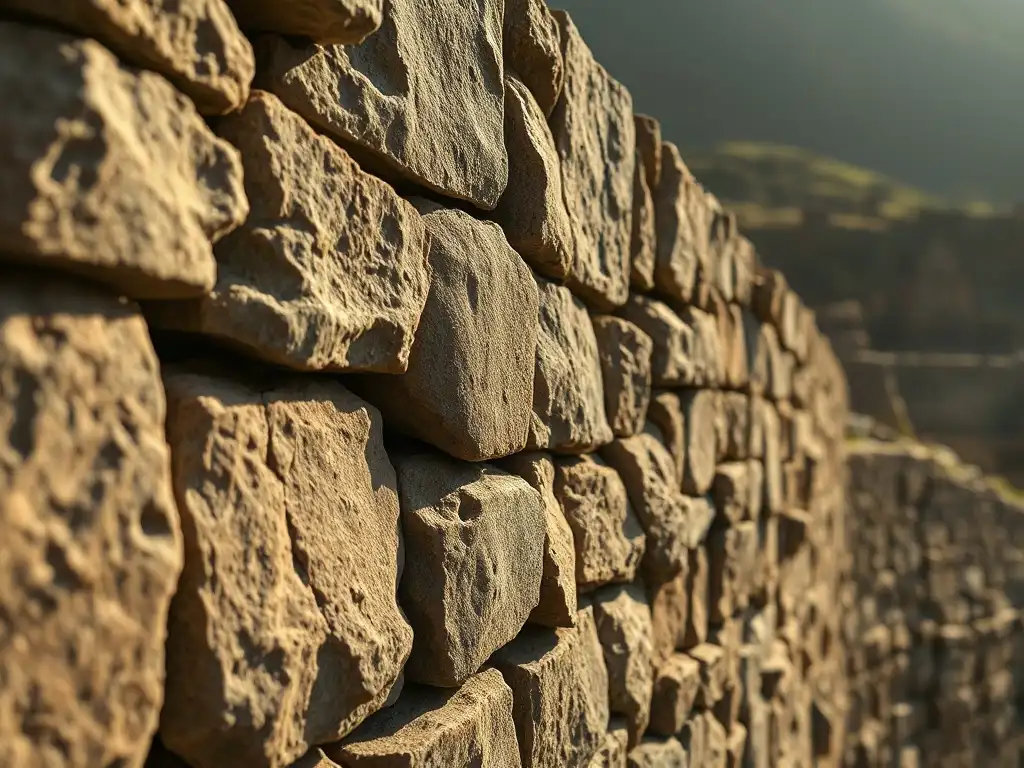
Inca building techniques were remarkably sophisticated for their time, showcasing a deep understanding of engineering principles and a mastery of various materials. Their innovations weren't just about aesthetics; they were crucial for creating structures that could withstand earthquakes, harsh weather conditions, and the test of time. The Inca utilized a combination of meticulous planning, precise execution, and adaptable strategies, resulting in structures that remain awe-inspiring today.
Their success stemmed from a detailed understanding of the properties of different materials and a capacity to adapt their building methods to the unique challenges posed by diverse terrains and climates across their vast empire. This adaptability is a testament to their ingenuity and problem-solving skills.
The Inca’s success wasn’t solely reliant on advanced tools; their organizational skills and communal work ethic played equally crucial roles in completing monumental projects efficiently and effectively. Evidence suggests a highly structured system of labor, with specialized workers and a clear hierarchy overseeing construction.
Ashlar Masonry: Inca Precision Stone Cutting
Ashlar masonry, a hallmark of Inca architecture, involved the precise cutting and fitting of stones to create seamless walls. Inca masons achieved an astonishing level of precision, creating joints so tight that even a knife blade couldn't fit between the stones. This remarkable feat was accomplished without the use of mortar, relying instead on the perfect fit of the stones themselves.
The stones were typically cut from andesite, a hard volcanic rock readily available in the Andes Mountains. The process involved selecting suitable stones from quarries, transporting them to the construction site, and then carefully shaping them using stone hammers, chisels, and possibly copper tools. The level of precision required extensive planning and skill, with masons likely using templates and carefully measuring each stone to ensure a perfect fit.
The absence of mortar in ashlar masonry highlights the Inca's mastery of stonework. The precision of the cuts ensured the structural integrity of the buildings, making them incredibly resistant to earthquakes. Many examples of ashlar masonry can still be seen in surviving Inca structures, a testament to the durability and artistry of this technique.
Cyclopean Masonry: Large, Unshaped Stones in Inca Structures
In contrast to the precise ashlar masonry, cyclopean masonry involved the use of large, roughly hewn stones. These stones, sometimes weighing several tons, were often irregularly shaped and didn't require the same level of precision as ashlar stones. Despite their irregular shapes, these massive stones were skillfully fitted together to create sturdy walls.
While less refined than ashlar masonry, cyclopean masonry was still a testament to the Inca's engineering prowess, demonstrating their ability to move and position extraordinarily heavy stones with minimal technology. The use of cyclopean masonry often depended on the availability of materials and the specific requirements of the construction project.
It may have been a more practical choice in certain contexts, such as when speed of construction was prioritized or when the available stones were less suitable for precise cutting. The survival of many structures built using cyclopean masonry demonstrates its effectiveness as a construction method, even without the precision of ashlar techniques.
Terracing and Foundation Building: Preparing the Land for Construction
Before even beginning construction, the Inca meticulously prepared the land. Terracing, a remarkable feat of engineering, involved carving into hillsides to create level platforms for agriculture and building. This not only increased arable land but also provided stable foundations for structures. The terraces were often reinforced with retaining walls, often constructed using ashlar or cyclopean masonry, preventing soil erosion and ensuring the stability of the structures built upon them.
The construction of these terraces required an advanced understanding of hydrology and soil mechanics, showcasing the Inca's sophisticated knowledge of engineering and their deep connection to their environment. The scale and precision of Inca terracing is astonishing, with some terraces still visible today, a testament to their durability and the skill of the builders. The terraces served a dual purpose – expanding agricultural capacity and providing stable foundations for their impressive architectural achievements.
Regional Variations in Inca Building Materials and Techniques
The Inca Empire spanned diverse geographical regions, each with its own unique climate, topography, and available resources. Consequently, Inca building materials and techniques varied across the empire, reflecting a remarkable adaptability to local conditions. This regional variation is a testament to the Inca's practical approach to construction, prioritizing the use of readily available materials and adjusting their techniques to suit the specific challenges of each environment.
The Inca weren't simply replicating a single architectural style across their vast empire; they were adapting and innovating based on the resources and constraints of each location. This adaptability highlights the ingenuity and pragmatism of Inca builders and engineers.
Coastal Inca Architecture: Adapting to Different Environments
Along the coast, the Inca utilized different materials and techniques compared to the highlands. Adobe, a mixture of sun-dried earth and organic materials, was a common building material in coastal regions. The availability of clay and the relatively warmer climate made adobe a practical and sustainable choice.
Coastal structures often incorporated features designed to withstand the effects of the sea, such as raised foundations and sturdy walls. The use of different materials and construction techniques in coastal areas reflects the Inca's ability to adapt to diverse environments and utilize readily available resources effectively. Archaeological findings reveal coastal structures that demonstrate a deep understanding of the unique challenges of building in coastal environments, including the use of materials that resisted salt damage and techniques to protect structures from erosion.
Highland Inca Architecture: Utilizing Local Resources
In the highlands, the Inca primarily used stone, particularly andesite, due to its abundance and durability. The mountainous terrain presented significant challenges, but the Inca overcame these with their sophisticated terracing techniques and mastery of stonework. The use of ashlar and cyclopean masonry is particularly evident in highland structures.
The construction methods in the highlands reflect an adaptation to the challenges of the mountainous terrain, showcasing the Inca's ingenuity in utilizing local resources and overcoming environmental obstacles. The adaptation of building techniques to the highland environment is a clear demonstration of their expertise in engineering and construction, resulting in structures that have withstood the test of time. The availability of stone in the highlands directly influenced the prevalent building material and style seen in this region of the Inca Empire.
The Legacy of Inca Building Materials and Techniques
The Inca Empire's mastery of building materials and techniques left an undeniable mark on Andean architecture and continues to inspire awe and study today. Their innovative approaches to construction, particularly in challenging terrains, showcase a deep understanding of engineering principles and resource management. The precision and durability of Inca structures, many of which still stand despite centuries of weathering, are a testament to their skill and ingenuity.
This legacy isn't just about aesthetically pleasing buildings; it represents a sophisticated understanding of structural integrity, seismic resilience, and sustainable building practices. The Inca's ability to adapt their building methods to diverse environments, from the high Andes mountains to coastal regions, demonstrates a remarkable level of adaptability and resourcefulness.
Their techniques, involving meticulous stone fitting without mortar in many cases, highlight a profound connection between the builders and their environment, utilizing readily available materials in inventive ways. The legacy of Inca building materials and techniques extends far beyond the physical structures; it encompasses a wealth of knowledge about materials science, construction engineering, and sustainable design that continues to inform modern practices.
Inca Architectural Influence on Modern Construction
The Inca's innovative use of Inca building materials techniques continues to influence modern construction practices, particularly in seismic zones. Their mastery of dry-stone masonry, characterized by precisely fitted stones without mortar, provides exceptional stability and resistance to earthquakes. This technique, still studied and adapted today, offers valuable lessons in earthquake-resistant design.
Modern engineers are increasingly exploring the principles of Inca construction to develop more resilient and sustainable buildings. For example, the use of locally sourced materials and the emphasis on minimizing environmental impact resonate strongly with contemporary sustainable building practices. The Inca’s understanding of load-bearing walls and the strategic use of different stone types for various structural elements continues to inform modern structural engineering.
Furthermore, the integration of Inca-inspired design elements in contemporary architecture showcases the enduring appeal and timelessness of their architectural style, while also serving as a tribute to their remarkable achievements. The ongoing research into Inca building techniques is crucial for informing the development of innovative and sustainable construction methods in the 21st century. This is especially important in regions prone to earthquakes and other natural disasters, where the lessons learned from Inca construction can be invaluable.
Preserving Inca Building Materials and Techniques for Future Generations
Preserving Inca building materials and techniques is crucial for understanding and appreciating this remarkable civilization's heritage. Effective preservation requires a multi-faceted approach, including careful documentation of existing structures, ongoing research into Inca building methods, and the implementation of appropriate conservation strategies. This involves not only physical preservation but also the transmission of knowledge regarding these techniques to future generations. The development of sustainable preservation methods is paramount to ensure that these invaluable sites are protected from the damaging effects of weathering and human intervention.
This necessitates ongoing collaboration between archaeologists, engineers, and conservation specialists. Furthermore, educational initiatives aimed at raising public awareness about the importance of preserving Inca heritage are essential for securing long-term protection. The challenge lies in balancing the need for preservation with the desire to make these sites accessible to the public for research, tourism, and education.
Careful planning and management are vital to ensure that preservation efforts are sustainable and effective, safeguarding this important aspect of Andean cultural heritage for generations to come. The longevity of Inca structures is a testament to the quality of their materials and techniques, and their preservation remains a testament to our respect for the achievements of this remarkable civilization. The use of advanced technologies in conjunction with traditional methods can contribute to more effective and sustainable preservation strategies.
- The Foundation of Inca Construction: An Overview of Building Resources
- Inca Stone Construction: Mastery in Stoneworking
- Adobe Construction in the Inca Empire: Mud Bricks and Earth Building
- Other Inca Building Materials: Expanding Beyond Stone and Adobe
- Inca Building Techniques: Methods and Innovations
- Regional Variations in Inca Building Materials and Techniques
- The Legacy of Inca Building Materials and Techniques
Frequently Asked Questions
What building materials did the Inca primarily use?
The Inca primarily used stone, particularly andesite, for their monumental architecture. They also utilized adobe, wood, and thatched roofs for less demanding structures.
How did the Inca cut and shape their stones so precisely?
Inca stonemasons employed incredibly advanced techniques. They likely used copper and bronze tools, along with sand and water as abrasives, to achieve incredibly precise fits. Careful planning and selection of stones also played a crucial role.
What techniques did the Inca use to join stones together?
The Inca utilized a variety of techniques, but they famously avoided mortar in many cases. They relied on precise cutting and shaping of stones, achieving an incredibly tight fit that held the structures together, sometimes using metal fasteners in certain applications.
Were Inca building techniques sustainable?
The Inca's building methods were remarkably sustainable for their time. Their use of locally sourced materials minimized transportation impact, and the durability of their structures demonstrated a long-term perspective. However, the scale of some projects presented environmental challenges.
How did the Inca adapt their building materials to different environments?
The Inca adapted their building techniques based on the available resources and climate. In mountainous regions, they primarily used stone, while in lower elevations, adobe and other materials were more common. They showed a remarkable ability to adapt their architecture to the unique challenges of various environments.
Final Reflection: The Enduring Legacy of Inca Ingenuity
The innovative building materials and techniques employed by the Inca continue to inspire awe and inform modern construction practices. Their mastery of stonework, their adaptation to diverse environments, and their sustainable approaches offer valuable lessons for architects and engineers facing the challenges of the 21st century, particularly in sustainable building practices and disaster resilience. The Inca's legacy isn't just about impressive ruins; it's a testament to human ingenuity and adaptability.
The Inca's profound understanding of their environment, evident in their choice and application of materials, remains a powerful example of sustainable architecture. Their ability to seamlessly integrate structures into the landscape, minimizing environmental impact, is a lesson we desperately need to relearn in our era of climate change. The earth provides all we need; we only need to learn how to use it.
This sentiment, though not directly from an Inca source, perfectly encapsulates their approach to construction and resource management. Their methods, though centuries old, offer a blueprint for a more responsible and harmonious relationship with the natural world.
Consider the ingenuity of the Inca, their resourcefulness, and their deep connection to their environment. Now, reflect on your own relationship with the built world. How can we, in our own lives, embrace a more sustainable and mindful approach to construction and resource utilization? Let the Inca's legacy inspire you to build not just structures, but a more responsible and sustainable future. Let's learn from the past to build a better tomorrow.
Unleash Your Creativity with Ancient Ingenuity!
Thank you for exploring the fascinating world of Inca building materials! We hope you gained valuable insights into the ingenuity of these ancient civilizations and how they adapted their environment. Now, it's your turn to be inspired by their legacy and put that inspiration into action.
Here are some ways you can connect with the wisdom of the past and apply it to your present:
- Embark on a DIY project using natural materials inspired by Inca techniques. For example, you could build a small structure using adobe bricks, or create a beautiful garden feature using stone.
- Share your creative process and experiences on social media using the hashtag #AndeanInspired. Let the world see how you're blending ancient wisdom with modern innovation!
- Join a workshop or class focused on sustainable building methods or ancient architecture. Many local community groups and organizations offer such opportunities.
What unique project inspired by the Incas will you create next?