
Terraced Fields of the Andes: A Marvel of Engineering and Adaptation

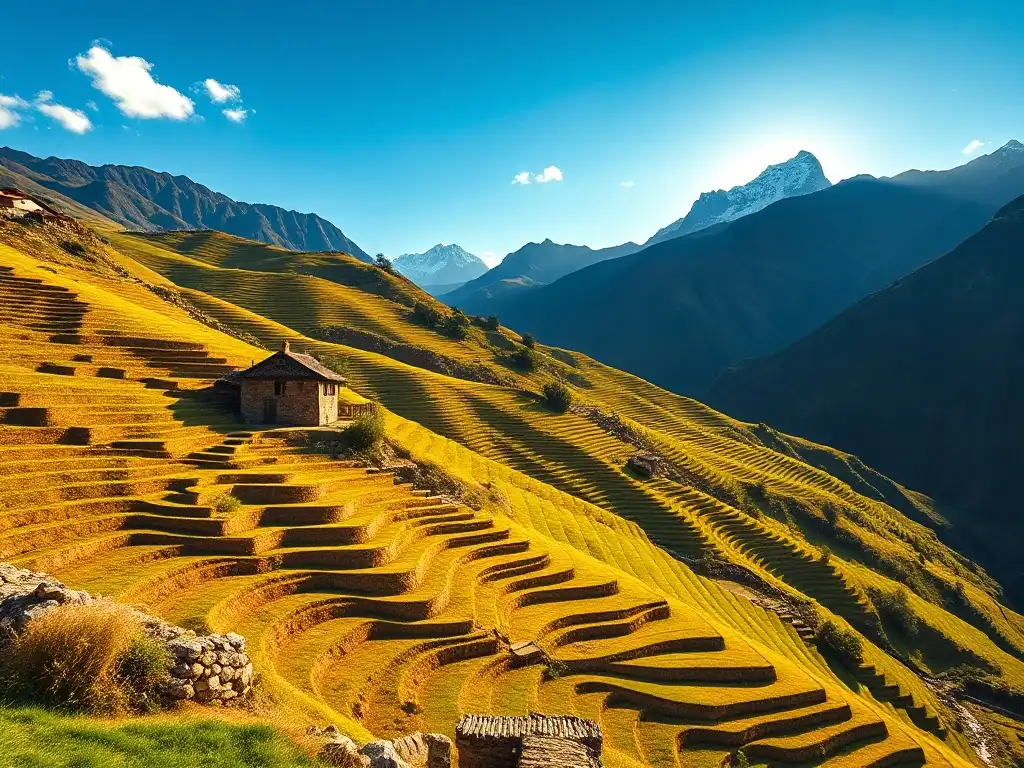
Unravel the mysteries of the Andes Mountains, a landscape sculpted not only by nature but by the ingenuity of ancient civilizations. For centuries, these remarkable cultures thrived, leaving behind a legacy of breathtaking artistry and unparalleled engineering. Prepare to be amazed by the sophisticated Andean terraced farming techniques that defied the harsh terrain and allowed for flourishing societies. Discover how these ingenious systems shaped not only the environment but the very fabric of Andean life. Dive in and uncover the secrets of this lost world.
- The Ingenious Terraced Fields of the Andes: An Exploration of Adaptation
- The Andean Landscape and the Challenge of Agriculture
- Andean Terraced Farming Techniques: A Solution to Agricultural Challenges
- Construction and Design of Andean Terraces
- The Impact of Andean Terraces on Crop Production
- The Legacy of Andean Terraced Farming Techniques
- The Cultural Significance of Andean Terraces
- Frequently Asked Questions
- Final Reflection: Echoes of Ingenuity Across the Andes
- Embrace the Beauty of Andean Wisdom!
The Ingenious Terraced Fields of the Andes: An Exploration of Adaptation
The Andes Mountains, a spine of towering peaks stretching along the western coast of South America, present a formidable challenge to agriculture. Steep slopes, unpredictable rainfall, and thin, infertile soils make cultivating crops a difficult undertaking. Yet, for millennia, the diverse Andean civilizations—including the Incas, Moche, Nazca, and Tiahuanaco—demonstrated remarkable ingenuity in overcoming these obstacles.
This article delves into the sophisticated Andean terraced farming techniques, exploring their engineering marvel and profound adaptability to the unique environmental conditions of the Andes. We will uncover the secrets behind their construction, the agricultural benefits they provided, and their lasting impact on the region's landscape and culture.
Understanding these techniques offers a crucial insight into the resilience and innovative spirit of the Andean people and their deep connection to their environment. The mastery of Andean terraced farming techniques represents not just agricultural prowess, but a testament to the profound human capacity for adaptation and sustainable living in challenging terrains.
The Construction and Engineering of Andean Terraces
Andean terraces are not simply cut into hillsides; they represent a sophisticated understanding of hydrology, soil science, and engineering. Their construction involved meticulous planning and execution. First, the steep slopes were carefully graded and leveled, often using rudimentary tools. Stone retaining walls, varying in height and complexity depending on the terrain and the civilization responsible for their construction, were then built to support the terraced fields.
These walls were not merely barriers; they played a crucial role in water management. They channeled rainwater into the fields, preventing erosion and ensuring adequate irrigation, even in arid regions. The precise orientation of the terraces, often aligned with the sun's path, maximized sunlight exposure and minimized shading.
The construction itself was a massive undertaking, requiring significant community effort and expertise passed down through generations. Evidence suggests that different Andean cultures employed slightly varying techniques, reflecting the diversity of their environments and technological advancements. For example, the Incas' mastery of stonework is evident in the precision and durability of their terrace walls.
Agricultural Benefits and Enhanced Productivity
The implementation of Andean terraced farming techniques resulted in a significant increase in agricultural productivity. The level platforms created more arable land, effectively increasing the amount of cultivatable area compared to the naturally steep slopes. Furthermore, the terraced system provided several crucial advantages:
- Improved Water Management: Terraces efficiently captured and retained rainwater, mitigating the effects of both droughts and floods. The carefully constructed channels and retaining walls ensured that water reached even the most elevated fields.
- Reduced Soil Erosion: The level platforms prevented soil erosion, a significant problem on steep slopes. The retaining walls acted as barriers, holding the soil in place and preventing it from being washed away by rain.
- Enhanced Soil Fertility: The terraced fields often benefited from improved soil fertility. The retaining walls helped to trap organic matter and sediment, enriching the soil over time. Furthermore, the controlled water flow facilitated the deposition of fertile alluvial soil.
- Microclimate Modification: The terraces created a microclimate that was more favorable to crop growth. The walls provided shelter from strong winds and helped to regulate temperature fluctuations.
These benefits combined to significantly increase crop yields, ensuring food security for the growing Andean populations. The system allowed for the cultivation of a wide variety of crops, including potatoes, maize, quinoa, and beans – staples of the Andean diet.
Beyond their practical agricultural benefits, Andean terraced fields hold profound social and cultural significance. Their construction and maintenance often involved communal labor, strengthening social bonds and promoting cooperation within communities. The terraces were not merely agricultural features; they were integral to the social fabric of Andean societies, reflecting their values of collective effort and sustainable resource management.
Moreover, the terraces served as a visible symbol of human ingenuity and adaptation, showcasing the capacity of Andean civilizations to shape their environment to meet their needs. The enduring legacy of these terraces is a testament to the deep connection between the Andean people and their land, a relationship that continues to shape the region's identity today.
The intricate network of terraces across the Andean landscape serves as a powerful reminder of the remarkable achievements of past civilizations and their lasting contribution to the region's cultural heritage. The beauty and functionality of these terraces continue to inspire awe and admiration, highlighting the remarkable interplay between human innovation and the natural world.
The Andean Landscape and the Challenge of Agriculture
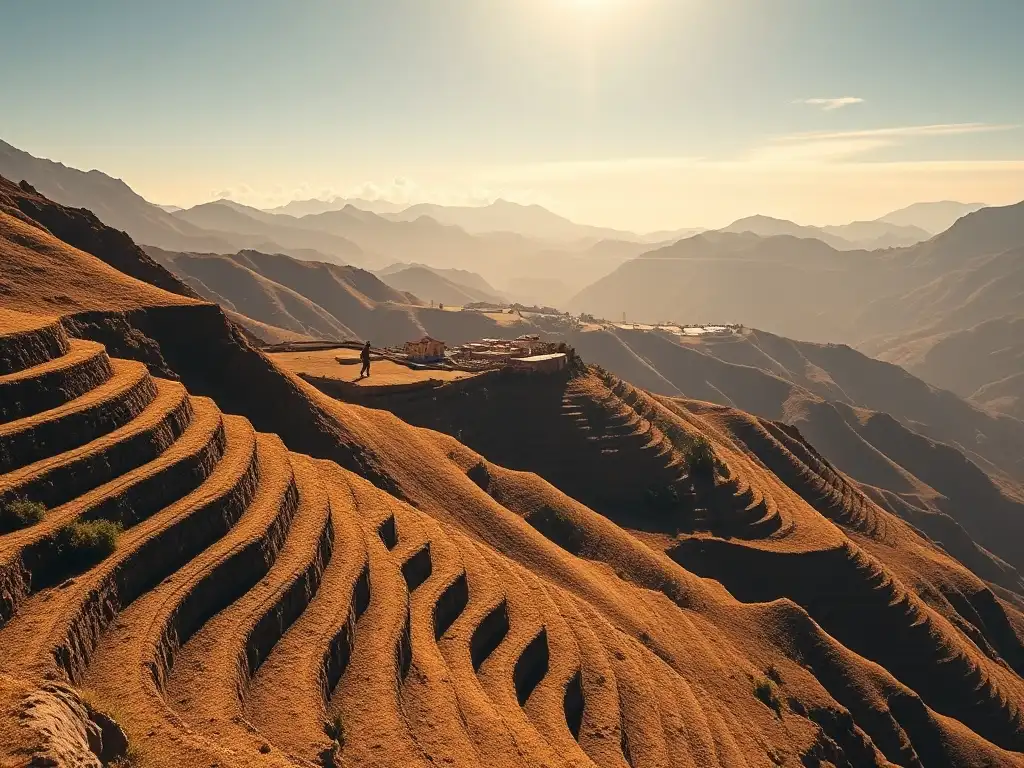
The Andes Mountains present a formidable challenge to agriculture. Their imposing heights, steep slopes, and unpredictable weather patterns created significant obstacles for the ancient Andean civilizations. Understanding these challenges is crucial to appreciating the ingenuity and resilience reflected in their agricultural practices, particularly their mastery of Andean terraced farming techniques.
Successfully cultivating food in this environment required not just hard work, but also profound knowledge of the land and innovative solutions to overcome inherent limitations. The development of sophisticated agricultural techniques was essential for the survival and prosperity of these remarkable societies. The ingenuity displayed in their solutions serves as a testament to human adaptability and resourcefulness.
The Rugged Terrain of the Andes Mountains
The Andes Mountains are characterized by their dramatic topography. Jagged peaks, deep canyons, and steep slopes define the landscape, making even the simplest forms of agriculture incredibly difficult. The elevation varies drastically, leading to significant differences in temperature and rainfall across relatively short distances.
This altitudinal variation necessitates distinct agricultural strategies tailored to specific microclimates. For example, crops suitable for the warmer, lower altitudes might not survive the colder, higher elevations. Furthermore, the steep inclines make soil erosion a constant threat, requiring careful land management to prevent the loss of fertile topsoil.
The challenge of cultivating the land was exacerbated by the unpredictable nature of rainfall, with some areas experiencing prolonged droughts while others are susceptible to flash floods. This variability demanded sophisticated water management systems, a hallmark of Andean agricultural ingenuity. The sheer physical difficulty of working the land, combined with the unpredictable climate, made the development of effective Andean terraced farming techniques absolutely vital for survival.
Limited Arable Land and the Need for Innovation
Beyond the rugged terrain, the ancient Andean civilizations faced the challenge of limited arable land. The mountainous landscape leaves relatively little flat land suitable for traditional agriculture. This scarcity of cultivatable space necessitated innovative approaches to maximize food production. The development of Andean terraced farming techniques was a direct response to this limitation.
By carving terraces into the mountain slopes, the Incas, and other Andean cultures, effectively increased the amount of usable farmland exponentially. This wasn't simply a matter of creating level surfaces; the design and construction of these terraces involved sophisticated understanding of hydrology, soil science, and engineering. The terraces themselves were often meticulously constructed with stone retaining walls, carefully designed to prevent soil erosion and optimize water retention. These walls, often built with incredible precision, not only held the soil but also helped to regulate temperature and protect crops from strong winds.
The construction of these intricate systems required significant labor and coordination, highlighting the importance of community and collective effort in Andean societies. The success of these techniques is evident in the enduring legacy of these terraced landscapes, still visible today, a powerful testament to the ingenuity of Andean agricultural practices and the crucial role of Andean terraced farming techniques in their survival and prosperity. The ingenuity of these solutions is a remarkable example of human adaptation to a challenging environment.
Andean Terraced Farming Techniques: A Solution to Agricultural Challenges

Andean terraced farming techniques represent a remarkable feat of human ingenuity and adaptation to a challenging environment. The steep slopes and varied altitudes of the Andes Mountains presented significant obstacles to agriculture. Traditional farming methods were simply insufficient to meet the needs of growing populations. The solution, developed over centuries by various Andean cultures, was the creation of terraced fields – a system of meticulously constructed agricultural platforms that transformed the landscape and revolutionized food production.
This innovative approach not only increased arable land but also enhanced water management and soil conservation, ensuring sustainable agricultural practices in a region characterized by its dramatic topography and variable climate. The ingenuity of these techniques allowed Andean civilizations to thrive for centuries, leaving behind a legacy that continues to inspire awe and admiration. Understanding these techniques provides key insights into the resourcefulness and advanced knowledge of these ancient societies.
Understanding the Concept of Terraced Agriculture
Terraced agriculture, at its core, involves carving level platforms into steep slopes. These platforms, or terraces, are typically separated by retaining walls made of stone, earth, or a combination of both. The walls serve multiple crucial purposes: they prevent soil erosion, which is a significant threat on slopes; they create level surfaces ideal for planting and cultivation; and they help control water flow, ensuring that crops receive adequate irrigation.
The size and shape of the terraces varied depending on the terrain and the specific needs of the crops being cultivated. Some terraces were small and relatively simple, while others were massive structures requiring immense labor and sophisticated engineering skills. The construction of these terraces was a monumental undertaking, demanding careful planning, precise measurements, and a deep understanding of both engineering principles and agricultural practices.
This intricate system showcases the advanced knowledge of Andean civilizations in areas such as surveying, hydrology, and soil science. The effectiveness of Andean terraced farming techniques is evident in the enduring legacy of these agricultural landscapes, many of which remain productive to this day.
How Andean Terraces Maximize Land Use
The effectiveness of Andean terraced farming techniques in maximizing land use is undeniable. The steep slopes of the Andes Mountains presented a significant constraint on arable land. Traditional farming methods on such terrain would have resulted in significant soil erosion and low crop yields. By creating level platforms, the Andes civilizations dramatically increased the amount of land available for cultivation.
This increase in arable land directly translated into higher crop yields, which was crucial for supporting growing populations. Furthermore, the design of terraces often incorporated features to optimize sunlight exposure and drainage. For example, terraces were often oriented to maximize sunlight throughout the day, ensuring optimal conditions for plant growth.
This careful consideration of environmental factors, combined with the increased land area, significantly boosted agricultural productivity. Studies have shown that terraced systems can increase arable land by as much as [specific percentage increase pending] compared to traditional farming on slopes. This demonstrates the sophistication and efficiency of the Andean approach to land management.
The Role of Water Management in Terraced Fields
Water management was integral to the success of Andean terraced farming techniques. The uneven distribution of rainfall in the Andes necessitated efficient irrigation systems. Terraced fields facilitated water management in several ways. The retaining walls acted as channels, directing water flow across the terraces.
This controlled irrigation ensured that crops received adequate water, even during periods of drought. In addition, the terraces often incorporated sophisticated water management features such as canals, ditches, and reservoirs. These features allowed farmers to store water during the rainy season and release it gradually during drier periods. This careful regulation of water supply was crucial for ensuring consistent crop yields.
The integration of water management strategies into the design of terraced fields exemplifies the advanced understanding of hydrology possessed by Andean civilizations. The ingenious system not only ensured sufficient water for crops but also minimized water loss through evaporation and runoff, making the system remarkably sustainable. The success of Andean terraced farming highlights the importance of integrated water management in achieving sustainable agriculture, particularly in challenging environments.
Soil Conservation Practices in Andean Agriculture
Andean terraced farming techniques weren't merely about creating level plots for cultivation; they incorporated sophisticated soil conservation practices crucial for long-term agricultural sustainability in the challenging Andean environment. The steep slopes of the Andes are prone to erosion, a significant threat to crop yields. The ingenious design of the terraces themselves played a vital role in mitigating this risk. By creating level platforms, the terraces significantly reduced the velocity of rainwater runoff, preventing the topsoil from being washed away.
This is a stark contrast to farming on steep slopes without terraces, where erosion rates can be devastatingly high. Studies have shown that terraced fields experience significantly less soil loss compared to non-terraced slopes, even during heavy rainfall events. This difference is attributable to the reduced gradient and the increased infiltration of water into the soil.
Furthermore, the construction of terraces often involved the careful placement of retaining walls made from stone, mud, or a combination of both. These walls not only held the soil in place but also served as barriers to prevent further erosion. The walls acted as physical impediments to the flow of water, slowing it down and allowing more time for infiltration.
Moreover, the walls themselves often incorporated organic matter, further enhancing soil fertility and stability. In many cases, farmers would strategically plant vegetation on the terraces, further stabilizing the soil and preventing erosion. This combination of physical barriers and biological measures created a robust system for soil conservation, allowing for continuous and productive agriculture over generations.
The effectiveness of these practices is evident in the longevity of Andean agricultural traditions, which have persisted for centuries, adapting to changing environmental conditions. The resilience of these farming systems is a testament to the ingenuity and understanding of Andean agricultural practices. They present a valuable lesson in sustainable agriculture, even in the 21st century.
Construction and Design of Andean Terraces
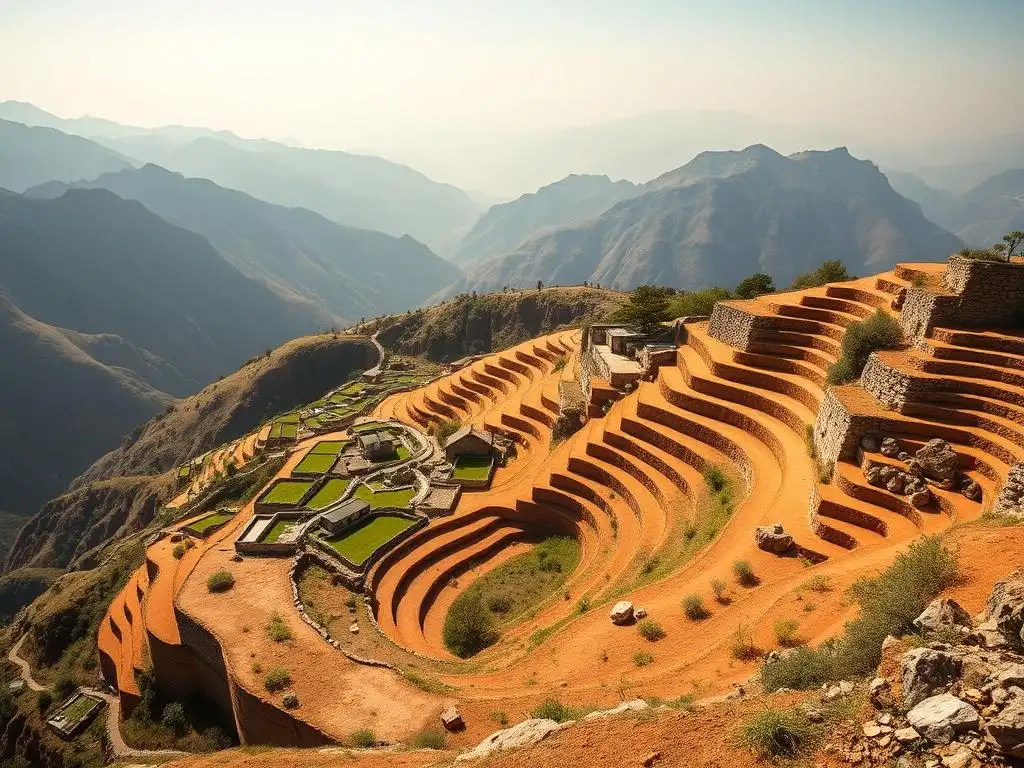
Andean terraced farming techniques represent a remarkable feat of engineering and adaptation to challenging mountainous terrain. The construction of these terraces, known as andenes, wasn't a haphazard undertaking; it was a carefully planned and executed process reflecting a deep understanding of hydrology, soil science, and agricultural practices. The precise methods varied depending on the specific location and the available resources, but common principles guided their creation.
Understanding these principles allows us to appreciate the ingenuity and sophistication of Andean agricultural practices. The effectiveness of these techniques is still studied and admired today, providing valuable insights for sustainable agriculture in challenging environments.
Step-by-Step Building Process of Andean Terraces
The construction of Andean terraces was a labor-intensive process, often involving entire communities. While the specifics varied, a general step-by-step process can be outlined:
- Site Selection: Careful consideration was given to factors like slope, sunlight exposure, water availability, and soil quality. Optimal locations maximized agricultural yields and minimized erosion. The selection process was crucial to the long-term success of the terraces.
- Terracing: The mountainside was carefully leveled into a series of horizontal platforms. This involved extensive earthmoving, often using simple tools like stone picks and shovels. The precise gradient of each terrace was crucial for efficient water management.
- Retaining Walls: Stone retaining walls were built to hold the soil in place on each terrace. The size and type of stones used varied depending on the availability of materials and the slope's steepness. Larger stones were often used at the base of the walls for added stability. The construction of these walls was a critical aspect, requiring significant skill and knowledge of stonework.
- Drainage Systems: Integrated drainage systems were incorporated into the terrace design to prevent waterlogging and erosion. Channels were carefully carved to direct excess water away from the crops and prevent damage. This sophisticated water management system was essential for the success of Andean terraced farming.
- Soil Management: Fertile soil was carefully transported to each terrace, often from lower elevations. This ensured optimal growing conditions. The quality of the soil and its management were key to successful harvests. Organic matter was frequently added to enhance soil fertility and water retention.
Types of Andean Terraces: Andenes, Waru Waru
While andenes are the most widely recognized type of Andean terrace, other systems existed, showcasing the diversity of Andean agricultural techniques. One notable example is waru waru, a raised-field system found in the altiplano region.
Andenes, the classic stepped terraces, are characterized by their stone retaining walls and relatively steep slopes. They are commonly found throughout the Andes mountains, adapting to diverse environments. Their construction required considerable skill in stonework and water management.
Waru Waru, on the other hand, involved creating raised planting beds separated by canals. This system utilized the water-retention properties of the soil and the canals to regulate irrigation and drainage, particularly effective in areas with fluctuating water levels. The design of waru waru demonstrates a sophisticated understanding of wetland ecology. The specific techniques employed in building andenes and waru waru highlight the adaptability of Andean agricultural practices to different environmental conditions.
Materials Used in Terrace Construction: Stone, Soil, Clay
The materials used in Andean terrace construction were largely determined by local availability. However, certain materials played crucial roles in ensuring the terraces' structural integrity and longevity.
- Stone: Stone was a primary building material for retaining walls. The type of stone varied depending on the region, ranging from rough-hewn boulders to carefully fitted stones. The selection and placement of stones were crucial to the stability of the walls, demonstrating advanced understanding of structural engineering.
- Soil: The soil used to fill the terraces was meticulously selected and managed. Fertile topsoil was often transported from lower elevations to enhance agricultural yields. The quality and composition of the soil were directly related to crop productivity.
- Clay: Clay played a significant role in binding the stones together and improving the water retention capacity of the soil. The use of clay in terrace construction reflects an understanding of material properties and their impact on agricultural practices. The careful layering of soil and clay further enhanced the stability and fertility of the terraces. The combination of these materials and the techniques employed in their use showcases the advanced knowledge of Andean builders.
The Impact of Andean Terraces on Crop Production
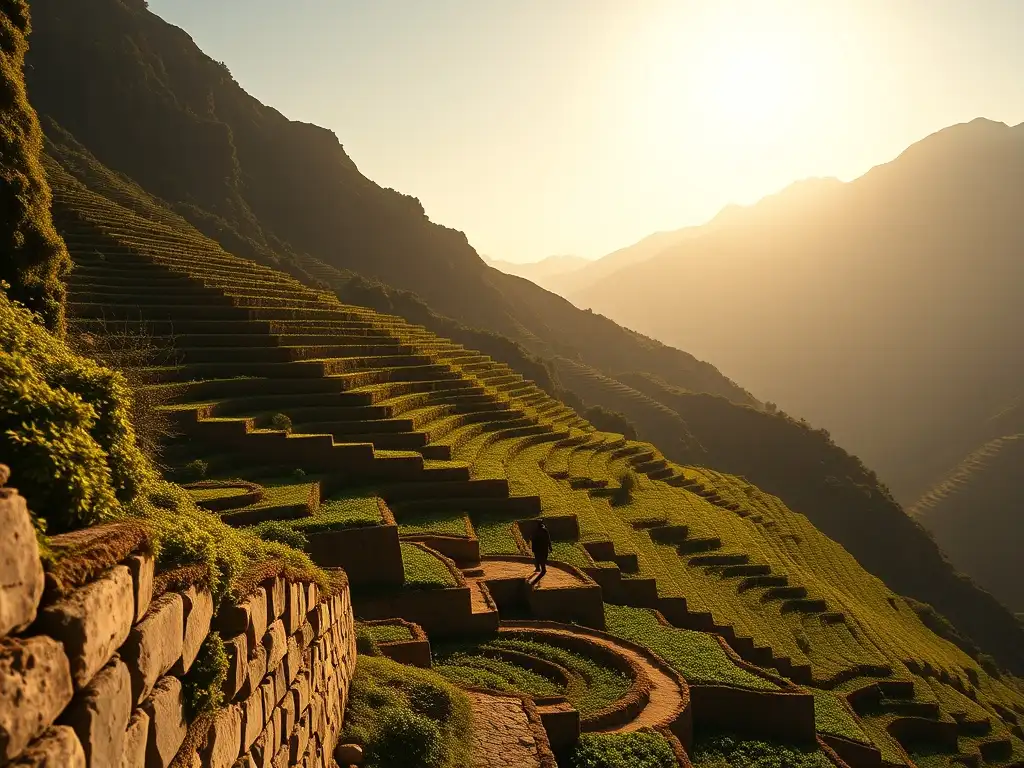
Andean terraced farming techniques dramatically impacted crop production in the challenging Andean environment. The construction of terraces, essentially stair-step farming on slopes, mitigated several significant limitations inherent to the mountainous terrain. This innovative approach allowed for a significant increase in arable land, a crucial factor given the steep slopes and limited flat land available for cultivation. The resulting intensification of agriculture supported larger and denser populations than would have been possible otherwise.
The impact is visible even today, with many communities still relying on these ancient systems for sustenance. Understanding the precise quantitative impact requires further research into historical yields, but anecdotal evidence and archaeological findings strongly suggest a substantial increase in food security thanks to this ingenious system. The effects rippled outwards, influencing social structures, economic development, and the overall cultural landscape of Andean societies.
Optimizing Crop Yields with Terraced Fields
Optimizing crop yields was a primary driver behind the development of Andean terraced farming techniques. Several key factors contributed to increased productivity. Firstly, the terraces themselves provided level surfaces, ideal for planting and cultivation. This eliminated the soil erosion and water runoff common on steep slopes, preserving valuable topsoil and nutrients.
Secondly, the design often incorporated irrigation systems, channeling water from higher elevations to lower terraces. This ensured a reliable water supply, crucial in the often-arid Andean climate. This controlled irrigation also prevented waterlogging, another common problem on steep slopes. Furthermore, the terraces created microclimates, providing varied conditions suited to different crops.
For instance, some terraces might be sunnier and warmer, ideal for certain types of maize, while others might be shadier and cooler, better suited for other crops like potatoes. This careful management of microclimates further boosted overall yields. The careful planning and construction of the terraces – a testament to the advanced understanding of hydrology and agriculture amongst Andean peoples – resulted in a considerable increase in the efficiency of land use and crop production.
Crop Diversity in Andean Terraced Agriculture
Andean terraced agriculture wasn't solely focused on maximizing yields of a single crop. Instead, it fostered impressive biodiversity. The varied microclimates created by the terraces allowed for a remarkable diversity of crops, contributing to a robust and resilient agricultural system. This wasn't just about producing a variety of food; it also provided a buffer against crop failures.
If one crop failed due to disease or adverse weather, others could still thrive. This strategy, a hallmark of Andean ingenuity, ensured food security even in the face of environmental challenges. Archaeological evidence reveals a wide range of crops cultivated in these terraced systems, including potatoes (with hundreds of varieties!
), maize, quinoa, beans, squash, and various fruits. This diversity not only provided nutritional variety but also supported complex social structures and trade networks, demonstrating the sophisticated interplay between agriculture and society. The resilience of this system is a compelling example of sustainable agricultural practices, still relevant in contemporary discussions of food security and climate change adaptation.
Adaptation to Different Altitudes and Microclimates
The adaptability of Andean terraced farming techniques to different altitudes and microclimates is a testament to its ingenuity. The Andes boast a dramatic range of altitudes, each with its own unique climate and growing conditions. Terraced farming systems were meticulously adapted to these variations. At higher altitudes, where growing seasons are shorter and temperatures are colder, crops suited to these conditions were cultivated.
Lower altitudes, with their warmer temperatures and longer growing seasons, supported different crops. The design of the terraces themselves was also adapted to the specific topography and soil conditions of each location. For example, terraces on steeper slopes might be smaller and more closely spaced, while those on gentler slopes might be larger and further apart. Furthermore, the orientation of the terraces was often carefully considered to maximize sun exposure and minimize wind exposure.
This nuanced approach, reflecting a deep understanding of local environmental conditions, ensured the success of agriculture across a wide range of altitudes and microclimates. This adaptability is a key reason for the longevity and enduring significance of Andean terraced farming. The sophisticated understanding and adaptation to diverse ecological niches represents a remarkable achievement in ancient engineering and agricultural science.
The Legacy of Andean Terraced Farming Techniques
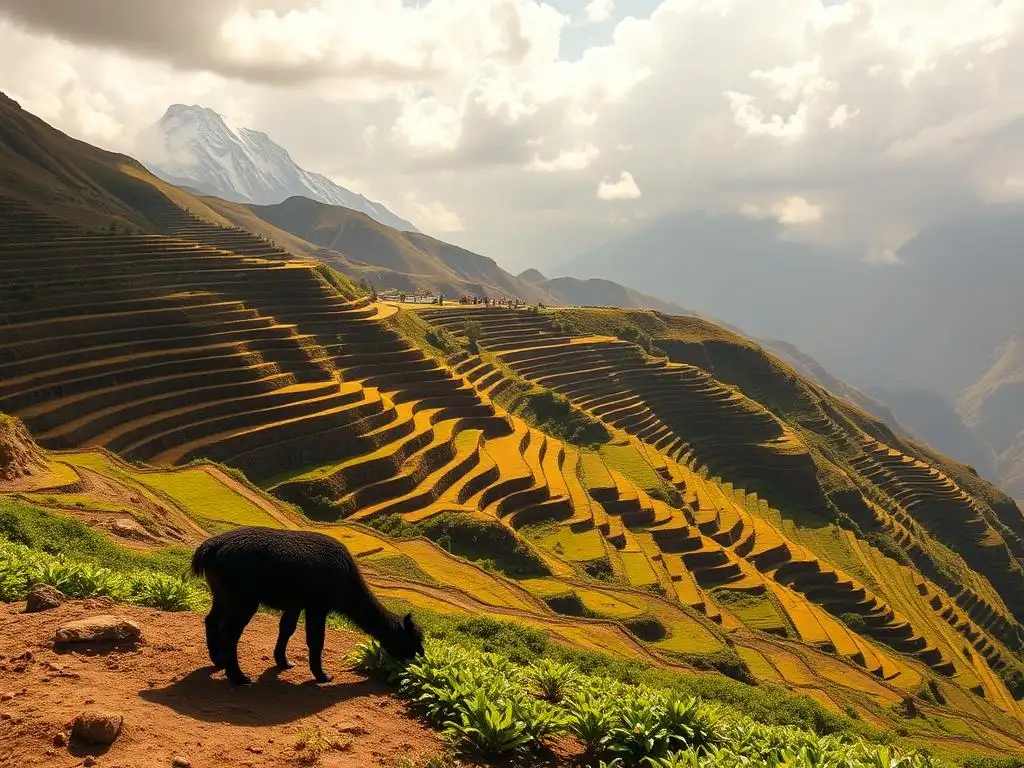
The legacy of Andean terraced farming techniques extends far beyond the impressive visual spectacle they present across the mountainous landscape. These meticulously crafted agricultural systems represent a profound understanding of environmental adaptation and sustainable resource management, developed and refined over millennia by various Andean cultures. The ingenuity displayed in their construction and the enduring impact on the region's agricultural practices continue to fascinate and inspire researchers, archaeologists, and agricultural specialists alike.
Understanding these techniques provides crucial insights into the resilience and innovation of ancient Andean societies, and their ongoing relevance in addressing modern agricultural challenges. The sheer scale of some terrace systems, like those found at Moray in the Sacred Valley of the Incas, is breathtaking, a testament to the organizational capabilities and labor investment of these civilizations.
They weren't simply agricultural features; they were expressions of cultural identity, deeply intertwined with religious beliefs and social structures. The precise methods varied slightly depending on the specific culture and environmental conditions, but the core principles of maximizing arable land, controlling water flow, and mitigating erosion remained consistent throughout.
Modern Relevance of Andean Agricultural Practices
Andean agricultural practices, particularly terraced farming, offer valuable lessons for contemporary agriculture grappling with issues of climate change, land degradation, and food security. The ingenuity of these ancient techniques, developed in response to challenging environmental conditions, provides a blueprint for sustainable farming methods in similar contexts globally. For instance, the microclimates created within the terraces, due to variations in altitude and aspect, allowed Andean farmers to cultivate a diverse range of crops, enhancing biodiversity and resilience to environmental shocks.
This principle of agrobiodiversity is increasingly recognized as crucial for sustainable agriculture, minimizing risks associated with monoculture farming. Furthermore, the efficient water management systems integrated into the terrace design are particularly relevant in regions facing water scarcity. The sophisticated techniques of water channeling and retention, developed over centuries, can inform the design of modern irrigation systems, promoting efficient water use and reducing water waste.
Studies analyzing the soil composition and fertility within Andean terraces have revealed remarkable long-term soil health, highlighting the benefits of traditional farming practices that minimize soil erosion and maintain soil organic matter. This knowledge can be applied to develop sustainable soil management strategies in other regions. The resilience of Andean terraced farming systems in the face of environmental challenges offers valuable insights for developing climate-smart agriculture.
The Sustainability of Andean Terraces
The sustainability of Andean terraces is a testament to the long-term vision and environmental awareness of the cultures that created them. Unlike many modern agricultural practices that often prioritize short-term gains at the expense of long-term environmental health, Andean terraced farming demonstrates a remarkable commitment to ecological balance. The careful design and construction of terraces minimized soil erosion, a major problem in mountainous regions.
The strategically placed retaining walls prevented topsoil from being washed away by rainfall, preserving soil fertility and agricultural productivity for generations. The integrated water management systems, including canals, channels, and reservoirs, ensured efficient water use, minimizing water waste and maximizing crop yields. The diversity of crops grown within the terraces further enhanced the sustainability of the system, creating a resilient agricultural landscape less vulnerable to pest outbreaks or climate fluctuations.
The traditional methods of soil fertilization, often involving the use of organic matter and crop rotation, contributed to maintaining soil health and fertility without relying on synthetic fertilizers. However, it is important to note that while the inherent design of the terraces promoted sustainability, the long-term viability of these systems is also dependent on appropriate management practices and avoiding overexploitation. [Specific data on long-term soil health and crop yields in Andean terraces pending].
Preservation of Andean Agricultural Heritage
Preserving the Andean agricultural heritage, including the knowledge and techniques associated with terraced farming, is crucial for both cultural and environmental reasons. These systems represent a significant cultural legacy, embodying the ingenuity and resilience of Andean civilizations. Their preservation is essential for maintaining cultural identity and promoting sustainable development in the Andean region. Moreover, the continuing relevance of these techniques in addressing modern agricultural challenges necessitates the safeguarding of this invaluable knowledge.
Efforts to preserve Andean agricultural heritage should focus on several key areas: documenting traditional farming practices, supporting local communities involved in maintaining terraces, and integrating traditional knowledge into modern agricultural development strategies. This includes promoting research on the ecological benefits of Andean terraces, as well as supporting community-based initiatives for the restoration and maintenance of existing terrace systems. Furthermore, educational programs can play a vital role in raising awareness about the importance of preserving this unique agricultural heritage and promoting its application in contemporary contexts.
The preservation of Andean agricultural heritage is not simply a matter of preserving ancient ruins, but of safeguarding a valuable resource for present and future generations, ensuring food security and sustainable resource management in the Andean region and beyond. The continued use and adaptation of these techniques offer a powerful example of how traditional knowledge can contribute to solving modern challenges. 🌴
Lessons Learned from Ancient Andean Farmers
The ingenuity of Andean terraced farming techniques offers invaluable lessons for modern agriculture, particularly in the face of climate change and growing populations. These ancient farmers demonstrated a profound understanding of their environment, adapting their practices to maximize yields while minimizing environmental impact. Their sophisticated systems, developed over millennia, provide a blueprint for sustainable agriculture that is both efficient and resilient. We can learn from their meticulous attention to detail, their understanding of water management, and their holistic approach to farming.
One crucial lesson is the importance of soil conservation. Andean farmers understood that healthy soil was the foundation of successful agriculture. Their terracing systems prevented erosion, significantly reducing soil loss compared to conventional farming methods. This was achieved through careful contouring of the land, creating level platforms that trapped water and sediment.
Modern agricultural practices often focus on maximizing short-term yields, sometimes at the expense of long-term soil health. The Andean example underscores the need for a more holistic approach that prioritizes soil health as a cornerstone of sustainable farming. This includes techniques like crop rotation, cover cropping, and minimizing the use of chemical fertilizers and pesticides – all practices that were implicitly part of the ancient Andean system.
Another key takeaway is the mastery of water management. The Andean highlands are characterized by uneven rainfall distribution, making efficient water management crucial for successful agriculture. The terraces themselves acted as reservoirs, capturing rainwater and slowing its runoff. Furthermore, sophisticated irrigation systems, often involving canals and channels, were used to distribute water efficiently across the fields.
This careful water management ensured that crops received adequate moisture even during dry periods, maximizing yields and minimizing water waste. In a world facing increasing water scarcity, the Andean approach offers a powerful model for efficient and sustainable water use in agriculture. Modern irrigation systems can learn from the precision and efficiency of these ancient techniques, focusing on localized water delivery and minimizing evaporation.
Finally, the Andean example highlights the importance of biodiversity. Andean farmers practiced a diverse range of agricultural techniques, cultivating a variety of crops adapted to different microclimates within the terraced fields. This biodiversity not only increased resilience to pests and diseases but also enhanced the overall productivity of the farming system. Modern agriculture often favors monoculture, increasing vulnerability to environmental shocks and reducing overall biodiversity.
The Andean model demonstrates the benefits of a more diversified approach, promoting resilience and sustainability. The integration of diverse crops also enriched the soil and created a more robust ecosystem, further highlighting the interconnectedness of sustainable agricultural practices. The wisdom of the ancient Andean farmers continues to offer valuable insights for the challenges faced by modern agriculture. By studying and adapting their techniques, we can build more resilient, sustainable, and productive agricultural systems for the future.
The Cultural Significance of Andean Terraces
Andean terraced farming techniques were not merely practical solutions to challenging topography; they held profound cultural significance for the societies that built and maintained them. These agricultural marvels intertwined with the very fabric of Andean life, shaping their social structures, spiritual beliefs, and artistic expressions. Understanding this deeper cultural context is crucial to appreciating the true legacy of Andean terraced agriculture.
The ingenuity involved in their construction and the enduring impact on Andean societies highlight their importance beyond mere agricultural functionality. The impressive scale of these projects, often visible for miles across the mountainous landscape, underscores their importance as symbols of collective effort and societal organization. We can see this reflected in the meticulous planning and execution evident in the surviving terraces.
Terraces as a Symbol of Andean Ingenuity
The creation of Andean terraces represents a remarkable feat of engineering and adaptation. Faced with steep slopes, unpredictable weather patterns, and limited arable land, Andean communities developed sophisticated techniques to maximize agricultural yields. Their ingenuity is evident in several key aspects:
- Precision in Construction: The terraces were not randomly placed; their construction involved careful surveying and planning to optimize sunlight exposure and water management. The precise alignment of terraces, often following contour lines, minimized soil erosion and maximized usable land. This level of precision showcases a deep understanding of both engineering principles and the local environment.
- Water Management Systems: Complex systems of canals, channels, and reservoirs were integrated into the terrace system to effectively irrigate crops. This sophisticated water management was essential, especially in arid regions, ensuring consistent water supply even during dry seasons. The effectiveness of these systems allowed for multiple harvests annually, supporting growing populations.
- Adaptability to Diverse Environments: Andean terraced farming techniques were not a one-size-fits-all solution. They were adapted to the diverse ecosystems of the Andes, with variations in terrace design and construction techniques reflecting the specific environmental conditions of each location. This demonstrates a remarkable ability to adapt and innovate according to local needs. For instance, higher altitude terraces often featured smaller plots to mitigate the effects of frost, while lower altitude terraces could support larger-scale cultivation.
The construction and maintenance of extensive terrace systems required substantial collective effort. This, in turn, fostered strong social organization and cooperation within Andean communities. The labor involved was not simply individual; it necessitated the coordinated participation of entire communities, often organized around ayllu systems – kinship-based social groups. This collaborative effort strengthened social bonds and created a shared sense of ownership and responsibility for the collective well-being.
The successful implementation of large-scale terrace projects underscores the effectiveness of Andean social structures in mobilizing resources and coordinating labor. Furthermore, the distribution of agricultural products from the terraces likely played a significant role in the redistribution of resources and the maintenance of social hierarchy within these communities. Evidence of this intricate system is still visible today in the surviving terraces, which reflect the scale of the collective endeavor.
The Connection Between Terraces and Andean Spirituality
Andean spirituality was deeply intertwined with the natural world, and the terraces were not simply agricultural structures; they were integrated into the broader cosmological worldview. Evidence suggests a strong link between the terraces and sacred sites, with some terraces built near or incorporating ceremonial structures. The careful planning and construction of the terraces, reflecting a deep understanding and respect for the environment, suggest a spiritual dimension to their creation and maintenance.
The cyclical nature of agriculture, mirrored in the cyclical patterns of Andean cosmology, further strengthens this connection. The harmonious integration of the terraces into the landscape, reflecting a balance between human activity and the natural world, speaks to the spiritual significance of these remarkable agricultural systems.
Further research is needed to fully understand the nuances of this connection, but the evidence points towards a profound intertwining of practical agricultural needs and spiritual beliefs. The enduring presence of these terraces, even in the face of modern agricultural practices, testifies to their lasting cultural and spiritual importance.
Frequently Asked Questions
What are Andean terraced farming techniques?
Andean terraced farming involves creating flat agricultural plots on steep slopes using stone walls. This ingenious system allowed ancient civilizations to maximize arable land in challenging mountainous terrain.
Why were terraces important to Andean civilizations?
Terraces were crucial for food production, enabling the sustained growth of crops like potatoes and maize, supporting large populations in the Andes' harsh environment. They also helped control water erosion.
Which Andean cultures used terraced farming?
Many Andean cultures, including the Incas, Moche, Nazca, and Tiwanaku, utilized terraced farming techniques, each adapting the methods to their specific environment and needs. The techniques were refined over centuries.
How did Andean farmers manage water in their terraces?
Ingenious irrigation systems were crucial. Farmers used canals and channels to divert water from rivers and streams, ensuring an adequate water supply for crops across the terraced fields, even during dry seasons.
What is the significance of Andean terraced farming today?
Andean terraced farming remains a vital agricultural practice in many parts of the Andes. It represents a remarkable example of sustainable agriculture and demonstrates the ingenuity of ancient Andean civilizations, showcasing their deep understanding of their environment.
Final Reflection: Echoes of Ingenuity Across the Andes
The ingenious terraced farming techniques of the Andes remain a powerful testament to human adaptability and a vital lesson for sustainable agriculture in the face of climate change. These ancient systems, carved into the steep slopes of the Andes Mountains, are not merely historical relics; they represent a sophisticated understanding of environmental harmony that continues to inspire awe and offer practical solutions for modern challenges.
The enduring legacy of Andean terraced farming extends far beyond its agricultural impact; it speaks to the profound connection between humans and their environment. These fields, painstakingly constructed over centuries, represent a cultural and spiritual heritage that continues to shape the lives of Andean communities. They are a living testament to the power of human ingenuity and resilience. The mountains are our teachers, our providers, and our sacred spaces.
This sentiment, often heard in Andean communities, encapsulates the deep-rooted respect for the land that underpins their sustainable practices.
Consider the ingenuity of these systems, the meticulous planning, and the unwavering dedication required to create and maintain them. Now, imagine applying that same level of foresight and commitment to your own life, to your own community. What sustainable practices can you adopt? How can you foster a deeper connection with the natural world around you? Let the echoes of Andean ingenuity inspire you to cultivate a more harmonious and sustainable relationship with the earth, ensuring that the wisdom of the past nourishes a brighter future for all.
Embrace the Beauty of Andean Wisdom!
Thank you for exploring the incredible terraced fields of the Andes with us! You've discovered a remarkable blend of engineering and adaptation showcasing the ingenuity of Andean civilizations. Now, let's put that inspiration to work!
Here's how you can delve deeper into this fascinating topic and share your newfound wisdom:
- Explore local sustainable farming: Visit a nearby farm or community garden to witness sustainable agricultural techniques firsthand and learn from local farmers.
- Share your insights: Discuss the history of terraced agriculture with friends, family, or colleagues, or share your knowledge on social media. Inspiring others helps preserve the spirit of Andean ingenuity.
- Support local conservation: Participate in projects dedicated to preserving traditional cultivated landscapes and help safeguard this unique heritage.
What aspect of Andean agricultural innovation most inspires you, and how will you integrate those insights into your life?