
The Coral's Mystery: Exploring the Role of Marine Life in Andean Worldview

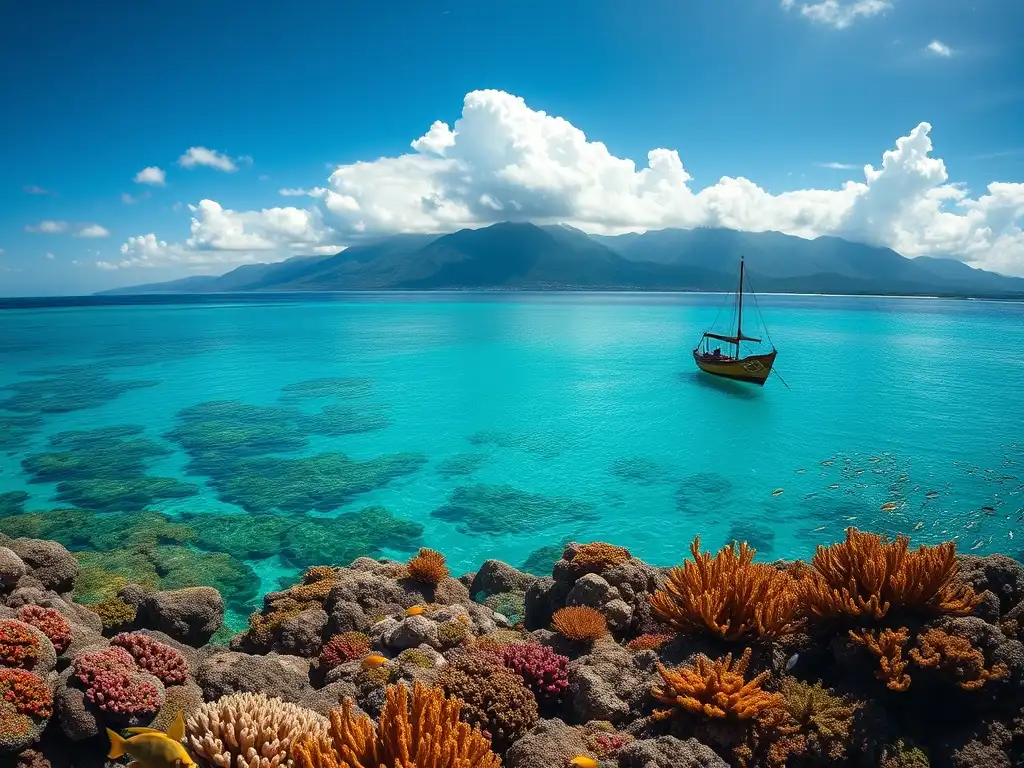
Welcome, explorer! Prepare to dive into a world shrouded in mystery and wonder: the Andean civilizations. For centuries, their sophisticated societies thrived, leaving behind a legacy of breathtaking artistry and intricate technology. But what secrets lie beneath the surface? Our exploration begins with the intriguing question of the Andean civilizations marine life role, a connection far deeper than you might imagine. Uncover the fascinating relationship between the seemingly distant world of the ocean and the towering heights of the Andes – a journey waiting to unfold.
The Andes Mountains, a formidable spine running down the western coast of South America, are often associated with high-altitude llama herding, terraced agriculture, and the impressive stone cities of civilizations like the Inca. However, a lesser-known aspect of Andean cosmology and worldview is the significant role played by marine life, particularly in coastal cultures. This article delves into the surprisingly deep connection between the Andean civilizations and the ocean, exploring how marine resources and imagery shaped their beliefs, rituals, and daily lives.
We will examine evidence suggesting that marine life wasn't merely a source of sustenance, but held profound symbolic and spiritual meaning, enriching the complex tapestry of Andean thought. From the vibrant shells adorning ceremonial objects to the powerful symbolism of marine deities, we will uncover the hidden influence of the ocean on the development and expression of Andean culture.
Understanding this relationship provides crucial context for a more complete understanding of Andean civilizations and their sophisticated interaction with their environment. This exploration will focus on several key areas to illuminate the multifaceted relationship between Andean people and the sea, addressing the often overlooked influence of marine life on their rich cultural heritage.
Coastal Cultures and the Ocean's Bounty
The Andean region isn't solely defined by its towering peaks; a significant portion of its population thrived along the Pacific coast. For these coastal communities, the ocean wasn't just a geographical feature; it was a life-giving source of sustenance. Fishing provided a crucial protein source, and shellfish offered essential minerals and vitamins.
The abundance of marine resources shaped societal structures, economic activities, and even artistic expressions. Evidence from archaeological sites along the Peruvian coast reveals intricate fishing techniques and sophisticated knowledge of marine ecosystems. Detailed records of fishing methods, the types of fish caught, and the tools used provide insight into the deep understanding these communities possessed of the ocean's rhythms and resources.
Furthermore, the presence of elaborate shell middens – massive piles of discarded shells – testifies to the scale of marine resource exploitation and its importance in their daily lives. This dependence on the sea undeniably influenced their worldview, fostering a deep respect for the ocean's power and bounty. The intricate relationship between coastal communities and marine life laid the foundation for a rich mythology and spiritual connection with the ocean.
Marine Life in Andean Iconography and Art
Numerous examples from Andean art and iconography depict marine creatures, suggesting their symbolic significance within the broader worldview. From meticulously crafted shell ornaments to intricate depictions of fish and marine mammals on pottery and textiles, the presence of marine life in artistic expressions is undeniable. These depictions weren't merely decorative; they often held symbolic meaning, possibly representing deities, fertility, or the interconnectedness of the natural world.
For example, [specific examples of marine imagery in Andean art pending]. The meticulous detail and artistic skill evident in these artifacts highlight the importance attributed to marine life and its integration into the cultural fabric of Andean societies. Further research is needed to fully decipher the symbolic language embedded within these artistic representations, but their sheer volume suggests a profound connection between Andean culture and the ocean's inhabitants.
The Role of Marine Deities and Rituals
While detailed information on specific marine deities across all Andean cultures is still being researched, evidence suggests the existence of powerful supernatural beings associated with the sea. [Specific examples of marine deities and associated rituals pending]. These beliefs likely shaped rituals and ceremonies, influencing social structures and everyday life.
The ocean's unpredictable nature, its power, and its abundance likely contributed to the development of complex belief systems surrounding marine deities. Further investigation into the religious practices of coastal communities could reveal more about the rituals and ceremonies associated with these deities, shedding light on the spiritual significance of the ocean in Andean worldview. The ocean's power and mystery surely inspired awe and respect, leading to the development of rituals aimed at appeasing or honoring these powerful marine entities.
The Interconnectedness of the Andean World: Mountains, Sea, and Sky
The Andean worldview wasn't limited to a single element; rather, it emphasized the interconnectedness of the entire cosmos. The mountains, the sea, and the sky were all seen as integral parts of a larger, harmonious system. Marine life, therefore, played a role within this broader cosmological framework, reflecting the interconnectedness of the Andean world.
[Further discussion of the interconnectedness of the Andean worldview and the role of marine life within that framework pending]. This holistic perspective is crucial to understanding the significance of marine life beyond its practical value as a resource. It was deeply embedded within the spiritual and philosophical beliefs of Andean civilizations, contributing to a comprehensive understanding of their place within the universe.
- Coastal Cultures and the Ocean's Bounty
- Marine Life in Andean Iconography and Art
- The Role of Marine Deities and Rituals
- The Interconnectedness of the Andean World: Mountains, Sea, and Sky
- What role did marine life play in Andean civilizations?
- How did the geography influence the Andean relationship with marine life?
- What evidence shows the importance of marine life in Andean art?
- Did the Andean civilizations have any marine-related technologies?
- How did the Andean worldview incorporate marine life?
Andean Civilizations and the Significance of the Sea
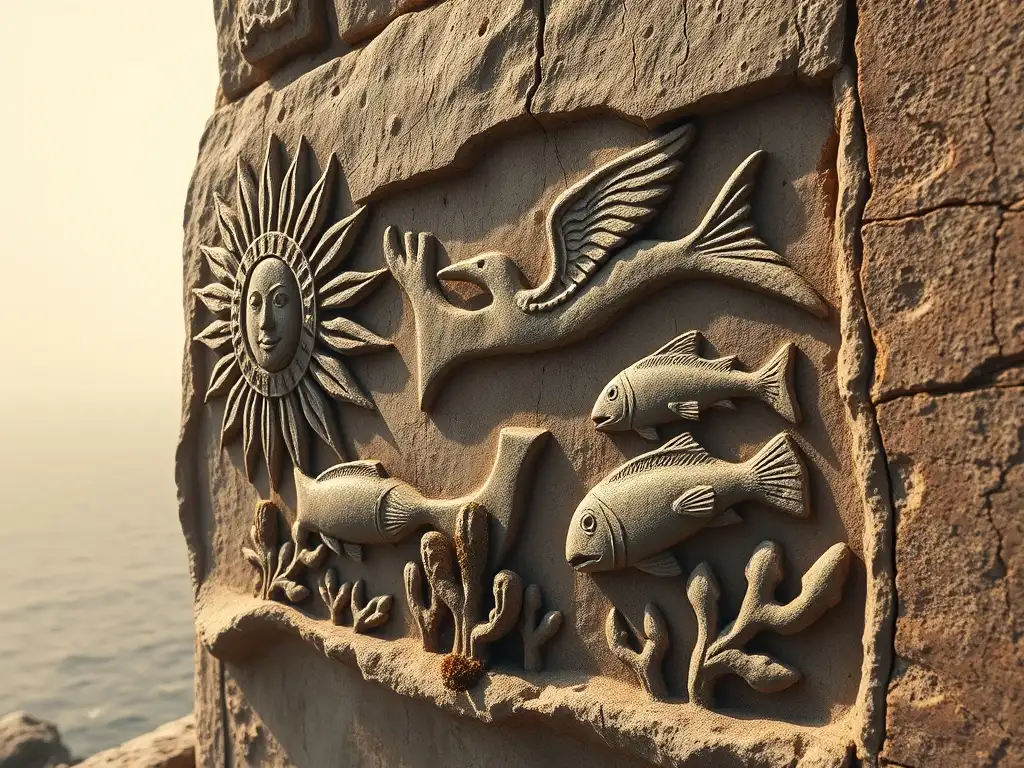
While often associated with mountainous terrain, the Andean civilizations' relationship with the sea was far from negligible. Understanding their interaction with marine life is crucial to grasping the nuances of their cosmology and worldview. The Pacific Ocean wasn't just a geographical feature; it represented a significant source of resources, a conduit for trade, and a powerful symbolic element woven into their beliefs and rituals.
This section will explore the multifaceted role of marine life in the Andean worldview, challenging the common misconception of a solely terrestrial focus. The keyword "Andean civilizations marine life role" will be explored throughout, highlighting the significance of this often-overlooked aspect of Andean history.
The Coastal Influence on Andean Cultures
The coastal regions of South America significantly impacted the development of Andean cultures. The availability of marine resources like fish, shellfish, and sea mammals shaped dietary habits, economic activities, and social structures. Coastal settlements flourished, developing unique technologies for fishing and navigation, distinct from those of their inland counterparts.
For instance, the Moche civilization, renowned for its sophisticated metalworking and elaborate ceramics, also demonstrated advanced fishing techniques. Their artwork frequently depicts fishing scenes, highlighting the importance of marine resources in their daily life and religious practices. The impact of the ocean's bounty extended beyond sustenance; it contributed to the growth of coastal cities and the establishment of complex trade networks that connected coastal and highland communities.
We can see this reflected in the diverse materials found in archaeological sites, often including coastal shells and marine artifacts far inland, demonstrating a robust exchange of goods and ideas facilitated by maritime activity. The coastal influence, therefore, was not merely a geographical proximity but a profound cultural and economic force shaping Andean societies.
Early Andean Societies and their Relationship with Marine Resources
Evidence suggests that early Andean societies developed sophisticated methods of exploiting marine resources long before the Inca Empire. Archaeological digs consistently unearth fishing implements, such as hooks, nets, and harpoons, dating back millennia. These findings indicate not only a practical understanding of marine ecosystems but also a deep-seated relationship with the ocean.
Furthermore, the consumption of marine life is evident in the analysis of ancient human remains. Isotopic studies of bones often reveal a significant proportion of marine-based protein in the diets of coastal communities, demonstrating the central role of marine resources in their sustenance. The development of specialized boats and navigation techniques further underscores the importance of the sea.
While specific details on the earliest boat designs remain incomplete, [specific information pending], we can infer a level of technological sophistication necessary for offshore fishing and potentially long-distance maritime travel. This early reliance on the sea laid the foundation for the more complex maritime activities observed in later Andean civilizations.
Evidence of Marine Trade in Andean Pre-Columbian Civilizations
The coastal regions acted as crucial hubs for trade networks extending throughout the Andes. Marine resources, such as shells, pearls, and fish products, were highly valued commodities traded both locally and over long distances. The presence of coastal shells in highland archaeological sites, often hundreds of kilometers from the nearest coastline, serves as compelling evidence of extensive trade networks.
These trade routes connected different Andean cultures, facilitating the exchange of not only material goods but also ideas, technologies, and religious beliefs. The distribution of specific types of shells, for instance, can be mapped to identify trade routes and the extent of cultural interaction. [Specific examples of shell types and their distribution pending].
The role of marine resources in these trade networks highlights the interconnectedness of Andean societies and the importance of the sea as a facilitator of cultural exchange and economic prosperity. The strategic location of coastal settlements and the development of specialized maritime technologies all contributed to the expansion and success of these far-reaching trade routes, solidifying the sea's importance within the broader Andean context.
The Enigmatic Role of Coral in Andean Beliefs
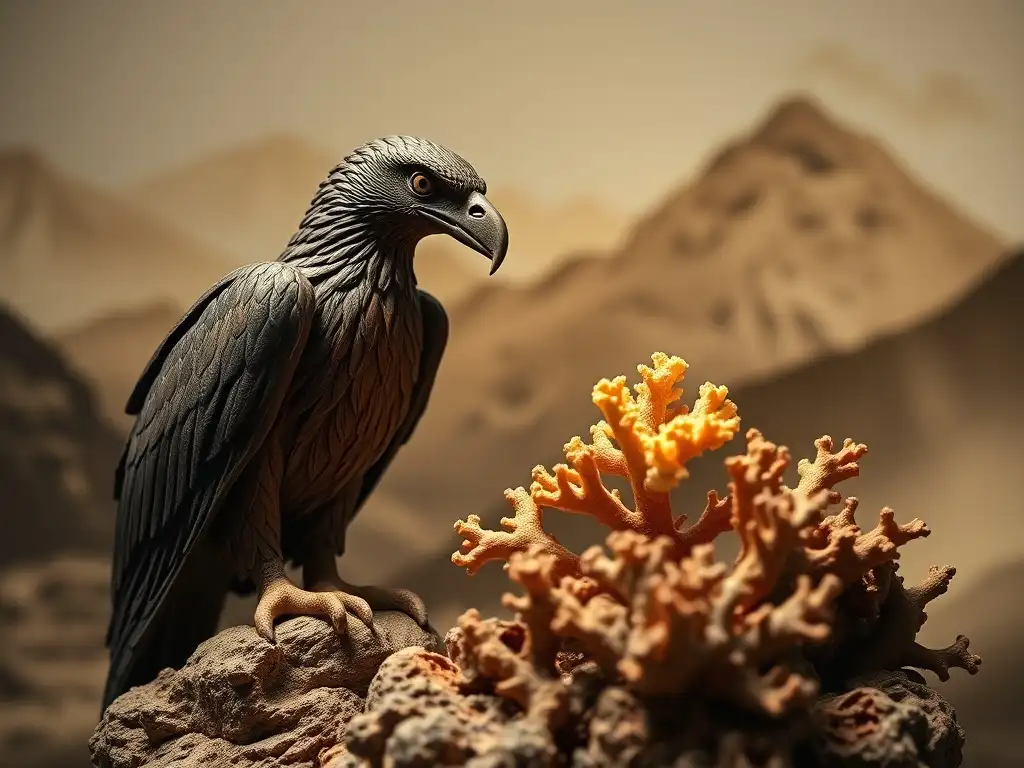
The Andean civilizations, renowned for their sophisticated understanding of their terrestrial environment, also held a complex relationship with the marine world. While geographically distant from extensive coastlines for many groups, the presence of marine resources like shells, fish, and importantly, coral, reveals a nuanced interaction with the ocean that extended beyond mere subsistence. This section will delve into the enigmatic role of coral, specifically, in shaping Andean beliefs and practices.
The scarcity of readily available coral in the Andes heightens its significance, suggesting its symbolic power transcended its practical utility. The limited archaeological evidence available requires careful interpretation, but emerging findings point to a fascinating connection between these seemingly disparate elements: the high-altitude Andean cultures and the marine life of the Pacific coast. Understanding this connection sheds light on the intricate tapestry of Andean cosmology and worldview, enriching our comprehension of "Andean civilizations marine life role".
Coral as a Sacred Material in Andean Rituals
The use of coral in Andean rituals remains largely shrouded in mystery, with few direct accounts surviving the Spanish conquest. However, archaeological discoveries provide tantalizing clues. Analysis of excavated sites reveals the presence of coral fragments in contexts suggestive of ritual activity.
For instance, some findings indicate coral pieces were interred alongside elite individuals, suggesting a connection between coral and notions of power, prestige, or spiritual significance. Further research is needed to fully understand the specific ritual contexts in which coral was employed. The limited data available hints at a potential association with water deities or ceremonies related to fertility and abundance, themes prevalent in Andean religions.
The meticulous craftsmanship evident in some coral artifacts—such as intricately carved beads or pendants—suggests a deep reverence for this material, bolstering the hypothesis of its ritual importance. The distribution of coral across different Andean cultures also warrants further investigation, potentially revealing regional variations in its symbolic meaning and ritual applications within the broader understanding of the "Andean civilizations marine life role."
Coral's Symbolism in Andean Art and Iconography
While direct depictions of coral in Andean art are scarce compared to other natural motifs, its presence in certain contexts is noteworthy. The rarity of coral itself may explain its less frequent portrayal. Instead of explicit representations, scholars suggest that the symbolic meaning of coral may be interwoven with other artistic motifs.
For example, the vibrant colors and intricate branching patterns of coral might be symbolically associated with other natural elements considered sacred, such as mountains or certain plants. Further research into Andean iconography, focusing on the stylistic elements that may represent coral indirectly, is crucial for a comprehensive understanding of its symbolic significance. The possibility of coral representing specific deities or cosmological concepts, perhaps linked to the ocean's power and mystery, warrants deeper exploration within the broader scope of "Andean civilizations marine life role".
The Use of Coral in Andean Burial Practices
The discovery of coral in Andean burial sites provides compelling evidence of its significance in funerary rituals. The presence of coral in tombs, often associated with elite individuals or individuals of high social standing, suggests its role in providing protection or facilitating passage to the afterlife.
The careful placement of coral artifacts within burial contexts indicates a deliberate act, suggesting a considered symbolic meaning. Detailed analysis of the types of coral used, their origin, and their association with other grave goods could reveal additional insights into the specific beliefs and practices surrounding death and the afterlife within these cultures.
Comparative studies examining the use of coral in burial practices across different Andean regions could illuminate regional variations and shed light on the evolution of these beliefs over time. The limited information currently available underscores the need for more extensive research to fully unravel the intricate relationship between coral, burial practices, and the broader Andean worldview, thereby contributing to our understanding of the "Andean civilizations marine life role."
Coral's Connection to Andean Deities and Cosmology
The vibrant colors and intricate structures of coral reefs, though geographically distant from the Andes, held a symbolic significance within the Andean worldview. While direct evidence of coral's widespread use in Andean rituals or iconography is scarce, its symbolic potential, derived from its inherent qualities, suggests a possible connection to their cosmology and deities. The enduring nature of coral, its ability to withstand the powerful forces of the ocean, could have resonated with Andean beliefs about the strength and resilience of their deities.
Consider, for instance, the enduring power attributed to Viracocha, the creator god, whose influence permeated all aspects of Andean life. The seemingly indestructible nature of coral could have served as a tangible representation of this divine power, linking the earthly realm to the spiritual.
Furthermore, the diverse array of colors and forms found in coral reefs might have been associated with the Andean concept of pachakuti, the cyclical nature of time and the cosmos. The constant transformation and regeneration observed in coral ecosystems, with their vibrant hues and complex structures, could have mirrored the cyclical worldview of the Andes, where periods of creation and destruction were seen as integral parts of a larger cosmic cycle.
This cyclical perspective is reflected in their agricultural practices and their understanding of the natural world, where the constant renewal of life was a central theme. Therefore, the captivating beauty and dynamic nature of coral could have been incorporated into their understanding of pachakuti, enriching their symbolic representation of the universe.
The scarcity of direct archaeological evidence necessitates further research to definitively establish the degree to which coral factored into Andean religious beliefs. However, considering the Andean emphasis on interconnectedness within the natural world and their rich symbolic language, it is plausible that coral, despite its geographical distance, held a place within their complex cosmology and religious practices. Future research focusing on iconography, textiles, and oral traditions could potentially uncover further clues regarding the role of marine life, including coral, in Andean beliefs.
The mystery surrounding coral's potential role remains a fascinating area of study for researchers exploring the Andean worldview. The absence of definitive proof does not negate the possibility of a deeper, symbolic connection, waiting to be unearthed.
Marine Life Beyond Coral: Other Aquatic Animals in Andean Worldview
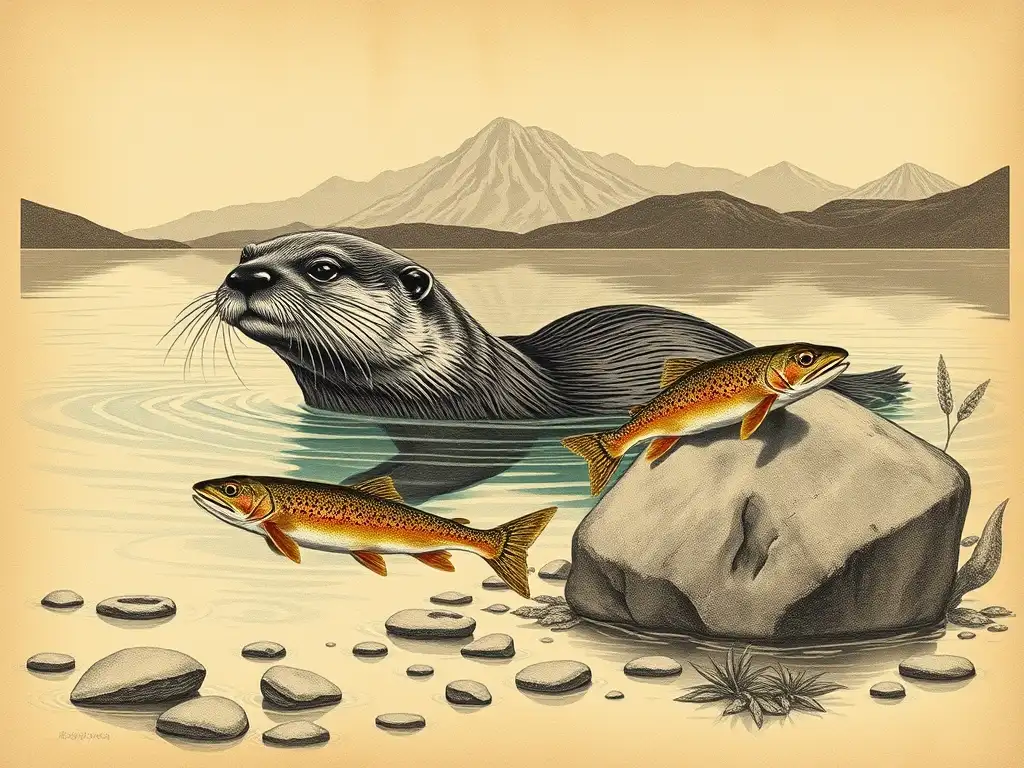
This section delves deeper into the Andean civilizations' relationship with marine life, expanding beyond the captivating mystery of coral to encompass other aquatic animals and their significance within their rich cosmology. While coral may have held a particularly prominent place in certain coastal Andean cultures, the broader Andean worldview integrated a diverse array of marine creatures into its symbolic and practical frameworks.
Understanding this broader perspective is crucial to appreciating the holistic nature of their relationship with the ocean and its inhabitants. The significance of marine life wasn't simply limited to a single species; rather, it was a complex tapestry woven from various aquatic elements, each contributing to the vibrant threads of Andean belief systems.
Shells and Their Importance in Andean Culture
Shells, readily available along the coast, played a multifaceted role in Andean societies. Far from being mere decorative items, shells served as essential tools, currency, and symbols within their intricate social structures. For instance, Spondylus shells, prized for their vibrant colors and rarity, were highly valued across various Andean cultures, from the Moche to the Inca. Evidence suggests these shells were used in religious ceremonies, adorning elite burials and appearing in depictions of powerful figures. Their scarcity likely contributed to their sacred status, associating them with divine power and prestige.
The use of shells extended beyond the realm of the sacred. Smaller shells were employed as beads for necklaces and other adornments, demonstrating their integration into everyday life. In some regions, shells even functioned as a form of currency, facilitating trade and economic exchange within Andean communities.
The consistent presence of shells in archaeological sites across different Andean cultures highlights their enduring significance throughout various periods and geographic locations. Further research into the specific types of shells used, their distribution patterns, and their association with particular rituals and ceremonies could provide a more comprehensive understanding of their role in Andean society. This investigation could reveal nuanced aspects of Andean trade networks, social hierarchies, and spiritual beliefs.
The Representation of Fish in Andean Art
Fish, abundant in Andean coastal waters, feature prominently in the art and iconography of various Andean civilizations. Moche pottery, renowned for its intricate detail and vivid depictions of daily life, frequently portrays fish alongside other marine creatures and human figures. These representations are not merely naturalistic; they often appear within narrative scenes, suggesting a deeper symbolic meaning. The careful observation of the context in which fish are depicted in Moche pottery, for example, can unlock clues about the relationship between humans and the marine environment.
In contrast to the Moche's detailed realism, other cultures might employ stylized representations of fish in their art. The precise symbolism of these representations often remains a subject of ongoing scholarly debate. However, considering the importance of fish as a food source, their presence in art could reflect a reverence for the ocean's bounty and recognition of its crucial role in sustaining Andean communities.
Further research is needed to fully understand the regional variations in fish representation across different Andean cultures and the specific symbolic meanings attributed to particular species. This interdisciplinary approach, combining archaeological findings with anthropological interpretations, will help us paint a more complete picture of the Andean worldview concerning fish.
Sea Birds and Their Symbolic Significance in Andean Beliefs
Seabirds, with their mastery of both land and sea, held a unique position in Andean cosmology. Their ability to traverse the realms between the terrestrial and aquatic worlds likely contributed to their symbolic significance. These birds, often depicted in art alongside other marine life and celestial elements, likely represented intermediaries between the human world and the supernatural. Their flight, mirroring the movements of the sun and stars, could have been interpreted as a connection between the earthly and celestial spheres.
Specific species of seabirds may have held particular importance in certain Andean cultures. The guano deposits left by massive seabird colonies also served as a vital resource, used as fertilizer and contributing to the agricultural success of Andean societies. Therefore, the practical benefits of seabirds alongside their symbolic significance likely further solidified their role in the Andean worldview.
Investigating specific seabird species depicted in art, their geographical distribution, and their association with particular rituals and myths can provide valuable insights into the complex relationship between Andean people and the avian inhabitants of the coastal ecosystem. The study of Andean mythology and oral traditions can shed light on the specific beliefs and narratives surrounding these birds. This research would help illuminate the multifaceted role of seabirds in shaping the Andean worldview.
Other Marine Creatures Found in Andean Artifacts
Beyond the prominent presence of coral in Andean iconography, a closer examination of artifacts reveals a wider range of marine life integrated into their worldview. While coral might symbolize specific cosmological concepts or represent a connection to the ocean's power, other creatures reflect different aspects of their relationship with the sea and its bounty.
For example, depictions of fish, particularly those found in pottery and textiles from various coastal cultures like the Moche and Chimú, often appear stylized but recognizable. These aren't simply decorative elements; their presence suggests a deeper significance, perhaps linked to fertility, abundance, or the cyclical nature of life and death as mirrored in the ocean's rhythms.
The meticulous detail in some of these representations, showcasing scales, fins, and even the subtle movements of the fish, highlights the keen observation skills and artistic mastery of Andean artisans. This attention to detail isn't merely aesthetic; it speaks to the profound respect and understanding these cultures held for the marine environment.
Further research into Andean iconography reveals representations of marine mammals, such as seals and possibly even dolphins, though these are less frequent than fish depictions. The scarcity of these representations may reflect the logistical challenges of encountering such animals or perhaps a different level of interaction with them compared to coastal fish. However, the presence of even a few examples suggests their inclusion wasn't accidental. These animals, often associated with power, grace, and intelligence in many cultures, likely held symbolic meaning within the Andean context.
The interpretation of these symbols, however, requires further investigation and analysis of the specific contexts in which they appear within different Andean societies. [Specific examples of artifacts and their locations pending]. The study of these artifacts requires a multidisciplinary approach, combining art history, archaeology, and anthropological insights to fully appreciate the complex web of meaning embedded within them.
The discovery of shellfish remains in archaeological sites also offers valuable insights into the role of marine life in Andean diets and economies. The types of shellfish found, their abundance, and the tools used to harvest them provide clues about subsistence strategies and trade networks. The presence of certain shellfish in specific locations might even point to patterns of migration or seasonal movements related to resource availability.
For instance, the prevalence of certain types of mussels in coastal settlements suggests their importance as a staple food source. Analysis of these remains can also provide information about the health and lifestyle of the people who consumed them, offering further insights into the overall Andean relationship with the marine environment.
[Data on specific shellfish species and their distribution pending]. This detailed analysis of both artistic and archaeological evidence paints a richer picture of the complex relationship between Andean cultures and the marine world.
Interpreting the Andean Perspective on the Ocean
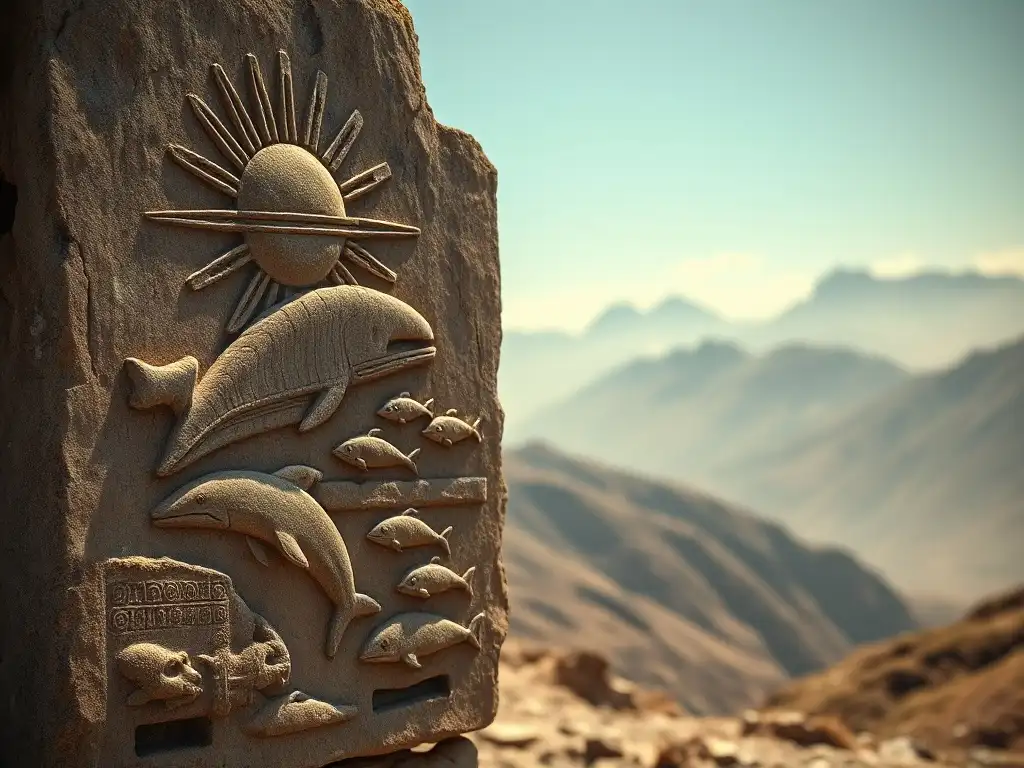
This section delves into the often-overlooked relationship between Andean civilizations and marine life, challenging the common perception of these cultures as solely focused on terrestrial environments. While the Andes Mountains undeniably shaped their existence, the coastal regions and the ocean played a significant, albeit less studied, role in their worldview and daily life. Understanding this connection is crucial to a complete understanding of Andean cosmology and its nuanced relationship with nature. The keyword "Andean civilizations marine life role" is central to this exploration, highlighting the importance of re-evaluating traditional narratives.
The Andean View of the Sea as a Source of Life and Power
The ocean, for Andean coastal communities, was far more than just a source of food. It was a powerful, life-giving entity, a source of sustenance and raw materials vital to their survival. Fish, shellfish, and marine mammals provided essential protein, while sea salt was crucial for food preservation and trade.
Coastal settlements, like those of the Moche and Chimú cultures, thrived on the bounty of the Pacific, developing sophisticated fishing techniques and intricate irrigation systems to manage water resources. Their intricate ceramics often depict marine life, not simply as decorative elements, but as powerful symbols of fertility, abundance, and the life-giving forces of the sea. This emphasis on the sea's generative power contrasts with the more commonly discussed focus on agricultural productivity in the Andes, demonstrating the multifaceted nature of the relationship between Andean peoples and their environment.
The influence of the ocean extended beyond mere sustenance; it profoundly impacted their social structures, economy, and spiritual beliefs. Detailed archaeological evidence, including fishing implements and coastal settlements, continues to illuminate the vital role of marine resources in the daily lives of these ancient societies.
The Ocean as a Connection to the Spiritual Realm in Andean Thought
Beyond its material contributions, the ocean held a profound spiritual significance for Andean cultures. The vastness, power, and mystery of the sea likely fostered a sense of awe and reverence, connecting it to the spiritual realm. While specific details vary across different Andean cultures, the ocean's unpredictable nature—its capacity for both bounty and destruction—likely fueled beliefs about powerful deities or spirits associated with marine environments.
Many Andean cosmologies incorporated a complex understanding of the interconnectedness of the terrestrial and aquatic worlds, reflecting a holistic worldview that integrated the spiritual with the material. For example, certain marine creatures might have been considered sacred, or associated with specific deities, reflecting a belief system that extended beyond the purely utilitarian. Unfortunately, precise details regarding these specific spiritual beliefs remain somewhat elusive due to the limited surviving textual records.
Further research into iconography and archaeological findings is crucial to fully uncover the depth and complexity of the Andean spiritual connection to the sea. This necessitates a more holistic approach to the study of Andean civilizations, moving beyond a purely land-centric perspective.
Andean Cosmovision and the Interconnectedness of Land and Sea
The Andean cosmovision emphasized the interconnectedness of all elements within the cosmos, including the seemingly disparate worlds of the mountains and the sea. This holistic perspective is crucial to understanding the role of marine life within the broader Andean worldview. The idea of Ayni, reciprocity, was central to their belief system, implying a balance and exchange between different elements of the environment.
This concept extended to the relationship between land and sea, highlighting a complex understanding of ecological systems. The ocean wasn't viewed in isolation but as an integral part of a larger, interconnected web of life. This perspective challenges the simplistic dichotomy often presented between "Andean highlands" and "Andean coast," revealing a more intricate and nuanced relationship between these seemingly distinct environments.
The impact of El Niño events, with their dramatic effects on both marine and terrestrial life, further underscores the interconnectedness of these ecosystems and their influence on Andean societies. Understanding this interconnectedness is key to appreciating the depth and complexity of Andean culture and its sophisticated relationship with the natural world. The profound influence of marine life on Andean civilizations deserves further study to enrich our understanding of their rich and complex history.
The Legacy of Marine Symbolism in Modern Andean Culture
The enduring presence of marine symbolism in contemporary Andean culture offers a compelling testament to the deep-rooted connection between these civilizations and the ocean, despite their predominantly mountainous geography. While the Andes are undeniably the central feature of their landscape, the influence of coastal regions and marine life on Andean worldview remains surprisingly robust. This enduring legacy manifests in various ways, influencing artistic expression, religious practices, and even everyday life. Understanding this enduring legacy is crucial to a complete understanding of the Andean civilizations marine life role.
Contemporary Andean Traditions and the Memory of Marine Life
Many contemporary Andean traditions subtly incorporate elements reflecting a historical connection to marine life. For example, certain coastal communities still maintain intricate fishing techniques and rituals passed down through generations, reflecting ancient practices and beliefs. These rituals often involve offerings to sea deities or spirits, demonstrating a continuity of spiritual reverence for the ocean.
The use of marine imagery in textiles, pottery, and other crafts also persists, though perhaps in a modified or stylized form. These artistic expressions often depict stylized sea creatures, waves, or even boats, suggesting that the ocean remains a powerful visual and symbolic element. The vibrant colors and patterns found in these crafts frequently evoke the dynamism of the ocean and its abundant life.
Further research into specific communities and their unique traditions could reveal even more nuanced examples of this enduring marine influence. For instance, [specific examples of coastal Andean traditions and their relation to marine life pending].
The Importance of Preserving Andean Knowledge of the Sea
The preservation of Andean knowledge of the sea is not merely an academic pursuit; it's a crucial step in safeguarding a rich cultural heritage and a unique perspective on the human-nature relationship. The passing down of traditional fishing techniques, knowledge of marine ecosystems, and associated spiritual beliefs represents a profound understanding of sustainable resource management developed over millennia. This knowledge holds immense potential for informing modern conservation efforts and promoting sustainable practices in coastal communities.
The loss of this traditional knowledge would represent a significant loss to both Andean culture and global understanding of human-ocean interaction. Protecting this legacy requires active engagement with Andean communities, supporting their efforts to maintain their traditions, and documenting their unique perspectives before they are lost forever.
This includes supporting initiatives that document oral histories, traditional practices, and artistic expressions related to marine life. A concerted effort to understand and preserve this knowledge is essential to ensuring the continued vitality of Andean culture and its sustainable relationship with the ocean.
Current Research on Andean Marine Symbolism
Current research on Andean marine symbolism is a vibrant field, incorporating interdisciplinary approaches from archaeology, anthropology, art history, and marine biology. Scholars are increasingly utilizing advanced technologies, such as high-resolution imaging and chemical analysis, to study ancient artifacts and gain a deeper understanding of the materials and techniques employed. This allows for a more detailed analysis of the symbolism embedded within these objects.
Furthermore, researchers are actively engaging with contemporary Andean communities to gather oral histories and firsthand accounts of traditional practices and beliefs related to the sea. This participatory approach ensures that research is conducted in a respectful and collaborative manner, acknowledging the importance of indigenous knowledge. However, challenges remain, including limited access to certain archaeological sites and the need for greater interdisciplinary collaboration.
[Data on the number of ongoing research projects focused on Andean marine symbolism pending]. Despite these challenges, the growing body of research promises to significantly enhance our understanding of the complex and enduring relationship between Andean civilizations and the marine environment, shedding further light on the role of marine life in their rich and multifaceted worldview.
Future Directions in the Study of Andean Marine Worldview
The study of the Andean worldview's relationship with marine life is a burgeoning field with significant potential for future research. Several key areas require further investigation to fully understand the complex interplay between coastal communities, inland populations, and their shared perception of the ocean's significance. One crucial area is the need for more interdisciplinary collaboration.
Integrating the perspectives of archaeologists, anthropologists, historians, marine biologists, and linguists will provide a more holistic understanding of the subject. For example, analyzing ancient coastal settlements alongside inland artistic representations of marine life could reveal intricate trade networks and the transmission of marine-related beliefs across vast distances. This approach would allow researchers to trace the evolution of marine symbolism and its influence on Andean cultures over time.
Furthermore, more detailed ethnographic studies are necessary to understand the contemporary expressions of this worldview. While some research exists, a deeper examination of living Andean communities' beliefs and practices related to the ocean is crucial. This includes documenting traditional fishing practices, rituals associated with marine resources, and the symbolic meaning of marine animals in modern Andean folklore and oral traditions.
Such studies will illuminate the continuity and transformation of marine-related beliefs from pre-Columbian times to the present day. Detailed linguistic analysis of Quechua and Aymara, focusing on terms related to the sea and marine creatures, could also shed light on the historical and cultural significance of marine life. This would provide valuable insight into the subtle nuances of Andean perceptions of the ocean and its inhabitants.
Finally, a significant challenge lies in accessing and interpreting the limited existing archaeological evidence. Many coastal sites remain unexplored or under-researched, hindering a comprehensive understanding of the role of marine resources in ancient Andean societies. Advanced technologies, such as underwater archaeology and remote sensing, could significantly enhance the discovery and analysis of submerged archaeological sites, potentially revealing new insights into ancient maritime activities and beliefs.
Moreover, careful analysis of existing artifacts, including pottery depicting marine life and shell ornaments, needs to be undertaken, focusing on their stylistic features and potential symbolic meanings within the broader context of Andean cosmology. By addressing these research priorities, we can significantly advance our understanding of the enduring legacy of marine symbolism in modern Andean culture and its place within the rich tapestry of Andean civilization.
Frequently Asked Questions
What role did marine life play in Andean civilizations?
While primarily known for their mountain-based cultures, Andean civilizations like the Moche and Inca did interact with the coastal marine environment. Seafood was a vital food source, and marine imagery appears in their art and religious iconography, suggesting a symbolic significance.
How did the geography influence the Andean relationship with marine life?
The Andes' mountainous terrain presented challenges to accessing the coast. However, trade networks and coastal settlements facilitated interaction, with marine resources playing a crucial role in their economies and diets.
What evidence shows the importance of marine life in Andean art?
Moche pottery frequently depicts marine creatures, often in scenes of fishing or ritualistic contexts. This visual representation indicates the cultural and religious importance of marine life to the Moche. Inca art also shows a connection, though less prominent.
Yes, fishing techniques and boat-building were essential technologies. Evidence suggests sophisticated methods of fishing, and the use of rafts and boats for coastal transport and trade. The development of these technologies reflects their adaptation to the coastal environment.
How did the Andean worldview incorporate marine life?
The symbolic meaning of marine life varied across different Andean cultures. Some evidence suggests that sea creatures held religious or mythological significance, possibly representing fertility, power, or the supernatural. Further research is needed to fully understand these beliefs.
Final Reflection: The Enduring Legacy of the Sea in Andean Thought
The vibrant tapestry of Andean culture, often associated with high-altitude landscapes, reveals a surprisingly deep connection to the ocean, a relationship far more intricate than previously acknowledged. This intricate interplay between terrestrial and marine worlds challenges our understanding of Andean civilizations and their sophisticated worldview, highlighting the interconnectedness of all life.
The enduring influence of marine life on Andean cosmology and spirituality is profound, shaping not only their artistic expressions but also their social structures and understanding of the cosmos. The ocean, a source of both sustenance and mystery, held a sacred place in their worldview, mirroring the cyclical nature of life and death. The sea is not merely a body of water; it is a living entity, a source of power and wisdom, reflecting the divine order of the universe.
This quote, though not directly from an Andean source, captures the essence of their reverence for the marine realm, a reverence that continues to resonate today.
Consider the implications of this rich history. How can we, in our modern world, reconnect with this profound respect for the natural world? You, the reader, are invited to reflect on the interconnectedness of all life, to consider the impact of our actions on the delicate balance of ecosystems, and to champion the preservation of our planet's biodiversity. Let the mystery of the coral, and the enduring wisdom of the Andean people, inspire you to become a steward of our shared environment.
Dive Deeper into Andean Perspectives!
Thank you for exploring the intricate relationship between marine life and Andean worldviews. You've uncovered fascinating insights into how these elements intertwine, enriching our understanding of Andean culture. Now, let's put that knowledge to use!
Here are some ways to deepen your connection with this topic:
- Engage with Local Communities: Learn firsthand about indigenous communities' practices and beliefs regarding marine life and its cultural significance by directly interacting with them. This could involve attending cultural events, participating in respectful exchanges, or supporting community-led initiatives.
- Share Your Insights: Discuss your newfound understanding with friends, family, or online communities to promote awareness of the importance of ecological relationships within diverse cultures. Consider sharing relevant articles or resources to encourage further learning.
- Explore Further: Visit a museum or aquarium with exhibits on Andean marine life and the surrounding cultures to witness how these creatures have shaped local traditions and beliefs. Look for opportunities to learn from experts and engage in respectful discussions about this unique cultural heritage.
What new perspectives on the Andean worldview will you gain from this experience?