
Bird Messengers: The Spiritual Significance of Avian Life in Andean Beliefs


Welcome, explorer! Prepare to soar into the breathtaking world of Andean civilizations. For centuries, these magnificent cultures thrived, leaving behind a legacy of unparalleled artistry and deeply spiritual beliefs. But what secrets do the skies hold? Discover the profound meaning behind Andean bird messenger symbolism, a captivating element of Andean cosmology that reveals a world where birds were more than just creatures of flight... they were vital links to the divine. Unravel the mysteries and delve into the rich tapestry of their beliefs – your journey begins now.
- Andean Bird Messengers: The Spiritual Significance of Avian Life
- The Condor: A Powerful Symbol of the Andean Sky
- The Hummingbird: A Messenger of Love and Energy
- The Owl: A Guardian of the Night and Wisdom
- Other Significant Birds in Andean Beliefs
- Avian Imagery in Andean Art and Textiles
- The Enduring Legacy of Andean Bird Symbolism
- Frequently Asked Questions
- Final Reflection: Echoes of the Andes: A Legacy of Avian Wisdom
- Embrace the Wisdom of Andean Bird Symbolism
Andean Bird Messengers: The Spiritual Significance of Avian Life

The Andes Mountains, a majestic spine running down the western coast of South America, are not just a geographical feature; they are a living, breathing entity imbued with profound spiritual significance for the ancient Andean civilizations. These cultures, including the Incas, Moche, Nazca, and Tiahuanaco, developed complex belief systems deeply intertwined with the natural world. A crucial element of this cosmology was the profound respect and understanding afforded to avian life, with birds often acting as powerful messengers, intermediaries between the earthly and spiritual realms.
This article delves into the rich symbolism surrounding Andean bird messengers, exploring their roles in Andean cosmology and beliefs, examining the specific symbolism attached to different bird species, and uncovering the enduring legacy of this avian connection in contemporary Andean culture. Understanding Andean bird messenger symbolism provides a key to unlocking a deeper appreciation for the intricate worldview of these fascinating civilizations and their profound connection to the natural world.
We will explore how this belief system shaped their art, rituals, and daily lives, revealing the enduring power of avian symbolism in the Andean worldview. Prepare to soar into the vibrant spiritual landscape of the Andes, where birds weren't just creatures of the air, but powerful symbols of communication with the divine.
Birds as Spiritual Intermediaries in Andean Cosmology
Andean cosmology viewed the world as a complex interplay of forces, both earthly and supernatural. Mountains, rivers, and celestial bodies were not just physical entities but powerful spiritual beings. Within this dynamic ecosystem, birds held a unique position as intermediaries, capable of traversing the boundaries between these realms. Their ability to fly, to effortlessly navigate the space between the earth and the heavens, made them ideal messengers for the gods and spirits.
Many Andean cultures believed that certain birds could carry prayers and offerings to the deities, acting as conduits for human communication with the supernatural. Their songs, flight patterns, and even their feathers were interpreted as messages or omens, providing guidance and insight into the world around them. This belief system is reflected in numerous archaeological findings, including depictions of birds in textiles, ceramics, and gold artifacts. The specific symbolism varied depending on the bird species and the cultural context, but the overall theme of avian messengers consistently appears throughout Andean history.
For instance, the condor, with its majestic presence and high-altitude flight, was often associated with the sun god and held immense spiritual significance. Smaller birds, too, held their own unique symbolism, often representing specific deities or aspects of the natural world. The intricate relationship between humans and birds in Andean cosmology demonstrates a deep understanding and respect for the interconnectedness of all living things. The belief that birds could act as messengers fostered a sense of awe and reverence for the natural world, reinforcing the importance of maintaining harmony between humanity and the cosmos.
Andean Bird Messenger Symbolism: A Deep Dive
The symbolism associated with Andean bird messengers is rich and complex, varying considerably depending on the specific species and the cultural context. While the condor frequently represented the sun god and held a position of supreme spiritual importance, other birds carried their own unique significance. For example, hummingbirds, with their dazzling displays and rapid movements, were often associated with fertility and the power of creation. Their ability to hover and seemingly defy gravity added to their mystical aura. Certain raptors, like eagles and hawks, were seen as symbols of power and authority, often associated with rulers and elite members of society.
Smaller birds, such as sparrows and finches, might represent more everyday aspects of life, such as abundance or communication within the community. The interpretation of bird symbolism often depended on the context in which the bird was encountered – its behavior, the time of year, and even the location all played a role. For example, a condor appearing in a particular ritual setting might signify a different message than a condor sighted during a hunting expedition. Detailed records of these interpretations, unfortunately, are scarce due to the limitations of written sources from the pre-Columbian era. However, surviving artifacts and ethnographic accounts provide glimpses into the richness and complexity of Andean bird symbolism.
Further research, particularly the analysis of iconography in textiles and ceramics, is crucial to a more comprehensive understanding of this fascinating aspect of Andean culture. The intricate system of bird symbolism demonstrates the deep understanding and respect for the natural world that characterized Andean civilizations. It highlights the interconnectedness of all living things within their cosmology and the profound spiritual significance they attached to the avian world. This intricate web of symbols continues to resonate within contemporary Andean communities, underscoring the enduring legacy of these ancient beliefs.
The Condor: A Powerful Symbol of the Andean Sky
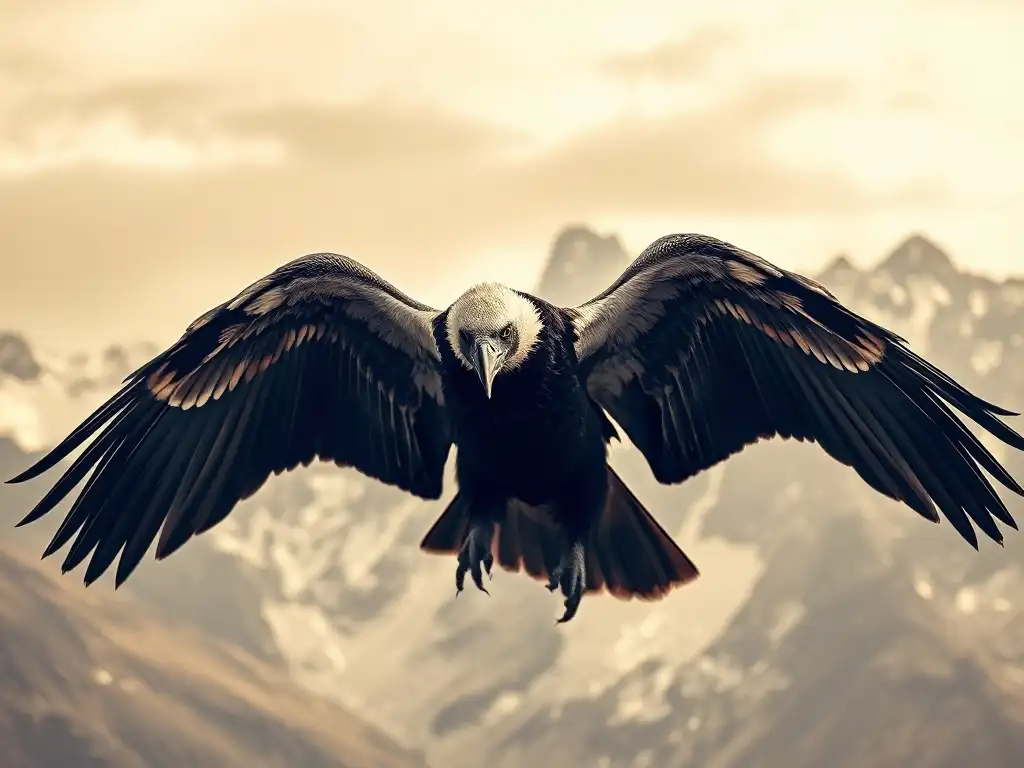
The condor ( Vultur gryphus), with its majestic wingspan and soaring flight, holds a position of paramount importance in Andean cosmology. Far from being merely a bird of prey, the condor embodies a powerful symbolism deeply intertwined with Andean spirituality and worldview. Its association with the upper world, its connection to the sun, and its role in mediating between the earthly and celestial realms make it a central figure in Andean mythology and ritual practices.
Understanding the condor's significance is key to unlocking a deeper understanding of Andean bird messenger symbolism. The sheer size and strength of the condor, capable of effortlessly navigating the vast Andean skies, resonated with Andean peoples who saw in it a representation of power, strength, and divine connection. Its ability to fly high above the mountains, closer to the sun and stars, solidified its association with the celestial realm.
The Condor's Role in Connecting the Upper World
The Andean worldview is fundamentally structured around a three-part cosmology: the Hanan Pacha (upper world), the Kay Pacha (middle world, or earthly realm), and the Ukhu Pacha (underworld). The condor, through its breathtaking flights, acts as a crucial mediator between these three realms. It is believed to carry messages and offerings between the gods in the Hanan Pacha and the people inhabiting the Kay Pacha.
This role as a messenger, a conduit between the divine and the human, is central to Andean bird messenger symbolism. Archaeological evidence, including depictions of condors on textiles and ceramics, supports this interpretation, showcasing the condor's consistent representation as a celestial being, often depicted in scenes that suggest its role as a divine intermediary. Moreover, the condor's ability to observe the world from a great height is interpreted as a capacity for insight and wisdom, further strengthening its association with the divine.
This perspective underscores the condor's importance not just as a physical being but as a powerful symbol of spiritual connection and communication. The visual representation of the condor often includes elements further reinforcing its role in connecting the upper and lower worlds, such as its association with the sun, lightning, and thunder – all powerful forces of the Hanan Pacha.
Condor Rituals and Their Significance
Condor rituals varied across different Andean cultures, but consistently reflected the bird's spiritual significance. In some cultures, the feathers of the condor were highly valued, used in ceremonies and worn as adornments by shamans and other important figures. The feathers were believed to possess powerful spiritual properties, acting as conduits for communication with the divine.
Specific rituals involved the use of condor feathers in healing ceremonies, divination practices, and offerings to the gods. The use of condor feathers in these rituals highlights the bird's perceived connection to the sacred and its power to mediate between the human and spiritual worlds. Furthermore, the act of mimicking the condor's flight through dance and ritual movements reinforced the symbolic connection between the human and the divine, demonstrating the importance of Andean bird messenger symbolism in shaping spiritual and social practices.
Detailed accounts of these rituals, however, are often scarce, requiring further research to fully understand the nuances of condor-related ceremonies across different Andean communities. Existing accounts suggest a rich tapestry of practices, indicating a complex relationship between Andean peoples and these powerful avian messengers. Further research into specific regional variations in condor symbolism and ritual practice would provide a more complete picture of Andean bird messenger symbolism.
The Hummingbird: A Messenger of Love and Energy
The hummingbird, a tiny creature of vibrant plumage and incredible speed, held a position of immense spiritual significance in Andean cultures. Far from being merely a beautiful bird, it served as a potent symbol, a messenger carrying vital messages between the earthly and spiritual realms. Its rapid flight, connecting different levels of existence, mirrored the Andean worldview's interconnectedness between the human world and the supernatural.
The hummingbird's association with love, energy, and the sun god Inti further cemented its importance in Andean cosmology. Understanding this symbolism provides crucial insight into the Andean understanding of the natural world and its powerful influence on human life. The prevalence of hummingbird imagery in Andean art and artifacts underscores its deep-rooted importance in their belief systems.
This tiny bird, with its seemingly tireless energy, became a powerful representation of life force and the cyclical nature of existence. The Andean people observed its relentless movement as a reflection of the sun's journey across the sky, further solidifying its sacred status.
Hummingbird Symbolism in Andean Art and Mythology
Andean art is replete with depictions of hummingbirds, their iridescent feathers meticulously rendered in ceramics, textiles, and metalwork. These representations often portray the hummingbird in dynamic poses, capturing its rapid movements and emphasizing its connection to the sun and the cosmos. For example, in Moche pottery, hummingbirds are frequently shown alongside other sacred creatures, such as jaguars and snakes, suggesting a complex interplay of spiritual forces.
The hummingbird's presence often indicates a scene of ritual or a connection to the supernatural realm. Furthermore, the hummingbird's association with love and fertility is evident in many mythological narratives. These stories often depict the hummingbird as a mediator between lovers or as a symbol of the life-giving power of nature.
The precise details of these narratives vary across different Andean cultures, highlighting the diversity of beliefs while maintaining a consistent core symbolism. Specific examples of these narratives are unfortunately scarce in readily available academic literature, requiring further research to fully elucidate the richness of the hummingbird's mythological role. [Specific mythological examples pending]
The Hummingbird's Connection to the Sun God
The hummingbird's association with the sun god Inti is particularly noteworthy. Its dazzling plumage, reflecting the sun's rays, and its energetic flight, mirroring the sun's daily journey, cemented its role as a messenger of the sun. Some scholars suggest that the hummingbird served as a physical manifestation of Inti's energy, carrying his life-giving power to the earth.
The hummingbird’s connection to the sun god is further reinforced by its association with gold, a precious metal deeply linked to the sun's brilliance and power in Andean cosmology. The creation of golden hummingbird ornaments and jewelry underscores this connection, demonstrating the bird's sacred status and its ability to channel the power of the sun god. The vibrant colors of the hummingbird, echoing the sunrise and sunset, only strengthen its symbolic link to Inti.
This association wasn't merely symbolic; it likely played a crucial role in Andean rituals and ceremonies, where the hummingbird might have represented a conduit for divine energy or a symbol of royal power connected to the sun god. Further research into Andean ritual practices could provide more concrete evidence of this connection. [Specific ritual examples pending]
This section has explored the profound spiritual significance of the hummingbird in Andean beliefs, focusing on its role as a messenger of love, energy, and the sun god Inti. The hummingbird's vibrant presence in Andean art and mythology, coupled with its association with vital life forces, highlights its central position within the Andean worldview.
The detailed investigation of this symbolism provides a deeper understanding of the Andean relationship with nature and the interconnectedness of the physical and spiritual worlds. Further research into specific mythological narratives and ritual practices is crucial to fully appreciate the rich tapestry of Andean beliefs surrounding this remarkable avian messenger.
The Owl: A Guardian of the Night and Wisdom
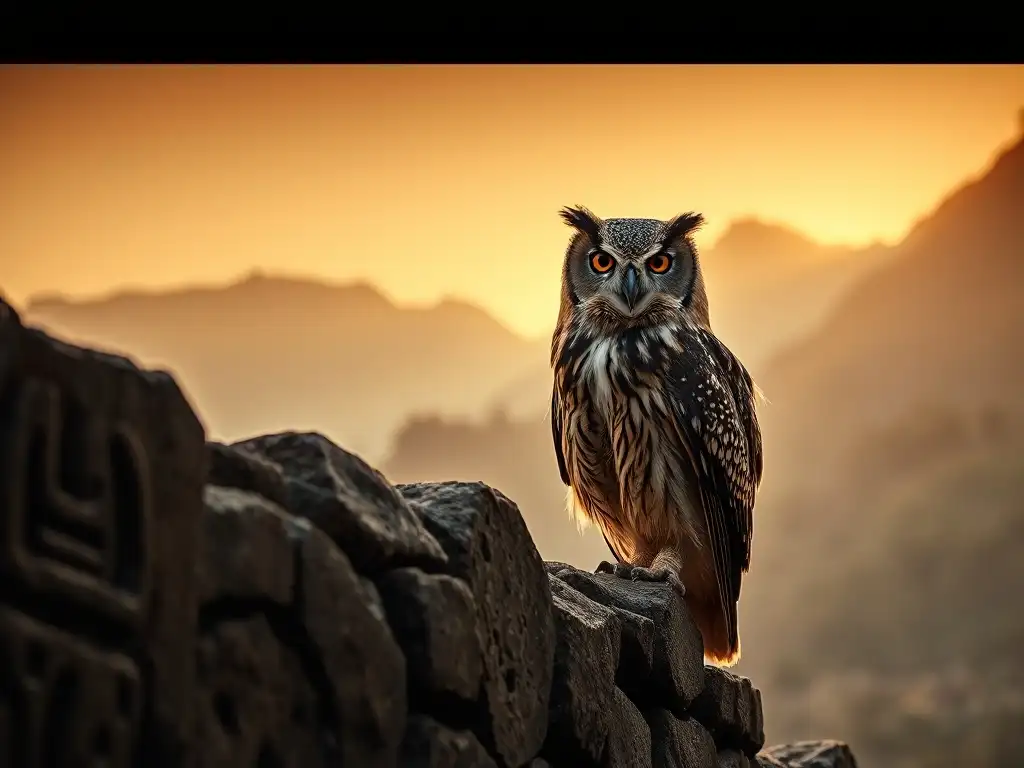
The owl, a creature of the night, holds a particularly significant place in Andean bird messenger symbolism. Unlike many cultures that associate owls with ill omen, Andean civilizations viewed the owl with a complex duality, recognizing its power and wisdom. Its nocturnal nature connected it to the unseen world, making it a potent intermediary between the living and the spirit realm. The silent flight and piercing gaze of the owl were seen as embodying both mystery and profound insight.
Different owl species, with their varying plumage and calls, likely held specific symbolic meanings within different Andean communities, though detailed records on these nuances are scarce. Further research into regional folklore and archaeological findings could shed more light on these fascinating variations. However, the overarching theme of the owl as a wise and powerful messenger remains consistent across many Andean traditions.
The Owl's Role as a Messenger from the Spirit World
In Andean cosmology, the spirit world is not a separate realm but interwoven with the physical one. The owl, with its ability to navigate both the darkness of night and the hidden dimensions of existence, served as a crucial link between these intertwined realities. It was believed to carry messages from deceased ancestors, providing guidance and warnings to the living.
These messages weren't necessarily limited to dire pronouncements; they could also convey blessings, prophecies, or simply a comforting presence from loved ones who had passed. The interpretation of an owl's appearance or call depended heavily on context—the specific circumstances, the owl's behavior, and the individual's own intuition.
For example, an owl hooting near a home might signal a visit from a deceased relative, while an owl seen flying overhead could be interpreted as a broader message from the spirit world, requiring careful consideration and reflection. The owl acted as a translator, bridging the gap between the visible and invisible, the mortal and the immortal.
Andean Beliefs About Owl Omens
Andean beliefs about owl omens were not simply about predicting the future; they were about understanding the interconnectedness of all things. The appearance of an owl was not seen as a random event but as a purposeful communication from the spirit world, offering insights into the individual's life and the broader community's destiny. While some encounters might have been interpreted as warnings of impending danger or misfortune, others were viewed as auspicious signs of good fortune or spiritual growth. The key to understanding these omens lay in careful observation and intuitive interpretation.
It wasn't simply about what the owl did, but also how it appeared, the sounds it emitted, and the overall context of the encounter. This nuanced approach reflects the Andean worldview, which emphasizes the importance of holistic understanding and interconnectedness. Unfortunately, much of the specific details regarding regional variations in owl omen interpretations remain undocumented, representing an area ripe for further scholarly investigation.
Preserving and understanding these traditions is crucial for a complete appreciation of Andean bird messenger symbolism. The owl, therefore, embodies not just a messenger, but a symbol of the profound relationship between the living and the spirit world, a relationship central to Andean cosmology. 🦉
Other Significant Birds in Andean Beliefs
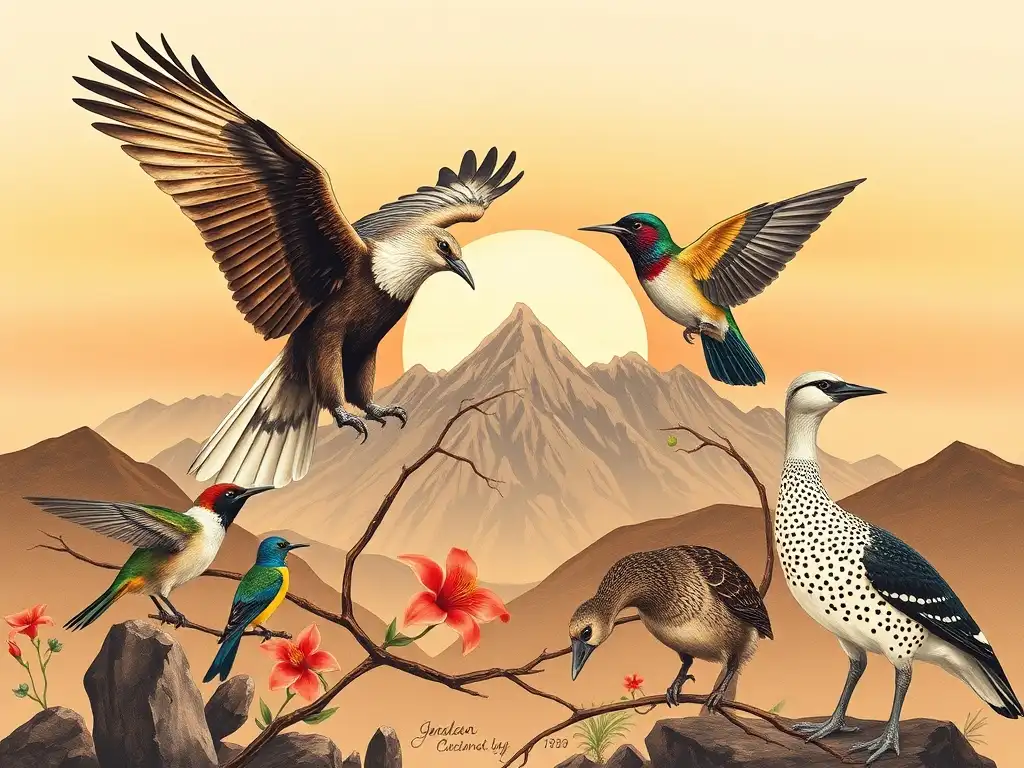
Beyond the condor's prominent role as a messenger and intermediary between the earthly and spiritual realms, several other avian species held significant symbolic weight in Andean cultures. These birds, often deeply intertwined with specific ecological niches and cultural practices, enriched the complex tapestry of Andean beliefs and provided further channels for communication with the supernatural world. Understanding their symbolism offers a deeper appreciation for the nuanced relationship between Andean people and their environment. The diverse interpretations and regional variations underscore the richness and complexity of Andean cosmology.
The Andean Flamingo: Symbolism and Connection to Water Spirits
The Andean flamingo ( Phoenicopterus andinus), a vibrant inhabitant of high-altitude salt lakes, held a special place in Andean spirituality. Its striking pink plumage, associated with the dawn and the rising sun, likely connected it to concepts of renewal and rebirth. Furthermore, its close association with water bodies linked it to the powerful water spirits ( Apu related to water) believed to inhabit lakes and rivers.
Many Andean communities viewed flamingos as guardians of these sacred waters, their presence a sign of spiritual purity and the continued flow of life-giving resources. The consumption of flamingo eggs, while practiced in some areas for sustenance, was likely also imbued with ritual significance, potentially invoking the power of the water spirits for blessings or protection.
Specific rituals or ceremonies involving flamingos remain largely undocumented, however, anthropological research suggests that these elegant birds were not merely viewed as a food source, but as integral to the spiritual ecology of the Andean world. Further research into the folklore and oral traditions of communities near flamingo habitats could reveal more precise details about their symbolic significance.
The Andean Cock-of-the-Rock: Spiritual Associations with Fertility and the Rainforest
The resplendent Andean cock-of-the-rock ( Rupicola peruvianus), with its vibrant orange plumage and elaborate courtship displays, was likely associated with fertility and the vitality of the rainforest ecosystem. Its striking appearance, particularly the male's flamboyant crest, may have symbolized strength, power, and virility.
The bird's habitat in the cloud forests, often shrouded in mist and mystery, may have further contributed to its spiritual significance, associating it with hidden powers and the unseen forces of nature. The intense courtship rituals of the cock-of-the-rock, with their vibrant displays of plumage and intricate movements, could have been interpreted as a symbolic representation of the life cycle and the renewal of nature.
While direct evidence linking the Andean cock-of-the-rock to specific rituals or beliefs is limited, its prominent role in the rainforest ecosystem and its striking visual characteristics strongly suggest its importance in Andean spiritual understanding. More research into the iconography and oral traditions of communities living near the cock-of-the-rock's habitat is needed to fully understand its symbolic meaning.
Specific Bird Species and Their Regional Significance
The Andean region's diverse geography and varied climates fostered a rich avian biodiversity, leading to a complex array of bird-related beliefs and practices that varied significantly across different regions and cultures. For instance, while the condor held pan-Andean significance, other species acquired specific meanings within particular communities. A hummingbird, for example, might represent agility and swiftness in one region, while symbolizing a different aspect in another.
Similarly, a particular species of owl might be associated with wisdom and prophecy in one area, but considered an omen of ill fortune in another. The lack of comprehensive documentation across the many diverse Andean communities makes it difficult to create a complete catalog of all bird species and their individual symbolic meanings. Further research, focusing on the oral traditions and ethnographic accounts from individual communities, is crucial to gaining a more complete understanding of the rich tapestry of Andean bird symbolism.
This regional variation underscores the need for a nuanced approach to studying Andean bird messenger symbolism, recognizing that the meaning of a given species could differ significantly depending on the specific cultural context. The ongoing effort to document and preserve these diverse traditions is essential to understanding the complex relationship between Andean cultures and the natural world.
Avian Imagery in Andean Art and Textiles
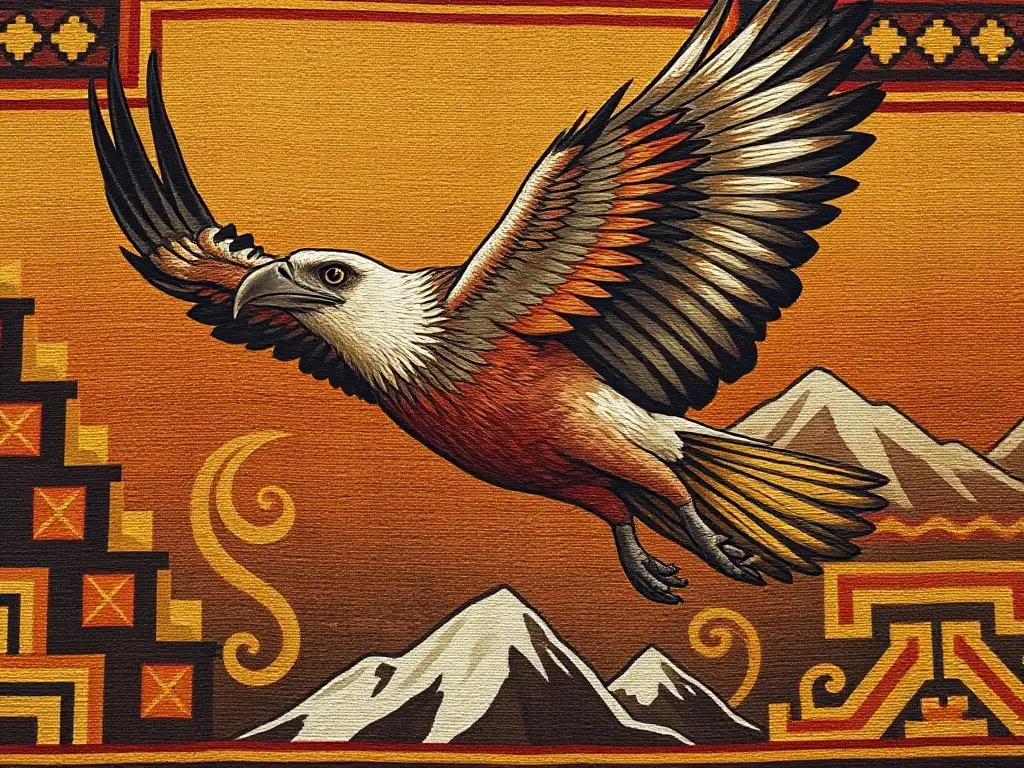
The pervasive presence of birds in Andean art and textiles speaks volumes about their significance in the worldview of these ancient cultures. Birds weren't merely depicted for aesthetic reasons; their representation carries deep symbolic weight, reflecting cosmological beliefs, social structures, and spiritual practices. The meticulous detail and vibrant colors used in their portrayal underscore their importance as powerful symbols within Andean cosmology.
Analyzing these artistic expressions provides invaluable insights into the intricate relationship between humans and the avian world. The meticulous detail and vibrant colors used in their portrayal underscore their importance as powerful symbols within Andean cosmology. Analyzing these artistic expressions provides invaluable insights into the intricate relationship between humans and the avian world, illuminating the profound spiritual significance of bird messengers.
This section will explore the diverse ways avian imagery manifests in Andean art, focusing on pottery and weaving. Understanding this artistry allows us to better grasp the nuanced Andean bird messenger symbolism.
Bird Motifs in Pottery and Weaving
Andean pottery, renowned for its sophistication and artistry, frequently features avian motifs. From the delicate Nazca ceramics adorned with stylized birds in flight to the more geometric representations found in Moche pottery, birds are a recurring theme. These depictions often integrate birds into broader narratives, portraying them within scenes of ritual, hunting, or mythological events. For instance, the Moche culture's pottery frequently showcases birds alongside human figures, suggesting a close interaction or even a symbolic connection between the two. The meticulous detail in the rendering of feathers, beaks, and postures reveals a deep understanding and appreciation for avian life.
The intricate textiles of the Andean civilizations also showcase a wealth of bird imagery. The use of vibrant dyes and sophisticated weaving techniques resulted in stunning representations of birds, often integrated into complex designs that incorporate other symbolic elements. These textiles, frequently used in ceremonial contexts, served as powerful visual statements, conveying messages and narratives related to Andean bird messenger symbolism.
The choice of specific bird species, their postures, and their placement within the overall design contribute to the rich tapestry of meaning conveyed. Further research into specific textile patterns and their associated cultural contexts is needed to fully understand the range of meanings conveyed. For example, [specific information pending] on the significance of specific bird species in different Andean regions would significantly enhance our understanding.
The Representation of Bird Messengers in Andean Iconography
The concept of bird messengers, beings that traverse the earthly and spiritual realms, is powerfully represented in Andean iconography. These avian figures often appear in contexts associated with shamanism, divination, and communication with the supernatural. The condor, for example, frequently holds a prominent position, its majestic presence symbolizing power, altitude, and connection to the upper world.
Its depiction often involves intricate details, emphasizing its role as a powerful intermediary. Other bird species, such as the hummingbird, with its association with speed and agility, might represent a different aspect of Andean bird messenger symbolism – perhaps a connection to the quick transmission of messages or the swiftness of spiritual journeys.
The use of specific colors in the depiction of these bird messengers also holds symbolic significance. [Specific information pending] on color symbolism in Andean art related to avian messengers would provide a more comprehensive understanding. However, preliminary research suggests that vibrant colors like red and gold might be associated with power and divinity, while other colors might represent different aspects of the spiritual world.
The careful analysis of these color choices within different cultural contexts, particularly in relation to the specific bird species depicted, promises to unlock further layers of meaning in Andean bird messenger symbolism. The integration of birds into more complex iconographic scenes further strengthens their symbolic weight, emphasizing their role within a larger cosmological framework. Further research into specific iconographic representations and their associated myths and legends is crucial to a full understanding of this complex symbolism.
The Enduring Legacy of Andean Bird Symbolism
The spiritual significance of birds in Andean cultures wasn't confined to the past; it continues to resonate deeply in contemporary Andean societies. While the overt rituals and ceremonies might have evolved or adapted, the underlying respect and reverence for avian life persist. This enduring legacy is a testament to the interwoven relationship between Andean peoples and their environment, a connection that transcends time and historical shifts.
Understanding this enduring legacy is key to appreciating the holistic worldview of Andean civilizations and their profound connection with nature. The symbolism continues to influence art, storytelling, and even daily life, subtly shaping the cultural landscape.
How Andean Cultures Continue to Honor Birds
Many Andean communities continue to incorporate avian imagery into their daily lives. Textiles, for example, frequently feature intricate designs depicting condors, hummingbirds, and other significant birds. These aren't mere decorations; they carry symbolic weight, representing concepts like freedom, power, and connection to the spiritual realm.
Furthermore, traditional Andean music often incorporates bird calls and songs, reflecting the ongoing importance of these creatures in their cultural expression. The continued use of bird imagery in contemporary Andean art demonstrates a lasting connection to ancestral traditions and the enduring power of avian symbolism. This isn't simply a nostalgic practice; it's a living tradition that reflects ongoing values and beliefs.
For instance, the condor, a powerful symbol of Andean culture, continues to be revered and often featured in modern celebrations and festivals. The intricate weaving patterns found in contemporary textiles often depict scenes of birds in flight, showcasing the ongoing importance of Andean bird messenger symbolism.
The oral traditions, too, play a vital role. Stories and myths featuring birds, passed down through generations, continue to shape the worldview of many Andean communities. These narratives often highlight the roles birds play as messengers, guides, and protectors, reinforcing the profound spiritual significance attributed to avian life. This oral tradition ensures that the knowledge and symbolism associated with Andean bird messenger symbolism remain relevant and vibrant in contemporary Andean society. The stories act as a living archive of cultural memory, ensuring that the significance of birds is not lost to time.
The Importance of Preserving Bird Habitats in the Andes
The preservation of bird habitats in the Andes is not merely an environmental concern; it's intrinsically linked to the preservation of Andean cultural heritage. The ongoing decline of bird populations due to habitat loss, climate change, and other factors directly threatens the rich tapestry of Andean bird messenger symbolism. As bird populations dwindle, so too does the living embodiment of these powerful cultural symbols. The loss of biodiversity impacts not only the ecological balance but also the cultural identity of Andean communities. This is a critical issue that demands immediate attention.
The Andean region's unique biodiversity is a critical element of its cultural identity. The diverse avian life, with its rich symbolic meaning, is integral to this identity. Therefore, conservation efforts must consider the cultural significance of bird habitats alongside ecological concerns. Effective conservation strategies require collaboration between environmental organizations, local communities, and governmental bodies.
This collaborative approach recognizes the interconnectedness of ecological and cultural preservation, ensuring that the enduring legacy of Andean bird messenger symbolism continues for generations to come. Community-based conservation initiatives are particularly effective, empowering local communities to protect their natural and cultural heritage simultaneously. The future of Andean bird messenger symbolism is inextricably linked to the health and preservation of its avian populations and their habitats.
Frequently Asked Questions
What role did birds play in Andean cultures?
Birds held significant spiritual importance in various Andean cultures. They were often seen as messengers between the earthly and spiritual realms, representing concepts like fertility, prophecy, and the power of the gods. Their symbolism varied across different Andean groups.
What is the significance of Andean bird messenger symbolism?
Andean bird messenger symbolism reflects the deep connection between the people and the spiritual world. Birds were believed to carry messages from the gods or ancestors, acting as intermediaries in sacred rituals and divination practices. Their flight symbolized the journey between worlds.
Which specific birds held prominent roles as messengers?
While many bird species held symbolic meaning, certain birds like the condor (representing power and the high Andes) and smaller birds like hummingbirds (representing spiritual energy and communication) were particularly important messengers. The specific bird varied depending on the culture and context.
How was bird symbolism reflected in Andean art and artifacts?
Andean art frequently depicts birds, often in ceremonial contexts. Textiles, pottery, and metalwork feature birds in various postures and settings, highlighting their importance in religious beliefs and daily life. This imagery provides valuable insights into their spiritual significance.
How did Andean beliefs about bird messengers influence their daily lives?
Beliefs surrounding bird messengers impacted Andean daily life, shaping ritual practices, agricultural cycles, and social structures. The observation of bird behavior was crucial for decision-making, especially in matters of agriculture, warfare, and political leadership, revealing a deep integration of the spiritual and material worlds.
Final Reflection: Echoes of the Andes: A Legacy of Avian Wisdom
The intricate relationship between Andean cultures and their avian messengers remains profoundly relevant today, a vibrant testament to the enduring power of spiritual connection with the natural world. Understanding this ancient wisdom offers not only a glimpse into a rich cultural heritage but also a potent reminder of our interconnectedness with all living things, a connection often lost in the modern world. The symbolic language of birds, their flight mirroring our aspirations, their songs echoing our emotions, continues to resonate deeply within the human spirit.
The enduring influence of Andean bird symbolism is undeniable, shaping artistic expression, spiritual practices, and even everyday life in the region. It's a legacy that transcends generations, a living tapestry woven from myth, legend, and deeply held beliefs. The vibrant imagery of condors soaring over majestic peaks, hummingbirds flitting among sacred flowers, and the calls of smaller birds weaving through the landscape, all speak to a profound understanding of the interconnectedness of life. The bird is a symbol of freedom, of the spirit's ability to transcend the limitations of the physical world.
This sentiment, though perhaps not directly from an Andean source, perfectly encapsulates the essence of avian symbolism within this rich cultural context.
Consider the messages these feathered messengers bring to your own life. What are the "songs" that resonate within your own heart? What are the "flights" you aspire to take? Take a moment to observe the birds around you, to listen to their calls, and to reflect on the deeper meanings they might hold. Let their freedom inspire you, their resilience strengthen you, and their beauty remind you of the profound interconnectedness of all life, a legacy passed down from the ancient Andes and waiting to be rediscovered within each of us.
Embrace the Wisdom of Andean Bird Symbolism
Thank you for exploring the fascinating world of avian symbolism in Andean culture! You've discovered the profound spiritual guidance birds offer. Now, let this knowledge enrich your life.
Deepen Your Connection to this Rich Tradition:
- Reflect and Journal: Select a bird that resonates with you and keep a journal to document your encounters. Record your thoughts, feelings, and any insights you gain.
- Share Your Discoveries: Discuss your understanding of Andean bird symbolism with friends or in online communities. You might inspire others with this rich tradition.
- Observe Local Birds: Take time to observe the birds in your area, meditating on their behavior and considering how it might mirror your own life path.
Which bird resonates most deeply with you, and how will you honor its presence in your life? Share your reflections below!