
The Llama's Burden: Andean Animal Domestication and its Impact on Society

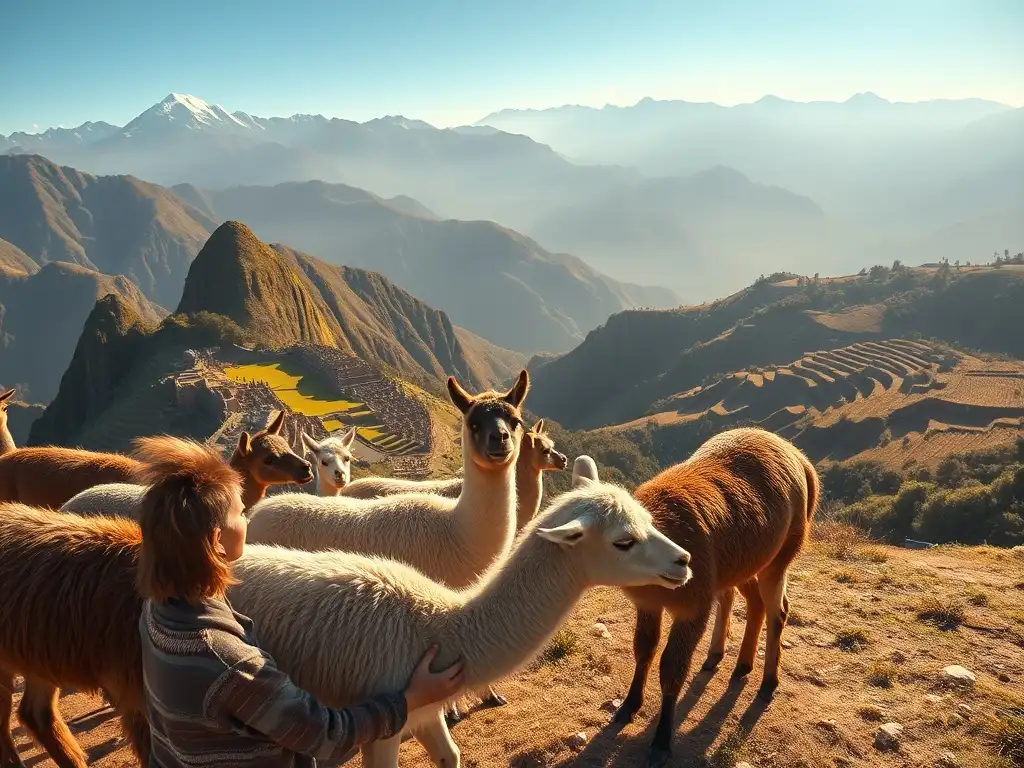
Step into a world lost to time, yet echoing with the whispers of a magnificent past. Journey with us through the breathtaking landscapes and intricate societies of the Andes, where towering mountains witnessed the rise and fall of empires. Unravel the mysteries surrounding the Andean llama domestication history, a pivotal story that shaped not only the lives of these incredible creatures, but the very fabric of Andean cosmology and worldview.
Prepare to be captivated by a tale of ingenuity, adaptation, and the enduring legacy of a civilization inextricably linked to its animal companions. Discover more about this fascinating connection within our exploration of Andean Cosmology and Worldview.
The Andes Mountains, a spine of towering peaks and deep valleys stretching along the western coast of South America, nurtured a rich tapestry of ancient civilizations. These societies, including the Incas, Moche, Nazca, and Tiahuanaco, didn't just conquer the challenging terrain; they developed sophisticated strategies for survival and prosperity, deeply intertwined with their environment.
Central to their success was the domestication of camelids – llamas and alpacas – a pivotal development that shaped their social structures, economies, and spiritual beliefs. This article delves into the history of Andean llama domestication, exploring the process, its impact on Andean societies, and the enduring legacy of these remarkable animals.
Understanding the role of the llama in Andean history provides crucial insight into the ingenuity and resilience of these remarkable cultures and offers a compelling example of the profound relationship between humans and animals in shaping the course of civilization. We will examine the evidence for early domestication, the subsequent societal changes, and the lasting cultural significance of these animals, revealing how the "llama's burden" was in fact a cornerstone of Andean prosperity.
Introduction to Andean Camelids and their Significance
The Andean camelids – the llama ( Lama glama) and the alpaca ( Vicugna pacos) – are not merely livestock; they were, and continue to be, integral to the cultural identity and economic well-being of Andean communities. These two species, along with their wild relatives the guanaco ( Lama guanicoe) and vicuña ( Vicugna vicugna), possess unique adaptations that allowed them to thrive in the harsh high-altitude environments of the Andes. Their fleece provided warm clothing, their meat a vital source of protein, and their strength facilitated transportation across challenging terrain.
But their importance extended far beyond mere practicality. Llamas and alpacas were deeply interwoven into the spiritual and symbolic fabric of Andean societies, featuring prominently in religious ceremonies, artistic representations, and mythological narratives. The distinction between llamas and alpacas, while crucial for modern breeders, wasn't always as clearly defined in ancient times, adding another layer of complexity to understanding their early domestication.
Archaeological evidence suggests a complex interplay between wild and domesticated populations, a process that unfolded over centuries and varied across different Andean regions. The exact timeline and specifics of this process continue to be refined as new research emerges, highlighting the ongoing importance of interdisciplinary studies combining archaeology, genetics, and anthropology to fully understand this crucial aspect of Andean history.
Pre-Domestication: The Wild Ancestors of Llamas
Before the domestication of llamas and alpacas, their wild ancestors, the guanaco and vicuña, roamed freely across the Andean highlands. Guanacos, larger and more robust than vicuñas, inhabited a wider range of altitudes and environments. Vicuñas, on the other hand, were adapted to higher altitudes and more arid conditions. Understanding the behavior and ecology of these wild camelids is crucial for reconstructing the process of domestication.
Archaeological findings, such as the presence of guanaco bones in early Andean settlements, provide evidence of human interaction with these animals long before full domestication. Early interactions likely involved hunting and the opportunistic use of guanaco and vicuña resources. However, the transition from hunting to herding represented a significant shift in human-animal relationships, demanding new strategies for animal management, breeding, and social organization.
The precise timeline of this transition remains a subject of ongoing research and debate among scholars, with varying estimates based on different lines of evidence, including isotopic analysis of bone samples and genetic studies comparing wild and domestic populations. The complexity of this process is further highlighted by the geographical variations in domestication timelines, suggesting that it wasn't a single event but a gradual process that unfolded differently across various Andean regions. The development of herding practices likely involved a long period of co-evolution, with both humans and camelids adapting to their changing relationship.
The Early Stages of Andean Llama Domestication
Initial Human-Llama Interactions in the Andes
The relationship between humans and llamas in the Andes began long before formal domestication. Archaeological evidence suggests early interactions dating back thousands of years, possibly as early as the late Pleistocene. These initial interactions likely involved opportunistic hunting of wild guanacos, the llama's wild ancestor. Humans may have begun to understand the guanaco's behavior and social structures, laying the groundwork for future domestication efforts.
The exact nature of these early interactions remains a subject of ongoing research, with ongoing debates about the precise timing and extent of early human influence on guanaco populations. However, it is clear that a long period of coexistence preceded the full domestication of the llama. This gradual process, spanning centuries or even millennia, involved a shift from hunting to herding, a crucial step in the domestication process.
Evidence of Early Llama Husbandry
Evidence supporting early llama husbandry comes from several sources. Archaeological digs have unearthed llama bones in proximity to human settlements, often exhibiting signs of butchering consistent with controlled animal management rather than simple hunting. Furthermore, the discovery of llama dung in ancient settlements provides further clues, indicating the presence of llamas in close proximity to humans over extended periods. The distribution and isotopic analysis of these remains offer insights into the llama's role in Andean societies, suggesting a gradual shift from hunting to herding practices.
Cave paintings and other forms of ancient Andean art also depict llamas, often in scenes that hint at a close relationship between humans and these animals. The style and context of these depictions provide valuable information about the evolving human-llama relationship. These multi-faceted sources of evidence paint a picture of a gradual, complex process of domestication, not a sudden event.
The Timeline of Llama Domestication in the Andean Region
Pinpointing the exact date of llama domestication remains challenging. However, the most widely accepted estimates place it somewhere between 4,000 and 7,000 years ago, with some researchers suggesting even earlier dates. This process wasn't uniform across the Andes, varying regionally based on environmental conditions and human population density. For instance, domestication likely proceeded at different rates in the high-altitude regions compared to the coastal areas.
The development of sophisticated herding techniques and the emergence of specialized llama breeds likely unfolded over a significant period. The lack of a single, definitive date highlights the complexity of the process and the need for continued research to refine our understanding of Andean llama domestication history. Further investigations utilizing advanced dating techniques and comparative genomic studies will help to create a more precise timeline.
The Process of Selective Breeding and Llama Characteristics
Physical Changes in Domesticated Llamas
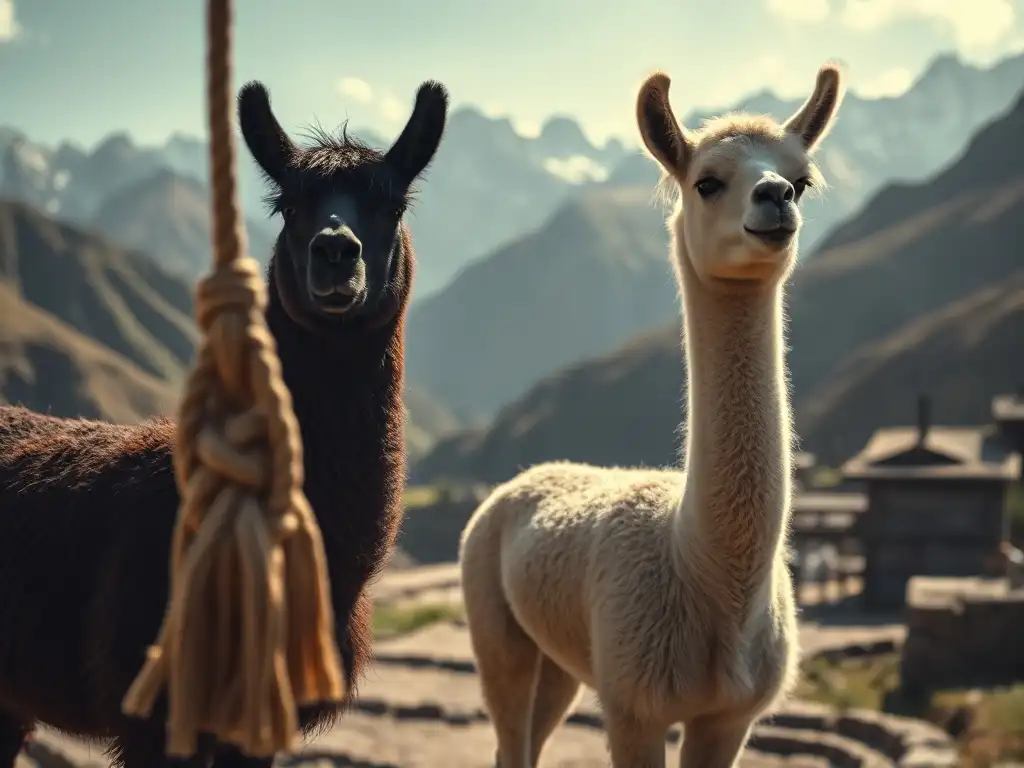
Domesticated llamas exhibit several physical differences compared to their wild guanaco ancestors. These changes are largely attributable to selective breeding practices employed by Andean cultures over millennia. Domestic llamas tend to be smaller and less agile than guanacos, reflecting a shift towards traits more suitable for herding and less emphasis on escaping predators.
Skeletal changes, such as alterations in body proportions and tooth morphology, are also evident in domesticated llama remains. These physical alterations are a direct consequence of human intervention, highlighting the power of selective breeding in shaping animal characteristics. The reduced size and altered skeletal structure are indicative of a shift towards a more docile and manageable animal.
The Role of Selective Breeding in Llama Development
Selective breeding played a pivotal role in shaping the characteristics of domesticated llamas. Andean herders likely favored animals that were docile, easy to manage, and produced high-quality fiber or meat. This process, carried out over generations, resulted in the development of distinct llama breeds adapted to specific environments and purposes.
The selection for specific traits, such as fleece quality, size, and temperament, had a profound impact on the llama's overall morphology and behavior. This intentional selection, passed down through generations of Andean herders, speaks to their deep understanding of animal husbandry and genetics. The success of this long-term breeding program demonstrates the significant impact of human intervention on the evolution of the llama.
Llama Traits and their Adaptability to the Andean Environment
Llamas possess a remarkable suite of traits that make them well-suited to the challenging Andean environment. Their high-altitude tolerance, coupled with their ability to thrive on sparse vegetation, allowed them to become an essential resource for Andean civilizations. Their strong hooves enable them to navigate steep, rocky terrain, while their thick fleece provides insulation against harsh weather conditions.
These traits, honed through both natural selection and selective breeding, contributed significantly to the llama's success as a domesticated animal. Their adaptability to diverse Andean ecosystems, from high-altitude puna grasslands to lower-lying valleys, underscores their importance to the region's human populations. The llama's remarkable resilience and adaptability are testament to the power of both natural and human-driven selection.
The Multifaceted Uses of Llamas in Ancient Andean Societies
Llamas were not merely beasts of burden for the ancient Andean peoples; they were integral to the very fabric of their societies, playing multifaceted roles that extended far beyond simple transportation. Their importance permeated daily life, influencing everything from trade and agriculture to religious practices and social structures. The versatility of the llama allowed Andean civilizations to thrive in challenging environments, showcasing a deep understanding of animal husbandry and resource management.
Their domestication marked a pivotal moment in Andean history, shaping the trajectory of their cultures and civilizations in profound ways. Understanding the multifaceted uses of llamas provides crucial insights into the ingenuity and adaptability of these ancient societies.
Llamas as Pack Animals: Transportation and Trade
The ability of llamas to carry substantial loads across challenging Andean terrain revolutionized transportation and trade. Their surefootedness on steep, rocky paths allowed for the efficient movement of goods over vast distances, connecting disparate communities and facilitating the exchange of vital resources. Archaeological evidence reveals the existence of extensive llama trails, meticulously maintained networks that crisscrossed the Andes, facilitating the transport of everything from agricultural produce and textiles to precious metals and building materials.
This efficient transport system was crucial for the economic development and political integration of the Andean civilizations. Without the llama, the scale of trade and communication across the vast Andean landscape would have been drastically limited.
Llama Wool and Fiber: Clothing and Textiles
Llama wool, renowned for its softness, warmth, and durability, formed the basis of a thriving textile industry in the Andes. The highly skilled artisans of these civilizations produced an astonishing array of garments, blankets, and tapestries from llama fiber, demonstrating a mastery of spinning, weaving, and dyeing techniques. The quality and variety of llama wool textiles varied according to social status, with finer quality materials reserved for the elite.
The production and trade of these textiles played a significant role in the Andean economy, contributing to the wealth and power of certain communities and strengthening social ties. The intricate designs and vibrant colors of Andean textiles reflect not only artistic skill but also a deep connection to the spiritual and symbolic world.
Llama Meat and Bones: Food and Tools
Llama meat provided a crucial source of protein for Andean populations. Their bones, similarly, were far from discarded; instead, they were utilized in a variety of ways. Bones were used to create tools, implements, and even ornaments. Archaeological digs routinely uncover llama bone tools, demonstrating the resourcefulness of Andean peoples in utilizing all parts of the animal. The availability of llama meat and the versatility of llama bones further underscored the animal's central role in daily Andean life, contributing to both sustenance and material culture. The sustainable use of these resources reflects a sophisticated understanding of environmental management.
The Religious and Ritualistic Significance of Llamas
Beyond their practical applications, llamas held significant religious and ritualistic importance in Andean societies. They were often associated with deities and were incorporated into various ceremonies and rituals. The sacrifice of llamas was a common practice, believed to appease the gods and ensure a bountiful harvest. Llama imagery frequently appears in Andean art and iconography, reinforcing their sacred status. The connection between llamas and the spiritual world underscores the deep-rooted relationship between Andean people and their environment.
The Role of Llamas in Andean Agriculture and Land Management
Llamas played a significant role in Andean agriculture and land management. Their dung was used as fertilizer, enriching the soil and contributing to crop yields. Llamas were also instrumental in managing pastures and preventing overgrazing. Their grazing patterns helped maintain the health of the grasslands, demonstrating a sophisticated understanding of sustainable land management practices. This holistic approach to agriculture and resource management highlights the ingenuity and environmental awareness of Andean civilizations.
The Impact of Llama Domestication on Andean Society and Culture
The domestication of the llama had a profound and lasting impact on Andean society and culture, shaping their social structures, economic systems, and spiritual beliefs. This impact was not merely economic but also deeply intertwined with their worldview and understanding of the world. The availability of llama products and their role in various aspects of life fundamentally altered the course of Andean history.
Llama Domestication and the Rise of Andean Civilizations
The domestication of the llama provided a crucial foundation for the rise of complex Andean civilizations. The availability of reliable transport, food, fiber, and fertilizer, all derived from llamas, facilitated population growth, trade expansion, and the development of sophisticated social structures. This readily available resource helped to support larger, more organized communities, laying the groundwork for the development of powerful empires. Without the llama, the trajectory of Andean civilizations might have been drastically different.
The Influence of Llamas on Andean Economy and Trade
The llama's role in Andean economy and trade cannot be overstated. Llama caravans facilitated the exchange of goods across vast distances, connecting diverse communities and fostering economic interdependence. The trade in llama wool, meat, and other products generated wealth and stimulated economic growth. The llama's contribution to the Andean economy helped to solidify power structures and create complex trade networks that extended throughout the region. This economic influence contributed significantly to the political and social landscape of the Andes.
Llamas and the Social Hierarchy of Andean Communities
The ownership and control of llamas often played a significant role in determining social status within Andean communities. Those who owned large herds enjoyed greater wealth and prestige, influencing social hierarchies and power dynamics. The distribution of llama products also reflected social stratification, with finer textiles and richer cuts of meat reserved for the elite. This connection between llama ownership and social standing highlights the animal's importance in shaping social structures and inequalities within Andean societies.
Llama Domestication and its impact on Andean Cosmology
The domestication of the llama had a profound impact on Andean cosmology, becoming deeply integrated into their spiritual beliefs and worldview. Llamas were often associated with deities and were incorporated into various religious rituals and ceremonies. Their role in agriculture and their association with the earth further strengthened their spiritual significance. The symbolic importance of llamas in Andean art and iconography highlights their central role in their understanding of the cosmos and their place within it. The deep connection between the llama and the Andean worldview showcases the integral role of animals in their spiritual beliefs.
Comparing Llama Domestication with Other Andean Animal Husbandry (Alpacas, Vicuñas)
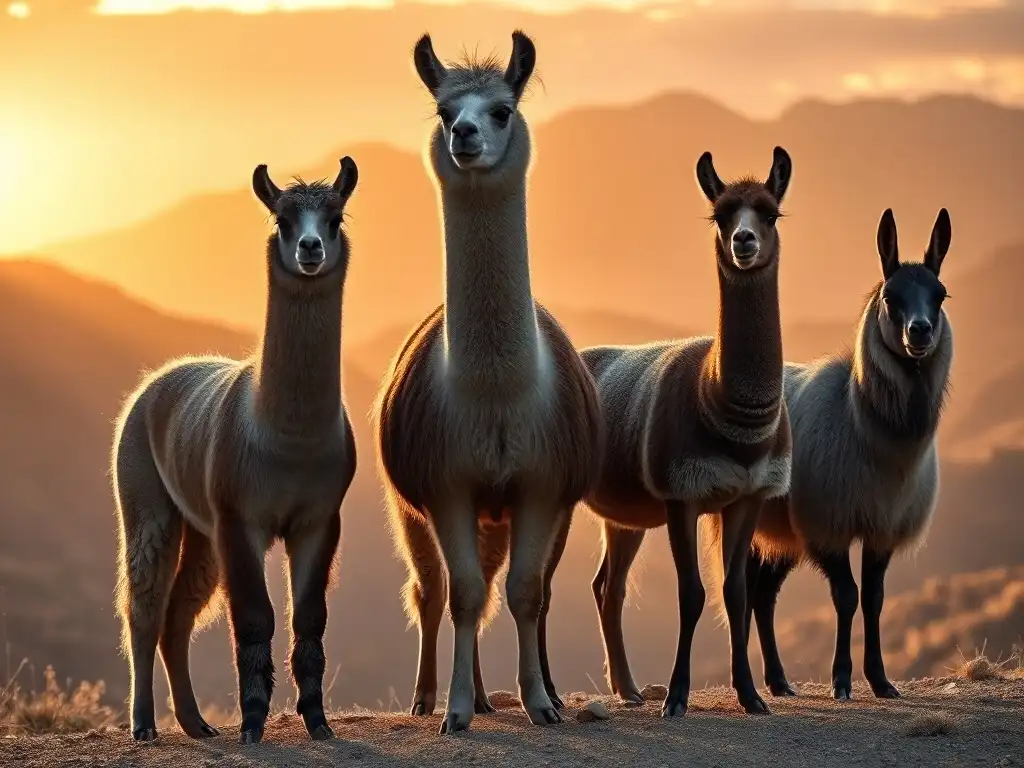
Llama domestication, while central to Andean societies, wasn't an isolated event. The Andes saw the domestication of other camelids, notably alpacas and, to a lesser extent, the management of vicuñas. Understanding the nuances of each process reveals a complex picture of human-animal interaction shaped by environmental factors and cultural practices.
The timing of domestication for each species varies, with some evidence suggesting llama domestication predating alpaca domestication by several centuries. This difference in timing likely reflects distinct ecological adaptations and human needs. Llamas, with their greater size and strength, were better suited for carrying heavy loads, while alpacas, with their finer fleece, became prized for their fiber production.
This specialization highlights the adaptive strategies employed by Andean communities in harnessing the unique qualities of each camelid species. The differences in their domestication paths reflect the intricate relationship between human needs and the available animal resources. Further research into ancient Andean DNA and archaeological findings continues to refine our understanding of the precise timelines and methods involved.
The Domestication of Alpacas and their Differences from Llamas
The domestication of alpacas, occurring later than llamas, focused primarily on their fiber. Unlike llamas, which were primarily used for transport and carrying heavy loads, alpacas became a crucial source of high-quality wool. This difference in their primary use impacted the selective breeding practices employed by Andean communities.
Alpacas were selected for their soft, fine fleece, leading to the development of distinct breeds with varying fiber characteristics. The smaller size of alpacas also meant they required less food and were easier to manage in larger herds. This contrasts with llamas, which, due to their larger size and greater strength, were managed in smaller, more controlled groups.
The archaeological record shows clear distinctions in the treatment of llama and alpaca remains, further supporting the idea of distinct domestication pathways and specialized uses. The evolution of alpaca breeds reflects a sophisticated understanding of animal husbandry, demonstrating the ingenuity of Andean communities in adapting their practices to maximize the benefits from their livestock.
The Significance of Vicuñas in Andean Traditions
While not fully domesticated in the same way as llamas and alpacas, vicuñas held immense cultural and economic significance for Andean societies. Their incredibly fine wool was highly prized, but unlike alpacas, vicuñas were largely managed through a system of controlled hunting and regulated harvesting of their fleece, a practice known as chaku. This involved carefully herding wild vicuñas into enclosures, shearing them, and then releasing them back into the wild.
The chaku was not merely a practical method of obtaining valuable fiber; it was also deeply embedded in Andean religious and social structures. The rituals associated with the chaku highlight the spiritual reverence held for vicuñas and their place within the Andean worldview.
The sustainable management practices involved in the chaku, though not technically domestication, demonstrate a profound understanding of wildlife management and resource conservation that is still relevant today. The careful balance between human needs and the preservation of vicuña populations underscores the long-standing relationship between Andean communities and their environment.
Contrasting the impact of domesticating different Andean camelids
The domestication of llamas, alpacas, and the management of vicuñas had profoundly different impacts on Andean societies. Llama domestication revolutionized transportation and trade, allowing for the movement of goods and people across vast distances. This had a significant impact on the development of Andean empires and their ability to control and integrate diverse regions.
Alpaca domestication, on the other hand, fostered the growth of textile industries, leading to the creation of elaborate clothing and textiles that became important markers of social status and cultural identity. The managed harvesting of vicuñas provided a valuable resource, but its impact was less transformative than that of llama and alpaca domestication.
The overall effect was a complex interplay of economic, social, and cultural changes, shaped by the unique characteristics and uses of each camelid species. The varied approaches to animal management reveal a sophisticated understanding of animal husbandry and resource management tailored to the specific needs and resources of each Andean community.
The Legacy of Llama Domestication: Modern Relevance
The enduring legacy of llama domestication extends far beyond the historical context. Its impact resonates in contemporary Andean societies and continues to shape economic activities, cultural practices, and environmental management strategies. The economic importance of llamas remains significant, highlighting the continued relevance of traditional practices in a modern world. Moreover, llama domestication has far-reaching implications for sustainable development and conservation efforts in the Andean region.
Contemporary Uses of Llamas in the Andes
Llamas continue to play a vital role in the economies of many Andean communities. They are still used for transportation, particularly in high-altitude regions where roads are limited or non-existent. Their wool remains a valuable resource, used in the production of textiles and clothing. Llamas also provide meat, milk, and dung, which is used as fertilizer.
In certain areas, llamas are increasingly incorporated into ecotourism initiatives, providing opportunities for sustainable economic development. The versatile nature of llamas makes them a crucial component of Andean livelihoods, demonstrating their adaptability to modern contexts. Their contribution to local economies is substantial and underscores the continued importance of traditional animal husbandry practices.
Llama Conservation and Sustainable Practices
The conservation of llama populations is crucial for maintaining the biodiversity of the Andean region and ensuring the economic well-being of Andean communities. Sustainable grazing practices are essential to prevent overgrazing and land degradation. Efforts are underway to promote responsible breeding practices to maintain genetic diversity and improve the overall health of llama herds.
These conservation initiatives are often integrated with community-based development projects, empowering local communities to actively participate in the protection of their natural resources. The commitment to sustainable llama husbandry reflects a growing awareness of the importance of balancing economic needs with environmental stewardship. The long-term viability of llama populations depends on the continued implementation of responsible management practices.
The Enduring Cultural Importance of Llamas for Andean People
Beyond their economic significance, llamas hold a deep cultural importance for Andean peoples. They are often seen as symbols of strength, resilience, and adaptation. Llamas feature prominently in Andean folklore, art, and religious ceremonies. Their enduring presence in Andean culture underscores the profound and long-lasting relationship between humans and animals in this region.
The continued integration of llamas into Andean cultural practices reflects the deep-seated connection between Andean communities and their natural environment. The cultural significance of llamas is a testament to their historical and ongoing importance to the identity and heritage of Andean peoples. This rich cultural connection helps ensure the continued preservation of llama-related traditions for future generations.
Conclusion: The Enduring Legacy of Andean Llama Domestication
The domestication of the llama, and to a lesser extent the alpaca, profoundly shaped Andean societies for millennia. Its impact resonates even today, demonstrating the enduring legacy of this crucial relationship between humans and animals. From providing essential resources like wool, meat, and transportation to playing a vital role in religious ceremonies and social structures, the llama's influence permeated every aspect of Andean life. Understanding the history of Andean llama domestication is not merely an academic exercise; it is crucial to comprehending the development and complexities of these remarkable civilizations.
The story of Andean llama domestication reveals a sophisticated understanding of animal husbandry, a testament to the ingenuity and adaptability of Andean peoples. Their ability to manage and utilize these animals efficiently allowed for population growth, the development of complex social hierarchies, and the expansion of trade networks across vast mountainous terrains. This symbiotic relationship, carefully nurtured over centuries, highlights the deep interconnectedness between humans and their environment in the Andes. The success of llama domestication stands as a powerful example of sustainable resource management within a challenging ecosystem. It underscores the importance of recognizing and appreciating the vital role animals played, and continue to play, in shaping human societies. The continued presence of llamas and alpacas in the Andean landscape today serves as a living testament to this enduring legacy. Their importance is not merely historical; they remain integral to the livelihoods and cultural identities of many Andean communities.
The study of Andean llama domestication offers valuable insights into the complexities of human-animal interactions, illustrating how such relationships can shape societal structures, technological advancements, and spiritual beliefs. Further research into the genetic history of llamas and alpacas, combined with archaeological evidence of ancient herding practices, promises to further illuminate the nuances of this fascinating chapter in Andean history and contribute to a more complete understanding of "Andean llama domestication history."
This knowledge is not only historically significant but also provides crucial context for contemporary conservation efforts and sustainable development initiatives in the Andes. The legacy of the llama continues to inspire and inform us, reminding us of the profound impact of animal domestication on human societies and the enduring power of human-animal bonds.
- Introduction to Andean Camelids and their Significance
- Pre-Domestication: The Wild Ancestors of Llamas
- The Early Stages of Andean Llama Domestication
- The Process of Selective Breeding and Llama Characteristics
- The Multifaceted Uses of Llamas in Ancient Andean Societies
- The Impact of Llama Domestication on Andean Society and Culture
- Comparing Llama Domestication with Other Andean Animal Husbandry (Alpacas, Vicuñas)
- The Legacy of Llama Domestication: Modern Relevance
- Conclusion: The Enduring Legacy of Andean Llama Domestication
Frequently Asked Questions
When were llamas first domesticated in the Andes?
The exact date is debated, but evidence suggests llama domestication began around 4,000-5,000 years ago, possibly earlier in some regions. This process occurred gradually over centuries.
What role did llamas play in Andean societies?
Llamas were essential to Andean economies. They provided meat, wool, and transportation, significantly impacting trade, agriculture, and daily life. Their dung also served as fertilizer.
How did llama domestication impact Andean technology and trade?
Domestication facilitated improved transportation of goods over challenging terrain, boosting trade networks and cultural exchange across the Andes. This also spurred the development of specialized textiles and other crafts.
Were there any other animals domesticated alongside llamas in the Andes?
Yes, alpacas were also domesticated, along with guinea pigs (for food) and dogs. These animals played varying roles in Andean societies and economies.
What evidence do we have for early llama domestication?
Archaeological evidence includes skeletal remains, showing changes in llama size and morphology over time. Ancient textiles and artwork also depict llamas, providing further insight into their importance.
Final Reflection: The Enduring Legacy of the Llama
The domestication of the llama wasn't merely a pivotal moment in Andean history; it remains a cornerstone of the region's cultural identity and economic stability. The enduring impact of this seemingly simple act of animal husbandry continues to shape the lives of millions, demonstrating the profound and lasting consequences of our relationship with the natural world.
The llama's story is more than just a historical account; it's a testament to the intricate interplay between human ingenuity and environmental adaptation. Its domestication fostered complex social structures, intricate textile traditions, and a unique spiritual connection between humans and animals. The llama is not merely a beast of burden; it is a member of the family, a sacred being, and a symbol of Andean resilience.
This sentiment, though perhaps romanticized, captures the deep-seated significance of the llama within Andean culture, a significance that persists to this day. The ongoing challenges faced by Andean communities, from climate change to economic pressures, highlight the continued importance of understanding and preserving this ancient relationship.
Consider the implications of this history for your own life. How do our interactions with animals shape our societies? What responsibilities do we have to the creatures we domesticate, and to the ecosystems they inhabit? Let the llama's enduring legacy inspire you to reflect on our own relationship with the natural world, and to strive for a future where sustainability and respect for all living beings are paramount. The story of the Andean llama is a powerful reminder of the interconnectedness of all things, and the lasting impact of even seemingly small choices.
Unveil the Legacy: Transform Your Understanding of Andean Animal Domestication
Thank you for exploring the fascinating world of Andean animal domestication! We hope you've gained valuable insights into how llamas and other animals have profoundly shaped Andean societies. Now, let's delve even deeper into this rich heritage.
Here are some ways to continue your exploration:
- Discover more: Explore our other articles on Andean cultures and their unique practices to broaden your understanding of this remarkable civilization. You'll find fascinating details about their history, social structures, and daily life.
- Share your thoughts: Discuss your newfound knowledge with friends, family, or online communities. Help spread awareness of the critical role of llamas and alpacas in Andean history and culture.
- Get involved: Join our community by subscribing to our newsletter. You'll receive updates on new articles and exclusive content that illuminates the wonders of Andean history and the impact of animal domestication.
As you consider these next steps, reflect on this: **How has the domestication of animals influenced cultures around the world? ** Share your thoughts below!