
Andean Time and Space: A Journey into the Heart of an Ancient World

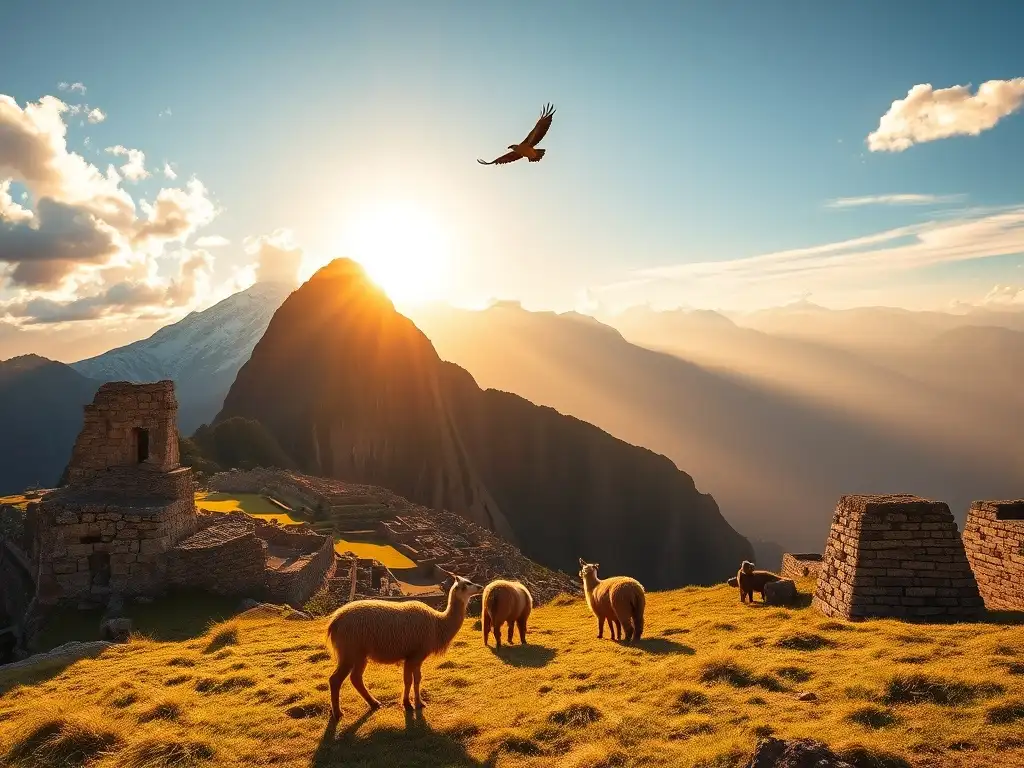
Step into a world lost to time, yet echoing with the whispers of giants. Prepare to unravel the mysteries of Ancient Andean civilizations history, a captivating saga woven through breathtaking landscapes and ingenious innovations. From the celestial alignments of Nazca lines to the intricate artistry of the Incas, Andean Civilizations reveals a breathtaking tapestry of culture and cosmology. Dare to explore the profound Andean Cosmology and Worldview and discover the secrets held within this extraordinary world. Your journey begins now…
The Andes Mountains, a spine of rock and ice stretching along the western coast of South America, have witnessed millennia of human history. This majestic landscape profoundly shaped the worldview and understanding of time and space among the ancient Andean civilizations. From the sophisticated astronomical observations of the Nazca to the intricate urban planning of the Incas, the relationship between humanity and the cosmos was central to their lives.
This article delves into the fascinating interplay between Andean concepts of time and space, exploring how these civilizations perceived their place in the universe and how this perception influenced their social structures, religious beliefs, and technological advancements. We will journey through the rich tapestry of Ancient Andean civilizations history, examining the unique perspectives of several key cultures, revealing how their understanding of time and space differed from, and in some ways anticipated, modern conceptions. Understanding these perspectives is crucial to appreciating the complexity and sophistication of these remarkable societies.
Prepare for a captivating exploration that transcends geographical boundaries and challenges our conventional understanding of history itself. Let's begin our exploration of "Ancient Andean civilizations history" by examining how these cultures perceived and interacted with time and space.
Understanding Ancient Andean Civilizations History Through Time and Space
The study of Ancient Andean civilizations history often overlooks the crucial role that their unique understanding of time and space played in shaping their societies. Unlike linear Western perceptions of time, Andean cultures often viewed time as cyclical, interwoven with the rhythms of nature – the sun, the moon, the seasons, and the agricultural cycles that sustained their lives.
This cyclical view is evident in their intricate calendar systems, which were not merely tools for tracking time, but rather instruments for understanding and aligning with the cosmic order. For example, the Nazca lines, enigmatic geoglyphs etched into the desert, are believed by some scholars to have served as a massive astronomical calendar, reflecting a deep understanding of celestial movements and their relationship to earthly events.
The Incas, too, possessed a sophisticated calendar system based on a combination of solar and lunar observations, used to regulate agricultural practices, religious ceremonies, and even state administration.
This cyclical perception of time was inextricably linked to their understanding of space. The Andes themselves were not simply a geographical feature but a sacred landscape, imbued with spiritual significance. Mountains were often considered apu, or sacred deities, and were integral to their religious beliefs and practices.
Settlements were strategically located in relation to these sacred mountains, reflecting a deep connection between the human and the divine realms. This spatial arrangement also facilitated communication and resource management across vast distances. The Incas, for example, utilized a sophisticated system of roads and relay runners to connect their far-flung empire, creating a network that efficiently linked together their understanding of time and space.
The integration of time and space in Andean cosmology is further exemplified by their intricate knowledge of astronomy. Many Andean cultures meticulously tracked the movements of celestial bodies, using this knowledge to predict agricultural cycles, plan ceremonies, and maintain social order. The precision of their astronomical observations demonstrates a sophisticated understanding of mathematics and geometry, far exceeding the capabilities often attributed to pre-Columbian societies. Their mastery of these disciplines, inextricably linked to their concept of time and space, allowed them to build complex societies and adapt to the challenging environment of the Andes.
The intricate relationship between time, space, and the cosmos in Ancient Andean civilizations history reveals a worldview profoundly different from our own. Their cyclical view of time, their sacred understanding of space, and their sophisticated knowledge of astronomy provide a rich tapestry of knowledge that continues to fascinate and challenge our understanding of the human experience. The following sections will delve deeper into specific examples from various Andean cultures, enriching our understanding of this unique and fascinating worldview.
- What were the major ancient Andean civilizations?
- How did the geography of the Andes influence Andean civilizations?
- What were some key technological achievements of the ancient Andean civilizations?
- What is the significance of the Inca Empire in the context of other Andean civilizations?
- Where can I learn more about the history of ancient Andean civilizations?
The Andean Concept of Time: Beyond Linearity
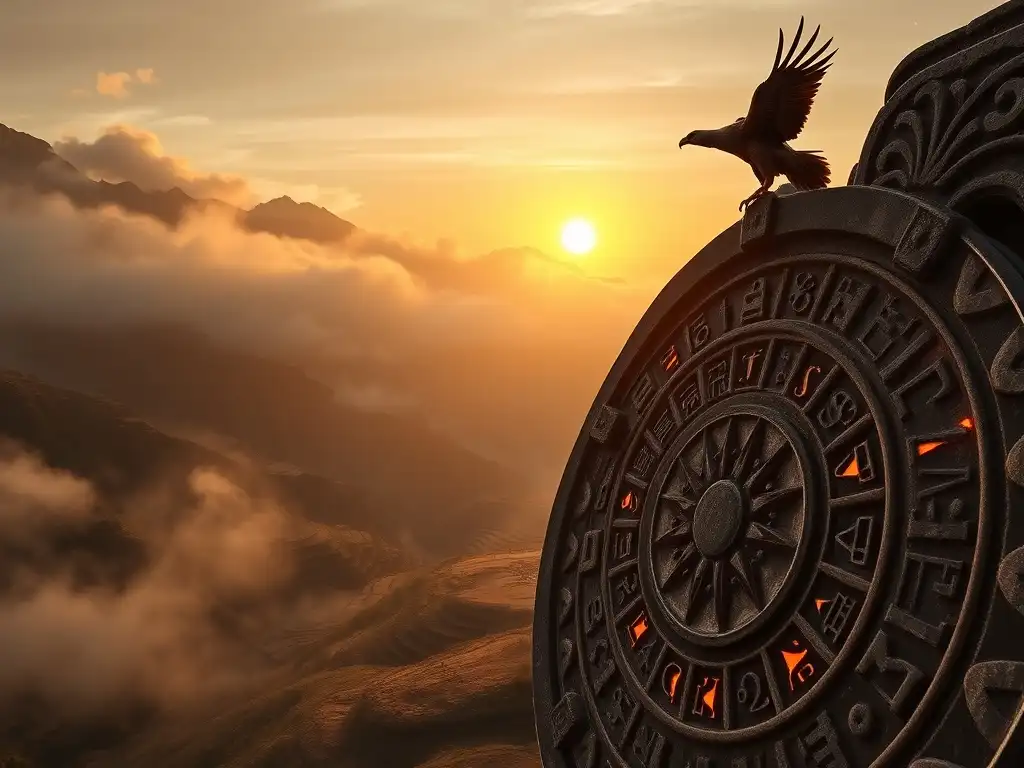
The understanding of time within Ancient Andean civilizations significantly diverges from the Western, linear perception. Instead of a unidirectional progression from past to future, Andean conceptions of time were deeply intertwined with cyclical processes observed in nature—the cycles of the sun, moon, agricultural seasons, and the life-death-rebirth patterns prevalent in their cosmology. This cyclical understanding of time wasn't merely a philosophical notion; it profoundly impacted their social structures, religious practices, and agricultural techniques.
Understanding this nuanced perspective is key to grasping the complexities of Ancient Andean civilizations history. The cyclical nature of time fostered a sense of continuity and interconnectedness between generations, emphasizing the importance of respecting ancestral knowledge and traditions. This approach contrasted sharply with the linear Western view, which often prioritizes progress and innovation over the preservation of the past.
Cyclical Time in Ancient Andean Cosmology
Ancient Andean cosmology viewed time as a continuous flow, a cyclical process reflected in the recurring patterns of nature. The cyclical nature of time is vividly depicted in their art and mythology. For example, the recurring motifs of creation and destruction, symbolized by the serpent and the jaguar in some cultures, represented the continuous renewal of life and the cosmos.
This wasn't seen as an ending, but rather a transformative process leading to rebirth and regeneration. The agricultural cycle, a cornerstone of Andean life, further reinforced this perception. The planting, growth, harvest, and fallow periods mirrored the cyclical nature of time, creating a deep connection between humans and the natural world.
The annual festivals and rituals observed by these societies were carefully timed to coincide with these agricultural cycles, reflecting their understanding of the cyclical flow of time and its profound impact on their lives. Accurate astronomical observations were crucial for predicting these cycles, demonstrating a sophisticated understanding of celestial movements and their influence on earthly events. This deep connection with the cyclical nature of time shaped their worldview, shaping their social structures and beliefs.
The Pachakuti: A Key Concept in Andean Time
The concept of Pachakuti, a Quechua term meaning "world upheaval" or "turning of the world," represents a pivotal moment of radical transformation within the Andean cyclical understanding of time. It's not simply a linear historical event but a cosmological shift, a time of dramatic change where old orders are overthrown and new ones emerge. These Pachakutis were not necessarily catastrophic; they were periods of intense societal restructuring, often accompanied by significant shifts in power, religious beliefs, and social structures.
Examples include the rise and fall of various Andean empires. The Spanish conquest itself was interpreted by some Andean communities as a Pachakuti, a profound disruption to the established order. The cyclical nature of time, as exemplified by the Pachakuti, suggests that societal transformations are not only inevitable but also part of a larger, ongoing cosmic cycle.
The Andean perspective on Pachakuti offers a valuable counterpoint to linear historical narratives, highlighting the dynamic and ever-evolving nature of societies and their relationship with the cosmos. Understanding the Pachakuti is crucial for analyzing the rise and fall of different ancient Andean societies and understanding their cyclical view of history.
How Ancient Andean Societies Measured Time
Ancient Andean societies developed sophisticated methods for measuring time, reflecting their deep understanding of celestial movements and the agricultural calendar. While they didn't have the same kinds of timekeeping devices as other ancient civilizations (like sundials or water clocks), their methods were remarkably accurate and effective. They utilized a combination of astronomical observations and practical knowledge derived from their close relationship with nature.
The precise alignment of many Andean structures, such as Machu Picchu, suggests advanced astronomical knowledge used for tracking solstices and equinoxes. The Inca quipus, complex knotted cords, are believed to have recorded not only numerical data but also historical events and agricultural cycles, serving as a form of temporal record-keeping. Furthermore, the observation of the constellations and the phases of the moon played a crucial role in their agricultural practices, allowing them to predict the best times for planting and harvesting.
Their intricate understanding of time is thus not merely a matter of calendar systems; it's an integrated part of their worldview, reflected in their architecture, religious practices, and agricultural techniques, all fundamental to the history of ancient Andean civilizations. Further research is needed to fully understand the nuances of their timekeeping systems and their relationship to their unique perspective on time itself. The complexity of their methods highlights the sophistication of Ancient Andean civilizations.
The Andean Concept of Space: A Sacred Geography
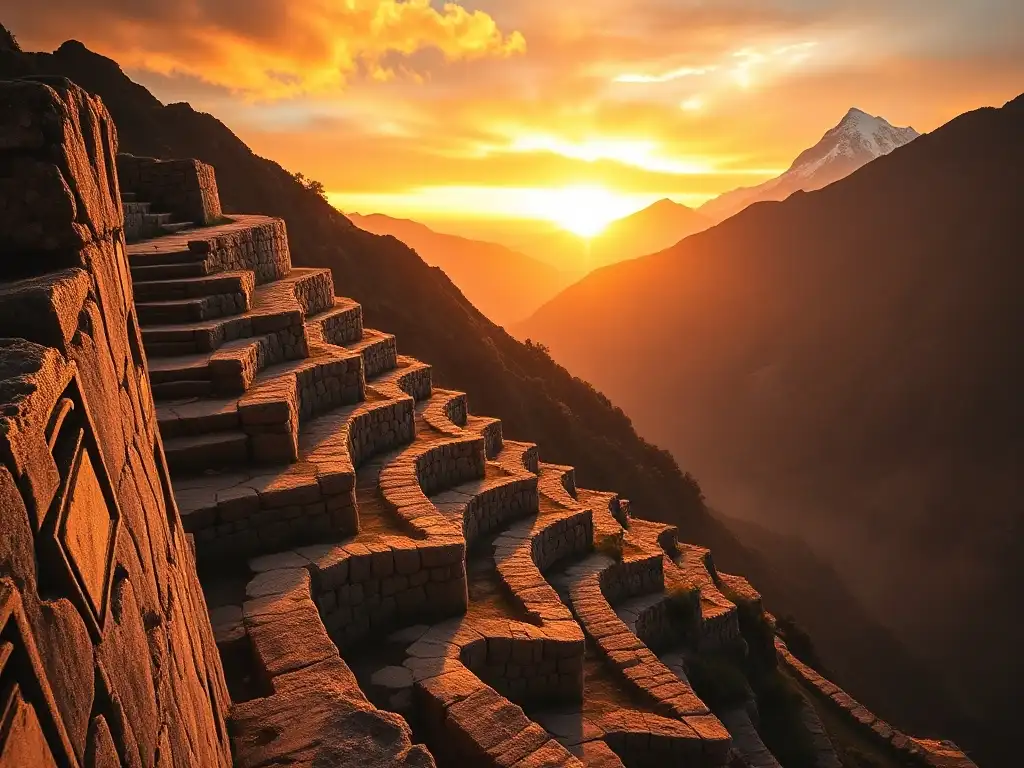
The Andean concept of space wasn't simply a geographical reality; it was a deeply spiritual and interconnected system reflecting a profound understanding of the cosmos and their place within it. Ancient Andean civilizations didn't perceive space as a passive backdrop to human activity but as an active participant, imbued with meaning and power. This sacred geography shaped their worldview, influencing their social structures, agricultural practices, and religious beliefs.
Understanding their perception of space is crucial to comprehending the complexities of Ancient Andean civilizations history. This section explores the key elements of this sacred geography, revealing how the Andes themselves were not just mountains but living entities central to their cosmology.
The Cosmos and its Relationship with the Andean World
The Andean worldview encompassed a holistic vision where the cosmos – the sky ( hanan pacha), the earth ( kay pacha), and the underworld ( ukhu pacha) – were interconnected and constantly interacting. This wasn't a static arrangement but a dynamic, vibrant system where celestial events, earthly phenomena, and the spirit world were inextricably linked. The movements of the sun, moon, and stars were meticulously observed and interpreted, providing a framework for understanding time and influencing agricultural cycles and societal organization.
For example, the solstices and equinoxes held profound religious significance, marking key moments in the agricultural calendar and triggering elaborate ceremonies. The Andean belief in the Pachamama (Mother Earth) further illustrates this interconnectedness, emphasizing the sacredness of the land and the inherent reciprocity between humans and the natural world.
The cyclical nature of the cosmos, reflected in agricultural cycles and the continuous regeneration of life and death, reinforced the Andean understanding of the universe as a living, breathing entity. This intimate relationship with the cosmos deeply influenced their spatial understanding, shaping the layout of settlements and the construction of monumental architecture.
Sacred Mountains and Their Significance in Andean Culture
Mountains occupied a central place in the Andean spatial understanding. They weren't merely geographical features but were considered sacred entities, often seen as the dwelling places of powerful deities or ancestral spirits. The towering peaks, often shrouded in mist and snow, were perceived as connecting the three worlds – hanan pacha, kay pacha, and ukhu pacha.
Specific mountains held particular religious significance, attracting pilgrims and becoming the focus of elaborate rituals. For instance, [Specific mountain examples and their associated deities pending]. The apus (mountain spirits) were revered and appeased through offerings and ceremonies, ensuring the continued fertility of the land and the well-being of the communities living at their feet.
This reverence for mountains also influenced the location of settlements, which were often strategically placed near or within sight of these sacred peaks. The careful observation of mountain features, such as glaciers and springs, played an important role in the development of sophisticated irrigation systems and agricultural techniques, demonstrating a deep understanding of the relationship between the landscape and human survival. This profound respect for the mountains is a testament to the interconnectedness of the Andean worldview and their understanding of space as a sacred entity.
The Importance of Cardinal Directions in Andean Spatial Understanding
The cardinal directions played a crucial role in the Andean understanding of space, influencing the layout of cities, temples, and agricultural fields. The four cardinal points (north, south, east, and west) were not simply geographical markers but were imbued with symbolic meaning, reflecting the cosmic order and the flow of energy throughout the universe. This is evident in the orientation of many Andean structures, which were often aligned with the rising and setting sun, reflecting a deep understanding of celestial movements and their influence on the earthly realm.
Furthermore, each cardinal direction was associated with specific colors, deities, and symbolic meanings. For example, [Specific examples of directional associations with colors, deities, and meanings pending]. This complex system of spatial orientation is evident in the intricate designs of textiles, pottery, and other forms of Andean art, demonstrating the pervasive influence of this cosmological framework on their daily lives.
The precise alignment of structures and the symbolic use of color and direction reveal a sophisticated understanding of space, highlighting the integral role of cosmology in shaping the physical environment of Ancient Andean civilizations. The meticulous planning and execution of these spatial arrangements underscore the deep spiritual and practical significance of the cardinal directions in their culture. Understanding this aspect is key to unlocking a deeper understanding of Ancient Andean civilizations history and their sophisticated worldview.
Machu Picchu: A Sacred Site and its Spatial Layout
Machu Picchu, the iconic "Lost City of the Incas," stands as a prime example of the Andean concept of sacred space. Its layout wasn't haphazard; rather, it reflects a deep understanding of the surrounding environment and a deliberate integration with the cosmos. The city's placement on a mountain ridge, strategically nestled between two peaks, wasn't accidental. This location offered not only defensive advantages but also symbolic significance, connecting the earthly realm with the celestial. The Incas believed in a profound interconnectedness between the human world and the spiritual, and Machu Picchu's design embodies this belief.
The careful arrangement of buildings, terraces, and agricultural plots reveals a sophisticated understanding of spatial organization. The city wasn't simply a collection of structures; it was a meticulously planned complex designed to harness the power of the landscape. Terraces carved into the mountainside served not only as agricultural plots but also as a means of controlling water flow and stabilizing the slopes.
This intricate system of terracing showcases the Incas' mastery of engineering and their deep respect for the land. The integration of agriculture within the urban fabric highlights the importance of a harmonious relationship between humans and nature, a central theme in Andean cosmology. The agricultural terraces weren't just functional; they were integral to the city's sacred geography, reflecting the cyclical nature of life and the earth's bounty.
Furthermore, the orientation of structures within Machu Picchu suggests a deliberate alignment with celestial bodies. While specific data on precise astronomical alignments is still under investigation by researchers, preliminary findings suggest that some buildings were aligned with the solstices and equinoxes, further emphasizing the city's connection to the cosmos. This celestial alignment underscores the Incas' sophisticated astronomical knowledge and their integration of astronomical observations into their urban planning.
The city's design wasn't merely practical; it was a reflection of their worldview, a physical manifestation of their understanding of time and space. The precise positioning of buildings, the intricate network of pathways, and the careful integration of agricultural terraces all contributed to the creation of a sacred space, a microcosm of the Andean worldview.
This demonstrates the sophisticated understanding of spatial planning and the profound connection between the Incas and their environment. The sacred geography of Machu Picchu wasn't static; it was a dynamic interplay between humans, nature, and the cosmos.
Interconnectedness of Time and Space in Andean Thought
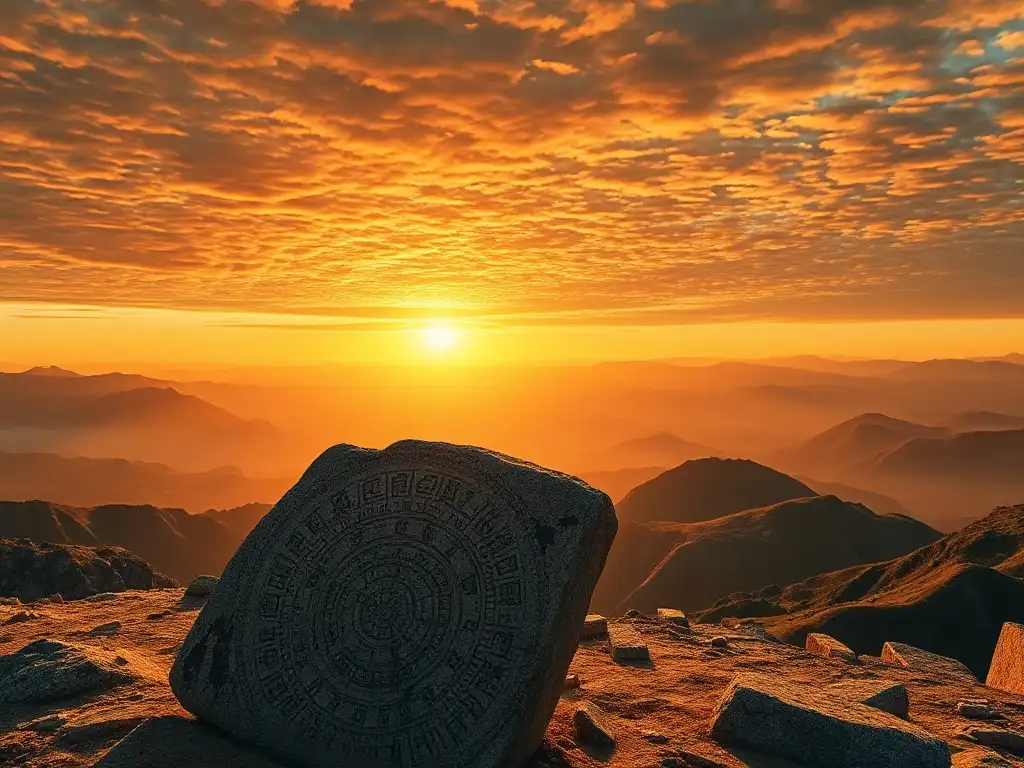
The Andean worldview fundamentally rejects the Western notion of time and space as separate, independent entities. Instead, ancient Andean civilizations, including the Inca, Moche, Nazca, and Tiahuanaco, perceived time and space as inextricably interwoven, a single, dynamic, and interconnected continuum. This holistic perspective profoundly shaped their cosmology, social structures, and daily lives. Their understanding wasn't linear, progressing from past to future as in Western thought, but rather cyclical, with recurring patterns and a strong emphasis on the present moment as a reflection of the past and a portent of the future. This cyclical understanding is reflected in their agricultural practices, their religious ceremonies, and even their artistic representations. The concept of pacha, often translated as "world" or "cosmos," encapsulates this interconnectedness perfectly; pacha is not simply a physical location but a multifaceted reality encompassing time, space, and the supernatural. Understanding pacha is key to understanding the ancient Andean civilizations history.
How Time and Space Shape Andean Rituals and Ceremonies
Andean rituals and ceremonies were meticulously choreographed to align with specific times and places, reflecting the profound interconnectedness of time and space. For example, the capacocha—a ritual sacrifice involving children and young adults—was not merely a religious act but a cosmic event, strategically performed at specific sacred sites during significant astronomical alignments. The timing and location were crucial; they weren't arbitrary choices but carefully calculated to reinforce the harmony between the human world and the supernatural realm.
Similarly, agricultural cycles dictated the timing of many rituals, ensuring the fertility of the land and the well-being of the community. The Inti Raymi, the Inca festival celebrating the winter solstice, exemplifies this connection. Held at the highest point in the Inca empire, it marked a crucial point in the agricultural calendar and was deeply intertwined with the sun's journey across the sky—a journey seen as a reflection of the cyclical nature of time itself.
The precise location and timing were not coincidental but essential components of the ritual's efficacy. These rituals served to reinforce the interconnectedness of the human and cosmic realms, reflecting the deep understanding of pacha inherent in ancient Andean civilizations history.
The Role of Astronomy in Understanding Andean Time-Space
Astronomy played a pivotal role in the Andean understanding of time and space. Ancient Andean astronomers meticulously tracked celestial movements, using their observations to develop sophisticated calendars and predict agricultural cycles. Their knowledge of constellations, particularly the Pleiades, was crucial for determining planting and harvesting times.
The precise orientation of many Andean structures, such as Machu Picchu and Sacsayhuamán, further underscores their astronomical expertise. These structures weren't simply built for practical purposes; their alignment with celestial bodies reveals a deep understanding of the cosmos and its influence on earthly life. The study of celestial events was not merely a scientific pursuit but a spiritual one, deeply embedded within their worldview.
By aligning their lives with the rhythms of the cosmos, Andean societies sought to maintain harmony within pacha. This intricate relationship between astronomy and their understanding of time and space provides invaluable insights into the complex social and religious structures of ancient Andean civilizations history.
The Concept of "Living Space" in Ancient Andean Societies
The Andean concept of "living space" extended far beyond the physical environment. It encompassed not only the immediate surroundings but also the broader landscape, including mountains, rivers, and celestial bodies. This holistic understanding of space influenced their settlement patterns, agricultural practices, and social organization.
Settlements were often strategically located near sources of water and fertile land, reflecting a deep respect for the environment and its resources. Their agricultural techniques, including terracing and irrigation, demonstrate a sophisticated understanding of manipulating the environment to enhance productivity. The concept of ayllu, a kinship-based community, further illustrates the interconnectedness of people and their environment.
Members of an ayllu shared a common territory and resources, reflecting a deep sense of collective responsibility for the well-being of the community and the land. This sense of collective responsibility, interwoven with their understanding of space, provides further evidence of the unique and complex civilization that shaped ancient Andean civilizations history. The way they lived, worked, and interacted with their environment, reflects a deep understanding of space as a living, dynamic entity, integral to their existence.
The Legacy of Ancient Andean Time and Space
This section delves into the enduring impact of ancient Andean conceptions of time and space, demonstrating their continued relevance in modern Andean societies. Understanding these historical perspectives is crucial for appreciating the complexities of contemporary Andean cultures and their relationship with their ancestral heritage. The intricate intertwining of the physical world with the spiritual realm, characteristic of ancient Andean cosmologies, continues to shape social structures, artistic expressions, and environmental practices.
The legacy is not merely a historical curiosity; it's a living force influencing daily life. We will explore how this legacy manifests in various aspects of modern Andean life, highlighting the persistence of ancient worldview elements. The study of "Ancient Andean civilizations history" reveals not just a past, but a present inextricably linked to it.
How Andean Concepts of Time and Space Influence Modern Andean Culture
Ancient Andean civilizations didn't perceive time linearly, as a progression from past to future. Instead, they viewed time as cyclical, a continuous interplay between the earthly and spiritual realms. This cyclical understanding is reflected in modern Andean agricultural practices, where the planting and harvesting seasons are deeply connected to the celestial movements and the annual cycle.
Farmers still rely on traditional knowledge passed down through generations, observing the stars and the rhythms of nature to determine the optimal time for planting and cultivating their crops. This practice is not just about practicality; it's a continuation of an ancient worldview that integrates humanity with the cosmos.
Furthermore, the Andean concept of pacha, encompassing both time and space, influences social structures and community organization. The idea of ayni, reciprocal exchange and mutual obligation, is deeply rooted in this worldview. It fosters a sense of community responsibility and collective action, promoting social cohesion and sustainability. Ayni is not just a historical practice; it continues to function as a vital mechanism for resource management and community support in many Andean communities today. These systems, deeply embedded in an understanding of interconnectedness across time and space, represent a powerful testament to the enduring legacy of ancient Andean thought.
The vibrant textiles and artistic expressions of modern Andean cultures also reflect this cyclical view of time. Traditional designs often incorporate motifs representing celestial bodies, agricultural cycles, and mythological narratives, visually representing the interconnectedness of the past, present, and future. These intricate patterns are not simply decorative; they are powerful symbols that embody the enduring worldview of Andean communities. The persistence of these artistic traditions demonstrates the profound influence of ancient Andean concepts on contemporary cultural practices.
Preserving the Ancient Andean Worldview
The preservation of the ancient Andean worldview faces significant challenges in the modern world. Globalization, modernization, and the pressures of economic development often threaten traditional practices and knowledge systems. However, there are ongoing efforts to document, understand, and protect this rich cultural heritage. Many indigenous communities actively work to preserve their ancestral languages, traditions, and knowledge, ensuring the continuity of their worldview across generations.
These efforts often involve community-based initiatives, educational programs, and collaborative research projects with anthropologists, archaeologists, and other scholars. The goal is not simply to preserve the past, but to integrate these ancient perspectives into contemporary life, fostering sustainable development and promoting cultural identity. Documenting oral histories, revitalizing traditional arts, and promoting community-based tourism are just some of the strategies employed to safeguard the ancient Andean worldview and its enduring value. The preservation of this heritage is vital not only for Andean communities but also for the global understanding of diverse cultural perspectives on time and space.
Ongoing Research of Andean Time-Space Concepts
Research into ancient Andean concepts of time and space continues to evolve, with new discoveries and interpretations constantly emerging. Scholars are employing interdisciplinary approaches, combining archaeological evidence with ethnohistorical studies, linguistic analysis, and anthropological fieldwork to gain a deeper understanding of these complex systems. Advances in technology, such as remote sensing and 3D modeling, are also contributing to the study of ancient sites and artifacts, revealing new insights into Andean cosmology and worldview.
The ongoing investigation of ancient Andean civilizations history extends beyond the realm of academia. It also involves collaboration with Andean communities, ensuring that research is conducted ethically and respectfully, with the active participation of those whose heritage is being studied. This collaborative approach is essential for ensuring the accurate interpretation of ancient knowledge and promoting the preservation of cultural heritage.
The future of research on Andean time-space concepts lies in the continued collaboration between scholars and Andean communities, working together to illuminate the rich tapestry of ancient Andean thought and its enduring legacy. This collaborative and respectful approach is critical to a complete and accurate understanding of "Ancient Andean civilizations history."
Frequently Asked Questions
What were the major ancient Andean civilizations?
The major ancient Andean civilizations included the Incas, Moche, Nazca, and Tiahuanaco. Each possessed unique cultural expressions and technological advancements. Their legacies continue to shape the region today.
How did the geography of the Andes influence Andean civilizations?
The challenging terrain of the Andes Mountains significantly influenced Andean societies. Adaptation to high altitudes, diverse climates, and limited arable land shaped their agricultural practices, social structures, and technological innovations.
What were some key technological achievements of the ancient Andean civilizations?
Ancient Andean civilizations made remarkable advancements, including complex irrigation systems, advanced metalworking (gold, silver, copper), and stone architecture exemplified by Machu Picchu. Their engineering skills were truly impressive.
What is the significance of the Inca Empire in the context of other Andean civilizations?
The Inca Empire, while relatively late in the Andean timeline, unified many existing groups and cultures under a single political system. They built upon the achievements of previous civilizations and left a lasting legacy on the region.
Where can I learn more about the history of ancient Andean civilizations?
You can explore numerous resources, including museums, academic journals, and books focusing on Andean history. This website, "Andean Civilizations," offers a comprehensive starting point for your research on Ancient Andean civilizations history.
Final Reflection: Echoes of the Andes: A Legacy That Endures
The intricate tapestry woven by the Ancient Andean civilizations continues to resonate in the modern world, a testament to their ingenuity and resilience. Their sophisticated agricultural techniques, complex social structures, and breathtaking architectural achievements offer invaluable lessons in sustainable living and societal organization, lessons desperately needed in our increasingly interconnected and challenged world. The echoes of their innovations still reverberate, shaping our understanding of human potential and the enduring power of cultural heritage.
The enduring influence of Andean cosmology and its impact on contemporary Andean life is profoundly moving. The deep connection to the land, the reverence for ancestral knowledge, and the cyclical understanding of time, all present in the ancient cultures, continue to shape the identities and perspectives of millions. The past is never dead. It's not even past.
- William Faulkner. This quote perfectly encapsulates the persistent presence of Andean history, its values, and its lessons in our present moment. It reminds us that understanding the past is crucial to navigating the complexities of the future.
Consider the intricate systems of terrace farming, the ingenious water management techniques, and the profound spiritual connection to the Andes mountains themselves. These are not merely historical artifacts; they are blueprints for a more sustainable and harmonious relationship with our environment. You, the reader, are now part of this ongoing conversation. Reflect on the ingenuity and resilience of these ancient peoples. How can their wisdom inform your own actions, your own relationship with the land, and your own understanding of community and sustainability? Let the echoes of the Andes inspire you to build a future worthy of their legacy.
Unveil the Wonders of Andean Civilization!
Thank you for exploring the fascinating world of Andean history and culture. We hope you discovered valuable insights and were inspired by this ancient civilization's rich legacy. Now, we encourage you to delve deeper and connect with its enduring impact.
Here are some engaging ways to continue your exploration:
- **Visit a local museum or participate in a related workshop** to experience Andean culture firsthand. Consider seeking out exhibits on Inca textiles, pottery, or religious practices.
- **Share your discoveries** with friends and family, sparking conversations about the fascinating aspects of Andean history that resonated most with you. Perhaps you could focus on a particular Inca emperor or a specific technological advancement.
- **Join online communities** dedicated to ancient civilizations to connect with like-minded individuals and expand your knowledge through shared discussions and resources. Many online forums and social media groups are devoted to Andean studies.
What specifically about Andean civilization captivates your imagination, and how will you further your exploration of this compelling topic?