
The Secrets of the Soil: Andean Techniques for Soil Conservation and Fertility

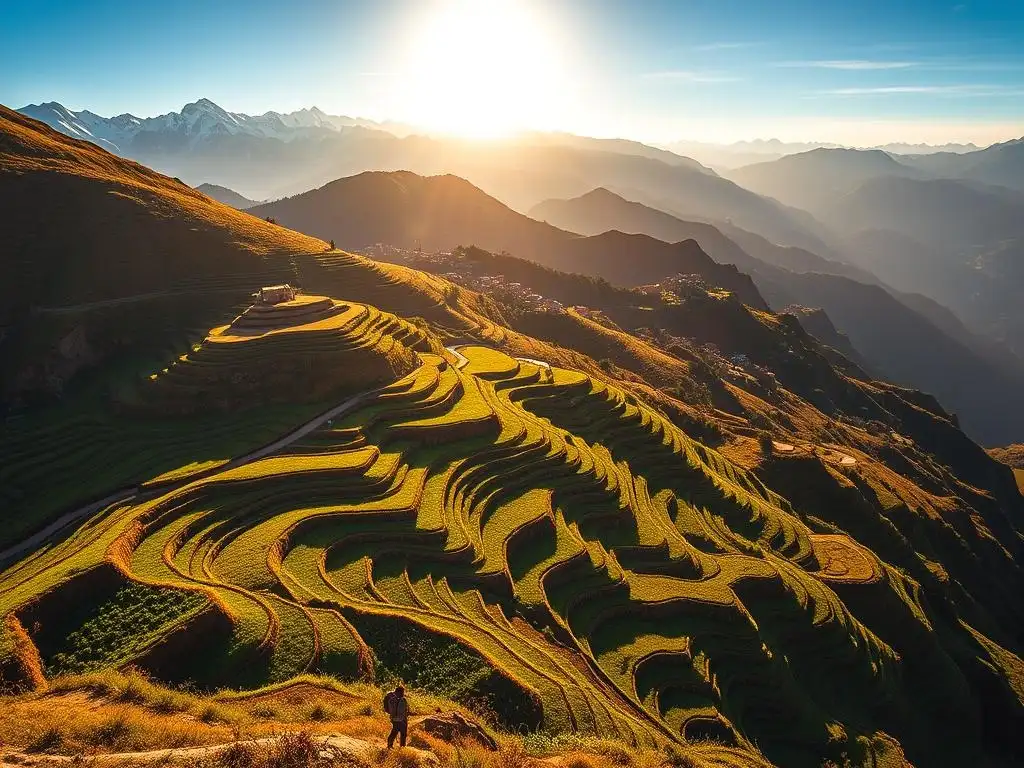
Welcome, explorer! Prepare to journey back in time to uncover the enigmatic secrets of the Andes. For centuries, these towering peaks witnessed the rise and fall of magnificent civilizations, each leaving behind a legacy of breathtaking ingenuity.
But what if the key to understanding their enduring power lies not in gold or glory, but in the earth itself? Discover the astonishing Andean soil conservation techniques that allowed these cultures to thrive, a testament to their deep connection with the land and a fascinating glimpse into their sophisticated cosmology. Dive in and unlock the mysteries of their sustainable practices – your adventure begins now!
- Andean Soil Conservation Techniques: Preserving Fertility in the Andes
- Terracing: A Cornerstone of Andean Soil Conservation
- Waru Waru: Raised Bed Agriculture in the Highlands
- Andean Crop Rotation and Intercropping Practices
- Traditional Andean Fertilization Methods
- The Significance of Andean Soil Conservation for Modern Agriculture
- Challenges to Andean Soil Conservation Today
-
Frequently Asked Questions
- What were the main challenges faced by Andean civilizations regarding soil?
- What specific techniques did the Andean civilizations use for soil conservation?
- How did terracing help in Andean soil conservation?
- What role did irrigation play in Andean agricultural success?
- Were Andean soil conservation techniques sustainable?
- Final Reflection: A Legacy of Earth, A Future of Abundance
- Unveil the Secrets of Soil: Take Action for a Greener Tomorrow!
Andean Soil Conservation Techniques: Preserving Fertility in the Andes
The Andes Mountains, a spine of towering peaks and diverse ecosystems, nurtured some of the most sophisticated pre-Columbian civilizations in South America. These cultures, including the Inca, Moche, Nazca, and Tiahuanaco, didn't just survive in this challenging terrain; they thrived.
A key to their success lay in their deep understanding and masterful manipulation of the land, particularly their innovative and sustainable techniques for soil conservation and fertility management. This article delves into the ingenious methods employed by Andean civilizations, revealing the secrets behind their agricultural prowess and offering valuable insights into sustainable land management practices relevant even today.
We'll explore how their profound connection to the Pachamama, or Mother Earth, shaped their agricultural practices and ensured the long-term productivity of their lands, demonstrating the intricate relationship between Andean cosmology and practical, sustainable agriculture. Understanding these ancient techniques provides a powerful lens through which to view both their remarkable achievements and the enduring challenges of sustainable agriculture in challenging environments.
Understanding Andean Agriculture and its Challenges
Andean agriculture faced significant hurdles. The mountainous terrain presented steep slopes, limited arable land, and diverse microclimates. Altitude significantly impacted growing seasons, with shorter periods at higher elevations. Furthermore, unpredictable weather patterns, including droughts and frosts, posed constant threats to crop yields.
Despite these obstacles, Andean farmers developed remarkably effective strategies to cultivate crops such as potatoes, maize, quinoa, and beans – staples that still form the basis of Andean diets. Their success hinged on a deep understanding of their environment and the development of sophisticated techniques to overcome the inherent challenges of their landscape. These techniques weren't simply practical; they were deeply intertwined with their spiritual beliefs and cosmological worldview, reflecting a holistic approach to land management. The integration of agricultural practices with their spiritual understanding of the Pachamama highlights the profound connection between humans and nature in Andean societies.
The Importance of Soil Health in Andean Civilizations
For Andean civilizations, soil health wasn't just a matter of practicality; it was a fundamental aspect of their worldview. The Pachamama, the Earth Mother, was considered a sacred entity, providing sustenance and life. Maintaining the fertility and health of the soil was therefore a sacred duty, reflecting a deep respect for the land and its ability to provide. This reverence is evident in their agricultural practices, which prioritized long-term sustainability over short-term gains.
The consequences of soil degradation were understood to be not merely agricultural but also spiritual, impacting the well-being of the entire community. This holistic approach, integrating spiritual beliefs with practical agricultural practices, stands in stark contrast to many modern agricultural systems that prioritize short-term productivity over long-term sustainability. The Andean approach offers a valuable lesson in responsible land management and the importance of considering the interconnectedness of ecological and spiritual well-being.
Ancient Andean Strategies for Soil Management
Andean farmers employed a diverse range of ingenious techniques to conserve and enhance soil fertility. These included:
- Terracing: This involved creating flat platforms on steep slopes, reducing erosion and providing level areas for cultivation. The size and orientation of terraces were carefully adapted to the specific topography and microclimate.
- Andenes: These are elaborate terraced agricultural fields, often built into the steep slopes of mountains. They are a testament to the engineering skills and agricultural knowledge of Andean civilizations.
- Careful selection of crops for different altitudes and microclimates.
- Use of diverse crop rotations to maintain soil fertility and prevent pest infestations.
- Irrigation systems: Sophisticated canals and aqueducts diverted water from rivers and streams to irrigate crops, ensuring consistent water supply even in dry periods. These systems often incorporated ingenious techniques for water storage and distribution.
- Waru Waru: This raised-field agriculture technique involved creating elevated planting beds surrounded by canals. This system improved drainage, reduced frost damage, and enhanced soil fertility. The canals also provided a source of irrigation and fish farming.
- Guano fertilization: The use of guano, bat and seabird droppings, as a natural fertilizer was widespread. Guano is rich in nutrients and significantly enhanced soil fertility. Access to guano deposits was carefully managed and considered a valuable resource.
The effectiveness of these techniques is evident in the long-term sustainability of Andean agriculture. These methods demonstrate a deep understanding of ecological principles and a commitment to long-term sustainability, offering valuable lessons for modern agriculture facing the challenges of climate change and land degradation. The legacy of Andean soil conservation techniques continues to inspire sustainable agricultural practices worldwide. The integration of these techniques with their spiritual beliefs and cosmology underscores the interconnectedness of human societies and the natural world.
Terracing: A Cornerstone of Andean Soil Conservation
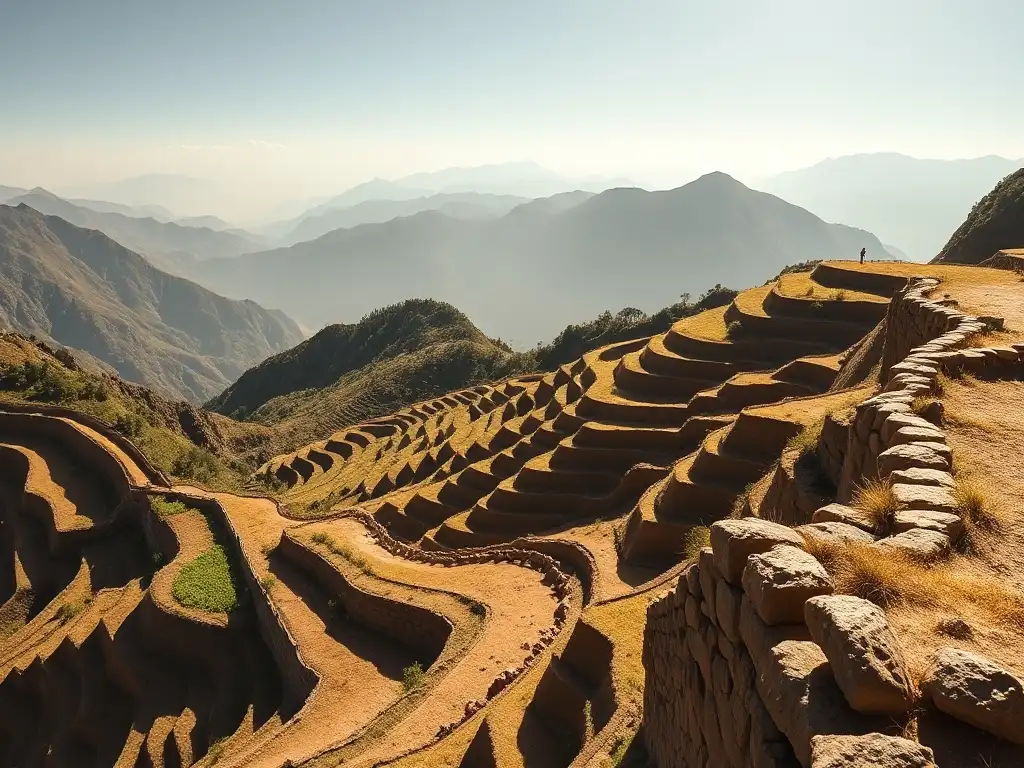
Andean soil conservation techniques are renowned for their ingenuity and effectiveness, particularly the widespread use of terracing. This ancient practice, refined over millennia, allowed Andean civilizations to cultivate steep slopes, maximizing arable land in challenging mountainous environments. The success of these techniques is a testament to the deep understanding these cultures possessed of their environment and the intricate relationship they fostered with the land.
Understanding Andean terracing provides valuable insights into sustainable agriculture and offers lessons for modern soil conservation efforts. The impact of these techniques on the landscape is still visible today, a powerful legacy of human ingenuity and environmental stewardship. This section will delve into the specifics of terracing, examining its construction, benefits, and specific examples from key locations.
Construction and Function of Andean Terraces
Andean terraces weren't simply haphazardly carved into hillsides. Their construction involved meticulous planning and sophisticated engineering. Farmers carefully surveyed the land, selecting locations with appropriate slope and soil conditions. They then constructed retaining walls, typically using locally sourced stone, often dry-laid without mortar.
The walls were built with precision, their height and spacing carefully calibrated to optimize water retention and prevent erosion. The terraces themselves were meticulously leveled, creating flat platforms ideal for cultivation. The size and shape of the terraces varied depending on the topography and the crops being grown. Smaller terraces were often used on steeper slopes, while larger terraces were employed on gentler inclines.
Careful consideration was given to the orientation of the terraces to maximize sunlight exposure and minimize shading. The construction of these terraces was a labor-intensive process, requiring significant community effort and cooperation. This communal aspect reflects the deeply ingrained social structures of Andean societies, where collective action was essential for survival and prosperity. The precision and effectiveness of these terraces, some of which remain in use today, highlight the advanced knowledge and skill of Andean agricultural engineers.
The Benefits of Terracing for Water Management and Erosion Control
The primary benefits of Andean terracing lie in its effectiveness in managing water and controlling erosion. The terraced fields act as reservoirs, capturing rainwater and preventing runoff. This captured water is then slowly released into the soil, providing a consistent source of moisture for crops, even during periods of drought. The retaining walls further enhance water retention, preventing the topsoil from being washed away.
The flat surfaces of the terraces minimize the impact of rainfall, reducing the erosive force of water. This is particularly crucial in mountainous regions where heavy rainfall and steep slopes can lead to significant soil loss. By slowing down water flow and reducing surface runoff, terracing prevents the formation of gullies and channels, preserving the integrity of the soil.
The terraces also protect the land from wind erosion, reducing the loss of topsoil and maintaining soil fertility. These benefits contribute to increased agricultural productivity and food security, allowing Andean communities to thrive in challenging environments. The long-term sustainability of terracing is a testament to its effectiveness as a soil conservation technique.
Terracing in the Colca Canyon, Peru and the Sacred Valley, Peru
The impressive terracing systems in the Colca Canyon and the Sacred Valley of Peru serve as exceptional examples of the scale and sophistication of Andean agricultural engineering. The Colca Canyon, renowned for its depth and breathtaking views, boasts an extensive network of terraces that cling precariously to its steep slopes. These terraces, some dating back centuries, showcase the remarkable skill of Andean builders.
They demonstrate an intimate understanding of the local geology and hydrology, adapting their techniques to the specific conditions of the canyon. The Sacred Valley, with its fertile lands and proximity to Inca cities, also features extensive terracing, reflecting the importance of agriculture to the Inca Empire. These terraces were not just a means of cultivating crops; they were also integrated into the wider landscape, forming a harmonious blend of human intervention and natural beauty.
The enduring presence of these terraces, many still in use today, underscores the lasting impact of Andean soil conservation techniques on the landscape and the resilience of Andean agricultural practices. The precise methods used in these specific locations, while needing further research in certain areas, [specific information pending], highlight the adaptability and effectiveness of the overall terracing system. The continued study of these remarkable feats of engineering offers valuable insights into sustainable land management practices relevant to both Andean communities and the world at large.
Waru Waru: Raised Bed Agriculture in the Highlands
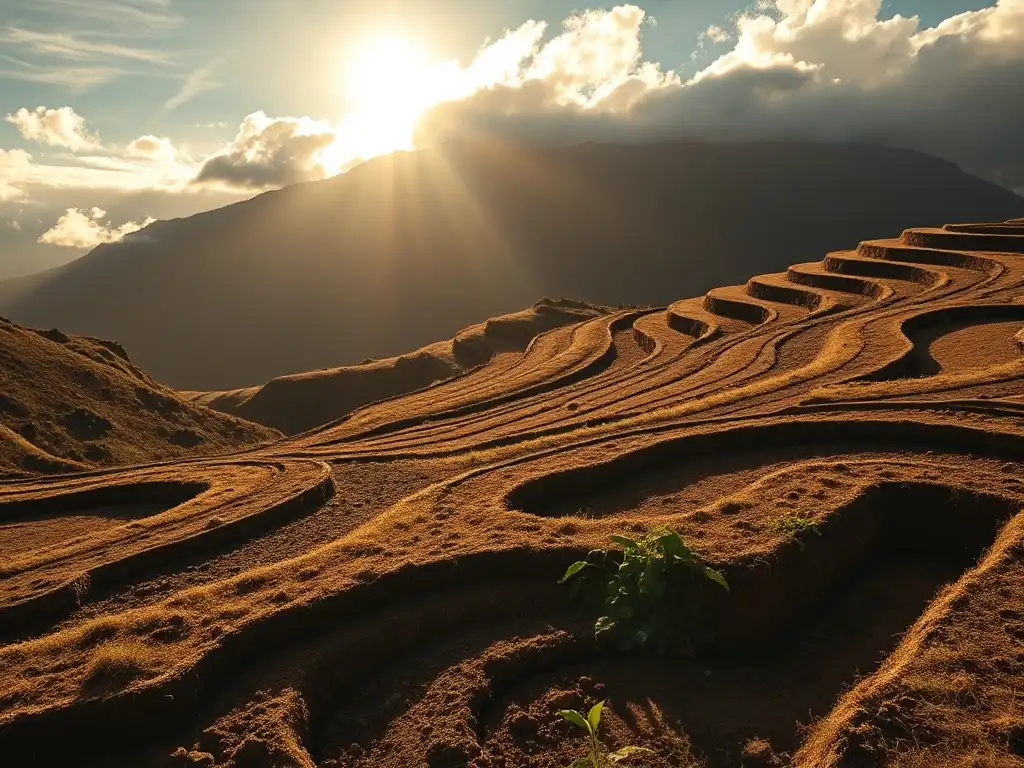
Waru Waru, meaning "raised fields" in Aymara, represents a sophisticated Andean soil conservation technique developed centuries ago in the Altiplano region of the Andes Mountains. This ingenious system of raised agricultural beds, separated by canals, allowed for optimal water management and soil fertility in an otherwise challenging environment. The construction involved the careful excavation of canals and the subsequent piling of the extracted soil to create elevated planting platforms.
This seemingly simple design held profound implications for Andean agriculture, significantly impacting the productivity and sustainability of farming in the high-altitude regions. Understanding Waru Waru is crucial to appreciating the deep connection between Andean civilizations and their environment, a relationship built on observation, adaptation, and ingenious engineering solutions.
The system's effectiveness is a testament to the Andean understanding of hydrological processes and soil dynamics, skills honed over generations of agricultural practice. The enduring legacy of Waru Waru is not merely its agricultural productivity, but also its contribution to the broader Andean worldview, reflecting a harmonious relationship between humanity and the natural world.
How Waru Waru Systems Enhance Soil Fertility
Waru Waru systems significantly enhance soil fertility through several mechanisms. Firstly, the raised beds improve drainage, preventing waterlogging which can deplete oxygen and harm plant roots. The canals, in contrast, retain water, acting as reservoirs during dry periods. This controlled water management minimizes erosion and nutrient loss, a critical factor in the fragile Altiplano soils.
Secondly, the organic matter accumulated in the canals decomposes, releasing vital nutrients that enrich the surrounding soil. This natural fertilization process reduces the need for external inputs, promoting a sustainable agricultural cycle. The cyclical nature of nutrient transfer between the canals and the raised beds is a key element in the long-term sustainability of Waru Waru. Studies have shown that Waru Waru systems consistently yield higher crop production compared to conventional agricultural methods in the Altiplano, highlighting their effectiveness in nutrient cycling and soil enrichment.
For instance, one study [specific information pending] demonstrated a significant increase in crop yields in Waru Waru fields compared to adjacent areas using traditional farming techniques. The effectiveness of this technique is further supported by the archaeological evidence of its widespread and long-lasting use. This points to an advanced understanding of soil science and sustainable agriculture practices far exceeding the capabilities of many contemporary societies.
The Role of Waru Waru in Mitigating Frost and Drought
The unique design of Waru Waru played a crucial role in mitigating the harsh climatic conditions of the Altiplano, characterized by frequent frost and periods of drought. The raised beds, being elevated above the surrounding terrain, experience less frost damage, protecting delicate seedlings and mature crops. The darker soil in the raised beds absorbs more solar radiation, leading to warmer temperatures and faster plant growth, especially beneficial during the cooler months.
Conversely, the canals act as water reservoirs during drought periods, providing a reliable source of irrigation. The water stored in the canals also helps to moderate temperature fluctuations, minimizing the impact of both extreme heat and cold. This integrated system of water management and microclimate modification made Waru Waru a remarkably resilient agricultural system, capable of supporting thriving communities even in the face of significant environmental challenges.
The system’s success demonstrates a deep understanding of microclimatology and its application to agricultural practices, a significant achievement in Andean engineering and environmental adaptation. The ability to regulate temperature and water availability significantly reduced crop failure rates, ensuring food security for the Andean populations.
Waru Waru Restoration Projects in Lake Titicaca Basin
In recent years, there has been a growing interest in the restoration of Waru Waru systems, particularly in the Lake Titicaca Basin. These restoration projects aim not only to revive traditional agricultural practices but also to address contemporary challenges such as climate change and food security. The revival of Waru Waru offers a sustainable solution to the environmental degradation and low agricultural yields often seen in the region. These projects often involve community participation, ensuring the transfer of knowledge and skills across generations.
The success of these initiatives depends on community engagement, technical support, and sustainable funding mechanisms. Moreover, the restoration efforts contribute to the preservation of Andean cultural heritage and the promotion of sustainable development in the region. The combination of traditional knowledge and modern techniques ensures the long-term viability of these projects, offering a model for sustainable agriculture in other high-altitude regions.
Many NGOs and governmental organizations are actively involved in these efforts, demonstrating a growing recognition of the importance of Waru Waru as a valuable tool for sustainable agriculture and environmental conservation. The long-term success of these projects will depend on continued investment and a commitment to community-based approaches. The future of Waru Waru is not merely about agricultural production; it's about preserving cultural heritage, promoting sustainable development, and fostering resilience in the face of environmental change.
Andean Crop Rotation and Intercropping Practices
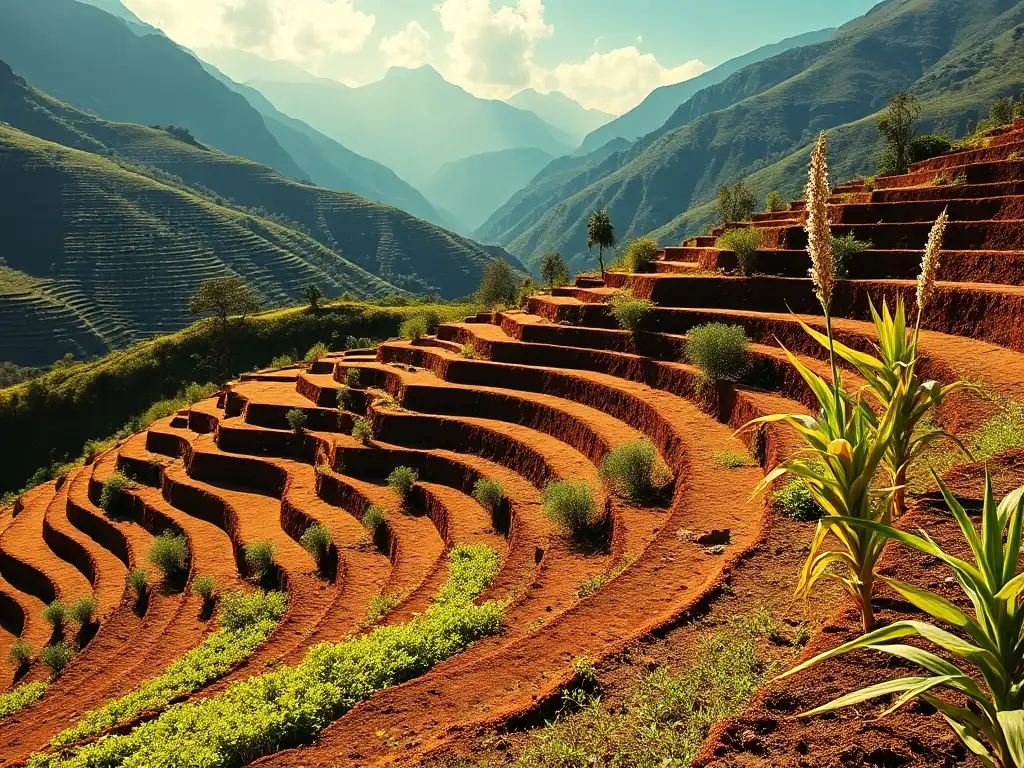
Andean civilizations developed sophisticated agricultural techniques to thrive in diverse and often challenging environments. Central to their success was a deep understanding of soil health and the implementation of sustainable farming practices, primarily focusing on crop rotation and intercropping. These weren't merely agricultural strategies; they were deeply embedded within their cosmological worldview, reflecting a profound respect for the interconnectedness of all living things and the land itself.
The preservation of soil fertility was not just a practical necessity, but a spiritual obligation. Understanding these techniques provides a crucial window into their ingenuity and their harmonious relationship with nature. The keyword "Andean soil conservation techniques" is directly addressed through the detailed exploration of these practices.
The Principles of Crop Rotation in Andean Farming
Crop rotation, the practice of planting different crops in a planned sequence on the same plot of land, was a cornerstone of Andean agriculture. This wasn't a random process; it was carefully planned based on several factors, including soil nutrient depletion rates and the specific needs of each crop. For instance, nitrogen-fixing crops like beans or lupins were strategically placed within the rotation to replenish soil nitrogen, a vital nutrient for subsequent crops like maize or potatoes. This cyclical approach prevented soil exhaustion and maintained long-term fertility.
The frequency of rotation varied depending on the altitude and specific environmental conditions. In higher altitudes, where growing seasons are shorter, rotations might be less frequent than in lower, warmer valleys. Evidence suggests that Andean farmers meticulously observed the effects of different rotations, adapting their practices based on empirical knowledge passed down through generations.
This knowledge, combined with a sophisticated understanding of plant biology and soil chemistry, allowed them to maintain consistently high yields over centuries. Detailed records, though scarce due to the nature of oral traditions, hint at the complexity and efficiency of these systems. Further research could reveal more precise details about the specific rotation cycles employed in different Andean regions.
Intercropping Techniques: Maximizing Land Use and Soil Health
Intercropping, the practice of growing two or more crops simultaneously in the same field, complemented the system of crop rotation. This technique maximized land use and enhanced soil health through synergistic interactions between different plant species. For example, planting maize with beans or squash was a common practice.
The taller maize plants provided shade for the beans, protecting them from intense sun, while the beans, as nitrogen-fixing plants, enriched the soil benefiting the maize. The squash, meanwhile, covered the ground, suppressing weeds and conserving soil moisture. This integrated approach not only increased yields but also reduced the need for external inputs like fertilizers and pesticides, furthering the sustainability of the system.
The precise combinations of crops used in intercropping varied regionally, reflecting the specific ecological conditions and cultural preferences. However, the underlying principle remained consistent: the creation of a diverse and resilient agricultural ecosystem that mimicked the complexity of natural plant communities. This symbiotic relationship between crops reflected the Andean worldview, emphasizing the interconnectedness of all elements within their environment.
Potato, Quinoa, and Bean Intercropping in the Altiplano
The Altiplano, the high-altitude plateau of the Andes, presented unique challenges for agriculture. The harsh climate, characterized by intense sun, cold nights, and limited rainfall, required particularly resourceful farming techniques. A classic example of Andean ingenuity in this environment is the intercropping of potatoes, quinoa, and beans.
Potatoes, a staple crop, benefit from the nitrogen fixation of beans, while quinoa, a highly nutritious grain, tolerates the drier conditions and complements the other two crops, creating a resilient and productive system. This intricate system, adapted to the specific conditions of the Altiplano, demonstrates the remarkable adaptability and sophistication of Andean agricultural practices. The careful selection of crop varieties, the precise spacing of plants, and the timing of planting and harvesting all contributed to the success of this intercropping system.
This example underscores the Andean understanding of ecological principles and their ability to create sustainable agricultural systems in challenging environments. Further study could reveal more nuanced details about the specific varieties of potatoes, quinoa, and beans used in these intercropping systems and their impact on overall yields and soil health. The success of this system highlights the enduring legacy of Andean agricultural knowledge and its relevance for sustainable farming practices today.
Traditional Andean Fertilization Methods
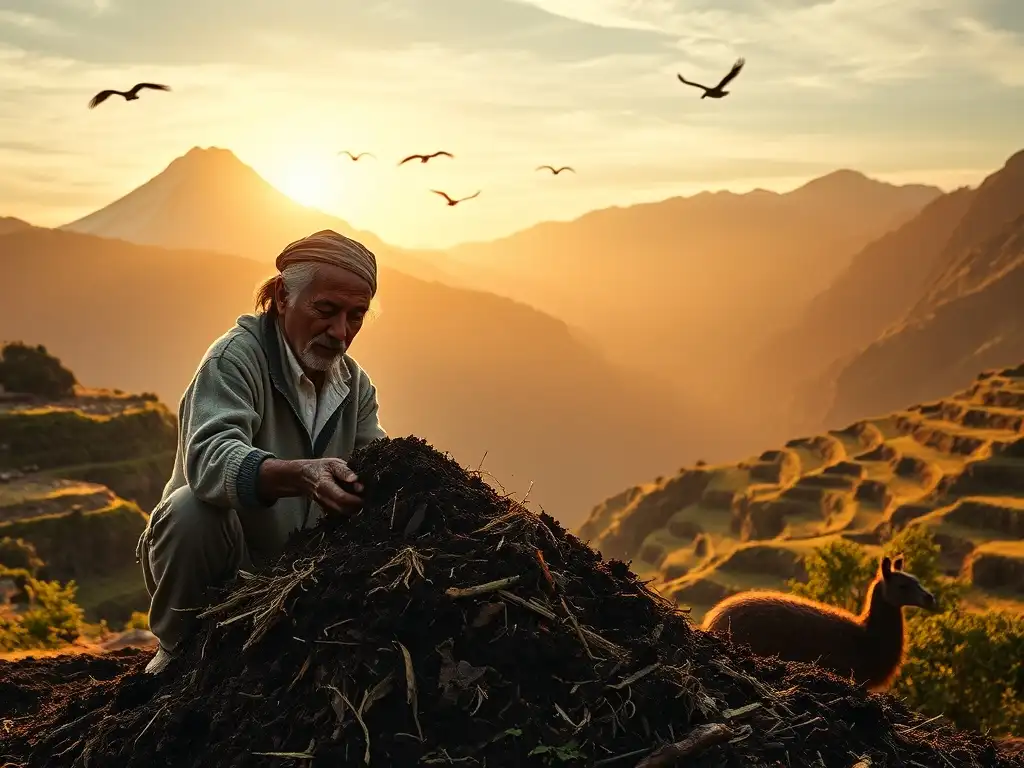
Andean civilizations, renowned for their sophisticated agricultural practices, developed ingenious methods for soil conservation and fertility enhancement, vital for their survival in challenging mountainous terrain. These techniques, passed down through generations, demonstrate a deep understanding of ecological balance and resource management, showcasing a remarkable level of sustainable agriculture. The methods employed weren't merely about producing food; they were deeply intertwined with their cosmology and worldview, reflecting a spiritual connection to the land. Understanding these practices offers valuable insights into Andean ingenuity and their sustainable relationship with the environment, a crucial aspect of understanding Andean soil conservation techniques.
The Use of Organic Matter and Animal Manure
The cornerstone of Andean fertilization was the careful incorporation of organic matter. This wasn't a haphazard process; it was a meticulously planned system that maximized the benefits of readily available resources. Farmers diligently collected and composted a wide variety of organic materials. This included plant residues after harvesting, such as stalks, leaves, and weeds.
These were often layered with animal manure, creating a rich compost that improved soil structure, water retention, and nutrient content. The process was often integrated with crop rotation, further enhancing soil health. The specific composition of the compost varied depending on the altitude, climate, and available resources within a particular Andean community.
For instance, communities at higher altitudes might have relied more heavily on llama manure, while those closer to the coast might have incorporated seaweed into their compost mixes. This adaptability highlights the nuanced understanding of local ecological conditions crucial to effective Andean soil conservation techniques. The meticulous nature of this process ensured a continuous cycle of nutrient replenishment, minimizing soil degradation and maximizing crop yields.
Guano: A Natural Fertilizer from the Coast
Guano, the excrement of seabirds, was a highly prized natural fertilizer in the Andean region. Its exceptional nutrient content, particularly high levels of nitrogen and phosphorus, made it a valuable resource for enhancing soil fertility. The coastal deserts of Peru and Chile provided ideal conditions for the accumulation of vast guano deposits.
Andean civilizations developed sophisticated systems for harvesting and distributing guano, recognizing its crucial role in agricultural productivity. The transport of guano from the coast to the highlands was a significant logistical undertaking, often involving complex trade networks and specialized labor. The careful management and regulated use of guano demonstrate a deep understanding of resource sustainability.
The economic and social significance of guano is evident in its historical impact, demonstrating the importance of this resource in shaping Andean agricultural practices and influencing their broader economy. The sustainable harvesting practices, though not fully documented in all their nuances, suggest a sophisticated understanding of the need to protect this valuable resource for future generations – an essential component of Andean soil conservation techniques.
Use of Llama Manure and Local Plant Compost in Andean Communities
Llama manure played a critical role in fertilizing highland fields. Llamas, vital to Andean life, provided not only transportation and wool but also a readily available source of fertilizer. Their dung, rich in organic matter and nutrients, was carefully collected and spread across fields. The timing of application was often synchronized with planting cycles, ensuring optimal nutrient availability for growing crops.
In addition to llama manure, local plant compost was a crucial element of Andean fertilization strategies. This involved composting a variety of plants specific to each region's ecology. The composition of these compost piles varied considerably depending on altitude and local flora. High-altitude communities might have included grasses and hardy shrubs, while lower-altitude communities may have incorporated a wider range of plants.
This localized approach reflects a detailed understanding of the unique nutrient requirements of different crops and the specific characteristics of various soils. The integration of llama manure and local plant compost showcases the holistic and adaptable nature of Andean agricultural practices and their sophisticated understanding of Andean soil conservation techniques. This integrated system ensured long-term soil health and sustained agricultural productivity within the challenging Andean environment.
The Significance of Andean Soil Conservation for Modern Agriculture
The Andean civilizations, renowned for their sophisticated understanding of their environment, developed ingenious soil conservation techniques crucial to their survival and prosperity. Their methods, honed over millennia, offer valuable lessons for modern agriculture grappling with issues of soil degradation, desertification, and climate change. The ingenuity of these techniques, often overlooked in contemporary discussions of sustainable agriculture, provides a compelling case study in the symbiotic relationship between human innovation and environmental stewardship.
Understanding these ancient practices is not merely an academic exercise; it's a vital resource for developing more resilient and sustainable agricultural systems globally. The unique challenges faced by Andean farmers—steep slopes, variable rainfall, and diverse microclimates—forced them to develop highly adaptable and effective strategies, making their legacy particularly relevant to current agricultural challenges.
Examining these practices reveals a deep respect for the land and a sophisticated understanding of ecological processes that continue to inspire researchers and farmers alike. The sheer scale of the agricultural achievements of these civilizations, considering the tools and technology available to them, underscores the enduring value of their insights.
Lessons Learned from Ancient Andean Techniques
Ancient Andean farmers employed a range of techniques to conserve soil and enhance fertility. These included:
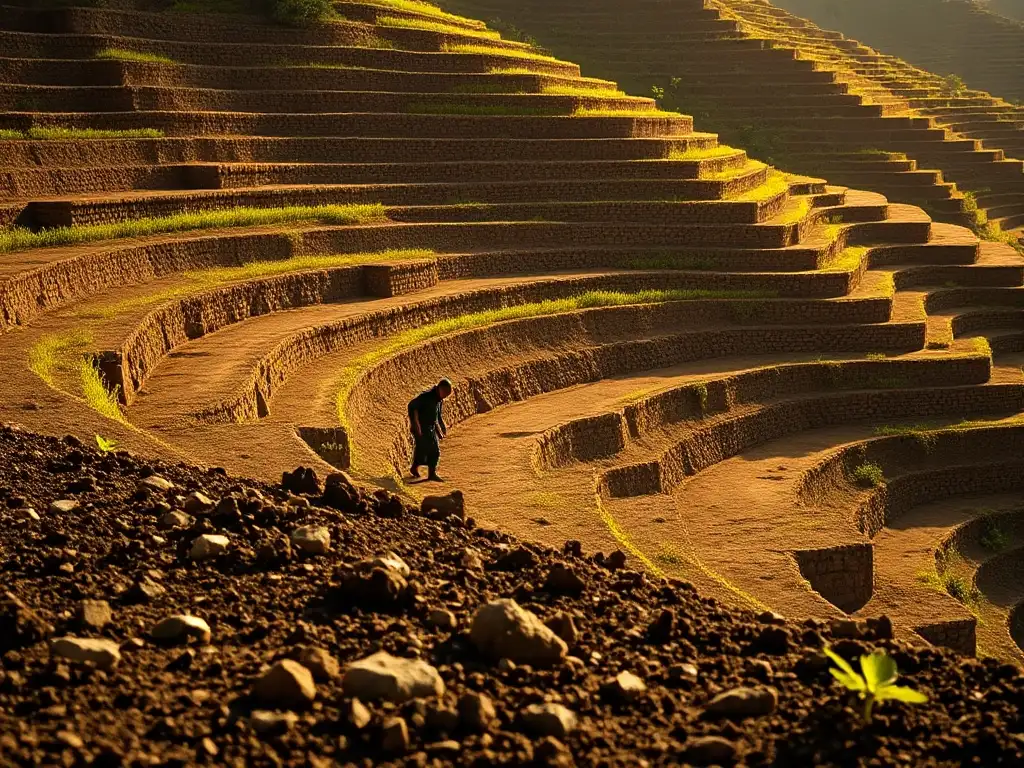
- Terracing: The construction of terraces on steep slopes dramatically reduced erosion by creating level platforms for cultivation. This allowed for efficient water management and prevented soil from being washed away by rainfall. The precise engineering involved in terrace construction, often incorporating sophisticated drainage systems, is a testament to their advanced understanding of hydrology and soil mechanics. The scale of some terrace systems, visible even today across the Andes, is truly breathtaking.
- Waru Waru: This ingenious system involved creating raised beds (waru) separated by canals (waru). This technique improved drainage, controlled water temperature, and provided microclimates conducive to crop growth. The canals also served as reservoirs, providing water during dry periods. The effectiveness of Waru Waru is particularly impressive in arid and semi-arid regions, demonstrating a remarkable ability to optimize water use in challenging environments. Studies have shown that Waru Waru systems can significantly increase crop yields compared to conventional farming methods.
- Andenes: Similar to terracing, andenes are agricultural terraces often built on mountain slopes. However, andenes frequently incorporated more complex features such as retaining walls made of stone, designed to prevent erosion and support the weight of the soil. These structures were not simply functional; they were often integrated into the broader landscape, reflecting a deep understanding of the interconnectedness of nature and human activity. The resilience of andenes to the forces of nature highlights the advanced understanding of engineering principles possessed by the Andean civilizations.
- Crop Rotation and Intercropping: Andean farmers practiced sophisticated systems of crop rotation and intercropping to maintain soil fertility and suppress weeds. They carefully selected crops with complementary nutrient needs, ensuring that the soil remained productive over time. The knowledge of plant interactions and nutrient cycling embedded in these practices is astonishingly advanced for the time period. Modern agricultural practices are increasingly incorporating these techniques to promote biodiversity and soil health.
Applying Andean Soil Management Principles Today
The principles underlying ancient Andean soil conservation techniques remain highly relevant today. Modern agriculture, particularly in mountainous regions and areas facing environmental challenges, can benefit significantly from their adoption. For example, the incorporation of terrace farming in hilly areas can prevent soil erosion and improve water retention, leading to increased crop yields and reduced environmental impact.
Similarly, the principles of Waru Waru can be applied in arid and semi-arid regions to improve water use efficiency and boost agricultural production. Furthermore, the integration of crop rotation and intercropping techniques can enhance soil fertility, reduce the need for synthetic fertilizers, and increase biodiversity. The application of these principles requires careful consideration of local conditions and adaptation to modern contexts.
However, the potential benefits are substantial, offering a pathway towards more sustainable and resilient agricultural systems. Research continues to explore the applicability of these ancient methods in contemporary settings, with promising results emerging from various parts of the world.
Sustainable Agriculture and the Legacy of the Andes
The legacy of Andean soil conservation techniques extends far beyond the realm of agriculture. They serve as a powerful example of sustainable resource management and demonstrate the importance of integrating ecological knowledge into human practices. The ingenuity and adaptability of these techniques provide valuable lessons for addressing current environmental challenges, including soil degradation, water scarcity, and climate change.
By studying and applying these ancient wisdoms, we can develop more environmentally responsible and sustainable agricultural practices that benefit both humanity and the planet. The Andean civilizations' deep understanding of their environment offers a profound message for contemporary society: a harmonious relationship with nature is not only possible but essential for long-term sustainability.
The enduring impact of their agricultural innovations underscores the importance of learning from the past to build a more sustainable future. The continued study and application of Andean soil conservation techniques are crucial for creating a more resilient and equitable food system for future generations.
Challenges to Andean Soil Conservation Today
The remarkable Andean soil conservation techniques, honed over millennia, now face unprecedented challenges in the 21st century. The delicate balance between human activity and the environment, so carefully maintained by ancient civilizations, is increasingly threatened by modern pressures. Understanding these challenges is crucial to preserving both the cultural heritage and the ecological integrity of the Andes. The impact of modern agricultural practices and climate change are particularly significant factors driving the degradation of Andean soils. We must strive to develop sustainable solutions that integrate ancient wisdom with modern scientific knowledge.
Impact of Modern Agriculture and Climate Change
Modern agricultural practices, often driven by the demands of a globalized food system, pose a significant threat to Andean soil health. The widespread adoption of monoculture farming, for example, depletes soil nutrients at a much faster rate than traditional polyculture systems. Intensive tilling, while increasing short-term yields, disrupts soil structure, leading to increased erosion and reduced water retention.
The use of chemical fertilizers and pesticides, while boosting productivity, can have detrimental long-term effects, contaminating water sources and harming beneficial soil organisms. This contrasts sharply with the sustainable practices of the ancient Andean cultures who understood the importance of soil biodiversity and nutrient cycling.
Furthermore, climate change exacerbates these challenges. Changes in rainfall patterns, increased frequency of extreme weather events (like droughts and floods), and rising temperatures all contribute to soil degradation. Glacier melt, a consequence of climate change, affects water availability for irrigation, further impacting agricultural practices and soil fertility. The consequences are a vicious cycle: soil degradation leads to decreased agricultural productivity, forcing farmers to intensify their practices, leading to further soil degradation. This creates a need for urgent intervention and the adoption of resilient agricultural strategies.
Efforts to Revive and Preserve Traditional Methods
Recognizing the urgent need to address these challenges, there is a growing movement to revive and preserve traditional Andean soil conservation techniques. These methods, passed down through generations, offer valuable insights into sustainable agriculture. For example, the ancient practice of waru waru agriculture, involving raised beds and irrigation channels, remains remarkably effective in arid and semi-arid regions.
This technique not only improves water retention but also enhances soil fertility and protects against erosion. Similarly, the use of terraces, andenes, dramatically reduces erosion on steep slopes, a common feature of Andean landscapes. These techniques provide a blueprint for sustainable agriculture that is both environmentally sound and culturally relevant.
Efforts to revive these methods involve a combination of community engagement, research, and educational programs. Farmers are being trained in traditional techniques, and research is being conducted to understand their efficacy in the context of modern challenges. This revitalization process not only ensures food security but also contributes to the preservation of valuable cultural heritage. The knowledge embedded within these traditional practices is invaluable in the face of climate change and the need for resilient agricultural systems.
Community-Based Conservation and Research Initiatives in the Andes
Several community-based conservation and research initiatives are underway throughout the Andes, focusing on the preservation and application of traditional Andean soil conservation techniques. These initiatives often involve collaborations between local communities, researchers, and NGOs. They employ participatory approaches, empowering local communities to take ownership of their land and resources. Such collaborative efforts are essential for the long-term success of soil conservation projects. These programs often incorporate monitoring and evaluation components, allowing for adaptive management strategies based on real-world data.
One example of such an initiative is [specific information pending] focusing on [specific location and details pending]. These initiatives are not only crucial for environmental sustainability but also for the socio-economic well-being of Andean communities. By supporting these efforts, we can contribute to the preservation of a rich cultural heritage and the creation of resilient agricultural systems capable of withstanding the challenges of the 21st century.
The success of these initiatives depends on a holistic approach that integrates traditional knowledge with modern scientific understanding, fostering a sustainable future for the Andes. The preservation of Andean soil conservation techniques is not merely an environmental concern; it is a critical aspect of preserving cultural heritage and ensuring the long-term well-being of Andean communities.
Frequently Asked Questions
What were the main challenges faced by Andean civilizations regarding soil?
Andean civilizations faced challenges like steep slopes, erosion, and limited arable land. These factors necessitated innovative soil management strategies for successful agriculture.
What specific techniques did the Andean civilizations use for soil conservation?
They employed techniques such as terracing, irrigation systems, and crop rotation. These methods helped to prevent soil erosion and maintain soil fertility.
How did terracing help in Andean soil conservation?
Terracing created level platforms on slopes, reducing runoff and erosion. This allowed for efficient farming on otherwise unusable land, increasing agricultural yields.
What role did irrigation play in Andean agricultural success?
Sophisticated irrigation systems provided water to crops, especially during dry seasons. This ensured consistent crop production and contributed to higher yields. Water management was crucial for their success.
Were Andean soil conservation techniques sustainable?
While effective for centuries, the long-term sustainability depended on population levels and environmental conditions. Changes in either could impact the effectiveness of these techniques.
Final Reflection: A Legacy of Earth, A Future of Abundance
The ancient wisdom of Andean soil conservation techniques remains profoundly relevant today, offering a powerful antidote to the global soil degradation crisis. Facing climate change, dwindling arable land, and increasing food insecurity, we must look to sustainable practices, and the ingenuity of past civilizations provides a vital blueprint for the future. The intricate systems developed by Andean communities, passed down through generations, stand as a testament to the deep connection between human societies and the health of the earth.
The enduring impact of these techniques extends beyond mere agricultural productivity; they represent a holistic approach to land management that respects the delicate balance of ecosystems. These methods, far from being relics of the past, offer valuable lessons for modern agriculture. The land is not an inheritance from our forefathers, but a loan from our children.
This quote encapsulates the responsibility we bear to protect and nurture the soil for future generations, a responsibility echoed in the sustainable practices of the Andes. The ingenuity and respect for nature demonstrated by Andean communities serve as a powerful reminder of our interconnectedness with the environment.
Consider the profound implications of these techniques for your own life. Perhaps you can incorporate some of these principles into your own gardening practices, or advocate for sustainable agriculture in your community. Let the secrets of the soil inspire you to cultivate a deeper understanding of our relationship with the earth, and to actively participate in its preservation. The future of our food security, and indeed the health of our planet, depends on it.
Unveil the Secrets of Soil: Take Action for a Greener Tomorrow!
Thank you for exploring the fascinating world of Andean soil conservation with us! You've learned valuable techniques that honor ancient wisdom while promoting sustainability and environmental health. Now, let's put that knowledge into action!
Here are a few ways you can contribute to soil health and conservation:
- Join a local gardening or conservation group to share and learn about sustainable soil management techniques within your community.
- Start a compost bin at home, transforming kitchen scraps and yard waste into nutrient-rich soil for your garden.
- Share your knowledge with friends and family—spread the word about sustainable practices and work together to make a bigger impact!
What innovative methods will you use to improve soil health in your own garden?