
Andean Beliefs About the Stars and the Ancestors: Celestial Connections

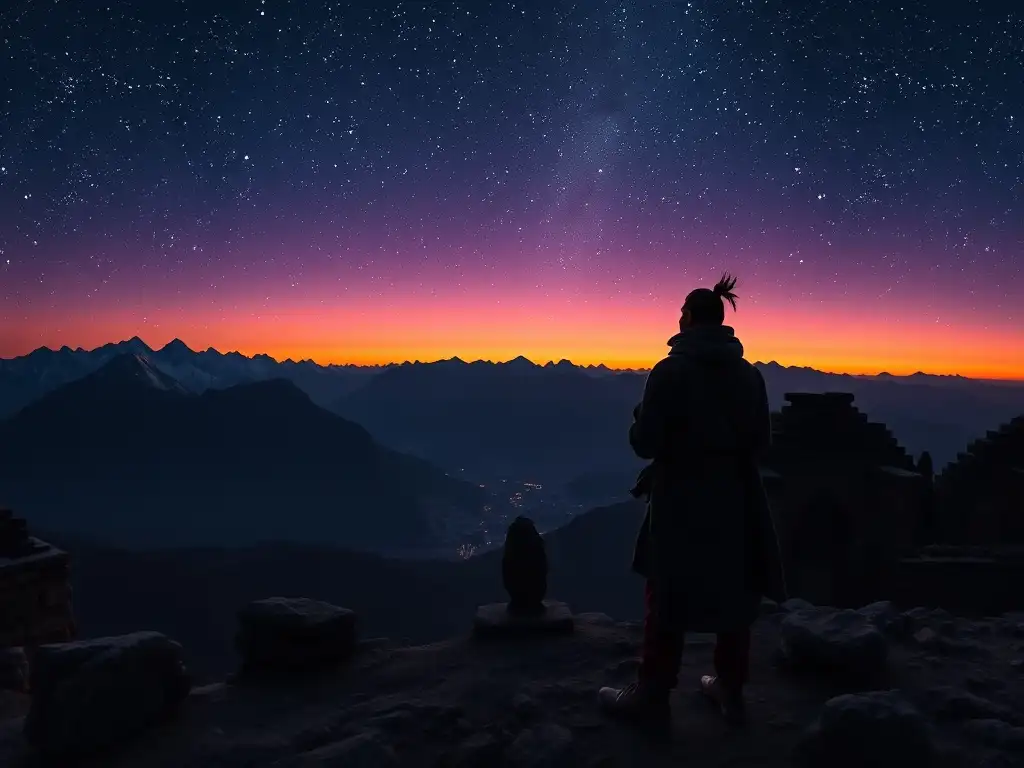
Step into a world lost to time, yet echoing with the whispers of ancient wisdom. Imagine a civilization that saw the cosmos not as a distant spectacle, but as a living tapestry woven with the threads of their ancestors. Uncover the secrets held within Andean star constellations beliefs, a celestial language that shaped their worldview and continues to inspire awe. Journey with us into the heart of Andean cosmology and unravel the profound connection between earth and sky. Explore the mysteries that await you...
- Andean Star Constellations Beliefs: Celestial Connections to Ancestors
- Andean Ancestral Connections Through Stars
- Rituals and Practices Linked to Andean Star Lore
- Legacy of Andean Star Beliefs in Modern Andean Communities
-
Frequently Asked Questions
- What role did stars play in Andean cultures?
- How did Andean people relate the stars to their ancestors?
- What are some specific Andean constellations and their meanings?
- Were Andean star beliefs tied to their agricultural practices?
- How did Andean astronomy differ from other ancient astronomical systems?
- Final Reflection: Weaving the Celestial Threads of Andean Heritage
- Embrace Your Celestial Connection Today!
Andean Star Constellations Beliefs: Celestial Connections to Ancestors
The Andes Mountains, a spine of rock and ice running down the western edge of South America, have witnessed millennia of human civilization. These civilizations, including the Incas, Moche, Nazca, and Tiahuanaco, developed incredibly sophisticated societies, deeply intertwined with their environment and, crucially, with their understanding of the cosmos.
This article delves into the fascinating world of Andean beliefs about the stars and their profound connection to ancestor veneration, exploring how celestial observations shaped their worldview and religious practices. We will uncover the rich tapestry of Andean cosmology, revealing how the night sky served not merely as a celestial map, but as a living, breathing connection to their ancestors and the spiritual realm.
Understanding these beliefs sheds light on the intricate relationship between the Andean people and the universe they inhabited, providing a deeper appreciation for their remarkable achievements and enduring legacy. This exploration of "Andean star constellations beliefs" will reveal how their astronomical knowledge informed their social structures, agricultural practices, and spiritual beliefs.
The Significance of the Sky in Andean Cosmology
Andean cosmology wasn't confined to the earthly realm; the sky held paramount importance. The celestial bodies—the sun, moon, stars, and constellations—were not merely distant objects but active participants in the ongoing life cycle, deeply influencing earthly events and the spiritual well-being of the communities. Unlike many Western traditions that view the cosmos as separate from humanity, the Andean worldview saw a continuous flow of energy and influence between the heavens and the earth.
This interconnectedness is vividly reflected in their intricate astronomical observations and the profound significance they attributed to specific celestial events. For example, the solstices and equinoxes marked crucial moments in the agricultural calendar, prompting elaborate rituals and ceremonies designed to ensure bountiful harvests. These rituals weren't simply agricultural practices; they were spiritual acts, reaffirming the connection between the earthly and celestial realms.
The Andean people meticulously tracked the movements of the stars, developing sophisticated methods for predicting celestial events and incorporating this knowledge into their social and religious structures. Their understanding of the cosmos wasn't solely based on scientific observation; it was infused with spiritual meaning, shaping their worldview and shaping their understanding of the afterlife. The celestial sphere wasn't a passive background; it was an active participant in their daily lives.
Understanding Andean Worldview Through Celestial Observation
The Andean peoples' deep understanding of the night sky is evident in their sophisticated astronomical knowledge. They identified specific constellations, each with its own associated mythology and significance. These constellations weren't merely patterns of stars; they represented powerful beings, ancestral spirits, or significant events in their mythology. For instance, certain constellations were associated with specific deities or ancestral figures, while others marked the cyclical nature of life, death, and rebirth.
By observing the movements of these constellations, the Andean people could track the passage of time, predict seasonal changes, and understand their place within the larger cosmic order. This knowledge wasn't limited to a priestly class; it was often integrated into the daily lives of communities, influencing decision-making processes related to agriculture, warfare, and social organization. Furthermore, the observation of celestial events, such as comets or eclipses, was often interpreted as significant omens, influencing their social and political lives. The precision of their astronomical observations, often made without sophisticated instruments, is a testament to their keen observational skills and deep understanding of the celestial mechanics.
Their worldview, deeply rooted in the celestial realm, shaped their understanding of life, death, and their relationship with the ancestors. The constellations weren't just pretty patterns in the sky; they were the very fabric of their cosmological understanding. The careful observation of these celestial bodies helped inform their practices and beliefs, connecting the earthly and the spiritual realms in a profound and intricate way.
Andean Ancestral Connections Through Stars
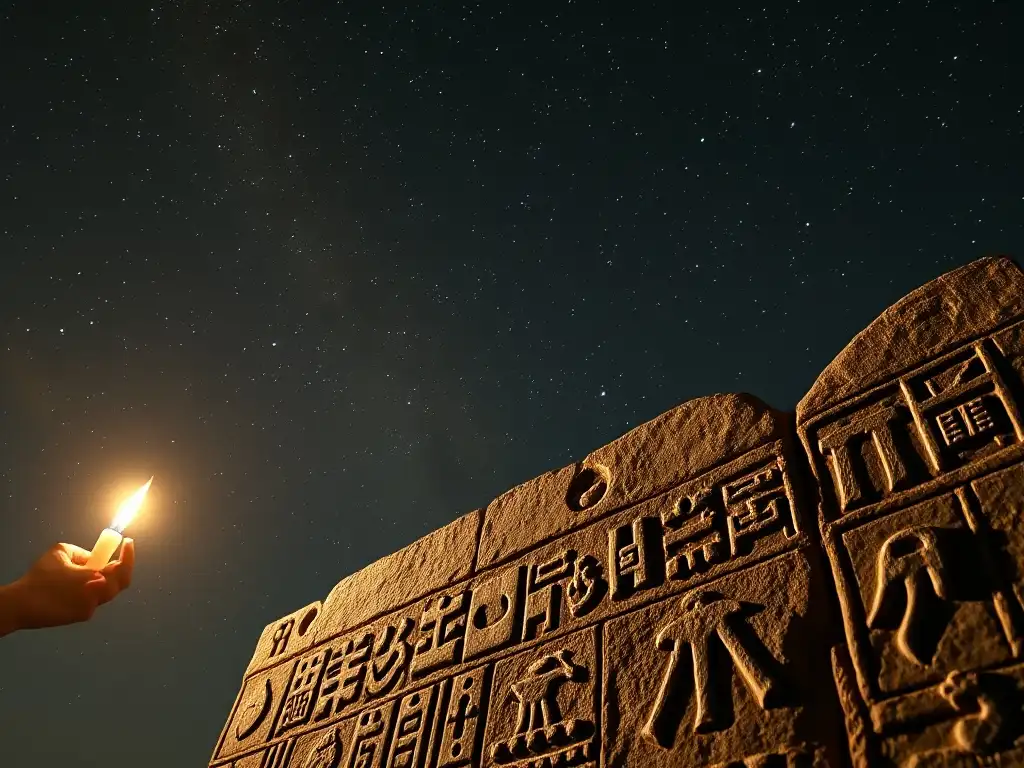
The Andean worldview intricately linked the celestial realm with the lives and legacies of ancestors. Stars weren't merely distant lights; they were active participants in the ongoing relationship between the living and the dead, a cosmic tapestry woven with threads of ancestral influence and spiritual power. This deep-seated belief system, reflected in their rich mythology and astronomical practices, shaped their understanding of the universe and their place within it.
Understanding Andean star constellations beliefs requires appreciating this profound connection between the earthly and the heavenly. The concept of ayni, reciprocal exchange, extended beyond human interactions to encompass a cosmic balance maintained through ancestor veneration and celestial observation. This section will delve into the specific ways ancestors were interwoven with Andean interpretations of the night sky.
The Role of Ancestors in Andean Star Lore
Ancestor veneration was central to Andean life, with deceased relatives considered active participants in the community's well-being. Their spirits, believed to inhabit the Hanaq Pacha (upper world), maintained a powerful influence over the living. The stars themselves were seen as pathways to these ancestral spirits, celestial markers guiding communication and offering protection. Rituals involving astronomical observations were often performed to honor ancestors, seek their guidance, and ensure the continuation of their legacy.
For example, specific constellations were associated with particular deceased individuals or clan founders, further strengthening the bond between the stars and the ancestral realm. The positioning of stars, their movements, and their conjunctions were all interpreted as messages from, or influences exerted by, these powerful ancestral entities. This wasn't simply a passive observation; it was an active engagement with the spiritual world, a continuous dialogue between the living and the dead facilitated by the celestial map.
Interpreting the Night Sky: Andean Constellations and Their Meanings
Andean cultures didn't see the night sky as a random scattering of stars. Instead, they meticulously mapped constellations, each with its own unique story, significance, and associated spirits. These constellations weren't static images; their movements and relationships with other celestial bodies held profound meaning.
For example, the appearance of certain constellations signaled the start of planting seasons, the arrival of rains, or other crucial events in the agricultural cycle – events directly tied to the prosperity and survival of the community, and therefore, intrinsically linked to the well-being of the ancestors who guided their harvests. Furthermore, the brightness or dimness of particular stars was interpreted as indicators of ancestral favor or displeasure, influencing decisions related to everything from warfare to marriage.
This intricate web of celestial observation and interpretation demonstrates the sophisticated understanding of astronomy and cosmology held by these ancient Andean societies. The sky was not just a backdrop; it was a living, breathing entity, a constant source of guidance and communication with the ancestral realm.
Key Andean Constellations and their Associated Spirits
Several key constellations held particular importance in Andean cosmology. While specific names and interpretations varied across different groups, some common themes emerge. For instance, constellations representing animals often symbolized fertility, abundance, and the cyclical nature of life and death—a direct reflection of the cyclical relationship between the living and their ancestors.
Constellations representing powerful figures, perhaps deified ancestors or mythical beings, were often associated with protection and guidance, acting as celestial guardians watching over the community. Detailed records of these constellations and their associated beliefs are unfortunately scarce, requiring further research to fully understand their meanings and significance. However, existing archaeological evidence, such as textiles and pottery depicting celestial motifs, provides valuable clues into these complex systems of belief.
| Constellation Name (Example) | Associated Spirit/Meaning | Significance |
|---|---|---|
| [Constellation Name Pending] | [Spirit Name/Meaning Pending] | [Significance Pending – Requires further research] |
| [Constellation Name Pending] | [Spirit Name/Meaning Pending] | [Significance Pending – Requires further research] |
Yutu (The Partridge): Meaning and Ancestral Link
The constellation Yutu (the partridge) is a compelling example of the intertwined nature of Andean star constellations beliefs and ancestor veneration. The partridge, a bird known for its swiftness and adaptability, was often associated with messages and communication. In Andean star lore, Yutu's appearance or specific movements in the night sky were interpreted as messages from ancestors, conveying guidance or warnings to the living.
The speed and agility of the partridge likely symbolized the rapid transmission of ancestral wisdom, ensuring the community remained connected to their spiritual heritage. Further research is needed to fully elucidate the specific rituals and practices associated with the Yutu constellation and its ancestral connections. However, the symbolism of the bird itself suggests a strong link between celestial events and the ongoing influence of deceased relatives.
Hanaq Pacha (Upper World): Meaning and Ancestral Link
Hanaq Pacha, the upper world, was the Andean concept of the celestial realm, the home of the gods, spirits, and ancestors. The stars themselves were considered inhabitants of Hanaq Pacha, acting as intermediaries between the celestial and terrestrial worlds.
The constellations within Hanaq Pacha weren't just pretty patterns in the night sky; they represented the interconnectedness of all things, the continuous flow of energy and influence between the living, the dead, and the divine. Understanding the movements and relationships of the stars within Hanaq Pacha was crucial for understanding the will of the ancestors and maintaining harmony within the cosmos.
The concept of Hanaq Pacha emphasizes the holistic nature of Andean cosmology, where the celestial and the terrestrial were inseparable, and ancestral spirits held a vital role in the ongoing cosmic balance. The stars were not separate entities, but active participants in a vast, interconnected web of life and spirituality, deeply rooted in the belief system of Andean civilizations.
The Milky Way as a Celestial River of Ancestors
The Milky Way held immense significance for Andean cultures, far beyond its simple astronomical observation. It wasn't just a band of light across the night sky; it was understood as a celestial river, a vibrant pathway connecting the earthly realm with the spirit world, and specifically, with the ancestors. This cosmic river wasn't static; it was a dynamic, flowing entity, mirroring the cyclical nature of life, death, and rebirth central to Andean beliefs.
The continuous flow of the Milky Way symbolized the unending journey of souls, their passage from the earthly plane to the realm of the ancestors. The brightness and clarity of the Milky Way on any given night could even be interpreted as an indication of the strength and well-being of the ancestral spirits.
A vibrant, clearly visible Milky Way suggested strong and active ancestral presence, offering protection and guidance to the living. Conversely, a faint or obscured Milky Way might have been interpreted as a time of weakened ancestral influence.
Different Andean groups likely held specific beliefs about the Milky Way's role in ancestral connection. While detailed accounts vary across cultures and are often interwoven with other cosmological beliefs, the overarching theme of the Milky Way as a conduit to the ancestors remains consistent. For example, specific constellations within the Milky Way might have been identified as the locations of specific ancestral groups or powerful spirits.
Shamans and religious leaders likely played a crucial role in interpreting these celestial signs and mediating communication between the living and the ancestral world. Rituals and ceremonies, possibly involving offerings or prayers directed towards the Milky Way, were probably performed to strengthen this connection and seek guidance from the ancestors. Further research into the specific practices and beliefs of different Andean cultures is needed to fully elucidate the diverse ways in which this celestial river was revered and interacted with.
The Milky Way, therefore, wasn't simply a natural phenomenon; it was a living, breathing part of the Andean worldview, a testament to the enduring link between the living and their ancestors. Its presence served as a constant reminder of the cyclical nature of existence and the ongoing influence of those who had passed on.
Rituals and Practices Linked to Andean Star Lore
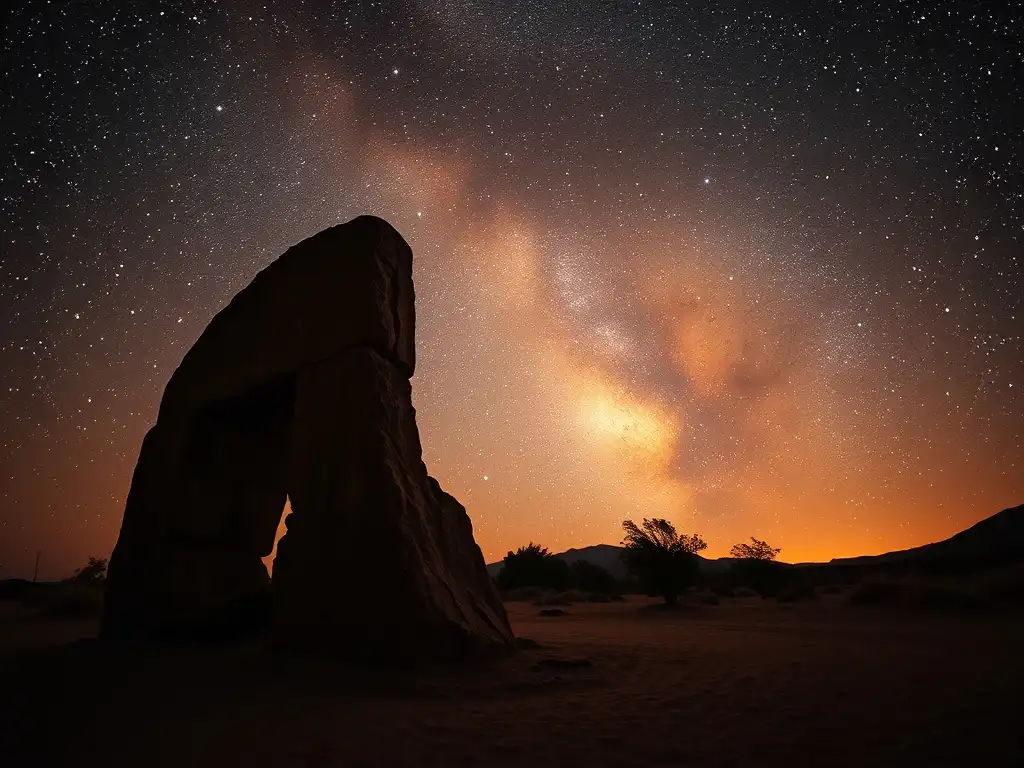
The Andean worldview was deeply intertwined with celestial observations, leading to a rich tapestry of rituals and practices directly connected to the stars. Understanding these practices requires moving beyond a simple appreciation of constellations; we must grasp their significance within the broader context of Andean cosmology, ancestor veneration, and agricultural cycles. The meticulous tracking of celestial movements wasn't merely an intellectual exercise; it was a vital component of their social, spiritual, and agricultural life.
This intricate relationship between the earthly and the celestial realms is evident in numerous archeological findings and ethnographic accounts, providing valuable insights into the Andean understanding of the cosmos. The intricate connection between Andean star constellations beliefs and their daily lives is a testament to their sophisticated astronomical knowledge.
Andean Ceremonies and Star Alignments
Many Andean ceremonies were meticulously timed to coincide with specific celestial events. For example, the solstices and equinoxes held immense importance, marking critical junctures in the agricultural calendar and triggering elaborate rituals. Archaeological evidence suggests that certain structures, such as temples and monumental sites, were strategically positioned to align with the rising or setting of particular stars or constellations at these key moments. These alignments weren't accidental; they were carefully planned and executed, demonstrating a profound understanding of astronomy and its connection to the spiritual realm.
The precise alignment of structures with celestial bodies highlights the importance of these events within the Andean belief system, reinforcing the connection between the earthly and the heavenly. Further research is needed to fully understand the specific meanings associated with each alignment, and the diversity of practices across different Andean cultures. [Specific examples of aligned structures and associated ceremonies pending].
The Use of Astronomy in Andean Agriculture and Timekeeping
Andean astronomy wasn't solely focused on spiritual matters; it played a crucial role in practical aspects of life, particularly agriculture and timekeeping. The meticulous observation of the stars allowed farmers to predict seasonal changes, planting and harvesting times, and the onset of rainy seasons. The appearance and disappearance of specific constellations served as reliable indicators, guiding agricultural practices and ensuring optimal yields. This practical application of astronomical knowledge demonstrates the sophisticated level of integration between Andean star constellations beliefs and their daily subsistence strategies.
Furthermore, the cyclical nature of the stars provided a framework for their timekeeping systems, influencing their social organization and calendar systems. [Specific examples of constellations used for agricultural planning pending]. The precision required to successfully utilize this system underscores the deep understanding of celestial mechanics possessed by Andean societies.
Connecting with the Sky: Andean Shamanic Practices and Celestial Guidance
Andean shamans, or paqos, played a pivotal role in mediating between the earthly and celestial realms. They were considered intermediaries, capable of communicating with spirits and deities residing in the sky. Their practices often involved interpreting celestial events, using their knowledge of star constellations beliefs to provide guidance and insight into matters affecting the community. Shamans might use celestial observations to predict the future, diagnose illnesses, or resolve conflicts.
The role of the paqos highlights the importance of celestial knowledge within the Andean spiritual framework, demonstrating the close relationship between shamanic practices and the observation of the stars. The detailed understanding of constellations, their movements, and their associated meanings were crucial elements of their spiritual authority. [Specific details about shamanic rituals involving celestial observations pending]. The integration of Andean star constellations beliefs into shamanic practices further underscores the profound significance of the stars within their overall worldview.
Legacy of Andean Star Beliefs in Modern Andean Communities
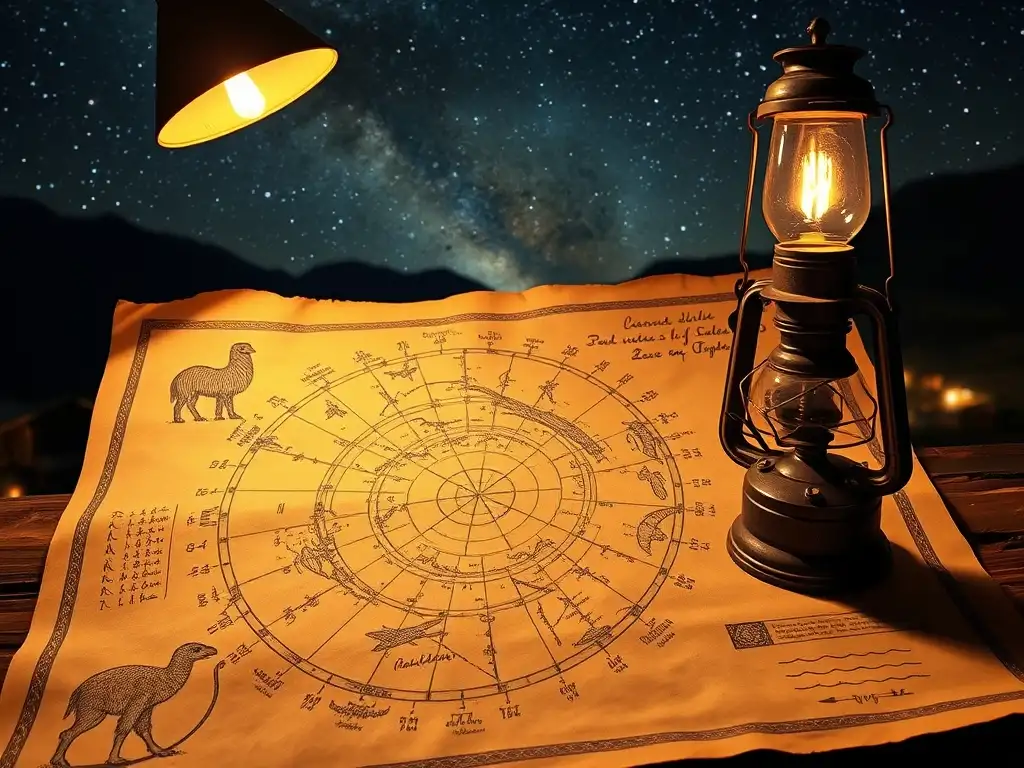
The Andean worldview, deeply intertwined with the cosmos, continues to resonate in contemporary Andean communities. While the precise practices and interpretations may have evolved over centuries, the fundamental connection between the celestial realm and the earthly lives of Andean people remains profoundly significant. The legacy of Andean star constellations beliefs is not merely a historical curiosity; it's a living tradition, adapted and reinterpreted through the lens of modern life.
This enduring link demonstrates the remarkable resilience of Andean cosmology and its capacity to navigate the complexities of a changing world. The impact of colonization and globalization has undeniably altered some aspects of traditional practices, yet the core beliefs regarding the influence of celestial bodies continue to inform various aspects of Andean life, from agricultural practices to spiritual rituals. Understanding this enduring legacy provides a crucial window into the continuity and dynamism of Andean culture.
Preserving Ancient Andean Astronomical Knowledge
The transmission of Andean astronomical knowledge across generations has relied heavily on oral traditions, passed down through storytellers, shamans, and community elders. These oral histories often incorporate intricate narratives that weave together astronomical observations with mythological accounts and practical applications. For example, the knowledge of specific star constellations' rising and setting times was crucial for determining optimal planting and harvesting seasons.
This knowledge wasn't simply theoretical; it was essential for survival and prosperity. Unfortunately, the increasing influence of Western education systems poses a challenge to the preservation of these oral traditions. Efforts are underway to document and archive this valuable knowledge through ethnographic studies and community-based initiatives.
These projects aim to not only preserve the stories but also to empower Andean communities to reclaim and revitalize their ancestral astronomical heritage. The meticulous recording of these oral histories is crucial for understanding the nuances of Andean star constellations beliefs and their continuing relevance. The process involves not just transcription but also careful interpretation, accounting for the rich symbolism and metaphorical language embedded within the narratives.
The Enduring Influence of Andean Star Constellations Beliefs
Andean star constellations beliefs continue to shape the spiritual and social fabric of many communities. The constellations are not simply points of light in the night sky; they are imbued with deep spiritual meaning, representing deities, ancestors, and powerful forces. For instance, the Pleiades (known as Colca or similar names depending on the specific community) are often associated with fertility and agricultural cycles.
Their appearance in the night sky signals the beginning of planting season in many regions. Similarly, other constellations are linked to specific rituals, festivals, and ceremonies, reinforcing the interconnectedness between the celestial and terrestrial realms. The cyclical nature of the cosmos, mirrored in the agricultural cycles, is a central theme in Andean cosmology, emphasizing the importance of respecting the natural rhythms of the universe.
This holistic worldview underscores the enduring significance of Andean star constellations beliefs in shaping the lives of contemporary Andean communities. The beliefs are not static; they are dynamically interpreted and adapted to the changing circumstances of each community.
Modern Day Q'ero Community's Use of Star Observation for Agricultural Practices
The Q'ero community in the Peruvian Andes provides a compelling example of the continued relevance of Andean astronomical knowledge. This community maintains a strong connection to its ancestral traditions, including the practice of observing the stars to guide agricultural activities. The Q'ero utilize their knowledge of specific star constellations to determine planting and harvesting times, optimizing yields and ensuring the community's food security.
This is not merely a traditional practice; it's an integral part of their sustainable agricultural system. Their understanding of the celestial cycles is intricately woven into their daily lives, demonstrating the practical applications of Andean star constellations beliefs. The Q'ero's success in maintaining their agricultural traditions underscores the importance of preserving indigenous knowledge systems and recognizing their value in addressing contemporary challenges like climate change and food security.
Their experience highlights the practical benefits of integrating traditional ecological knowledge with modern agricultural practices. Further research on the Q'ero community's astronomical practices could offer valuable insights into sustainable agriculture and the preservation of indigenous knowledge systems. Their methods could serve as a model for other communities seeking to balance tradition with modern advancements.
Frequently Asked Questions
What role did stars play in Andean cultures?
Andean cultures placed significant importance on the stars. They used celestial observations for agriculture, religious practices, and navigation, believing the stars were connected to their ancestors and the gods. Their understanding of the cosmos profoundly impacted their daily lives.
How did Andean people relate the stars to their ancestors?
Many Andean cultures believed that their ancestors transcended into the stars. Constellations were often seen as representations of their deceased leaders or important figures. Observing these constellations was a way to connect with their heritage and the spiritual realm.
What are some specific Andean constellations and their meanings?
Different cultures had their own unique constellations. Some recognized constellations like the Llama or the Fox, each carrying symbolic meaning tied to their mythology, cosmology, and agricultural cycles. The interpretations varied across different groups.
Were Andean star beliefs tied to their agricultural practices?
Absolutely! The observation of stars was crucial for determining planting and harvesting times. Constellations' positions in the night sky signaled the optimal time for agricultural activities, showcasing the deep connection between their beliefs and practical needs.
How did Andean astronomy differ from other ancient astronomical systems?
While sharing some similarities with other ancient civilizations, Andean astronomy was unique. It focused on specific constellations and utilized a different system of celestial coordinates than, for example, the Greeks or Egyptians, reflecting their unique environment and cultural beliefs.
Final Reflection: Weaving the Celestial Threads of Andean Heritage
The ancient wisdom embedded in Andean star constellations continues to resonate today, reminding us of the profound interconnectedness between humanity and the cosmos. These celestial maps, far from being mere navigational tools, served as living narratives, weaving together ancestral stories, agricultural cycles, and a deep spiritual understanding of the universe. Their enduring legacy challenges us to reconsider our own relationship with the night sky and the stories we tell ourselves about our place within it.
The enduring power of Andean cosmology lies in its ability to bridge the gap between the earthly and the celestial, the living and the ancestors. These beliefs weren't simply abstract concepts; they were integral to daily life, shaping social structures, agricultural practices, and spiritual understanding. The constellations weren't just points of light, but pathways to connect with the spirit world and the wisdom of those who came before. The stars are not just lights in the sky, but the eyes of our ancestors watching over us.
– (This quote should be replaced with an actual relevant quote from an Andean source or scholar). This profound connection to the past offers a powerful counterpoint to our increasingly disconnected modern world.
Consider, for a moment, the stories etched in the night sky above you. What narratives do you see reflected in the constellations? Let the wisdom of the Andes inspire you to look beyond the familiar, to seek deeper meaning in the patterns of the cosmos, and to reconnect with the rich tapestry of human history woven into the very fabric of the universe. Embrace the celestial connections, and discover the enduring power of storytelling in shaping our understanding of ourselves and our place within the grand cosmic narrative.
Embrace Your Celestial Connection Today!
Thank you for exploring the rich tapestry of Andean beliefs about the stars and ancestors. You've discovered wisdom that connects cultures to the cosmos, and now it's time to integrate that inspiration into your life.
Here are some ways to deepen your connection to the Andean perspective:
- **Connect with the Night Sky:** Spend time outdoors observing the stars. Consider keeping a journal to record your observations and reflections on the stars' influence on your life.
- **Explore Your Ancestry:** Begin researching your family history to understand how your lineage connects to the broader universe. This could involve exploring genealogical records, interviewing family members, or delving into historical documents.
- **Share Your Discoveries:** Discuss your newfound understanding of Andean beliefs with friends, family, or local groups. You could even write about your experiences to inspire others.
As you embark on this journey, reflect on how these ancient connections can enrich your life.
**What celestial wonders will you discover next? **