
The Power of Ancestral Lineage: Andean Family Structures and Heritage

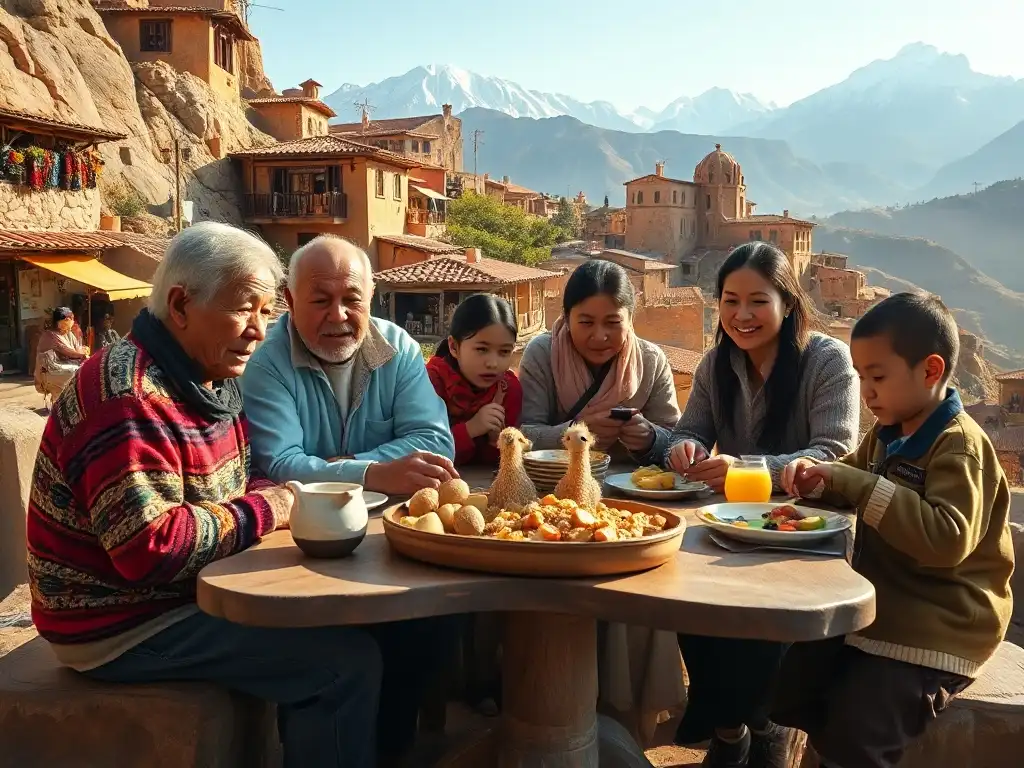
Step into a world lost in time, yet echoing with power. Imagine a society where family wasn't just a bond, but the very foundation of a thriving empire. Unlock the secrets of Andean family lineage structure, a cornerstone of the remarkable Andean civilizations. From the intricate social hierarchies of the Incas to the unique kinship systems of the Moche, Nazca, and Tiahuanaco, this journey will reveal how ancestral heritage shaped their cosmology and worldview. Dare to delve deeper and uncover the fascinating truth behind their enduring legacy.
The Andes Mountains, a spine of towering peaks stretching along the western coast of South America, cradled some of the most sophisticated and enduring pre-Columbian civilizations. Understanding these societies requires delving beyond their impressive architectural feats and intricate artwork to explore the very foundation of their social structures: family and lineage.
This article explores the profound significance of ancestral lineage in shaping Andean family structures and heritage, examining how these intricate systems impacted social organization, political power, and spiritual beliefs. We will explore the concepts of ayllu and other lineage systems, revealing the deep-rooted connection between the living and their ancestors, a connection that permeated every aspect of Andean life.
Understanding Andean family structures illuminates a crucial element of their cosmology and worldview, offering a richer appreciation for the complexities of these remarkable cultures. The importance of "Andean family lineage structure" cannot be overstated in comprehending their societal achievements and spiritual beliefs.
Understanding the Significance of Andean Kinship
Andean kinship systems differed significantly from those of European societies. Instead of focusing solely on nuclear families (parents and children), Andean societies emphasized extended family networks, encompassing a vast web of relatives connected through blood and marriage. This expansive view of kinship was not merely a social construct; it was deeply intertwined with their spiritual beliefs.
Ancestors were not merely remembered; they were considered active participants in the lives of the living, offering guidance, protection, and even influencing the success of harvests and other crucial aspects of daily life. This belief system, deeply rooted in ancestor veneration, shaped social interactions, land ownership, and political structures. The strength of these family bonds was fundamental to the survival and prosperity of Andean communities.
The concept of family extended beyond biological ties, encompassing individuals bound by shared ancestry, mutual obligations, and a collective identity within the larger community. This strong sense of community provided social support and stability, characteristics crucial for survival in the challenging Andean environment.
The ayllu, a kinship-based community group, served as the cornerstone of Andean social organization. While the specific structure of the ayllu varied across different Andean cultures and across time, its core principle remained consistent: a collective of individuals tracing their lineage back to a common ancestor. Membership in an ayllu provided access to land, resources, and mutual support.
Obligations to the ayllu were paramount, often outweighing individual needs. This communal structure ensured the survival and prosperity of the group, particularly important in a harsh environment where individual efforts might prove insufficient. The ayllu also played a significant role in political organization, often forming the basis for larger regional or even imperial structures.
The power of the ayllu was not only social and economic but also deeply rooted in the spiritual realm; ancestral spirits were considered guardians and protectors of the ayllu, ensuring its continued well-being. This interconnectedness of the social, economic, and spiritual realms highlights the profound significance of family in Andean society. Detailed records of ayllu membership and lineage were meticulously maintained, often through oral traditions and complex record-keeping systems.
Exploring Andean Lineage Systems: Ayllu and Beyond
While the ayllu represents a prominent example of Andean lineage systems, it's essential to acknowledge the diversity of kinship structures across different Andean cultures. The Incas, for example, developed a sophisticated hierarchical system that incorporated the ayllu structure but also integrated it into a larger imperial framework. Other Andean societies, such as the Moche and Nazca, possessed distinct kinship systems, reflecting their unique social and political organizations.
The variations in lineage systems highlight the dynamic nature of Andean societies and their ability to adapt to changing circumstances while maintaining the fundamental importance of ancestral connections. Further research is needed to fully understand the nuances of lineage systems in less-documented Andean cultures, and the specific ways in which these systems interacted with broader societal structures and belief systems.
The study of Andean lineage systems continues to reveal fascinating insights into the complexities of these ancient societies and their enduring legacy. Understanding these variations enriches our understanding of the diverse tapestry of Andean cultures and challenges simplistic generalizations about "Andean family lineage structure."
The Role of Ancestors in Andean Family Heritage
Ancestor veneration was, and in many communities continues to be, a cornerstone of Andean family structures. The concept of ayni, reciprocal exchange, extended beyond the living to encompass the ancestors. Families weren't simply groups of related individuals; they were living links in a continuous chain stretching back through generations. Ancestors weren't merely remembered; they were actively involved in the lives of their descendants.
Their spirits were believed to influence harvests, health, and overall prosperity. Rituals and offerings were performed regularly to honor and appease ancestral spirits, ensuring their continued benevolent support. This belief system fostered a deep sense of responsibility towards past generations and a strong connection to the land, which was often considered ancestral territory. The family's identity was intrinsically linked to the deeds and legacy of their ancestors, creating a powerful sense of continuity and collective identity.
This connection manifested in various ways, from the preservation of family histories and traditions to the use of ancestral names and the inheritance of specific roles within the community. The importance placed on ancestral lineage solidified family bonds and created a strong sense of belonging within the wider community. The weight of this ancestral legacy instilled a profound respect for elders and a deep commitment to maintaining family traditions and values for future generations.
Tracing Descent: Patrilineal and Matrilineal Influences in the Andes
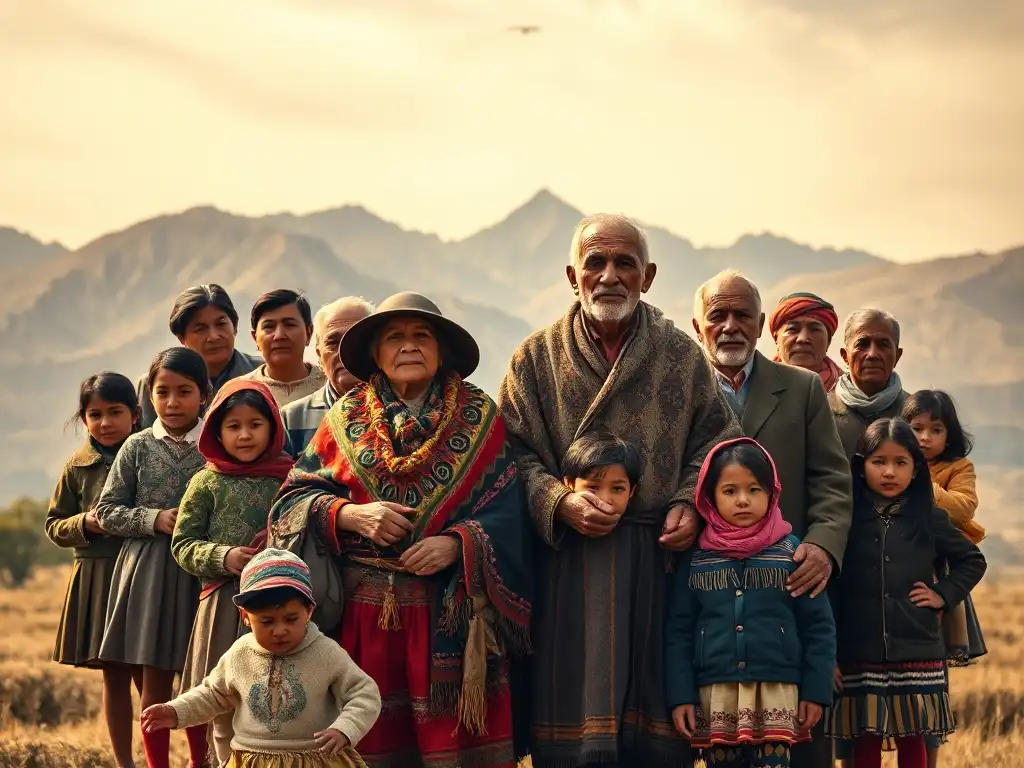
While often generalized as patrilineal, Andean family lineage systems were far more nuanced and varied across different cultures and time periods. The Inca Empire, for example, emphasized patrilineal descent in matters of succession and elite status. However, even within the Inca system, women held significant positions of power and influence, particularly within the domestic sphere and in religious contexts. In other Andean societies, matrilineal elements were more prominent.
For example, some communities traced descent through the female line, particularly concerning land ownership and inheritance rights. The complex interplay between patrilineal and matrilineal systems is evident in the archaeological record and ethnographic accounts. The precise structure of lineage varied depending on factors such as geographic location, social standing, and specific cultural practices. Furthermore, the importance of lineage wasn't solely determined by biological descent.
Adoption and fictive kinship played significant roles in shaping family structures and relationships. The concept of kinship extended beyond blood ties to encompass individuals who were considered family through shared experiences, mutual obligations, and reciprocal relationships. This fluidity in kinship systems highlights the complexity and dynamism of Andean family structures and challenges simplistic interpretations of lineage as solely patrilineal or matrilineal. Further research is needed to fully understand the diversity of these systems across various Andean cultures.
Andean Family Structures: Marriage and Community Ties
Marriage in Andean societies was not simply a union between two individuals; it was a crucial element in maintaining and strengthening family and community ties. Marriage alliances often served political and economic purposes, uniting different families and strengthening social networks. Dowries and bridewealth played important roles in these transactions, demonstrating the significant economic investment involved in such unions. The structure of the family unit varied across different cultures, but typically involved extended families living together or in close proximity, fostering strong intergenerational bonds.
Community ties were deeply intertwined with family structures. The concept of ayllu, a community based on kinship and shared land, was fundamental to many Andean societies. Membership in an ayllu provided individuals and families with access to resources, mutual support, and social protection. This communal structure reinforced the importance of family ties and ensured the continuity of lineage and tradition.
The roles and responsibilities within the family and community were often clearly defined, based on age, gender, and social status. This social organization reflected the deeply ingrained hierarchical structures of Andean societies, where elders held a position of authority and respect. Understanding the complexities of Andean family structures requires a nuanced approach, acknowledging the diverse practices and beliefs across different regions and time periods. The interconnectedness of family, community, and ancestral lineage shaped the social fabric of Andean civilizations in profound ways.
Inheritance and Legacy: Preserving Andean Family Lineage
The Andean concept of inheritance extended far beyond material possessions. While land and livestock certainly played a crucial role in family continuity, the true legacy passed down through generations was a complex tapestry woven from ancestral knowledge, social standing, and spiritual power. This intangible inheritance was deeply intertwined with the ayllu, the extended family group that formed the bedrock of Andean society.
Membership in the ayllu conferred rights and responsibilities, shaping an individual's life from birth to death. The preservation of this lineage was paramount, ensuring the continued prosperity and spiritual well-being of the community. Inheritance wasn't simply a transfer of property; it was a sacred responsibility, carrying with it the weight of ancestral wisdom and the obligation to uphold family traditions.
This responsibility often fell upon the eldest son, but the entire family played a role in perpetuating the lineage's legacy, ensuring that the knowledge, skills, and traditions vital for survival and societal cohesion were passed on. Failure to do so was not merely a personal failing, but a disruption of the delicate balance between the living and the ancestors.
The transmission of knowledge was crucial. This included agricultural techniques passed down for generations, ensuring optimal harvests and food security. It also included the intricate crafts and artistic skills that defined Andean culture, from weaving and pottery to metalworking and stone carving. These weren't merely skills; they were expressions of identity, rooted in ancestral practices and imbued with spiritual significance.
Understanding these traditions was critical for maintaining the family's place within the broader Andean societal structure. The continuity of these practices was essential for maintaining the family's connection to the Pachamama (Mother Earth) and the spiritual world. The inheritance, therefore, was a holistic concept, encompassing material wealth and intangible knowledge, both equally essential for the survival and flourishing of the Andean family lineage.
The Importance of Oral Tradition in Maintaining Andean Lineage Knowledge
Oral tradition was the lifeblood of Andean society, serving as the primary means of transmitting knowledge, history, and cultural values across generations. Unlike societies relying heavily on written records, the Andean civilizations preserved their rich heritage through meticulously crafted narratives, songs, and rituals. These oral accounts meticulously documented family lineages, tracing ancestral connections back through time. Storytellers, often elders within the ayllu, held a position of immense respect, acting as custodians of the community's collective memory.
Their recitations weren't just entertainment; they were vital tools for education, social cohesion, and the maintenance of cultural identity. These stories weren't static; they evolved and adapted over time, reflecting the changing circumstances of the community while preserving the core values and beliefs of their ancestors. The accuracy and consistency of these oral histories were remarkably high, demonstrating the effectiveness of this system of knowledge transmission. This oral tradition wasn't just about remembering the past; it was about shaping the present and guiding the future, ensuring the continued vitality of the Andean family lineage.
The stories served as moral compasses, providing examples of virtuous behavior and warnings against transgression. They also helped to maintain social order and resolve conflicts within the community, demonstrating the pervasive influence of oral tradition on Andean family structure. The power of these stories lay in their ability to connect the living with the spirits of their ancestors, ensuring that the lineage's history, values, and traditions were not only preserved but also actively lived.
Andean Rituals and Practices Honoring Ancestral Lineage
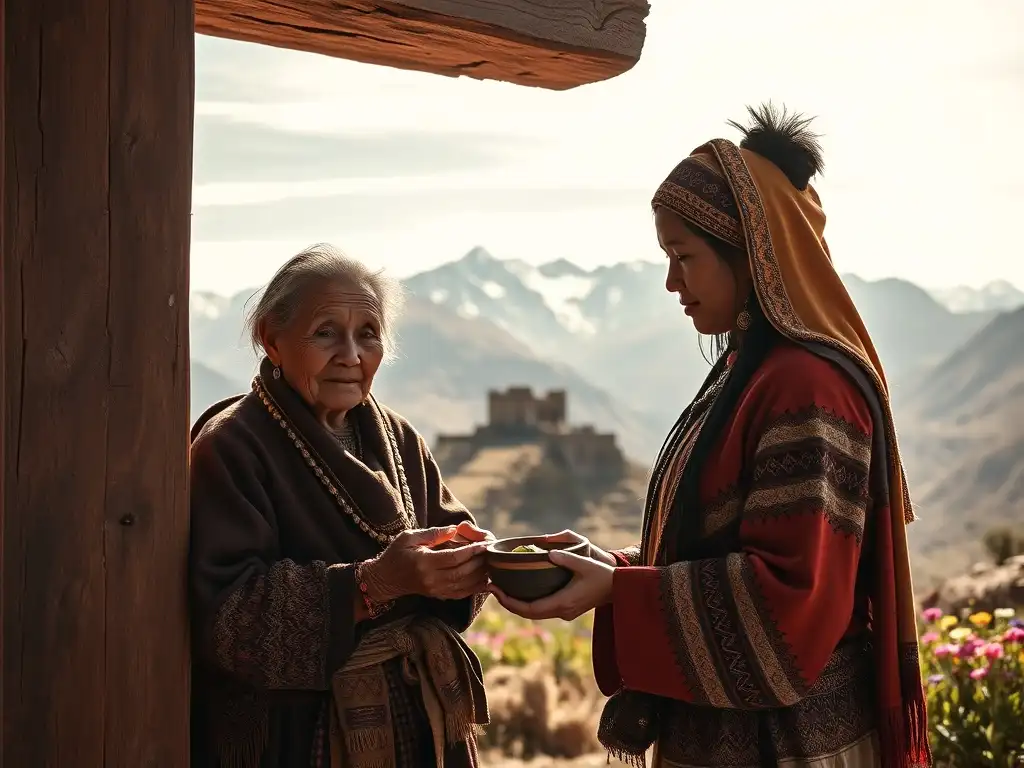
Andean cultures developed a rich tapestry of rituals and practices designed to honor and maintain a vibrant connection with their ancestors. These rituals weren't merely symbolic gestures; they were fundamental to the social and spiritual fabric of Andean life. Ancestor veneration was central to their worldview, recognizing the enduring influence of the deceased on the living. The ayllu played a key role in these ceremonies, with collective participation reinforcing the bonds of kinship and shared heritage. Rituals often involved offerings of food, drink, and coca leaves—a sacred plant—to appease and honor the ancestors, seeking their blessings and guidance.
These offerings were often made at sacred sites, such as huacas (places of worship), which were frequently associated with specific family lineages. The meticulous preparation and execution of these rituals demonstrated the profound respect and reverence held for ancestors. The continuity of these practices served as a powerful reminder of the lineage's unbroken connection to the past and its responsibility to uphold ancestral traditions. Moreover, specific ceremonies marked significant life events such as births, marriages, and deaths, further integrating ancestral veneration into the daily lives of Andean families.
These rituals served not only to honor the departed but also to reaffirm the family's identity and place within the broader Andean community. The persistence of these practices across centuries highlights their importance in maintaining a strong sense of lineage and cultural continuity, strengthening the bonds that held Andean families and communities together. The regular performance of these rituals helped to maintain social cohesion and a strong sense of shared identity, passing on the values and beliefs of the ancestors to future generations. This active engagement with the spiritual world through ritual ensured the enduring influence of ancestral lineage on Andean life.
The Quechua Concept of "Ayni" and its Relation to Lineage
The Quechua concept of ayni is fundamental to understanding Andean family structures and lineage. Ayni is a reciprocal principle of exchange, encompassing not only material goods but also labor, services, and even spiritual support. This system reinforces strong kinship ties and solidifies the importance of ancestral lineage.
Within a family, ayni manifests as a continuous cycle of mutual obligation and assistance, ensuring the well-being of all members, particularly the elderly who represent the living link to ancestral wisdom and heritage. The younger generation’s contribution to the family through labor and respect for elders is balanced by the elders’ guidance, knowledge transfer, and support. This reciprocal relationship strengthens family bonds and underscores the continuity of lineage, ensuring the preservation of traditions and cultural identity across generations.
The strength of the family unit is directly linked to the efficacy of ayni within it; a thriving ayni system translates to a strong, resilient family, deeply rooted in its ancestral heritage. Breaks in this reciprocal exchange can weaken family bonds and disrupt the transmission of cultural knowledge and practices down the Andean family lineage structure.
The Impact of Colonialism on Traditional Andean Family Structures
The Spanish conquest profoundly impacted Andean family structures, disrupting deeply ingrained traditions and social hierarchies. The imposition of European patriarchal structures challenged the existing Andean models, which often involved more egalitarian relationships and a stronger emphasis on collective kinship. The introduction of private property and individual land ownership directly contrasted with the communal land-holding practices common in many Andean communities.
This shift significantly altered the dynamics of family inheritance and the transmission of ancestral lands and resources. Furthermore, forced labor and the dismantling of indigenous social organizations weakened family units and disrupted established patterns of ayni. The destruction of religious practices and the suppression of indigenous languages also undermined the transmission of cultural knowledge and ancestral traditions across generations, affecting the very fabric of Andean family lineage structure.
The disruption caused by colonization continues to affect contemporary Andean families, leading to a complex interplay between traditional practices and the legacies of colonialism. Many families today grapple with the challenges of reclaiming and preserving their cultural heritage in the face of historical disruptions.
Contemporary Andean Families: Continuity and Change in Lineage
Despite the significant disruptions caused by colonialism and ongoing societal changes, many contemporary Andean families maintain strong connections to their ancestral heritage and lineage. While the specifics of family structures may have evolved, the importance of kinship ties, mutual support, and respect for elders persists. The concept of ayni, though perhaps adapted to modern contexts, continues to shape family relationships and community interactions.
In many rural communities, traditional practices related to land ownership, inheritance, and spiritual beliefs are still observed, preserving a connection to ancestral ways of life. However, urbanization and migration have also led to changes in family structures, with nuclear families becoming more prevalent in some areas. This shift is often accompanied by a decline in the direct transmission of traditional knowledge and practices across generations.
Nevertheless, many Andean families actively seek to preserve their cultural heritage through education, community initiatives, and the celebration of traditional ceremonies and rituals. The ongoing effort to balance tradition and modernity shapes the evolving landscape of Andean family lineage structure, demonstrating resilience and a commitment to preserving their unique cultural identity. The understanding of Andean family lineage structure therefore requires considering both the enduring strength of ancestral traditions and the dynamic adaptations occurring in contemporary society.
Reclaiming Andean Ancestral Lineage in Modern Times
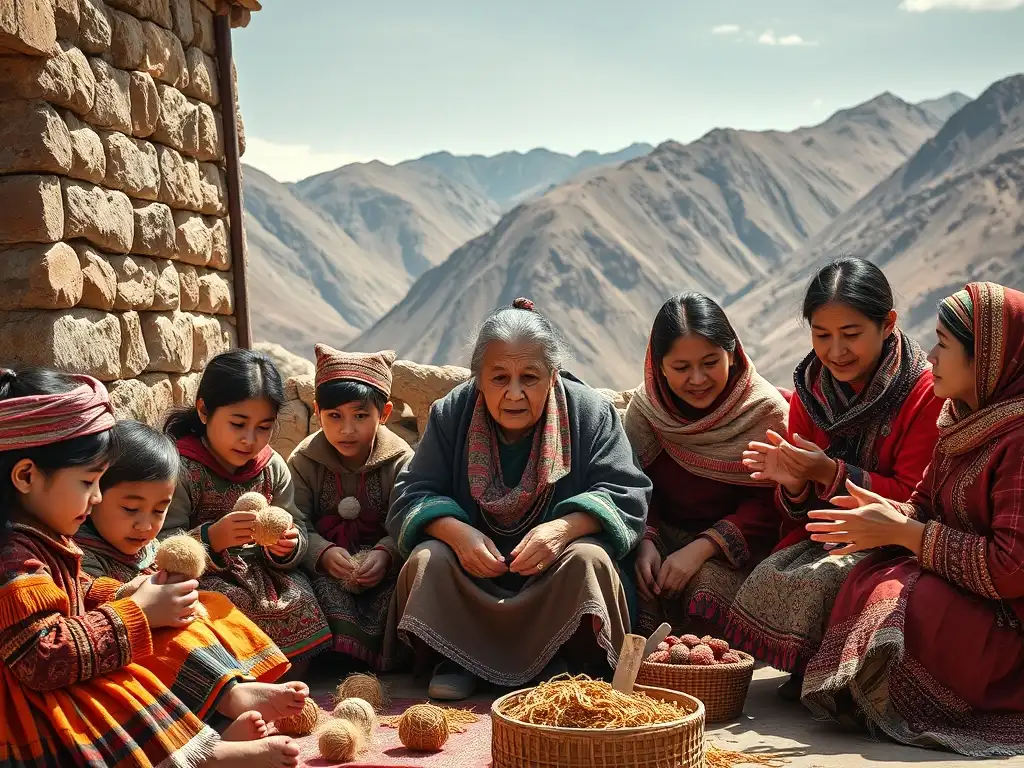
The resurgence of interest in Andean ancestral lineage in modern times is a powerful testament to the enduring strength of cultural identity. Many communities are actively working to reclaim and preserve their family histories, often facing significant challenges in the process. This reclamation is not merely a nostalgic pursuit; it's a vital act of cultural preservation and empowerment.
For example, the efforts to recover and document oral histories, often passed down through generations, are crucial in piecing together fragmented family trees and understanding complex kinship structures. These oral traditions, rich in detail and symbolism, often provide insights into social organization, belief systems, and historical events that are not found in written records. Furthermore, the use of genetic genealogy, while still relatively new in this context, offers a powerful tool to corroborate and expand upon existing knowledge of Andean family lineages, connecting individuals across geographical boundaries and generations.
The combination of traditional oral histories and modern scientific methods provides a more complete and nuanced understanding of Andean ancestral lineages, fostering a renewed sense of pride and connection to the past. The challenges remain significant, however, including the loss of language and traditional knowledge, as well as the need for greater access to resources and technology. Despite these obstacles, the determination to reconnect with ancestral roots is a driving force in many Andean communities today.
The Saraguro Community of Ecuador and their Kinship System
The Saraguro community of Ecuador offers a compelling case study of a thriving Andean kinship system. Their unique social structure, deeply rooted in ancestral traditions, emphasizes the importance of extended family and community bonds. The Saraguro people maintain a strong emphasis on lineage, tracing their ancestry back through generations, often utilizing a combination of oral histories and genealogical records. This emphasis on lineage is not merely a matter of historical record-keeping; it shapes their social organization, economic activities, and even their spiritual beliefs.
Land ownership, for instance, is often tied to ancestral inheritance, reinforcing the importance of family unity and cooperation. Within their kinship system, respect for elders and the wisdom they possess is paramount. Elders play a crucial role in mediating disputes, transmitting cultural knowledge, and guiding younger generations. The Saraguro kinship system also extends beyond the immediate family, encompassing a broader network of relatives and community members who share a sense of collective identity and mutual support.
This robust social fabric allows for a high level of social cohesion and resilience. Their continued practice of traditional customs, including festivals and ceremonies that honor their ancestors, underscores the powerful influence of lineage on their daily lives and cultural identity. Studying the Saraguro kinship system provides valuable insights into the complexities and resilience of Andean family structures. Their example demonstrates the enduring power of traditional kinship systems in shaping modern communities.
The Enduring Power of Andean Family Heritage: Lessons for Today
The study of Andean family structures and heritage offers valuable lessons for contemporary society. The emphasis placed on family, community, and respect for elders in many Andean traditions provides a compelling counterpoint to the increasingly individualistic nature of many modern societies. The strong sense of collective identity and mutual support found in traditional Andean communities offers a model for building stronger, more resilient societies.
The preservation of oral histories and cultural practices, often passed down through generations, highlights the importance of intergenerational knowledge transfer and the value of preserving cultural heritage. Moreover, the way in which Andean communities have adapted and evolved over time, while maintaining their core values and traditions, offers valuable insights into the importance of cultural adaptation and resilience in the face of change. The focus on ancestral lineage and the respect for ancestors' wisdom not only provides a strong sense of identity but also offers a framework for navigating the complexities of modern life.
The challenges faced by Andean communities in preserving their heritage, such as the loss of language and traditional knowledge, serve as a cautionary tale for societies worldwide about the importance of proactively protecting and celebrating their cultural legacies. By learning from the strengths and challenges of Andean family structures, we can gain a deeper understanding of the crucial role of family, community, and cultural heritage in shaping human societies. The enduring power of Andean family heritage serves as a beacon, illuminating the path toward more connected, resilient, and meaningful lives.
Further Research on Andean Family Lineage and Ancestry
Further investigation into Andean family lineage and ancestry requires a multidisciplinary approach, combining archaeological evidence with ethnohistorical accounts and contemporary Andean perspectives. The complexities of kinship systems across different Andean cultures necessitate careful consideration of regional variations and the impact of historical events like the Spanish conquest. For example, while the Inca empire imposed a centralized administrative structure that impacted kinship practices, pre-Inca societies exhibited diverse family structures and inheritance patterns. Understanding these nuances requires examining a wide range of sources.
One area demanding further research is the role of women in Andean family lineage. While patriarchal structures are often emphasized, the contributions and influence of women in maintaining ancestral heritage and transmitting knowledge deserve greater attention. This includes exploring their roles in ritual practices, land ownership, and the transmission of oral traditions related to family history. Studies focusing on female perspectives and experiences within Andean kinship systems are crucial to achieving a more complete and nuanced understanding.
Furthermore, the impact of globalization and modernization on contemporary Andean family structures and their relationship to ancestral lineage requires careful examination. How are traditional kinship systems adapting to changing social and economic realities? Are new forms of expressing and maintaining ancestral heritage emerging?
These are important questions for future research. The study of these modern adaptations will reveal how Andean communities are navigating the tension between preserving traditional practices and adapting to the contemporary world, offering insights into the resilience of Andean cultural heritage. It's important to engage with Andean communities directly, respecting their knowledge and perspectives, to ensure ethical and culturally sensitive research.
Finally, the application of advanced technologies like DNA analysis holds significant potential for enriching our understanding of Andean family lineage. Genetic studies, when conducted ethically and responsibly, can provide valuable insights into migration patterns, population movements, and the genetic relationships between different Andean groups. However, it's crucial to balance the potential of genetic research with the ethical considerations of working with indigenous communities and respecting their cultural sensitivities.
The integration of genetic data with archaeological and ethnohistorical evidence offers a powerful approach to reconstructing Andean family histories and tracing ancestral lineages with greater accuracy. Careful consideration of the ethical implications and community engagement are paramount.
- Understanding the Significance of Andean Kinship
- The Core of Andean Social Organization: Family Units
- Exploring Andean Lineage Systems: Ayllu and Beyond
- The Role of Ancestors in Andean Family Heritage
- Tracing Descent: Patrilineal and Matrilineal Influences in the Andes
- Andean Family Structures: Marriage and Community Ties
- Inheritance and Legacy: Preserving Andean Family Lineage
- The Importance of Oral Tradition in Maintaining Andean Lineage Knowledge
- Andean Rituals and Practices Honoring Ancestral Lineage
- The Quechua Concept of "Ayni" and its Relation to Lineage
- The Impact of Colonialism on Traditional Andean Family Structures
- Contemporary Andean Families: Continuity and Change in Lineage
- Reclaiming Andean Ancestral Lineage in Modern Times
- The Saraguro Community of Ecuador and their Kinship System
- The Enduring Power of Andean Family Heritage: Lessons for Today
- Further Research on Andean Family Lineage and Ancestry
- What was the importance of ancestral lineage in Andean societies?
- How did Andean family structures differ from European models?
- What role did lineage play in Inca imperial power?
- How did Andean people record and maintain their family histories?
- How did the Spanish conquest affect Andean family lineage structures?
Frequently Asked Questions
What was the importance of ancestral lineage in Andean societies?
Andean societies placed immense importance on ancestral lineage, viewing it as a source of identity, power, and legitimacy. This lineage often determined social standing and access to resources.
How did Andean family structures differ from European models?
Unlike the European nuclear family, Andean family structures were often extended, encompassing multiple generations living together and sharing resources. Collective kinship was paramount.
What role did lineage play in Inca imperial power?
The Inca emperors emphasized their divine descent and carefully maintained their lineage. This legitimized their rule and contributed to the empire's stability and expansion.
How did Andean people record and maintain their family histories?
Andean cultures utilized various methods, including oral traditions, quipu (knotted cords), and visual representations in textiles and ceramics to record and transmit family histories across generations.
How did the Spanish conquest affect Andean family lineage structures?
The Spanish conquest significantly disrupted traditional Andean family structures. The introduction of new social hierarchies and the destruction of existing power structures profoundly altered family lineage and social organization.
Final Reflection: Weaving the Threads of Andean Heritage
The intricate tapestry of Andean family structures, far from being a relic of the past, remains a vibrant and influential force shaping communities and identities today. Understanding these deeply rooted lineage systems is crucial not only for appreciating the rich cultural heritage of the Andes but also for recognizing the enduring power of kinship in a rapidly globalizing world. The strength and resilience demonstrated by these communities in preserving their traditions offer valuable lessons for navigating the complexities of modern life.
The profound impact of ancestral lineage on Andean societies is undeniable; it informs everything from land ownership and resource management to spiritual practices and social hierarchies. The interconnectedness fostered by these structures creates a sense of belonging and shared responsibility that is often lacking in more individualistic societies. The past is never dead. It's not even past.
– William Faulkner. This quote resonates deeply, highlighting how the legacy of Andean family structures continues to shape the present and will undoubtedly influence the future. The stories passed down through generations, the traditions meticulously preserved, and the deep-rooted sense of community all contribute to a powerful and enduring cultural identity.
Consider, for a moment, the strength found in collective identity, the wisdom embedded in ancient traditions, and the resilience born from a deep connection to one's roots. You, too, possess a lineage, a story woven through generations that shapes who you are. Take time to explore your own heritage, to understand the threads that connect you to your ancestors, and to appreciate the enduring power of family and community. Let the resilience and wisdom of the Andean people inspire you to connect with your own past and build a future grounded in the strength of shared heritage.
**Unveil Your Ancestral Heritage! **
Thank you for exploring the fascinating world of Andean family structures and heritage with us. We hope you've discovered the incredible value of understanding your ancestral lineage and its contribution to your identity and cultural richness. Now, let's take meaningful steps to embrace your heritage and foster connections within your community.
Here are some ways to deepen your journey:
- **Explore your roots:** Begin researching your family history to trace your lineage and uncover the intriguing stories of your ancestors. You might be surprised by what you find!
- **Connect with your community:** Engage with local groups that celebrate Andean traditions. Sharing experiences and learning from others will enrich your understanding of your heritage.
- **Share your story:** Inspire others to connect with their heritage by sharing your discoveries and journey on social media or within your community. Your experiences can be a powerful source of inspiration for others.
What insights have you gained about your ancestry, and how do these discoveries resonate with your personal identity today? We'd love to hear your stories!