
The Role of Music and Dance in Andean Funeral Ceremonies

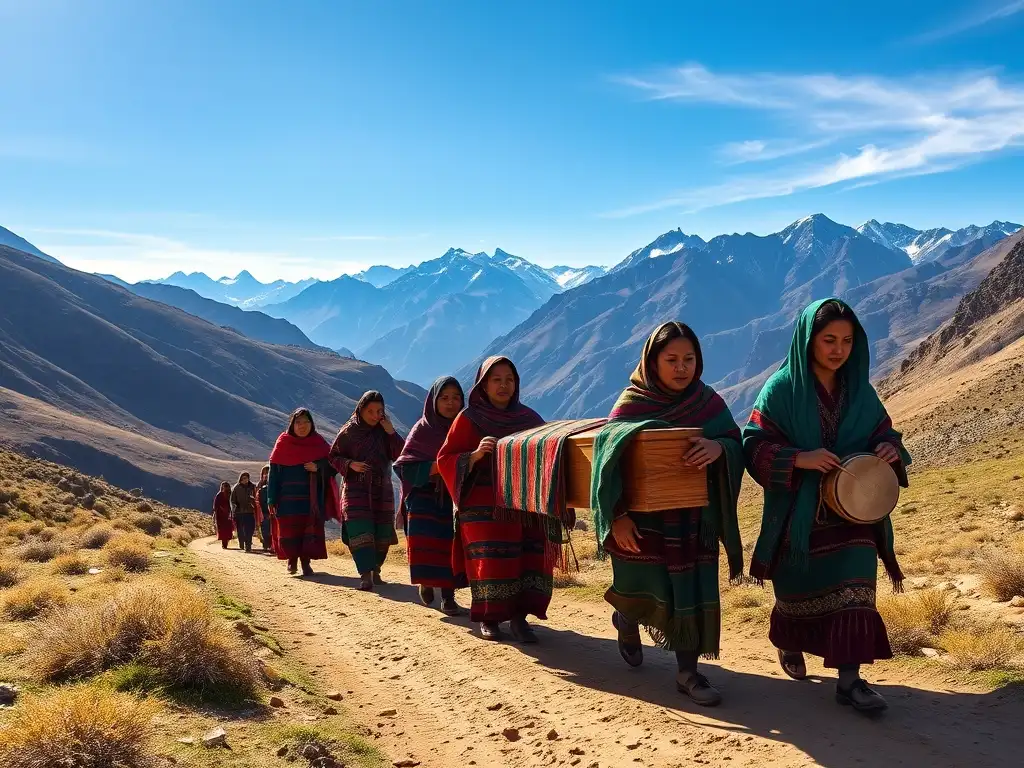
Step into a world lost to time, yet echoing with the rhythms of eternity. Imagine the chilling sounds and mesmerizing movements of Andean funeral music and dance, a vital part of the ancient Andean worldview. This is not just a burial; it's a journey to the afterlife, meticulously choreographed through intricate rituals and haunting melodies. Uncover the secrets hidden within these captivating ceremonies and delve into the fascinating cosmology that shaped their beliefs. Prepare to be enthralled by the power and artistry of a lost civilization.
The Andes Mountains, a spine of towering peaks running down the western edge of South America, were not only a geographical barrier but also a cradle of vibrant and complex civilizations. For millennia, cultures like the Inca, Moche, Nazca, and Tiahuanaco developed intricate belief systems deeply intertwined with their understanding of life, death, and the afterlife.
This article delves into the crucial role music and dance played in Andean funeral ceremonies, exploring how these art forms served not only as expressions of grief but also as vital components of ancestor veneration and the maintenance of cosmological balance. We will examine the instruments used, the types of music performed, and the significance of dance in these profoundly spiritual rituals, offering a glimpse into the rich tapestry of Andean cosmology and worldview reflected in their funerary practices.
Understanding these practices reveals a deep respect for ancestors and a belief in the continuous interaction between the living and the dead, a core tenet of Andean spirituality. This exploration will focus specifically on the keywords "Andean funeral music and dance," providing a comprehensive overview of their significance within the broader context of Andean death rituals.
Understanding Andean Death Rituals and Ancestor Veneration
Andean cultures held a profound reverence for their ancestors, viewing them not as merely departed individuals but as powerful entities continuing to influence the living world. Death was not seen as an absolute end but rather a transition to another realm, where the deceased remained connected to their descendants.
Ancestor veneration was a central aspect of Andean life, with rituals and ceremonies designed to honor and appease the spirits of the departed. Funerals were not simply somber occasions; they were elaborate performances intended to guide the deceased safely into the afterlife and maintain harmonious relationships between the living and the dead.
These ceremonies often involved elaborate preparations of the body, the creation of intricate grave goods, and the performance of music and dance – elements we will examine in greater detail below. The integration of music and dance was not arbitrary; it was a structured and meaningful part of the ritual, aimed at facilitating a smooth transition and ensuring the continued well-being of both the deceased and the community.
The Significance of Music in Andean Funeral Practices
Music played a pivotal role in Andean funeral ceremonies, acting as a bridge between the worlds of the living and the dead. The sounds produced were believed to possess the power to influence the spirits, guide the soul on its journey, and appease the ancestors. The choice of instruments, melodies, and rhythms was carefully considered, reflecting the specific beliefs and practices of each culture and the social status of the deceased.
The emotional impact of music was also vital, providing solace to the mourners while simultaneously participating in the ritualistic aspects of the funeral. The music wasn't simply background noise; it was an active participant in the ceremony, shaping the emotional atmosphere and contributing to the spiritual efficacy of the proceedings.
Pre-Columbian Andean Funeral Music: Instruments and Sounds
Pre-Columbian Andean cultures utilized a variety of instruments in their funeral rites. These included panpipes ( antara), flutes ( quena), drums ( tinya), and percussion instruments made from gourds or pottery. The specific instruments employed varied depending on the region and the cultural group, but their combined sounds created a powerful and evocative atmosphere.
The melodies themselves were often characterized by haunting, repetitive patterns, reflecting both the grief of the mourners and the spiritual nature of the occasion. While precise recordings of Pre-Columbian music are unavailable, archaeological discoveries of instruments and depictions of musical performances in art provide valuable insights into the soundscapes of these ancient ceremonies. The sounds likely varied greatly depending on the specific occasion and location, ranging from mournful dirges to celebratory chants depending on the cultural context and the beliefs surrounding death and the afterlife.
The Role of Songs and Chants in Andean Mourning Rites
Songs and chants formed an integral part of Andean funeral rites. These were not simply expressions of sorrow but rather ritualized performances with specific functions within the broader context of the ceremony. Chants often invoked deities or ancestral spirits, seeking their guidance and protection for the deceased's journey into the afterlife. Songs served to comfort the mourners and help them cope with their grief, providing a shared emotional experience that strengthened community bonds. The lyrics frequently focused on themes of life, death, and the cyclical nature of existence, reflecting the Andean worldview that emphasized the interconnectedness of all things. The combination of music, dance, and these lyrical expressions created a powerful and moving experience, both for the participants and, according to their beliefs, the spirits of the deceased. These vocalizations, combined with the instrumental music, formed a complex and powerful acoustic landscape, integral to the success of the funerary rites.
Dance as a Form of Expression in Andean Funeral Ceremonies
Andean funeral ceremonies weren't simply somber processions; they were vibrant expressions of grief, remembrance, and hope for the deceased's journey into the afterlife. Dance played a crucial role in this complex ritual tapestry, serving as a powerful medium for communicating emotions too profound for words. The movements, often slow and deliberate, reflected the solemnity of the occasion, but also incorporated elements of celebration and remembrance of the deceased's life.
The dancers, frequently family members and community members, embodied the spirit of the departed, their steps echoing the deceased's journey and their connection to the living. The choreography, passed down through generations, was not merely a set of steps; it was a living narrative, a visual testament to the enduring bonds of kinship and community. The rhythmic movements, often accompanied by music, created a hypnotic trance-like state, allowing participants to connect with the spiritual realm and emotionally process their loss.
This wasn't simply entertainment; it was a deeply spiritual act, a bridge between the world of the living and the world of the ancestors. The energy generated through the dance was believed to aid the deceased's passage to the afterlife, ensuring a smooth transition and a peaceful existence in the spirit world.
Traditional Andean Funeral Dances: Movements and Symbolism
The movements in traditional Andean funeral dances were far from arbitrary. Each step, gesture, and posture carried symbolic weight, reflecting specific beliefs about death, the afterlife, and the relationship between the living and the dead. For example, slow, circular movements might have represented the cyclical nature of life and death, the continuous flow of existence beyond the physical realm.
Gestures towards the sky could symbolize the ascent of the soul to the celestial realm, while movements towards the earth might represent a return to the ancestral origins. The use of specific costumes and masks further enhanced the symbolic nature of the dance, often depicting figures from mythology or representing specific deities associated with the underworld or the ancestors. The repetition of certain motifs in the dance served to reinforce the key themes of the ceremony, ensuring that the message of remembrance and spiritual transition was effectively communicated to all participants.
While precise details of specific dances vary across regions and cultures, the underlying symbolic language of movement remained consistent, reflecting a shared understanding of the cosmic order and the significance of death within that order. Detailed ethnographic studies are needed to fully unlock the nuances of these symbolic movements.
The Connection Between Dance and the Afterlife in Andean Beliefs
Andean cultures held deeply complex beliefs about the afterlife, and dance played a vital role in facilitating the deceased's journey into the spirit world. The dance wasn't merely a performance; it was an active participation in the transition process. Through rhythmic movements and evocative gestures, the dancers were believed to guide the soul of the deceased, ensuring a safe passage and a peaceful arrival in the realm of the ancestors.
The music accompanying the dance further enhanced this spiritual connection, acting as a conduit between the living and the dead. The rhythmic patterns and melodies were believed to resonate with the spiritual energies, creating a pathway for the soul to travel. The belief that the deceased could still interact with the living world also informed the funeral dances.
The dances were not solely for the benefit of the mourners; they were also a way of communicating with the deceased, offering support and guidance in their new existence. This interaction was not merely symbolic; it was considered a vital part of the process of ancestor veneration, maintaining a continuous connection between the living and the dead.
Regional Variations in Andean Funeral Music and Dance
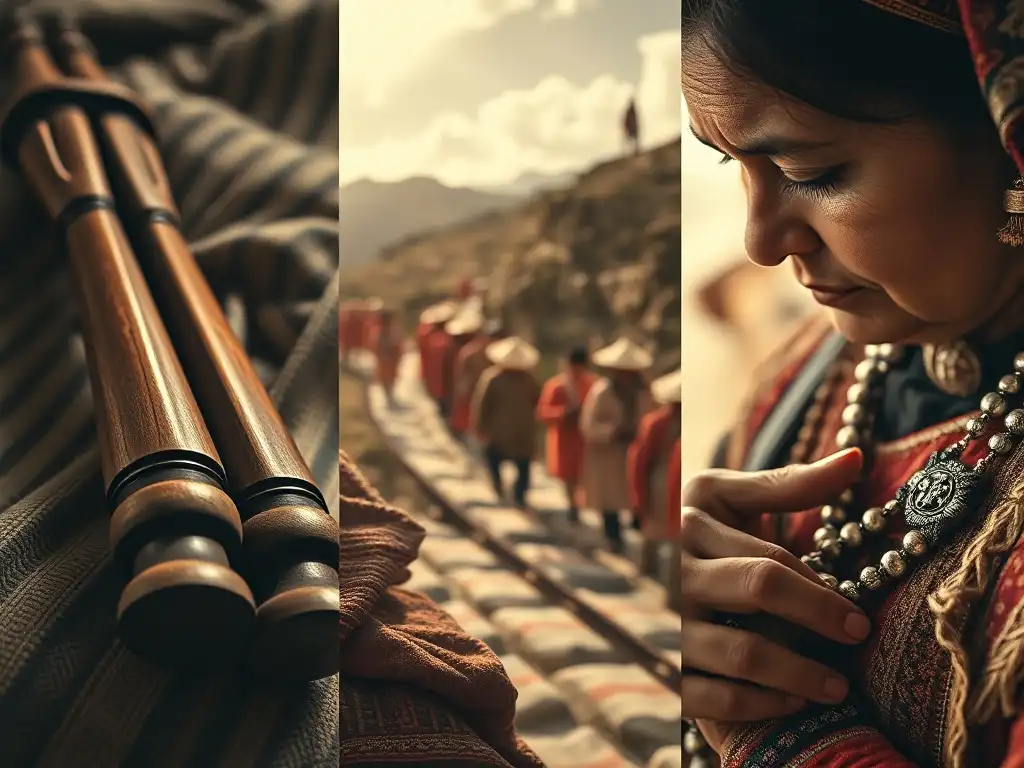
The vast Andean region encompasses a diverse range of cultures, each with its own unique traditions surrounding death and the afterlife. Consequently, Andean funeral music and dance exhibit significant regional variations, reflecting the particular beliefs and practices of different communities. While some common threads—such as the use of music and dance to guide the deceased's spirit—are evident across the region, the specific styles, instruments, and movements differ considerably. For instance, the music of the highlands might emphasize wind instruments like panpipes, while coastal communities might favor percussion instruments like drums.
Similarly, the dance movements could vary significantly, reflecting the unique topography and cultural practices of each region. This diversity underscores the richness and complexity of Andean cultural heritage, demonstrating the remarkable adaptability and resilience of these traditions throughout history. Further research is needed to comprehensively document the regional variations in Andean funeral practices.
Music and Dance in Inca Funeral Traditions
Inca funeral ceremonies, while varying in scale and complexity depending on the social status of the deceased, often involved elaborate rituals that integrated music and dance. Music played a vital role in these ceremonies, providing a sonic backdrop that helped to create the appropriate atmosphere of solemnity and reverence. Instruments such as panpipes, drums, and horns would have been used to create a powerful and evocative soundscape.
While detailed descriptions of Inca funeral dances are scarce, it's reasonable to assume that movements would have been solemn and ritualistic, reflecting the Inca worldview and beliefs about the afterlife. The dancers, likely members of the deceased's family or community, would have performed carefully choreographed sequences, carrying symbolic meaning related to the journey of the soul.
The dances likely served not only to honor the deceased but also to reinforce the Inca social order and the power of the ruling elite. Archeological findings and surviving accounts from Spanish chroniclers offer glimpses into these practices, but much remains to be understood.
Funeral Music Practices in the Moche Culture
The Moche culture, known for its sophisticated artistry and complex social organization, also incorporated music into its elaborate funeral rituals. Archaeological evidence suggests the use of various instruments, including flutes, trumpets, and drums, to accompany funerary ceremonies. The music likely played a crucial role in creating a specific atmosphere, possibly intended to guide the deceased's spirit into the afterlife or to appease the gods.
While we lack detailed descriptions of Moche funeral dances, considering their artistic prowess, it is plausible to assume that dance was also an integral part of their funeral rites, possibly involving elaborate costumes and symbolic movements. The Moche's artistic representations of their rituals, often depicted on pottery and textiles, provide valuable clues about their funerary practices, although interpreting these representations requires careful consideration of cultural context.
Nazca Funeral Rituals: Sound and Movement
The Nazca culture, famous for its enigmatic geoglyphs, also incorporated music and dance into their funeral rites. Although direct evidence is limited, the presence of musical instruments in Nazca graves suggests that music played a significant role in their funerary practices. These instruments, potentially including flutes, drums, and rattles, would have been used to create a sonic environment intended to accompany the deceased on their journey to the afterlife.
Considering the elaborate nature of Nazca burial practices, it's highly probable that dance formed part of the ceremonies. The movements might have been symbolic, reflecting the Nazca worldview and beliefs about the transition between life and death. Understanding the exact role of music and dance in Nazca funeral rituals requires further research and interpretation of archaeological findings.
Tiahuanaco Funeral Ceremonies and Artistic Expression
The Tiahuanaco culture, renowned for its monumental architecture and sophisticated artistic style, likely incorporated music and dance into its funeral ceremonies. While specific details are scarce, the highly developed artistic expression evident in Tiahuanaco art suggests a sophisticated understanding of ritual and ceremony. The use of music and dance would have been a natural element within these elaborate rituals. The music, likely featuring instruments such as panpipes and drums, would have been used to create an appropriate atmosphere for the ceremonies.
The dance would have involved carefully choreographed movements, possibly featuring symbolic gestures and costumes reflecting Tiahuanaco cosmology and beliefs about the afterlife. The limited archaeological evidence necessitates further investigation to fully understand the role of music and dance in Tiahuanaco funeral practices. The intricacy of their artistic expression, however, suggests that these elements were integral parts of their elaborate funerary rituals.
The Evolution of Andean Funeral Music and Dance Post-Conquest
The arrival of the Spanish in the 16th century dramatically altered the landscape of Andean life, including its funeral rites. Prior to the conquest, Andean funeral practices, rich with music and dance, were deeply intertwined with their cosmology and ancestor veneration. These ceremonies, often lasting for days, involved elaborate processions, specific musical instruments like panpipes and drums, and dances that mimicked the journey of the deceased to the afterlife.
However, the Spanish colonization suppressed many indigenous traditions, often deeming them pagan and barbaric. The Catholic Church actively worked to replace these practices with Christian burial rites, leading to a period of cultural suppression and syncretism.
The Influence of Colonialism on Andean Funeral Rites
Colonialism's impact on Andean funeral music and dance was multifaceted. The suppression of indigenous instruments and styles resulted in a decline in the public performance of traditional funeral music. Many indigenous musicians faced persecution for continuing to practice their ancestral traditions. However, Andean people were incredibly resilient.
They subtly incorporated elements of their traditions into the imposed Catholic rites, creating a unique blend of indigenous and European influences. This syncretism is evident in the use of certain musical instruments alongside Catholic hymns, or the adaptation of traditional dance steps into religious processions. The process was not a simple overlay, but rather a complex negotiation and adaptation of cultural practices in the face of oppression. The subtle incorporation of indigenous elements ensured the survival, albeit in a transformed form, of Andean funeral traditions.
Contemporary Expressions of Andean Funeral Music and Dance
Today, Andean funeral music and dance continue to evolve, reflecting both the enduring legacy of pre-colonial traditions and the ongoing influences of globalization and modernization. While the overt suppression of indigenous practices has lessened, the ceremonies are often adapted to contemporary contexts. This means a blend of traditional instruments and modern musical styles, and a fusion of ancient dance steps with contemporary expressions.
In many communities, there is a conscious effort to revive and preserve traditional funeral music and dance, recognizing their importance in maintaining cultural identity and connecting with ancestral heritage. This revival is often spearheaded by community leaders, elders, and musicians who actively teach and perform these traditions, ensuring their continuity for future generations. The resurgence reflects a growing awareness and pride in indigenous Andean culture.
The Spiritual Purpose of Music and Dance in Andean Funerals
Music and dance in Andean funeral ceremonies serve a profoundly spiritual purpose, far exceeding mere entertainment. They are integral parts of a complex ritual aimed at guiding the deceased's soul to the afterlife, honoring their memory, and maintaining a connection with the ancestors. The rhythms, melodies, and movements are believed to facilitate communication with the spirit world, helping the deceased navigate their journey and ensuring their safe passage. The music and dance aren't merely performed; they are an active participation in a sacred process.
Connecting with Ancestors Through Rhythmic Practices
The rhythmic practices of Andean funeral music and dance are crucial in forging a connection with the ancestors. The repetitive patterns and hypnotic rhythms are believed to induce a trance-like state, facilitating communication with the spirit world. Specific instruments, such as the pututu (a long shell trumpet) or various types of drums, are used to create sounds believed to resonate with the ancestral realm.
The dances themselves often mimic the movements of spirits or the journey of the deceased, further strengthening the connection between the living and the departed. Through these practices, the community not only mourns the loss but also strengthens its bond with its ancestral lineage.
Music and Dance as a Pathway to the Spirit World
Andean cosmology sees the world as interconnected, with the living and the dead existing in a continuous relationship. Music and dance in funeral ceremonies act as a bridge between these realms. The sounds and movements are believed to create a pathway, allowing the soul of the deceased to travel safely to the spirit world and facilitating communication between the living and the departed.
The performance is not just a farewell but a ritualistic sending-off, ensuring the deceased's smooth transition and continued presence within the community's spiritual fabric. The vibrant sounds and energetic movements are believed to help dispel negative energies and ensure a peaceful journey for the departed soul. This perspective highlights the integral role of music and dance in the Andean worldview and their significance in navigating death and the afterlife.
The Preservation of Andean Funeral Traditions
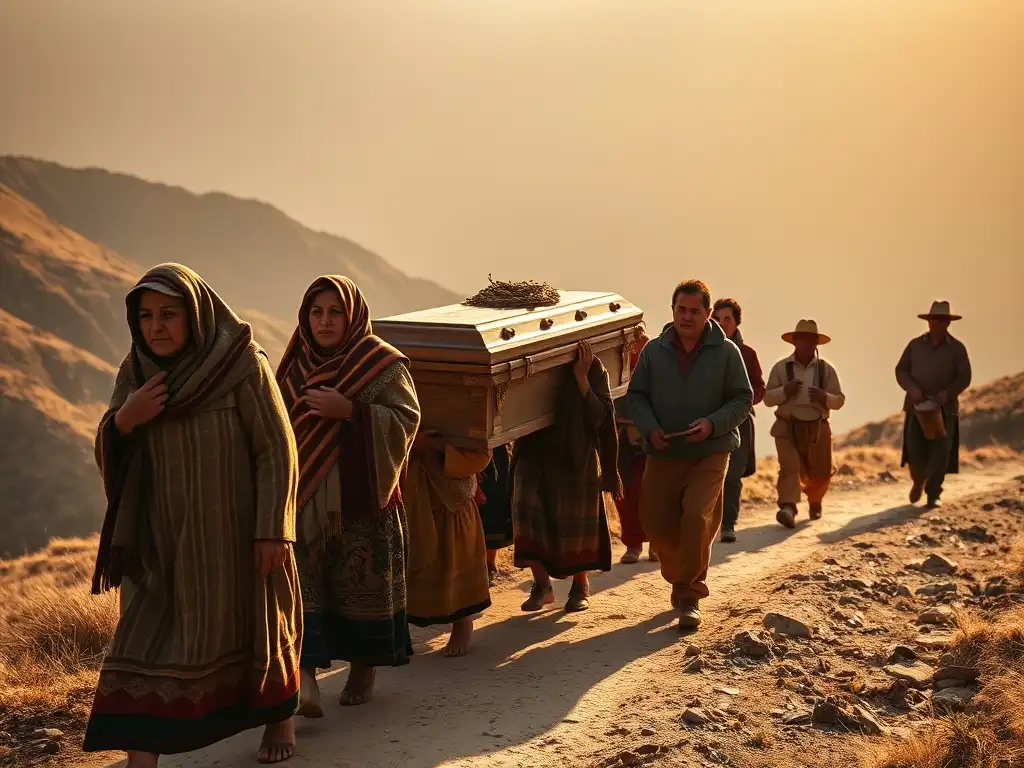
The vibrant tapestry of Andean funeral traditions, deeply intertwined with music and dance, faces the ever-present challenge of preservation in the modern world. Globalization, urbanization, and the influence of outside cultures threaten to erode these ancient practices. Yet, a remarkable resilience persists, fueled by a profound respect for ancestors and a commitment to maintaining cultural heritage.
The unique sounds and movements associated with Andean death rites are not merely artistic expressions; they are integral components of a complex belief system that connects the living with the departed. These traditions offer invaluable insights into the Andean worldview, emphasizing the cyclical nature of life and death and the enduring bond between generations.
The continuity of these traditions is crucial, not only for cultural preservation but also for the psychological and spiritual well-being of Andean communities. The loss of these practices would represent a significant loss of cultural memory and a weakening of community identity.
Community Efforts to Maintain Funeral Music and Dance
Numerous community-led initiatives actively work to safeguard Andean funeral music and dance. These efforts often involve workshops, festivals, and the establishment of cultural centers dedicated to preserving and promoting traditional practices. Elderly community members, repositories of ancestral knowledge, play a vital role in teaching younger generations the intricate details of the rituals, including the specific melodies, rhythms, and choreographies.
These efforts are not merely about rote learning; they emphasize the understanding of the symbolic meaning behind each movement and musical phrase. The active participation of younger generations is crucial for ensuring the long-term survival of these traditions. Documenting the music and dance through recordings and written materials is also a key strategy, creating a valuable archive for future generations and researchers.
Furthermore, collaborations between communities and academic institutions help to ensure that these traditions are studied and understood within a broader cultural context. The goal is not just preservation for preservation’s sake, but for the continued relevance and vitality of these traditions within contemporary Andean society.
The Importance of Passing Down Andean Ritual Knowledge
The transmission of Andean funeral ritual knowledge is not simply a matter of passing down steps in a dance or notes in a song. It's a complex process involving the transfer of deeply embedded cultural values, beliefs, and spiritual understanding. This knowledge is often passed down through oral traditions, storytelling, and direct observation, creating a powerful intergenerational bond.
The elders, acting as custodians of this heritage, impart not only the technical aspects of the rituals but also the spiritual significance and ethical considerations involved. This process fosters a sense of continuity and belonging, strengthening community ties and reinforcing cultural identity. The loss of this knowledge would represent a significant break in the chain of cultural transmission, impacting the spiritual and emotional well-being of the community.
Therefore, actively supporting and facilitating this intergenerational transfer of knowledge is paramount for the survival and flourishing of Andean funeral traditions. This includes recognizing and valuing the role of elders within the community and providing opportunities for young people to learn and participate in these vital rituals.
Case Study: The Aymara Funeral of Southern Peru
The Aymara people of Southern Peru offer a compelling case study in the enduring power of music and dance in Andean funeral ceremonies. Their funeral rites, a complex interplay of ritual, music, and dance, are deeply rooted in their cosmology and worldview. The ceremonies are designed not only to mourn the deceased but also to facilitate their journey to the afterlife and to maintain the connection between the living and the departed.
The specific musical instruments used, such as the siku (panpipes) and tarka (flute), are not merely instruments but are imbued with spiritual significance, believed to connect the mourners to the spirit world. The dances, often slow and somber, reflect the grief and sorrow of the community while also embodying a sense of hope and acceptance.
The Aymara funeral rituals highlight the integral role of music and dance in navigating the complexities of death and grief within their cultural context. The meticulous attention to detail in these ceremonies underscores the depth of their spiritual beliefs and the importance of honoring their ancestors.
Detailed Analysis of the "Velorio" and "Entierro" Rituals
The Aymara funeral process typically involves two key stages: the velorio (wake) and the entierro (burial). The velorio, often lasting several days, is a period of communal mourning where family and friends gather to pay their respects to the deceased. Music and dance play a central role throughout this period.
Specific songs are sung, often lamenting the loss and celebrating the life of the deceased. The dances, characterized by their slow, deliberate movements, express the community's grief and sorrow. The entierro, the burial itself, is also accompanied by music and dance.
These performances help to guide the spirit of the deceased on their journey to the afterlife. The specific melodies and movements used during the entierro are believed to have a protective and guiding function. The combination of music, dance, and ritual creates a powerful and moving experience, reinforcing the community’s bond and ensuring a respectful farewell to the deceased, underscoring the profound connection between the living and the departed within Aymara culture and highlighting the enduring significance of "Andean funeral music and dance."
Conclusion: The Enduring Power of Music and Dance in Andean Funeral Rites
Music and dance weren't mere additions to Andean funeral ceremonies; they were integral components, reflecting the profound spiritual beliefs and cosmological worldview of these societies. The ceremonies weren't simply about the physical transition of the deceased; they were about ensuring a safe passage to the afterlife and maintaining a vital connection between the living and the ancestors. The rhythmic pulse of the music, the intricate steps of the dances, and the evocative sounds of instruments like the pututu horn or the panpipes all served to facilitate this crucial transition. The vibrant expressions of grief, remembrance, and hope woven into these performances underscore the enduring importance of music and dance in shaping Andean conceptions of death and the afterlife.
These practices weren't static; they evolved and adapted across different cultures and time periods, demonstrating a remarkable resilience and adaptability. Even today, echoes of these ancient traditions persist in contemporary Andean communities, highlighting the lasting legacy of these powerful artistic expressions. The continuity of these traditions speaks to the enduring power of music and dance in providing solace, fostering community, and connecting generations across the vast expanse of time.
The careful preservation and study of these rituals are crucial for understanding the rich tapestry of Andean culture and its profound relationship with the spiritual world. Further research into specific regional variations and the evolution of these musical and dance forms across different Andean groups promises to reveal even richer insights into the complexities of Andean funeral rites and their enduring significance. The study of "Andean funeral music and dance" offers a unique window into the heart of Andean cosmology, revealing a profound interconnectedness between the living, the dead, and the spiritual realm.
- Understanding Andean Death Rituals and Ancestor Veneration
- The Significance of Music in Andean Funeral Practices
- Dance as a Form of Expression in Andean Funeral Ceremonies
- Regional Variations in Andean Funeral Music and Dance
- The Evolution of Andean Funeral Music and Dance Post-Conquest
- The Spiritual Purpose of Music and Dance in Andean Funerals
- The Preservation of Andean Funeral Traditions
- Case Study: The Aymara Funeral of Southern Peru
- Conclusion: The Enduring Power of Music and Dance in Andean Funeral Rites
Frequently Asked Questions
What role did music play in Andean funeral ceremonies?
Music played a vital role, providing a spiritual connection between the living and the deceased. Funeral songs and instrumental music were believed to guide the spirit to the afterlife and comfort the mourners. The specific music varied greatly depending on the culture and region.
What types of instruments were used in Andean funeral music?
A variety of instruments were employed, including panpipes, drums (like the tinku), flutes, and pututus (long horns). The specific instruments used often reflected the social status of the deceased and the traditions of the particular group.
How did dance feature in Andean funeral rites?
Dance was an integral part of Andean funeral ceremonies, often acting as a visual representation of the spirit's journey. Specific dances, varying by region and culture, expressed grief, mourning, and hope for the deceased's afterlife.
Yes, the complexity and style of both music and dance often indicated the social standing of the deceased. Elaborate performances with many participants might be reserved for elite members of society, while simpler rituals might be used for commoners.
How can I learn more about Andean funeral music and dance today?
You can explore ethnomusicology resources, research specific Andean cultures (like the Inca, Moche, or Nazca), and search for recordings of traditional Andean music. Museums and cultural centers may also offer relevant exhibits or performances.
Final Reflection: Echoes of the Andes: Music, Dance, and the Enduring Spirit
The vibrant tapestry of Andean funeral music and dance isn't merely a historical artifact; it remains a powerful testament to the enduring connection between life, death, and the spiritual world. These ceremonies, far from being somber occasions, are dynamic expressions of community, faith, and the cyclical nature of existence. Their continued practice speaks volumes about the resilience of Andean culture and its ability to navigate profound loss with grace and ritualistic beauty.
The profound impact of these traditions extends beyond the immediate mourners, shaping the cultural landscape of the Andes for generations. The music, the dance, the shared grief – all contribute to a collective healing process that strengthens community bonds and reinforces a deep-seated spiritual understanding. These ceremonies are not simply about mourning the deceased; they are about celebrating a life lived and reaffirming the continuity of life itself. Death is not an ending, but a transition, a return to the earth from which we came.
This sentiment, though not directly from Andean tradition, perfectly captures the essence of their funeral rites.
Consider, for a moment, the power of music and dance to transcend language and cultural barriers. Think about how these ancient practices continue to offer solace and meaning in the face of loss. You, too, can find inspiration in the resilience of the Andean people and their profound rituals. Embrace the beauty of honoring life's journey, not just its end, and find your own ways to celebrate the enduring spirit within yourself and your community.
Embrace the Rhythm of Tradition!
Thank you for exploring the profound role of music and dance in Andean funeral ceremonies. You've discovered a unique cultural perspective that honors life and memory through expressive movement and rhythm. Let's delve deeper into this rich heritage.
Here are some ways you can connect with and celebrate this beautiful tradition:
- Attend a Local Cultural Event: Immerse yourself in the music and dance by participating in workshops or festivals.
- Share Your Knowledge: Discuss your newfound understanding with friends and family, or share this article on social media to raise awareness of Andean traditions.
- Continue Your Exploration: Expand your knowledge by watching documentaries or reading books that explore Andean culture and the significance of its artistic expressions.
What aspect of Andean music or dance most resonates with you, and how has it influenced your understanding of cultural traditions?