
The Importance of Remembrance in Andean Culture: Keeping Ancestors Alive

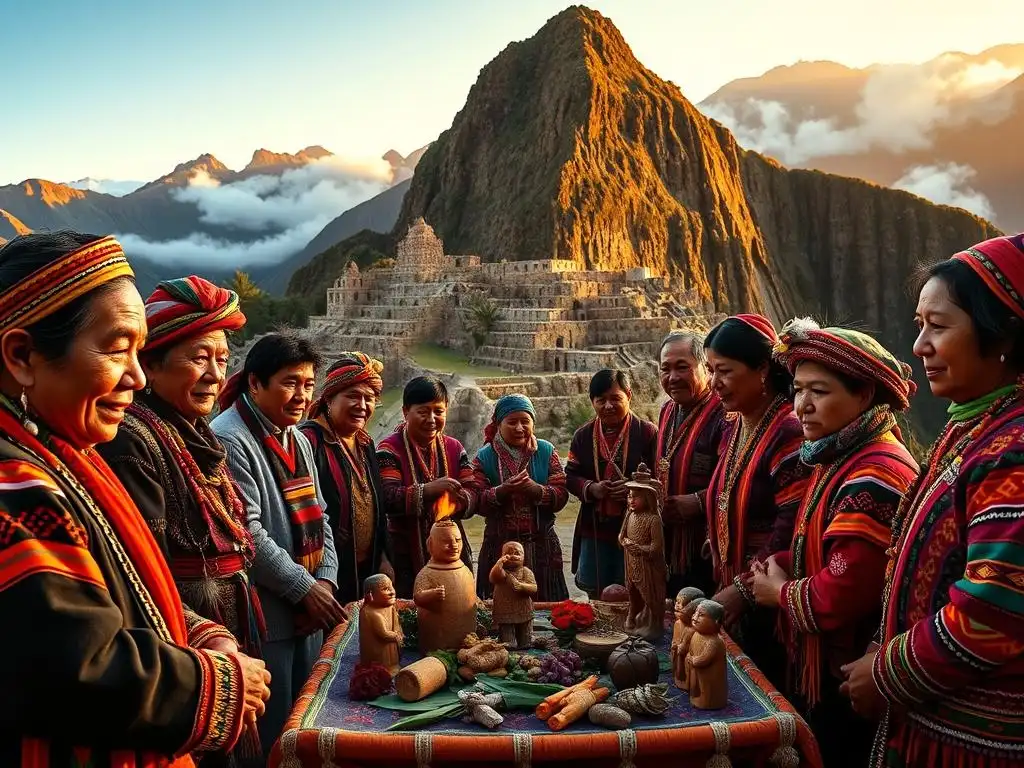
Step into a world lost to time, yet echoing in the vibrant tapestry of Andean culture. For centuries, the soaring peaks and fertile valleys of the Andes have witnessed civilizations that defied the limitations of their time. But what secrets lie hidden in their intricate artistry, their awe-inspiring cities, and their profound connection to the past?
Discover the captivating story of Andean ancestor remembrance practices – a journey into the heart of Andean cosmology and a testament to a people who kept their ancestors alive, not just in memory, but in the very fabric of their lives. Unravel the mysteries and explore the enduring legacy of these remarkable civilizations.
The Andes Mountains, a spine of towering peaks stretching along the western edge of South America, are not just a geographical feature; they are the very foundation of a rich tapestry of ancient civilizations. For millennia, cultures like the Inca, Moche, Nazca, and Tiahuanaco thrived in this challenging landscape, developing intricate societal structures, breathtaking artistry, and profound spiritual beliefs deeply intertwined with their ancestors.
This article delves into the crucial role of ancestor remembrance in Andean cosmology and worldview, exploring the diverse practices employed to maintain a vital connection with those who came before. Understanding these practices provides a crucial key to unlocking a deeper comprehension of Andean culture and its enduring legacy.
We will examine how these remembrance practices shaped social structures, influenced daily life, and continue to resonate in contemporary Andean communities. The keyword, "Andean ancestor remembrance practices," will be explored through diverse examples and historical contexts, highlighting the significance of this enduring tradition.
The Significance of Ancestors in Andean Cosmology
Andean cosmology wasn't a static, heaven-and-hell dichotomy. Instead, it envisioned a vibrant, interconnected world where the living, the dead, and the supernatural realms coexisted in dynamic interaction. Ancestors weren't simply relegated to the past; they were considered active participants in the present, influencing the lives of their descendants and the well-being of the community. This belief system fostered a profound respect for the deceased, viewed not as ghosts or spirits, but as powerful intermediaries between the human world and the supernatural.
The concept of Ayni, the principle of reciprocity and balance, extended beyond interactions among the living to encompass the relationship between the living and their ancestors. Failing to honor ancestors was believed to disrupt this delicate balance, leading to misfortune and hardship. This wasn't merely a superstitious belief; it was a fundamental tenet underpinning social order and the very fabric of Andean society.
Diverse Practices of Ancestor Remembrance: A Tapestry of Traditions
The methods employed to remember and honor ancestors varied significantly across different Andean cultures and time periods. Some common practices included:
- Mummification and Burial Rituals: Elaborate mummification techniques, particularly among the Inca, ensured the preservation of the deceased's physical form, signifying the continued presence of the ancestor. Burial sites were often carefully chosen and included grave goods reflecting the deceased's status and possessions in life. These weren't simply graves; they were sacred spaces, often revisited and maintained by family members.
- Offering and Sacrifice: Regular offerings of food, drink, coca leaves, and other items were made at burial sites and sacred locations to appease and honor ancestors. These offerings were believed to maintain a positive relationship and ensure continued ancestral support. In some cases, more significant sacrifices, such as animals or even human sacrifice (though less prevalent than often portrayed), were performed for particularly important occasions or to appease powerful deities.
- Festivals and Celebrations: Many festivals and celebrations throughout the Andean calendar were dedicated to ancestor veneration. These events involved rituals, dances, music, and communal feasting, strengthening community bonds and reinforcing the connection to the past. These celebrations often involved specific rituals aimed at contacting or communicating with the spirits of ancestors.
- Storytelling and Oral Traditions: The stories and legends of ancestors were passed down through generations, keeping their memories alive and reinforcing their significance within the community. These narratives served as moral guides, teaching lessons and preserving cultural values. Oral tradition played a crucial role in maintaining cultural continuity and transmitting knowledge across generations.
The Enduring Legacy: Ancestral Remembrance in Modern Andean Communities
While many traditional practices may have evolved or adapted over time, the fundamental importance of ancestor remembrance persists in modern Andean communities. Many indigenous communities continue to maintain family burial grounds, perform offerings, and participate in festivals that honor their ancestors. The concept of Pachamama (Mother Earth), a powerful deity representing the interconnectedness of all life, also embodies the deep respect for the cyclical nature of life and death and the ongoing connection to those who have passed.
The strong emphasis on family and community, so characteristic of Andean societies, is directly linked to this enduring connection to the ancestral past. The legacy of these traditions continues to shape social structures, spiritual beliefs, and cultural practices in the region today. Understanding this enduring legacy provides a deeper appreciation for the richness and complexity of Andean culture.
- The Significance of Ancestors in Andean Cosmology
- Diverse Practices of Ancestor Remembrance: A Tapestry of Traditions
- The Enduring Legacy: Ancestral Remembrance in Modern Andean Communities
- How did Andean cultures remember their ancestors?
- What role did ancestor veneration play in Andean societies?
- Were there specific rituals associated with Andean ancestor remembrance?
- How did the Inca integrate ancestor remembrance into their empire?
- How does ancestor remembrance in Andean cultures differ from other cultures?
Andean Cosmology and the Role of Ancestors
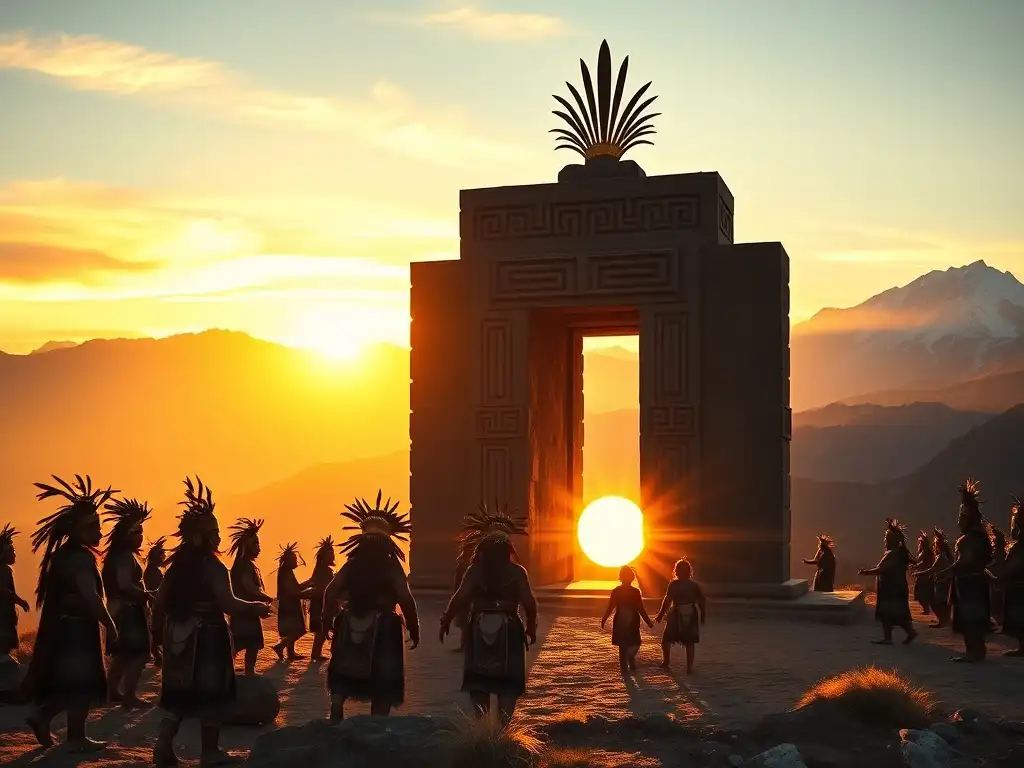
This section delves into the fundamental Andean worldview that shaped their ancestor remembrance practices. Understanding this cosmology is crucial to appreciating the profound significance of ancestor veneration in Andean cultures. The Andean concept of life wasn't linear, as in many Western perspectives, but rather cyclical and interconnected.
Death wasn't an end, but a transition to a different plane of existence. This understanding profoundly influenced their rituals and daily lives, embedding ancestor remembrance not as a separate practice, but as an integral part of their social fabric. The belief in the continued presence and influence of ancestors permeated every aspect of Andean life, from agricultural practices to political structures.
The Interconnectedness of Worlds in Andean Beliefs
Andean cosmology envisioned a layered universe, not unlike a three-dimensional tapestry. The Kay Pacha (the here and now), the Hanan Pacha (upper world, the realm of the gods and celestial beings), and the Ukhu Pacha (underworld, where ancestors resided) were not isolated entities but interconnected realms influencing each other. This intricate web of relationships emphasized the continuous flow of energy and influence between the living and the deceased.
Ancestor spirits weren't simply relegated to a distant afterlife; they were considered active participants in the Kay Pacha, their presence felt and their guidance sought in daily affairs. This belief fostered a profound respect for the past and a constant awareness of the ancestors' enduring legacy.
The mountains, rivers, and other natural elements were not merely inanimate objects but were considered living entities, often associated with powerful ancestral spirits. This interconnectedness fueled the rituals and ceremonies aimed at maintaining harmonious relations with the ancestral world.
Ancestor Spirits as Active Members of the Community
The Andean concept of ancestor spirits wasn't passive. These weren't merely ghosts or spectres; they were viewed as active members of the community, capable of influencing the lives of the living. Their continued presence was believed to be vital for the prosperity and well-being of the community. Failure to honor them could lead to misfortune, illness, or even disaster.
Therefore, ancestor veneration wasn't merely a pious act but a crucial social and spiritual obligation. This active role of ancestors is reflected in various Andean traditions. For instance, decisions of vital importance were often made after consulting with the spirits of the ancestors, through divination or other spiritual practices. This active participation extended to various aspects of daily life, impacting everything from agricultural cycles to political alliances.
The reverence for ancestors was not a matter of passive remembrance; it was a dynamic relationship involving continuous interaction and mutual influence. This dynamic relationship ensured the continuity of traditions and the preservation of Andean cultural identity across generations. The practice of Pachamama offerings, for example, directly demonstrates this active interaction, with offerings intended to appease and maintain a positive relationship with both the earth and the ancestral spirits who reside within it.
Andean Ancestor Remembrance Practices: Honoring the Past
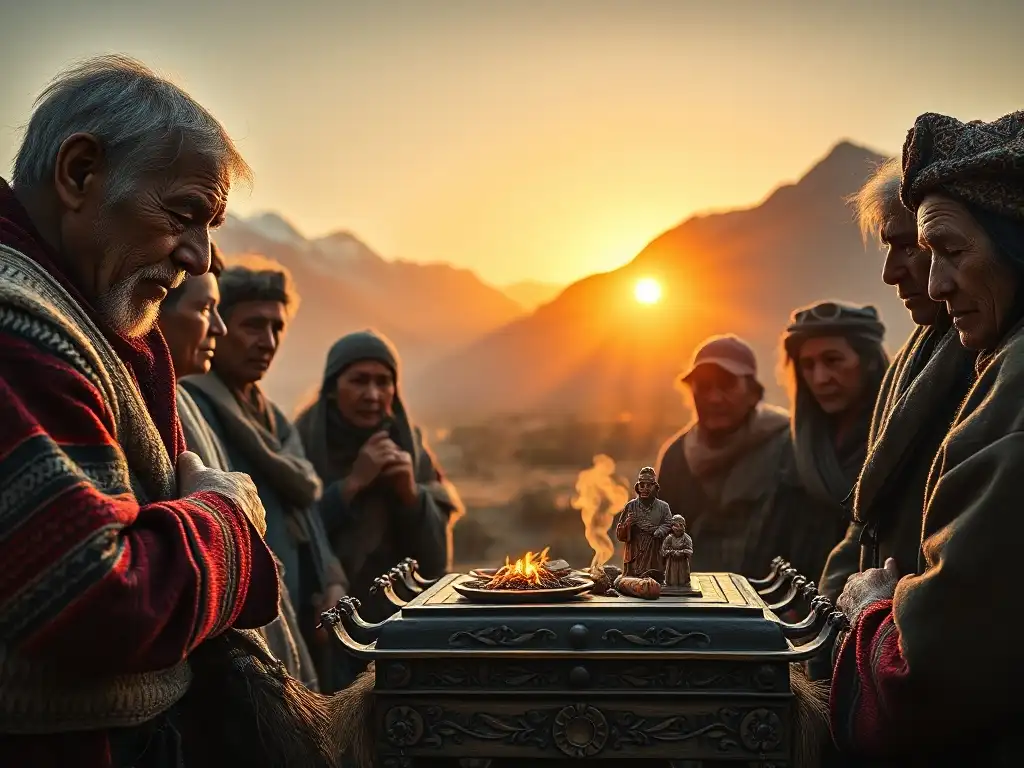
Andean ancestor remembrance practices are deeply ingrained in the cultural fabric of numerous Andean communities, extending far beyond simple memorialization. These practices represent a vibrant and ongoing connection between the living and the deceased, a belief system where the ancestors remain active participants in the lives of their descendants. This enduring relationship profoundly shapes social structures, spiritual beliefs, and daily life.
The reverence for ancestors isn't merely a historical artifact; it's a living tradition, constantly evolving yet rooted in millennia of cultural continuity. Understanding these practices offers a crucial lens through which to comprehend the Andean worldview and its enduring influence. The vitality of these traditions is a testament to the enduring power of memory and the profound significance of family lineage in Andean societies.
The Significance of Rituals and Offerings for Ancestors
Rituals and offerings form the cornerstone of Andean ancestor remembrance practices. These aren't perfunctory acts; they are deeply meaningful engagements designed to maintain a harmonious relationship between the living and the spirit world. Offerings, often including coca leaves, chicha (a fermented corn beverage), food, and other symbolic items, are presented to appease and honor the ancestors, seeking their continued guidance and protection. The act of offering itself is symbolic – a demonstration of respect, gratitude, and a continued acknowledgement of the ancestors' influence on the present.
The specificity of offerings often varies across different Andean communities, reflecting unique traditions and beliefs. For example, a community might offer specific agricultural products during harvest festivals to ensure future prosperity, demonstrating the practical and spiritual interconnectedness of ancestor veneration and daily life. The frequency of these rituals also varies, ranging from daily practices in some families to annual or cyclical events tied to the agricultural calendar or significant life events.
The meticulous preparation and execution of these rituals underscore their profound importance within Andean culture. The vibrant colors and intricate designs often associated with these offerings further highlight their aesthetic and symbolic significance. The act of offering is not merely transactional; it’s a continuous dialogue, a reaffirmation of kinship across generations.
Andean ancestor remembrance practices: A Deep Dive
The concept of death in Andean cultures differs significantly from Western perspectives. Death isn't seen as an absolute end but rather a transition to a different plane of existence. Ancestors are believed to continue to exert influence on the living, acting as intermediaries between the human world and the supernatural realm. This belief system fosters a profound sense of responsibility towards the deceased.
Maintaining ancestral sites, such as burial grounds or huacas (sacred places), is a crucial aspect of remembrance. These sites are not merely historical locations; they are active spaces where the living connect with their ancestors, seeking blessings, guidance, and protection. The preservation and maintenance of these sites are often community-based efforts, reflecting the collective responsibility for honoring the past. Furthermore, the stories and traditions surrounding ancestors are carefully passed down through generations, ensuring the continuity of memory and cultural identity.
Oral histories, songs, and dances all play a vital role in keeping ancestral memory alive. This continuous transmission of knowledge ensures that the ancestors remain active participants in the present, shaping cultural values and practices. The meticulous preservation of ancestral knowledge demonstrates the enduring importance of remembrance within Andean societies. The vibrant tapestry of Andean cultures is inextricably woven with the threads of ancestral memory.
Specific Rituals for Honoring the Deceased in Andean Communities
Different Andean communities employ diverse rituals to honor their deceased. Some communities perform elaborate ceremonies involving music, dance, and offerings, while others might focus on more intimate family gatherings. The Pachamama (Mother Earth) plays a central role in many of these rituals, with offerings often being placed in the earth to symbolically return the deceased to the source of life. The use of coca leaves is widespread, with their symbolic chewing often part of rituals to connect with the spirit world.
The specific practices vary greatly depending on geographical location, ethnic group, and family traditions. For example, some communities might build elaborate tombs or mausoleums, while others might utilize simpler burial practices. The diversity of these practices underscores the richness and complexity of Andean ancestor remembrance traditions. Detailed ethnographic studies would be needed to fully document the nuances of these practices across the diverse Andean region.
However, the common thread remains a deep-seated belief in the ongoing presence and influence of the ancestors. The continuity of these practices is a powerful testament to the enduring strength of Andean cultural identity. The preservation of these unique rituals is essential for maintaining the rich cultural heritage of the Andean region. Further research is necessary to fully document the variations in rituals across different Andean communities.
The Living Legacy of Andean Forefathers: A Cultural Manifestation
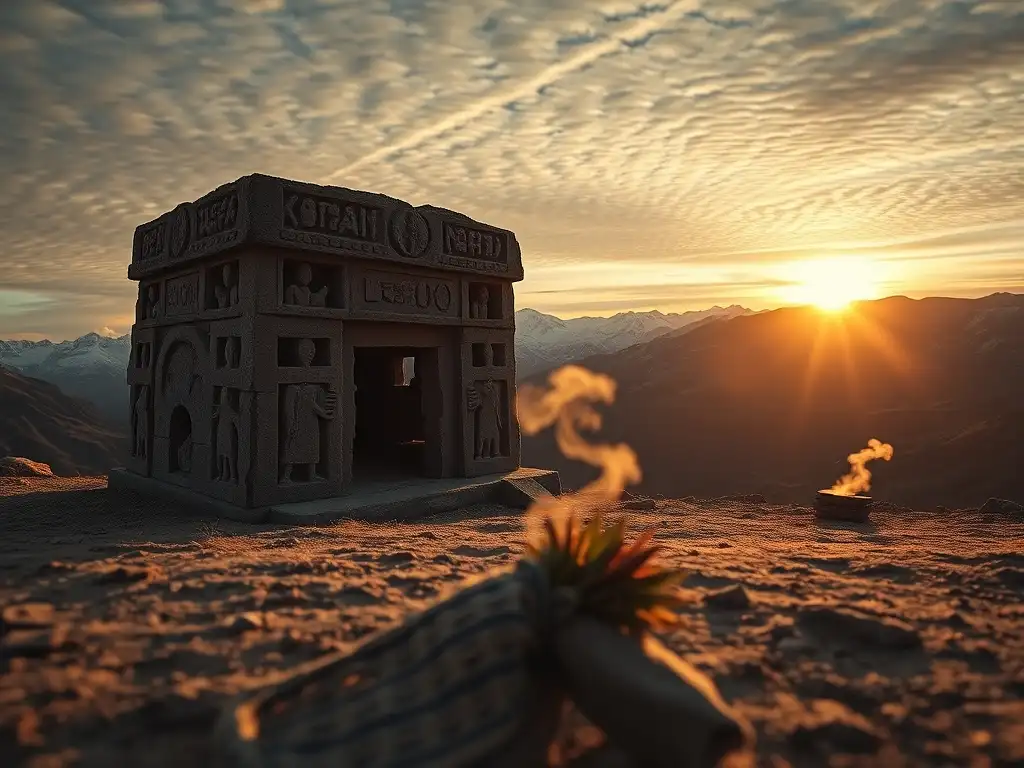
The Andean worldview fundamentally revolves around the concept of ayni, a reciprocal exchange between the living and the deceased. This isn't a passive remembrance; it's an active, ongoing relationship where ancestors are considered integral members of the community, continuously influencing the present. Andean ancestor remembrance practices weren't simply rituals performed annually; they were woven into the fabric of daily life, shaping social structures, artistic expression, and even agricultural practices. Understanding this deeply ingrained connection is key to comprehending the richness and complexity of Andean cultures.
The belief that ancestors remain present and active fostered a profound respect for the past and a sense of continuity across generations. This active engagement with the ancestral world significantly impacted how Andean societies functioned and evolved. The concept of "Andean ancestor remembrance practices" encompasses a wide range of activities, beliefs, and rituals that ensured the continuous presence and influence of their forebears.
The Importance of Oral Tradition in Preserving Ancestral Knowledge
Oral tradition served as the primary mechanism for transmitting ancestral knowledge across generations in Andean societies. Stories, myths, and genealogies were meticulously passed down, preserving not only historical accounts but also crucial information about agricultural techniques, medicinal plants, and social customs. These narratives weren't simply tales; they were living documents that shaped Andean identity and worldview. The yachaywasi, or "house of wisdom," in Inca society, played a crucial role in this process, acting as centers for the preservation and dissemination of knowledge.
Within these institutions, specialized individuals, known as amautas, memorized and recited vast amounts of information, ensuring the continuity of ancestral wisdom. The absence of widespread literacy didn't hinder the transmission of knowledge; instead, it fostered a vibrant oral culture that emphasized memory, recitation, and the power of storytelling. This oral tradition ensured that ancestral knowledge wasn't relegated to the past but remained a dynamic and relevant aspect of daily life.
Think of it as a living library, constantly updated and enriched through the collective memory of the community. The accuracy and reliability of this oral transmission were reinforced through repetitive storytelling and communal verification, minimizing the risk of significant distortions over time. This system demonstrates the effectiveness of oral traditions in preserving and transmitting vital cultural heritage, particularly in societies where written records were less prevalent.
The Role of Textiles and Art in Representing Ancestral Lineage
Textiles and art served as powerful visual representations of ancestral lineage and Andean ancestor remembrance practices. Complex weaving techniques, intricate designs, and symbolic motifs communicated intricate narratives, family histories, and cosmological beliefs. For instance, the use of specific colors, patterns, and iconography in textiles could indicate a particular clan or lineage, visually connecting the present generation with its ancestors. These weren't simply decorative items; they were tangible links to the past, embodying the accumulated wisdom and experiences of generations.
Similarly, monumental architecture, such as the impressive stone structures found at sites like Machu Picchu, served as powerful visual reminders of ancestral achievements and spiritual significance. These structures were not merely functional; they were carefully designed spaces that reflected cosmological beliefs and affirmed the connection between the living and the deceased. The intricate carvings, precisely placed stones, and symbolic orientations of these structures all contributed to a powerful visual narrative of Andean ancestor remembrance, actively engaging with the spiritual world.
The creation and maintenance of these artistic expressions reinforced the importance of honoring and remembering ancestors, ensuring their continued influence in the lives of the living. Analyzing the artistic motifs and their evolution provides valuable insights into the changing social structures, beliefs, and practices related to ancestor veneration throughout Andean history. The enduring legacy of these artistic expressions underscores the profound significance of Andean ancestor remembrance practices in shaping their cultural identity and transmitting their rich heritage.
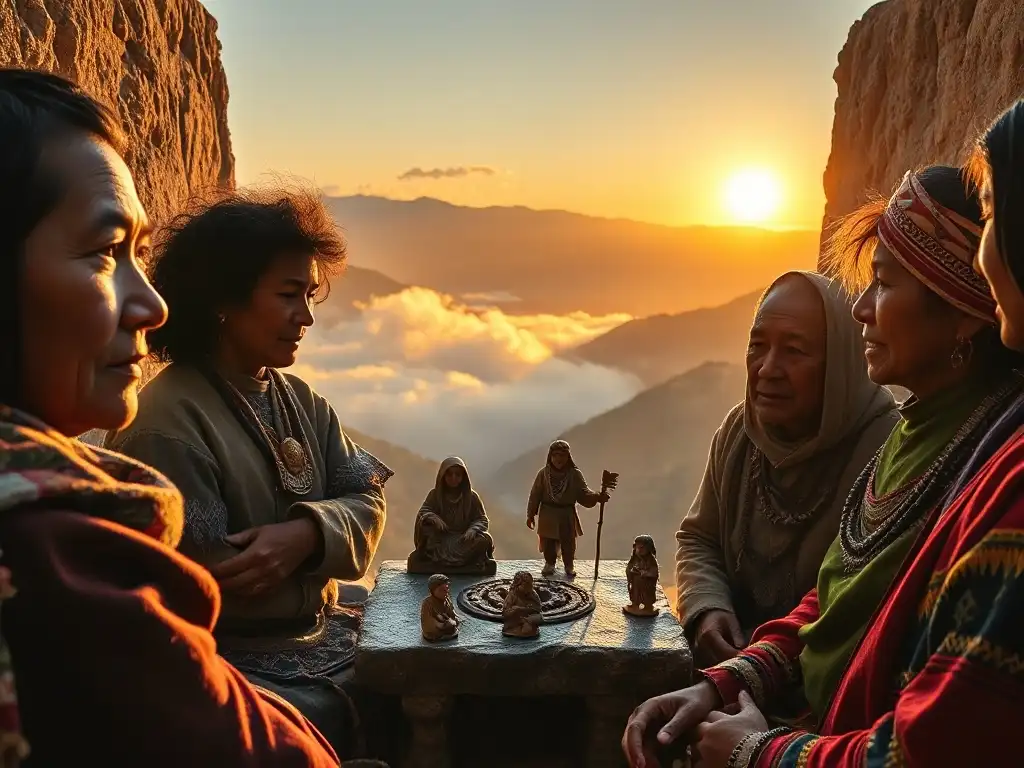
Andean ancestor veneration practices weren't merely spiritual exercises; they profoundly shaped the social fabric of these societies. The belief in the continued presence and influence of ancestors permeated every aspect of life, from daily routines to major political decisions. This section explores how this profound respect for ancestors directly impacted the social structures and hierarchies of Andean civilizations. The reverence for ancestors wasn't a passive belief; it actively maintained social order and influenced power dynamics.
How Ancestral Beliefs Shape Community Dynamics
The living maintained a vital connection with their deceased ancestors, believing their spirits continued to interact with the world of the living. This belief fostered a strong sense of community and collective responsibility. Decisions weren't made in isolation; the weight of ancestral wisdom and guidance was considered crucial.
For example, disputes within a community might be resolved by consulting ancestral oracles or through rituals designed to seek their approval. This practice ensured that decisions reflected the collective will, shaped by generations of accumulated experience. The success of crops, the health of the community, and even military victories were often attributed to the benevolent influence of their ancestors.
Failure, on the other hand, might be interpreted as a sign of disrespect or a failure to honor ancestral traditions, leading to community-wide introspection and ritualistic rectification. This constant dialogue between the living and the dead fostered a remarkable level of social cohesion. The very structure of Andean society – from family units to larger political entities – was fundamentally intertwined with the belief in the enduring power of ancestors.
The cyclical nature of Andean agriculture further strengthened this connection. The annual planting and harvesting seasons were often accompanied by elaborate ceremonies honoring ancestors, acknowledging their role in the bounty of the land. This cyclical remembrance reinforced the importance of continuity and the interconnectedness of generations.
The success of the harvest, directly tied to the well-being of the community, was seen as a testament to the ancestors' continued favor and protection. This wasn't simply a matter of superstition; it was a deeply ingrained belief system that shaped social behavior and community values. The emphasis on collective responsibility and the shared experience of honoring ancestors fostered a strong sense of unity and social stability.
The Importance of Lineage and Family in Andean Society
Andean ancestor remembrance practices were inextricably linked to the concept of lineage and family. Ancestral lines were meticulously traced, often through elaborate genealogical records and oral traditions. These lineages served as the foundation of social hierarchy and power structures.
Membership in a prestigious lineage, tracing back to powerful or revered ancestors, conferred significant social status and influence. This system of inherited prestige reinforced social stratification, with certain families holding greater power and authority due to their perceived connection to influential ancestors. Moreover, access to resources and land often depended on one's lineage and the perceived strength of their ancestral connections.
The importance of lineage is evident in the construction of elaborate tombs and mausoleums, often located strategically within the community. These structures served not only as burial sites but also as focal points for communal rituals and expressions of reverence. The continued maintenance and upkeep of these ancestral sites were essential tasks, demonstrating the ongoing respect for the ancestors and the importance of maintaining the lineage's connection to its past.
This continuous engagement with the past strengthened familial ties and reaffirmed the social order. The very fabric of Andean society was interwoven with the threads of ancestral memory, creating a deeply rooted and enduring social structure. The legacy of an ancestor was not simply a matter of historical record; it was a living force shaping the present and influencing the future.
The meticulous preservation of ancestral legacies, through both material and oral traditions, underscores the profound importance of lineage in shaping the social dynamics of Andean civilizations. The system fostered continuity, social cohesion, and a hierarchical structure that reflected the perceived power and influence of ancestral lines.
Contemporary Manifestations of Andean Ancestor Veneration
This section explores how Andean ancestor remembrance practices, a cornerstone of Andean cosmology and worldview, continue to thrive in modern Andean communities. We'll delve into the vibrant ways in which ancestral memory is kept alive, demonstrating the enduring power of these traditions. The strength of these practices highlights the deep-rooted connection between the living and the departed, a connection that shapes daily life and cultural identity. Understanding these contemporary manifestations provides crucial insight into the enduring legacy of Andean ancestor veneration.
How Modern Andean Communities Keep Remembrance Alive
Modern Andean communities employ a diverse range of methods to maintain a living connection with their ancestors. These practices aren't merely nostalgic rituals; they are integral to the social fabric, influencing everything from agricultural cycles to family structures. One prevalent practice is the maintenance of wakas, sacred sites often associated with ancestral spirits.
These sites, ranging from mountains and caves to springs and burial grounds, are frequently visited for offerings and ceremonies, ensuring the continued presence of ancestral energy. These offerings might include coca leaves, alcohol, food, or other items significant to the community. The act of offering isn't passive; it's a dialogue, a way of communicating with and seeking guidance from the ancestors.
The significance of ayni, the principle of reciprocity, also plays a crucial role. Just as ancestors provided for their descendants in life, the living reciprocate through respect, remembrance, and continued care for ancestral lands and traditions. This reciprocal relationship forms the foundation of many Andean ancestor remembrance practices. Failure to uphold ayni is believed to disrupt the balance and bring misfortune.
Furthermore, oral traditions, passed down through generations, are vital in keeping ancestral stories alive. These narratives, often rich with mythology and historical accounts, serve not only as entertainment but as a means of transmitting valuable knowledge, cultural values, and a sense of collective identity.
The stories themselves are living entities, constantly evolving and adapting to the changing times while retaining their core message: the enduring importance of ancestral lineage. This oral tradition is often supplemented by weaving, pottery, and other forms of artistic expression that depict ancestral figures and stories, creating a visual record of the past that is both aesthetically pleasing and deeply meaningful.
The Continuity of Ancient Traditions in Today's World
The persistence of Andean ancestor remembrance practices in the face of modernization is a testament to their enduring power. While globalization and urbanization present challenges, many communities actively resist assimilation, finding innovative ways to integrate ancient traditions into contemporary life. For example, some communities incorporate ancestral veneration into community festivals and celebrations, blending traditional rituals with modern expressions of faith and cultural pride. This ensures that the practices remain relevant and engaging for younger generations.
The use of technology also plays a surprising role. While seemingly at odds with traditional practices, digital platforms are being used to document and share oral histories, ancestral knowledge, and details of significant sites. This allows for the wider dissemination of information about Andean ancestor veneration, fostering a greater understanding and appreciation of these traditions beyond the immediate community.
This digital archiving serves as a safeguard against the loss of cultural heritage, ensuring that these practices are preserved for future generations. The adaptation and evolution of these practices demonstrate the remarkable resilience of Andean culture and its ability to navigate the complexities of a changing world while retaining its core values and traditions. This dynamic interplay between tradition and modernity ensures the continued vitality of Andean ancestor remembrance practices, solidifying their place in the heart of Andean identity.
Conclusion: The Enduring Power of Andean Ancestral Remembrance
Reflecting on the Importance of Honoring the Past
The practices surrounding Andean ancestor remembrance weren't merely ritualistic; they were foundational to the social fabric, political structures, and even the agricultural success of these remarkable civilizations. Honoring ancestors wasn't a passive act of recalling the past; it was an active engagement with the living present, a continuous dialogue across generations. By maintaining a vital connection with their forebears, Andean communities solidified their identity, legitimized their authority, and ensured the continuity of their traditions. This intricate web of remembrance, woven through daily life and monumental ceremonies, profoundly shaped their worldview and continues to resonate in modern Andean cultures.
The enduring legacy of these practices is evident in the persistence of certain traditions, albeit often adapted to contemporary contexts. Many communities still maintain ayllus, kinship groups that trace their lineage back centuries, fostering a collective memory and shared responsibility for ancestral sites. The vibrant festivals and ceremonies, often centered around agricultural cycles or significant historical events, serve as powerful reminders of the ongoing connection to the past.
These celebrations, filled with music, dance, and offerings, are not simply historical reenactments; they are living expressions of a deeply rooted cultural heritage. The continued significance of ancestral sites, such as Machu Picchu or the Nazca Lines, underscores the powerful emotional and spiritual bonds that connect present-day Andean peoples to their ancestors.
The Role of Mummies and Other Material Remains in Andean Ancestor Remembrance Practices
The preservation of mummies played a crucial role in Andean ancestor remembrance practices. These weren't simply objects of morbid fascination; they were considered active participants in the community, continuing to exert influence in the affairs of the living. Elaborate funerary rituals, including the placement of grave goods and the construction of impressive tombs, reflected the high esteem in which ancestors were held.
The mummies themselves were often adorned with clothing, jewelry, and other items that reflected their status in life, further emphasizing their continued importance in the afterlife. The act of periodically visiting and tending to these mummies served as a constant reminder of the ancestors' presence and their ongoing connection to the living world.
The careful preservation of these remains—a testament to advanced mummification techniques—highlighted the profound respect and reverence accorded to those who had passed. This wasn't just about preserving a body; it was about preserving a connection, a legacy, a living link to the past.
The Impact of Colonialism and Modernity on Traditional Andean Ancestor Remembrance
The arrival of the Spanish conquistadors marked a significant turning point in Andean ancestor remembrance practices. The imposition of Catholicism, with its own distinct beliefs about death and the afterlife, led to the suppression of many indigenous traditions. The destruction of sacred sites, the looting of tombs, and the forced conversion of indigenous populations disrupted the continuity of ancestral veneration.
However, despite these efforts, many Andean communities managed to preserve aspects of their ancestral traditions, often adapting them to incorporate elements of the imposed religion. This syncretism, the blending of indigenous and colonial beliefs, resulted in a complex and dynamic religious landscape.
Today, many Andean communities continue to practice ancestor veneration, often blending traditional rituals with Catholic practices, demonstrating the resilience and adaptability of these ancient traditions in the face of significant historical upheaval. The ongoing struggle to preserve these practices amidst the pressures of globalization and modernization highlights the ongoing significance of Andean ancestor remembrance in shaping contemporary identities and cultural values.
The Continued Relevance of Andean Ancestor Remembrance in the 21st Century
Even in the 21st century, the importance of Andean ancestor remembrance remains deeply ingrained in the cultural fabric of many communities. While the specific practices may have evolved, the underlying principles of maintaining a vital connection to the past endure.
The continued reverence for ancestral sites, the preservation of traditional rituals, and the ongoing transmission of oral histories all serve as testaments to the enduring power of these traditions. The study of Andean ancestor remembrance practices offers valuable insights into the complex interplay between the past, present, and future, highlighting the enduring significance of cultural memory in shaping individual and collective identities.
Understanding these practices not only enriches our understanding of Andean civilizations but also provides a broader perspective on the universal human need to honor our ancestors and connect with those who came before us. The enduring power of these traditions underscores the profound impact of Andean ancestor remembrance practices on shaping cultural identity and social cohesion.
Frequently Asked Questions
How did Andean cultures remember their ancestors?
Andean cultures employed various methods for ancestor remembrance, including elaborate burial rituals, the creation of mummies, and the construction of monumental sites like Chullpas (tower-shaped tombs) dedicated to their ancestors. These practices aimed to maintain a connection with the past.
What role did ancestor veneration play in Andean societies?
Ancestor veneration was central to Andean societies. It was believed that ancestors held significant influence over the living, providing protection, guidance, and even fertility. Respecting and honoring them was crucial for societal well-being.
Were there specific rituals associated with Andean ancestor remembrance?
Yes, many rituals were performed. These included offerings of food, drink, and textiles, ceremonies at burial sites, and the use of coca leaves to communicate with the spirit world. These practices varied across different Andean cultures.
How did the Inca integrate ancestor remembrance into their empire?
The Inca empire incorporated ancestor veneration into their political and religious systems. Royal mummies were treated with immense reverence, symbolizing the continuity of power and legitimacy. Imperial ideology heavily relied on this connection to the past.
How does ancestor remembrance in Andean cultures differ from other cultures?
While many cultures honor ancestors, Andean practices often involved a more direct and tangible connection, exemplified by mummification and the continued presence of ancestors within the community through rituals and offerings. The physical presence of mummies played a significant role.
Final Reflection: Echoes of the Past, Shaping the Future
The vibrant threads of Andean ancestor remembrance, far from being relics of a bygone era, are powerfully interwoven into the fabric of contemporary Andean life. These practices, deeply rooted in a spiritual connection to the past, continue to shape social structures, artistic expressions, and the very understanding of identity within Andean communities. The enduring strength of these traditions speaks volumes about the human need to connect with our origins and find meaning in the continuity of life.
The profound impact of ancestor veneration on Andean culture is undeniable; it's a living testament to the enduring power of memory and the importance of honoring those who came before. It's a constant reminder that our lives are not isolated but part of a larger, interconnected narrative. The ancestors are not merely the past; they are the living presence within the present, guiding and shaping our lives.
This sentiment, though paraphrased, encapsulates the core belief system that underpins many Andean traditions, highlighting the active role ancestors play in the daily lives of their descendants. This active participation in the present, through rituals, storytelling, and daily practices, is what sets Andean ancestor remembrance apart.
Consider the ways in which you honor your own heritage and connect with your past. What stories have been passed down to you? What traditions do you uphold? I urge you to reflect on the power of remembrance in your own life and to actively seek ways to keep the memories and legacies of your ancestors alive. By doing so, you not only honor your past but also enrich your present and contribute to a more meaningful future, ensuring that the echoes of those who came before continue to resonate for generations to come.
Embrace the Legacy: Connect with Andean Traditions!
Thank you for exploring the rich tapestry of Andean culture and its traditions of remembrance. Understanding how Andean people honor their ancestors is both enlightening and empowering, enriching our lives by keeping their vibrant spirit alive. Let's put this knowledge into practice!
Here are some ways to deepen your connection with Andean traditions:
- Immerse yourself in the culture: Visit a local Andean community to witness their remembrance rituals firsthand and learn from their practices. This direct experience will provide invaluable insight.
- Share your discoveries: Discuss ancestral honoring on social media; tag friends and family to spark conversations about cultural heritage and its importance.
- Create a personal tribute: Design a remembrance altar at home, incorporating elements of Andean culture that resonate with you and your family. This can be a powerful and meaningful way to connect with your heritage.
What aspects of your heritage are most meaningful to you, and how will you celebrate and honor them?