
Andean Burial Customs: Tombs, Grave Goods, and the Significance of Death

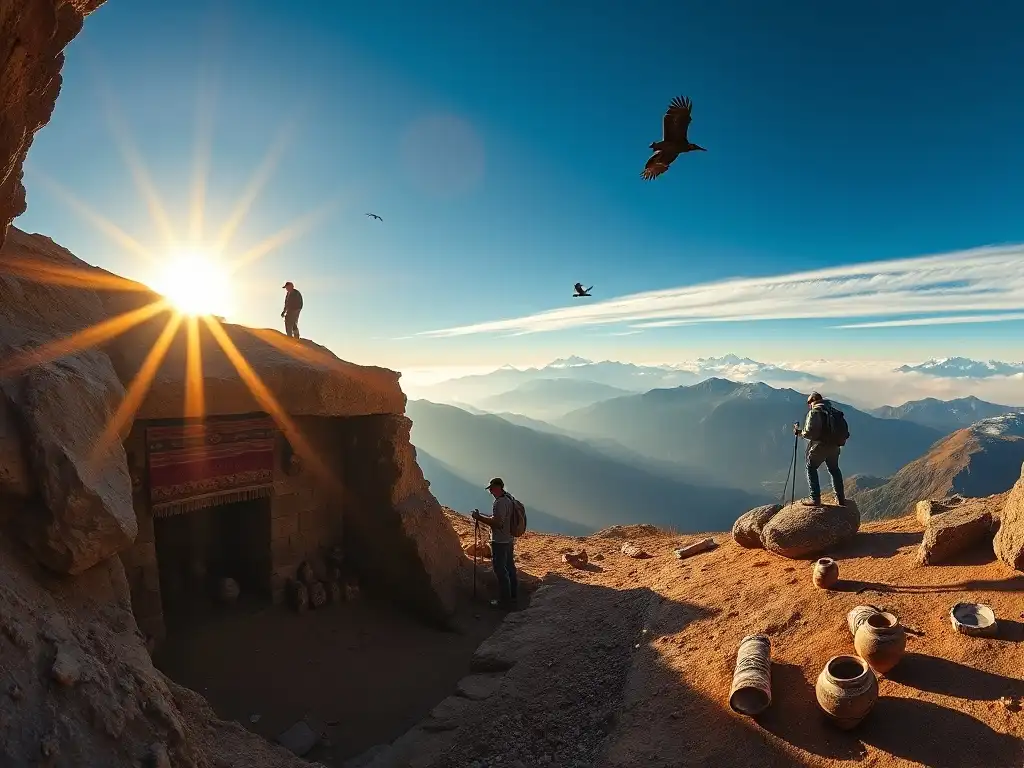
Uncover the mysteries hidden beneath the Andes Mountains. For centuries, these majestic peaks have guarded the secrets of remarkable civilizations. Dive into the fascinating world of Andean burial practices, where intricate tombs and elaborate grave goods reveal a profound understanding of life, death, and the cosmos. What did these ancient rituals truly signify? Explore the significance of Andean burial practices and unlock the captivating story of their cosmology and worldview.
The Andean civilizations, encompassing a vast array of cultures across the Andes Mountains, developed complex and fascinating burial practices reflecting their unique cosmologies and worldviews. Understanding Andean burial customs offers a profound insight into their beliefs about death, the afterlife, and the enduring connection between the living and their ancestors.
This article delves into the significance of death in Andean cultures, exploring the diverse types of tombs, the elaborate grave goods frequently interred, and the crucial role ancestor veneration played in their societies. We will examine how these practices varied across different regions and time periods, highlighting the rich tapestry of beliefs and rituals surrounding death in the Andes.
The exploration of "Andean burial practices significance" reveals a deeply spiritual and ritualistic society, where death was not an end, but a transition to another realm intimately connected to the living world. The meticulous construction of tombs, the careful selection of grave goods, and the enduring legacy of ancestor veneration all contribute to our understanding of the profound importance placed on death and the afterlife in these remarkable societies.
The Significance of Death in Andean Cultures: An Overview
Andean Beliefs About the Afterlife
Andean beliefs about the afterlife varied considerably across different cultures and time periods. However, a common thread was the concept of a continuity between the living and the dead. The deceased were not seen as simply ceasing to exist, but rather as transitioning to another realm, often maintaining a powerful influence on the affairs of the living.
Specific beliefs about the nature of this afterlife and the journey the soul undertook remain partially understood, requiring further research and interpretation of archaeological findings. Many accounts suggest a cyclical view of life and death, mirroring the Andean understanding of the cyclical nature of the cosmos. [Specific details about different Andean groups' beliefs about the afterlife pending].
The Role of Ancestor Veneration in Andean Societies
Ancestor veneration was central to Andean societies. The ancestors were believed to be powerful intermediaries between the living and the supernatural world. Their continued presence and influence were actively cultivated through rituals, offerings, and the careful preservation of their remains. This veneration manifested in various ways, including the construction of elaborate tombs, the provision of grave goods, and the performance of periodic ceremonies at burial sites.
The ancestors were seen as protectors and guides, their wisdom and guidance sought in times of need. The strength and prosperity of a community were often believed to be directly linked to the well-being and continued influence of their ancestors. [Data on specific rituals and practices of ancestor veneration pending].
Diversity in Andean Funeral Rites Across Regions and Time
Andean funeral rites were not uniform across all regions and time periods. The practices varied significantly depending on factors such as geographical location, cultural affiliation, and social status. For example, while some groups practiced mummification and elaborate burial ceremonies, others employed simpler forms of interment.
The type of tomb, the inclusion of grave goods, and the ritualistic practices associated with burial all reflected the specific beliefs and customs of the particular group. This diversity highlights the richness and complexity of Andean cultures and emphasizes the need for a nuanced understanding of their burial practices. [Detailed comparison of funeral rites across different Andean regions and time periods pending].
Andean Tombs: Architecture and Construction
Types of Burial Structures: From Simple Graves to Elaborate Tombs
Andean burial structures ranged from simple graves dug into the ground to incredibly elaborate tombs, reflecting the social status and beliefs of the deceased. Simple burials often involved the interment of the body with minimal grave goods, while elite burials could feature intricate chambers, elaborate offerings, and carefully preserved mummies. The construction techniques and materials used also varied, reflecting the available resources and the technological capabilities of the respective cultures. [Specific examples of different types of burial structures and their associated cultures pending].
The Use of Stone and Adobe in Andean Tombs Construction
Stone and adobe were the primary materials used in the construction of Andean tombs. Stone, readily available in the mountainous regions, was used to build durable and impressive structures, often intricately carved and decorated. Adobe, a mixture of mud, straw, and water, provided a more readily available and less labor-intensive material for less elaborate tombs. The techniques employed in the construction of these tombs demonstrate a remarkable level of engineering skill and architectural sophistication, reflecting the advanced technological capabilities of Andean societies. [Further details on specific construction techniques and examples pending].
Regional Variations in Tomb Design and Size
The design and size of Andean tombs varied significantly across different regions. For example, the chullpas of the Tiwanaku culture are distinctive tower-like structures, while other cultures employed subterranean chambers or above-ground mounds. These variations reflect the unique cultural traditions and environmental conditions of each region. [Detailed discussion of regional variations in tomb design and size pending, including specific examples].
The Intricacies of Chullpas: Tower Tombs of the Andes
Chullpas, the iconic tower tombs found throughout the Andes, represent a significant aspect of Andean burial architecture. These structures, often made of stone, vary in size and complexity, reflecting the social status of the deceased interred within. Their construction demonstrates sophisticated masonry techniques and a deep understanding of engineering principles. The interiors often contain multiple chambers and niches, sometimes housing multiple burials. [Further analysis of chullpa construction, regional variations, and symbolic significance pending]. The careful placement and orientation of these structures within the landscape further underscore their importance within the broader Andean cosmological worldview.
Grave Goods: Offerings for the Journey to the Afterlife
The inclusion of grave goods in Andean burials speaks volumes about their beliefs concerning the afterlife. These weren't merely possessions; they were considered essential provisions for the deceased's journey into the next world, a continuation of their existence in a different realm. The careful selection and placement of these items reveal a deep understanding of the symbolic significance of objects and their role in maintaining a connection between the living and the dead.
The types of grave goods varied significantly depending on the specific culture, time period, and social status of the deceased, reflecting a complex social hierarchy and a nuanced understanding of the spiritual world. The sheer diversity of grave goods found in Andean archaeological sites underscores the richness and complexity of their funerary practices and beliefs. Analyzing these offerings provides invaluable insights into their cosmology and worldview.
Ceremonial Objects and Ritual Artifacts in Andean Burials
Many Andean burials include ceremonial objects and ritual artifacts. These items, often intricately crafted and adorned with symbolic imagery, suggest that the deceased's transition into the afterlife was perceived as a sacred ritual. For example, kero (ceremonial drinking vessels) have been found in numerous burials, often alongside other items associated with ritual practices. The presence of these objects indicates that rituals continued even after death, perhaps to ensure a smooth passage or to maintain contact with the deceased.
The artistry and craftsmanship evident in these objects also highlight the importance placed upon ritual practices and their connection to the spiritual realm. The specific types of ritual artifacts found in a given burial often provide clues about the individual's social standing and role within their community. Their inclusion underscores the deep integration of ritual and daily life in Andean societies.
Textiles and Weavings as Grave Offerings: Meaning and Symbolism
Textiles and weavings were among the most common and significant grave goods in Andean burials. These weren't simply functional items; their intricate designs and vibrant colors often held profound symbolic meanings, reflecting the deceased's identity, social status, or beliefs. The use of specific colors, patterns, and fibers could signify a connection to particular deities or ancestors.
For instance, certain colors might be associated with fertility, while others might represent power or spiritual authority. The painstaking craftsmanship involved in creating these textiles highlights their importance and the time and effort dedicated to preparing the deceased for their journey. The quality of the textiles found in a grave often correlated with the social status of the individual buried there, providing valuable information for archaeologists studying social hierarchies.
Food and Drink Provisions for the Deceased
The inclusion of food and drink in Andean burials reflects a belief that the deceased continued to require sustenance in the afterlife. These provisions weren't just symbolic; they were practical necessities for the deceased's continued existence. The types of food and drink varied depending on the culture and the time period, reflecting the agricultural practices and dietary habits of the specific community.
The presence of preserved foods, such as dried meats or maize, indicates a sophisticated understanding of food preservation techniques. The careful arrangement of these provisions suggests a concern for the deceased's well-being even in death. The quality and quantity of food and drink also likely reflected the social status of the deceased.
Precious Metals and Jewelry: Status and Spiritual Significance
Precious metals, such as gold and silver, and intricate jewelry were frequently included in Andean burials, particularly those of high-status individuals. These items weren't simply markers of wealth; they also held significant spiritual meaning, often representing power, prestige, and a connection to the divine. The intricate craftsmanship and symbolic designs found on these objects underscore their importance.
The use of gold, in particular, was often associated with the sun god, further emphasizing the spiritual significance of these grave goods. The presence of precious metals and jewelry in burials provides valuable insight into the social hierarchy and the beliefs surrounding power and status in Andean societies.
The Presence of Pottery and Ceramics in Andean Burials
Pottery and ceramics were ubiquitous in Andean burials, serving both practical and symbolic functions. Many vessels were found containing food or drink offerings, while others were decorated with intricate designs that held religious or symbolic meaning. The styles and types of pottery varied greatly depending on the culture and time period, allowing archaeologists to date and identify the origins of the burials.
The quality of the pottery, its decoration, and the presence of specific motifs provide valuable clues about the social status and beliefs of the deceased. The inclusion of pottery in Andean burials underscores the importance of this craft in their culture and its integration into their funerary practices.
Grave Goods in the Moche Culture: Gold Masks, Spondylus Shells, and Fine Ceramics
The Moche culture, known for its sophisticated artistry and elaborate burial practices, is a prime example of the diversity and richness of Andean grave goods. Moche burials often included gold masks, intricately crafted to depict the deceased's features or supernatural beings. Spondylus shells, prized for their beauty and rarity, were also common grave goods, symbolizing wealth and prestige.
The Moche were also skilled potters, creating finely decorated vessels that often depicted scenes from daily life, mythology, or ritual practices. These objects, collectively, paint a vivid picture of Moche beliefs about death and the afterlife, reflecting their complex cosmology and social structure. The combination of precious metals, exotic shells, and exquisite ceramics demonstrates the Moche's mastery of craft and their profound respect for their deceased.
Andean Burial Practices Significance: Rituals and Ceremonies
Andean burial practices went far beyond simply interring the dead. They were elaborate rituals, deeply imbued with spiritual and social significance, reflecting the Andean worldview and their complex relationship with the cosmos. The practices varied across different cultures and time periods, but common themes emerge, revealing a shared understanding of death, the afterlife, and the importance of ancestral veneration. The significance of these practices is evident in the careful preparation of the body, the selection of grave goods, and the elaborate ceremonies that accompanied the burial.
Mummification and Preservation Techniques: Andean Mummies
The practice of mummification in Andean cultures, particularly among the Inca, was not merely a preservation technique. It was a ritualistic process designed to maintain a connection between the living and the dead. The mummies were not simply inanimate remains; they were considered to be active participants in the community, continuing to influence the affairs of the living.
The elaborate techniques used to mummify the bodies, including the removal of internal organs and the application of various substances, highlight the importance placed upon preserving the deceased. The mummies were often dressed in fine clothing and adorned with jewelry, further emphasizing their continued importance in the community.
The Significance of Burial Positions and Orientations
The position and orientation of bodies within Andean graves were not arbitrary; they held significant symbolic meaning, often reflecting the deceased's social status, beliefs, or relationship to the cosmos. Certain orientations might have been associated with specific deities or directions, reflecting the Andean understanding of the universe. The posture of the body, whether flexed or extended, could also carry symbolic weight, reflecting different beliefs about the afterlife. The consistent patterns observed in burial orientations and positions across different sites and cultures point to a shared understanding of these symbolic practices.
The Role of Music and Dance in Andean Funeral Rituals
Music and dance played a crucial role in Andean funeral rituals, serving to honor the deceased and guide their journey into the afterlife. The specific types of music and dance varied across cultures and time periods, reflecting regional traditions and beliefs. Music might have been used to appease the spirits of the dead or to communicate with the deities.
Dance could have been used to reenact myths or to symbolically represent the deceased's transition into the afterlife. The evidence for these practices, found in archaeological contexts and historical accounts, suggests that music and dance played a vital role in the social and spiritual aspects of Andean funerary rites.
Sacrifices and Offerings to the Gods in Burial Contexts
Many Andean burials included sacrifices and offerings to the gods, intended to ensure a safe passage for the deceased and to appease the spirits. These offerings could include food, drink, textiles, or even human sacrifices, depending on the culture and the social status of the deceased. The inclusion of such offerings underscores the importance of appeasing the gods and securing a positive outcome for the deceased in the afterlife. The nature and scale of these sacrifices provide valuable insights into the Andean belief system and the importance of maintaining a balance between the human and spiritual worlds.
The Importance of Community Involvement in Funerals
Andean funerals were not private affairs; they were communal events that involved the entire community. The collective participation in the funeral rituals reinforced social bonds and reaffirmed the importance of the deceased within the community. The preparation of the body, the procession to the burial site, and the post-burial ceremonies all involved the participation of numerous individuals. This communal aspect of Andean funerary practices reflects the strong social cohesion and the importance of ancestral veneration in Andean societies. The collective mourning and remembrance of the deceased helped to maintain social harmony and continuity within the community.
Funeral Rites of the Inca: Royal Processions, Feasting, and Mourning
The Inca Empire, known for its sophisticated organization and centralized power, had elaborate funeral rites, particularly for members of the royal family. Royal processions, involving large numbers of people and elaborate displays of wealth and power, were common. Feasting and mourning ceremonies, lasting for extended periods, were also important aspects of Inca funerals.
These rituals reinforced the Inca's belief in the continued importance of their ancestors and their role in the affairs of the living. The scale and complexity of Inca funeral rites reflect the centralized power structure of the empire and the importance of maintaining a connection to the past. The meticulous organization and execution of these rituals further underscore their significance in Inca society.
Andean Burial Sites: Archaeological Discoveries and Insights
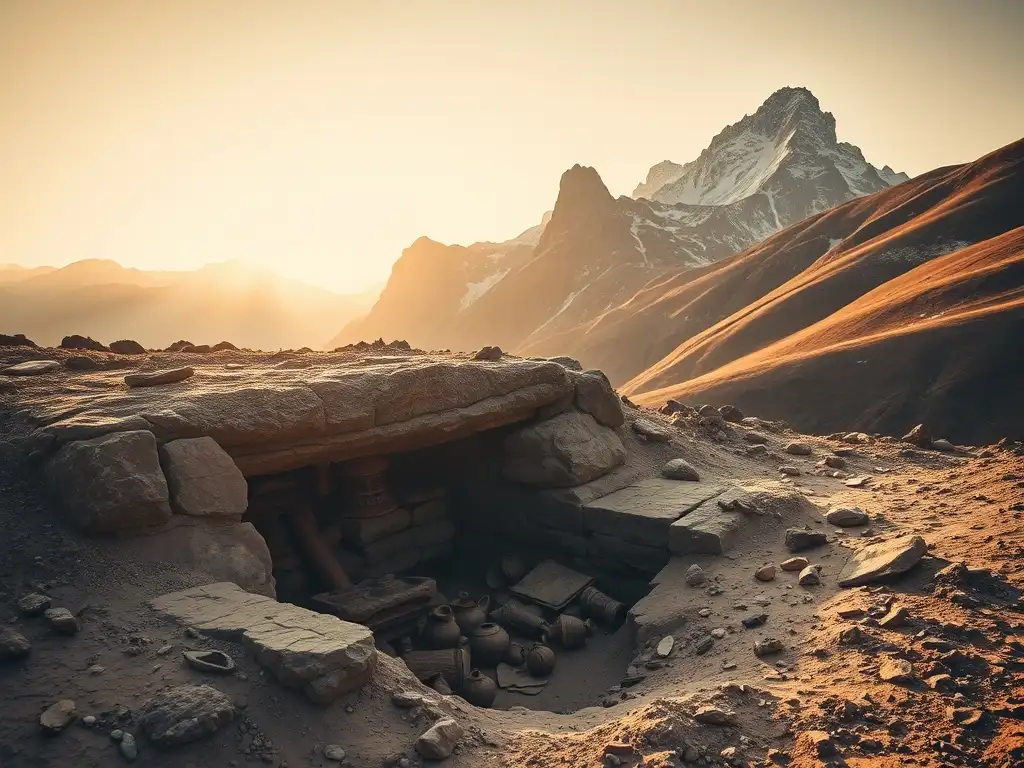
Andean burial sites offer invaluable insights into the complex beliefs and practices surrounding death in these ancient societies. Archaeological excavations have unearthed a vast array of tombs, ranging from simple pits to elaborate subterranean structures, revealing much about social stratification, religious beliefs, and funerary rituals. The meticulous preservation of organic materials in certain arid environments, such as the coastal deserts, has allowed researchers to recover remarkably well-preserved textiles, pottery, and even human remains, providing a detailed picture of past life and death.
The careful arrangement of grave goods within these tombs suggests a belief in an afterlife and the continued importance of the deceased in the community. The diversity of burial practices observed across different Andean cultures highlights the regional variations in beliefs and customs, while also revealing underlying common threads that connect these societies.
Analysis of skeletal remains, coupled with isotopic studies of diet, provides further information on the health, social status, and geographic origins of the individuals interred. The study of Andean burial sites is an ongoing process, with new discoveries constantly challenging and refining our understanding of these fascinating cultures.
Notable Andean Burial Sites: Sipan
The Sipán Royal Tombs, located in northern Peru, are a prime example of the richness and complexity of Moche burial practices. Discovered in the 1980s, these tombs contained the remains of high-status individuals, lavishly adorned with gold and silver ornaments, intricate textiles, and elaborate ceramics.
The discovery of the "Lord of Sipán," a Moche ruler buried with an impressive array of grave goods, provided unprecedented insight into Moche social hierarchy and funerary rituals. The meticulous preservation of these artifacts and the careful excavation techniques employed have allowed researchers to reconstruct a detailed picture of Moche mortuary customs and beliefs about the afterlife.
The sheer quantity and quality of the grave goods found at Sipán underscore the importance placed on death and the veneration of ancestors within Moche society. The site continues to be a focus of ongoing research, with new discoveries regularly being made, further enriching our understanding of this remarkable civilization.
Notable Andean Burial Sites: Paracas Necropolis
The Paracas Necropolis, located on the southern coast of Peru, is known for its unique burial practices and the remarkable preservation of its textiles. The tombs here are characterized by their elongated, bundled mummies, wrapped in layers of intricately woven textiles. The exceptional quality and artistry of these textiles, often depicting scenes of ritual and daily life, provide valuable insights into Paracas culture and beliefs.
The elaborate burial rituals, including the use of intricate headdresses and the inclusion of a wide range of grave goods, point to a highly developed funerary system reflecting a complex social structure. The sheer number of tombs at the Paracas Necropolis, estimated to be in the thousands, attests to the importance of death and ancestor veneration in Paracas society. The ongoing research and conservation efforts at the site continue to yield new discoveries and enhance our understanding of Paracas burial traditions.
Notable Andean Burial Sites: Llullaillaco
Llullaillaco, a high-altitude volcano in the Andes Mountains, is the site of one of the most remarkable archaeological discoveries related to Inca burial practices. The discovery of three well-preserved Inca children sacrificed as part of a capacocha ritual provided a chilling yet compelling glimpse into the Inca worldview and the importance of human sacrifice in maintaining cosmic order. The exceptional state of preservation of these mummies, due to the high altitude and freezing temperatures, allowed researchers to conduct detailed studies of their clothing, physical condition, and the contents of their stomachs. The artifacts found with the children – including gold and silver objects, textiles, and food offerings – reveal the high status of the individuals sacrificed and the significance of the ritual within Inca society. The Llullaillaco mummies serve as a powerful testament to the Inca belief system and the extreme measures taken to ensure the well-being of the empire.
What Archaeological Finds Reveal about Andean Beliefs
Archaeological finds from Andean burial sites reveal a deep-seated belief in the continuity of life after death. The inclusion of abundant grave goods, reflecting the deceased's status and possessions in life, suggests a belief that these items would be needed in the afterlife. The careful arrangement of bodies, often accompanied by ritual offerings of food, drink, and other goods, points to elaborate funerary practices aimed at ensuring a smooth transition to the next world.
The presence of shamanistic paraphernalia in some tombs indicates the role of spiritual intermediaries in connecting the living and the dead. The construction of elaborate tombs, often reflecting the architectural styles of the living communities, suggests that the deceased continued to hold a place within the social fabric of their communities, even in death.
The sheer variety of burial practices across different Andean cultures, however, highlights the regional variations in beliefs and customs. Further analysis of these finds continues to shed light on the nuances of Andean beliefs and practices.
The Continuity of Andean Burial Traditions
The traditions surrounding death and burial in the Andes have a long and unbroken history, spanning millennia. While specific practices varied across different cultures and time periods, certain core beliefs and customs have persisted. Ancestor veneration, for example, has remained a central element of Andean spirituality, with the deceased continuing to be regarded as powerful forces influencing the lives of the living.
The importance of maintaining a connection with ancestors is reflected in various modern Andean practices, including the construction of family tombs and the performance of annual rituals to honor the departed. These rituals often involve offerings of food, drink, and other items, mirroring practices observed in ancient Andean burial sites. The enduring legacy of ancient Andean burial traditions is a testament to the strength and resilience of Andean culture and its deep-seated connection to its past.
Influence of Pre-Columbian Burial Practices on Modern Andean Culture
Pre-Columbian burial practices have had a profound and lasting impact on modern Andean culture. Many contemporary Andean communities continue to maintain family tombs, reflecting the ancient tradition of burying ancestors in designated locations. The practice of offering food and drink to the deceased during annual rituals is a direct continuation of ancient funerary practices.
The use of specific textiles and ceramics in funerary rituals often echoes the styles and motifs found in pre-Columbian artifacts. The continued reverence for ancestral spirits and the belief in their continued influence on the lives of the living are integral aspects of contemporary Andean spirituality. These enduring traditions underscore the deep connection between past and present in Andean societies.
Modern Rituals and Beliefs with Roots in Ancient Andean Customs
Modern Andean rituals and beliefs surrounding death and burial often retain strong connections to their ancient counterparts. Many communities continue to perform annual ceremonies to honor their ancestors, involving offerings of food, drink, coca leaves, and other items. These offerings are intended to appease the spirits of the deceased and ensure their continued blessing on the living.
The construction of family tombs, often elaborately decorated, serves as a physical manifestation of the continued importance of the deceased within the community. The use of specific types of textiles and ceramics in funerary rituals often reflects ancient traditions and styles. These practices demonstrate the remarkable resilience and continuity of Andean culture and its enduring connection to its rich past.
The Enduring Legacy of Ancestor Veneration in the Andes
Ancestor veneration remains a cornerstone of Andean spirituality, connecting the living with the deceased across generations. The belief in the continued influence of ancestors on the lives of the living is evident in various contemporary Andean practices, including the maintenance of family tombs, the performance of annual rituals, and the incorporation of ancestral motifs in art and textiles. This enduring legacy highlights the deep-seated importance of family and community in Andean culture and the enduring power of ancestral spirits.
The ongoing practice of ancestor veneration reinforces the strong connection between past and present, demonstrating the continuity of Andean traditions and beliefs. The significance of "Andean burial practices significance" is therefore deeply rooted in the ongoing veneration of ancestors and the belief in their enduring presence.
Conclusion: Understanding Andean Burial Practices Significance
The meticulous nature of Andean burial practices, from the elaborate construction of tombs to the careful selection of grave goods, speaks volumes about the profound significance of death in these societies. The sheer diversity of funerary customs across different Andean cultures – from the Nazca's intricate desert geoglyphs potentially linked to funerary rites, to the Incas' impressive mausoleums high in the Andes – highlights the complex relationship between the living and the dead. These weren't simply acts of disposal; they were powerful statements about societal structure, religious beliefs, and the enduring connection to ancestors.
The inclusion of grave goods, ranging from simple pottery vessels to ornate gold ornaments and sophisticated textiles, provides invaluable insight into the social status of the deceased and the beliefs surrounding the afterlife. The presence of tools, food, and clothing suggests a belief in the continuation of life in some form beyond death, a provision for the deceased's journey into the spirit world.
The quality and quantity of these offerings directly reflected the deceased's position within their community, further emphasizing the importance of social hierarchy in Andean societies. Furthermore, the meticulous preservation of bodies through mummification in some cultures underscores the enduring reverence for ancestors and their continued influence on the living.
Understanding Andean burial practices is crucial to understanding their worldview. The emphasis placed on ancestor veneration and the belief in the continued interaction between the living and the dead profoundly shaped their social structures, political systems, and artistic expressions. Analyzing these practices provides a window into their cosmology, shedding light on their beliefs about the cosmos, the relationship between humans and the supernatural, and the cyclical nature of life and death.
Therefore, studying "Andean burial practices significance" allows us to gain a deeper appreciation for the richness and complexity of these fascinating civilizations. The careful consideration given to the deceased, even in death, reflects a vibrant and enduring connection to their past, a legacy that continues to resonate today.
Further research into specific sites and cultures is needed to fully unravel the intricacies of these practices and their lasting impact. For example, a detailed comparative study of Moche and Tiwanaku burial rituals could reveal further nuances in Andean funerary beliefs.
- The Significance of Death in Andean Cultures: An Overview
- Andean Tombs: Architecture and Construction
- Grave Goods: Offerings for the Journey to the Afterlife
- Andean Burial Practices Significance: Rituals and Ceremonies
- Andean Burial Sites: Archaeological Discoveries and Insights
- The Continuity of Andean Burial Traditions
- Conclusion: Understanding Andean Burial Practices Significance
Frequently Asked Questions
What was the significance of Andean burial practices?
Andean burial practices held deep spiritual meaning, reflecting beliefs about the afterlife and the relationship between the living and the dead. Elaborate tombs and grave goods provided for the deceased's journey into the next world. Ancestor veneration was a crucial aspect of many Andean societies.
What types of grave goods were commonly found in Andean tombs?
Grave goods varied depending on the culture and the social status of the deceased. Common items included pottery, textiles, tools, food, and precious metals like gold and silver. These objects were believed to be essential for the deceased in the afterlife.
How did Andean burial customs differ between different cultures?
While some common threads existed, significant variations existed between cultures. For example, the Moche practiced elaborate mummification, while the Nazca created intricate geoglyphs possibly related to funerary rites. The Inca utilized complex tomb structures integrated into their landscape.
Were all Andean burials elaborate and monumental?
No, the scale and complexity of Andean burials varied significantly. While elite individuals received elaborate treatment, commoners often had simpler burials. The type of burial often reflected social status and the importance of the individual within their community.
What can Andean burial practices tell us about their societies?
Andean burial practices offer invaluable insights into their social structures, religious beliefs, and technological advancements. The richness of grave goods and the complexity of tomb construction reveal much about their worldview and their understanding of death and the afterlife.
Final Reflection: Echoes from the Andes: A Legacy of Life and Death
The intricate Andean burial practices, far from being relics of a distant past, offer a powerful lens through which to examine our own relationship with mortality and legacy. These ancient customs, with their elaborate tombs and carefully selected grave goods, resonate deeply with contemporary questions about remembrance, societal structure, and the enduring human need to make sense of the afterlife. The meticulous care taken in these burials speaks volumes about the value placed on life, even beyond its earthly end.
The enduring influence of Andean burial traditions is undeniable, shaping our understanding of pre-Columbian societies and challenging Eurocentric narratives of death and the afterlife. These practices, often imbued with profound spiritual significance, reveal a complex cosmology and a sophisticated social hierarchy reflected in the variation of grave goods and burial locations. Death is not an end, but a transformation,
a sentiment echoed across cultures, finds particularly vivid expression in the Andean worldview as evidenced by their elaborate funerary rituals. The legacy of these practices continues to inspire archaeological research and anthropological studies, enriching our understanding of human experience across time and cultures.
Consider, for a moment, the implications of these ancient rituals. What does the careful placement of offerings alongside the deceased tell us about their beliefs? How do these practices inform our own conceptions of death and remembrance? I urge you to reflect on the enduring power of these Andean traditions, not just as historical artifacts, but as potent symbols of humanity's timeless quest for meaning and connection beyond the boundaries of life. Let the echoes from the Andes inspire you to contemplate your own legacy and the ways in which you choose to honor life and memory.
**Unveil the Mysteries of Andean Death Practices! **
Thank you for exploring the profound world of Andean burial customs with us! You've uncovered fascinating insights into how these cultures honored death and the significance of the afterlife. Let's delve even deeper.
Here are some ways to expand your understanding and connect with this rich heritage:
- **Expand your knowledge:** Explore the diverse burial rituals of various Andean civilizations, noting the regional variations in beliefs and practices. For example, compare the traditions of the Inca with those of the Moche culture.
- **Share your discoveries:** Discuss your newfound knowledge with friends, family, or online communities. Spark conversations about the cultural significance of death rituals, both historically and in contemporary society.
- **Join our community:** Connect with fellow enthusiasts! Subscribe to our newsletter or follow us on social media for the latest updates and engaging discussions about Andean civilizations.
Which aspect of Andean burial customs finds the most resonance with you, and how do you believe these practices reflect our modern understanding of life and death?