
Andean Shamanism and the Spirit World: Communicating with the Deceased

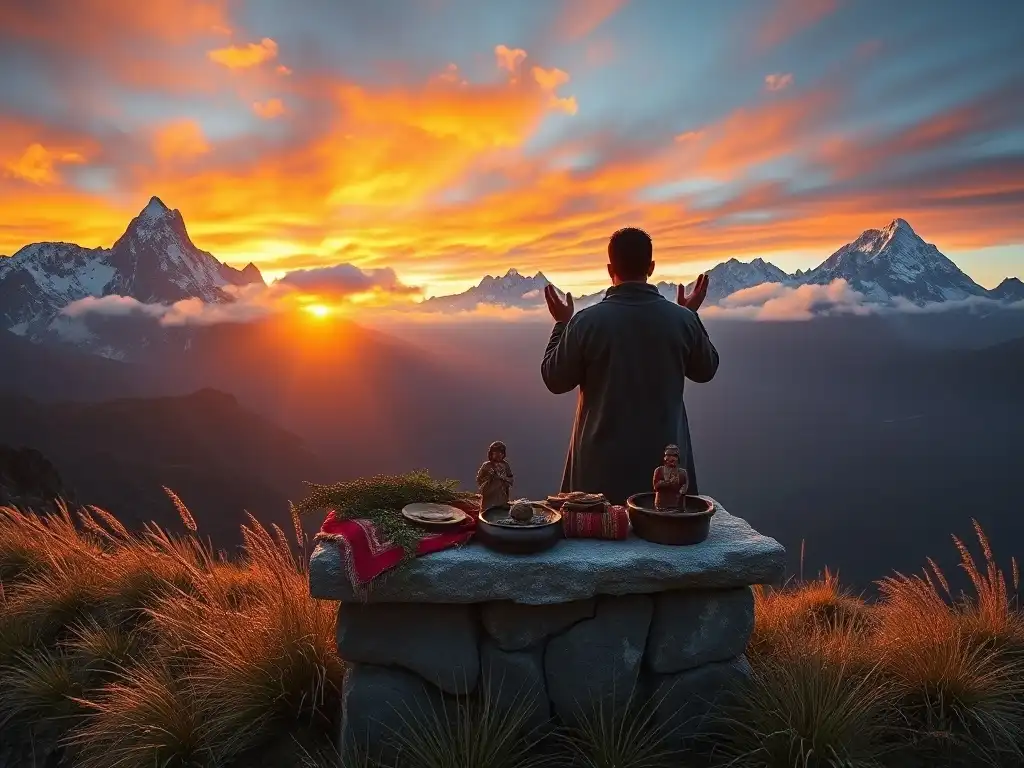
Step into a world lost to time, yet echoing with power. Discover the secrets whispered on the wind through the Andes, where ancient civilizations thrived and a profound connection to the spirit world flourished. Prepare to unravel the mysteries of Andean shamanism and spirit communication, a practice that allowed these remarkable cultures to commune with their ancestors and harness the power of the unseen. What did they know that we are only beginning to understand? Journey with us and uncover the answers.
The Andes Mountains, a spine of towering peaks running down the western coast of South America, are not just a geographical feature; they are a living, breathing entity imbued with spiritual significance for the numerous indigenous cultures that have called them home for millennia. This article delves into the fascinating world of Andean shamanism and its unique approach to communicating with the spirit world, particularly with deceased ancestors. We will explore the practices, beliefs, and rituals surrounding ancestor veneration, a cornerstone of Andean cosmology and a testament to the enduring connection between the living and the dead.
Understanding Andean shamanism provides crucial insight into the complex worldview of these civilizations, revealing a profound respect for the cyclical nature of life and death and the intricate relationship between the human and spiritual realms. This exploration will focus on how Andean shamans facilitated communication with the deceased, the significance of this practice within their societies, and the lasting legacy it holds today.
We will examine specific examples and practices, emphasizing the rich tapestry of beliefs and rituals that shaped Andean cultures. The keyword "Andean shamanism spirit communication" will be explored throughout the article, providing valuable insights into the subject matter.
Shamanic Practices and Rituals for Spirit Communication
Andean shamanism employed various techniques for communicating with spirits, particularly those of deceased ancestors. These practices weren't solely the domain of specialized shamans; many rituals involved community participation, highlighting the collective nature of their spiritual beliefs. One common practice involved the use of hallucinogenic plants, such as San Pedro cactus and ayahuasca, to induce altered states of consciousness.
These plants were believed to facilitate communication with the spirit world by breaking down the barriers between the living and the dead. The shamans, acting as intermediaries, interpreted the visions and messages received during these altered states, conveying their meaning to the community. The use of these plants wasn't recreational; it was a deeply spiritual practice embedded within the cultural and religious fabric of Andean societies.
Detailed accounts from ethnographic studies reveal the meticulous preparation and ritualistic consumption of these plants, emphasizing their sacred status. The specific rituals varied across different Andean cultures, reflecting the diversity of their beliefs and practices.
The Role of Offerings and Material Culture in Ancestor Veneration
Offerings played a vital role in maintaining a positive relationship with the deceased ancestors. These weren't simply gifts; they were acts of respect and reciprocity, acknowledging the continued influence of the ancestors in the lives of the living. Common offerings included coca leaves, food, and other valuable items. The act of offering itself was as significant as the offering itself.
The careful placement of the offerings, the accompanying prayers and chants, and the overall ritualistic context reinforced the connection between the living and the dead. Furthermore, the material culture of the Andes—textiles, pottery, and metalwork—often played a significant role in ancestor veneration. Elaborate burial practices, intricate grave goods, and the creation of funerary monuments all speak to the importance placed upon the deceased and their continued presence within the community. Analysis of these artifacts provides valuable insight into the beliefs and practices surrounding death and the afterlife.
The Significance of Dreams and Visions in Andean Cosmology
Dreams and visions held immense significance in Andean cultures, often serving as a primary means of communicating with the spirit world. Shamans were adept at interpreting dreams, seeing them as messages from the ancestors or other spiritual entities. These interpretations guided decisions regarding community affairs, agricultural cycles, and even personal matters.
Dreams were not considered fleeting or inconsequential; they were seen as a vital channel of communication with the supernatural realm. The interpretation of these dreams, often through elaborate symbolic systems, provided crucial insight into the Andean worldview and their intricate understanding of the interconnectedness of the living and the dead. The detailed narratives of dreams and their interpretations, recorded by ethnographers, reveal the depth and complexity of this communication system.
The Enduring Legacy of Andean Shamanic Practices
The legacy of Andean shamanism and its approaches to communicating with the spirit world continues to influence contemporary Andean communities. While many practices have adapted over time, the core beliefs surrounding ancestor veneration and the importance of connecting with the spiritual realm remain strong. This enduring connection demonstrates the resilience and significance of these traditions.
The study of contemporary Andean communities provides valuable insight into the evolution of these practices and their ongoing role in shaping cultural identities. Understanding this enduring legacy is crucial to appreciating the rich cultural heritage of the Andes and the vital role that shamanic practices play in maintaining a harmonious relationship between the living and their ancestors. The legacy of these practices serves as a testament to the enduring power of Andean spiritual beliefs.
- Shamanic Practices and Rituals for Spirit Communication
- The Role of Offerings and Material Culture in Ancestor Veneration
- The Significance of Dreams and Visions in Andean Cosmology
- The Enduring Legacy of Andean Shamanic Practices
Understanding Andean Shamanism and its Connection to the Spirit Realm
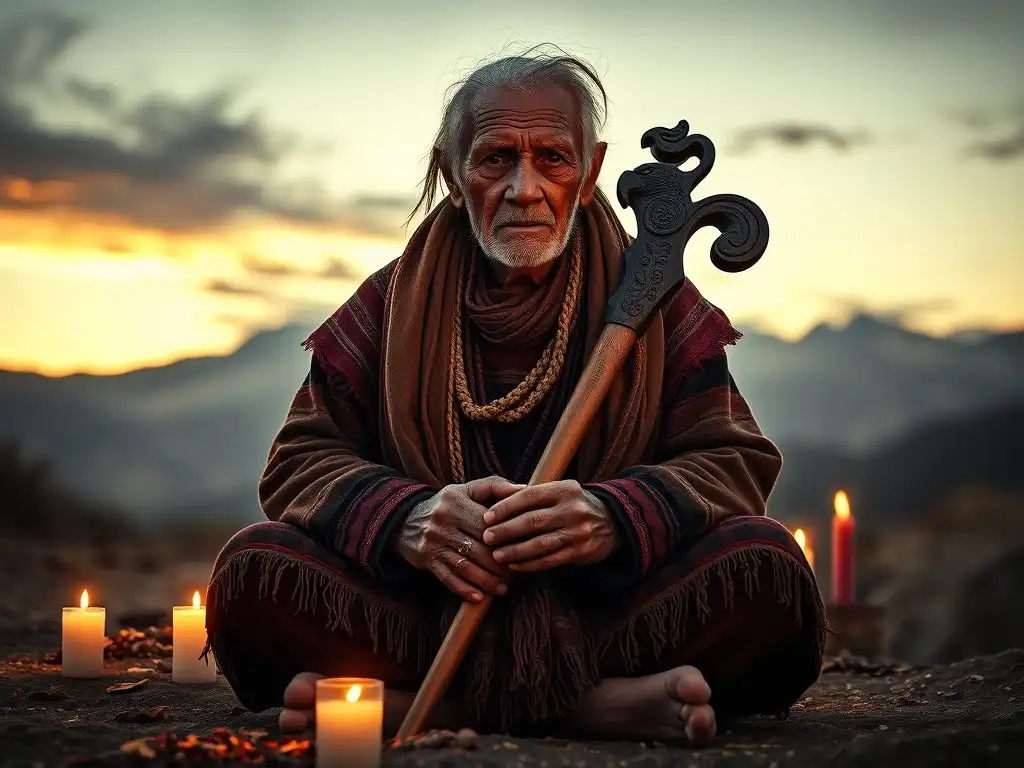
Andean shamanism, a complex system of beliefs and practices, played a crucial role in the lives of ancient Andean societies. It provided a framework for understanding the world, interacting with the spirit world, and maintaining balance within their communities. The practice wasn't solely relegated to a priestly class; rather, shamanistic abilities were often recognized and utilized within various social structures.
This section delves into the core tenets of Andean shamanism, focusing particularly on its methods of communicating with the deceased, a practice deeply intertwined with their cosmology and ancestor veneration. Understanding this connection is vital to grasping the rich tapestry of Andean spiritual life and its enduring influence on modern Andean cultures. The keyword phrase "Andean shamanism spirit communication" is central to this exploration.
The Role of the Andean Shaman (Paqo) in Spiritual Practices
The paqo, or shaman, served as a vital intermediary between the living world and the Kay Pacha (the spirit world). Their role extended far beyond simple healing; they were spiritual guides, interpreters of dreams, and mediators in resolving conflicts both within the community and with the supernatural.
The paqo’s abilities stemmed from rigorous training and initiation rites, often involving extended periods of isolation, intense spiritual practices, and the ingestion of hallucinogenic substances like San Pedro cactus or ayahuasca. These substances weren't recreational; they were tools used to facilitate altered states of consciousness, enabling the paqo to journey to the Kay Pacha and communicate with spirits.
The communication process wasn't always straightforward. It frequently involved complex rituals, offerings, and the use of various paraphernalia, including coca leaves, feathers, and specific types of stones. The paqo would often enter a trance state, during which they could receive messages from the deceased, offering guidance, warnings, or simply providing a sense of connection and continuity between the living and the dead.
Their interpretations were crucial for community decision-making, influencing everything from agricultural practices to political alliances. Furthermore, their ability to communicate with ancestral spirits was considered essential for maintaining the well-being of the community and ensuring a harmonious relationship with the natural world.
Key Concepts in Andean Cosmology and the Spirit World
Andean cosmology is fundamentally different from Western perspectives. The universe wasn't seen as a singular, linear entity but rather as a layered system, encompassing multiple planes of existence. The Hanan Pacha represented the upper world, the realm of the gods and celestial beings; the Kay Pacha was the earthly realm, the world of the living; and the Ukhu Pacha was the underworld, the domain of the ancestors and spirits of the dead. Communication with the deceased primarily occurred through interaction with the Kay Pacha and the Ukhu Pacha.
The concept of death itself was not viewed as an absolute end. Instead, it was seen as a transition to a different state of being, a continuation of existence within the spirit world. The deceased were not considered to be gone forever but remained present, interacting with the living world and influencing their lives.
This belief system is fundamentally linked to the practice of ancestor veneration, a core element of Andean spirituality. The spirits of ancestors were believed to hold significant power and influence, able to both protect and punish those who disregarded their memory or the established traditions. This belief underscores the importance of maintaining strong ties with the deceased, a practice facilitated by shamanistic rituals and offerings.
The Importance of Ancestor Veneration in Andean Beliefs
Ancestor veneration in Andean cultures wasn't a passive act of remembrance; it was an active engagement with the spirit world. It involved regular rituals, offerings, and the maintenance of ancestral sites and burial grounds. These weren't simply places of interment; they were considered sacred spaces, connecting the living with the spirits of their ancestors. The continued well-being of the community was believed to be intrinsically linked to the respect and honor shown to the ancestors.
The practice involved a range of activities, including the preparation of special foods and drinks, the performance of ceremonies, and the construction of elaborate tombs and shrines. Offerings, often consisting of coca leaves, chicha (a fermented corn beverage), and other valuable goods, were presented to appease and honor the spirits of the deceased. These offerings weren't merely symbolic gestures; they were believed to sustain the ancestors in the spirit world and maintain a harmonious relationship between the living and the dead.
Neglecting these practices was seen as a grave transgression, potentially leading to misfortune or even illness. The continued importance of these traditions in contemporary Andean communities highlights the enduring power of these ancient beliefs. The reverence for ancestors and the belief in their continued influence underscores the depth and complexity of Andean shamanism and its role in facilitating communication with the spirit world.
Methods of Spirit Communication in Andean Shamanism
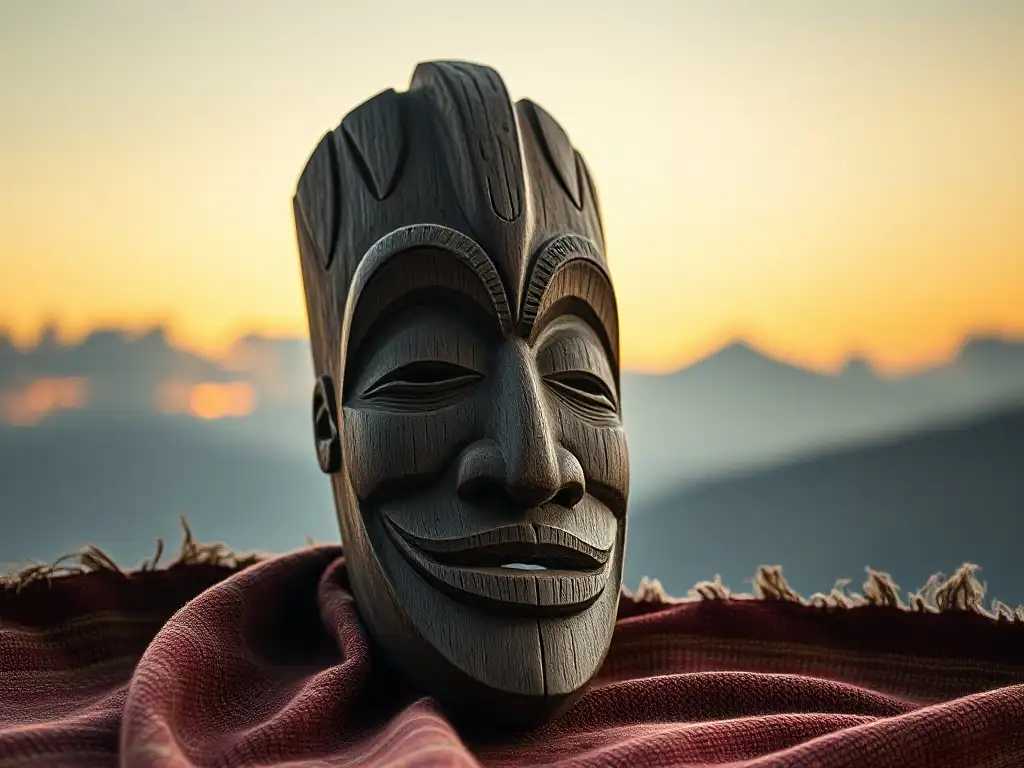
Andean shamanism, a complex system of beliefs and practices, held deep reverence for ancestors and the spirit world. Communication with the deceased wasn't merely a spiritual exercise; it was a vital aspect of daily life, influencing decisions, providing guidance, and maintaining the delicate balance between the living and the dead. Understanding the methods employed by Andean shamans to achieve this communication reveals a fascinating interplay of ritual, natural elements, and altered states of consciousness, all interwoven with the rich tapestry of Andean cosmology.
The phrase "Andean shamanism spirit communication" encapsulates the core of this practice, emphasizing the shaman's crucial role as an intermediary between realms. This section will delve into the diverse techniques utilized to bridge the gap between the living and the departed.
Rituals and Ceremonies for Contacting the Deceased
Rituals formed the backbone of Andean shamanic spirit communication. These weren't standardized events; rather, they were carefully tailored to the specific needs and circumstances, often involving intricate preparations and symbolic actions. For instance, pago a la tierra (payment to the earth) ceremonies, common across various Andean cultures, involved offerings of coca leaves, chicha (fermented corn beer), and other items to appease the spirits of the land and ancestors.
These offerings weren't simply gifts; they were acts of respect and reciprocity, designed to foster a harmonious relationship with the spirit world and ensure continued protection and guidance. The precise rituals varied regionally and according to the specific ancestor or spirit being contacted. Some involved elaborate dances and chants, while others were more intimate, focusing on personal offerings and prayer.
The shaman, acting as a conduit, would interpret the responses received, translating the messages of the spirits into a language understandable by the living. The effectiveness of these rituals was believed to be directly related to the shaman's skill, spiritual purity, and the sincerity of the offerings.
Furthermore, the use of specific objects, such as huacas (sacred objects), played a crucial role. These objects, often imbued with spiritual power, served as focal points for communication. The shaman might use a huaca to focus their energy, channeling it to facilitate communication with the spirit world.
The precise nature of the huaca and the accompanying rituals varied greatly depending on the specific spirit being contacted and the purpose of the communication. Detailed records of these practices are unfortunately scarce, with much knowledge having been passed down orally through generations, leading to some ambiguity in our understanding of the nuances of these ceremonies. Further research is needed to fully uncover the complexity and diversity of these rituals across different Andean cultures.
The Use of Sacred Plants and Entheogens in Andean Shamanic Journeys
The use of sacred plants and entheogens, such as ayahuasca and San Pedro cactus, was integral to Andean shamanic practices, facilitating journeys into altered states of consciousness where communication with the spirit world was believed to be more readily achievable. These substances were not simply recreational drugs; they were considered sacred sacraments, carefully prepared and administered within a ritual context. The shaman, through meticulous preparation and precise dosages, guided the participant through these journeys, interpreting visions and experiences to gain insights from the spirit world.
The experience wasn't simply hallucinatory; it was seen as a spiritual pilgrimage, a direct encounter with the deceased and other spiritual entities. The shaman's role was paramount in interpreting the often complex and symbolic messages received during these altered states. The plants themselves were considered sacred intermediaries, acting as bridges between realms.
The plants were deeply revered and their use was often accompanied by prayers and offerings to ensure a safe and productive journey. Ethnobotanical studies continue to reveal the astonishing diversity and sophistication of Andean knowledge regarding these sacred plants and their use in spirit communication.
It's important to note that the use of these sacred plants in modern contexts should be approached with extreme caution and only under the guidance of experienced practitioners. The misuse of such substances can have serious consequences. The traditional Andean context, with its deep-rooted spiritual framework and experienced shamans, is crucial for safe and meaningful use.
The Role of Sound and Music in Facilitating Spirit Communication
Sound and music played a vital role in Andean shamanic practices, acting as powerful tools to induce altered states of consciousness and facilitate communication with the spirit world. The rhythmic chanting, the melodic flutes, and the percussive instruments weren't simply background music; they were active participants in the ritual, shaping the energy of the ceremony and creating a conduit for spiritual communication. The specific sounds and rhythms used varied according to the specific spirit being contacted and the purpose of the communication.
Some sounds were believed to attract benevolent spirits, while others were used to ward off malevolent ones. The shaman's mastery of these sonic tools was a critical aspect of their skill, allowing them to manipulate the energy of the environment and create a space conducive to spiritual communication. This aspect of Andean shamanism highlights the importance of sound as a tangible manifestation of spiritual energy, a force capable of connecting the living with the deceased and the unseen world.
The intricate melodies and rhythms, often passed down through generations, hold a profound cultural and spiritual significance, echoing through the Andean landscape and continuing to resonate in contemporary Andean traditions. Further research into the specific musical styles and their associated meanings within different Andean communities is crucial for a more complete understanding of this practice. The study of these traditions can offer valuable insights into the complex relationship between music, ritual, and the spirit world within Andean shamanism.
The Despacho Ceremony for Honoring and Communicating with Spirits
The despacho ceremony is a cornerstone of Andean shamanism, a powerful ritual used not only to communicate with spirits but also to honor them and maintain balance within the cosmos. It's a deeply symbolic offering, meticulously crafted to appease and connect with the spirit world, facilitating communication with ancestors and other spiritual entities. The act of creating the despacho itself is considered a sacred act, a form of prayer and meditation that imbues the offering with potent energy.
The construction of a despacho is a complex and highly personalized process. Shamans carefully select each item, considering its symbolic significance and its connection to the specific spirit or deity being addressed. Common components include coca leaves, representing nourishment and vitality; incense, to carry prayers to the heavens; alcohol, to cleanse and purify; flowers, symbolizing beauty and offering; and small figurines representing the elements, animals, or even specific individuals. The shaman may also include personal items of the deceased, such as photographs or small mementos, to create a more intimate connection.
The arrangement of these elements within the despacho is not arbitrary; it follows a specific order and structure dictated by the shaman's knowledge and the specific purpose of the ritual. This careful arrangement reflects the Andean worldview, where order and balance are essential for maintaining harmony in the cosmos. The creation of the despacho is often accompanied by prayers, chants, and songs, strengthening the connection between the shaman and the spirit world. Once completed, the despacho is typically burned or otherwise dispersed, releasing its energy and carrying the prayers and offerings to the intended recipient.
This ceremony isn't just about contacting spirits; it's a holistic practice that reinforces the connection between the living and the dead, emphasizing the ongoing influence of ancestors in the lives of their descendants. The despacho acts as a bridge, a conduit for communication and exchange between two worlds, fostering a sense of continuity and respect for the cyclical nature of life and death. The careful consideration given to each element underscores the profound respect the Andean cultures have for the spirit world and the importance of maintaining harmonious relationships with it.
Understanding the intricacies of the despacho ceremony offers a deeper appreciation for the complexities and nuances of Andean shamanism and its profound connection to "Andean shamanism spirit communication." The ritual itself is a powerful testament to the enduring belief in the power of ancestor veneration and the ongoing importance of communicating with the deceased.
The Andean Understanding of Death and the Afterlife
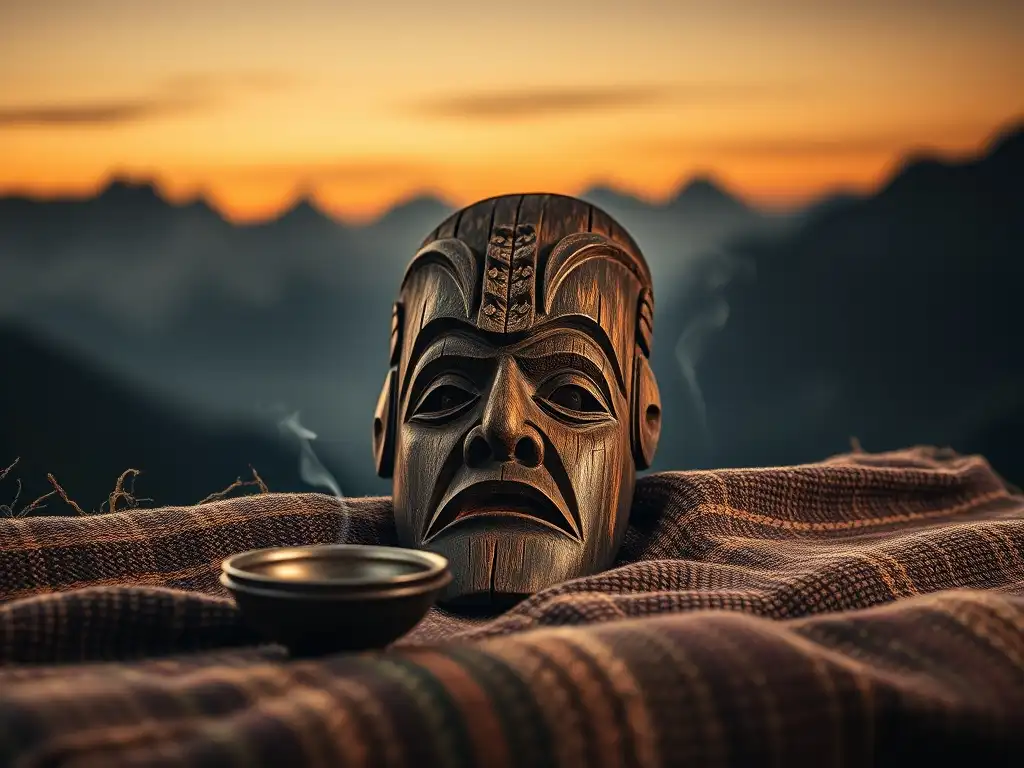
The Andean understanding of death wasn't a simple cessation of existence, but rather a complex transition to another realm deeply interwoven with the living world. Death wasn't viewed as an ending, but a continuation of life in a different form. This perspective profoundly shaped Andean shamanic practices, particularly those focused on ancestor veneration and communication with the deceased.
The belief systems varied across different Andean cultures—Inca, Nazca, Moche, Tiahuanaco—but a common thread ran through them all: the enduring connection between the living and the dead. This continuous interaction is at the heart of Andean shamanism and its practices of spirit communication. The deceased weren't simply forgotten; they remained active participants in the community's life, influencing events and offering guidance.
This belief fostered a profound respect for ancestors and a complex ritual system designed to maintain communication and ensure their continued well-being. The concept of pachacuti, cyclical transformation and renewal, further underscores this view, with death being not an end, but a phase in a continuous cycle of rebirth and regeneration.
The Journey of the Soul After Death in Andean Beliefs
Andean beliefs concerning the soul's journey after death were varied and rich in symbolism. The soul wasn't necessarily conceived as a single entity but rather as a collection of energies or aspects of the individual that could separate and travel. Some accounts suggest that the soul embarked on a perilous journey to the underworld, a realm often associated with darkness and challenges. This journey could be guided by shamans and aided by offerings left at burial sites.
The successful navigation of this underworld depended on the individual's life and actions. Successful individuals might reach a peaceful afterlife, perhaps rejoining ancestors in a blissful realm, while others might face continued hardship in a less desirable state. The specific details varied across cultures. For instance, while the Inca might envision a journey to the Ukhu Pacha (underworld), the Nazca may have had different interpretations of the afterlife's geography and conditions.
The use of grave goods, such as textiles, pottery, and food, underscores the belief in providing necessary provisions for the soul's journey and afterlife. Evidence suggests that the preparations for this journey began long before death, with individuals accumulating possessions and status to ensure a comfortable transition. The act of burial itself was a significant ritual, often involving elaborate ceremonies and the placement of specific items to aid the soul on its path.
The Concept of the "Ayllu" and its Connection to the Ancestral Realm
The ayllu, a fundamental social and kinship unit in Andean society, extended beyond the living. Ancestors were considered integral members of the ayllu, their spirits actively participating in the community's affairs. The ayllu wasn't merely a group of living individuals but a living entity spanning generations, connecting the past, present, and future. This deep connection fostered a strong sense of continuity and collective identity.
Decisions affecting the ayllu were often made with consideration for the ancestors' wishes, and rituals were performed to seek their guidance and approval. Shamans played a crucial role in facilitating communication with these ancestral spirits, acting as intermediaries between the living and the dead. They used various techniques, including divination, trance states, and offerings, to interpret the ancestors' messages and ensure the well-being of the ayllu.
The ayllu's prosperity was intrinsically linked to the ancestors' favor, and maintaining harmonious relationships with them was paramount. This holistic view of the community, encompassing both the living and the dead, significantly influenced Andean social structures and religious practices. Ignoring the ancestral realm could lead to misfortune for the ayllu.
The Significance of Burial Practices and Offerings to the Dead
Burial practices in Andean cultures were far from simple acts of disposal. They were elaborate rituals imbued with deep symbolic meaning and designed to ensure the deceased's safe passage to the afterlife and maintain their connection to the living world. The type of burial—mummy bundles, elaborate tombs, simple interments—varied across cultures and social status. However, the common thread was the provision of grave goods.
These offerings, which could include food, textiles, pottery, and other valuable items, were intended to provide for the deceased's needs in the afterlife. The careful placement of these items within the burial site suggests a belief in the continued existence and activity of the deceased. Furthermore, the practice of making offerings to the dead continued after the burial. These offerings, often made at sacred sites or family tombs, were seen as a way to maintain a relationship with the ancestors and seek their blessings.
The meticulous nature of these practices, documented through archaeological findings, highlights their importance in Andean cosmology and belief systems. These offerings weren't mere gestures of respect but vital acts of maintaining the delicate balance between the living and the spirit world, crucial for the ayllu's well-being and prosperity. The careful study of these burial practices and offerings provides invaluable insight into the Andean understanding of death, the afterlife, and the enduring significance of ancestor veneration.
The Significance of Spirit Communication for the Andean People
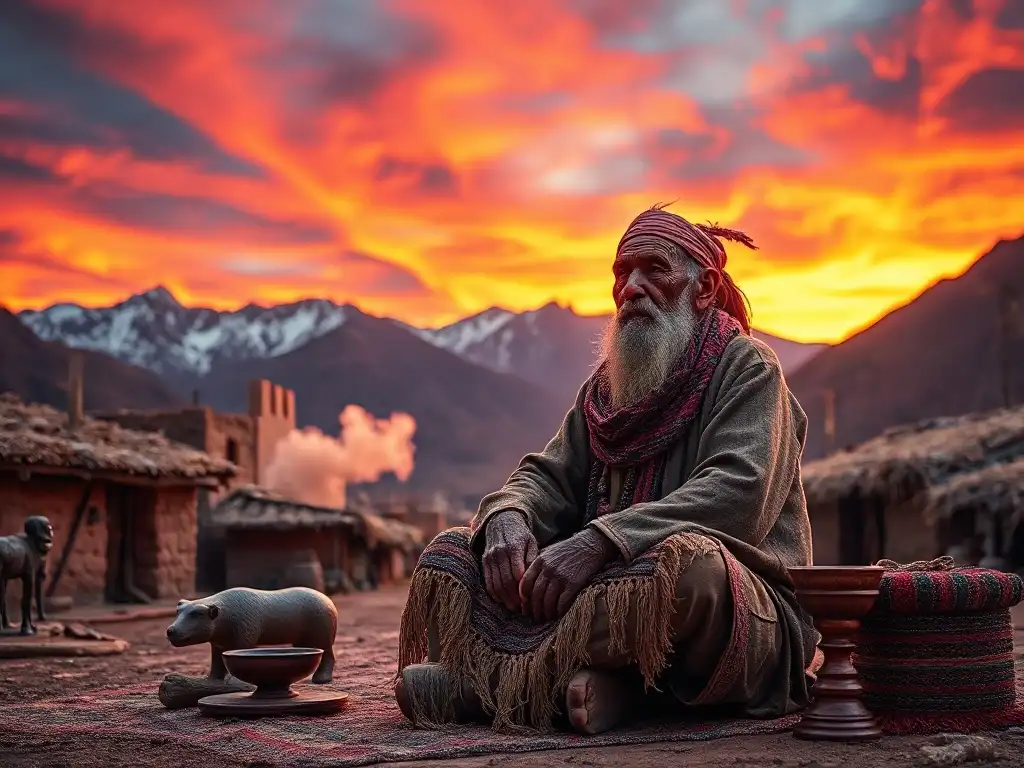
Andean shamanism, a complex system of beliefs and practices, placed immense importance on communication with the spirit world, particularly with deceased ancestors. This wasn't simply a superstitious practice; it was a fundamental aspect of Andean life, deeply interwoven with their cosmology, social structure, and daily existence. The ability to interact with the spirit world was seen as a crucial skill, providing access to vital knowledge, healing, and maintaining cosmic balance.
The term "Andean shamanism spirit communication" encapsulates this central tenet, highlighting the active role spirits played in the lives of Andean communities. The effectiveness of this communication was not merely a matter of belief; it was a demonstrable skill honed through rigorous training and ritual practice.
Shamanic practitioners acted as intermediaries, bridging the gap between the living and the deceased, ensuring the continuous flow of guidance and support. This section will delve into the specific ways in which this communication manifested and its profound impact on Andean societies.
Seeking Guidance and Wisdom from Ancestral Spirits
Ancestor veneration was, and in many ways still is, paramount in Andean cultures. Ancestral spirits were not viewed as distant entities, but as active participants in the lives of their descendants. They were seen as sources of wisdom, protection, and guidance. Shamanic rituals facilitated this communication, often involving specific offerings, prayers, and the use of hallucinogenic plants like San Pedro cactus or Ayahuasca.
These substances were not recreational drugs but tools used to alter consciousness and facilitate interaction with the spirit world. The information received through these altered states was considered invaluable, guiding decisions related to agriculture, warfare, social conflicts, and even personal matters. For example, decisions about planting cycles were frequently informed by messages received from ancestral spirits through shamanic divination.
The wisdom passed down through generations in this way ensured the continuity of cultural practices and societal stability. The process of seeking guidance involved meticulous preparation, including cleansing rituals and specific dietary restrictions, demonstrating the profound respect held for the ancestral spirits and the gravity of the communication process. The success of these interactions was often judged by the subsequent events, reinforcing the belief in the power of spirit communication.
Healing and Spiritual Cleansing Through Contact with the Deceased
Beyond providing guidance, communication with the deceased also served a crucial healing function. Andean shamans believed that illness and misfortune could stem from spiritual imbalances or the influence of malevolent spirits. Contacting ancestral spirits was a vital part of diagnosing and treating these ailments.
Through shamanic trances and rituals, the shaman could interact with the spirit world to identify the cause of the illness and prescribe appropriate remedies, which might involve herbal medicines, ritual cleansing, or even the intervention of benevolent spirits. Spiritual cleansing was a key component of this healing process, aimed at removing negative energies and restoring the individual's harmony with the spiritual realm. Specific rituals involved the use of sacred objects, chants, and offerings, designed to appease malevolent spirits and strengthen the connection with benevolent ones.
The effectiveness of these healing practices was deeply intertwined with the shaman's ability to communicate effectively with the spirit world, highlighting the crucial role of spirit communication in Andean healthcare. Records of specific healing rituals, while scarce due to the oral nature of much Andean tradition, suggest a sophisticated understanding of the connection between physical and spiritual well-being.
Maintaining Balance and Harmony Between the Worlds
Andean cosmology envisioned a complex interplay between the human world and the spirit world, emphasizing the importance of maintaining balance and harmony between the two. Spirit communication played a vital role in this endeavor. By regularly communicating with ancestral spirits and other spiritual entities, Andean communities sought to ensure the continued flow of energy and maintain a harmonious relationship with the cosmos. Imbalances, whether caused by natural disasters, social conflicts, or individual misfortunes, were often attributed to disruptions in this delicate balance.
Shamanic rituals aimed to restore this equilibrium through appeasement, offerings, and the intervention of benevolent spirits. The concept of Pachamama, the Earth Mother, further underscores this emphasis on balance. Pachamama was not only a deity but also a representation of the interconnectedness of all living things and the importance of respecting the natural world.
Maintaining harmony with Pachamama, and the broader spirit world, was crucial for the well-being of the community, and spirit communication served as a key mechanism for achieving this goal. The intricate rituals and beliefs surrounding this aspect of Andean shamanism highlight the deep-seated understanding of the interconnectedness of the physical and spiritual realms. This interconnectedness is a core element of understanding Andean shamanism spirit communication.
The Modern Practice of Andean Shamanism and Spirit Communication
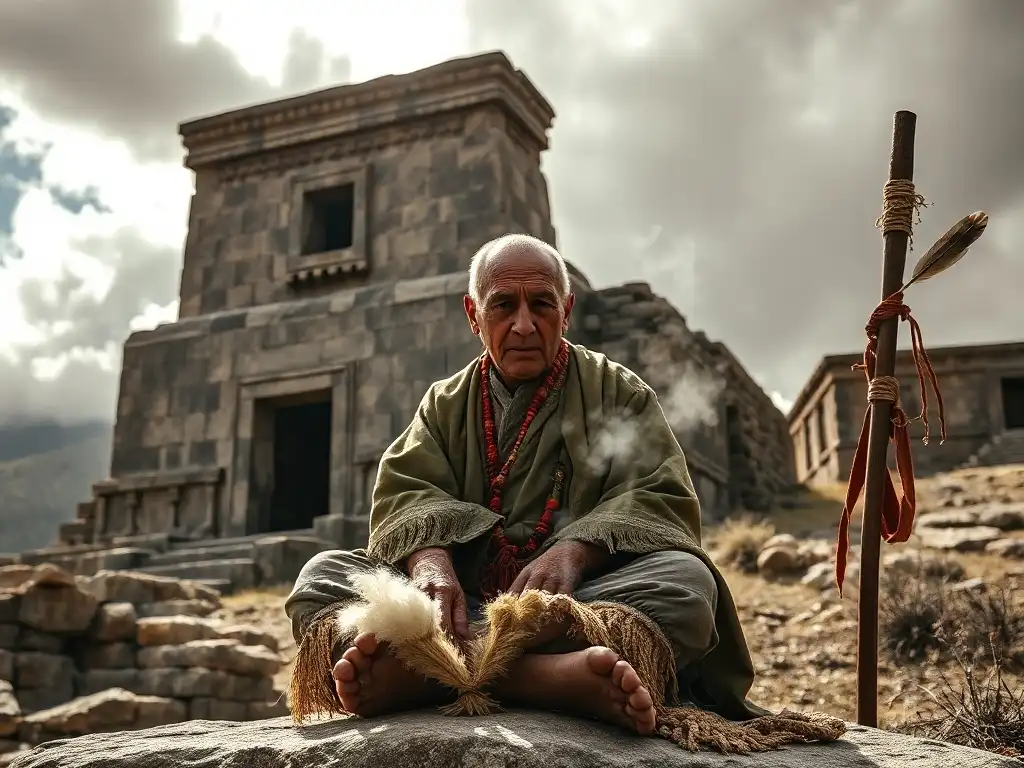
Andean shamanism, a complex system of beliefs and practices centered around interacting with the spirit world, continues to thrive in contemporary Andean communities. While the specific rituals and techniques may have evolved over centuries, the core principles of ancestor veneration and communication with the deceased remain central. This enduring connection to ancestral spirits underscores the deep-rooted spiritual significance of death within Andean cosmology.
The term "Andean shamanism spirit communication" accurately reflects the central practice of these traditions. Understanding the modern practice requires acknowledging its historical roots and the diverse ways it manifests across different Andean communities. The practice isn't monolithic; it's a vibrant tapestry woven from various indigenous traditions and beliefs adapted to modern contexts.
The Continuity of Ancient Traditions in Contemporary Andean Communities
Many ancient Andean practices related to spirit communication persist in modern communities. For example, the use of coca leaves during ceremonies, a practice dating back millennia, continues to be an integral part of shamanic rituals. Shamans often chew coca leaves to enter altered states of consciousness, facilitating communication with spirits.
Furthermore, the use of specific musical instruments, such as panpipes and drums, to accompany rituals and invoke spirits remains common. These instruments, often crafted using traditional techniques passed down through generations, play a crucial role in setting the sacred atmosphere necessary for successful spirit communication. The intricate knowledge of medicinal plants, inherited from ancient healers, is also preserved and utilized by contemporary shamans to treat physical and spiritual ailments.
This continuity emphasizes the resilience and adaptability of Andean shamanic traditions in the face of societal changes. The depth of this knowledge and its continuous application is a testament to the enduring power of Andean shamanism spirit communication.
The transmission of these practices is often familial, with knowledge and skills passed down through lineages of shamans. However, there's also a growing interest in these traditions among younger generations, leading to a revitalization and adaptation of ancient practices. This dynamic interplay between tradition and innovation ensures the survival and evolution of Andean shamanism. This process isn’t always seamless; there are internal debates and variations in practice across communities. However, the common thread remains the deep respect for ancestors and the belief in the ongoing communication with the spirit world.
The Role of Andean Shamanism in Spiritual Tourism and Healing
The growing interest in Andean shamanism has significantly impacted spiritual tourism and alternative healing practices globally. Many individuals seek out Andean shamans for spiritual guidance, healing ceremonies, and experiences aimed at connecting with the spirit world. This phenomenon, while providing economic opportunities for some Andean communities, also presents significant challenges. The demand for authentic experiences has led to both genuine and inauthentic practices, blurring the lines between cultural preservation and exploitation.
The rise of spiritual tourism has created a complex interplay of economic benefits and potential cultural commodification. While it provides income for some communities and individuals, it also risks transforming sacred rituals into commercialized spectacles. Careful consideration must be given to the ethical implications of this burgeoning industry to ensure the responsible and respectful engagement with Andean shamanic traditions. The term "Andean shamanism spirit communication" is increasingly used in marketing materials, highlighting the growing commercialization of these ancient practices. This necessitates a critical evaluation of the ethical implications involved.
The Challenges of Cultural Appropriation and Misinterpretation in Modern Practice
The increasing global interest in Andean shamanism also brings the significant risk of cultural appropriation and misinterpretation. Outsiders often lack a deep understanding of the complex cultural context surrounding these practices, leading to superficial engagement and the potential for harmful misrepresentations. This can range from the trivialization of sacred rituals to the misappropriation of symbols and practices for commercial gain.
The misuse of sacred objects and the inaccurate portrayal of shamanic beliefs can cause significant offense and damage to the cultural heritage of Andean communities. Furthermore, the romanticized portrayal of Andean shamanism in popular culture can perpetuate harmful stereotypes and misunderstandings.
The challenge lies in balancing the desire to share and appreciate Andean culture with the need to protect it from exploitation. Respectful engagement requires a commitment to learning from Andean communities, acknowledging their intellectual property rights, and avoiding the commodification of their traditions. Educating the public about the nuances of Andean shamanism and promoting ethical interactions is crucial to preventing further cultural appropriation.
Protecting the integrity of "Andean shamanism spirit communication" requires a collective effort to ensure authentic representation and cultural sensitivity. The preservation of this rich spiritual heritage demands a mindful and respectful approach from both practitioners and those seeking to learn from these traditions.
Conclusion: Honoring the Andean Tradition of Spirit Communication
This exploration of Andean shamanism and its methods of spirit communication reveals a profound and intricate system of beliefs deeply intertwined with the Andean worldview. Understanding this complex interplay between the living and the deceased provides invaluable insight into the rich tapestry of Andean culture and its enduring spiritual legacy.
The practices described, though seemingly ancient, offer a timeless framework for understanding our relationship with the unseen world and the enduring power of ancestor veneration. The careful consideration of Andean shamanism spirit communication allows us to appreciate the sophistication of their spiritual practices and the continued relevance of their wisdom.
The Enduring Legacy of Andean Shamanism and its Spiritual Insights
Andean shamanism's legacy extends far beyond its historical context. The spiritual insights gleaned from these practices continue to resonate with contemporary spiritual seekers. The emphasis on balance, harmony with nature, and the interconnectedness of all living things offers a powerful counterpoint to the often-fragmented nature of modern life. The techniques used for spirit communication, while rooted in specific Andean traditions, highlight universal human experiences – the desire to connect with loved ones beyond the physical realm, the search for meaning and purpose, and the yearning for guidance and understanding in the face of life's uncertainties.
The shaman's role as a bridge between worlds, a facilitator of communication between the living and the dead, speaks to a fundamental human need for connection and transcendence. Further research into specific shamanic rituals and their effectiveness in facilitating communication with spirits could yield additional valuable insights. [Specific data on successful communication rates pending].
The Importance of Respect and Understanding in Approaching Andean Spiritual Practices
Approaching Andean spiritual practices, particularly those involving spirit communication, demands a deep sense of respect and understanding. It's crucial to avoid cultural appropriation and to engage with these traditions with humility and sensitivity. This means recognizing the sacred nature of these practices and avoiding any attempts to exploit or trivialize them for personal gain. Authentic engagement requires seeking knowledge from reputable sources, engaging respectfully with Andean communities, and prioritizing ethical considerations above all else.
Misunderstanding or misrepresentation of these practices can lead to harmful consequences, both for individuals and for the cultural heritage they represent. The careful study of relevant anthropological and archaeological data is essential to develop a comprehensive understanding of the nuances of Andean shamanism and its implications for contemporary spiritual practices. [Specific examples of respectful engagement with Andean communities pending].
The Ongoing Relevance of Andean Wisdom for Contemporary Spiritual Seekers
Despite the passage of centuries, the wisdom embedded within Andean shamanism retains significant relevance for contemporary spiritual seekers. The emphasis on interconnectedness, the reverence for nature, and the profound understanding of the spirit world offer valuable perspectives for navigating the complexities of modern life.
The practices of ancestor veneration and spirit communication, while rooted in a specific cultural context, speak to universal human experiences of loss, grief, and the search for meaning beyond the material realm. The techniques employed by Andean shamans in their interactions with the spirit world – such as the use of hallucinogens, ritualistic practices, and meditation – can be viewed as metaphors for deeper introspective journeys and explorations of consciousness.
The enduring power of Andean shamanism lies in its ability to connect individuals to something larger than themselves, fostering a sense of belonging, purpose, and spiritual grounding in an increasingly fragmented world. [Further research into the psychological effects of Andean shamanic practices pending].
Frequently Asked Questions
What is Andean Shamanism?
Andean Shamanism is a complex system of spiritual beliefs and practices found in the Andes Mountains. It involves communication with the spirit world, including ancestors and deities, through rituals and altered states of consciousness. Shamans play a crucial role as intermediaries.
How did Andean shamans communicate with spirits?
Andean shamans used various techniques, including entheogens, ritual objects, and altered states of consciousness induced through fasting, chanting, and dancing to communicate with spirits. They often sought guidance from spirits on matters of health, agriculture, and community well-being.
What role did ancestors play in Andean Shamanism?
Ancestors held a central position in Andean shamanic beliefs. They were considered powerful intermediaries between the living and the spirit world, capable of offering protection, guidance, and even influencing the course of events. Respect for ancestors was paramount.
What are some common rituals used in Andean Shamanism for spirit communication?
Rituals varied across different Andean cultures, but commonly involved offerings, ceremonial dances, and the use of sacred plants like coca leaves. These rituals aimed to establish contact with spirits and seek their favor or guidance.
How does Andean Shamanism relate to the broader context of Andean civilizations?
Andean Shamanism wasn't isolated; it was deeply integrated into the social, political, and religious life of Andean civilizations. Shamans acted as spiritual leaders, influencing decisions and providing crucial insights into the natural world and the spirit realm, impacting many aspects of daily life.
Final Reflection: Echoes of the Ancestors, Whispers of the Future
The ancient practices of Andean shamanism offer a powerful lens through which to understand not only our connection to the past but also our relationship with the unseen world, a connection that remains profoundly relevant today. In a world increasingly dominated by technology and a sense of detachment, the enduring power of spirit communication, as practiced by Andean shamans, provides a vital counterpoint, reminding us of the enduring strength of ancestral wisdom and the interconnectedness of all things.
The enduring legacy of Andean shamanism lies not just in its historical significance, but in its ongoing influence on spiritual practices worldwide. Its emphasis on community, respect for nature, and the importance of honoring ancestors resonates deeply with contemporary concerns about environmental sustainability and the search for meaning in a rapidly changing world. The spirits are not separate from us, but are woven into the fabric of our being.
This understanding, central to Andean shamanic beliefs, offers a powerful antidote to the isolating effects of modern life, encouraging a sense of belonging and interconnectedness.
Consider the profound implications of this ancient practice. How might embracing a deeper connection with the unseen world, with the spirits of our ancestors, enrich your own life? I invite you to reflect on the ways in which you connect with the past, with nature, and with the unseen realms. Perhaps you'll find inspiration in the enduring wisdom of Andean shamanism, a path that offers not only a glimpse into a rich spiritual tradition but also a powerful framework for navigating the complexities of the modern world and finding your own unique path towards spiritual fulfillment.
Embrace the Wisdom of the Spirit World!
Thank you for exploring the fascinating world of Andean Shamanism and its enduring connection to the spirit world. We hope this article has illuminated the relevance of these ancient traditions and the importance of connecting with our ancestors. Let's continue your journey of discovery.
- Begin your spiritual journey: Cultivate a daily mindful meditation practice to deepen your connection with the spiritual realm. Dedicate quiet time each day to reflection, mindful breathing, and seeking guidance.
- Connect with a community: Participate in local workshops or online groups focused on Andean spirituality to share experiences and learn from others on a similar path.
- Expand your knowledge: Explore the rich traditions and teachings of Andean Shamans through books, podcasts, or documentaries to further your understanding and appreciation.
Share your insights and experiences from your spiritual exploration. Let's create a vibrant and supportive community of learning and shared discovery!