
The Significance of Skulls in Andean Art: Symbolism and Ancestral Connections

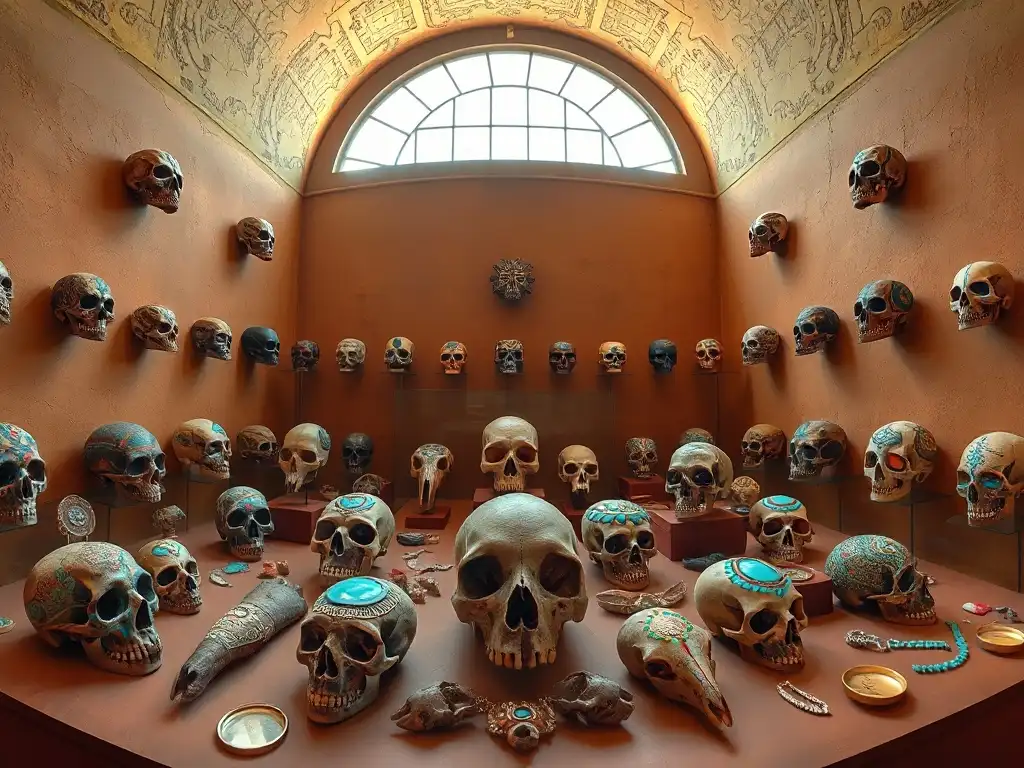
Step into a world lost to time, yet echoing with vibrant life. Discover the enigmatic legacy of the Andean civilizations, where mountains touched the heavens and artistry held profound spiritual meaning. Prepare to be captivated by the intricate Andean skull art symbolism, a window into the complex cosmology and worldview of these fascinating cultures. Unravel the mysteries behind this compelling imagery and delve into the rich tapestry of Andean history – your journey begins now.
The Andean region, home to a tapestry of vibrant and complex civilizations, offers a fascinating glimpse into ancient beliefs surrounding death and the afterlife. This article delves into the prominent role skulls played in Andean art, exploring their multifaceted symbolism and the profound connection they represented with ancestors. From the intricate carvings of the Moche to the subtly rendered depictions in Inca textiles, skulls were far more than mere representations of mortality; they served as powerful symbols of ancestral power, continuity, and the cyclical nature of life and death.
Understanding this symbolism provides crucial insight into the Andean worldview and the deep reverence for their lineage. We will examine specific examples across various Andean cultures, revealing the rich tapestry of meaning woven into these seemingly macabre artifacts.
This exploration will illuminate the profound significance of skulls in shaping Andean art and cosmology, offering a deeper appreciation for the complex beliefs and practices of these remarkable cultures. We'll unpack the nuances of their representation, considering variations in style, materials, and context to fully grasp their intended meaning.
Skulls as Symbols of Ancestral Power in Moche Art
The Moche civilization (c. 100-800 CE), known for its sophisticated metalworking and pottery, frequently depicted skulls in their art. These weren't simply realistic portrayals; Moche artists often imbued skulls with symbolic attributes, highlighting features that emphasized power and authority. For example, many Moche skull depictions show elaborate headdresses, suggesting a connection between deceased ancestors and elite status. The detailed craftsmanship and the prominent placement of skulls in their artwork indicate a conscious effort to venerate and connect with their ancestors.
Furthermore, the use of specific materials, like gold or finely-painted ceramics, further elevated the skull's symbolic significance, reinforcing its status as a powerful representation of ancestral lineage and strength. The positioning of skulls within larger narrative scenes, often alongside other symbols of power and ritual, strengthens this interpretation. [Specific examples of Moche skull depictions and their contextual placement pending].
Nazca Skulls and the Underworld
The Nazca culture (c. 100 BCE – 800 CE), famous for their enigmatic geoglyphs, also integrated skulls into their artistic expressions, albeit with a different emphasis. While Moche art often emphasized the power associated with ancestors, Nazca representations frequently linked skulls with the underworld and the cyclical nature of life and death. This is evident in the recurring motif of skulls appearing alongside other imagery related to fertility, rebirth, and the harvest.
The use of specific colors and patterns in their textiles and ceramics might further encode specific meanings related to the underworld and ancestral spirits. [Detailed analysis of color symbolism and patterns in Nazca skull depictions pending]. The integration of skull imagery into their funerary practices also supports this interpretation, suggesting a direct link between the physical remains and the spiritual realm.
Inca Skull Trophies and the Concept of Capacocha
Unlike the Moche and Nazca, the Inca (c. 1438-1533 CE) used skulls in a more complex and potentially multifaceted way. While some evidence suggests the use of skulls in ritual contexts, such as those related to capacocha (child sacrifice), others point to the use of skulls as trophies of war. These "trophy skulls" likely held symbolic value, representing conquered enemies and reinforcing Inca dominance. However, the interpretation of these skulls is complex and requires further investigation.
The treatment and display of these skulls could have varied depending on their context and the specific circumstances of acquisition. [Further research needed to clarify the diverse uses of skulls within Inca society, distinguishing between ritual and trophy contexts]. The potential intertwining of these different interpretations complicates a simplistic understanding of Inca skull symbolism.
Tiahuanaco Skulls and the Andean Cosmovision
The Tiahuanaco culture (c. 1500 BCE – 1100 CE) displayed a complex relationship with death and ancestor veneration, reflected in their artistic representations of skulls. Their artistic style, characterized by its monumental architecture and stylized figures, often features skulls integrated into larger narratives depicting cosmological themes. The integration of skulls within these larger narratives suggests their importance within the broader Andean cosmovision, possibly representing the connection between the earthly and spiritual realms.
[Further research is needed to fully understand the cosmological significance of skulls within Tiahuanaco art and beliefs]. The limited surviving artifacts necessitate further study to fully understand their meaning and contextual significance.
This exploration offers a preliminary overview of the significance of skulls in Andean art. Further research and analysis are crucial to deepen our understanding of the nuances and regional variations in their symbolism. The rich tapestry of meanings associated with skulls reflects the sophisticated beliefs and practices of these ancient Andean civilizations and their profound connection to their ancestors.
- Skulls as Symbols of Ancestral Power in Moche Art
- Nazca Skulls and the Underworld
- Inca Skull Trophies and the Concept of Capacocha
- Tiahuanaco Skulls and the Andean Cosmovision
Andean Skull Art: Unveiling the Meaning Behind the Bone
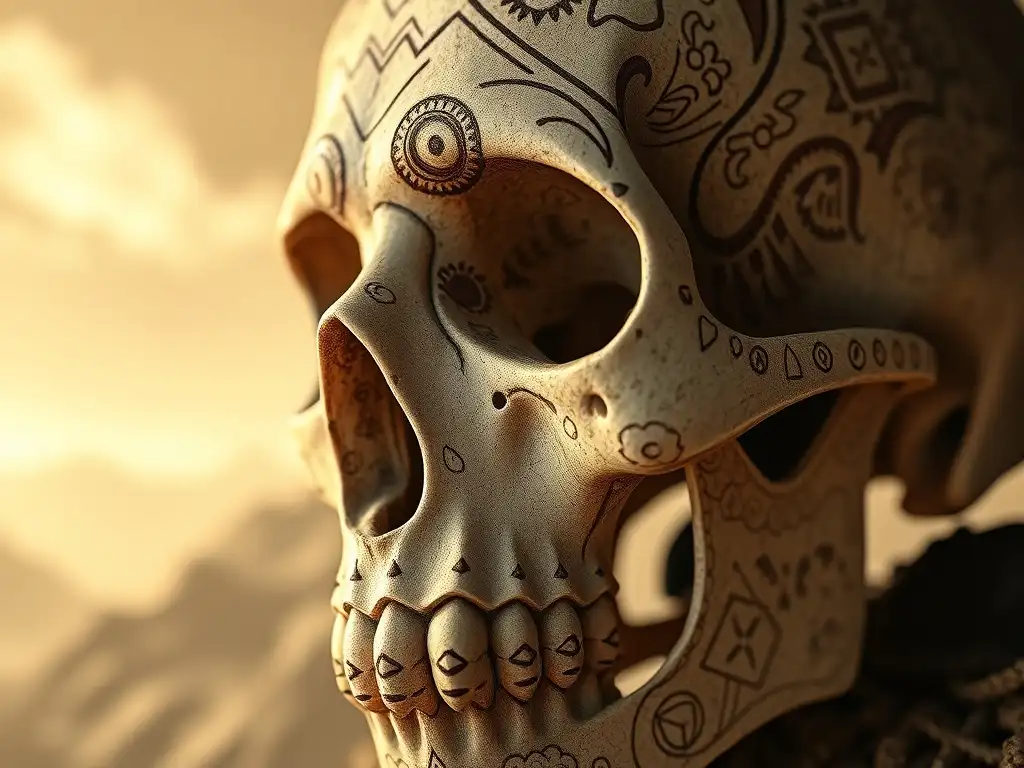
This section delves into the fascinating world of Andean skull art, exploring its profound symbolism and its connection to ancestral veneration within ancient Andean cultures. The use of skulls in Andean art wasn't simply decorative; it held deep spiritual and cosmological significance, reflecting complex beliefs about death, the afterlife, and the enduring connection between the living and the deceased. Understanding this symbolism provides crucial insight into the Andean worldview and their sophisticated understanding of the cyclical nature of life and death. We will examine specific examples, exploring how the context and artistic execution contribute to the overall meaning conveyed.
Skulls as Powerful Symbols in Ancient Andean Cultures
The presence of skulls in Andean art, particularly across various cultures like the Inca, Moche, and Nazca, wasn't a morbid fascination but a powerful representation of ancestral power and continuity. Skulls weren't viewed simply as remnants of mortality but as vessels containing the cahua – the essence or life force – of the deceased ancestor. This belief system underpinned ancestor veneration practices, shaping rituals and artistic expressions.
The careful preservation and artistic rendering of skulls reflect the high regard in which ancestors were held. Many skulls were meticulously cleaned, decorated with paint, textiles, and sometimes even adorned with precious metals. These weren't simply discarded remains; they were active participants in the ongoing relationship between the living and the dead, serving as conduits for communication and protection. Consider, for instance, the elaborate headdresses and ornaments found on certain skulls unearthed from Moche tombs – these additions clearly demonstrate the active role these skulls played in the afterlife beliefs of the culture.
The positioning of skulls within burial sites also speaks to their importance. Often placed strategically, alongside other grave goods, their placement suggests a deliberate intention to maintain a connection with the deceased and to ensure their continued influence in the world of the living. Detailed archaeological studies of Andean burial sites provide a wealth of information regarding these practices, illuminating the intricate beliefs surrounding death and ancestor veneration. More research is needed, however, to fully understand the variations in skull treatment across different Andean cultures and regions. [Specific regional variations in skull treatment pending].
The Prevalence of Skull Imagery in Andean Art Forms
Skull imagery is not limited to the physical representation of actual skulls. Stylized depictions of skulls appear frequently in various Andean art forms, including ceramics, textiles, and metalwork. These stylized representations often incorporate other symbolic elements, further enriching the meaning and significance of the skull motif.
For example, the Moche culture frequently depicted skulls in their intricate ceramic vessels, often alongside scenes of sacrifice or ritualistic practices. These depictions offer valuable insights into their religious beliefs and the role skulls played within their rituals. The Nazca lines, while famous for their geoglyphs, also included representations of skulls, possibly linked to their beliefs about the underworld and the journey of the soul after death.
| Andean Culture | Artistic Medium | Skull Depiction | Symbolic Interpretation |
|---|---|---|---|
| Moche | Ceramics | Realistic, detailed skulls, often with adornments | Ancestral power, ritual sacrifice, underworld connection |
| Nazca | Textiles & Pottery | Stylized skulls, sometimes integrated with other motifs | Ancestral veneration, cyclical nature of life and death |
| Inca | Metalwork & Stone Carvings | Less frequent, often integrated into larger compositions | Royal lineage, power, and continuity |
The prevalence of skull imagery across different Andean cultures and artistic mediums underscores its enduring importance within their cosmology. The diverse styles of representation, from realistic depictions to highly stylized forms, highlight the richness and complexity of Andean beliefs concerning death, ancestors, and the afterlife. Further research into the iconography associated with skull imagery will undoubtedly provide a more complete understanding of the multifaceted symbolism embedded within Andean skull art.
[Further analysis of iconographic elements pending]. The careful study of Andean skull art allows us to appreciate the sophistication of their worldview and their profound reverence for their ancestors, a legacy that continues to inspire awe and fascination today. 👨🌾💀
Ancestral Veneration and the Role of Skulls
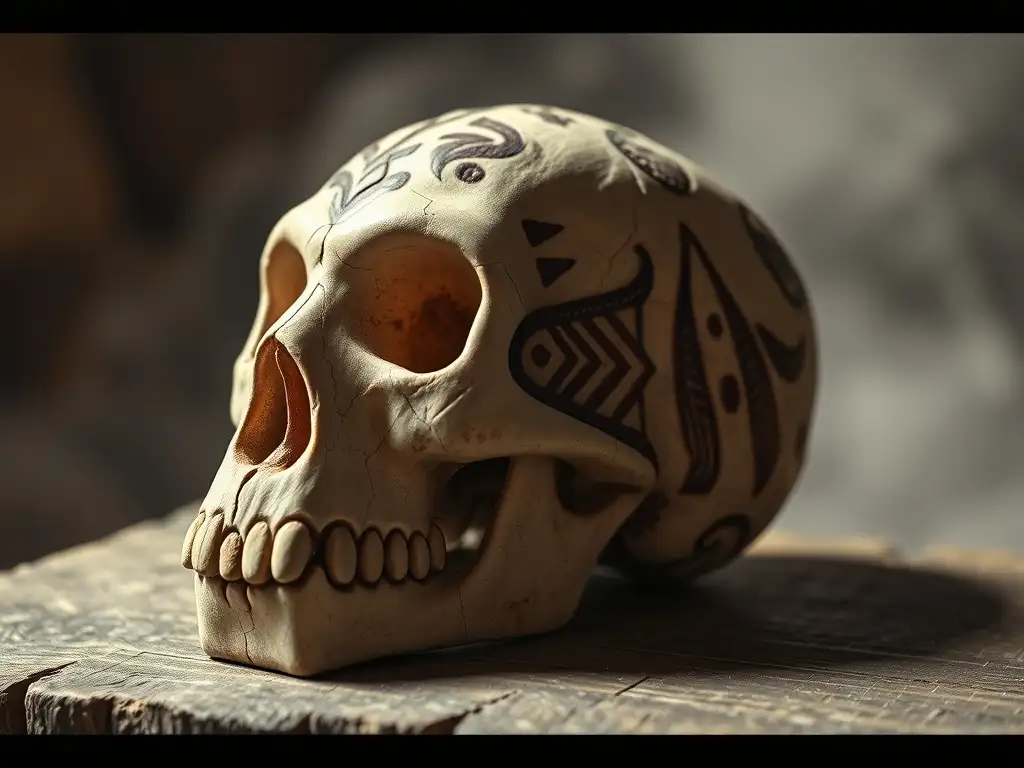
The reverence for ancestors is a cornerstone of Andean cosmology, deeply interwoven with beliefs about death and the cyclical nature of life. This veneration manifests in various artistic expressions, with skulls playing a particularly significant role. Andean skull art symbolism isn't merely decorative; it's a potent expression of a complex relationship with the deceased, reflecting a worldview where the boundary between the living and the dead is permeable and constantly negotiated.
The use of skulls in art wasn't uniformly consistent across all Andean cultures; variations existed depending on specific beliefs and practices within each civilization. However, the overarching theme of ancestral connection through skull representation remains strikingly consistent. Analyzing Andean skull art provides invaluable insights into their sophisticated understanding of life, death, and the enduring power of ancestral spirits.
The careful study of these artifacts reveals nuanced details about social structures, religious rituals, and the overall worldview of these remarkable cultures. The prevalence of skull motifs in pottery, textiles, and metalwork underscores their central place in Andean spiritual life.
Connecting with the Ancestors Through Skull Representations
Andean cultures didn't view death as an end but as a transformation. Skulls, representing the physical remnants of the deceased, served as powerful conduits for communication with the ancestor world. Representations of skulls in art weren't meant to evoke fear or morbidity, but rather to honor and connect with the ancestors.
For example, the Moche culture, known for its elaborate pottery, frequently depicted skulls in scenes of ritual sacrifice and ancestor veneration, often alongside other symbolic elements like maize and stylized birds. These depictions suggest a belief that the ancestors remained active participants in the affairs of the living, offering guidance and protection. The detailed craftsmanship and expressive features of these skull representations highlight the profound respect and emotional connection held by the Moche for their ancestors.
Furthermore, the inclusion of skulls in everyday objects, like ceramic vessels and textiles, indicates that ancestor veneration wasn't confined to formal religious contexts but was integrated into the fabric of daily life. This constant visual reminder served as a powerful reinforcement of their belief system.
Skulls as Portals to the Spirit World in Andean Beliefs
The Andean worldview embraced a complex understanding of the spirit world. Skulls were often perceived as portals or gateways to this realm, facilitating communication and interaction with the deceased. This interpretation is supported by the frequent depiction of skulls in shamanic contexts, where they appear alongside other symbolic elements associated with altered states of consciousness and spiritual journeys.
The Nazca culture, famous for its geoglyphs, also incorporated skull imagery into their textiles and pottery, often associated with deities and supernatural beings. This suggests that skulls were seen as intermediaries between the human and divine worlds, enabling contact with powerful spiritual forces.
This belief in the continued presence and influence of ancestral spirits is reflected in the careful preservation and ritual treatment of skulls, demonstrating a deep respect for the power they held. Moreover, the use of skulls in divination practices further underscores their perceived ability to provide access to hidden knowledge and the future.
Ritual Practices Involving Skulls in Andean Societies
Numerous ritual practices involved skulls, solidifying their central role in Andean religious life. These practices varied across different cultures, reflecting unique beliefs and customs. However, the common thread was the profound respect and symbolic significance attributed to skulls. Some evidence suggests that skulls were sometimes used in trophy-taking ceremonies, though the interpretation of these practices is complex and debated by scholars.
Regardless of their specific context, these practices underscore the significance of skulls as powerful symbols within Andean societies. The careful preparation and decoration of skulls, often adorned with paint, feathers, and other precious materials, further highlights their elevated status. Such practices highlight not only the reverence for ancestors but also the advanced artistic skills and meticulous attention to detail that characterized Andean cultures.
The detailed analysis of these rituals, based on archaeological findings and anthropological studies, provides crucial insights into the intricacies of Andean beliefs and practices surrounding death and the afterlife. Further research into the specific rituals of each Andean culture is needed to paint a more complete picture. The limited data available, however, strongly suggests the vital role skulls played in shaping Andean spiritual life.
Andean Skull Art Symbolism: Deciphering the Visual Language
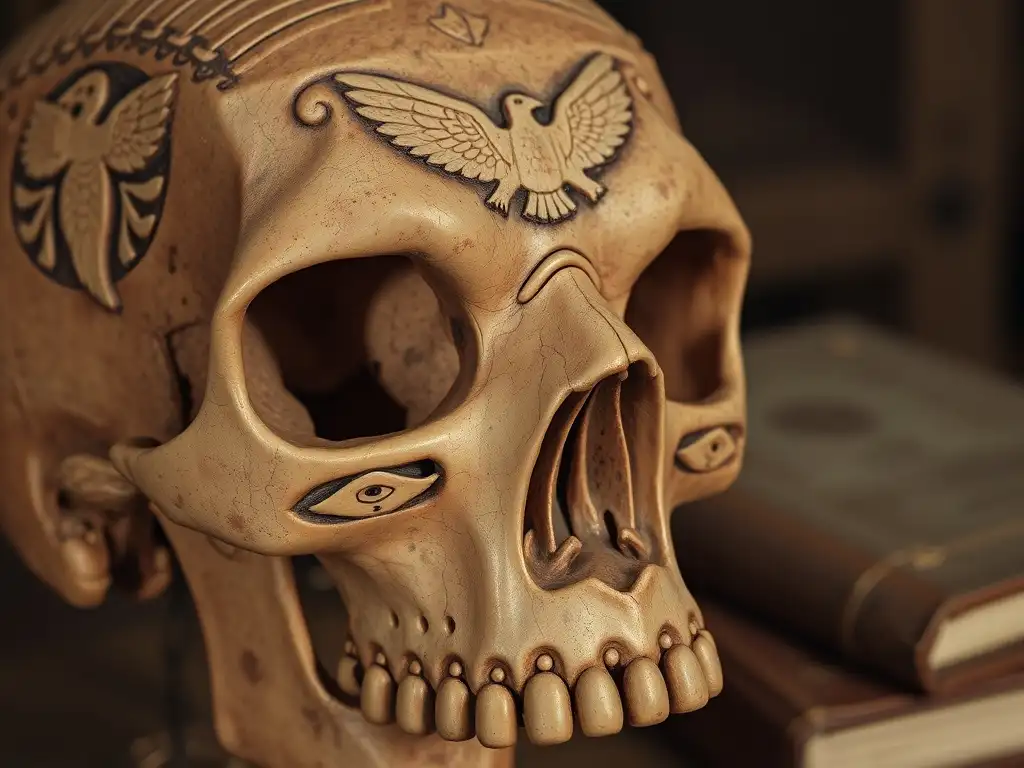
This section delves into the multifaceted symbolism of skulls in Andean art, exploring their significance within the complex tapestry of Andean cosmology and worldview. The use of skulls wasn't merely decorative; they served as potent symbols deeply intertwined with life, death, power, and the cyclical nature of Andean existence. Understanding this symbolism provides crucial insight into the beliefs and practices of these ancient cultures.
Analyzing Andean skull art symbolism reveals a nuanced understanding of their relationship with the ancestors and the cosmos. We will explore how these representations transcended simple depictions of mortality, becoming powerful statements about social status, agricultural practices, and the continuous cycle of life and death.
Skulls as Symbols of Death and Rebirth in Andean Cosmovision
The Andean worldview embraced a cyclical understanding of time, where death wasn't an absolute end but a transition, a necessary stage in the continuous flow of existence. Skulls, therefore, represented not simply the cessation of life, but also the potential for rebirth and regeneration. This concept is vividly illustrated in various artistic expressions, where skulls are often depicted alongside vegetative motifs, emphasizing the connection between death and the renewal of life seen in the agricultural cycles crucial to Andean societies.
For example, the Moche culture often portrayed skulls within elaborate funerary contexts, surrounded by imagery of sprouting plants and fertile lands, explicitly linking death to the promise of future harvests. This powerful imagery underscores the Andean belief in the cyclical nature of life and the continuous regeneration of the earth.
The skull, in this context, symbolized not just the end, but a necessary component of the cycle, a potent reminder of life's impermanence and the vital role of ancestral spirits in maintaining the balance of the cosmos. This is further corroborated by the frequent presence of skulls in ritual contexts, suggesting their use in ceremonies aimed at ensuring agricultural prosperity and the continuation of life.
The Skull's Connection to Fertility and Agricultural Cycles
The association between skulls and fertility in Andean art is profoundly significant, reflecting the deep connection between Andean societies and their agricultural practices. The earth, considered a living entity, provided sustenance and was seen as intimately linked to the ancestral realm. Skulls, representing the ancestors, were believed to possess the power to influence the fertility of the land.
This belief is clearly reflected in the numerous artistic representations of skulls intertwined with agricultural motifs, such as maize cobs, sprouting plants, and other symbols of abundance. The placement of skulls in agricultural fields or near irrigation systems further supports this interpretation, suggesting that they were intentionally used to promote bountiful harvests. Consider, for instance, the intricate Nazca ceramics depicting skulls adorned with sprouting plants, a powerful visual metaphor for the continuous cycle of death and rebirth, mirrored in the annual agricultural cycle.
The skull, in this context, acts as a mediator, connecting the ancestral world to the living world, ensuring the continued fertility of the land and the prosperity of the community. This symbolic link between death, fertility, and the cyclical nature of life and death is a fundamental element of Andean cosmology and is powerfully illustrated through the use of skulls in their art.
Depictions of Power and Status Through Skull Ornaments
Beyond their symbolic connection to death and rebirth, skulls also served as potent markers of power and status within Andean societies. The intricate craftsmanship and precious materials used in creating skull ornaments, such as gold, silver, and turquoise, clearly indicates their importance as symbols of elite status. These artifacts were not simply decorative; they were potent emblems of authority, used to reinforce social hierarchies and the power of ruling elites.
The careful placement of skulls in elite tombs, often accompanied by lavish grave goods, further underscores their significance as markers of social standing. The use of skulls in royal regalia and ceremonial attire demonstrates their role as symbols of power and legitimacy, connecting the rulers to the ancestral realm and reinforcing their divine right to rule. Analyzing the stylistic variations and the materials used in creating these ornaments offers valuable insights into the social and political structures of Andean civilizations.
Further research into the specific contexts in which these skull ornaments were found could provide even more detailed information about their function and significance within different Andean societies. The meticulous detail and craftsmanship involved in creating these artifacts highlight the profound respect and reverence afforded to the ancestors and the power they were believed to possess.
Variations in Skull Art Across Andean Civilizations
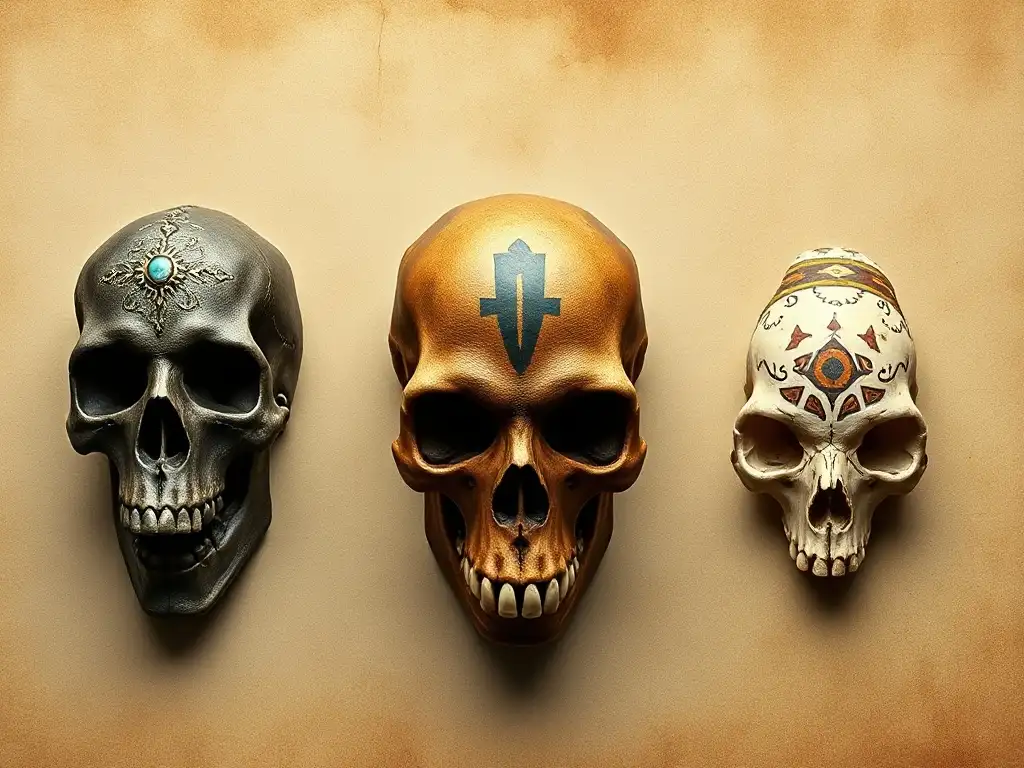
The representation of skulls in Andean art wasn't a monolithic phenomenon. Different cultures within the Andes, each with their unique cosmology and worldview, expressed their relationship with death and ancestor veneration through distinct artistic styles and symbolic interpretations. Analyzing these variations reveals crucial insights into the diverse beliefs and practices surrounding death across the Andean region. The significance of "Andean skull art symbolism" varied considerably depending on the specific civilization and context. Understanding these nuances is key to appreciating the complexity of Andean culture.
Moche Skull Art: Detailed Representations and Ceramic Vessels
Moche artists, known for their masterful ceramic work, frequently depicted skulls in remarkably realistic detail. These depictions weren't simply anatomical representations; they were imbued with symbolic meaning reflecting Moche beliefs about the afterlife and ancestor veneration. Many Moche ceramic vessels feature skulls, often adorned with elaborate headdresses, jewelry, and other symbolic elements. The level of detail—including the rendering of bone structure, teeth, and even subtle facial expressions—suggests a profound engagement with the deceased and a deep respect for ancestors.
For example, some vessels showcase skulls with gaping maws, possibly symbolizing the power and voracity of deceased ancestors or supernatural entities. Others present skulls intertwined with serpents or other creatures, indicative of complex mythological narratives and beliefs about the cyclical nature of life and death. The careful craftsmanship and artistic skill invested in these representations highlight the importance of skulls within the Moche worldview.
Analysis of these artifacts suggests a nuanced understanding of death, not simply as an end, but as a transition to a different realm, where the ancestors continued to hold influence over the living. This is further supported by the discovery of numerous Moche burial sites containing carefully placed skull remains, often accompanied by elaborate grave goods.
Nazca Skull Depictions: Geoglyphs and Textile Patterns
While the Nazca are renowned for their enigmatic geoglyphs etched into the desert plains, skull motifs also appear prominently in their textile art. Unlike the Moche's realistic representations, Nazca skull depictions often appear stylized and abstract, integrated into larger designs and narratives woven into intricate textiles. These textiles, frequently unearthed from tombs, often feature skulls alongside other symbolic elements like birds, plants, and geometric patterns. The combination of these motifs suggests a complex interplay of beliefs surrounding death, the cosmos, and the natural world.
The precise meaning of these Nazca skull depictions remains a subject of ongoing research. However, several interpretations suggest that the skulls, in this context, represent ancestors or powerful deities who held sway over the natural world. The integration of skull motifs within larger narrative textiles hints at a sophisticated cosmology, where the living world was inextricably linked to the realm of the ancestors.
Further research, particularly the study of color symbolism within these textiles, could unlock further insights into Nazca beliefs about death and the afterlife. The use of particular dyes or the arrangement of colors around the skull might reveal additional layers of meaning.
Inca Skull Use: Royal Ancestor Veneration and Skull Trophies
Inca skull treatment reveals a complex interplay of ancestor veneration and the display of power. While not as frequently depicted in art as in other Andean cultures, skulls held significant importance within Inca society, particularly in relation to royal lineage and military conquest. Royal ancestors were revered and their skulls often carefully preserved and displayed in royal contexts. This practice reinforced the legitimacy of the Inca rulers, connecting them directly to their powerful predecessors.
The Inca also utilized skulls as trophies of war, displaying them as symbols of military might and dominance over conquered peoples. This practice, while stark, highlights the importance of skulls as symbols of power and control. The contrasting use of skulls—as revered ancestors within the royal lineage and as symbols of military victory—demonstrates the multifaceted role of skulls within Inca society.
Further investigation into Inca burial practices and the context in which skulls were found could shed more light on the nuances of their symbolic significance. The location of discovered skulls, the accompanying artifacts, and the treatment of the remains offer crucial clues for understanding Inca beliefs and practices related to death and ancestor veneration.
Tiahuanaco Skull Imagery: Iconography and Architectural Integration
Tiahuanaco skull imagery stands apart from other Andean traditions, exhibiting a unique blend of stylistic conventions and symbolic meanings deeply intertwined with the civilization's architectural achievements. Unlike the often-realistic depictions found in Moche or Nazca art, Tiahuanaco skulls frequently appear stylized, often integrated into larger, complex iconographic schemes adorning monumental structures. These aren't simply isolated representations of skulls; they're integral components of a wider visual language communicating complex cosmological beliefs.
The skulls' representation varies considerably. Sometimes, they are depicted as relatively simple, almost geometric forms, emphasizing their symbolic value over anatomical accuracy. In other instances, they are more detailed, incorporating features like elongated crania, reminiscent of the deliberate cranial deformation practiced by certain Andean groups. This stylistic variation suggests a nuanced understanding of skull symbolism, potentially reflecting different social strata, ritual contexts, or even evolving beliefs over the civilization's lifespan. Further research into the specific contexts of these depictions is crucial to fully understanding their significance.
The integration of skull imagery into Tiahuanaco architecture is particularly striking. Skulls are not merely painted or carved onto surfaces; they are frequently incorporated into the very fabric of the buildings themselves. This suggests a deep connection between the physical world and the spiritual realm, with the skulls acting as powerful links between the living and the ancestors.
For example, [specific examples of architectural integration of skulls in Tiahuanaco structures pending]. Analyzing the placement and orientation of these skull motifs within the architectural context could reveal valuable insights into the ceremonial and ritualistic functions of these structures. The careful positioning of these symbols within the broader architectural plan reinforces their importance and suggests a deliberate attempt to imbue the structures themselves with ancestral power.
Detailed studies of the materials used in these depictions—whether stone, ceramic, or textiles—could further illuminate their symbolic meaning. The choice of material might reflect the context and intended audience of the artwork, perhaps distinguishing between public displays and more private, ritualistic uses. For instance, the use of a specific type of stone might indicate a connection to a particular deity or ancestor, while the use of a more common material might suggest a broader, more inclusive ancestral connection.
This level of nuanced analysis requires further investigation into the material culture of Tiahuanaco. The study of Andean skull art symbolism requires a multidisciplinary approach, combining art historical analysis with archaeological investigation and anthropological interpretation to fully appreciate the complexity of these representations.
Techniques and Materials Used in Andean Skull Art
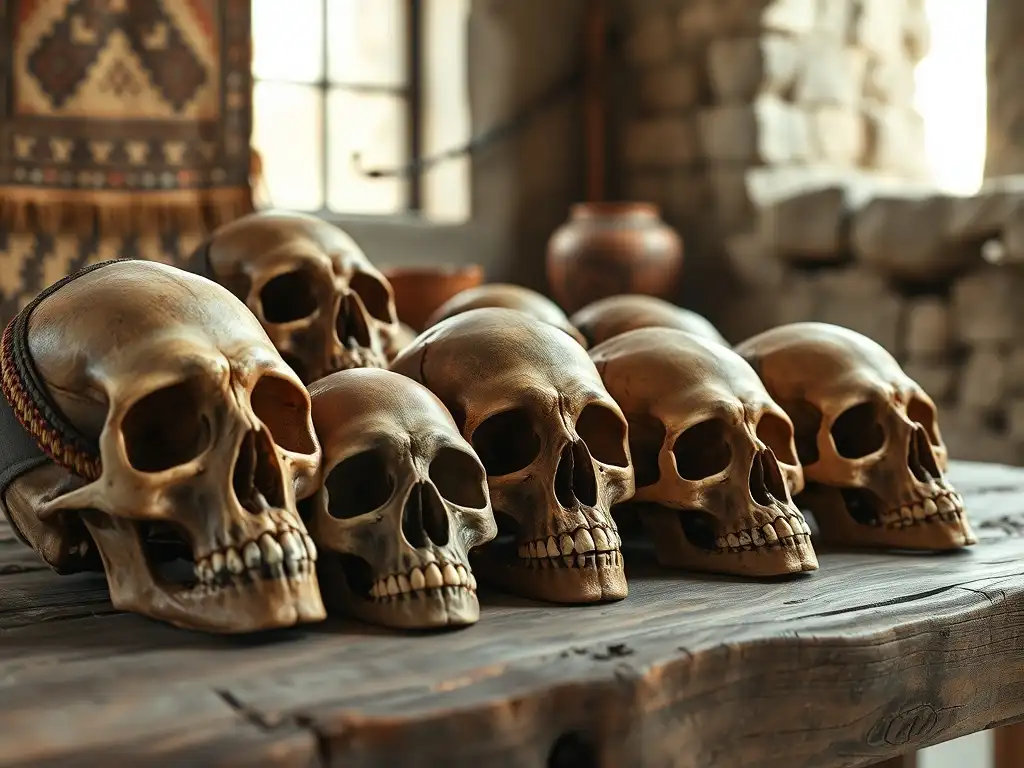
This section delves into the meticulous techniques and diverse materials employed by Andean artisans in the creation of their striking skull art. Understanding these methods provides crucial insight into the reverence and artistry involved in transforming human remains into powerful symbolic objects. The skillful manipulation of bone, combined with the incorporation of precious materials, elevates these artifacts beyond mere representations of death, imbuing them with profound cultural and spiritual significance. The enduring legacy of Andean skull art is a testament to the ingenuity and artistic mastery of these ancient cultures.
Working with Bone: Carving, Engraving, and Painting Techniques
The preparation and manipulation of bone itself demanded considerable skill. Skulls, often carefully cleaned and prepared, served as the foundational canvas. Artisans employed a range of tools, likely made from stone, bone, or shell, to carve intricate designs and patterns onto the cranial surface. These techniques ranged from delicate engraving, creating fine lines and detailed motifs, to more robust carving, achieving deeper relief and three-dimensional effects. Evidence suggests the use of abrasives for smoothing and polishing the bone, resulting in a refined final product.
The application of pigments further enhanced the aesthetic and symbolic value of the skull art. Natural pigments derived from minerals, plants, and insects were painstakingly ground and mixed to create a vibrant palette. These colors, often imbued with symbolic meaning, were applied using brushes made from animal hair or plant fibers.
The techniques used for applying the paint varied, from simple washes to more complex layering and blending, creating intricate designs and patterns. The durability of some of these pigments is remarkable, with many examples retaining their vibrant colors centuries later, a testament to the artisans' mastery of both material selection and application. Analyzing the chemical composition of these pigments provides valuable insights into the sourcing of materials and the trade networks that connected different Andean communities.
The Use of Precious Metals and Stones in Skull Decoration
Beyond the meticulous manipulation of bone, Andean artisans often incorporated precious metals and stones to further embellish and enhance the skulls' symbolic power. Gold, silver, and copper, often hammered into thin sheets, were applied to the skull surface, creating intricate designs and highlighting key features. These metallic adornments not only added visual splendor but also reinforced the spiritual significance of the skulls, associating them with wealth, power, and divinity.
Semi-precious stones, such as turquoise, lapis lazuli, and obsidian, were also frequently incorporated into the skull decorations. These stones, often carefully selected for their color, texture, and symbolic associations, were inlaid into the bone, creating striking contrasts and enhancing the overall aesthetic effect. The precise techniques used to secure these stones remain a subject of ongoing research, but evidence suggests the use of adhesives derived from natural resins or gums.
The careful selection and placement of these stones, often in specific patterns or configurations, suggests that they held significant symbolic meaning beyond mere aesthetic value. The combination of precious metals and stones elevated the skulls to the status of highly valued ritual objects, reflecting the importance of ancestor veneration within Andean societies.
Preservation and Display of Skulls in Andean Contexts
The careful preservation and display of modified skulls reveal much about Andean beliefs surrounding death and ancestor veneration. Evidence suggests that many decorated skulls were not simply discarded but were deliberately preserved and displayed in specific contexts. Some skulls were found interred within tombs, often alongside other grave goods, highlighting their significance in funerary rituals. Others were likely displayed in public spaces, perhaps as part of ceremonies or rituals aimed at communicating with ancestors.
The methods of preservation varied depending on the specific cultural context and available resources. Some skulls were simply left to dry naturally, while others were treated with various substances to prevent decay. The application of pigments and the incorporation of precious materials further contributed to their preservation, protecting the bone from the elements.
The ways in which skulls were displayed also varied, ranging from careful placement within tombs to more public displays, suggesting a complex interplay between private and public expressions of ancestor veneration. Studying the contexts in which these skulls were found sheds valuable light on the social and religious practices of Andean societies and the enduring importance of ancestor worship in their worldview. The careful consideration given to the preservation and display of these objects underscores their enduring spiritual significance within Andean cosmology.
Andean Skull Art: A Legacy of Ancestral Reverence
This section delves into the profound symbolism embedded within Andean skull art, focusing on its enduring significance across millennia. The representation of skulls in Andean art isn't merely a depiction of death; it's a complex tapestry woven with threads of ancestor veneration, cyclical cosmology, and the intricate relationship between the living and the deceased. Understanding this nuanced symbolism requires appreciating the Andean worldview, where the boundary between the living and the dead is permeable and interaction is continuous.
The practice of tribute to ancestors, deeply ingrained in Andean cultures, finds vivid expression in the artistic rendering of skulls. These artifacts are not just objects; they are powerful conduits connecting the present with the past, embodying the enduring spirit of ancestors. The careful craftsmanship and meticulous detail present in many pieces further emphasize the reverence and respect afforded to these potent symbols.
The Enduring Significance of Skulls in Contemporary Andean Culture
Despite the passage of centuries, the significance of skulls in Andean culture persists. While the overt practices of ancestor veneration may have evolved, the underlying beliefs continue to inform contemporary Andean art and worldview. Many contemporary Andean artists continue to incorporate skull motifs into their work, reinterpreting traditional styles and infusing them with new meanings.
This continuity underscores the enduring power of the symbolism. For example, the use of skull imagery in textiles, ceramics, and jewelry isn't merely decorative; it serves as a potent reminder of ancestral lineage and the cyclical nature of life and death. The skull, often depicted with intricate adornments or within broader mythological contexts, serves as a powerful visual representation of the continued connection between generations.
This enduring legacy demonstrates the deep-rooted connection between Andean people and their ancestors, a bond that transcends time and continues to shape their cultural identity. The subtle shifts in artistic representation reflect the adaptation of ancient traditions to modern contexts, yet the core symbolism remains remarkably consistent.
Understanding Andean Worldview Through Skull Iconography
Andean skull art provides invaluable insights into the intricate cosmology and worldview of these ancient societies. The careful placement of skulls in burial sites, often accompanied by grave goods and other ceremonial objects, speaks volumes about their beliefs concerning the afterlife. The meticulous detail in the artistic rendering of skulls, including the representation of features like teeth and eye sockets, suggests a deep understanding of human anatomy and a reverence for the physical form, even in death.
The positioning of skulls within larger artistic compositions further reveals a sophisticated understanding of symbolism and narrative. For example, skulls depicted alongside other motifs, such as deities or mythical creatures, provide clues to the complex interplay of spiritual and earthly realms in the Andean worldview.
Analyzing the context surrounding the skull imagery – whether it's a funerary mask, a ceramic vessel, or a textile design – allows researchers to decipher the specific meanings and interpretations attached to the symbol at different times and places within the Andean region. Furthermore, the variations in artistic styles across different Andean cultures highlight the diverse expressions of a shared belief system.
The Importance of Preserving the Legacy of Andean Skull Art
The preservation of Andean skull art is crucial for understanding the rich cultural heritage of these civilizations. These artifacts are irreplaceable windows into the past, offering invaluable insights into the beliefs, practices, and artistic sensibilities of Andean societies. The meticulous documentation and careful conservation of these objects are paramount to ensuring that future generations can appreciate and learn from this significant aspect of Andean history.
This involves not just the physical preservation of the artifacts but also the preservation of the knowledge and understanding surrounding their significance. The ongoing research and scholarly work dedicated to Andean skull art contribute to a more comprehensive understanding of Andean cosmology and worldview. Efforts to educate the public about the cultural significance of these artifacts are equally important, fostering a sense of appreciation and respect for the cultural heritage they represent.
The preservation of this legacy is not just a matter of historical accuracy; it is a vital step in honoring and respecting the rich cultural heritage of the Andean people. The continued study and appreciation of Andean skull art will ensure that this powerful legacy lives on.
Frequently Asked Questions
What is the significance of skulls in Andean art?
In Andean cultures, skulls held deep symbolic meaning, often representing ancestors, power, and the cyclical nature of life and death. They were not merely depictions of death, but powerful representations of continuity.
How did the Incas use skull imagery?
Inca depictions of skulls frequently integrated them into ceremonial objects and textiles, highlighting their importance in religious practices and beliefs about the afterlife. They symbolized the ancestors' continued presence.
Did other Andean cultures also use skull imagery?
Yes, cultures like the Moche, Nazca, and Tiahuanaco also incorporated skull imagery into their art, though the specific symbolism might vary slightly between cultures, reflecting their unique beliefs and practices.
What materials were used to create Andean skull art?
Andean artisans used a variety of materials, including ceramics, stone, textiles, and metals, to create skull art. The choice of material often reflected the intended use and symbolic meaning of the artwork.
Where can I learn more about Andean skull art symbolism?
To delve deeper, explore museums with Andean collections, academic journals, and reputable online resources dedicated to Andean art and archaeology. Further research will reveal the rich complexity of this symbolism.
Final Reflection: Echoes of the Ancestors: Enduring Power of Andean Skull Art
The enduring fascination with Andean skull art isn't merely an academic pursuit; it's a powerful reflection of our ongoing human need to connect with the past and grapple with mortality. These intricately carved and adorned skulls, far from being mere representations of death, serve as vibrant testaments to the complex spiritual beliefs and social structures of Andean civilizations. Their continued relevance in contemporary art and cultural discussions underscores the timeless power of these symbols.
The artistry and symbolism embedded within these skulls continue to resonate deeply, influencing contemporary interpretations of death, ancestry, and the cyclical nature of life. The meticulous detail and often vibrant adornments speak volumes about the reverence held for ancestors and the belief in the continued presence of their spirits. The skull is not merely a symbol of death, but a vessel containing the essence of the ancestor, a conduit to the spiritual world.
This perspective, though interpreted through a modern lens, captures the essence of the profound connection Andean cultures forged with their deceased.
Consider the implications of this rich artistic tradition. How does the Andean approach to death and remembrance differ from our own? What can we learn from their profound respect for ancestors and their integration of death into the fabric of life? I invite you to reflect on these questions, to explore the enduring power of Andean skull art, and to consider how this ancient tradition can enrich our understanding of life, death, and the enduring human spirit.
**Embrace the Ancestral Wisdom of Andean Culture! **
Thank you for exploring the fascinating world of Andean art and the profound significance of skulls within it. Your interest in this rich cultural heritage demonstrates a desire for deeper understanding and appreciation of ancestral connections. This is a perfect opportunity to further your engagement with this topic.
Here’s how you can honor and expand your knowledge of Andean culture:
- Dive Deeper: Explore more articles on our website about Andean symbolism and artistic expressions. Each piece adds to your understanding!
- Start a Discussion: Share your thoughts and experiences with others interested in Andean history and art, whether in person or online through social media or forums.
- Unveil Hidden Talents: Try creating art inspired by Andean traditions. Use symbols or motifs that resonate with you to express your connection to this rich culture.
What insights about the significance of skulls in Andean art resonate most with you, and how will you incorporate this knowledge into your life?