
The Enduring Power of Andean Beliefs About Death: Relevance Today

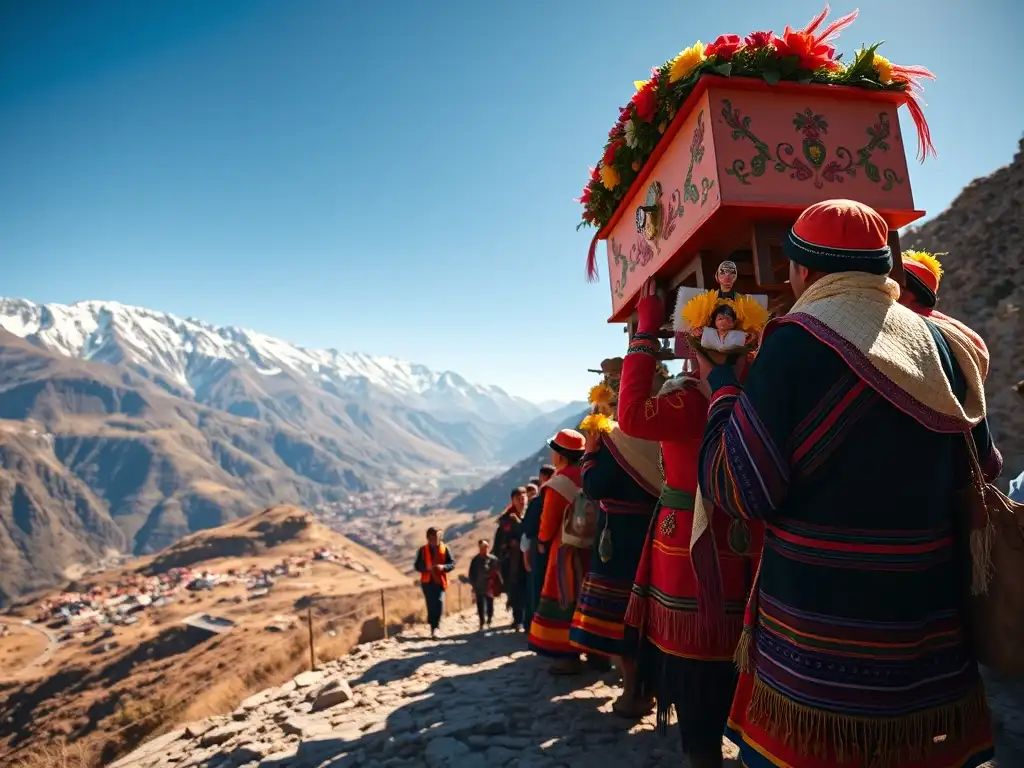
Step into a world where the echoes of ancient empires still resonate. For centuries, the Andes Mountains have witnessed the rise and fall of magnificent civilizations, each leaving behind a legacy as breathtaking as the landscape itself. But what enduring power do the beliefs of the Incas, Moche, and other Andean cultures hold today? Discover the surprising relevance of Andean death rituals today and unlock the secrets of a cosmology that continues to shape lives in the heart of South America. Prepare to be captivated by a story that transcends time.
The Andes Mountains, a majestic spine running down the western coast of South America, have witnessed the rise and fall of numerous impressive civilizations. From the Nazca Lines etched into the desert floor to the monumental structures of Machu Picchu, the legacy of these cultures is undeniable. But beyond the breathtaking architecture and intricate artistry, lies a deeply rooted cosmology, profoundly shaped by beliefs surrounding death and the afterlife.
This article delves into the enduring power of Andean beliefs about death, examining their historical significance and surprisingly relevant echoes in contemporary Andean communities. We will explore how these ancient perspectives continue to influence modern practices and worldviews, offering a unique lens through which to understand both the past and the present.
Understanding Andean death rituals today requires acknowledging the profound continuity between ancient traditions and their modern expressions. This exploration will touch upon ancestor veneration, funerary practices, and the ongoing spiritual significance of death within Andean societies, providing a nuanced perspective on the keyword "Andean death rituals today".
Ancestral Veneration: The Living and the Dead in Dialogue
Andean cultures have historically held a deeply interconnected view of the living and the dead. Death was not seen as an absolute end but rather a transition to a different plane of existence where ancestors remained active participants in the lives of their descendants. This perspective is reflected in the elaborate mummification practices of various Andean groups, where the deceased were often treated with reverence and adorned with precious objects.
The mummies weren't simply buried; they were integrated into the community, consulted for guidance, and even included in family celebrations. This wasn't a morbid practice, but rather a testament to the enduring bond between generations, a belief system where the wisdom and experience of ancestors remained accessible. The concept of ayni, reciprocal exchange, extended beyond the living, encompassing interactions with the deceased.
Favors and offerings were given to appease and maintain positive relationships with the ancestors, ensuring their continued support and protection. This practice continues in many Andean communities today, albeit sometimes adapted to modern circumstances. [Specific examples of modern ancestor veneration practices pending]
Funerary Practices: Reflecting Cosmological Beliefs
The elaborate funerary practices of Andean civilizations offer compelling insights into their cosmological beliefs. From the carefully constructed tombs of the Moche to the intricate textiles and offerings buried with the Nazca, the rituals surrounding death were clearly significant and complex. The location of burial sites, the orientation of bodies, and the inclusion of specific grave goods all point to a sophisticated understanding of the cosmos and the journey of the soul after death.
For example, the Moche often buried their elite with elaborate paraphernalia, reflecting their social status and beliefs about the afterlife. These weren't simple burials, but rather carefully orchestrated ceremonies that reinforced social hierarchies and cosmological beliefs.
The specific items included – gold ornaments, pottery, textiles – were not merely decorative; they held symbolic significance, representing the deceased's journey to the underworld or their continued presence in the community. [Specific examples of unique funerary practices from different Andean groups pending]
The Enduring Relevance of Andean Death Beliefs in the 21st Century
While modern influences have undoubtedly impacted Andean traditions, the core beliefs surrounding death and ancestor veneration persist. Many contemporary Andean communities continue to practice rituals that echo ancient traditions, albeit often in adapted forms. For example, while elaborate mummification may be less common, the reverence for ancestors remains strong.
[Specific examples of how Andean death beliefs are expressed in contemporary society pending]. The integration of ancient beliefs with modern realities demonstrates the enduring strength and adaptability of Andean culture. The continued practice of these rituals underscores the importance of maintaining connections with the past, highlighting the enduring relevance of these ancient beliefs in shaping contemporary Andean identities and worldviews.
The study of "Andean death rituals today" provides a valuable window into the resilience of cultural traditions and their capacity to adapt to changing circumstances while preserving their core values. The ongoing practice of these traditions is not merely a nostalgic exercise but a vital element in the ongoing cultural identity of Andean communities.
- Ancestral Veneration: The Living and the Dead in Dialogue
- Funerary Practices: Reflecting Cosmological Beliefs
- The Enduring Relevance of Andean Death Beliefs in the 21st Century
- What are some common Andean beliefs about death that still influence practices today?
- How do modern Andean communities commemorate their deceased?
- Are mummification practices still prevalent in Andean cultures?
- How do contemporary Andean views on death differ from those of the ancient civilizations?
- What role does the concept of Pachamama play in Andean death rituals today?
Understanding Andean Cosmology and Death
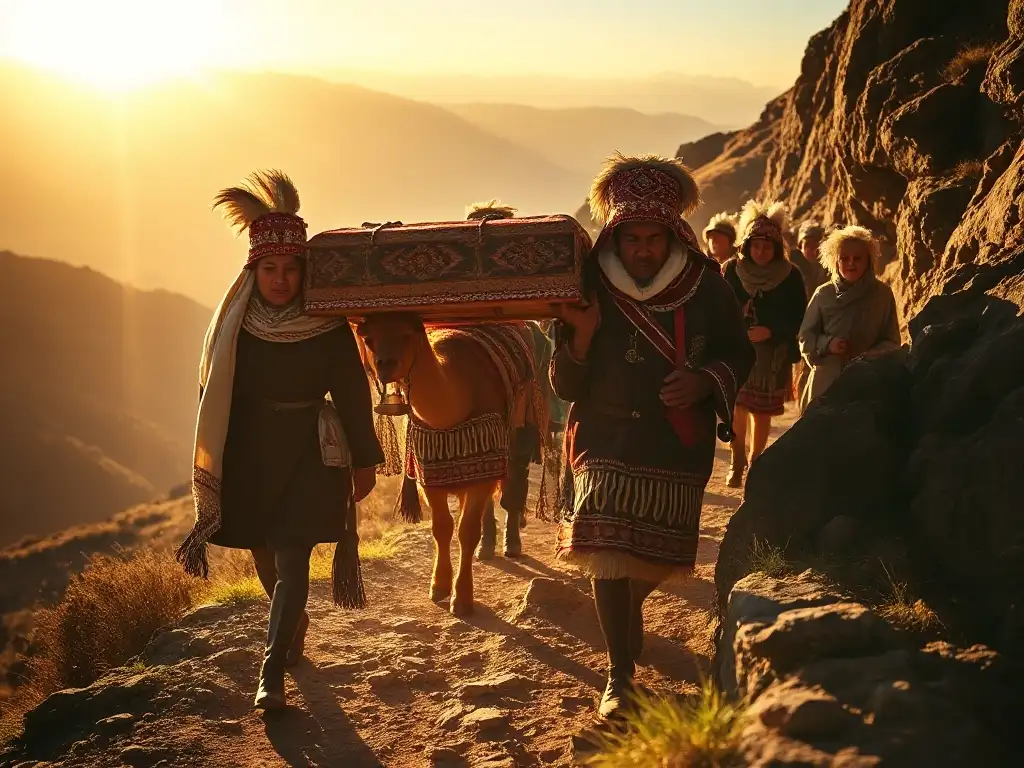
This section delves into the core beliefs surrounding death within the Andean worldview, providing a crucial foundation for understanding the enduring impact of these beliefs on contemporary Andean societies. The Andean understanding of death wasn't simply an ending; it was a complex transition, a continuation of life in a different realm, deeply interwoven with the living world. This perspective shaped their societal structures, rituals, and even their daily lives. Understanding this cosmology is key to appreciating the significance of "Andean death rituals today."
The Andean Worldview and the Afterlife
The Andean worldview was profoundly interconnected. The living, the dead, and the supernatural were not separate entities but rather part of a vibrant, dynamic whole. Death was not viewed as annihilation but as a transition to a different state of being, a journey to the ukhu pacha (underworld) or perhaps even a transformation into a mountain spirit or apu.
This belief system fostered a profound respect for ancestors, recognizing their continued influence and presence in the lives of the living. The apu, powerful mountain spirits, were often believed to be the ancestors of specific communities, further solidifying the connection between the living and the dead.
This deep-seated connection is a crucial element when examining Andean death rituals today, revealing a continuous thread linking past and present practices. The belief in the continued existence and influence of ancestors is not merely a historical curiosity; it's a living reality for many Andean communities.
Pre-Columbian Death Rituals: A Foundation
Pre-Columbian Andean cultures developed elaborate death rituals reflecting their unique cosmology. These rituals varied across different cultures (Inca, Moche, Nazca, etc. ), but shared common threads emphasizing the importance of proper burial, offerings to the deceased, and continued veneration.
For example, the Nazca culture is known for its intricate mummification techniques and elaborate grave goods, suggesting a belief in an afterlife requiring provisions. Similarly, Inca funerary practices involved elaborate ceremonies, the placement of offerings, and the construction of impressive mausoleums. These practices weren't simply about disposing of the body; they were acts of profound respect, ensuring a smooth transition for the deceased and maintaining a vital connection with the ancestor world.
The detailed nature of these rituals underscores the significance of death within their societal structure and provides a historical context for understanding Andean death rituals today. The complexity and variation in these practices across different groups reveal the richness and depth of Andean beliefs.
The Significance of Ancestor Veneration in Andean Cultures
Ancestor veneration remains a cornerstone of Andean culture. The belief that ancestors continue to influence the living world is not a relic of the past but a vibrant and integral part of contemporary Andean life. This veneration takes many forms, from offerings and prayers to the maintenance of ancestral sites and the performance of traditional rituals.
These practices are not merely symbolic; they are believed to maintain a crucial balance between the living and the dead, ensuring prosperity, good health, and protection. For many Andean communities, neglecting their ancestors is seen as disrupting this delicate equilibrium, potentially leading to misfortune. The persistence of ancestor veneration highlights the enduring power of these ancient beliefs and provides a compelling example of how Andean death rituals today are directly linked to pre-Columbian traditions.
This continuity underscores the strength and resilience of Andean cultural heritage. The vibrant continuation of these practices demonstrates the enduring relevance of these beliefs in the modern world, offering a powerful counterpoint to Western views of death and the afterlife. The study of "Andean death rituals today" reveals a living tradition, rich in history and deeply embedded in the fabric of Andean society.
Andean Death Rituals Today: Modern Expressions
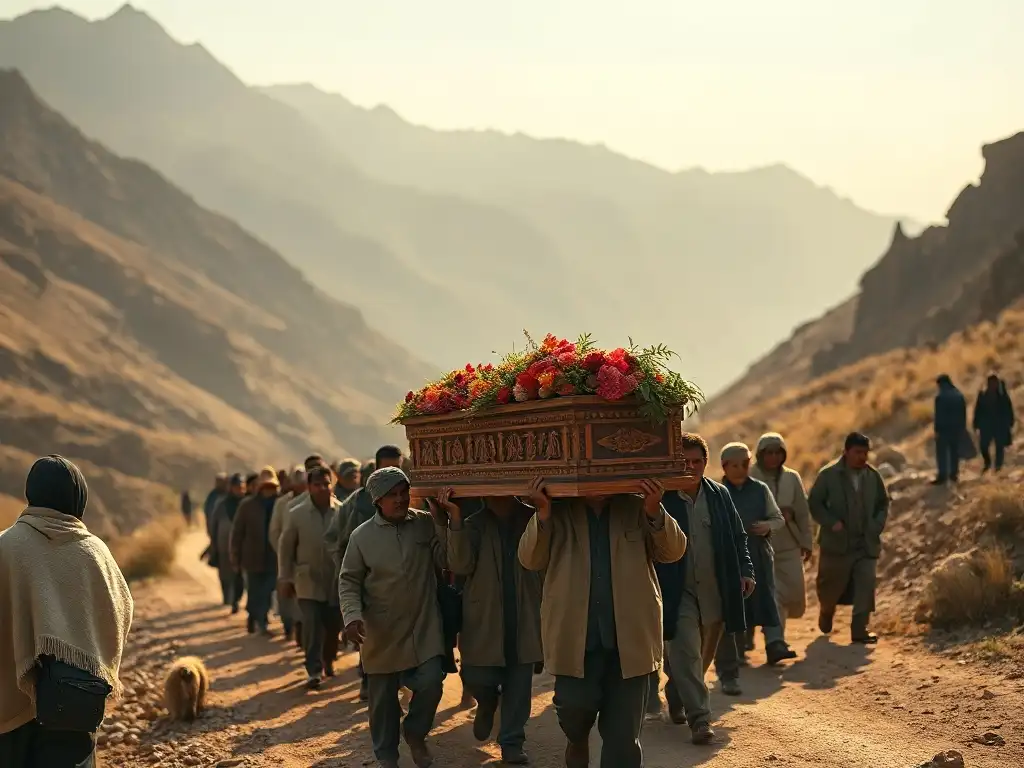
The enduring legacy of Andean beliefs about death continues to shape contemporary practices, demonstrating a remarkable resilience across centuries. While the specific rituals may have evolved, the core principles of ancestor veneration and the interconnectedness of the living and the dead remain central to Andean communities. Understanding these modern expressions requires acknowledging the complex interplay between ancient traditions and the influences of globalization and modernization. The term "Andean death rituals today" encompasses a diverse range of customs, reflecting the geographical and cultural variations within the Andes region.
Contemporary Andean Funeral Practices: A Blend of Traditions
Contemporary Andean funeral practices often blend traditional elements with modern influences. While elaborate mummification, once a hallmark of certain Andean cultures, is less common today, the emphasis on respectful treatment of the deceased remains paramount. Funerals often involve a multi-day process, beginning with the velorio, a wake where family and community members gather to pay their respects, share memories, and offer support to the bereaved.
Traditional music, food, and drink play a vital role in these gatherings, creating a space for communal mourning and remembrance. The body is typically dressed in special clothing, often reflecting the deceased's occupation or social status.
The burial itself may incorporate traditional elements, such as the inclusion of personal belongings, offerings of food and drink, or the performance of specific rituals intended to guide the deceased's spirit to the afterlife. However, these practices are often adapted to fit within the constraints of modern life and legal frameworks. For example, while some communities still practice burial in ancestral lands, others may opt for cremation or burial in modern cemeteries.
The specific rituals and customs vary significantly depending on the specific Andean community and its unique history and beliefs. Data on the exact prevalence of different practices is limited, highlighting the need for further research into the diversity of contemporary Andean funeral rites. Further complicating the picture is the influence of Catholicism and other religions introduced during the colonial period, which have often blended with, rather than replaced, pre-Columbian beliefs.
The Role of the Family in Andean Death Ceremonies
Family plays an absolutely central role in Andean death ceremonies, reflecting the strong emphasis on kinship and community within Andean cultures. The family takes on the primary responsibility for organizing and executing the funeral arrangements, ensuring that all necessary rituals and customs are observed. This responsibility extends beyond the immediate family, often encompassing extended family members, neighbors, and community leaders.
The collective nature of these ceremonies underscores the importance of social support during times of grief and loss. The family's involvement is not limited to the immediate funeral period; rather, it continues long after the burial, with ongoing rituals and offerings to honor and maintain a connection with the deceased ancestor. The family might participate in annual memorial ceremonies, offering food, drinks, and other offerings at the gravesite or at a designated ancestral shrine.
These ongoing acts of remembrance solidify the bond between the living and the dead, ensuring the continued presence of ancestors in the lives of their descendants. This continuous engagement speaks to the profound significance of ancestor veneration within Andean cosmology. Studies show a strong correlation between the level of family involvement in death rituals and the overall mental and emotional well-being of the bereaved.
Continuing the Legacy: Andean Beliefs About Death and the Spirit World
Andean beliefs about death and the spirit world profoundly influence contemporary practices. The concept of the pachamama (Mother Earth) and the interconnectedness of the living and the dead is central to these beliefs. Death is not viewed as an absolute end but rather as a transition to another realm, where the deceased continue to interact with the living world. The spirits of ancestors are believed to exert influence over the affairs of the living, providing protection, guidance, and even intervention.
This belief underscores the importance of maintaining respectful relationships with the deceased through ongoing rituals and offerings. The ayni, the principle of reciprocity, extends beyond the realm of the living, encompassing a reciprocal relationship between the living and the departed. This principle emphasizes the importance of giving back to the ancestors in exchange for their continued support and protection. These beliefs are not static; they are constantly evolving and adapting to the changing circumstances of modern life.
The continued relevance of these beliefs in contemporary Andean society highlights their enduring power and significance within Andean culture and worldview. The impact of these beliefs can be observed in the ongoing practices of ancestor veneration, which continue to shape the social, spiritual, and emotional lives of Andean communities. The study of these beliefs offers valuable insights into the enduring power of traditional Andean cosmology in the face of modernization.
The Connection Between Past and Present: Andean Death Rituals
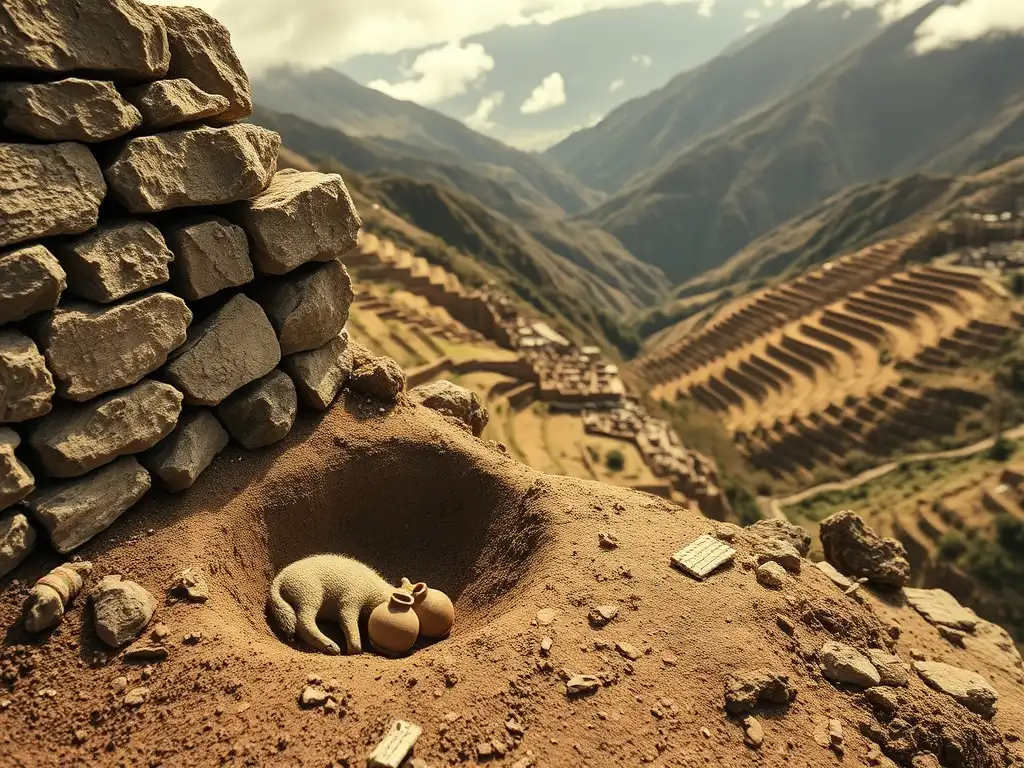
The enduring legacy of Andean civilizations extends far beyond their impressive architectural feats and sophisticated agricultural techniques. Their deeply rooted beliefs about death and the afterlife continue to shape the lives and spiritual practices of communities across the Andes Mountains today. While modern influences have undeniably altered traditional customs, the core tenets of ancestor veneration and respect for the deceased remain remarkably resilient.
Understanding the interplay between ancient Andean death rituals and contemporary practices offers a compelling insight into the enduring power of cultural heritage and its capacity to transcend time. This section will explore how ancient practices inform modern Andean approaches to death, examining specific examples and highlighting the remarkable continuity of beliefs across centuries. The term "Andean death rituals today" accurately reflects this persistent connection, emphasizing the living tradition rather than a mere historical artifact.
How Ancient Andean Rituals Influence Modern Practices
Many contemporary Andean death rituals retain striking similarities to those observed in pre-Columbian societies. For example, the practice of mummification, while not as widespread or elaborate as in Inca times, persists in certain communities. While the techniques may have simplified, the underlying belief in the continued presence and influence of the deceased remains central.
The careful preparation of the body before burial, often involving specific rituals and offerings, reflects a deep respect for the ancestors and a belief in their ongoing participation in the community's life. Furthermore, the importance of huacas (sacred sites) continues, with many modern communities maintaining and venerating ancient burial grounds and related sacred spaces. These locations often serve as focal points for commemorative ceremonies and offerings, demonstrating the ongoing spiritual significance of these places.
The offering of coca leaves and chicha (a fermented corn beverage) at gravesites, for instance, is a common practice, mirroring ancient offerings found in archaeological contexts. These practices aren’t merely symbolic; they are integral to maintaining a connection with ancestors and ensuring their continued protection and blessings.
The Persistence of Andean Beliefs in a Changing World
The persistence of Andean beliefs about death in a rapidly changing world is a testament to their profound significance. While globalization and modernization have introduced new religious and cultural influences, many Andean communities have successfully integrated these changes without sacrificing the core tenets of their ancestral traditions. This resilience can be attributed to the deeply embedded nature of these beliefs within the social fabric of Andean communities.
Ancestor veneration is not just a religious practice; it's a fundamental aspect of family structure, social organization, and community identity. The continuity of these practices also highlights the adaptability of Andean cultures. They have demonstrated a remarkable ability to reinterpret and recontextualize ancient traditions within the framework of modern realities.
For example, while the specific rituals may evolve, the underlying principle of maintaining a respectful and meaningful connection with deceased relatives remains a constant. This ability to adapt and integrate new influences without losing sight of core values is crucial to understanding the enduring nature of Andean death rituals today.
The Case of the Q'ero People of Peru and their Burial Practices
The Q'ero people of Peru provide a compelling case study of the enduring power of Andean beliefs about death. This isolated community in the Andes has maintained many of their traditional practices, offering valuable insights into the continuity of these beliefs. Their burial practices, for instance, often involve elaborate ceremonies involving family members and community leaders.
The deceased are typically buried with personal belongings, food, and other offerings intended to sustain them in the afterlife. The location of the burial site is carefully chosen, often reflecting the importance of proximity to sacred sites or ancestral lands. Furthermore, the Q'ero maintain a strong emphasis on ancestor veneration, regularly performing ceremonies to honor their deceased relatives and seek their guidance.
These ceremonies often involve the use of coca leaves, prayers, and other ritualistic practices that mirror ancient Andean traditions. Their continued adherence to these practices, even in the face of external pressures, demonstrates the deep-rooted nature of these beliefs and their ongoing relevance in shaping Q'ero identity and social life. Studying the Q'ero provides a tangible example of how “Andean death rituals today” are not static relics of the past but dynamic, living traditions that continue to evolve and adapt while retaining their core spiritual significance.
The Relevance of Andean Death Beliefs in the 21st Century
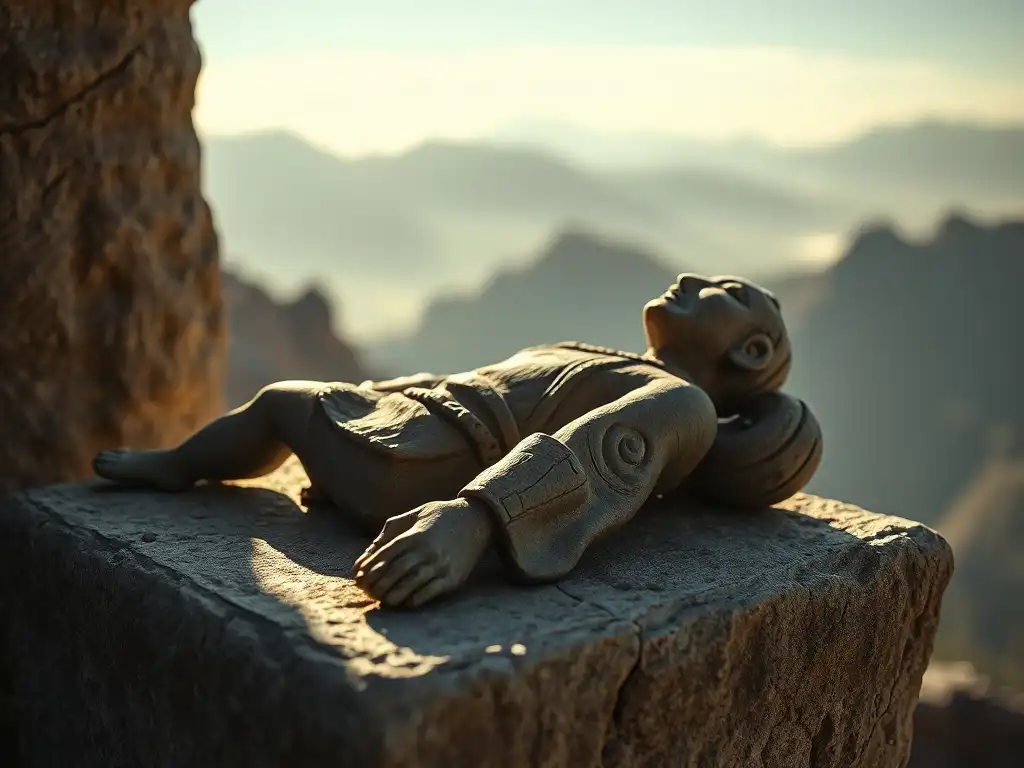
The enduring power of Andean beliefs about death extends far beyond the archaeological record. While the specific practices of ancient Andean cultures like the Inca, Moche, and Nazca may have evolved or disappeared entirely, the underlying philosophies concerning death, the afterlife, and ancestor veneration continue to resonate profoundly in contemporary Andean communities. This enduring influence is not merely a matter of historical curiosity; it actively shapes modern perspectives on life, family, and community.
Understanding these beliefs provides crucial insight into the vibrant cultural tapestry of the Andes today. The impact of these beliefs on modern Andean life is multifaceted, affecting everything from family structures to environmental stewardship. This section will explore how these ancient beliefs continue to inform the spiritual and social fabric of Andean society in the 21st century, providing a compelling connection between the past and the present.
We'll examine how these beliefs manifest in contemporary practices and rituals, showcasing the remarkable continuity of Andean worldview. The study of Andean death rituals today offers a unique window into the ongoing vitality of ancient traditions and their enduring relevance.
Finding Meaning in Ancient Andean Wisdom About Death
Ancient Andean cultures didn't view death as an ending, but rather as a transformation. Death was a transition to another realm, a continuation of existence in a different form. This perspective profoundly shaped their rituals and beliefs surrounding mortality. For example, the elaborate mummification practices of the Inca weren't simply about preserving bodies; they were about maintaining the spiritual connection with deceased ancestors.
These mummies weren't relegated to forgotten tombs; they were often integrated into family life, participating, symbolically, in daily activities. This concept of continued presence resonates in modern Andean communities where ancestor veneration remains a central element of life. Many contemporary Andean families maintain altars dedicated to their deceased relatives, offering food, drink, and conversation as a way of maintaining a living connection.
This practice, rooted in ancient traditions, provides comfort, guidance, and a sense of continuity across generations. The enduring wisdom found in these practices offers a unique perspective on death, emphasizing acceptance, remembrance, and the ongoing interconnectedness of life and death. The practice is a testament to the enduring power of ancient Andean beliefs about the afterlife and their continued relevance in the modern day.
Understanding Andean Rituals for Cultural Preservation and Respect
Modern interpretations of Andean death rituals often involve a blend of ancient traditions and contemporary adaptations. While some specific practices may have diminished or changed over time, the core values of respect, remembrance, and community remain central. For example, the pachamama (Mother Earth) remains a powerful symbol, representing the cyclical nature of life and death, and the interconnectedness of all living things.
Many contemporary Andean communities continue to perform ceremonies honoring the pachamama, expressing gratitude for life and seeking her blessing. These ceremonies often involve offerings of food and drink, placed on the earth as a gesture of respect and reciprocity. Understanding these rituals requires sensitivity and respect for the cultural context.
It's crucial to approach the study of these practices with a mindful awareness of their significance to living communities, avoiding any form of appropriation or trivialization. The preservation of these traditions is vital not only for understanding Andean history but also for appreciating the richness and complexity of contemporary Andean culture. Careful study and respectful engagement are essential for ensuring the continued vitality of these ancient practices.
The Timeless Message of Andean Death Rituals: Acceptance and Respect
The enduring message of Andean death rituals, from ancient times to the present, centers on the acceptance of death as a natural part of life's cycle and the profound respect for ancestors and the natural world. This message transcends cultural boundaries, offering valuable insights into a holistic worldview that emphasizes interconnectedness and balance. The acceptance of death, not as an ending but as a transformation, fosters a sense of peace and understanding, reducing the fear and anxiety often associated with mortality in other cultures.
This acceptance is interwoven with a deep respect for ancestors, recognizing their continued influence and guidance. The rituals are not merely symbolic; they are active expressions of gratitude, remembrance, and ongoing connection. The respect extends beyond the human realm, embracing the pachamama and the entire natural world.
This holistic approach to life and death provides a powerful model for contemporary societies grappling with issues of environmental sustainability and social harmony. The wisdom embedded in these ancient practices offers a timeless message of acceptance, respect, and interconnectedness, highly relevant to the challenges of the 21st century. The emphasis on balance and harmony provides a valuable framework for navigating the complexities of modern life.
Conclusion: The Enduring Legacy of Andean Death Rituals
This exploration of Andean beliefs surrounding death reveals a complex and deeply interwoven tapestry of spiritual practices, social structures, and cosmological understandings. Far from being a relic of the past, these beliefs continue to resonate powerfully in contemporary Andean communities, shaping their worldview and influencing their daily lives. Understanding these traditions provides a crucial lens through which to appreciate the enduring cultural richness of the Andes and the remarkable resilience of its people.
The ways in which Andean death rituals continue to be practiced today offer valuable insights into the interplay between tradition and adaptation in the face of societal change. The keyword, "Andean death rituals today," highlights the contemporary relevance of these ancient practices.
The Continued Importance of Andean Ancestor Veneration
Ancestor veneration remains a cornerstone of Andean spirituality. While the specific rituals may vary across different communities and regions, the fundamental principle of maintaining a vital connection with deceased ancestors persists. This connection isn't merely sentimental; it's believed to be essential for maintaining the well-being of the living. Ancestors are seen as powerful intermediaries between the human world and the spirit world, capable of offering protection, guidance, and even material blessings.
Many contemporary Andean families continue to perform offerings, prayers, and ceremonies at ancestral burial sites, ensuring the continued flow of energy and support from their forebears. This practice, far from being a static tradition, adapts and evolves, incorporating elements of both ancient beliefs and modern realities. For example, some communities might incorporate elements of Catholicism into their ancestral rites, creating a unique blend of indigenous and introduced religious practices.
This syncretism demonstrates the adaptability and enduring power of Andean spiritual traditions. The continued importance of ancestor veneration underscores the deep-rooted connection between the living and the dead in Andean society. This enduring practice highlights the continued relevance of "Andean death rituals today."
Preserving Andean Traditions for Future Generations
The preservation of Andean death rituals is a complex challenge in the face of globalization, migration, and the pressures of modernization. Efforts to safeguard these traditions often involve a delicate balance between respecting the authenticity of ancient practices and adapting them to the needs of contemporary society. Documentation, through ethnographic studies and oral histories, plays a crucial role in preserving knowledge and understanding.
Furthermore, community-based initiatives, often led by indigenous leaders and elders, are vital in transmitting these traditions to younger generations. Education programs, both formal and informal, can help to raise awareness and foster appreciation for the cultural significance of Andean death rituals.
The successful transmission of these practices requires not only the active participation of Andean communities but also the support and understanding of external organizations and institutions. The active engagement in preserving these traditions is critical for maintaining cultural identity and heritage, showcasing the continued relevance of "Andean death rituals today."
The Enduring Relevance of Andean Beliefs about Death in Contemporary Society
Andean beliefs about death offer valuable insights into broader questions about life, death, and the human condition. Their emphasis on the continuity between the living and the dead challenges Western perspectives that often compartmentalize these realms. The Andean worldview, which sees life and death as interconnected aspects of a continuous cycle, provides a powerful alternative to the often-linear and individualistic conceptions of death prevalent in many modern societies.
Understanding these beliefs can enrich our own perspectives on mortality and the meaning of life, fostering a deeper appreciation for the diversity of human experience. The cyclical nature of life and death, as understood in Andean cosmology, offers a powerful framework for understanding ecological balance and the interconnectedness of all living things. This perspective is increasingly relevant in an era marked by environmental challenges and a growing awareness of the need for sustainable practices.
The enduring relevance of Andean beliefs about death extends beyond the realm of spirituality, offering valuable lessons for contemporary society. The active study and understanding of "Andean death rituals today" offers a valuable opportunity to learn from and appreciate the wisdom embedded within these ancient traditions.
Frequently Asked Questions
What are some common Andean beliefs about death that still influence practices today?
Many Andean communities still believe in the continuity of life after death, maintaining strong connections with their ancestors. This manifests in practices like ancestor veneration and offerings to appease spirits. Ayni, the principle of reciprocity, also extends to the afterlife.
How do modern Andean communities commemorate their deceased?
Modern celebrations often blend traditional rituals with Catholic practices. Families might visit cemeteries with offerings of food and drink, perform music and dance, or hold mesas (ritual offerings) to honor the departed. These practices vary widely across different communities.
Are mummification practices still prevalent in Andean cultures?
While large-scale mummification like that of the Inca is no longer practiced, some communities still have respectful burial traditions that involve preparing the body and keeping it near family. These practices are often private and deeply personal.
How do contemporary Andean views on death differ from those of the ancient civilizations?
While the core belief in a continuing connection with the ancestors remains, the specific rituals and beliefs have evolved due to syncretism (blending of cultures) and the influence of Christianity. Many practices are adapted to modern contexts.
What role does the concept of Pachamama play in Andean death rituals today?
Pachamama, the Earth Mother, remains a central figure. Offerings and prayers are made to Pachamama to ensure a smooth transition for the deceased into the afterlife and to maintain harmony between the living and the dead. Respect for the earth and its cycles is integral to these rituals.
Final Reflection: Echoes of the Andes: Death, Ritual, and the Modern World
The enduring power of Andean beliefs surrounding death isn't merely a historical curiosity; it's a vibrant, evolving force shaping spiritual practices and social structures in the region today. These ancient traditions, far from being relics of the past, continue to offer profound insights into our shared human experience of mortality and the complexities of life's transitions. Their resilience in the face of globalization and modernization underscores their deep-seated significance.
The influence of Andean death rituals extends far beyond the immediate communities that practice them. Their emphasis on community, remembrance, and the cyclical nature of life and death offers a powerful counterpoint to the often-individualistic and isolating narratives surrounding death in many Western cultures. Death is not an end, but a transformation.
This sentiment, echoing across generations in the Andes, compels us to reconsider our own perspectives on mortality and the importance of honoring our ancestors and the continuity of life.
Consider the profound wisdom embedded within these traditions. How can we, in our own lives, cultivate a deeper appreciation for the cyclical nature of existence? How can we foster stronger community bonds and create more meaningful rituals to mark life's passages, both joyous and sorrowful? You, the reader, hold the key to carrying forward this legacy of respect, remembrance, and the enduring power of the human spirit. Let the echoes of the Andes inspire you to create a more meaningful and connected life, one that acknowledges the inevitability of death while celebrating the beauty and richness of life itself.
Embrace the Wisdom of the Andes: Take Action Today!
Thank you for exploring the rich tapestry of Andean beliefs about death. You've uncovered powerful insights into life's journey. Now, let's put this wisdom into practice!
Here are some ways to engage further with Andean teachings:
- **Connect with a local Andean cultural group or online community** to share and learn from others.
- **Visit a museum or exhibit** showcasing Andean heritage to deepen your understanding.
- **Reflect on how these perspectives can influence your views on life and death** and perhaps write in a journal about your thoughts.
How can the Andean understanding of mortality offer valuable perspective in our fast-paced world?