
Ancestral Shrines and Sacred Mountains: Pilgrimage and Spiritual Practices

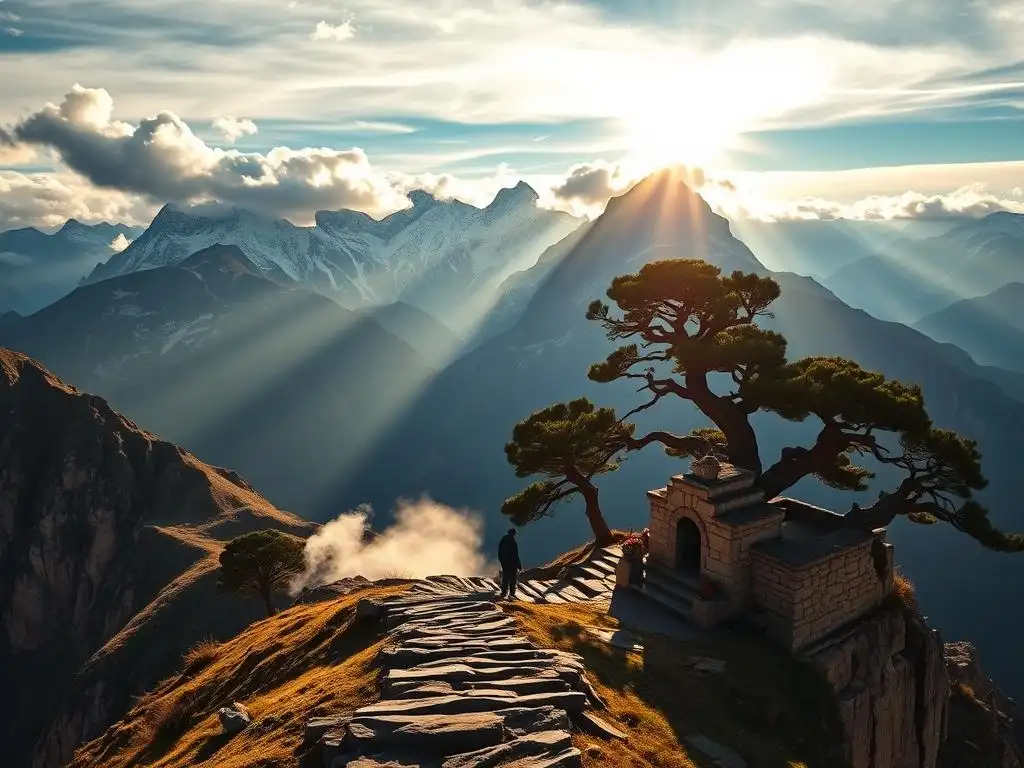
Step into a world lost in time, where towering peaks kissed the heavens and ancient spirits roamed the earth. Discover the secrets of the Andes, a land steeped in mystery and majestic wonder. This journey through Andean history unveils the profound significance of Andean pilgrimage sites, revealing the intricate cosmology and spiritual practices that shaped these remarkable civilizations.
Prepare to be captivated by the ancestral shrines and sacred mountains that await—their stories whisper of power, devotion, and a legacy that continues to resonate today. Explore the fascinating world of Andean spirituality and uncover the enduring mysteries of their sacred journeys.
-
Andean Pilgrimage Sites: Exploring Sacred Mountains and Ancestral Shrines
- The Significance of Sacred Spaces in Andean Cosmology
- Mountains as Deities: The Apus and their Role in Andean Spirituality
- Ausangate - A Case Study of Sacred Peaks
- Ancestral Shrines: Connecting with the Past
- Pachacamac: Honoring the Ancestors
- Isla del Sol: A Different Approach to Ancestral Veneration
- The Importance of Pilgrimage in Andean Culture
- Spiritual Practices During Andean Pilgrimages
- The Contemporary Relevance of Andean Pilgrimage
- Preservation and Conservation of Andean Sacred Sites
- Challenges Facing Andean Pilgrimage Routes Today
- Conclusion: The Enduring Legacy of Andean Pilgrimage
- Frequently Asked Questions
- Final Reflection: Echoes of the Andes: A Legacy of Faith and Connection
- Embark on Your Spiritual Journey Today!
Andean Pilgrimage Sites: Exploring Sacred Mountains and Ancestral Shrines
The Andes Mountains, a colossal spine running down the western coast of South America, are more than just a geographical feature; they are the very foundation of Andean cosmology and worldview. For millennia, the indigenous populations of this region – including the Inca, Moche, Nazca, and Tiwanaku civilizations – have viewed these towering peaks and the surrounding landscapes as sacred spaces, imbued with spiritual power and ancestral presence.
This article delves into the significance of pilgrimage and spiritual practices within Andean culture, focusing on the veneration of sacred mountains and ancestral shrines, key elements of understanding Andean beliefs about death and ancestor veneration. We will explore the profound relationship between the living and the dead, and how these beliefs shaped the rituals and practices surrounding pilgrimage to these significant sites.
Understanding Andean pilgrimage sites offers a crucial window into the rich tapestry of Andean spirituality and its enduring legacy. The term "Andean pilgrimage sites" encompasses a vast array of locations, each holding unique significance within the complex Andean spiritual landscape.
The Significance of Sacred Spaces in Andean Cosmology
Andean cosmology views the world as a layered and interconnected system, where the earthly realm is intimately linked to the celestial and the underworld. Sacred mountains, known as Apus, are considered intermediaries between these realms, acting as powerful conduits of energy and communication with the supernatural world. These weren't simply geographical landmarks; they were – and in many cases still are – considered sentient beings, powerful deities worthy of respect and veneration.
Ancestral shrines, often located in caves, mountain crevices, or atop high-altitude passes, served as focal points for rituals and offerings, reinforcing the connection between the living and their ancestors. The construction and placement of these shrines, often meticulously aligned with astronomical events, further demonstrates the sophisticated understanding of the cosmos held by Andean cultures.
These sites are not merely places of worship; they are living expressions of a deeply rooted spiritual connection to the land and the ancestors. The meticulous care and attention given to these spaces over generations speaks volumes about the enduring importance of these beliefs.
Many Andean pilgrimage sites involve arduous journeys, often undertaken at significant physical and spiritual cost. This journey itself is considered a crucial part of the pilgrimage, a process of purification and spiritual transformation. The challenges faced during the trek are seen as tests of devotion and commitment, strengthening the pilgrim's connection to the sacred mountain and the spiritual world.
The offerings left at these sites – ranging from coca leaves and chicha (a fermented corn drink) to textiles and precious metals – further emphasize the importance of reciprocity and maintaining harmonious relationships with the Apus and the ancestral spirits. For example, the pilgrimage to [specific mountain name pending] involves a multi-day trek across challenging terrain, culminating in a ceremony at the mountain's summit. [Detailed description of the ceremony and its significance pending].
Mountains as Deities: The Apus and their Role in Andean Spirituality
The Apus, the snow-capped peaks of the Andes, are central to Andean spirituality. They are not merely mountains; they are powerful deities, considered the guardians and protectors of their respective territories. Each Apus has its own unique personality and characteristics, reflected in the specific rituals and offerings associated with it. The relationship between the communities and their Apus is one of reciprocal exchange; the people offer prayers, sacrifices, and tributes, while the Apus provide protection, fertility, and prosperity. This reciprocal relationship is vital to the Andean worldview, highlighting the interdependence between the human and the supernatural worlds.
The veneration of Apus is not limited to formal ceremonies. Daily life is deeply intertwined with the presence and influence of these mountain deities. Farmers pray for good harvests, herders for the health of their animals, and families for protection and well-being, all directed towards the Apus.
The orientation of villages, the layout of agricultural fields, and even the design of houses often reflect the importance of the Apus in the daily lives of Andean communities. This constant interaction with the spiritual realm underscores the pervasive nature of Andean spirituality and its integration into all aspects of life. The enduring legacy of Apus worship demonstrates the profound connection between Andean people and their environment, a connection that continues to shape their cultural identity today.
Furthermore, the stories and legends surrounding specific Apus are rich with symbolic meaning, reflecting the deep understanding of the natural world and the intricate relationship between humans and the environment. [Specific examples of legends and stories associated with particular Apus pending].
Ausangate - A Case Study of Sacred Peaks
Ausangate, a majestic 6,384-meter (20,945-foot) peak in the Andes of Peru, stands as a powerful symbol of Andean pilgrimage sites. More than just a geographical feature, Ausangate is a apu, a sacred mountain revered by local communities for centuries. Its snow-capped summit, often shrouded in mist, is believed to be the dwelling place of powerful spirits, and its slopes are crisscrossed with ancient pilgrimage routes still used today.
The vibrant colors of the mountain – striking blues, greens, and reds – are often interpreted as manifestations of spiritual energy, further reinforcing its sacred significance. The importance of Ausangate extends beyond the Quechua communities who live closest to it; its spiritual power resonates across a wide area, attracting pilgrims from diverse backgrounds and regions. The enduring reverence for Ausangate highlights the profound connection between Andean spirituality and the natural world, showcasing the enduring power of Andean pilgrimage sites.
The mountain's significance isn't solely religious; it also plays a vital role in the local economy, with tourism contributing significantly to the livelihoods of nearby communities. However, this economic benefit necessitates careful management to ensure the preservation of this precious Andean pilgrimage site and its surrounding ecosystem.
Pilgrimage Routes to Ausangate
Pilgrimage to Ausangate typically involves arduous treks across challenging terrain. These are not casual hikes; they are spiritual journeys requiring physical and mental endurance. The most common routes are often linked to ancient Inca trails, some parts of which remain remarkably well-preserved.
Pilgrims often follow specific paths, guided by local shamans or experienced community members, who possess intimate knowledge of the sacred landscape. The routes themselves are considered sacred, each step taken imbued with spiritual meaning. Some routes involve crossing high mountain passes, navigating treacherous glaciers, and traversing rocky, uneven terrain.
The journey is as significant as the destination, with the challenges faced seen as tests of faith and devotion. The difficulty of the pilgrimage underlines the commitment of the pilgrims and the profound importance of reaching the mountain's sacred sites. Moreover, the specific routes often vary based on the time of year and the purpose of the pilgrimage; certain routes might be favored during specific festivals or for particular rituals.
Rituals and Offerings at Ausangate
Upon reaching Ausangate, or at designated points along the pilgrimage routes, pilgrims engage in a variety of rituals and offerings. These practices aim to honor the apu and seek its blessings. Common offerings include coca leaves – a sacred plant in Andean culture – along with other items such as alcohol, food, and textiles.
These offerings are not merely symbolic gestures; they are seen as a form of communication and exchange with the mountain spirit. Prayers are recited, and ceremonies performed, often led by experienced paqos (shamans). The rituals often involve chanting, music, and the burning of incense, creating a powerful and moving atmosphere.
The specific rituals and offerings can vary depending on the community and the individual's intentions, but the underlying goal remains consistent: to maintain a harmonious relationship with the apu and secure its favor. The significance of these rituals lies in their ability to strengthen the bond between the community and the sacred mountain, reinforcing the enduring importance of Andean pilgrimage sites in their spiritual and cultural life. The practice also highlights the deeply ingrained animistic beliefs present in Andean cosmology.
Ancestral Shrines: Connecting with the Past
Beyond the towering sacred mountains, numerous ancestral shrines dot the Andean landscape, serving as important pilgrimage sites. These shrines, often located in caves, on mountaintops, or near significant water sources, represent points of connection with ancestors and the spiritual world. Many shrines are marked by simple structures, such as stone cairns or small altars, adorned with offerings. These humble structures, however, hold immense spiritual significance for local communities.
They are places where the living can communicate with their ancestors, seeking guidance, protection, and blessings. Rituals at these shrines often involve leaving offerings of food, drink, and other symbolic items, accompanied by prayers and ceremonies. The shrines are not simply static monuments; they are dynamic spaces where the past, present, and future intertwine.
The continued use of these shrines demonstrates the enduring power of ancestral veneration in Andean culture, showcasing the living connection between the present and past generations. The existence of these numerous shrines, scattered throughout the Andes, underscores the vast network of sacred sites that form the very fabric of Andean spirituality and provide a compelling insight into "Andean pilgrimage sites". The preservation and understanding of these shrines are critical for preserving the rich cultural heritage of the Andes.
Pachacamac: Honoring the Ancestors
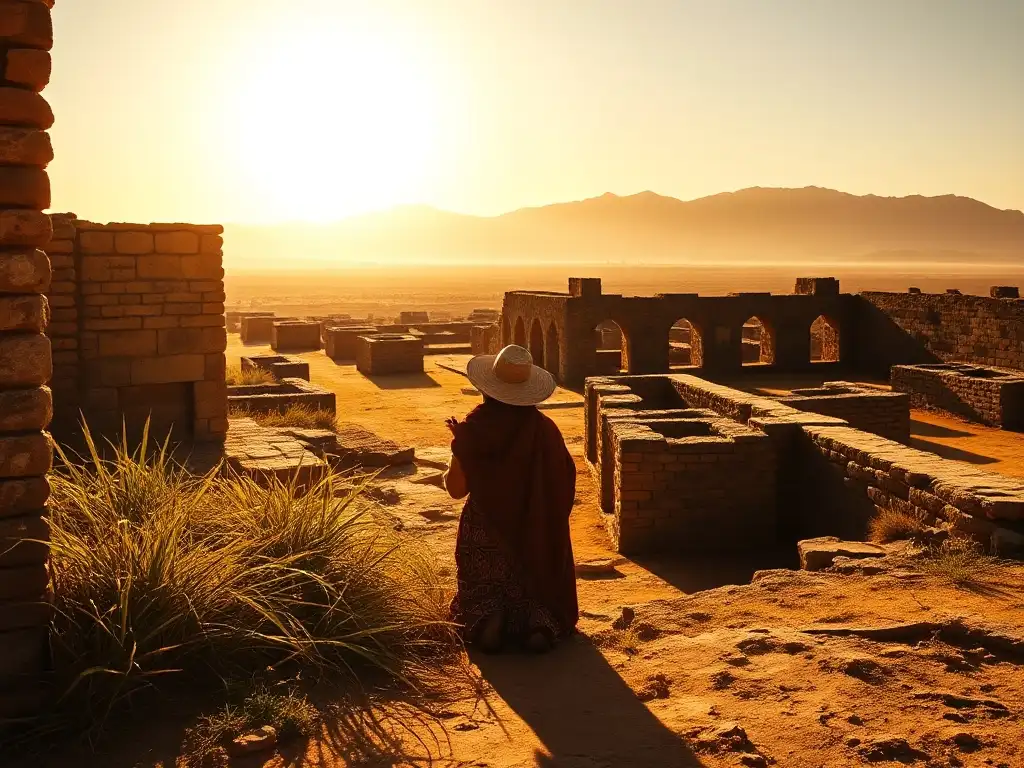
History and Significance of Pachacamac
Pachacamac, located south of Lima, Peru, stands as a powerful testament to the enduring importance of ancestral veneration in Andean culture. For centuries, this site served as a major pilgrimage destination, attracting individuals from diverse Andean communities. Its name, meaning "Shaker of the Earth" in Quechua, hints at its profound spiritual significance.
Archaeological evidence reveals a long and complex history, with the site's origins tracing back to pre-Inca times. Different cultures, including the Ychsma and the Incas, left their marks on Pachacamac, building upon existing structures and incorporating their own religious beliefs and practices. The site's central temple, dedicated to the deity Pachacamac, was a focal point for religious rituals and ceremonies, reflecting the complex interplay of cosmology and ancestor worship prevalent in the Andean worldview.
The immense scale of the site, with its numerous temples, residential areas, and agricultural terraces, underscores its importance as a major religious and administrative center. The meticulous construction and intricate iconography further highlight the sophisticated engineering and artistic skills of the Andean cultures. The discovery of numerous mummies and grave goods within the site also provides invaluable insights into burial practices and the beliefs surrounding death and the afterlife.
Pilgrimage and Rituals at Pachacamac
Pilgrimages to Pachacamac were not merely ceremonial acts; they were deeply personal journeys of spiritual renewal and connection with the ancestors. People traveled long distances, often undertaking arduous journeys, to participate in the religious festivals and rituals held at the site. These rituals, often involving offerings and sacrifices, aimed to appease the deities and ensure the well-being of the community. Evidence suggests that pilgrims sought blessings, healing, and guidance from the divine and their ancestors.
The offerings found at the site—ranging from ceramics and textiles to precious metals and food—reflect the diverse beliefs and practices of the people who came to Pachacamac. These offerings, carefully placed in sacred spaces, served as material manifestations of their spiritual devotion. The annual festivals, coinciding with agricultural cycles and significant celestial events, attracted large crowds, transforming Pachacamac into a vibrant hub of religious and social activity.
The organization and scale of these events indicate a highly structured religious system with complex social hierarchies. The legacy of these pilgrimages and rituals continues to resonate today, shaping the cultural identity and spiritual practices of many communities in the region. The site serves as a powerful reminder of the deep connection between the living and the dead in Andean cosmology.
Isla del Sol: A Different Approach to Ancestral Veneration
Unique Characteristics of Isla del Sol
Isla del Sol, located in Lake Titicaca, Bolivia, presents a contrasting yet equally significant example of Andean pilgrimage sites. Unlike Pachacamac's monumental architecture, Isla del Sol's power lies in its natural beauty and its deep connection to the Incas' origin myth. The island's rugged terrain, dotted with ancient ruins and breathtaking landscapes, creates an atmosphere of profound spiritual significance. The Incas believed that the island was the birthplace of the sun god, Inti, and their ancestors.
This belief imbued the island with immense sacredness, making it a crucial site for pilgrimage and ritual. The island's unique geography, nestled within the vast expanse of Lake Titicaca, further enhances its mystical aura. The lake's high altitude and the island's isolation contribute to a sense of otherworldliness, reinforcing its status as a sacred space.
The various archaeological sites scattered across Isla del Sol—including temples, terraces, and ceremonial structures—provide tangible evidence of the island's importance as a religious center. The preservation of these sites, despite the passage of time, speaks to the enduring power of Andean traditions and beliefs. The intricate stonework and the strategic placement of the structures reveal a deep understanding of both cosmology and practical engineering.
How Isla del Sol Reflects Andean Beliefs
Isla del Sol’s significance as a pilgrimage site is deeply rooted in the Andean worldview, reflecting core beliefs about the cosmos, ancestors, and the interconnectedness of all living things. The island's association with the sun god, Inti, highlights the importance of solar worship in Andean religion. The belief that the island was the birthplace of the Incas underscores the importance of lineage and ancestral connection in Andean society.
Pilgrimages to Isla del Sol were not simply journeys to a sacred place; they were acts of spiritual renewal and reaffirmation of cultural identity. The rituals performed on the island, which often involved offerings and prayers, aimed to maintain harmony between the living and the spirit world. The island's natural beauty, combined with its rich history and cultural significance, creates a powerful and moving experience for those who visit.
The enduring legacy of Isla del Sol speaks to the resilience of Andean spiritual traditions and the continuing importance of ancestor veneration in Andean culture. The island remains a powerful symbol of the Andean connection to the land, the cosmos, and the ancestral past. The stories and legends associated with the island continue to be passed down through generations, perpetuating the spiritual significance of this remarkable place.
The Importance of Pilgrimage in Andean Culture
Pilgrimage in Andean culture wasn't merely a journey; it was a deeply spiritual and social experience, central to the worldview of many pre-Columbian societies. These journeys, often arduous and undertaken over challenging terrain, represented a profound connection to the ancestors, the gods, and the sacred landscape itself. The act of pilgrimage itself was considered a form of ritual purification, a cleansing of the spirit, and a strengthening of the community bonds. Success in reaching the sacred site was often viewed as a sign of divine favor and a testament to one's devotion.
The specific significance of a pilgrimage varied depending on the location and the individual's purpose, but the overarching theme of connecting with the supernatural realm remained consistent. For example, pilgrimages to mountaintops, like those to the sacred mountain Ausangate in Peru, frequently involved seeking blessings for crops, livestock, or family well-being. The journey itself, often a communal affair, fostered a sense of shared purpose and strengthened social ties within the community.
The act of reaching the summit, a physically demanding feat, served as a metaphor for spiritual ascension and renewal. Evidence suggests that the frequency and importance of these pilgrimages varied across different Andean cultures, reflecting the unique spiritual beliefs and practices of each group. However, the underlying significance of pilgrimage as a vital spiritual practice remained a common thread throughout the Andes.
Spiritual Practices During Andean Pilgrimages
Andean pilgrimages weren't simply physical journeys; they were rich with spiritual practices designed to connect the pilgrims with the supernatural world. These practices varied in nature and intensity, depending on the specific location and the purpose of the pilgrimage. Common elements included ritual cleansing, offerings to deities and ancestors, and prayer.
Pilgrims often undertook periods of fasting or abstinence before embarking on their journey, preparing themselves spiritually and physically for the arduous undertaking. Upon arrival at the sacred site, elaborate ceremonies were often performed, involving symbolic gestures, chanting, and the presentation of offerings. The specific rituals and their meanings were often passed down through generations, representing a continuity of spiritual beliefs and practices.
Many rituals involved interacting with the natural environment, emphasizing the interconnectedness between the human and spiritual worlds. For instance, the collection of specific plants or minerals during the pilgrimage often held symbolic significance, reflecting the sacredness of the natural world and its connection to spiritual power. Furthermore, the use of coca leaves, a sacred plant in Andean culture, played a significant role in many pilgrimage rituals, offering a connection to the spiritual realm and promoting a state of altered consciousness.
Offerings and Ceremonies
Offerings played a crucial role in Andean pilgrimage rituals. These weren't merely gifts; they were expressions of devotion, gratitude, and a plea for divine intervention. The types of offerings varied widely, depending on the specific culture and the purpose of the pilgrimage. Common offerings included coca leaves, chicha (a fermented maize beverage), textiles, food, and precious metals.
The act of offering itself was a symbolic gesture, signifying the pilgrim's willingness to give something of value in exchange for divine favor. The presentation of offerings was often accompanied by elaborate ceremonies, involving specific rituals and prayers. These ceremonies were carefully orchestrated, reflecting a deep understanding of the spiritual dynamics at play. The placement of offerings at specific locations within the sacred site also held symbolic meaning, reflecting the power dynamics between the pilgrims and the spiritual world.
For instance, offerings left at high-altitude shrines often signified a desire to reach the highest spiritual realms. Archaeological evidence supports the prevalence of these practices, with numerous sites revealing the remains of offerings left by past pilgrims. Analyzing the types and quantities of offerings provides valuable insights into the beliefs and practices of ancient Andean cultures.
The Role of Music and Dance
Music and dance were integral components of Andean pilgrimage rituals, serving to enhance the spiritual experience and foster a sense of community. The rhythms and melodies were believed to have the power to connect the pilgrims with the supernatural world, facilitating communication with deities and ancestors. Specific musical instruments, such as panpipes, drums, and flutes, were often used, each with its own symbolic meaning.
The music created a sacred atmosphere, fostering a state of heightened spiritual awareness. Dance, too, played a crucial role, with specific movements and steps often carrying symbolic weight. These dances often represented the movements of nature, the journey of the soul, or the interaction between the human and spiritual worlds.
The communal nature of the music and dance further strengthened the bonds between the pilgrims, creating a shared sense of purpose and collective spiritual experience. The combination of music, dance, and offerings created a powerful ritualistic experience, enhancing the pilgrims' connection to the sacred site and the spiritual realm. The types of music and dance varied across different Andean cultures, reflecting the unique spiritual traditions of each group, yet the central role of music and dance in facilitating spiritual connection remained consistent.
The Contemporary Relevance of Andean Pilgrimage
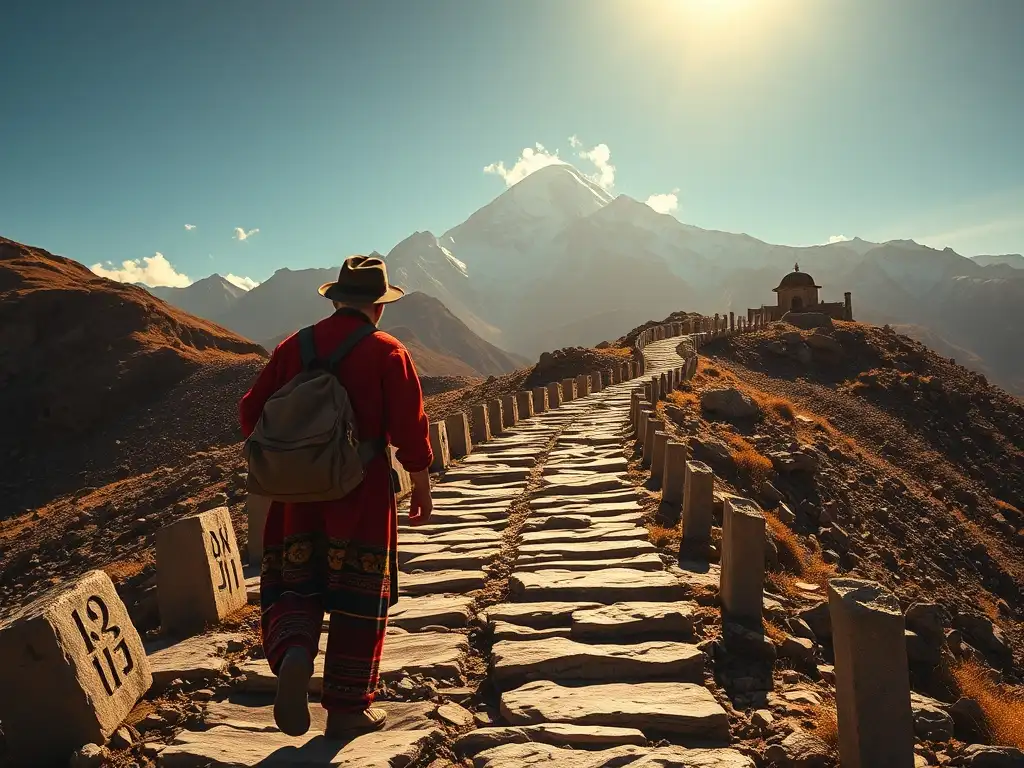
Andean pilgrimage, far from being a relic of the past, maintains profound significance in the lives of many contemporary Andean communities. The practice is not merely a historical curiosity; it's a vibrant, living tradition that continues to shape spiritual beliefs, social structures, and even economic activities in the region. For many indigenous groups, the annual pilgrimages to sacred mountains and ancestral shrines represent a crucial link to their ancestral heritage, reinforcing cultural identity in a rapidly changing world.
These journeys are often accompanied by intricate rituals and offerings, ensuring the continuity of ancient traditions and providing a powerful sense of belonging and community. The spiritual renewal experienced during these pilgrimages strengthens community bonds and provides a framework for navigating the complexities of modern life.
Furthermore, the economic impact of pilgrimage, albeit often understated, is undeniable, supporting local economies through tourism and the production of ritual objects and offerings. The continued relevance of Andean pilgrimage underscores its enduring power to foster cultural preservation and spiritual resilience.
Preservation and Conservation of Andean Sacred Sites
The preservation of Andean sacred sites faces numerous challenges in the modern era. The delicate balance between respecting ancient traditions and managing the increasing influx of pilgrims and tourists requires careful consideration. Many sites are vulnerable to environmental degradation, caused by factors such as erosion, pollution, and unsustainable tourism practices.
The construction of infrastructure, including roads and other developments, can also negatively impact the sanctity and integrity of these sacred spaces. Effective conservation strategies must involve collaboration between local communities, government agencies, and international organizations. This collaboration is crucial to implement sustainable management plans that protect the ecological integrity of these sites while allowing for respectful access for pilgrims and researchers.
Innovative approaches such as community-based tourism initiatives, which empower local communities to manage and protect their heritage, are becoming increasingly important. Furthermore, raising awareness about the importance of preserving these sites through education and outreach programs is paramount to ensuring their long-term survival. The challenge lies in balancing the needs of contemporary communities with the imperative to safeguard these invaluable pieces of Andean heritage for future generations.
Challenges Facing Andean Pilgrimage Routes Today
The pilgrimage routes themselves face several significant challenges. The increasing impact of climate change, particularly the melting of glaciers and changes in weather patterns, poses a serious threat to the accessibility and safety of many routes. Landslides, flash floods, and unpredictable weather conditions can disrupt pilgrimages and endanger participants.
Furthermore, the encroachment of modern infrastructure, such as roads and mining operations, can fragment traditional routes, disrupting the spiritual significance of the journey. The lack of adequate infrastructure along certain routes, such as insufficient signage, sanitation facilities, and emergency services, can pose additional risks to pilgrims. In some cases, the commercialization of pilgrimage can lead to the exploitation of local communities and the degradation of sacred sites.
Addressing these challenges requires a multifaceted approach involving investment in infrastructure improvements, environmental protection measures, sustainable tourism development, and community empowerment. The goal is to ensure that these ancient pilgrimage routes remain accessible, safe, and spiritually meaningful for future generations while preserving their cultural and ecological integrity. Careful planning and collaborative efforts are crucial to mitigating the risks and preserving the authenticity of these vital pathways connecting communities to their spiritual heritage.
Conclusion: The Enduring Legacy of Andean Pilgrimage
The practice of pilgrimage to sacred mountains and ancestral shrines in the Andes continues to resonate deeply within Andean communities today, even amidst the pressures of globalization and modernization. While the forms of these pilgrimages may have evolved over centuries, adapting to changing social and political landscapes, the core spiritual beliefs and practices remain remarkably resilient.
The enduring power of these pilgrimages lies in their ability to connect contemporary Andean peoples with their ancestors, reinforcing a sense of continuity and cultural identity. These journeys are not merely physical treks; they are transformative spiritual experiences that reaffirm a profound connection to the land, the cosmos, and the spiritual world.
The vibrant tapestry of Andean culture is intricately woven with threads of ancestor veneration and respect for the sacred landscape. The pilgrimage sites, many of which have been continuously used for millennia, stand as powerful testaments to this enduring spiritual connection. They serve as living archives, preserving ancient traditions and offering a tangible link to the past.
The continued practice of pilgrimage highlights the ongoing relevance of Andean cosmology and worldview, demonstrating the enduring vitality of a spiritual tradition that has shaped the region for thousands of years. Studying these pilgrimage sites offers invaluable insight into the complex interplay between spiritual belief, social organization, and environmental stewardship within Andean societies, both past and present. The preservation and understanding of these sites are crucial not only for anthropological research but also for the continued cultural flourishing of Andean communities.
These places are not merely historical relics; they are living, breathing expressions of a deeply rooted and enduring spiritual tradition. Their continued use underscores the vital importance of recognizing and respecting the rich cultural heritage of the Andes.
Frequently Asked Questions
What are some significant Andean pilgrimage sites?
Many sites served as pilgrimage destinations. Sacred mountains like Apu Ausangate and Huascarán were central, as were Inca ruins such as Machu Picchu and Sacsayhuamán, attracting pilgrims for centuries. These places hold deep spiritual significance.
Why were these sites important for Andean peoples?
These sites were crucial for spiritual and ritual practices. They connected people to their ancestors and deities, facilitating offerings, ceremonies, and communion with the supernatural world. Maintaining cosmic balance was a key aspect of these pilgrimages.
How did Andean pilgrimage practices differ among different cultures?
While many shared reverence for mountains and ancestors, specifics varied. The Inca emphasized imperial control, while earlier cultures like the Nazca focused on water rituals and lineage connections. Each culture had unique ceremonies and beliefs.
What evidence exists to support the importance of these pilgrimage sites?
Archaeological evidence abounds, including ruins of ceremonial structures, pathways, and offerings found at these sites. Ethnographic studies of modern Andean communities also reveal the ongoing significance of these traditions. This shows the enduring legacy of these practices.
Are these pilgrimage sites still relevant today?
Absolutely. Many sites remain active pilgrimage destinations. Modern Andean communities continue to practice ancestral traditions, blending ancient beliefs with contemporary expressions. These sites are living testaments to a rich spiritual heritage.
Final Reflection: Echoes of the Andes: A Legacy of Faith and Connection
The enduring power of Andean pilgrimage sites resonates deeply with contemporary spiritual seekers, demonstrating that the human need for connection to something greater than ourselves transcends time and geography. These sacred spaces, steeped in ancient traditions and vibrant with modern devotion, offer a powerful testament to the enduring strength of faith and the importance of preserving cultural heritage.
The profound impact of these pilgrimages on the cultural landscape of the Andes is undeniable, shaping not only religious practices but also social structures, artistic expression, and even environmental stewardship. The mountains themselves become active participants in the spiritual journey, their imposing presence a constant reminder of the interconnectedness of humanity and nature. The mountains are not simply stones, but living beings, imbued with spirit and power.
This sentiment, echoed across generations, underscores the enduring spiritual significance of these sites and their continued relevance in a rapidly changing world.
Consider, for a moment, the echoes of these ancient rituals in your own life. What are the sacred spaces, physical or metaphorical, that hold significance for you? How can you cultivate a deeper connection to your own heritage, your community, and the natural world, drawing inspiration from the enduring legacy of Andean pilgrimage? Let the spirit of the Andes inspire you to find your own path towards meaning and connection.
Embark on Your Spiritual Journey Today!
Thank you for exploring the profound significance of ancestral shrines and sacred mountains with us! You've uncovered insights into the rich spiritual heritage that shapes our connection to the Andean world. Now, it's time to take the next step and immerse yourself in these practices.
- Visit a local sacred site: Experience the energy and tranquility firsthand at a nearby shrine or significant natural location.
- Join a spiritual community: Deepen your understanding and connect with like-minded individuals through a pilgrimage, meditation group, or similar gathering.
- Share your experiences: Inspire others to explore this vibrant tradition by sharing your journey and insights on social media using #AndeanSpirituality.
What steps will you take to connect with your own spiritual heritage and discover the magic of the Andean landscape?