
The Role of Women in Andean Death Rituals: Mourning, Caregiving, and Spiritual Guidance

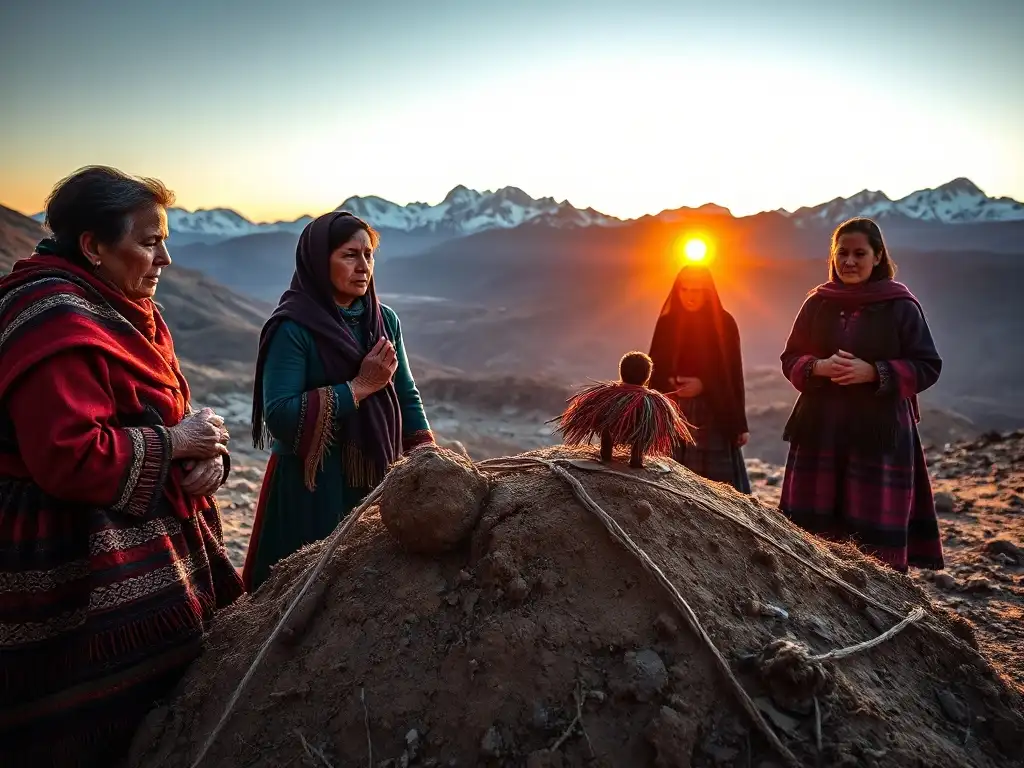
Step into a world lost to time, yet echoing with untold stories. For centuries, the towering peaks of the Andes have guarded secrets of extraordinary civilizations. But what role did Andean women play in the intricate tapestry of death rituals? Uncover the surprising power and influence wielded by women in shaping Andean cosmology and the ceremonies surrounding death, a world far richer and more complex than you might imagine. Prepare to be captivated by their profound contributions to life and afterlife in the vibrant heart of the Andean world.
- The Pivotal Role of Andean Women in Death Rituals: Mourning, Caregiving, and Spiritual Guidance
- Andean Cosmology and Death: A Woman's Perspective
- The Multifaceted Roles of Andean Women in Funeral Rites
- Specific Ritual Practices Led by Women in Andean Funeral Traditions
- Regional Variations in Andean Women's Death Ritual Practices
- The Enduring Legacy of Andean Women in Death Rituals
- Andean Women's Role in Death Rituals: A Conclusion on their Importance
- Frequently Asked Questions
- Final Reflection: Echoes of the Past, Voices of the Future
- Embrace the Wisdom of Andean Women: Take Action Today!
The Pivotal Role of Andean Women in Death Rituals: Mourning, Caregiving, and Spiritual Guidance
The Andean world, a tapestry woven from the threads of diverse cultures across the Andes Mountains, reveals a complex and fascinating relationship with death. While often overshadowed in historical narratives focused on male rulers and warriors, women played a crucial, multifaceted role in Andean death rituals. This article delves into the significant contributions of Andean women, exploring their participation in mourning practices, their crucial role in the care of the deceased, and their often-underestimated influence in spiritual guidance surrounding death and the afterlife.
We will examine evidence from various Andean cultures, including the Inca, Moche, Nazca, and Tiahuanaco, to illuminate the diverse yet interconnected roles women held in these deeply significant ceremonies and beliefs. Understanding their contributions is essential to gaining a complete picture of Andean cosmology and worldview, enriching our understanding of "Andean women's role death rituals."
Mourning and Public Lamentation: The Voice of Grief
Andean women were not merely passive mourners; they were active participants in public displays of grief. Evidence suggests that women led funeral processions, wailing and chanting in elaborate ceremonies designed to guide the spirit of the deceased to the afterlife. The intensity and public nature of their mourning served not only as an expression of personal loss but also as a vital ritual element, believed to facilitate the deceased's transition.
These expressions weren't simply emotional outbursts; they were carefully structured performances, often involving specific songs, gestures, and symbolic actions passed down through generations. The depth of their emotional involvement was considered essential for the successful completion of the ritual, underscoring their pivotal role in the community's collective mourning process. Further research is needed to fully understand the variations in mourning practices across different Andean cultures, but existing archaeological and ethnographic data strongly suggest the central role of women.
The Care of the Deceased: Preparation and Preservation
Beyond public mourning, Andean women played a vital role in the meticulous preparation and preservation of the deceased. This involved tasks ranging from washing and dressing the body to the complex process of mummification, a practice particularly prominent in some Andean cultures. The skill and knowledge required for these tasks, passed down through generations of women, were highly valued.
They weren't simply assistants; they were the primary custodians of the deceased, ensuring their proper treatment and facilitating their journey into the afterlife. Consider the intricate textiles and adornments often found with mummies—these were frequently crafted by women, demonstrating their artistry and spiritual involvement in the process. The meticulous care shown to the deceased reflects not only respect but also a deep belief in the ongoing connection between the living and the dead.
Spiritual Guidance and the Afterlife: Shamanistic Roles and Influence
While the image of the Andean shaman is often depicted as male, evidence suggests a significant female presence in spiritual practices surrounding death. While the exact nature and extent of their roles require further investigation, women likely acted as intermediaries between the living and the dead, providing spiritual guidance and offering prayers for the deceased's safe passage. Their knowledge of herbal remedies, healing rituals, and ancestral traditions likely contributed to their important role in these ceremonies.
The presence of female figurines and artifacts associated with shamanistic practices in archaeological contexts hints at a more complex picture than previously recognized, highlighting the need for further research on women's spiritual roles in Andean death rituals. The potential influence of women in these practices deserves greater scholarly attention to fully understand the complexity of Andean spirituality and its relationship to death.
Conclusion: Reframing the Narrative
The contributions of Andean women to death rituals were profound and multifaceted, extending far beyond simple mourning. They were active participants in every stage of the process, from public lamentations to the meticulous preparation of the deceased and potentially even spiritual guidance in the afterlife.
By acknowledging and celebrating their crucial roles, we gain a more comprehensive and nuanced understanding of Andean cosmology and worldview, challenging traditional narratives that often overlook or diminish their significance. Further research, particularly focusing on archaeological and ethnographic data from various Andean cultures, is crucial to further illuminate the remarkable contributions of Andean women in shaping their societies' complex relationship with death and the afterlife.
Andean Cosmology and Death: A Woman's Perspective
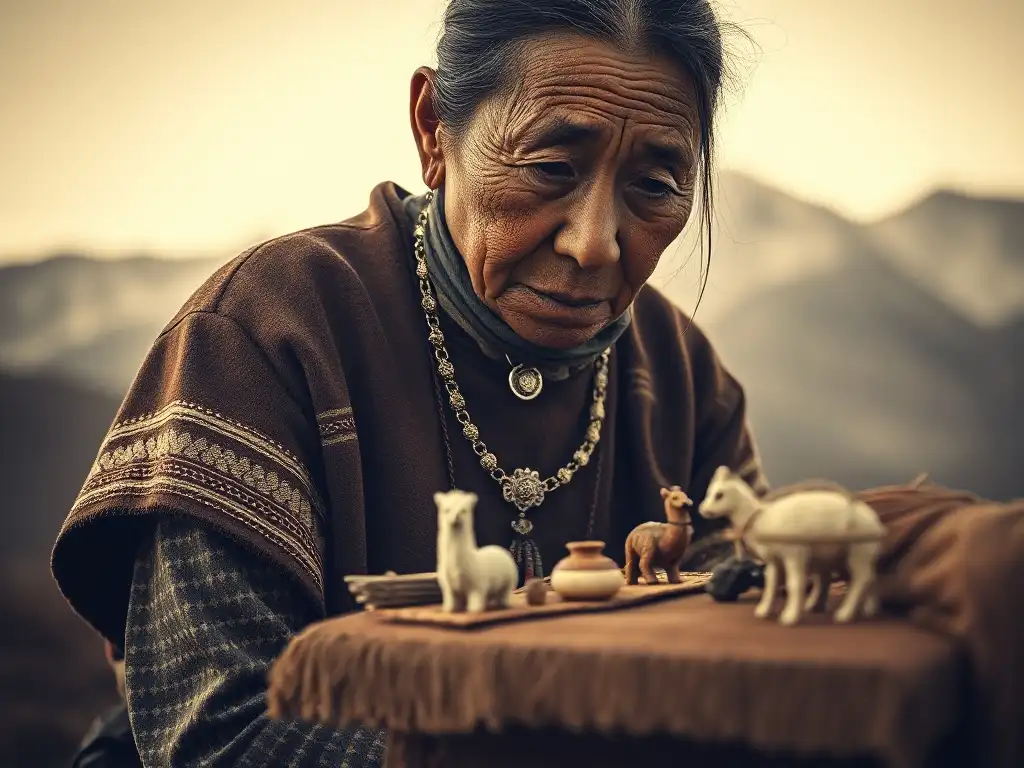
This section delves into the crucial role Andean women played in death rituals, moving beyond a simple observation of their participation to a deeper understanding of their multifaceted contributions. Their involvement wasn't merely peripheral; rather, it was integral to the complex cosmology and beliefs surrounding death in Andean societies.
We will explore how their actions shaped not only the immediate mourning process but also the enduring relationship between the living and the deceased, impacting the very fabric of Andean society. The perspectives offered here are drawn from archaeological evidence, anthropological studies, and interpretations of surviving Andean texts, acknowledging the limitations inherent in interpreting past practices.
Understanding Andean Beliefs About the Afterlife
Andean beliefs about the afterlife were intricate and varied across different cultures and time periods. However, a common thread was the concept of a continued existence for the deceased, albeit in a transformed state. Death wasn't seen as an absolute end but rather a transition to another realm, often interconnected with the world of the living. This belief system profoundly influenced the roles women played in death rituals.
For example, the Moche culture, known for its elaborate burial practices, often included female figures in grave goods, suggesting their importance in the afterlife journey. These weren't simply passive offerings; the inclusion of specific tools or adornments might indicate the continuation of specific roles or activities in the spirit world. Further research is needed to fully understand the symbolic meaning behind the inclusion of female figures in specific contexts, but it strongly suggests a belief in women's continued agency beyond death.
Furthermore, the careful preservation and maintenance of mummies, a practice common across various Andean societies, often fell under the purview of women, highlighting their connection to the ancestral realm. This active role in ancestor veneration underscores their importance in maintaining the continuity of family and community ties across the veil of death. The preservation of these mummies wasn't a mere act of preservation; it was an active participation in the ongoing life of the ancestor.
The Significance of Ancestor Veneration in Andean Culture
Ancestor veneration was central to Andean life. The deceased weren't simply forgotten; they were considered active participants in the lives of their descendants. This belief system heavily influenced social structures, political power, and daily life.
Women played a critical role in maintaining this connection with the ancestors. Their responsibilities extended beyond the immediate mourning period; they actively participated in rituals and ceremonies designed to honor and appease the spirits of their ancestors. These rituals, often involving offerings of food, drink, and textiles, were believed to maintain a harmonious relationship between the living and the dead, ensuring continued prosperity and protection.
The meticulous preparation of these offerings, often involving intricate weaving and culinary skills, was primarily the domain of women, highlighting their expertise and crucial role in this critical aspect of Andean culture. This isn't merely a matter of gender roles; it speaks to the power and spiritual authority attributed to women in shaping and maintaining the relationship between the living and the dead. The precise nature of these rituals varied considerably across different Andean societies, yet the consistent involvement of women points to a fundamental aspect of Andean cosmology: a deeply integrated role for women in navigating the spiritual world and maintaining the balance between life and death.
The Multifaceted Roles of Andean Women in Funeral Rites
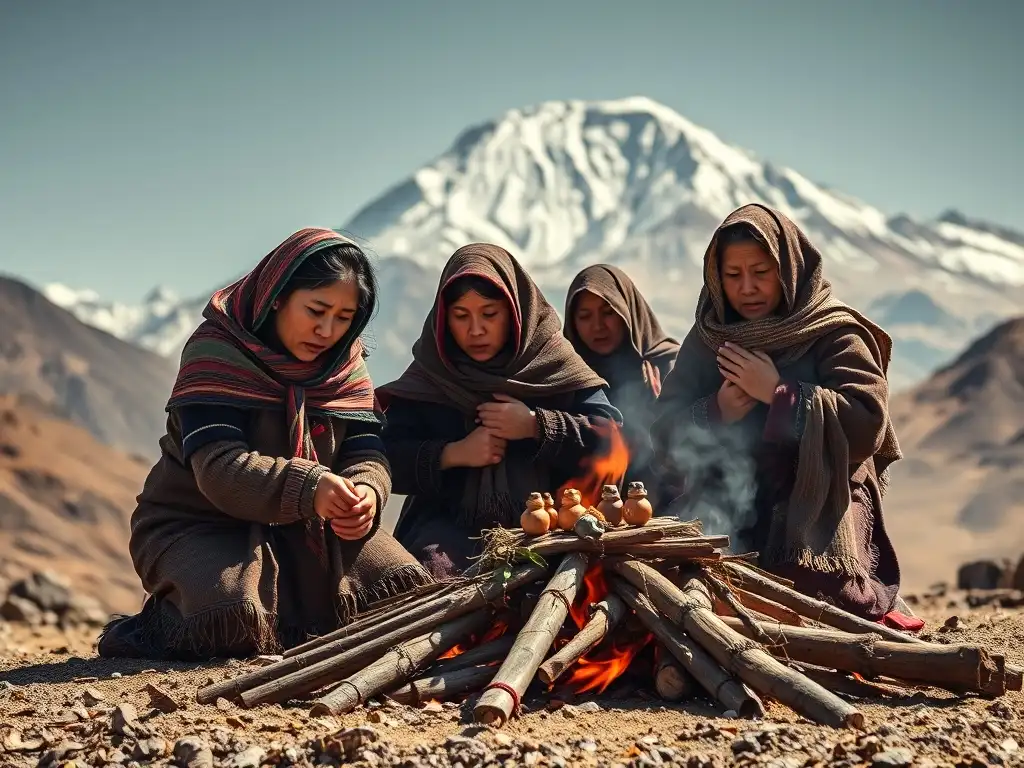
Andean women played a crucial, multifaceted role in death rituals, extending far beyond simple participation. Their involvement encompassed key aspects of mourning, practical preparations for burial, and even spiritual guidance, significantly shaping the overall funerary process and reflecting their societal standing within Andean communities. Their contributions highlight the complex interplay of gender, spirituality, and social structure within these ancient cultures.
Understanding the Andean women's role in death rituals provides a deeper appreciation for the richness and complexity of their worldview. This section explores these diverse roles, utilizing available archaeological and ethnographic evidence to paint a more complete picture of their participation. The keyword "Andean women's role death rituals" is central to understanding their vital contributions.
Andean Women as Key Mourners: Expressions of Grief and Loss
The expression of grief and mourning was not a solely private affair in Andean societies; it was a deeply communal process, with women taking center stage. Archaeological evidence, including depictions on textiles and pottery, shows women participating actively in funeral processions, wailing, and other public displays of sorrow. These weren't simply passive displays; they were active expressions of communal grief, reinforcing social bonds and acknowledging the deceased's importance within the community.
The intensity and public nature of their mourning rituals underscore the significance of kinship ties and the impact of death on the social fabric of Andean life. The depth of their grief was not merely personal; it represented the collective loss felt by the entire community. Further research into specific regional variations in mourning practices could reveal fascinating nuances in how Andean women expressed their sorrow.
For example, did the style of wailing or the types of clothing worn during mourning vary across different Andean cultures? [Specific information pending on regional variations in mourning practices].
Caregiving Duties: Preparing the Body for Burial in Andean Communities
Beyond the emotional aspects of mourning, Andean women bore the significant responsibility of preparing the deceased for burial. This was not simply a practical task; it was a deeply ritualized process imbued with spiritual significance, reflecting the Andean worldview surrounding death and the afterlife. Their involvement was crucial in ensuring a proper transition for the deceased into the spirit world. This meticulous caregiving extended to several key aspects of the burial process.
The Ritual Washing and Dressing of the Deceased
The ritual washing and dressing of the deceased was a central part of the funerary process, often performed exclusively by women. This act transcended mere hygiene; it was a sacred act of purification and preparation for the afterlife. The women would carefully cleanse the body, often using specific herbs or materials believed to have purifying properties.
The clothing selected for the burial was also significant, reflecting the deceased's social status and the beliefs surrounding appropriate attire for the journey to the afterlife. The meticulous attention to detail in this process underscores the importance placed on ensuring the deceased's proper passage into the spirit world. [Specific information pending on the types of herbs and materials used in the purification process].
Providing Sustenance and Comfort to the Bereaved Family
In addition to their duties in preparing the deceased, Andean women also played a crucial role in supporting the bereaved family. This involved providing practical assistance, such as preparing food and maintaining the household during the mourning period. This caregiving extended beyond the immediate aftermath of death, often continuing for months or even years, as the family gradually adapted to their loss.
This vital role demonstrates the importance of communal support in navigating the emotional and practical challenges of death within Andean communities. The sustained support provided by women highlights the strength of their social networks and the importance of collective resilience in the face of loss. The extent of this long-term support, and its variations across different Andean cultures, remains an area ripe for further research.
The Spiritual Leadership of Andean Women in Death Ceremonies
Andean societies, while patriarchal in many aspects, afforded women significant roles in death rituals, often exceeding the simple tasks of mourning and preparation. Their participation wasn't solely practical; it held profound spiritual significance. Women weren't merely passive participants but active agents in navigating the complex spiritual landscape surrounding death and the afterlife.
This spiritual leadership manifested in various ways, demonstrating a deep understanding of Andean cosmology and its connection to the cyclical nature of life and death. The expertise of women in herbal remedies and medicinal practices further cemented their importance in these ceremonies, as the transition between life and death was often viewed as a delicate and vulnerable period requiring careful spiritual and physical attention.
Their knowledge of plants and their properties extended beyond the mundane; many were believed to possess potent spiritual powers, capable of influencing the journey of the deceased to the afterlife. The use of these plants in funerary rituals highlights the women's crucial role in ensuring a smooth transition for the deceased.
Women as Intermediaries Between the Living and the Dead
The belief in the continued presence and influence of the deceased was central to Andean cosmology. Women often acted as intermediaries, facilitating communication and interaction between the living and the spirit world. This role wasn't limited to professional priestesses; many women in the community possessed the knowledge and skills to perform these functions.
They might use specific rituals, chants, or offerings to communicate with the spirits of the deceased, seeking guidance or resolving conflicts. This ability to bridge the gap between the two worlds was highly valued, and women who possessed it held considerable social influence. The ability to interact with the ancestors provided crucial insights into the community's future, informing decisions on planting, harvesting, and other vital aspects of communal life.
The women's connection to the spiritual realm ensured the continuity of traditions and the maintenance of social harmony. Their role wasn't simply about appeasing spirits; it was about fostering a continuous relationship between the living and the dead, a relationship crucial for the well-being of the community. Examples of specific rituals used by women to facilitate this interaction are unfortunately scarce in the historical record but warrant further investigation.
Andean Priestesses and their Role in Funerary Rituals
While many women participated in death rituals within their communities, certain women held specialized roles as priestesses, wielding significant spiritual authority. These priestesses played a crucial role in elaborate funerary rites, often leading ceremonies and performing sacred rituals. Their expertise extended beyond basic funerary practices; they were responsible for interpreting omens, guiding the mourning process, and ensuring the proper passage of the deceased into the afterlife.
The influence of these priestesses, as evidenced by archaeological findings and ethnographic accounts, suggests a complex hierarchy within the religious sphere, with women occupying positions of considerable power and prestige. The specific rituals performed by these priestesses varied across different Andean cultures, but they generally involved the use of sacred objects, offerings, and intricate ceremonies aimed at honoring the deceased and ensuring their peaceful transition. Unfortunately, detailed records of their specific rituals and practices are limited, underscoring the need for further research to fully understand the scope of their influence and the nuances of their roles within the Andean religious landscape.
The identification of female burials with elaborate grave goods further supports the existence of powerful and influential women within the Andean religious and social structures. The study of these burials offers valuable insights into the societal status and spiritual authority held by these priestesses.
Specific Ritual Practices Led by Women in Andean Funeral Traditions
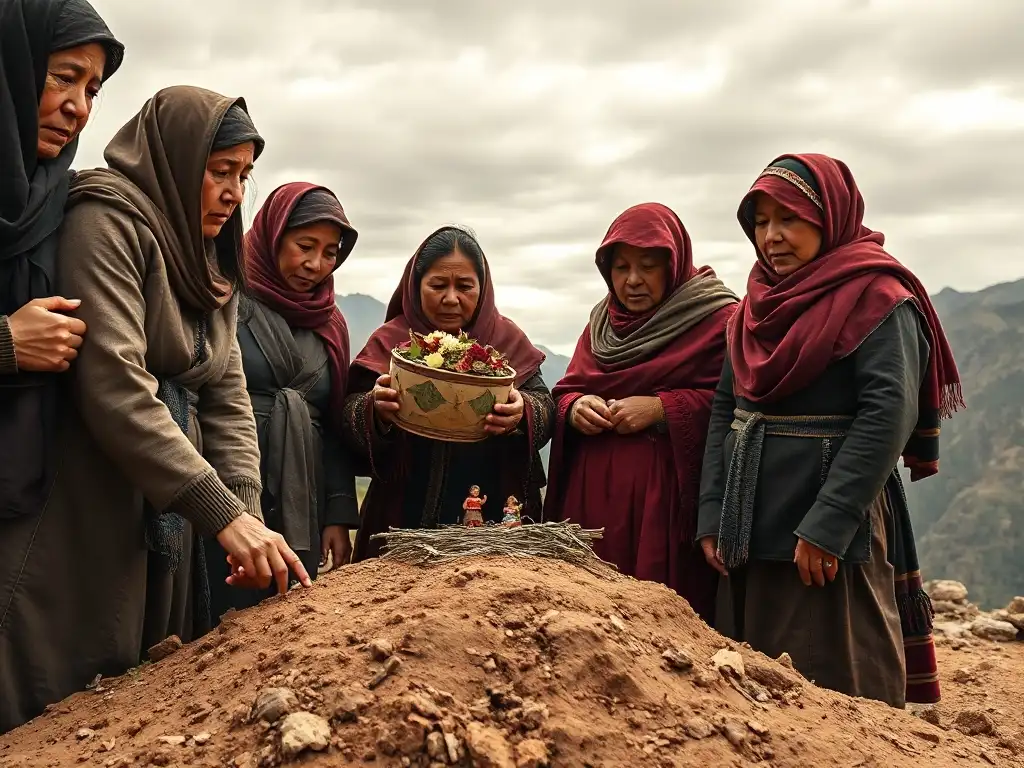
Andean women played a multifaceted and crucial role in death rituals, extending far beyond mere participation. Their involvement was deeply interwoven with the spiritual fabric of Andean societies, reflecting their significant social standing and spiritual authority. This section explores specific ritual practices predominantly led by women, highlighting their expertise and agency within these deeply significant ceremonies. Understanding the Andean women's role in death rituals offers a richer perspective on the complexity of Andean cosmology and worldview.
The evidence suggests a far more active and central role for women than previously acknowledged in many historical accounts. We will explore these practices, drawing upon archaeological findings, ethnographic studies, and historical accounts, to unravel the intricacies of their contributions. The keyword "Andean women's role death rituals" is central to understanding this complex interplay of gender, spirituality, and mortuary practices.
Weeping and Lamentations: A Central Part of Andean Women's Rituals
Professional mourners, often women, were integral to Andean funeral rites. Their wailing and lamentations, far from being mere expressions of grief, were considered powerful acts of ritual communication with the spirit world. These women, often skilled in vocal techniques and versed in traditional mourning songs, channeled the collective grief of the community, helping to guide the deceased's spirit on its journey to the afterlife.
The intensity and duration of their weeping were significant, reflecting the social status of the deceased and the importance of the proper transition. Archaeological evidence, such as the presence of specialized grave goods associated with mourners, supports the existence of this highly specialized role. The intensity of their performances was not simply emotional; it was a ritualized act designed to facilitate the passage of the soul and appease the spirits of ancestors.
Accounts from Spanish chroniclers, while often biased, also mention the prominent role of women in these public displays of grief, further corroborating the importance of their ritualized wailing. These women were not merely grieving; they were actively participating in a sacred process.
The Creation of Offerings and Burial Goods by Andean Women
The preparation of offerings and burial goods for the deceased was largely the domain of women. This involved a complex process of selecting, crafting, and arranging items intended to accompany the deceased in the afterlife. These offerings ranged from intricately woven textiles and ceramic vessels to food, drink, and precious ornaments.
The careful selection and preparation of these items reflected the belief that the deceased would need these provisions in the spirit world. Women's expertise in textile production, pottery, and food preparation made them uniquely qualified for this task. The intricate detail and craftsmanship evident in many burial goods suggest a level of skill and dedication indicative of a deeply spiritual and ritualistic practice.
The meticulous arrangement of offerings within the burial site also reveals a profound understanding of Andean cosmology and the spatial organization of the afterlife. Furthermore, the specific types of offerings varied depending on the social status of the deceased and the specific beliefs of the community, highlighting the nuanced understanding of Andean women in these practices.
Ritual Songs and Dances: Expressing Grief and Honoring Ancestors
Music and dance played a pivotal role in Andean death rituals, and women were central to their performance. Ritual songs, often lamentations or invocations to the ancestors, were used to guide the deceased's spirit and to connect the living with the spirit world. These songs, passed down through generations, contained intricate knowledge of Andean cosmology and beliefs about death.
The rhythmic chanting and melodic structure served not only to express grief but also to establish a sacred space for communication with the ancestors. Women's voices often dominated these performances, underscoring their crucial role in maintaining the continuity of these traditions.
The Saya Dance in Afro-Bolivian Funerals
The Saya dance, a vibrant and powerful tradition within Afro-Bolivian communities, offers a striking example of women's central role in death rituals. While not strictly Andean in origin, its incorporation into Andean-influenced funeral practices illustrates the continued significance of women's ritual leadership. In Saya ceremonies, women lead the dance, their movements and chants expressing both grief and celebration of the deceased's life.
The rhythmic drumming and the dynamic movements of the dancers create a powerful and cathartic experience for mourners, helping them to process their grief and connect with their ancestors. The Saya dance showcases the enduring power of women's voices and movement in shaping Andean-influenced mortuary traditions, further emphasizing the vital role of women in navigating death and remembrance. The incorporation of this tradition highlights the fluidity and adaptability of Andean death rituals across different cultural contexts.
Regional Variations in Andean Women's Death Ritual Practices
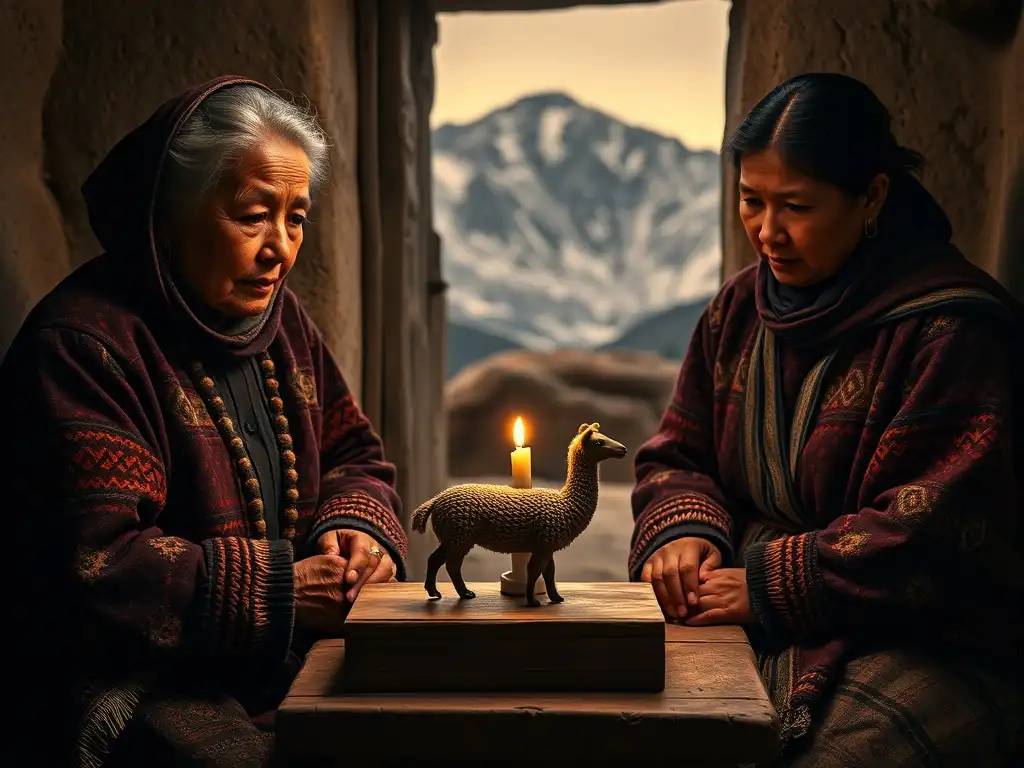
The role of Andean women in death rituals wasn't uniform across the vast and diverse Andean region. Significant variations existed based on geographical location, specific cultural group, and even social standing within those groups. Understanding these regional differences provides a richer, more nuanced picture of Andean women's participation in funerary practices and their broader societal roles.
Analyzing these variations allows us to move beyond simplistic generalizations and appreciate the complexities of Andean cosmology and worldview as it pertained to death and the afterlife. This section will specifically focus on the contrasting practices between highland and coastal communities, highlighting the subtle yet significant differences in their approaches to death rituals and the roles women played within them. The influence of factors like climate, available resources, and agricultural practices profoundly impacted their traditions and beliefs surrounding death.
Differences Between Highland and Coastal Andean Communities
The stark geographical differences between the Andean highlands and coastlines resulted in distinct cultural practices, including those surrounding death. Highland communities, often characterized by their agricultural dependence on potatoes and other hardy crops, developed rituals reflecting their challenging environment. Coastal communities, with access to marine resources and a different climate, developed unique traditions shaped by their relationship with the sea and different agricultural practices.
The Use of Different Burial Shrouds in the Highlands vs. the Coast
One striking example of regional variation lies in the materials used for burial shrouds. In the highlands, the scarcity of certain resources meant that shrouds were often made from readily available materials like llama or alpaca wool, often intricately woven with symbolic designs representing the deceased's status and beliefs.
These textiles were frequently imbued with potent spiritual significance, acting as a conduit between the physical and spiritual realms. Detailed analysis of these textiles, [specific information pending on textile analysis from various highland sites], reveals intricate patterns and symbols that offer clues to the beliefs and rituals surrounding death in these communities.
In contrast, coastal communities, with access to cotton and other plant fibers, used different materials for shrouds. Cotton shrouds were often adorned with different symbolic designs, reflecting the distinct beliefs and artistic styles prevalent in coastal regions. [Specific information pending on comparative analysis of highland vs. coastal burial shrouds]. The differences in materials and decorative styles highlight the unique adaptations of funerary practices to the specific environmental contexts of each region. The use of marine-related motifs in some coastal shrouds further underscores the importance of the sea in their cosmology and worldview.
Impact of Colonialism on Traditional Andean Women's Roles in Funerals
The arrival of the Spanish conquistadors dramatically altered Andean societies, profoundly impacting traditional death rituals and the roles of women within them. The imposition of Catholicism led to the suppression of many indigenous practices, including those related to ancestor veneration and funerary rites. Women, already central figures in pre-colonial funerary practices, faced a double burden: maintaining some aspects of their traditions while simultaneously adapting to the new religious and social structures imposed by the colonizers.
The introduction of Christian burial practices, such as formalized religious ceremonies and the use of specific burial grounds, challenged existing Andean traditions. While some elements of indigenous practices persisted in syncretic forms, the overall impact of colonialism was a significant shift in the power dynamics surrounding death rituals. [Specific information pending on documented instances of resistance and adaptation to colonial religious practices in funerary contexts].
The suppression of certain rituals and the introduction of new ones significantly altered the role of women in funerary practices, often diminishing their authority and control over traditional ceremonies. The study of colonial-era documents and archaeological evidence is crucial to fully understand the complexities of this transition and the resilience of Andean women in preserving aspects of their cultural heritage.
The subtle ways in which Andean women maintained elements of their traditions within the imposed colonial framework is a testament to their strength and adaptability in the face of significant cultural upheaval. 💔
The Enduring Legacy of Andean Women in Death Rituals
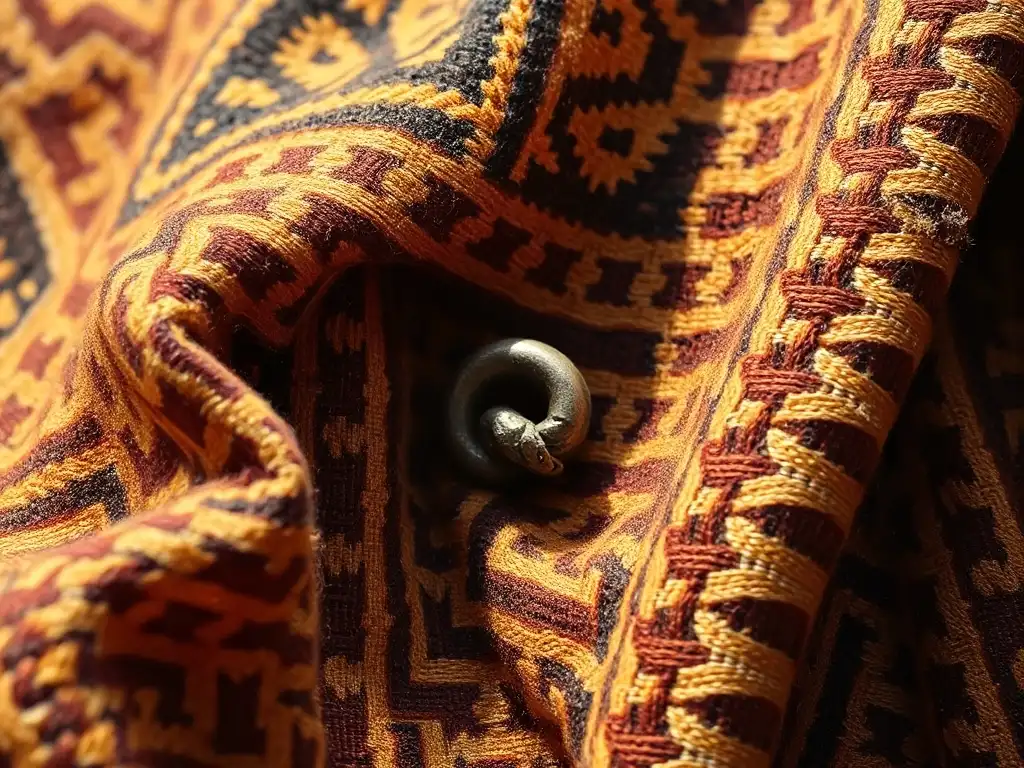
The role of Andean women in death rituals extended far beyond simple participation; they were central figures, deeply involved in the complex tapestry of mourning, caregiving, and spiritual guidance surrounding death. Their contributions, often overlooked in historical accounts dominated by male perspectives, reveal a profound understanding of Andean cosmology and the intricate relationship between the living and the dead. This section will explore the multifaceted roles of Andean women in death rituals, highlighting their agency and significance within these deeply spiritual practices.
Understanding their involvement provides crucial insight into the nuances of Andean beliefs about death and the afterlife. The influence of Andean women in death rituals is a testament to their enduring power and societal importance, even in the face of patriarchal interpretations of history. Their actions demonstrate the complex interplay of gender, spirituality, and social structure within ancient Andean societies.
The Continuity of Traditions in Contemporary Andean Societies
While much of our understanding of ancient Andean death rituals comes from archaeological evidence and limited historical accounts, many traditions persist in contemporary Andean communities. The continuity of these practices underscores the enduring significance of women's roles in these rituals. For example, in many communities, women continue to play a vital role in preparing the deceased for burial, a process often involving intricate rituals of cleansing and adornment.
This practice, passed down through generations, reflects the enduring belief in the importance of properly honoring the deceased to ensure a peaceful transition to the afterlife. Furthermore, women often lead or participate prominently in mourning ceremonies, expressing grief through songs, dances, and other traditional expressions of sorrow. These ceremonies are not merely expressions of personal loss but also vital communal rituals that reaffirm social bonds and spiritual connections.
The active participation of women in these contemporary rituals demonstrates the sustained legacy of their ancestral roles and the continued importance of their spiritual guidance in navigating death and bereavement. Studies of contemporary Andean communities show a strong correlation between women's involvement in funeral rites and the maintenance of traditional beliefs about death and ancestor veneration. This continuity provides invaluable insight into the enduring significance of Andean women's role in these practices.
How Andean Women's Funeral Rites Reflect Their Cultural Significance
The nature of Andean women's involvement in funeral rites directly reflects their cultural significance within their respective societies. Their roles were not merely ancillary; they were integral to the successful execution of the rituals and the preservation of cosmological beliefs. For instance, the intricate textile work often associated with mummification and burial ceremonies was largely undertaken by women, showcasing their advanced skills and their deep connection to the spiritual realm.
The symbolic meaning embedded in these textiles further emphasizes their crucial role in guiding the deceased's journey into the afterlife. Moreover, women’s participation in rituals involving offerings and libations highlights their connection to the earth and the ancestors, demonstrating their understanding and control of the spiritual forces that governed life and death. The meticulous preparation of the deceased, the creation of funerary objects, and the performance of ritualistic actions all point to women's agency and expertise in the realm of death and the afterlife.
Analysis of archaeological findings repeatedly reveals the significant presence of female-made artifacts in burial sites, emphasizing their critical contribution to the rituals and their deep understanding of Andean cosmology. This active participation reveals a level of cultural authority and spiritual knowledge that challenges traditional interpretations of Andean societies as solely patriarchal.
Andean Women's Role in Death Rituals: A Conclusion on their Importance
The evidence consistently points to a significant and multifaceted role for women in Andean death rituals, far exceeding simple participation. Their involvement transcended mere mourning; they were active agents in shaping the funerary process, reflecting their societal standing and spiritual influence. This wasn't a passive role dictated by societal norms, but rather a complex interplay of established traditions and individual agency. Analyzing the archaeological record, along with ethnohistorical accounts and surviving oral traditions, reveals a nuanced picture of their contributions. The notion of Andean women solely as mourners is a significant oversimplification.
Recognizing the Power and Influence of Women in Andean Funeral Practices
While the exact nature of their roles varied across different Andean cultures and time periods, several key themes emerge. Women were crucial in the preparation of the deceased. This involved tasks ranging from washing and dressing the body to creating and placing grave goods, often reflecting their intimate knowledge of the deceased's life and spiritual needs.
Evidence suggests women were deeply involved in the creation of textiles and ceramics specifically intended for funerary use, showcasing their artistic skills and spiritual understanding. These artifacts, frequently adorned with intricate designs and symbolic imagery, provided vital clues about the beliefs and practices surrounding death. Furthermore, women's participation extended to the construction and maintenance of burial sites, suggesting a level of authority and organizational skill.
The meticulous nature of many Andean burials points to a dedicated and organized effort, highlighting the significant contributions of women in this complex undertaking. The presence of female mummies in elite contexts further underscores their high status and influence within their communities.
The careful arrangement of grave goods, often including tools and personal belongings, implies a belief in the continued existence of the deceased and a desire to equip them for the afterlife. Women, possessing intimate knowledge of the deceased's life and preferences, would have been ideally positioned to select and arrange these items.
Their understanding of Andean cosmology and the spiritual journey of the dead informed these choices, emphasizing their pivotal role in ensuring a successful transition for the deceased. This active participation wasn't simply a matter of practicality; it was a deeply spiritual act, reflecting their profound understanding of Andean beliefs about death and the afterlife.
Further Research and Exploration of Andean Women's Spiritual Roles
Despite considerable progress in understanding Andean death rituals, significant gaps in our knowledge remain. Further research is needed to fully appreciate the extent of women's spiritual roles. This requires a multidisciplinary approach, integrating archaeological analysis with ethnohistorical research and the careful consideration of indigenous perspectives. Specifically, future studies should focus on:
- Detailed analysis of textile and ceramic designs: A closer examination of the symbolism and iconography in funerary artifacts could reveal more about women's spiritual beliefs and practices.
- Comparative studies across different Andean cultures: Comparing the roles of women in death rituals across diverse Andean societies will provide a richer understanding of the variations and commonalities in their practices.
- Investigation of oral traditions: Preserved oral histories and traditions can provide invaluable insights into the roles and beliefs surrounding women's participation in Andean death rituals. These often contain narratives and legends that can illuminate the deeper spiritual significance of their actions.
- Re-evaluation of archaeological data through a gendered lens: A critical reassessment of existing archaeological data, considering gender as a central analytical framework, could uncover previously overlooked evidence of women's influence.
The ongoing exploration of Andean women's roles in death rituals promises to significantly enrich our understanding of Andean cosmology and worldview. By adopting a more inclusive and nuanced approach, we can move beyond simplistic interpretations and recognize the profound contributions of Andean women to the complex tapestry of life and death in the Andes. Their influence extended far beyond the realm of mourning; they were active participants in shaping the spiritual landscape of their communities, leaving behind a legacy of spiritual power and cultural significance. 🕵️♀️
Frequently Asked Questions
What roles did Andean women play in death rituals?
Andean women held significant roles, encompassing mourning practices, preparation of the deceased, and even acting as spiritual guides during funerary rites. Their involvement varied across different cultures within the Andes.
How did women express mourning in Andean cultures?
Women displayed grief through public displays of sorrow, such as wailing and lamenting. They also participated in ritual acts designed to honor and guide the deceased's spirit into the afterlife. These practices often involved specific clothing and adornments.
Were women involved in the mummification process?
While the specifics varied depending on the culture, women were often involved in preparing the body for burial. This could include washing, dressing, and sometimes even participating directly in the mummification process, though the extent of their involvement is still being researched.
Did women's roles in death rituals differ across Andean cultures?
Yes, the specific roles and responsibilities of women varied across different Andean societies (e.g., Inca, Moche, Nazca). However, a common thread was their central involvement in mourning, preparing the deceased, and spiritual aspects of the funerary rites.
What evidence supports the significant role of women in Andean death rituals?
Archaeological findings, including textiles, grave goods, and skeletal remains, provide evidence of women's participation. Ethnohistorical accounts and surviving oral traditions also offer valuable insights into their important roles in death rituals and beliefs.
Final Reflection: Echoes of the Past, Voices of the Future
The enduring legacy of Andean women in death rituals continues to resonate today, a powerful testament to their unwavering strength and spiritual authority. Their roles, far from being relegated to the periphery, formed the very heart of the mourning process, shaping community responses to death and influencing the spiritual well-being of the living. Understanding this historical reality offers crucial insights into the complexities of Andean culture and the enduring power of female agency.
The profound influence of Andean women's roles in death rituals extends beyond the historical record, shaping contemporary understandings of grief, community, and spiritual practice. Their contributions, often overlooked in dominant narratives, highlight the interconnectedness of the living and the dead, a perspective that challenges Western notions of death and mourning. Death is not an ending, but a transformation; a return to the source, a reunion with the ancestors.
This sentiment, though not directly from an Andean source, captures the essence of the spiritual continuity these women fostered through their rituals and practices.
Consider the depth of their involvement: the meticulous preparation of the deceased, the intricate weaving of funerary textiles, the performance of rituals designed to guide the spirit into the afterlife. These were not simply tasks; they were acts of profound love, respect, and spiritual leadership.
You, the reader, are now invited to reflect on the ways in which these historical roles challenge your own perceptions of death, grief, and the power of women in shaping cultural narratives. Let the echoes of their voices inspire you to recognize and celebrate the strength and resilience of women throughout history, and to actively seek out and amplify the voices often left unheard.
Embrace the Wisdom of Andean Women: Take Action Today!
Thank you for exploring the profound role of Andean women in death rituals. We hope you gained valuable insights into their mourning practices, caregiving traditions, and spiritual contributions to their communities. Let's honor this rich heritage by taking meaningful steps to deepen our understanding and connection.
- Learn more: Connect with a local community group dedicated to preserving Andean cultural traditions and participate in their upcoming events. Consider searching online for groups focused on Andean studies or indigenous cultures.
- Share your knowledge: Discuss the fascinating aspects of Andean death rituals with friends, family, or online communities to raise awareness and promote appreciation for diverse cultural perspectives.
- Reflect and create: Express your thoughts and insights by writing a personal reflection, a blog post, or even a piece of art inspired by the themes of care, spirituality, and community resilience found within Andean traditions.
How can you integrate the wisdom and perspectives of Andean women into your own life or community? We welcome your thoughts and ideas!