
Decoding Andean Grave Goods: Objects of Power and Status

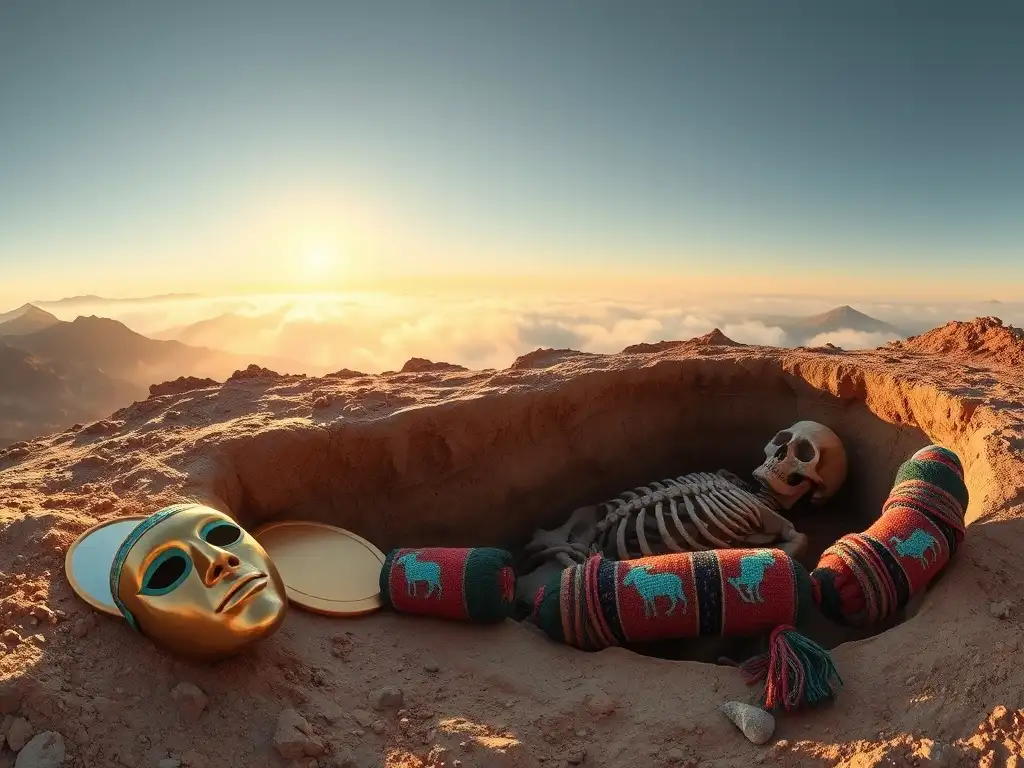
Step into a world lost to time, yet echoing with untold stories. For centuries, the Andean mountains have guarded the secrets of remarkable civilizations. Now, we delve into the enigmatic world of Ancient Andean grave goods, unlocking the meanings behind the objects left behind by the Incas, Moche, and other powerful cultures. Discover how these artifacts reveal a complex cosmology and worldview – a glimpse into the lives, beliefs, and power structures of these fascinating societies.
Prepare to be amazed by the intricate craftsmanship and the profound insights they offer into a lost world. What secrets do these grave goods hold? Read on to find out.
The discovery of elaborate burial sites across the Andes Mountains unveils a captivating glimpse into the complex cosmology and worldview of ancient Andean civilizations. These weren't simply places of interment; they were meticulously crafted expressions of power, status, and beliefs about the afterlife. Examining the meaning of Ancient Andean grave goods provides invaluable insight into their social structures, religious practices, and understanding of the cosmos.
From the intricate textiles of the Nazca to the ornate gold artifacts of the Moche, the objects interred with the deceased speak volumes about the significance of death and ancestor veneration in Andean societies. This article delves into the symbolism and interpretations surrounding these grave goods, exploring how they reflect the intricate relationship between the living and the dead, and ultimately, contribute to our understanding of "Ancient Andean grave goods meaning".
Introduction to Andean Burial Practices
Andean burial practices varied significantly across different cultures and time periods. However, several common threads emerge. Many cultures practiced both inhumation (burial in the ground) and mummification, reflecting a deep reverence for the deceased and a belief in their continued existence in the afterlife. The location of the burial site itself held symbolic importance. Elite individuals were often interred in elaborate tombs, sometimes high in the mountains or in specially constructed structures, underscoring their elevated social standing. The construction of these tombs, often involving significant labor and resources, further emphasizes the importance placed on proper burial rituals.
For example, the elaborate cliffside tombs of the Chachapoyas, known for their unique architectural style and the presence of multiple burials within a single structure, exemplify this. The meticulous preparation of the deceased, including the use of shrouds, offerings, and sometimes even the inclusion of servants, reveals the significant investment of time and resources dedicated to these rituals. These practices highlight the importance of ancestor veneration and the belief in a continuous connection between the living and the dead in Andean cosmology. The careful placement and arrangement of grave goods within these tombs further supports this interpretation.
The Significance of Grave Goods in Andean Societies
The objects found within Andean graves—the grave goods—are far from random inclusions. They represent a carefully curated selection of items intended to accompany the deceased into the afterlife. These objects often included tools, pottery, textiles, jewelry, and even food and drink. Their presence is not merely symbolic; they reveal crucial information about the social status, occupation, and beliefs of the deceased.
For instance, the presence of finely crafted gold ornaments often indicates high social status, while the inclusion of agricultural tools suggests a connection to agriculture and the land. Similarly, the types of pottery found could indicate regional affiliations or specific beliefs. The sheer quantity and quality of grave goods often directly correlated with the social standing of the deceased, reflecting a hierarchical society where wealth and power were strongly associated with the afterlife.
The careful selection and placement of these objects within the tomb further suggests a deliberate and ritualistic process, reinforcing the importance of these items in the Andean worldview. Detailed analysis of these objects, combining archaeological findings with anthropological interpretations, helps us to more fully understand "Ancient Andean grave goods meaning". Further research, particularly into less well-documented cultures, will undoubtedly reveal even more nuanced interpretations of these fascinating artifacts.
Understanding Andean Grave Goods Meaning
This section delves into the profound significance of grave goods discovered in Andean archaeological sites, providing insight into the complex beliefs and social structures of ancient Andean civilizations. Understanding the meaning behind these offerings is crucial to unraveling the intricate tapestry of their cosmology and worldview. The meticulous placement and selection of items within burial contexts reveal a great deal about the deceased's social status, religious beliefs, and the rituals surrounding death and the afterlife.
Analyzing Ancient Andean grave goods meaning requires careful consideration of the materials, craftsmanship, and symbolic representations present in these funerary assemblages. The sheer diversity of grave goods across different cultures and time periods within the Andes underscores the rich complexity of Andean beliefs about death and the ancestors.
What Were Grave Goods in the Andes?
Grave goods in the Andes weren't simply possessions buried with the deceased; they were carefully chosen offerings intended to accompany the individual into the afterlife. These items served multiple purposes, reflecting the deceased's social standing, providing necessities for the journey to the spirit world, and potentially appeasing deities or ancestral spirits. The range of objects found is astonishing, varying widely depending on the culture, time period, and the social status of the deceased.
From elaborate gold ornaments and finely crafted pottery vessels to simple tools and everyday objects, each item held a specific symbolic meaning within the context of the Andean worldview. The sheer quantity of grave goods sometimes discovered indicates the importance placed on providing for the deceased's continued existence in the afterlife. This practice of lavish burial underscores the importance of ancestor veneration in shaping Andean society and its understanding of the cosmos.
Materials Used in Andean Funerary Offerings
The materials used in Andean funerary offerings reflect the ingenuity and resourcefulness of these ancient civilizations, as well as their access to valuable resources and sophisticated crafting techniques. The choice of materials wasn't arbitrary; each held significant symbolic value, often connected to specific deities, natural elements, or cosmological concepts. The most commonly encountered materials include: precious metals, ceramics, textiles, and various organic materials like wood and plant fibers (often degraded or absent in modern discoveries). The preservation of these materials varies greatly depending on environmental conditions, with arid climates offering better preservation than humid ones.
Precious Metals: Gold and Silver in Andean Burials
Gold and silver, highly valued resources in the Andes, frequently appeared in elaborate grave goods. These precious metals, often worked into intricate masks, jewelry, and ornaments, symbolized power, divinity, and the sun's life-giving energy. The Moche culture, for example, is renowned for its masterful goldsmithing, creating delicate and intricate pieces that adorned elite burials.
The Inca, while also utilizing gold and silver, often incorporated these metals into larger-scale objects and religious paraphernalia. The presence of gold and silver in a burial clearly indicated the high social status of the deceased, emphasizing their connection to power and the sacred realm. The techniques used, such as hammering, repoussé, and soldering, showcase advanced metallurgical skills.
Ceramics and Pottery as Grave Goods
Ceramics and pottery constitute a significant portion of Andean grave goods. The styles, forms, and decorations varied dramatically across different cultures and time periods, providing valuable clues about chronology and regional styles. From simple utilitarian vessels to highly decorated ceremonial pieces, pottery often depicted mythological figures, scenes from daily life, or symbolic motifs associated with specific deities or beliefs.
The Nazca culture, for example, is known for its polychrome pottery, characterized by vibrant colors and intricate designs that illustrate their sophisticated artistic skills and complex religious beliefs. The presence of specific vessel types within a burial could indicate the deceased's role in society or their connection to specific rituals.
Textiles: Woven Offerings for the Dead
Textiles, including woven cloths, mantles, and tapestries, were another important category of Andean grave goods. These textiles often featured intricate designs and symbolic motifs, reflecting the high level of textile craftsmanship and the profound symbolic value attributed to textiles within Andean cultures. The colors and materials used, such as alpaca or llama wool, also held significant meaning.
The Inca, in particular, were renowned for their highly sophisticated weaving techniques, producing exquisite textiles that were used to adorn both the living and the dead. The complexity of the weaving and the symbolic imagery depicted on these textiles provide valuable insights into Inca social organization, religious beliefs, and artistic traditions. The careful preservation of these textiles in certain Andean burials demonstrates the respect for these valuable objects and their role in the afterlife.
Ancient Andean grave goods offer a fascinating window into the complex social hierarchies and belief systems of these remarkable civilizations. By analyzing the contents of burial sites, archaeologists can glean invaluable insights into the lives, status, and beliefs of individuals within these societies. The sheer variety and quantity of grave goods found across different Andean cultures – from the Incas to the Moche and Nazca – demonstrate a clear correlation between the richness of the burial and the social standing of the deceased.
Understanding the meaning behind these objects is crucial to deciphering the intricate tapestry of Andean cosmology and worldview, particularly regarding ancestor veneration and beliefs about death. The careful consideration of these artifacts allows us to reconstruct a more nuanced understanding of ancient Andean social structures and the significance placed on the afterlife. The term "Ancient Andean grave goods meaning" encapsulates this very pursuit of knowledge.
Elite Burials and Luxurious Grave Goods
Elite burials, often located in prominent positions or elaborate tombs, are characterized by an abundance of lavish grave goods. These items represent not only the wealth and power of the deceased but also their connection to the spiritual realm. For example, Inca rulers were frequently buried with intricate gold and silver objects, finely woven textiles, and ceramics depicting deities and mythical beings. These luxurious items were not merely decorative; they held symbolic meaning, representing the deceased's authority, access to supernatural power, and continued influence in the afterlife.
The sheer craftsmanship evident in these artifacts highlights the specialized skills and labor dedicated to their creation. Consider the intricate goldwork of the Moche culture, with its incredibly detailed depictions of scenes from daily life and mythology. Or the Nazca textiles, with their vibrant colors and complex designs, reflecting a sophisticated understanding of weaving techniques. These objects were not mass-produced; they were carefully crafted by skilled artisans, emphasizing the high social status of those who received them in death.
We can further analyze the distribution of these goods across different sites. For instance, a study of [specific location and study pending] might reveal patterns in the types of elite grave goods found in different regions, potentially reflecting variations in local power structures or access to specific resources. The presence of specific items, like certain types of weaponry or ceremonial objects, can also indicate specific roles or titles held by the deceased. The careful analysis of these patterns allows us to build a comprehensive picture of Andean social stratification and the symbolic power associated with elite status.
Commoners’ Grave Goods and Their Significance
While elite burials are spectacular, the grave goods of commoners offer equally valuable insights into Andean society. Although less lavish than those found in elite tombs, the objects included in commoner burials still held deep cultural and personal significance. These might include simple pottery vessels, tools for daily life, and personal adornments such as beads or bone ornaments. Even seemingly mundane objects can reveal much about the deceased's occupation, social interactions, and beliefs.
The presence of specific tools, for instance, can indicate the deceased's profession – a farmer's burial might include a digging stick and agricultural tools, while a weaver's might include spindle whorls and weaving implements. Similarly, the types of pottery vessels found can provide clues about dietary habits and social customs.
The inclusion of small, personal items – such as beads or amulets – suggests the importance placed on individual identity and the belief in the continuation of personal relationships beyond death. These items, though less flashy than gold artifacts, provide crucial information about the daily lives and beliefs of the majority of the Andean population.
Furthermore, the analysis of commoner burials reveals important information about the belief systems shared across different social strata. The presence of similar types of offerings, such as small figurines or food remains, in both elite and commoner burials indicates a shared belief in the afterlife and the importance of providing for the deceased's needs in the next world.
This shared belief system, reflected in the contents of graves across different social classes, underscores the cohesive nature of Andean society and the common cultural values that bound its people together. The study of these commoner burials helps to counterbalance the narrative often dominated by the spectacular findings in elite contexts, providing a more holistic understanding of “Ancient Andean grave goods meaning.”
Regional Variations in Andean Grave Goods
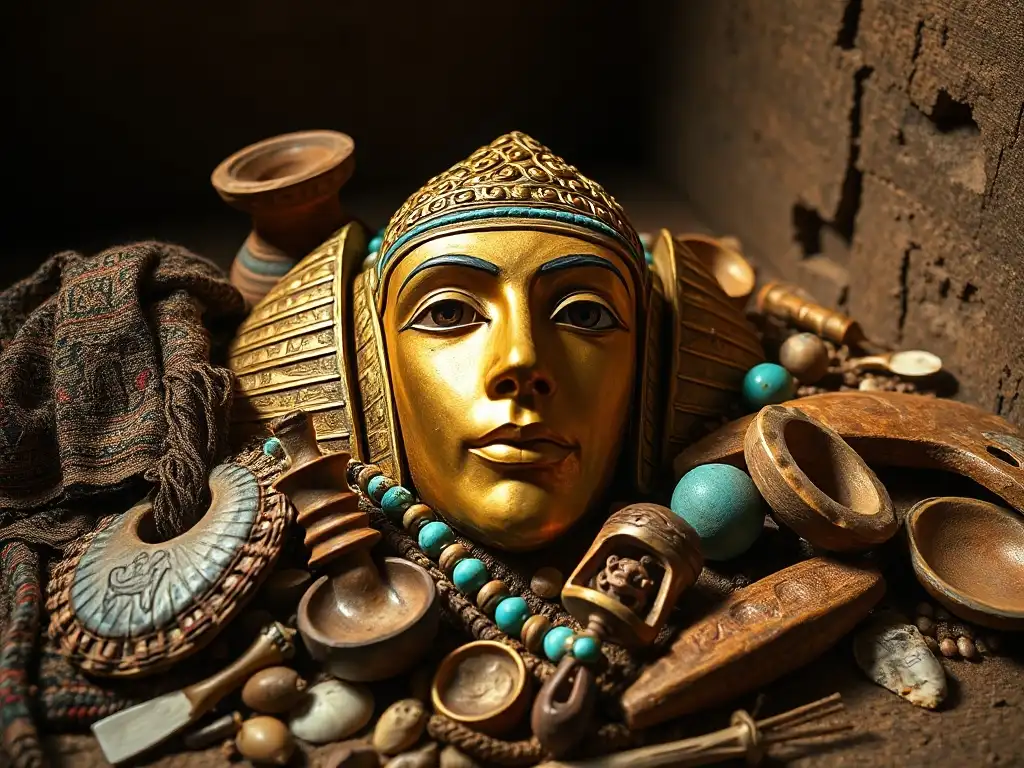
The interpretation of Ancient Andean grave goods meaning varies significantly across different Andean cultures and time periods. While ancestor veneration and beliefs about the afterlife were common threads, the specific objects included in burials, their arrangement, and their symbolic significance differed considerably depending on the geographical location and the cultural group involved. This section will explore some key regional variations, highlighting the unique insights these differences provide into the complex worldviews of the ancient Andean peoples. Understanding these nuances is crucial to avoid generalizations and appreciate the rich tapestry of Andean mortuary practices.
Grave Goods of the Moche Civilization
The Moche civilization (c. 100-800 CE), known for its sophisticated artistry and elaborate burial practices, offers a fascinating case study in the symbolic use of grave goods. Their burials, often located in elaborate tombs or within large cemeteries, contained a wide array of objects reflecting their societal hierarchy and religious beliefs. The sheer quantity and quality of grave goods often correlated with the status of the deceased.
Moche Ceramics and Iconography in Burials
Moche pottery stands out as a particularly significant category of grave goods. Highly skilled artisans produced intricately decorated vessels depicting a range of subjects, including deities, mythical creatures, scenes of daily life, and even portraits of the deceased. The iconography found on these ceramics offers invaluable insights into Moche mythology, social structures, and ritual practices.
For instance, depictions of warriors, priests, and elites in elaborate headdresses and regalia within burial contexts reveal much about the society's power dynamics and social stratification. The presence of specific motifs, such as stylized felines or birds, may indicate the deceased's connection to particular deities or shamanistic practices. Analyzing the distribution of these motifs across different burial sites and social classes allows for a deeper understanding of the meaning and significance attributed to them.
Detailed studies of Moche ceramic grave goods have revealed complex narratives woven into the designs, reflecting the beliefs and worldview of the culture. The specific pigments used and the techniques employed in creating these vessels also offer insights into the technological capabilities of the Moche artisans and their understanding of materials and processes.
Inca Burial Practices and Their Grave Goods
The Inca Empire (c. 1438-1533 CE), the largest pre-Columbian state in the Americas, developed a distinct set of burial practices and associated grave goods. While sharing some commonalities with earlier Andean cultures in terms of ancestor veneration, Inca burial practices were often more standardized and reflected the empire's centralized political and religious organization. The type and quantity of grave goods found in Inca burials varied considerably depending on the social status of the deceased.
Inca Textiles and Metalwork as Funerary Objects
Inca textiles represent a significant category of grave goods. The quality of the textiles, the intricacy of the designs, and the materials used – such as alpaca or vicuña wool – indicated the status of the deceased. Elaborate tunics, mantles, and other garments, often adorned with intricate patterns and symbolic motifs, were frequently found in elite burials.
These textiles weren't simply clothing; they were powerful symbols of identity, status, and connection to the Inca worldview. Similarly, Inca metalwork, particularly gold and silver objects, held immense symbolic value. Items such as gold masks, ornaments, and tools were commonly placed in the graves of high-ranking individuals, symbolizing their power, wealth, and connection to the divine realm.
The techniques involved in crafting these objects, showcasing sophisticated metallurgical skills, further emphasize their significance as funerary offerings. The presence of such precious metals highlights the importance of these individuals within the Inca social hierarchy and their presumed continued power even in the afterlife. The meticulous craftsmanship and symbolic designs embedded in both the textiles and metalwork reflect the Inca's sophisticated artistic sensibilities and deeply held beliefs about the afterlife.
Tiahuanaco Funerary Traditions and Grave Goods
Tiahuanaco, a powerful pre-Columbian civilization flourishing in the southern Andes between approximately 500 and 1000 CE, developed elaborate funerary practices reflecting their complex social and religious beliefs. Their grave goods offer invaluable insights into their worldview and social hierarchies. Unlike some other Andean cultures that practiced mummification extensively, Tiahuanaco burials often involved secondary interment, meaning bodies were initially interred elsewhere and then later moved to a final resting place. This process sometimes involved the disarticulation of the remains. 1 The careful placement of grave goods suggests a structured understanding of the afterlife and the continued importance of the deceased within the community. The type and quantity of artifacts varied significantly depending on the status of the individual.
Tiahuanaco Pottery and Ritual Artifacts in Tombs
Tiahuanaco pottery found in tombs is particularly significant in understanding their funerary rituals. The style, decoration, and materials used reflect the deceased's social standing. Elaborately decorated vessels, often featuring iconic Tiahuanaco motifs such as the stylized "Gate of the Sun" imagery, were typically associated with elite burials.
These ceramics weren't merely utilitarian; they were imbued with symbolic meaning, serving as containers for offerings and possibly representing the deceased's connection to the spiritual realm. Alongside pottery, archaeologists frequently uncover ritual artifacts such as intricately carved stone objects, shell ornaments, and metalwork (though less prevalent than in some other Andean cultures), all carefully arranged within the tomb. The presence of specific artifacts, such as miniature figurines or tools, might suggest beliefs about the deceased's activities or role in the afterlife.
The meticulous placement of these objects within the tomb itself speaks volumes about the planned nature of the burial rites and the importance placed upon the transition to the next world. The careful arrangement suggests a structured ritual and a deeply held belief in the ongoing spiritual significance of the individual even after death.
The Nazca Culture: Grave Goods and Lineages
The Nazca culture (100 BCE – 800 CE), renowned for its enigmatic geoglyphs, also left behind a rich archaeological record of grave goods that reveal much about their social organization and beliefs. Nazca burials, often located in cemeteries or along the coast, frequently included a variety of offerings intended to accompany the deceased into the afterlife. The sheer volume of grave goods, and their diversity, points to a complex society with pronounced social stratification. The careful selection and arrangement of items within the tombs highlight the significance of lineage and kinship in Nazca society. 2
Nazca Ceramics and Textiles as Markers of Identity
Nazca ceramics and textiles stand out amongst their grave goods. Their vibrant colors, intricate designs, and high level of craftsmanship speak to the advanced artistic skills of the culture. These artifacts were not merely decorative; they served as powerful markers of identity, reflecting the deceased's social status, clan affiliation, and possibly even their individual personality.
Certain motifs and stylistic elements recurring in Nazca pottery and textiles are believed to symbolize specific lineages or clans, allowing archaeologists to trace family relationships and social structures. For example, specific types of painted pottery or the use of particular textile patterns might indicate membership in a specific social group or lineage. The textiles themselves, often made from fine cotton or camelid fibers, showcase intricate weaving techniques and complex iconography, further emphasizing their symbolic importance and the high social status of those buried with them.
The quality and quantity of these textiles in a grave directly correlated to the social standing of the deceased. The careful preservation of these fragile artifacts over centuries is a testament to the importance Nazca culture placed on these grave goods and their enduring significance.
1 Further research is needed to fully understand the specifics of Tiahuanaco secondary burial practices. 2 More detailed analysis of Nazca kinship systems is needed to fully interpret grave goods data.
The Symbolic Meaning of Andean Grave Goods
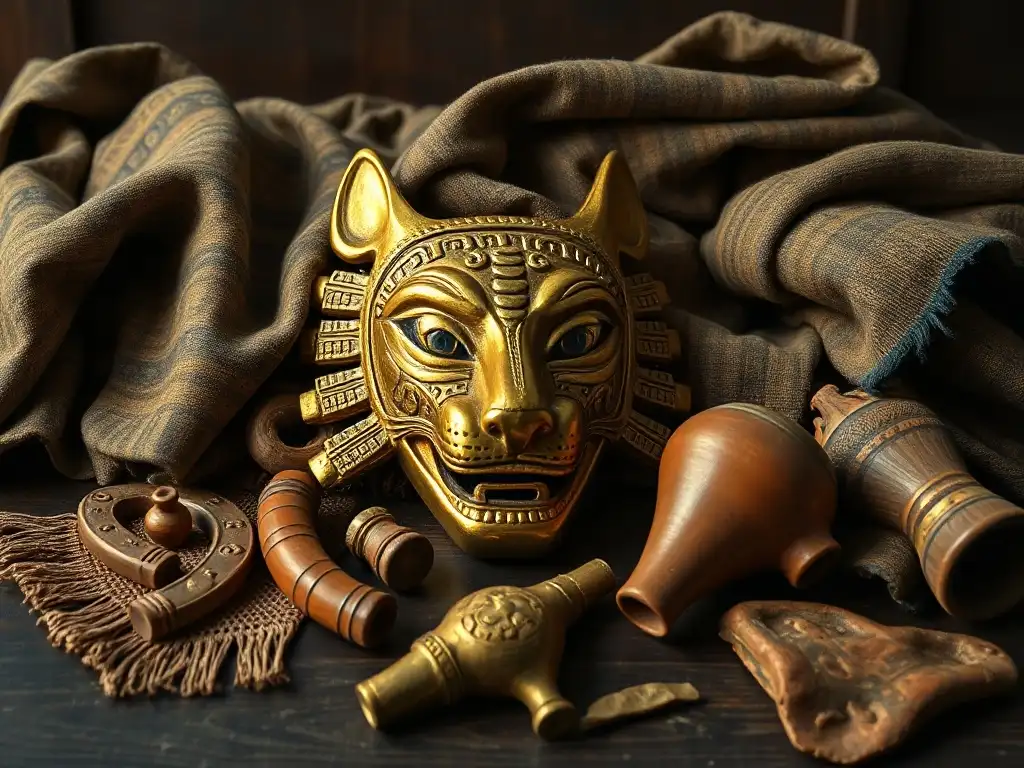
The study of Ancient Andean grave goods meaning offers a captivating window into the complex cosmology and social structures of these remarkable civilizations. Analyzing the objects interred with the deceased reveals not just material wealth, but a deeper understanding of their spiritual beliefs, social hierarchies, and political power dynamics.
The sheer variety of items—from intricately crafted textiles and pottery to precious metals and elaborate weaponry—highlights the significance placed on the afterlife and the enduring legacy of the individual beyond their physical existence. Understanding the context of these discoveries is crucial to deciphering their true meaning, as the same object could hold different significance depending on the specific culture, time period, and the individual's social standing.
Religious Beliefs Reflected in Funerary Offerings
The careful selection and placement of grave goods often mirrored the religious beliefs of the Andean cultures. For instance, the frequent inclusion of ceramic vessels, often depicting deities or mythological scenes, suggests a belief in a continued existence where sustenance and ritual were still necessary. The Moche civilization, known for its exquisite pottery, frequently included vessels filled with food and drink, implying a desire to provide for the deceased in the afterlife. These vessels weren't just utilitarian; their artistic detail and symbolic representations were integral to the funerary ritual, acting as conduits to the spirit world.
Furthermore, the presence of miniature figurines, often representing animals or humans, might indicate a belief in a complex afterlife populated by both human and spirit entities. Some researchers suggest that these figurines represented servants or companions to accompany the deceased on their journey. The inclusion of specific animal effigies could also reflect totemic beliefs or indicate a connection to specific deities associated with those animals.
For example, the frequent appearance of feline imagery in Nazca burials may relate to the cultural significance of these animals in their religious system. More research is needed to fully understand the nuances of these symbolic representations across different Andean cultures.
Grave Goods as a Pathway to the Afterlife
Many Andean cultures believed that death was not an end but a transition to another realm. Grave goods were often seen as essential provisions for this journey, providing the deceased with the necessary tools, resources, and status symbols to navigate this new existence. The quality and quantity of these goods frequently correlated with the social status of the individual. Elite burials, for example, often contained lavish treasures—gold ornaments, finely woven textiles, and exquisite ceramics—reflecting their elevated position in life and their anticipated privileged status in the afterlife.
The inclusion of specific tools or personal belongings further reinforces this concept. For instance, the burial of a weaver with her loom and spindle whorls suggests a belief that her craft would continue in the afterlife. Similarly, the inclusion of weapons with warriors indicates a belief in continued conflict or protection in the spirit world.
These items weren't merely placed in the grave; their careful arrangement and orientation often held symbolic meaning, reflecting a conscious effort to prepare the deceased for their journey and ensure a successful transition. Understanding the spatial arrangement of these objects within the burial context is crucial for interpreting their deeper significance.
The contents of Andean graves didn't just reflect personal beliefs; they also served as powerful statements of social status and political power. Elaborate burials, showcasing an abundance of high-quality grave goods, served to reinforce the social hierarchy and the authority of the ruling elite. The sheer scale of some royal tombs, such as those found at the Inca site of Machu Picchu, underscores the power and prestige associated with these individuals.
Moreover, the types of grave goods included could also communicate messages of alliance, conquest, or cultural exchange. The presence of items from distant regions, for example, might indicate trade networks or political alliances. Conversely, the absence of certain items or the presence of broken or damaged objects could reveal information about social upheaval, conflict, or ritual sacrifice.
Further analysis of the chemical composition of metals and the origins of materials used in grave goods can provide crucial insights into the geographical reach and economic power of different Andean societies. Detailed studies of these artifacts are essential for a complete understanding of the intricate social and political dynamics of these ancient civilizations. The meticulous recording and analysis of these findings are crucial in unlocking the complete narrative embedded within these remarkable burial sites.
Preservation and Study of Andean Grave Goods
The study of Ancient Andean grave goods meaning is crucial to understanding the complex belief systems and social structures of these civilizations. However, the preservation and study of these artifacts present significant challenges. The harsh Andean environment, characterized by fluctuating temperatures, high altitude, and aridity, contributes to the deterioration of organic materials.
Many artifacts are found fragmented or incomplete, requiring painstaking reconstruction and analysis. Furthermore, looting and illicit trafficking pose a significant threat, leading to the loss of invaluable contextual information and the disruption of archaeological sites. The ethical considerations surrounding the repatriation of artifacts and the collaboration with local communities are also paramount in ensuring the responsible study and preservation of these invaluable cultural assets.
Challenges in Archaeological Research
One of the most significant obstacles in studying Ancient Andean grave goods meaning lies in the inherent fragility of many artifacts. Textiles, for example, are particularly susceptible to damage from moisture and insects. The process of excavation itself can be damaging, requiring highly skilled archaeologists employing meticulous techniques to minimize further deterioration.
Furthermore, the lack of written records from many Andean civilizations necessitates reliance on careful observation and interpretation of material culture. This often involves cross-disciplinary collaborations, bringing together specialists in archaeology, anthropology, textile analysis, metallurgy, and other relevant fields to piece together the puzzle of these intricate societies.
Accurate dating techniques, such as radiocarbon dating and stylistic analysis, are crucial but can be limited by the availability of suitable samples and the complexity of regional variations in artistic styles. The challenge is amplified by the often incomplete nature of grave sites, with looting or natural processes having disturbed many sites before their discovery.
Current Interpretations of Andean Funerary Artifacts
Current interpretations of Ancient Andean grave goods meaning move beyond simple notions of status and wealth. While opulent grave goods undoubtedly indicated high social standing, scholars now emphasize the symbolic and ritual significance of these objects. For instance, the presence of specific ceramics, textiles, or ornaments might reflect a deceased person's role in society, their relationship to the spiritual world, or their connection to particular deities or ancestors.
The arrangement of objects within a tomb is also considered significant, with researchers exploring spatial arrangements and their potential link to cosmological beliefs. The presence of specific materials, such as gold, silver, or shell, is interpreted not merely as a display of wealth, but also as symbols of power, fertility, or connection to the supernatural realm.
The ongoing research increasingly integrates insights from ethnoarchaeology, drawing parallels between historical Andean practices and those of contemporary indigenous communities to gain a deeper understanding of the cultural context. This interdisciplinary approach is essential for a nuanced interpretation that avoids simplistic readings of these complex funerary assemblages.
Case Study: Analysis of the Sipán Royal Tombs
The Sipán royal tombs in northern Peru offer a compelling case study for understanding Ancient Andean grave goods meaning. The discovery of these tombs in the late 1980s revolutionized our understanding of Moche society, revealing an elaborate system of elite burial practices. The tombs contained a wealth of exquisitely crafted artifacts, including gold and silver ornaments, elaborate textiles, and finely modeled ceramics depicting scenes of ritual and warfare.
Analysis of these grave goods indicates a strong emphasis on ancestor veneration and the belief in a complex afterlife. The presence of human sacrifices, often accompanied by rich offerings, suggests a belief in the continued power and influence of the deceased elite in the living world. The careful arrangement of the artifacts within the tombs, often mirroring the social hierarchy and ritual practices of the Moche, provides valuable insights into their social structure and cosmology.
The ongoing study of the Sipán tombs continues to yield new information, refining our understanding of Moche culture and challenging existing interpretations. The meticulous documentation and analysis of these finds serve as a model for future archaeological investigations of Ancient Andean grave goods.
Frequently Asked Questions
What are Andean grave goods?
Andean grave goods are the objects buried with individuals in ancient Andean cultures. These items offer invaluable insights into their beliefs, social structures, and daily lives. They range from simple pottery to elaborate gold ornaments.
Why were grave goods included in burials?
Grave goods were included to provide the deceased with necessary items in the afterlife. They also reflected the individual's social status and power within their community. The more elaborate the goods, the higher the status.
What types of objects are commonly found as Andean grave goods?
Common grave goods include textiles, pottery, jewelry (often made of gold, silver, or precious stones), tools, and weapons. The specific items varied across different cultures and time periods.
What can Andean grave goods tell us about ancient Andean societies?
Grave goods provide crucial information about social hierarchy, religious beliefs, trade networks, and artistic skills. They reveal the complexities of these ancient cultures and their interactions.
How do archaeologists interpret the meaning of Andean grave goods?
Archaeologists interpret grave goods by considering their context, materials, and style. Comparisons with other finds and careful analysis of the burial site itself help to understand their significance.
Final Reflection: Echoes of Power from the Andes
The intricate artistry and carefully curated contents of Andean grave goods remain powerfully relevant today, offering a tangible link to a sophisticated civilization and a profound understanding of their complex social structures. These objects, far from mere burial accompaniments, speak volumes about the power dynamics, religious beliefs, and social hierarchies that shaped Andean societies for millennia. Their continued study provides invaluable insights into human behavior and the enduring human need to leave a lasting legacy.
The enduring fascination with these artifacts underscores the timeless human desire to understand our past and connect with those who came before us. The meticulous craftsmanship and symbolic richness of these objects continue to inspire awe and wonder, reminding us of the ingenuity and spiritual depth of Andean cultures. The past is never dead. It's not even past.
– William Faulkner. This quote perfectly encapsulates the ongoing relevance of Andean grave goods; they are not relics of a forgotten past, but rather vibrant echoes resonating through time, shaping our understanding of the human experience.
Consider the implications of these discoveries. What can you learn from the deliberate choices made by those who created and buried these objects? How can we, in our own lives, strive to leave behind a legacy that reflects our values and beliefs, just as the Andean people did? Let the meticulous detail and symbolic power of these grave goods inspire you to reflect on your own life's purpose and the lasting impact you wish to make on the world. Embrace the opportunity to connect with the past and, in doing so, enrich your understanding of the present and future.
**Unlock the Mysteries of Andean Culture! **
Thank you for exploring the fascinating world of Andean grave goods with us! Discovering these powerful artifacts provides valuable insight into the complex social structures and beliefs of ancient Andean civilizations. Let's delve even deeper and expand your understanding!
Here are some suggestions to further your exploration:
- **Join a local archaeology or history group** to connect with fellow enthusiasts of Andean cultures.
- **Visit a museum or exhibition** showcasing Andean artifacts to experience these objects of power and prestige firsthand.
- **Share your newfound knowledge** with friends and family, or spark a discussion online about the significance of these grave goods.
Which of these steps will you take next on your journey through the rich tapestry of Andean civilization? We'd love to hear your thoughts in the comments!