
The Significance of Offerings in Andean Funerary Rituals: Appeasing the Spirits

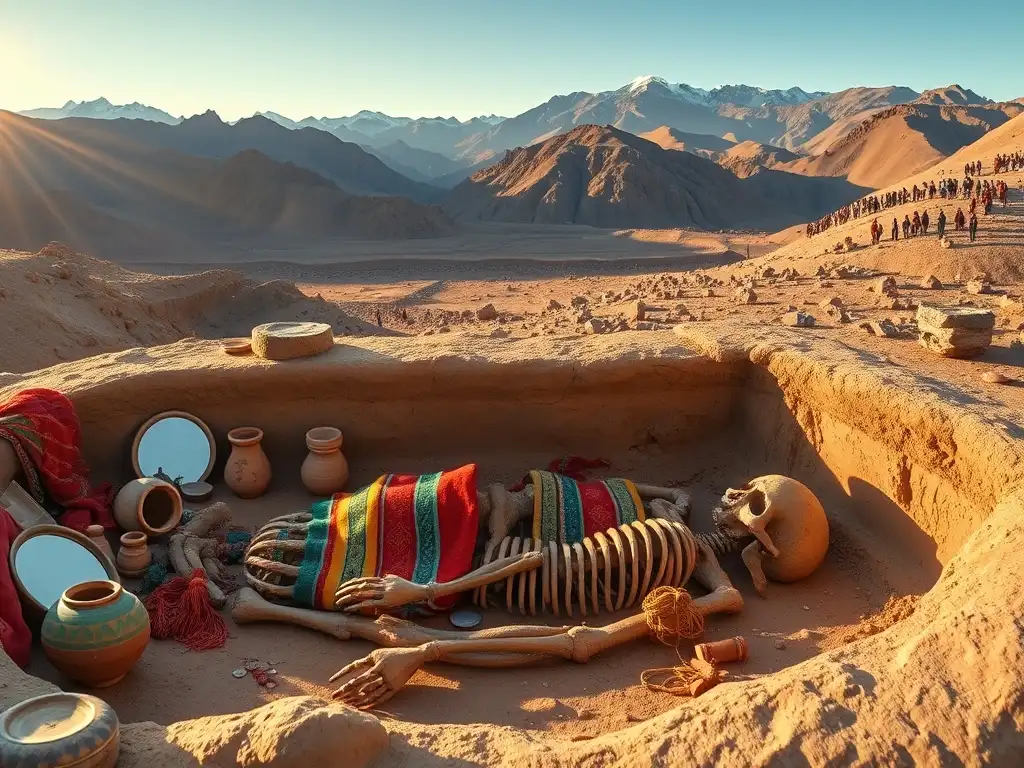
Step into a world lost to time, yet echoing with the whispers of ancient spirits. Discover the captivating secrets of Andean funerary offering rituals, a practice far more intricate and significant than mere burial. Were these elaborate gifts meant to appease powerful deities, or did they hold a deeper, more personal meaning? Unravel the mysteries surrounding the Andean cosmology and worldview and delve into the fascinating rituals that shaped the lives and afterlife beliefs of these remarkable civilizations. Prepare to be amazed by the ingenuity and spiritual depth of the Incas, Moche, Nazca, and Tiahuanaco.
- The Significance of Offerings in Andean Funerary Rituals: Honoring Ancestors
- Understanding Andean Ancestor Veneration and Death Rituals
- Andean Funerary Offering Rituals: A Deep Dive
- Specific Examples of Andean Funeral Offerings
- The Symbolic Meaning of Andean Funeral Offerings
- The Legacy of Andean Funerary Offering Rituals
-
Frequently Asked Questions
- What were Andean funerary offerings?
- Why were offerings given in Andean burial rituals?
- What types of objects were commonly included in Andean funerary offerings?
- How did the offerings reflect the social status of the deceased?
- Did the significance of offerings change over time in the different Andean cultures?
- Final Reflection: Echoes of the Past, Whispers of the Future
- Unveil the Secrets of Andean Offerings!
The Significance of Offerings in Andean Funerary Rituals: Honoring Ancestors
The Andean world, a tapestry woven from the threads of diverse cultures spanning millennia, reveals a profound reverence for ancestors and a complex cosmology deeply intertwined with death and the afterlife. This article delves into the crucial role of offerings in Andean funerary rituals, exploring their significance in appeasing spirits, maintaining cosmic balance, and ensuring the continued well-being of both the deceased and the living.
From the intricate textiles of the Nazca to the meticulously crafted gold objects of the Moche, funerary offerings provide invaluable insights into the beliefs, social structures, and artistic achievements of these fascinating civilizations. Understanding these rituals offers a window into the Andean worldview, where the boundary between the living and the dead was permeable, and the respect paid to ancestors was paramount to the continued prosperity of the community.
We will examine specific examples from various Andean cultures, highlighting the diversity and complexity of their funerary practices while focusing on the common thread of offerings as essential components of these rituals. This exploration will illuminate the deep spiritual significance of these practices and their lasting legacy on our understanding of Andean cosmology.
The Purpose of Offerings: Bridging the Worlds
Offerings in Andean funerary rituals served multiple, interconnected purposes. They weren't merely symbolic gestures; they were considered vital actions that maintained the delicate balance between the world of the living and the world of the spirits. These offerings acted as sustenance for the deceased on their journey to the afterlife, providing for their needs in a realm perceived as a continuation, not an end, of existence.
Furthermore, the offerings appeased the spirits of the deceased, preventing them from causing harm or disrupting the natural order. This belief highlights the deep-seated fear and respect for the power of the ancestors, whose influence was believed to extend far beyond the grave. The type and quantity of offerings varied significantly depending on the social status of the deceased, the specific Andean culture, and the circumstances of their death.
For example, elite individuals might be buried with lavish quantities of gold, silver, ceramics, and textiles, whereas commoners might receive simpler offerings. The careful selection and placement of these items within the burial context reveal a highly structured and symbolic system of belief.
Types of Funerary Offerings: A Glimpse into Andean Material Culture
The diversity of funerary offerings across different Andean cultures is astonishing. From the intricate pottery depicting scenes of daily life and mythology found in Moche tombs to the sophisticated textiles adorned with intricate designs discovered in Nazca burials, these objects offer a rich tapestry of insights into Andean material culture.
- Textiles: Woven fabrics, often incredibly detailed and vibrant, were common offerings, representing the skill and artistry of Andean weavers. These textiles frequently featured symbolic motifs associated with fertility, power, and the afterlife.
- Ceramics: Pottery vessels, often containing food and drink for the deceased, were essential components of many burials. The style and decoration of these vessels varied greatly across different cultures and time periods, providing valuable chronological markers.
- Metalwork: Gold, silver, and copper objects, particularly prevalent in the burials of elite individuals, reflect the advanced metallurgical skills of Andean artisans. These objects often held symbolic significance, representing power, status, and spiritual connection.
- Food and Drink: The inclusion of food and drink, such as maize, coca leaves, and chicha (an alcoholic beverage), demonstrates the belief that the deceased continued to need sustenance in the afterlife. The type and quantity of food and drink provided often reflected the status of the deceased.
The careful selection and arrangement of these offerings within the burial context reveal a profound understanding of the symbolic significance of these materials and their role in maintaining the balance between the living and the dead.
Regional Variations in Andean Funerary Offering Rituals
While a common thread of ancestor veneration runs through Andean cultures, regional variations in funerary practices are significant. The specific types of offerings and the rituals surrounding their placement varied considerably. For instance, the Incas, known for their vast empire, practiced elaborate funerary rituals that often involved mummification and the placement of offerings in carefully constructed tombs.
In contrast, the Nazca, renowned for their geoglyphs, often buried their dead in simple graves, but still included carefully selected grave goods. The Moche, famous for their intricate pottery, created elaborate tombs, often adorned with murals depicting scenes of ritual and mythology, and filled with a wide array of offerings reflecting their complex social hierarchy. These regional differences highlight the diversity of Andean cultures and the adaptation of funerary practices to local beliefs and environments.
Further research is needed to fully understand the nuanced variations in offerings across all Andean groups and time periods. [Specific information pending on less studied groups]
The Legacy of Andean Funerary Offerings
The study of Andean funerary offerings continues to provide invaluable insights into the beliefs, social structures, and artistic achievements of these ancient civilizations. These offerings not only illuminate the spiritual beliefs of the Andes but also serve as a testament to the remarkable artistic skills and technological advancements of these cultures. The careful preservation and study of these artifacts allow us to connect with the past, understanding the enduring human need to honor ancestors and maintain a connection with the spiritual world.
The rich legacy of these offerings reminds us of the enduring power of belief and the lasting impact of cultural practices on shaping our understanding of the world. The meticulous attention to detail and the symbolic richness of these offerings stand as a powerful testament to the enduring importance of ancestor veneration in Andean cosmology.
Understanding Andean Ancestor Veneration and Death Rituals
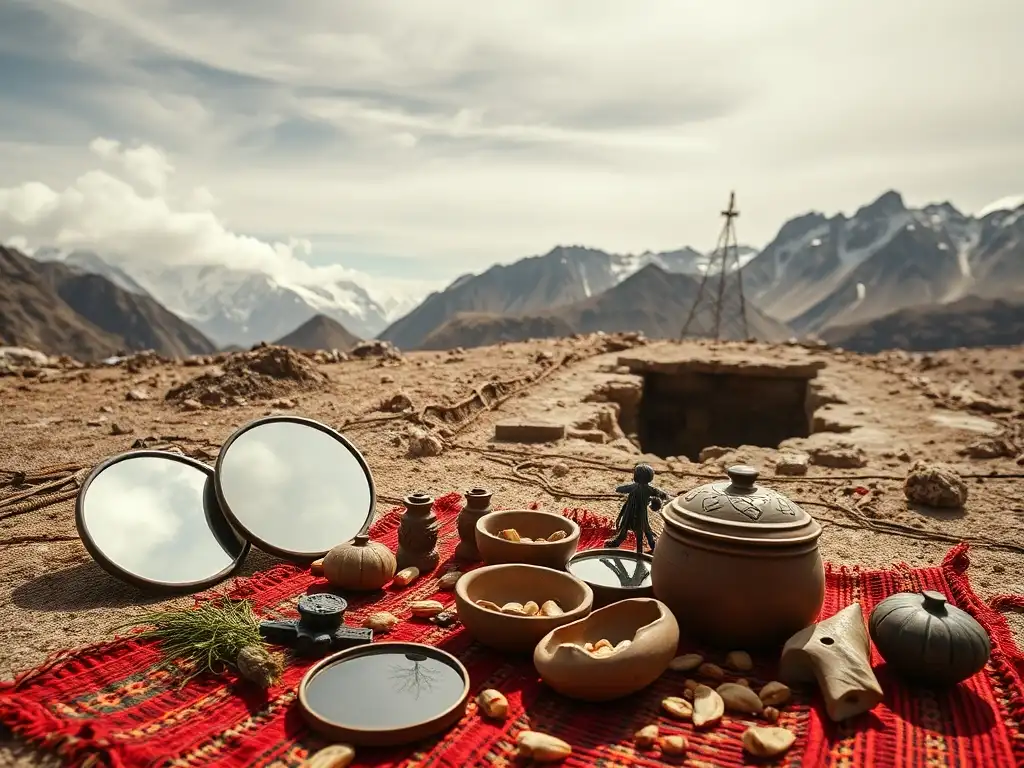
Andean funerary offering rituals were not merely somber ceremonies; they were vibrant expressions of a deeply held belief system centered around ancestor veneration and the cyclical nature of life and death. Understanding these rituals requires appreciating the Andean worldview, which saw the living and the dead as inextricably linked, coexisting within a complex cosmological framework.
The deceased were not simply gone; they transitioned to a realm that continued to influence the living, demanding respect, remembrance, and, crucially, offerings. This intricate relationship dictated the elaborate nature of Andean funerary practices, shaping everything from burial sites to the types of goods included in the grave.
The sheer diversity of these offerings, ranging from simple food items to intricately crafted gold artifacts, reflects the multifaceted nature of the relationship between the living and their ancestors. This section will delve into specific aspects of these beliefs and practices, shedding light on the profound significance of offerings within the context of Andean funerary rituals.
The Importance of the Afterlife in Andean Beliefs
The Andean concept of the afterlife wasn't a singular, static destination. Instead, it was a dynamic realm, reflecting the complex social hierarchies and cosmological beliefs of each specific culture. For instance, the Incas envisioned a subterranean world, Ukhu Pacha, where deceased rulers and elites continued to exert influence. Their continued well-being was considered vital for the prosperity of the living.
This belief fueled the lavish offerings placed in royal tombs—elaborate textiles, finely crafted pottery, and precious metals, all designed to ensure the deceased's comfort and continued power in the afterlife. The Moche, known for their stunning metalwork and intricate ceramics, also placed considerable emphasis on providing for their dead, often including food, drink, and personal adornments in their tombs. This wasn't simply a matter of providing for basic needs; these offerings were symbolic representations of the deceased's status and continued importance. Even simpler offerings, such as maize or coca leaves, carried deep symbolic meaning, representing life, sustenance, and connection to the spiritual world.
The act of providing these offerings was itself a ritual, reinforcing the bond between the living and the dead, ensuring a continued flow of blessings and protection. The meticulous preparation and placement of these items highlight the reverence and importance afforded to the deceased and the profound belief in their continued existence. Archaeological evidence consistently supports this, revealing elaborate burial practices and rich grave goods across various Andean cultures.
Connecting with the Deceased: The Role of Rituals
Andean funerary offering rituals weren't one-time events; they were often repeated, reflecting the ongoing nature of the relationship between the living and the dead. These rituals weren't solely focused on the immediate aftermath of death; they were integrated into the annual cycle, with specific times dedicated to honoring and appeasing ancestors. These rituals frequently involved community participation, underscoring the collective nature of ancestor veneration. The offerings themselves served as a tangible link, acting as intermediaries between the living and the spirit world.
The careful selection of objects, their placement within the tomb, and the accompanying ceremonies all formed part of a complex communication system, a way of addressing the needs and desires of the deceased and ensuring their continued goodwill. For example, the Nazca culture, famous for their geoglyphs, also practiced elaborate funerary rituals, often including human sacrifice in some cases. While the exact nature of these rituals and their motivations remain subjects of ongoing research, the presence of elaborate offerings alongside human remains underscores the importance of these ceremonies in maintaining a harmonious relationship with the spirit world. The diversity of practices across different Andean cultures highlights the regional variations in beliefs and customs.
However, the underlying principle of maintaining a connection with the ancestors through offerings remained a consistent theme across different groups. The persistence of these traditions reflects the enduring power of these beliefs within Andean society. These rituals weren't simply acts of piety; they were essential components of maintaining social order and ensuring the continued prosperity of the community. Understanding the nuances of these rituals is crucial to fully appreciating the complexity of Andean cosmology and the profound significance of ancestor veneration.
Andean Funerary Offering Rituals: A Deep Dive
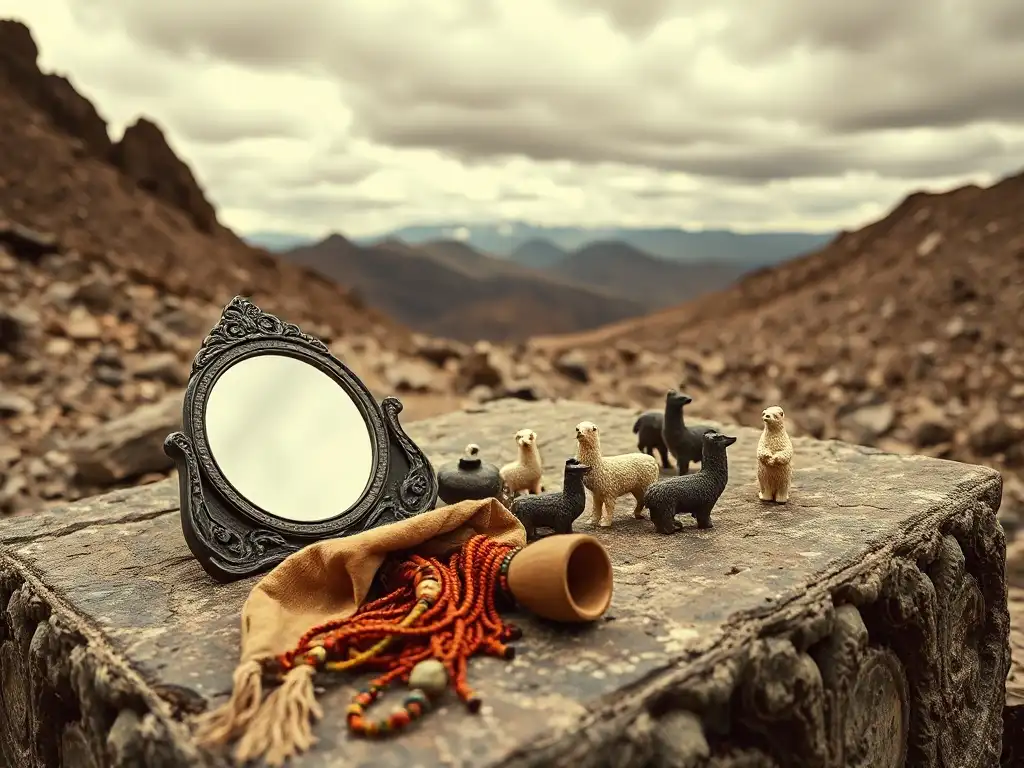
The practice of offering gifts to the deceased was central to Andean funerary rituals, reflecting a complex cosmology and deeply ingrained beliefs about the afterlife. These weren't simply acts of mourning; they were crucial ceremonies aimed at ensuring the successful transition of the deceased into the spirit world and, importantly, appeasing potentially angry spirits. The nature and quantity of offerings varied dramatically based on the social status of the deceased, the specific cultural group, and the prevailing beliefs of the time.
Understanding these Andean funerary offering rituals provides critical insight into the worldview and social structures of these ancient societies. The sheer diversity of offerings unearthed in archaeological sites throughout the Andes highlights the profound significance of these practices in the lives of the ancient Andean peoples.
Analyzing the contents of these graves provides a window into their beliefs, social hierarchies, and daily lives. The meticulous care taken in preparing these offerings speaks volumes about their importance in the funerary process.
The Purpose of Offerings in Andean Burial Practices
The primary purpose of offerings in Andean burial practices was to provide for the deceased in the afterlife. This wasn't simply a matter of practicality; it was a deeply symbolic act reflecting the belief that the spirit continued to exist and required sustenance. Offerings also served to appease the spirits of the deceased, preventing them from causing harm to the living.
An angry or neglected spirit was believed to bring misfortune, illness, or even death to the community. Therefore, lavish and carefully chosen offerings were essential to ensure the peaceful transition of the deceased and the continued well-being of the living. The concept of reciprocity, central to Andean cosmology, played a significant role.
By providing generously for the deceased, the living hoped to maintain a harmonious relationship with the spirit world and secure blessings in return. This intricate relationship between the living and the dead is vividly illustrated in the abundance and variety of grave goods found across various Andean cultures.
Types of Offerings in Ancient Andean Funerals
The range of offerings found in Andean tombs is astonishing, reflecting the diverse beliefs and practices of different cultures across the Andes. From simple everyday items to exquisitely crafted luxury goods, the selection reveals much about the social standing of the deceased and the beliefs surrounding death and the afterlife. The careful placement of these offerings within the tomb also suggests ritualistic significance, indicating a structured and deliberate process. The careful curation of these items, often accompanied by evidence of ritualistic practices, provides invaluable insights into the complexity of Andean funerary rites.
Food and Drink as Symbolic Provisions
Food and drink were consistently included in Andean funerary offerings. These weren't just leftovers; they were carefully selected items often representing agricultural bounty and symbolic significance. For example, maize, a staple crop, was frequently included, symbolizing life, fertility, and prosperity. Chicha, a fermented corn beverage, was another common offering, believed to have both nourishing and spiritual properties.
The presence of these items points to a belief in the continued spiritual existence and need for sustenance of the deceased in the afterlife. Furthermore, the types and quantities of food and drink offerings often reflected the social status of the deceased, with elites receiving more abundant and varied provisions. Archaeological evidence shows a clear correlation between the richness of the food offerings and the social standing of the buried individual.
Precious Metals and Textiles: Status and Respect
Precious metals, such as gold and silver, and finely woven textiles were frequently included as offerings, particularly in the burials of elites. These items were not merely valuable possessions; they were potent symbols of power, status, and prestige. Gold, in particular, was often associated with the sun and held immense spiritual significance. Elaborately crafted gold ornaments and jewelry were used to adorn the deceased, symbolizing their elevated social standing even in death.
Similarly, intricately woven textiles, often adorned with complex designs and symbols, represented the skill and artistry of the culture and served as indicators of social status. These rich offerings highlight the importance of maintaining social hierarchies even in the afterlife and reflect the deeply stratified nature of Andean societies. The meticulous craftsmanship evident in these items underscores the significant effort invested in honoring high-status individuals.
Utilitarian Objects for the Journey to the Afterlife
Beyond luxury goods, numerous utilitarian objects were also included in Andean funerary offerings. These items, ranging from pottery vessels and tools to clothing and weapons, were believed to be necessary for the deceased's journey to the afterlife and their continued existence in the spirit world. Pottery vessels, for example, might contain food or drink offerings, while tools could be used to continue the deceased's work or craft in the afterlife.
The inclusion of these everyday objects underscores the belief that the deceased's life and personality continued in the spirit world, requiring the same tools and provisions as in their earthly existence. The selection of these utilitarian objects offers further insights into the daily lives and occupations of the ancient Andean people. The careful placement and preservation of these items within the tombs demonstrate the importance given to ensuring the deceased had everything necessary for their continued existence.
Specific Examples of Andean Funeral Offerings
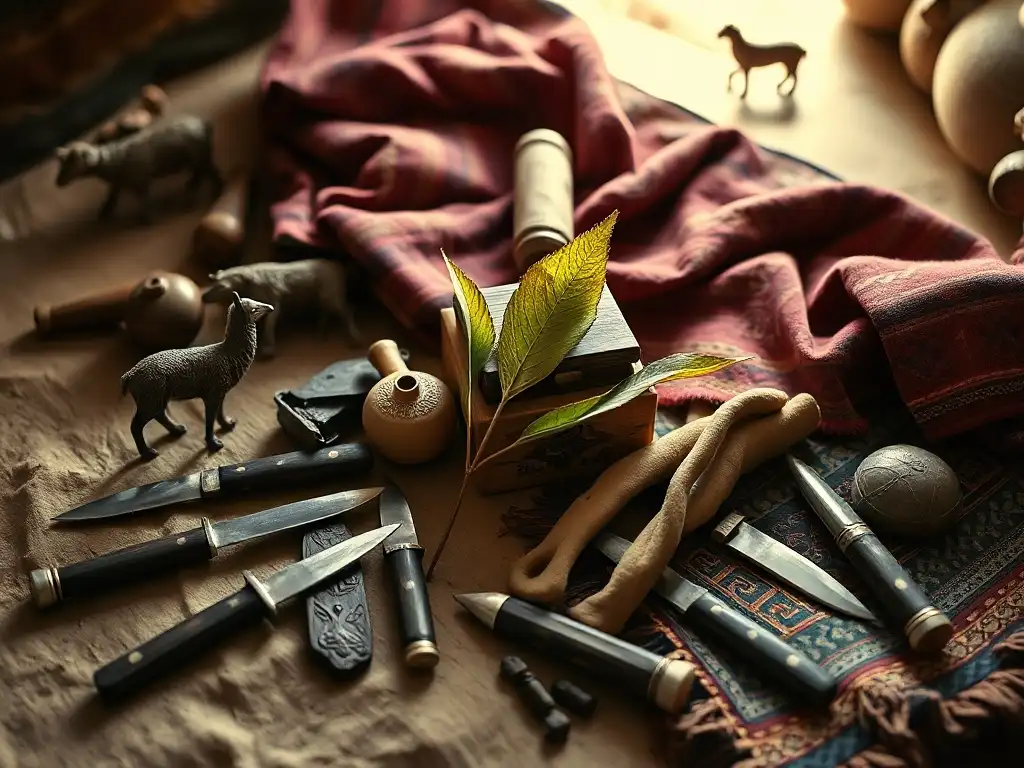
This section delves into the specifics of funerary offerings across various Andean cultures, highlighting the diversity and significance of these practices in understanding their beliefs about the afterlife and ancestor veneration. The careful selection and placement of these items reveal intricate details about social structures, religious beliefs, and the importance placed on maintaining relationships with the deceased. Understanding these Andean funerary offering rituals provides invaluable insight into the richness and complexity of Andean cosmology.
Offerings in Inca Burial Ceremonies
Inca funerary practices were deeply rooted in their worldview, emphasizing the continued existence of the spirit and the importance of maintaining a harmonious relationship with ancestors. Offerings weren't merely symbolic gestures; they were essential components of the ritual, providing sustenance and comfort for the deceased in their journey to the afterlife. The types of offerings varied depending on the social status of the deceased, with elite individuals receiving far more elaborate and extensive offerings than commoners.
Chicha and Coca Leaves Placed in Tombs
The presence of chicha, a fermented maize beverage, and coca leaves in Inca tombs is particularly noteworthy. Chicha, a staple in Inca society, was not only a social lubricant but also held significant ritual importance. Its inclusion in burials suggests the continuation of social practices in the afterlife, providing the deceased with a familiar and comforting element. Similarly, coca leaves, revered for their stimulating and spiritual properties, were likely offered to appease the spirits and ensure a peaceful transition.
Archaeological evidence consistently reveals the presence of these items, often alongside other food offerings and textiles. Analysis of the remaining chicha in some tombs has even provided insights into the brewing techniques employed by the Inca. The positioning of these offerings within the tomb also holds significance, often placed near the deceased's head or hands, suggesting a deliberate act of provisioning.
Moche Funerary Practices and Their Offerings
The Moche culture, known for its sophisticated art and complex social hierarchy, displayed equally elaborate funerary practices. Their offerings were often a reflection of the deceased's status and reflected their unique beliefs about the afterlife. Unlike the Inca, who often practiced secondary burial, the Moche frequently interred their dead in elaborate tombs containing a wealth of grave goods.
Elaborate Ceramic Vessels and Jewelry Accompanying the Elite
Moche elite burials stand out for their inclusion of exquisitely crafted ceramic vessels and intricate jewelry. These weren't merely decorative items; they served as powerful symbols of status and power, even in death. The vessels often depict scenes from Moche mythology, suggesting a connection between the earthly realm and the spiritual world.
The intricacy of the craftsmanship involved, showcasing mastery of techniques like modeling, painting, and sculpting, further emphasizes the importance placed on these offerings. The jewelry, including gold and silver ornaments, further underscored the high social standing of the deceased. Analysis of the materials and craftsmanship involved in these offerings provides crucial insights into Moche technology and artistic achievements.
The careful placement of these items within the tomb, often arranged symmetrically around the body, reveals a deliberate ritualistic process. For example, a certain type of ceramic vessel might always be placed at the head, suggesting a specific function or symbolic meaning in the funerary context. The study of Andean funerary offering rituals within the Moche culture reveals a society deeply concerned with maintaining the social order, even after death.
Nazca Burial Traditions and Their Grave Goods
The Nazca culture, famed for its enigmatic geoglyphs, also practiced elaborate funerary rituals involving significant offerings. These rituals, deeply rooted in their cosmology, aimed to ensure a successful transition for the deceased into the afterlife and to maintain a harmonious relationship between the living and the dead. The type and quantity of grave goods varied depending on the social status of the deceased, reflecting the hierarchical structure of Nazca society.
Elaborate tombs, often located in desert cemeteries, contained a wealth of artifacts offering invaluable insights into their beliefs and daily life. The meticulous preservation of these sites, thanks to the arid climate of the Nazca desert, has allowed archaeologists to recover an astonishing array of objects.
Decorated Textiles and Pottery Buried with the Deceased
Textiles played a crucial role in Nazca funerary practices. Intricately woven fabrics, often adorned with vibrant colors and complex designs, were frequently found wrapped around the deceased or placed within the tomb. These textiles, often made from cotton and other local fibers, showcased remarkable artistic skill and technical proficiency. The designs often depicted mythical creatures, stylized plants, and geometric patterns, reflecting the Nazca worldview and their understanding of the cosmos.
Alongside textiles, elaborate pottery vessels were commonly included. These ceramics, ranging from simple utilitarian pieces to highly decorated ceremonial jars, often depicted scenes from daily life, religious rituals, and mythological narratives. The presence of these artifacts suggests that the deceased were provided with essential items for their journey into the afterlife, and that these objects held symbolic significance beyond their practical use. Analysis of the pottery's chemical composition has also provided clues about the Nazca's diet and trade networks.
Tiahuanaco Burial Rites and the Significance of Offerings
Tiahuanaco, a powerful Andean civilization that flourished around Lake Titicaca, also had a rich tradition of funerary offerings. Their burial practices, though different from those of the Nazca, equally emphasized the importance of providing the deceased with provisions for the afterlife and appeasing the spirits of the ancestors. Unlike the Nazca, who often interred their dead in individual tombs, Tiahuanaco burials were frequently found in collective cemeteries or within monumental structures. This suggests a different understanding of community and the afterlife. The nature of the offerings also reflects their unique worldview.
Camelid Remains and Metalwork Placed in Burial Chambers
A prominent feature of Tiahuanaco burials is the presence of camelid remains, including llamas and alpacas. These animals held significant economic and symbolic importance in Tiahuanaco society, serving as sources of wool, meat, and transportation. Their inclusion in burials suggests that they were not merely sources of sustenance but also held spiritual significance, perhaps representing a connection to the land and the ancestors.
Furthermore, the discovery of metalwork, particularly objects made of copper and bronze, highlights the advanced metallurgical skills of the Tiahuanaco artisans. These finely crafted artifacts, including ornaments, tools, and weapons, were often placed within the burial chambers, suggesting that they represented status, power, and access to the spiritual realm.
The careful placement of these objects and the selection of specific camelids indicate a well-defined ritual process and a belief in the continued existence and influence of the deceased in the spiritual world. The presence of both utilitarian and ceremonial objects speaks to the complex interplay between the material and spiritual aspects of Tiahuanaco funerary practices, emphasizing the multifaceted nature of their beliefs about death and the afterlife.
The Symbolic Meaning of Andean Funeral Offerings
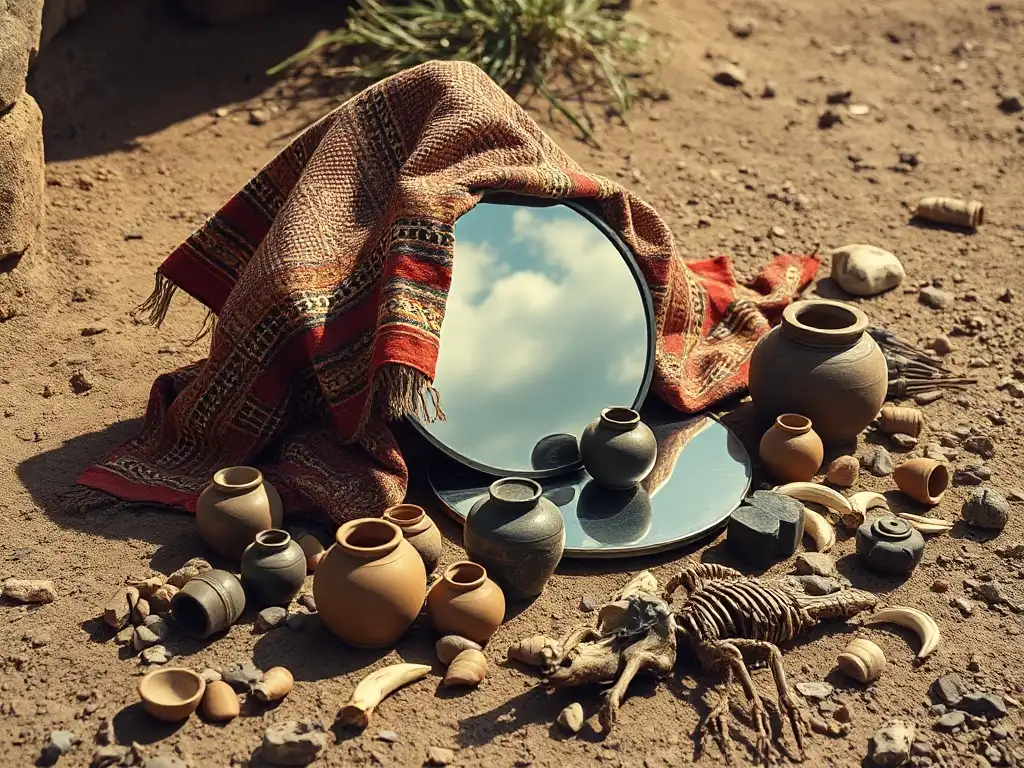
Andean funerary offering rituals, a cornerstone of Andean cosmology and worldview, weren't simply acts of mourning; they were complex symbolic actions designed to interact with the supernatural world. The offerings, meticulously selected and placed, held profound meaning, reflecting the intricate beliefs about death, the afterlife, and the delicate balance of the cosmos. Understanding these offerings provides a crucial window into the spiritual lives of these ancient civilizations.
The types of offerings varied considerably depending on the specific culture (Inca, Moche, Nazca, etc.) and the social status of the deceased, but common themes emerge across different Andean societies. This section will explore the symbolic weight carried by these offerings and their significance in the context of Andean funerary practices.
The sheer diversity of items included – from intricately crafted gold artifacts to humble everyday objects – underscores the multifaceted nature of these rituals and their deep-seated importance in Andean society. Analyzing these offerings allows us to better appreciate the complexity of Andean beliefs about death and the afterlife.
Appeasing the Spirits of the Dead
The primary purpose of many Andean funerary offerings was to appease the spirits of the deceased. Death was not seen as an end but as a transition, and the spirits of the dead were believed to retain a powerful influence on the living. Failure to properly appease these spirits could result in misfortune, illness, or even natural disasters.
Offerings served as a form of appeasement, providing the deceased with the necessities for their journey into the spirit world and ensuring their peaceful transition. This is evidenced by the inclusion of food, drink, textiles, and tools within burial sites. For example, Moche tombs frequently contained elaborate meals, suggesting a belief that the deceased continued to require sustenance in the afterlife.
The quality and quantity of these offerings often reflected the deceased's social standing; elite individuals received far more lavish provisions than commoners. The meticulous care taken in preparing these offerings highlights their significance in maintaining a harmonious relationship between the living and the dead, demonstrating the crucial role of ancestor veneration in shaping Andean society. The practice wasn't simply about placating potentially malevolent spirits; it was about maintaining a vital connection with ancestors, ensuring their continued protection and benevolent influence.
Ensuring a Safe Passage to the Spirit World
Beyond appeasing the spirits, Andean funerary offerings also played a crucial role in facilitating a safe passage to the spirit world. The journey was considered perilous, fraught with challenges and potential dangers. Offerings served as provisions, guiding the deceased through this treacherous transition.
Small figurines, often representing animals or deities associated with protection, were frequently included, acting as guides or guardians. Similarly, the inclusion of tools and everyday objects suggested a belief that the deceased would continue their activities in the afterlife, requiring the familiar implements of their earthly existence. The careful arrangement of these items within the burial context also suggests a deliberate attempt to recreate a familiar environment, making the transition less daunting.
Consider the Nazca culture's practice of burying individuals with intricate textiles and pottery depicting scenes of daily life. These offerings weren't mere grave goods; they were essential components of a ritual designed to ease the deceased's passage into the next realm, ensuring a smooth and safe transition. The deliberate nature of these placements demonstrates a sophisticated understanding of the afterlife and the importance of preparing the deceased for it.
Maintaining Balance and Harmony in the Cosmos
Andean cosmology emphasized a delicate balance between the earthly and spiritual realms. Funerary offerings were not only concerned with the individual's transition but also with maintaining this cosmic equilibrium. The act of offering was seen as a way to restore balance, ensuring the continued harmony of the world. Certain offerings, particularly those related to agricultural practices or natural resources, suggest a connection between the deceased's fate and the fertility of the land.
This demonstrates a holistic worldview where the well-being of the individual was inextricably linked to the health of the entire ecosystem. The inclusion of coca leaves, a sacred plant with significant ritual importance, further underscores this connection. These offerings weren't just about appeasing spirits; they were part of a larger ritual system aimed at maintaining the balance of nature and ensuring the continued prosperity of the community.
The careful selection and placement of these items reflect a deep understanding of the interconnectedness of all things within the Andean worldview. The act of offering, therefore, transcended the personal and became a vital component of maintaining the cosmic order. The meticulous nature of these rituals showcases the profound significance of maintaining harmony within the Andean cosmological framework.
The Legacy of Andean Funerary Offering Rituals
The practice of offering gifts to the deceased, a cornerstone of Andean funerary rituals, wasn't merely a symbolic gesture; it was a vital act believed to ensure the successful transition of the spirit to the afterlife and maintain harmony between the living and the dead. These offerings, meticulously curated and placed within tombs, provide invaluable insights into the complex belief systems and societal structures of these ancient civilizations.
Understanding the nature and context of these offerings allows us to reconstruct a more nuanced picture of Andean cosmology and worldview, revealing the profound significance placed on ancestor veneration and the cyclical nature of life and death. The careful selection of items, from simple pottery shards to elaborate gold ornaments, reflects the specific needs and desires attributed to the deceased in the afterlife, as well as the social status and wealth of the individual.
The sheer diversity of offerings across different Andean cultures also highlights the regional variations within this overarching practice, enriching our understanding of the broader Andean world. Analyzing these "Andean funerary offering rituals" allows us to appreciate the sophisticated religious and social systems of these ancient societies.
Modern Interpretations and Continuations
Even today, echoes of ancient Andean funerary practices persist in contemporary Andean communities. While the specific rituals may have evolved, the underlying principle of honoring ancestors and appeasing spirits remains strong. Many Andean communities still perform ceremonies at burial sites, leaving offerings of food, drink, coca leaves, and other symbolic items.
These contemporary practices, often interwoven with Catholic traditions, demonstrate the enduring power of ancient beliefs and the continuous connection between the past and the present. The persistence of these traditions highlights the resilience of cultural memory and the deep-rooted significance of ancestor veneration within Andean societies. Anthropologists have extensively documented these modern expressions, providing valuable comparative data to interpret the archaeological record.
For example, the offerings of coca leaves, a plant with significant spiritual and medicinal importance in the Andes, continue to be a central element in both ancient and modern funerary rites, underscoring the continuity of these practices across millennia. The study of these modern interpretations significantly enhances our understanding of the historical significance of "Andean funerary offering rituals" and their lasting impact on Andean cultures.
The Archaeological Evidence of Andean Funeral Offerings
Archaeological excavations across the Andes have unearthed a wealth of evidence pertaining to funerary offering rituals. From the elaborate tombs of the Moche elite, replete with gold artifacts, textiles, and human sacrifices, to the simpler burials of commoners containing pottery and everyday tools, the archaeological record reveals a wide spectrum of funerary practices reflecting social hierarchy and individual status. For instance, the Nazca culture is renowned for its elaborate textiles and pottery found within tombs, often depicting scenes of ritual and the afterlife.
These artifacts provide tangible evidence of the beliefs and practices surrounding death and the transition to the next world. The detailed analysis of these grave goods, including their materials, craftsmanship, and symbolic imagery, offers crucial insights into the cosmology and social structures of these ancient societies.
Careful cataloging and analysis of these findings reveal patterns and variations in offering types across different regions and time periods, contributing to a comprehensive understanding of the evolution and significance of "Andean funerary offering rituals". Moreover, the application of scientific techniques such as radiocarbon dating and isotopic analysis helps to refine chronological frameworks and understand the context of these offerings within broader societal developments.
The Enduring Significance of Andean Death Rituals
The study of Andean funerary offering rituals offers a unique window into the complex relationship between the living and the dead in ancient Andean societies. These rituals were not simply acts of mourning; they were integral components of a broader cosmology that emphasized the cyclical nature of life and death, the importance of ancestor veneration, and the continuous interaction between the human and spiritual worlds.
The meticulous nature of the offerings, the careful selection of items, and the elaborate rituals surrounding burial all underscore the profound significance attached to the deceased and the belief in their continued influence on the living. The enduring legacy of these rituals is evident in the persistence of similar practices in contemporary Andean communities, demonstrating the deep-rooted nature of these beliefs and their lasting impact on Andean culture and identity.
Furthermore, the study of "Andean funerary offering rituals" continues to provide valuable insights into the social structures, religious beliefs, and artistic achievements of these ancient civilizations, enriching our understanding of the Andean world and its enduring legacy. The ongoing research and analysis of these rituals promise to further illuminate the intricate tapestry of Andean cosmology and its profound impact on the lives of Andean peoples, past and present.
Frequently Asked Questions
What were Andean funerary offerings?
Andean funerary offerings were gifts placed in tombs or burial sites alongside the deceased. These offerings varied greatly depending on the culture and status of the deceased, ranging from food and textiles to gold and precious stones. They were believed to aid the deceased in their journey to the afterlife.
Why were offerings given in Andean burial rituals?
Offerings were given to appease the spirits of the deceased and ensure a safe passage to the afterlife. They also served to honor the individual and maintain a connection between the living and the dead. Maintaining balance in the spiritual world was key.
What types of objects were commonly included in Andean funerary offerings?
Common offerings included food and drink, textiles and clothing, tools and weapons, and ornaments. The specific items varied greatly depending on the culture and the individual's social standing. Ceramics were also frequently included.
The type and quantity of grave goods directly reflected the deceased's social standing. Elites received lavish burials with abundant offerings, while those of lower status had simpler burials with fewer items. This is evident across different Andean cultures.
Did the significance of offerings change over time in the different Andean cultures?
The specific practices and significance of offerings varied across different Andean cultures and evolved over time. However, the underlying belief in the importance of providing for the deceased in the afterlife remained consistent. Regional variations in offerings are an active area of study.
Final Reflection: Echoes of the Past, Whispers of the Future
The intricate tapestry of Andean funerary offering rituals continues to resonate in our modern world, a powerful testament to the enduring human need to connect with the spiritual realm and honor our ancestors. These practices, far from being relics of a bygone era, offer profound insights into the complexities of human belief systems and the enduring power of ritual to shape our understanding of life and death.
The meticulous care taken in preparing these offerings, the symbolic significance of each item, speaks volumes about the deep spiritual connection the Andean peoples held, and continue to hold, with the world beyond our own.
The enduring legacy of these rituals is not merely historical; it's a living thread woven into the cultural fabric of Andean communities. The echoes of these ancient practices can still be heard in contemporary traditions, reminding us of the persistent human desire to bridge the gap between the living and the dead. The dead are never truly gone, but live on in the memories and traditions of the living.
This sentiment, though not directly from an Andean source, perfectly encapsulates the enduring power of these funerary rituals to maintain a vital connection across generations.
Consider the implications of this for your own life. How do you honor your ancestors? What rituals, both large and small, do you employ to mark significant life events, to celebrate joy, or to cope with loss?
Take a moment to reflect on the ways in which you, too, create offerings—not necessarily of gold and ceramics, but of time, affection, and remembrance—to those who have gone before you. By understanding the depth and significance of Andean funerary practices, we can gain a richer appreciation for the universality of human spirituality and the enduring power of ritual to shape our lives and our understanding of the world.
Unveil the Secrets of Andean Offerings!
Thank you for exploring the fascinating world of Andean funerary rituals! Your investigation into the significance of these offerings has revealed profound insights into their connection to the spiritual realm. Let's delve even deeper into Andean culture.
Here are some ways to expand your knowledge and share your discoveries:
- Join a community of Andean culture enthusiasts, either online or in person, to connect with others who share your passion.
- Create your own symbolic offerings, using materials that hold personal meaning, and reflect on their significance.
- Share this article to introduce others to the rich tapestry of Andean traditions and encourage conversations about cross-cultural spiritual practices.
What aspect of Andean offerings most captivates you, and how might these ancient rituals inspire our modern lives?