
Andean Beliefs About the Transformation of the Body After Death

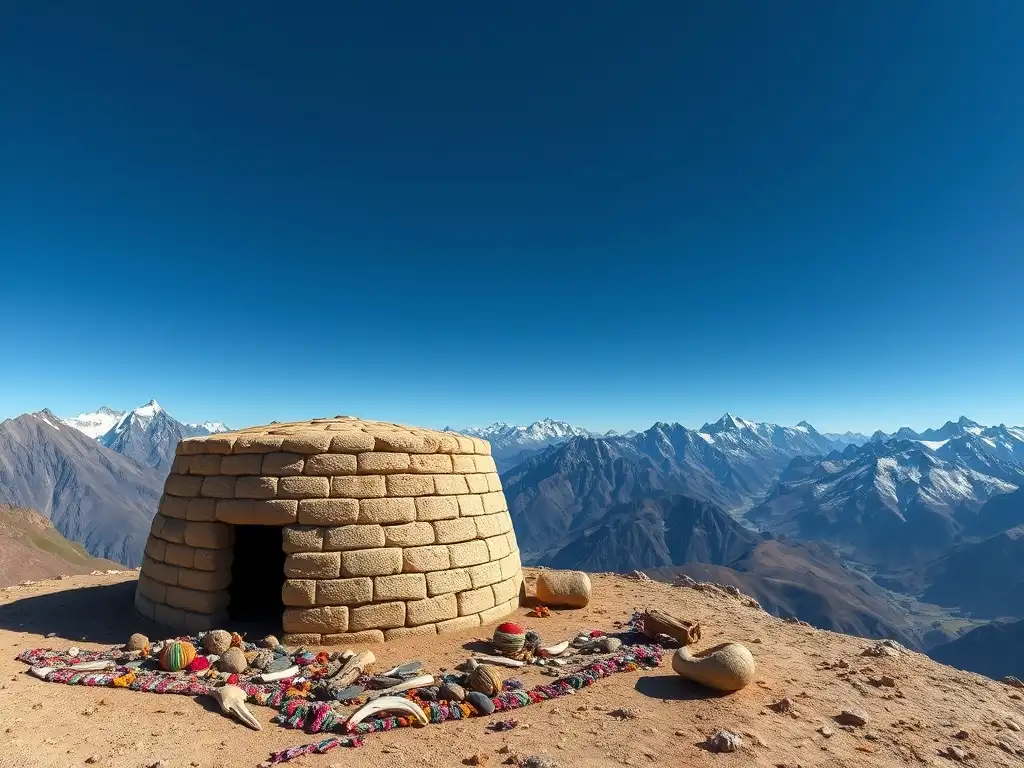
Welcome, explorer! Prepare to delve into the enigmatic world of the Andes, where the mountains whisper secrets of civilizations lost to time. This isn't just history; it's a journey through breathtaking artistry, ingenious engineering, and profound spiritual beliefs. But what truly captivated these ancient Andean societies? What did they believe happened after death? Discover the astonishing truth behind Andean burial practices and unlock the mysteries of their cosmology – a world of vibrant rituals and profound connections to the afterlife. Dare to uncover the secrets they left behind...
The Andes Mountains, a spine of towering peaks running down the western coast of South America, were home to a diverse array of sophisticated civilizations long before the arrival of Europeans. These cultures, including the Incas, Moche, Nazca, and Tiahuanaco, developed complex belief systems deeply interwoven with their understanding of the natural world and the cyclical nature of life and death.
This article delves into the fascinating and varied Andean beliefs surrounding the transformation of the body after death, exploring their burial practices and the symbolic significance attached to the afterlife. Understanding these practices provides crucial insight into Andean cosmology, their social structures, and their profound reverence for their ancestors.
We will examine how these beliefs shaped their rituals, material culture, and ultimately, their worldview, offering a glimpse into the rich tapestry of Andean spiritual life. The study of Andean burial practices reveals a nuanced understanding of their relationship with the deceased, reflecting not just fear of death but also a complex interplay of respect, continuity, and the ongoing connection between the living and the dead.
Mummy Bundles and the Continuity of Life
Andean cultures, particularly those of the pre-Columbian era, didn't simply bury their dead; they meticulously prepared them for the afterlife. The practice of mummification varied across different Andean groups, but the common thread was a belief in the continued existence of the spirit and the importance of maintaining the physical integrity of the body. Many cultures created mummy bundles, carefully wrapping the deceased in layers of textiles, often adorned with intricate designs and symbolic objects.
These bundles weren't just containers for the body; they were considered sacred repositories, protecting the deceased and facilitating their journey to the spirit world. The meticulous care taken in preparing these bundles underscores the deep respect and enduring connection Andean peoples felt towards their ancestors. The inclusion of personal belongings, food, and other offerings further emphasizes the belief that the deceased continued to exist in some form and required sustenance and comfort in the afterlife.
Archaeological evidence reveals a wide variety of materials used in mummy bundles, reflecting the social status and individual identity of the deceased. For example, elite individuals might be wrapped in fine textiles and adorned with precious metals, while those of lower social standing might have simpler bundles. This variation highlights the social stratification present within Andean societies and how these beliefs manifested differently across social classes.
Elaborate Tomb Structures and Sacred Landscapes
The construction of elaborate tombs further illustrates the significance Andean cultures placed on death and the afterlife. These structures, ranging from simple pits to complex subterranean chambers, were often located in strategically chosen sites within the landscape, reflecting a deep understanding of the relationship between the living and the dead, and the cosmos. The placement of tombs within sacred landscapes, such as mountain peaks or near water sources, suggests a belief that these locations facilitated communication between the living and the spirit world.
The construction of these tombs, often involving significant labor and resources, highlights the collective effort and social importance of these funerary rituals. The inclusion of offerings within the tombs, such as pottery, textiles, and food, indicates a belief that the deceased continued to need these items in the afterlife.
The scale and complexity of some tomb structures, such as those found at sites like Sipán in Peru, showcase the power and wealth of the elite, and the extent to which death rituals reinforced social hierarchies. The architectural sophistication of these tombs reflects the advanced engineering and architectural skills of Andean civilizations.
The Role of Sacrifice and Offerings in Andean Burial Practices
A key component of Andean burial practices was the inclusion of sacrificial offerings. These offerings weren't merely symbolic gestures; they were believed to provide sustenance and support for the deceased in their journey to the afterlife. The types of offerings varied widely depending on the culture and the social status of the deceased.
Common offerings included food, drink, textiles, pottery, and precious metals. In some cases, human sacrifice was also practiced, though this was typically reserved for elite individuals or during significant events. The inclusion of these offerings underscores the belief in a continued existence after death and the importance of maintaining a connection between the living and the dead.
The careful placement and arrangement of these offerings within the tomb suggests a structured ritual process, highlighting the importance of these practices in Andean society. The diversity of offerings found in Andean tombs provides valuable insights into the economic and social structures of these societies. The presence of certain types of goods may indicate trade networks and cultural exchanges across vast distances.
Variations in Andean Burial Practices Across Different Cultures
It's crucial to emphasize that Andean burial practices weren't uniform across all cultures and time periods. The Incas, for example, had distinct burial practices compared to the Moche or Nazca. While the overarching belief in ancestor veneration and the continuity of life remained consistent, the specific rituals and the symbolic meanings associated with death varied significantly.
Understanding these variations requires a nuanced approach, considering the unique cultural context of each society. Further research and ongoing archaeological discoveries continue to shed light on the diversity of Andean burial practices and the rich tapestry of beliefs surrounding death and the afterlife within the Andean region.
This diversity underscores the complexity and richness of Andean cultures and the importance of considering the specific historical and cultural context when studying their beliefs and practices. Future studies will undoubtedly reveal further nuances and complexities in our understanding of Andean burial practices and their relation to "Andean burial practices."
- Mummy Bundles and the Continuity of Life
- Elaborate Tomb Structures and Sacred Landscapes
- The Role of Sacrifice and Offerings in Andean Burial Practices
- Variations in Andean Burial Practices Across Different Cultures
The Andean Concept of Death and the Afterlife
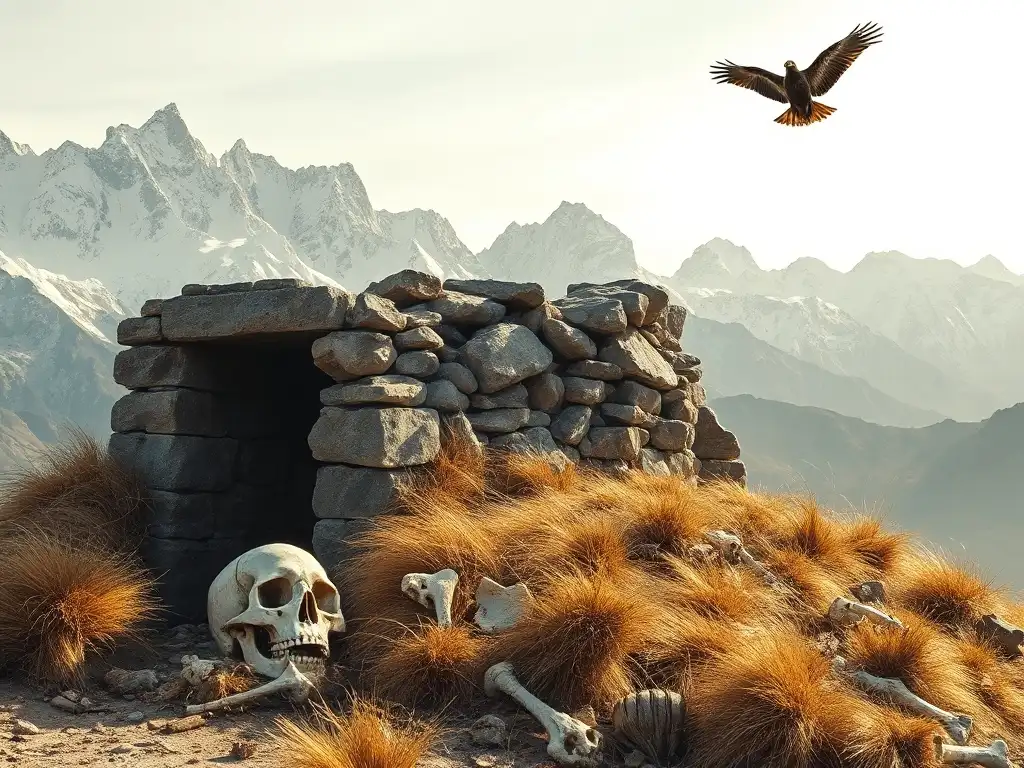
The Andean concept of death wasn't a simple cessation of existence, but rather a complex transformation. Unlike many Western views, death wasn't seen as an end, but a transition. The deceased didn't simply vanish; their essence, their camac, continued to exist in a different plane, interacting with the living world. This belief profoundly shaped Andean burial practices, influencing everything from the location and manner of burial to the grave goods included.
Understanding this nuanced perspective is crucial to interpreting the rich archaeological record of Andean mortuary rituals. The continuity between the living and the dead was paramount; ancestors were not forgotten but actively participated in the affairs of their descendants. This belief system, intricately woven into the fabric of Andean society, fostered a deep respect for the deceased and a profound connection to the past.
Understanding the Andean Perspective on Mortality
Death in Andean cultures wasn't viewed as a purely negative event. While mourning occurred, it was often interwoven with celebrations and rituals acknowledging the continued presence of the deceased. The transition wasn't seen as a complete severance, but as a change in state. The camac, often translated as "spirit" or "life force," persisted, maintaining a link between the living and the dead.
This understanding profoundly influenced funeral rites and the treatment of the deceased. Archaeological evidence reveals elaborate burial practices, with mummies often adorned with rich textiles, jewelry, and other grave goods. These weren't simply objects; they were offerings intended to sustain the deceased in the afterlife and strengthen the bond between the living and the departed. The careful preservation of bodies through mummification speaks to the high regard in which the deceased were held.
The process wasn't merely about preserving a body; it was about preserving the camac, ensuring the continued presence and influence of the ancestor. Different Andean cultures developed unique mummification techniques and burial rituals, reflecting the diversity of their beliefs and practices. For example, the Chinchorro culture of northern Chile practiced mummification as early as 7000 BCE, predating even the Egyptian techniques. These practices demonstrate the deep-rooted importance of ancestor veneration and the belief in the ongoing power of the deceased.
The Importance of Ancestral Spirits in Andean Worldview
Ancestor veneration was central to Andean societies. The deceased weren't forgotten; instead, they became powerful intermediaries between the living and the supernatural realm. Their spirits, their camac, were believed to influence the fortunes of their descendants. This belief is reflected in the numerous offerings and rituals performed at burial sites. The careful placement of grave goods, often including food, tools, and luxury items, demonstrates the intent to provide for the deceased in their new existence.
Moreover, the construction of elaborate tombs and monumental architecture, such as the mausoleums at Sipán, highlights the importance of these ancestors in the social and political structure of Andean societies. The continued interaction with ancestral spirits wasn't confined to formal rituals. Daily life was permeated by the belief in their presence and influence. Decisions were made with consideration for the wishes and guidance of the ancestors. This constant connection to the past shaped the present, creating a dynamic and ever-evolving relationship between the living and the dead.
This deep-seated belief in the power of ancestors is reflected in many aspects of Andean culture, from art and mythology to agriculture and political organization. The huacas, sacred places often associated with ancestral spirits, played a central role in Andean life, serving as focal points for rituals and offerings. These sites weren't merely places of burial; they were powerful loci of spiritual energy, connecting the living to the ancestors and the supernatural world. The reverence shown to these sites underscores the significance of ancestral spirits in the Andean worldview. Understanding this aspect is essential to comprehending the complexity and richness of Andean burial practices.
Andean Burial Practices: Preparing for the Journey
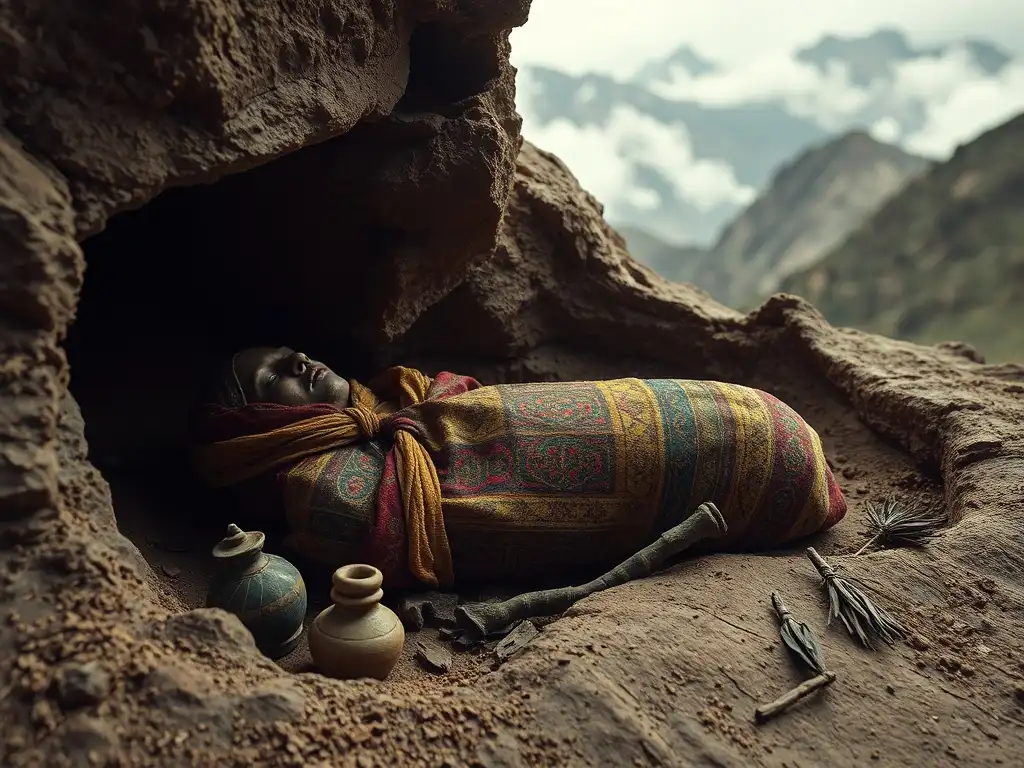
Andean burial practices, a cornerstone of Andean cosmology and worldview, reveal a fascinating blend of reverence for ancestors and complex beliefs about the afterlife. These practices weren't simply about disposing of the deceased; they were elaborate rituals designed to ensure a successful transition to the next world and maintain the connection between the living and the dead. The meticulous preparation of the body, the selection of grave goods, and the location of burial sites all speak to the depth and sophistication of Andean beliefs surrounding death and the continuity of life.
The careful study of these practices provides invaluable insights into the social structures, religious beliefs, and technological capabilities of these ancient societies. Understanding these rituals is key to unlocking a deeper understanding of Andean culture. This section will explore several key aspects of these complex and varied burial customs.
Chinchorro Mummification Techniques in Ancient Chile
The Chinchorro culture of northern Chile, dating back to 7020 BCE, developed some of the earliest known forms of artificial mummification in the world, predating even the Egyptian techniques. Their mummification process was incredibly complex and involved several distinct steps. The process began with the evisceration of the body, followed by the removal of the brain through the nasal cavity. The body cavity was then cleaned and filled with plant materials. Different mummification techniques existed, depending on the social status of the deceased and the period.
Early Chinchorro mummies, for example, were treated with a paste of clay and manganese oxide, giving them a characteristic black appearance. Later, the technique evolved to include the application of a mud-like paste over the body, followed by the addition of a layer of animal hair and then a coating of pigment. This intricate process, requiring significant skill and knowledge of preservation techniques, demonstrates a profound concern for the deceased's physical preservation in the afterlife.
The preservation of the body was not solely a practical matter; it was also a symbolic act, signifying the continued existence of the individual's spirit. The meticulous nature of Chinchorro mummification underscores the importance placed on ancestor veneration within their culture. Detailed analysis of these mummies has revealed valuable information about their diet, health, and social structures.
The Significance of Grave Goods and Food Offerings
Grave goods and food offerings played a crucial role in Andean burial practices, reflecting beliefs about the afterlife and the needs of the deceased in their journey to the next world. The types and quantities of grave goods varied considerably depending on the social status of the deceased, the specific culture, and the time period.
For example, elite burials often included elaborate textiles, gold ornaments, ceramics, and tools, reflecting their status and power in life. These items were not simply material possessions; they were symbolic representations of the individual's identity and social standing, intended to accompany them into the afterlife.
Food offerings, such as maize, potatoes, and other agricultural products, were also commonly placed in graves. These offerings were not only intended to sustain the deceased but also to appease the spirits and ensure a smooth transition to the next world. The inclusion of specific foods might hold symbolic meaning, reflecting the individual's role in society or their connection to the land.
The careful selection and placement of these offerings highlight the importance of maintaining a connection between the living and the dead, a central theme in Andean cosmology. Archaeological evidence suggests that the offerings were often ritually consumed or symbolically shared with the deceased's spirit. The quantity and quality of the food offerings also provide valuable insights into the agricultural practices and the economic resources of the community.
Variations in Burial Customs Across Different Andean Regions
Andean burial practices were far from uniform; they exhibited significant regional and cultural variations. While common themes, such as the importance of ancestor veneration and the provision of grave goods, are evident across different Andean cultures, the specific methods and rituals differed considerably. For instance, the Incas practiced a form of mummification, although different from the Chinchorro technique, often placing the mummies in elaborate stone tombs or mausoleums. The Moche culture, known for its sophisticated metalwork and ceramics, frequently interred their dead with elaborate grave goods, including finely crafted pottery vessels depicting scenes of daily life and ritual.
The Nazca culture, famous for its geoglyphs, buried their dead in simple pits or tombs, often accompanied by textiles and ceramic offerings. The Tiahuanaco culture, with its impressive megalithic architecture, employed a variety of burial practices, ranging from simple interments to elaborate stone structures. These variations highlight the rich diversity of Andean cultures and their unique beliefs about death and the afterlife.
Further research is needed to fully understand the nuances of these regional variations and their underlying significance. The study of Andean burial practices offers a rich tapestry of insights into the beliefs, customs, and social structures of these remarkable ancient societies, with each region adding a unique layer of complexity to the overall picture. The continued excavation and analysis of burial sites are crucial to expanding our understanding of these fascinating cultural traditions.
The Transformation of the Body: From Physical to Spiritual
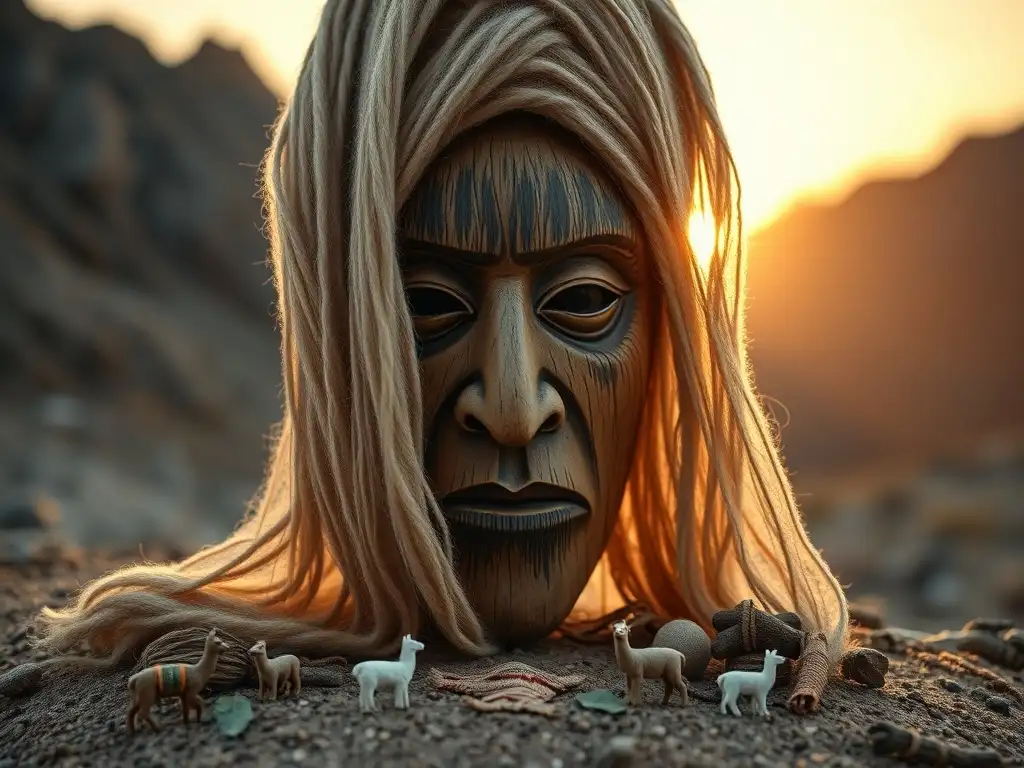
This section delves into the fascinating Andean beliefs surrounding the transformation of the body after death, a cornerstone of their burial practices. Understanding these beliefs provides crucial insight into their worldview and spiritual cosmology. The Andean peoples didn't view death as an end, but rather a transition, a complex process involving the physical body and the spirit's journey to the afterlife.
This process wasn't uniform across all Andean cultures; variations existed between the Incas, Moche, Nazca, and Tiahuanaco, reflecting diverse regional interpretations of the same fundamental beliefs. However, a common thread unites these variations: the profound respect for ancestors and the belief in the continued existence of the spirit.
The careful preparation of the deceased, the elaborate burial rituals, and the construction of monumental tombs all underscore the importance of this transition and the enduring connection between the living and the dead. These practices are deeply intertwined with their understanding of the cosmos and the cyclical nature of life and death.
The Role of the 'Aya' and its Journey After Death
The concept of the aya, often translated as "soul" or "spirit," is central to Andean beliefs surrounding death. The aya wasn't simply a disembodied entity; it was considered an integral part of the individual, inextricably linked to the physical body during life. Upon death, the aya embarked on a journey, its destination and fate determined by various factors, including the individual's actions during life and the proper execution of funerary rites.
Evidence from Andean burial practices, such as the inclusion of grave goods—ranging from food and textiles to tools and ornaments—suggests attempts to provide the aya with sustenance and tools for its journey. The placement of the body itself, whether mummified and adorned or interred simply, also reflected beliefs about the aya's destination and the necessary preparations for its journey to the next realm. Interestingly, specific burial positions and the inclusion of certain artifacts suggest a belief in a directional journey, perhaps reflecting the Andean understanding of the cosmos and its layered structure.
For example, the orientation of some burials towards specific mountain peaks or celestial bodies may indicate a belief in a specific path the aya was to follow. Further research is needed to fully elucidate the nuances of these practices and their relation to the aya's journey.
Beliefs About the 'Hanan Pacha' and 'Uku Pacha' Realms
Andean cosmology is structured around three distinct realms: Hanan Pacha (the upper world), Kay Pacha (the earthly world), and Uku Pacha (the underworld). Beliefs about the afterlife varied depending on the specific culture and region, but many Andean groups believed that the aya traveled to either Hanan Pacha or Uku Pacha after death. Hanan Pacha, associated with the sun, celestial bodies, and deities, was generally considered a desirable destination, reserved for those who lived virtuous lives.
Conversely, Uku Pacha, associated with the earth and its depths, was often viewed as a darker, less desirable realm. The specific characteristics of these realms and the criteria for admittance varied across different Andean cultures. Archaeological evidence, such as the elaborate tombs and offerings found in some burial sites, suggests a belief in a more structured afterlife, with different levels or locations within Hanan Pacha and Uku Pacha depending on the individual's status and actions in life.
The careful placement of grave goods, therefore, wasn't merely symbolic; it was believed to influence the aya's journey and its ultimate destination. The detailed nature of these burial practices highlights the complexity of Andean beliefs regarding the afterlife and the importance they placed on proper funerary rituals.
The Concept of Reincarnation and Cosmic Cycles in Andean Thought
Many Andean cultures believed in the cyclical nature of life, death, and rebirth. While the specific details varied, the concept of reincarnation was prevalent, reflecting the Andean understanding of the cosmos as a dynamic and interconnected system. The aya, after completing its journey in Hanan Pacha or Uku Pacha, might be reborn into the earthly world, continuing the cycle of life and death. This belief is evident in their emphasis on ancestor veneration, as the spirits of ancestors were believed to play a vital role in the lives of the living.
The cyclical nature of life, as reflected in their agricultural practices and cosmological understanding, strongly influenced their beliefs about death and the afterlife. This cyclical worldview is subtly reflected in their art, architecture, and even their agricultural practices. The intricate designs found on textiles, ceramics, and stonework often depict cyclical patterns and symbolic representations of life, death, and rebirth.
Further research into specific Andean cultures is needed to fully understand the nuances of their beliefs regarding reincarnation and the specific mechanisms through which the aya transitioned between realms. The concept of reincarnation offers a compelling explanation for the importance placed on ancestor veneration within Andean cultures. The continuous connection between the living and the dead underscores the cyclical nature of Andean cosmology and its influence on their burial practices.
Specific Andean Cultures and Their Funeral Rites
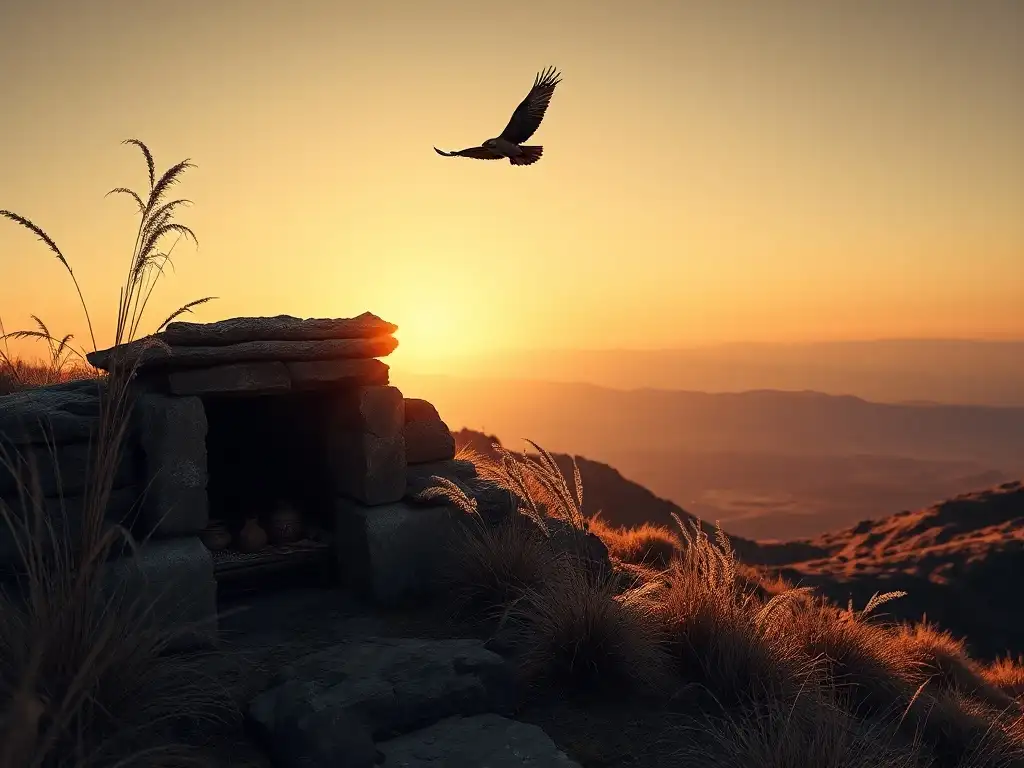
This section delves into the diverse burial practices of specific Andean cultures, highlighting the unique beliefs and rituals surrounding death and the afterlife. Understanding these variations provides crucial insight into the complexities of Andean cosmology and the significance placed on ancestor veneration. The practices detailed below exemplify the rich tapestry of Andean "Andean burial practices," demonstrating a fascinating interplay between societal structure, religious beliefs, and the physical environment.
Inca Royal Mummies and the Cult of the Dead
Inca funerary practices, particularly those concerning the elite, were elaborate and symbolic. The preservation of royal mummies was paramount, reflecting the Inca belief in the continued spiritual presence of deceased rulers. These mummies weren't simply preserved; they were venerated, treated as active participants in the ongoing life of the empire. The process involved meticulous mummification techniques, often including the removal of internal organs and the application of herbal preservatives. The mummies were then adorned with elaborate textiles, jewelry, and other grave goods, reflecting their status and power even in death.
The royal mummies weren't simply placed in tombs; they were often enshrined in special mausoleums or incorporated into ongoing rituals. Evidence suggests that the Inca continued to offer food, drink, and other offerings to their deceased rulers, reinforcing the belief in their continued influence and power. The cult of the dead wasn't limited to the royal family; commoners also engaged in ancestor veneration, although on a smaller scale.
This continuous interaction with the deceased highlights the deep-rooted belief in the cyclical nature of life and death in Inca cosmology. The careful preservation and ongoing worship of royal mummies serves as a powerful testament to the Inca's reverence for their ancestors and their belief in the enduring power of the past.
Moche Warrior Burials and Sacrificial Offerings
The Moche civilization, known for its sophisticated art and complex social structure, exhibited unique "Andean burial practices" focused on elaborate grave goods and sacrificial offerings. While the Inca emphasized the preservation of the body, the Moche often focused on the symbolic representation of death and power through accompanying artifacts. Warrior burials, in particular, stand out. These burials frequently included a wealth of grave goods reflecting the warrior's status and achievements in life.
This included weaponry, such as meticulously crafted spears, clubs, and knives, often made from precious metals like gold and silver. Furthermore, elaborate pottery depicting battle scenes and sacrificial rituals accompanied these burials, suggesting a strong belief in a warrior afterlife. The inclusion of sacrificed individuals, often young women or children, alongside the warrior, highlights the significance of human sacrifice in the Moche worldview.
These sacrifices weren't simply acts of violence; they were deeply symbolic rituals aimed at appeasing the gods and ensuring the prosperity of the community. The careful arrangement of the grave goods and the presence of sacrificial victims underscore the ritualistic nature of Moche funerary practices and their connection to the broader Moche belief system. Further research into Moche burial sites could illuminate the social hierarchy reflected in these burials and the specific rituals involved in the sacrifice.
Nazca Lines and Geoglyphs Associated with Mortuary Practices
The Nazca culture, famous for its enigmatic lines etched into the desert landscape, also held unique "Andean burial practices." While the purpose of the Nazca lines remains a subject of ongoing debate, some scholars suggest a connection between these geoglyphs and mortuary rituals. The lines themselves may not be directly related to burial sites, but the surrounding areas often contain evidence of elaborate burial complexes and ceremonial centers. These complexes contained a variety of grave goods, reflecting the social standing of the deceased.
The placement of some of these burial sites in relation to specific geoglyphs suggests a potential link between the lines and the afterlife. It's possible that the lines served as visual markers or pathways to the realm of the dead, or that they held symbolic significance related to ancestor veneration. However, the exact nature of this relationship requires further investigation.
The discovery of new burial sites and the continued study of existing ones, combined with advanced imaging techniques, may reveal more about the connection between the Nazca lines and their mortuary practices. Further research into the spatial distribution of burial sites in relation to the geoglyphs is crucial for understanding the possible links between these two fascinating aspects of Nazca culture. The Nazca's unique relationship with their environment is reflected in their burial practices, highlighting the intricate connection between their cosmology and their physical surroundings.
Tiahuanaco Burial Bundles and the Emphasis on Lineage
The Tiahuanaco culture, flourishing in the Bolivian altiplano between approximately 500 and 1000 CE, practiced a sophisticated form of burial that highlights their strong emphasis on lineage and ancestor veneration. Their funerary practices weren't simply about disposing of the dead; they were integral to maintaining the social and cosmic order. A key aspect of this was the creation of elaborate burial bundles. These weren't haphazard collections of grave goods; they were meticulously assembled packages containing the deceased's remains, often wrapped in textiles and accompanied by a variety of offerings reflecting their social status and the beliefs of the time.
The contents of these bundles often included finely crafted ceramics, tools, ornaments made from precious metals like gold and silver (where available), and even food items intended to sustain the deceased in their afterlife journey. The textiles themselves were frequently richly decorated, displaying intricate designs and patterns that likely held symbolic meaning related to the individual's identity and place within the social structure. The careful arrangement of these items within the bundle suggests a deliberate and ritualistic process, overseen by individuals with specialized knowledge and skills.
Archaeological evidence points to a clear hierarchy in the types and quality of grave goods included in the bundles, reflecting the social standing of the deceased within the Tiahuanaco society. This meticulously curated approach indicates a deep belief in the continued existence and importance of the deceased, even after physical death.
Furthermore, the location of these burial bundles also provides insights into Tiahuanaco's emphasis on lineage. Many bundles have been found in close proximity to significant sites and settlements, suggesting a deliberate connection between the deceased and the living community.
This spatial arrangement points to a belief that the ancestors continued to exert influence and protection over their descendants, reinforcing the importance of familial ties and ancestral legacy. The placement of bundles within family compounds or near ceremonial centers underscores the idea that the dead were not simply removed from society, but rather integrated into its ongoing life and continuity.
The careful preservation of the bundles and their contents also suggests a conscious effort to maintain the memory and legacy of specific lineages, highlighting the importance of kinship ties in Tiahuanaco society. The study of these bundles continues to reveal fascinating details about their worldview and social organization, offering valuable insights into Andean burial practices.
The Ongoing Relevance of Andean Burial Traditions
The study of Andean burial practices offers a captivating glimpse into the complex cosmology and worldview of these ancient societies. Far from being merely a disposal of the deceased, these practices reveal intricate beliefs about the afterlife, the cyclical nature of life and death, and the enduring connection between the living and the ancestors. Understanding these traditions requires moving beyond a purely archaeological perspective and acknowledging their continuing influence on contemporary Andean communities.
The meticulous care taken in preparing bodies for burial, the inclusion of grave goods reflecting social status and personal beliefs, and the careful selection of burial sites all point to a profound reverence for the deceased and their continued spiritual presence. Indeed, the very act of burial was a ritualistic performance, a symbolic reaffirmation of the community's connection to the ancestral world.
The enduring legacy of these practices is evident in the preservation of burial sites and the ongoing research dedicated to understanding their significance. Analyzing these traditions provides valuable insights into Andean social structures, religious beliefs, and the enduring power of ancestral veneration.
Modern Interpretations of Andean Ancestral Veneration
Modern interpretations of Andean ancestral veneration often emphasize the continuity between past and present. While the specific rituals may have evolved, the fundamental belief in the enduring presence and influence of ancestors remains a central tenet in many Andean communities. This is reflected in contemporary practices such as the pago a la tierra (payment to the earth), a ritual offering made to appease the spirits of the land and ensure continued prosperity.
Similarly, the ongoing maintenance of ancient burial sites and the performance of commemorative ceremonies underscore the living connection to ancestral lineages. Many indigenous communities actively participate in the preservation and interpretation of these sites, challenging colonial narratives that often sought to erase or diminish the significance of Andean traditions. These reinterpretations emphasize agency and self-determination, reclaiming ancestral knowledge and cultural practices as vital components of contemporary Andean identity.
The ongoing research and collaboration between archaeologists and indigenous communities are crucial in ensuring a respectful and nuanced understanding of these complex traditions. This collaborative approach prioritizes the voices and perspectives of those most directly connected to the legacy of Andean burial practices.
The Influence of Andean Beliefs on Contemporary Indigenous Practices
The influence of Andean beliefs about death and the afterlife continues to shape contemporary indigenous practices in profound ways. For example, the concept of ayni, the principle of reciprocity and mutual obligation, extends beyond interpersonal relationships to encompass the relationship between the living and the deceased. This means that offerings and acts of remembrance are not merely symbolic gestures but are viewed as necessary acts to maintain a harmonious balance between the living and the spiritual world.
The meticulous preparation of mummies, often accompanied by elaborate rituals and the inclusion of grave goods, reflects a belief in the continued existence and agency of the deceased. This contrasts sharply with Western views of death as a finality, highlighting the fundamentally different ontological perspectives at play.
Furthermore, the use of traditional medicinal plants and healing practices rooted in ancestral knowledge demonstrates the enduring relevance of Andean cosmological beliefs in contemporary healthcare systems. The rich tapestry of Andean burial practices and beliefs continues to inform and inspire diverse aspects of modern life, emphasizing the enduring power of tradition.
Preservation of Andean Burial Sites and Archaeological Research
The preservation of Andean burial sites is crucial not only for understanding the past but also for respecting the cultural heritage of Andean communities. Archaeological research plays a vital role in this process, but it must be conducted ethically and responsibly, prioritizing collaboration with indigenous communities. Many sites face threats from looting, environmental degradation, and urban development.
These challenges highlight the need for effective conservation strategies that balance the need for scientific investigation with the protection of sacred sites. The development of sustainable tourism initiatives and community-based conservation programs can help to ensure the long-term preservation of these invaluable resources. Moreover, the careful documentation and analysis of grave goods and burial rituals provide essential data for understanding Andean social organization, religious beliefs, and technological advancements.
This research contributes to a richer and more nuanced understanding of Andean civilizations, moving beyond simplistic narratives and embracing the complexity and diversity of these ancient societies. Ongoing research and conservation efforts are essential for preserving the rich legacy of Andean burial practices for future generations. The careful excavation and analysis of these sites, coupled with the respectful involvement of indigenous communities, are key to uncovering the full story of Andean beliefs about the transformation of the body after death.
Frequently Asked Questions
What were Andean beliefs about death?
Andean cultures held diverse beliefs about the afterlife. Many believed in a transformation of the body after death, not necessarily an ending. This involved a journey to the underworld or another realm.
How did Andean burial practices reflect these beliefs?
Burial practices varied across different Andean civilizations but often involved elaborate rituals and the inclusion of grave goods, reflecting the deceased's status and beliefs about the afterlife. Mummification was also practiced in some cultures.
What role did offerings play in Andean burial rituals?
Offerings, including food, textiles, and tools, were crucial. They were believed to sustain the deceased in the afterlife and ensure a smooth transition. The types and quantity of offerings varied based on social standing.
Were all Andean burial practices the same?
No, Andean burial practices varied significantly across different cultures and time periods. The Incas, for example, had different customs than the Nazca or Moche. Regional and temporal differences are important to consider.
Where can I learn more about specific Andean burial sites?
Numerous archaeological sites throughout the Andes showcase different burial practices. Research into specific civilizations like the Inca, Moche, and Nazca will reveal more detailed information about their unique funerary customs and the locations of their burial sites.
Final Reflection: Echoes of the Andes: Life, Death, and the Enduring Spirit
The ancient Andean understanding of death, far from being a mere cessation of life, was a complex transformation, a journey of the spirit continuing its connection to the living. This resonates powerfully today, as we grapple with our own mortality and the enduring questions surrounding life after death. The practices surrounding death, as detailed in this article, offer a profound glimpse into a worldview deeply connected to the land and the cyclical nature of existence.
The enduring legacy of Andean burial practices speaks volumes about the importance of community, respect for ancestors, and the belief in a continuous cycle of life and death. These beliefs, woven into the very fabric of Andean society for millennia, continue to shape cultural identity and inform contemporary perspectives on mortality. Death is not an ending, but a transformation; a return to the earth from which we came, and a continuation of our journey in the spirit world.
This sentiment, though not a direct quote from an ancient Andean source, encapsulates the essence of their beliefs and their enduring relevance.
Consider, for a moment, the implications of this ancient wisdom. How might a deeper understanding of the Andean perspective on death enrich our own approaches to life and loss? I invite you to reflect on your own beliefs about death and the afterlife, and to consider how embracing a more holistic and cyclical view of life might bring greater peace and understanding. Let the echoes of the Andes inspire you to live a life that honors both the present and the future, recognizing the interconnectedness of all things, and the enduring power of the human spirit.
**Embrace the Journey Beyond: Transform Your Understanding of Life and Death**
Thank you for exploring the fascinating beliefs surrounding death and the afterlife in Andean cultures. You've gained valuable insights into how these ancient civilizations viewed the cycle of life and the transition beyond. Now, let's put that knowledge into practice.
Here are some ways to deepen your connection to these teachings:
- **Expand Your Knowledge:** Explore our related articles for a deeper understanding of the rituals and ceremonies that underpin these beliefs. Learning about the practices of these communities will enrich your appreciation of their worldview.
- **Share Your Insights:** Discuss what resonated most with you about Andean beliefs with friends, family, or in our online community forum. Sharing your thoughts can spark insightful conversations.
- **Reflect and Journal:** Take some time to reflect on your own views of life and death. How do the Andean beliefs compare to your own perspective? This reflective process can lead to new understandings.
Which aspects of Andean beliefs about death and transformation are most intriguing to you, and how might they shape your own perspective on life's journey?