
The Art of Andean Funerary Textiles: Symbolic Meanings and Ritual Significance

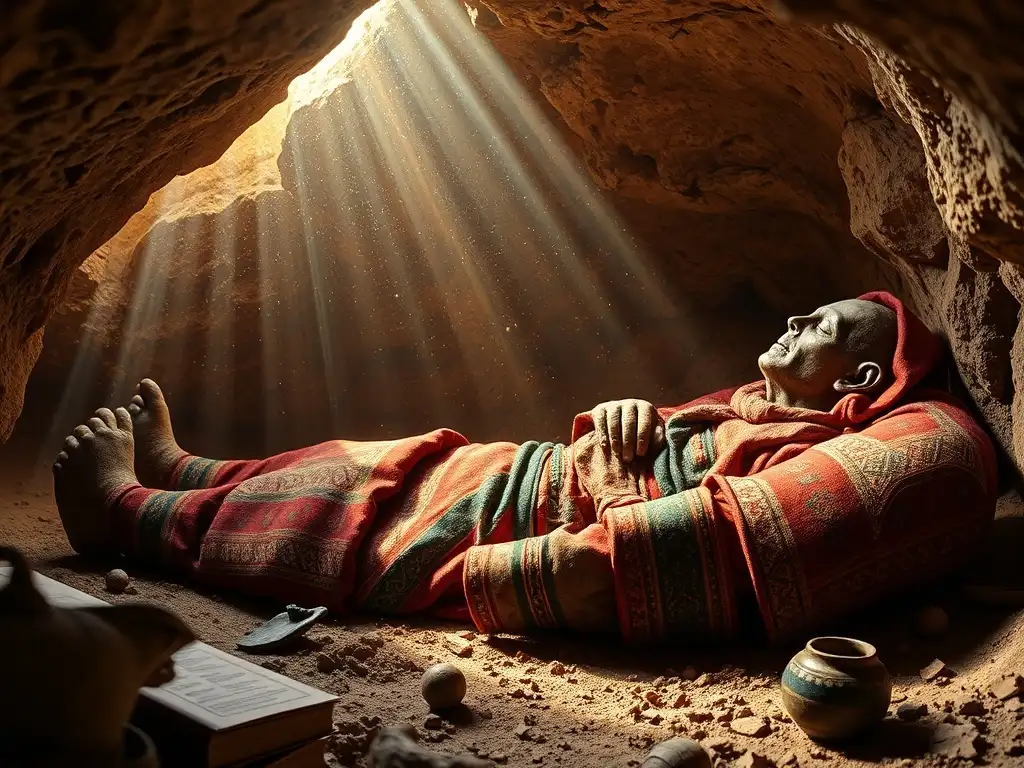
Step into a world lost to time, yet echoing with vibrant stories. Imagine uncovering the secrets woven into the intricate threads of Andean funerary textiles. For centuries, these magnificent artifacts have held clues to the complex cosmology and beliefs of ancient civilizations like the Incas and Moche. Discover the profound meaning behind their designs and unravel the mysteries of their ritual significance—a journey into the heart of Andean worldview awaits.
The intricate world of Andean funerary textiles offers a captivating window into the complex cosmology and beliefs surrounding death and the afterlife of the ancient Andean civilizations. This article delves into the rich symbolic meanings woven into these remarkable artifacts, exploring their ritual significance and providing insights into the ancestor veneration practices prevalent across diverse Andean cultures, including the Inca, Moche, Nazca, and Tiahuanaco.
We will examine the techniques employed, the materials used, and the powerful messages encoded within the vibrant colors, intricate patterns, and symbolic imagery that adorned these textiles, ultimately revealing how they served as vital components in funerary rituals and the broader Andean worldview. Understanding these textiles allows us to connect with the spiritual beliefs and social structures of these fascinating ancient societies, enriching our appreciation for their enduring legacy.
The keyword "Andean funerary textiles meaning" will be explored through detailed analysis of specific examples and cultural contexts.
Introduction to Andean Funerary Textiles
Andean funerary textiles represent far more than simple burial garments; they are complex, multi-layered expressions of belief systems deeply intertwined with ancestor veneration. These textiles, often found accompanying elite burials, were meticulously crafted using techniques passed down through generations. The materials themselves—alpaca and llama wool, cotton, and occasionally even camelid hair—held symbolic value, reflecting the resources and status of the deceased. The vibrant colors, frequently derived from natural sources like plants and minerals, added another layer of meaning, often representing specific deities, cosmological concepts, or social hierarchies.
The production of these textiles was a time-consuming and skilled process, highlighting their importance within Andean society. The precision and artistry involved suggest a deep reverence for the deceased and a belief in the continued connection between the living and the dead. These weren't simply objects; they were powerful conduits connecting the physical and spiritual realms.
Many examples of Andean funerary textiles feature intricate iconography including stylized animals, geometric patterns, and representations of deities. These motifs weren't randomly selected; rather, they were carefully chosen to reflect the individual's status, role in society, and perhaps even their journey into the afterlife. Researchers continue to decipher the full meaning of these symbols, using a combination of archaeological evidence, ethnographic studies of later Andean cultures, and careful analysis of the textile techniques themselves. The study of Andean funerary textiles is an ongoing process, with new discoveries continually enriching our understanding of these ancient cultures.
The Importance of Textiles in Andean Culture
Textiles played a crucial role in Andean life, extending far beyond their practical uses as clothing and household items. They served as powerful symbols of social status, religious identity, and political power. The skill and artistry involved in their creation elevated textile production to a revered craft, often associated with specialized artisans and religious figures.
The complex weaving techniques, such as the intricate tapestry weaving and the use of multiple warps and wefts, demonstrate a sophisticated understanding of textile production. The use of specific knots, colors, and patterns allowed for complex narratives and symbolic representations to be woven into the fabric itself.
The significance of textiles in Andean funerary practices underscores their importance in the broader cultural context. The meticulous preparation of the deceased, often adorned in elaborate textile garments and accompanied by richly decorated textiles, highlights the belief in the continuity of life after death.
These textiles weren't simply meant to clothe the body; they were intended to protect and guide the deceased on their journey to the afterlife, providing them with the necessary resources and symbolic protection in the spirit world. The sheer quantity and quality of textiles found in many Andean tombs also points to the high value placed on these objects, reflecting the beliefs and practices surrounding ancestor veneration and the importance of maintaining ties with deceased relatives.
The textiles themselves served as physical manifestations of these beliefs, ensuring the continuity of family lineage and spiritual connections across generations. The careful preservation of these textiles within the tombs speaks to the enduring significance they held for the Andean people.
Andean Textiles as Expressions of Beliefs About Death
Andean funerary textiles offer invaluable insights into the complex beliefs about death held by ancient Andean cultures. These societies didn't view death as an end, but rather as a transition to another realm. The elaborate textiles found in burial sites reflect this worldview, acting as both practical shrouds and powerful symbolic statements.
The careful preparation of the deceased, often including the use of numerous textiles layered meticulously, highlights the importance placed on ensuring a successful passage into the afterlife. The sheer artistry and detail invested in these textiles underscore the belief that the deceased would continue to exist in some form, requiring provisions and adornments for their continued journey. The very act of creating these intricate textiles was itself a ritual, a way of honoring the deceased and ensuring their well-being in the spirit world.
The investment of time, skill, and resources in creating these burial textiles speaks volumes about the reverence for ancestors and the enduring power of kinship ties in Andean cosmology. The textiles themselves are not simply objects; they are powerful mediators between the living and the dead, facilitating continued communication and connection across the veil of death.
The Role of Textiles in Andean Burial Practices
Textiles played a multifaceted role in Andean burial practices. They served as the primary wrapping material for mummies, protecting the remains from the elements and signifying the importance of the deceased. Beyond their protective function, textiles also served as a means of conveying social status and identity.
The intricacy of the weaving, the type of materials used, and the specific iconography incorporated all contributed to communicating the deceased's position within their community. For example, individuals of higher social standing were often buried with significantly more elaborate and larger quantities of textiles than those of lower status. This clearly demonstrates the societal importance placed upon the deceased and the careful consideration of their afterlife needs.
Furthermore, textiles were not just used to wrap the body; they were also incorporated into the overall structure of the tomb, forming part of the burial chamber itself. In some cases, entire textiles were used as burial shrouds, completely encasing the deceased. This practice further emphasizes the vital role textiles played in the transition to the afterlife.
Textile Materials and Their Significance in Funerary Contexts
The materials used in Andean funerary textiles were not arbitrary choices; they held deep symbolic meaning. Alpaca and llama wool, the most commonly used materials, were not just chosen for their warmth and durability. These animals held significant spiritual importance in Andean cultures, representing fertility, prosperity, and connection to the Andean landscape.
The use of these materials in funerary textiles therefore linked the deceased to these vital aspects of Andean life. Furthermore, the color of the wool, the type of weave, and even the presence of specific plant fibers all contributed to the overall meaning of the textile. For instance, the use of vibrant colors often indicated a higher social standing, while more muted tones might be associated with specific rituals or beliefs.
The careful selection and preparation of these materials demonstrates the meticulous attention to detail and the profound significance attributed to each component of the burial process. The choice of materials was not only practical but also symbolic, reflecting the worldview and beliefs of the Andean people.
Decoding the Symbolic Language of Andean Funerary Weaving
The intricate designs woven into Andean funerary textiles form a complex visual language that reveals much about the beliefs and rituals surrounding death. These textiles are not merely decorative; they are powerful statements about the deceased, their life, and their journey into the afterlife. Understanding the symbols and motifs requires careful analysis and consideration of the cultural context. This often requires interdisciplinary collaboration between archaeologists, anthropologists, and textile experts. The process of deciphering these visual narratives is ongoing, but significant progress has been made in understanding the meaning of specific iconographic elements and their relation to Andean cosmology. The study of these textiles helps us understand the intricate relationship between the living and the dead, and the beliefs about the continuity of life beyond the physical realm. The weaving itself, with its precision and symbolic density, is a testament to the profound importance placed on honoring and remembering the ancestors.
Iconography and Motifs in Death Ritual Textiles
Common iconographic motifs found in Andean funerary textiles include stylized representations of animals, such as condors, jaguars, and snakes, each carrying its own symbolic weight. Condors, for example, were often associated with the upper world and the sun, while snakes represented the underworld and the forces of nature. The inclusion of these motifs in funerary textiles suggests a connection between the deceased and these powerful forces, ensuring their safe passage through the different realms.
Geometric patterns, such as stepped frets, spirals, and zigzags, also appear frequently. These often represent the Andean worldview's cyclical nature, the continuous interplay between life and death, and the regeneration of the cosmos.
The careful arrangement and combination of these motifs create a rich tapestry of meaning, reflecting the complex cosmology and beliefs of the ancient Andean cultures. The study of these iconographic elements is crucial in understanding the beliefs about the afterlife and the role of the deceased in the continuous cycle of life and death.
The Meaning of Colors in Andean Burial Cloths
Color played a crucial role in the symbolic language of Andean funerary textiles. Different colors were associated with specific deities, concepts, or natural elements. Red, for instance, was often associated with blood, fertility, and the earth, while white symbolized purity and the celestial realm. Black, representing the underworld, was often used in conjunction with other colors to express the complexities of the afterlife journey.
The careful selection and combination of colors in these textiles were not accidental; they were deliberate choices that conveyed specific meanings and reinforced the overall symbolic narrative. The use of color in Andean funerary textiles provides further evidence of the sophisticated symbolic system used to represent the Andean worldview and beliefs about death and the afterlife. The complex interplay of colors speaks to the nuanced understanding of the relationship between the physical and spiritual worlds.
Geometric Patterns and Their Ritual Connotations
Geometric patterns, far from being mere decoration, constitute a significant part of the symbolic language of Andean funerary textiles. These patterns, often intricate and repetitive, are believed to represent the cyclical nature of life, death, and rebirth central to Andean cosmology. The stepped fret pattern, for example, is frequently interpreted as representing the mountains, a vital element in the Andean landscape and worldview.
Spirals, on the other hand, may symbolize the cosmos or the cyclical nature of time. The precise arrangement and combination of these geometric patterns likely held specific meanings related to the individual's life, social standing, and the desired outcome of their journey into the afterlife.
The meticulous execution of these patterns demonstrates the high level of skill and the profound significance attached to these visual representations of Andean beliefs. The study of these geometric patterns provides critical insights into the complex and layered symbolic system employed in Andean funerary textiles.
Different Styles and Regional Variations of Funerary Textiles
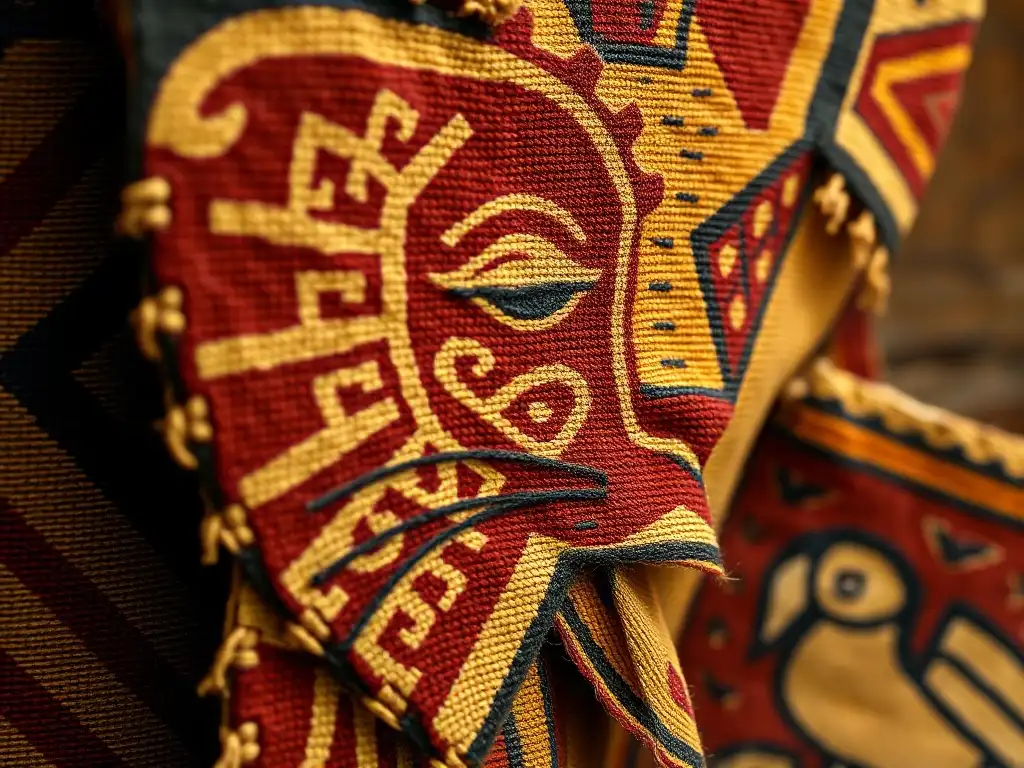
The artistry of Andean funerary textiles is remarkably diverse, reflecting the rich tapestry of cultural traditions across the Andes. The textiles themselves, often intricately woven or embroidered, weren't simply cloth; they were powerful statements of identity, social status, and spiritual beliefs. The sheer variety in techniques, materials, and designs found in surviving examples speaks volumes about the sophisticated textile traditions of these civilizations. From the vibrant colors and geometric patterns of the Paracas culture to the more representational imagery found in Inca textiles, each piece tells a unique story.
The use of camelid fibers, such as alpaca and llama wool, was prevalent, with variations in fiber quality and processing reflecting regional differences and access to resources. The choice of colors, too, held symbolic meaning, with certain hues associated with specific deities or spiritual concepts. For example, red might symbolize blood and sacrifice, while yellow could represent the sun and divinity.
The careful preservation of these textiles in arid climates of the Andes has allowed archaeologists to study these masterpieces and gain invaluable insights into the beliefs and practices of these ancient societies. The meticulous craftsmanship evident in these textiles highlights the high value placed upon them within Andean societies. Indeed, the creation of these textiles was often a communal effort, reflecting the shared beliefs and collective identity of the community.
Variations Across Andean Cultures: Moche, Nazca, and Inca Textiles
The Moche, Nazca, and Inca cultures, each with their distinct artistic styles, left behind a legacy of funerary textiles that reflect their unique cosmological views. Moche textiles, often characterized by bold colors and depictions of mythological figures and scenes, frequently illustrated rituals, warfare, and shamanistic practices. The vibrant hues and dynamic compositions of Moche textiles offer a rare glimpse into their worldview.
Nazca textiles, known for their intricate geometric designs and complex weaving techniques, often featured stylized representations of animals and plants, reflecting their reverence for the natural world. The precision and detail in Nazca textiles are astonishing, showcasing a mastery of textile production. In contrast, Inca textiles, while also employing sophisticated techniques, often incorporated more symbolic imagery, including geometric designs and representations of Inca deities and symbols of power.
The use of specific colors and patterns in Inca textiles often indicated the social status of the deceased. These differences highlight the significant cultural and artistic variations across these Andean cultures, with each culture expressing its unique beliefs and values through the art of funerary textiles. The sheer range of styles and motifs reveals the complex social structures and diverse religious practices that existed within these societies.
Regional Differences in Textile Production and Funerary Use
Beyond broad cultural distinctions, regional variations in Andean funerary textiles are equally striking. Access to specific resources, like particular dyes or fiber types, profoundly impacted the textiles produced in different regions. Coastal communities, for instance, might have employed different dyeing techniques and materials compared to those in the highlands. The mountainous regions might have favored alpaca wool, while coastal areas might have used cotton.
These regional differences extend beyond materials to include stylistic choices. Certain motifs or patterns might be uniquely associated with a particular geographic area, reflecting localized beliefs and traditions. Furthermore, funerary practices varied regionally, influencing how textiles were used in burial rituals.
Some regions might have favored elaborate mummy bundles, while others might have used simpler cloth wrappings. These variations in textile production and funerary use reflect the diverse cultural landscape of the Andes and underscore the importance of considering regional contexts when interpreting these artifacts. The complex interplay between geography, resources, and cultural practices shaped the unique character of Andean funerary textiles.
The Ritual Significance of Andean Funerary Textiles
Andean funerary textiles served a crucial role in the elaborate rituals surrounding death and the afterlife. These textiles were not merely decorative elements but integral components of complex funerary practices designed to ensure a successful transition to the next world. The careful preparation of the body, the selection of specific textiles, and the manner in which the body was wrapped all held profound symbolic meaning.
The act of wrapping the deceased in textiles was itself a ritual, symbolizing protection, transformation, and the continuity of life. The textiles were not just clothing for the dead; they were integral parts of a ritual process aimed at safeguarding and honoring the deceased in their journey to the afterlife. The intricate designs and symbolic motifs woven into the textiles acted as visual prayers, ensuring the deceased's safe passage and providing them with needed comforts in the spirit world.
Preparing the Deceased for the Afterlife
The preparation of the deceased for the afterlife was a meticulous process, often involving mummification and the application of elaborate adornments, including funerary textiles. The textiles themselves were carefully chosen, often reflecting the social status and identity of the deceased. High-status individuals might be wrapped in richly decorated textiles, while those of lower status might receive simpler wrappings.
The process of wrapping the body was not simply a practical matter but a ritualistic one, with each layer of cloth carrying symbolic weight. The colors and designs of the textiles were not arbitrary; they often represented specific deities, ancestral figures, or spiritual concepts related to the afterlife. The act of carefully preparing the body and enshrouding it in textiles served as a symbolic transition, preparing the deceased for their journey to the spirit world.
The meticulous care taken in this process demonstrates the deep reverence and respect for the deceased held within Andean societies. The preparation wasn't just physical; it was a spiritual act of ensuring a smooth passage for the departed soul.
Textiles as Offerings and Grave Goods
Along with wrapping the deceased, textiles also served as valuable offerings and grave goods. These textiles, often of high quality and elaborate design, were placed within the tomb alongside the deceased, providing them with necessary items for the afterlife. These offerings were not merely material possessions; they were symbolic representations of the deceased's life, status, and social connections.
The inclusion of specific textiles, tools, and other artifacts within the grave provided the deceased with the necessities and comforts they would need in the next world. The value of these textiles as grave goods underscores their significance in Andean cosmology and their role in facilitating the deceased's journey into the afterlife. The richness and variety of the grave goods often reflected the social standing of the deceased, demonstrating the importance of social hierarchy even in death.
The Social and Spiritual Significance of Wrapping the Dead
The act of wrapping the dead in textiles held profound social and spiritual significance within Andean societies. It was not simply a practical means of burial but a ritualistic act that symbolized the deceased's transition to the afterlife and their continued connection to the living. The textiles themselves served as a conduit between the worlds of the living and the dead, carrying the deceased's essence and ensuring their continued presence within the community.
The wrapping process was often a communal event, involving family members and community members, reinforcing social bonds and affirming the deceased's importance to the community. The act of wrapping also served as a symbolic reintegration of the deceased into the cosmic order, ensuring their harmonious transition to the spirit world.
The textiles, therefore, acted as a mediating force, bridging the gap between life and death and ensuring the continuity of social and spiritual relationships. The process was imbued with deep meaning, reflecting the intricate web of social and spiritual beliefs that characterized Andean societies.
The intricate artistry and sheer quantity of textiles found in Andean burials speak volumes about the social stratification of these societies. The complexity of the weaving techniques, the quality of the materials used (like alpaca or vicuña wool, signifying higher status), and the sheer quantity of textiles interred with the deceased all served as powerful indicators of the individual's social standing in life, and, importantly, their continued importance in the afterlife.
Elaborate textiles, featuring rare dyes and complex iconography, were reserved for elites, while simpler textiles adorned the burials of commoners. This wasn't merely about dressing the dead; it was a symbolic representation of maintaining their social status in the spirit world.
The investment in these funerary textiles reflects the belief in a continued existence beyond death, where social hierarchies remained relevant. The deceased's social standing wasn't simply forgotten upon death; it was carefully preserved and visually communicated through the richness of their grave goods.
Funerary Textiles as Indicators of Wealth and Rank
The types of fibers used are a strong indicator of wealth and social rank. Vicuña wool, for example, was incredibly luxurious and only accessible to the elite. The use of this fiber in funerary textiles immediately signals high social status.
Furthermore, the sheer quantity of textiles found in some burials is astonishing. Mummies of high-ranking individuals have been found wrapped in layers upon layers of fine textiles, demonstrating an immense expenditure of resources and labor. This abundance wasn't just a matter of practicality; it was a deliberate display of wealth and power, meant to reinforce the deceased's status even in death.
The more elaborate the textile, the more intricate the design, and the finer the material, the higher the social standing of the deceased. This is consistently observed across different Andean cultures, highlighting the universality of this practice. Detailed analyses of these textiles, combined with archaeological context, offer invaluable insights into the social structures of these ancient societies.
The Role of Specialized Weavers in Funerary Practices
The creation of these elaborate funerary textiles was not a casual undertaking; it required the skills of highly specialized weavers, often operating within a complex social and economic system. These individuals held a respected position in society, their expertise vital for the creation of these important ritual objects. Evidence suggests that some weavers may have been associated with specific temples or religious centers, further highlighting the sacred nature of their craft.
The production of these textiles was likely a collaborative effort, with different specialists contributing their particular skills to the overall creation. This complex system of production underscores the significant social and ritual value placed on funerary textiles.
The skill and dedication invested in these pieces reflect the profound importance placed on proper burial rituals and the continued well-being of the deceased in the afterlife. The weavers themselves were integral to the funerary practices, ensuring the deceased's passage into the next world was appropriately adorned.
Andean Textile Conservation and Study
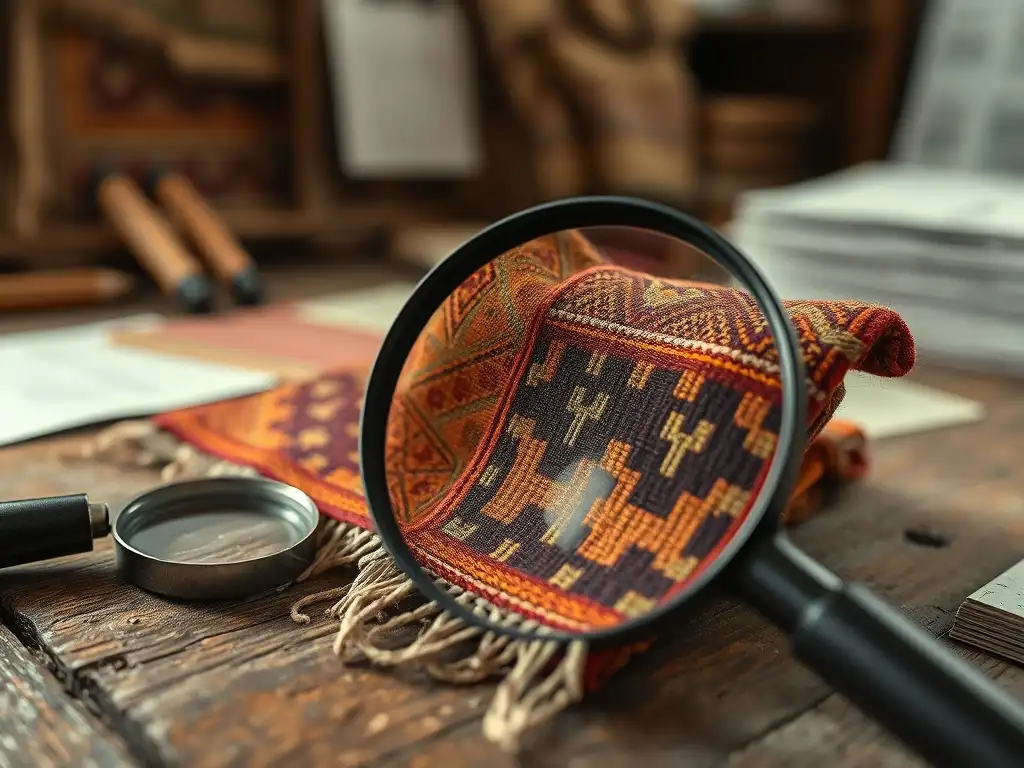
The preservation of ancient Andean textiles presents unique challenges, demanding careful and specialized techniques. The delicate nature of these artifacts, often made from organic materials vulnerable to deterioration, requires meticulous handling and storage conditions.
Challenges in Preserving Ancient Andean Textiles
The harsh Andean climate, characterized by fluctuating temperatures and high humidity in some areas, poses a significant threat to the long-term survival of these textiles. Insects and microorganisms also present a constant risk of damage. The materials themselves, often natural fibers like cotton, wool, and camelid hair, are susceptible to degradation over time.
The dyes used, often derived from natural sources, can also fade or become unstable, leading to color loss and damage to the textile's overall structure. Furthermore, the handling and storage of these artifacts throughout history have also contributed to their deterioration; improper handling can easily cause tears or breakage. Researchers are constantly developing new techniques and strategies to mitigate these challenges and ensure the long-term preservation of this invaluable cultural heritage.
The Importance of Studying Funerary Textiles to Understand Andean Beliefs
The study of Andean funerary textiles provides invaluable insights into the cosmology and worldview of these ancient civilizations. The iconography woven into these textiles, often featuring complex designs and symbolic motifs, offers a window into their religious beliefs, social structures, and understanding of the afterlife.
By analyzing the colors, patterns, and motifs used, researchers can decipher the symbolic meanings encoded within these artifacts, revealing crucial information about their beliefs concerning death, ancestor veneration, and the relationship between the living and the dead. These textiles are not merely decorative objects; they are powerful visual representations of their spiritual beliefs, offering a unique perspective on the Andean worldview and the significance they placed on proper burial rituals.
The study of these textiles is therefore crucial for a more complete and nuanced understanding of Andean culture and spirituality. Careful analysis of these intricate pieces sheds light on the complex interplay between the material world and the spiritual realm in Andean cosmology.
Andean Funerary Textiles: A Legacy of Ancestral Wisdom
Andean funerary textiles represent a profound connection between the living and the deceased, embodying a rich tapestry of symbolic meanings and ritual significance. These meticulously crafted textiles, often discovered within burial sites across the Andes, are not mere burial shrouds; they are powerful statements about Andean cosmology, social structures, and beliefs about the afterlife. The vibrant colors, intricate designs, and diverse materials used in their creation speak volumes about the advanced technical skills and deeply held spiritual beliefs of the ancient Andean cultures.
The sheer artistry involved—the precision of weaving techniques, the symbolic use of color and imagery—underscores the profound importance these textiles held within Andean societies. Their discovery provides invaluable insights into the worldview of these civilizations, illuminating their understanding of death, the afterlife, and the cyclical nature of life.
For example, the use of specific motifs, such as camelids (llamas and alpacas) or stylized birds, often held specific symbolic meaning related to fertility, power, or spiritual journeys. The quality of the textiles themselves also often reflected the social status of the deceased, with elaborate textiles indicating high social standing.
The Enduring Influence of Andean Textile Art
The legacy of Andean textile art extends far beyond the ancient burial grounds. The techniques and designs employed in these funerary textiles have profoundly influenced subsequent Andean artistic traditions. Many contemporary Andean artists continue to draw inspiration from these ancient designs, incorporating traditional motifs and weaving techniques into their own work.
This continuity demonstrates the enduring power and cultural significance of these ancient textiles. The knowledge passed down through generations ensures that the artistry and symbolism of these ancient pieces remain relevant and appreciated. Modern interpretations often blend traditional styles with contemporary aesthetics, showcasing a dynamic evolution while honoring the rich heritage of Andean textile art.
The preservation and study of these ancient textiles are therefore crucial not only for understanding the past but also for appreciating the ongoing influence on Andean artistic expression. The vibrant colors and intricate patterns continue to capture the imagination, inspiring both artists and researchers alike.
The Significance of Andean Textiles in Contemporary Culture
Today, Andean funerary textiles hold significant cultural and historical value, serving as powerful reminders of the rich heritage of the Andean region. Museums and archaeological sites around the world showcase these artifacts, attracting visitors and scholars eager to learn more about their history and symbolism. The study of Andean textiles contributes to a broader understanding of Andean cosmology, social structures, and artistic traditions.
Furthermore, the textiles play a vital role in promoting cultural tourism in the Andean region, contributing to the economic well-being of local communities. Many communities actively preserve and promote their traditional weaving practices, passing down these skills to new generations and creating opportunities for economic empowerment.
The vibrant colors and intricate designs of these textiles are also frequently used in contemporary fashion, home decor, and other forms of artistic expression, continuing to inspire and captivate audiences worldwide. The enduring appeal of these textiles reflects their timeless beauty and the profound cultural significance they embody.
Conclusion: The Enduring Legacy of Andean Funerary Textile Art
The study of Andean funerary textiles offers a unique window into the complex beliefs, social structures, and artistic achievements of the ancient Andean civilizations. These intricately woven artifacts are not merely remnants of a bygone era; they represent a powerful legacy of ancestral wisdom, cultural continuity, and artistic excellence.
From their symbolic meanings and ritual significance to their enduring influence on contemporary culture, Andean funerary textiles continue to inspire awe and fascination, reminding us of the profound connection between the past and the present, and the enduring power of artistic expression. The ongoing research and preservation efforts ensure that the stories embedded within these textiles will continue to be told and appreciated for generations to come.
The vibrant colors, intricate designs, and the sheer skill involved in their creation stand as a testament to the ingenuity and spiritual depth of the Andean cultures. Their study provides invaluable insights into the complex world of Andean cosmology and its enduring influence on the region's cultural landscape.
- Introduction to Andean Funerary Textiles
- The Importance of Textiles in Andean Culture
- Andean Textiles as Expressions of Beliefs About Death
- Decoding the Symbolic Language of Andean Funerary Weaving
- Different Styles and Regional Variations of Funerary Textiles
- The Ritual Significance of Andean Funerary Textiles
- Andean Textiles as a Reflection of Social Status and Power in Death
- Andean Textile Conservation and Study
- Andean Funerary Textiles: A Legacy of Ancestral Wisdom
- Conclusion: The Enduring Legacy of Andean Funerary Textile Art
- What is the significance of Andean funerary textiles?
- What symbols are commonly found in Andean funerary textiles?
- How did the materials used in Andean funerary textiles reflect social status?
- What role did color play in the symbolism of Andean funerary textiles?
- Where can I learn more about the meaning of specific Andean funerary textile motifs?
Frequently Asked Questions
What is the significance of Andean funerary textiles?
Andean funerary textiles held immense ritual significance, often reflecting the deceased's social status and beliefs. They were integral parts of burial ceremonies and served as symbolic representations of the afterlife journey.
What symbols are commonly found in Andean funerary textiles?
Common symbols include geometric patterns, zoomorphic figures (animals), and anthropomorphic representations (humans). These symbols often relate to fertility, power, and the cosmos.
The type of fiber, such as alpaca or vicuña wool, and the complexity of the weaving directly correlated with the deceased's social standing. Rare and fine materials indicated higher status.
What role did color play in the symbolism of Andean funerary textiles?
Colors held deep symbolic meaning. For example, red might represent blood or life, while white could symbolize purity or the Andes mountains. The specific meaning varied across cultures.
Where can I learn more about the meaning of specific Andean funerary textile motifs?
Further research into specific Andean cultures (Inca, Nazca, etc.) and their artistic conventions will reveal deeper insights into the meaning of individual motifs. Academic journals and museum collections are excellent resources.
Final Reflection: Weaving Threads of Memory and Meaning
The vibrant artistry of Andean funerary textiles continues to resonate today, a powerful testament to the enduring human need to connect with the past and grapple with mortality. These intricate tapestries, far from mere burial garments, serve as profound windows into the beliefs, social structures, and artistic achievements of ancient Andean cultures. Their intricate designs and symbolic language offer a compelling narrative that transcends time, speaking directly to our own contemporary concerns with legacy and remembrance.
The enduring influence of these textiles is undeniable; their presence in museums and academic discourse keeps the memory of these cultures alive, challenging simplistic narratives and fostering a deeper understanding of their complex societies. The textiles are not simply objects; they are repositories of memory, embodying the beliefs and values of a culture.
Their continued study allows us to appreciate the ingenuity and spiritual depth of these ancient peoples, prompting us to reflect on our own approaches to death, remembrance, and the legacy we leave behind. The vibrant colors and intricate patterns continue to inspire artists and designers today, demonstrating the enduring power of their aesthetic and symbolic language.
Consider, for a moment, the intricate detail woven into each thread, the painstaking effort invested in creating these lasting tributes. What legacy are you weaving into the fabric of your own life? What stories will your actions tell future generations? Let the artistry and symbolism of Andean funerary textiles inspire you to live a life rich in meaning, purpose, and lasting impact. Embrace the opportunity to create your own enduring legacy, a tapestry woven with threads of love, compassion, and the pursuit of a life well-lived.
**Unveil the Rich Tapestry of Andean Culture! **
Thank you for exploring the fascinating world of Andean funerary textiles with us! Your interest in these remarkable artifacts speaks to their profound symbolic meanings and the rich cultural rituals surrounding them. Now, let's delve deeper and truly connect with this vibrant heritage.
Here are some ways you can further immerse yourself in Andean culture and share your discoveries:
- **Visit local museums and exhibitions** featuring Andean textiles to gain firsthand insights and inspiration.
- **Join online communities and social media groups** dedicated to Andean history to connect with fellow enthusiasts and exchange ideas.
- **Share your knowledge! ** Write a blog post or share on social media about a specific textile that captivated you and the story it tells.
What aspect of Andean funerary textiles most resonates with you, and how will you integrate this cultural legacy into your own life?