
Andean Ancestral Mummies: Preservation Techniques and Cultural Significance

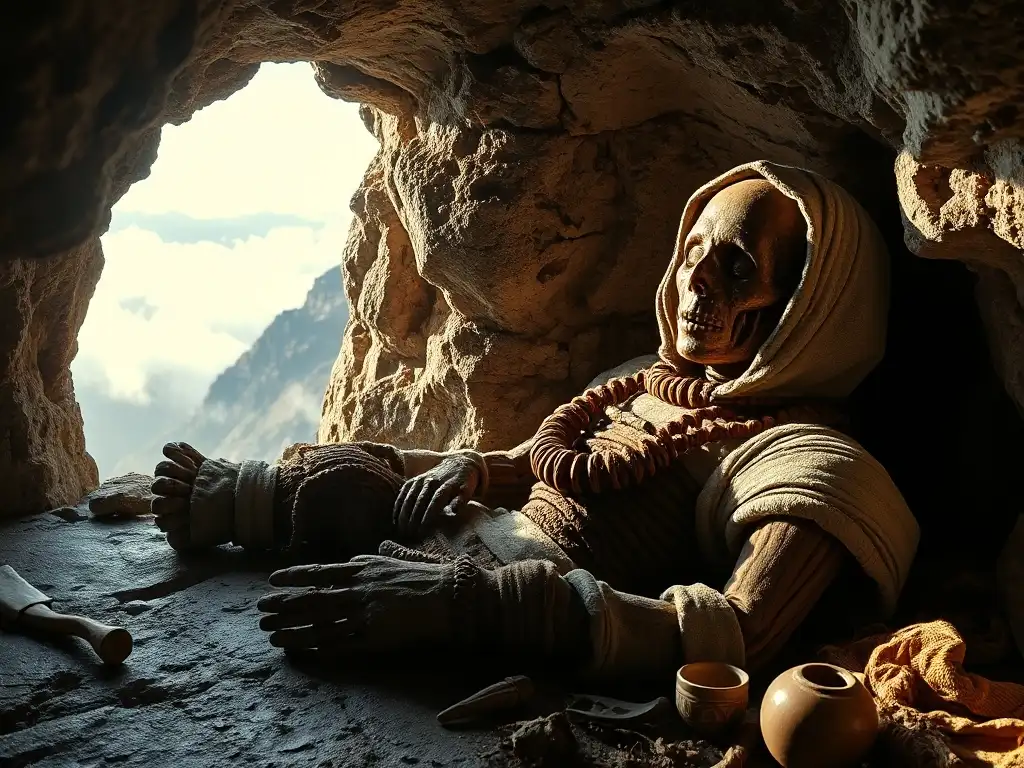
Step into a world lost to time, yet echoing with the whispers of a sophisticated past. Imagine uncovering the secrets held within the enigmatic Andean mountains – secrets revealed through the astonishing preservation of their ancestors. This journey into the heart of Andean civilization will unveil the intricate Andean mummy preservation methods, shedding light on their profound cosmology and worldview. Prepare to be captivated by a legacy that transcends generations. Explore the mysteries that await...
The Andes Mountains, a spine of towering peaks running along the western coast of South America, are not only geographically imposing but also cradle a rich tapestry of ancient civilizations. For millennia, these cultures developed sophisticated techniques for preserving their deceased, creating an enduring legacy of remarkably well-preserved mummies.
This article delves into the fascinating world of Andean mummification, exploring not only the ingenious preservation methods employed but also the profound cultural significance these practices held for the various Andean societies, including the Incas, Moche, Nazca, and Tiahuanaco. Understanding these techniques provides a crucial window into their beliefs about death, the afterlife, and the enduring connection between the living and their ancestors.
We will examine the intricate processes involved, the materials used, and the societal context within which mummification flourished, shedding light on the unique Andean approach to ancestor veneration. The study of Andean mummy preservation methods offers invaluable insights into the ingenuity and spiritual depth of these remarkable ancient cultures.
Introduction to Andean Mummification Practices
Andean mummification wasn't a uniform practice across all cultures and time periods. Different groups employed varying techniques, reflecting their unique beliefs and available resources. However, several common threads emerge. Many methods involved a combination of natural and artificial processes. The arid climate of the Andes, particularly in coastal regions, played a significant role in the natural preservation of bodies. The dry air and low humidity inhibited bacterial growth, slowing decomposition. However, this natural process was often supplemented by intentional interventions.
These interventions frequently involved evisceration, a process of removing internal organs. While the specifics varied, the goal was to remove materials prone to rapid decay. Subsequent treatment often included the application of various substances, such as herbs, resins, and salts, to further inhibit decay and preserve the body's form.
The precise composition of these substances and the methods of application differed across cultures and even within individual communities. For example, some groups used plant-based materials, while others employed mineral salts or even textiles to wrap and protect the mummified remains. Evidence suggests that certain herbs and resins may have also had symbolic or ritualistic significance, connecting the preservation process to spiritual beliefs.
The process wasn't solely focused on the body itself; meticulous preparation of the deceased frequently included the use of textiles and adornments. Clothing, jewelry, and other grave goods were often included, reflecting the individual's social status and providing insight into their life and beliefs. This rich array of accompanying artifacts further enhances our understanding of Andean funerary rituals and the importance placed on ancestor veneration. The meticulous care taken in both the preservation of the body and the selection of grave goods highlights the deep reverence for ancestors in Andean societies.
The Purpose of Mummification in Andean Cultures
The primary purpose of mummification in Andean cultures was deeply intertwined with their cosmological beliefs and practices of ancestor veneration. Mummies weren't simply preserved bodies; they were considered active participants in the community, even after death. They were believed to retain a connection to the living world and to possess the ability to influence events and provide guidance and protection to their descendants.
The act of mummification itself was a ritualistic process, imbued with spiritual significance. It was not simply a technical procedure, but a sacred act that marked the transition of the deceased into the afterlife and maintained their connection to the community. The meticulous preparation of the body and the inclusion of grave goods demonstrated the importance placed on ensuring a successful transition and maintaining the ancestor’s continued presence within the community. The continued interaction with the mummies during ceremonies and festivals reinforces their active role within the social fabric.
This practice of ancestor veneration was crucial to the social structure and spiritual well-being of Andean communities. The mummies were not merely relics of the past; they were active participants in the present, venerated and consulted for guidance and protection. Therefore, understanding Andean mummy preservation methods requires a deep understanding of their complex spiritual beliefs and social structures.
Natural Mummification in the Andes
The arid, high-altitude environment of the Andes Mountains played a crucial role in the natural mummification of many individuals. This process, unlike the deliberate embalming practiced by some cultures, resulted from the unique combination of environmental factors that inhibited microbial growth and slowed down decomposition. The extreme dryness, low temperatures, and strong winds of the Andean highlands created conditions ideal for preserving human remains.
This natural mummification process, while not intentional, held significant cultural implications for the Andean people, as these naturally preserved bodies often became focal points for ancestor veneration and ritual practices. The discovery of these naturally mummified individuals provides invaluable insights into the lives, health, and burial practices of ancient Andean societies.
Understanding the process of natural mummification is key to interpreting the cultural significance attributed to these ancestral remains. Furthermore, studying these naturally preserved bodies offers a unique window into the past, allowing researchers to glean information about diet, disease, and social structures that would otherwise be unavailable.
Environmental Factors Contributing to Natural Preservation
Several environmental factors synergistically contributed to the natural mummification process in the Andes. The extremely low humidity levels, often below 50%, severely restricted microbial activity, preventing the rapid decomposition typically associated with warmer, more humid climates. The consistently cold temperatures, particularly at higher altitudes, further slowed down enzymatic processes involved in decomposition.
The strong, desiccating winds common in the Andean highlands accelerated the dehydration of the bodies, drawing out moisture and inhibiting bacterial growth. The high altitude itself contributed to a lower atmospheric pressure, which further hindered bacterial proliferation. The combination of these factors—low humidity, low temperature, strong winds, and high altitude—created a unique and effective natural preservation system.
The specific interplay between these factors varied depending on the exact location and altitude, resulting in varying degrees of preservation among the mummies. Some bodies were remarkably well preserved, while others showed more significant signs of degradation. The variability in preservation highlights the subtle influence of microclimates within the broader Andean environment.
Examples of Naturally Preserved Andean Mummies
The Chinchorro mummies of northern Chile, dating back to approximately 7000 BCE, represent some of the earliest examples of artificially and naturally preserved human remains in the world. While the Chinchorro utilized sophisticated techniques to mummify their dead, the arid coastal environment of northern Chile undoubtedly contributed to their preservation. The naturally mummified individuals found in the high-altitude sites of the Andes, particularly in Peru and Bolivia, offer further examples.
These mummies, often discovered in caves or rock shelters, showcase a remarkable preservation of both soft tissues and skeletal structures. The Juanita mummy, discovered on Ampato mountain in Peru, is a particularly well-known example of a naturally mummified Inca girl. Her exceptionally well-preserved body has provided invaluable data about Inca life and burial rituals.
These examples, and many others, vividly illustrate the effectiveness of the Andean environment in naturally preserving human remains, providing scientists with a unique window into the past and enriching our understanding of Andean cultures. Analysis of these naturally preserved mummies continues to reveal important insights into the health, diet, and lifestyles of ancient Andean peoples, contributing significantly to the field of Andean archaeology and anthropology.
- Introduction to Andean Mummification Practices
- The Purpose of Mummification in Andean Cultures
- Natural Mummification in the Andes
Andean Mummy Preservation Methods: An Overview
The meticulous preservation of mummies in the Andes reflects a profound understanding of the human body and a deeply ingrained belief in the continued existence of the spirit after death. Andean mummy preservation methods varied across different cultures and time periods, but common threads emerge showcasing remarkable ingenuity and technical skill. This section delves into the specific techniques and materials employed, revealing the intricate processes behind the creation of these enduring testaments to Andean civilization. Understanding these practices offers a window into the worldview and spiritual beliefs of these ancient peoples, enriching our comprehension of their rich cultural heritage.
Intentional Mummification Techniques
The creation of Andean mummies wasn't a haphazard process; it was a deliberate ritualistic undertaking, often involving complex procedures aimed at preserving the body for the afterlife. The techniques employed varied depending on the specific culture and the individual's social standing, yet certain commonalities existed across different groups.
Preparation of the Body: Initial Steps
The initial stages involved careful preparation of the body. This likely included washing and cleansing the corpse, a process reflecting the importance of purity in Andean cosmology. Evidence suggests that incisions were sometimes made, although the extent and purpose of these are still debated amongst researchers. Some believe they were solely for the removal of internal organs, while others suggest a more symbolic or ritualistic significance. [Specific details regarding incision practices pending further research]. The removal of body hair was also a common practice, contributing to the preservation of the remains.
Internal Organ Removal and Treatment
The removal of internal organs, a crucial step in many mummification processes, was often practiced. While the exact methods varied, the goal was to prevent decomposition and bacterial growth. The organs were frequently treated with plant-based substances, [specific plants and their properties pending further research], which acted as natural preservatives. The abdominal and thoracic cavities were then often packed with absorbent materials, such as sand or plant fibers, to maintain the body's shape and hasten the desiccation process.
Desiccation Process: Drying the Body
The desiccation, or drying, of the body was a critical step in the Andean mummy preservation methods. This was achieved through a combination of techniques, including natural air drying, exposure to sun and wind, and possibly the use of controlled environments. The arid climate of the Andes naturally aided the process, but active measures were undoubtedly taken to accelerate and optimize the drying. The exact duration of the drying process remains a subject of ongoing study, though it likely varied based on several factors including climate and the techniques employed.
Wrapping and Bundling of Andean Mummies
Once the body was sufficiently desiccated, it was meticulously wrapped in textiles. These textiles were often intricately woven and decorated, reflecting the social status of the deceased. The wrapping served both practical and symbolic purposes: protecting the body from further degradation and providing a visual testament to the individual's life and social standing. In some cases, additional materials, such as plant fibers or clay, were used to further protect and shape the mummy.
Materials Used in Andean Mummy Preservation
The materials used in Andean mummy preservation were carefully selected, demonstrating a profound knowledge of local resources and their properties. These materials played a vital role in not only preserving the body but also in imbuing it with symbolic significance.
Plant-Based Materials for Wrapping
A wide range of plant-based materials were employed in the wrapping process. These included various types of textiles made from cotton, wool, and other fibers. [Specific plant fibers and their regional distribution pending]. The choice of material often reflected the social status of the deceased, with finer textiles used for elite individuals. Beyond textiles, certain plants might have been used for their inherent preservative properties, adding another layer to the preservation process.
Mineral Pigments and Preservatives
Mineral pigments played a crucial role in both the preservation and ornamentation of Andean mummies. These pigments, derived from various minerals found in the Andean region, not only added aesthetic value but also potentially served as natural preservatives. [Specific mineral pigments and their preservative properties pending further research]. Some pigments might have also possessed symbolic meaning, further connecting the mummy to the spiritual realm.
Textiles and Adornments
Beyond their role in wrapping, textiles served as a significant element of Andean mummy adornment. Elaborate textiles, often decorated with intricate designs, were used to clothe the mummies, reflecting the deceased's identity and social status. Additional adornments, such as jewelry and other artifacts, were also included, providing further insights into their lives and beliefs. These adornments were not merely decorative; they held deep symbolic meaning, reflecting the individual's journey into the afterlife. The careful selection and placement of these items reveal the significance of ancestor veneration in Andean cultures.
Specific Andean Cultures and Their Mummification Traditions
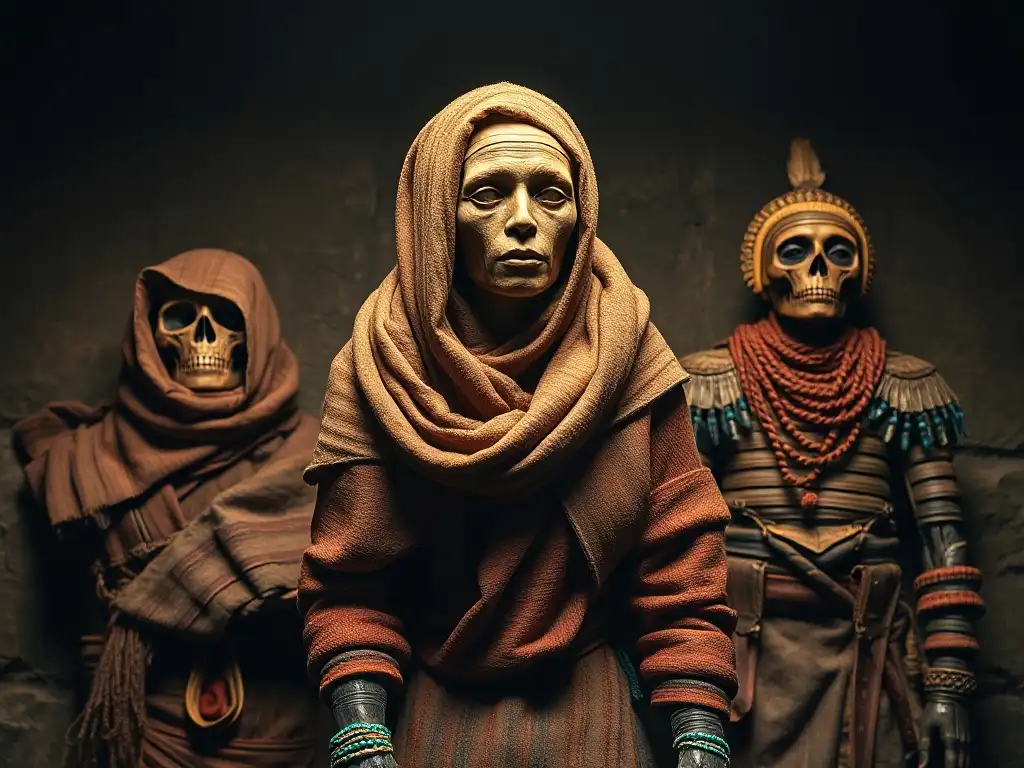
This section delves into the diverse approaches to mummification practiced across various Andean cultures, highlighting the unique techniques and beliefs that shaped their mortuary practices. Understanding these variations provides crucial insight into the rich tapestry of Andean cosmology and worldview, revealing how different societies interacted with death and the afterlife. The methods employed weren't merely practical; they were deeply imbued with spiritual meaning, reflecting each civilization's unique relationship with their ancestors. Analyzing these practices allows us to appreciate the sophisticated knowledge and artistry involved in Andean mummy preservation methods.
The Chinchorro Culture: Pioneers of Artificial Mummification
The Chinchorro culture, inhabiting the Atacama Desert coast of present-day Chile and Peru between 7020 and 1500 BCE, stand out as pioneers in artificial mummification. Preceding even the ancient Egyptians, their mummification techniques were remarkably advanced for their time. Unlike other Andean cultures that focused primarily on natural mummification due to the arid climate, the Chinchorro actively intervened in the preservation process, developing a complex series of techniques.
This demonstrates a sophisticated understanding of the body's decomposition process and a strong desire to preserve their deceased. Their commitment to elaborate preservation rituals speaks volumes about their reverence for their ancestors.
Chinchorro Mummification Techniques: A Detailed Look
Chinchorro mummification involved several stages. Initially, the body's internal organs were removed, a process that required considerable skill and precision. Then, the body was meticulously cleaned and defleshed. Different mummification styles existed, varying in complexity. Some involved replacing the internal organs with a paste-like mixture of plant materials.
The skin was then often treated with a black manganese paste, giving the mummies their characteristic dark appearance. Finally, the mummies were meticulously reconstructed, often with artificial features such as eyes made of shells or stones. This level of artistry and attention to detail is unparalleled in early mummification practices. The intricate procedures reveal the significance placed on preserving the physical form for the afterlife and underscore the skilled craftsmanship involved in these ancient Andean mummy preservation methods.
Inca Mummification Rituals and Practices
The Inca Empire, flourishing from the 15th to the 16th century CE, also practiced mummification, although their techniques differed significantly from those of the Chinchorro. While the arid climate of the Andes naturally preserved bodies, the Inca actively participated in the process, enhancing and ritualizing the preservation of their elite members.
The mummification of Inca royalty was a complex process laden with ritual and symbolism, reflecting their intricate social hierarchy and beliefs about the afterlife. The preservation of these bodies was not simply a matter of practicality; it was a sacred duty that maintained the connection between the living and the dead.
Royal Mummies and Their Importance
Inca royal mummies held immense significance. They were not simply preserved remains; they were considered active participants in the ongoing life of the empire. These mummies were treated with reverence and were often consulted on important matters of state. Elaborate ceremonies and offerings were conducted to honor them. The preservation of these royal bodies thus served a dual purpose: preserving the physical embodiment of power and maintaining a spiritual connection to past rulers, ensuring continuity and legitimacy. This careful preservation demonstrates the Inca's understanding of the powerful symbolism associated with their ancestors and their sophisticated Andean mummy preservation methods.
Inca Burial Customs: The Significance of Secondary Burials
Inca burial practices often involved secondary burials. After the initial mummification, the bodies were sometimes re-interred in elaborate tombs, sometimes with subsequent additions of offerings and textiles. These secondary burials suggest an ongoing relationship with the deceased, indicating that the veneration and interaction with the mummies continued long after the initial burial.
This process demonstrates the evolving nature of ancestor veneration within the Inca Empire, highlighting the continuing importance of their ancestors in the present. The meticulous care taken in these secondary burials reflects the central role of ancestors in Inca cosmology and the sophisticated nature of their Andean mummy preservation methods.
Other Andean Cultures and Mummification
Beyond the Inca, other Andean cultures developed sophisticated mummification techniques, reflecting their unique beliefs and practices surrounding death and the afterlife. These methods varied considerably depending on geographical location, available resources, and specific cultural traditions. The process was often deeply intertwined with religious rituals and social status, demonstrating the importance placed on ancestor veneration within these societies.
While the Inca mummification process is relatively well-documented, the practices of other cultures remain areas of ongoing research and discovery, revealing a fascinating tapestry of Andean mortuary traditions. The careful preservation of bodies underscores a belief in the continued existence of the spirit and the enduring connection between the living and the dead. Archaeological findings continually unveil new insights into these intricate rituals, enriching our understanding of Andean cosmology and beliefs about the afterlife.
The meticulous care taken in preparing these mummies speaks volumes about the reverence shown to ancestors and the profound spiritual significance attributed to their physical remains. Even seemingly minor variations in techniques can offer valuable clues to understanding the social and religious complexities of these societies.
Moche Mummification Practices
The Moche civilization (c. 100-800 CE), renowned for its elaborate pottery and metalwork, also exhibited advanced mummification techniques. Unlike the Inca, who often used elaborate shrouds and textiles, Moche mummification often involved a process of desiccation, aided by the arid coastal climate of northern Peru. Bodies were sometimes carefully cleaned and positioned, sometimes with accompanying grave goods reflecting the individual's status and possessions in life.
The Moche often interred their mummies in elaborate tombs, sometimes accompanied by sacrificed individuals or offerings of food and drink, suggesting beliefs about the continuation of life in the afterlife. Interestingly, the Moche also practiced a form of "bundle burial," where the remains were wrapped in textiles and placed within woven containers. This technique, while different from Inca mummification, still displays a strong emphasis on preserving the physical body for its spiritual significance.
Analysis of Moche mummies reveals valuable information about their diet, health, and social structures, helping us to reconstruct a more complete picture of this remarkable civilization. The careful arrangement of the bodies and grave goods provides insights into their religious beliefs and social organization, highlighting the importance of ancestors in Moche society.
Regional Variations in Mummification Across the Andes
The diverse geography of the Andes Mountains and coastal regions significantly influenced mummification techniques. High-altitude environments, with their naturally cold and dry conditions, facilitated natural mummification in some areas, while other regions required more elaborate artificial processes. The availability of resources, such as textiles, resins, and herbs, also played a crucial role in determining the specific methods employed.
For instance, coastal communities might have relied more heavily on desiccation due to the arid climate, while those in the highlands might have used different materials and techniques adapted to the colder and wetter conditions. This regional variation in mummification practices reflects not only environmental factors but also the diverse cultural beliefs and practices across the Andean region. Understanding these regional differences is essential for a comprehensive understanding of Andean mortuary practices and their cultural significance.
Careful examination of mummies from different regions reveals a rich tapestry of techniques, reflecting the adaptability and innovation of Andean cultures in their approaches to ancestor veneration. Further research is needed to fully document and analyze these regional variations, enhancing our appreciation for the complexity and diversity of Andean mummification traditions. The study of Andean mummy preservation methods offers a unique window into the beliefs, practices, and adaptability of the diverse cultures that thrived in this remarkable region.
The Cultural Significance of Andean Mummies
Andean mummy preservation methods weren't simply about preserving a body; they were deeply intertwined with the complex cosmology and worldview of the Andean civilizations. Mummies weren't merely remnants of the deceased; they were considered active participants in the ongoing life of the community, holding significant power and influence even in death. The elaborate processes involved in their creation and subsequent veneration highlight the profound reverence for ancestors and the belief in the continuity of life beyond the physical realm.
This section will delve into the cultural significance of Andean mummies, exploring their roles in rituals, ceremonies, and the broader understanding of Andean society. The meticulous techniques employed in their preservation further underscore the crucial role mummies played in the social fabric of these ancient cultures.
Ancestor Veneration in Andean Societies
Ancestor veneration was a cornerstone of Andean societies, permeating all aspects of life from daily routines to major ceremonies. The belief that ancestors continued to exert influence on the living world fostered a deep respect for the deceased. Mummies served as tangible links to these powerful ancestors, allowing for continued communication and interaction. Families maintained close relationships with their mummified relatives, offering food, drink, and clothing, believing this sustained the ancestor's well-being and ensured continued blessings and protection.
This practice wasn't limited to elite classes; evidence suggests that mummification, though varying in complexity, was practiced across different social strata, reflecting the widespread importance of ancestor veneration throughout Andean society. This practice, deeply rooted in Andean cosmology, ensured the continuity of lineage and the preservation of cultural memory. The act of mummification itself was a ritual, imbued with symbolic meaning that transcended mere preservation.
The Role of Mummies in Rituals and Ceremonies
Andean mummies played a crucial role in various rituals and ceremonies. They were often present at important community events, such as harvest festivals and religious celebrations. Their presence was believed to bring blessings and ensure the success of the event. Some mummies were even consulted for advice or guidance, their perceived wisdom and experience valued even in death.
The meticulous preparation of mummies for these events—dressing them in fine clothes, providing them with offerings—underscores the importance of their continued participation in the community's life. Evidence suggests that specific mummies held positions of authority, even in the afterlife, with their opinions or "messages" sought out in times of decision-making. The active role of mummies in ritual life provides a powerful testament to the unique Andean worldview.
Mummies in Agricultural Fertility Rites
The connection between ancestors and agricultural fertility was particularly strong in Andean societies, deeply dependent on agriculture for survival. Mummies often featured prominently in fertility rites, their presence believed to ensure bountiful harvests. These rites often involved placing mummies in fields or near irrigation canals, symbolizing their continued role in nurturing the land and ensuring its productivity.
Offerings of food and drink were made to the mummies, a symbolic act of nourishing both the ancestor and the land itself. The belief in the mummies' ability to influence agricultural success highlights the intertwining of religious beliefs and agricultural practices within Andean culture. Agricultural prosperity was seen as directly linked to the continued well-being and favor of the ancestors, thus reinforcing the importance of ancestor veneration in daily life.
Mummies as Historical and Cultural Artifacts
Beyond their religious significance, Andean mummies serve as invaluable historical and cultural artifacts. The careful preservation techniques employed, coupled with the wealth of artifacts often buried with them, offer unparalleled insights into the lives, beliefs, and practices of Andean civilizations. The analysis of mummies provides a wealth of information unavailable through other sources, offering a unique window into the past. The study of Andean mummy preservation methods has revealed not only the technical skills of ancient Andean peoples but also their sophisticated understanding of anatomy, medicine, and preservation techniques.
What Andean Mummies Reveal About the Past
The study of Andean mummies reveals a wealth of information about the past, extending far beyond simple demographic data. Analysis of their remains provides insights into diet, health, and social structures, painting a vivid picture of daily life in Andean societies. Isotopic analysis of bone and hair reveals dietary habits, shedding light on agricultural practices and access to resources.
Dental examinations can reveal information about health and disease, while analysis of textiles and other artifacts reveals social status and cultural practices. The meticulous preservation of mummies and their associated grave goods provides a unique and detailed record of Andean societies, allowing researchers to reconstruct aspects of their culture that would otherwise be lost to time. This detailed analysis helps us understand the complexities of Andean societies, their diverse customs, and their rich cultural heritage.
Insights into Diet, Health, and Social Structures
Andean mummies offer valuable insights into the diet, health, and social structures of these ancient civilizations. Analysis of their skeletal remains reveals patterns of disease, malnutrition, and trauma, offering a glimpse into the challenges and realities of daily life. The presence of certain pathologies can indicate environmental factors, dietary deficiencies, or occupational hazards.
Studies of grave goods reveal social stratification, with elite mummies often adorned with elaborate jewelry and fine textiles, while those of lower social standing have simpler burials. By examining the differences in burial practices and grave goods, researchers can gain a better understanding of social hierarchy and the distribution of wealth and power within Andean societies. The combined analysis of mummified remains and associated artifacts provides a holistic view of Andean social organization and the lives of its inhabitants.
The Ethical Considerations of Studying Andean Mummies
The study of Andean mummies presents a complex ethical landscape. These aren't simply ancient remains; they represent individuals who were once integral parts of vibrant societies, deeply revered by their communities. Their bodies, often adorned with intricate textiles and artifacts, hold profound cultural significance, reflecting not only their individual lives but also the beliefs and practices of their time. Therefore, research must proceed with utmost sensitivity and respect. Failing to do so risks causing significant offense and undermining the trust essential for collaborative research with Indigenous communities. The potential for misinterpretation or the appropriation of cultural heritage for purposes other than understanding and honoring the ancestors is a critical concern that must be continuously addressed. The ongoing dialogue and collaboration with descendant communities are paramount in navigating these ethical complexities. This collaboration ensures that research benefits not just the scientific community, but also the communities whose ancestors are being studied.
Preservation and Respect for Cultural Heritage
The preservation of Andean mummies is intrinsically linked to ethical considerations. The physical integrity of these remains is paramount, reflecting the continued respect owed to the deceased. Any research methodology must prioritize minimal invasive techniques, ensuring that the mummies are not further damaged or degraded.
This includes carefully considering the environmental conditions under which they are stored and studied, preventing factors like temperature fluctuations or exposure to light that could accelerate deterioration. Furthermore, the careful documentation of the mummies and their associated artifacts is crucial, not only for scientific analysis but also for the preservation of cultural heritage for future generations. High-resolution imaging and non-invasive analytical methods are increasingly utilized, minimizing the need for direct physical manipulation.
This approach ensures that future researchers can access detailed records without risking further damage to the mummies themselves. The development and application of these techniques reflect a growing understanding of the ethical responsibilities associated with the study of human remains.
Balancing Scientific Research with Indigenous Perspectives
Achieving a balance between rigorous scientific research and the deeply held beliefs and perspectives of Indigenous communities is a key ethical challenge. While scientific inquiry seeks to unravel the mysteries of the past, it must do so in a manner that respects the spiritual and cultural significance attributed to the mummies by descendant communities.
This necessitates genuine engagement and collaboration, ensuring that Indigenous voices are central to the research process, from the initial stages of project design to the dissemination of results. Open and honest communication is crucial, addressing concerns and ensuring that research contributes to a greater understanding and appreciation of Andean cultural heritage, rather than exploiting or misrepresenting it.
Successful collaboration requires recognizing the inherent knowledge and perspectives of Indigenous communities, incorporating their insights into the research process, and ensuring that the benefits of the research are shared equitably. This collaborative approach is not merely an ethical imperative; it is essential for conducting meaningful and impactful research that genuinely honors the legacy of Andean civilizations.
Conclusion: The Legacy of Andean Mummies
The meticulous preservation techniques employed by Andean civilizations, far from being mere funerary practices, reveal a profound understanding of the human body and a complex cosmology deeply intertwined with ancestor veneration. The mummies themselves, far from being simply preserved corpses, served as powerful symbols of continuity, connecting the living with the spiritual realm. Understanding these Andean mummy preservation methods offers invaluable insights into their societal structures, beliefs, and technological achievements.
The sheer ingenuity displayed in these methods underscores the advanced level of knowledge possessed by these ancient cultures, challenging preconceived notions about pre-Columbian societies. The application of diverse materials, from textiles and resins to herbs and specialized techniques, demonstrates a level of sophistication that continues to fascinate and inspire researchers today.
The enduring legacy of Andean mummies is not simply historical; it's a testament to the enduring power of human ingenuity and the enduring connection between the past and the present. The study of Andean mummy preservation methods continues to yield new discoveries, continually refining our understanding of these remarkable ancient cultures.
The Enduring Importance of Andean Mummy Preservation
The importance of Andean mummy preservation extends beyond academic curiosity. Preserving these mummies safeguards a tangible link to the past, allowing future generations to connect with their ancestors and learn from their rich cultural heritage. The ethical considerations surrounding the preservation and study of mummies are paramount. Respectful handling, meticulous documentation, and collaborative research involving local communities are crucial to ensuring the long-term preservation of these invaluable artifacts and the protection of cultural heritage.
The ongoing debate surrounding repatriation and the ethical treatment of mummies highlights the responsibility researchers and institutions bear in safeguarding these irreplaceable remnants of Andean civilizations. Furthermore, advancements in scientific techniques allow for a less invasive, more detailed study of mummies, providing valuable insights into their health, diet, and lifestyle. This non-destructive analysis is crucial for preserving these fragile artifacts while maximizing the knowledge gained from their study.
The ongoing commitment to preserving Andean mummies ensures that their stories continue to be told, enriching our understanding of Andean cosmology and worldview for years to come. The ethical and responsible preservation of these mummies is not just about preserving physical artifacts; it is about preserving cultural memory and respecting the legacy of Andean civilizations. This is a crucial aspect of Andean mummy preservation methods and their enduring significance.
The Ongoing Research and Future of Andean Mummy Studies
The field of Andean mummy studies is constantly evolving, driven by technological advancements and a growing understanding of the complexities of Andean cultures. New analytical techniques, such as advanced imaging and genomic sequencing, are providing unprecedented insights into the lives and health of these individuals. This opens up exciting avenues of research, enabling scientists to explore questions about diet, disease, social structures, and migration patterns with greater accuracy.
Furthermore, collaborative research involving archaeologists, anthropologists, geneticists, and local communities is crucial for fostering a more holistic and culturally sensitive approach to the study of Andean mummies. The future of Andean mummy studies promises to reveal even more about the lives, beliefs, and technologies of these ancient Andean people. Researchers are currently exploring the use of [specific information pending] to further enhance the preservation of these fragile artifacts.
This interdisciplinary approach ensures that the study of Andean mummies remains a dynamic and evolving field, continuously enriching our understanding of Andean civilizations and their complex cultural legacy. The ongoing research promises to unravel further mysteries and deepen our appreciation for the remarkable achievements of these ancient cultures, especially concerning Andean mummy preservation methods. The integration of modern technology with a respect for cultural heritage will undoubtedly continue to shape the future of Andean mummy studies.
Frequently Asked Questions
What techniques did Andean cultures use to preserve mummies?
Andean cultures employed a variety of techniques, including natural mummification through desiccation in arid climates. They also used evisceration, removal of internal organs, and the application of salts and herbs.
How did the environment impact Andean mummification?
The arid climate of the Andes Mountains played a crucial role in natural mummification, significantly slowing decomposition. This allowed for both natural and artificial methods to be effective. Altitude also had an impact.
What was the cultural significance of Andean mummies?
Mummies held immense religious and social importance. They were often considered to represent ancestors and were involved in rituals and ceremonies. Their preservation demonstrated respect and belief in the afterlife.
Were all Andean cultures involved in mummy preservation?
While many Andean cultures practiced mummification, the techniques and cultural significance varied. The Inca, Moche, Nazca, and Tiahuanaco civilizations all had their distinct approaches to mummy preservation and funerary practices.
Where can I learn more about Andean mummy preservation methods?
You can explore museums with Andean collections, academic journals, and archaeological publications to learn more about Andean mummy preservation methods. The website "Andean Civilizations" offers further insight into this topic.
Final Reflection: Echoes of the Andes: Preserving Heritage, Preserving Humanity
The meticulous preservation techniques used by Andean cultures to safeguard their deceased ancestors remain a testament to their profound understanding of the human condition and their enduring connection to the past. These methods, far from being mere funerary practices, represent a sophisticated interplay of scientific knowledge, spiritual belief, and societal structure, offering invaluable insights into a civilization that continues to fascinate and inspire us today.
The intricate details of these techniques, from mummification processes to the construction of elaborate burial sites, provide a window into a world that existed centuries ago, yet resonates deeply with our contemporary concerns about mortality, legacy, and the preservation of cultural heritage.
The enduring power of these Andean mummies lies not only in their physical preservation but also in their capacity to spark dialogue about our own relationship with death and the past. They challenge us to reconsider our own cultural practices and the ways in which we choose to remember and honor our ancestors. The past is never dead. It's not even past.
- William Faulkner. This quote perfectly encapsulates the ongoing relevance of Andean mummy preservation methods; they are not relics of a bygone era, but rather potent symbols that continue to shape our understanding of history, culture, and the human experience. Their study compels us to confront our own mortality and consider the lasting impact we wish to leave on the world.
Consider the implications of these ancient practices. What can we learn from the meticulous care and reverence shown to the deceased? How can we apply this respect for the past to our own lives and communities? You, the reader, are now part of this ongoing conversation. Reflect on the significance of preserving not only physical artifacts but also the intangible cultural heritage they represent. Let the echoes of the Andes inspire you to explore your own heritage, to appreciate the richness of human history, and to actively participate in the preservation of our shared cultural legacy for future generations.
Uncover the Mysteries of Andean Preservation!
Thank you for exploring the fascinating world of Andean ancestral mummies! Your interest in their preservation techniques and cultural significance enriches your understanding and connects you to the vibrant history of these remarkable civilizations. Let's delve deeper and consider how we can make a positive impact.
Here are some ways to expand your knowledge and appreciation:
- Get involved: Visit a local museum exhibition featuring ancient cultures or mummification techniques to see artifacts firsthand and connect with their history. Consider volunteering at a museum or historical society to further deepen your involvement.
- Share your findings: Discuss this fascinating subject with friends and family, inspiring them to learn about Andean cultures and preservation methods. This could lead to engaging and insightful conversations.
- Join the conversation: Participate in online forums or social media groups dedicated to history and archaeology. Share your insights and discover new perspectives on Andean civilizations. Engaging with experts and enthusiasts can broaden your understanding significantly.
What aspect of Andean mummification intrigues you most, and how can understanding these ancient practices shape our understanding and appreciation of cultural heritage today?