
Andean Beliefs About the Interconnection Between the Living and the Dead

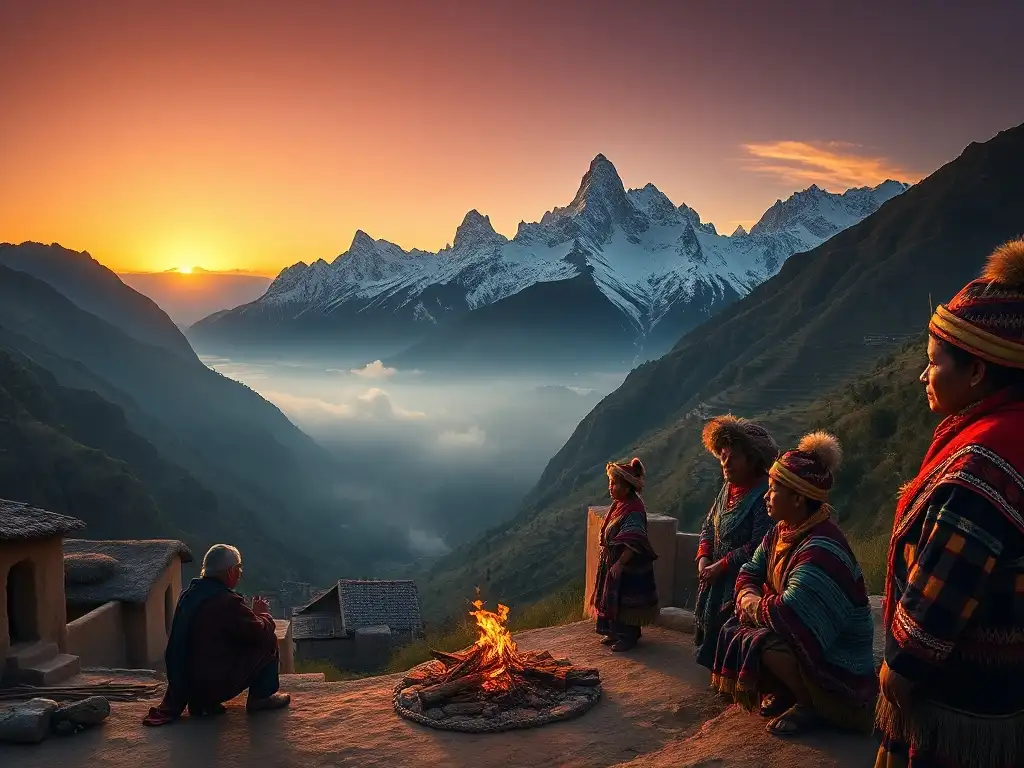
Step into a world lost to time, yet echoing with vibrant life. Imagine a civilization where the boundaries between the living and the dead were fluid, a realm where the mountains themselves held sacred secrets. Andean afterlife beliefs were far more intricate than simple burial rites; they were a living tapestry woven into the very fabric of Andean society. Prepare to unravel the mysteries surrounding this profound connection—a journey into the heart of Andean cosmology awaits.
- Andean Afterlife Beliefs: The Interconnection Between the Living and the Dead
- The Living and the Dead: A Continuous Cycle in Andean Thought
- Different Andean Civilizations and their Views on Death
- The Living-Dead Relationship: Maintaining Balance and Harmony
- The Influence of Andean Afterlife Beliefs on Contemporary Culture
-
Frequently Asked Questions
- What were the Andean civilizations' primary beliefs about the afterlife?
- How did the Andes' geography influence their beliefs about death and the afterlife?
- What role did ancestor veneration play in Andean societies?
- Were there any specific rituals associated with Andean beliefs about death and the afterlife?
- How did Andean beliefs about death influence their art and architecture?
- Final Reflection: Echoes of the Ancestors: A Living Legacy
- Embrace the Power of Connection: Act Now!
Andean Afterlife Beliefs: The Interconnection Between the Living and the Dead
The Andes Mountains, a spine of towering peaks running down the western coast of South America, have been home to a rich tapestry of civilizations for millennia. These cultures, including the Incas, Moche, Nazca, and Tiahuanaco, developed complex belief systems deeply intertwined with their environment and a profound understanding of life, death, and the cyclical nature of existence. This article delves into the fascinating world of Andean afterlife beliefs, exploring how these ancient peoples viewed the relationship between the living and the dead, a connection that profoundly shaped their social structures, rituals, and artistic expressions.
We'll uncover the nuances of their cosmology and the significant role ancestor veneration played in their daily lives, revealing how their understanding of death wasn't an end but a crucial transition within a continuous cycle of life and regeneration. Understanding Andean afterlife beliefs provides a key to unlocking the complexities and richness of these remarkable civilizations and their enduring legacy.
This exploration will utilize archaeological evidence, anthropological studies, and interpretations of surviving iconography to paint a vivid picture of their spiritual world and their profound connection to their ancestors. The keyword "Andean afterlife beliefs" will be examined through various lenses, highlighting the diversity and common threads within these different Andean cultures.
The Andean Concept of Life, Death, and Continuity
The Andean worldview didn't perceive death as a definitive end but rather as a transition, a continuation of existence in a different realm. Life and death were not opposing forces but rather integral parts of a continuous cycle, much like the cyclical nature of the agricultural seasons crucial to their survival. Death was seen as a return to the earth, a reintegration into the natural world from which life sprang. This cyclical perspective is reflected in their burial practices, often involving the careful placement of the deceased with grave goods intended to sustain them in the afterlife.
The deceased weren't simply forgotten; they remained active participants in the lives of the living, their spirits continuing to influence the community's well-being and prosperity. This belief is powerfully demonstrated by the elaborate mummification practices of some cultures, where ancestors were revered and consulted, their physical presence acting as a tangible link to the spiritual realm. The continuity of life and death wasn't merely a spiritual concept; it permeated their daily lives, shaping their social structures and rituals.
For example, [specific examples of social structures influenced by afterlife beliefs pending]. Moreover, the concept of pachamama, Mother Earth, played a pivotal role, emphasizing the interconnectedness of all living things and the earth itself. The deceased, having returned to the earth, were seen as part of this larger ecosystem, maintaining their influence and providing continued support to their descendants.
Understanding Andean Cosmology and the Spirit World
Andean cosmology envisioned a complex and layered universe, encompassing various levels of existence, including the earthly realm, the underworld ( ukhu pacha), and the celestial realm ( hanan pacha). The spirit world wasn't a separate, distant place but rather intertwined with the everyday world, accessible through rituals and shamanistic practices. Shamans, acting as intermediaries, played a crucial role in communicating with the spirits of the ancestors and other supernatural beings. They would perform ceremonies to appease the spirits, seeking guidance, healing, and protection.
The belief in the power of ancestors was paramount; they were considered powerful entities capable of influencing the lives of the living, both positively and negatively. Therefore, maintaining positive relationships with ancestral spirits was essential for community prosperity and individual well-being. This involved performing offerings, making sacrifices, and conducting rituals designed to honor and appease them. The use of specific offerings varied across different Andean cultures, with certain items holding special significance based on local beliefs and traditions.
For instance, [specific examples of offerings and their significance pending]. Furthermore, the Andean understanding of the spirit world is vividly depicted in their art, textiles, and pottery, which often feature representations of deities, spirits, and scenes from the afterlife, providing valuable insights into their complex spiritual beliefs. The intricate iconography found on these artifacts offers a window into the Andean understanding of the afterlife and the interconnectedness of the living and the dead. The rich tapestry of Andean cosmology, with its vibrant spirit world and powerful ancestral figures, provides a compelling framework for understanding their deep-rooted beliefs about the continuity of life beyond death.
The Living and the Dead: A Continuous Cycle in Andean Thought
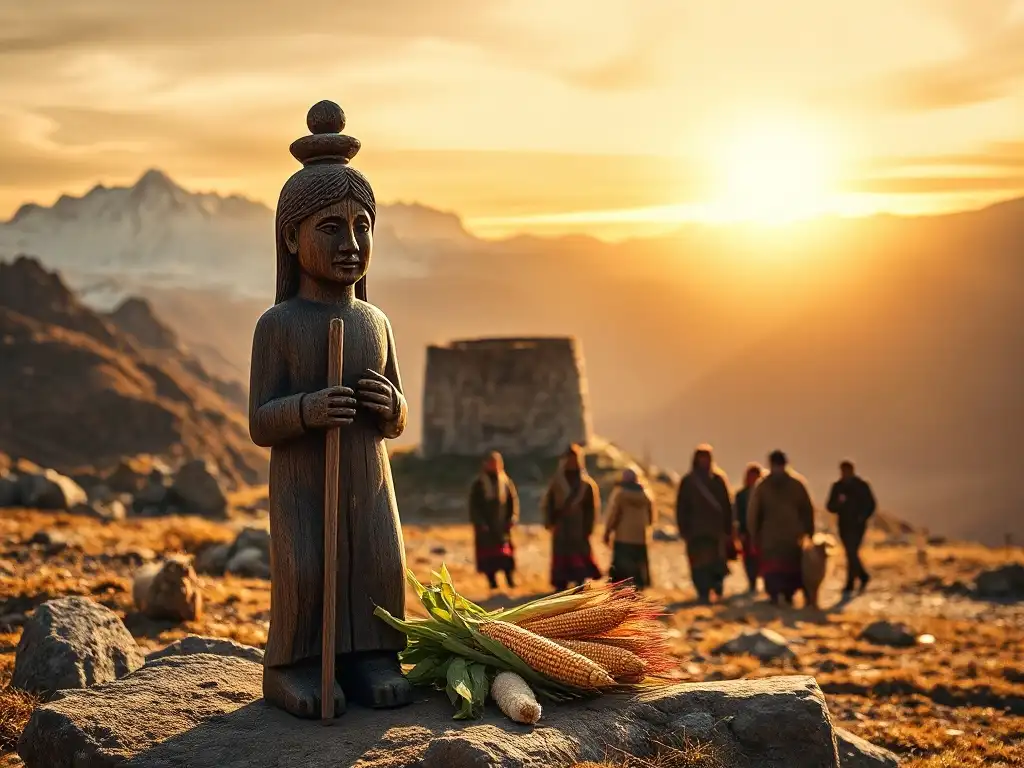
The Andean worldview didn't perceive death as a definitive end but rather as a transition within a continuous cycle connecting the living and the dead. This cyclical understanding profoundly influenced Andean societies, shaping their social structures, rituals, and daily lives. Unlike many Western perspectives that emphasize a sharp division between the living and the dead, Andean cultures viewed the deceased as active participants in the ongoing life of the community.
This belief fostered a deep reverence for ancestors and a complex relationship with the spirit world, enriching their understanding of the cosmos and their place within it. The concept of pachacuti, or cyclical time, further reinforced this interconnectedness, highlighting the continuous renewal and transformation of the world, including the passage between life and death. This pervasive belief system is central to understanding Andean afterlife beliefs and their rich tapestry of practices and rituals.
The Importance of Ancestor Veneration in Andean Cultures
Ancestor veneration was not merely a ritualistic practice in Andean cultures; it was a fundamental pillar of their social fabric. Ancestors were believed to possess significant power and influence, capable of both bestowing blessings and inflicting misfortune upon the living. Maintaining a strong connection with the deceased was, therefore, crucial for the well-being and prosperity of the community.
This veneration manifested in various ways, including the construction of elaborate tombs and the offering of gifts to appease and honor the spirits of the ancestors. The Inca, for instance, meticulously preserved mummies of their rulers and other important figures, regularly providing them with food, clothing, and other necessities. This wasn't simply a symbolic act; it was a practical way to ensure the continued support and guidance of these powerful ancestors.
The meticulous care given to these mummies underscores the profound belief in the ongoing relationship between the living and the dead. Evidence suggests this practice wasn't exclusive to the Inca; various Andean cultures exhibited similar customs, reflecting a widespread belief in the enduring influence of their ancestors.
Connecting with the Ancestors: Rituals and Practices
Connecting with the ancestors was a multifaceted process involving a variety of rituals and practices. These ranged from daily offerings of food and drink left at designated places, to large-scale ceremonies involving elaborate sacrifices and processions. For example, the capacocha sacrifices, practiced by the Inca, involved the selection of young children and maidens who were believed to be offered to the gods as intermediaries between the living and the spirit world.
While the precise details of these rituals are still being uncovered, it is clear that they served as vital channels for communication and interaction with the deceased. Other rituals included the use of kero (ceremonial drinking vessels) during feasts, where libations were poured to honor ancestors and deities.
These rituals were not merely symbolic; they were believed to be essential for maintaining the balance and harmony of the cosmos, ensuring the well-being of the community, and securing continued access to the power and knowledge of the ancestors. The intricate nature of these rituals demonstrates the importance placed on maintaining a vibrant relationship with the spiritual realm.
The Role of Mummies in Andean Afterlife Traditions
Mummies played a central role in Andean afterlife traditions, serving as tangible links between the living and the dead. They were not simply preserved corpses; they were considered to be active participants in the community, continuing to exert influence and provide guidance. The elaborate preparations involved in mummification, the construction of elaborate tombs, and the continued provision of offerings to the mummies all highlight the significance attached to these preserved remains.
The Inca, for example, often dressed their mummies in fine clothing and placed them in specially designed niches within their homes or temples. The Nazca culture also demonstrated a deep reverence for their ancestors, exhibiting sophisticated mummification techniques and creating elaborate burial sites. The careful preservation of mummies suggests a belief that the spirit of the deceased remained connected to the physical body, even after death.
This practice is a powerful testament to the Andean belief in the continuous cycle of life and death, and the enduring importance of ancestor veneration in their culture. The study of Andean mummies provides invaluable insight into their belief systems and social structures. The rich diversity of mummification techniques across different Andean cultures further illustrates the widespread importance of this practice and the nuanced beliefs surrounding the afterlife.
Different Andean Civilizations and their Views on Death
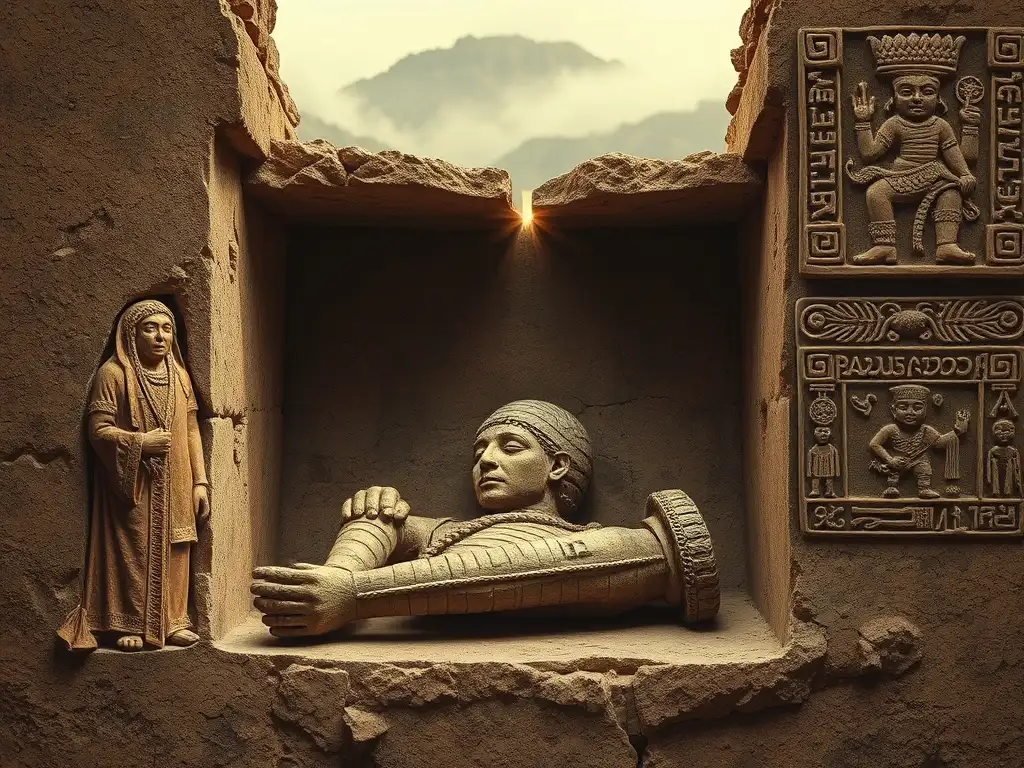
This section delves into the diverse beliefs surrounding death and the afterlife held by different Andean civilizations. While a common thread of ancestor veneration unites them, the specifics of their cosmologies and funerary practices reveal fascinating variations in their understanding of the relationship between the living and the dead. The concept of "Andean afterlife beliefs" is not monolithic; rather, it encompasses a rich tapestry of interwoven beliefs, rituals, and practices that evolved over centuries.
Inca Beliefs about the Afterlife: The Hanan Pacha and Uku Pacha
Inca Andean afterlife beliefs were deeply intertwined with their cosmology, which divided the universe into three realms: the Hanan Pacha (upper world), the Kay Pacha (present world), and the Uku Pacha (underworld). Death was not seen as an absolute end but as a transition, a journey to the Uku Pacha, a realm not necessarily understood as inherently negative.
The Inca believed that deceased ancestors, particularly rulers and elite members of society, continued to exert influence from the Uku Pacha, acting as intermediaries between the living and the gods. This belief system fueled elaborate funerary rituals and the construction of impressive mausoleums.
The Inca mummification process was incredibly sophisticated, aiming to preserve the body as completely as possible. This wasn't merely about preserving a physical form; it was about maintaining the spirit's connection to the living world. Mummies were often adorned with elaborate clothing, jewelry, and other grave goods, reflecting their status in life and providing them with necessities for their continued existence in the Uku Pacha.
These offerings demonstrate the Inca's belief in the ongoing needs and importance of their ancestors. Family members continued to interact with their mummified relatives, offering food, drink, and conversation, reinforcing the idea of a continuous relationship across realms.
Moche Perspectives on Death and the Journey to the Otherworld
The Moche civilization, known for its stunning ceramic art depicting scenes of daily life and mythology, offered unique insights into their Andean afterlife beliefs. Their worldview, as revealed through their art and archaeological findings, suggests a complex understanding of death and the journey to the otherworld. Unlike the Inca emphasis on the Uku Pacha, Moche depictions frequently portray a vibrant afterlife, sometimes featuring feasts, ceremonies, and even warfare – mirroring aspects of their terrestrial life.
The Moche frequently buried their dead with elaborate grave goods, including finely crafted pottery, textiles, and metalwork. These objects were not merely symbolic; they were seen as essential provisions for the deceased on their journey to the afterlife. The detail and artistry of these grave goods suggest a deep belief in the continuity of life after death and the importance of providing the deceased with the necessities for a comfortable existence in the next world.
Furthermore, Moche iconography often depicts shamans interacting with supernatural entities, suggesting a belief in the ability of the deceased to interact with the living through spiritual means. The presence of hallucinogenic substances in some graves also hints at the use of altered states of consciousness in funerary rituals. Analysis of these rituals provides further clues to the nuanced worldview of the Moche people and their understanding of death and the afterlife.
Nazca Burial Practices and their Symbolic Meaning
Nazca Andean afterlife beliefs, reflected in their intricate burial practices, reveal a civilization deeply concerned with the transition between life and death. Their elaborate cemeteries, containing numerous individual burials and sometimes collective tombs, suggest a complex social structure and a nuanced understanding of the afterlife. The Nazca are renowned for their geoglyphs, vast designs etched into the desert surface, but their burial practices offer equally compelling evidence of their worldview.
The Nazca frequently buried their dead with offerings such as pottery, textiles, and tools. The types and quantities of these goods varied depending on the social status of the deceased, reflecting a hierarchical society with varying beliefs about the afterlife for different social classes. The careful arrangement of the bodies and grave goods indicates a structured ritual process, designed to ensure a safe passage to the afterlife.
The discovery of textiles with intricate designs and unique color combinations suggests a belief in the importance of clothing and adornment in the afterlife. The presence of ceremonial objects and ritual paraphernalia in some graves further emphasizes the importance of ritual practices in their understanding of death and the transition to the next world.
Further research into Nazca burial sites is crucial to fully understanding the complexity of their Andean afterlife beliefs. The variation in burial customs across different sites and time periods suggests that our current understanding is only a partial picture of a much richer and more nuanced cosmology.
Tiahuanaco Concepts of the Spiritual Realm
The Tiahuanaco civilization, flourishing in the Bolivian Altiplano between approximately 500 and 1200 CE, held a complex cosmology deeply intertwined with their understanding of life and death. Their beliefs about the afterlife were not simply a transition to a separate realm, but rather a continuation of existence within a multifaceted spiritual world intimately connected to the physical one. Evidence suggests a strong emphasis on ancestor veneration, with the deceased playing an active role in the lives of the living.
This is evidenced by the elaborate funerary practices and the monumental architecture, which likely served as both ceremonial and commemorative spaces. The precise nature of their afterlife beliefs remains a subject of scholarly debate, due to the limited textual sources available, relying heavily on archaeological interpretations of their monumental structures, artifacts, and burial practices.
Unlike some other Andean cultures with more readily apparent depictions of deities and mythical figures, Tiahuanaco iconography often employs abstract symbolism, making interpretations challenging. However, recurring motifs such as stylized figures, stepped pyramids, and intricate carvings on ceramics and stone suggest a structured hierarchy within their spiritual realm. These possibly represented different levels or aspects of the afterlife, or perhaps different classes of ancestral spirits with varying degrees of influence.
The prominent use of puma and condor imagery, common throughout Andean iconography, likely continued to hold significance in their conceptions of the spiritual world, possibly representing powerful forces or intermediaries between the living and the dead. Further research into the iconography and the arrangement of the monumental structures themselves may shed more light on the specifics of their beliefs.
The monumental architecture of Tiahuanaco, particularly the Kalasasaya complex, is believed to have played a crucial role in their funerary rituals and beliefs about the afterlife. The precise functions of these structures remain debated, but their scale and the elaborate carvings suggest they served as significant sites for interactions with the spiritual world. The orientation of the structures and the astronomical alignments observed in some suggest a strong connection between the celestial cycles and the cyclical nature of life and death.
The careful placement of burials and offerings in and around these structures further emphasizes the importance of the site in their funerary practices and their belief in the continued presence of the ancestors. It is possible that these sites were not only places of burial but also locations for ongoing communication and veneration of the dead. The sheer scale of the undertaking involved in the construction of these sites underscores the importance of these beliefs within the Tiahuanaco worldview.
The legacy of Tiahuanaco's sophisticated understanding of the interplay between the living and the dead continues to fascinate and inspire researchers today. Further investigation into the specific chemical compositions of the offerings found in association with burials could also offer insight into their beliefs about the afterlife.
The Living-Dead Relationship: Maintaining Balance and Harmony
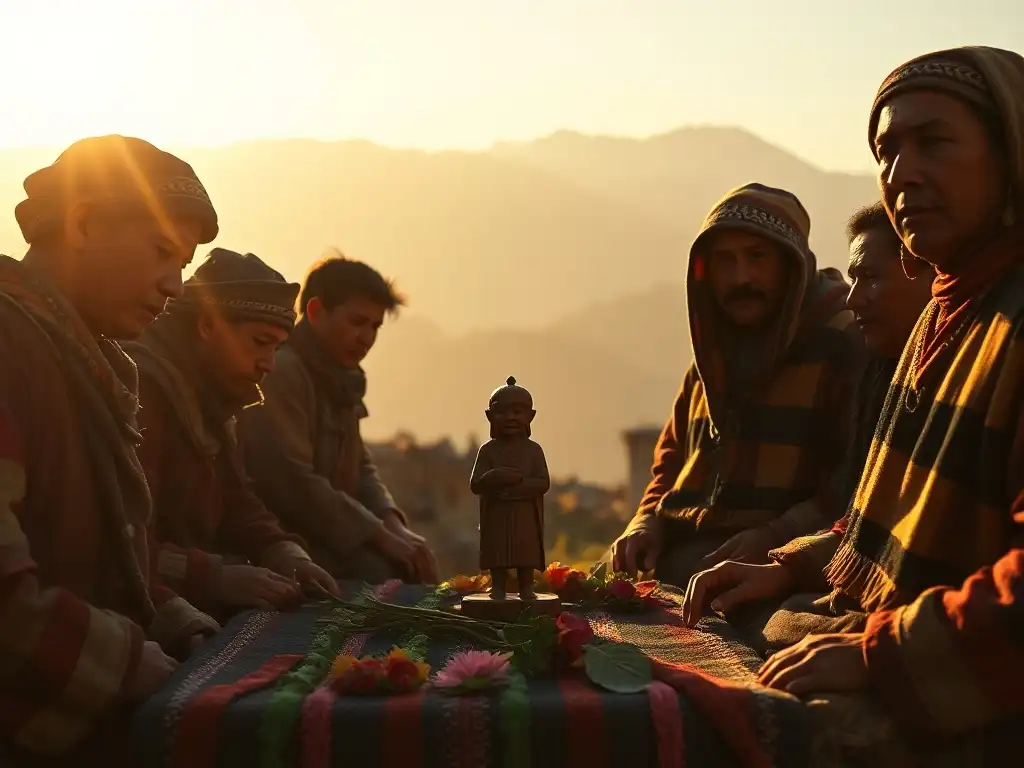
The Andean worldview didn't perceive death as an absolute end but rather as a transition to a different state of existence. The deceased weren't simply gone; they continued to exert influence on the living, forming a dynamic, interconnected relationship crucial for maintaining cosmic balance and societal harmony. This belief system, central to Andean cosmology, shaped their daily lives, rituals, and social structures, emphasizing the ongoing responsibility of the living towards their ancestors.
The concept of ayni, reciprocal exchange, extended beyond human interactions to encompass the relationship between the living and the dead. Failure to honor this reciprocal relationship could disrupt the delicate balance, leading to misfortune or illness. This understanding of the afterlife fundamentally differed from Western perspectives, emphasizing continuity and interdependence rather than separation and finality.
Understanding this dynamic is key to deciphering the intricate tapestry of Andean beliefs and practices surrounding death. The very fabric of Andean society was woven with threads connecting the living and the dead, a continuous exchange of energy and responsibility.
Offering to the Dead: Sustaining the Spirits
Offering gifts to the deceased was a paramount aspect of maintaining this crucial link. These weren't merely symbolic gestures; they were believed to nourish and sustain the spirits in their afterlife, ensuring their continued well-being and, consequently, the well-being of the living. The types of offerings varied depending on the specific culture and the status of the deceased, but common themes emerge.
Elaborate funeral rites, often including the burial of personal possessions, food, and drink, aimed to provide the deceased with the necessities for their journey into the afterlife. These offerings weren't seen as wasteful; instead, they were considered essential investments in the ongoing relationship, a form of reciprocal exchange that secured the favor and protection of the ancestors.
The act of offering itself was seen as a powerful act of communication, a way to maintain a dialogue across the veil between worlds. Archaeological evidence consistently supports this interpretation, revealing rich burial sites containing a wide array of grave goods, reflecting the importance of these offerings in Andean afterlife beliefs.
Coca Leaves and Chicha: Common Offerings in Andean Rituals
Two particularly significant offerings were coca leaves and chicha, a fermented corn beverage. Coca leaves, revered for their stimulating and spiritual properties, were offered to appease and communicate with ancestral spirits. Their symbolic significance extended beyond mere sustenance; they represented a connection to the sacred, a conduit for communication between the living and the dead.
Similarly, chicha, often prepared with special care for ritual occasions, served as a vital offering, representing nourishment and vitality for the spirits. The act of sharing chicha with the deceased, either through libations poured onto the earth or placed within tombs, reinforced the sense of community and reciprocity that characterized Andean relationships.
The preparation and consumption of chicha were deeply embedded in ritual practices, further emphasizing its importance in maintaining the connection between the living and the dead. The consistent presence of coca leaves and chicha in archaeological contexts reinforces their crucial role in Andean funerary practices and the wider belief system surrounding ancestor veneration.
The Importance of Reciprocity Between Worlds
The concept of ayni, reciprocal exchange, is central to understanding Andean afterlife beliefs. This wasn't a one-way street; the living received benefits in return for their offerings and respect. Ancestors were believed to provide protection, guidance, and prosperity to their descendants.
Failure to honor this reciprocal relationship, through neglecting offerings or disrespecting the dead, was believed to bring misfortune, illness, or even societal upheaval. This underscores the deeply interwoven nature of the living and the dead in the Andean worldview; their fates were inextricably linked.
The maintenance of this reciprocal relationship was not merely a matter of tradition; it was a fundamental pillar of Andean society, a system of belief that shaped their social structures, agricultural practices, and spiritual lives, highlighting the vital role of ancestor veneration in maintaining cosmic and social harmony. The intricate interplay between the living and the dead within the framework of ayni provides crucial insight into the complexity and richness of Andean afterlife beliefs and their profound impact on daily life.
The Influence of Andean Afterlife Beliefs on Contemporary Culture
Andean afterlife beliefs, deeply rooted in a complex cosmology, continue to exert a profound influence on the cultural landscape of the Andes region. The concept of a cyclical existence, where death is not an end but a transition, permeates various aspects of contemporary Andean life. This enduring legacy is evident in a range of practices, from ancestor veneration rituals to vibrant celebrations honoring the departed.
The understanding of the interconnectedness between the living and the dead isn't merely a historical curiosity; it's a vibrant, living reality shaping modern Andean societies. The strength of these beliefs underscores the resilience of Andean cultural heritage and its ongoing relevance in the 21st century. Understanding these beliefs provides crucial insight into the rich tapestry of Andean culture and its unique worldview.
Surviving Traditions and Their Significance Today
Many traditions reflecting Andean afterlife beliefs persist in contemporary Andean communities. Ancestor veneration, for instance, remains a cornerstone of daily life. Families maintain close ties with their deceased relatives, believing that their spirits continue to influence the living.
This connection is manifested through offerings of food, drink, and coca leaves at designated family altars or apus (mountain spirits) sites. These offerings aren't merely symbolic gestures; they're considered essential for maintaining harmony and receiving blessings from ancestral spirits. Furthermore, the practice of pachamama (Mother Earth) worship, where offerings are made to appease the earth and ensure fertility, reflects the interconnectedness between the living, the dead, and the natural world.
This deep-rooted belief system emphasizes the cyclical nature of life and death, where the spirits of the ancestors are integral to the well-being of the living. The continued practice of these traditions demonstrates the enduring power of Andean afterlife beliefs and their central role in shaping Andean identity.
Día de los Muertos Celebrations in Andean Communities
Día de los Muertos, or Day of the Dead, is a particularly poignant example of how Andean afterlife beliefs manifest in contemporary celebrations. While sharing similarities with Mexican celebrations, the Andean version reflects unique cultural nuances and beliefs. It's not simply a day of mourning; it's a time of joyous reunion with departed loved ones. Families prepare elaborate feasts, featuring traditional Andean dishes and drinks, to welcome the returning spirits.
Graves are meticulously cleaned and adorned with flowers, candles, and offerings. Music, dancing, and storytelling are integral parts of the celebrations, creating a vibrant atmosphere that honors the ancestors and celebrates life's cyclical nature. The intensity of these celebrations varies across different Andean communities, reflecting the diversity of traditions and beliefs.
However, the underlying theme of commemorating and celebrating the ancestors remains consistent, showcasing the enduring importance of Andean afterlife beliefs in shaping community identity and social cohesion. The vibrant colors, the joyous atmosphere, and the deep sense of connection with ancestors all contribute to a unique and powerful cultural experience. The significance of Día de los Muertos goes beyond a simple holiday; it's a living testament to the enduring influence of Andean views on death and the afterlife.
Preserving Andean Heritage and Spiritual Understanding
The preservation of Andean heritage, including its unique perspectives on death and the afterlife, is crucial for maintaining cultural identity and understanding. Efforts to document and disseminate these beliefs through academic research, community-based initiatives, and educational programs are vital. These initiatives not only help preserve traditional practices but also foster a deeper appreciation for the rich spiritual heritage of Andean cultures.
Furthermore, promoting intercultural dialogue and understanding can help combat misconceptions and stereotypes surrounding Andean afterlife beliefs. By recognizing the enduring influence of these beliefs on contemporary Andean societies, we gain a deeper appreciation for the complex and multifaceted nature of Andean culture. The preservation of this spiritual understanding is not merely an academic endeavor; it's a crucial step in respecting and celebrating the rich tapestry of human experience and cultural diversity.
Continued research, community engagement, and educational initiatives are essential for ensuring that the Andean understanding of the afterlife continues to thrive and inform future generations. The preservation of this unique worldview is vital for both academic understanding and cultural continuity.
Frequently Asked Questions
What were the Andean civilizations' primary beliefs about the afterlife?
Andean cultures didn't have a singular afterlife belief. Instead, they held complex views about the interconnectedness of the living and the dead, with spirits of ancestors playing a significant role in daily life and influencing the living world. Beliefs varied significantly across different cultures.
How did the Andes' geography influence their beliefs about death and the afterlife?
The mountainous terrain of the Andes deeply impacted their worldview. Mountains were seen as sacred spaces, connecting the earthly realm to the spirit world. Burial practices often involved placing the deceased in elevated, accessible locations to maintain this connection.
What role did ancestor veneration play in Andean societies?
Ancestor veneration was central to Andean life. Ancestors were believed to possess power and influence, and rituals were performed to appease and honor them. This ensured continued support and protection from the spirit world.
Were there any specific rituals associated with Andean beliefs about death and the afterlife?
Yes, numerous rituals surrounded death and the afterlife. These included elaborate burial ceremonies, mummification practices (particularly among the Inca), and offerings to appease ancestral spirits. These varied considerably depending on the specific culture.
How did Andean beliefs about death influence their art and architecture?
Andean art and architecture often reflected their beliefs about the afterlife. For example, depictions of deceased rulers and spiritual figures were common in textiles, pottery, and monumental structures. These served as visual reminders of the continuing presence of the ancestors.
Final Reflection: Echoes of the Ancestors: A Living Legacy
The enduring power of Andean beliefs about the interconnectedness of the living and the dead resonates deeply in contemporary society, reminding us of the profound impact our ancestors have on shaping our present and future. These beliefs, far from being relics of a distant past, offer a powerful framework for understanding our own relationships with mortality, community, and the environment. They challenge the Western, often individualistic, view of death and instead present a vibrant tapestry of continuity and reciprocal responsibility.
The influence of these beliefs continues to shape Andean communities, informing their social structures, artistic expressions, and spiritual practices. The cyclical nature of life and death, the reverence for ancestors, and the belief in their continued presence are not merely abstract concepts; they are lived realities. The dead are not gone; they are with us, participating in the life of the community.
This sentiment, often heard in Andean villages, encapsulates the profound interconnectedness at the heart of these beliefs, a connection that transcends the physical realm. This understanding fosters a deep sense of responsibility towards future generations, a legacy built not just on material inheritance but on the spiritual and cultural richness passed down through time.
Consider, for a moment, the implications of this worldview. How might embracing a more holistic understanding of life and death, one that acknowledges the enduring presence of our ancestors, enrich your own life? I invite you to reflect on the ways in which you connect with your heritage, your community, and the natural world. Perhaps you will find new ways to honor the past, to celebrate the present, and to build a future informed by the wisdom and resilience of those who came before. Let the echoes of the ancestors guide you on your path.
Embrace the Power of Connection: Act Now!
Thank you for exploring the profound beliefs surrounding the interconnection of the living and the dead in Andean culture. Your interest in this rich cultural heritage is invaluable. Now, let's build on that inspiration and take meaningful action!
- Dive Deeper: Explore traditional Andean ceremonies, such as the *Despacho*, which celebrate this connection between the living and the spirit world. Research local festivals or consult online resources to learn more about these practices and their significance.
- Share Your Insights: Discuss these fascinating beliefs with friends and family. Use your newfound knowledge to spark conversations about the diverse ways cultures understand life and death, and their interconnectedness.
- Join the Community: Connect with online forums or local groups dedicated to Andean traditions and spirituality. Engaging with others who share your interest will deepen your understanding and appreciation of these rich cultural beliefs.
How can you integrate a mindful awareness of the interconnectedness of life and death into your daily life or spiritual practice?