
The Use of Hallucinogens in Andean Death Rituals: Spiritual Journeys

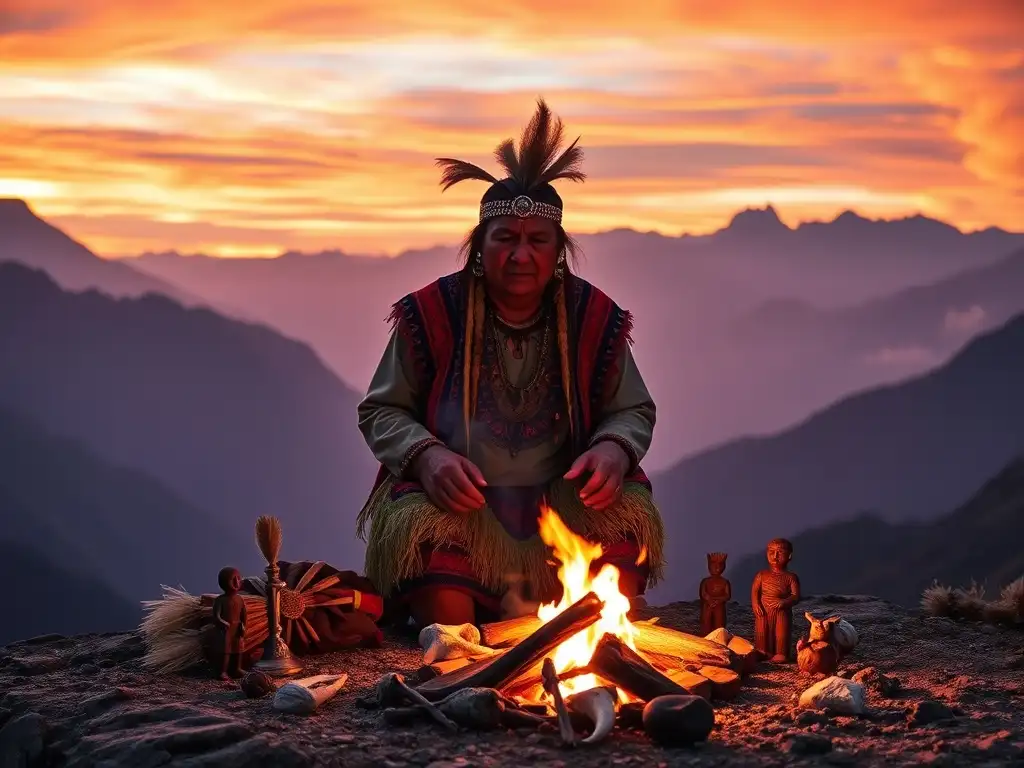
Step into a world shrouded in mystery and wonder—the realm of the ancient Andean civilizations. For centuries, their advanced societies thrived, leaving behind a legacy of breathtaking artistry and complex spiritual beliefs. But what truly fueled their vibrant cosmology? Prepare to uncover the secrets behind Andean hallucinogens death rituals, a practice that intertwined the living and the dead in a profound and often unsettling way. Dare to delve into the depths of their spiritual journeys and discover the astonishing truths hidden within the mists of time.
- Andean Hallucinogens Death Rituals: Spiritual Journeys
- The Significance of Death in Andean Cosmology
- Hallucinogenic Plants Used in Andean Rituals
- The Purpose of Hallucinogens in Death Rituals
- Andean Hallucinogens and the Death Journey
- Case Studies of Andean Death Rituals with Hallucinogens
- Modern Interpretations and Continuations of Andean Practices
- The Impact of Andean Hallucinogens on Modern Understanding of Death and Spirituality
-
Frequently Asked Questions
- What role did hallucinogens play in Andean death rituals?
- Which Andean cultures used hallucinogens in death rituals?
- Were these rituals solely focused on death?
- What is the evidence supporting the use of hallucinogens in these rituals?
- How did the use of hallucinogens impact Andean views on death and the afterlife?
- Final Reflection: Echoes of the Andes: A Legacy of Spiritual Journeys
- Embark on Your Own Spiritual Journey!
Andean Hallucinogens Death Rituals: Spiritual Journeys
The Andes Mountains, a spine of towering peaks running down the western coast of South America, have been home to a rich tapestry of vibrant civilizations for millennia. These cultures, including the Incas, Moche, Nazca, and Tiahuanaco, developed complex belief systems deeply intertwined with the natural world and the spirit realm. A significant aspect of their cosmology involved ancestor veneration and beliefs about death, often incorporating the ritualistic use of hallucinogenic plants like Datura, Brugmansia, and San Pedro cactus.
This article delves into the fascinating and often unsettling world of Andean death rituals, exploring how these potent substances facilitated spiritual journeys and shaped the understanding of life and death within these ancient societies. We will examine archaeological evidence, anthropological interpretations, and the enduring legacy of these practices in contemporary Andean cultures.
Understanding these rituals provides crucial insight into the nuanced worldview and spiritual beliefs that defined these remarkable civilizations. This exploration will illuminate the complex relationship between the living and the dead, the spiritual and the physical, and the profound significance of hallucinogens in shaping Andean religious practices.
Archaeological Evidence of Hallucinogen Use in Andean Death Rituals
Archaeological excavations across the Andes have unearthed compelling evidence supporting the widespread use of hallucinogens in funerary contexts. Numerous sites have yielded ceramic vessels depicting individuals in altered states of consciousness, often alongside representations of shamanistic figures and plant imagery associated with known hallucinogens. For example, Moche pottery frequently portrays scenes of ritualistic consumption, with individuals depicted with dilated pupils and other physical manifestations consistent with the effects of these substances.
Furthermore, the presence of plant remains, identified as hallucinogenic species, within burial sites further corroborates this practice. The careful placement of these plants suggests a deliberate inclusion as part of the funerary rites, reinforcing their importance in the transition from life to death.
Analysis of human remains, while less common due to preservation challenges, occasionally reveals traces of these substances, providing direct bio-chemical evidence of ingestion. The quantity and types of hallucinogens found vary across different cultures and time periods, reflecting the diverse and evolving nature of these practices.
The Role of Shamans in Guiding Spiritual Journeys
The administration and interpretation of hallucinogenic experiences were largely controlled by shamans, highly respected spiritual leaders within Andean communities. These individuals played a crucial role in guiding the deceased's soul on its journey to the afterlife. Their knowledge of the plants' properties, combined with their expertise in ritual practices, allowed them to facilitate a safe and meaningful experience.
The shaman's role extended beyond simply administering the hallucinogens; they also interpreted the visions and experiences encountered during the altered state, offering guidance and insights into the deceased's spiritual destiny. Depictions of shamans in Andean art often show them adorned with specific attire and paraphernalia associated with their practice, further emphasizing their privileged position within society. Their power and influence are clearly visible in the archaeological record, demonstrating the centrality of shamanistic practices in death rituals.
Interpreting the Visions: Connecting the Living and the Dead
The hallucinogenic experiences induced by these plants were believed to provide a direct connection to the spirit world, facilitating communication with ancestors and other supernatural entities. The visions experienced during these rituals were interpreted as messages from the afterlife, offering insights into the deceased's fate and providing solace to the mourners. These visions often involved interactions with deities, ancestral spirits, and other supernatural beings, offering a profound understanding of the Andean worldview.
The interpretation of these visions was a complex and nuanced process, often requiring the shaman's expertise to translate the symbolic language of the spirit world into a form understandable by the living. The shared interpretation of these visions played a vital role in reinforcing community bonds and consolidating collective beliefs about the afterlife. The narratives emerging from these experiences shaped the cultural understanding of death and the ongoing relationship between the living and the dead.
The Enduring Legacy of Andean Hallucinogen Use in Contemporary Practices
While the large-scale ritualistic use of hallucinogens in Andean death rituals may have declined in the face of colonial influence and the suppression of indigenous practices, remnants of these traditions persist in contemporary Andean cultures. Certain communities continue to incorporate elements of these practices into their funerary rites, albeit often in a modified or adapted form. The use of hallucinogens in spiritual contexts, while often clandestine, remains a significant aspect of Andean spirituality for some groups.
This enduring legacy underscores the deep-rooted significance of these practices within Andean cosmology and their continued relevance in shaping contemporary cultural identity. The study of these contemporary practices offers valuable insights into the evolution and adaptation of ancient traditions. Understanding this continuity allows us to appreciate the lasting impact of these rituals on the Andean worldview and their role in the ongoing dialogue between past and present.
The Significance of Death in Andean Cosmology
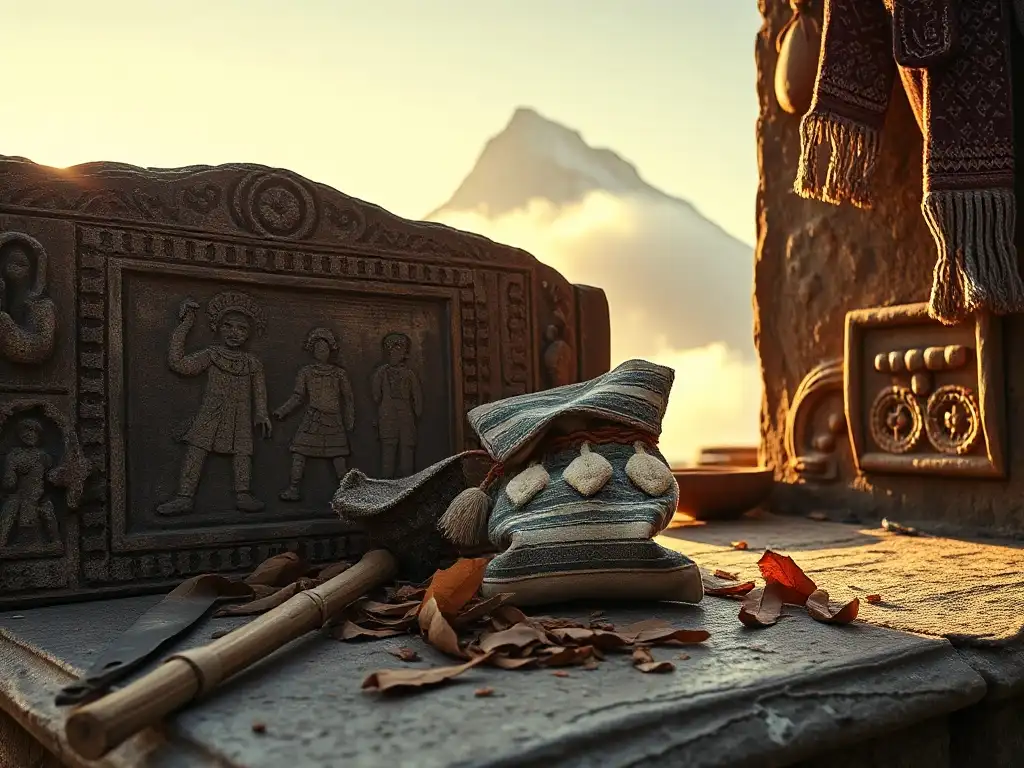
The Andean worldview fundamentally differed from many other cultures' perspectives on death. Death wasn't viewed as a finality, but rather as a transition—a passage to another realm intimately connected to the living world. This perspective profoundly influenced Andean death rituals, particularly the use of hallucinogens to facilitate communication with the spirit world and deceased ancestors. The Andean concept of kay pacha (this world), ukhu pacha (the underworld), and hanan pacha (the upper world) created a dynamic cosmology where the boundaries between life and death were permeable, not absolute.
This understanding shaped not only funerary practices but also the daily lives of Andean peoples, influencing their social structures, agricultural practices, and artistic expressions. The integration of the living and the dead was crucial, with ancestors playing an active role in the affairs of the living. This belief system is central to understanding the role of hallucinogens in their death rituals.
Understanding Andean Beliefs About the Afterlife
Andean beliefs about the afterlife varied across different cultures and time periods, but a common thread involved a continued existence in a spirit world. This wasn't necessarily a heaven or hell in the Judeo-Christian sense, but rather a realm where ancestors remained active and influential. Archaeological evidence, such as elaborate burial sites with offerings of food, textiles, and precious objects, clearly demonstrates the importance placed on providing for the deceased in their journey to the afterlife.
These offerings weren't mere symbolic gestures; they were believed to sustain the deceased and maintain their connection to the living world. The deceased weren't simply forgotten; they were actively integrated into the community's social fabric, continuing to participate in its life through their spiritual influence. This belief fueled the desire to communicate with them, a practice often facilitated by the use of hallucinogens.
Furthermore, the specific nature of the afterlife varied regionally. Some groups believed in a journey to a subterranean world, while others envisioned a celestial realm. However, the common denominator was the belief in the continuity of existence and the enduring influence of ancestors.
The Role of Ancestors in Andean Societies
Ancestor veneration was a cornerstone of Andean societies. Ancestors weren't merely remembered; they were considered active participants in the community's life, influencing harvests, health, and social harmony. Their continued presence was believed to be crucial for the well-being of the living. This is reflected in the prevalence of ancestor worship across various Andean cultures.
For example, the Inca maintained intricate kinship systems that emphasized lineage and ancestral ties. The Moche and Nazca, while having different artistic and religious expressions, also showed evidence of strong ancestor veneration through their elaborate burial practices and iconography. The continuous interaction with the spirit world, often facilitated by shamans utilizing hallucinogens, was essential for maintaining this vital connection.
The ancestors were consulted for guidance, and their approval was sought for important decisions. Their displeasure could result in misfortune, highlighting their active role in the living world. This deep-seated belief in the power and influence of ancestors is paramount to understanding the significance of Andean hallucinogens in death rituals.
Death as a Transition, Not an End
The Andean concept of death as a transition, rather than an end, is crucial to understanding the use of hallucinogens in their rituals. Death was viewed as a passage from one realm to another—a journey guided by spirits and influenced by the actions of the living. The use of hallucinogens, like San Pedro cactus and other plants, wasn't intended to simply induce altered states of consciousness.
Instead, these substances were believed to facilitate communication with the spirit world, allowing shamans and mourners to interact directly with the deceased and guide their souls on their journey to the afterlife. These rituals weren't merely somber affairs; they were vibrant ceremonies that celebrated the continuity of life and the enduring connection between the living and the dead. The hallucinogens were integral to this process, creating a bridge between the two worlds and enabling a meaningful exchange.
This perspective fundamentally challenges the Western understanding of death as a definitive end, emphasizing instead the dynamic interplay between the living and the dead within the Andean cosmology. The use of Andean hallucinogens in death rituals, therefore, wasn't a morbid practice but a vital component of their spiritual beliefs and social structures.
Hallucinogenic Plants Used in Andean Rituals
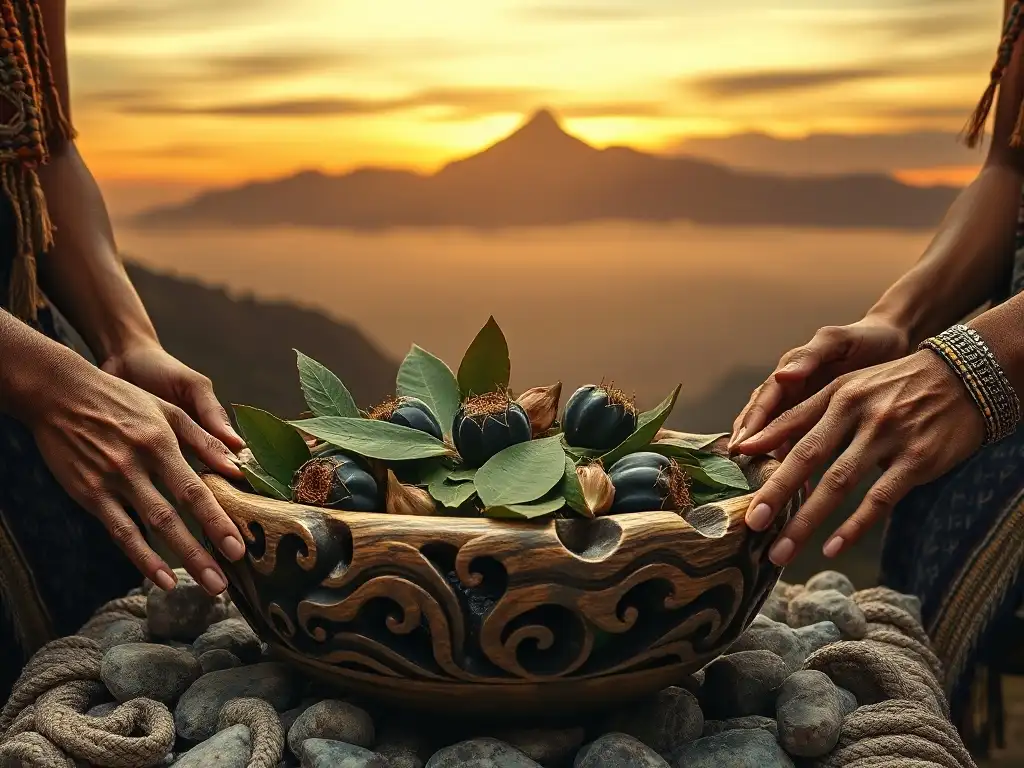
This section delves into the specific hallucinogenic plants integral to Andean death rituals, exploring their roles in facilitating communication with the spirit world and guiding the deceased on their journey to the afterlife. The use of these plants wasn't haphazard; their selection and preparation were steeped in ritual and spiritual significance, reflecting a deep understanding of their psychoactive properties and their connection to the Andean worldview.
Understanding these plants is crucial to comprehending the complexities of Andean death rituals and their profound impact on Andean cosmology. The Andean hallucinogens death rituals are not just about altered states; they represent a sophisticated system of beliefs and practices.
Ayahuasca: The Vine of the Soul
Ayahuasca, a brew made from the Banisteriopsis caapi vine and other psychotropic plants, holds a prominent place in Amazonian shamanistic traditions, and its influence extended into some Andean cultures, particularly in regions bordering the Amazon basin. While not as universally employed in Andean death rituals as other plants, evidence suggests its use in certain contexts, primarily for shamanic divination concerning the deceased and facilitating communication with their spirits.
Its potent effects, inducing vivid visions and intense emotional experiences, made it a powerful tool for accessing other realms. The preparation of ayahuasca was a meticulously guarded secret, passed down through generations of shamans, ensuring the correct ingredients and brewing techniques for optimal efficacy and safety.
The visions experienced under the influence of ayahuasca were believed to provide insights into the fate of the deceased and their journey into the afterlife. Detailed accounts of these shamanic practices, however, remain scarce and often fragmented, requiring further research to fully understand its precise role in Andean death rituals.
San Pedro Cactus: The Guardian of the Spirit
The Echinopsis pachanoi, or San Pedro cactus, was, and continues to be, a far more prevalent hallucinogen in Andean death rituals than ayahuasca. Its widespread use is documented across various Andean cultures, including the Incas. The cactus's psychoactive compounds, primarily mescaline, induced altered states of consciousness, allowing shamans to interact with the spirit world and guide the souls of the departed.
Unlike ayahuasca, the San Pedro cactus was often consumed directly, cut into pieces and ingested, or sometimes prepared as a brew. The ritual preparation and consumption of the San Pedro cactus were often integrated into elaborate funerary ceremonies. The cactus itself was frequently seen as a guardian spirit, protecting the deceased on their journey to the afterlife.
The symbolism of the cactus, with its tall, upright form, may have represented a connection between the earthly and spiritual realms. Archaeological findings support its widespread usage, with evidence of San Pedro cactus remains found in association with burial sites.
Coca Leaves: Sacred Plant and Ritual Offering
Coca leaves ( Erythroxylum coca), while less potent than ayahuasca or San Pedro, played a crucial, albeit different, role in Andean death rituals. While not strictly hallucinogenic in the same way as the previous two, the coca leaf's mild stimulant properties and spiritual significance contributed to the overall ritual context. Coca leaves were frequently offered as gifts to the deceased, placed within tombs or used in funerary ceremonies as a symbol of respect and remembrance.
Their inclusion in burial sites points to their importance as a sacred offering, designed to provide sustenance and comfort to the spirit in the afterlife. The chewing of coca leaves by mourners was likely also practiced, facilitating a state of altered consciousness that allowed for deeper connection with the deceased and the spiritual realm.
The coca leaf's symbolic importance in Andean culture, extending far beyond its use as a stimulant, cemented its role as a vital component in the complex tapestry of Andean death rituals. Furthermore, the meticulous preparation and offering of the coca leaves demonstrate the level of care and respect given to the deceased and the spiritual significance of the process.
This section provides a detailed overview of the principal hallucinogenic plants used in Andean death rituals, highlighting their diverse roles and significance within the Andean worldview. Further research is needed to fully elucidate the nuanced practices surrounding each plant and their individual contributions to the complex tapestry of Andean funerary rites and beliefs. The role of these plants underscores the rich and multifaceted nature of Andean cosmology and its enduring legacy.
The Purpose of Hallucinogens in Death Rituals
The use of hallucinogens in Andean death rituals wasn't merely recreational; it served deeply spiritual and practical purposes within their complex cosmology. These substances, primarily coca, san pedro cactus, and certain types of mushrooms, were believed to act as conduits to other realms, facilitating communication with the spirit world and assisting in the transition of the deceased. Understanding this role requires acknowledging the Andean worldview, where the boundary between the living and the dead was far more permeable than in many other cultures.
The use of these Andean hallucinogens in death rituals wasn't about escaping reality, but rather, about profoundly shaping it. This section explores the multifaceted roles of these powerful substances in the funerary practices of several Andean cultures.
Facilitating Communication with the Ancestral Realm
One primary purpose of hallucinogens in Andean death rituals was to facilitate communication with the ancestral realm. Shamans, or paqos, often administered these substances to mourners, allowing them to connect with the spirit of the deceased and receive messages or guidance. This wasn't a passive experience; it was a dynamic interaction, often involving dialogues and visions.
The belief system underscored the ongoing presence and influence of ancestors in the lives of the living. For example, the Moche culture, known for its elaborate funerary practices, likely employed hallucinogens to help mourners understand the deceased's journey into the afterlife and receive messages from them, ensuring continued connection and support. The potent effects of these Andean hallucinogens allowed for a direct engagement with the spiritual world, bridging the gap between the living and the dead.
Detailed accounts of these practices are scarce, unfortunately, due to limitations in the archaeological record, however, ethnographic studies of contemporary Andean cultures offer valuable insights. Further research is necessary to fully understand the nuances of this practice across different Andean cultures and time periods.
Guiding the Deceased's Spirit to the Afterlife
Beyond communication with the deceased, hallucinogens also played a crucial role in guiding the spirit of the deceased on its journey to the afterlife. The Andean worldview often depicted a complex and perilous journey, fraught with challenges and obstacles. The paqo, under the influence of the hallucinogen, would act as a guide, helping the spirit navigate this treacherous path and ensuring its safe arrival in the other world.
This process involved intricate rituals and prayers, often accompanied by specific offerings and symbolic actions. The hallucinogen would not only facilitate the shaman's ability to perceive the spiritual realm but also enhance their power to intervene and assist the deceased's spirit. Archaeological evidence, such as the presence of hallucinogenic plants in burial sites, supports this interpretation.
The careful placement of these substances suggests a deliberate and purposeful inclusion in the funerary rites. The exact mechanisms of this spiritual guidance remain a subject of ongoing scholarly debate and require further investigation.
Achieving Spiritual Transformation and Healing
The use of Andean hallucinogens in death rituals also served a purpose of spiritual transformation and healing for the living. The experience of participating in these rituals, often involving the consumption of hallucinogens, could be deeply cathartic and transformative. Mourners might undergo visions that provided insights into their own lives, fostering emotional healing and spiritual growth.
The shared experience of confronting death and the afterlife could strengthen community bonds and create a sense of shared purpose. The ritual itself was a process of both mourning and renewal, bridging the gap between loss and acceptance. The power of these Andean hallucinogens to induce profound psychological and spiritual experiences allowed individuals to confront their grief, process their emotions, and emerge with a renewed sense of meaning and purpose.
This aspect of the rituals highlights the holistic nature of Andean spirituality, where the physical, emotional, and spiritual realms were intricately interconnected. Further research into the psychological and sociological effects of these rituals would provide valuable insights into the role of these Andean hallucinogens in shaping Andean societies.
Andean Hallucinogens and the Death Journey
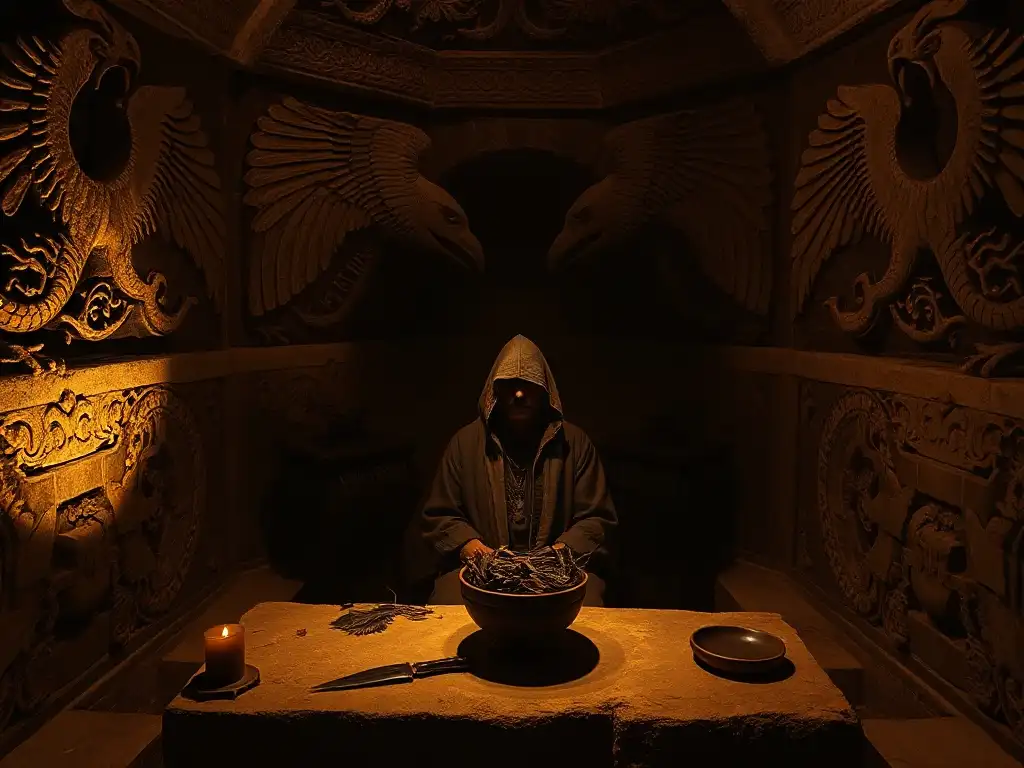
This section delves into the specific use of hallucinogenic substances within Andean death rituals, focusing on their role in facilitating a spiritual journey for the deceased and their community. We will explore the preparation, the ritual process itself, and the crucial role of spiritual leaders in guiding these complex ceremonies. Understanding the use of these substances requires sensitivity and awareness of their cultural significance, avoiding any trivialization or misrepresentation of these sacred practices. The term "Andean hallucinogens death rituals" encapsulates the core subject matter, highlighting the interplay between psychoactive plants, funerary practices, and spiritual beliefs.
Preparing the Body and Soul for the Ritual
The preparation for Andean death rituals involving hallucinogens was a meticulous process, extending beyond the simple physical cleansing of the body. It involved a multi-layered approach designed to spiritually cleanse and prepare both the deceased and the participants for the upcoming journey. This preparation often included fasting for several days leading up to the ceremony. The fasting was not merely a physical act but a spiritual purification, a way to clear the mind and body of earthly concerns and open oneself to the spiritual realm. Specific diets, avoiding certain foods deemed impure or disruptive, were often prescribed.
Furthermore, the body of the deceased would undergo a thorough ritual washing using specific herbs and waters believed to possess cleansing properties. This wasn't merely about hygiene; it was about symbolically removing any negative energies or influences that might hinder the soul's passage to the afterlife. In some cases, the body was adorned with specific ornaments or painted with symbolic markings, further emphasizing the spiritual preparation.
The use of coca leaves, chewed throughout the process, may have served to alleviate discomfort and promote a state of heightened awareness, preparing the participants for the intense experience to come. Detailed accounts of these precise preparations vary across different Andean cultures, highlighting the diversity of practices even within this shared belief system. Further research is needed to fully document the variations in pre-ritual practices across different Andean groups.
The Ritual Process: Chicha offerings, music, and chanting
The core of the Andean death ritual often involved the consumption of chicha, a fermented maize beverage, sometimes infused with hallucinogenic plants like San Pedro cactus or Datura. The chicha wasn't merely a drink; it was a sacred offering, a conduit connecting the living and the dead. The ritual typically unfolded in a designated sacred space, often accompanied by intricate musical instruments like panpipes and drums. The music itself wasn't simply background noise; it was believed to guide the soul on its journey, creating a sonic pathway into the spiritual realm.
The chanting played a crucial role, acting as a form of invocation and communication with the spirits. Shamans or spiritual leaders led the chanting, their voices weaving spells and prayers designed to facilitate the deceased's transition and to guide the participants through their shared hallucinatory experience. The ritual setting was carefully arranged, often incorporating symbolic objects and representations of the Andean cosmology.
The precise sequence of events and the specific elements involved varied depending on the community and the circumstances of the death. For example, the type of chicha used, the specific chants employed, and the arrangement of the ritual space all differed based on cultural and individual preferences. This variation underscores the rich tapestry of Andean spiritual practices, demonstrating a deep understanding of the power of ritual and its ability to connect people across time and space.
The Role of Shamans or Spiritual Leaders
Shamans or paqos held a pivotal role in Andean death rituals involving hallucinogens. They were not merely facilitators; they were spiritual guides who navigated the participants through the altered states of consciousness induced by the hallucinogens. Their expertise lay not only in the preparation and administration of the substances but also in their ability to interpret the visions and experiences produced by these substances. The shamans acted as interpreters of the spiritual realm, translating the visions of the participants into meaningful insights about the deceased's journey and their place within the Andean cosmology.
Their knowledge extended beyond botanical expertise; they were deeply versed in Andean mythology, cosmology, and spiritual practices. They possessed the ability to channel spiritual energies and to communicate with the spirits of the ancestors, providing guidance and support to the grieving community. The shaman's role was crucial in ensuring the smooth and successful transition of the soul into the afterlife, preventing any disruptions or negative consequences.
Their training was extensive and rigorous, passed down through generations within their communities. The shaman's ability to manage the ritual and guide participants safely through the intense hallucinatory experience was paramount to the success and spiritual significance of the ceremony.
Their importance in these rituals underscores the deep intertwining of religious belief, shamanistic practice, and the use of psychoactive plants in the Andean worldview. Their role remains a significant area of ongoing research, with much still to be understood about their training, practices, and social standing within their communities.
Experiences During the Hallucinogenic Journey
The ingestion of hallucinogens like San Pedro cactus or yopo during Andean death rituals wasn't merely about altered perception; it was a carefully orchestrated spiritual journey with specific goals and anticipated experiences. Participants didn't simply "trip"; they embarked on a structured voyage guided by shamans and steeped in cultural significance. The aim was often to communicate with the deceased, gain insights into the afterlife, or even to guide the spirit of the deceased on its journey.
Accounts from ethnographic studies, though limited due to the secretive nature of these practices, suggest a range of experiences. Visual hallucinations were common, often involving encounters with deceased ancestors, spirit guides, or deities. These weren't chaotic visions, but rather structured encounters, interpreted within the specific cosmological framework of the culture. For example, encountering a specific ancestor might offer guidance or reveal important information related to the deceased's journey to the afterlife.
Beyond visual experiences, participants often reported altered states of consciousness characterized by intense emotional shifts. Feelings of profound sadness, joy, fear, or even ecstatic bliss were all part of the spectrum. These emotions weren't necessarily negative; they were understood as integral parts of the process of confronting death and engaging with the spirit world. The shaman played a crucial role in navigating these emotional landscapes, guiding the participant through challenging emotions and interpreting the significance of their experiences.
The physical sensations were also significant. Nausea, vomiting, and changes in heart rate were common side effects of the hallucinogens, but these were often viewed not as negative consequences but as part of the purging process – a cleansing that prepared the body and spirit for the spiritual journey. The physical discomfort was often seen as a necessary prelude to the intense spiritual revelations that followed.
The shaman's role here was also vital, offering support and ensuring the physical safety of the participant while maintaining the sacred context of the ritual. The intensity and nature of these experiences varied greatly depending on the specific hallucinogen used, the dosage, and the individual's predisposition. Further research is needed to fully understand the nuanced variations in these experiences across different Andean cultures and time periods.
Case Studies of Andean Death Rituals with Hallucinogens
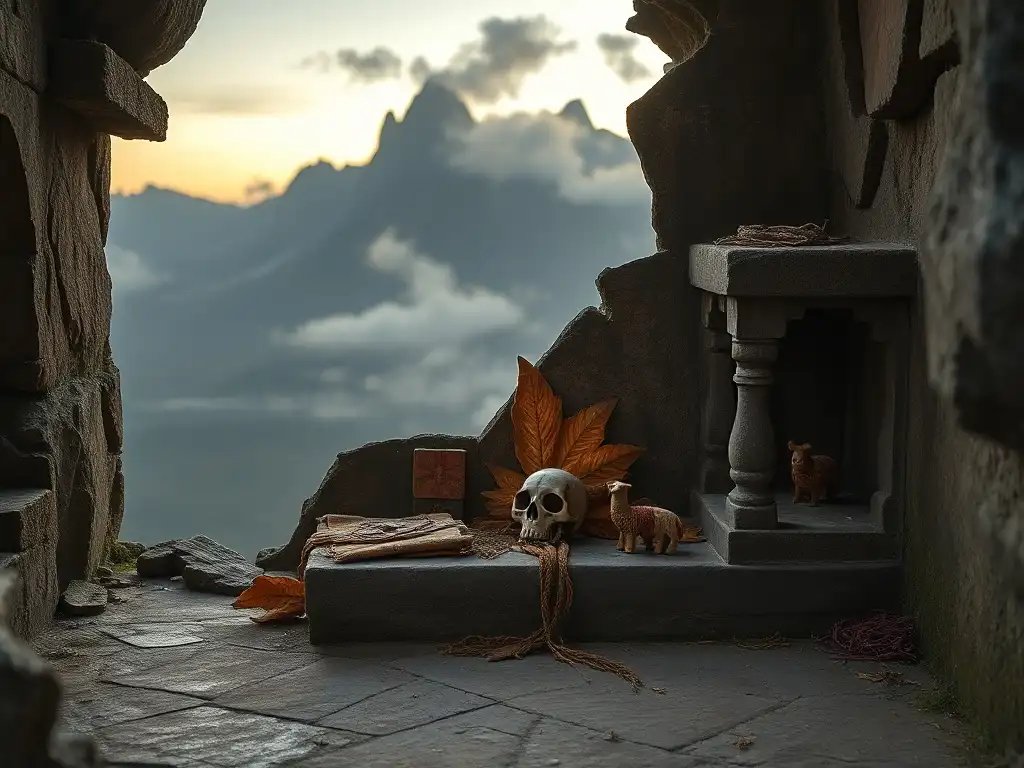
This section delves into specific examples of Andean death rituals where hallucinogens played a significant role, focusing on the Inca, Moche, and Nazca cultures. Understanding the nuanced use of these substances provides crucial insight into the Andean worldview and their complex relationship with death and the afterlife. The use of Andean hallucinogens in death rituals highlights the deeply spiritual nature of these societies and their sophisticated understanding of altered states of consciousness.
Examples from Inca Culture
Inca death rituals, while often elaborate and meticulously documented by Spanish chroniclers, remain partially shrouded in mystery regarding the precise use of hallucinogens. However, evidence suggests that certain plants, potentially including Anadenanthera peregrina (a source of yopo, a potent hallucinogen), were incorporated into funerary practices. These rituals were likely reserved for the elite, reflecting the Inca's hierarchical social structure.
While direct evidence of widespread hallucinogen use in Inca death rituals is scarce, archaeological findings hint at their importance. The discovery of paraphernalia possibly related to the preparation and consumption of such substances near burial sites suggests their use in ceremonies surrounding death and ancestor veneration. Furthermore, the sophisticated understanding of medicinal plants within Inca society, as evidenced by their advanced medical practices, strongly suggests a probable, though currently undocumented, role of hallucinogens in their spiritual rites.
Further research, including detailed analysis of botanical remains found in Inca tombs, is crucial to fully understand the extent of their use. The limited information available makes it challenging to paint a complete picture, but existing evidence suggests a more subtle and possibly less prevalent use compared to other Andean cultures.
Rituals in Moche Society
The Moche civilization (100-800 CE) provides much clearer evidence of hallucinogen use in death rituals. Representations on their intricate pottery depict scenes of ritualistic ingestion of substances, often identified as brugmansia (angel's trumpets) and other potent hallucinogens. These depictions frequently include shamans, or curanderos, administering these substances to individuals, likely during ceremonies associated with death and the transition to the afterlife.
The Moche believed in a complex cosmology involving various deities and a vibrant underworld. Hallucinogens, it is hypothesized, facilitated communication with these spiritual realms, allowing for a smoother transition of the deceased's spirit. The vibrant and often disturbing imagery on Moche pottery provides compelling visual evidence of the significance of these rituals.
The detailed depictions, including the expressions on the faces of participants, suggest intense, possibly transformative experiences. The use of hallucinogens may have been a crucial element in Moche funerary practices, aiding in the negotiation of the precarious journey between life and death. The prevalence of these images in their art indicates the deep societal integration of these practices.
Practices Among the Nazca People
The Nazca culture (100 BCE – 800 CE), famous for their enigmatic geoglyphs, also employed hallucinogens in their death rituals, although the specifics differ from the Moche. While direct evidence is less abundant than with the Moche, analysis of archaeological finds and interpretations of their iconography suggest the use of San Pedro cactus (containing mescaline), a hallucinogen with a long history of use in Andean spiritual practices.
Unlike the Moche's elaborate depictions, evidence for Nazca hallucinogen use is more subtle, often inferred from the context of grave goods and burial sites. The presence of certain plants alongside the deceased, alongside other ritual objects, suggests their symbolic importance. The Nazca’s sophisticated astronomical knowledge, as reflected in their geoglyphs, further supports the idea that hallucinogens may have played a role in their understanding of the cosmos and the afterlife.
These rituals may have been used to facilitate communication with ancestors and spirits, reflecting their strong belief in the interconnectedness of the living and the dead. Further research into botanical remains associated with Nazca burials is crucial in confirming and expanding our understanding of their death rituals and the role of hallucinogens within them. The potential link between their astronomical observations and the use of hallucinogens remains a fascinating area of ongoing research.
The information presented here highlights the diverse ways in which Andean cultures utilized hallucinogens in their death rituals. While further research is needed to fully elucidate the intricacies of these practices, the available evidence paints a rich picture of the spiritual significance of these substances and their role in shaping Andean cosmology and beliefs surrounding death. The use of Andean hallucinogens in death rituals continues to fascinate researchers and offers valuable insight into the complex relationship between spirituality, the afterlife, and shamanic practices in ancient Andean societies.
Chimor Traditions and Hallucinogens
The Chimor culture, flourishing along the northern coast of Peru from roughly 900 to 1470 CE, left behind a rich archaeological record hinting at the use of hallucinogens in their funerary practices. While direct evidence is scarce compared to other Andean cultures, indirect evidence suggests a significant role for altered states of consciousness in death rituals. The elaborate tombs discovered at sites like Chan Chan, the Chimor capital, often contained rich grave goods indicating a belief in an afterlife and the importance of preparing the deceased for their journey. The presence of coca leaves, known for their mild stimulant properties and used widely throughout the Andes, within some tombs suggests a possible connection to rituals surrounding death.
However, the specific role of coca, or other potentially more potent hallucinogens, remains open to interpretation, requiring further research and analysis of archaeological findings. The intricate iconography found on Chimor ceramics and textiles, often depicting stylized figures and scenes that could be interpreted as representing shamanistic experiences or journeys to the underworld, further fuels this speculation. These visual representations, while not explicitly confirming the use of hallucinogens, certainly suggest a preoccupation with altered states and the spiritual realm, strongly implying their possible role in Chimor death rituals. Further investigation into the chemical analysis of organic remains found within Chimor tombs could provide more definitive answers regarding the specific substances used.
The study of Chimor oral traditions, although largely lost to time, could also offer invaluable insights, if any surviving accounts are ever discovered. Therefore, while the precise nature of Chimor's use of hallucinogens in death rituals remains somewhat mysterious, the available evidence strongly suggests their importance in the culture's worldview and funerary practices. More research is needed to fully understand this aspect of Chimor culture.
Modern Interpretations and Continuations of Andean Practices
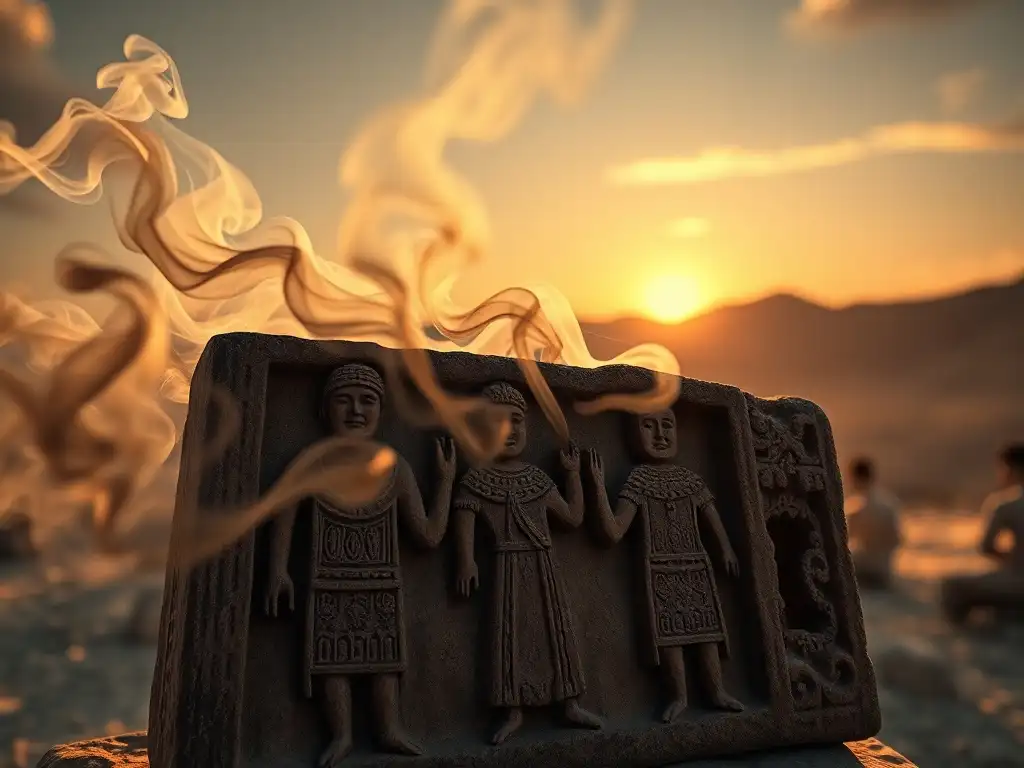
The use of hallucinogens in Andean death rituals, while largely suppressed during the colonial period and beyond, hasn't entirely disappeared. Modern interpretations and revivals of these practices demonstrate a complex interplay between ancient traditions, contemporary spiritual seeking, and the challenges of cultural preservation in a rapidly changing world. Understanding these modern expressions requires sensitivity to the diverse ways in which Andean communities engage with their heritage.
The resurgence isn't a uniform phenomenon; it manifests differently across various Andean regions and social groups. Some communities maintain a degree of secrecy around their practices, while others are openly integrating elements of ancestral rituals into contemporary spiritual frameworks.
The Persistence of Traditional Rituals
Many indigenous communities in the Andes continue to incorporate hallucinogens, such as San Pedro cactus and ayahuasca, into their funerary rites. These practices are often deeply interwoven with their cosmology and understanding of the afterlife. The rituals aren't simply about consuming the hallucinogen; they involve intricate preparations, offerings, and specific ceremonies led by experienced shamans or paqos.
These individuals play a crucial role in guiding participants through the spiritual experience and interpreting the visions received. The ceremonies themselves often involve music, dance, and prayer, creating a powerful and immersive experience designed to connect the living with the deceased and the spirit world. The specific rituals vary greatly depending on the community and the context, reflecting the diverse tapestry of Andean cultures.
Detailed ethnographic studies are needed to fully document the nuances of these ongoing practices and their regional variations. For example, the use of ayahuasca in some Amazonian communities bordering the Andes shows a different ritual context than the use of San Pedro in the high Andes.
Ethical Considerations in Modern Usage
The increasing global interest in Andean hallucinogens has raised significant ethical concerns. The commodification of sacred plant medicine, the exploitation of indigenous knowledge, and the potential for misinterpretations and misuse are serious issues requiring careful consideration. Responsible engagement requires prioritizing the well-being and autonomy of Andean communities.
This includes respecting their intellectual property rights, ensuring their participation in research and tourism initiatives, and preventing the appropriation of their sacred practices for profit. Furthermore, the potential for psychological harm associated with the unregulated use of these powerful substances cannot be overlooked. Safeguarding the integrity of traditional practices necessitates a commitment to ethical guidelines that protect both the communities and individuals involved.
The Commodification of Sacred Plant Medicine
The growing popularity of ayahuasca tourism and retreats presents a significant challenge to the ethical use of Andean hallucinogens. The commercialization of these sacred plants and rituals often leads to a superficial understanding of their deep cultural significance, reducing them to mere commodities for recreational or therapeutic purposes. This trend often disregards the spiritual and social context within which these plants have traditionally been used, leading to cultural appropriation and the potential for harm.
The lack of regulation in many areas further exacerbates the problem, creating an environment where unqualified practitioners may offer potentially dangerous experiences. A more responsible approach would involve prioritizing community-led initiatives, supporting traditional practices, and promoting ethical tourism that respects and benefits the indigenous communities who have guarded this knowledge for centuries.
The potential for positive economic development through responsible tourism exists, but only if it is carefully managed and prioritized for the benefit of the Andean communities themselves. This requires a collaborative approach involving local communities, researchers, policymakers, and tourists alike.
The Impact of Andean Hallucinogens on Modern Understanding of Death and Spirituality
The use of hallucinogens in Andean death rituals offers a unique lens through which to examine ancient understandings of death, the afterlife, and the human consciousness. Substances like San Pedro cactus ( Echinopsis pachanoi) and Datura played significant roles, facilitating what were likely considered liminal journeys between the world of the living and the spirit world. Modern research, while limited by ethical considerations and the challenges of interpreting ancient practices, increasingly suggests these rituals were not simply about altered states of consciousness, but about structured, purposeful explorations of the spiritual realm.
Ethnobotanical studies continue to unveil the complex pharmacologies and ritualistic contexts of these substances, helping us understand how the Andeans may have perceived death as a transition rather than an ending. The intricate iconography found on ceramics and textiles from various Andean cultures, often depicting figures in states of apparent altered consciousness, provides further visual evidence supporting this interpretation. Analysis of these artifacts, coupled with anthropological interpretations of surviving oral traditions, offers a glimpse into the rich tapestry of beliefs surrounding death and the afterlife within these societies.
The nuanced understanding of these practices, including the specific preparations and social contexts of ingestion, remains a crucial area for ongoing research. Deciphering the full significance of these rituals requires a multidisciplinary approach, integrating botanical, archaeological, and anthropological perspectives to create a more complete picture. The goal is not to romanticize or trivialize these practices, but to understand their profound spiritual significance within the framework of Andean cosmology.
Insights into Consciousness and the Afterlife
The ingestion of Andean hallucinogens during death rituals may have offered insights into the nature of consciousness and the afterlife that are difficult to fully grasp today. Archaeological evidence suggests that these substances were administered to individuals – sometimes willingly, sometimes possibly unwillingly – during funerary ceremonies or in connection with the deceased. The resulting visions and experiences might have been interpreted as encounters with ancestors, spirits, or deities, providing a tangible link between the living and the dead.
The nature of these experiences is debated among scholars, with some suggesting that hallucinogens facilitated communication with the spirit world, while others propose that they induced altered states that were interpreted through the existing cultural framework of beliefs. Regardless of the exact mechanisms, the consistent presence of hallucinogens in Andean funerary contexts strongly suggests their crucial role in shaping beliefs about the afterlife. This is supported by the recurring motifs found in Andean art, which often depict shamanistic figures interacting with supernatural beings in scenes that could be interpreted as reflecting the experiences induced by these substances.
Further research into the specific chemical composition of the plants used and their potential effects on the brain could provide more concrete evidence to refine our understanding of the cognitive and perceptual changes experienced during these rituals. One can postulate that the resulting visions were integrated into the wider Andean worldview, shaping their cosmology and beliefs about death, rebirth, and the cyclical nature of life.
The Connection between Andean Practices and Shamanic Traditions
The use of hallucinogens in Andean death rituals highlights a strong connection to broader shamanic traditions found across various cultures worldwide. Shamanic practices often involve the use of altered states of consciousness to facilitate communication with the spirit world and access hidden knowledge. The Andean shamans, or paqos, played a central role in these rituals, acting as intermediaries between the living and the dead.
Their expertise in the preparation and administration of hallucinogens, combined with their deep understanding of Andean cosmology, allowed them to guide participants through these spiritually significant experiences. These practices were not merely recreational; they were carefully orchestrated ceremonies that involved complex rituals and social protocols. The role of the paqos in interpreting the visions and integrating them into the community's understanding of death and the afterlife was crucial.
The parallels between Andean shamanic practices and those found in other parts of the world, such as Siberia or Amazonia, suggest a widespread human tendency to utilize altered states of consciousness to explore spiritual realms and connect with the unseen. This shared element emphasizes the universality of certain spiritual practices across diverse cultures, despite the unique contexts and specific substances employed. Further comparative studies of shamanic traditions can help illuminate the broader significance of Andean hallucinogen use within a global perspective.
The Importance of Cultural Preservation in the Andes
The preservation of Andean cultural heritage, including the understanding of their death rituals and the use of hallucinogens, is of paramount importance. These practices represent a rich and complex tapestry of beliefs and spiritual knowledge that has been passed down through generations. However, the impact of colonization, modernization, and globalization poses significant threats to the survival of these traditions. The loss of traditional knowledge and practices would represent an irreplaceable loss to our collective understanding of human spirituality and cultural diversity.
Efforts to document and preserve these traditions, through ethnographic research, archaeological investigation, and community engagement, are crucial. Working closely with indigenous communities to ensure that research is conducted ethically and respectfully is paramount. This requires a collaborative approach, where researchers work in partnership with community members to protect and celebrate their cultural heritage.
The continued study and understanding of Andean hallucinogen use in death rituals not only enriches our knowledge of the past but also fosters respect for the enduring cultural practices of Andean communities. It serves as a reminder of the importance of cultural preservation and the need to protect the diverse spiritual traditions of the world. The ongoing challenges require sustained commitment and collaborative action to ensure that these valuable insights are not lost to time.
Frequently Asked Questions
What role did hallucinogens play in Andean death rituals?
Hallucinogens, such as san pedro cactus and ayahuasca, were believed to facilitate spiritual journeys for the deceased and those participating in the rituals. These substances were thought to help the soul's transition to the afterlife and communicate with the spirit world.
Which Andean cultures used hallucinogens in death rituals?
Evidence suggests that several Andean cultures, including the Incas, Moche, and Nazca, incorporated hallucinogens into their funerary practices. The specific practices varied between cultures, but the underlying spiritual purpose appears consistent.
Were these rituals solely focused on death?
While often associated with death, the rituals involving hallucinogens were also linked to shamanistic practices and broader spiritual beliefs. They weren't solely about death but encompassed a wider understanding of life, death, and the spiritual realm.
What is the evidence supporting the use of hallucinogens in these rituals?
Archaeological findings, such as plant remains at burial sites and depictions in ancient art, provide strong evidence. Ethnohistorical accounts and anthropological studies further illuminate these practices and their significance.
How did the use of hallucinogens impact Andean views on death and the afterlife?
The use of hallucinogens shaped Andean understandings of death, suggesting a belief in a continuous interaction between the living and the dead. These substances were believed to bridge the gap between the physical and spiritual worlds, facilitating communication with ancestors and spirits.
Final Reflection: Echoes of the Andes: A Legacy of Spiritual Journeys
The use of hallucinogens in Andean death rituals, once relegated to the fringes of anthropological study, is now increasingly recognized as a vital component of understanding ancient Andean spirituality and its enduring impact on contemporary indigenous cultures. This practice, far from being a mere historical curiosity, offers profound insights into the human relationship with death, the afterlife, and the very nature of consciousness itself. The echoes of these rituals resonate even today, shaping our understanding of shamanism, altered states of consciousness, and the complex interplay between the living and the dead.
The enduring power of these rituals lies not just in their historical significance, but in their continued relevance to indigenous communities who maintain these traditions, albeit often in adapted forms. These practices are not simply relics of the past; they are living expressions of a deep spiritual connection to the land, ancestors, and the cosmos. Death is not an ending, but a transformation, a passage to another realm of existence.
This sentiment, though not a direct quote from an Andean source, encapsulates the core belief system underpinning the use of hallucinogens in their death rituals. The journey undertaken through these substances was not merely a physical one, but a spiritual odyssey, a bridge between worlds.
Consider the implications of this ancient practice. How does it challenge our Western, often linear, understanding of death and the afterlife? What can we learn from the Andean perspective on the interconnectedness of life and death, the spirit world and the physical realm?
I invite you to reflect on these questions, to consider the enduring power of spiritual traditions, and to appreciate the rich tapestry of human experience woven into the fabric of Andean culture. Let the echoes of these ancient rituals inspire you to explore your own relationship with mortality, spirituality, and the mysteries that lie beyond the veil of our everyday existence.
Embark on Your Own Spiritual Journey!
Thank you for exploring the fascinating world of Andean death rituals and the role of hallucinogens in spiritual experiences. This insightful journey fosters a deeper appreciation for the ancient traditions and rich cultural tapestry of Andean civilizations.
Now, let's consider how you can further connect with this incredible heritage:
- Deepen your understanding of Andean culture by researching other traditional practices and their spiritual significance. Consider exploring the intricate symbolism in their textiles, music, or agricultural practices.
- Connect with others who share your interest by joining a community group focused on indigenous studies or spirituality. Sharing your insights and experiences with like-minded individuals can be incredibly enriching.
- Enhance your personal growth through guided meditation or visualization exercises inspired by Andean rituals. This can provide a powerful pathway to self-discovery and inner peace.
What opportunities do you envision for integrating these ancient practices into your own spiritual path?