
Mummification Practices of the Andes: Preserving the Past for Eternity

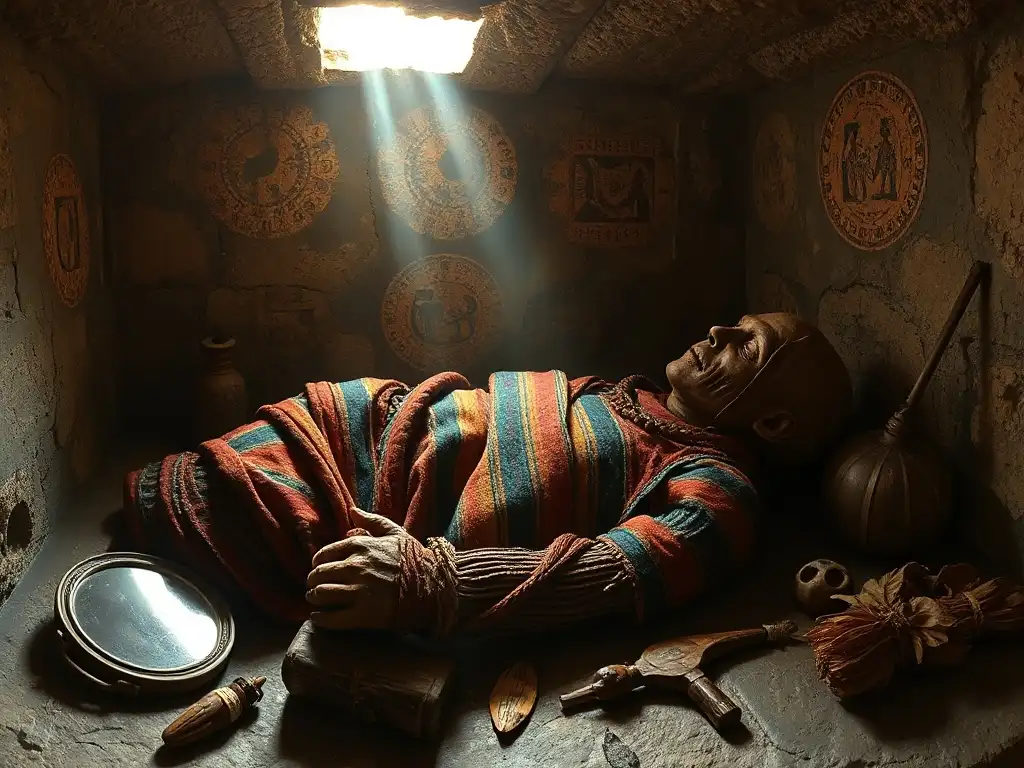
Step into a world lost to time, yet vividly preserved. Prepare to be captivated by the intricate mysteries of the Andean civilizations, where ingenuity and spirituality intertwined. Discover how ancient cultures, such as the Incas, Moche, and Nazca, shaped their understanding of life and death through their remarkable practices. This exploration begins with a deep dive into the fascinating world of Andean mummification techniques, revealing secrets of a civilization that sought to defy mortality itself. Dare to unravel the enigmas of their cosmology and uncover the astonishing artistry behind their efforts to preserve the past for eternity.
- Andean Mummification Practices: Preserving the Past for Eternity
- Pre-Inca Mummification Traditions in the Andes
- Inca Mummification Rituals and Techniques
- Regional Variations in Andean Mummification
- The Purpose Behind Andean Mummification
- Preservation and Study of Andean Mummies
- Andean Mummification: A Legacy of Preserved History
-
Frequently Asked Questions
- What were the primary goals of Andean mummification?
- How did Andean mummification techniques differ from Egyptian methods?
- Which Andean cultures practiced mummification?
- What materials were typically used in Andean mummification?
- Where can I see examples of Andean mummies and mummification artifacts?
- Final Reflection: Echoes of Eternity: Andean Mummification's Enduring Legacy
- Unveil the Secrets of Andean Mummification!
Andean Mummification Practices: Preserving the Past for Eternity
The Andes Mountains, a spine of towering peaks running down the western edge of South America, are not only a breathtaking landscape but also the cradle of incredibly sophisticated ancient civilizations. For millennia, cultures like the Incas, Moche, Nazca, and Tiahuanaco thrived in this challenging environment, developing unique technologies, artistic expressions, and spiritual beliefs. Central to understanding their worldview is the profound significance they placed on ancestor veneration and their elaborate practices surrounding death, most notably their mastery of mummification.
This article delves into the fascinating world of Andean mummification techniques, exploring the intricate processes, the underlying beliefs that fueled them, and the enduring legacy they left behind. We will uncover the reasons behind these practices, examining how they reflect the deep-seated spiritual connections these societies held with their ancestors and the cosmos.
Understanding Andean mummification offers a crucial window into their complex cosmology and reveals the sophisticated understanding of the human body and the natural world these cultures possessed. This exploration will reveal why the study of Andean mummification remains a vital area of research for understanding these remarkable civilizations.
The Significance of Ancestor Veneration in Andean Cultures
Ancestor veneration formed the cornerstone of Andean societies' spiritual and social structures. The deceased were not simply forgotten; they were considered active participants in the community's life, continuing to influence the living from the afterlife. This belief is vividly illustrated through the elaborate rituals and practices surrounding death, including the meticulous preservation of the body through mummification.
The ancestors were seen as intermediaries between the living and the supernatural world, providing guidance, protection, and ensuring the continued prosperity of their descendants. This deep-seated respect is reflected in the considerable resources and effort invested in the mummification process, indicating the paramount importance placed upon maintaining the connection with the ancestral realm. Evidence suggests that the status of the deceased, whether elite or commoner, significantly influenced the complexity and care applied to their mummification, highlighting the societal stratification and the perceived importance of each individual’s continued presence.
The mummies themselves often served as focal points for rituals, reinforcing their continued role within the community. The meticulous preparation and preservation of these bodies demonstrate the profound respect for their ancestors and their enduring influence on the living. Furthermore, the location and treatment of mummies within burial sites further emphasize this interconnectedness between the living and the dead.
Understanding Andean Beliefs About Death and the Afterlife
Andean beliefs about death and the afterlife were complex and varied across different cultures and time periods. However, a common thread was the belief in a continuation of life after death, albeit in a different form. Death wasn't considered an end but a transition to another realm, where ancestors maintained their influence and played a vital role in the world of the living. The mummification process itself was believed to facilitate this transition, ensuring the continued existence and well-being of the deceased in the afterlife.
[Specific details about variations in beliefs across different Andean cultures pending]. The meticulous preparation of the body – the removal of organs, the application of preservatives, and the wrapping in textiles – wasn’t merely a practical undertaking; it was a sacred ritual designed to ensure the successful passage of the soul to the next world. The elaborate grave goods often found alongside mummies further underscore this belief, providing the deceased with the necessary provisions for their continued existence in the afterlife. These offerings ranged from everyday tools and clothing to precious metals and ornaments, reflecting the status and needs of the individual in both their earthly life and their continued existence beyond.
The careful placement of mummies within elaborate burial complexes also highlights the significance placed upon their continued presence and influence within the community. Moreover, the location and orientation of these burial sites often held symbolic meaning, suggesting a complex understanding of the relationship between the living world and the realm of the ancestors. 🪦
Pre-Inca Mummification Traditions in the Andes
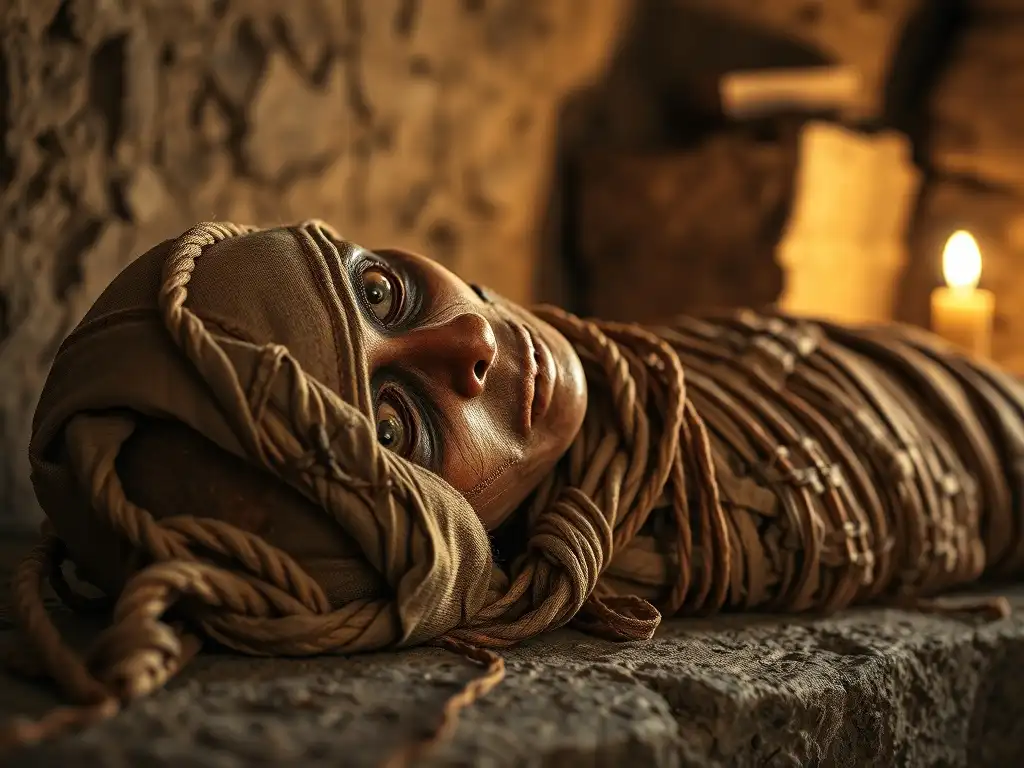
The Andes Mountains, a spine of towering peaks running down the western coast of South America, are not only a geographical marvel but also a cradle of diverse and fascinating pre-Columbian cultures. Long before the Inca Empire rose to prominence, sophisticated mummification techniques were already developed and practiced across the region, reflecting unique beliefs about death, the afterlife, and ancestor veneration. These pre-Inca traditions laid the groundwork for the later, more widely known Inca mummification practices, and offer valuable insights into the Andean worldview and its evolution.
Understanding these earlier Andean mummification techniques is crucial to appreciating the full complexity of the region's mortuary practices and their enduring legacy. The techniques varied significantly between cultures, showcasing a remarkable diversity of approaches to preserving the deceased. Analyzing these differences reveals crucial information about social structures, beliefs, and technological advancements of these ancient societies.
Chinchorro Mummies: The Earliest Examples of Artificial Mummification
The Chinchorro culture, flourishing along the northern coast of modern-day Chile between 7020 and 1500 BCE, holds the distinction of practicing the earliest known form of artificial mummification in the world. Predating even the ancient Egyptians, their mummification techniques demonstrate a remarkable level of sophistication and skill. Unlike later Andean cultures that often relied on natural desiccation in arid climates, the Chinchorro actively intervened in the preservation process, employing a complex series of steps to achieve their goal.
Their meticulous procedures, passed down through generations, resulted in remarkably well-preserved mummies, many of which still retain significant portions of their original organic material. The development of these early Andean mummification techniques showcases the ingenuity of the Chinchorro people and their profound respect for their ancestors.
Techniques Used by the Chinchorro People
The Chinchorro mummification process was a multi-stage procedure that involved several distinct steps. First, the body's internal organs were removed, a practice similar to that employed by later cultures. However, the Chinchorro's technique differed significantly in its meticulousness and the materials used.
They carefully cleaned the body cavity and then began the process of applying a variety of materials, including clay, manganese oxide, and bitumen, to the skin and internal organs. This detailed preparation created a kind of protective shell around the body, preventing further decomposition. For infants, a different process was used, involving the removal of the brain through the nasal cavity and the filling of the body cavity with a mixture of plant materials and clay.
The resulting mummies, despite the variations in technique, represent an impressive feat of early Andean mummification techniques and demonstrate a high level of technical skill and understanding of the human body. These mummies offer invaluable data for understanding early human practices and beliefs.
Mummification Practices of the Paracas Culture
The Paracas culture (800 BCE – 200 CE), located in southern Peru, developed its own unique style of mummification, characterized by complex wrapping techniques and the use of elaborate textiles. Unlike the Chinchorro's focus on preserving the body's physical form, the Paracas emphasized the ceremonial aspects of the burial, creating a visually stunning and symbolically rich experience for the deceased.
The intricate textiles used in the process, often adorned with vibrant colors and intricate designs, highlight the high social status of the individuals being mummified and the importance of ancestor veneration within Paracas society. This advanced approach to Andean mummification techniques reflected not only technological skill but also a deep-seated spiritual belief system.
Paracas Bundle Burials: A Complex Ritual
Paracas mummies are famous for their distinctive "bundle burials." These involved carefully wrapping the mummified remains in multiple layers of fine textiles, creating a large, tightly bound package. These bundles often included not only the body but also a variety of grave goods, such as pottery, textiles, and other valuable items, reflecting the deceased's social standing and providing them with the necessities for their journey to the afterlife.
The meticulous preparation and elaborate wrapping of these bundles underscore the significance attached to death and ancestor veneration within Paracas society. The sheer volume of textiles used in these burials, and the artistry involved in their creation, highlight the importance placed on these rituals and provide significant insights into the cultural and social landscape of the Paracas civilization.
The Paracas’ mastery of Andean mummification techniques, combined with their elaborate burial rituals, offers a compelling glimpse into their complex beliefs and social structures. The intricacy of these practices significantly contributed to the development of later Andean mummification techniques.
Inca Mummification Rituals and Techniques
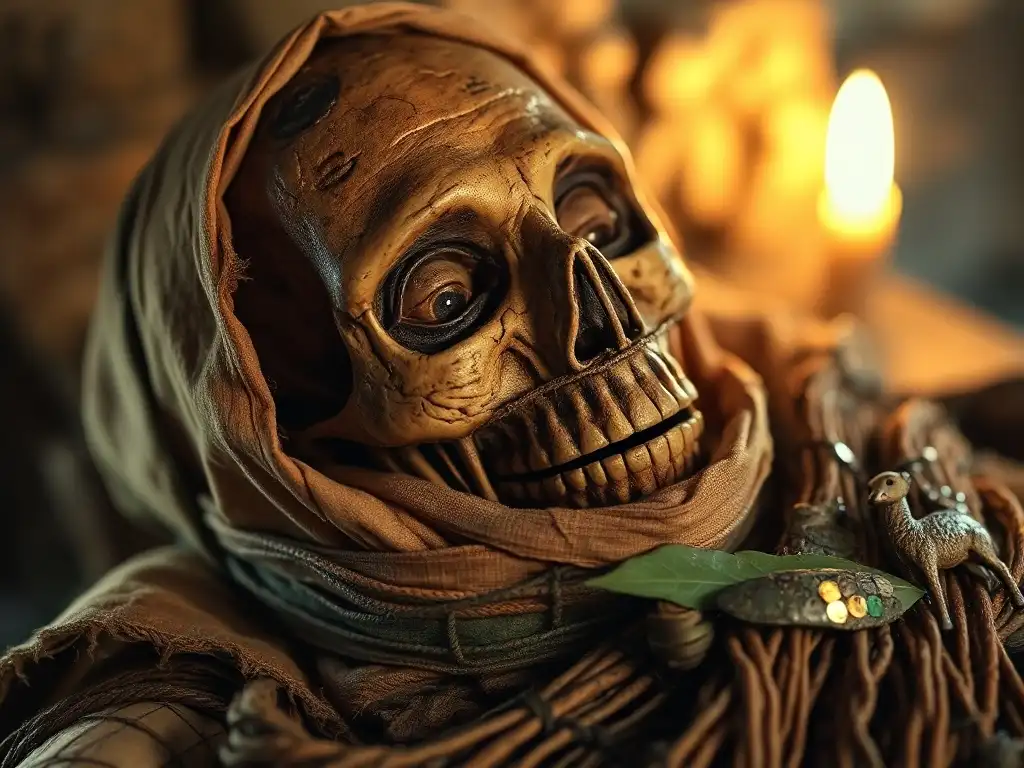
The Inca civilization, renowned for its sophisticated engineering and intricate societal structures, also possessed advanced techniques in mummification. Unlike the purely preservative methods employed by some other cultures, Inca mummification was deeply intertwined with their religious beliefs and social hierarchy, forming a crucial aspect of their ancestor veneration practices. Understanding Andean mummification techniques, particularly those of the Inca, provides invaluable insight into their cosmology and worldview.
The practice wasn't merely about preserving the body; it was about maintaining a connection with the deceased, ensuring their continued presence within the community. This section will delve into the specifics of Inca mummification, highlighting its ritualistic significance and technical intricacies. The sheer scale of mummification efforts underscores the importance placed on the deceased, especially within the royal lineage.
The Importance of Royal Mummies in Inca Society
Royal mummies held a position of unparalleled significance within Inca society. They weren't simply preserved remains; they were considered active participants in the affairs of the living. These mummies were treated with the utmost respect, often adorned in elaborate clothing and jewelry, and consulted for guidance on important matters of state. The preservation of royal lineage was paramount, and the mummification process served to ensure the continued spiritual influence of deceased rulers.
Their presence at ceremonies and important events served as a powerful symbol of continuity and legitimacy for the reigning Inca. The elaborate tombs and accompanying offerings further demonstrate the immense value placed upon these revered ancestors. Evidence suggests that royal mummies were even "paraded" during significant celebrations, showcasing their enduring power and influence. This practice highlights the central role of ancestor veneration in shaping Inca social and political structures.
The Process of Inca Mummification: Step-by-Step
The Inca mummification process was a complex and meticulous procedure, far from a simple embalming technique. It involved a series of steps designed to preserve the body and prepare it for its afterlife role. The entire process, from the initial preparation to the final wrapping, was likely overseen by specialized priests and skilled artisans, reflecting the ritualistic importance placed on the undertaking. The duration of the entire process is not fully known, but it likely took several weeks or even months, depending on the status of the deceased.
Preparation of the Body for Mummification
The first step involved the meticulous removal of internal organs, although the extent of this procedure varied depending on the individual's status. While detailed accounts are scarce, it's believed that evisceration was more comprehensive for royal mummies than for commoners. The body cavity was then cleaned thoroughly and treated with various substances to inhibit decomposition.
This included the removal of blood and other fluids through incisions, followed by a rigorous cleaning and drying process. The body was then positioned carefully, often in a seated or fetal position, reflecting specific beliefs about the afterlife journey. [Specific details on the tools and techniques used in evisceration pending].
The Use of Natural Preservatives in Inca Mummification
The Inca did not rely on exotic or imported ingredients for mummification. Instead, they utilized readily available natural substances, demonstrating a deep understanding of local flora and their preservative properties. These included herbs, plants, and other materials with desiccant qualities. The precise combination of these natural preservatives varied, possibly depending on regional differences or the specific needs of the individual being mummified.
The application of these substances likely involved careful massage and rubbing into the skin and tissues to ensure complete penetration and preservation. The use of these natural preservatives highlights the Inca's ingenuity and ability to utilize their environment effectively. [Specific list of natural preservatives and their application pending].
Wrapping and Bundling Techniques
Once the body was adequately treated with preservatives, the final stage involved the careful wrapping and bundling process. The body was meticulously wrapped in layers of textiles, often fine cotton or wool, sometimes interspersed with herbs and other materials. These wrappings were secured with intricate knots and bindings, creating a tightly bound mummy. The quality and quantity of textiles used varied significantly according to the social status of the deceased.
Royal mummies were often adorned with elaborate clothing and jewelry, further enhancing their status and importance. The final product was a carefully preserved body, ready to continue its existence within the community of the living, an enduring testament to Andean mummification techniques. The intricate wrapping techniques also served a practical purpose, protecting the mummy from damage and the elements. The process was a testament to Inca artistry and reverence for their ancestors.
Regional Variations in Andean Mummification
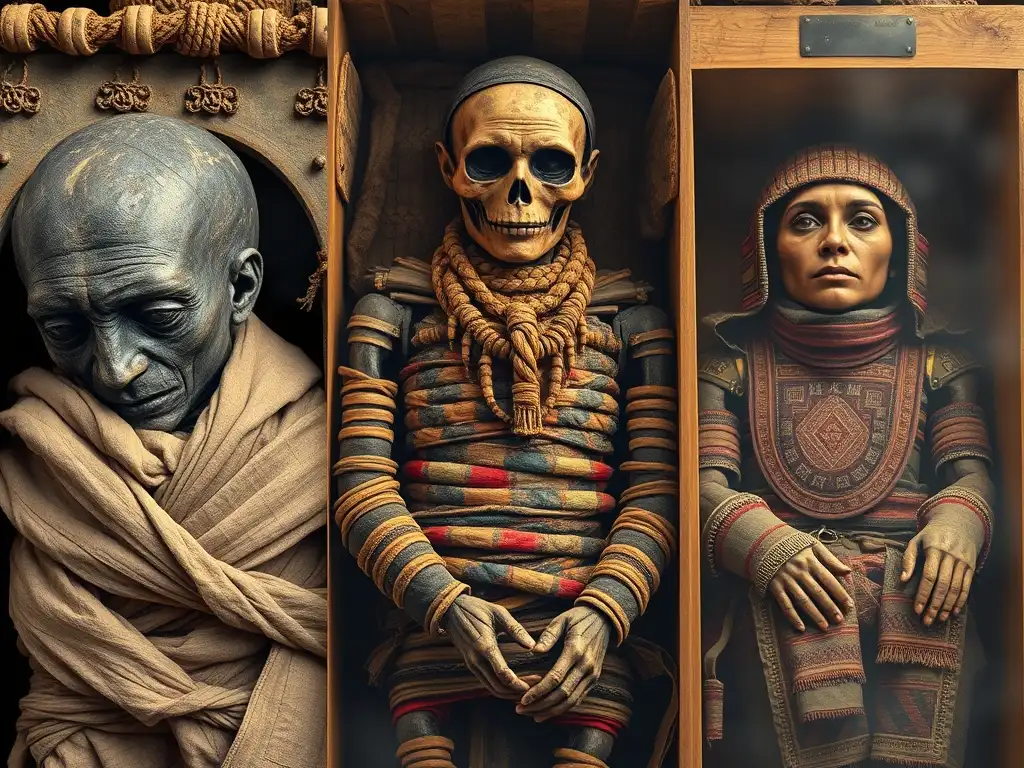
Andean mummification techniques weren't a monolithic practice; rather, they varied significantly across different regions and cultures, reflecting diverse beliefs and environmental conditions. The techniques employed weren't simply about preservation; they were deeply intertwined with the Andean worldview, specifically ancestor veneration and beliefs about the afterlife. Understanding these regional variations offers crucial insight into the complexity of Andean cosmology and the significance placed on the deceased.
The practice wasn't solely about preserving a body; it was about preserving a connection to the past and ensuring the continued well-being of the community. This section will explore some key regional differences in Andean mummification.
Mummification Techniques in the Northern Andes
The northern Andes, encompassing regions like the coastal areas of Peru and parts of Ecuador, saw a range of mummification practices, often influenced by the climate and available resources. While some groups employed elaborate techniques similar to those seen further south, others favored simpler methods. The Moche culture, known for its intricate metalwork and pottery, also demonstrated a sophisticated approach to mummification. Though details are scarce, evidence suggests the use of desiccation, possibly combined with the application of certain plant-based materials. The bodies were often adorned with elaborate textiles and grave goods, reflecting the Moche belief in the afterlife and the importance of maintaining social status even in death.
The process likely varied based on the social standing of the deceased. Elite individuals might have received more extensive treatments, resulting in better preservation, while those of lower social status may have experienced simpler methods, leading to less complete preservation. Further research is needed to fully understand the nuances of Moche mummification techniques and their correlation with social hierarchy. Archaeological findings continue to reveal new information, slowly unraveling the mysteries surrounding these ancient practices. The study of Moche mummification provides a fascinating lens through which to examine the social structures and beliefs of this remarkable civilization. More detailed analysis of organic residues on mummies is needed to fully understand the specific ingredients used in the process.
Mummification Practices in the Southern Andean Region
The southern Andes, particularly in areas encompassing modern-day Peru, Bolivia, and Argentina, are associated with some of the most iconic examples of Andean mummification. The Inca civilization, while relatively late in the Andean timeline, developed highly sophisticated techniques, often involving evisceration, desiccation, and the application of various substances to preserve the body. This process aimed not only at physical preservation but also at maintaining the spiritual essence of the deceased. The Inca mummies, often found in elaborate tombs, provide valuable insights into their social structures, rituals, and beliefs about death and the afterlife. The preservation of these mummies is truly remarkable, allowing researchers to analyze their physical characteristics, diet, and even genetic information centuries later. This information is crucial for understanding the health, lifestyle, and evolution of the Inca population.
Interestingly, the Inca weren't the only culture in the southern Andes to practice mummification. Previous cultures, such as the Tiwanaku, also developed their own methods, though often less elaborate than those of the Inca. Comparing and contrasting these techniques reveals a fascinating evolution of mummification practices, influenced by both cultural transmission and independent innovation. The use of specific plants and materials in the mummification process, along with the burial rituals associated with it, provides a window into the cosmological beliefs and social practices of these ancient societies. The study of these practices underscores the importance of ancestor veneration in Andean cultures and its profound impact on their societies.
Mummies of the Atacama Desert
The Atacama Desert, one of the driest places on Earth, provided a naturally favorable environment for mummification. The extreme aridity acted as a natural preservative, resulting in remarkably well-preserved bodies, some dating back thousands of years. While some mummification involved intentional practices, the desert's harsh conditions often played a significant role in the preservation process. The Chinchorro culture, inhabiting the Atacama coast centuries before the Inca, are known for their early and sophisticated mummification techniques. Unlike later Andean practices, Chinchorro mummification involved removing the internal organs and replacing them with other materials before carefully treating and wrapping the body. This process is considered one of the oldest forms of artificial mummification in the world.
The Chinchorro mummies, often characterized by their distinctive black-painted skin, represent a unique chapter in the history of Andean mummification. Their techniques and beliefs differed significantly from those of later cultures, highlighting the diversity of approaches to death and ancestor veneration across different Andean societies. The extreme aridity of the Atacama Desert not only contributed to the natural preservation of these mummies but also provided a unique environment for studying the long-term effects of desiccation on human remains. The ongoing research on Atacama mummies continues to yield valuable insights into the biology, health, and cultural practices of these ancient populations.
The study of Andean mummification techniques offers a rich tapestry of cultural practices and beliefs. The varying techniques reflect not only the ingenuity of these ancient peoples but also their deep-seated respect for their ancestors and their profound connection to the spiritual world. Further research is crucial to uncover further details of these fascinating practices and to enhance our understanding of Andean civilizations.
The Purpose Behind Andean Mummification
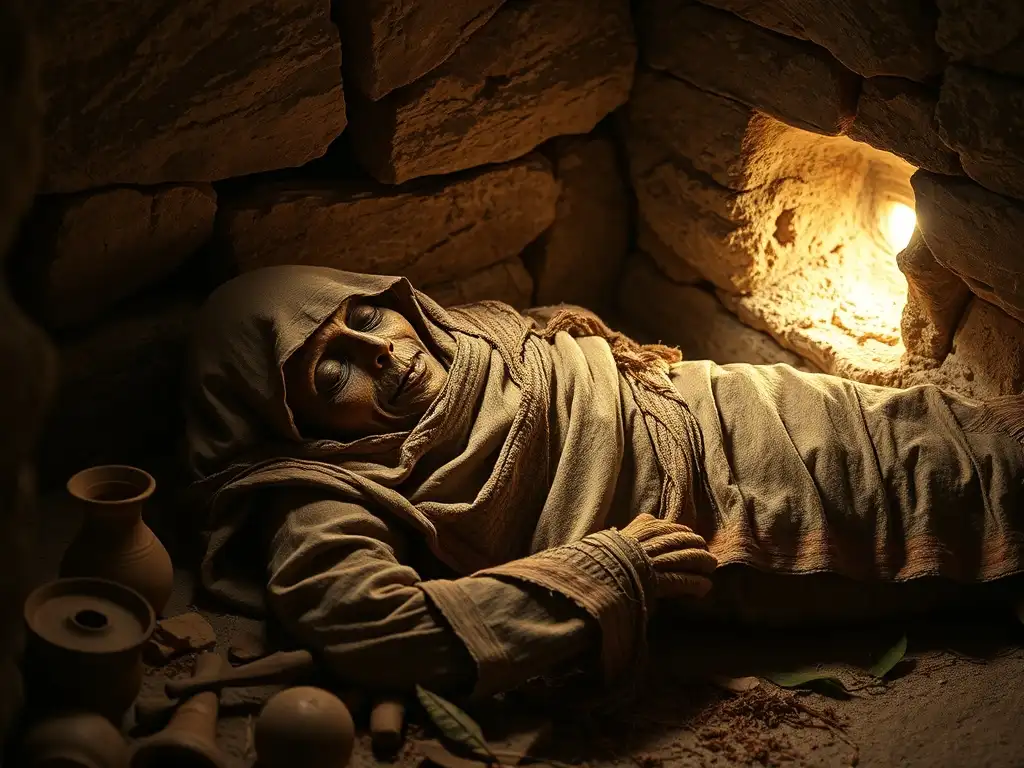
The practice of mummification in the Andes wasn't merely a method of preserving bodies; it was deeply intertwined with the Andean worldview and cosmology, reflecting complex beliefs about death, the afterlife, and the enduring connection between the living and the dead. Understanding Andean mummification techniques requires appreciating the multifaceted reasons behind this intricate process. It wasn't a singular objective, but a convergence of spiritual, social, and political motivations. The preservation of the body served as a conduit to maintain vital links to the past, ensure societal continuity, and solidify power structures within Andean societies.
Maintaining the Connection with Ancestors
The most fundamental reason for Andean mummification was the maintenance of a vibrant connection with ancestors. Andean cultures deeply revered their ancestors, believing that the deceased remained active participants in the community's life, even after death. Mummies were not simply inert remains; they were considered living entities, capable of influencing the fortunes of the living.
Elaborate rituals were performed to honor and communicate with these mummified ancestors, ensuring their continued presence and guidance. These rituals varied across different Andean cultures, but often included offerings of food, drink, and valuable objects placed within the burial sites or directly upon the mummy itself. The act of mummification itself was a way of honoring the deceased and facilitating this continued interaction, ensuring that their knowledge, wisdom, and spiritual power remained accessible to the living.
The survival of the body was intrinsically linked to the survival of the spirit and its influence on the community's well-being. This belief system underscores the significance of Andean mummification techniques beyond mere preservation; it was an act of profound spiritual importance.
Ensuring Continuity and Prosperity
Beyond the spiritual realm, Andean mummification also played a crucial role in ensuring the continuity and prosperity of the community. The ancestors were seen as guarantors of societal stability and agricultural abundance. By preserving their physical forms, Andean communities believed they were maintaining the link to the past that ensured the continued flow of prosperity and good fortune.
The mummies were not merely passive observers; they were active participants in the community's life, their continued presence believed to be essential for the successful continuation of traditional practices and the maintenance of social order. This perspective explains the significant investment of resources and expertise devoted to the mummification process.
The meticulous care taken in preserving the bodies reflects the profound importance attributed to the continued influence of the ancestors on the living. The preservation of the mummy was, therefore, an investment in the future—a safeguard against adversity and a guarantee of continued success.
In many Andean societies, mummies also served as potent symbols of power and authority. The mummification of elite individuals, such as rulers and priests, reinforced their status even after death. Their preserved bodies became focal points of veneration and served as reminders of the lineage and legitimacy of those who inherited their power.
The elaborate tombs and funerary rituals surrounding these mummies were carefully designed to showcase the power and prestige of both the deceased and their descendants. The mummies themselves often adorned with elaborate clothing, jewelry, and other artifacts, further enhancing their status as symbols of power and authority. This aspect of Andean mummification highlights the intricate interplay between religious beliefs, social structures, and political power.
The preservation of the body was not merely a spiritual act; it was also a strategic political maneuver, reinforcing social hierarchies and legitimizing the rule of the elite. The meticulous details of the mummification process itself often reflected the social standing of the deceased, further emphasizing the connection between mummification and power dynamics. The techniques employed, the materials used, and the location of the burial all contributed to the overall message of power and authority conveyed by the mummy.
Preservation and Study of Andean Mummies
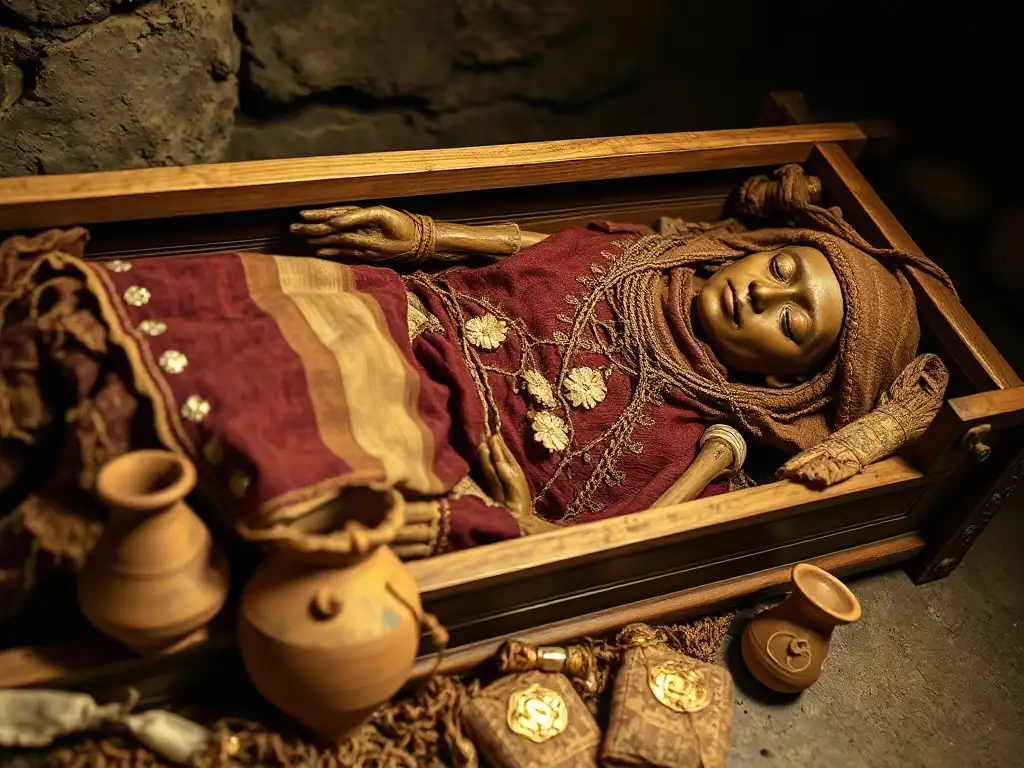
The remarkable preservation of Andean mummies offers a unique window into the past, allowing researchers to glean invaluable insights into the lives, health, and beliefs of ancient Andean societies. The arid climate of the Andes, particularly in regions like the Atacama Desert, played a crucial role in the natural mummification process. However, the intentional mummification techniques employed by various Andean cultures, such as the Chinchorro, Paracas, and Inca, significantly enhanced preservation, resulting in some of the best-preserved mummies in the world.
Understanding these techniques, and the ongoing efforts to preserve and study these fragile artifacts, is essential for appreciating the richness of Andean heritage. The study of Andean mummification techniques is a continually evolving field, with new discoveries and analytical methods constantly refining our understanding.
Archaeological Discoveries and Research
Archaeological discoveries continue to shed light on Andean mummification practices. Excavations at sites like the Paracas Necropolis in Peru have yielded thousands of intricately wrapped mummies, revealing diverse mummification techniques and burial rituals. These discoveries, often accompanied by grave goods such as textiles, ceramics, and jewelry, provide crucial context for understanding the social status and beliefs surrounding death in Andean societies.
For example, the elaborate textiles and adornments found with certain mummies suggest high social standing, while simpler burials might indicate different social classes. Analysis of these artifacts, combined with skeletal and DNA analysis of the mummies themselves, allows researchers to paint a more complete picture of ancient Andean life.
The meticulous record-keeping during excavations is crucial. Detailed notes, photographs, and even 3D scans are used to document the context of each discovery. This meticulous approach ensures that future researchers can access and analyze the data, contributing to a cumulative understanding of Andean mummification.
The careful excavation and preservation of these delicate remains are paramount to protecting this invaluable cultural heritage. Furthermore, the application of advanced imaging techniques, such as X-rays and CT scans, allows non-invasive analysis of the mummies' internal structures, revealing information about their health, diet, and even the causes of death. The integration of these diverse research methods provides a holistic understanding of Andean mummification practices and their cultural significance.
Modern Techniques Used to Study Andean Mummies
Modern scientific techniques have revolutionized the study of Andean mummies. Beyond traditional archaeological methods, researchers now employ advanced technologies to analyze the mummies' physical composition and genetic makeup. For instance, radiocarbon dating provides accurate estimations of the mummies' age, helping to establish chronological sequences and understand the evolution of mummification techniques over time. Stable isotope analysis of bone and hair samples reveals information about diet and geographic mobility, offering insights into the lives of the individuals before their death. Furthermore, DNA analysis can identify familial relationships, trace population movements, and even detect ancient pathogens.
The use of advanced imaging technologies, such as X-ray computed tomography (CT) scans and high-resolution microscopy, allows for non-invasive examination of the internal organs and tissues of the mummies. This is particularly important for fragile remains, minimizing the risk of damage during analysis. These techniques provide detailed information about the mummification process itself, revealing the specific techniques used to preserve the bodies and the materials employed.
This detailed information is then compared across different sites and time periods to understand the evolution of these techniques and their regional variations. The ongoing development of these technologies promises even more detailed insights into the lives and deaths of ancient Andean people.
The Ethical Considerations of Studying Ancient Remains
The study of Andean mummies raises significant ethical considerations. Respect for the deceased and their descendants is paramount. Many Andean communities continue to hold deep spiritual connections to their ancestors, and the study of mummies must be conducted with sensitivity and respect for these beliefs.
Collaboration with indigenous communities is crucial, ensuring that research is conducted in a way that aligns with their cultural values and traditions. This collaboration often involves shared decision-making, ensuring that the community's voices are heard and their perspectives are considered throughout the research process. Open communication and transparency are essential for building trust and ensuring the ethical conduct of research.
Furthermore, the potential for repatriation of mummies and associated artifacts to their communities of origin is an important ethical consideration. This repatriation process not only respects the cultural heritage of the communities but also allows them to manage and interpret their ancestral remains according to their own traditions and beliefs. The ethical handling of Andean mummies demands a careful balance between scientific advancement and the preservation of cultural integrity and respect for the deceased.
This requires ongoing dialogue and collaboration between researchers, museums, and indigenous communities to ensure that the study of these remarkable artifacts is conducted responsibly and ethically, safeguarding their cultural significance for present and future generations. The careful consideration of these ethical dimensions is essential for the responsible study and preservation of Andean mummies.
Andean Mummification: A Legacy of Preserved History
Andean mummification techniques represent a fascinating and complex aspect of ancient Andean cultures. Unlike Egyptian mummification, which focused primarily on preserving the body for the afterlife, Andean practices were far more varied and reflected diverse beliefs and rituals across different cultures and time periods. The methods employed ranged from natural mummification in arid climates to elaborate intentional processes involving evisceration, desiccation, and the application of various substances.
The ultimate goal wasn't always perfect preservation, but rather the creation of a physical representation of the deceased, ready to interact with the living world in the spirit realm. This nuanced approach to mummification highlights the sophisticated understanding of the body and the afterlife held by these ancient societies. The study of Andean mummification provides invaluable insights into their social structures, religious beliefs, and technological capabilities.
Indeed, the sheer variety of techniques employed, from the simple to the astonishingly complex, underscores the rich tapestry of Andean cultures. The discovery of mummies in various states of preservation, from naturally desiccated remains to those meticulously prepared with intricate dressings and offerings, continues to reveal new information about their beliefs and practices.
What We Learn from Andean Mummies
Andean mummies are not simply preserved bodies; they are rich repositories of information. Analysis of their remains reveals a wealth of data concerning diet, health, and social status. Isotopic analysis of bones and hair can reveal details about the deceased's diet, providing evidence of agricultural practices and trade networks. Evidence of disease and trauma found on mummies offers crucial insights into the health challenges faced by ancient Andean populations.
For instance, studies of skeletal remains have revealed the prevalence of certain infectious diseases and nutritional deficiencies. Moreover, the presence of elaborate grave goods, such as textiles, jewelry, and tools, provides clues about social hierarchies and burial rituals. The careful arrangement of these objects alongside the mummy often reflects the deceased's status and role within their community. The detailed analysis of textile fibers, for example, allows researchers to trace the origins of materials and reconstruct ancient trade routes.
Furthermore, the application of advanced imaging techniques, such as X-rays and CT scans, allows non-invasive examination of internal organs and the identification of pathologies without damaging the fragile remains. This non-invasive approach is crucial for preserving these invaluable artifacts for future research. The study of Andean mummies, therefore, offers a multi-faceted understanding of ancient Andean life, extending beyond simple preservation to encompass a broader comprehension of their culture and society.
The Ongoing Importance of Studying Ancient Andean Practices
The study of Andean mummification techniques remains crucial for several reasons. Firstly, it allows us to refine our understanding of the diverse cultural practices across different Andean societies. Each culture developed its own unique techniques, reflecting their specific beliefs and customs. Comparing and contrasting these variations helps us to understand the complexities of Andean cultural diversity.
Secondly, the study of these techniques contributes to the development of advanced preservation methods for archaeological remains. Researchers can learn from the ancient Andean techniques to develop modern methods for preserving fragile artifacts and human remains. This interdisciplinary approach combines ancient knowledge with modern technology, leading to improvements in conservation strategies. Thirdly, the ongoing study of Andean mummies helps to address ethical considerations surrounding the treatment and repatriation of human remains.
Respectful and ethical practices are paramount in handling these sensitive materials and in ensuring the preservation of both the physical remains and their cultural significance. The ongoing research and dialogue surrounding these ethical considerations are essential for the responsible stewardship of these invaluable artifacts. Finally, the study of Andean mummification contributes to broader anthropological and archaeological understanding of death rituals and beliefs across different cultures and time periods. This comparative perspective helps to contextualize Andean practices within a global framework and deepens our appreciation for the diversity of human experience.
The Enduring Legacy of Andean Mummification
The legacy of Andean mummification extends far beyond the physical remains themselves. It represents a powerful testament to the ingenuity, artistry, and spiritual beliefs of ancient Andean cultures. The careful preservation of bodies demonstrates a profound respect for ancestors and a belief in their continued presence in the world of the living. The techniques employed, from natural mummification to elaborate intentional processes, showcase the advanced technological capabilities of these societies.
The enduring interest in Andean mummies reflects a continued fascination with these ancient cultures and their unique worldview. Museums worldwide display these remarkable artifacts, attracting visitors and inspiring new generations of researchers. The ongoing study of Andean mummification continues to yield new insights, challenging existing assumptions and enriching our understanding of these remarkable civilizations.
The preservation of these mummies and their associated artifacts is not merely a matter of historical record-keeping, but rather a responsibility to respect and honor the rich cultural heritage of the Andes. This cultural preservation ensures that the stories and beliefs embedded within these remarkable finds continue to resonate with future generations, perpetuating the legacy of Andean mummification and its significance in the study of Andean cosmology and worldview. The legacy of Andean mummification is a living one, continuously shaping our understanding of the past and influencing our approach to the future.
Frequently Asked Questions
What were the primary goals of Andean mummification?
Andean mummification served various purposes, including preserving the body for the afterlife, honoring ancestors, and maintaining social and familial ties. Ritualistic practices were central to the process.
How did Andean mummification techniques differ from Egyptian methods?
While both cultures aimed at preservation, Andean techniques involved less elaborate internal organ removal. Instead, they focused on desiccation through natural processes and the application of herbal and mineral compounds.
Which Andean cultures practiced mummification?
Mummification was practiced across multiple Andean cultures, notably the Incas, Chinchorro, Paracas, and Moche. Each culture developed its own unique techniques and variations.
What materials were typically used in Andean mummification?
Natural materials were predominantly used, including herbs, plant resins, and minerals like natron. Textiles, and elaborate wrappings were also crucial in the process.
Where can I see examples of Andean mummies and mummification artifacts?
Many museums around the world house collections of Andean mummies and artifacts. The Larco Museum in Lima, Peru, and the American Museum of Natural History in New York are excellent places to start.
Final Reflection: Echoes of Eternity: Andean Mummification's Enduring Legacy
The meticulous techniques of Andean mummification, far from being relics of a distant past, offer a powerful lens through which to examine our enduring fascination with mortality and the preservation of identity. These ancient practices, once shrouded in mystery, now reveal intricate insights into social structures, religious beliefs, and the profound human desire to transcend the limitations of physical existence. The meticulous care taken in preparing these individuals for the afterlife speaks volumes about the value placed on community and the belief in a continued existence beyond death.
The impact of Andean mummification extends far beyond the archaeological record; it continues to shape our understanding of death, ritual, and the human condition. The sheer artistry and technical skill involved in these processes are breathtaking, a testament to the ingenuity and spiritual depth of Andean cultures. The mummies are not simply objects; they are witnesses to a vibrant past, whispering stories of lives lived and beliefs held.
This quote encapsulates the profound emotional resonance these ancient remains hold, reminding us of the shared human experience across millennia and the enduring power of cultural traditions.
Consider the implications of these ancient practices. What does the meticulous preservation of the body tell us about the Andean worldview? How does their approach to death differ from, and yet resonate with, our own contemporary perspectives? You, the reader, are now invited to reflect on these questions and consider how the enduring legacy of Andean mummification might inform your own understanding of life, death, and the enduring human quest for meaning. Let the echoes of eternity resonate within you, inspiring a deeper appreciation for the rich tapestry of human experience.
Unveil the Secrets of Andean Mummification!
Thank you for exploring the fascinating world of Andean mummification with us! You've gained valuable insights into how these ancient civilizations preserved their heritage for posterity. Now, let's deepen your connection to this rich history.
Here are some ways to continue your journey:
- Explore Local Archaeological Sites: Visit museums and cultural centers to see artifacts and exhibits related to Andean civilizations. Witnessing these objects firsthand offers an unparalleled connection to the past.
- Share Your Knowledge: Discuss your newfound understanding of Andean mummification on social media or with others interested in ancient cultures. Use the hashtag #AndeanMummification to connect with a wider community.
- Expand Your Understanding: Consult our recommended reading list on Andean culture and mummification to further enrich your knowledge. Several excellent books and articles delve deeper into this complex subject.
What aspect of Andean mummification most captivated you, and how do you see its influence on modern cultural practices and beliefs?