
Andean Beliefs About the Spirit World: Connecting with the Ancestral Realm

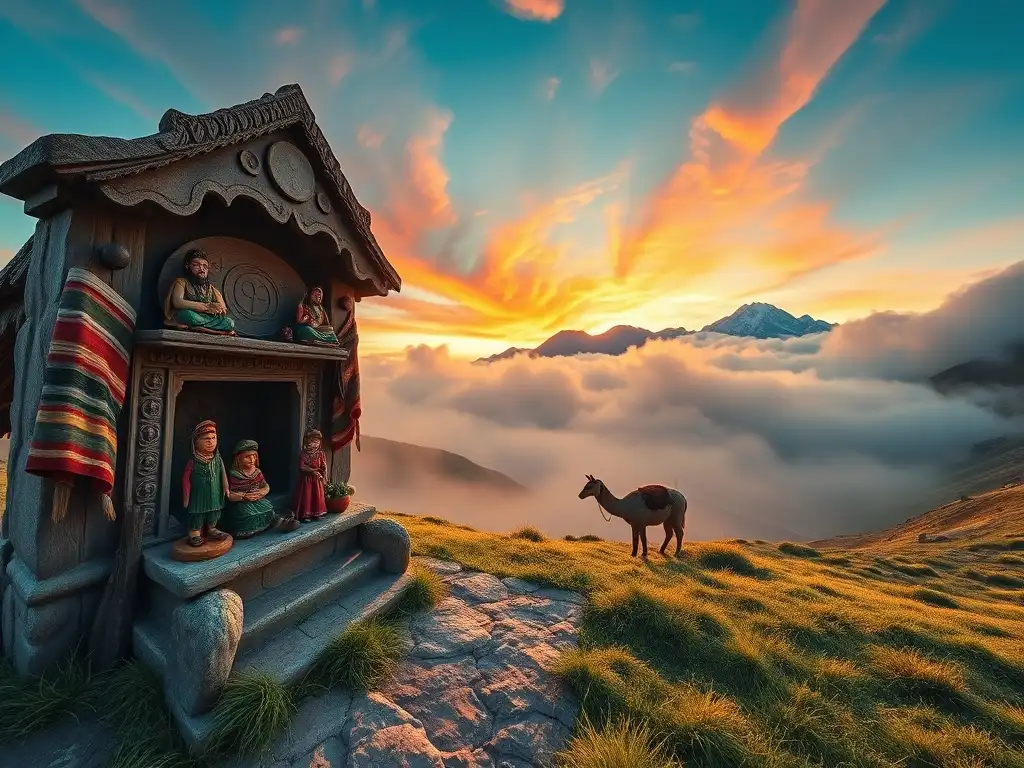
Step into a world shrouded in mystery and wonder. For centuries, the towering peaks of the Andes have held secrets whispered only on the wind – secrets of a vibrant civilization deeply connected to the Andean spirit world. Journey with us as we unravel the intricate tapestry of Andean cosmology and delve into the fascinating beliefs that shaped their lives.
Discover how their understanding of the ancestral realm influenced everything from their art and architecture to their daily rituals. Prepare to be captivated by the power of the Andean spirit world beliefs – a legacy that continues to resonate today.
-
Andean Spirit World Beliefs: Connecting with the Ancestral Realm
- The Significance of Ancestor Veneration in Andean Cultures
- Rituals and Practices for Communicating with the Spirit World
- The Role of Sacred Sites and Landscapes in Andean Spirituality
- The Afterlife in Andean Cosmology: Beliefs About Death and Rebirth
- Modern Expressions of Andean Spirit World Beliefs
- Understanding the Andean Cosmology and the Spirit World
- Key Concepts in Andean Beliefs about the Afterlife
- Practices for Connecting with the Ancestral Realm
- Specific Andean Cultures and Their Spirit World Beliefs
- The Ongoing Relevance of Andean Spirit World Beliefs Today
-
Frequently Asked Questions
- What role did ancestors play in Andean spiritual beliefs?
- How did the Andean people interact with their gods and spirits?
- What were some common features of Andean spirit world beliefs across different cultures?
- What evidence supports our understanding of Andean spirit world beliefs?
- How did Andean beliefs about the spirit world influence their daily lives?
- Final Reflection: Echoes of the Apus: A Legacy of Andean Spirituality
- Unveil Your Connection to the Ancestral Realm!
Andean Spirit World Beliefs: Connecting with the Ancestral Realm
The Andes Mountains, a spine of towering peaks stretching along the western coast of South America, are not merely a geographical feature; they are a vibrant tapestry woven with threads of ancient beliefs, intricate rituals, and a profound connection to the spirit world. For centuries, Andean civilizations—including the Incas, Moche, Nazca, and Tiahuanaco—developed complex cosmologies that deeply intertwined the living and the dead, the earthly and the spiritual.
This article delves into the fascinating world of Andean beliefs about the spirit world, exploring how these cultures interacted with their ancestors and the powerful forces they believed shaped their lives. Understanding these beliefs offers a crucial key to unlocking the rich cultural heritage of the Andes and appreciating the enduring legacy of these remarkable civilizations.
We will examine the diverse ways in which the Andean people sought to communicate with, honor, and appease the spirits of their ancestors, revealing a sophisticated understanding of the afterlife and its profound influence on daily life. This exploration will cover a broad spectrum of practices, from elaborate funerary rituals to the everyday interactions believed to maintain harmony between the living and the spirit world.
The Significance of Ancestor Veneration in Andean Cultures
Ancestor veneration formed the cornerstone of Andean spirituality. The deceased were not simply forgotten; they were considered active participants in the lives of the living, capable of influencing events, offering protection, or even causing misfortune. This belief system fostered a deep respect for the past and a continuous dialogue between generations.
Evidence from archaeological sites reveals elaborate burial practices, with mummies often adorned with precious artifacts and placed in carefully constructed tombs. These weren't simply graves; they were portals to the spirit world, meticulously designed to ensure the continued well-being of the deceased and their continued connection to the community. The meticulous preservation of mummies, often accompanied by offerings of food, drink, and tools, underscores the conviction that the ancestors retained a significant presence in the world of the living.
Many Andean societies believed that the spirits of ancestors could intervene in the affairs of the living, influencing harvests, health, and even political outcomes. This dynamic relationship necessitated continuous acts of respect and appeasement.
Rituals and Practices for Communicating with the Spirit World
Andean cultures employed a range of rituals and practices to communicate with the spirit world. These ranged from simple offerings left at sacred sites to elaborate ceremonies involving shamanistic practices. Shamans, or paqos, played a crucial role as intermediaries, possessing the ability to travel between the worlds and interact with spirits.
They were consulted for healing, divination, and guidance in important decisions. The use of hallucinogenic substances like coca and San Pedro cactus was integral to many rituals, facilitating altered states of consciousness and allowing for direct communication with the spirit world. These ceremonies were often accompanied by music, dance, and offerings, creating a powerful atmosphere conducive to spiritual interaction.
For example, the Incas performed capac hucha, a ritual involving the sacrifice of llamas and other animals to appease the gods and ensure the prosperity of the empire. These practices weren't simply superstitious; they were integral to the social and political fabric of Andean societies.
The Role of Sacred Sites and Landscapes in Andean Spirituality
The Andean landscape itself was imbued with spiritual significance. Mountains, caves, and springs were considered sacred places, often associated with specific deities or ancestral spirits. These locations served as focal points for rituals and offerings, strengthening the connection between the living and the spirit world. Many archaeological sites reveal evidence of elaborate ceremonial structures built at these sacred locations, indicating their importance in maintaining cosmic harmony.
The Inca's reverence for mountains, such as the sacred peaks of the Cordillera Blanca, highlights their belief that these natural features served as doorways to the spirit world and were inhabited by powerful deities and ancestral spirits. The intricate network of pathways and trails connecting these sacred sites facilitated the movement of people, goods, and spirits across the landscape, reinforcing the interconnectedness of the physical and spiritual realms. This deep understanding of the landscape's spiritual significance continues to influence Andean cultures today.
The Afterlife in Andean Cosmology: Beliefs About Death and Rebirth
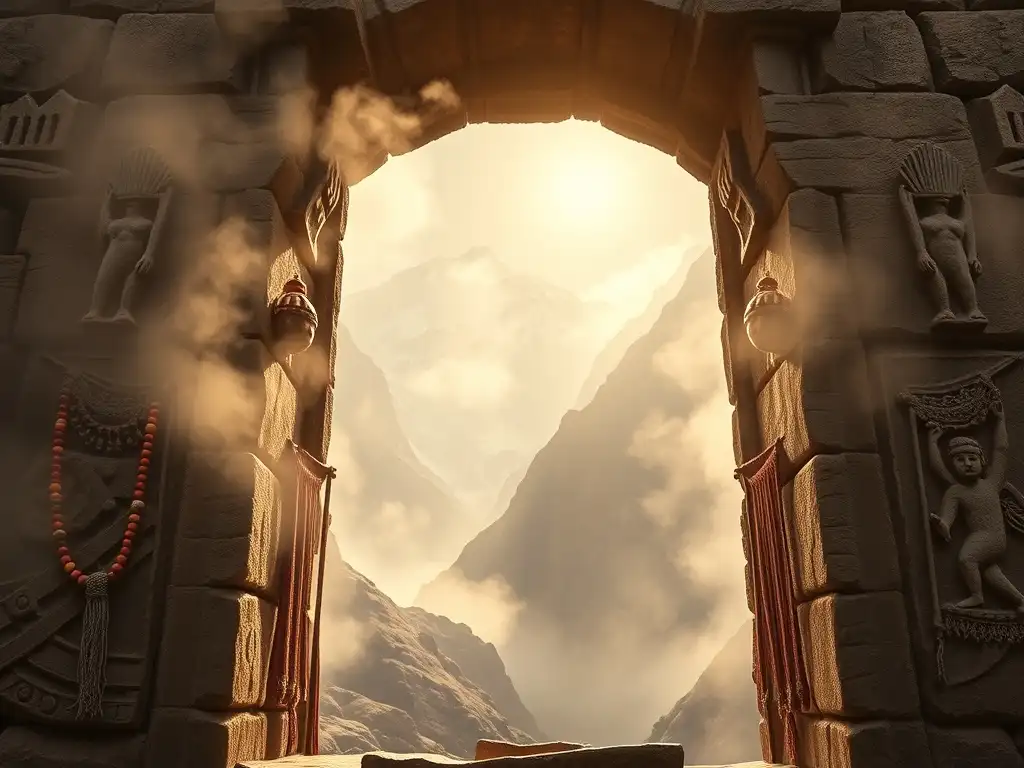
Andean beliefs about the afterlife were complex and varied across different cultures. While specific details differed, a common thread was the belief in a continuity of existence after death. The deceased were not simply extinguished; their spirits continued to exist in a different realm, interacting with the living and influencing the course of events.
The concept of rebirth or reincarnation was also present in some Andean traditions, suggesting a cyclical understanding of life and death. The specific nature of the afterlife varied depending on the individual's social status and actions during their lifetime. For example, the elite often received elaborate funerary treatment, reflecting a belief in a privileged existence in the afterlife.
The careful preservation of mummies and the inclusion of grave goods highlight the belief that the deceased retained a degree of agency and influence even after death. This complex interplay between life, death, and rebirth underscores the dynamic nature of Andean beliefs about the spirit world.
Modern Expressions of Andean Spirit World Beliefs
While many traditional practices have evolved or been adapted, Andean beliefs about the spirit world continue to influence contemporary Andean cultures. Ancestor veneration remains a significant aspect of life for many communities, with rituals and ceremonies adapted to modern contexts. The strong connection to the land and the reverence for sacred sites persist, shaping the relationship between people and their environment.
The enduring legacy of Andean cosmology is evident in the continued practice of traditional healing, the use of sacred plants, and the ongoing importance of community rituals. While modern influences have inevitably shaped these beliefs, the core principles of respect for ancestors, reverence for the sacred landscape, and belief in the powerful forces of the spirit world remain vibrant aspects of Andean identity. The continued presence of these beliefs demonstrates the remarkable resilience and enduring power of Andean spirituality.
Understanding the Andean Cosmology and the Spirit World
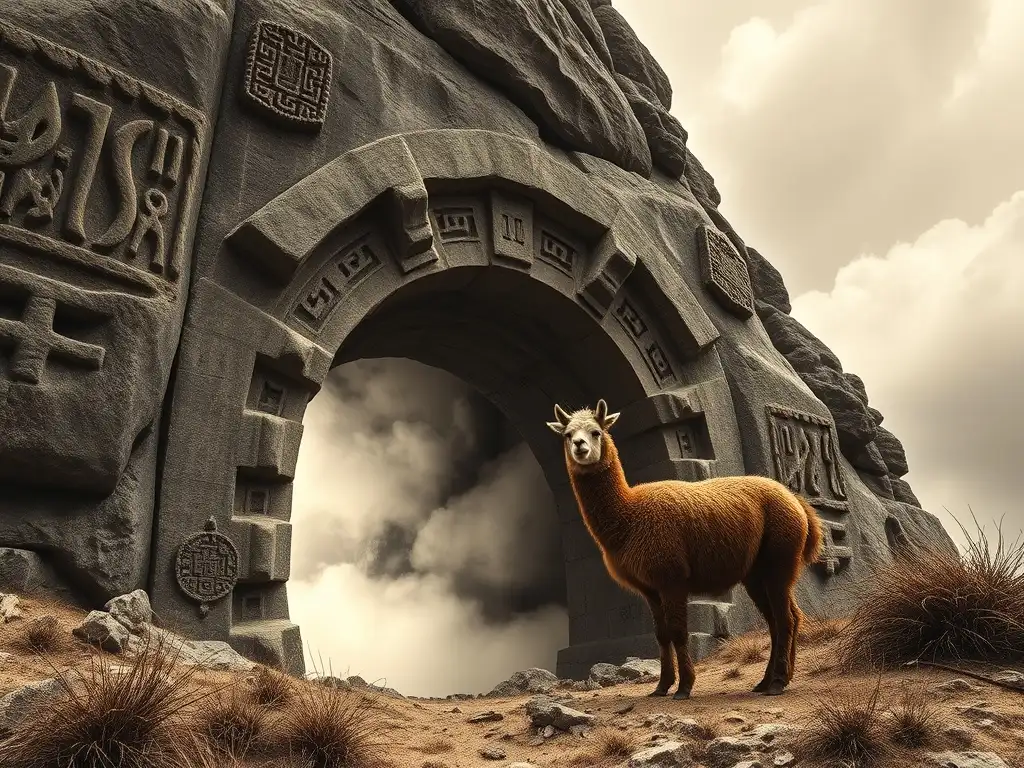
This section delves into the core beliefs of Andean civilizations regarding the spirit world, a crucial aspect of their cosmology and worldview. Understanding their perspective on the afterlife and the interaction between the living and the dead is key to appreciating the rich tapestry of Andean culture. The Andean concept of the spirit world wasn't a singular, isolated realm, but rather an intricate network interwoven with the physical world, impacting daily life and shaping societal structures.
This interconnectedness, profoundly influenced by the Andean landscape, fostered a deep respect for nature and a complex system of ancestor veneration. The beliefs varied slightly across different Andean cultures – Inca, Moche, Nazca, and Tiahuanaco – but shared fundamental principles regarding the continuity of life beyond death and the ongoing influence of ancestral spirits.
The Interconnectedness of Worlds in Andean Thought
Andean cosmology didn't perceive the spirit world as a separate, distant place. Instead, it was viewed as intimately connected to the earthly realm. The concept of Kaypacha (the here and now), Hanan Pacha (the upper world, often associated with the celestial realm and deities), and Ukhu Pacha (the underworld, encompassing the land of the dead and ancestral spirits) highlights this interconnectedness. These three worlds weren't static, isolated entities but rather dynamically interacting spheres.
Spirits could traverse these realms, influencing events in the Kaypacha. For example, successful harvests were often attributed to the benevolent influence of ancestral spirits residing in Ukhu Pacha, while natural disasters might be interpreted as manifestations of displeased spirits. This understanding fostered a profound respect for the environment and a constant awareness of the spiritual forces at play in daily life.
Rituals and offerings played a vital role in maintaining harmony and balance between these interconnected worlds, ensuring the continued well-being of the living and the appeasement of the spirits. This holistic worldview permeated every facet of Andean society, from agriculture and governance to art and architecture. The intricate designs on textiles and ceramics often depict scenes from these different worlds, illustrating their interconnectedness.
The Role of Pachamama and the Spirit Realm
Pachamama, the Earth Mother, played a central role in Andean beliefs, acting as a powerful intermediary between the human world and the spirit world. She wasn't simply a deity but a living, breathing entity, embodying the fertility and life-giving power of the earth. Pachamama was considered the guardian of the Ukhu Pacha, and her favor was essential for the prosperity of the living. Offerings, often consisting of coca leaves, food, and chicha (a fermented corn beverage), were regularly made to Pachamama to ensure her continued benevolence and to appease the ancestral spirits residing within her domain.
These offerings weren't merely symbolic gestures; they were believed to directly nourish the earth and the spirits inhabiting it. The practice of pago a la tierra (payment to the earth) continues to this day in many Andean communities, demonstrating the enduring influence of this ancient belief system. Furthermore, the concept of Pachamama extends beyond the purely physical earth; she represents the interconnectedness of life itself, embodying the cycle of birth, death, and rebirth.
Her role underlines the Andean understanding of the cyclical nature of existence and the ongoing influence of the ancestral realm on the living. The reverence for Pachamama underscores the profound respect Andean cultures held for the natural world and its spiritual dimensions. It highlights the deep connection between the living and the dead, emphasizing the continuous interaction between the physical and spiritual realms in Andean thought.
Key Concepts in Andean Beliefs about the Afterlife
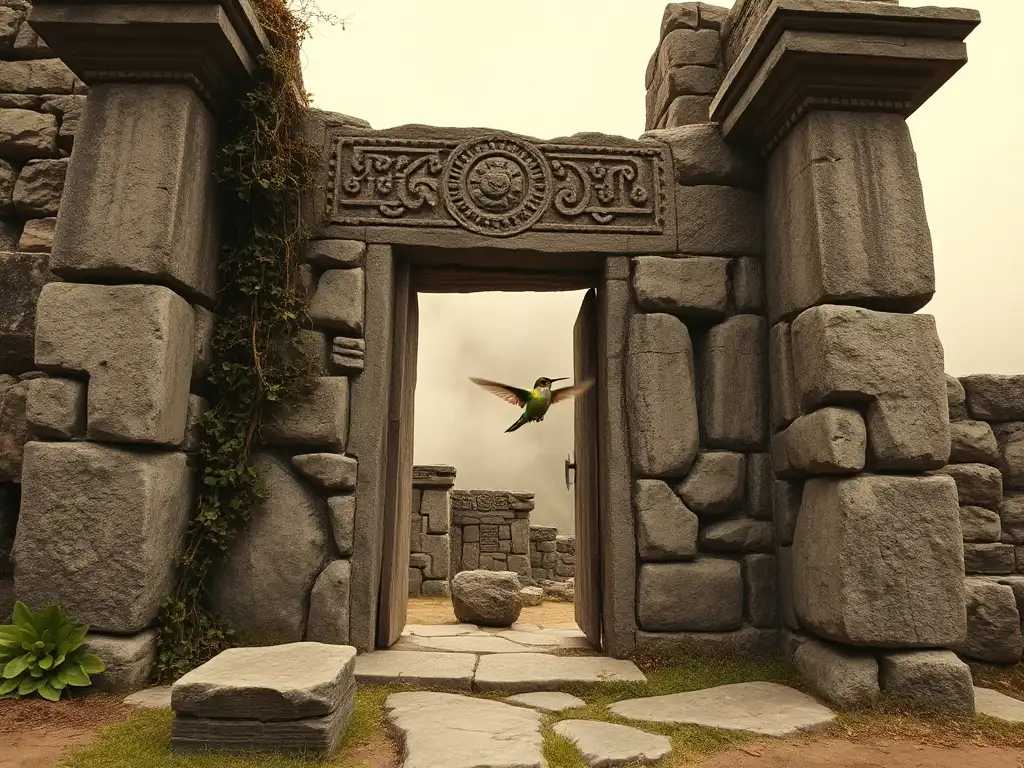
This section delves into the core tenets of Andean beliefs surrounding the afterlife, exploring the intricate relationship between the living and the deceased. Understanding these fundamental concepts is crucial to appreciating the rich tapestry of Andean spiritual practices and their enduring influence on contemporary Andean cultures. We will examine key terms and their significance within the framework of Andean cosmology, providing a detailed exploration of "Andean spirit world beliefs." The Andean worldview wasn't a simple dichotomy of life and death; rather, it was a complex interplay between different realms, with constant interaction and influence between them.
The Concept of Aya: Souls and Spirits in Andean Tradition
The Andean concept of aya encompasses a broad spectrum of spiritual entities, including the soul, spirit, and even the life force itself. It's not a singular, easily defined entity, but rather a multifaceted understanding of what constitutes the essence of being. The aya isn't simply something that departs the body upon death; rather, it's a vital component of a person's existence, intertwined with their physical form and their connection to the wider cosmos.
Different Andean groups held nuanced interpretations of aya. For some, the aya was understood as a double, a subtle body that could leave the physical form during dreams or shamanic trances. This allowed for interaction with other realms and communication with ancestral spirits. For others, the aya was more closely tied to the breath or life force, animating the body and departing at the moment of death.
The aya’s journey after death varied depending on the individual’s life and societal standing. A virtuous life, marked by adherence to community norms and respect for the ancestral lineage, often resulted in a smoother transition to the spirit world. Conversely, a life characterized by transgression could lead to a troubled afterlife, with the aya potentially facing challenges or even remaining earthbound. This concept underscores the importance of community and ancestral respect within Andean cultures.
Mallki: Ancestral Spirits and Their Significance
Mallki refers specifically to the spirits of deceased ancestors. These aren't simply ghosts or specters; they are powerful intermediaries between the living world and the spirit world. They hold significant influence over the lives of their descendants, offering protection, guidance, and even intervention in matters of health, prosperity, and community harmony. The mallki were not passive observers of the living world; they were active participants, their presence felt in daily life and their influence sought through rituals and offerings.
The veneration of mallki forms the cornerstone of Andean ancestor worship. This wasn’t simply a matter of remembering the departed; it involved a deep and ongoing relationship, characterized by continuous communication and reciprocal exchange. Offerings of food, drink, coca leaves, and other items were made regularly to appease and honor the mallki, ensuring their continued benevolence.
This practice highlights the profound respect for ancestors and their enduring importance within Andean society. Understanding the role of the mallki is essential to grasping the deep-seated spiritual significance of ancestor veneration within Andean culture. The strength and influence of mallki varied depending on factors such as their social standing in life and their adherence to societal norms.
The Ukhu Pacha: The Underworld and Its Inhabitants
The Ukhu Pacha represents the underworld in Andean cosmology—a realm not necessarily viewed as a place of punishment, but rather as a significant part of the cosmic order. It's a subterranean world, often associated with darkness, mystery, and the origins of life. It's inhabited by a variety of spiritual beings, including ancestral spirits ( mallki), deities, and other supernatural entities. While the Ukhu Pacha might seem ominous to an outsider, it was an integral part of the Andean worldview, not solely a place of death, but also a source of power and fertility.
The Ukhu Pacha wasn't a static, unchanging realm; it was dynamic and interactive with the other levels of the cosmos. Shamanic practices often involved journeys to the Ukhu Pacha, enabling communication with its inhabitants and the acquisition of knowledge and power. The nature and inhabitants of the Ukhu Pacha varied considerably across different Andean cultures, reflecting diverse regional beliefs and traditions. This highlights the rich tapestry of spiritual beliefs within the Andean region.
Further research is needed to fully document the variations in Ukhu Pacha beliefs across different Andean communities. [Specific information pending on regional variations in Ukhu Pacha beliefs]. However, the consistent theme across these variations is the significance of this realm in Andean cosmology and its continuous interaction with the living world.
Practices for Connecting with the Ancestral Realm
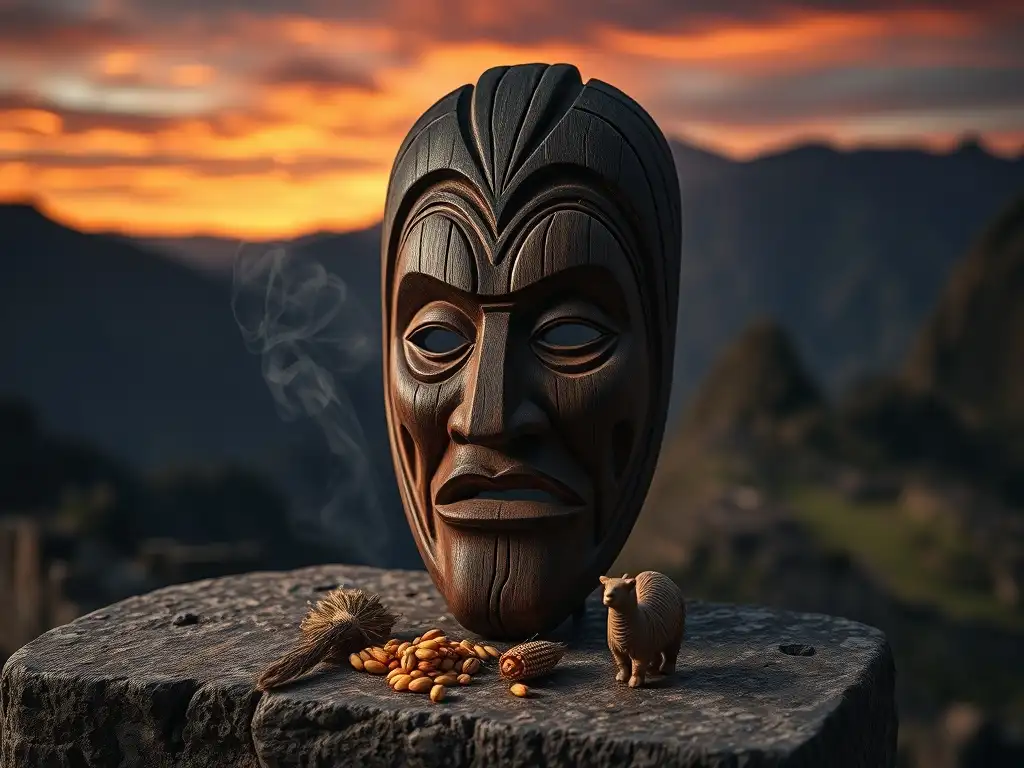
The Andean worldview deeply intertwined the living and the dead, fostering a vibrant belief system centered around ancestor veneration and communication with the spirit world. This wasn't a passive reverence; it was an active engagement, a continuous dialogue maintained through specific rituals, offerings, and shamanic practices. The belief that ancestors remained present and influential in daily life fueled these interactions, shaping social structures and individual experiences alike.
Understanding these practices offers a key to unlocking the complexities of Andean spirituality and its enduring legacy. The concept of ayni, reciprocal exchange, was central—the living provided for the dead, and the ancestors, in turn, offered protection and guidance. This reciprocal relationship shaped the very fabric of Andean society.
Rituals and Ceremonies Honoring the Dead
Rituals surrounding death and ancestor veneration varied across different Andean cultures, reflecting regional diversity and specific traditions. However, some common threads weave through the tapestry of these practices. Funerary rites often involved elaborate preparations of the deceased, sometimes including mummification, which was not solely a preservation technique but also a way to maintain the deceased's presence and connection to the living. The deceased were often adorned with valuable objects, reflecting their status and providing them with necessities for their journey into the afterlife.
The location of burial sites also held significant meaning. Burial in tombs, often located within or near settlements, symbolized the continued presence of the ancestors within the community. These sites weren't simply graves; they were sacred spaces where offerings and ceremonies were performed, reinforcing the bond between the living and the departed. Ancestor veneration wasn't confined to specific times of the year; it was an ongoing process, integrated into the daily lives of Andean communities.
Regular visits to burial sites, accompanied by prayers and offerings, maintained the vital connection. These rituals fostered a sense of continuity and belonging, ensuring that the wisdom and experience of past generations remained accessible. Specific dates, like Yawar Fiesta, incorporated ancestor veneration as part of a larger community celebration, further illustrating the importance of this practice in Andean life.
The Importance of Offerings and Despachos
Offerings played a crucial role in maintaining communication with the ancestral realm. These weren't merely symbolic gestures; they were tangible expressions of respect, gratitude, and the ongoing reciprocal exchange of ayni. Offerings varied widely in type and significance, ranging from simple food and drink to elaborate arrangements of coca leaves, textiles, and precious metals. The act of offering itself was paramount; it was a form of dialogue, a way of communicating needs and requests to the ancestors.
The despacho, a particularly significant type of offering, represents a complex and powerful ritual practice. A despacho is a meticulously arranged collection of symbolic items representing various aspects of life, nature, and the spirit world. Creating a despacho is a meditative and spiritual act, involving careful selection and arrangement of each component.
Once assembled, the despacho is offered to the earth, symbolically releasing its energy and communicating the intentions of the individual or community. Detailed instructions on the construction of a despacho are often passed down through generations of Andean families, highlighting its significance as a core practice. Its meticulous creation underscores the commitment to this communication with the Andean spirit world.
Shamanic Practices for Communicating with Spirits
Shamanic practitioners, often referred to as paqos, played a vital role in facilitating communication with the spirit world. These individuals were believed to possess unique abilities to interact with spirits, access other realms, and interpret the messages of the ancestors. Their practices often involved altered states of consciousness, achieved through various techniques, including the use of hallucinogenic plants like San Pedro cactus. These substances were not recreational drugs but rather tools used to access deeper levels of consciousness and facilitate communication with the spirit world.
The role of the paqo extended beyond simple communication; they acted as intermediaries, healers, and spiritual guides. They interpreted dreams, diagnosed illnesses, and provided guidance on important life decisions. Their knowledge of medicinal plants and healing practices was deeply intertwined with their spiritual abilities, reinforcing the holistic nature of Andean beliefs.
The practice of shamanism remains a vital aspect of Andean culture, demonstrating the enduring influence of these ancient traditions. The skills and knowledge of paqos are carefully passed on through apprenticeship, ensuring the continuity of these crucial practices within Andean communities. The importance of these spiritual healers is undeniable in understanding the complete picture of Andean spirit world beliefs.
Specific Andean Cultures and Their Spirit World Beliefs
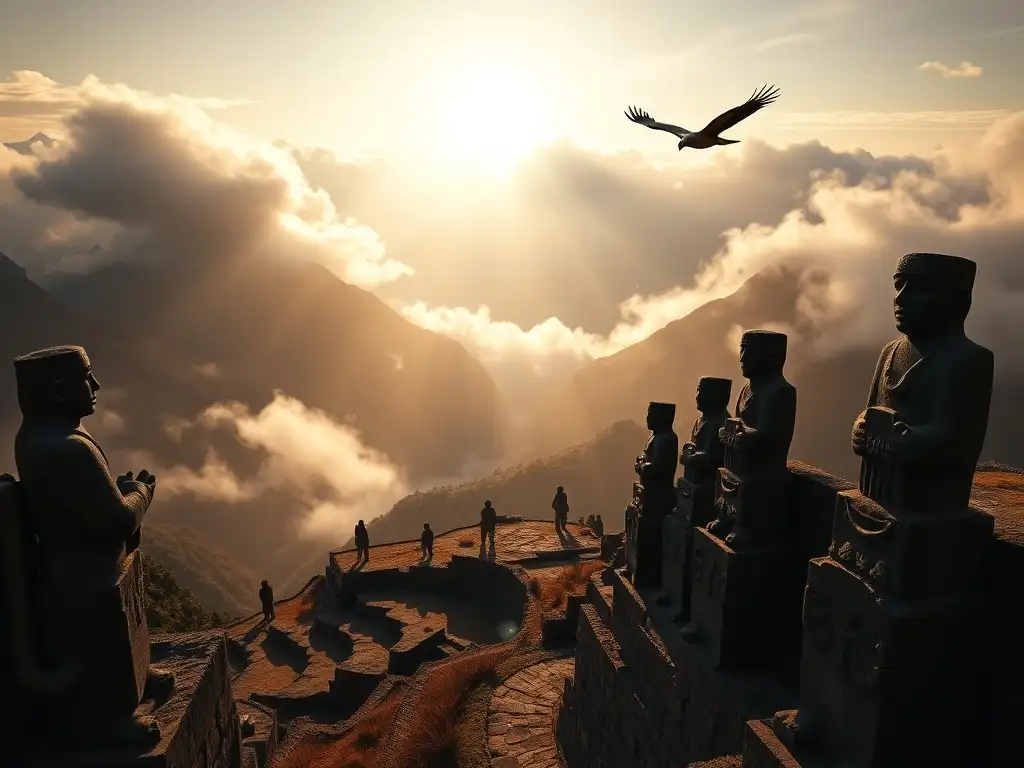
This section delves into the unique perspectives on the spirit world held by several prominent Andean cultures, highlighting the nuances and variations in their beliefs and practices surrounding death and ancestor veneration. Understanding these differences provides a richer appreciation for the complex tapestry of Andean cosmology. The common thread, however, is the profound respect and ongoing connection maintained with the ancestral realm. This enduring relationship shaped social structures, political systems, and daily life in profound ways. Keywords like Andean afterlife beliefs, Andean spiritual practices, and ancestor worship Andean will help illuminate these diverse perspectives.
Inca Beliefs About the Afterlife and Ancestor Veneration
Inca beliefs about the afterlife were intricately woven into their social fabric. The Inca worldview emphasized a hierarchical cosmos, with the hanan pacha (upper world), kay pacha (present world), and ukhu pacha (underworld) interconnected and influencing one another. Death wasn't seen as an end but a transition to the ukhu pacha, where ancestors continued to exert influence over the living.
Ancestor veneration was paramount; mummies of past rulers and important figures were kept in carefully constructed mausoleums, often within or near temples, receiving regular offerings and homage. These weren't mere relics; they were considered active participants in the ongoing life of the community.
The Inca believed that the apus (mountain spirits) acted as intermediaries between the living and the deceased, ensuring communication and maintaining balance. Elaborate ceremonies, including capacocha (human sacrifice), were performed to appease the apus and ensure the favor of the ancestors. While the specifics of capacocha remain debated, its purpose was clearly linked to maintaining cosmic harmony and securing the well-being of the Inca empire through the appeasement of both the gods and the ancestors.
These practices illustrate the profound importance placed upon maintaining a strong connection with the spirit world and honoring those who came before. The Inca's sophisticated system of ancestor veneration underscores the belief in the enduring power of the ancestral realm.
Moche Perspectives on Death and the Spirit World
The Moche civilization, known for its stunning pottery depicting vibrant scenes of life and death, offers a fascinating glimpse into their understanding of the afterlife. Unlike the Inca's emphasis on a hierarchical cosmos, Moche beliefs appear more focused on individual journeys into the spirit world. Their elaborate burial practices, including richly adorned tombs containing intricate grave goods and often human sacrifices, suggest a belief in a complex afterlife where the deceased continued to exist in some form.
Moche iconography frequently depicts shamans interacting with supernatural beings, suggesting a belief in spirit guides or intermediaries facilitating the transition to the afterlife. The powerful imagery found on Moche pottery provides visual clues to their understanding of death and the spiritual world, although the absence of extensive written records leaves much to interpretation.
Analysis of burial sites and artifacts continues to reveal new insights into the Moche's sophisticated beliefs about death and the spirit world. Further research is needed to fully understand the nuances of their beliefs, particularly regarding the specific nature of the afterlife and the roles of different supernatural beings.
Nazca Rituals and Their Connection to the Ancestral Realm
The Nazca culture is renowned for its enigmatic geoglyphs etched into the desert landscape. However, their sophisticated understanding of the spirit world is also evident in their elaborate burial practices and ritual offerings. While less hierarchical than the Inca worldview, Nazca beliefs seem to have involved a strong connection to the ancestral realm, manifested in elaborate funerary rituals and the careful preservation of the deceased.
Evidence suggests that the Nazca believed in the continuing existence of the deceased in a spiritual realm. Their elaborate tombs, often containing significant grave goods, indicate a belief that the deceased required sustenance and possessions in the afterlife. The presence of offerings, including food, textiles, and other artifacts, further supports the notion that the Nazca maintained active contact with their ancestors through ritual practices.
The famous Nazca Lines themselves may have played a role in these rituals, possibly acting as pathways or communication channels to the spirit world, although this remains a subject of ongoing debate and research. The Nazca’s unique approach to ancestor veneration showcases the diverse expressions of Andean spiritual beliefs.
Tiahuanaco's View of the Spirit World and its Influence
Tiahuanaco, a pre-Inca civilization flourishing in the Altiplano region of the Andes from approximately 500 CE to 1000 CE, possessed a complex and sophisticated worldview deeply intertwined with its understanding of the spirit world. Their beliefs, reflected in their monumental architecture and intricate iconography, suggest a profound reverence for both ancestral spirits and powerful deities inhabiting the supernatural realm. Unlike some other Andean cultures that emphasized a more direct lineage-based ancestor veneration, Tiahuanaco's spiritual landscape appears to have encompassed a broader pantheon of supernatural entities, interacting with the living world in various ways.
The iconic Gate of the Sun, a meticulously carved monolithic gateway, offers a glimpse into Tiahuanaco's cosmology. The central figure, often interpreted as a deity or a powerful ancestral being, is surrounded by smaller figures representing various celestial bodies and possibly other supernatural entities. This intricate design suggests a sophisticated understanding of the universe's structure and the interconnectedness between the earthly and spiritual realms.
The meticulous craftsmanship and the sheer scale of the Gate of the Sun underscore the importance placed on these spiritual beliefs within Tiahuanaco society. The immense effort invested in its creation speaks volumes about the centrality of the spirit world in their daily lives and rituals.
Furthermore, the numerous smaller sculptures and artifacts unearthed at Tiahuanaco sites reveal further details about their spiritual beliefs. These artifacts often depict figures with stylized features, possibly representing specific deities or spirits associated with different aspects of life, such as agriculture, fertility, or warfare. The recurring motifs found across various artifacts suggest a shared understanding of the spirit world across different social strata within Tiahuanaco society, highlighting the pervasive influence of these beliefs on their culture.
Scholars continue to debate the precise meaning of these representations, but their presence undeniably points to a rich and complex spiritual landscape. The careful preservation and ritualistic treatment of these artifacts further emphasizes the deep-seated importance of the spiritual realm in their daily lives.
The placement of these objects within specific contexts within the archaeological record offers additional clues to understanding the interplay between the living and the dead. Analysis of the chemical composition of pigments used in the artifacts might even reveal further information about their ritualistic use and the significance ascribed to particular colors and materials in their spiritual practices.
The influence of Tiahuanaco's spiritual beliefs extended beyond its geographical boundaries. The stylistic elements and iconographic motifs found in Tiahuanaco art have been identified in later Andean cultures, suggesting a lasting impact on the spiritual landscape of the region. This cultural diffusion indicates the enduring power of Tiahuanaco's cosmological ideas and their influence on subsequent civilizations' understandings of the Andean spirit world.
The adoption and adaptation of Tiahuanaco's spiritual imagery by later cultures highlight the enduring legacy of their beliefs and the importance of understanding their cosmological system in the broader context of Andean spiritual history. Further research into the spread of Tiahuanaco iconography and its integration into the religious practices of subsequent cultures is crucial for a complete understanding of the Andean spirit world’s evolution.
The Ongoing Relevance of Andean Spirit World Beliefs Today
The Andean worldview, deeply intertwined with the spirit world, continues to resonate powerfully in contemporary Andean communities. While globalization and modernization have undeniably impacted traditional practices, the core beliefs about the interconnectedness of the living and the dead persist. This enduring connection isn't merely a historical curiosity; it's a living, breathing aspect of Andean identity and social structure. Understanding this enduring relevance requires acknowledging the multifaceted ways these beliefs influence daily life, from agricultural practices to social organization and personal spirituality.
The strength of these beliefs is a testament to their adaptability and their deep-seated significance in the cultural fabric of the Andes. For many, ancestral spirits are not simply figures from the past, but active participants in the present, offering guidance, protection, and a sense of continuity across generations. The enduring power of “Andean spirit world beliefs” is undeniable.
Preserving Traditional Knowledge of the Spirit Realm
The transmission of knowledge concerning the Andean spirit world is a crucial element in maintaining cultural continuity. This knowledge is not confined to formal religious institutions but is instead passed down through oral traditions, storytelling, and practical demonstrations within families and communities. Elderly members often play a pivotal role, acting as custodians of ancient rituals and beliefs.
However, the challenges of modernization, including migration to urban centers and the influence of external religious systems, pose a significant threat to the preservation of this invaluable heritage. Efforts to document and archive these traditions are underway, but the most effective approach remains the active engagement of younger generations in learning and practicing these ancient ways.
This intergenerational transmission is vital, ensuring the survival and vitality of Andean spirit world beliefs for future generations. The ongoing documentation of these beliefs and practices, through both academic research and community-based initiatives, is critical to preserving this rich cultural heritage for the benefit of all.
Modern Adaptations of Andean Ancestral Practices
While core beliefs remain consistent, the expression of Andean ancestral practices has adapted to modern circumstances. For example, the traditional ceremonies honoring ancestors, once primarily performed in rural settings, are now sometimes adapted for urban contexts. This adaptation doesn't signify a dilution of belief but rather a demonstration of the flexibility and resilience of the Andean worldview. The incorporation of modern technologies, such as social media, is also observed in some communities, facilitating communication and the sharing of knowledge related to ancestral practices amongst dispersed populations.
However, this integration necessitates careful consideration to avoid misrepresentation or trivialization of deeply sacred traditions. The challenge lies in balancing the preservation of authenticity with the need for adaptation to ensure the continuation of these beliefs within a changing world. This careful navigation reflects the ongoing dynamism of Andean culture and its capacity for innovation while maintaining its core values.
The Importance of Respect for the Andean Spirit World
Respect for the Andean spirit world is paramount. This reverence manifests in various ways, including the careful tending of ancestral sites, the observance of traditional rituals, and the maintenance of harmonious relationships within the community. A lack of respect is believed to invite misfortune or imbalance in the natural world.
This underlying principle underscores the profound interconnectedness that Andean people perceive between the physical and spiritual realms. The concept of ayni, reciprocal exchange, is central to this worldview. It emphasizes the importance of maintaining balance and harmony not only between humans but also between the living and the dead, and between humanity and the natural world.
Understanding this principle is crucial to appreciating the depth and complexity of Andean spirit world beliefs and the importance of respecting the delicate equilibrium that sustains their cosmology. The ethical implications of this deeply-rooted belief system are far-reaching and deserve careful consideration by anyone engaging with Andean culture.
Frequently Asked Questions
What role did ancestors play in Andean spiritual beliefs?
Ancestor veneration was central to Andean spirituality. They believed that ancestors acted as intermediaries between the living and the spirit world, influencing daily life and providing guidance. Their spirits were believed to remain active and involved in the community.
How did the Andean people interact with their gods and spirits?
Andeans interacted with their gods and spirits through various rituals, including offerings of food, drink, and precious objects. They also used ceremonial objects and sought guidance from shamans and other spiritual leaders. Pilgrimages to sacred sites were also common.
What were some common features of Andean spirit world beliefs across different cultures?
Despite cultural variations, common threads included a belief in a multilayered cosmos, with both earthly and supernatural realms. Many cultures shared beliefs in powerful deities associated with nature and powerful spirits inhabiting the landscape. Ancestor veneration was a near-universal practice.
What evidence supports our understanding of Andean spirit world beliefs?
Archaeological evidence, such as mummies, grave goods, and religious iconography, provides crucial insight. Ethnohistorical accounts from Spanish chronicles and later indigenous accounts also offer valuable perspectives, though they must be interpreted carefully.
How did Andean beliefs about the spirit world influence their daily lives?
Andean spiritual beliefs profoundly impacted daily life, influencing everything from agriculture and political organization to art and social structures. Decisions were often made in consultation with the spirit world, seeking auspicious moments and avoiding negative influences.
Final Reflection: Echoes of the Apus: A Legacy of Andean Spirituality
The enduring connection to the Andean spirit world isn't just a historical curiosity; it's a vibrant, living tapestry woven into the fabric of contemporary Andean life. Understanding these beliefs offers a crucial lens through which to view not only the past, but also the ongoing struggles and triumphs of Andean communities facing modernization and globalization.
The profound respect for Pachamama and the Apus, the mountains considered sacred entities, continues to shape social structures, environmental practices, and artistic expressions. These beliefs aren't simply relics of the past; they are actively shaping the present, influencing everything from agricultural practices to political activism. The mountains are not just rocks; they are the ancestors, the guardians of our history and our future.
– (This quote should be replaced with an actual quote from a relevant source). This sentiment underscores the enduring power of these spiritual traditions to provide both a sense of identity and a framework for navigating the complexities of the modern world.
Consider the impact of these beliefs on your own worldview. How do your own spiritual or cultural traditions connect you to your past and shape your future? Take a moment to reflect on the interconnectedness of all things, a core tenet of Andean spirituality. By understanding and appreciating the richness of Andean beliefs about the spirit world, we can foster a deeper understanding of ourselves and the world around us, promoting respect for diverse cultures and a more sustainable future for all.
Unveil Your Connection to the Ancestral Realm!
Thank you for exploring the rich tapestry of Andean beliefs with us! Your journey into the spirit world has uncovered profound insights into our ancestors' connection to nature and humanity. Now, let's deepen that understanding and connect meaningfully with the spirit realm.
**What's next? **
- **Engage in a Ritual:** A simple offering of coca leaves or flowers to honor your ancestors can be a powerful way to connect with them in your own space.
- **Join a Community:** Seek out workshops or gatherings celebrating Andean traditions. Connecting with others who share your interest will enrich your experience.
- **Share Your Discoveries:** Reflect on your learning and share your insights with friends or online. Let's continue this important conversation!
How will connecting with ancestral spirits enrich your life?