
Exploring Andean Notions of Reincarnation: The Continuity of Life

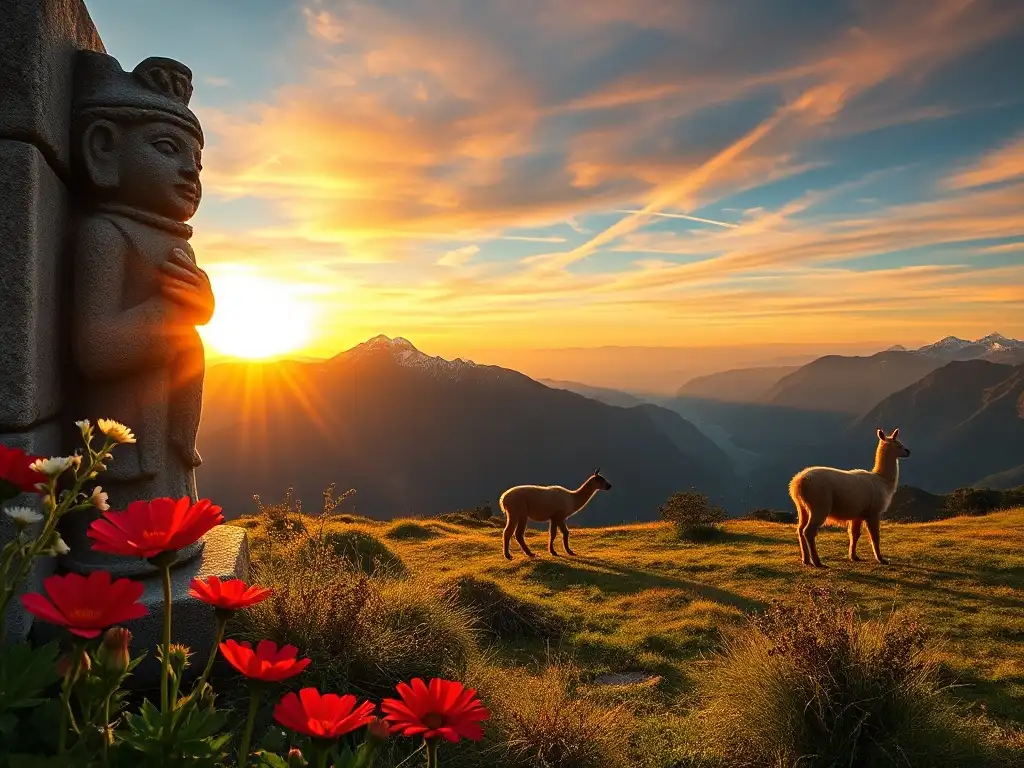
Step into a world lost to time, yet echoing with vibrant life. Journey with us to the heart of the Andes, where towering mountains held secrets whispered across millennia. Forget everything you think you know about life and death – Andean reincarnation beliefs challenge our modern understanding of existence, unveiling a profound connection between the physical and spiritual realms. Prepare to be amazed as we unravel the intricate tapestry of Andean cosmology and discover how these ancient cultures viewed the continuous cycle of life and rebirth. Dare to explore...
- Andean Reincarnation Beliefs: Exploring the Continuity of Life in Ancient Cultures
- The Concept of Rebirth in Andean Worldview
- Key Principles of Andean Reincarnation Beliefs
- Manifestations of Reincarnation in Andean Culture
- Specific Examples of Andean Reincarnation Beliefs
- The Persistence of Andean Reincarnation Beliefs in Modern Times
- Contrasting Andean Reincarnation with Other Belief Systems
- Conclusion: The Enduring Legacy of Andean Reincarnation Beliefs
-
Frequently Asked Questions
- What were the Andean civilizations' main beliefs about the afterlife?
- Did the Andean people believe in reincarnation in the literal sense?
- How did Andean reincarnation beliefs influence their daily lives?
- What role did ancestor veneration play in Andean reincarnation beliefs?
- How did different Andean cultures view reincarnation or the afterlife?
- Final Reflection: Echoes of the Andes: A Legacy of Rebirth
- **Embrace the Journey of Rebirth! **
Andean Reincarnation Beliefs: Exploring the Continuity of Life in Ancient Cultures
The Andes Mountains, a spine of towering peaks running down the western edge of South America, are not just a geographical feature; they are the very foundation of a rich tapestry of ancient cultures and beliefs. For millennia, civilizations such as the Inca, Moche, Nazca, and Tiahuanaco thrived in this challenging landscape, developing complex societal structures, breathtaking artistry, and profound spiritual systems. Central to understanding the Andean worldview is their complex relationship with death and the afterlife, profoundly shaped by beliefs surrounding reincarnation and the cyclical nature of existence.
This article delves into the fascinating world of Andean reincarnation beliefs, exploring how these cultures perceived the continuity of life beyond the physical realm and the enduring importance of ancestor veneration. We will examine evidence from archaeological findings, anthropological studies, and surviving oral traditions to paint a picture of these intricate spiritual systems, revealing how they shaped Andean societies and their enduring legacy.
Understanding Andean reincarnation beliefs provides crucial insight into the core values, social structures, and cosmological perspectives of these remarkable civilizations, illuminating the deep connection between the living and the dead. This exploration will focus on the nuances of Andean beliefs, moving beyond simplistic interpretations and acknowledging the diversity of practices across different cultures and time periods.
Introduction to Andean Cosmology and the Cycle of Existence
Andean cosmology wasn't a static entity; rather, it was a dynamic interplay of beliefs and practices that varied across different regions and time periods. However, several core concepts consistently emerge. The Andean worldview was deeply rooted in a cyclical understanding of time, viewing life, death, and rebirth as interconnected parts of a continuous process. This cyclical perspective is often represented symbolically through agricultural cycles, the movement of celestial bodies, and the regeneration of the natural world.
Death, therefore, wasn't seen as an absolute end but as a transition, a stage in a larger, ongoing cycle. The concept of pacha, often translated as "world" or "cosmos," encompassed all aspects of existence—the physical world, the spiritual realm, and the interconnectedness between them. Within this pacha, ancestors played a vital role, considered powerful intermediaries between the living and the spiritual world.
Their continued presence and influence were acknowledged through elaborate rituals and offerings, reflecting the belief in their ongoing participation in the cyclical process of life and death. The precise mechanisms of reincarnation varied, with some suggesting a direct rebirth into a new physical form, while others emphasized the continuation of the spirit's essence within the community or the natural world. Further research into specific Andean cultures will reveal greater detail on their unique interpretations of this fundamental belief.
The following sections will explore specific Andean cultures and their unique expressions of reincarnation beliefs, providing a richer and more nuanced understanding of this vital aspect of their worldview. We will examine archaeological evidence, analyze ritual practices, and interpret surviving narratives to piece together the complex tapestry of Andean beliefs concerning the continuity of life.
This journey will reveal the profound impact of these beliefs on Andean social structures, artistic expressions, and the enduring connection between the living and their ancestors. The exploration of "Andean reincarnation beliefs" will unveil not only the spiritual depth of these cultures but also their remarkable resilience and adaptability in the face of environmental challenges and societal changes.
The Concept of Rebirth in Andean Worldview
The Andean concept of rebirth wasn't a straightforward linear progression like some Western notions of reincarnation. Instead, it was deeply interwoven with ancestor veneration and a cyclical understanding of time and the cosmos. Death wasn't an ending, but a transformation, a passage into another state of existence that remained connected to the living world.
This intricate belief system, encompassing diverse Andean cultures like the Inca, Moche, Nazca, and Tiahuanaco, shaped their social structures, rituals, and artistic expressions. Understanding Andean reincarnation beliefs requires appreciating their holistic worldview, where the physical and spiritual realms were inextricably linked. The very landscape—the mountains, rivers, and fertile valleys—were imbued with spiritual significance, acting as conduits between the living and the deceased.
Understanding the Andean Perspective on Death and the Afterlife
Andean cultures didn't perceive death as a complete severance from life. Instead, they viewed it as a transition, a journey to the ukhu pacha (the underworld), a realm not necessarily seen as inherently negative or punitive. The deceased weren't simply gone; they continued to exist in a different form, maintaining a powerful influence on the living.
This belief is powerfully illustrated in the elaborate funerary practices common across various Andean cultures. Mummies, often adorned with exquisite textiles and jewelry, were not simply buried; they were carefully prepared and placed in tombs, reflecting the continued importance and agency of the deceased in the community. Evidence suggests that offerings and communication with the ancestors were integral parts of daily life.
The deceased remained members of the community, albeit in a transformed state, actively participating in the life of the living through their influence and guidance. Furthermore, the ukhu pacha wasn't isolated; it was connected to the kay pacha (the earthly world) and the hanan pacha (the upper world), demonstrating a complex, interconnected cosmology.
The specific details of the afterlife varied between cultures and even within individual communities. However, a common thread running through these diverse beliefs was the continuity of life, the cyclical nature of existence, and the persistent connection between the living and the dead. Archaeological findings, such as intricate burial sites and the presence of offerings in tombs, provide compelling evidence for the significance of ancestor veneration and the belief in a continued existence beyond death. This understanding of death profoundly shaped Andean social structures and daily life.
The Role of Ancestors in the Cycle of Life and Rebirth
Ancestor veneration was central to Andean reincarnation beliefs. Ancestors weren't just remembered; they were actively involved in the lives of their descendants. They were considered powerful intermediaries between the living and the supernatural world, capable of influencing harvests, providing protection, and offering guidance.
This is exemplified by the capacocha rituals practiced by the Inca, where chosen individuals were sacrificed and sent to the gods, effectively ensuring a continued relationship with the divine realm and strengthening the bond between the living and their ancestors. The Inca believed that through these sacrifices, the ancestors would continue to exert their influence and ensure the prosperity of the empire.
The cyclical nature of Andean cosmology is reflected in the importance given to ancestors. Death was not seen as an absolute end, but as a transition to a different state of existence, a continuation of the life cycle. This cycle of life, death, and rebirth was seen as a continuous process, with ancestors playing a crucial role in guiding and supporting their descendants. The continuous interaction between the living and the dead is clearly demonstrated through various rituals, offerings, and the preservation of ancestral remains.
The concept of ayni, reciprocal exchange, was also a key element in understanding the role of ancestors. The living provided offerings and respect to their ancestors, while the ancestors, in turn, provided protection, guidance, and support. This reciprocal relationship ensured the continuity of life and the well-being of the community.
The concept of Andean reincarnation beliefs is thus intrinsically tied to the interconnectedness of the living and the dead, emphasizing the ongoing influence of ancestors in shaping the lives and destinies of future generations. This dynamic interplay underscores the rich tapestry of Andean spirituality and its profound impact on their society.
Key Principles of Andean Reincarnation Beliefs
Andean reincarnation beliefs, central to understanding Andean cosmology, weren't a simple cycle of death and rebirth as conceived in other cultures. Instead, they reflected a profound interconnectedness between the living, the dead, and the natural world. The concept of life wasn't viewed as linear but rather as a continuous flow within the Pacha, a holistic worldview encompassing time, space, and the spiritual realm. Understanding Andean notions of reincarnation requires grasping these fundamental principles, which shaped their rituals, social structures, and daily lives.
The belief system wasn't codified in a single text, but rather gleaned from archaeological findings, ethnographic studies, and surviving oral traditions. This makes a complete understanding a nuanced and ongoing process of scholarly interpretation. The keyword "Andean reincarnation beliefs" is central to this understanding.
The Concept of Pacha: Time, Space, and the Interconnectedness of Life
The Pacha, often translated as "world" or "cosmos," is far more encompassing than a simple definition suggests. It's a dynamic, interconnected system encompassing all levels of existence: the physical world ( kay pacha), the underworld ( ukhu pacha), and the upper world ( hanan pacha). Life, death, and rebirth are not separate events but rather phases within this continuous flow of Pacha.
The Pacha is not static; it's constantly in motion, reflecting the cyclical nature of life and the universe. This cyclical understanding is crucial to understanding Andean reincarnation beliefs, as it emphasizes the continuous transformation of energy and essence, rather than a complete cessation of existence upon death.
The deceased weren't simply gone; their chayña (energy, essence) remained within the Pacha, potentially to be reborn or to continue influencing the lives of the living. Archaeological evidence, such as mummies and funerary offerings, strongly suggests the importance of maintaining this connection with ancestors and their continued presence within the Pacha.
The Pachamama, or Mother Earth, plays a vital role in this understanding. She is not just a passive element but an active participant in the cycle of life, death, and rebirth. She nourishes life and receives the deceased, further emphasizing the interconnectedness of all beings within the Pacha. Understanding the Pacha is fundamental to understanding the Andean worldview and, consequently, their beliefs about reincarnation. The cyclical nature of the Pacha directly impacts the understanding of the cyclical nature of life and death.
Ayni and the Reciprocal Relationships Between the Living and the Dead
The principle of Ayni, meaning reciprocity or balance, is fundamental to Andean society and deeply intertwined with their beliefs about death and reincarnation. Ayni emphasizes the importance of mutual exchange and responsibility within the community and between the living and the dead. The living are obligated to honor and remember their ancestors, providing offerings and maintaining their memory. In return, ancestors are believed to provide protection, guidance, and blessings. This reciprocal relationship is not merely a social contract but a spiritual one, reflecting the continuous flow of energy and influence within the Pacha.
Failure to uphold Ayni could disrupt the balance of the Pacha and negatively impact the living. This belief system reinforced social cohesion and emphasized the importance of ancestor veneration. Rituals surrounding death and ancestor veneration were not merely symbolic; they were practical ways of maintaining Ayni and ensuring the continued well-being of the community.
The offerings made to the deceased – often food, drink, and other valuable items – weren't just gestures of respect; they were acts of reciprocity, fulfilling the obligation of the living to maintain the balance with the spirit world. This reciprocal relationship is a key element of Andean reincarnation beliefs, highlighting the ongoing interaction between the living and the deceased within the Pacha.
The Significance of the Kamayuq or Spiritual Guides in the Reincarnation Process
The Kamayuq, often translated as spiritual guides or shamans, played a vital role in the Andean understanding of reincarnation. They were believed to possess the ability to communicate with the spirit world and guide the souls of the deceased. Their role wasn't simply to perform rituals but to navigate the complexities of the afterlife and facilitate the reincarnation process. The Kamayuq’s knowledge of the Pacha and its various levels was crucial to understanding the journey of the soul after death and its potential rebirth.
Their understanding of the Pacha allowed them to interpret signs and omens, guiding families in their rituals and helping them understand the messages from the spirit world. While specific details of their practices are often lost to history, archaeological evidence suggests the importance of their role in funerary rituals. The Kamayuq were essential intermediaries between the living and the dead, ensuring the smooth transition of souls and the maintenance of Ayni.
Their role highlights the active and complex nature of Andean reincarnation beliefs, emphasizing the importance of spiritual guidance and community involvement in the afterlife. The influence of the Kamayuq extends beyond individual souls, impacting the entire community's relationship with the ancestral world and the continuous cycle of life within the Pacha.
Manifestations of Reincarnation in Andean Culture
This section delves into the diverse ways Andean cultures expressed and understood the concept of reincarnation, moving beyond simplistic notions of a soul's simple transition. The idea of cyclical renewal, deeply embedded in Andean cosmology, permeated daily life, influencing social structures, artistic expressions, and funerary practices. Understanding these manifestations requires careful consideration of both textual and archaeological evidence, recognizing the nuances and regional variations within the vast Andean region. We will explore how this belief system, often intertwined with ancestor veneration, shaped the worldview and practices of various Andean societies, from the pre-Inca cultures to the Inca Empire. The multifaceted nature of Andean reincarnation beliefs offers a compelling lens through which to understand their complex relationship with the natural world and the continuity of life itself. Analyzing these beliefs reveals a sophisticated understanding of life, death, and the interconnectedness of all things, significantly impacting our understanding of Andean "reincarnation beliefs".
Reincarnation in the Inca Empire: Evidence and Interpretations
While direct textual evidence explicitly stating "reincarnation" in the Inca sense is scarce, interpretations of Inca beliefs suggest a nuanced understanding of life's cyclical nature. The Inca worldview emphasized the importance of ayllu, the kinship group, extending beyond the living to encompass ancestors. The meticulous mummification practices and the elaborate ceremonies surrounding ancestor veneration strongly suggest a belief in the continued presence and influence of deceased individuals.
The Inca's reverence for their ancestors wasn’t simply about remembering them; it was about maintaining a vital connection, ensuring the continuity of their ayllu and its prosperity. This is evidenced by the careful preservation of royal mummies, treated as active participants in the political and religious life of the empire. The mummies were often consulted, dressed in fine clothing, and participated in festivals.
This suggests a belief that the deceased, though physically gone, retained a form of spiritual presence and influence, a subtle form of Andean reincarnation beliefs. Further research is needed to fully understand the Inca perspective, but the strong emphasis on ancestor veneration hints at a belief system that transcended simple mortality.
Rebirth in Pre-Inca Andean Societies: Insights from Archaeological Findings
Archaeological findings from pre-Inca societies, such as the Moche, Nazca, and Tiahuanaco cultures, provide compelling evidence of beliefs related to cyclical renewal and rebirth. Moche iconography, for instance, often depicts scenes of death and regeneration, with figures emerging from the earth or transforming into other beings.
The intricate Nazca lines, while their purpose remains debated, could be interpreted as representations of celestial pathways or cyclical processes related to life and death. Similarly, Tiahuanaco’s monumental architecture and intricate carvings may reflect a worldview emphasizing the interconnectedness of the earthly and spiritual realms, with potential allusions to rebirth and continuity.
The presence of elaborate burials, often containing grave goods and offerings, suggests a belief that the deceased continued to exist in some form in the afterlife, further supporting the idea of a continuous cycle of life and death. The complex iconography and symbolic representations found in these cultures' artifacts offer tantalizing clues to their understanding of reincarnation, although further interdisciplinary research is needed to firmly establish the nature and extent of these beliefs.
The Influence of Andean Reincarnation Beliefs on Rituals and Ceremonies
Andean reincarnation beliefs profoundly impacted their rituals and ceremonies. Ancestor veneration, a central aspect of Andean religion, was not merely a sentimental practice but a vital part of maintaining the cosmic balance and ensuring the prosperity of the community. Rituals aimed to strengthen the connection between the living and the dead, ensuring the continued guidance and support of ancestors.
These rituals often involved offerings, sacrifices, and elaborate ceremonies designed to appease the spirits of the ancestors and secure their benevolent influence. The numerous festivals and celebrations throughout the Andean calendar year were deeply intertwined with these beliefs, reflecting the cyclical nature of life and the ongoing interaction between the living and the dead.
The elaborate funerary rites, including mummification and the placement of offerings in tombs, also emphasize the importance of the deceased in the community's continued well-being, highlighting the enduring influence of Andean reincarnation beliefs on their social and religious practices. Analyzing these rituals provides significant insight into the intricate web of beliefs that shaped Andean societies.
Specific Examples of Andean Reincarnation Beliefs
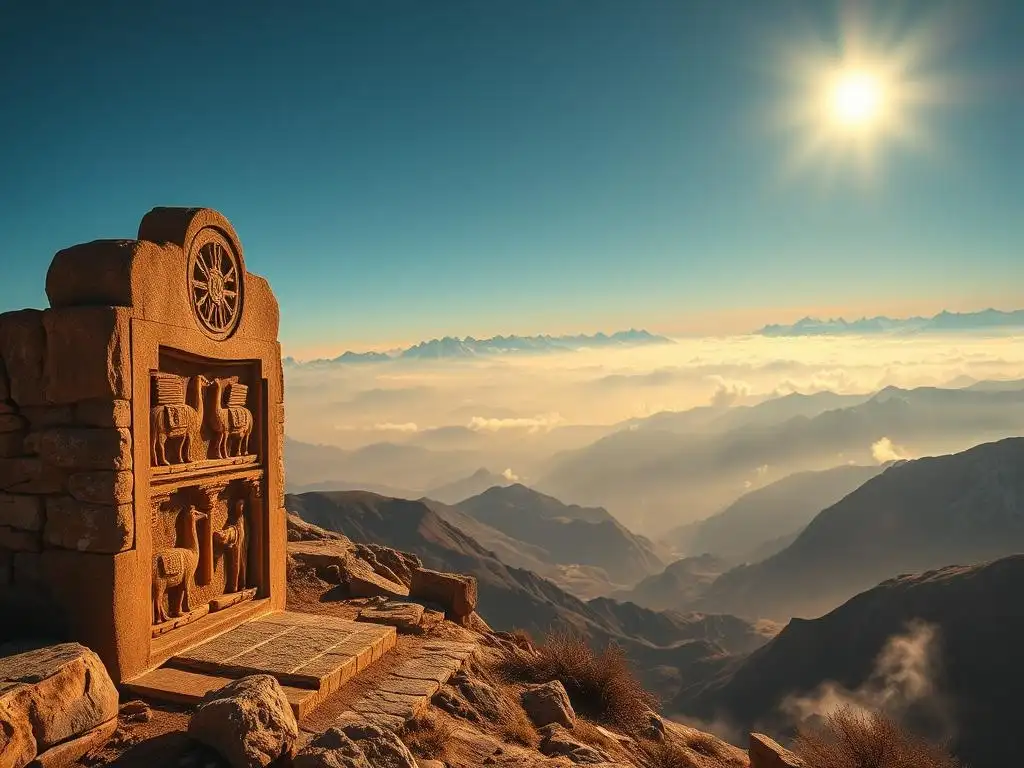
This section delves into the diverse and fascinating ways Andean civilizations conceptualized reincarnation, moving beyond generalized notions to explore specific cultural expressions of this belief system. While the term "reincarnation" might not perfectly capture the nuances of Andean beliefs, it serves as a useful framework to understand the cyclical nature of life and death prevalent in these cultures. The emphasis was not always on a literal rebirth of the same individual, but rather on the continuous flow of life energy and the enduring connection between the living and the ancestors.
This understanding shaped their rituals, art, and social structures in profound ways. The concept of Andean reincarnation beliefs varied significantly between different cultures and time periods, highlighting the richness and complexity of Andean spiritual thought.
The Beliefs of the Moche Civilization Regarding Rebirth
The Moche civilization (circa 100-800 CE), renowned for its intricate pottery and sophisticated irrigation systems, held a complex worldview deeply intertwined with the cyclical nature of life and death. Their artistic representations, particularly their ceramic vessels, offer invaluable insights into their beliefs about rebirth. Many Moche pots depict scenes of death and regeneration, often showing figures emerging from the earth or undergoing transformative processes. These images suggest a belief in the cyclical renewal of life, where death is not an end, but a transition to a renewed existence.
The Moche also seem to have incorporated a reverence for ancestors into their notion of rebirth. Evidence suggests that ancestor veneration was a central aspect of their culture, with deceased individuals potentially viewed as powerful intermediaries between the living and the supernatural world. This connection between the living and the dead suggests a fluid understanding of life and death, where the essence of ancestors continued to influence the lives of their descendants. Further research into Moche burial practices and iconography is needed to fully understand the complexities of their beliefs regarding rebirth and the afterlife.
Reincarnation Practices Among the Nazca People
The Nazca culture (circa 100 BCE – 800 CE), famous for its enigmatic geoglyphs, also held beliefs about the continuity of life after death. While direct textual evidence is lacking, their elaborate burial practices and iconography provide clues into their understanding of the afterlife. The Nazca meticulously prepared their deceased for burial, often including grave goods such as textiles, pottery, and food, suggesting a belief in the continued existence of the spirit in the afterlife.
The complexity of Nazca burial sites, with intricate arrangements of offerings and the inclusion of multiple individuals, suggests a communal aspect to their understanding of the afterlife. It's possible that the Nazca believed in a collective existence of the ancestors, where the spirits of the deceased continued to interact with the living. This is further supported by the presence of recurring motifs in their pottery and textiles that depict figures in the act of transformation or rebirth.
[Specific information pending: further analysis of Nazca burial sites and iconography is needed to confirm the precise nature of their beliefs about reincarnation]. However, the available evidence strongly suggests a belief in life beyond death, although the precise form of that continuation remains a subject of ongoing scholarly debate.
Perspectives on the Afterlife and Rebirth from the Tiahuanaco Culture
The Tiahuanaco culture (circa 500-1000 CE), known for its monumental architecture and sophisticated social organization, also possessed a rich cosmology that encompassed beliefs about the afterlife and rebirth. Their monumental structures, such as the Kalasasaya temple, suggest a highly developed understanding of the cosmos and a deep reverence for ancestral figures. The intricate carvings and designs found on Tiahuanaco artifacts frequently depict stylized figures that may represent spirits or deities associated with cyclical processes of life and death.
The Tiahuanaco's understanding of rebirth may have been intertwined with their agricultural practices, reflecting the cyclical nature of planting, growth, and harvest. The recurring motifs of fertility and regeneration in their art point to this connection. [Specific information pending: A thorough analysis of Tiahuanaco religious texts, if any exist, would significantly enhance our understanding of their beliefs about the afterlife and reincarnation].
Their sophisticated understanding of astronomy further suggests a worldview that connected terrestrial cycles with celestial events, potentially influencing their beliefs about the cyclical nature of life and death. The grandeur of their architecture and the complexity of their social organization suggest a sophisticated belief system that integrated the living and the dead into a cohesive worldview.
The Persistence of Andean Reincarnation Beliefs in Modern Times
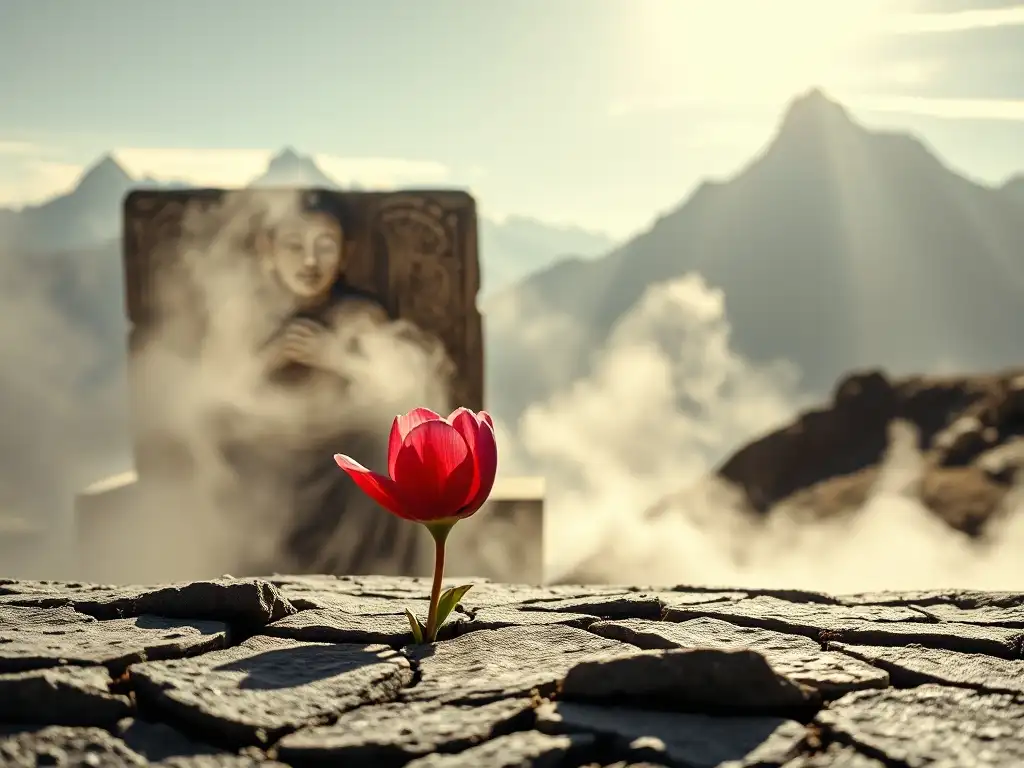
The belief in reincarnation, a central tenet within many Andean cosmologies, continues to resonate powerfully in contemporary indigenous communities. While the specific rituals and expressions may have adapted over centuries, the fundamental concept of a cyclical life, a continuous flow between the living and the spirit world, remains a vital part of their worldview. This enduring belief isn't merely a historical artifact; it actively shapes daily life, influencing social structures, agricultural practices, and even political action. The persistence of these beliefs underscores their deep-seated significance in maintaining cultural identity and navigating the complexities of modern life. Understanding this continuity requires examining how these ancient ideas have been transmitted and adapted across generations. The strength of Andean reincarnation beliefs, even in the face of globalization and modernization, highlights their resilience and enduring importance. It's a testament to the power of cultural memory and the persistent influence of ancient Andean spiritual frameworks.
How Ancient Andean Ideas About Rebirth Continue to Influence Indigenous Communities
Ancient Andean ideas about rebirth aren't confined to dusty museum exhibits or academic papers. They are living traditions, actively shaping the daily lives of many Andean communities. For example, the Quechua people of the Peruvian Andes still incorporate elements of their ancestor veneration practices into their daily routines.
The respect for pachamama (Mother Earth) is intricately linked to their understanding of the cyclical nature of life. The act of planting crops, for instance, isn't simply a matter of agriculture; it's a ritualistic act connecting them to their ancestors and the continuous renewal of life. Similarly, many ceremonies and festivals, like the Inti Raymi (Festival of the Sun), explicitly acknowledge the interconnectedness of the living and the dead, reinforcing the concept of reincarnation within the community.
These practices are not isolated events; they are woven into the fabric of their social and spiritual existence, demonstrating the ongoing influence of ancient Andean beliefs about rebirth. The persistence of these traditions speaks volumes about the power of cultural memory and the deep-rooted nature of these beliefs.
The Role of Oral Traditions in Preserving Andean Beliefs about the Cycle of Life
Oral traditions have played, and continue to play, a crucial role in preserving Andean beliefs about the cycle of life. In the absence of widespread written records, stories, songs, and myths have served as powerful vehicles for transmitting knowledge across generations. These narratives don't simply recount historical events; they encapsulate the core tenets of Andean cosmology, including the understanding of reincarnation.
Through storytelling, elders impart not only factual information about the past but also the spiritual values and beliefs that underpin their worldview. This oral transmission ensures the continuity of Andean reincarnation beliefs, adapting them to changing circumstances while preserving their essential meaning.
The vibrant nature of Andean oral traditions contributes significantly to the preservation and evolution of their rich spiritual heritage, demonstrating the importance of oral histories in maintaining cultural identity and continuity. The ability to adapt these narratives to contemporary contexts is a testament to the flexibility and resilience of Andean culture.
Challenges and Adaptations of Andean Reincarnation Concepts in Contemporary Society
The integration of Andean reincarnation concepts into contemporary society presents both challenges and opportunities. The influx of external religious beliefs and the pressures of globalization have inevitably impacted traditional Andean practices. However, rather than disappearing, these beliefs have often adapted and evolved to incorporate new elements while retaining their core essence.
For example, some communities have blended traditional Andean understandings of rebirth with elements of Christianity or other introduced belief systems, creating a syncretic spiritual framework that reflects the realities of their modern lives. This process of adaptation highlights the dynamic nature of Andean culture and its ability to integrate new influences while preserving its unique identity.
The challenges faced, however, underscore the importance of ongoing efforts to preserve and protect these valuable cultural traditions, ensuring that the rich tapestry of Andean beliefs continues to thrive in the modern world. The ongoing negotiation between tradition and modernity reflects the enduring power of Andean spiritual thought.
Contrasting Andean Reincarnation with Other Belief Systems
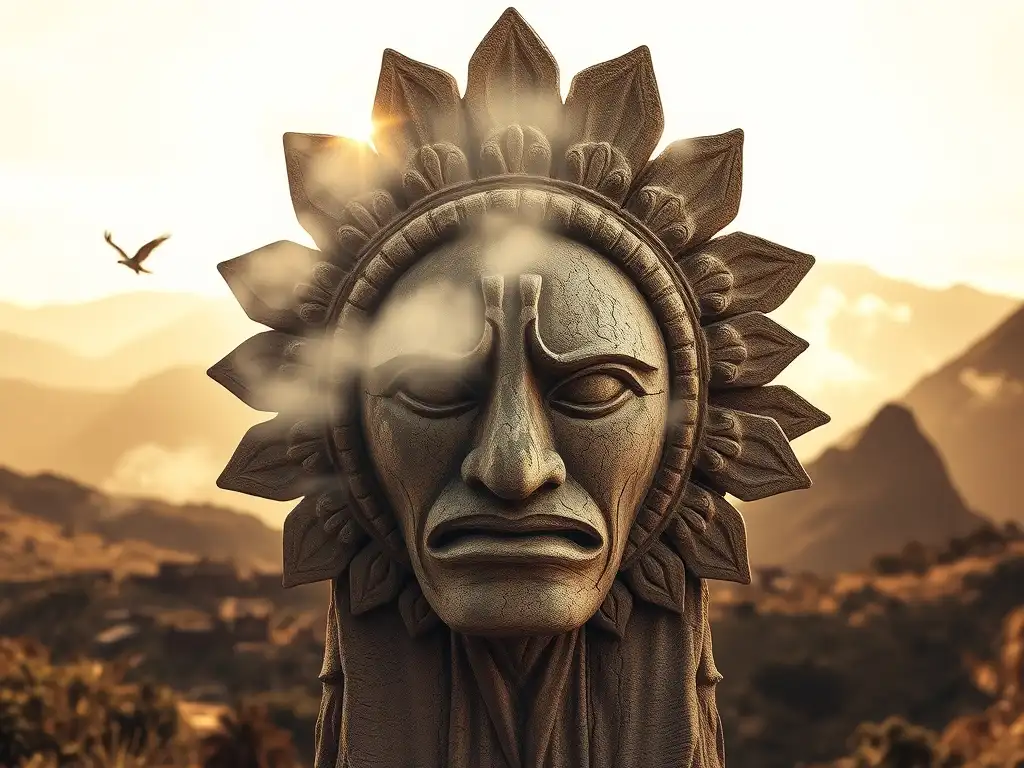
This section delves into the nuances of Andean reincarnation beliefs, highlighting their unique characteristics when compared to other prominent belief systems across the globe. Understanding these differences is crucial to appreciating the complexity and specificity of Andean cosmology. While the concept of rebirth or cyclical existence appears in numerous cultures, the Andean interpretation possesses distinct features that set it apart.
Comparing Andean Concepts of Rebirth with Western Ideas
Western religious traditions, particularly Abrahamic faiths (Judaism, Christianity, Islam), generally present a linear view of life, death, and the afterlife. A singular life is followed by judgment and either eternal salvation or damnation. There is less emphasis on cyclical rebirth or the direct reincarnation of the soul into another being.
While some interpretations might allow for spiritual continuity through lineage or legacy, the concept of a direct soul reincarnation, as understood in Andean beliefs, is largely absent. The focus in Western traditions is often on individual salvation and a final judgment, unlike the community-centric and cyclical nature of Andean perspectives on death and rebirth.
Distinguishing Andean Reincarnation from Eastern Philosophies
Eastern philosophies, such as Hinduism, Buddhism, and Jainism, prominently feature reincarnation as a central tenet. However, even within this broad category, significant differences exist compared to Andean beliefs. For example, the concept of karma and its influence on the cycle of rebirth in Eastern traditions is not a direct parallel in Andean cosmology.
While Andean beliefs acknowledge a cyclical nature of life and death, the mechanisms governing the transition and the specific details of the rebirth process differ considerably. The emphasis on ancestral veneration and the continued influence of ancestors in the Andean worldview is also a unique feature not directly mirrored in the Eastern philosophical frameworks. The specific details of how an individual's actions in life influence their next life are less explicitly defined in Andean traditions compared to the detailed karmic systems of the East.
Further research is needed to fully elucidate these distinctions. [Specific information pending: detailed comparison of Andean reincarnation with specific Eastern reincarnation concepts].
Unique Aspects of Andean Rebirth Beliefs and Their Significance
Several unique aspects characterize Andean notions of rebirth, setting them apart from both Western and Eastern models. One key difference lies in the strong emphasis on the continuity of the ayllu, the extended family or community. Reincarnation is not merely an individual process but also a vital element in maintaining the social and spiritual fabric of the community.
The deceased are not simply forgotten; they continue to exert influence and play a role in the lives of the living, often through ancestor veneration rituals and practices. This close connection between the living and the dead is a fundamental aspect of Andean cosmology. Furthermore, the specific forms of rebirth within Andean beliefs, whether through a direct reincarnation into a human, animal, or plant, are often linked to the individual's life and actions, though the exact mechanisms remain partially shrouded in the mists of time and vary across different Andean cultures.
| Aspect | Andean Reincarnation | Western Religions | Eastern Philosophies |
|---|---|---|---|
| Nature of Life | Cyclical, community-focused | Linear, individually-focused | Cyclical, individually-focused |
| Afterlife | Continued influence of ancestors, potential rebirth | Heaven/Hell, judgment, final state | Rebirth based on karma, cycle of samsara |
| Rebirth Process | Less explicitly defined, varied across cultures | Not a central tenet | Detailed karmic system, specific paths to rebirth |
| Emphasis | Ancestral veneration, community continuity | Individual salvation, divine judgment | Liberation from the cycle of rebirth (Nirvana/Moksha) |
The significance of these unique aspects is profound. They offer a different perspective on the relationship between life and death, emphasizing the importance of community, ancestor veneration, and the continuous flow of life within the Andean worldview. Understanding these nuances enriches our comprehension of Andean cosmology and its enduring impact on Andean cultures. Further research into specific Andean groups and their unique beliefs about reincarnation is needed to paint a more complete picture of this complex topic.
Conclusion: The Enduring Legacy of Andean Reincarnation Beliefs
The tapestry of Andean civilization is richly woven with threads of ancestor veneration and beliefs about the cyclical nature of life and death. Understanding their conceptions of reincarnation offers a crucial lens through which to interpret their art, social structures, and cosmological worldview. While specific practices and beliefs varied across different Andean cultures—from the Incas to the Moche, Nazca, and Tiahuanaco—a common thread unites them: the profound belief in the continuity of life beyond the physical realm.
This isn't a simple linear afterlife, but a complex system of transformations, transitions, and cyclical returns, reflecting a deep-seated connection to the land, the ancestors, and the cosmos. The enduring legacy of these beliefs continues to resonate even today, influencing contemporary Andean cultures and offering valuable insights into human perceptions of mortality and the spiritual world.
Summary of Andean Perspectives on the Continuity of Life
Andean reincarnation beliefs weren't uniformly defined across all cultures. However, several common themes emerge. Many cultures believed in the soul's journey after death, a process often involving a transition to the wak’a (sacred sites) or the underworld. This journey wasn't necessarily a linear progression to a heavenly paradise, but rather a complex cycle of transformation.
For example, some accounts suggest that the soul could be reborn into another human, animal, or even a plant, reflecting the interconnectedness of life within their worldview. The concept of pachamama (Mother Earth) played a central role, as the earth itself was considered a living entity involved in this cyclical process of birth, death, and rebirth. The ancestors, too, played a vital role, acting as intermediaries between the living and the spiritual realms.
Their continued presence was actively sought through rituals and offerings, solidifying the idea of a continuous relationship between the living and the dead. Further research into specific regional variations is needed to fully elucidate the diversity of Andean perspectives on the afterlife. For instance, [specific information pending] regarding the nuanced beliefs of the Nazca concerning reincarnation and their unique burial practices.
The Importance of Understanding Andean Beliefs for a Complete Picture of Andean Cosmology
Comprehending Andean notions of reincarnation is paramount to grasping their comprehensive cosmology. These beliefs weren't isolated spiritual concepts; they were intrinsically interwoven with their social structures, agricultural practices, and artistic expressions. Ancestor veneration, a cornerstone of Andean societies, stemmed directly from the belief in the continued existence and influence of the deceased. Elaborate burial rituals, mummification practices, and the construction of monumental sites like Machu Picchu, all reflect the significance placed on maintaining connections with the ancestral world. Similarly, the agricultural practices of these societies, deeply intertwined with the rhythms of nature and the concept of pachamama, are further evidence of the cyclical understanding of life and death. Ignoring these beliefs results in an incomplete and ultimately inaccurate portrayal of Andean culture and its complex relationship with the natural world. A holistic understanding of Andean cosmology necessitates a thorough exploration of their beliefs surrounding reincarnation and the continuity of life.
Final Thoughts on the Timeless Wisdom of Andean Rebirth Philosophies
The Andean understanding of reincarnation offers a profound perspective on life, death, and the interconnectedness of all things. Their emphasis on the cyclical nature of existence, the reverence for ancestors, and the deep connection to the earth provide timeless wisdom relevant even in the modern world.
In a society often characterized by linear thinking and a separation from the natural world, the Andean worldview provides a valuable counterpoint, emphasizing the importance of respecting the past, acknowledging the present, and nurturing a sustainable relationship with the environment. The enduring legacy of Andean reincarnation beliefs serves as a potent reminder of the cyclical nature of life, the importance of community, and the enduring power of spiritual connection.
The study of "Andean reincarnation beliefs" continues to offer rich insights into the human experience and our relationship with the cosmos. Further investigation into [specific information pending] regarding the influence of Andean reincarnation beliefs on modern spiritual practices could reveal even more about their lasting impact.
Frequently Asked Questions
What were the Andean civilizations' main beliefs about the afterlife?
Andean cultures didn't have a singular concept of an afterlife. Instead, they held diverse beliefs focusing on the continuity of life and the cyclical nature of existence. Ancestor veneration was central, with the deceased remaining influential in the world of the living.
Did the Andean people believe in reincarnation in the literal sense?
While not a straightforward reincarnation like rebirth into a new human body, Andean beliefs emphasized a spiritual continuity. The essence of a person could be reborn in descendants, animals, or even within the land itself. This concept is more closely related to spiritual rebirth than literal reincarnation.
How did Andean reincarnation beliefs influence their daily lives?
These beliefs deeply impacted daily life, influencing rituals, agricultural practices, and social structures. Mummification and ancestor worship were crucial, demonstrating the ongoing connection between the living and the dead. Respect for nature was also paramount.
What role did ancestor veneration play in Andean reincarnation beliefs?
Ancestor veneration was essential. The ancestors were considered powerful intermediaries, influencing the living world through their continued spiritual presence. Honoring them ensured continued protection, prosperity, and good fortune.
How did different Andean cultures view reincarnation or the afterlife?
While sharing common threads, specific beliefs varied across cultures. The Incas, for example, emphasized a connection to the royal lineage, while other groups might have focused on specific deities or natural elements. The concept of spiritual continuity remained central.
Final Reflection: Echoes of the Andes: A Legacy of Rebirth
The enduring power of Andean reincarnation beliefs resonates deeply with contemporary concerns about life, death, and the interconnectedness of all things. These ancient spiritual practices, far from being relics of the past, offer a potent framework for understanding our relationship with the natural world and the cyclical nature of existence, a perspective increasingly relevant in an era of ecological crisis and spiritual searching.
The cyclical view of life inherent in Andean cosmology profoundly impacts how communities interact with their environment and each other. It fosters a sense of responsibility towards future generations, a deep respect for the land, and a recognition of the continuous flow of energy between the living and the departed. The mountains remember,
a Quechua proverb reminds us, highlighting the enduring connection between the physical world and the spiritual realm. This understanding, so deeply ingrained in Andean culture, challenges the linear, often materialistic, worldview prevalent in many societies today, prompting us to reconsider our place within the larger web of life.
Consider the implications of this ancient wisdom for your own life. How might embracing a cyclical understanding of existence, one that values continuity and interconnectedness, shift your perspective on mortality, community, and your responsibility towards the planet? Let the echoes of the Andes inspire you to explore the rich tapestry of spiritual traditions, to find meaning in the cycles of life and death, and to cultivate a deeper connection with the world around you. The journey of understanding, like life itself, is a continuous cycle of learning and growth.
**Embrace the Journey of Rebirth! **
Thank you for exploring the fascinating world of Andean views on reincarnation. You've gained a deeper understanding of life's cyclical nature, extending beyond conventional perspectives. Now, let's put this knowledge into practice!
Here are some ways to further explore these profound concepts:
- **Deepen Your Understanding:** Expand your knowledge by reading books and articles on Andean beliefs and their influence on modern society and spiritual practices.
- **Share Your Discoveries:** Discuss these ideas with friends and family, sparking meaningful conversations about life, death, and the enduring human spirit.
- **Connect with a Community:** Join an online forum or local group dedicated to Andean traditions to connect with like-minded individuals.
Which aspects of Andean reincarnation resonate most with you, and how do you see them reflected in your own life? Let's discuss!