
The Andean Shaman's Journey: Traversing Time and Space

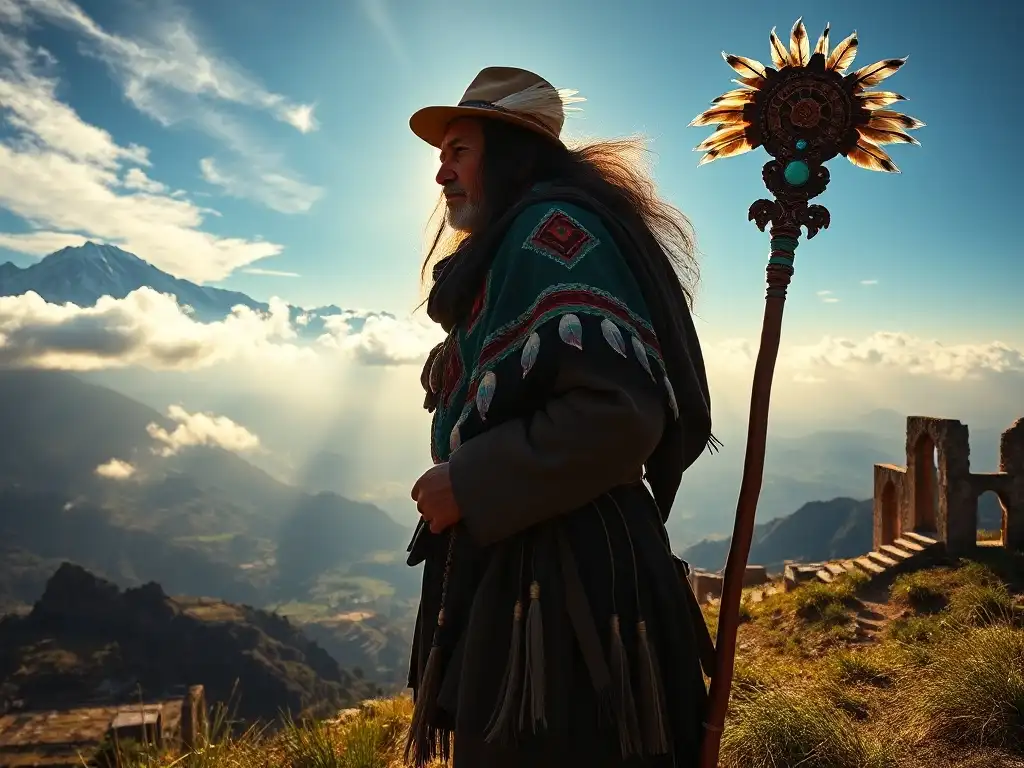
Step into a world lost to time, yet echoing with power. Journey with us into the heart of the Andes, where ancient civilizations flourished and left behind a legacy of breathtaking artistry and profound spiritual practices. Discover the secrets held within Andean shamanic practices, a gateway to understanding the unique cosmology and worldview that shaped these remarkable cultures. Unravel the mysteries of their connection to the cosmos and prepare to be captivated by the Andean shaman's journey – a story waiting to unfold.
The Andean worldview, a complex tapestry woven from intricate threads of cosmology, spirituality, and social structure, offers a unique lens through which to understand the profound significance of shamanic practices. This article delves into the fascinating world of Andean shamanism, exploring its central role in navigating the realms of time and space as perceived by ancient Andean cultures.
We will examine the shaman's crucial position within Andean societies, their methods of accessing altered states of consciousness, and the profound impact these practices had on the daily lives and spiritual beliefs of the people. From the towering heights of the Andes Mountains to the depths of their intricate spiritual beliefs, we'll unravel the mysteries surrounding Andean shamanic practices and their enduring legacy.
This exploration will reveal how the shaman, acting as a bridge between the human and spiritual worlds, shaped the understanding of time, space, and the cosmos itself within these vibrant and complex civilizations. Understanding Andean shamanic practices provides invaluable insight into the sophisticated cosmology and worldview that defined these ancient societies.
Introduction to Andean Shamanism and Cosmology
Andean shamanism wasn't a monolithic practice; rather, it varied across different cultures and regions, reflecting the diverse landscapes and societies inhabiting the Andes. However, certain core elements united these practices. A fundamental concept was the kay pacha, the here and now, the material world we inhabit. But equally important were the hanan pacha (upper world, the realm of the gods and celestial beings) and the ukhu pacha (underworld, a realm of ancestral spirits and powerful forces). Shamanic journeys involved traversing these three worlds, often through altered states of consciousness induced by various techniques. These techniques could include the use of plant-based medicines like ayahuasca (though its presence in all Andean cultures is debated by scholars) 1 , fasting, ritualistic dances, and the ingestion of specific substances. The shaman, acting as a mediator between these worlds, played a vital role in maintaining cosmic balance and ensuring the well-being of the community. Their knowledge of medicinal plants, astronomical cycles, and spiritual practices was deeply intertwined with their understanding of the interconnectedness of all things. The intricate relationship between humans, nature, and the spirit world formed the backbone of Andean cosmology, providing a framework for understanding the shaman's role and significance. This understanding of time and space was not linear but cyclical, with a strong emphasis on the interconnectedness of past, present, and future.
The Role of the Shaman in Andean Societies
The Andean shaman held a position of immense respect and influence within their communities. They weren't simply healers; they were spiritual leaders, advisors, and keepers of tradition. Their responsibilities were multifaceted and encompassed a wide range of activities. For example, they were responsible for conducting rituals to ensure successful harvests, healing the sick, guiding the community through challenging times, and communicating with the spirit world to obtain guidance and knowledge.
Their expertise extended beyond the purely spiritual; they often possessed extensive knowledge of medicinal plants and their properties, acting as essential providers of healthcare within their communities. Furthermore, shamans played a crucial role in maintaining social order and resolving conflicts, using their spiritual authority to mediate disputes and restore harmony. Their ability to access and interpret the messages from the spiritual realm made them invaluable resources for decision-making in various aspects of community life.
The shaman's role was thus integral to the social fabric of Andean societies, reflecting the profound integration of spiritual and secular life characteristic of these cultures. The detailed knowledge of astronomy and cosmology further cemented their influence, enabling them to predict agricultural cycles and perform rituals aligned with celestial events. Their influence extended far beyond the confines of ritual, permeating the daily lives and social structures of the Andean communities.
1 Further research is needed to clarify the specific use of ayahuasca across all Andean cultures.
The Shaman's Journey: A Voyage Through Different Realms
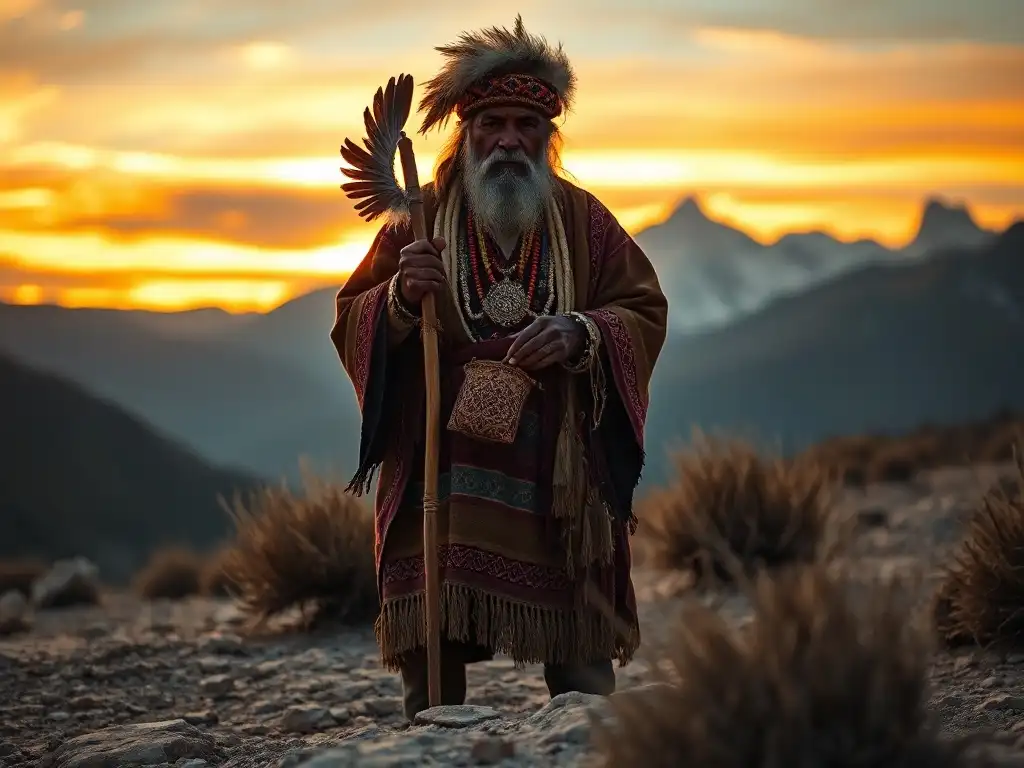
This section delves into the fascinating concept of the Andean shaman's journey, not as a mere physical displacement, but as a profound voyage through different realms of existence. We will explore the spiritual significance of these journeys, the techniques and rituals employed, and the crucial role of sacred plants in facilitating these transformative experiences.
Understanding these practices offers a glimpse into the intricate Andean cosmology and worldview, revealing a sophisticated understanding of time, space, and the interconnectedness of all things. The core of Andean shamanic practices lies in this ability to traverse dimensions, bridging the gap between the human and spiritual worlds.
The Spiritual Significance of the Andean Shamanic Journey
The Andean shamanic journey is not simply a quest for knowledge or healing; it's a deeply spiritual undertaking with profound implications for the individual and the community. These journeys are believed to connect the shaman with powerful apus (mountain spirits), wakas (sacred places), and ancestral spirits, providing guidance, healing, and access to vital knowledge. The journey itself is a symbolic representation of the shaman's ability to navigate the complex layers of reality, a skill honed through rigorous training and deep spiritual connection.
The shaman acts as a bridge between the visible and invisible worlds, interpreting the messages received during these journeys and applying them to the needs of their community. This spiritual significance is deeply embedded in Andean culture, permeating various aspects of life, from agriculture to healing to social organization.
The success of a harvest, the well-being of the community, and even the balance of the cosmos are often believed to be influenced by the shaman's ability to successfully navigate these otherworldly realms. The journey is a sacred act, imbued with immense power and responsibility.
Entering the Spirit World: Techniques and Rituals
Entering the spirit world requires specific techniques and rituals, carefully cultivated over generations. These practices often involve altered states of consciousness, achieved through various methods. One common technique is the use of rhythmic drumming and chanting, creating a hypnotic state that facilitates the transition to other dimensions.
The rhythmic pulse acts as a conduit, guiding the shaman's consciousness beyond the confines of ordinary perception. Furthermore, specific postures, breathing exercises, and the use of sacred objects, such as kero (ceremonial cups) and tumi (ceremonial knives), are also integral parts of the ritual. The shaman might also utilize specific locations, such as caves or mountaintops, considered gateways to the spirit world, enhancing the effectiveness of the ritual.
Detailed accounts of these rituals are often preserved in oral traditions, passed down through generations within shamanic lineages, ensuring the continuity of these powerful practices. The process is not solely about achieving an altered state; it's about a controlled and purposeful entry into a realm of heightened awareness and communication with the spiritual world.
The Use of Sacred Plants in Andean Shamanic Practices
The role of sacred plants in Andean shamanic practices is paramount. Plants like ayahuasca, coca, and tobacco are not merely ingested; they are considered sacred entities, acting as intermediaries between the shaman and the spirit world. These plants are believed to possess spiritual properties, facilitating access to altered states of consciousness and enhancing communication with the spiritual realm.
The preparation and consumption of these plants are often accompanied by intricate rituals, ensuring the proper respect and reverence for their power. The shaman's expertise lies not only in their ability to guide the journey but also in their profound understanding of the properties and potential effects of these sacred plants. The dosage, preparation methods, and accompanying rituals are carefully calibrated to ensure a safe and effective experience.
The use of these plants is not recreational; it's a deeply spiritual act, requiring extensive knowledge, training, and profound respect for the sacred nature of these powerful botanical allies. Careful research continues to be done to understand the full pharmacological and spiritual significance of these plants within the context of Andean shamanic practices. The role of these plants is inextricably linked to the effectiveness and significance of the shaman's journey.
Andean Concepts of Time and Space in Shamanic Journeys
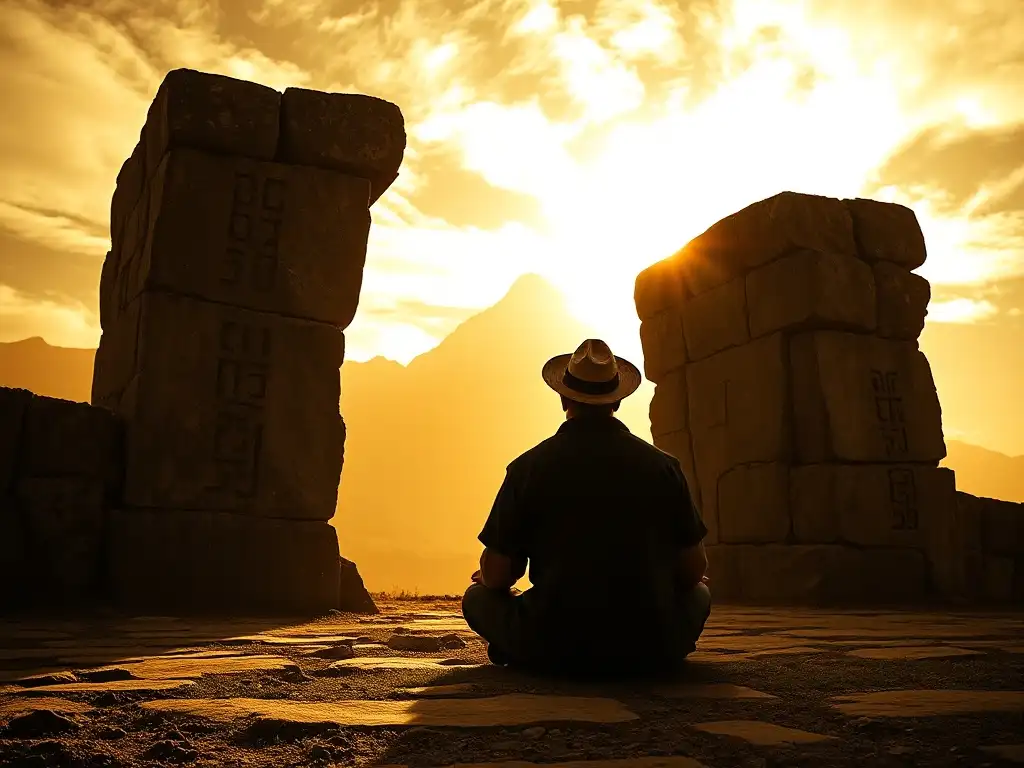
This section delves into the intricate relationship between Andean concepts of time and space and the practices of Andean shamans. Understanding this connection is crucial to appreciating the depth and complexity of Andean shamanic journeys. The Andean worldview fundamentally differs from linear Western perspectives, emphasizing cyclical time and interconnected sacred spaces. This framework profoundly influences how shamans interact with the spirit world and navigate both the physical and metaphysical realms. We will explore how these unique perspectives shape Andean shamanic practices.
Cyclical Time and Shamanic Rituals
Andean cultures didn't perceive time as a linear progression from past to future, but rather as a cyclical process, often represented by the recurring cycles of nature—the sun, the moon, the agricultural seasons. This cyclical understanding is deeply embedded in Andean shamanic rituals. Rituals frequently mirrored these natural cycles, aiming to harmonize with the cosmos and ensure the continuation of life.
For instance, the capac hucha (a type of ritual offering) wasn't simply a one-time event; it was integrated into an ongoing cycle of reciprocity between the human and spiritual worlds. The timing of these rituals was meticulously planned, often coinciding with solstices or equinoxes, highlighting the importance of aligning human actions with the cosmic rhythm.
The cyclical nature of time also influenced the shaman's understanding of death and rebirth. Death wasn't seen as an absolute end but as a transition, a passage into another phase of the cyclical process. Shamanic journeys often involved traversing this liminal space, interacting with ancestral spirits and gaining knowledge unavailable in the everyday world. This cyclical perspective fostered a profound respect for ancestors, whose wisdom and guidance were actively sought through rituals and shamanic practices. The continuity of life, deeply interwoven with the cyclical nature of time, formed the foundation of many Andean shamanic beliefs and practices.
Sacred Spaces and the Shaman's Travel
The Andean worldview recognizes numerous sacred spaces, both physical and metaphysical, that play a crucial role in shamanic journeys. These locations aren't simply geographical points but are imbued with spiritual power, acting as portals or gateways to other realms. Mountains, caves, springs, and certain geographical formations were often considered particularly potent, serving as focal points for rituals and shamanic practices. The Inca's extensive road system, Qhapaq Ñan, not only facilitated practical travel but also connected sacred sites, allowing shamans to traverse these spiritually significant locations.
The shaman's journey wasn't limited to physical travel. Through altered states of consciousness induced by various techniques (such as the use of hallucinogenic plants), shamans could undertake journeys to other realms, encountering supernatural beings and accessing knowledge beyond the ordinary. These journeys often involved navigating complex landscapes, both physical and metaphysical, reflecting the interconnectedness of the Andean worldview.
The shaman's ability to traverse these spaces was crucial to their role as intermediaries between the human and spiritual worlds. Their expertise in navigating both physical and metaphysical landscapes allowed them to bridge the gap between the everyday world and the realm of the supernatural.
Connecting with Ancestral Spirits through Time
A central aspect of Andean shamanic practices is the connection with ancestral spirits. Given the cyclical understanding of time, ancestors weren't relegated to the distant past but were considered active participants in the present. Shamans acted as intermediaries, facilitating communication and interaction with these spirits. This connection wasn't solely for personal gain; it served a vital role in maintaining the social and cosmic order.
Ancestral spirits were seen as sources of wisdom, guidance, and power. Shamans would consult them for advice on various matters, from healing illnesses to resolving conflicts. The rituals involved in contacting these spirits often included offerings, prayers, and the use of specific tools and techniques. The communication with ancestral spirits wasn't limited to specific times or locations; it was an ongoing process integrated into the daily lives of many Andean communities.
This continuous dialogue with the past underscored the importance of respecting and honoring ancestors, ensuring the continuity of traditions and knowledge across generations. The practice of remembering and honoring ancestors is a cornerstone of Andean shamanic practices and a testament to their cyclical understanding of time. The ancestors, therefore, weren’t just figures from the past, but living presences influencing the present and future.
The Shaman's Transformation and Healing Power
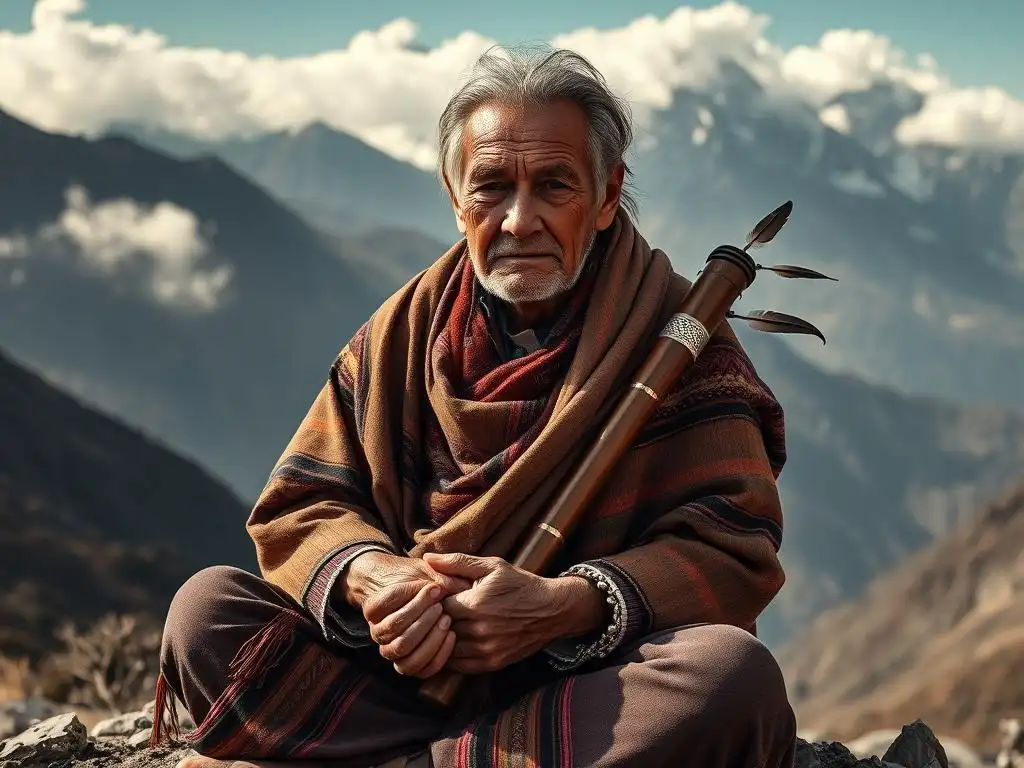
The Andean shaman, a pivotal figure in understanding Andean shamanic practices, wasn't merely a religious leader; they were a multifaceted individual deeply intertwined with the cosmos. Their power stemmed from a profound transformation, a journey of self-discovery and connection with the spiritual world. This transformation wasn't a singular event but a continuous process of refinement and deepening connection. It involved rigorous training, intense spiritual experiences, and a profound understanding of the interconnectedness of all things. This understanding allowed them to act as conduits between the human and spiritual realms, wielding immense healing power.
The Shaman as a Healer and Visionary
The Andean shaman's healing abilities were not limited to physical ailments. They possessed a deep understanding of the interconnectedness of physical, emotional, and spiritual well-being. Illness, in their worldview, often stemmed from an imbalance in these three aspects, a disruption in the harmony between the individual and the cosmos.
Their healing practices, therefore, went beyond administering herbal remedies or performing surgical procedures – although these were certainly part of their toolkit. They involved diagnosing the root cause of the ailment, often through divination techniques, spirit journeys, and interpreting dreams. They then worked to restore balance through rituals, songs, and the careful administration of medicinal plants.
A key aspect of their healing was the shaman's ability to enter altered states of consciousness, allowing them to interact with the spirit world and gain insights into the patient's condition. This visionary capacity was crucial to their effectiveness, enabling them to identify the spiritual imbalances hindering healing. For example, a shaman might diagnose a persistent illness as a result of a disrupted connection with an ancestral spirit, requiring a ritual to appease or reconnect with that ancestor.
The Shaman's Role in Maintaining Cosmic Balance
Beyond individual healing, Andean shamans played a crucial role in maintaining the cosmic balance – the ayni – a reciprocal relationship between humans, nature, and the spiritual world. Their rituals and ceremonies weren't just about personal well-being; they were vital for ensuring the health and prosperity of the entire community. They performed ceremonies to ensure successful harvests, protect against natural disasters, and appease powerful deities.
These ceremonies often involved complex rituals, offerings, and the use of sacred objects, all meticulously designed to maintain the delicate balance of the cosmos. The shaman's role in this cosmic balance was paramount; their actions directly impacted the well-being of their community and the environment. Disruptions to ayni manifested in various ways, from crop failures to illness and social unrest.
The shaman's expertise was essential in identifying and addressing these imbalances before they escalated. The shaman's deep knowledge of Andean cosmology and their ability to interact with the spiritual world made them indispensable in ensuring the continued harmony of the community and the natural world.
The Shaman's Initiation and Training Process
Becoming an Andean shaman wasn't a path chosen lightly; it was a rigorous and often arduous process of initiation and training that spanned years, sometimes even decades. The process involved various stages, each demanding intense spiritual and physical commitment. It often began with a calling or a visionary experience, indicating a predisposition for shamanic abilities. This calling might manifest as vivid dreams, unusual encounters with nature spirits, or a profound sense of connection to the spiritual world.
Following the initial calling, the aspiring shaman would undergo a period of apprenticeship under the guidance of an experienced shaman. This apprenticeship involved learning various shamanic techniques, including divination, healing rituals, herbal medicine, and the interpretation of dreams and omens. The training was not merely theoretical; it involved practical application, with the apprentice participating in actual healing sessions and ceremonies under the supervision of their mentor. Furthermore, the training process often involved rigorous physical and spiritual trials, designed to test the individual's commitment and resilience.
These trials could include prolonged fasting, isolation, and exposure to harsh environmental conditions. The ultimate goal was to transform the apprentice into a fully realized shaman, capable of fulfilling their crucial role in Andean society. The successful completion of this demanding process marked a significant transition, not only for the individual but also for the community they served. The new shaman's capabilities were essential for maintaining the spiritual and physical well-being of the entire group.
The Legacy of Andean Shamanic Practices in Contemporary Society
The enduring influence of Andean shamanic practices continues to resonate powerfully in contemporary society, extending far beyond the Andes themselves. While the specific rituals and techniques might vary across different Andean cultures – from the Incas to the Moche, Nazca, and Tiahuanaco – the core principles of connecting with the spiritual world, harnessing natural energies, and achieving a state of altered consciousness remain central. This legacy is evident not only in the continued practice of traditional Andean shamanism within indigenous communities but also in its growing adoption and adaptation within broader New Age and spiritual movements globally.
The enduring appeal of these practices stems from their holistic approach to healing, personal growth, and understanding the interconnectedness of all things. This section will delve into the contemporary relevance of these practices and the crucial efforts to preserve them for future generations.
Contemporary Andean Shamanism and its relevance
Contemporary Andean shamanism is not a static entity; it's a dynamic tradition constantly evolving while retaining its core principles. Many modern practitioners integrate elements of ancestral knowledge with contemporary psychological and spiritual understandings. For example, some practitioners incorporate techniques from modern psychology, such as mindfulness and somatic experiencing, alongside traditional Andean practices like pako (a form of energetic cleansing) and the use of medicinal plants.
This integration creates a richer, more nuanced approach to healing and self-discovery. The rising interest in holistic well-being and alternative healing methods has fueled a significant increase in the demand for Andean shamanic practices. People seek out these practices not only for physical healing but also for spiritual growth, stress reduction, and a deeper understanding of their place in the world.
The emphasis on interconnectedness, respect for nature, and the integration of mind, body, and spirit resonates deeply with many seeking a more meaningful and holistic path. The effectiveness of these practices is often reported anecdotally, but further rigorous scientific research is needed to fully quantify their impact. The increasing availability of workshops, retreats, and online resources dedicated to Andean shamanic practices further demonstrates their growing global influence.
Preserving the Ancestral Knowledge of Andean Shamanism
The preservation of Andean shamanic knowledge is crucial for maintaining cultural heritage and ensuring the continued vitality of these practices. This preservation faces numerous challenges, including the impact of globalization, the loss of traditional languages, and the increasing pressure to adapt to modern lifestyles. Many communities are actively working to safeguard their ancestral knowledge through oral traditions, apprenticeships, and the creation of educational resources.
However, the delicate balance between preserving authenticity and adapting to changing contexts requires careful consideration. The documentation of traditional practices, including detailed descriptions of rituals, medicinal plant use, and shamanic techniques, is essential for future generations. This documentation should be undertaken with the full participation and consent of the indigenous communities, respecting their intellectual property rights and avoiding cultural appropriation.
Digital archiving and the creation of accessible educational materials can play a vital role in disseminating this knowledge while promoting cultural sensitivity. Furthermore, supporting indigenous communities in their efforts to maintain their cultural traditions is paramount to ensuring the long-term survival of Andean shamanic practices. This includes providing access to education, healthcare, and economic opportunities, thereby strengthening community resilience and fostering cultural pride.
The Shaman's Journey as a Metaphor for Personal Transformation
The "shaman's journey" serves as a powerful metaphor for personal transformation and self-discovery. The shaman's ability to traverse different realms of reality – the physical, spiritual, and ancestral – mirrors the individual's own journey of inner exploration. The challenges faced by the shaman during their journey—confronting inner demons, navigating difficult landscapes, and overcoming obstacles—reflect the trials and tribulations individuals encounter on their path towards self-realization.
The shaman's ultimate goal of achieving a state of harmony and balance within themselves and with the cosmos provides a framework for personal growth. This journey is not necessarily a linear process; it involves setbacks, periods of reflection, and moments of profound insight. The use of rituals, medicinal plants, and altered states of consciousness can facilitate this transformative process, enabling individuals to confront their fears, release limiting beliefs, and connect with their inner wisdom.
The shaman's journey, therefore, represents a process of continuous learning, growth, and integration, culminating in a deeper understanding of oneself and one's place in the world. This symbolic journey resonates across cultures and time periods, providing a powerful framework for understanding the human experience of personal growth and transformation. The journey is not simply a metaphor; it’s a lived experience, a testament to the enduring power of Andean shamanic practices in fostering personal evolution.
Frequently Asked Questions
What were the primary roles of Andean shamans?
Andean shamans played crucial roles as spiritual leaders, healers, and intermediaries between the human and spirit worlds. They were responsible for maintaining cosmic balance and community well-being.
How did Andean shamanic practices differ from other cultures?
Andean shamanism uniquely incorporated deep connections to nature, ancestor veneration, and the use of specific hallucinogenic plants like San Pedro cactus and ayahuasca for ritual purposes. Their practices often involved complex cosmology and intricate rituals.
What were some common techniques used in Andean shamanic healing?
Herbal remedies, spiritual cleansing, and soul retrieval were prominent healing techniques. Shamans also utilized diagnostic methods involving divination and interpreting dreams to understand illness and its causes.
What is the significance of hallucinogens in Andean shamanic practices?
Hallucinogenic plants were not merely recreational drugs but sacred tools used to access altered states of consciousness, communicate with spirits, and gain spiritual insight. They were integral to healing and divination.
How are Andean shamanic traditions preserved today?
While facing challenges from modernization, many Andean communities continue to practice traditional shamanic rituals and knowledge. These traditions are being actively preserved and revived through the efforts of indigenous communities and researchers.
Final Reflection: Echoes of the Andes, Whispers of the Future
The ancient wisdom of Andean shamanic practices remains profoundly relevant today, offering a potent antidote to the disconnectedness of modern life. In a world increasingly dominated by technology and a relentless pace, the shamanic journey—with its emphasis on connection to nature, community, and the spirit world—provides a vital pathway to healing and self-discovery. This resonates deeply as we grapple with the urgent need for sustainable living and a renewed sense of purpose.
The enduring power of Andean shamanism lies in its ability to bridge the gap between the tangible and the intangible, the seen and the unseen. It reminds us that we are not isolated individuals, but intricately woven into the fabric of existence. This interconnectedness, so beautifully expressed in the Andean worldview, offers a profound counterpoint to the individualism often championed in contemporary society. The earth is our mother, and we are her children. We must care for her as we care for ourselves.
This simple yet powerful statement encapsulates the core philosophy of Andean shamanism and its enduring relevance.
Consider the profound lessons embedded within these ancient practices. How can you cultivate a deeper connection with nature, with your community, and with your own inner spirit? Embrace the invitation to explore the wisdom of the Andes, not just as a historical curiosity, but as a living path towards a more meaningful and fulfilling life. Let the echoes of the past inspire you to create a future grounded in harmony, balance, and a profound respect for the interconnectedness of all things.
Embark on Your Own Shamanic Journey!
Thank you for exploring the profound world of Andean shamans. We hope you've gained valuable insights into their unique practices and ability to connect with the spiritual realm. Now, it's your turn to begin your own journey!
Here are a few inspiring ways to start:
- Participate in a workshop or online course focusing on Andean spiritual practices. This will provide a deeper understanding and a firsthand experience of the shamanic tradition.
- Learn more about Andean culture by reading books or watching documentaries. Explore its rich history, spiritual beliefs, and its continuing relevance in the modern world.
- Share this information with friends and family who might be interested in the mystical traditions of the Andes. This can spark engaging conversations and build a supportive community of learning.
What aspects of the Andean shamanic journey most intrigue you, and how can you integrate its wisdom into your life?