
Sacred Landscapes: Discovering the Spiritual Significance of Natural Sites

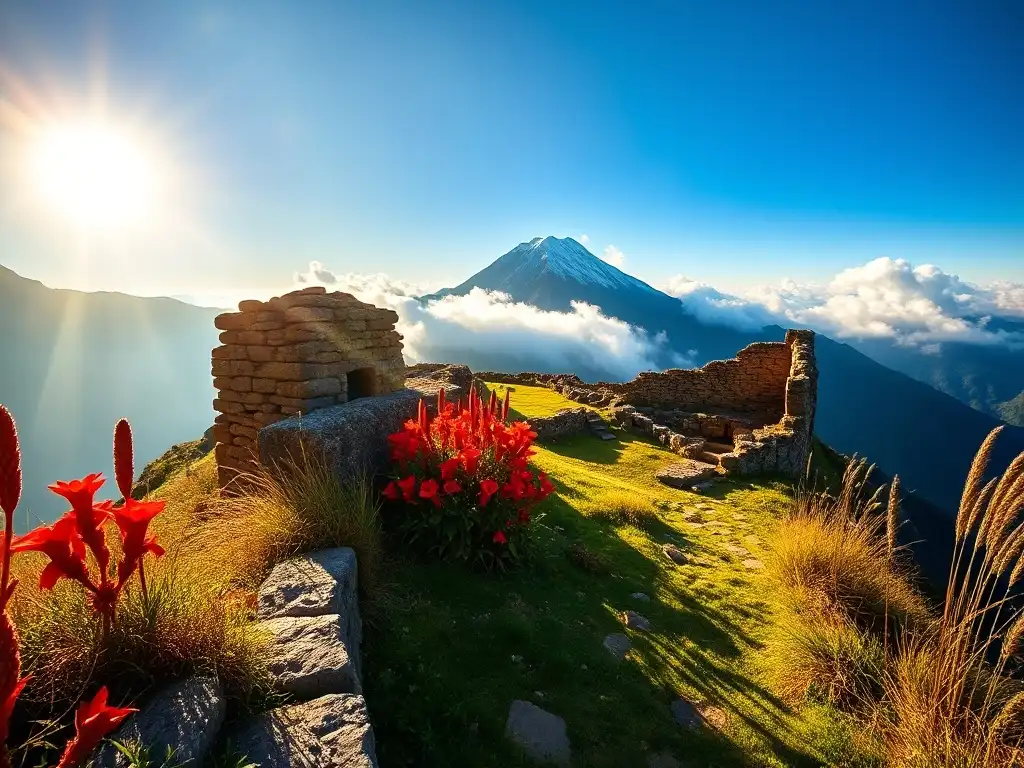
Prepare to be captivated by the enigmatic world of the Andes! Journey with us through millennia of breathtaking artistry, ingenious engineering, and profound spirituality. Uncover the secrets behind the Andean sacred sites significance, and discover how these awe-inspiring landscapes shaped the beliefs and practices of civilizations like the Incas, Moche, and Nazca. What hidden meanings lie within these sacred spaces? Explore the fascinating world of Andean cosmology and unveil the answers.
- Sacred Landscapes: Discovering the Spiritual Significance of Natural Sites in the Andes
- Andean Sacred Sites: Mountains as Deities
- Andean Sacred Sites: Water Sources and Their Spiritual Meaning
- Andean Sacred Sites: The Sun, Moon, and Celestial Alignment
- The Relationship Between Andean Sacred Sites and Traditional Agricultural Practices
- The Preservation of Andean Sacred Sites: Challenges and Initiatives
- Understanding the Enduring Significance of Andean Sacred Sites
-
Frequently Asked Questions
- What is the significance of sacred sites in Andean cultures?
- How did the Incas use sacred landscapes?
- What are some examples of important Andean sacred sites?
- How did the environment influence the spiritual beliefs of Andean people?
- What role did astronomy play in the selection and use of Andean sacred sites?
- Final Reflection: Echoes of the Andes: A Legacy of Sacred Connection
- Embrace the Sacred: Journey Beyond the Page!
Sacred Landscapes: Discovering the Spiritual Significance of Natural Sites in the Andes
The Andes Mountains, a spine of towering peaks stretching along the western coast of South America, are more than just a geographical feature; they are a living tapestry woven with threads of spirituality, history, and cultural identity. For millennia, the indigenous Andean peoples—including the Incas, Moche, Nazca, and Tiahuanaco—have held a profound reverence for the natural world, imbuing mountains, rivers, lakes, and even specific rocks with sacred significance. This deep-seated connection shaped their cosmology, worldview, and daily lives, influencing everything from agricultural practices to political structures.
This article delves into the spiritual significance of these natural sites, exploring how they served as focal points for religious rituals, pilgrimage, and the expression of a complex relationship between humanity and the cosmos. Understanding the importance of these Andean sacred sites is crucial to comprehending the rich tapestry of Andean civilization and its enduring legacy.
We will explore the concept of sacred space within Andean cosmology and examine specific examples to illustrate the profound impact these sites had, and continue to have, on Andean cultures. This exploration will reveal how the "Andean sacred sites significance" extended far beyond mere geographical locations, becoming integral to the very fabric of Andean identity.
Introduction to Andean Sacred Sites and Their Importance
Andean sacred sites weren't simply places of worship; they were considered living entities, imbued with power and agency. These sites served as vital links between the human world ( kay pacha) and the upper world ( hanan pacha), home to the gods, and the underworld ( ukhu pacha), the realm of ancestors. The specific significance of a site varied depending on the culture and the particular location, but common themes emerge. Mountains, often considered the abode of powerful deities, were frequently venerated.
For example, Mount Ausangate in Peru, still considered sacred by local communities, was (and remains) a significant site for Inca rituals and offerings. Similarly, springs and lakes were viewed as sources of life-giving energy, connected to the fertility of the land and the well-being of the people. The careful observation of natural phenomena like the solstices and equinoxes at specific locations further reinforced their sacred status.
These observations were not merely astronomical; they were deeply intertwined with agricultural cycles and the maintenance of cosmic harmony. The precise location and orientation of many sites suggest a sophisticated understanding of astronomy and geomancy, underscoring the meticulous planning and ritual importance attached to these places. The construction of elaborate temples, terraces, and other structures at these locations further amplified their sacred character, transforming them into vibrant centers of religious and social life.
The Concept of Sacred Space in Andean Cosmology
The Andean worldview is characterized by a complex cosmology that emphasizes the interconnectedness of all things. The concept of sacred space within this cosmology is not limited to designated areas; it permeates the entire landscape. However, certain locations were recognized as particularly potent, acting as nodes within a larger network of sacred energy.
These sites were often associated with specific deities or ancestral spirits, and their power was believed to be amplified through ritual activity. The performance of ceremonies, offerings, and pilgrimages at these locations served to maintain the balance between the different realms and ensure the continued prosperity of the community. These rituals were not merely symbolic; they were believed to have a direct impact on the physical world, influencing weather patterns, crop yields, and the overall health of the community.
The careful maintenance of these sites, often involving the clearing of paths, the construction of shrines, and the regular presentation of offerings, underscores the enduring importance of these locations in the Andean worldview. The concept of Pachamama, the Earth Mother, further exemplifies this deep connection, highlighting the inherent sacredness of the land itself and the reciprocal relationship between humans and nature. The reverence for Pachamama is woven into the fabric of Andean spirituality, emphasizing the responsibility of humans to care for the land and maintain its sacred balance.
Andean Sacred Sites: Mountains as Deities
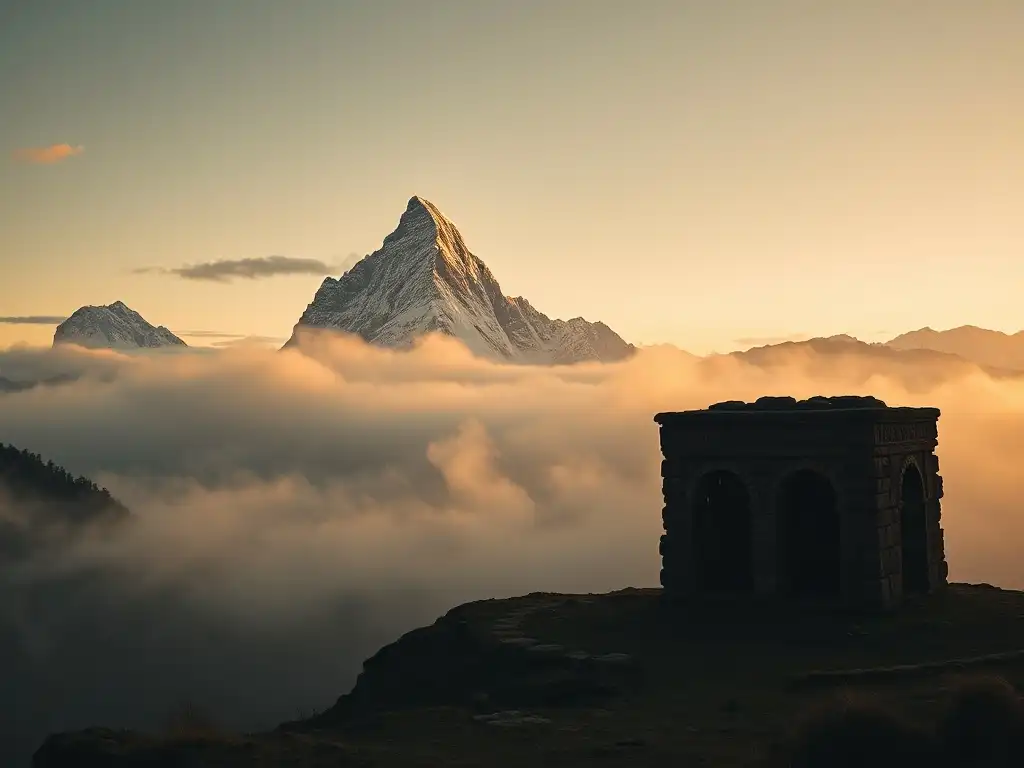
The Andes Mountains weren't merely geographical features to the ancient Andean civilizations; they were living entities, powerful deities deserving of reverence and respect. This deeply ingrained spiritual connection shaped their worldview, influencing everything from daily life to elaborate religious ceremonies. The concept of apu, a Quechua word meaning "mountain god" or "mountain spirit," encapsulates this profound relationship.
Understanding the significance of apu is crucial to grasping the Andean perception of sacred landscapes and their intricate cosmology. The reverence for these mountain deities wasn't simply a matter of superstition; it was a fundamental aspect of their social and political structures, underpinning their agricultural practices and societal organization. The power and majesty of the apu permeated all aspects of Andean life.
Apu Worship: The Significance of Mountain Peaks
Apu worship involved a complex system of offerings, prayers, and rituals aimed at maintaining a harmonious relationship with these powerful mountain spirits. These weren't passive acts of supplication; instead, they were active engagements, acknowledging the apu's influence over weather patterns, agricultural yields, and the overall well-being of the community. Villages often located themselves strategically near important apu, reflecting the profound importance of proximity to these spiritual forces. Evidence suggests that specific peaks were associated with particular deities or ancestral spirits, further demonstrating the nuanced and individualized nature of apu worship.
The offerings presented to the apu varied depending on the specific mountain and the community's needs. These could include coca leaves (a sacred plant with significant ritualistic importance), chicha (a fermented corn beverage), textiles, and other precious goods. The act of offering itself was a symbolic gesture of reciprocity, demonstrating respect and seeking the apu's benevolent intervention in return. This reciprocal relationship underscores the Andean understanding of the interconnectedness between humanity and the natural world. The apu weren't distant, unapproachable entities; they were active participants in the lives of the Andean people.
The Role of Mountains in Andean Rituals and Ceremonies
Mountains served as central locations for numerous rituals and ceremonies, many of which revolved around agricultural cycles and the maintenance of cosmic balance. The timing of these events often coincided with significant astronomical events, highlighting the close relationship between Andean spirituality and the celestial world. Specific mountain peaks were chosen for their perceived spiritual power and their connection to particular deities or ancestral lineages. These sacred sites were not only places of worship but also locations for community gatherings, reinforcing social bonds and reaffirming shared beliefs.
For example, capacocha sacrifices, while controversial, were believed to be a crucial part of maintaining cosmic equilibrium. These offerings, typically involving children or young adults, were performed on mountaintops, signifying the connection between the earthly and spiritual realms. The precise nature and frequency of capacocha are still debated amongst scholars, but their association with sacred mountain peaks is well-documented.
The practice underscores the extreme lengths to which the Andean people went to appease and honor their mountain deities. Furthermore, many pilgrimage routes crisscrossed the Andes, leading to sacred mountain shrines, where individuals and communities would undertake arduous journeys to pay homage to the apu.
Examples of Important Sacred Mountains in the Andes
Several mountains hold particularly significant spiritual importance within Andean cosmology. While specific details about the rituals and beliefs associated with each apu can vary depending on the region and the specific community, their shared significance as powerful deities is undeniable. These mountains weren't just visually impressive; they were considered to be the dwelling places of powerful spirits, actively influencing the lives of the Andean people.
| Mountain Name | Region | Associated Deity/Significance |
|---|---|---|
| Ausangate | Cusco, Peru | Water deity, associated with fertility and abundance. |
| Salkantay | Cusco, Peru | Powerful apu, often depicted in local art and mythology. |
| Nevado Huascarán | Ancash, Peru | Considered a sacred mountain by several Andean communities. |
| Illimani | La Paz, Bolivia | Protector deity of La Paz, associated with weather patterns. |
| Cerro Aconcagua | Mendoza, Argentina | Holds significant spiritual importance for some Andean groups, though detailed information is limited. [Specific information pending] |
The significance of these and other Andean sacred sites continues to resonate today, highlighting the enduring legacy of Andean cosmology and the deep spiritual connection between the people and their environment. The apu remain powerful symbols of Andean identity and cultural heritage, reminding us of the profound respect and reverence that these ancient civilizations held for the natural world. ⛰️
Andean Sacred Sites: Water Sources and Their Spiritual Meaning
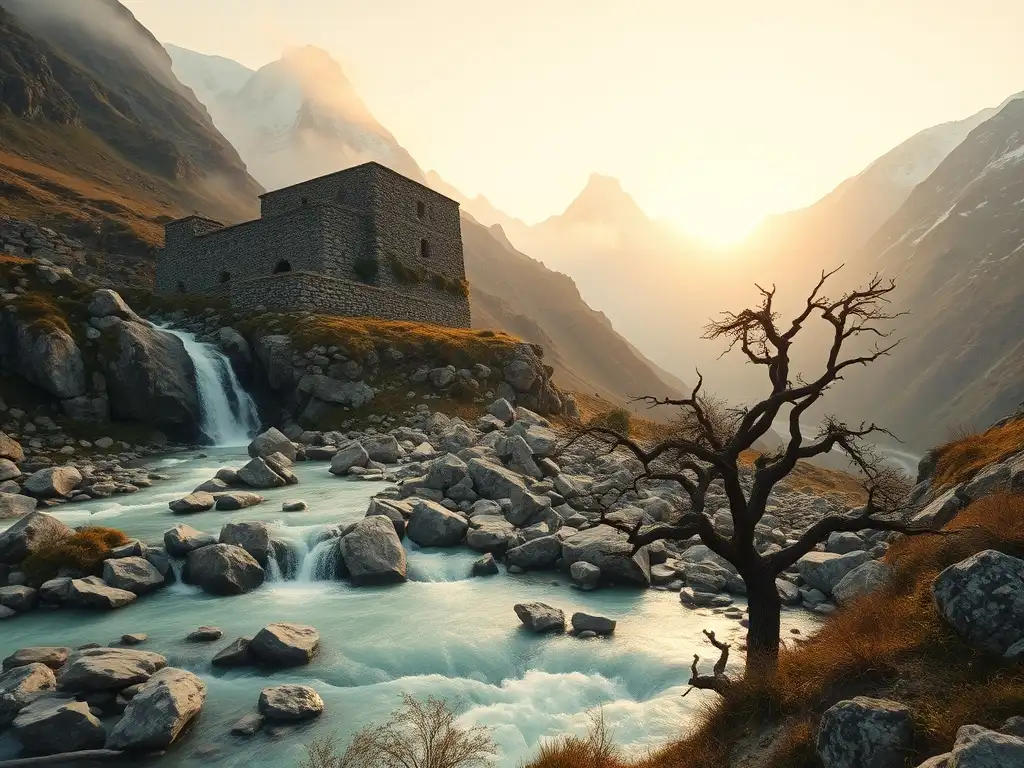
The Andean worldview deeply intertwined the spiritual and the physical, imbuing natural elements with profound significance. Nowhere is this more evident than in the reverence shown to water sources. For Andean cultures, lakes, rivers, springs, waterfalls, and even coastal areas weren't simply geographical features; they were living entities, imbued with power and possessing spiritual agency.
Understanding this perspective is crucial to grasping the true meaning of many Andean sacred sites and their enduring legacy. The concept of agua sagrada (sacred water) permeates Andean cosmology, influencing rituals, agricultural practices, and social structures. The abundance or scarcity of water directly impacted the lives and spiritual well-being of Andean communities, shaping their beliefs and practices for millennia.
This section will explore the multifaceted spiritual meaning attributed to different water sources within the Andean context. The significance of these sites is intrinsically linked to the Andean concept of Pachamama, the Earth Mother, who is often associated with the life-giving power of water.
Lakes, Rivers, and Springs as Living Entities
Andean peoples viewed lakes, rivers, and springs not merely as sources of water but as sentient beings, often inhabited by spirits or deities. Lake Titicaca, for instance, holds immense spiritual importance, considered the birthplace of the Inca civilization and the home of various deities. Its vastness and depth fostered a sense of awe and mystery, leading to elaborate rituals and offerings performed at its shores.
Similarly, many smaller lakes and springs throughout the Andes were considered sacred, each with its own unique spirit or protective deity. These smaller water bodies often served as focal points for local communities, where rituals were conducted to ensure the continued flow of water and the fertility of the land. The reverence extended to rivers as well, with many considered sacred pathways connecting the earthly realm to the spiritual world.
The flow of the river was seen as a symbol of life's continuous cycle, and its waters were believed to possess cleansing and healing properties. Specific locations along rivers, such as waterfalls or confluences, often held particularly strong spiritual significance.
The precise nature of the spirits or deities associated with specific water sources varied across different Andean cultures and regions. However, the common thread was the deep respect and reverence shown towards these life-giving entities. This respect manifested in various ways, including offerings of coca leaves, food, and other precious items; the avoidance of polluting the water; and the careful management of water resources to ensure their sustainability. Ethnographic studies and archaeological findings consistently reveal the importance of these practices in maintaining the harmonious relationship between humans and the natural world within the Andean worldview.
The Connection Between Water and Fertility in Andean Beliefs
The life-giving properties of water were inextricably linked to the concept of fertility in Andean beliefs. Water was considered essential for agricultural success, and its abundance was seen as a sign of divine favor. Rituals aimed at ensuring adequate rainfall and the fertility of the land often centered around water sources.
These rituals could involve offerings, prayers, and symbolic acts intended to appease the spirits associated with the water and ensure their continued benevolence. The timing of agricultural activities was frequently synchronized with the natural water cycle, reflecting a deep understanding of the interconnectedness between water, the land, and the spiritual realm. Droughts and other water-related calamities were interpreted as signs of divine displeasure, prompting communities to undertake remedial actions to restore the balance.
The connection between water and fertility extended beyond agriculture to encompass human fertility as well. Certain water sources were believed to possess special powers that could enhance fertility and promote healthy pregnancies. Women seeking to conceive would often visit these sacred sites to perform rituals or make offerings, seeking the blessings of the water spirits.
The symbolism of water as a source of life and renewal is evident in many Andean myths and legends, further reinforcing its importance in the context of fertility and reproduction. The enduring legacy of these beliefs can be seen in contemporary Andean communities, where water continues to hold a central role in both agricultural practices and spiritual life.
The Spiritual Significance of Waterfalls and Coastal Areas
Waterfalls, with their dramatic displays of power and energy, held a particularly strong spiritual significance in Andean cosmology. The cascading water was often seen as a manifestation of divine energy, connecting the earthly and celestial realms. Many waterfalls were considered sacred sites, attracting pilgrims and serving as locations for rituals and ceremonies.
The roar of the water, the mist created by its fall, and the sheer power of the cascading water all contributed to the awe and reverence inspired by these natural wonders. Specific waterfalls were often associated with particular deities or spirits, each with its own unique story and significance.
Coastal areas also held important spiritual meaning, particularly for those Andean communities living near the Pacific Ocean. The ocean, with its vastness and unpredictable nature, represented both a source of life and a powerful force to be reckoned with. Coastal sites were often associated with deities associated with the sea, and rituals were performed to ensure safe passage for fishermen and to secure the abundance of marine resources.
Coastal caves and rock formations often served as sacred sites, reflecting the spiritual importance attributed to these locations. The rhythmic ebb and flow of the tides, the crashing waves, and the vast expanse of the ocean all contributed to the spiritual power attributed to these coastal areas. These sites demonstrate the comprehensive reach of Andean spiritual beliefs, extending beyond the highlands to encompass the diverse landscapes of the Andean region.
Andean Sacred Sites: The Sun, Moon, and Celestial Alignment
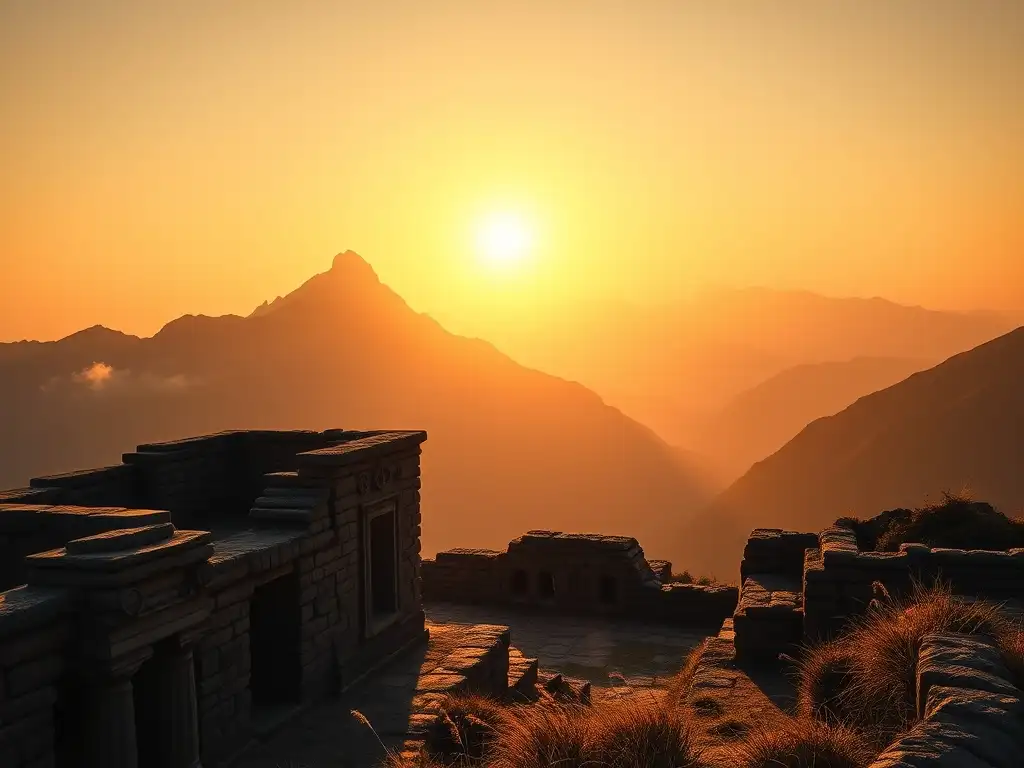
The Andean worldview was deeply intertwined with the celestial bodies, particularly the sun and moon. Their movements, cycles, and alignments held profound spiritual significance, shaping religious practices, agricultural cycles, and the very placement of sacred sites across the Andes. The intricate relationship between the Andean people and the cosmos is evident in the meticulous observation of celestial events and their integration into daily life and religious ceremonies. Understanding this connection is crucial to grasping the true meaning and power of Andean sacred sites. The "Andean sacred sites significance" lies precisely in this profound cosmic connection.
The Inti Raymi Festival and Sun Worship
Inti Raymi, the Inca festival of the sun, stands as a powerful testament to the sun's central role in Andean spirituality. Celebrated during the winter solstice, this grand ceremony involved elaborate rituals, sacrifices, and processions, all aimed at honoring Inti, the sun god, and ensuring the continuation of life-giving solar energy. The festival wasn't merely a spectacle; it was a crucial act of cosmic communion, reaffirming the Inca's dependence on the sun for their agricultural prosperity and the well-being of their empire.
The festivities, held at the impressive Sacsayhuamán fortress near Cusco, involved the participation of thousands of people, highlighting the societal importance of sun worship. Specific rituals, such as the offering of llamas and other precious goods to Inti, symbolize the Inca's deep respect and reliance on the sun's power.
The timing of Inti Raymi, coinciding with the solstice, emphasizes the importance of astronomical observations in their religious calendar. Records of the festival, though partially fragmented due to the Spanish conquest, reveal a rich tapestry of traditions and beliefs centered around the sun.
The Role of the Moon in Andean Rituals and Agriculture
While the sun held a dominant position, the moon also played a vital role in Andean cosmology and daily life. Its cyclical phases were closely observed, influencing agricultural practices and various rituals. The moon's influence on planting and harvesting cycles is well documented, with evidence suggesting that Andean farmers carefully timed their activities according to lunar phases.
This practical application of astronomical knowledge demonstrates a sophisticated understanding of the moon's impact on the growth and development of crops. Furthermore, the moon's phases were incorporated into various religious ceremonies and festivals, with specific rituals associated with the new moon and full moon. These rituals often involved offerings and prayers aimed at ensuring fertility, abundance, and protection.
Some scholars suggest that the moon's cyclical nature was seen as a reflection of the cyclical nature of life, death, and rebirth, reflecting a deep-seated cosmological belief system. The precise nature of some of these moon-related rituals remains a subject of ongoing research, but available evidence clearly indicates the moon's significant role in shaping Andean religious practices and agricultural techniques. Further research is needed on [specific moon-related rituals from different Andean groups].
The Importance of Astronomical Observations in Sacred Site Placement
The placement of many Andean sacred sites was not arbitrary; it was carefully planned and aligned with significant astronomical events. Many sites exhibit precise alignments with solstices, equinoxes, and other celestial phenomena, suggesting a sophisticated understanding of astronomy and its relationship to the spiritual realm. For example, some ruins are positioned to capture the sunrise or sunset on specific dates, creating a powerful visual and symbolic connection between the earthly and celestial realms.
This meticulous attention to astronomical alignments underscores the importance of celestial events in shaping the Andean worldview and the design of sacred spaces. The sites themselves often functioned as observatories, allowing priests and astronomers to track celestial movements and make predictions about weather patterns, agricultural cycles, and other crucial aspects of Andean life. The precision involved in these alignments highlights the advanced astronomical knowledge possessed by Andean cultures and their ability to integrate this knowledge into their religious and societal structures.
The continued research into these sites reveals increasingly complex relationships between astronomy and Andean spirituality, further emphasizing the "Andean sacred sites significance" within the broader context of their cosmology. More study is needed to fully understand the [specific astronomical alignments of lesser-known Andean sites].
The Relationship Between Andean Sacred Sites and Traditional Agricultural Practices
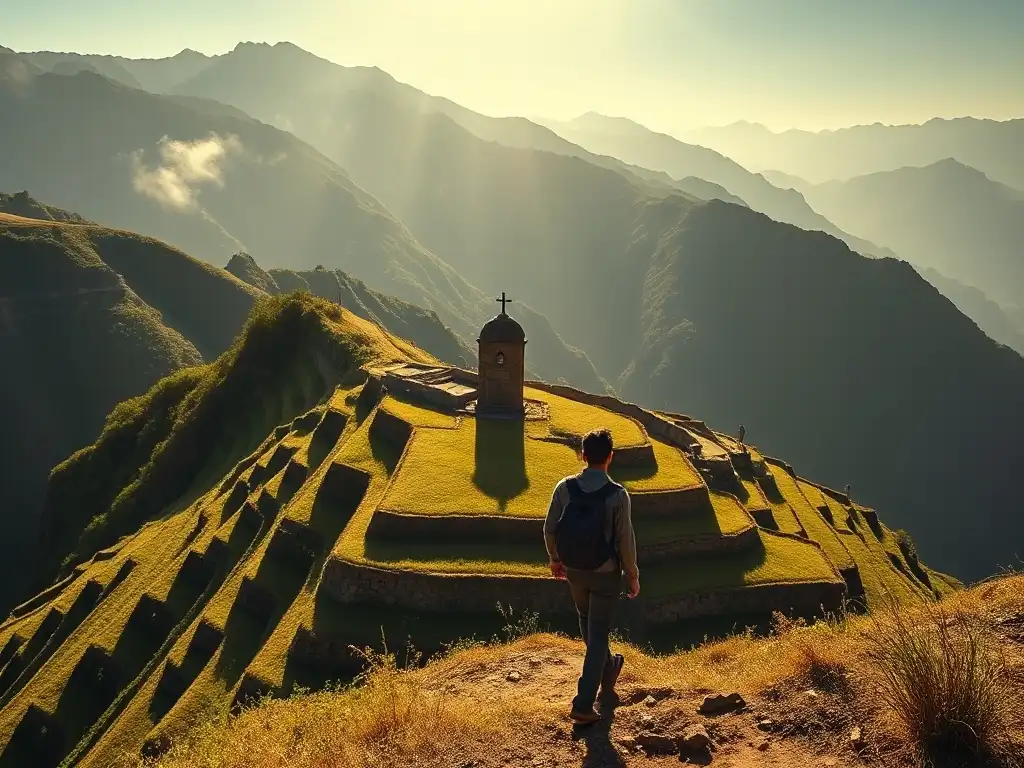
The Andean worldview deeply intertwined spiritual beliefs with practical aspects of life, particularly agriculture. The success of their farming, crucial for survival in challenging terrain, was inextricably linked to the perceived favor of the gods and spirits associated with specific sacred sites. Understanding this relationship reveals a sophisticated system where reverence for nature wasn't merely spiritual but also deeply pragmatic, influencing agricultural practices and ensuring the continuity of their societies. This intimate connection between the sacred and the secular is a key element in understanding the Andean sacred sites significance.
Sacred Sites and Agricultural Calendars
Andean agricultural calendars weren't simply based on astronomical observations; they were intricately tied to the cycles of life and death observed at sacred sites. Many sites, such as mountain peaks ( apus) or springs, served as markers for planting and harvesting seasons. For example, the appearance of certain birds or the melting of snow at high-altitude shrines could signal the optimal time for sowing.
These weren't arbitrary observations; they were interpreted within a complex cosmology where the natural world mirrored the spiritual realm. The precise timing, often passed down through generations of oral tradition, demonstrated a profound understanding of both ecological rhythms and spiritual cycles. The accuracy of these calendars, honed over centuries, contributed significantly to the agricultural success of Andean communities.
Detailed records of these observations, however, are often fragmented or lost, leaving significant gaps in our understanding of the specific calendars associated with each site. [Specific calendar details pending further research].
The Use of Sacred Sites in Crop Blessing Ceremonies
Sacred sites served as focal points for rituals aimed at ensuring bountiful harvests. These ceremonies, often involving offerings of food, coca leaves, and other items, were designed to appease the deities associated with fertility and abundance. The act of offering at a specific sacred site, believed to be a point of connection to the spiritual world, was crucial to the success of the ritual.
For instance, the Incas performed elaborate ceremonies at various huacas (sacred places), seeking blessings for their crops and livestock. The rituals were often led by priests or shamans, who played a vital role in interpreting the signs and ensuring the proper execution of the ceremonies. These ceremonies weren't simply superstitious acts; they were integral to the Andean agricultural system, demonstrating the crucial role of spirituality in ensuring food security.
The specific offerings and rituals varied across different Andean cultures and regions, reflecting the diversity of their beliefs and practices. [More detailed descriptions of specific ceremonies and offerings pending].
The Connection Between Sacred Places and Sustainable Farming
The reverence for sacred sites fostered sustainable farming practices. The Andean people didn't view nature as a resource to be exploited but as a sacred entity to be respected and carefully managed. This respect translated into sustainable agricultural techniques, such as terracing, irrigation systems, and crop rotation. These methods, developed over centuries, minimized environmental impact and maximized yields.
The sacred sites themselves often served as reminders of the interconnectedness of all living things and the importance of maintaining ecological balance. Damaging the environment, therefore, wasn't just a practical concern but also a spiritual transgression. The long-term sustainability of Andean agriculture provides a compelling example of how a deep-seated spiritual connection with nature can lead to environmentally responsible practices. This holistic approach to agriculture, integrating spiritual beliefs with practical knowledge, offers valuable insights for modern sustainable agriculture practices.
Further research into the specific techniques employed at different sacred sites would enhance our understanding of this remarkable achievement. The enduring Andean sacred sites significance lies not only in their spiritual power but also in their contribution to the development of sustainable agricultural systems. The integration of these practices highlights a profound understanding of environmental stewardship, a lesson of enduring relevance today.
The Preservation of Andean Sacred Sites: Challenges and Initiatives
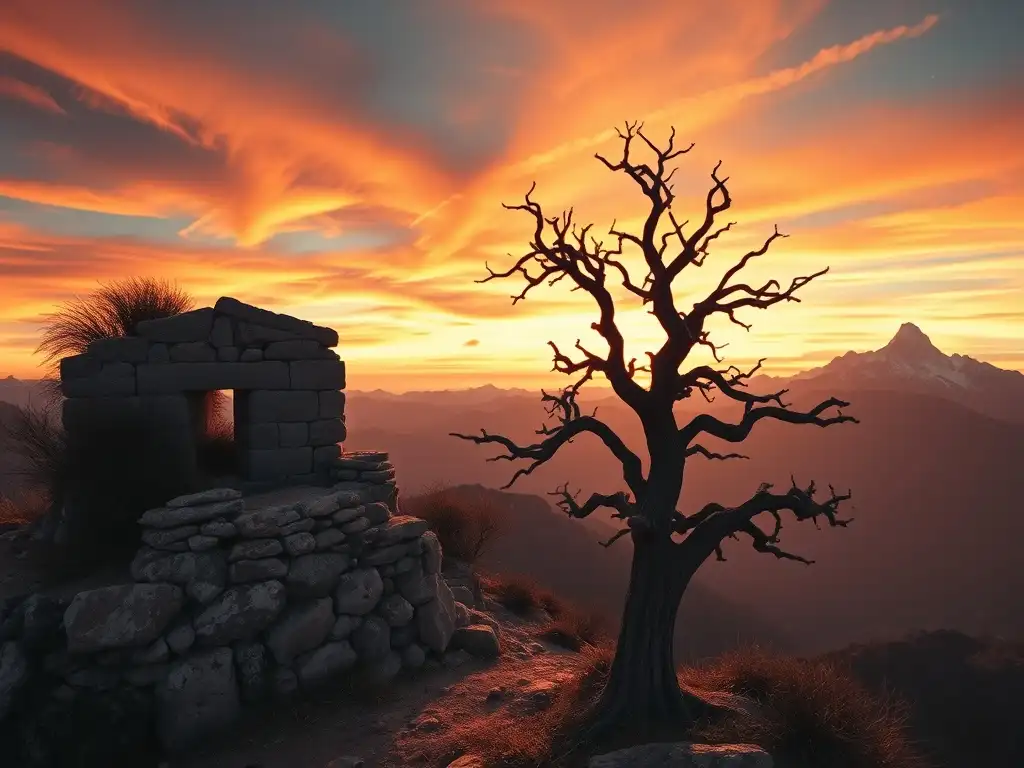
The enduring spiritual significance of Andean sacred sites faces numerous threats in the modern era. Understanding these challenges and the initiatives aimed at preservation is crucial for safeguarding these invaluable aspects of Andean heritage and ensuring their accessibility for future generations. The delicate balance between cultural preservation and sustainable development is a key consideration in the ongoing efforts to protect these sites, and their significance to Andean cosmology.
Threats to Andean Sacred Sites: Mining, Tourism, and Climate Change
Andean sacred sites are vulnerable to a complex interplay of threats. Large-scale mining operations often encroach upon these areas, causing irreversible damage to landscapes and disrupting ancestral practices. The extraction of minerals, particularly gold and copper, leads to habitat destruction, water pollution, and the erosion of culturally significant features. For example, the expansion of mining activities near the sacred mountains of the Andes has resulted in significant habitat loss for vicuñas and other native Andean fauna, directly impacting the ecological balance revered by indigenous communities.
Unsustainable tourism practices also pose a significant risk. Increased visitor numbers can lead to erosion, pollution, and the deterioration of archaeological remains. The lack of proper infrastructure and management plans often results in overcrowding, littering, and disrespect for sacred rituals and traditions. The influx of tourists to Machu Picchu, for instance, highlights the need for carefully managed tourism to prevent further damage to the site and surrounding environment.
Climate change exacerbates these existing pressures. Glacial melt, increased rainfall intensity, and extreme weather events threaten the integrity of archaeological sites and the surrounding ecosystems. The melting glaciers in the Cordillera Blanca, for instance, pose a threat to the water resources crucial for both human populations and the preservation of sacred sites located downstream. This highlights the interconnectedness of environmental challenges and the need for holistic conservation strategies. The impact of these threats is not just environmental; they directly affect the cultural and spiritual well-being of indigenous communities who maintain a deep connection with these sacred sites.
Community-Based Conservation Efforts
Recognizing the limitations of top-down approaches, many conservation efforts are increasingly focusing on community-based initiatives. Indigenous communities, who are the traditional custodians of these sacred sites, play a pivotal role in their preservation. Their deep knowledge of the landscape, ancestral practices, and spiritual significance ensures a holistic and culturally sensitive approach to conservation.
These efforts often involve:
- Participatory management plans: These plans involve the active participation of local communities in decision-making processes related to the management and protection of sacred sites.
- Sustainable tourism initiatives: Communities are developing and implementing sustainable tourism strategies that benefit local economies while minimizing the environmental and cultural impacts of tourism.
- Traditional ecological knowledge (TEK) integration: Conservation strategies incorporate traditional ecological knowledge to inform management decisions and promote sustainable practices.
- Capacity building: Training and education programs empower local communities with the skills and resources needed for effective conservation.
These community-led initiatives demonstrate that successful preservation requires a shift from externally imposed solutions to participatory models that empower indigenous communities and recognize their invaluable role in safeguarding Andean sacred sites and their significance.
The Importance of Respecting Andean Ancestral Lands
Respect for Andean ancestral lands is paramount for the preservation of sacred sites. This requires a fundamental shift in perspective, recognizing the inherent value and spiritual significance of these places beyond their archaeological or economic value. It's about acknowledging the deep connection between indigenous communities and their ancestral territories, recognizing their rights, and ensuring their active participation in decision-making processes that affect their lands.
The preservation of Andean sacred sites is not merely an environmental or archaeological concern; it is a matter of cultural survival and respect for the rich spiritual heritage of Andean civilizations. Ignoring the spiritual significance of these sites undermines the very essence of what makes them valuable and unique.
By prioritizing community-based conservation efforts and fostering respect for ancestral lands, we can work towards a future where these sacred sites continue to thrive, enriching both the cultural landscape and the spiritual lives of Andean communities for generations to come. This holistic approach acknowledges the profound connection between the spiritual and physical aspects of these sites, furthering our understanding of the "Andean sacred sites significance".
Understanding the Enduring Significance of Andean Sacred Sites
The Andean region, home to a vibrant tapestry of ancient civilizations, reveals a profound and enduring relationship between humanity and nature. This connection is most powerfully expressed through the reverence for sacred sites, places imbued with spiritual significance and deeply intertwined with the cosmological beliefs of cultures like the Inca, Moche, Nazca, and Tiahuanaco. Understanding the significance of these sites requires moving beyond a simple geographical definition; it necessitates acknowledging their role as living embodiments of Andean spirituality, influencing social structures, agricultural practices, and artistic expression for millennia.
The enduring power of these sites lies in their ability to connect past generations with the present, offering a tangible link to a rich and complex cultural heritage. The impact of these sites on Andean identity and worldview remains palpable today.
Studying these locations offers valuable insight into the intricate web of beliefs and practices that shaped Andean societies, highlighting the deep respect for the natural world that permeates their cultural fabric. This respect is not merely historical; it continues to shape modern Andean communities and their relationship with their environment.
The Legacy of Andean Spirituality in Modern Times
The spiritual significance of Andean sacred sites persists in modern times, woven into the fabric of daily life and cultural practices. While the forms of worship and rituals may have evolved, the underlying connection to these places remains strong. Many communities continue to perform ceremonies and offerings at these sites, seeking blessings for harvests, health, and prosperity. These practices, often passed down through generations, demonstrate the continuity of Andean spirituality and its enduring relevance.
For example, the annual pilgrimage to certain mountain peaks, considered apus (mountain spirits), continues to be a vital part of Andean religious life. These pilgrimages are not merely tourist attractions; they represent a deeply held spiritual commitment, reaffirming the connection between the community and the sacred landscape. Furthermore, the integration of ancestral traditions with contemporary religious practices highlights the adaptability and resilience of Andean spirituality.
The preservation of these sites is not simply a matter of historical preservation; it is crucial for maintaining the cultural identity and spiritual well-being of Andean communities. The ongoing research and documentation of these practices are vital for understanding the living legacy of Andean spirituality and ensuring its protection for future generations. The survival of these traditions underscores the profound and lasting impact of these sacred sites on Andean identity and cultural continuity.
Exploring the Profound Connection Between Culture and Nature
The Andean worldview is fundamentally characterized by a profound interconnectedness between humanity and nature. Sacred sites were not merely chosen arbitrarily; their selection was guided by a complex understanding of the cosmos, reflecting the belief that the spiritual world was deeply interwoven with the physical environment. Mountains, rivers, caves, and other natural features were seen as dwelling places of powerful spirits, playing crucial roles in the maintenance of cosmic balance.
This understanding is reflected in the intricate systems of agricultural terraces, water management, and religious practices developed by Andean societies. For instance, the Nazca Lines, though their purpose remains debated, strongly suggest a sophisticated understanding of astronomy and a deep connection to the celestial realm. Similarly, the Inca's meticulous management of water resources, built around the concept of sacred waters, demonstrates their profound respect for the life-giving power of nature.
The integration of spiritual practices into daily life, particularly those related to agriculture and resource management, highlights how Andean societies viewed the natural world not as something to be exploited, but as a source of life and spiritual power that needed to be respected and carefully managed. This holistic worldview, where the spiritual and material realms are inextricably linked, provides a valuable lesson for contemporary societies grappling with environmental challenges. The detailed study of these practices reveals sophisticated ecological knowledge embedded within their spiritual beliefs, demonstrating a sustainable relationship with the environment that contrasts sharply with many modern approaches.
Conclusion: Respecting the Sacredness of the Andean Landscape
The Andean sacred sites serve as powerful reminders of the profound connection between culture, spirituality, and the natural world. Their enduring significance lies not only in their historical importance but also in their continued relevance to modern Andean communities. Understanding the deep spiritual meaning attached to these places is crucial for appreciating the rich cultural heritage of the Andes and for promoting sustainable practices that respect the sacredness of the landscape.
The ongoing research, preservation efforts, and respectful engagement with these sites are essential for safeguarding this invaluable legacy for future generations. The preservation of these sites is not just an act of historical preservation; it is a vital step in ensuring the continuity of Andean culture and spirituality, a testament to the enduring power of a worldview that deeply values the interconnectedness of humanity and nature.
The legacy of the Andean civilizations provides a compelling example of a harmonious relationship between culture and the environment, a model that holds valuable lessons for the modern world. The ongoing exploration and understanding of "Andean sacred sites significance" is therefore crucial for both historical insight and contemporary environmental stewardship.
Frequently Asked Questions
What is the significance of sacred sites in Andean cultures?
Andean sacred sites held immense spiritual importance. They were considered places of power where the divine and human realms intersected. These locations facilitated communication with ancestors and deities.
How did the Incas use sacred landscapes?
The Incas integrated sacred sites into their complex worldview, using them for ceremonies, pilgrimage, and astronomical observations. Huacas, or sacred objects and places, were central to their religious practices.
What are some examples of important Andean sacred sites?
Prominent examples include Machu Picchu, considered a royal estate and religious center; Sacsayhuamán, a massive fortress with ritual significance; and Lake Titicaca, believed to be the birthplace of the Inca civilization.
How did the environment influence the spiritual beliefs of Andean people?
The Andean environment, with its towering mountains, fertile valleys, and diverse ecosystems, deeply influenced spiritual beliefs. Mountains were often seen as powerful deities, and natural features were imbued with spiritual meaning.
What role did astronomy play in the selection and use of Andean sacred sites?
Astronomy played a crucial role. Many sites were strategically placed to align with celestial events, such as solstices and equinoxes, emphasizing the connection between the earthly and cosmic realms. This astronomical knowledge informed their religious practices and calendar systems.
Final Reflection: Echoes of the Andes: A Legacy of Sacred Connection
The enduring power of Andean sacred sites resonates deeply with our modern world, reminding us of the profound connection between humanity and nature. These aren't just ancient ruins; they are living testaments to a spiritual worldview that continues to shape cultural identities and ecological awareness. The significance of these places transcends time, offering invaluable lessons for a future grappling with environmental challenges and a renewed search for spiritual meaning.
The impact of Andean cosmology, woven into the very fabric of these landscapes, is undeniable. It continues to inspire artistic expression, inform environmental activism, and shape spiritual practices. The mountains are not simply stones, but living beings, imbued with spirit and power.
This understanding, passed down through generations, offers a powerful counterpoint to the exploitative relationship many modern societies have with the natural world. It challenges us to reconsider our place within the ecosystem and to recognize the intrinsic value of all living things.
Consider the profound wisdom embedded within these sacred sites. What can you learn from the enduring connection between the Andean people and their environment? How can you cultivate a deeper appreciation for the natural world and integrate its spiritual significance into your own life? Let the echoes of the Andes inspire you to seek a more harmonious relationship with the earth, fostering a future where reverence for nature is not a relic of the past, but a guiding principle for generations to come.
Embrace the Sacred: Journey Beyond the Page!
Thank you for exploring the spiritual dimensions of our planet's breathtaking natural sites. We hope you've gained insight into the profound connection between these landscapes and their cultural significance. Now, it's time to put your newfound knowledge into practice!
- Immerse yourself in nature by visiting a local sacred site—experience its energy firsthand! Consider exploring a nearby nature reserve, ancient monument, or significant landmark known for its spiritual resonance.
- Share your journey: Post about your personal experiences at sacred landscapes on social media and tag us! Let others know about the transformative power of these special places.
- Join our community: Subscribe to our newsletter for exclusive updates on future articles and events focused on the spiritual significance of the Andes and other sacred regions around the world.
What sacred landscapes resonate with you, and how will you deepen your connection with them?