
From Mountain Peaks to Ocean Depths: The Andean Vision of a Connected World

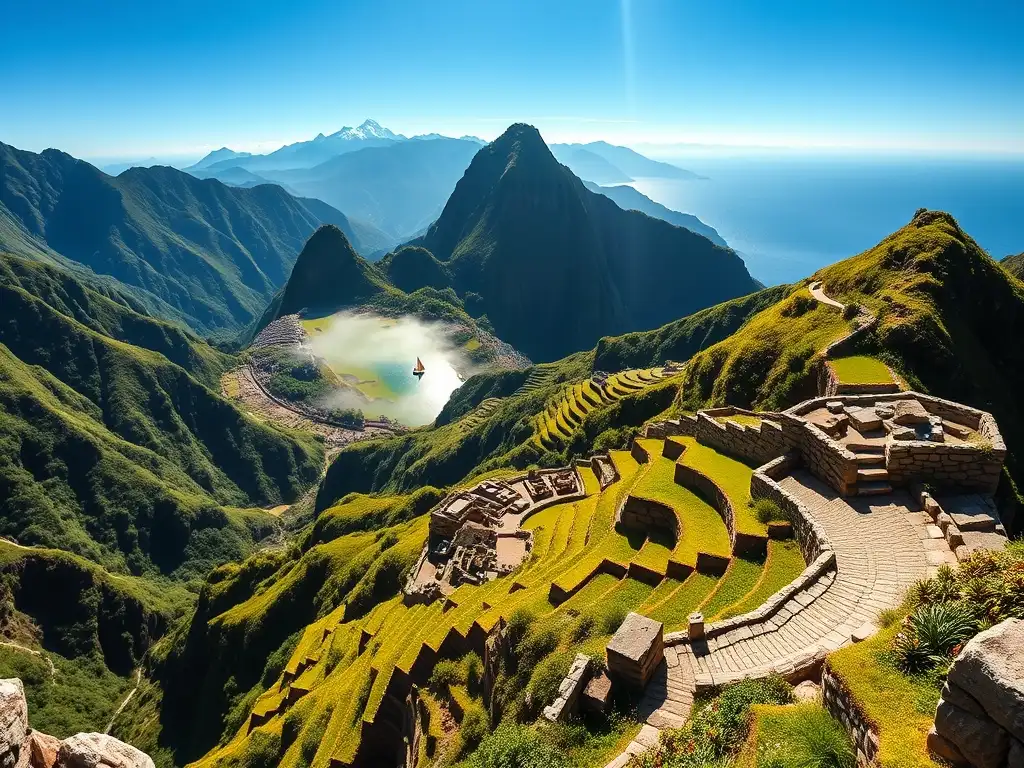
Step into a world lost to time, yet echoing with vibrant life. For centuries, the towering Andes Mountains have witnessed the rise and fall of magnificent civilizations. But what if their seemingly disparate cultures were intricately woven together?
Discover the astonishing truth behind the Andean civilizations interconnectedness, a story that unravels the mysteries of their cosmology and reveals a profound vision of a connected world, far more complex than you ever imagined. Prepare to be amazed as we delve into the captivating tapestry of Andean history in our exploration of "From Mountain Peaks to Ocean Depths: The Andean Vision of a Connected World."
- Andean Cosmology: Interconnectedness of Worlds
- The Vertical Axis: Mountains as Links to the Sky
- The Horizontal Plane: The Flow of Water and Interdependence
- The Underworld: Exploring the Depths of Andean Beliefs
- Andean Civilizations Interconnectedness: A Holistic Vision
- The Legacy of Andean Interconnectedness in Modern Times
-
Frequently Asked Questions
- How interconnected were the different Andean civilizations?
- What role did trade play in the interconnectedness of Andean civilizations?
- Did the Incas play a significant role in Andean interconnectedness?
- How did geography affect the interconnectedness of Andean civilizations?
- What evidence exists to demonstrate the interconnectedness of Andean civilizations?
- Final Reflection: Echoes of the Andes, Whispers of Unity
- **Explore Your Andean Connection Today! **
Andean Cosmology: Interconnectedness of Worlds
The Andes Mountains, a colossal spine running down the western coast of South America, nurtured a tapestry of vibrant civilizations whose worldview transcended the merely terrestrial. This article delves into the profound concept of interconnectedness within Andean cosmology, exploring how these ancient societies perceived the intricate relationship between the heavens, the earth, and the underworld – a holistic vision that shaped their beliefs, practices, and technologies.
Understanding this interconnectedness is crucial to appreciating the ingenuity and resilience of Andean civilizations and their enduring legacy. We will examine how this concept of a unified world, expressed through their art, agriculture, and social structures, manifested as a sophisticated understanding of their environment and a deeply sustainable way of life, a crucial aspect of the keyword "Andean civilizations interconnectedness".
The Andean vision was not one of separation, but of a dynamic, interconnected web of life, where the actions in one realm directly impacted all others.
Understanding the Andean Perspective on Unity
The Andean worldview wasn't simply a belief system; it was a lived reality. Instead of seeing distinct separations between the physical and spiritual, the human and the natural, or the earthly and the celestial, Andean societies perceived a seamless continuum. This interconnectedness is vividly illustrated in their intricate agricultural systems, which integrated terraces into the mountain slopes, mimicking the layered structure of the cosmos itself.
The careful management of water resources, a lifeblood for Andean communities, further demonstrates this holistic approach. Their understanding was not merely theoretical; it was a practical application of their cosmological beliefs, leading to remarkably sustainable practices that allowed for thriving communities across diverse and challenging terrains.
This interconnectedness is also reflected in their art, where celestial bodies, earthly elements, and mythical figures are frequently interwoven, symbolizing the unity of the cosmos. For example, the intricate textiles and ceramics often depict a complex interplay between humans, animals, and supernatural beings, all existing within a unified cosmic order.
The Sacred Mountains: Axis Mundi and Cosmic Energy
The towering Andes themselves held immense spiritual significance, serving as a tangible representation of the axis mundi, a central pillar connecting the three realms: the Hanan Pacha (upper world), Kay Pacha (present world), and Uku Pacha (underworld). These mountains were not merely geographical features; they were considered sacred entities, imbued with power and inhabited by spirits. The peaks were seen as gateways to the upper world, while caves and subterranean springs represented connections to the underworld.
This understanding fostered a deep respect for the mountains and their resources, reflected in the careful stewardship of their environments. The meticulous terracing of the slopes, for instance, wasn't just a clever agricultural technique; it was a ritualistic act, harmonizing human activity with the sacred landscape.
Many archaeological sites, strategically placed on mountain ridges or near significant geological formations, underscore the profound connection between Andean spirituality and the physical environment. The precise alignment of some structures with celestial events further supports the idea of a carefully planned integration between the terrestrial and cosmic realms.
The Reciprocity Principle: A Foundation of Andean Society
The concept of ayni, or reciprocity, is a cornerstone of Andean cosmology and social organization. This principle emphasizes the mutual exchange of goods, services, and energy between individuals, communities, and even the supernatural. It reflects the understanding that everything in the cosmos is interconnected and interdependent.
By fulfilling their obligations within this reciprocal system, individuals maintained balance and harmony within the larger cosmic order. Failure to uphold ayni could disrupt this balance, leading to misfortune or even catastrophe. This principle extended beyond human interactions to encompass the relationship between humans and nature.
Careful stewardship of the environment was seen as a reciprocal act, ensuring the continued bounty of the land in return for respectful treatment. The sustainability of Andean agricultural practices, often praised for their environmental sensitivity, speaks volumes about the practical application of this crucial principle within their society. The meticulous maintenance of irrigation systems and the careful selection of crops highlight the intricate web of reciprocal relationships that underpinned their civilization's success.
The Impact of Interconnectedness on Andean Technologies
The Andean understanding of interconnectedness profoundly influenced their technological advancements. Their sophisticated agricultural techniques, including terracing, irrigation systems, and advanced knowledge of plant cultivation, were not merely technological achievements; they were expressions of their cosmological beliefs. Similarly, their impressive architectural feats, such as the monumental structures of Machu Picchu and Ollantaytambo, demonstrate a deep understanding of engineering principles combined with a profound respect for the environment.
These structures were not randomly placed; they were strategically located within the landscape, reflecting the interconnectedness between the human world and the natural environment. The integration of astronomical knowledge into their construction further exemplifies the holistic nature of their approach, combining practical skills with a profound understanding of the cosmos. The precision and ingenuity of their technologies showcase not only their advanced understanding of engineering but also their deep respect for the delicate balance of the interconnected world they inhabited.
The Vertical Axis: Mountains as Links to the Sky
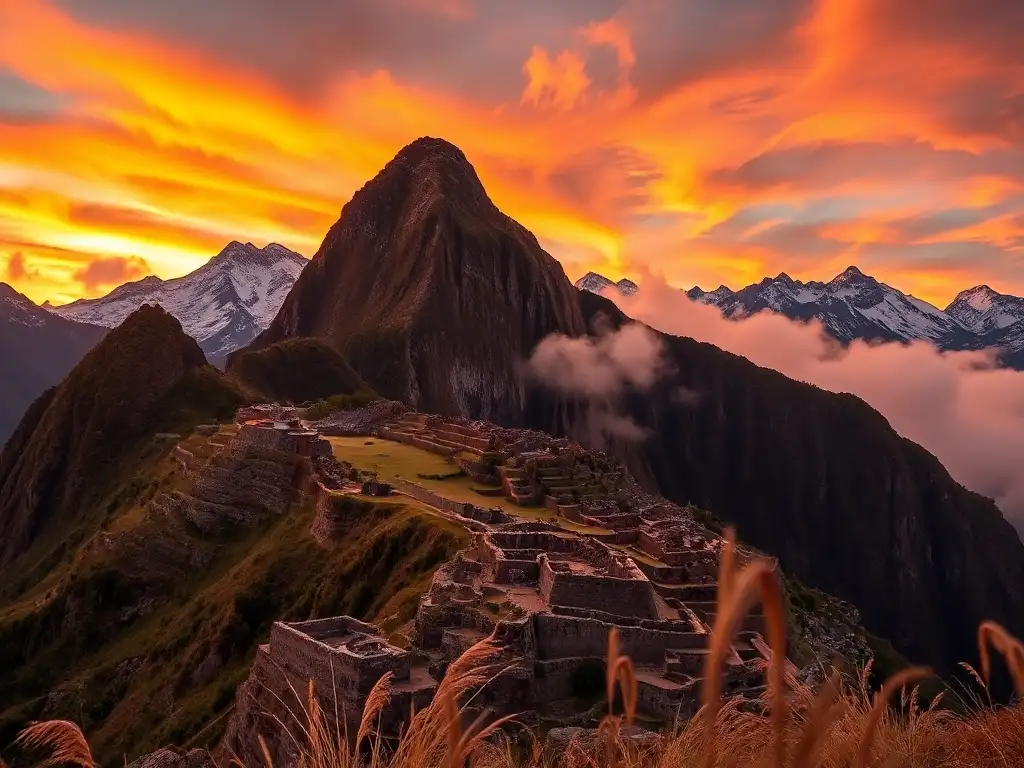
The Andean worldview wasn't confined to the horizontal plane; it was profoundly shaped by the verticality of its geography. The towering Andes, far from being mere geographical features, served as potent symbols connecting the earthly realm with the celestial. This vertical axis, a crucial element of Andean interconnectedness, structured their understanding of the cosmos, their social organization, and their relationship with the natural world.
Understanding this verticality is key to grasping the holistic nature of Andean civilizations' interconnectedness—a network not only of human societies but also of celestial, terrestrial, and subterranean forces. The concept of ayni, reciprocal exchange, extended beyond human interactions to encompass this entire vertical axis.
Andean Sacred Mountains: A Bridge Between Worlds
Andean cultures revered specific mountains, known as apus, as sacred entities. These weren't simply geological formations; they were considered powerful deities, intermediaries between the human and spiritual worlds. Many apus were associated with specific communities or regions, acting as protectors and providers.
Their snow-capped peaks were seen as the abode of powerful spirits, and their slopes provided essential resources like water, minerals, and agricultural land. The interconnectedness between the community and its apu was deeply spiritual, expressed through rituals, offerings, and a profound respect for the mountain's power. Evidence of this deep connection can be found in the numerous archaeological sites built near or on the slopes of sacred mountains, reflecting their central role in the Andean worldview.
For example, the Inca capital of Cusco was strategically located at the intersection of several important apus, highlighting the significance of these geographical features in their political and spiritual organization. The intricate network of trails and roads built by the Inca also reflected their understanding of the interconnectedness between different apus and communities.
The Importance of Apus in Andean Spirituality
The apus weren't merely passive forces; they were active participants in the daily lives of Andean communities. Their moods, perceived through weather patterns and natural events, were carefully observed and interpreted by specialized priests and shamans. Rituals and offerings, often involving coca leaves, llama sacrifices, and other sacred objects, were performed to appease the apus and ensure their continued favor.
These rituals reinforced the reciprocal relationship between humans and the mountains, highlighting the Andean concept of ayni—a continuous exchange of energy and resources. Failure to maintain this balance could lead to misfortune, emphasizing the importance of respecting and honoring the sacred mountains.
This spiritual interconnectedness extended beyond the individual community; the apus connected different communities through shared beliefs and practices, strengthening regional identities and fostering a sense of shared responsibility for the environment. The concept of Pachamama, Mother Earth, further emphasizes the interconnectedness between humans and nature, with the apus as vital components of this larger cosmic order.
Mountain Ecosystems: A Source of Life and Wisdom
The Andean mountains weren't just spiritually significant; they also provided the very basis for Andean societies' survival. The diverse ecosystems found at different altitudes, from the lush cloud forests to the high-altitude puna grasslands, offered a wide array of resources. This vertical stratification of ecosystems fostered a complex system of agricultural practices, with different crops cultivated at different altitudes.
This vertical integration of agricultural practices is a testament to the sophisticated understanding of Andean civilizations of their environment. The interconnectedness between these ecosystems was vital; the water flowing from the high mountains nourished the lower valleys, supporting a complex web of life. Andean people developed intricate knowledge of these ecosystems, understanding the interconnectedness of plants, animals, and the environment.
This knowledge was not merely practical; it was also deeply spiritual, integrated into their worldview and reflected in their art, mythology, and social organization. This intimate understanding of the mountain ecosystems highlights the profound interconnectedness between the Andean people and their environment – an interconnectedness crucial to their survival and cultural development. The sophisticated agricultural techniques, such as terracing and irrigation systems, demonstrate their ability to harness the resources of the mountain ecosystems, showcasing their deep understanding of and respect for the environment’s delicate balance.
The Horizontal Plane: The Flow of Water and Interdependence
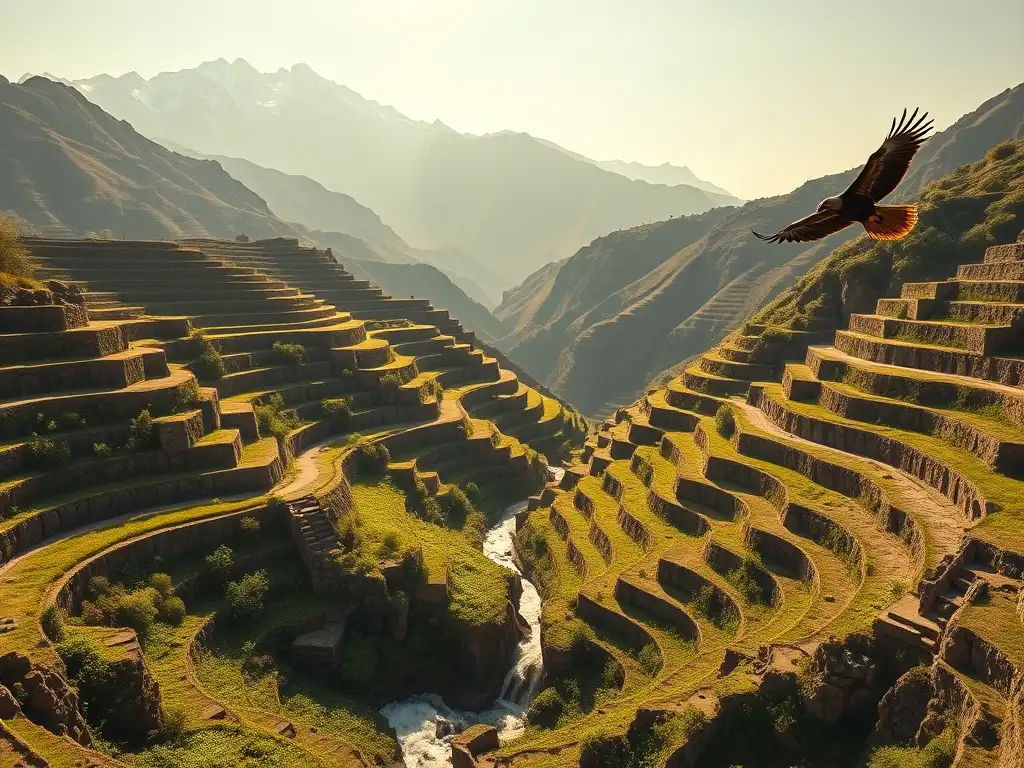
The Andean vision of interconnectedness wasn't confined to the vertical axis connecting the heavens, earth, and underworld. A crucial element of this worldview was the understanding of the horizontal plane, particularly the intricate relationship between Andean civilizations and the flow of water. Water, a life-giving force, served as a vital link connecting disparate communities, shaping agricultural practices, and influencing religious beliefs.
This understanding of water's pervasive influence profoundly impacted the social and economic structures of these societies, forging a complex web of interdependence across vast distances. The concept of ayni, or reciprocity, was deeply intertwined with the management and sharing of water resources, highlighting the collaborative spirit necessary for survival in the challenging Andean environment. This section explores how the careful management and shared understanding of water resources cemented the interconnectedness of Andean civilizations.
Rivers and Waterways: Veins of the Andean World
Rivers and waterways acted as the veins of the Andean world, connecting distant settlements and facilitating trade and communication. The Inca road system, a marvel of engineering, often followed river valleys, providing easy access to vital resources and enabling efficient transportation of goods and people. The control and distribution of water were not merely logistical tasks; they were deeply imbued with spiritual significance.
For example, the Inca empire meticulously managed its water systems through sophisticated irrigation canals and aqueducts, not only to ensure agricultural productivity but also to maintain the balance of the cosmos. Evidence suggests that water management was a highly organized and centralized activity within the Inca state, with specialized officials responsible for overseeing these crucial systems. This centralized control, however, didn't negate the importance of local knowledge and participation in water management; rather, it integrated local expertise within a broader imperial framework.
The efficient management and equitable distribution of water were crucial factors contributing to the stability and prosperity of the Inca empire, underscoring the interconnectedness between water resources and societal well-being. Even smaller, pre-Inca societies developed intricate irrigation systems demonstrating a long-standing understanding of the vital role of water in their interconnected world.
Lake Titicaca: A Source of Sustenance and Mystery
Lake Titicaca, the highest navigable lake in the world, stands as a potent symbol of Andean interconnectedness. For centuries, communities surrounding the lake have relied on its bounty for sustenance, using its waters for fishing, irrigation, and transportation. The lake's vastness and depth fostered a unique ecosystem, supporting a diverse range of flora and fauna that played a crucial role in the livelihoods of numerous Andean groups.
Beyond its practical importance, Lake Titicaca held profound spiritual significance, often associated with the origins of the Inca civilization and serving as a focal point for religious ceremonies and rituals. The lake's waters were believed to possess sacred properties, connecting the earthly realm to the spiritual world. The shared reliance on Lake Titicaca's resources fostered a sense of community and interdependence among the various groups inhabiting its shores, further demonstrating the interconnectedness of Andean civilizations.
Legends and myths associated with the lake highlight its central role in the Andean worldview and its impact on the interconnectedness of different cultures and societies. Archaeological evidence points to continuous habitation around Lake Titicaca for millennia, showcasing its enduring importance as a source of sustenance and a spiritual center.
Agricultural Practices and the Concept of Reciprocity
Andean agricultural practices were deeply intertwined with the concept of ayni, a system of reciprocal exchange that underpinned social and economic relationships. The cultivation of crops like potatoes, maize, and quinoa required intricate water management systems, often involving collaborative efforts among different communities. The construction and maintenance of irrigation canals, terraces, and other agricultural infrastructure necessitated shared labor and resources, fostering a sense of interdependence.
The successful cultivation of these crops depended on the careful management of water resources, often requiring cooperation across different social and political boundaries. This collaborative spirit wasn't merely practical; it was embedded in the Andean worldview, reflecting the belief in the interconnectedness of all living things and the importance of maintaining balance within the ecosystem. The sharing of seeds, knowledge, and labor strengthened social bonds and contributed to the resilience of Andean societies in the face of environmental challenges.
The concept of ayni extended beyond agricultural practices, shaping various aspects of Andean life, but its role in water management and agriculture provides a compelling example of the interconnectedness fostered by shared resources and collaborative efforts. The success of Andean agriculture hinged on this principle of reciprocity, showcasing the deep connection between social structures and the natural environment. The enduring legacy of these agricultural practices reflects the enduring power of collaborative action and the interconnectedness of Andean civilizations.
The Underworld: Exploring the Depths of Andean Beliefs
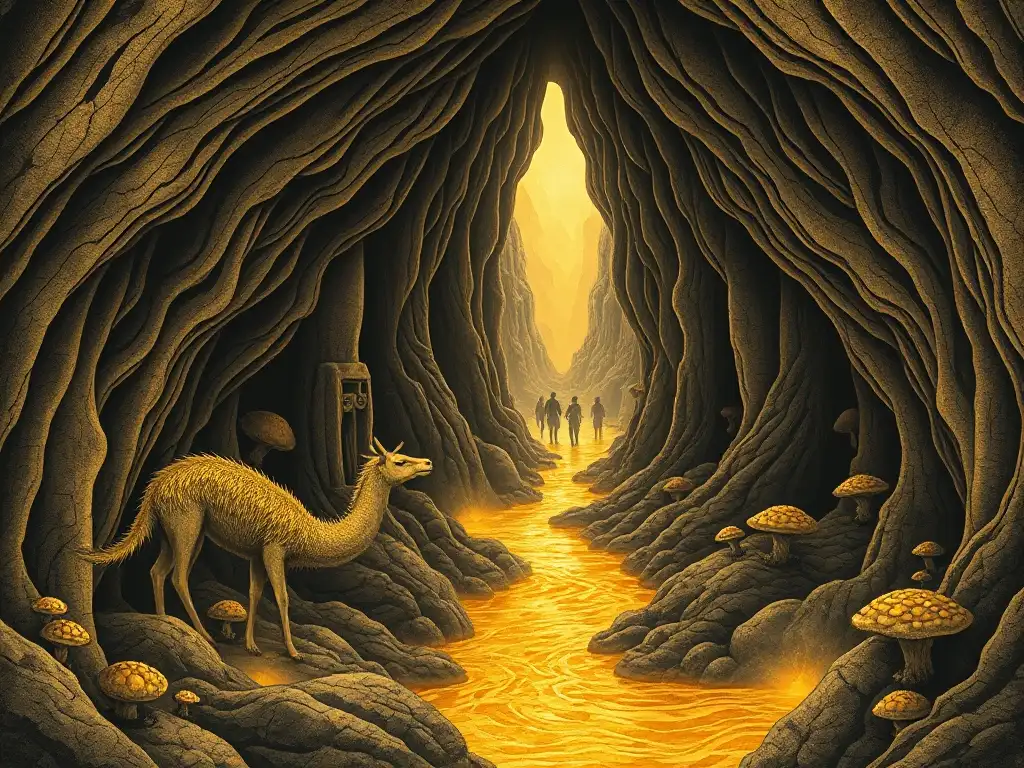
The concept of interconnectedness in Andean civilizations extended beyond the visible world, deeply encompassing a complex understanding of the underworld. This subterranean realm wasn't simply a dark, desolate place; instead, it was a vibrant, vital part of their cosmology, mirroring and interacting with the terrestrial and celestial spheres. Understanding this subterranean dimension is crucial for grasping the holistic Andean vision of a connected world, a worldview that profoundly influenced their societal structures, agricultural practices, and artistic expressions.
The Andean belief in the interconnectedness of the worlds shaped their perception of death and the afterlife, blurring the lines between the living and the deceased. Ancestral spirits were not relegated to a distant, unreachable realm but remained active participants in the daily lives of the living, influencing harvests, providing guidance, and demanding respect. This deep connection to the past and the underworld underscored the cyclical nature of life and the cosmos.
Caves and Underground Spaces: Entrances to the Inner World
Caves and other underground spaces served as potent symbols and physical manifestations of the underworld in Andean cultures. These weren't simply geological formations; they were considered portals, liminal spaces connecting the human world with the realm of the spirits. Archaeological evidence reveals numerous examples of ceremonial activities conducted within these caves, indicating their sacred significance.
Many contain intricate rock art, depicting deities, mythical creatures, and scenes of ritualistic practices. The specific iconography varies across different Andean cultures, reflecting their unique beliefs and traditions. For example, the Moche culture frequently depicted their underworld deities in cave paintings, highlighting their power and influence.
The Nazca, known for their geoglyphs, may have also utilized caves for ritual purposes, although further research is needed to fully understand their subterranean practices. The use of these spaces points to a deliberate engagement with the underworld, an active attempt to interact with and harness the power of this unseen realm. The careful selection of cave locations, often featuring natural springs or other hydrological features, further suggests a connection between the underworld and the life-giving forces of nature.
The Significance of Pachamama: The Earth Mother
Pachamama, the Earth Mother, embodies the fertile power of the earth and represents the interconnectedness between the surface world and the underworld. She is not simply a deity; she is the very essence of the earth itself, a living entity that nourishes and sustains all life. The Andean worldview sees Pachamama as a powerful force that governs the cycles of nature, influencing agriculture, fertility, and the overall well-being of the community.
Her presence is felt not only on the surface but also deep within the earth, in the subterranean realm. Offerings and rituals were frequently made to Pachamama, both on the surface and in caves and other underground spaces, demonstrating the recognition of her pervasive influence. These offerings often included coca leaves, food, and other valuable objects, demonstrating a deep respect and a desire to maintain a harmonious relationship with this powerful entity.
The concept of Pachamama underscores the Andean understanding of the earth as a living, interconnected system, where the underworld plays a vital role in sustaining life on the surface. The health and well-being of Pachamama directly impacted the prosperity and survival of the Andean communities.
Ancestral Connections and the Cycle of Life
The Andean underworld wasn't simply a place of death; it was a realm where ancestors continued to exist, influencing the living world. The concept of ancestor veneration was central to Andean societies, with ancestors playing a crucial role in maintaining the balance of the cosmos. Death wasn't viewed as an end but as a transition, a continuation of life in a different form. The spirits of ancestors were believed to reside in the underworld, interacting with the living through dreams, omens, and natural phenomena.
This belief reinforced the cyclical nature of life and death, emphasizing the interconnectedness between generations. The mummification practices of several Andean cultures, such as the Inca, reflect this belief, with mummies often treated with reverence and incorporated into family life. The continued presence of ancestors in the underworld highlights the Andean emphasis on continuity and the importance of honoring the past.
This deep connection to ancestors helped to solidify social structures and provided a sense of continuity and belonging within the community. The cyclical nature of life, death, and rebirth was deeply intertwined with the belief in the interconnectedness of the worlds. The underworld was not a separate entity but an integral part of the Andean worldview, influencing every aspect of life, from agriculture to social organization.
Andean Civilizations Interconnectedness: A Holistic Vision

This section delves into the profound interconnectedness characterizing Andean civilizations, showcasing how their worldview transcended geographical boundaries and fostered a deep relationship with the natural world. The concept of a unified cosmos, where the physical and spiritual realms intertwined, shaped their social structures, economic practices, and artistic expressions. Understanding this interconnectedness is crucial to appreciating the sophisticated and sustainable societies that thrived in the Andes for centuries. The following subsections explore key aspects of this holistic vision, illuminating the intricate web of relationships that defined Andean life.
The Concept of Ayni: Reciprocity and Balance
The Andean concept of ayni embodies the principle of reciprocity and mutual exchange, forming the cornerstone of their social and economic systems. It wasn't simply a system of bartering goods; rather, it represented a fundamental belief in the interconnectedness of all beings and the necessity of maintaining balance within the community and the natural world. Ayni extended beyond simple transactions, encompassing reciprocal labor, sharing of resources, and the fulfillment of social obligations. Failure to participate in ayni was not merely an economic transgression; it was a disruption of the cosmic balance, carrying significant social and spiritual consequences.
For example, during harvest time, communities would collaborate in the fields, sharing labor and resources. This wasn't driven solely by practicality; it reinforced social bonds and reaffirmed the collective responsibility for the well-being of the community. Similarly, the exchange of goods and services—from textiles to agricultural products—was governed by ayni, ensuring a fair and equitable distribution of resources.
This system fostered social cohesion and prevented the accumulation of excessive wealth, promoting a more egalitarian society than often found in other ancient civilizations. The principle of ayni exemplifies the deep-seated belief in interconnectedness, demonstrating how individual actions directly impacted the collective well-being. The intricate web of reciprocal relationships ensured the stability and sustainability of Andean communities.
Interconnected Ecosystems: A Model for Sustainability
The Andean civilizations displayed a remarkable understanding of interconnected ecosystems, developing sustainable practices that allowed them to thrive in diverse and challenging environments. Their agricultural techniques, such as terracing and irrigation systems, were not merely technological advancements; they were expressions of their holistic worldview. They recognized the intricate relationships between different ecosystems—from the high-altitude puna grasslands to the coastal deserts—and managed them accordingly.
Consider the sophisticated waru waru agricultural system of the Tiwanaku culture. This raised-field technique not only increased agricultural yields but also regulated water flow and soil fertility, enhancing biodiversity and resilience to environmental changes. The integration of diverse crops—potatoes, maize, quinoa—further enhanced the resilience of their agricultural systems, mitigating risks associated with crop failure.
This holistic approach to agriculture demonstrates a profound understanding of ecological interconnectedness and a commitment to sustainability that remains relevant today. The interconnectedness of Andean ecosystems wasn't just a matter of observation; it was actively managed and respected, contributing to the long-term prosperity of their societies. These sophisticated systems offer valuable lessons for contemporary sustainable agriculture and resource management.
The Andean Worldview: A Legacy of Harmony
The Andean worldview, characterized by its deep connection to nature and the belief in the interconnectedness of all things, left a lasting legacy. Their cosmology envisioned a universe where the human world was inextricably linked to the celestial and terrestrial realms. Mountains, rivers, and celestial bodies were not merely physical entities; they were sacred sites imbued with spiritual power, representing the interconnectedness of the cosmos.
This perspective fostered a sense of responsibility towards the environment and a deep respect for the natural world. Artistic expressions, religious practices, and social structures all reflected this holistic vision, emphasizing the interconnectedness of human society with the wider cosmos. The intricate designs found on textiles, ceramics, and other artifacts often depict the intricate relationships between humans, animals, and the forces of nature. This artistic representation vividly illustrates the Andean understanding of a connected world, reinforcing the importance of maintaining harmony within this intricate web of life.
The enduring influence of the Andean worldview underscores the continuing relevance of their understanding of interconnectedness in addressing contemporary ecological and social challenges. Their legacy serves as a powerful reminder of the importance of respecting the interconnectedness of all life and striving for a more harmonious relationship with the natural world. 🌎
The Legacy of Andean Interconnectedness in Modern Times
The intricate web of interconnectedness that characterized Andean civilizations continues to resonate in modern times, influencing various aspects of life in the Andes and beyond. Understanding this legacy offers valuable insights into sustainable development, environmental stewardship, and community building. The Andean worldview, deeply rooted in the harmonious relationship between humanity and nature, provides a powerful counterpoint to the often-fragmented perspectives of modern society. The concept of ayni, reciprocal exchange and mutual responsibility, remains a potent force shaping social interactions and economic practices in many Andean communities.
This principle, far from being a relic of the past, finds renewed relevance in contemporary discussions of social justice, economic equity, and environmental sustainability. The enduring strength of ayni highlights the enduring power of the Andean vision of a connected world. This interconnectedness, however, is not without its challenges in the face of globalization and modernization.
Lessons from Ancient Andean Wisdom
Ancient Andean societies developed sophisticated systems for managing resources and maintaining ecological balance. Their agricultural practices, for instance, were incredibly nuanced and adapted to the diverse Andean ecosystems. These practices weren't merely about producing food; they were integral to a holistic worldview that emphasized respect for the environment and the interconnectedness of all living things. The waru waru agricultural system, with its raised fields and intricate water management techniques, is a prime example.
This system, still used in some areas, demonstrates an understanding of water conservation and soil fertility that is remarkably advanced. Similarly, the Inca's mit'a system, a form of communal labor, fostered cooperation and ensured the maintenance of infrastructure crucial for societal well-being and environmental preservation. These systems provide valuable lessons for modern societies grappling with issues of climate change, resource scarcity, and social inequality.
By studying and adapting these ancient practices, we can gain valuable insights into more sustainable and equitable approaches to resource management and community development. The wisdom embedded within these ancient practices offers a path towards a more harmonious relationship with the environment. Analyzing these systems reveals a deep respect for the delicate balance of the Andean ecosystem and a profound understanding of interconnectedness.
Modern Applications of Andean Agricultural Techniques
The principles of Andean agriculture, emphasizing biodiversity, water conservation, and soil health, are finding renewed relevance in modern sustainable agriculture. For example, the waru waru system is being studied and implemented in various parts of the world as a model for climate-resilient agriculture. Its ability to improve water retention and reduce soil erosion makes it particularly valuable in arid and semi-arid regions.
Similarly, traditional Andean crop diversification strategies, which involved cultivating a wide range of crops adapted to diverse microclimates, are being explored as a way to enhance food security and resilience in the face of climate change. Researchers are investigating the genetic diversity of Andean crops to identify traits that can improve the resilience of modern varieties to pests, diseases, and climate variability. The application of ancient Andean knowledge to modern agricultural challenges represents a powerful example of how traditional wisdom can contribute to solving contemporary problems.
The potential for innovation within these techniques holds immense promise for food security and environmental sustainability worldwide. This is not merely a matter of replicating ancient practices; it is about understanding the underlying principles and adapting them to modern contexts.
Preserving the Andean Heritage for Future Generations
Preserving the Andean heritage of interconnectedness requires a multifaceted approach. This involves not only protecting tangible cultural artifacts but also safeguarding intangible cultural heritage, such as traditional knowledge, practices, and values. Efforts to document and preserve traditional Andean agricultural techniques, healing practices, and spiritual beliefs are crucial for ensuring that these valuable resources are passed on to future generations.
Furthermore, supporting community-based initiatives that promote sustainable development and the preservation of cultural diversity is essential. This includes promoting education programs that highlight the importance of Andean interconnectedness and empowering local communities to manage and protect their cultural heritage. The challenge lies in balancing the need for economic development with the preservation of cultural identity and environmental sustainability.
This requires careful consideration of the potential impacts of tourism, infrastructure development, and other forms of modernization on Andean communities and ecosystems. Protecting this legacy is not just about preserving the past; it is about safeguarding a valuable resource for the future, a resource that offers crucial insights for building more sustainable and equitable societies worldwide. The interconnectedness exemplified by Andean civilizations offers a powerful model for navigating the complex challenges of the modern world.
Frequently Asked Questions
How interconnected were the different Andean civilizations?
The Andean civilizations were remarkably interconnected, despite geographical challenges. Extensive trade networks facilitated the exchange of goods, ideas, and technologies across vast distances, fostering a shared cultural sphere. Religious beliefs and artistic styles also show significant cross-cultural influence.
What role did trade play in the interconnectedness of Andean civilizations?
Trade was a crucial element in the Andean world, connecting distant communities through the exchange of luxury goods, agricultural products, and raw materials. Specialized craft production in certain regions fueled trade routes that linked the highlands and coastal areas. This fostered economic and cultural exchange.
Did the Incas play a significant role in Andean interconnectedness?
Yes, the Inca Empire significantly impacted the interconnectedness of Andean societies. Their extensive road system and administrative structures facilitated unprecedented levels of integration, unifying a vast territory under a single political system. This led to the standardization of practices and beliefs.
How did geography affect the interconnectedness of Andean civilizations?
The challenging Andean geography, with its high mountains and diverse ecosystems, both hindered and facilitated connections. While mountains presented obstacles, they also created distinct ecological niches, leading to specialized production and the need for inter-regional trade to access diverse resources. River valleys and coastal routes served as vital pathways.
What evidence exists to demonstrate the interconnectedness of Andean civilizations?
Evidence for interconnectedness is abundant and includes shared religious iconography, similar architectural styles, the widespread distribution of specific artifacts, and the presence of common linguistic features across different groups. Extensive archaeological finds across the Andean region support this interconnectedness.
Final Reflection: Echoes of the Andes, Whispers of Unity
The intricate web of interconnectedness woven by the Andean civilizations remains a powerful testament to the potential for human collaboration and sustainable living, a lesson urgently needed in our increasingly fragmented world. Their sophisticated systems of exchange, knowledge sharing, and mutual respect across vast geographical distances stand in stark contrast to the challenges of global division we face today. Understanding their achievements offers a vital blueprint for navigating the complexities of our modern interconnectedness.
The enduring legacy of the Andean worldview, emphasizing harmony between humanity and nature, continues to resonate deeply. Their understanding of a connected world, where the mountain peaks and ocean depths were not separate entities but parts of a single, vibrant ecosystem, offers a profound counterpoint to the anthropocentric views that dominate much of contemporary thought. The mountains are our ancestors, the rivers our veins, and the earth our mother.
This ancient wisdom reminds us of our inherent responsibility to protect and nurture the planet, a responsibility that transcends geographical boundaries and cultural differences.
Consider the intricate systems of chaski runners, the sophisticated agricultural techniques adapted to diverse altitudes, and the shared religious beliefs that bound these communities together. These are not merely historical curiosities; they are powerful examples of sustainable practices and collaborative governance.
You, the reader, are now invited to reflect on how the principles of interconnectedness, sustainability, and mutual respect demonstrated by the Andean civilizations can be applied to the challenges facing our world today. Let the echoes of their wisdom guide you towards a future where collaboration and harmony prevail, not only between nations but also between humanity and the natural world.
**Explore Your Andean Connection Today! **
Thank you for exploring the rich tapestry of Andean civilizations and their holistic worldview! We hope this article has sparked your curiosity about the beautiful interplay between nature and culture in the Andes, from the majestic mountain peaks to the vibrant coastal communities. Now, let's delve deeper into this remarkable heritage.
Here are some ways you can continue your exploration:
- **Join our community:** Sign up for our newsletter to receive insightful articles, event updates, and exclusive content focused on Andean culture and sustainable practices.
- **Share your discoveries:** Discuss what you've learned with friends, family, or online. Use the hashtag #AndeanConnected to inspire others to explore these fascinating connections.
- **Visit a local museum or cultural center:** Many institutions feature exhibitions on Andean civilizations and their unique relationship with the environment. Check your local listings!
Which aspect of the Andean worldview most resonates with you, and how will you integrate these perspectives into your life?