
Andean Astronomy: Tracking the Sun, Moon, and Stars

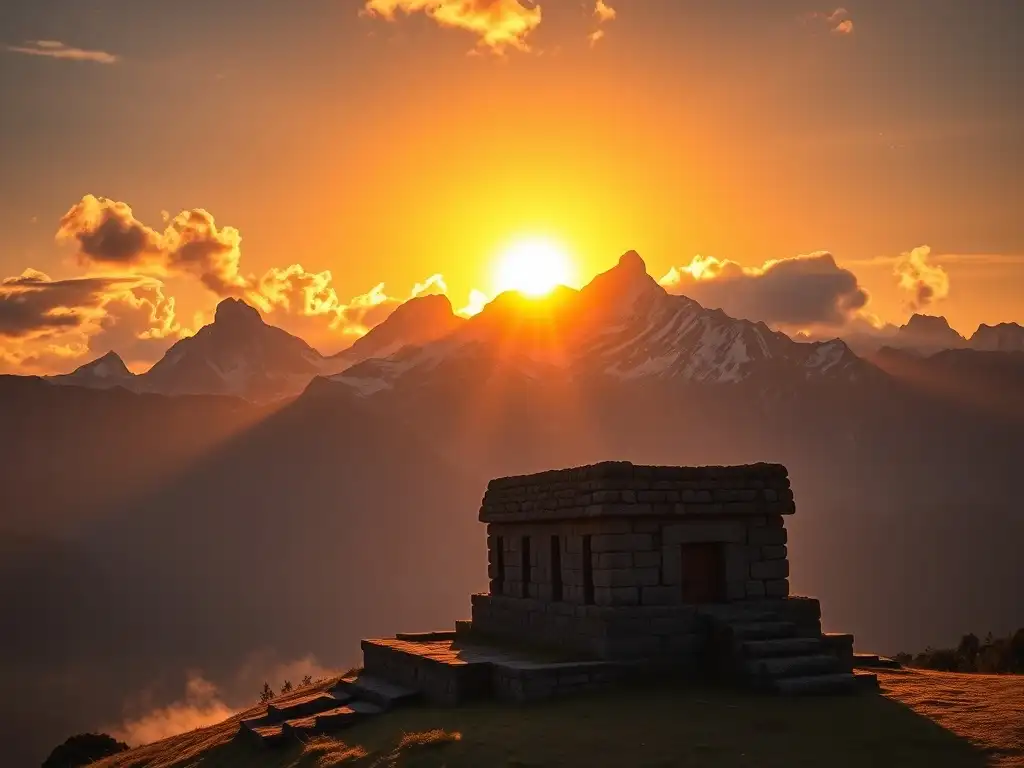
Unravel the mysteries of a sky brimming with meaning. For centuries, the Andean civilizations looked to the heavens, not just to navigate, but to understand their very existence. Journey with us into the fascinating world of Andean cosmology, where the Andean astronomical calendar held the key to their intricate social structures, agricultural practices, and spiritual beliefs. Prepare to be amazed by the sophisticated astronomical knowledge that shaped these powerful empires – a legacy waiting to be rediscovered.
The Andes Mountains, a spine of towering peaks stretching along the western coast of South America, were not just a geographical feature for the ancient civilizations that thrived there; they were a cosmic canvas upon which the intricate tapestry of Andean cosmology was woven. This article delves into the fascinating world of Andean astronomy, exploring how these ingenious cultures tracked the celestial movements of the sun, moon, and stars, integrating them deeply into their agricultural practices, religious beliefs, and social structures.
We will examine the evidence suggesting sophisticated astronomical knowledge far exceeding simple observation, revealing a complex system of time-keeping and celestial understanding that profoundly shaped Andean life and continues to fascinate researchers today. Understanding the Andean astronomical calendar is key to unlocking the secrets of this rich and complex worldview.
The Significance of the Sun in Andean Culture
The sun, Inti in Quechua, held paramount importance in Andean cultures. It wasn't merely a source of light and warmth; it was a deity, a life-giving force, and the central figure in their cosmological beliefs. The precise tracking of the sun's movements was crucial for agricultural planning. The solstices and equinoxes marked pivotal moments in the agricultural cycle, dictating planting and harvesting times.
Many archaeological sites, such as Machu Picchu, are meticulously aligned with these celestial events, showcasing a deep understanding of solar geometry and its agricultural implications. Detailed observations of the sun's path allowed for precise predictions of seasonal changes, ensuring the survival and prosperity of Andean communities. This sophisticated knowledge was not merely the domain of a priestly elite; it was likely widely understood and integrated into the daily lives of Andean people.
Lunar Cycles and their Influence on Andean Society
Beyond the sun, the moon also played a significant role in the Andean astronomical calendar. Its phases, meticulously observed, likely influenced various aspects of Andean life, including agricultural practices, social rituals, and even warfare. While the precise details remain a topic of ongoing research, evidence suggests that lunar cycles were incorporated into their calendar systems, possibly providing a secondary, shorter timekeeping framework alongside the solar year.
The cyclical nature of the moon, mirroring the rhythms of life and death, likely held symbolic importance, reflecting the Andean worldview’s emphasis on cyclical time and regeneration. Further research into lunar alignments within Andean archaeological sites could reveal more about the significance of lunar observations.
Stellar Constellations and Cosmological Beliefs
Andean astronomy extended beyond the sun and moon to include the stars. While the specific constellations and their interpretations may differ from those familiar in Western astronomy, evidence suggests a deep understanding of stellar patterns and their movements. Certain star clusters and constellations were likely associated with specific deities, myths, and cosmological beliefs.
The precise nature of these associations remains under investigation, but the existence of sophisticated astronomical knowledge is undeniable. The integration of celestial observations into their religious practices and worldview reveals a profound connection between the terrestrial and celestial realms, demonstrating the holistic nature of Andean cosmology. The precise mapping of these constellations and their associated myths is a vital part of understanding the Andean astronomical calendar.
The Andean Astronomical Calendar: A Complex System of Timekeeping
The Andean astronomical calendar wasn't a single, unified system but rather a collection of interconnected methods for tracking time, varying across different cultures and regions. It combined solar and lunar observations with detailed knowledge of stellar cycles to create a complex framework for regulating agricultural practices, religious ceremonies, and social organization. This intricate system highlights the sophisticated astronomical knowledge possessed by Andean civilizations and its profound impact on their way of life. Further research is needed to fully understand the nuances and regional variations within the Andean astronomical calendar, but existing evidence clearly points to a rich and complex system of timekeeping. The development of a comprehensive understanding of this calendar is crucial for a complete picture of Andean cosmology and worldview. The study of this calendar reveals not just a practical system for survival, but also a deeply spiritual and philosophical understanding of the universe. 🗺️ ☀️ 🌙 ✨
- The Significance of the Sun in Andean Culture
- Lunar Cycles and their Influence on Andean Society
- Stellar Constellations and Cosmological Beliefs
- The Andean Astronomical Calendar: A Complex System of Timekeeping
The Significance of Celestial Observation in Andean Cultures
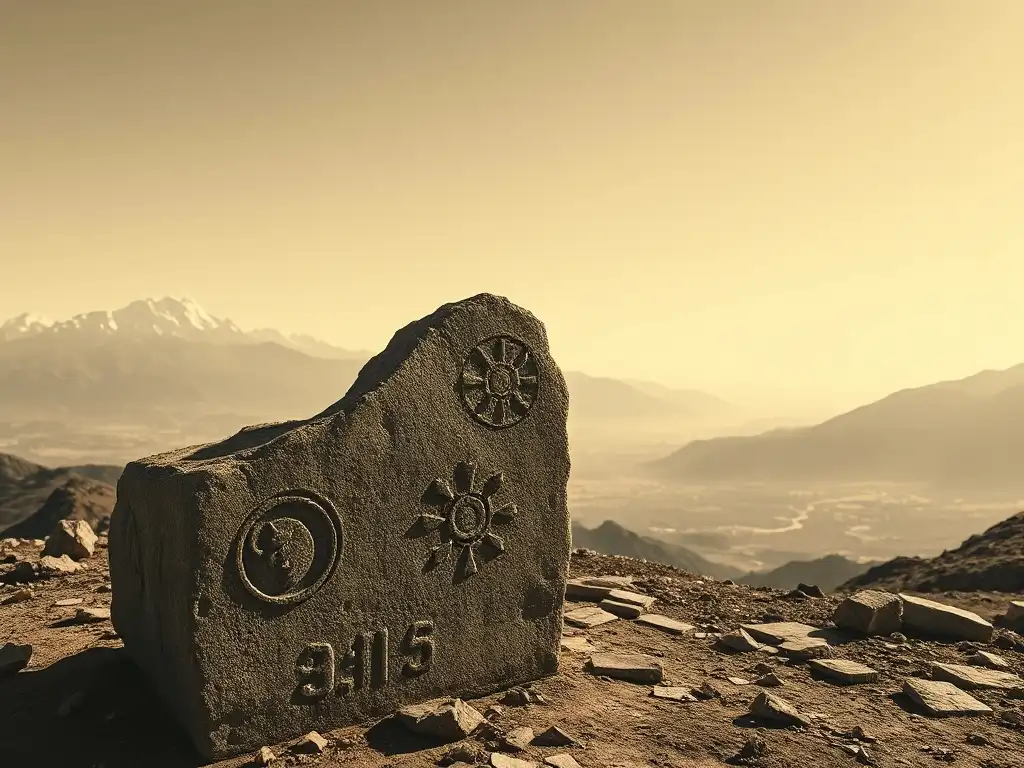
The Andean astronomical calendar wasn't merely a system for tracking time; it was deeply interwoven with the fabric of Andean life, shaping their worldview, agriculture, and religious practices. Unlike many other ancient civilizations that focused on predicting events, the Andean approach prioritized understanding the cosmos's influence on their daily existence.
This intimate connection between the heavens and earthly life is evident in their sophisticated astronomical observatories, intricate calendar systems, and the pervasive presence of celestial motifs in their art and architecture. Their understanding of the cosmos was not a detached intellectual pursuit, but a vital component of their spiritual and social order.
The meticulous observations and detailed interpretations of celestial phenomena allowed them to predict seasonal changes, plan agricultural cycles, and organize important religious festivals. This deep connection fostered a profound respect for the natural world and a cyclical understanding of time, quite different from linear conceptions prevalent in other cultures.
Understanding the Andean Worldview Through Astronomy
The Andean worldview, profoundly shaped by their astronomical observations, was fundamentally cyclical and holistic. They saw the universe as a dynamic, interconnected system where celestial bodies exerted a powerful influence on terrestrial life. The sun, moon, and stars were not just astronomical objects but powerful deities or intermediaries to deities, actively participating in the events on Earth.
The movement of these celestial bodies dictated the rhythm of life, influencing agricultural cycles, the timing of rituals, and even the social organization of communities. For example, the solstices and equinoxes marked crucial moments in the agricultural calendar, triggering specific rituals and community gatherings. This wasn't simply a matter of practical scheduling; these events were imbued with deep spiritual significance, reflecting the Andean belief in the interconnectedness of the cosmos and humanity.
The precise alignment of structures like Machu Picchu with celestial events further underscores the importance of astronomy in shaping their understanding of the world and their place within it. The accuracy of their astronomical knowledge, demonstrated by the precision of their architectural alignments, highlights their advanced understanding of celestial mechanics and their ability to integrate this knowledge into their daily lives.
The Role of Astronomy in Andean Agriculture and Rituals
Andean astronomy played a crucial role in both agricultural practices and religious rituals. The precise tracking of the sun's movement, particularly the solstices and equinoxes, allowed them to predict the optimal times for planting and harvesting. This knowledge, coupled with their understanding of microclimates and water management, enabled them to cultivate diverse crops in challenging Andean terrains. The Andean astronomical calendar wasn't just a calendar; it was a practical tool for ensuring food security and community prosperity.
Furthermore, celestial events were integral to their religious rituals. Many festivals and ceremonies were timed to coincide with specific astronomical occurrences, reflecting the belief that these events held immense spiritual power. For instance, the Inti Raymi, the Inca festival of the sun, was celebrated at the winter solstice, a time of renewal and rebirth. These rituals served not only to honor the deities but also to reinforce social cohesion and reaffirm the community's relationship with the cosmos.
The precise timing and elaborate nature of these rituals demonstrate the profound impact of the Andean astronomical calendar on their social and religious life. The close relationship between astronomy and agriculture, as well as ritual, showcases the holistic and integrated nature of Andean knowledge. The careful observation of the stars wasn't a separate activity but was fundamental to their understanding of the world and their place within it. The intricate interplay between the celestial and the terrestrial highlights the sophistication of their astronomical knowledge and its profound impact on their culture.
The Andean Astronomical Calendar: A System of Timekeeping
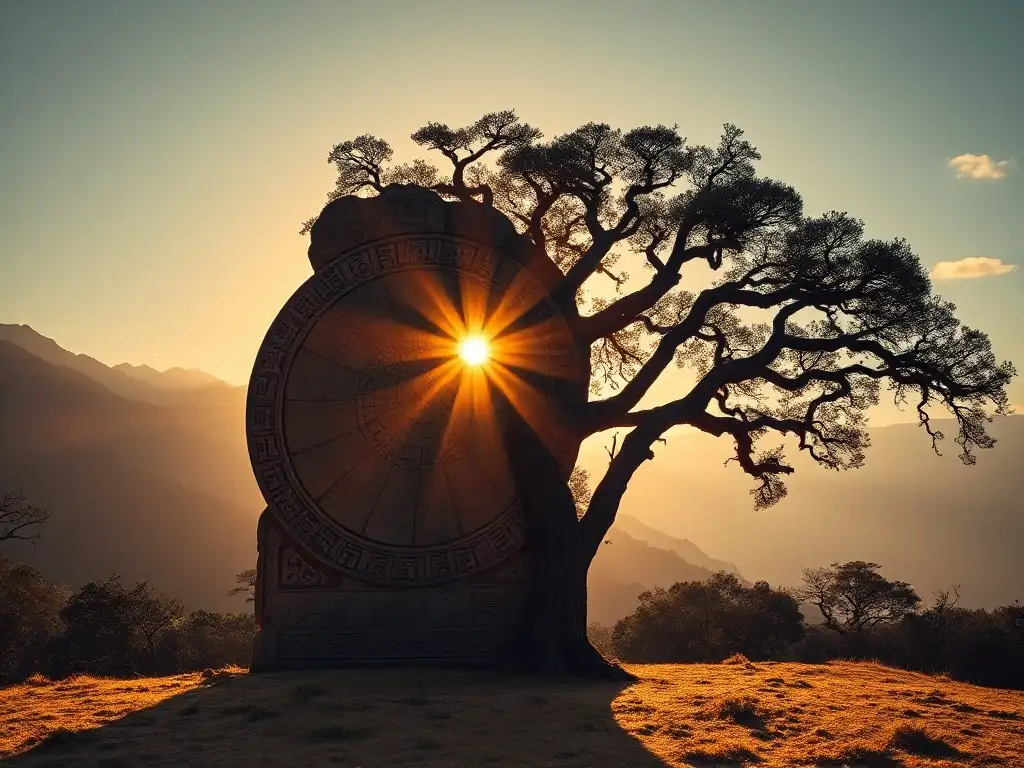
The Andean astronomical calendar wasn't a single, unified system across all cultures. Instead, it represented a complex network of interconnected observations and practices, varying slightly between the different Andean societies like the Inca, Moche, Nazca, and Tiwanaku. Understanding the Andean concept of time requires moving beyond the linear Western perspective and embracing a more cyclical and interconnected view of the cosmos.
Their calendar wasn't just a way to track days and years; it was deeply entwined with their agricultural cycles, religious rituals, and social organization. The precise mechanics of their calendar systems are still being uncovered by researchers, but we can highlight some key features and differences. The study of Andean astronomical calendars offers a fascinating glimpse into the sophisticated astronomical knowledge and societal structure of these ancient civilizations.
Defining the Andean Calendar System
The Andean calendar system relied heavily on celestial observations, primarily the movements of the sun, moon, and stars. Unlike the Gregorian calendar we use today, which is largely solar-based, the Andean calendar incorporated both solar and lunar cycles. Evidence suggests the use of different calendar types, including a solar calendar based on the agricultural cycle and a lunar calendar linked to religious ceremonies.
The Inca, for example, are believed to have used a 365-day solar year, divided into twelve lunar months of approximately 30 days each. However, this was supplemented by a complex system of festivals and rituals aligned with specific astronomical events.
The intricate relationship between the celestial bodies and the terrestrial world was central to Andean cosmology. Archaeological findings, such as the precise alignment of structures like Machu Picchu with significant astronomical events, underscore the importance of astronomical observations in their societal organization. Many sites reveal deliberate positioning to mark solstices and equinoxes, highlighting the significance of these events in their agricultural planning and religious practices.
The calendar, therefore, was not merely a temporal framework, but a vital tool for understanding and interacting with the cosmos. Furthermore, specific constellations and stars held significant symbolic meaning, influencing their mythology and worldview. More research is needed to fully understand the nuances and regional variations within the Andean astronomical calendar system.
How the Andean Calendar Differs from Western Calendars
The most significant difference between the Andean calendar and the Western calendar lies in their fundamental approach to time. The Western calendar, rooted in the Gregorian calendar, is primarily linear and solar-based, emphasizing a forward progression through time. In contrast, the Andean calendar was more cyclical, reflecting their understanding of the universe as a constantly renewing and interconnected system. The cyclical nature is reflected in their agricultural practices, their religious ceremonies, and their worldview.
Another key difference is the integration of lunar cycles into the Andean calendar. While the Gregorian calendar primarily uses the solar cycle, the Andean calendar incorporated both solar and lunar cycles, leading to a more complex and nuanced system. This dual focus reflects the importance of both agricultural cycles (tied to the sun) and religious rituals (often tied to the moon) in Andean society.
Moreover, unlike the Western calendar's emphasis on precise dates and times, the Andean calendar seems to have been more flexible, adapting to local conditions and astronomical observations. This flexibility allowed for greater responsiveness to the environment and the needs of the community. Finally, the Andean calendar was deeply embedded within their spiritual beliefs, linking the temporal world to the spiritual realm in a way that the Western calendar does not.
The Importance of Solstices and Equinoxes in the Andean Calendar
Solstices and equinoxes held paramount importance in the Andean astronomical calendar, marking crucial turning points in the agricultural cycle and triggering significant religious and social events. The winter solstice, for example, often marked the beginning of the planting season, while the summer solstice signified the harvest. These astronomical events were not merely observed; they were actively celebrated through elaborate ceremonies and rituals. The precise alignments of many Andean structures, such as temples and observatories, with the solstices and equinoxes, further highlight their significance.
The equinoxes, marking the transition between seasons, also played a vital role. These events were often associated with rituals related to balance and renewal. The precise nature of these rituals varied across different Andean cultures, but they all shared a common thread: the recognition of the cosmos's influence on human life.
The observation of these astronomical events wasn't solely a matter of practical utility; it was also a crucial aspect of their spiritual and cosmological understanding. The precise astronomical knowledge demonstrated by the alignment of structures and the timing of festivals underscores the sophistication of the Andean astronomical calendar and its deep integration into their society. The careful tracking of the sun's path throughout the year provided a framework for understanding the rhythms of life and the cosmos.
Key Celestial Bodies in Andean Astronomy
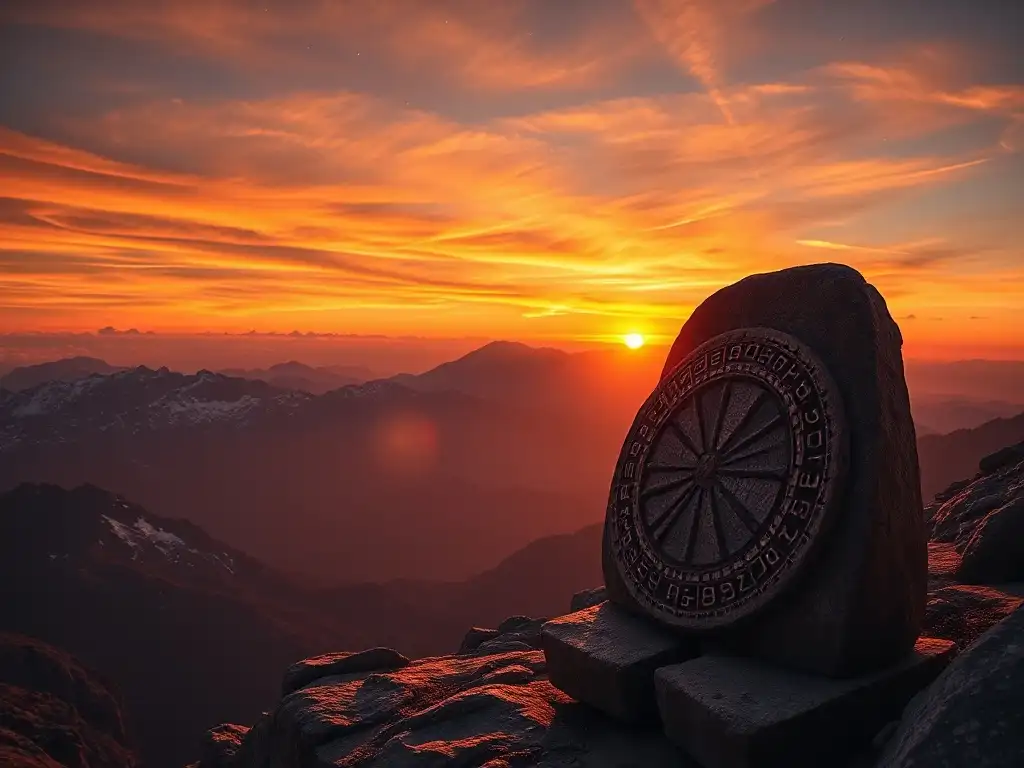
This section delves into the crucial role of celestial bodies in the Andean astronomical calendar, focusing on the Sun, Moon, and significant constellations. Understanding the Andean worldview requires appreciating their intricate observation and interpretation of these celestial events, which deeply influenced their agricultural practices, social structures, and religious beliefs. The Andean people weren't just passive observers; they were active participants in a cosmic drama, their lives intricately woven with the rhythms of the heavens. Their sophisticated understanding of celestial mechanics is evidenced by the precision of their astronomical sites and the enduring legacy of their calendar systems.
The Sun (Inti): Central to Andean Cosmology
The Sun, known as Inti in Quechua, was the most revered deity in the Andean pantheon. Far more than a simple source of light and warmth, Inti represented life, power, and the very essence of existence. The Inca, and preceding Andean cultures, meticulously tracked the sun's movements throughout the year, using sophisticated techniques to mark solstices and equinoxes.
These observations were critical for agricultural planning, as the sun's position directly correlated with the planting and harvesting seasons. The precise orientation of many Inca structures, such as Machu Picchu and Sacsayhuamán, demonstrates an advanced understanding of solar geometry, showcasing their ability to align buildings with specific solar events. For example, the * Intihuatana* stones, found at various archaeological sites, are believed to have been used to precisely determine the solstices.
These were not mere calendar markers; they served as focal points for religious ceremonies and reinforced the centrality of Inti in Andean life. The importance of the sun is reflected in the numerous myths and legends surrounding it, highlighting its role as a life-giving force and a powerful symbol of royal authority. The empire's power and prosperity were directly linked to the sun's benevolent influence, making it a cornerstone of their cosmology and worldview.
The Moon (Quilla): Cycles and Their Significance
The Moon, or Quilla in Quechua, played a complementary role to the sun in the Andean astronomical calendar. While Inti represented the masculine principle, Quilla embodied the feminine. The lunar cycle, with its phases of waxing and waning, was deeply symbolic, representing cycles of life, death, and rebirth. The precise tracking of the moon's phases was crucial for regulating agricultural activities, particularly those related to planting and harvesting specific crops.
Unlike the solar calendar, which focused on the larger agricultural cycles, the lunar calendar likely played a more localized role, influencing daily or weekly tasks. Additionally, the moon's phases were believed to influence human behavior and well-being. Certain rituals and ceremonies were timed to coincide with specific lunar phases, reflecting a deep understanding of the moon's perceived influence on human life.
Furthermore, the moon's cyclical nature likely contributed to the Andean understanding of cyclical time, a concept fundamental to their cosmology. The connection between the moon, fertility, and female deities further emphasizes its importance within the Andean spiritual landscape. [Specific examples of lunar-based rituals pending]
Star Constellations and Their Cultural Interpretation
Beyond the sun and moon, the Andean people meticulously observed and interpreted various star constellations. These constellations weren't simply arbitrary groupings of stars; they held significant cultural and religious meaning, often linked to myths, legends, and agricultural cycles. While detailed records of specific constellations and their interpretations are limited, archaeological evidence suggests a complex understanding of celestial patterns. For example, the presence of specific astronomical alignments in structures like Chankillo, a pre-Inca observatory located in Peru, indicates a sophisticated knowledge of the movements of stars and their use in creating a solar calendar.
The constellations were likely used to mark seasonal changes, predict weather patterns, and guide navigation. Many constellations were associated with specific deities or animals, reinforcing their importance within the Andean worldview. [Specific examples of Andean constellations and their associated myths pending].
The use of celestial navigation, particularly for long-distance travel and trade, underscores the practical applications of their astronomical knowledge. The integration of celestial observations into the Andean astronomical calendar demonstrates a nuanced and sophisticated understanding of the cosmos, highlighting the close relationship between the Andean people and the night sky. The careful observation of the stars helped shape their worldview and provided a framework for understanding their place within the universe.
Andean Observatories and Astronomical Sites
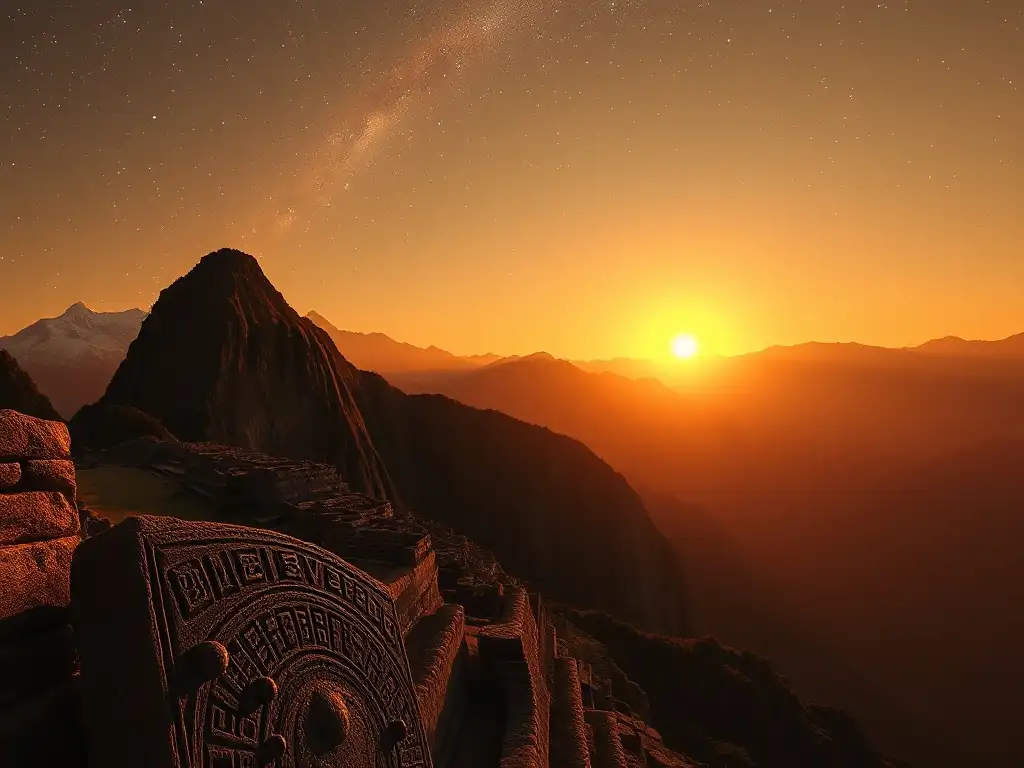
The Andean world wasn't just a landscape of stunning mountains and fertile valleys; it was also a meticulously observed astronomical landscape. Ancient Andean cultures, including the Inca, possessed a sophisticated understanding of celestial movements, developing ingenious methods for tracking the sun, moon, and stars. This knowledge wasn't merely academic; it was deeply intertwined with their agricultural practices, religious beliefs, and social organization.
Their observations weren't made with advanced telescopes, but rather through careful observation of the sun's path, the moon's phases, and the positions of prominent stars and constellations. This led to the development of an intricate Andean astronomical calendar, deeply embedded in their architecture, rituals, and daily lives. The precision of their astronomical observations is remarkable, demonstrating a profound connection to the cosmos.
Machu Picchu: An Example of Architectural Alignment
Machu Picchu, the iconic "Lost City of the Incas," serves as a prime example of architectural alignment reflecting a deep understanding of the Andean astronomical calendar. While not explicitly designed as a dedicated observatory, the city's layout and the orientation of its structures reveal a sophisticated awareness of celestial events. Many buildings are precisely aligned with the solstices and equinoxes, allowing for the precise tracking of the sun's annual journey across the sky.
For example, the Intihuatana stone, a monolithic structure often interpreted as a "sun-dial," is believed to have been used to mark the solstices and equinoxes, providing crucial information for agricultural planning. The precision of these alignments, often within a degree or less of accuracy, points to advanced surveying techniques and a comprehensive knowledge of astronomy.
Further research into the precise placement of structures and the city’s overall orientation is ongoing, promising to further illuminate the intricate relationship between Andean cosmology and architectural design. The Intihuatana stone itself remains a subject of intense study, with ongoing debates about its precise function and astronomical significance.
Ingapirca: A Complex with Solar Observatories
Ingapirca, located in Ecuador, is another significant site showcasing the sophisticated astronomical knowledge of the Inca and preceding cultures. Unlike Machu Picchu, Ingapirca contains structures specifically designed for astronomical observation. The complex includes several stone structures carefully positioned to track the sun's movement throughout the year.
These structures, often incorporating windows or carefully aligned doorways, allowed observers to pinpoint the solstices and equinoxes with remarkable accuracy. The elliptical shape of some of the buildings at Ingapirca has also been interpreted as a reflection of astronomical principles, possibly representing the sun's yearly path or the cycles of the moon. The precision of the construction and the clear astronomical purpose of certain structures at Ingapirca strongly suggests a dedicated effort to monitor and understand celestial events.
Unlike some sites where astronomical alignment may be debated, Ingapirca provides compelling evidence of a deliberate and sophisticated approach to Andean astronomy. The site’s layout and the careful positioning of its structures strongly suggests a dedicated effort to monitor and understand celestial events. Archaeological evidence continues to unearth new insights into the complex astronomical observations carried out at Ingapirca.
The Astronomical Significance of Sacred Sites
Many sacred sites throughout the Andes Mountains exhibit clear astronomical significance, extending beyond the well-known examples like Machu Picchu and Ingapirca. Numerous smaller ruins, mountain peaks, and natural formations were likely used for astronomical observations and ritual practices linked to the Andean astronomical calendar. These sites often exhibit alignments with significant celestial events, reflecting a widespread integration of astronomy into the daily lives and spiritual beliefs of Andean people.
The precise nature of these alignments and their purpose often requires further investigation, as many sites remain partially unexplored or understudied. However, the recurring patterns of alignment with solstices and equinoxes, combined with the importance of these locations in Andean mythology and folklore, strongly suggest a broad and deeply ingrained astronomical tradition. The integration of celestial observation into the spiritual life of Andean communities is evident in the numerous rock art depictions of celestial bodies found across the region.
These depictions, coupled with archaeological evidence, provide a rich tapestry of insights into the Andean worldview and its deep connection to the cosmos. Further research into these lesser-known sites is crucial for a more complete understanding of the Andean astronomical calendar and its profound influence on Andean culture. The study of these sites continues to reveal new layers of complexity, underscoring the sophisticated astronomical knowledge of ancient Andean societies.
Andean Techniques for Observing the Sky
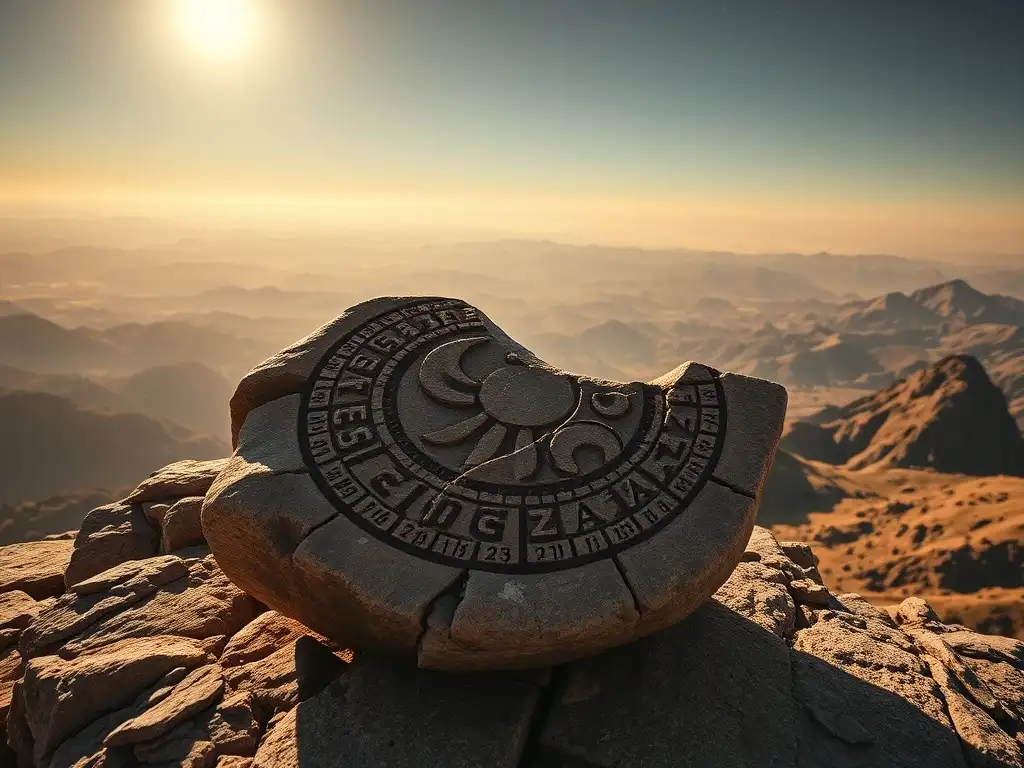
The Andean civilizations, renowned for their sophisticated understanding of their environment, developed ingenious techniques for observing celestial bodies. Their astronomical knowledge wasn't merely academic; it was deeply intertwined with their agricultural practices, religious beliefs, and social organization. Understanding the movements of the sun, moon, and stars was crucial for predicting seasonal changes, planning agricultural cycles, and conducting religious ceremonies.
This intimate connection between astronomy and daily life resulted in the development of a complex and nuanced Andean astronomical calendar, far surpassing simple lunar or solar tracking. The precision of their observations and the ingenuity of their methods continue to fascinate and inspire researchers today. Their ability to accurately predict celestial events speaks volumes about their advanced understanding of mathematics and geometry, often applied in remarkably practical ways.
Methods of Tracking the Sun's Movement
The sun held a central position in the Andean worldview. Its annual journey across the sky dictated the agricultural calendar, influencing planting and harvesting times. Andean astronomers employed several methods to meticulously track the sun's movement. One common method involved observing the sun's position at sunrise and sunset throughout the year. Specific landmarks, like mountain peaks or carefully placed stones, served as markers to note the sun's changing trajectory. These observations were not random; rather, they were carefully planned and executed, often involving generations of accumulated knowledge.
The solstices and equinoxes were particularly significant events, marked by special ceremonies and rituals. The precise alignment of structures like Machu Picchu with the solstices demonstrates a sophisticated understanding of solar geometry. For example, the Intihuatana stone, found at various Inca sites, is believed to have been used to track the sun's position at the solstices, serving as a kind of solar observatory.
These observations weren't just about marking the passage of time; they were integral to the Andean understanding of the cosmos and their place within it. Detailed records, though not written in the way we understand them today, were likely passed down orally through generations, ensuring the continuity of this crucial knowledge.
Observation of Lunar Phases and Their Impact
Beyond the sun, the moon played a vital role in the Andean astronomical calendar. The lunar cycle, with its predictable phases, provided another important temporal marker, influencing various aspects of Andean life. The careful observation of lunar phases was essential for regulating agricultural activities and religious festivals. Unlike the solar year, which is relatively constant, the lunar cycle provided a shorter, more immediate time frame for planning and organizing events.
The precise length of the lunar month was likely known with remarkable accuracy. Evidence suggests that the Andeans used a lunisolar calendar, combining observations of both the sun and the moon to create a more comprehensive system. This system likely involved sophisticated calculations to reconcile the discrepancies between the lunar and solar cycles, demonstrating a high level of mathematical skill.
The cyclical nature of the moon, mirroring the cycles of life and death, also held significant symbolic meaning within Andean cosmology. The phases of the moon were interpreted as reflecting the continuous cycle of regeneration and renewal within the natural world.
Use of Gnomons and Sightlines for Astronomical Observation
The Andeans utilized several sophisticated instruments for astronomical observation. Gnomons, simple yet effective devices consisting of a vertical stick or rod casting a shadow, were used to determine the time of day and track the sun's annual path. By observing the changing length and direction of the shadow throughout the year, they could accurately determine the solstices and equinoxes. The placement of gnomons was often carefully chosen to maximize their effectiveness, taking into account local topography and geographical features.
Furthermore, sightlines, created by aligning structures or natural features, were used to observe the rising and setting positions of celestial bodies. These alignments provided precise markers for tracking the movements of the sun, moon, and stars. The construction of such sightlines often required extensive planning and a deep understanding of both astronomy and engineering.
The meticulous precision exhibited in the construction of these observatories underscores the significance of astronomy in Andean society. The integration of astronomical observations into the very fabric of their architecture exemplifies the deep connection between their worldview and their practical knowledge. The Andean astronomical calendar, therefore, wasn't just a system of tracking time; it was a reflection of their profound understanding of the cosmos and their place within it.
The Legacy of Andean Astronomy
The legacy of Andean astronomy is profound and multifaceted, extending far beyond simple stargazing. It represents a sophisticated understanding of celestial mechanics interwoven with their cosmology, agriculture, and social structures. The Andes' unique geography, with its towering mountains and expansive plains, provided a natural observatory, allowing for meticulous observation of the sun, moon, and stars.
This wasn't simply a passive observation; it was an active engagement, a system of knowledge used to predict seasons, plan agricultural cycles, and even regulate social events. The precision and complexity of their astronomical knowledge are evident in the construction of monumental sites like Machu Picchu, whose orientation aligns with key celestial events, and in the intricate designs found on textiles and ceramics, often depicting celestial bodies and constellations.
The impact of Andean astronomical understanding continues to resonate today, influencing our comprehension of ancient Andean societies and providing valuable insights into their worldview. Understanding this legacy is crucial to appreciating the richness and complexity of Andean civilization.
Modern Applications of Andean Astronomical Knowledge
Modern researchers are leveraging the insights gleaned from studying Andean astronomical knowledge in several exciting ways. For instance, analyzing the precise alignments of structures like Sacsayhuamán in Cusco allows us to refine our understanding of their calendrical systems and astronomical observations. Archaeologists and astronomers collaborate to reconstruct ancient Andean astronomical calendars, utilizing advanced technologies to analyze data from archaeological digs and astronomical observations.
This work helps us to better understand the sophistication of their techniques and the accuracy of their predictions. Furthermore, the study of Andean astronomical knowledge offers valuable lessons for modern astronomy. Their methods, developed over centuries of meticulous observation, provide alternative approaches to astronomical study, potentially enriching our current understanding of celestial mechanics.
The application of modern technology to the analysis of ancient Andean astronomical practices is opening up new avenues of research and contributing to a more comprehensive understanding of both ancient and contemporary astronomy. This interdisciplinary approach is crucial for preserving and interpreting this valuable cultural heritage.
Preserving and Promoting Andean Astronomical Heritage
Preserving and promoting the Andean astronomical heritage requires a multi-pronged approach. Firstly, careful archaeological excavation and documentation of sites associated with Andean astronomy are paramount. This involves not only meticulous recording of physical structures but also the careful preservation of artifacts like textiles and ceramics that depict celestial events. Secondly, educational initiatives are crucial.
Developing educational programs that integrate Andean astronomical knowledge into school curricula can help raise awareness and foster a deeper appreciation for this rich cultural heritage amongst younger generations. This includes creating engaging museum exhibits and developing accessible resources that explain the complexities of Andean astronomy in a clear and engaging manner. Thirdly, supporting research in Andean astronomy is essential. Funding research projects that focus on the study of Andean astronomical sites and artifacts will contribute to a more comprehensive understanding of this fascinating subject.
Finally, collaborating with local communities is vital. Involving Andean communities in the preservation and promotion of their astronomical heritage ensures that these traditions remain relevant and continue to thrive. The preservation of Andean astronomical knowledge is not just about preserving the past, but about safeguarding a valuable cultural legacy for future generations. The successful implementation of these strategies will ensure that this unique cultural heritage continues to inspire and educate for years to come.
The Connection Between Andean Astronomy and Contemporary Andean Culture
The connection between Andean astronomy and contemporary Andean culture remains strong, albeit often subtly expressed. Many Andean communities continue to maintain traditional agricultural practices informed by their understanding of the celestial cycles. The timing of planting and harvesting often aligns with specific astronomical events, demonstrating a continuity of knowledge passed down through generations.
Furthermore, many Andean festivals and celebrations are still linked to astronomical events, reflecting the enduring importance of the celestial sphere in their worldview. While the formal practice of Andean astronomy might have changed over time, its underlying principles remain interwoven into the fabric of Andean life. The study of Andean astronomy, therefore, offers a valuable lens through which to understand the continuity and evolution of Andean culture.
This connection underscores the importance of respecting and preserving this knowledge, not just as a historical artifact, but as a living tradition that continues to shape the lives and identities of Andean communities today. The ongoing relevance of Andean astronomical knowledge highlights the dynamic and enduring nature of Andean culture and its ability to adapt and integrate ancient wisdom into contemporary life. This vibrant interplay between past and present is a testament to the enduring power of Andean traditions.
Frequently Asked Questions
What is the Andean astronomical calendar?
The Andean astronomical calendar wasn't a single, unified system. Instead, various Andean cultures developed their own methods of tracking celestial events, often integrating them with agricultural cycles and religious beliefs. These calendars varied across different regions and civilizations.
How did the Incas use astronomy?
The Inca civilization used astronomy for agricultural planning, predicting seasonal changes crucial for planting and harvesting. They also incorporated celestial observations into their religious practices and rituals, believing in a strong connection between the cosmos and earthly life.
What role did mountains play in Andean astronomy?
Mountains played a significant role as observational points and symbolic markers in Andean astronomy. Their alignments often corresponded to solar and lunar events, indicating a deep understanding of celestial movements and their relationship to the landscape. Apparent movements of the sun across the mountains were particularly important.
Did the Nazca lines have an astronomical purpose?
While the exact purpose of the Nazca Lines remains debated, many scholars believe they served astronomical functions. Some lines might have aligned with constellations or marked significant celestial events, suggesting a sophisticated understanding of the sky.
How accurate were Andean astronomical observations?
Andean civilizations demonstrated a remarkably accurate understanding of celestial cycles, despite lacking sophisticated instruments. Their observations, though based on direct observation, allowed for the precise prediction of solstices, equinoxes, and other important astronomical events.
Final Reflection: Weaving the Threads of Time in the Andes
The intricate knowledge systems of Andean astronomy, once relegated to the realm of history, are experiencing a powerful resurgence, reminding us of the profound connection between humanity and the cosmos. This renewed interest highlights not only the sophistication of ancient Andean cultures but also the enduring relevance of their celestial observations in a world grappling with climate change and a renewed appreciation for indigenous wisdom. The precise tracking of solstices and equinoxes, the intricate understanding of lunar cycles, and the deep spiritual significance woven into these observations offer a powerful counterpoint to our increasingly technologically-driven world.
The enduring legacy of Andean astronomical practices underscores the importance of preserving and understanding diverse cultural perspectives on the universe. Their calendar wasn't merely a tool for agriculture; it was a living tapestry that intertwined the celestial movements with the rhythms of life, shaping social structures, religious beliefs, and artistic expressions. The universe is not outside of us. It is within us. We are the universe expressing itself.
This sentiment, though not directly from an Andean source, perfectly encapsulates the holistic worldview reflected in their astronomical practices. Their deep connection to the cosmos offers a valuable lesson in humility and interconnectedness, a lesson we desperately need in our modern age.
Consider, for a moment, the vastness of the night sky as it appeared to the Andean people. Let that image inspire you to reconnect with the natural world, to observe the celestial dance above you, and to appreciate the enduring wisdom embedded within the Andean astronomical calendar. You too can weave the threads of time, connecting your own life to the rhythms of the cosmos, and find a deeper understanding of your place within the universe. Let the legacy of the Andean astronomers be a beacon, guiding you towards a more mindful and connected existence.
Embark on Your Celestial Journey Today!
Thank you for exploring the fascinating world of Andean astronomy! You've gained valuable insights into how ancient civilizations observed and understood the universe by learning about their intricate methods of tracking the sun, moon, and stars. Now, let's put this knowledge to use!
- Join a local astronomy club to connect with fellow enthusiasts and share your discoveries.
- Create a personal lunar calendar, tracking the moon's phases for a month and observing their impact on your daily life.
- Share this article with friends who might appreciate learning about the wonders of astronomy; discuss your favorite aspects of what you've learned.
What celestial event or discovery are you most excited to explore further?