
The Inca Understanding of Time: Beyond Linear Progression

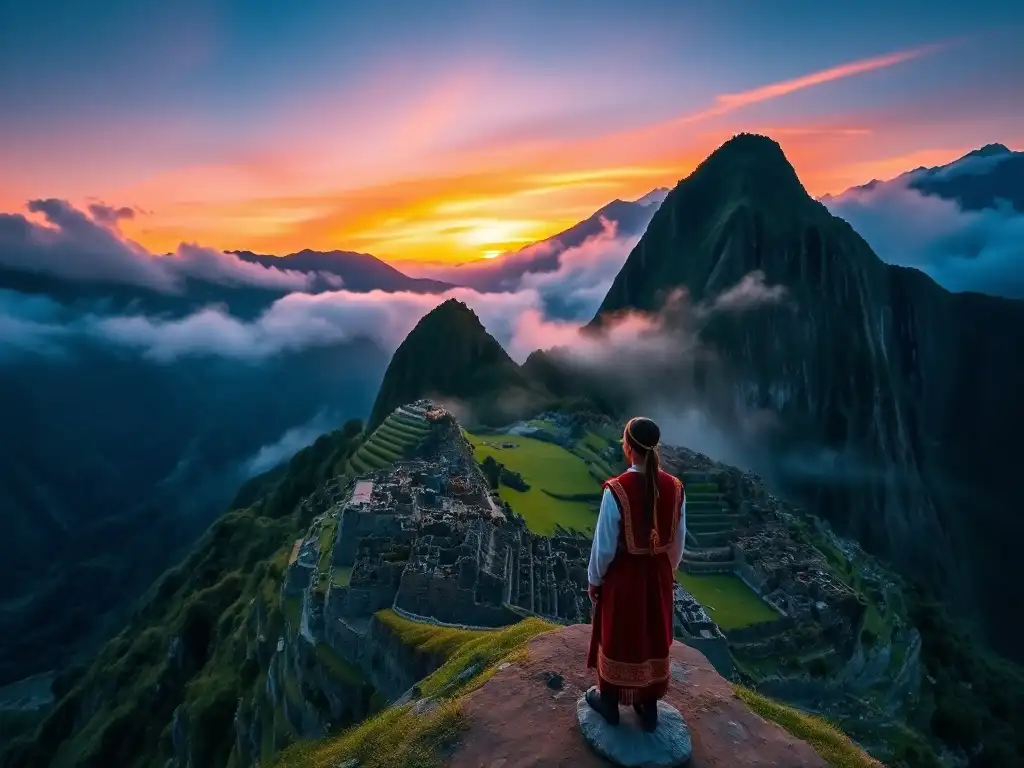
Unravel the mysteries of the Andes! Journey beyond the familiar linear perception of time and discover the fascinating Inca time perception philosophy. Did these masterful builders of Machu Picchu hold a fundamentally different understanding of the cosmos and their place within it? Explore the rich tapestry of Andean cosmology and worldview to uncover the secrets hidden within their intricate societal structures and breathtaking achievements. Prepare to have your perspective shifted as we delve into the captivating world of Inca time perception.
The Inca Empire, a civilization that flourished in the Andes Mountains for centuries, possessed a sophisticated understanding of time that diverged significantly from the linear Western perspective. Instead of viewing time as a continuous, unidirectional progression from past to future, the Inca perceived time as cyclical, interwoven with the natural world, and deeply connected to their spiritual beliefs. This cyclical understanding, reflected in their agricultural practices, astronomical observations, and religious rituals, provides a fascinating glimpse into a worldview profoundly different from our own.
Understanding Inca time perception offers a crucial key to unlocking the complexities of their society, their remarkable achievements, and their enduring legacy. This article explores the intricacies of Inca time perception philosophy, revealing how their worldview shaped their culture and continues to resonate today. We will delve into their cyclical view of time, its relationship to their cosmology, and the practical implications of this unique perspective.
Introduction to Inca Time Concepts
The Inca concept of time wasn't simply a matter of measuring days, months, and years. It was intrinsically linked to the agricultural cycle, the movements of celestial bodies, and the rhythms of life and death. Their calendar system, while less precisely documented than some other Andean calendars (like the Maya), was deeply integrated into their society.
Evidence suggests a sophisticated understanding of solstices and equinoxes, reflected in their monumental architecture and agricultural practices. For example, the precise alignment of structures like Machu Picchu with key astronomical events indicates a profound awareness of celestial cycles and their influence on earthly affairs. Furthermore, the Inca's emphasis on cyclical renewal is evident in their agricultural techniques, which focused on sustainable practices designed to ensure the continuous fertility of the land.
This wasn't merely a practical approach to farming; it was a deeply spiritual act, reflecting their belief in the cyclical nature of life, death, and rebirth. The Inca worldview emphasized the interconnectedness of all things, and time was a fundamental aspect of this interconnectedness.
The Inca View of Time as Cyclical
Unlike the linear progression of time in many Western cultures, the Inca perceived time as a cyclical process, constantly renewing itself. This cyclical view was reflected in their cosmology, which saw the universe as a dynamic system in perpetual motion. The recurring cycles of the sun, the moon, and the stars were not just observed but were also understood as fundamental forces shaping human life and destiny. The Inca calendar, likely based on a combination of solar and lunar observations, helped them to track these cycles and to organize their agricultural activities and religious ceremonies accordingly.
The concept of Pachacuti, a cyclical renewal or transformation, played a significant role in their worldview. This term represents not just a historical event (the founding of the Inca Empire), but also a recurring process of change and regeneration. The Inca believed that the world was constantly undergoing cycles of creation and destruction, order and chaos, and that understanding these cycles was crucial for maintaining harmony and prosperity. This belief in cyclical time impacted every aspect of Inca life, from their agricultural practices to their political structures and religious beliefs.
The emphasis on cyclical renewal fostered a sense of continuity and resilience, allowing the Inca to adapt to the challenges of their environment and to build a lasting empire. This cyclical perspective offers a powerful contrast to Western linear conceptions of time, highlighting the richness and diversity of human understandings of the temporal dimension. 🎉
Key Aspects of Inca Time Perception Philosophy
The Inca understanding of time differed significantly from Western linear conceptions. Instead of a unidirectional arrow from past to future, Inca cosmology embraced a cyclical view, emphasizing recurring patterns and the continuous interplay between the earthly and spiritual realms. This cyclical perception wasn't merely a chronological framework; it was deeply interwoven with their spiritual beliefs, social structures, and agricultural practices.
The Inca worldview saw time as a continuous flow, a dynamic process of creation and destruction, growth and decay, mirroring the natural cycles of the Andes—the seasons, the planting and harvesting, the rising and setting of the sun. This understanding profoundly influenced their societal organization, their agricultural techniques, and their religious rituals. Understanding this perspective is key to unlocking a deeper appreciation of Inca society and their sophisticated worldview.
The concept of pacha, encompassing the entire cosmos, was central to their understanding of time, highlighting the interconnectedness of all things within a continuous, ever-changing process. This holistic view is a stark contrast to the more fragmented, linear approach found in many other cultures.
Pachakuti: Cycles of Transformation in Inca Cosmology
The concept of Pachakuti is fundamental to comprehending Inca cyclical time. It refers to a radical and complete transformation, a turning point in the pacha (cosmos). These weren't simply historical events; they represented fundamental shifts in the cosmic order, often marked by cataclysmic occurrences like earthquakes, floods, or social upheavals.
Importantly, Pachakuti wasn't seen as solely destructive; it was also viewed as an opportunity for renewal and rebirth. The Inca believed that the cyclical nature of pacha meant that periods of chaos and destruction were inevitably followed by periods of order and prosperity. This understanding instilled a resilience in their culture, a capacity to adapt and rebuild in the face of adversity.
Specific historical events interpreted through the lens of Pachakuti provide valuable insights into their worldview, such as the Inca conquest itself, which could be viewed as a Pachakuti event, disrupting the existing order and leading to a new era. The cyclical nature of Pachakuti shaped their perception of time as a continuous process of transformation rather than a simple linear progression.
Ayni and Time: Reciprocity in the Flow of Existence
Ayni, the principle of reciprocity, is another crucial element in Inca time perception. This concept emphasized the balanced exchange of goods, services, and labor within the community. But ayni extended beyond mere economic transactions; it encompassed a deeper understanding of the interconnectedness of all beings and the cyclical flow of energy within the pacha.
Giving and receiving were not seen as separate acts but as integral parts of a continuous cycle, mirroring the cyclical nature of time itself. The concept of balanced exchange permeates Inca society, from agricultural practices to religious rituals. The idea of giving back to the pacha through offerings and labor was vital to maintaining the cosmic balance and ensuring the continuation of the cyclical flow of time.
Failure to uphold ayni was believed to disrupt this balance, leading to negative consequences. Therefore, ayni wasn't just a social norm; it was a fundamental principle that governed the perception of time as a continuous reciprocal exchange within the cosmos.
Non-Linear Time in Inca Society and Rituals
The Inca's non-linear perception of time is clearly reflected in their societal structures and religious rituals. Their calendar system, for example, was not simply a tool for measuring time; it was a symbolic representation of the cyclical nature of the cosmos. Religious festivals, often tied to agricultural cycles, were not merely celebrations but rituals that reenacted and reaffirmed the cyclical flow of time, reinforcing the interconnectedness of humans and the cosmos.
Many Inca rituals focused on maintaining balance and harmony within the pacha, reflecting their understanding of time as a dynamic process requiring constant attention and engagement. The Inca's understanding of time wasn't abstract; it was deeply embedded in their daily lives, influencing everything from agricultural practices to social interactions. This holistic approach to time created a unique social fabric, characterized by a deep respect for cyclical patterns and a constant striving for balance within the cosmos.
The Inca Calendar: A Reflection of Cyclical Time
The Inca calendar, while not a precisely documented system like the Mayan calendar, demonstrates their cyclical understanding of time. Evidence suggests a complex system incorporating solar and lunar cycles, along with agricultural markers. This calendar wasn't solely for tracking dates but served as a vital tool for planning agricultural activities and organizing community life around the natural rhythms of the Andes. The Inca calendar's emphasis on cycles reflects their belief in the repetitive nature of time, with each cycle representing a renewal and rebirth.
The precision required to accurately track these cycles highlights their advanced astronomical knowledge and its integration into their daily lives. Further research is needed to fully understand the intricacies of the Inca calendar and its precise correlation with their religious and agricultural practices. However, what is clear is its significant role in shaping their understanding and experience of time.
Religious Festivals and the Reenactment of Time
Inca religious festivals played a crucial role in reenacting and reaffirming their cyclical view of time. These festivals were not simply celebrations but were integral to maintaining the cosmic balance and ensuring the continuation of life-giving cycles. They often involved elaborate rituals, processions, and sacrifices, all designed to honor the deities and ensure the continued flow of time.
These festivals were carefully timed to coincide with key agricultural cycles and astronomical events, further highlighting the importance of the cyclical interplay between the human world and the cosmos. The festivals served as a powerful mechanism for reinforcing the Inca worldview and transmitting its core values across generations.
By participating in these rituals, individuals actively engaged with and reaffirmed the cyclical nature of time, contributing to the overall cosmic harmony. The detailed nature and significance of many of these festivals remain areas of ongoing research, but their fundamental role in shaping Inca time perception is undeniable.
The Role of Space in Inca Time Understanding
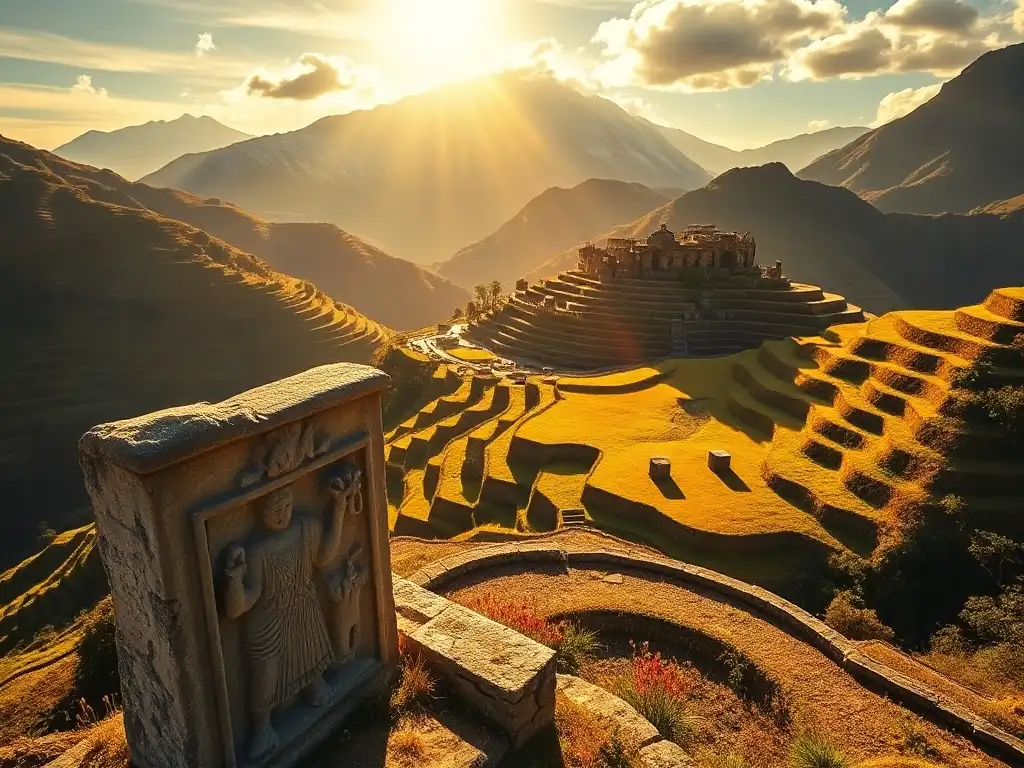
The Inca understanding of time wasn't solely a linear progression, as in Western thought. Instead, it was deeply interwoven with their perception of space. For the Inca, time wasn't something that simply moved forward in a straight line; it was experienced and understood through the spatial arrangement of their world. This interconnectedness of space and time is fundamental to comprehending their cosmology and worldview.
Their sacred sites, agricultural practices, and even their social structures reflected this intricate relationship. The Inca saw time unfolding within specific locations, each imbued with its own unique temporal significance. This spatial understanding of time is key to interpreting their sophisticated calendar systems and ritual practices. Understanding this spatial dimension helps to unravel the complexities of Inca timekeeping and its profound influence on their society.
Sacred Geography and Its Connection to Time
The Inca considered certain geographical locations to be sacred, possessing a potent spiritual energy that influenced the flow of time. These places, often marked by natural features like mountains, springs, or caves, served as anchors in their temporal understanding. For instance, the mountain peaks were often viewed as portals to the supernatural realm, places where the boundary between the earthly and spiritual worlds blurred.
The cyclical nature of time was mirrored in the cycles of nature observed in these locations – the changing seasons, the rising and setting of the sun, the flow of water. These natural rhythms provided a tangible framework for their perception of time, reinforcing the interconnectedness of the physical and spiritual realms.
Rituals and ceremonies conducted at these sacred sites were believed to influence the passage of time, ensuring the continuation of the cyclical patterns essential to their way of life. The precise locations and significance of many of these sites are still being researched, highlighting the depth and complexity of Inca sacred geography.
The Ceque System and the Spatial Representation of Time
The ceque system, a network of lines radiating from the central axis of Cusco, provides a compelling example of how the Inca spatially represented time. These lines connected sacred sites throughout the empire, creating a complex web linking the physical landscape to the spiritual realm. Each ceque was associated with specific deities, ancestors, and agricultural cycles, demonstrating the integration of space, time, and religious beliefs. The ceque system wasn't merely a geographical map; it was a dynamic representation of time, reflecting the cyclical rhythms of the cosmos and the agricultural calendar.
The maintenance and veneration of these lines were crucial to the Inca's understanding of time and their ability to maintain cosmic harmony. The system's intricate details and symbolic meanings reveal the sophisticated understanding of time and space that characterized Inca thought. Archaeological evidence continues to shed light on the extent and complexity of this remarkable system.
Contrasting Inca Time with Western Linear Time
Western conceptions of time are often characterized by a linear progression—a continuous, unidirectional movement from past to future. This perspective emphasizes progress, development, and a forward-looking approach. In contrast, Inca time perception was more cyclical and holistic, emphasizing the repetition of patterns and the interconnectedness of past, present, and future. Their worldview emphasized the cyclical nature of life, death, and rebirth, reflected in their agricultural cycles and their understanding of the cosmos.
The Western linear model views time as a resource to be managed and controlled, while the Inca perspective saw time as a cyclical force to be harmonized with, not dominated. This fundamental difference in perspectives shapes our understanding of their cultural practices and beliefs. The linear model struggles to adequately capture the nuances of Inca cosmology and worldview.
Limitations of Linear Time in Understanding Inca Thought
Applying a Western linear model of time to understand Inca thought leads to significant limitations and misinterpretations. For example, the Inca did not conceive of history in the same way as Western historians. Their narratives were not focused on a continuous, linear progression of events, but rather on cyclical patterns and the repetition of significant moments. Attempting to force Inca concepts into a linear framework distorts their meaning and obscures the richness of their worldview.
Understanding their cosmology requires abandoning the rigid structure of linear time and embracing a more fluid, cyclical perspective that acknowledges the interplay of space and time. This shift in perspective is crucial for a more accurate and nuanced understanding of Inca society and culture. Their emphasis on cyclical patterns, for example, underscores the importance of ritual and the maintenance of cosmic harmony, elements often overlooked when viewed through a linear lens.
The Richness of Inca Cyclical Time Perception
The Inca cyclical understanding of time was far from simplistic. It was a sophisticated system reflecting a deep understanding of the cosmos and their place within it. Their calendar systems, intricately linked to agricultural cycles and astronomical observations, demonstrate a complex awareness of temporal rhythms. This cyclical perception wasn't merely a matter of repeating patterns; it encompassed a holistic view of the universe, emphasizing the interconnectedness of all things.
The cyclical nature of time provided a framework for understanding life, death, and the continuity of their culture. The richness of their cyclical time perception offers valuable insights into a different way of experiencing and understanding the passage of time, challenging our own assumptions and broadening our perspectives on temporal experience. This cyclical understanding underscores the importance of harmony and balance in their worldview, a concept central to their society and culture.
Implications of Inca Time Perception for Modern Understanding
The Inca understanding of time, cyclical and deeply interwoven with the natural world, offers valuable insights for our contemporary, often linear, perception. Their worldview, prioritizing harmony with the cosmos and a cyclical understanding of life, death, and rebirth, challenges the Western emphasis on relentless progress and individual achievement.
This perspective can be particularly relevant in our current era, marked by environmental concerns and a growing awareness of the interconnectedness of all things. By studying the Inca's relationship with time, we can gain a deeper appreciation for alternative ways of organizing our lives and understanding our place within the larger ecosystem.
The Inca emphasis on cyclical time, symbolized by the Inti Raymi festival and their agricultural practices tied to the seasons, suggests a more sustainable approach to resource management. Their focus on maintaining balance within the community and the environment contrasts sharply with modern practices that often prioritize short-term gains over long-term sustainability. Understanding their philosophy could inspire new approaches to environmental policy and resource allocation, fostering a more harmonious relationship between humanity and nature.
Lessons from Inca Philosophy on the Nature of Time
One of the most significant lessons from Inca philosophy on the nature of time is the importance of living in harmony with the cyclical rhythms of the natural world. This contrasts with the linear Western view, which often sees time as a commodity to be managed and controlled. The Inca worldview, instead, emphasized adaptation and acceptance of the natural order, recognizing the ebb and flow of life as an integral part of existence. This approach offers a powerful antidote to the stresses of modern life, encouraging a more mindful and present-oriented approach to living.
Furthermore, the Inca’s emphasis on community and collective experience provides a counterpoint to the individualistic focus of many modern societies. Their understanding of time was not merely personal but deeply intertwined with the social and spiritual fabric of their communities. This perspective highlights the importance of intergenerational knowledge transfer and the value of collective memory in shaping a sustainable and meaningful future.
By embracing a more collective understanding of time, we can foster stronger social bonds and build more resilient communities. The Inca example underscores the importance of considering the long-term consequences of our actions, not just for ourselves, but for future generations.
Conclusion: Appreciating the Depth of Inca Time Philosophy
The Inca understanding of time, far from being a simple matter of measuring the passage of days and years, represented a profound philosophical perspective deeply rooted in their cosmology and worldview. Their cyclical view, emphasizing the interconnectedness of all things and the importance of harmony with the natural world, offers a powerful counterpoint to the often-linear and individualistic perspectives prevalent in modern societies.
By studying their sophisticated system of timekeeping and its integration into their social and spiritual life, we can gain valuable insights into alternative ways of understanding our place in the universe and living more meaningfully within the rhythms of nature. The richness and complexity of Inca time perception continues to resonate today, offering valuable lessons on sustainability, community, and the nature of time itself.
Further research into the intricate details of Inca calendar systems and their societal implications is crucial for a more complete understanding of their unique philosophy. The Inca legacy reminds us that our perception of time profoundly shapes our actions and our relationship with the world around us; embracing a more holistic and cyclical understanding, as the Inca did, may hold the key to creating a more sustainable and harmonious future.
- Introduction to Inca Time Concepts
- The Inca View of Time as Cyclical
- Key Aspects of Inca Time Perception Philosophy
- Non-Linear Time in Inca Society and Rituals
- The Role of Space in Inca Time Understanding
- Contrasting Inca Time with Western Linear Time
- Implications of Inca Time Perception for Modern Understanding
- Conclusion: Appreciating the Depth of Inca Time Philosophy
- What was the Inca concept of time, and how did it differ from Western perspectives?
- How did the Inca's cyclical view of time influence their society?
- What role did religion play in the Inca perception of time?
- Did the Inca have a written system for recording time or historical events?
- How did the Inca's understanding of time shape their worldview and philosophy?
Frequently Asked Questions
What was the Inca concept of time, and how did it differ from Western perspectives?
The Inca did not perceive time as a linear progression like many Western cultures. Instead, they viewed time as cyclical, emphasizing recurring patterns in nature and the relationship between the past, present, and future. This was deeply intertwined with their agricultural cycles and religious beliefs.
How did the Inca's cyclical view of time influence their society?
Their cyclical understanding of time influenced their agricultural practices, religious rituals, and social organization. The seasonal changes were crucial, dictating planting, harvesting, and festivals, reinforcing the cyclical nature of life and the cosmos.
What role did religion play in the Inca perception of time?
Religion was fundamentally tied to the Inca's understanding of time. Religious festivals and ceremonies were carefully timed to coincide with agricultural cycles and celestial events, reflecting a deep connection between the spiritual and natural worlds.
Did the Inca have a written system for recording time or historical events?
While the Inca did not have a written system in the same way as many other ancient civilizations, they used a sophisticated system of quipus, knotted strings, to record numerical data, including potentially historical information and calendrical data. The precise interpretation of quipus remains a subject of ongoing research.
How did the Inca's understanding of time shape their worldview and philosophy?
The Inca's cyclical perception of time fostered a worldview emphasizing harmony with nature, the importance of community, and the cyclical renewal of life and the cosmos. This holistic perspective permeated all aspects of their society and culture.
Final Reflection: Echoes of the Andes: Rethinking Time
The Inca understanding of time, far from being a relic of a bygone era, offers a potent antidote to our modern, relentlessly linear perception. Its cyclical nature, interwoven with the rhythms of nature and the spiritual realm, presents a powerful alternative to the often-stressful, goal-oriented approach that dominates contemporary society. This ancient wisdom holds the key to a more balanced and harmonious relationship with the passage of time itself.
The Inca's profound connection to the cyclical nature of life, death, and rebirth continues to resonate today, challenging our ingrained Western notions of progress and achievement. Their emphasis on living fully within the present moment, rather than solely focusing on the future, offers a valuable lesson in mindfulness. Time is not a line, but a circle,
a sentiment echoing through the Andean mountains, speaks to a holistic worldview that prioritizes interconnectedness over individual ambition. This perspective, so deeply rooted in their cosmology, provides a framework for understanding the world with greater empathy and a deeper appreciation for the interconnectedness of all things.
Consider, for a moment, the relentless pressure of deadlines and the constant striving for "more." The Inca perspective invites us to pause, to breathe, and to find contentment within the present cycle. Embrace the cyclical nature of life; learn from the past, live fully in the present, and trust in the cyclical renewal of the future. Let the echoes of the Andes inspire you to cultivate a more balanced and fulfilling relationship with time, one that honors both the past and the potential of what lies ahead.
Embrace the Inca Perspective: Transform Your Understanding of Time!
Thank you for exploring the fascinating Inca perception of time! You've gained valuable insights into a worldview that transcends our typical, linear understanding. Now, let's apply these insights to your own journey of self-discovery and growth.
Here's how you can continue this enriching experience:
- Reflect on your personal relationship with time: Keep a journal to explore how you perceive and use time daily. Are there recurring patterns you haven't noticed before?
- Share your newfound knowledge: Discuss this perspective with friends and family, exploring the diverse ways different cultures view time. What wisdom can we glean from the Incas to improve our lives?
- Broaden your perspective: Research how other ancient cultures understood time, noting the surprising similarities and differences you uncover.
How has learning about the Inca's understanding of time changed your perspective on your own life?