
The Frog's Call: Understanding the Role of Amphibians in Andean Beliefs

Step into a world lost to time, yet echoing with vibrant life. Imagine a landscape sculpted by ancient hands, where towering peaks meet sun-drenched valleys, and the very creatures of the earth held profound spiritual meaning. The Andean Civilizations website invites you to uncover the secrets of these remarkable cultures. But first, prepare to be captivated by the unexpected: the surprisingly significant role of Andean amphibians, and specifically the frog, in their rich cosmology. Journey with us to unravel the mysteries of their religious significance – a story far stranger and more compelling than you might ever imagine.
The Andean worldview, a complex tapestry woven from millennia of interaction with the breathtaking and challenging landscape of the Andes Mountains, reveals a profound reverence for the natural world. Unlike many Western perspectives that often place humanity at the center, Andean cosmology integrates humans seamlessly into a vibrant ecosystem, where every element, from towering volcanoes to the smallest insect, plays a vital role in maintaining cosmic balance.
This article delves into the fascinating role of amphibians, particularly frogs, in Andean beliefs and rituals, exploring their symbolic significance and their connection to Andean religious practices. We will uncover how these seemingly humble creatures held, and in some cases still hold, a position of profound respect and even sacredness within various Andean cultures, illuminating a crucial aspect of Andean spiritual life and its intricate relationship with the natural environment.
Understanding the religious significance of Andean amphibians offers a unique window into the richness and complexity of this ancient worldview.
Introduction to Andean Cosmology and the Natural World
Andean cosmology is not a monolithic entity; it varies across different cultures and time periods. However, common threads weave through these diverse expressions. The concept of Ayni, reciprocal exchange, is central. This principle emphasizes the interconnectedness of all things and the need for balance and harmony between humans, nature, and the supernatural realm.
The Pachamama, or Mother Earth, is a powerful force, viewed as a life-giving entity that must be respected and honored. Mountains, rivers, and other geographical features are often considered sacred places, imbued with spiritual power. Animals, too, hold significant symbolic meaning, often representing specific deities or embodying particular qualities. The Andean worldview highlights the deep interdependence between the human and natural world, a relationship that is not exploitative but one of mutual respect and responsibility.
This understanding permeates all aspects of life, from agriculture and daily routines to religious ceremonies and artistic expressions. The reverence for nature is not merely abstract; it's deeply practical, reflecting a sophisticated understanding of the environment and its delicate balance. This understanding is crucial to interpreting the role of amphibians within this system.
The Significance of Nature in Andean Worldview
The Andean worldview emphasizes the sacredness of nature, viewing the natural world as alive and imbued with spiritual power. This animistic perspective sees spirits inhabiting mountains, rivers, and even animals. The Apus, mountain spirits, are particularly revered, often considered intermediaries between the human and divine realms. Similarly, various animals, including amphibians, hold symbolic significance, often reflecting specific cultural beliefs and values.
For instance, the frog, with its association with water and fertility, frequently symbolizes abundance, renewal, and the cyclical nature of life and death. This symbolic association is reflected in various Andean rituals and artistic representations. Furthermore, the deep connection between humans and the natural world fostered a profound respect for ecological balance. Sustainable agricultural practices and a cautious approach to resource management were essential components of Andean life, reflecting a deep understanding of the interconnectedness of all living things.
The careful observation of nature, including the behavior of animals like amphibians, played a significant role in understanding seasonal changes and predicting agricultural cycles. This intimate knowledge demonstrates a sophisticated level of ecological awareness deeply embedded within the Andean worldview. The religious significance of Andean amphibians is therefore not an isolated phenomenon but an integral part of a larger cosmological system.
- Introduction to Andean Cosmology and the Natural World
- The Significance of Nature in Andean Worldview
- What role did amphibians, particularly frogs, play in Andean cultures?
- Were all amphibians viewed with the same reverence?
- How did the Incas view amphibians?
- Did the religious significance of amphibians influence Andean art?
- What evidence exists to support the religious significance of Andean amphibians?
Andean Amphibians: More Than Just Wildlife
The Andean region, a breathtaking tapestry of towering mountains, lush valleys, and diverse ecosystems, harbored a complex relationship with its natural world. This intricate connection extended beyond mere sustenance; animals, plants, and even inanimate objects held profound symbolic meaning within the cosmologies of various Andean cultures. Among these, amphibians, particularly frogs and toads, occupied a unique and often significant position, their presence woven into the very fabric of Andean religious beliefs and practices.
This section delves into the rich symbolism associated with Andean amphibians, exploring their role in Andean religious significance and shedding light on the diverse ways these creatures were perceived and incorporated into spiritual life. Understanding this aspect offers a deeper appreciation for the holistic worldview of these ancient civilizations and their intricate connection with the environment. The study of Andean amphibians religious significance reveals a fascinating interplay between the natural world and the spiritual realm.
The Diverse Species of Andean Frogs and Toads
The Andes Mountains boast a remarkable biodiversity, including a wide array of amphibian species. These weren't simply seen as biological organisms; their unique characteristics – their lifecycle, their habitats, their physical attributes – contributed to their symbolic interpretations. For example, the high-altitude Telmatobius genus, commonly known as water frogs, thrived in the icy waters of Andean lakes and streams.
Their resilience in such harsh environments likely contributed to their association with strength and adaptation within Andean spiritual contexts. Conversely, certain toad species, with their drier, terrestrial habitats, may have represented different aspects of the Andean landscape and its associated deities. Unfortunately, precise details on specific species' roles in specific Andean cultures' beliefs are often limited by the scarcity of surviving primary sources.
Further research is needed to fully elucidate the specific symbolic meaning attributed to individual Andean amphibian species. However, even with the limitations of existing data, it's clear that the sheer variety of amphibian life in the Andes provided a rich source of symbolic material.
| Species Group | Habitat | Potential Symbolic Association | Notes |
|---|---|---|---|
| Telmatobius (Water Frogs) | High-altitude lakes & streams | Resilience, adaptation, purity | Their survival in harsh conditions likely influenced their symbolic meaning. |
| Terrestrial Toads | Drylands, grasslands | Earthly connection, transformation | Their life cycle, from tadpole to adult, may have symbolized change and rebirth. |
| [Specific species pending] | [Habitat pending] | [Association pending] | Further research is needed to identify specific species and their associations. |
Amphibian Characteristics and Their Symbolic Associations
The physical characteristics and life cycle of amphibians provided a fertile ground for symbolic interpretation within Andean cultures. Their dual existence – aquatic as tadpoles and terrestrial as adults – likely symbolized the cyclical nature of life, death, and rebirth, a central theme in many Andean cosmologies. The transformation from tadpole to frog was a potent metaphor for change, renewal, and the cyclical nature of the seasons.
Furthermore, the amphibious nature of these creatures, their ability to thrive in both water and land, could have represented the interconnectedness of different realms within the Andean worldview. The moist skin of many amphibians might have also been associated with fertility, abundance, and the life-giving properties of water, crucial elements in the predominantly agricultural societies of the Andes. The calls of frogs and toads, often heard at night, could have been interpreted as messages from the spirit world or as omens, adding another layer to their symbolic significance.
These interpretations, however, varied across different Andean cultures and time periods, reflecting the diversity of Andean belief systems. Further research, including a more thorough analysis of surviving iconography and ethnographic accounts, is crucial to gain a more complete understanding of the nuanced roles amphibians played in specific Andean cultures' religious practices and beliefs.
Religious Significance of Amphibians in Andean Cultures
The Andean worldview, deeply intertwined with the natural environment, assigned significant religious meaning to various animals, including amphibians. Unlike the simplistic view of some cultures, Andean beliefs didn't categorize animals as simply "good" or "evil." Instead, amphibians, particularly frogs and toads, held complex symbolic roles reflecting the Andean understanding of life, death, regeneration, and the power of the natural world.
Their association with water, fertility, and transformation made them potent symbols within Andean cosmology. The pervasive presence of amphibians in Andean art, mythology, and ritual practices underscores their profound religious significance, making the study of "Andean amphibians religious significance" a crucial aspect of understanding Andean spirituality.
Amphibians as Messengers of the Gods
Frogs and toads, with their ability to inhabit both land and water, were often viewed as messengers between the terrestrial and aquatic realms, mirroring the Andean belief in interconnectedness. They acted as intermediaries, carrying prayers and offerings to the gods of the water, such as the Inca god of water, Tici Viracocha, or regional water deities. Some Andean communities believed that certain species of frogs possessed the ability to communicate directly with the divine, their calls interpreted as messages or prophecies.
This belief is supported by ethnographic accounts describing rituals involving the careful observation of amphibian behavior, interpreted as omens. For example, the appearance of a specific frog species during a planting ceremony might be considered auspicious, while the absence of frogs could signify impending drought or misfortune.
The unique vocalizations of these amphibians further enhanced their perceived mystical abilities. The varied croaks and calls were not just sounds of nature but potentially encoded messages from the spirit world, a direct connection to the supernatural.
Frogs and Toads in Andean Creation Myths
Many Andean creation myths feature frogs and toads prominently, further solidifying their religious importance. While specific narratives vary across different Andean cultures, a common thread involves amphibians playing a role in the creation or shaping of the world. In some accounts, frogs are depicted as bringing forth life from the primordial waters, symbolizing the origins of the universe and the emergence of life.
Other myths associate them with the creation of water sources, rivers, and lakes, underscoring their connection to fertility and abundance. This connection is not merely symbolic; the presence of water is essential for life and agriculture in the Andean region, making the association with amphibians all the more powerful.
The life cycle of the frog, from aquatic larva to terrestrial adult, mirrors the cyclical nature of Andean cosmology, reinforcing the themes of rebirth, renewal, and the constant flow of creation and destruction. The detailed iconography found in ancient pottery and textiles often depicts these mythological scenes, providing visual evidence of the significance of amphibians in Andean creation stories.
The Symbolism of Transformation and Water
The amphibious nature of frogs and toads, their ability to transition between water and land, powerfully symbolizes transformation and renewal. This resonates deeply with Andean beliefs about the cyclical nature of life, death, and rebirth. The metamorphosis of a tadpole into a frog is a visual representation of the constant change and adaptation that characterizes both the natural world and the human experience.
Furthermore, their association with water highlights their connection to fertility, abundance, and the life-giving power of water in the arid Andean landscape. Water, a precious resource, was revered as a sacred element, and amphibians, as inhabitants of this vital element, shared in its sanctity. This is reflected in numerous Andean rituals involving water and amphibians, often associated with agricultural practices, ensuring successful harvests and the well-being of the community.
The close relationship between the sacred and the practical in Andean beliefs is clearly demonstrated in this context: amphibians were not just symbolic figures but also played a role in ensuring the prosperity of the community. The persistent presence of frog and toad motifs in Andean art and artifacts serves as a testament to their enduring religious significance and their integral role in the Andean worldview.
Rituals and Practices Involving Amphibians
The Andean worldview deeply intertwined the natural world with the spiritual realm, and amphibians, particularly frogs, held a prominent position in this cosmology. Their association with water, fertility, and the cyclical nature of life made them potent symbols in various rituals and practices. Understanding the religious significance of Andean amphibians requires examining their symbolic representation and their integration into shamanistic practices, artistic expression, and ceremonial events.
The presence of amphibians wasn't simply decorative; it represented a fundamental connection between the human and spirit worlds, reflecting the Andean belief in the interconnectedness of all living beings. This section delves into the specific rituals and practices where amphibians played a crucial role, shedding light on their profound religious significance within Andean culture.
Amphibians in Andean Shamanism
Andean shamanism, a complex system of healing and spiritual communication, frequently incorporated amphibians into its rituals. Shamans, or paqos, often used frog effigies or actual amphibians in their ceremonies to access altered states of consciousness and communicate with the spirit world. The moist, slippery skin of amphibians might have symbolized the fluidity of the spirit world, enabling easier passage between realms.
Some scholars suggest that certain frog species, with their potent toxins, might have been used in shamanistic brews or rituals, although concrete evidence on the precise use of these toxins remains limited. Further research is needed to fully understand the specific types of amphibians used and the methods employed. However, the symbolic importance of amphibians in shamanistic practices is undeniable, highlighting their role as intermediaries between the human and supernatural realms.
The frog's call, often associated with rain and fertility, likely served as a powerful auditory symbol within these rituals, invoking the desired outcome from the spirit world. The use of Andean amphibians in shamanism underscores their crucial role in maintaining the balance between the physical and spiritual worlds.
Use of Frog Imagery in Andean Art and Ceramics
The pervasive presence of frogs in Andean art and ceramics powerfully illustrates their religious significance. From the intricate Moche pottery depicting frogs in various contexts to the less detailed but equally symbolic representations found in Inca art, the amphibian motif consistently appears. These depictions often show frogs engaged in activities related to fertility, such as mating or surrounded by vegetation.
The vibrant colors and detailed craftsmanship further emphasize the importance attributed to these creatures. For example, the Moche culture is renowned for its realistic and detailed pottery, often portraying frogs in dynamic scenes alongside other animals and deities. These ceramic pieces suggest a deep understanding and appreciation for the amphibian's life cycle and its connection to the natural world.
Analyzing the stylistic variations across different Andean cultures provides valuable insights into the evolving perceptions and interpretations of the frog's symbolic meaning. Further study of the iconography would reveal even more about the religious significance of these artistic representations and the cultural context in which they were created. The sheer volume of frog imagery underscores its deep-seated role in Andean cosmology.
While detailed accounts of rituals specifically centered around amphibians are scarce due to limited written records, archaeological findings and ethnographic studies offer glimpses into these practices. For example, the discovery of frog effigies in burial sites suggests their use in funerary rites, possibly to guide the deceased into the afterlife or to ensure fertility in the next life. Moreover, some scholars suggest a connection between certain agricultural rituals and the presence of amphibians, reflecting the belief in the amphibian's role in ensuring bountiful harvests.
The timing of these rituals might have coincided with specific periods of the year associated with rainfall and planting. These practices likely involved offerings, prayers, and specific gestures aimed at appeasing the spirits and ensuring the continuation of life. The lack of extensive documentation highlights the need for further interdisciplinary research combining archaeological findings with anthropological and ethnobotanical studies to uncover the full complexity of these practices.
The limited information available, however, is sufficient to reveal the importance of amphibians in several key Andean ceremonies and rituals. Further research could uncover more detailed information regarding the specific types of rituals and the role amphibians played in them. The potential for uncovering further details about these practices offers exciting avenues for future research on Andean amphibians religious significance.
Case Studies: Amphibians in Specific Andean Cultures
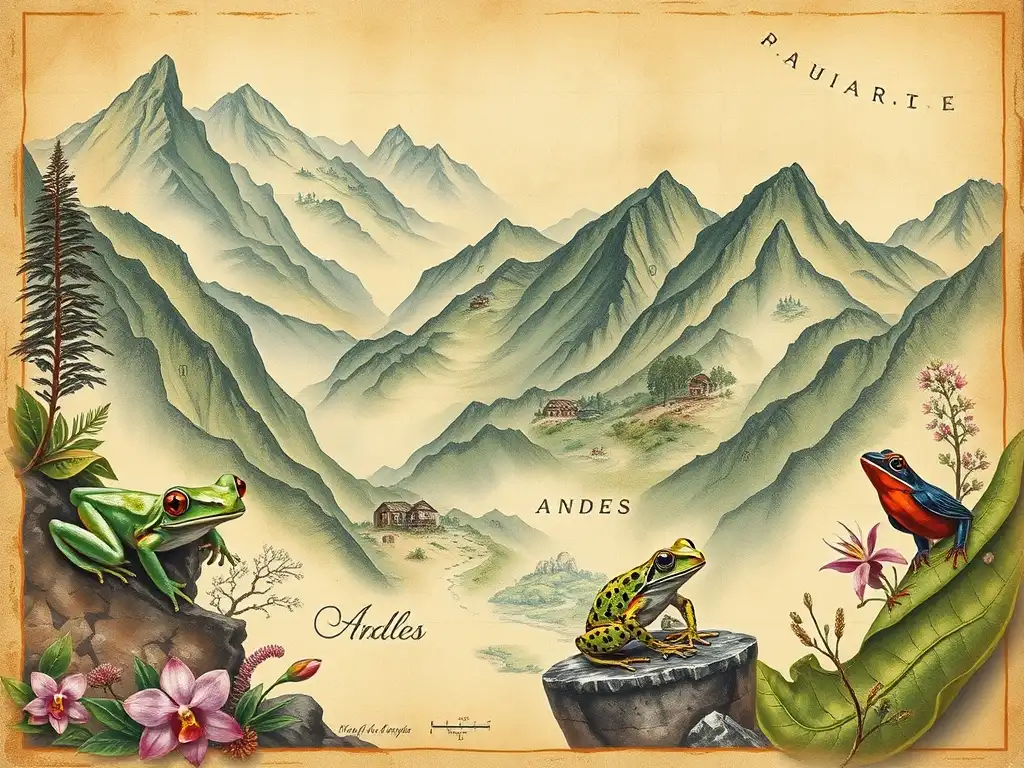
This section delves into the documented roles of amphibians, particularly frogs, in the religious and symbolic systems of several prominent Andean cultures. We will explore how these creatures transcended their biological roles to become imbued with spiritual meaning and significance, reflecting the complex relationship between Andean societies and their environment. The analysis focuses on the Inca, Moche, and Nazca cultures, highlighting the diversity of interpretations and practices surrounding Andean amphibians religious significance.
The Role of Frogs in Inca Beliefs and Practices
The Inca Empire, while vast and encompassing diverse populations, exhibited a consistent reverence for nature, reflected in their mythology and rituals. While direct textual evidence detailing Inca beliefs about frogs is scarce, archaeological findings and ethnographic parallels suggest a significant role. The presence of frog motifs on some pottery and textiles hints at a symbolic association, perhaps linked to water, fertility, and the cyclical nature of life and death – themes central to Inca cosmology.
The abundance of frogs in Andean wetlands likely contributed to their prominence. It's plausible that frogs represented the spirit world's connection to the earthly realm, mirroring the Inca belief in the interconnectedness of the kay pacha (the human world), hanan pacha (the upper world), and ukhu pacha (the underworld).
Further research into Inca iconography and surviving oral traditions from descendant communities could illuminate this aspect of their beliefs more fully. [Specific information pending: Detailed analysis of Inca pottery and textile designs featuring frog motifs].
Moreover, the Inca's sophisticated agricultural practices, heavily reliant on water management, might have further elevated the frog's status. Frogs, as indicators of water availability and healthy ecosystems, could have been seen as auspicious signs, fostering successful harvests and ensuring the prosperity of the empire. This practical connection to agriculture likely reinforced their symbolic importance within Inca society. The lack of extensive written records necessitates a multi-faceted approach combining archaeological evidence with careful interpretations of related cultural practices from neighboring groups.
Amphibians in Moche Iconography and Rituals
The Moche civilization (100-800 CE) left behind a rich artistic legacy, providing invaluable insights into their worldview. Their pottery, renowned for its intricate detail and vivid depictions of daily life and rituals, frequently features amphibians, primarily frogs and toads. These depictions often portray amphibians in contexts suggesting ritual significance.
For instance, some vessels depict shamans interacting with frogs, implying the use of amphibians in ceremonies, perhaps related to healing or divination. The Moche's preoccupation with water, reflected in their sophisticated irrigation systems, likely contributed to the symbolic importance of amphibians, which were intimately linked to water sources and the cycles of life and death.
| Moche Amphibian Depiction | Interpretation | Evidence |
|---|---|---|
| Frog held by a shaman | Shamanistic practices, healing rituals | Pottery depicting shamans interacting with frogs. |
| Toad on a ceremonial vessel | Fertility, abundance | Pottery with toads near agricultural scenes. |
| Stylized frog in a burial context | Underworld connection, ancestral spirits | Frog figurines found in tombs. |
The Moche also displayed a keen understanding of the natural world, as evidenced by their accurate depictions of various animal species. The detailed portrayal of amphibians in their art suggests a profound respect for these creatures and a recognition of their role within the broader ecological system. This respect, clearly displayed in their art, underscores the significance of Andean amphibians religious significance within the Moche worldview. [Specific information pending: Quantitative analysis of Moche pottery depicting amphibians to determine frequency and context].
Nazca Lines and the Depiction of Amphibians
The enigmatic Nazca Lines, created between 500 BCE and 500 CE, are a colossal testament to the Nazca civilization's ingenuity and cosmological beliefs. While the lines primarily depict animals and plants, there is ongoing debate regarding the presence and interpretation of amphibian figures. Some researchers argue that certain geoglyphs, though abstract, might represent stylized amphibians, potentially reflecting their importance in Nazca religious beliefs. The lack of clear, unambiguous representations of amphibians in the Nazca lines compared to the Moche pottery necessitates a more cautious approach.
However, the Nazca's intricate understanding of the arid landscape and their mastery of water management systems, indicated by their complex canal networks, suggests a potential connection between amphibians and their worldview. Although not explicitly depicted in the geoglyphs themselves, the symbolic association of water with life and fertility, central to Nazca cosmology, may have included amphibians as representative figures. Further research focusing on comparative iconography from Nazca textiles and other artifacts could shed light on this question.
[Specific information pending: Detailed analysis of Nazca geoglyphs for possible amphibian representations and contextual information from related artifacts]. The potential connection between the Nazca Lines and amphibians underscores the need for continued research into the complex interplay between Andean cosmology and the natural world, further emphasizing the subtle yet significant role of Andean amphibians religious significance.
Amphibian Representations in Tiahuanaco Culture
The Tiahuanaco culture, flourishing in the Bolivian Altiplano between approximately 500 and 1000 CE, left behind a rich legacy of artistic and architectural marvels. While less explicitly focused on amphibians than some other Andean cultures, subtle yet significant representations of amphibians can be found within their iconography. These representations often appear integrated into larger, complex designs, requiring careful analysis to discern their specific meaning.
One notable example is the presence of frog-like figures carved into stone monuments and incorporated into intricate textile patterns. These depictions, though stylized and often abstract, share certain characteristics with known Andean amphibian species, suggesting a deliberate connection to the natural world.
The frogs are not typically isolated motifs; instead, they are frequently positioned amongst other symbolic elements, such as stylized plants, felines, and birds, hinting at a complex web of interconnected meanings within the Tiahuanaco worldview. Scholars have proposed that these frogs, appearing within this context, may represent concepts related to fertility, water, and the cyclical nature of life and death, mirroring beliefs found in other Andean cultures.
Further research is needed to fully elucidate the specific meaning of these amphibian representations within the broader cosmology of Tiahuanaco. The limited number of clear amphibian depictions, compared to other motifs, suggests they may have held a less prominent, yet still significant, role in their religious beliefs compared to cultures like the Moche.
The difficulty in interpreting these subtle representations highlights the challenge faced by researchers studying Andean iconography. Context is crucial; isolating a single frog-like image without considering its surrounding elements risks misinterpreting its significance. The interweaving of amphibian imagery with other symbols within Tiahuanaco art underscores the interconnectedness of their worldview, where the natural world and the spiritual realm were deeply intertwined.
Future research should focus on comparative analyses of Tiahuanaco art with other Andean cultures to better understand the specific role amphibians played in their religious and cosmological beliefs. The application of advanced imaging techniques to analyze weathered or obscured details on stone monuments could also reveal previously unnoticed amphibian representations, further enriching our understanding of Tiahuanaco's relationship with amphibians and the natural world. This continued investigation will hopefully provide a clearer picture of the subtle yet important role of amphibians in the rich tapestry of Tiahuanaco culture.
The Enduring Legacy of Amphibian Symbolism
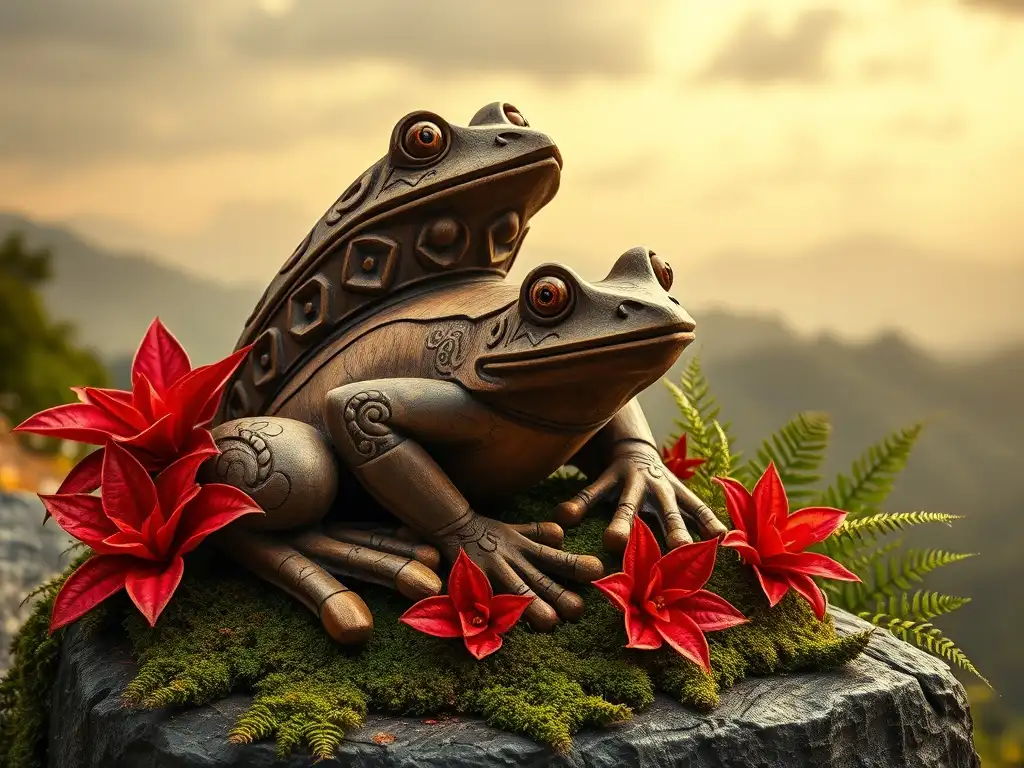
The Andean worldview, rich in symbolism and deeply connected to the natural world, places amphibians in a unique position of religious significance. Far from being merely creatures of the environment, frogs, toads, and other amphibians are imbued with profound spiritual meaning, reflecting the interconnectedness of life and the cyclical nature of Andean cosmology. Their association with water, fertility, and transformation makes them potent symbols in various Andean traditions, a legacy that persists to this day.
Understanding this enduring legacy requires examining their role across different Andean cultures and through various historical periods. The persistence of these beliefs highlights the deep-rooted connection between Andean peoples and their environment, a connection that informs their spiritual practices and worldview. The enduring power of these symbols demonstrates the resilience of Andean cultural heritage.
The study of Andean amphibians and their religious significance provides a fascinating window into the complex spiritual landscape of the Andes. This rich tapestry of beliefs underscores the importance of preserving both cultural heritage and the biodiversity that sustains it.
Contemporary Andean Beliefs and the Connection to Amphibians
Even today, many Andean communities maintain a strong connection to the spiritual significance of amphibians. In some regions, frogs are seen as messengers of the gods, their calls interpreted as omens or prophecies. For example, the distinctive croaking of certain frog species might be associated with upcoming rain, a crucial event for agricultural communities. This reinforces the amphibian's role as a symbol of fertility and abundance.
Furthermore, the amphibian's life cycle – from aquatic larva to terrestrial adult – mirrors cyclical processes observed in nature and the Andean understanding of life, death, and rebirth. This metaphorical resonance strengthens their symbolic power. The vibrant colors of some Andean amphibians are also believed to hold spiritual significance, often associated with specific deities or sacred energies. This vibrant connection between color, symbolism, and the natural world is an important aspect of Andean religious practices.
Further research is needed to fully document the diversity of contemporary beliefs surrounding Andean amphibians and their nuances across different communities. [Specific examples of contemporary beliefs and practices from different Andean communities pending]. The continued presence of these beliefs in modern Andean societies highlights the enduring power of ancient traditions and their integration into contemporary life. Understanding these beliefs is crucial for appreciating the complexity and richness of Andean spirituality.
Preservation of Andean Traditions and the Natural World
The preservation of Andean traditions relating to amphibians is intrinsically linked to the preservation of their natural habitats. The decline of amphibian populations due to habitat loss, pollution, and climate change directly threatens the cultural practices and beliefs associated with these creatures. Therefore, conservation efforts are not only crucial for biodiversity but also essential for maintaining the cultural heritage of the Andes. Protecting the ecosystems where these amphibians thrive is crucial for safeguarding the spiritual and cultural significance they hold.
This highlights the intricate relationship between cultural preservation and environmental conservation. Promoting sustainable practices and raising awareness about the importance of amphibian conservation within Andean communities is paramount. Initiatives that combine traditional ecological knowledge with scientific research are particularly valuable in this context. By acknowledging the intertwined nature of cultural heritage and biodiversity, we can work towards a more holistic approach to conservation that values both the spiritual and the ecological dimensions of Andean amphibians.
The future of Andean amphibians and the beliefs associated with them is inextricably linked to the future of the Andean environment. The challenge lies in finding ways to effectively integrate conservation efforts with the preservation of cultural traditions, ensuring a sustainable future for both. This integrated approach is vital for ensuring the continued flourishing of Andean culture and the biodiversity that sustains it.
Conclusion: The Profound Importance of Amphibians in Andean Thought
The role of amphibians, particularly frogs, in Andean belief systems reveals a complex and multifaceted relationship between humans and the natural world. Far from being simply observed creatures, amphibians held, and in some cases continue to hold, significant religious and symbolic weight, interwoven with the fabric of Andean cosmology and worldview. Their presence in mythology, ritual, and art underscores their deep-seated importance in shaping Andean spiritual understanding.
The persistent presence of amphibian motifs in various Andean cultures, despite geographical and temporal differences, highlights the enduring power of these symbolic associations. Understanding this connection offers valuable insight into the rich tapestry of Andean spirituality and its profound connection to the environment. The seemingly humble frog, therefore, emerges as a powerful symbol, encapsulating the interconnectedness of life and the spiritual significance of the natural world in Andean thought.
Recap of Key Points on Amphibians Religious Significance
Several key points emerge from the examination of Andean amphibians' religious significance. Firstly, the association of frogs with water, fertility, and rebirth is a recurring theme across various Andean cultures. This connection stems from the amphibian's life cycle, mirroring the cyclical nature of Andean cosmology and the importance of water as a life-giving force. Secondly, the potent symbolism of frogs is evident in their depiction in both pre-Columbian and contemporary Andean art.
These depictions often appear in contexts suggesting a connection to deities, shamans, and spiritual power. For example, [specific examples of artistic representations pending—research needed on specific artifacts and their contexts]. Thirdly, the use of frogs in rituals and ceremonies further underscores their sacred status.
Though precise details of these practices often remain elusive due to limited historical documentation, ethnographic studies and surviving oral traditions offer glimpses into these practices and their importance in maintaining spiritual balance and ensuring prosperity. Finally, the enduring presence of amphibian symbolism in modern Andean communities indicates the persistent influence of these ancient beliefs on contemporary spiritual practices. The frog's call, therefore, continues to resonate with a powerful symbolic meaning across generations.
Final Reflection on the Andean Connection with Nature
The study of Andean amphibians and their religious significance provides a compelling lens through which to examine the profound connection between Andean peoples and their environment. The reverence for amphibians, specifically frogs, highlights a worldview where the natural world is not simply a resource to be exploited, but rather a vital part of a sacred and interconnected cosmos. This holistic perspective, where humans are seen as an integral part of a larger web of life, stands in stark contrast to many modern anthropocentric views.
The Andean understanding of nature's intrinsic spiritual value serves as a potent reminder of the importance of environmental stewardship and the need to recognize the interconnectedness of all living things. The enduring legacy of Andean amphibian symbolism offers a valuable lesson in ecological consciousness and a powerful example of a harmonious relationship between humanity and the natural world.
Further research into specific rituals, art forms, and oral traditions across different Andean groups will undoubtedly enrich our understanding of this profound relationship and its continued relevance in contemporary Andean societies. 🐸
Frequently Asked Questions
What role did amphibians, particularly frogs, play in Andean cultures?
Amphibians, especially frogs, held significant religious and symbolic meaning in various Andean cultures. They were often associated with fertility, rain, and the underworld, reflecting their life cycle and habitat.
Were all amphibians viewed with the same reverence?
No, the specific significance varied across different Andean cultures and even within a single culture. Some amphibians might have been associated with positive forces, while others held more negative connotations.
How did the Incas view amphibians?
Inca beliefs incorporated amphibians into their cosmology and rituals. Frogs, for instance, might have been linked to water deities and agricultural cycles, reflecting their importance in Andean life.
Did the religious significance of amphibians influence Andean art?
Yes, depictions of amphibians appear frequently in Andean art, such as pottery and textiles. These representations often reflect their symbolic importance within the culture's belief system.
What evidence exists to support the religious significance of Andean amphibians?
Archaeological findings, including pottery depicting amphibians and accounts from colonial chronicles, provide evidence for the religious and symbolic roles of amphibians in Andean civilizations.
Final Reflection: The Enduring Echo of the Frog's Call
The vibrant tapestry of Andean culture, deeply interwoven with the natural world, continues to resonate with the symbolic power of amphibians. Their presence, far from being merely biological, speaks to a profound connection between humanity and the environment, a connection that remains vital in understanding the complexities of Andean spirituality and its enduring legacy. The seemingly small frog, therefore, holds a surprisingly large place in the region's rich history and ongoing cultural practices.
The enduring influence of amphibian symbolism in Andean beliefs is a testament to the power of nature to shape human understanding. These creatures, often associated with water, fertility, and the spirit world, continue to inspire art, ritual, and storytelling. Their presence in ancient myths and modern practices highlights the enduring relevance of these traditions. The mountains are not just stone, they are living beings, and the creatures that inhabit them are part of their spirit.
This sentiment, though paraphrased, encapsulates the deep respect and interconnectedness that underpins the Andean worldview, a worldview where amphibians play a crucial role.
Consider, for a moment, the intricate relationship between humans and the natural world. How can we, in our increasingly urbanized lives, reconnect with the profound wisdom embedded in these ancient traditions?
Let the frog's call be a reminder to listen more closely to the whispers of nature, to appreciate the intricate web of life that sustains us, and to honor the rich cultural heritage that connects us to the past and guides us towards a more sustainable future. Embrace the lessons learned from the Andean reverence for amphibians, and let it inspire you to find your own connection to the natural world.
Embrace Your Connection with Andean Wisdom!
Thank you for exploring the fascinating world of amphibians and their profound significance in Andean cultures. Your interest in these remarkable creatures enhances your understanding of biodiversity and deepens your appreciation for rich cultural heritage.
Now, let's put that knowledge into action! Here's how you can get involved:
- Engage with Nature: Visit a local wetland or nature reserve to observe amphibians firsthand and witness their crucial role in the ecosystem.
- Share the Knowledge: Discuss your newfound insights with friends and family, or share your discoveries on social media to raise awareness about the importance of amphibians in Andean traditions and conservation.
- Join the Conversation: Participate in online forums or groups focused on Andean culture or conservation; share your thoughts and questions, and learn from others.
What unique perspectives or experiences have you had with amphibians that could contribute to preserving Andean traditions? We'd love to hear your thoughts!