
The Andean Calendar: A System of Observation and Ritual

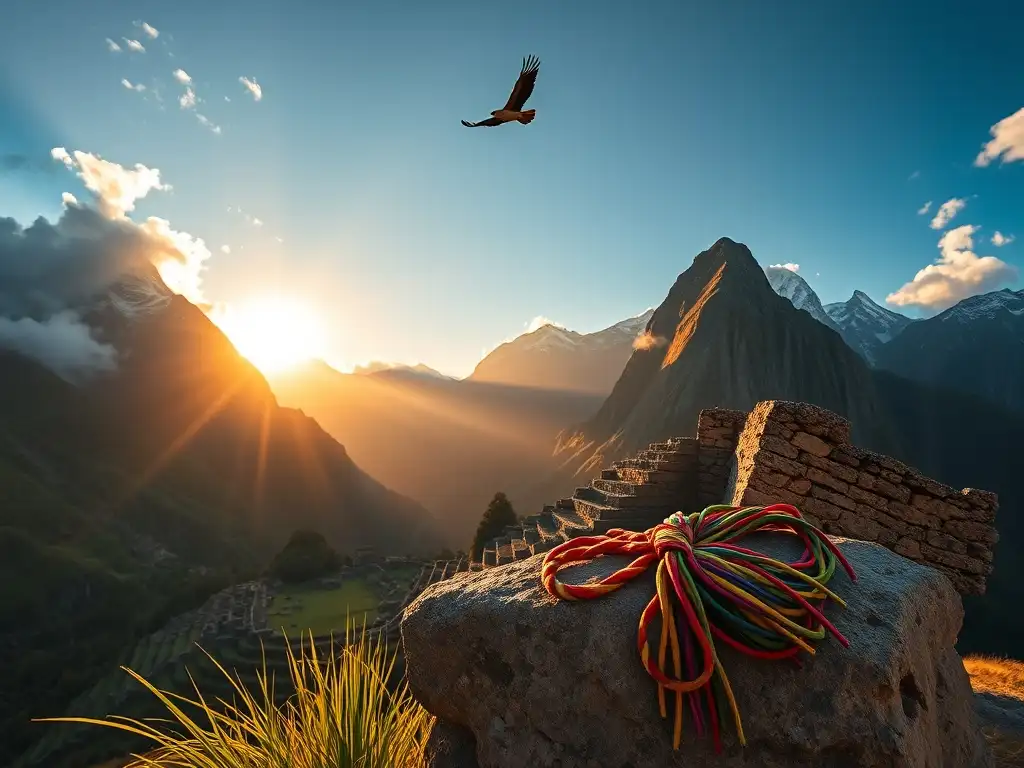
Unravel the mysteries of a lost world. Step into the breathtaking landscapes of the Andes and discover a civilization far more advanced than you ever imagined. For centuries, the intricate Andean calendar system, particularly that of the Inca, guided their lives, shaping their agriculture, rituals, and understanding of the cosmos. Prepare to be amazed as we delve into the secrets of their celestial observations and the profound significance of time in their worldview. Are you ready to explore the fascinating intricacies of the Andean calendar system Inca and its impact on this remarkable civilization?
The Andean world, far from being a monolithic entity, encompassed a diverse tapestry of cultures, each with its unique expressions of spirituality and worldview. Understanding their concepts of time and space is crucial to grasping the complexities of these fascinating societies.
This article delves into the intricate system of the Andean calendar, exploring its significance beyond mere timekeeping. We will uncover how this sophisticated system intertwined astronomical observation, agricultural practices, and elaborate ritual cycles, providing a framework for understanding the Andean worldview and its profound connection to the natural world.
Focusing primarily on the Inca calendar system, but acknowledging the variations and influences from other Andean cultures like the Moche, Nazca, and Tiahuanaco, we will unravel the mysteries of this remarkable achievement, highlighting its enduring legacy and revealing its importance as a key element in the understanding of the Andean calendar system Inca. This exploration will illuminate how the meticulous observation of celestial events shaped daily life, social organization, and the very fabric of Andean societies.
Understanding Time in the Andean World: An Introduction to Andean Calendars
The Andean calendar wasn't a single, unified system, but rather a collection of interconnected methods for tracking time, reflecting the diverse environments and cultural practices across the Andes. While the Inca Empire imposed a degree of standardization, particularly in the central regions, regional variations and older traditions persisted. These calendars weren't simply tools for scheduling; they were deeply embedded in the Andean cosmological understanding, reflecting a profound connection between the celestial realm and the earthly plane.
The Inca calendar, for example, is known to have been intricately tied to agricultural cycles, with specific festivals and ceremonies marking key moments in the planting and harvesting seasons. This intimate relationship between the calendar and agriculture underscores the crucial role of timekeeping in ensuring the survival and prosperity of Andean communities.
The system wasn't just about predicting the seasons; it was about aligning human activities with the rhythms of nature, fostering a harmonious relationship between humanity and the cosmos. This alignment was not merely practical; it was a deeply spiritual endeavor, reflecting the Andean belief in a vibrant, interconnected world.
The Andean calendar system Inca, in particular, demonstrated a sophisticated understanding of astronomy. Evidence suggests meticulous observations of the sun, moon, and stars, allowing for precise predictions of solstices, equinoxes, and other celestial events. These observations were not merely scientific endeavors; they were integral parts of religious and ceremonial practices, shaping the social and political landscape of the Inca Empire.
The calendar, therefore, served as a powerful tool for maintaining social order, reinforcing the authority of the Inca rulers, and cementing the spiritual beliefs of the population. The meticulous record-keeping and the precision of the predictions speak volumes about the advanced knowledge and organizational capabilities of Andean astronomers and priests.
- What was the primary purpose of the Andean calendar system?
- How did the Inca incorporate the Andean calendar system into their society?
- Were there different types of Andean calendars?
- How accurate was the Andean calendar system in predicting astronomical events?
- What role did the Andean calendar play in Inca religion?
The Andean Calendar System: More Than Just Timekeeping
The Andean calendar system wasn't merely a method of tracking days, months, and years; it was intricately woven into the fabric of Andean cosmology and worldview. It represented a sophisticated understanding of celestial cycles, agricultural rhythms, and the spiritual relationship between the human and divine realms. This system, far from being uniform across all Andean cultures, varied significantly depending on the specific civilization and its geographic location.
Understanding the Andean calendar requires appreciating its multifaceted nature and the diverse ways in which different groups interpreted and utilized it. The Inca calendar, while influential, only represents one piece of this complex puzzle, a vibrant tapestry of astronomical observation and ritual practice. The Andean calendar system Inca legacy is rich and complex, reflecting the ingenuity and spiritual depth of these ancient societies.
The Diverse Calendrical Systems of the Andes
The Andes weren't unified under a single calendar system. Instead, a variety of distinct, though sometimes overlapping, systems existed. The Nazca, for example, are renowned for their geoglyphs, some of which are believed to have astronomical significance, potentially linked to their own unique calendrical observations.
Their precise system remains a subject of ongoing research, with theories suggesting connections to the solstices and equinoxes, as well as possible lunar tracking. Similarly, the Moche civilization, known for its elaborate pottery and metalwork, likely employed a calendar system closely tied to their agricultural practices and the cyclical flooding of the rivers. Evidence suggests a strong emphasis on the observation of Venus, a planet crucial to their mythology and possibly incorporated into their timekeeping.
The Tiahuanaco civilization, with its impressive monumental architecture, also possessed a sophisticated understanding of astronomy and likely integrated it into their own unique calendar system, possibly incorporating solar and lunar cycles. The precise details of these calendars, however, remain partially elusive, with ongoing archaeological discoveries continually refining our understanding. The diversity of these systems highlights the independent development of astronomical knowledge and ritual practices within various Andean cultures.
The Inca Calendar: A Key Example of Andean Time Measurement
The Inca calendar, while not universally applicable across all Andean societies, serves as a prominent example of the region's advanced timekeeping capabilities. It was a complex system incorporating both solar and lunar cycles. The Andean calendar system Inca relied heavily on solar observations, using the solstices and equinoxes as key markers. The Inca year, consisting of 12 lunar months, was adjusted periodically to align with the solar year, a testament to their precise astronomical knowledge.
This adjustment was likely achieved through the intercalation of extra days or months, though the exact mechanisms remain a subject of scholarly debate. The Inca calendar was not simply a tool for agricultural planning; it was deeply intertwined with their religious beliefs and rituals. Specific festivals and ceremonies were timed to coincide with significant astronomical events, reflecting the sacred nature of time and the cosmos in Inca cosmology. For example, the Inti Raymi, the festival of the sun, was celebrated at the winter solstice, highlighting the sun's vital role in Inca life and religion.
Furthermore, the Inca utilized a complex system of quipus, knotted strings, to record and transmit calendrical information, along with other vital data. Decoding the quipu system remains a challenge, but ongoing research continues to reveal the sophistication of Inca record-keeping and the depth of their understanding of their calendar system. The Inca calendar, therefore, stands as a powerful testament to the intricate relationship between astronomy, religion, and society in the Inca Empire, offering a valuable insight into the Andean calendar system Inca and its influence.
The Inca Calendar: Structure and Components
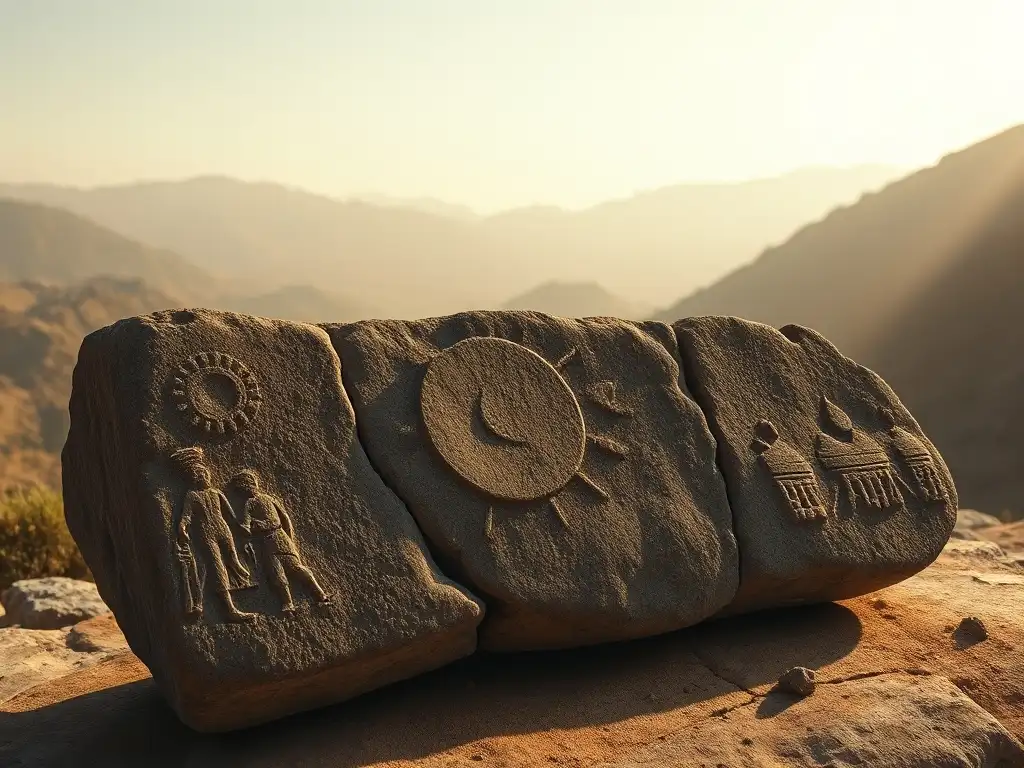
The Inca calendar system, a sophisticated blend of solar and lunar observations, wasn't a single, monolithic entity like the Gregorian calendar we use today. Instead, it was a complex interplay of celestial cycles interwoven with agricultural practices and religious rituals. Understanding the Andean calendar system Inca requires appreciating its multifaceted nature and its deep connection to the Andean worldview. Unlike calendars based solely on solar cycles, the Inca system incorporated lunar phases, creating a dynamic and nuanced system for tracking time.
This intricate system allowed the Inca to accurately predict agricultural seasons, plan ceremonies, and manage their vast empire. The Inca calendar system Inca was not merely a tool for scheduling; it was integral to their social and spiritual life, reflecting their profound understanding of the cosmos. The cyclical nature of the calendar mirrored their belief in the cyclical nature of life, death, and rebirth.
The Solar Year in the Inca Calendar: Inti Raymi and the Solstices
The solar year, central to the Inca calendar system, was profoundly significant. The most important celebration, Inti Raymi ("Festival of the Sun"), marked the winter solstice (June 21st) in the Southern Hemisphere. This festival, a grand spectacle involving sacrifices, feasts, and elaborate processions, celebrated the sun god Inti, the most important deity in the Inca pantheon. The Inca meticulously observed the solstices and equinoxes, using their astronomical knowledge to align temples and structures with the sun's path.
For example, the precise orientation of Machu Picchu's structures suggests a deep understanding of the sun's movements throughout the year. This alignment wasn't accidental; it reinforced the sacred connection between the Inca and their celestial deities. The solstices and equinoxes also served as crucial markers for agricultural planning.
The winter solstice signaled the beginning of the planting season in many regions, while the summer solstice marked the harvest. The accuracy of their solar observations is evidenced by the precise timing of their agricultural practices and the success of their farming techniques. Archaeological evidence further supports the importance of solar observation in Inca society, with many sites exhibiting clear solar alignments.
The Lunar Cycle and its Importance in Andean Timekeeping
While the solar year provided the larger framework, the lunar cycle played a vital role in the Inca calendar system. The Inca meticulously tracked the phases of the moon, using them to regulate agricultural activities and religious ceremonies on a shorter timescale. The lunar cycle, with its approximately 29.5-day period, was incorporated into a system of months, potentially creating a lunar calendar that ran concurrently with the solar year.
This system may have been used to adjust the agricultural calendar, ensuring that planting and harvesting coincided with favorable lunar phases believed to influence crop yields. The importance of the moon in Andean cosmology is reflected in various myths and legends, highlighting its connection to fertility and the cyclical nature of life. Unfortunately, detailed records of their precise lunar calendar are scarce, leaving room for further research and interpretation.
However, the integration of lunar observations into their overall system of timekeeping is undeniable. The combination of solar and lunar cycles demonstrates a sophisticated understanding of celestial mechanics and a practical application of this knowledge to everyday life.
The Role of Constellations in the Inca Calendar
Beyond the sun and moon, the Inca also observed constellations and stars, using them as additional markers within their calendar system. Specific constellations were associated with different times of the year, agricultural cycles, and religious rituals. While the precise details of their constellations and their corresponding meanings are still being researched, it's clear that celestial observations were an integral part of their worldview.
The Inca likely used these constellations to further refine their agricultural practices and to predict seasonal changes with greater accuracy. The positions of stars and constellations served as celestial calendars, complementing their solar and lunar observations. The Inca's knowledge of astronomy was not simply theoretical; it was deeply practical and integral to the functioning of their society.
Further research into Inca iconography and surviving texts may reveal more precise details about their use of constellations in their calendar system. The ongoing investigation into this aspect of the Andean calendar system Inca promises to unveil more fascinating insights into their advanced astronomical knowledge and its influence on their culture.
Andean Rituals and the Calendar
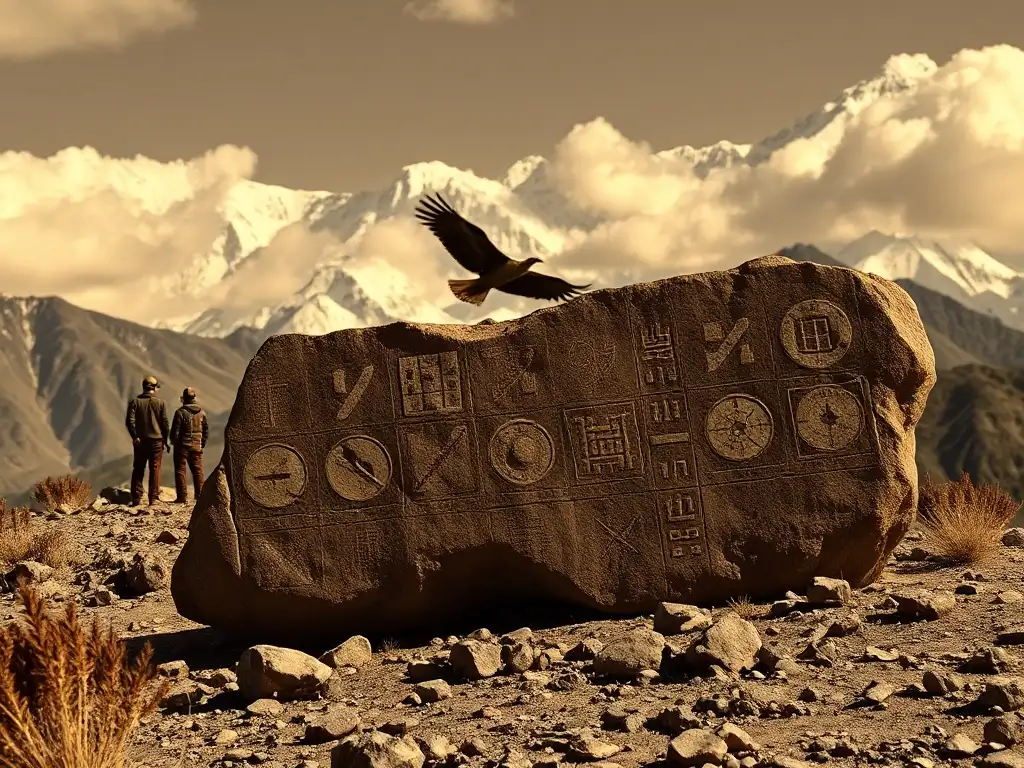
The Andean calendar system, particularly that of the Inca, wasn't merely a method for tracking time; it was deeply intertwined with the fabric of Andean life, shaping their rituals, social structures, and agricultural practices. Understanding the Andean calendar system Inca requires recognizing its profound religious and social significance. The meticulous observation of celestial bodies, especially the sun, moon, and stars, informed a complex system that dictated when to plant and harvest, when to celebrate religious festivals, and how to organize society.
The Inca, along with other Andean cultures, developed sophisticated techniques for observing and predicting astronomical events, demonstrating a sophisticated understanding of the cosmos and their place within it. This knowledge was not solely the domain of priests or elites; it permeated all levels of Andean society, impacting daily life in profound ways.
Agricultural Cycles and the Calendar: Planting and Harvesting
The Andean calendar system was fundamentally linked to the agricultural cycle. The Inca, renowned for their agricultural prowess, developed a precise system for determining the optimal times for planting and harvesting crops. This wasn't a matter of simple observation; it involved detailed knowledge of seasonal variations, microclimates, and the specific needs of different crops.
For example, the planting of potatoes, a staple crop, was meticulously timed to coincide with the appropriate rainfall and temperature conditions. This knowledge, passed down through generations, ensured the success of their agricultural endeavors and the sustenance of their communities. The calendar provided a framework for planning and coordinating agricultural activities across vast territories, demonstrating a sophisticated understanding of resource management and logistical planning.
Evidence suggests the use of knotted strings, quipus, to record and transmit this vital agricultural information. Failure to adhere to the calendar's agricultural guidelines could have dire consequences, leading to crop failure and potential famine. Therefore, the Andean calendar system's accuracy was crucial for the survival and prosperity of Andean societies.
Religious Festivals and the Andean Time System
Religious festivals in the Inca empire and other Andean cultures were inextricably linked to the calendar. Specific dates, often determined by astronomical events like solstices and equinoxes, marked the celebration of important deities and the commemoration of significant historical events. These festivals weren't merely celebratory occasions; they were integral to maintaining the cosmic order and ensuring the continued prosperity of the community.
For instance, the Inti Raymi, the festival of the sun, celebrated the winter solstice and was a time of great ritual significance, involving elaborate ceremonies and sacrifices aimed at ensuring a bountiful harvest. The precise timing of these festivals, dictated by the calendar, underscored the profound connection between the celestial realm and the human world in the Andean worldview.
The calendar, therefore, acted as a bridge between the earthly and the spiritual, guiding the ritual life of Andean communities. The intricate details of these festivals, including the specific offerings and rituals, varied across different Andean cultures, reflecting the diversity of beliefs and practices within the region.
The Andean calendar system wasn't merely a tool for agricultural planning and religious observance; it also played a crucial role in social organization and administration. The Inca empire, known for its impressive administrative capabilities, used the calendar to regulate labor allocation, tax collection, and the distribution of resources. The mita, a system of mandatory labor service, was likely organized according to the agricultural calendar, ensuring that the workforce was available when needed for planting, harvesting, and other essential tasks.
The precise timing of these activities, as dictated by the calendar, allowed for efficient resource management and the smooth functioning of the Inca state. Furthermore, the calendar may have played a role in regulating social hierarchies and establishing a sense of order and predictability within the complex social structure of the Andean civilizations.
While specific details regarding the administrative applications of the Andean calendar remain under research, its significance in organizing the Inca empire and other Andean societies is undeniable. Further research is needed to fully uncover the extent of its impact on social structures and governance.
Andean Calendar System Inca: Beyond the Agricultural Cycle
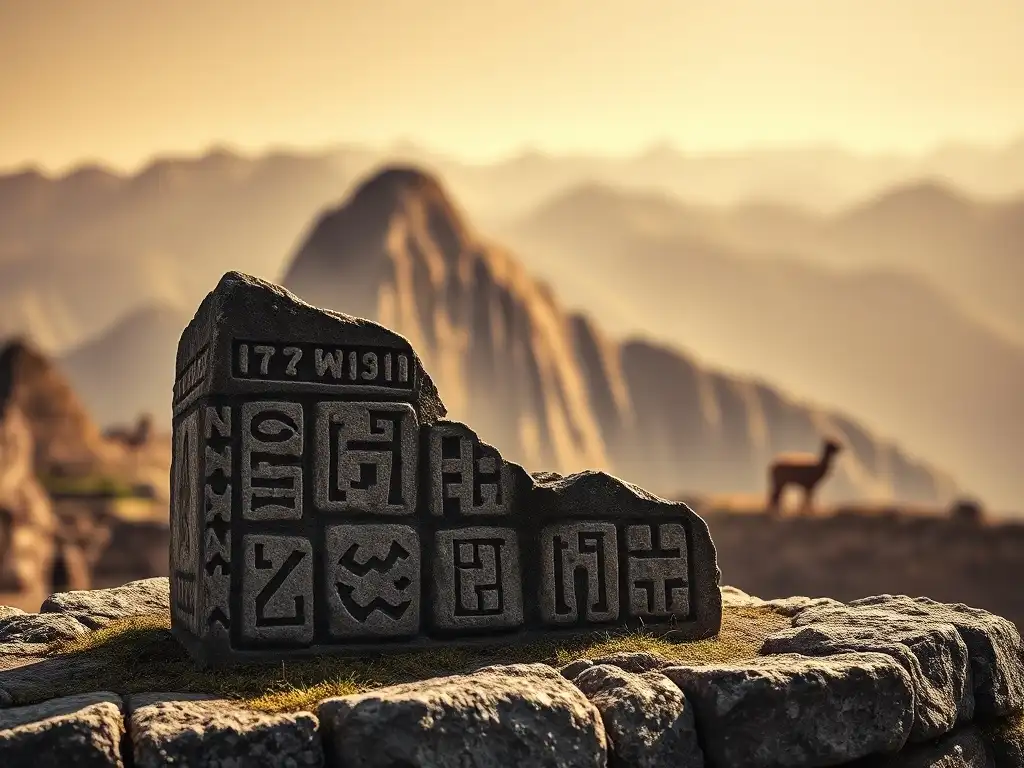
The Andean calendar system, particularly that employed by the Inca, transcended the purely practical function of regulating agricultural activities. While undoubtedly crucial for planning planting and harvesting, its significance extended far beyond the seasonal cycle, encompassing a complex interplay of astronomical observation, ritual practice, and a profound cosmological worldview. The Inca calendar wasn't simply a tool for scheduling; it was a living, breathing manifestation of their understanding of the cosmos and their place within it.
Understanding this intricate system requires moving beyond the simplistic notion of a purely agricultural calendar and delving into the rich tapestry of its symbolic and ritualistic dimensions. The Inca's sophisticated knowledge of celestial movements allowed for incredibly precise predictions, influencing not just agricultural practices but also critical aspects of their social and political organization.
The Calendar as a Tool for Prophecy and Divination
The Inca's mastery of the Andean calendar system facilitated a sophisticated system of prophecy and divination. Priests, known as amautas, meticulously observed celestial events, correlating them with terrestrial occurrences. Eclipses, solstices, and the appearances of specific constellations were not merely astronomical phenomena; they were interpreted as divine messages, portents of future events, both auspicious and ominous.
This wasn't a haphazard system of guesswork; intricate records, likely kept using quipus (complex knotted cords), meticulously documented past events and their celestial correlates, providing a basis for future predictions. For example, the appearance of a particular comet might have been associated with a successful harvest in previous years, leading the amautas to predict a bountiful yield in the coming season. Conversely, unusual celestial alignments could foretell drought, famine, or even social unrest.
The accuracy of these predictions, while difficult to assess definitively today, certainly played a significant role in shaping Inca society, influencing everything from agricultural policy to military campaigns. The calendar, therefore, served as a crucial link between the human and the divine realms, granting the Inca a sense of control and predictability in a world they perceived as inherently interconnected.
The Calendar and the Andean Worldview: A Cosmic Connection
The Andean calendar system was deeply interwoven with the Inca worldview, reflecting their profound understanding of the cosmos. The Inca perceived time not as a linear progression but as a cyclical process, mirroring the cyclical nature of the agricultural year and the celestial movements. The sun, moon, and stars were not merely celestial bodies; they were powerful deities, integral parts of a complex cosmic order.
The calendar served as a framework for understanding this order, mapping the movements of the celestial bodies onto the earthly realm. This cosmic connection is evident in the Inca's construction of monumental sites like Machu Picchu, strategically aligned with significant celestial events. These structures weren't simply impressive feats of engineering; they were tangible representations of the Inca's cosmological beliefs, demonstrating a profound understanding of astronomy and its relationship to their social and religious practices.
The precise alignment of these sites with solstices and equinoxes suggests a sophisticated level of astronomical knowledge, further highlighting the importance of the calendar system in shaping their worldview and religious practices. The Inca calendar, therefore, wasn't just a tool for practical purposes; it was a fundamental element of their cosmology, reflecting their deep connection to the natural world and their belief in a divinely ordered universe. The meticulous observation of celestial events, coupled with their sophisticated understanding of agricultural cycles, provided the Inca with a framework for understanding their place within the cosmos and navigating the challenges of their environment.
The Legacy of Andean Calendars Today
The Andean calendar system, far from being a relic of the past, continues to resonate in the lives of many Andean communities today. While the precise methods and interpretations may have evolved over centuries, the fundamental principles of observing celestial cycles and integrating them into daily life and ritual practice persist. This enduring legacy underscores the deep-rooted connection between Andean peoples and their understanding of time, a connection far more profound than a mere historical curiosity.
The intricate relationship between the Andean calendar system Inca and contemporary Andean society showcases the resilience of indigenous knowledge systems in the face of colonization and modernization. Understanding this legacy is crucial for appreciating the richness and complexity of Andean culture.
Surviving Andean Calendrical Practices in Contemporary Communities
Many Andean communities still utilize elements of the ancient calendar systems in their daily lives, though often interwoven with elements of the Gregorian calendar and other influences. For example, agricultural practices in the Peruvian Andes frequently align with the traditional calendar's cycles, marking planting and harvesting times based on observations of the sun, stars, and moon. The precise details vary across different communities and regions.
Some communities maintain detailed knowledge of constellations and their association with specific agricultural activities or festivals. Others may focus primarily on the solar cycle, using solstices and equinoxes as key markers for their yearly routines. This diversity highlights the adaptable nature of the Andean calendar system, its capacity to be reinterpreted and reapplied across different geographical contexts and socio-cultural landscapes.
The continued use of these practices helps preserve traditional knowledge and maintain a strong link to ancestral heritage. Ethnoastronomical studies continue to document and analyze these practices, revealing the ongoing vitality of the Andean calendar system in contemporary Andean life. This ongoing research is vital for preserving and understanding this rich cultural heritage.
The Importance of Preserving Andean Knowledge of Time
The preservation of Andean knowledge of time is not simply a matter of historical preservation; it’s a matter of cultural survival and environmental sustainability. The Andean calendar system Inca, and its associated practices, represents a sophisticated understanding of the natural world – a deep connection between human activity and ecological cycles. This knowledge is invaluable for understanding sustainable agricultural practices, resource management, and adapting to climate change.
Furthermore, preserving this knowledge helps maintain cultural identity and linguistic diversity. The Andean calendar system is often deeply intertwined with indigenous languages and oral traditions, and its loss would represent a significant blow to cultural heritage. Efforts to document, study, and promote Andean calendrical knowledge are therefore crucial for several reasons: it safeguards a valuable source of indigenous knowledge, promotes cultural resilience, and contributes to sustainable development in Andean communities.
This active preservation is vital for the future of Andean cultures and their unique relationship with time and the environment. The ongoing efforts to preserve and promote this rich cultural heritage are paramount for a holistic understanding of the Andean worldview and the enduring legacy of their sophisticated calendar system.
Frequently Asked Questions
What was the primary purpose of the Andean calendar system?
The Andean calendar system wasn't a single entity, but rather a complex interplay of different systems. Its primary purpose was to regulate agricultural practices and organize religious rituals based on astronomical observations. This ensured the timely planting and harvesting of crops and facilitated religious ceremonies.
How did the Inca incorporate the Andean calendar system into their society?
The Inca Empire significantly refined and standardized existing Andean calendar systems. It was integral to their social structure, influencing everything from agricultural production and state organization to religious festivals and royal ceremonies. The Inca used it to manage resources and maintain power.
Were there different types of Andean calendars?
Yes, various Andean cultures developed distinct calendar systems. While they shared some similarities, significant variations existed among the Inca, Moche, Nazca, and Tiahuanaco calendars, reflecting their unique environments and beliefs. Regional differences were considerable.
How accurate was the Andean calendar system in predicting astronomical events?
The Andean calendar system demonstrated a remarkable level of astronomical accuracy. Through meticulous observation of the sun, moon, and stars, they accurately predicted solstices, equinoxes, and other celestial events crucial to their agricultural cycles and religious practices. Their knowledge was sophisticated.
What role did the Andean calendar play in Inca religion?
The Andean calendar was deeply intertwined with Inca religion. Religious festivals and rituals were meticulously timed according to the calendar, reflecting the belief in the cosmic order and the importance of maintaining harmony between the human and divine worlds. It structured their spiritual life.
Final Reflection: Echoes of the Andes: Time, Ritual, and Legacy
The intricate system of the Andean calendar, far from being a relic of the past, offers a powerful lens through which to understand our own relationship with time and the natural world. Its sophisticated observations of celestial cycles and its integration with agricultural practices and ritual life remain strikingly relevant in a world grappling with climate change and the urgent need for sustainable living. The echoes of this ancient knowledge resonate deeply in our contemporary concerns.
The Andean calendar's influence extends far beyond its historical context; its enduring legacy shapes our understanding of indigenous knowledge systems and their profound connection to the land. It serves as a potent reminder of the interconnectedness of all things, a perspective often lost in our modern, fragmented world. The earth is what we all have in common.
This simple statement encapsulates the wisdom embedded within the Andean calendar's cyclical view of time, a perspective that prioritized harmony with nature above all else. Its continued study allows us to appreciate the richness and complexity of pre-Columbian cultures and their enduring contributions to human knowledge.
Consider, for a moment, the cyclical nature of the Andean calendar and how it might inform your own life. How can we cultivate a deeper appreciation for the rhythms of nature and integrate them into our daily routines? Let the wisdom of the Andes inspire you to find balance, to connect with the earth, and to live in harmony with the cycles of life. Embrace the opportunity to learn from this ancient system and discover new ways to live more sustainably and meaningfully in the present moment.
Embrace the Andean Legacy Today!
Thank you for exploring the fascinating world of the Andean calendar. Your interest in this ancient system of observation and ritual reveals a desire to understand Andean cultures and their significant contributions to our shared heritage. Let's explore how you can connect with the wisdom of these ancestors.
Here are some ways to deepen your understanding:
- Attend a local cultural event celebrating Andean traditions. This immersive experience will bring the calendar to life and allow you to connect with the community.
- Share this article with friends and family. Spark conversations and broaden appreciation for Andean civilizations.
- Learn more on our website. Discover other aspects of Andean culture, including rituals, festivals, and their continuing relevance.
How does the Andean calendar resonate with you personally, and how might you integrate its principles into your daily life?