
The Role of Mountains in Andean Cosmology: Pillars of Time and Space

Welcome, explorer! Prepare to ascend into the breathtaking world of Andean Civilizations. For centuries, towering peaks weren't just geographical features, but sacred pillars shaping the very fabric of Andean life. Discover how the awe-inspiring Andean mountain cosmology influenced everything from daily rituals to monumental architecture. Unravel the mysteries and delve into a worldview where the mountains themselves held the keys to time and space... dare you uncover their secrets?
-
Andean Mountain Cosmology: Pillars of Time and Space
- The Sacred Significance of Mountains in the Andes
- Andean Cosmovision and the Mountain's Role
- Apu: The Living Spirits of the Andean Peaks
- The Mountains as Connectors Between Worlds
- Hanan Pacha: The Upper World and the High Peaks
- Kay Pacha: The Middle World and the Mountain Slopes
- Uku Pacha: The Underworld and Caves within Mountains
- Mountains as Markers of Time and Space in Andean Culture
- Rituals and Offerings to the Mountain Deities
- Mythology and Folklore Surrounding Andean Mountains
-
Modern Interpretations of Andean Mountain Cosmology
- The Legacy of Andean Mountain Beliefs Today
- Contemporary Andean Communities' Respect for Pachamama
- Preserving Andean Mountain Traditions
- The Importance of Understanding Andean Cosmovision
- The Influence of Colonialism on Andean Cosmological Interpretations
- Contemporary Andean Perspectives and the Revitalization of Cosmological Knowledge
- Frequently Asked Questions
- Final Reflection: Echoes of the Apu in a Changing World
- **Unveil the Sacred Wisdom of the Andes! **
Andean Mountain Cosmology: Pillars of Time and Space
The Andes Mountains, a colossal spine running down the western coast of South America, were far more than just a geographical feature to the ancient Andean civilizations. They were—and in many ways, still are—the very foundation of their cosmology, deeply intertwined with their understanding of time, space, and the spiritual world.
This article delves into the profound significance of mountains in Andean cosmology, exploring how these majestic peaks shaped their worldview, religious practices, and societal structures. We will examine the sacredness attributed to mountains, the concept of apu as living entities, and the intricate relationship between the Andean people and their mountainous environment, revealing the rich tapestry of beliefs and practices woven into the very fabric of Andean culture.
Understanding Andean mountain cosmology is key to unlocking a deeper appreciation for the complexity and sophistication of these remarkable civilizations and their enduring legacy. This exploration will reveal how the Andes weren't simply a backdrop to Andean life, but rather an active participant, a living, breathing entity fundamental to their existence.
The Sacred Significance of Mountains in the Andes
The towering peaks of the Andes were not merely geographical landmarks; they were considered sacred spaces, imbued with immense spiritual power. For the Incas, and preceding cultures like the Moche and Nazca, mountains were seen as the axis mundi, the central point connecting the earthly realm with the heavens and the underworld. This central position imbued them with a profound significance, making them vital for maintaining cosmic balance and ensuring the prosperity of the community.
Evidence of this reverence is abundant: mountaintops served as sacred sites for rituals and offerings, while mountain slopes were carefully terraced for agriculture, demonstrating a harmonious coexistence between human activity and the sacred landscape. The meticulous construction of Inca roads and settlements, often strategically placed in relation to significant peaks, further underscores the importance of mountains in their spatial organization and worldview.
The orientation of cities, temples, and even individual houses often reflected a deep understanding and respect for the mountain's energy and influence. This wasn't simply a matter of aesthetics; it was a fundamental aspect of their understanding of the cosmos.
Many rituals and ceremonies were performed on the mountains, often involving offerings of coca leaves, llama sacrifices, and other gifts intended to appease the mountain spirits and ensure continued blessings. These practices highlight a reciprocal relationship: the people provided offerings, and the mountains provided sustenance, protection, and spiritual guidance. This intricate relationship between humans and mountains shaped social structures, economic activities, and ultimately, the very fabric of Andean society.
Andean Cosmovision and the Mountain's Role
Andean cosmology is characterized by a complex interplay of different realms—the hanan pacha (upper world), kay pacha (middle world, where humans reside), and ukhu pacha (underworld). Mountains were viewed as the physical manifestation of this three-tiered cosmos, acting as powerful connectors between these realms. The mountain's summit often represented the hanan pacha, the abode of powerful deities and ancestral spirits.
The mountain slopes represented the kay pacha, the human world, where life unfolded. And the mountain's base, often associated with caves and subterranean springs, represented the ukhu pacha, the mysterious underworld. This vertical arrangement of the cosmos, mirrored in the physical form of the mountains, shaped Andean understanding of space, time, and the interconnectedness of all things.
The cyclical nature of Andean agriculture, heavily dependent on the mountain's water resources and fertile slopes, reinforced the cyclical nature of time inherent in their cosmology. The seasons, the planting and harvesting cycles, and even the life cycle itself were all linked to the rhythms of the mountains, creating a powerful connection between the human experience and the natural world. This deep understanding of cyclical time, interwoven with the spatial organization represented by the mountains, created a holistic worldview that permeated all aspects of Andean life.
Apu: The Living Spirits of the Andean Peaks
The concept of apu is central to Andean mountain cosmology. Apus are not simply mountains; they are powerful, sentient beings, considered to be the guardians and protectors of the land and its people. Each mountain peak possessed its own unique apu, with its own personality, powers, and responsibilities.
These apus were revered and worshipped, and their goodwill was essential for the prosperity and wellbeing of the communities living in their shadow. The Inca Empire, for instance, maintained a complex system of rituals and offerings aimed at maintaining harmonious relationships with the apus. Failure to do so could result in natural disasters, crop failures, or other misfortunes.
The importance of the apus is evident in the Inca’s careful management of water resources, which were often channeled from high mountain springs to irrigate agricultural lands in the valleys below. This meticulous water management was not just a practical necessity; it was also a way of showing respect for the apus and acknowledging their role in providing life-sustaining resources. The construction of impressive terraces and irrigation systems served both practical and spiritual purposes, embodying the deep-rooted connection between the Andean people and the mountain spirits.
The enduring legacy of the apu concept highlights the profound spiritual and ecological significance of mountains in Andean culture, a legacy that continues to resonate today. The reverence for the apus demonstrates a sophisticated understanding of the interconnectedness of the natural world and the profound respect for the power of the mountains.
The Mountains as Connectors Between Worlds
Andean cosmology views mountains not merely as geographical features, but as powerful, sacred entities acting as crucial connectors between the three distinct realms of Andean existence: Hanan Pacha (the upper world), Kay Pacha (the middle world), and Uku Pacha (the underworld). This interconnectedness is vividly portrayed in numerous archaeological sites and artistic representations across different Andean cultures. The sheer verticality of the Andes, rising from deep valleys to snow-capped peaks, mirrors this cosmological model, with mountains serving as literal and symbolic pathways between these worlds.
Many Andean communities still maintain this belief, conducting rituals and ceremonies on mountain summits to communicate with ancestral spirits and deities residing in the upper world. The mountain's physical presence facilitated this connection, acting as a bridge to the spiritual realm, a tangible manifestation of the invisible forces shaping their lives.
This perception is not limited to a single civilization; rather, it's a persistent theme across various Andean cultures, showcasing the deep-rooted significance of mountains in their worldview. The awe-inspiring nature of the peaks themselves likely played a significant role in fostering this belief system.
Hanan Pacha: The Upper World and the High Peaks
Hanan Pacha, the upper world, is often associated with the celestial realm, the home of gods, spirits, and ancestors. In Andean mountain cosmology, the highest peaks, perpetually shrouded in snow and ice, represent the closest point to Hanan Pacha in the earthly realm. These summits are considered sacred spaces, imbued with spiritual power.
Many archaeological findings reveal evidence of ritual offerings and sacrifices made at high altitudes, showcasing the effort undertaken to connect with the divine realm. The Incas, for example, considered the highest peaks, like Mount Ausangate, to be sacred apus (mountain gods), deserving of reverence and respect. The snow itself, a symbol of purity and divinity, further reinforces this connection, making these peaks not only physically but also symbolically elevated above the mundane.
The inaccessibility of these peaks also contributed to their sacred status; only select individuals, often priests or elites, were permitted to access these heights, further emphasizing their spiritual significance. The challenging ascent itself could be viewed as a ritualistic journey, a pilgrimage to connect with the divine.
Kay Pacha: The Middle World and the Mountain Slopes
Kay Pacha, the middle world, represents the earthly realm where humans dwell. In Andean mountain cosmology, the slopes of the mountains are intricately linked to Kay Pacha, providing sustenance and shaping the lives of Andean communities. The fertile valleys and terraces carved into the mountain sides represent the abundance and productivity of this world.
The agricultural practices of the Andean civilizations, renowned for their sophisticated irrigation systems and terracing techniques, are directly tied to their understanding of the mountain's role in providing for their needs. The slopes are not merely a source of food and resources; they are also the site of human activity, settlements, and social organization. The careful management and cultivation of the mountain slopes reflect a deep respect for the environment and a recognition of the mountain's role in maintaining the balance of the Kay Pacha.
This intimate relationship between humans and the mountain's slopes is evident in the intricate network of agricultural terraces still visible across the Andes, a testament to the enduring legacy of Andean mountain cosmology and its practical implications for survival and prosperity. The agricultural success directly correlated to their understanding and respect for the mountain's life-giving properties.
Uku Pacha: The Underworld and Caves within Mountains
The Andean worldview deeply integrated the concept of Uku Pacha, the underworld, with the physical presence of mountains. Mountains weren't merely geographical features; they were perceived as portals, or even embodiments, of this subterranean realm. This wasn't a simple, linear understanding of "below"; rather, Uku Pacha was a complex, layered space, mirroring the celestial Hanan Pacha and the terrestrial Kay Pacha.
Caves, particularly those found within mountains, played a crucial role in this cosmology. They were seen as direct access points to the underworld, places where the veil between worlds thinned, and communication with ancestral spirits and deities was more readily possible.
Many Andean cultures, including the Incas, performed rituals and offerings within these mountain caves. These weren't just random locations; specific caves held significance due to their geological features, proximity to water sources, or perceived spiritual energies. Archaeological evidence supports this, revealing artifacts, human remains, and evidence of ceremonial activities within these subterranean spaces.
The placement of offerings—often food, textiles, or precious metals—suggests attempts to appease or communicate with the powerful entities believed to reside in the underworld. The act of entering a mountain cave wasn't a casual undertaking but a carefully considered ritual, often involving specific preparations and the guidance of shamans or priests.
The darkness, mystery, and often challenging access to mountain caves further enhanced their mystical significance. These were not spaces of everyday life; they were places of transformation, where individuals could potentially undergo a spiritual rebirth or gain access to hidden knowledge. The experience itself—navigating the labyrinthine passages, confronting the darkness and silence—could be viewed as a symbolic journey into the heart of Uku Pacha, a transformative rite of passage.
The echoes within the caves, the dripping water, the cool air—all contributed to the overall atmosphere of awe and reverence. The mountains, therefore, weren't just physical barriers; they were active participants in the spiritual lives of the Andean people, with their caves acting as crucial conduits to the unseen world of Uku Pacha. The very act of entering a mountain cave was a powerful act of spiritual engagement with the Andean cosmology.
Understanding this relationship is key to understanding the profound significance of mountains in Andean culture and belief systems. Further research into specific cave systems used by different Andean cultures would reveal even more details about their cosmological significance.
Mountains as Markers of Time and Space in Andean Culture
The Andes Mountains weren't merely geographical features to the ancient Andean civilizations; they were integral to their cosmology, acting as both physical and spiritual pillars defining their understanding of time and space. Their towering presence shaped not only their daily lives but also their religious beliefs, agricultural practices, and even urban planning. The concept of Andean mountain cosmology is deeply intertwined with the cyclical nature of time and the sacredness of specific geographical locations.
Mountains served as powerful markers, anchoring their worldview and providing a framework for understanding the cosmos. This wasn't a passive observation; it was an active engagement, with humans consciously aligning their lives with the rhythms and patterns observed in the mountainous landscape.
The reverence for mountains wasn't simply aesthetic appreciation; it was a fundamental element of their spiritual and practical existence. This section delves into the specific ways Andean cultures utilized mountains to navigate the temporal and spatial dimensions of their world.
Time Cycles and Mountain Observatories
The Andean understanding of time wasn't linear but cyclical, mirroring the recurring patterns observed in nature. The agricultural cycle, deeply dependent on the weather patterns influenced by the mountains, was a key factor in shaping this perception. The rainy and dry seasons, influenced by the altitude and orientation of the mountain ranges, dictated the planting and harvesting times. This close relationship fostered the development of sophisticated astronomical observations, utilizing mountain peaks as natural markers to track the movement of the sun, moon, and stars.
Many archaeological sites reveal evidence of carefully positioned structures designed to align with celestial events, particularly solstices and equinoxes. These weren't mere coincidences; they were deliberate constructions, demonstrating a profound understanding of astronomy and its practical applications. For example, some sites show clear evidence of solar calendars, using mountain shadows to mark the passage of time and predict seasonal changes with remarkable accuracy.
The integration of astronomical observation with agricultural practice highlights the practical importance of Andean mountain cosmology. The mountains weren't just majestic peaks; they were living calendars, guiding the rhythm of life. This deep connection between the celestial and terrestrial realms is a hallmark of Andean worldview.
Inti Watana at Machu Picchu: A Solar Observatory
Machu Picchu, the iconic Inca citadel, offers a compelling example of the integration of mountain cosmology into urban planning. The Inti Watana, often translated as "sun dial," is a prominent feature, though its exact function remains a subject of ongoing research. However, its strategic placement on a mountain ridge, and its alignment with the surrounding peaks, strongly suggests its use as a solar observatory.
The precise positioning allowed Inca astronomers to track the sun's movement throughout the year, marking crucial dates for agricultural planning and religious ceremonies. The Inti Watana's design, with its carefully carved stonework and precise angles, demonstrates a sophisticated understanding of geometry and astronomy. This wasn't simply a decorative element; it was a functional tool, deeply embedded within the broader cosmological framework of the Inca empire.
Furthermore, the meticulous orientation of other structures within Machu Picchu, aligned with specific mountain peaks and celestial events, reinforces the significance of mountain cosmology in Inca urban design. The city itself was a reflection of the cosmos, with mountains acting as anchors and markers within this sacred landscape.
Mountain Peaks and the Alignment of Sacred Sites
The alignment of sacred sites with specific mountain peaks further underscores the importance of mountains in Andean cosmology. Many temples, shrines, and ceremonial centers were deliberately built in locations with clear lines of sight to particular mountains, reflecting a belief that these peaks served as portals to the spirit world or resided as powerful deities. These alignments weren't random; they were carefully planned, signifying a deep understanding of the relationship between the terrestrial and celestial realms.
The choice of location wasn't solely based on practical considerations; it was a deliberate act of religious significance, reinforcing the sanctity of the mountain and its connection to the divine. This practice highlights the interconnectedness of the physical and spiritual worlds, with mountains serving as crucial intermediaries between the two. Further research is needed to fully understand the specific meanings and significance associated with each mountain-site alignment, but the evidence strongly suggests that these alignments were not arbitrary but integral to the religious and cosmological beliefs of the Andean civilizations.
The mountains were not simply backdrops; they were active participants in the spiritual landscape, shaping religious practices and beliefs. The study of these alignments offers crucial insights into the complex and nuanced understanding of Andean mountain cosmology.
The Lines of Nazca and their Alignment with Mounts
The enigmatic Nazca Lines, etched into the Peruvian desert, are a testament to the sophisticated astronomical knowledge of the Nazca culture. While their exact purpose remains debated, a compelling theory suggests a strong connection between the geoglyphs and the surrounding mountain ranges. Many lines appear to be meticulously aligned with specific peaks, suggesting a deliberate cosmological significance.
Researchers have noted that certain lines point directly towards mountains known to have held ritual importance, possibly marking solstices or equinoxes, or perhaps indicating significant celestial events visible from those vantage points. The precision of these alignments, considering the vast scale of the lines, hints at advanced surveying techniques and a deep understanding of the relationship between terrestrial and celestial phenomena. Further study is needed to fully understand the intricate interplay between the Nazca Lines and the Andean landscape, but the existing evidence strongly suggests that the mountains were not simply a backdrop to Nazca life, but integral components of their cosmic worldview.
The very act of creating these massive geoglyphs, often visible only from the air or elevated vantage points on the surrounding mountains, speaks to the profound spiritual significance these mountains held for the Nazca. This alignment wasn't merely practical; it was a deliberate act of cosmological mapping, connecting the earthly realm with the heavens.
The Concept of “Axis Mundi” and Andean Mountains
The Andean worldview often incorporates the concept of Axis Mundi, a central pillar connecting the earthly realm with the heavens. In Andean cosmology, towering mountains frequently serve as powerful representations of this cosmic axis. These mountains were not simply geographical features; they were considered sacred spaces where the earthly and spiritual worlds intersected. Apus, or mountain spirits, inhabited these peaks, acting as intermediaries between humans and the divine.
The Inca, for example, performed elaborate ceremonies and offered sacrifices on mountaintops to appease the Apus and ensure the well-being of their communities. The Inca Trail, a famous pilgrimage route, further underscores the importance of these mountains as sacred pathways linking the human world to the spiritual realm. The strategic placement of Inca cities and settlements near significant mountain peaks reflects the deep-seated belief in the mountains' cosmic power and their role in maintaining cosmic balance. The concept of Axis Mundi in Andean culture is not limited to a single mountain; rather, it's a network of sacred peaks, each possessing unique spiritual significance within the broader cosmological framework.
The mountains were not just physical landmarks; they were living entities, integral to the Andean understanding of time, space, and the cosmos itself. The intricate relationship between the mountains and the Inca's social and political structures also highlights the importance of the Axis Mundi concept. Their cosmology wasn't separate from their daily lives; it was deeply interwoven with every aspect of their society.
Rituals and Offerings to the Mountain Deities

Andean mountain cosmology wasn't merely a philosophical concept; it was a deeply ingrained religious practice. The mountains, apus, weren't simply geographical features; they were powerful deities, intermediaries between the human world and the celestial realm. This deeply held belief fueled a complex system of rituals and offerings designed to appease, honor, and maintain a harmonious relationship with these sacred entities.
The success of agricultural cycles, the health of communities, and even the very fabric of society were believed to be intricately linked to the goodwill of the apus. Failure to perform the necessary rites could result in natural disasters, illness, or social unrest – a clear demonstration of the pervasive influence of Andean mountain cosmology on daily life. The intensity and frequency of these rituals varied across different Andean cultures and regions, reflecting the nuanced relationship between specific communities and their local apus.
Practices and Ceremonies on Mountain Summits
The summits of the apus were considered the most sacred places, the points of closest contact with the divine. Pilgrimages to these heights were undertaken regularly, often involving arduous journeys across treacherous terrain. These journeys were not merely physical; they were spiritual ascents, a symbolic journey towards the celestial realm.
Upon reaching the summit, participants would perform various ceremonies, including leaving offerings such as coca leaves, llama fetuses (representing sacrifice and renewal), and other precious goods. These offerings were not simply gifts; they were acts of reciprocity, intended to maintain balance and secure the apu's continued benevolence. The act of placing offerings on the mountain's peak was believed to directly connect the community's needs and desires to the divine power of the mountain.
Detailed accounts of specific ceremonial practices, unfortunately, remain limited, particularly from less-documented Andean cultures. More research is needed to fully understand the diversity of summit rituals across different groups and time periods. [Specific information pending: detailed accounts of summit rituals from various Andean cultures].
The Capac Raymi and Inti Raymi Festivals
Among the most significant Andean festivals, the Capac Raymi (the great feast of the Inca empire) and the Inti Raymi (the festival of the sun) both held immense cosmological significance, deeply intertwined with the veneration of mountain deities. These weren't simply celebrations; they were elaborate state-sponsored rituals designed to maintain cosmological order and ensure the prosperity of the empire. While the Inti Raymi focused on the sun god, Inti, the Capac Raymi, celebrated the Inca emperor's power, which was inherently connected to the apus.
The emperor, as the intermediary between the divine and the earthly realm, played a crucial role in these ceremonies, performing rituals and making offerings to the apus to guarantee the continuation of the empire's power and the fertility of the land. These festivals involved elaborate processions, sacrifices, and feasts, drawing participants from across the empire.
The precise rituals and their variations across different Inca provinces require further investigation to gain a complete understanding of their cosmological significance. [Specific information pending: detailed descriptions of the roles of mountain deities in Capac Raymi and Inti Raymi].
The Importance of Coca and Chicha in Mountain Rituals
Coca leaves and chicha (fermented corn beer) held central roles in mountain rituals across various Andean cultures. Coca, considered a sacred plant, was not merely a stimulant; it was a conduit for communication with the spiritual world. Chewing coca leaves during ceremonies was believed to enhance spiritual awareness and facilitate communication with the apus.
The leaves were often included in offerings left on mountain summits, representing a gift of respect and a plea for divine favor. Similarly, chicha, a staple of Andean culture, played a vital role in these rituals. It was not just a beverage; it was a sacred offering, representing the lifeblood of the land and the community.
The act of sharing chicha during ceremonies was a symbolic act of communion, binding participants together and strengthening their connection to the apus. The specific preparation and consumption methods of chicha varied across different groups and occasions, highlighting the nuanced roles of this beverage in Andean mountain cosmology. The symbolic and practical importance of both coca and chicha in sustaining a harmonious relationship with the mountain deities underscores their crucial place within Andean religious practices.
The Role of Shamans in Mountain Ceremonies
Shamans, or paqos in the Andean tradition, played a crucial role as intermediaries between the human world and the sacred realm of the apus (mountain deities). Their expertise in ritual practices and their deep understanding of Andean cosmology were essential for maintaining harmony and balance within the community and the cosmos. Shamans weren't simply religious leaders; they were also healers, diviners, and keepers of ancestral knowledge, possessing a profound connection to the spiritual forces inhabiting the mountains.
Their ability to enter altered states of consciousness allowed them to communicate directly with the apus, interpreting their messages and conveying the community's needs and offerings. This communication wasn't a one-way street; the shamans acted as conduits, facilitating a reciprocal relationship between the people and the mountain spirits.
The ceremonies led by shamans involved intricate rituals, often involving coca leaf readings, specific prayers and chants (in Quechua or Aymara), and the careful preparation and presentation of offerings. These offerings, as we will see later, weren't simply gifts; they were acts of reciprocity, designed to appease the apus and ensure their continued benevolence. The shaman's role extended beyond the performance of rituals; they were also responsible for interpreting signs and omens, advising the community on matters of health, agriculture, and social harmony.
Their authority stemmed not from political power, but from their spiritual prowess and their ability to connect with the invisible forces that governed the Andean world. In essence, the shaman acted as the vital link between the earthly community and the powerful, often capricious, mountain deities.
Their knowledge and skills were essential for maintaining a relationship of respect and mutual benefit. The success of the harvest, the health of the community, and even the weather patterns were often attributed to the effectiveness of the shaman's interactions with the apus.
The training of a shaman was a rigorous and lengthy process, often involving years of apprenticeship under a master shaman. This apprenticeship involved not only learning complex ritual practices, but also acquiring a deep understanding of Andean cosmology, herbal medicine, and divination techniques.
The shaman's ability to interpret dreams, read coca leaves, and understand the subtle signs of the natural world was crucial to their effectiveness. The training emphasized a profound connection with nature and a deep respect for the spiritual forces that inhabited the landscape, particularly the mountains.
This rigorous training ensured that only those with exceptional spiritual abilities and a profound commitment to their community would become shamans, reinforcing their critical role in Andean society and their vital connection to the mountain deities. The legacy of the shamanic traditions continues to shape Andean spiritual practices even today, highlighting the enduring importance of this role in the relationship between humans and the apus.
Mythology and Folklore Surrounding Andean Mountains
The towering Andes Mountains weren't merely geographical features to the ancient Andean civilizations; they were living, breathing entities deeply interwoven with their cosmology, shaping their understanding of time, space, and the very fabric of existence. Andean mountain cosmology, rich in symbolism and spiritual significance, is reflected in a complex tapestry of myths, legends, and rituals. Understanding these narratives provides crucial insight into the Andean worldview and their profound connection with their environment.
The reverence for the mountains is evident in numerous aspects of their culture, from agricultural practices to elaborate burial rituals. The sheer scale and majesty of the Andes undoubtedly inspired awe and wonder, fostering a unique spiritual relationship that permeated all aspects of life. This section will delve into some key mythological narratives that highlight this vital connection.
Creation Myths and the Emergence from Mountains
Many Andean creation myths describe the emergence of the world from mountains. These weren't simply geological events; they were acts of divine creation, marking the beginning of time and the establishment of cosmic order. For instance, some narratives depict mountains as the first land to rise from the primordial waters, representing the foundational pillars of the universe.
These initial mountain peaks often served as the dwelling places of creator deities, signifying their power and influence over the nascent world. The act of creation itself was often linked to the emergence of life from within the mountain's womb, reinforcing the mountain's role as a source of both physical and spiritual life. The fertile valleys nestled between the towering peaks were seen as gifts bestowed by the mountains, providing sustenance and supporting the development of complex societies.
The cyclical nature of Andean agriculture, mirroring the rhythms of the mountains, reinforced this interconnectedness. The planting and harvesting seasons were carefully timed with the mountain's seasonal changes, further emphasizing the deep-seated relationship between human life and the mountain's life cycle. This symbiotic relationship is a cornerstone of Andean mountain cosmology.
Legends of Mountain Spirits and Guardians
The Andean worldview is replete with legends of mountain spirits and guardians, often depicted as powerful deities or apus (mountain spirits). These supernatural beings were believed to inhabit the peaks, overseeing the well-being of the communities living in the valleys below. They were not simply benevolent protectors; they were also capable of inflicting harm if their respect wasn't properly observed. This duality underscores the complex relationship between humans and the supernatural forces inhabiting the Andes.
The apus were believed to control the weather, the fertility of the land, and the overall prosperity of the region. Consequently, rituals and offerings were regularly made to appease and honor these powerful entities. These offerings, often consisting of coca leaves, llama sacrifices, and other precious goods, were a testament to the profound respect and reverence held for the mountain spirits.
The belief in these mountain guardians fostered a sense of responsibility and interconnectedness, emphasizing the importance of maintaining harmony between humans and the natural world. Failure to do so could result in catastrophic consequences, such as droughts, floods, or earthquakes. This belief system reinforced the importance of respecting the mountains and their powerful inhabitants.
The Myth of Pariacaca and the Huallallo Carhuincho
One particularly compelling example of Andean mountain cosmology is the myth of Pariacaca, a powerful deity associated with the mountain of the same name in the central Andes. Pariacaca is often depicted as a formidable god of rain and storms, controlling the life-giving waters that sustained Andean agriculture. He is sometimes associated with the huallallo carhuincho, a mythical creature, often described as a giant, amphibious rodent, symbolizing the abundance of the Andes. The myth often narrates Pariacaca’s control over the water cycle and its impact on the fertility of the land and the prosperity of the communities.
The story portrays a complex interplay between human actions and the divine forces governing the natural world. The myth serves as a cautionary tale, highlighting the importance of respecting the natural order and the consequences of disrupting the delicate balance between humans and the environment. Furthermore, the story reflects the Andean understanding of the interconnectedness of all living things, from the smallest insect to the most powerful deity.
The presence of the huallallo carhuincho, a symbol of abundance and fertility, further emphasizes the importance of the mountain's role in sustaining life. The myth of Pariacaca and the huallallo carhuincho is a powerful example of how Andean cosmology intertwines mythology, nature, and human society, illustrating the profound influence of the mountains on their worldview. This myth, among others, highlights the significance of Andean mountain cosmology and its enduring impact on Andean culture.
The Mountain's Role in Andean Oral Tradition
Andean oral traditions, passed down through generations, are brimming with stories that vividly illustrate the profound significance of mountains in the cosmology of these ancient cultures. These narratives aren't mere fables; they are living repositories of knowledge, shaping worldview and societal structures. The mountains aren't simply geographical features; they are active participants in the unfolding drama of creation myths, the rise and fall of heroes, and the daily lives of communities.
Many stories personify mountains, imbuing them with agency and sentience, making them powerful actors within the oral narratives. For example, certain peaks are associated with specific deities or ancestral spirits, their summits considered sacred spaces where the divine and human realms intertwine.
These stories are not static; they evolve and adapt over time, reflecting the changing circumstances and beliefs of the communities that preserve them. The oral tradition ensures that the mountain's spiritual power remains a vibrant and integral part of Andean identity.
The narratives often intertwine the physical landscape with the spiritual realm. For instance, the path of a river snaking down a mountainside might be interpreted as a symbolic representation of a life journey, with the mountain's peak signifying a spiritual destination or a point of connection with the divine. Similarly, specific plants or animals found on a particular mountain might be imbued with symbolic meanings, further enriching the storytelling and its cosmological implications.
These narratives often serve practical purposes as well, guiding agricultural practices, shaping social hierarchies, or explaining natural phenomena. The mountain’s role in these stories is multi-faceted, reflecting its importance as a source of sustenance, a protective force, and a conduit to the spiritual world. The consistent presence of mountains in these narratives underscores their central role in shaping Andean perceptions of time, space, and the relationship between humanity and the cosmos.
Understanding these oral traditions offers a crucial window into the Andean worldview, demonstrating the profound interconnectedness between the physical and spiritual realms. The stories themselves, passed down verbally and sometimes through artistic representations, are powerful testaments to the enduring legacy of Andean mountain cosmology.
Modern Interpretations of Andean Mountain Cosmology
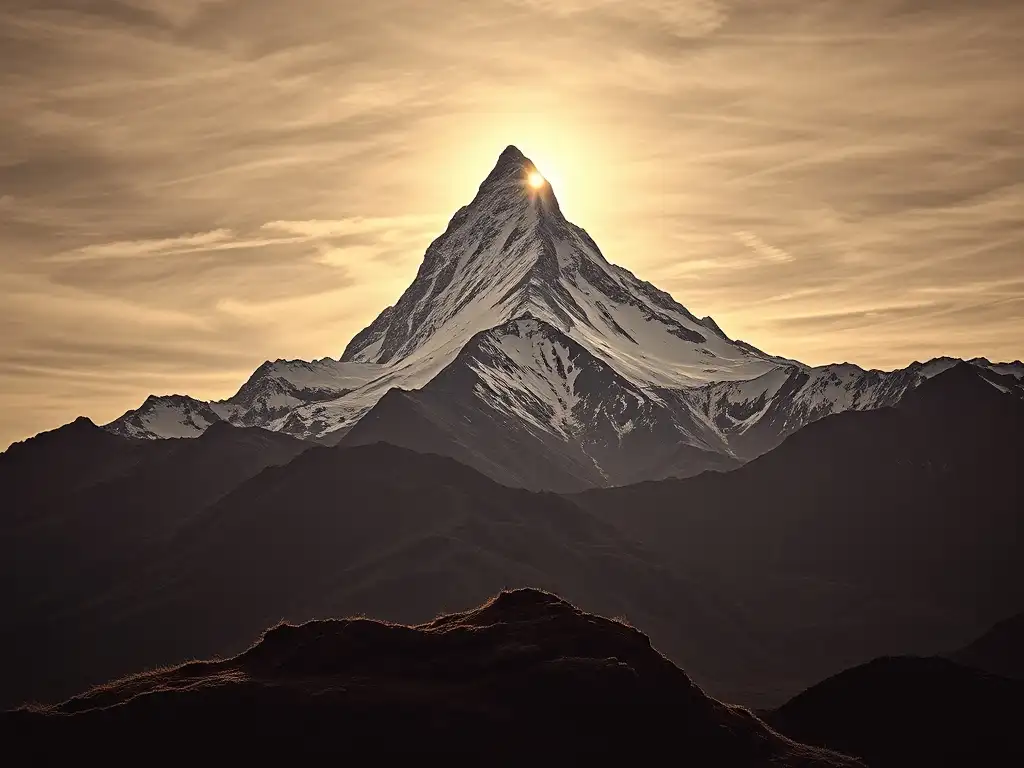
The understanding of Andean mountain cosmology has evolved significantly since the arrival of European colonizers. Initial interpretations often misrepresented or minimized the sophisticated understanding of the Andes as a living, breathing entity. However, recent scholarship, driven by indigenous voices and perspectives, offers a more nuanced and accurate depiction.
This involves moving beyond simplistic readings of "nature worship" and recognizing the complex interplay between the physical landscape, spiritual beliefs, and social structures. The mountains weren't merely revered; they were integral to the very fabric of Andean societies, shaping their worldview, agricultural practices, and political organization. Modern interpretations emphasize the interconnectedness of the human and natural worlds, acknowledging the mountains as powerful forces that both nurture and challenge human existence.
This perspective underscores the enduring relevance of Andean mountain cosmology in understanding indigenous knowledge systems and their resilience in the face of external influences. The focus shifts from a Eurocentric lens to a decolonial approach, prioritizing the agency and knowledge of Andean communities themselves.
The Legacy of Andean Mountain Beliefs Today
The legacy of Andean mountain beliefs continues to resonate strongly in contemporary Andean societies. While the specific rituals and practices may have adapted over time, the core principles of respect for the apus (mountain spirits) and pachamama (Mother Earth) remain deeply ingrained. Many communities maintain traditional ceremonies, such as pago a la tierra (offerings to the earth), which involve leaving coca leaves, food, and other offerings at sacred sites in the mountains.
These acts aren't simply symbolic; they are vital expressions of reciprocity and a continuing dialogue between humans and the spiritual forces inhabiting the mountains. This enduring connection reflects the profound influence of Andean mountain cosmology on the daily lives and cultural identity of contemporary Andean communities. The mountains continue to serve as powerful symbols of identity, providing a sense of place, belonging, and spiritual grounding.
Even in urban settings, many Andean individuals maintain close ties to their ancestral lands and participate in mountain-related rituals. This persistent connection demonstrates the enduring strength and resilience of Andean traditions in the face of modernization.
Contemporary Andean Communities' Respect for Pachamama
Pachamama, the Andean concept of Mother Earth, is inextricably linked to the mountains. The mountains are seen as her physical manifestations, sources of life-giving water, and protectors of the land. Contemporary Andean communities demonstrate their respect for Pachamama through various practices.
Sustainable agricultural techniques, such as terracing, are not merely efficient farming methods; they represent a deep respect for the land's fertility and capacity for regeneration. Similarly, the careful management of water resources, often involving communal irrigation systems, reflects a profound understanding of the interconnectedness of all living things and the need for responsible stewardship. These practices are not simply about survival; they are expressions of a spiritual relationship with Pachamama and the mountains.
The concept of ayni (reciprocity) is crucial here; it emphasizes the balance between taking from the earth and giving back in return. This principle guides many aspects of Andean life, ensuring the harmonious coexistence between humans and the natural world. The continued adherence to these practices demonstrates the enduring relevance of Andean mountain cosmology in shaping contemporary environmental ethics.
Preserving Andean Mountain Traditions
The preservation of Andean mountain traditions faces numerous challenges in the modern world. Globalization, migration, and economic pressures can erode traditional practices and knowledge. However, there are also concerted efforts to protect and revitalize these traditions. Many communities are actively involved in promoting sustainable tourism initiatives that respect their cultural heritage and the environment.
Furthermore, educational programs are being developed to teach younger generations about the significance of Andean mountain cosmology and the importance of preserving their ancestral knowledge. These initiatives often involve collaboration between indigenous communities, researchers, and government agencies. The goal is not simply to preserve traditions for their historical value; it is to ensure that these vital connections to the mountains and Pachamama continue to shape the lives and identities of future generations. This involves actively resisting the homogenizing forces of globalization and promoting the recognition and respect of indigenous knowledge systems.
The preservation of Andean mountain traditions is crucial not only for the Andean people but also for the global understanding of diverse spiritualities and sustainable living practices. The continued study and appreciation of Andean mountain cosmology offers valuable insights into a holistic worldview that emphasizes harmony between humanity and nature. This represents a crucial counterpoint to dominant Western perspectives and offers alternative models for ecological sustainability and social justice.
The Importance of Understanding Andean Cosmovision
Understanding Andean cosmovision is crucial for interpreting the role of mountains in their worldview. It's not simply a matter of appreciating aesthetically pleasing landscapes; it's about recognizing a deeply interconnected relationship between the human world and the supernatural realm, with mountains acting as pivotal mediators. This interconnectedness, expressed through intricate systems of beliefs and practices, shaped every aspect of Andean life, from agriculture and social organization to art and ritual.
Ignoring this fundamental cosmological framework risks misinterpreting archaeological findings and ethnographic data, leading to incomplete or inaccurate understandings of Andean societies. A proper appreciation of Andean cosmovision allows for a more nuanced perspective on their relationship with the environment, revealing the profound respect and reverence they held for the natural world, particularly the towering mountains that defined their landscape. The intricate details of their beliefs, passed down through generations via oral traditions and material culture, offer invaluable insights into their sophisticated understanding of the cosmos and their place within it.
Without grasping this holistic perspective, our understanding of Andean mountain cosmology remains superficial. The complexities of their beliefs, rituals, and practices must be approached with sensitivity and a deep understanding of their cultural context to avoid perpetuating harmful stereotypes or misinterpretations. Only then can we truly appreciate the richness and depth of Andean mountain cosmology.
The Influence of Colonialism on Andean Cosmological Interpretations
The arrival of the Spanish conquistadors in the 16th century dramatically altered Andean societies and their cosmologies. The imposition of Catholicism led to the suppression of indigenous beliefs and practices, often resulting in the syncretism of indigenous and Christian elements. Mountains, previously venerated as sacred entities, were reinterpreted within a Christian framework, often being associated with saints or biblical figures.
This process of cultural imposition, however, did not entirely erase indigenous cosmologies. Instead, it forced Andean communities to adapt and find ways to maintain their traditional beliefs in the face of colonial oppression. Many indigenous practices survived, albeit often in disguised or altered forms, revealing a remarkable resilience in the face of forceful assimilation.
The study of Andean mountain cosmology today requires careful consideration of this colonial overlay and the subsequent efforts to reclaim and reinterpret indigenous knowledge. Understanding the nuances of this historical context is essential to avoid misinterpretations and to accurately represent the complexities of Andean cosmovision. Researchers must be sensitive to the lasting impacts of colonialism on Andean communities and prioritize working collaboratively with indigenous scholars and communities to ensure that their voices and perspectives are central to the process of interpretation and understanding.
Contemporary Andean Perspectives and the Revitalization of Cosmological Knowledge
In recent decades, there has been a significant resurgence of interest in Andean cosmologies, fueled in part by indigenous movements advocating for the recognition and revitalization of their cultural heritage. Contemporary Andean communities are actively reclaiming and reinterpreting their ancestral knowledge, challenging colonial narratives and asserting their own perspectives on the meaning and significance of mountains in their cosmovision. This revitalization involves not only the preservation of traditional practices but also the adaptation and reinterpretation of ancestral knowledge in the context of modern challenges.
Indigenous scholars and community leaders are playing a crucial role in this process, ensuring that the voices and perspectives of Andean people are at the forefront of research and interpretation. This active engagement with ancestral knowledge is essential for a more accurate and nuanced understanding of Andean mountain cosmology.
The ongoing efforts to reclaim and reinterpret this knowledge demonstrate the enduring power and relevance of Andean cosmovision in the 21st century. By actively engaging with and supporting these initiatives, researchers and scholars can contribute to a more respectful and accurate understanding of Andean mountain cosmology.
Frequently Asked Questions
What is Andean Cosmology?
Andean Cosmology is a complex system of beliefs held by the ancient Andean civilizations. It views the world as interconnected, with mountains playing a central role as sacred entities connecting the earthly and spiritual realms. This worldview deeply influenced their daily lives and social structures.
How did the Andes Mountains influence Andean Cosmology?
The imposing presence of the Andes Mountains profoundly shaped Andean cosmology. They were seen as axis mundi, connecting the underworld, the earthly world, and the heavens, influencing agricultural practices, social organization, and religious rituals.
What is the significance of mountain peaks in Andean Cosmology?
Mountain peaks were considered sacred places, often housing powerful deities and serving as sites for ritual offerings and ceremonies. These locations were believed to be portals to the supernatural world and points of communication with the gods.
Were all mountains considered equally sacred in Andean Cosmology?
No, specific mountains held greater significance than others based on their geographic location, perceived power, and historical associations. Certain peaks were considered apus, powerful mountain spirits, directly involved in the well-being of communities.
How did Andean mountain cosmology influence their technology and art?
Andean cosmology is reflected in their architecture, art, and agricultural techniques. For example, terraced farming mirrored the layered structure of the cosmos, while their monumental structures were often strategically placed in relation to sacred mountains, emphasizing their cosmic significance.
Final Reflection: Echoes of the Apu in a Changing World
The enduring power of Andean mountain cosmology resonates deeply with contemporary concerns about environmental stewardship and cultural preservation. The intricate relationship between the Andean people and their sacred mountains, the apus, offers a potent counterpoint to the often exploitative relationship modern societies have with the natural world. Understanding this ancient worldview is not merely an academic exercise; it's a crucial lens through which to examine our own impact on the planet and the importance of respecting diverse spiritual traditions.
The influence of Andean cosmology continues to shape the lives of Andean communities, informing their practices of agriculture, resource management, and social organization. Its impact extends beyond the Andes, offering valuable insights into alternative ways of understanding our place within the natural world. As the late anthropologist, Eduardo Galeano, wrote: The mountains are not just stones; they are the bones of the earth, the memory of the world.
This sentiment encapsulates the profound spiritual and ecological significance attributed to mountains within Andean cosmology, a significance that deserves our utmost respect and consideration in an era defined by environmental crisis.
Consider, for a moment, the profound interconnectedness described within Andean cosmology. The apus are not simply geographical features; they are living entities, integral to the cosmic balance. This perspective challenges our anthropocentric worldview, urging us to recognize the inherent value and agency of the natural world. Let the wisdom of the Andes inspire you to cultivate a deeper connection with your own environment, to appreciate the intricate web of life that sustains us, and to advocate for a more sustainable and respectful future for all.
**Unveil the Sacred Wisdom of the Andes! **
Thank you for exploring the fascinating world of Andean cosmology with us! You've discovered how mountains are considered profound pillars of time and space within this rich cultural tradition. Now, let's delve even deeper and share this knowledge.
Here are some ways you can continue your journey:
- **Share your newfound understanding! ** Discuss what you've learned about Andean cosmology with friends, family, or online using the hashtag #AndeanWisdom.
- **Expand your knowledge! ** Explore further by reading books or watching documentaries about Andean cultures – a wealth of information awaits!
- **Connect with others! ** Join local or online communities focused on indigenous cultures or cosmology to connect with like-minded individuals.
Which aspect of Andean cosmology resonates most with you, and how do you believe it might inform our modern understanding of nature?