
Andean Spatial Orientation: How the Landscape Shaped their Worldview

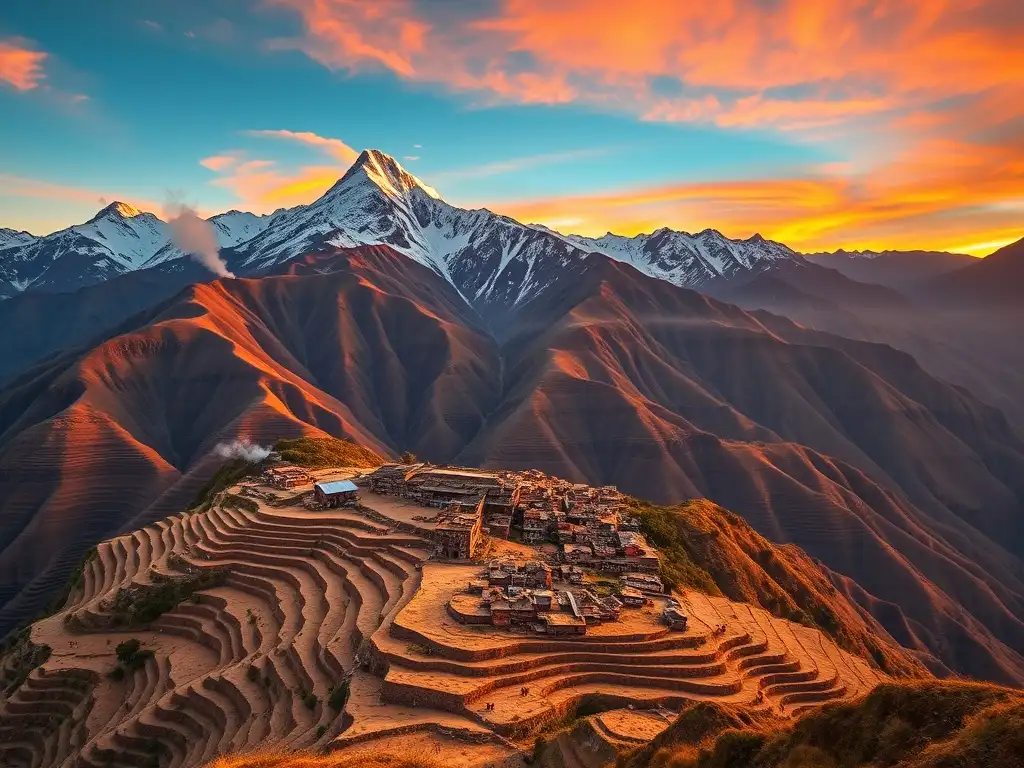
Prepare to be amazed. For centuries, the Andes Mountains have whispered secrets of a civilization unlike any other. Discover how the breathtaking landscapes of the Andes shaped the very worldview of the Incas, Moche, and other remarkable cultures. Dive into the intriguing mystery of Andean civilization spatial orientation – a captivating exploration of how these ancient people perceived and interacted with their environment, revealing a sophisticated understanding of cosmology and spatial relationships that continues to fascinate us today. Unravel the enigma and delve deeper into the heart of Andean civilization.
-
Andean Civilization Spatial Orientation: How the Landscape Shaped their Worldview
- Introduction to Andean Spatial Concepts
- The Significance of Landscape in Andean Worldview
- Cardinal Directions and the Andean Cosmos
- Andean Cosmological Models and Spatial Understanding
- Practical Applications of Andean Spatial Orientation
- Sacred Geography and Pilgrimage Routes
- Andean Astronomy and its Connection to Spatial Orientation
- Contrasting Andean Spatial Orientation with Western Concepts
- The Legacy of Andean Spatial Orientation in Modern Communities
- Conclusion: The Enduring Impact of Andean Spatial Orientation
-
Frequently Asked Questions
- How did the Andes Mountains influence Andean civilization's spatial orientation?
- What role did astronomy play in Andean spatial orientation?
- How did the Incas demonstrate their understanding of spatial orientation?
- What evidence exists to support the claim of advanced spatial orientation in Andean civilizations?
- How did different Andean cultures vary in their approaches to spatial orientation?
- Final Reflection: Echoes of the Andes: A Legacy of Spatial Understanding
- Embrace the Andean Perspective!
Andean Civilization Spatial Orientation: How the Landscape Shaped their Worldview
The towering Andes Mountains, the vast deserts, and the fertile coastal valleys of South America didn't just form the physical backdrop for the Andean civilizations; they were integral to their worldview, shaping their understanding of space, time, and the cosmos. This article delves into the fascinating relationship between the Andean landscape and the spatial orientation of its inhabitants, exploring how the physical environment influenced their social structures, religious beliefs, and daily lives.
We'll examine how the dramatic geography fostered a unique spatial understanding, differing significantly from the perspectives of civilizations in other parts of the world. This exploration will reveal the profound impact of the Andes on the spiritual and practical lives of cultures like the Inca, Moche, Nazca, and Tiahuanaco, demonstrating how their spatial organization reflected a deep connection with their environment.
Understanding Andean spatial orientation is key to unlocking a deeper comprehension of their complex societies and rich cultural heritage.
Introduction to Andean Spatial Concepts
Andean spatial concepts weren't based on abstract geometrical models like those found in many Western societies. Instead, they were deeply rooted in the observable physical world. The mountain ranges, rivers, and valleys formed the fundamental axes of their spatial organization. Unlike the grid-based layouts common in many urban settings, Andean settlements often followed the contours of the land, integrating themselves seamlessly into the existing topography.
This organic approach to spatial planning is evident in the construction of terraces, roads, and cities, which often followed natural lines of elevation and water flow. Furthermore, the Andean worldview placed great emphasis on the verticality of the landscape. The mountain peaks were considered sacred spaces, connecting the earthly realm to the celestial one.
This verticality extended to their social organization, with different groups occupying specific ecological niches along the altitudinal gradient. This intricate relationship between the physical environment and social structure is a hallmark of Andean spatial understanding. The concept of pacha, encompassing the entire cosmos—the upper world, the human world, and the underworld—was profoundly influenced by the layered nature of the Andean landscape.
The Significance of Landscape in Andean Worldview
The landscape's significance extended far beyond mere practicality. Mountains weren't simply obstacles; they were revered as sacred entities, often inhabited by powerful deities and spirits. This belief fostered a profound respect for the environment and influenced agricultural practices, water management systems, and even warfare strategies.
For example, the intricate network of Inca roads, qhapaq ñan, wasn't just a transportation system; it was a symbolic representation of the Inca empire's control over the landscape and its resources, reflecting their understanding of the vertical and horizontal dimensions of their world. The construction of monumental sites like Machu Picchu, strategically positioned on mountain ridges, further highlights the importance of elevation and landscape features in their spiritual and political organization. Additionally, the agricultural terraces carved into the mountain slopes, a testament to their engineering prowess, weren’t just for food production; they represented a harmonious integration with the environment, reflecting a profound understanding of ecological balance and sustainability.
The careful management of water resources, vital for survival in the arid regions, also demonstrated a deep respect for the landscape and its life-giving properties. This intimate connection between the physical world and spiritual beliefs shaped the Andean worldview in profound ways, making their spatial orientation a unique reflection of their relationship with the environment.
Cardinal Directions and the Andean Cosmos
The Andean worldview was profoundly shaped by a deep understanding and integration with their environment. Their spatial orientation wasn't arbitrary; it was a carefully constructed system reflecting their cosmological beliefs and practical needs. The cardinal directions—north, south, east, and west—were not simply geographical points but held significant cosmological meaning, deeply intertwined with their understanding of the cosmos and the cyclical nature of time.
This wasn't a static system; the understanding of these directions varied subtly between different Andean cultures and even within specific communities, reflecting the unique characteristics of their local environments. For example, the orientation of a particular temple or agricultural terrace could be subtly adjusted to take advantage of solar exposure or specific microclimates, demonstrating a nuanced approach to spatial planning. The incorporation of these directional elements into their architecture and urban planning highlights the centrality of this cosmological framework to their daily lives.
The Role of the Sun in Andean Orientation
The sun played a pivotal role in Andean spatial orientation. Its daily and annual movements were meticulously observed and used to define key directional markers. The rising and setting sun, for instance, provided a natural and reliable method for establishing east and west.
Many Andean settlements were carefully planned to align with the solstices and equinoxes, demonstrating a sophisticated understanding of celestial mechanics and their impact on the landscape. The Intihuatana stones, found at several Inca sites, are prime examples of this sophisticated solar observation. These stones, often intricately carved, were used to mark the solstices and equinoxes, highlighting the importance of solar events in their understanding of time and space.
The Inca's precise astronomical knowledge wasn't just for ceremonial purposes; it directly informed their agricultural practices, ensuring optimal planting and harvesting times. Their ability to accurately predict these events highlights a complex and interwoven relationship between astronomy, spatial orientation, and practical needs.
The Importance of Mountains in Andean Spatial Perception
Mountains were not merely geographical features to the Andean people; they were sacred entities, imbued with spiritual significance and acting as powerful markers in their spatial understanding. The towering peaks, often shrouded in mist and snow, were considered the abode of powerful deities, and their presence profoundly shaped the perception of space. Mountain ranges acted as natural boundaries, defining territories and influencing settlement patterns.
The relationship between people and mountains was not one of separation but of deep interconnectedness, with mountains serving as both physical and spiritual anchors. The Inca, for example, revered certain mountains as apu, powerful mountain spirits that were central to their religious practices and worldview. This reverence extended to the landscape as a whole, fostering a deep respect for the environment that was reflected in their sustainable agricultural practices and careful management of natural resources.
Rivers and Waterways as Spatial Markers
Rivers and waterways played a crucial role in Andean spatial orientation, serving as both physical and symbolic boundaries and pathways. These dynamic features were not just sources of water; they were seen as life-giving forces, connecting different parts of the landscape and facilitating trade and communication. The placement of settlements, agricultural fields, and infrastructure was often determined by the proximity to rivers, reflecting their importance in daily life.
The flow of water, like the movement of the sun, provided a natural and continuous spatial reference point. The Inca road system, for instance, often followed river valleys, highlighting the strategic importance of waterways in their infrastructure planning. Beyond their practical uses, rivers also held spiritual significance, often associated with deities and the underworld, further reinforcing their importance in the Andean worldview.
Andean Cosmological Models and Spatial Understanding
The Andean understanding of space was inextricably linked to their complex cosmological models. Their worldview wasn't confined to the terrestrial realm; it encompassed a multi-layered cosmos, extending beyond the visible world into the heavens and the underworld. This three-world model profoundly influenced their spatial perception and shaped their interactions with the environment.
The integration of these different realms into their spatial understanding highlights the holistic and interconnected nature of their worldview. The different levels of the cosmos weren't seen as separate entities, but as interconnected parts of a larger whole, with the terrestrial realm serving as the intermediary between the upper and lower worlds.
The Hanan Pacha (Upper World) and its Spatial Representation
The Hanan Pacha, or upper world, represented the celestial realm, the home of the sun, moon, stars, and powerful deities. Its spatial representation was often reflected in the orientation of temples and ceremonial sites, which were carefully aligned with celestial events and constellations. The Hanan Pacha wasn't just a distant realm; it actively interacted with the terrestrial world, influencing weather patterns, harvests, and the daily lives of the Andean people.
Its influence was felt in the meticulous astronomical observations that informed their agricultural practices and their understanding of time. The representation of the Hanan Pacha in Andean art and iconography further underscores its importance in their worldview.
The Kay Pacha (Middle World) and its Terrestrial Mapping
The Kay Pacha, or middle world, encompassed the terrestrial realm, the world of human experience. Its spatial understanding was shaped by the physical landscape, with mountains, rivers, and valleys serving as natural markers and boundaries. The Kay Pacha was where the Andean people lived, worked, and interacted with their environment.
Their understanding of this realm was highly detailed, reflecting their intimate knowledge of the local ecosystems and their ability to adapt to the diverse environments of the Andes. Their sophisticated agricultural techniques, intricate road systems, and carefully planned settlements all demonstrate a profound understanding and mastery of the Kay Pacha.
The Uku Pacha (Underworld) and its Spatial Significance
The Uku Pacha, or underworld, represented the realm of the dead, a mysterious and powerful place that was both feared and revered. Its spatial significance was reflected in the placement of burial sites and the inclusion of underworld imagery in Andean art and iconography. The Uku Pacha was not simply a place of death but also a source of fertility and renewal, connected to the cycles of life and death that were central to the Andean worldview.
The relationship between the Uku Pacha and the terrestrial realm was often emphasized through rituals and offerings, highlighting the cyclical nature of life and the interconnectedness of the different cosmic layers. Its spatial representation, often symbolized by caves and subterranean passages, reflects the mystery and power associated with this unseen realm.
Practical Applications of Andean Spatial Orientation
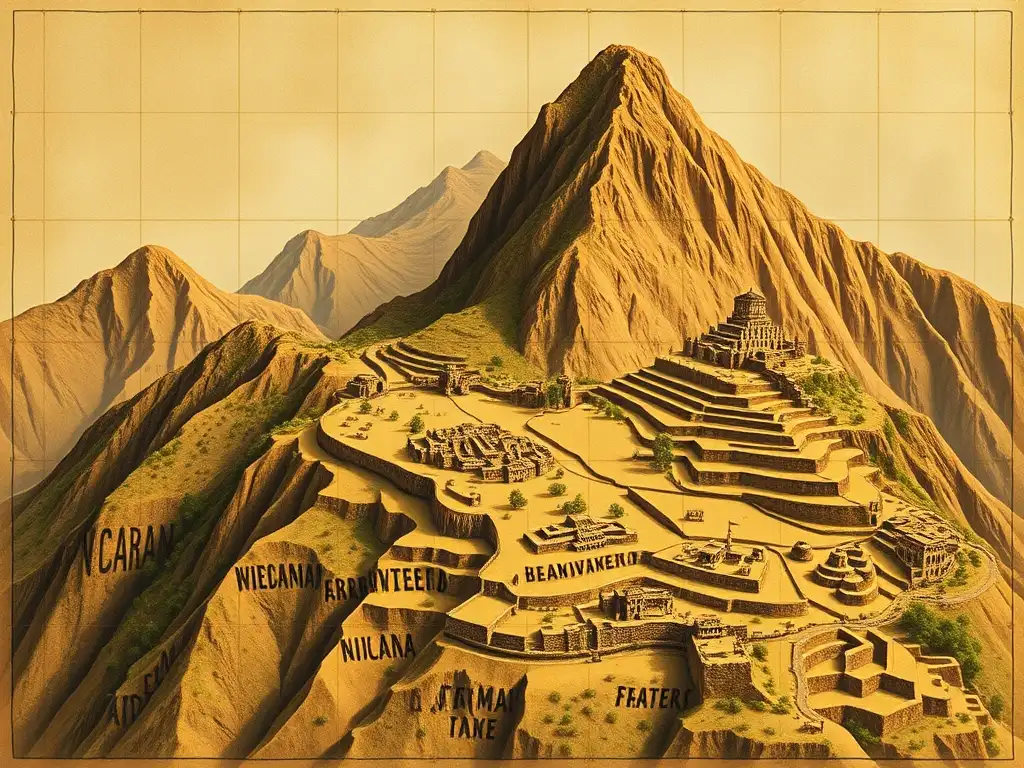
Andean spatial orientation wasn't merely a philosophical concept; it profoundly impacted daily life. The intricate relationship between the people and their environment shaped practical aspects of their existence, from agriculture to urban planning. This understanding of the landscape's energetic forces and geographical features informed decision-making across various domains.
The integration of celestial observations with terrestrial features showcases a sophisticated level of knowledge and planning that continues to fascinate researchers today. The meticulous attention to detail in their spatial arrangements reveals a deep respect for their environment and a keen awareness of its influence on their well-being. This practical application of their worldview is a testament to the ingenuity and resourcefulness of Andean civilizations.
Agricultural Practices and Spatial Planning
The success of Andean agriculture hinged on a profound understanding of microclimates and topography. Farmers meticulously chose planting locations based on altitude, slope, sunlight exposure, and water availability. Terracing, a remarkable feat of engineering, allowed them to cultivate steep slopes, maximizing arable land and mitigating erosion. The careful arrangement of fields, often in relation to water sources and natural features, demonstrates a sophisticated grasp of spatial planning.
This wasn't just about maximizing yield; it was about harmonizing human activity with the natural rhythms of the landscape. For example, the intricate terraced fields of the Inca empire, still visible in places like Pisac, are a stunning testament to this sophisticated approach to agricultural spatial planning. These weren't just fields; they were carefully designed components within a larger spatial system, reflecting a deep understanding of the Andean environment.
Construction of Sacred Sites and Alignment with Celestial Events
The construction of sacred sites in Andean cultures wasn't arbitrary. Sites like Machu Picchu and Ollantaytambo, for example, exhibit a remarkable alignment with celestial events, suggesting a sophisticated understanding of astronomy and its integration into their worldview. These alignments weren't accidental; they were carefully planned to mark solstices and equinoxes, demonstrating a deep connection between the terrestrial and celestial realms.
The precise positioning of buildings, pathways, and other features indicates a mastery of surveying and engineering, reflecting a profound understanding of both the physical and spiritual dimensions of space. This meticulous attention to detail underscores the importance of these sites as focal points for cosmological understanding and ritual practice. The alignment of these structures with the sun, moon, and stars served not only as a calendar but also as a powerful symbol of the interconnectedness of the cosmos.
The Design of Andean Cities and Settlements
Andean cities and settlements were not haphazardly constructed. Their design often reflected a deep understanding of the surrounding landscape, incorporating natural features such as mountains, rivers, and valleys into their overall layout. The integration of sacred sites within urban areas further highlights the close relationship between the physical and spiritual dimensions of space.
For example, the layout of Cusco, the Inca capital, is believed to have been designed to mirror the constellation of the Southern Cross, reflecting a cosmovision that integrated the celestial and terrestrial realms. The integration of water management systems, agricultural terraces, and pathways within urban areas further demonstrates the holistic approach to spatial planning characteristic of Andean civilizations. The city wasn't simply a collection of buildings; it was a meticulously planned environment reflecting their cosmological beliefs and practical needs.
Sacred Geography and Pilgrimage Routes
Sacred geography played a crucial role in Andean cosmology. Specific locations, often associated with natural features like mountains or springs, were considered sacred and imbued with spiritual significance. These places, known as huacas, served as focal points for ritual activity and pilgrimage.
The spatial arrangement of huacas and the routes connecting them formed a complex network reflecting the Andean understanding of the cosmos and their relationship to it. The journeys undertaken by pilgrims were not just physical; they were also spiritual, transformative experiences that reinforced social bonds and reaffirmed cosmological beliefs. The landscape itself became a canvas upon which their worldview was expressed.
The Concept of Huacas and their Spatial Arrangement
Huacas were not simply isolated sacred sites; they were interconnected elements within a larger spatial system. Their arrangement often reflected specific cosmological beliefs and social structures, creating a landscape imbued with spiritual meaning. The spatial relationships between different huacas often mirrored celestial constellations or mythological narratives, demonstrating a complex interplay between the terrestrial and celestial realms.
Some huacas were associated with specific deities or ancestors, while others held broader cosmological significance. The arrangement of these sacred sites, often in relation to natural features, created a rich and layered landscape that was both physically and spiritually significant. The spatial distribution of huacas wasn't random; it reflected a deliberate and sophisticated understanding of sacred geography.
Pilgrimages as a Spatial Experience
Pilgrimages were more than just journeys; they were transformative spatial experiences. The routes connecting sacred sites often followed significant geographical features, reflecting the integration of the physical and spiritual dimensions of space. These journeys served as opportunities for personal reflection, community building, and reaffirmation of cosmological beliefs.
The physical act of traversing the landscape, encountering different huacas along the way, was an integral part of the pilgrimage experience. The spatial dimensions of these journeys were crucial to their spiritual significance, reinforcing the interconnectedness of the Andean world. The arduous nature of many pilgrimage routes further emphasizes the importance of these journeys as powerful rites of passage.
Andean Astronomy and its Connection to Spatial Orientation
Andean astronomy wasn't simply a detached scientific pursuit; it was deeply interwoven with their understanding of space and their daily lives. The meticulous observation of celestial bodies wasn't confined to a select group of priests or astronomers; it was a shared practice impacting agricultural cycles, social organization, and even religious beliefs. The vast Andean landscape, with its towering mountains and expansive plains, provided a natural canvas against which the celestial drama unfolded.
Understanding the movements of the stars and constellations was crucial for predicting seasonal changes, essential for planning agricultural activities and ensuring the survival of their communities. This intimate connection between the terrestrial and celestial realms shaped their spatial orientation in profound ways. The rhythmic patterns of the cosmos mirrored the cyclical nature of life, death, and rebirth, deeply embedded in their worldview.
The Observation of Celestial Bodies and their Influence on Spatial Perception
The Andean peoples demonstrated an exceptional ability to observe and interpret celestial events. They were acutely aware of the solstices and equinoxes, marking these significant astronomical events with elaborate ceremonies and rituals. Detailed observations of the sun's path across the sky, particularly its position at the solstices, informed their construction of monumental sites like Machu Picchu, where architectural features are precisely aligned with these astronomical events.
Furthermore, their knowledge extended beyond the sun; they tracked the movements of the moon, planets, and constellations, correlating their positions with seasonal changes and agricultural practices. This detailed knowledge fostered a sophisticated spatial perception, integrating the terrestrial and celestial spheres into a holistic understanding of their world. For example, the precise alignment of structures with specific celestial events demonstrates a deep understanding of geometry and spatial relationships, far beyond simple observation.
The Significance of the Pleiades and the Milky Way
Among the constellations, the Pleiades and the Milky Way held particular significance for Andean cultures. The Pleiades, a prominent star cluster, often served as a marker for seasonal changes, especially for agricultural planning. Its heliacal rising (its first appearance after a period of invisibility) often coincided with the beginning of the planting season.
The Milky Way, perceived as a celestial river, played a crucial role in their cosmology, often representing a pathway to the otherworld or a symbolic connection between the earthly and spiritual realms. This cosmological significance of the Milky Way influenced their perception of space, not just as a physical entity but as a dynamic, interconnected system with both earthly and celestial dimensions. The integration of these celestial references into their daily life and spiritual practices highlights the profound influence of astronomy on their spatial orientation.
Contrasting Andean Spatial Orientation with Western Concepts
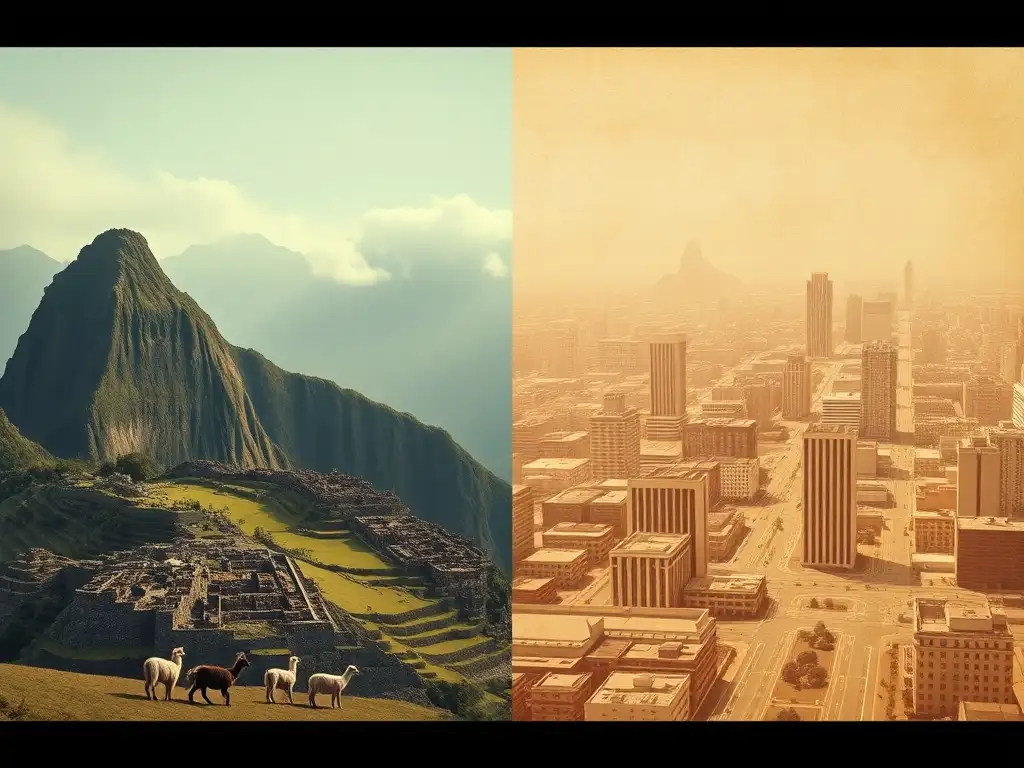
A key difference between Andean and Western concepts of spatial orientation lies in the integration of the sacred into the everyday. While Western thought often compartmentalizes the sacred and the profane, Andean spatial understanding seamlessly blends them. Western perspectives frequently emphasize linear, grid-like systems for organizing space, emphasizing precise measurements and Cartesian coordinates. In contrast, Andean spatial perceptions were more fluid and relational, defined by the interconnectedness of various elements within the landscape – mountains, rivers, and celestial bodies – all possessing spiritual significance. This holistic approach differs sharply from the Western emphasis on objective, quantifiable space.
Differences in Perception of Space and Time
Another crucial distinction lies in the perception of time. Western thought largely adopts a linear conception of time, progressing from past to present to future. Andean cultures, however, often viewed time cyclically, with recurring patterns mirroring the celestial cycles and the rhythms of nature.
This cyclical perception of time profoundly influenced their spatial understanding, as locations weren't merely points on a map but were imbued with historical and spiritual significance, reflecting the continuous flow and renewal of time. The cyclical nature of Andean time and their emphasis on interconnectedness created a fluid, less rigidly defined spatial experience than the linear, fixed spatial model often found in Western thought.
The Importance of the Sacred in Andean Spatial Understanding
The sacred permeated every aspect of Andean spatial orientation. Mountains, rivers, and specific geographical features weren't simply geographical landmarks; they were considered sacred entities, imbued with spiritual power and often serving as focal points for rituals and ceremonies. This sacred geography shaped their perception of space, emphasizing interconnectedness and a holistic understanding of the world.
The incorporation of sacred elements into their spatial understanding created a landscape infused with meaning and spiritual significance, profoundly different from the often secularized approaches to space found in many Western societies. The placement of settlements, agricultural fields, and ceremonial sites all reflected this deeply ingrained spiritual connection to the land. The landscape itself was a living, active participant in their worldview, not merely a passive backdrop to human activity.
The Legacy of Andean Spatial Orientation in Modern Communities
The intricate relationship between Andean civilizations and their environment continues to resonate in contemporary Andean communities. Their deep understanding of the landscape, honed over millennia, isn't merely a historical curiosity; it remains a vital part of their daily lives and cultural identity. This enduring connection manifests in various ways, from agricultural practices to spiritual beliefs, demonstrating the remarkable resilience of their spatial worldview.
For instance, the precise knowledge of microclimates and water sources, passed down through generations, continues to inform agricultural techniques in the high Andes. Farmers still utilize traditional methods of terrace farming and water management systems, reflecting a profound understanding of the terrain and its resources. This isn't simply about practicality; it's a continuation of a deeply ingrained relationship with the land, a relationship that shapes their identity and worldview.
The knowledge is not static; it adapts to changing circumstances, showcasing the dynamic nature of this traditional ecological knowledge. Modern challenges, such as climate change, are met with innovative solutions that build upon existing, time-tested spatial understanding. This adaptive capacity highlights the enduring value of the Andean spatial orientation.
Contemporary Use of Traditional Spatial Knowledge
Traditional Andean spatial knowledge is not confined to agriculture. It permeates many aspects of community life. For example, the understanding of sacred sites and their relationship to the landscape continues to guide spiritual practices and community rituals.
The placement of villages, the design of houses, and even the layout of fields often reflect the principles of Andean cosmology, demonstrating a conscious effort to harmonize with the natural world. Furthermore, the use of traditional pathways and routes, often aligned with celestial events or significant geographical features, continues to connect communities and facilitate trade and exchange. This demonstrates a practical application of spatial knowledge beyond mere subsistence.
The intricate network of trails and paths, many of which have been in use for centuries, represents a living testament to the enduring legacy of Andean spatial orientation. These pathways are not simply routes; they are integral components of the cultural landscape, embodying the deep connection between the people and their environment. The preservation of this knowledge is crucial for understanding not only the past but also the present and future of Andean communities.
Preservation and Revival of Andean Cosmological Concepts
Efforts to preserve and revive Andean cosmological concepts, including their understanding of spatial orientation, are gaining momentum. Indigenous communities are actively involved in documenting and sharing their traditional knowledge, often collaborating with researchers and academics. This collaboration ensures that this valuable knowledge isn't lost to the passage of time.
Furthermore, there's a growing interest in incorporating traditional Andean spatial perspectives into modern planning and development initiatives. This involves recognizing the importance of respecting sacred sites, preserving traditional land use practices, and integrating indigenous knowledge into sustainable development strategies. The revival of ancient practices, such as the construction of traditional terraces or the restoration of ancient pathways, not only preserves cultural heritage but also contributes to environmental sustainability.
This holistic approach recognizes the interconnectedness of culture, environment, and development. The success of these initiatives depends on the active participation of indigenous communities and a genuine commitment to respecting their traditional knowledge systems.
Conclusion: The Enduring Impact of Andean Spatial Orientation
Andean spatial orientation wasn't simply a way of navigating the landscape; it was a fundamental aspect of their worldview, shaping their social structures, religious beliefs, and daily lives. Its enduring impact is evident in contemporary Andean communities, where traditional spatial knowledge continues to inform agricultural practices, spiritual beliefs, and community organization. The preservation and revival of these concepts are crucial not only for safeguarding cultural heritage but also for promoting sustainable development and environmental stewardship.
By understanding and appreciating the profound connection between Andean civilizations and their environment, we can gain valuable insights into the intricate relationship between humans and their surroundings. This enduring legacy serves as a powerful reminder of the deep wisdom embedded within indigenous knowledge systems and the importance of respecting and learning from them.
The study of Andean spatial orientation offers valuable lessons for contemporary societies grappling with environmental challenges and the need for sustainable practices. The Andean model of harmonious coexistence with nature provides a compelling example for a more sustainable future.
Frequently Asked Questions
How did the Andes Mountains influence Andean civilization's spatial orientation?
The Andean landscape profoundly shaped their worldview. Mountain features, like peaks and valleys, were incorporated into their religious beliefs and societal structures, influencing settlement patterns and agricultural practices.
What role did astronomy play in Andean spatial orientation?
Astronomy was crucial to Andean spatial orientation. They used celestial observations to track time, plan agriculture, and create elaborate calendrical systems integrated with their understanding of the landscape.
How did the Incas demonstrate their understanding of spatial orientation?
Inca road systems and urban planning showcased sophisticated spatial understanding. Their precise engineering and city layouts reflected a deep knowledge of geography and its relationship to their worldview.
What evidence exists to support the claim of advanced spatial orientation in Andean civilizations?
Archaeological findings, such as precisely aligned structures, extensive road networks, and complex irrigation systems, demonstrate a remarkable understanding of spatial relationships and environmental factors.
How did different Andean cultures vary in their approaches to spatial orientation?
While sharing some commonalities, each Andean civilization had a unique spatial understanding. The Nazca lines, for example, differ significantly from the Inca's urban planning, reflecting distinct cultural values and priorities.
Final Reflection: Echoes of the Andes: A Legacy of Spatial Understanding
The intricate relationship between the Andean landscape and its civilization's worldview remains profoundly relevant today. Our understanding of how humans interact with and are shaped by their environment continues to evolve, and the Andean example offers a powerful lens through which to examine this complex interplay. The ingenuity and deep connection to their surroundings demonstrated by Andean societies serves as a potent reminder of the importance of sustainable practices and harmonious coexistence with nature.
The enduring legacy of Andean spatial orientation is evident in the continued reverence for ancestral knowledge and the ongoing efforts to preserve their unique cultural heritage. Their sophisticated understanding of astronomy, agriculture, and territorial organization continues to inspire contemporary research and informs our understanding of sustainable development. The mountains are not just mountains, they are the very bones of the earth, the veins of water, and the heart of our ancestors.
This sentiment encapsulates the deep spiritual and practical connection the Andean people held with their environment, a connection that resonates deeply even today.
Consider, for a moment, how your own perception of space is shaped by your surroundings. Are you influenced by the natural world around you in ways you may not have previously considered? I invite you to explore this connection further, to reflect on the ways in which your environment shapes your perspective, and to appreciate the wisdom embedded in the Andean understanding of spatial orientation. Let the echoes of the Andes inspire you to cultivate a more mindful and harmonious relationship with the world around you.
Embrace the Andean Perspective!
Thank you for exploring the captivating world of Andean spatial orientation. This article has highlighted the profound influence of the Andean landscape on its culture and worldview. Now, let's delve deeper!
To further connect with Andean civilization, consider these suggestions:
- Explore your local environment: Take a walk or hike and reflect on how the landscape shapes your own perspective. Consider journaling your thoughts and comparing them to the Andean philosophies discussed in this article.
- Share your newfound knowledge: Discuss this article with friends, family, or online communities interested in ancient cultures and geography. Spark conversations about the powerful relationship between geography and human societies.
- Expand your learning: Seek out local workshops, lectures, or classes focusing on Andean history or geography for a richer understanding of their unique perspective.
What aspects of your environment have most influenced your own worldview? Share your thoughts below!