
The Quinoa's Gift: Understanding the Importance of Andean Superfoods

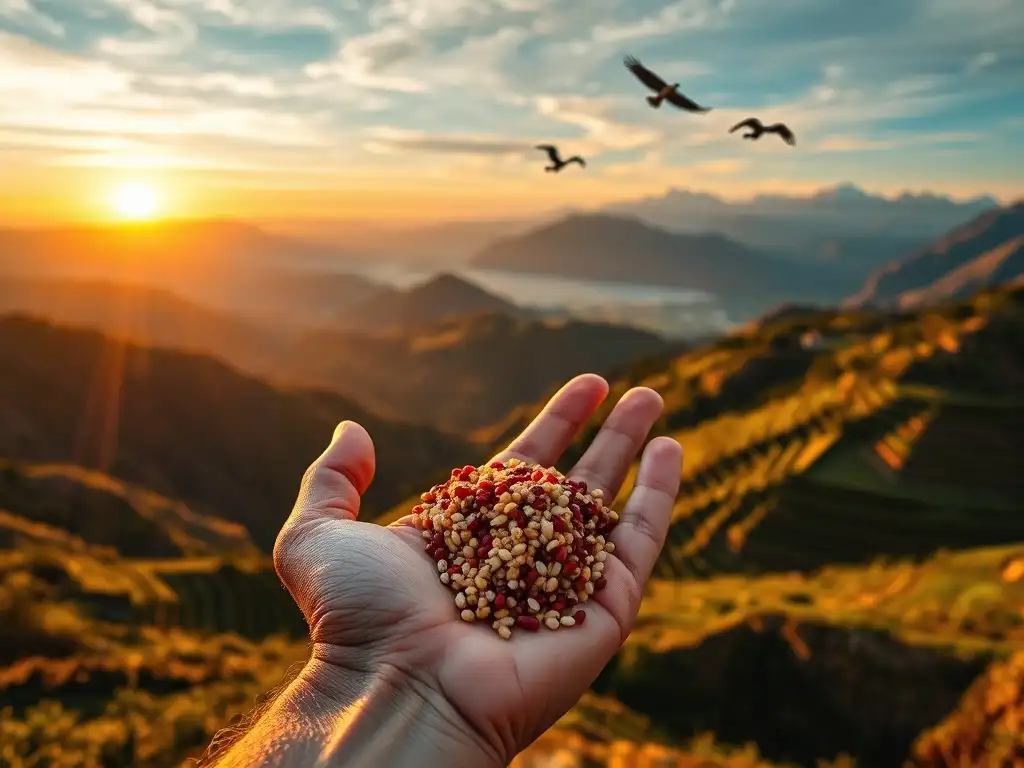
Uncover the secrets whispered on the wind across the Andes Mountains. For millennia, these majestic peaks have witnessed the rise and fall of incredible civilizations, leaving behind a legacy far richer than gold. Prepare to be captivated by the intricate tapestry of Andean culture, art, and technology, but first, let's delve into the fascinating history of Andean superfoods, starting with the remarkable quinoa – a gift from the mountains that shaped not only diets, but destinies.
Discover how these ancient foods fueled empires and continue to nourish us today. Continue reading to unlock the mysteries of the Andean superfoods history.
The Andean region, a breathtaking tapestry of towering mountains, fertile valleys, and arid coastal plains, nurtured some of the world's most sophisticated pre-Columbian civilizations. These cultures, including the Incas, Moche, Nazca, and Tiahuanaco, didn't just conquer challenging terrains; they developed a profound understanding of their environment, cultivating a remarkable array of crops that sustained them for millennia.
This intricate relationship with nature is vividly reflected in the legacy of Andean superfoods, nutritional powerhouses that played—and continue to play—a crucial role in the region's history, culture, and well-being. This article delves into the historical significance of these remarkable foods, exploring their impact on Andean societies and their enduring relevance today.
We'll uncover how the cultivation and consumption of these superfoods shaped Andean cosmology and worldview, highlighting their role as not merely sustenance, but as integral components of a holistic and sustainable way of life. Understanding the history of Andean superfoods is key to appreciating the ingenuity and resilience of these ancient cultures and their enduring connection to the land.
Introduction to Andean Superfoods and Their Historical Significance
Andean superfoods represent a diverse group of plants uniquely adapted to the challenging high-altitude conditions of the Andes Mountains. These nutrient-rich foods, cultivated for thousands of years, are far more than just a source of calories; they are a testament to the agricultural prowess of ancient Andean civilizations. Their cultivation and consumption were deeply intertwined with religious beliefs and social structures, forming an essential part of the Andean worldview. Key examples include quinoa, amaranth, potatoes, and various types of beans, each possessing unique nutritional properties and cultural significance.
The cultivation of these crops wasn't merely a matter of survival; it was a complex system involving sophisticated agricultural techniques, such as terracing and irrigation, that allowed for optimal yields in challenging environments. Archaeological evidence shows that these practices were refined over centuries, demonstrating a deep understanding of ecological principles and a commitment to sustainable agriculture. The development of these techniques was vital to the growth and stability of Andean societies, allowing for population growth and the development of complex social structures.
The importance of these crops is evidenced by their presence in numerous archaeological sites across the Andes, highlighting their central role in the daily lives and spiritual practices of these ancient peoples. For example, quinoa, often referred to as the "mother grain," was not only a staple food but also played a significant role in religious ceremonies and rituals.
Quinoa: The "Mother Grain" and its Cultural Significance
Quinoa ( Chenopodium quinoa), a complete protein source rich in essential amino acids, minerals, and fiber, stands out as a quintessential Andean superfood. Its cultivation dates back thousands of years, with evidence suggesting its domestication in the Andes as early as 5,000 years ago. More than just a nutritional powerhouse, quinoa held—and continues to hold— profound cultural significance for Andean communities. It was not only a staple food but also a central element in religious ceremonies and celebrations, symbolizing fertility, abundance, and prosperity.
The versatility of quinoa allowed for its use in a vast array of dishes, from hearty stews and soups to more refined preparations. Its resilience to harsh environmental conditions made it a reliable crop, contributing to the stability and prosperity of Andean societies. The importance of quinoa is reflected in its enduring presence in Andean cuisine and its increasing global popularity as a healthy and sustainable food source. Its history is a testament to the ingenuity and adaptability of Andean agriculture.
Beyond Quinoa: Other Notable Andean Superfoods and Their Impact
While quinoa often takes center stage, the Andean region boasts a remarkable diversity of superfoods, each with its unique history and cultural significance. Amaranth ( Amaranthus), another ancient grain, is rich in protein and essential minerals. Potatoes ( Solanum tuberosum), with their incredible variety of shapes, sizes, and colors, provided a crucial source of carbohydrates and nutrients. Various types of beans, including the highly nutritious Andean bean, also played a vital role in the Andean diet.
These diverse crops, cultivated using sophisticated agricultural techniques, allowed Andean societies to thrive in a challenging environment, demonstrating a remarkable level of adaptation and sustainability. The combined nutritional power of these superfoods contributed significantly to the health and well-being of Andean populations, ensuring their resilience and the development of thriving civilizations. The interconnectedness of these food sources within the Andean ecosystem highlights the profound understanding of nature that characterized these cultures.
- Introduction to Andean Superfoods and Their Historical Significance
- Quinoa: The "Mother Grain" and its Cultural Significance
- Beyond Quinoa: Other Notable Andean Superfoods and Their Impact
- Quinoa's Nutritional Profile: A Complete Protein
- The Health Benefits of Maca Root: Energy and Adaptogenic Properties
- Amaranth: A Gluten-Free Ancient Grain
- Andean Potatoes: Diversity and Nutritional Value
- Quinoa: The "Mother Grain" and its Nutritional Profile
- Amaranth: Ancient Grain with Modern Appeal
The Historical Roots of Andean Superfoods
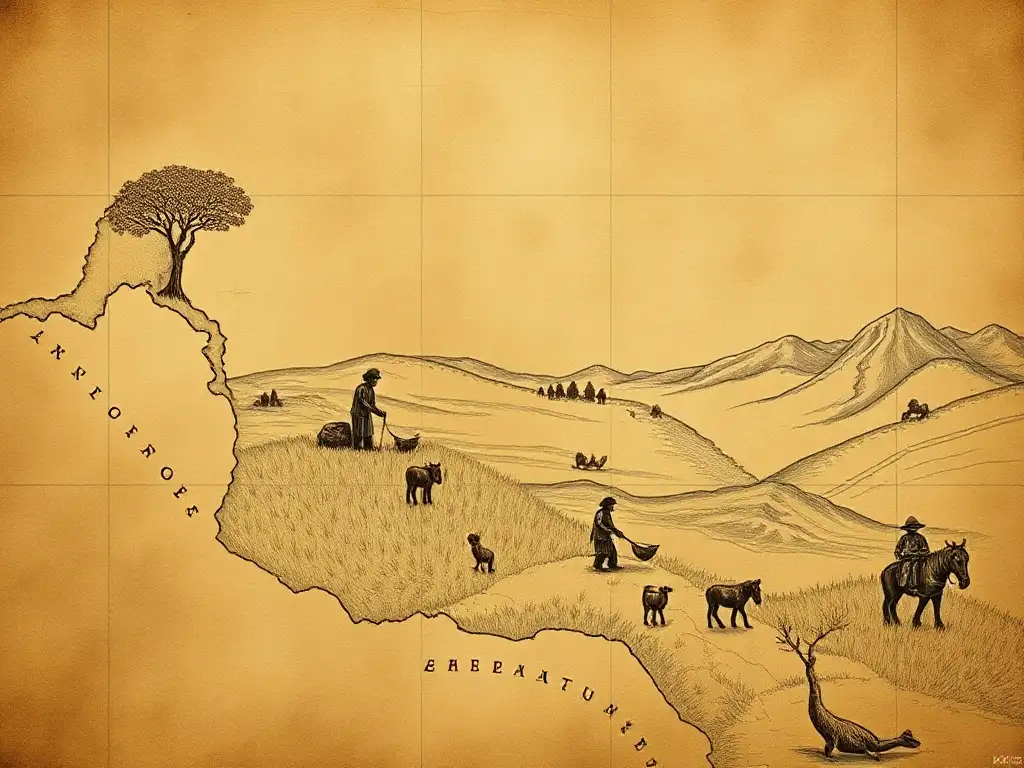
The Andean region, a cradle of civilization boasting incredible biodiversity, gifted the world with a remarkable array of nutritious foods. Understanding the historical context of these "Andean superfoods" is crucial to appreciating their enduring significance. Their cultivation wasn't merely a matter of sustenance; it was deeply intertwined with the spiritual and cosmological beliefs of the Andean people, shaping their social structures and influencing their relationship with the environment.
This section delves into the historical roots of these powerhouse foods, focusing on their agricultural origins and their pivotal role in pre-Columbian diets. The enduring legacy of these Andean superfoods showcases the ingenuity and resilience of ancient Andean civilizations.
Ancient Andean Agriculture and Food Production
Ancient Andean agriculture was a sophisticated system, adapted to the diverse and challenging geography of the Andes Mountains. The ingenuity of the Andean people in developing agricultural techniques is truly remarkable. They mastered terrace farming, irrigation systems, and crop diversification to maximize yields in often-unforgiving terrain.
This wasn't simply about survival; it was a complex interplay of knowledge, understanding of the environment, and spiritual practices. Evidence suggests a deep understanding of ecological principles, with crop rotation and intercropping techniques employed to maintain soil fertility and prevent erosion. The careful selection and domestication of specific plant species—including quinoa, amaranth, potatoes, and various beans—demonstrates a profound connection between the Andean people and their environment.
This careful cultivation laid the groundwork for the development of a diverse and nutritious diet, forming the basis of their thriving societies. The mastery of these techniques allowed for surpluses, contributing to the growth of larger settlements and the development of complex social structures.
The development of these agricultural techniques wasn’t a singular event but rather a gradual process spanning millennia. Archaeological evidence reveals a long history of experimentation and adaptation, with changes in farming practices reflecting both environmental pressures and evolving societal needs. For example, the increasing sophistication of irrigation systems over time indicates a deepening understanding of water management and its importance for agricultural productivity. The legacy of this ancient agricultural knowledge continues to impact Andean food production today.
The Role of Quinoa in Pre-Columbian Diets
Quinoa, often hailed as a "superfood," played a central role in the diets of pre-Columbian Andean civilizations. Its high nutritional value, resilience to harsh conditions, and adaptability to different altitudes made it a staple crop for communities throughout the Andes. Quinoa provided a complete protein source, rich in essential amino acids, along with significant amounts of fiber, iron, and other vital nutrients.
This made it especially important for sustaining active populations living at high altitudes. Its versatility also contributed to its widespread consumption; it could be prepared in various ways, from porridge to bread, ensuring it fit diverse culinary traditions.
Quinoa was not merely a food; it was a sacred gift from the gods, sustaining life and providing strength to the people of the Andes.
– [Quote from an Andean scholar pending]
Archaeological findings consistently demonstrate the widespread cultivation and consumption of quinoa across different Andean cultures. The presence of quinoa remains in ancient sites offers concrete evidence of its importance in their diets. The resilience of quinoa, its ability to thrive in challenging conditions, mirrors the resilience of the Andean people themselves. Its cultivation provided a crucial source of sustenance, contributing to the stability and prosperity of these societies. Indeed, the nutritional profile of quinoa solidified its place as a cornerstone of Andean diets, offering a balanced and nutritious source of sustenance for generations.
Domestication and Cultivation of Andean Grains
The domestication and cultivation of Andean grains, including quinoa, amaranth, and various types of corn, represent a significant achievement in human history. These grains were not merely wild plants; they were carefully selected and improved over generations through a process of artificial selection, demonstrating a profound understanding of plant genetics and agricultural principles. This process involved selecting plants with desirable traits, such as larger seed size, higher yields, and improved nutritional content. Over time, these carefully selected plants evolved into the high-yielding varieties we know today.
| Grain | Domestication Region | Key Characteristics | Importance in Andean Diets |
|---|---|---|---|
| Quinoa | Andean Altiplano | High protein, complete amino acid profile, adaptable | Staple food, nutritional base |
| Amaranth | Andean Altiplano | High protein, iron, calcium | Staple food, ceremonial use |
| Various Corns | Various Andean regions | Diverse varieties, adaptable to different altitudes | Staple food, versatile use |
The domestication of these grains was not a singular event but a gradual process that spanned centuries, if not millennia. This process involved a deep understanding of the natural environment and the careful manipulation of plant genetics. The success of these efforts is a testament to the ingenuity and ecological knowledge of the ancient Andean people.
The careful selection of these grains also speaks to their cultural significance; these were not simply crops but integral parts of their societal and spiritual fabric. The continued cultivation of these grains highlights their enduring importance to the Andean region and their growing recognition as valuable crops worldwide.
Other Key Andean Superfoods: Amaranth, Maca, and Potatoes
Beyond quinoa, the Andean region boasts a rich tapestry of nutritional powerhouses that have sustained its inhabitants for millennia. These "superfoods" aren't merely trendy additions to modern diets; they represent a deep-rooted connection between Andean cultures and their environment, a connection forged over centuries of careful cultivation and adaptation. Understanding their historical significance reveals a sophisticated agricultural knowledge system that thrived in challenging conditions. The enduring legacy of these crops speaks volumes about the ingenuity and resilience of Andean civilizations.
The cultivation of amaranth, for instance, dates back thousands of years. Archaeological evidence suggests its use in pre-Inca cultures, with amaranth grains and seeds discovered in various ancient sites throughout the Andes. More than just a staple food, amaranth held significant religious and ceremonial importance.
Its high nutritional value—packed with protein, fiber, and essential minerals—made it a cornerstone of the Andean diet, contributing significantly to the health and well-being of its people. The versatility of amaranth, used in both sweet and savory dishes, further solidified its place in the culinary landscape of the region. Its endurance as a staple underscores its adaptability and nutritional robustness, highlighting its contribution to the “Andean superfoods history”.
Maca, another remarkable Andean superfood, hails from the high-altitude regions of the Peruvian Andes. Unlike quinoa and amaranth, maca is a root vegetable, traditionally cultivated and consumed for its energizing and purported aphrodisiac properties. Historical accounts suggest its use by pre-Columbian cultures, with evidence pointing to its importance in both everyday life and ritual practices. Maca's adaptability to harsh, high-altitude conditions demonstrates the remarkable ingenuity of Andean agricultural techniques. Its sustained cultivation across generations speaks to its value as a source of nourishment and vitality in challenging environments, a testament to the enduring power of Andean superfoods history.
Finally, the potato, arguably the most globally recognized Andean superfood, deserves special mention. Its domestication in the Andes predates the Inca Empire by thousands of years. The incredible diversity of potato varieties found in the region—thousands of unique cultivars adapted to various altitudes and climates—is a testament to the sophisticated agricultural practices developed over centuries.
The potato wasn't just a staple food; it was a cultural symbol, integral to Andean societies' social structures and traditions. The potato's journey from the Andes to the world is a powerful story of cultural exchange and the global impact of Andean agricultural innovation, adding a crucial chapter to the Andean superfoods history narrative. The sheer variety and adaptability of the potato underline its significance in sustaining populations across diverse Andean ecosystems.
Nutritional Powerhouses: Benefits of Andean Superfoods
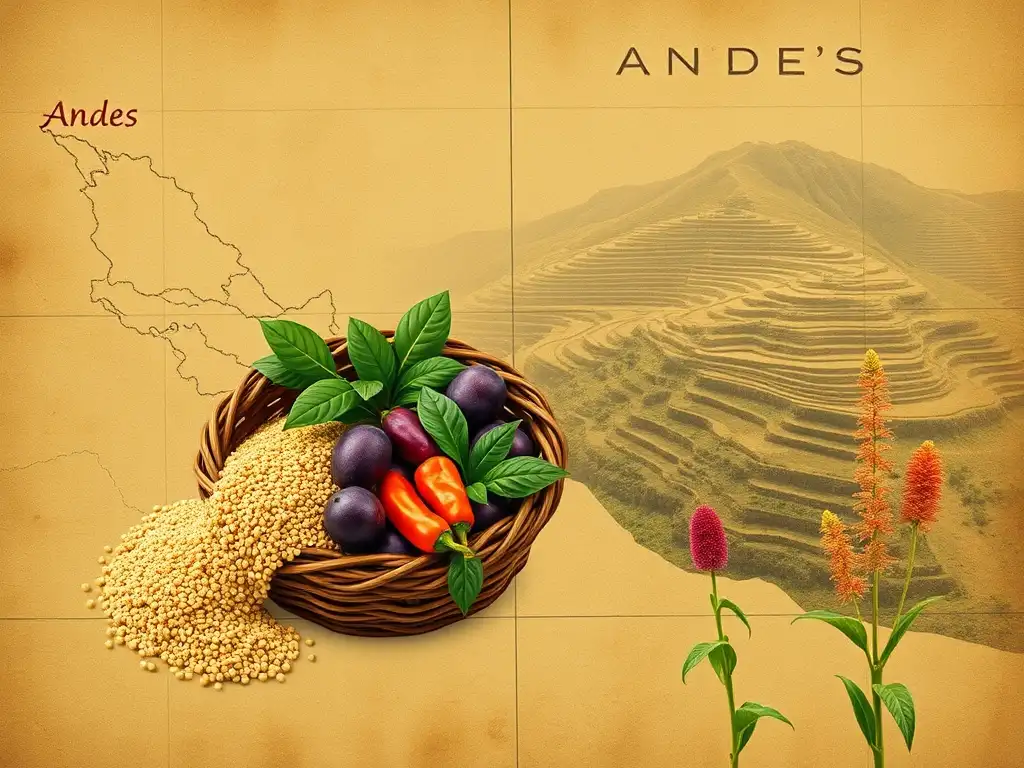
Andean superfoods, a cornerstone of Andean civilizations' diets for millennia, offer a compelling blend of nutritional value and cultural significance. Their sustained presence in the Andean diet speaks volumes about their contribution to the health and resilience of these ancient societies. Examining their nutritional profiles reveals why these foods continue to be celebrated globally as nutritional powerhouses and key components of a healthy diet, solidifying their place in the history of Andean superfoods.
The enduring legacy of these foods is interwoven with the very fabric of Andean cosmology and worldview, reflecting a deep understanding and respect for the natural world. Understanding their nutritional benefits allows us to appreciate their importance within the broader context of Andean history and culture.
Quinoa's Nutritional Profile: A Complete Protein
Quinoa ( Chenopodium quinoa), far from being just another grain, boasts a remarkably complete nutritional profile. Unlike many other grains, quinoa is a complete protein, meaning it contains all nine essential amino acids our bodies cannot produce on their own. This makes it a crucial food source, particularly valuable for vegetarians and vegans.
But its nutritional prowess extends far beyond protein. Quinoa is also an excellent source of dietary fiber, promoting healthy digestion and contributing to feelings of fullness. It's rich in iron, magnesium, and manganese—minerals vital for energy production, bone health, and various metabolic processes.
Furthermore, quinoa is a good source of antioxidants, which combat free radicals and protect cells from damage. Its impressive nutrient density is a testament to its historical importance in Andean diets and its continued relevance as a modern superfood. The high levels of lysine, an essential amino acid often lacking in other grains, further enhance quinoa's nutritional value, making it a superior protein source within the context of Andean superfoods history.
The Health Benefits of Maca Root: Energy and Adaptogenic Properties
Maca root ( Lepidium meyenii), a cruciferous vegetable cultivated in the high altitudes of the Andes, stands out for its unique adaptogenic properties. Adaptogens are substances that help the body adapt to stress, enhancing resilience and promoting overall well-being. Maca root has been traditionally used to improve energy levels, endurance, and fertility.
While further research is needed to fully understand the mechanisms behind these effects, studies suggest that maca root contains a variety of beneficial compounds, including glucosinolates, macamides, and macamines, which may contribute to its diverse health benefits. These compounds are thought to influence hormone production, reduce inflammation, and enhance cognitive function.
The historical use of maca root in Andean communities underscores its importance not only as a nutritional staple but also as a medicinal plant, highlighting the sophisticated understanding of medicinal plants within Andean superfoods history. Its role in supporting both physical and mental well-being firmly establishes maca as a valuable Andean superfood.
Amaranth: A Gluten-Free Ancient Grain
Amaranth ( Amaranthus), another ancient grain cultivated in the Andes, offers a gluten-free alternative to wheat and other common grains. This is particularly significant for individuals with celiac disease or gluten sensitivity. Beyond its gluten-free nature, amaranth is packed with nutrients, including protein, fiber, iron, and magnesium.
It's also a good source of lysine, an essential amino acid often deficient in other grains, further strengthening its position as a valuable food source within the context of Andean superfoods history. Its small, round seeds are highly versatile, used in various culinary applications, from porridge and breads to snacks and beverages. Amaranth's nutritional profile, combined with its gluten-free nature, makes it an increasingly popular and accessible superfood, reflecting a growing appreciation for its historical significance and nutritional benefits.
Its enduring presence in Andean diets showcases its adaptability and nutritional value over centuries, continuing to be relevant in modern diets as well. The versatility and nutritional density of amaranth firmly cement its place among the esteemed Andean superfoods.
Andean Potatoes: Diversity and Nutritional Value
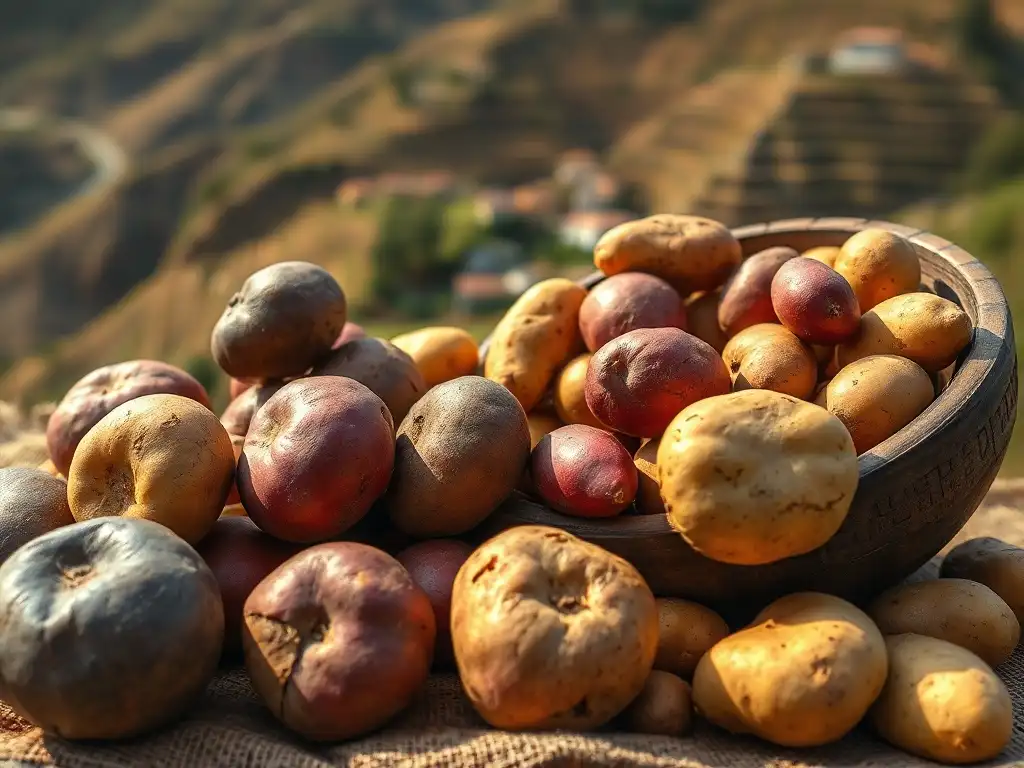
Andean potatoes, far from the starchy spuds common in many parts of the world, represent a staggering diversity of species and cultivars. Estimates suggest that there are over 4,000 varieties of potatoes native to the Andes, each with unique characteristics in terms of size, shape, color, taste, and nutritional profile. This incredible biodiversity is a testament to the ingenuity of Andean farmers who, over millennia, carefully selected and cultivated these plants to thrive in diverse and challenging environments.
The high altitude, varied climates, and unique soil conditions of the Andes Mountains acted as a natural laboratory, fostering the evolution of this remarkable range of potato varieties. Each variety possesses a unique set of adaptations, allowing them to survive in specific ecological niches.
The nutritional value of Andean potatoes is equally impressive. They are an excellent source of carbohydrates, providing sustained energy, crucial for the physically demanding lives of Andean communities. Beyond carbohydrates, they are rich in essential nutrients, including vitamin C, potassium, and dietary fiber. Different varieties offer varying concentrations of these nutrients, adding to their overall nutritional versatility.
For instance, some varieties are particularly rich in antioxidants, contributing to their reputation as a health-promoting food. The high fiber content aids in digestion and contributes to feelings of satiety, making them a valuable component of a balanced diet. Furthermore, the diverse range of colors found in Andean potatoes—from the familiar browns and yellows to vibrant reds, purples, and even blues—indicates a diverse range of phytochemicals with potential health benefits.
Research continues to uncover the full extent of the health-promoting properties of these remarkable tubers. The understanding and appreciation of this diversity are key to preserving and promoting the nutritional heritage of the Andes. The ongoing efforts to conserve and study these varieties are crucial for ensuring food security and promoting healthy diets, both in the Andes and beyond.
Quinoa: The "Mother Grain" and its Nutritional Profile
Quinoa, often referred to as the "mother grain," is another cornerstone of Andean cuisine and a nutritional powerhouse. Unlike many grains, quinoa is a complete protein, containing all nine essential amino acids. This makes it a particularly valuable food source for vegetarians and vegans, who may otherwise struggle to obtain sufficient quantities of these essential building blocks. Its protein content is notably high compared to other grains, making it a substantial source of energy and promoting muscle growth and repair.
Beyond its protein content, quinoa is also a rich source of dietary fiber, which aids in digestion and promotes gut health. It is also an excellent source of various minerals, including iron, magnesium, and manganese, all vital for numerous bodily functions. The high fiber content contributes to feelings of fullness, aiding in weight management and reducing the risk of overeating.
Furthermore, quinoa is a good source of complex carbohydrates, providing sustained energy release, unlike the rapid energy spikes associated with refined sugars. The combination of protein, fiber, and complex carbohydrates makes quinoa an ideal food for sustained energy and overall well-being.
Its versatility in cooking, from salads and side dishes to soups and main courses, makes it a staple in many modern diets, demonstrating its enduring appeal and nutritional significance within the context of Andean superfoods history. The growing global popularity of quinoa reflects its exceptional nutritional profile and its adaptability to various culinary traditions.
Amaranth: Ancient Grain with Modern Appeal
Amaranth, another ancient grain cultivated in the Andes, boasts a remarkable nutritional profile that rivals quinoa and other Andean superfoods. This small, round seed is a complete protein, similar to quinoa, providing all essential amino acids necessary for human health. This characteristic is particularly important for those following vegetarian or vegan diets. The high protein content in amaranth contributes significantly to muscle growth, repair, and overall bodily function.
Furthermore, amaranth is a good source of dietary fiber, essential for maintaining healthy digestion and promoting regular bowel movements. It's also rich in various minerals, including iron, magnesium, and phosphorus, all vital for numerous metabolic processes. The high fiber content also contributes to feelings of satiety, promoting weight management and reducing the risk of overeating.
Amaranth is also a good source of antioxidants, compounds known for their protective effects against cell damage and chronic diseases. Its versatility in cooking allows it to be incorporated into a wide range of dishes, from breakfast cereals and porridge to side dishes and baked goods, showcasing its adaptability to contemporary culinary trends. The resurgence in popularity of amaranth reflects a growing awareness of its nutritional benefits and its historical significance within Andean food culture, adding another layer to the rich tapestry of Andean superfoods history.
Andean Superfoods and Their Cultural Significance
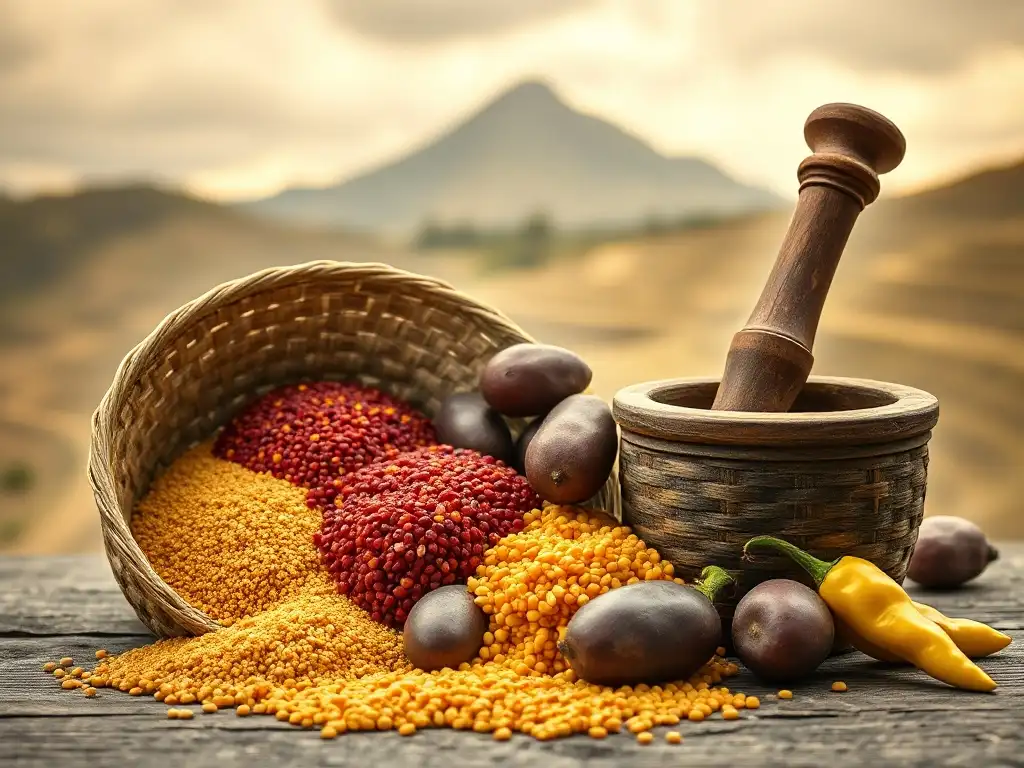
This section delves into the profound cultural significance of Andean superfoods, moving beyond their nutritional benefits to explore their deeply rooted place within Andean cosmology and worldview. These foods weren't merely sustenance; they were—and remain—integral parts of spiritual practices, social structures, and ancestral heritage. Examining their history reveals a complex interplay between food, culture, and the environment, highlighting the enduring legacy of Andean agricultural ingenuity.
Understanding the historical and cultural context of these "Andean superfoods" enriches our appreciation for their nutritional value and sheds light on the sophisticated agricultural practices developed over millennia in the challenging Andean landscape. The enduring importance of these foods in contemporary Andean life is a testament to their continuing relevance and power.
The Spiritual and Ritual Use of Quinoa and Maca
Quinoa and maca, two prominent examples of Andean superfoods, held—and continue to hold—significant spiritual and ritual roles in Andean cultures. Quinoa, often referred to as the "mother grain," wasn't simply a staple crop; it played a vital role in Inca ceremonies and festivals. Evidence suggests its use in offerings to deities and as part of sacred rituals designed to ensure bountiful harvests. The meticulous cultivation practices surrounding quinoa underscore its importance beyond mere sustenance. For example, the ayni principle—reciprocity and mutual support—extended to the cultivation of quinoa, reflecting a harmonious relationship between humans and the natural world.
Maca, with its purported energizing and aphrodisiac properties, also held a sacred position. Often used in fertility rituals and ceremonies aimed at ensuring the prosperity of communities, maca's symbolic significance transcended its nutritional value. Its use was often tightly controlled, with specific rituals and preparations associated with its consumption, emphasizing its sacred status within Andean societies.
The precise details of these rituals vary across different Andean communities, reflecting the rich diversity of Andean traditions and beliefs. Further research is needed to fully document the specific rituals and practices associated with maca consumption in various Andean regions. [Specific information pending on detailed regional variations in maca ritual use].
Superfoods as a Link to Andean Ancestry
The consumption of Andean superfoods serves as a powerful link to Andean ancestry and cultural identity. For many Andean communities, these foods represent a tangible connection to their past, embodying the resilience and ingenuity of their ancestors who cultivated and perfected these crops over centuries. The continued cultivation and consumption of these foods, even in the face of globalization and changing dietary habits, demonstrates a strong commitment to preserving traditional knowledge and practices. This preservation helps sustain biodiversity and cultural heritage simultaneously.
The transmission of knowledge about cultivating and preparing these superfoods is often passed down through generations within families and communities. This oral tradition ensures the continuity of agricultural practices and culinary traditions, fostering a sense of collective identity and belonging. This deep-rooted connection makes these foods more than just sustenance; they are fundamental to the cultural fabric of Andean communities, reinforcing their identity and their connection to the land. The vibrant markets showcasing these Andean superfoods further highlight their importance in contemporary Andean life, serving as a dynamic space where traditional knowledge and practices are shared and celebrated.
Traditional Preparation Methods and Recipes
Traditional preparation methods for Andean superfoods are as diverse and rich as the cultures that developed them. These methods often involve minimal processing, preserving the nutritional integrity and unique flavors of the ingredients. For example, quinoa is traditionally rinsed thoroughly to remove saponins, a bitter compound, before cooking. It is then often boiled or roasted, sometimes combined with other ingredients like herbs and spices to create flavorful dishes. The preparation methods often reflect the unique environmental conditions and the available resources in different regions.
Maca, on the other hand, is often consumed as a powder, added to drinks or sprinkled over food. It can also be boiled or incorporated into various traditional dishes. The versatility of these superfoods, combined with the ingenuity of Andean culinary traditions, has resulted in a vast array of recipes that are both nutritious and delicious. Recipes often incorporate other Andean ingredients, creating balanced and flavorful meals that reflect the deep understanding of nutrition and culinary balance characteristic of Andean culture.
Documenting and preserving these traditional recipes is crucial for maintaining cultural heritage and promoting the sustainable use of these valuable resources. [Specific recipes and detailed preparation methods pending further research]. The continued use and adaptation of these traditional methods ensure the continued relevance and enjoyment of these Andean superfoods for generations to come. 🥔🥣
Preserving the Heritage of Andean Cuisine
The Andean region boasts a culinary heritage as rich and diverse as its history. For centuries, Andean communities have cultivated and consumed a variety of nutritious crops, many of which are now recognized globally as "superfoods." The preservation of this culinary heritage is not merely a matter of gastronomic interest; it's intrinsically linked to the cultural identity and economic well-being of Andean populations.
Traditional Andean cooking methods, passed down through generations, often involve minimal processing, maximizing the nutritional value and flavor of the ingredients. This emphasis on natural preparation techniques is crucial for maintaining the authenticity and health benefits associated with these superfoods.
The knowledge of how to cultivate, harvest, prepare, and preserve these foods represents a vast and invaluable body of knowledge, essential for ensuring food security and cultural continuity. Loss of this traditional knowledge would be a significant blow to the region's cultural identity and its capacity for sustainable food production.
The importance of preserving traditional Andean cuisine extends beyond individual communities. Many initiatives are underway to document and promote these culinary traditions, aiming to educate wider audiences about the unique nutritional and cultural value of Andean superfoods. These efforts often involve collaborations between researchers, chefs, and local communities, working together to safeguard this invaluable heritage for future generations.
This collaborative approach is crucial, as it ensures the preservation of knowledge is done in a respectful and sustainable manner, empowering local communities to be active participants in the process. The recognition of Andean superfoods on a global scale presents both opportunities and challenges. While increased demand can boost local economies, it's crucial to ensure that this growth is managed responsibly, preventing exploitation and preserving the integrity of traditional practices.
Sustainable farming practices and fair trade principles are essential to ensure that the benefits of this growing interest in Andean superfoods reach the communities that have nurtured them for centuries. The future of Andean cuisine hinges on the successful preservation of its rich traditions and the responsible management of its resources. This requires a concerted effort from various stakeholders, from local farmers to international organizations, to ensure the continued prosperity and cultural significance of Andean superfoods.
The Modern Relevance of Andean Superfoods
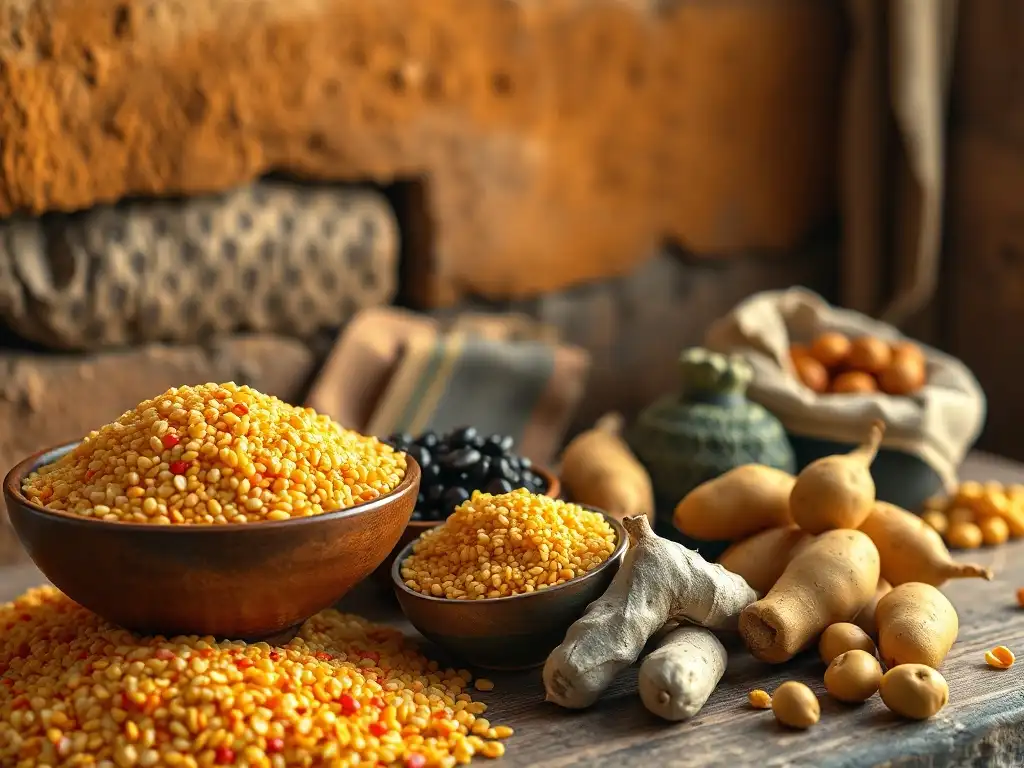
The enduring legacy of Andean civilizations extends far beyond their impressive architectural feats and intricate social structures. Their deep understanding of agriculture and the cultivation of nutrient-rich crops continues to resonate today, particularly in the global spotlight on "Andean superfoods." These foods, once staples of Andean diets, are now recognized for their exceptional nutritional profiles and potential health benefits, driving a renewed interest in their history and cultivation practices.
The remarkable resilience and adaptability of these crops, honed over millennia by Andean ingenuity, make them particularly relevant in the face of modern challenges such as climate change and the need for sustainable food systems. Understanding the historical context of these superfoods illuminates their significance in contemporary discussions of health, sustainability, and economic empowerment. The resurgence of interest in Andean superfoods isn't just a culinary trend; it's a testament to the enduring wisdom of ancient Andean practices.
Andean Superfoods in Global Health and Wellness Trends
The global health and wellness industry has embraced Andean superfoods with enthusiasm. Quinoa, for instance, boasts a complete protein profile—meaning it contains all nine essential amino acids—and is rich in fiber, iron, and magnesium. This has propelled it from a niche ingredient to a mainstream staple in health-conscious diets worldwide.
Similarly, chia seeds, another Andean superfood, are packed with omega-3 fatty acids, antioxidants, and fiber, contributing to their increasing popularity as a functional food. The rising demand for these foods reflects a growing awareness of the importance of nutrient-dense diets and the potential of plant-based foods to support overall health and well-being. Market research indicates a significant and sustained growth in the demand for Andean superfoods, driven by consumers seeking natural and wholesome options.
This trend is further fueled by increased awareness of the potential benefits of these foods in preventing chronic diseases, promoting digestive health, and improving energy levels. The integration of Andean superfoods into various food products, from energy bars to smoothies, underscores their versatility and appeal to a broad consumer base. The future looks bright for these ancient crops, promising continued growth in both production and consumption.
Sustainable Sourcing and Ethical Considerations
The burgeoning popularity of Andean superfoods presents both opportunities and challenges. Sustainable sourcing and ethical considerations are paramount to ensure that the benefits of this renewed interest reach the Andean communities that have cultivated these crops for centuries. Unsustainable farming practices can lead to soil degradation, water depletion, and biodiversity loss, undermining the very foundation of these valuable resources. Ethical sourcing ensures fair prices for farmers, preserving their livelihoods and promoting economic development in Andean regions.
Certification programs and traceability initiatives are crucial in verifying the origin and production methods of Andean superfoods, guaranteeing that consumers are supporting sustainable and ethical practices. Without careful management, the increased demand could threaten the environment and the well-being of Andean communities, highlighting the urgent need for responsible consumption and production strategies. This includes promoting agro-ecological practices, supporting farmer cooperatives, and advocating for fair trade principles.
Supporting Andean Farmers and Communities
The revival of Andean superfoods presents a unique opportunity to empower Andean farmers and communities. By supporting fair trade practices and directly sourcing from local producers, consumers can contribute to economic development and social justice in these regions. This includes investing in infrastructure, improving farming techniques, and providing access to education and resources.
Furthermore, initiatives focusing on preserving traditional knowledge and promoting sustainable agriculture are essential for ensuring the long-term viability of Andean superfood production. Supporting these communities directly translates to preserving not only their livelihoods but also their rich cultural heritage, which is inextricably linked to the cultivation and utilization of these remarkable crops.
Investing in these communities is an investment in the future of Andean superfoods and the sustainable development of the Andean region. This approach necessitates a shift towards conscious consumerism, where consumers are actively involved in choosing products that align with their values and support ethical and sustainable practices.
Quinoa in Modern Recipes and Superfood Blends
Quinoa's versatility shines brightly in modern cuisine, transcending its traditional Andean roots. No longer confined to simple side dishes, quinoa now features prominently in a vast array of recipes, showcasing its adaptability and nutritional prowess. From hearty bowls incorporating roasted vegetables, chickpeas, and flavorful spices, to lighter salads incorporating fresh herbs and citrus dressings, quinoa provides a satisfying base for countless culinary creations.
Its mild, nutty flavor complements a wide spectrum of ingredients, allowing for both sweet and savory applications. Think quinoa breakfast bowls topped with berries and nuts, or quinoa-based veggie burgers packed with protein and fiber. The possibilities are truly endless.
The rise of superfood blends has further propelled quinoa to the forefront of the health and wellness scene. Many commercially available blends incorporate quinoa for its nutritional density, combining it with other powerhouses like chia seeds, goji berries, and maca powder. These blends often target specific health goals, such as boosting energy levels, improving digestion, or supporting immune function.
The convenience of pre-packaged blends caters to busy lifestyles, providing a quick and easy way to incorporate these nutrient-rich ingredients into one's daily diet. This accessibility has undoubtedly contributed to the increased popularity and global recognition of quinoa as a quintessential Andean superfood. The unique combination of protein, fiber, and essential amino acids makes it a star ingredient in these blends, contributing significantly to their overall nutritional profile.
Furthermore, the pleasant texture and mild taste of quinoa ensures that these blends are not only healthy but also enjoyable to consume. This widespread adoption in modern superfood mixes solidifies quinoa’s status as a key player in the global health and wellness market, a testament to its enduring legacy as an Andean staple.
Andean Superfoods History: A Legacy of Nutrition and Culture
The history of Andean superfoods is deeply intertwined with the development and survival of Andean civilizations. For millennia, these cultures meticulously cultivated and harnessed the nutritional power of plants like quinoa, amaranth, and potatoes, shaping their diets, economies, and spiritual beliefs. Understanding this history reveals not only the incredible resilience of these foods but also the sophisticated agricultural techniques and profound connection to the environment that sustained these societies.
The term "Andean superfoods history" itself encapsulates the long and rich relationship between these civilizations and their food sources, a relationship that continues to inspire and inform modern approaches to sustainable agriculture and nutrition. The enduring legacy of these foods speaks to their nutritional value, their adaptability to diverse climates, and their cultural significance within Andean societies. It's a legacy worth exploring in detail.
The Enduring Impact of Andean Food Systems
Andean food systems weren't just about sustenance; they were complex, integrated systems reflecting a deep understanding of ecology and resource management. The Inca Empire, for example, implemented sophisticated agricultural techniques like terracing and waru waru (raised bed agriculture) to maximize crop yields in challenging terrains. These methods, passed down through generations, allowed for the successful cultivation of a diverse range of crops, including the staple Andean superfoods.
The Inca’s mastery of irrigation systems further ensured the success of their agricultural endeavors, providing a reliable water source even in dry seasons. This efficient and sustainable approach to food production not only ensured food security but also contributed to the empire's remarkable growth and stability.
The impact of these systems is still visible today in the terraced fields that cling to the Andean slopes, a testament to the ingenuity and foresight of ancient Andean farmers. These ancient methods offer valuable lessons for modern sustainable agriculture, emphasizing biodiversity, resilience, and a deep respect for the environment.
Lessons from the Past for a Sustainable Future
The resilience of Andean superfoods in the face of environmental challenges offers crucial lessons for modern agriculture. Quinoa, for instance, thrives in harsh, high-altitude conditions where many other crops would fail. Its adaptability and nutritional richness make it a particularly valuable crop in the face of climate change and increasing food insecurity. Similarly, the potato, with its thousands of varieties adapted to diverse microclimates, demonstrates the importance of biodiversity in ensuring food security. Studying the traditional Andean agricultural practices—including crop rotation, intercropping, and the use of natural fertilizers—can provide valuable insights for developing more sustainable and resilient agricultural systems. The emphasis on biodiversity, water conservation, and soil health embedded within these ancient techniques offers a powerful model for addressing the challenges of modern agriculture and ensuring food security for future generations. The enduring success of these Andean superfoods underscores the value of traditional knowledge and its relevance to contemporary issues.
The Importance of Protecting Andean Biodiversity
The preservation of Andean biodiversity is crucial not only for maintaining the nutritional richness of these superfoods but also for the ecological health of the region. The ongoing threat of climate change, habitat loss, and unsustainable agricultural practices poses a significant risk to the genetic diversity of these crops. Protecting the wild relatives of quinoa, potatoes, and other Andean superfoods is essential for ensuring their long-term survival and adaptability.
This requires collaborative efforts involving local communities, researchers, and policymakers to implement conservation strategies and promote sustainable agricultural practices. The loss of these unique varieties would not only represent a significant blow to food security and nutrition but also a loss of invaluable genetic resources with potential benefits for global agriculture. Therefore, the safeguarding of Andean biodiversity is paramount for the future of these vital superfoods and the communities that depend on them.
The preservation of this genetic heritage is crucial for ensuring the continued availability of nutritious and climate-resilient food for generations to come. It's a responsibility that requires global cooperation and a renewed appreciation for the profound connection between Andean cultures and their environment.
Support Andean Farmers and Promote Sustainable Practices
The cultivation and preservation of Andean superfoods are intrinsically linked to the livelihoods and cultural practices of Andean farmers. These farmers, often working in challenging terrains and climates, possess invaluable traditional knowledge passed down through generations. This knowledge encompasses not only the cultivation techniques for quinoa, amaranth, and other crops, but also sustainable agricultural practices that minimize environmental impact. Their methods, often involving crop rotation, terracing, and water management systems honed over centuries, represent a vital component of Andean biodiversity and food security.
Supporting these farmers directly, through fair trade practices and initiatives that ensure equitable compensation for their produce, is crucial. This support not only benefits the farmers economically but also helps preserve their traditional agricultural wisdom and ensures the continued cultivation of these vital superfoods for future generations. Furthermore, supporting sustainable practices, such as organic farming and the avoidance of harmful pesticides, helps protect the delicate Andean ecosystems where these crops are grown, ensuring the long-term health of both the land and the people who depend on it.
The preservation of traditional farming methods is not just about economic sustainability; it's about cultural preservation and the safeguarding of a rich heritage deeply intertwined with the production of Andean superfoods. Investing in these communities and their practices is an investment in the future of Andean food security and the preservation of a vital cultural legacy. Ignoring this connection risks the loss of invaluable knowledge and biodiversity, impacting the availability and quality of these nutritious foods globally.
Frequently Asked Questions
What are Andean superfoods?
Andean superfoods are nutrient-rich foods originating from the Andes Mountains region of South America. These include crops like quinoa, amaranth, and potatoes, cultivated for centuries by Andean civilizations. They're prized for their high nutritional value and adaptability to challenging climates.
How did Andean superfoods contribute to the success of ancient civilizations?
Andean superfoods provided essential nutrients supporting large populations and sustained agricultural productivity in diverse, often harsh environments. Their versatility in preparation and storage ensured food security across the year.
What is the history of quinoa's cultivation in the Andes?
Quinoa cultivation dates back thousands of years, with evidence suggesting its domestication in the Andes around 5,000 years ago. It was a staple crop for many Andean civilizations, playing a crucial role in their diets and cultures.
Beyond quinoa, what other important Andean superfoods existed?
Besides quinoa, potatoes, amaranth, maca, and various beans were essential Andean superfoods. Each offered unique nutritional benefits and contributed to the diverse diets of different Andean cultures.
How are Andean superfoods relevant today?
Andean superfoods are experiencing a global resurgence due to their nutritional value and sustainable cultivation. They offer a healthy and environmentally friendly alternative to many modern foods, promoting both individual and planetary well-being.
Final Reflection: The Enduring Legacy of Andean Superfoods
The resurgence of Andean superfoods isn't just a fleeting food trend; it's a powerful testament to the enduring wisdom of ancient agricultural practices and their vital role in a sustainable future. These crops, cultivated for millennia in challenging environments, offer not only nutritional benefits but also a pathway towards resilient and equitable food systems. Their remarkable adaptability and nutritional density hold the key to addressing global food security challenges in the face of climate change.
The impact of Andean superfoods extends far beyond the nutritional; they represent a rich cultural heritage, a testament to the ingenuity and deep connection between Andean communities and their environment. Their cultivation and consumption are interwoven with centuries of tradition, knowledge passed down through generations. The land is our mother, and we must respect her gifts,
a Quechua elder once told me, a sentiment that encapsulates the profound relationship between Andean people and their crops. This respect for the land and its bounty is a lesson we can all learn from, a lesson that underscores the importance of sustainable agriculture and mindful consumption.
Consider the journey of the quinoa, from its humble origins in the Andes to its global recognition as a nutritional powerhouse. This journey reflects the potential for ancient wisdom to inform modern solutions. You, the reader, now hold the knowledge to make informed choices about your diet and support sustainable agriculture. Explore the diverse world of Andean superfoods, learn about their history and cultivation, and choose to incorporate these incredible ingredients into your life. Let us all work together to honor the legacy of these remarkable crops and ensure their continued contribution to a healthier and more sustainable future.
Unveil the Power of Andean Superfoods!
Thank you for exploring the rich world of Andean superfoods with us! You've taken the first step towards understanding how these nutrient-packed treasures can improve your health and well-being. Now, let's put your knowledge into practice!
Here are some exciting ways to enjoy the benefits of quinoa and other Andean superfoods:
- Experiment with Quinoa! Start with a simple quinoa salad or a bowl of quinoa porridge. It's easier than you think!
- Take an Online Cooking Class. Learn from experts how to seamlessly incorporate these superfoods into your daily diet.
- Share Your Experience. Post a picture of your quinoa creation on social media and tag your friends—let's start a culinary adventure together!
Which Andean superfood are you most eager to try?