
Beyond the Stars: Andean Astronomy and its Profound Connection to Nature

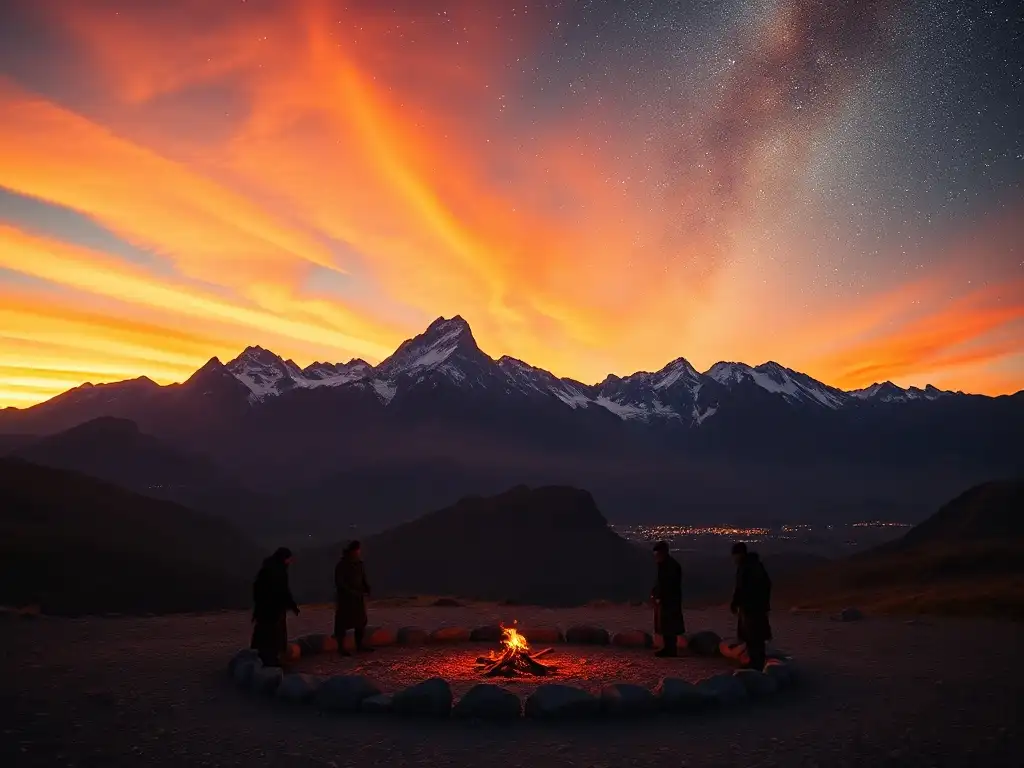
Unravel the mysteries of a sky brimming with meaning. For centuries, the Andean civilizations looked to the heavens, not just to navigate, but to understand their very existence. Prepare to be captivated by the intricate world of Andean astronomy practices, where celestial events shaped daily life and profoundly influenced their cosmology. Journey with us into a realm of sophisticated observation and spiritual connection, revealing a deeper understanding of these ancient cultures and their awe-inspiring relationship with the cosmos. Discover how the stars guided their lives and continue to illuminate our understanding of their remarkable legacy.
The Andes Mountains, a majestic spine running down the western coast of South America, were not merely a geographical feature for the ancient civilizations that thrived there. They were a living, breathing entity, inextricably linked to the cosmos.
This article delves into the fascinating world of Andean astronomy, exploring how these cultures meticulously observed the celestial bodies, weaving their movements into the very fabric of their societal structures, religious practices, and daily lives. We will uncover the profound connection between Andean astronomy practices and their deep reverence for nature, revealing a sophisticated understanding of the cosmos that went far beyond mere stargazing.
This exploration will illuminate how the rhythms of the universe dictated agricultural cycles, informed architectural design, and shaped their spiritual beliefs, demonstrating the intricate interplay between the heavens and the earthly realm in the Andean worldview. Understanding Andean astronomy is key to comprehending the holistic and deeply interconnected nature of their cosmology.
The Cosmic Vision of Ancient Andean Cultures
Ancient Andean cultures, including the Incas, Nazca, Moche, and Tiwanaku, possessed a remarkable understanding of astronomy. Their observations weren't simply driven by scientific curiosity; they were deeply intertwined with their spiritual beliefs and agricultural practices. The celestial bodies weren't seen as separate entities but as integral parts of a dynamic, interconnected cosmos.
The sun, moon, and stars were revered as deities, their movements influencing the cycles of life and death, planting and harvesting, and the overall well-being of their communities. This holistic view is evident in their sophisticated calendar systems, precise astronomical alignments of their monumental structures, and the rich iconography found in their art and textiles.
For example, the Nazca Lines, enigmatic geoglyphs etched into the desert landscape, are believed by some researchers to have served as astronomical markers, potentially aligning with specific celestial events. The precise nature of their astronomical knowledge and its applications continue to be a subject of ongoing research and debate, but the evidence clearly points towards a sophisticated and deeply ingrained connection between the Andean people and the cosmos.
The intricate knowledge of the celestial movements wasn't solely the domain of a priestly class. Evidence suggests a widespread understanding of astronomy among the general population, reflecting its integral role in everyday life. Agricultural cycles, for instance, were meticulously planned according to the movements of the sun and constellations, ensuring optimal planting and harvesting times.
This intimate relationship between the heavens and the earth fostered a profound respect for nature and its rhythms, a philosophy that permeated all aspects of Andean society. The detailed observation of celestial phenomena, combined with a deep understanding of the environment, allowed these cultures to thrive in challenging geographical conditions for centuries.
The precision of their astronomical observations, coupled with their sophisticated agricultural techniques, stands as a testament to their remarkable intellectual capabilities and their symbiotic relationship with the natural world. Their legacy continues to inspire awe and fascination, highlighting the interconnectedness of human societies and the cosmos.
- Observing the Heavens: Techniques of Andean Stargazers
- Celestial Cycles and Agricultural Practices in the Andes
- The Significance of the Milky Way in Andean Cosmology
- Andean Constellations: Mapping the Night Sky
- Yutu (Partridge) Constellation and its Significance
- Alignments with Sacred Mountains and Astronomical Events
- Pachamama and the Celestial Realm: A Symbiotic Relationship
- The Calendar System and its Connection to the Natural World
- Predicting Weather Patterns Through Astronomical Observation
- Andean Rituals and Ceremonies Linked to Celestial Events
- How Andean Astronomy Influenced Ancient Architecture
- Machu Picchu and its Astronomical Alignments
- What role did astronomy play in Andean societies?
- How did the Andean people observe the stars?
- What astronomical events were particularly important to the Andean civilizations?
- Did different Andean cultures have unique astronomical practices?
- How did Andean astronomy influence their art and architecture?
Andean Astronomy Practices: A Deep Dive
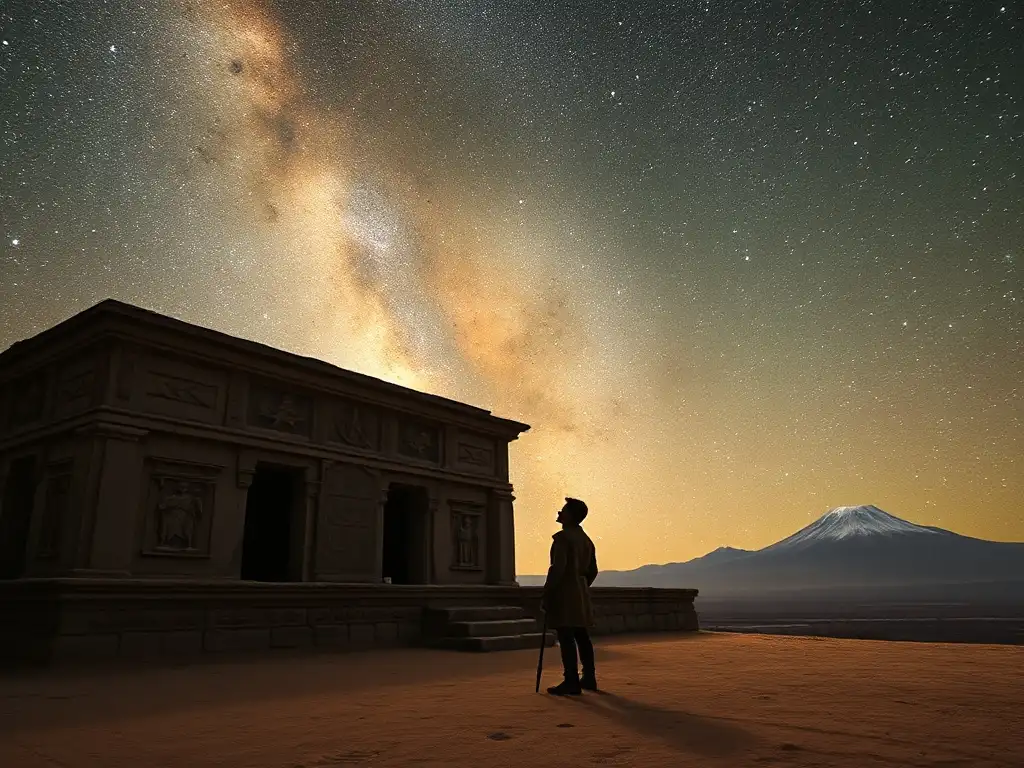
Andean astronomy practices weren't merely about observing the cosmos; they were deeply intertwined with the daily lives and spiritual beliefs of the Andean peoples. This intricate relationship shaped their agricultural cycles, social structures, and understanding of the world. The sophisticated knowledge and techniques they developed to track celestial movements reveal a profound connection between humanity and the universe, a connection far beyond simple stargazing. Understanding these practices provides a crucial key to unlocking the complexities of Andean cosmology and worldview. The study of Andean astronomy practices allows us to appreciate the ingenuity and profound insights of these ancient cultures.
Observing the Heavens: Techniques of Andean Stargazers
Andean stargazers employed a variety of ingenious techniques to observe and interpret the celestial movements. Unlike many other ancient civilizations that relied heavily on written records, Andean astronomical knowledge was often transmitted orally, through generations of skilled observers. They utilized natural landmarks, such as mountains and prominent rock formations, as reference points to track the positions of the sun, moon, and stars. These natural observatories, often strategically located, provided precise alignments for marking solstices and equinoxes.
Detailed observations of the sun's path throughout the year were crucial for agricultural planning. The precise timing of planting and harvesting was directly linked to the sun's position, a knowledge meticulously passed down through generations. Furthermore, the positions of constellations and specific stars were carefully noted and their appearances correlated with seasonal changes and weather patterns.
For example, the heliacal rising of certain stars could signal the onset of the rainy season or the best time for planting specific crops. Evidence suggests that they also used sophisticated instruments, although the precise nature and extent of their use are still under investigation. Some scholars propose the use of simple gnomons or even more complex instruments, but more research is needed to fully understand the extent of their technological capabilities in this area.
Celestial Cycles and Agricultural Practices in the Andes
The Andean calendar was intimately linked to celestial cycles. The precise tracking of the sun, moon, and stars enabled the prediction of seasonal changes, which were essential for successful agriculture. This wasn't a passive observation; it was an active engagement with the cosmos, a process of understanding and responding to the rhythms of the universe. The timing of planting, harvesting, and other agricultural activities was meticulously aligned with the observed celestial phenomena.
For instance, the solstices and equinoxes marked crucial moments in the agricultural calendar. The winter solstice, for example, might have been associated with rituals aimed at ensuring a bountiful harvest in the coming year. Similarly, the summer solstice could signify the peak of the growing season.
The appearance of certain constellations could also signal the optimal time for planting specific crops, reflecting a profound understanding of the interconnectedness between the celestial realm and the earthly environment. This close relationship between Andean astronomy practices and agriculture underscores the deep integration of cosmology into the practical aspects of Andean life. Further research into specific crop cycles and their correlation with observed celestial events could reveal even more intricate details about this sophisticated system.
The Significance of the Milky Way in Andean Cosmology
The Milky Way held a particularly significant position in Andean cosmology. It wasn't simply a band of light across the night sky; it was seen as a powerful, sacred river flowing through the heavens. In many Andean cultures, the Milky Way represented a path, a connection between the earthly and celestial realms. It was often associated with water, fertility, and the life-giving forces of nature. This perception is reflected in various myths and legends, which depict the Milky Way as a source of life and sustenance.
The Andean peoples' deep reverence for the Milky Way is evident in their art and architecture. Many archaeological sites, particularly those related to astronomical observations, are aligned with the Milky Way's path. This alignment suggests a deliberate attempt to incorporate the celestial river into the earthly landscape, further emphasizing the profound connection between the heavens and the earth.
Moreover, the Milky Way's position in the sky was likely used to guide seasonal activities and rituals, demonstrating its importance in both practical and spiritual aspects of Andean life. The symbolic and practical significance of the Milky Way in Andean astronomy practices highlights the holistic and integrated nature of their worldview. Further research into specific myths and legends associated with the Milky Way could reveal even richer insights into this fascinating aspect of Andean cosmology.
Andean Constellations: Mapping the Night Sky
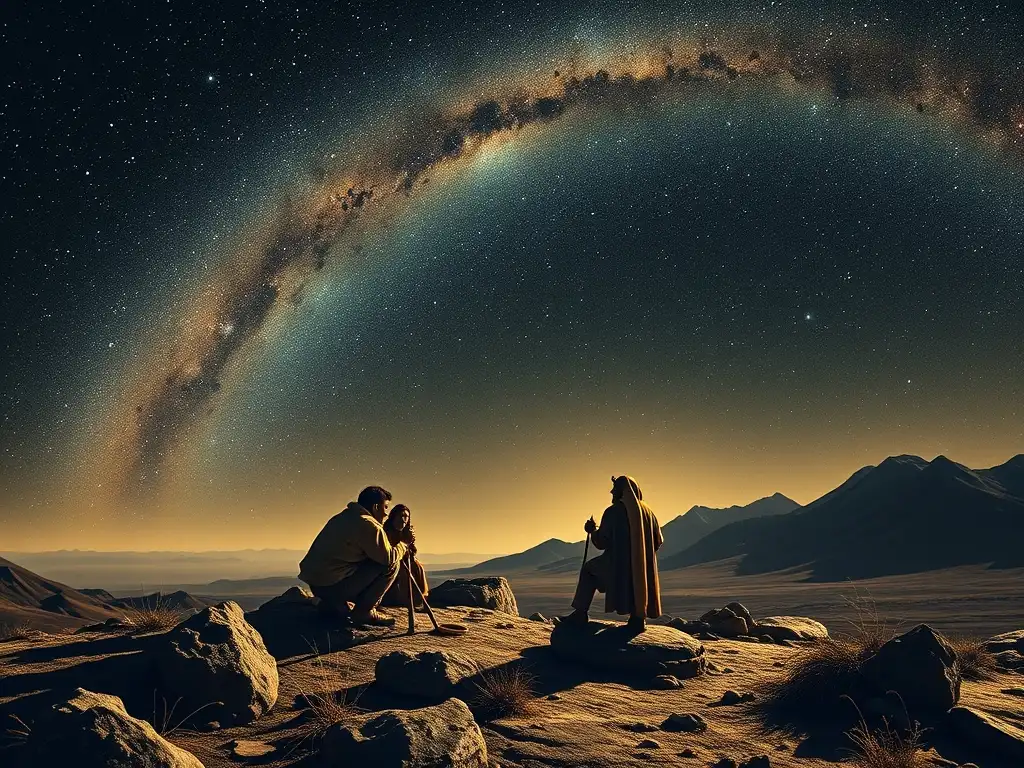
Andean astronomy wasn't just about observing celestial bodies; it was about intimately connecting with them, weaving them into the fabric of daily life and cosmological understanding. Unlike the familiar constellations of the Northern Hemisphere, Andean constellations weren't rigidly defined groupings of stars. Instead, they were fluid, often incorporating dark patches in the Milky Way, known as yacu, or "water," alongside bright stars. These constellations represented animals, mythical beings, and important elements of the Andean worldview.
For example, the llama, a crucial animal in Andean society, was often depicted in the night sky, its form subtly suggested by the arrangement of stars and dark nebulae. The specific configurations varied across different regions and cultures, reflecting the diverse astronomical traditions within the Andes. These variations highlight the localized nature of Andean astronomical knowledge, passed down through generations within specific communities. The lack of written records necessitates relying heavily on archaeological evidence, oral histories, and ethnographic studies to reconstruct these rich and varied celestial maps.
Interpreting these fragmented sources requires careful consideration of cultural contexts and the symbolic meanings attributed to different celestial features. Further research is needed to fully understand the nuances of each regional constellation system and their interconnectedness. The dynamic nature of these constellations, reflecting the ever-changing Andean landscape and the cyclical nature of life itself, makes them a fascinating subject of study for modern astronomers and anthropologists alike.
Yutu (Partridge) Constellation and its Significance
The yutu, or partridge constellation, held a particularly significant place in Andean cosmology. This constellation, often depicted as a bird in flight, was associated with the rainy season and the renewal of life. Its appearance in the night sky signaled the beginning of agricultural cycles, prompting the planting of crops and the celebration of fertility rites.
The yutu's flight across the heavens was seen as a metaphor for the cyclical nature of life, death, and rebirth, mirroring the Andean understanding of the cosmos as a dynamic and interconnected system. Specific rituals and ceremonies were often timed to coincide with the yutu's prominent visibility in the sky, underscoring its importance in the agricultural calendar. Archaeological evidence, such as the alignment of certain structures with the rising or setting of the yutu, suggests that this constellation played a vital role in the planning and organization of agricultural activities.
Furthermore, the yutu is often linked to specific myths and legends, further enriching its symbolic significance within Andean culture. These stories often involve the partridge's journey across the celestial landscape, highlighting its connection to the cycles of nature and the spiritual realm. The detailed study of these myths and legends provides valuable insights into the Andean worldview and the profound connection between the celestial and terrestrial realms.
Alignments with Sacred Mountains and Astronomical Events
Many Andean sites, particularly those of religious or ceremonial significance, exhibit remarkable alignments with celestial events and prominent constellations. These alignments weren't accidental; they were meticulously planned and executed, reflecting a deep understanding of astronomy and its connection to the landscape. For instance, the precise orientation of temples and other structures towards the rising or setting sun during solstices or equinoxes suggests a sophisticated knowledge of solar movements. Similarly, the alignment of certain sites with the positions of specific constellations, like the yutu or other significant celestial bodies, indicates a deliberate attempt to integrate astronomical observations into the sacred space.
The integration of astronomical events and sacred mountains in the Andean worldview created a powerful cosmology. For example, the mountain Huayna Potosi, in the Bolivian Andes, was often associated with specific celestial phenomena, its peak considered a gateway to the spiritual realm. This connection between terrestrial landmarks and celestial events reinforced the holistic worldview of the Andean peoples, emphasizing the interconnectedness of the cosmos and the earthly realm.
Further studies are needed to fully understand the complex relationship between specific astronomical events, sacred mountains, and the rituals performed at these sites. This research will undoubtedly reveal further insights into the sophistication of Andean astronomical knowledge and its profound influence on their culture and society. The precise methods used for these alignments, along with the specific astronomical events they tracked, remain areas of ongoing research, promising further revelations about Andean astronomy practices.
The Intertwined Relationship Between Andean Astronomy and Nature
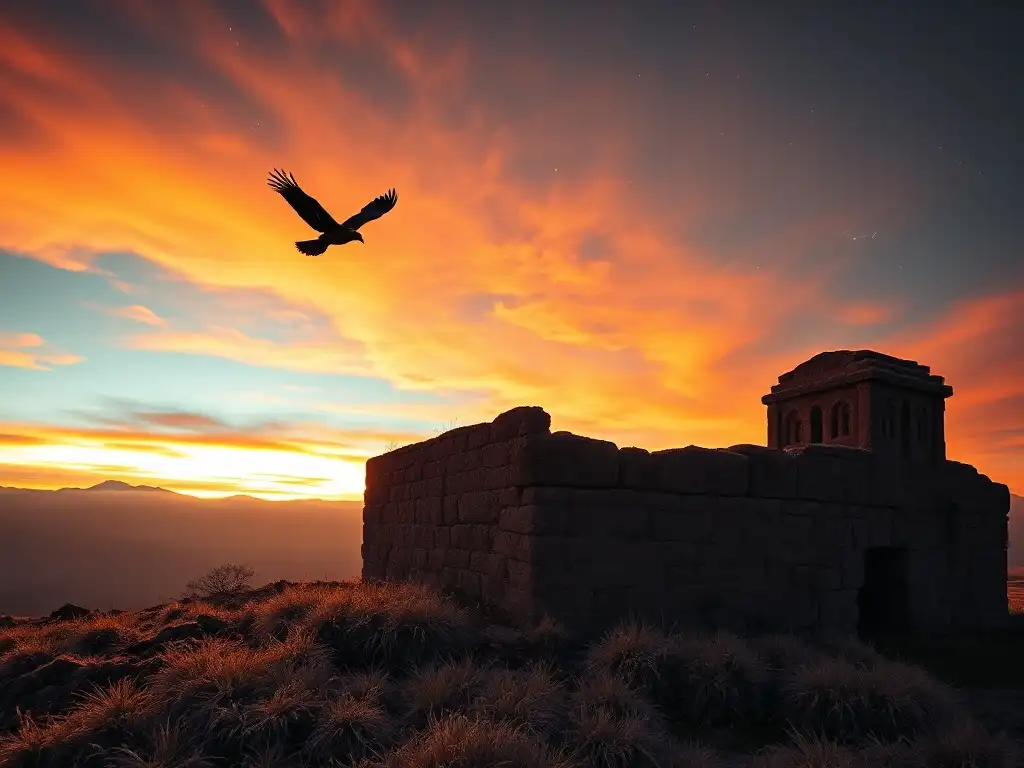
Andean astronomy practices weren't simply a detached study of the cosmos; they were deeply interwoven with the natural world, shaping daily life, agriculture, and spiritual beliefs. The Andean worldview saw the celestial realm and the terrestrial realm as inextricably linked, a symbiotic relationship reflected in their sophisticated astronomical observations and their profound respect for Pachamama, Mother Earth. Understanding Andean astronomy requires acknowledging this holistic perspective, where the movements of the stars directly influenced the rhythms of life on Earth.
The meticulous observations of celestial events weren't merely intellectual exercises; they were essential for survival and spiritual well-being. This intimate connection is evident in their calendar systems, agricultural practices, and even their understanding of weather patterns.
Pachamama and the Celestial Realm: A Symbiotic Relationship
The concept of Pachamama, the Earth Mother, is central to understanding Andean cosmology and its relationship with astronomy. Pachamama wasn't just the soil beneath their feet; she was a living, breathing entity, intimately connected to the celestial bodies. The cyclical nature of the cosmos—the rising and setting of the sun, the phases of the moon, the movements of the stars—mirrored the cyclical nature of life on Earth, the planting and harvesting seasons, and the rhythms of human existence. Andean astronomers saw the celestial bodies not as distant, unapproachable entities, but as active participants in the life-giving processes of Pachamama.
For example, the sun's journey across the sky was seen as a life-giving force, providing warmth and nourishment to the crops. Similarly, the moon's phases were linked to the growth cycles of plants and animals. This deep connection fostered a profound respect for nature and a sustainable relationship with the environment.
Their astronomical knowledge wasn't just about predicting events; it was about understanding their place within the greater cosmic order and honoring the interconnectedness of all things. The Andean worldview emphasizes a reciprocal relationship: humans received from Pachamama and, in turn, offered reciprocity through rituals and offerings. This reciprocal relationship extended to the celestial bodies as well, reflecting a complex system of beliefs and practices deeply rooted in observation and reverence.
The Calendar System and its Connection to the Natural World
Andean calendar systems weren't abstract constructs; they were meticulously designed to track the agricultural cycle and align with the movements of celestial bodies. The Inca, for instance, employed a complex system based on a solar year of 365 days, divided into twelve lunar months. This system wasn't just for timekeeping; it was intrinsically linked to agricultural practices.
The precise observation of solstices and equinoxes allowed them to determine the optimal times for planting and harvesting, ensuring food security. These astronomical observations weren't limited to the Inca; other Andean cultures, such as the Moche and Nazca, also developed sophisticated calendar systems reflecting their unique environments and agricultural needs. The precision of their astronomical observations is remarkable, indicating a deep understanding of celestial mechanics and a keen awareness of the relationship between the cosmos and the agricultural cycle.
For example, the precise alignment of certain structures with astronomical events suggests a sophisticated understanding of solar and lunar movements. This intricate connection between astronomy and agriculture highlights the practical application of their astronomical knowledge and its contribution to the survival and prosperity of Andean societies. The calendar system wasn't just a tool; it was a reflection of their deep understanding of the natural world and their ability to harness celestial rhythms for their benefit.
Predicting Weather Patterns Through Astronomical Observation
Andean astronomy practices played a crucial role in predicting weather patterns, a critical aspect of agricultural success in a region characterized by diverse and sometimes unpredictable climates. By observing the positions of stars and constellations, as well as the phases of the moon, Andean communities could anticipate changes in weather conditions. This knowledge wasn't simply based on superstition; it was grounded in careful observation and a deep understanding of the interconnectedness of celestial and terrestrial phenomena. Specific constellations were often associated with particular weather patterns, allowing farmers to plan their activities accordingly.
For example, the appearance of certain constellations might signal the onset of the rainy season or the arrival of dry conditions. This knowledge was crucial for managing water resources and adapting to the challenges posed by a variable climate. Moreover, the timing of agricultural activities was often synchronized with specific astronomical events, maximizing yields and minimizing risks.
The ability to predict weather patterns was not only essential for agriculture but also for other aspects of life, such as transportation and trade. This demonstrates the practical and life-sustaining nature of Andean astronomy, highlighting its importance in shaping their societal structures and their ability to thrive in a challenging environment. The intricate relationship between Andean astronomy practices and their understanding of weather patterns showcases their advanced knowledge and its critical role in their survival and prosperity.
Andean Rituals and Ceremonies Linked to Celestial Events
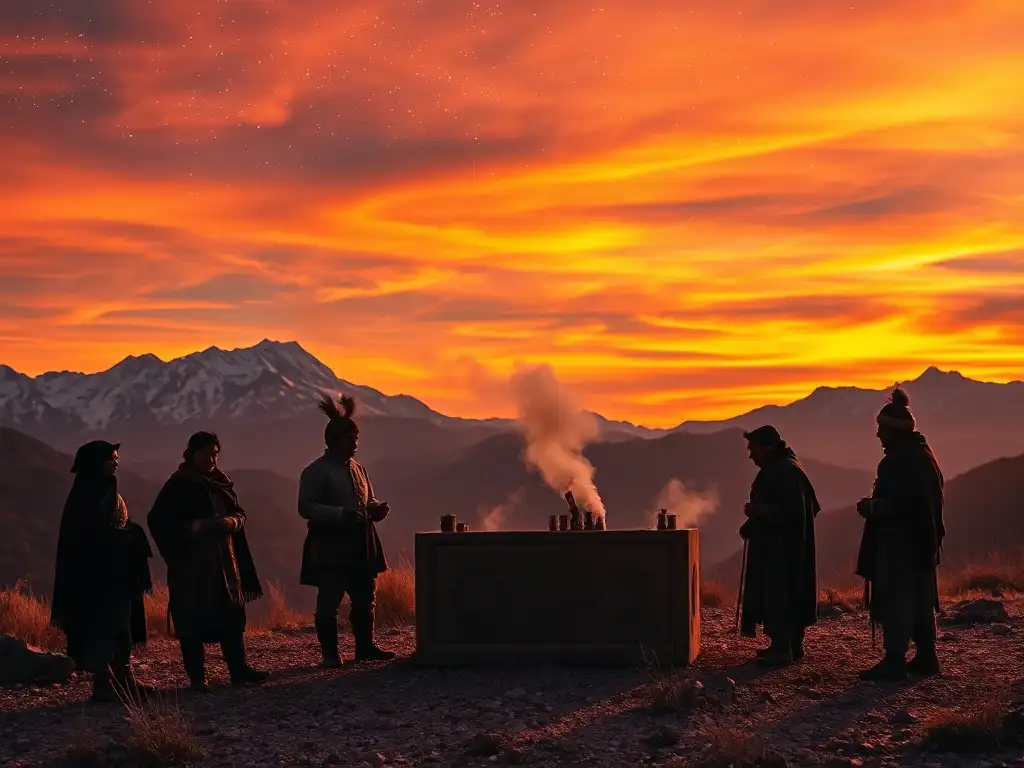
Andean astronomy wasn't merely an observational science; it was deeply interwoven with the fabric of daily life, profoundly influencing religious practices and social structures. Celestial events dictated the timing of crucial agricultural activities, shaping the very rhythm of Andean societies. For example, the appearance of specific constellations signaled the optimal times for planting and harvesting, ensuring bountiful crops and community prosperity. These weren't simply coincidences; they were meticulously observed and understood, forming the basis for elaborate rituals and ceremonies.
The solstices and equinoxes, marking the changing seasons, were particularly significant. These events were celebrated with large-scale festivals, often involving sacrifices, processions, and communal feasts. These gatherings reinforced social bonds and reaffirmed the community's connection to the cosmos. Archaeological evidence, such as the remains of ceremonial sites aligned with celestial bodies, provides tangible proof of the importance of these astronomical events in Andean religious life.
The precise nature of many rituals remains a subject of ongoing research, but the profound influence of the stars on Andean spiritual life is undeniable. Furthermore, the study of ancient texts and oral traditions helps piece together the complex relationship between celestial observations and ritualistic practices. For instance, certain constellations were associated with specific deities, and their movements were interpreted as messages from the divine realm.
The meticulous observation of celestial phenomena also played a vital role in predicting weather patterns, crucial for agricultural success and overall societal well-being. Certain star patterns were believed to be harbingers of rain or drought, influencing decisions related to water management and resource allocation. This demonstrates the practical application of Andean astronomy, highlighting its integral role in ensuring the survival and prosperity of Andean communities. The integration of astronomical knowledge with agricultural practices showcases the sophisticated understanding of their environment possessed by these ancient cultures.
How Andean Astronomy Influenced Ancient Architecture
The profound influence of Andean astronomy extended beyond religious practices; it played a crucial role in shaping their architectural designs. Ancient Andean structures, from modest dwellings to monumental sites, were often meticulously aligned with celestial events, reflecting a deep understanding of astronomy and its relationship to the natural world. This wasn't accidental; it was a deliberate integration of astronomical principles into the very fabric of their built environment.
The orientation of buildings and ceremonial centers towards significant celestial bodies, such as the rising and setting sun during solstices and equinoxes, is a recurring theme in Andean architecture. This alignment wasn't solely symbolic; it served practical purposes as well. For example, the precise positioning of structures could optimize sunlight exposure for heating or agricultural purposes. Furthermore, the alignment of structures with specific constellations might have had religious or symbolic significance, strengthening the connection between the terrestrial and celestial realms.
Examples of this astronomical influence on architecture are abundant. Many sites exhibit clear evidence of deliberate alignment with the sun's path, suggesting a sophisticated understanding of solar movements and their cyclical nature. This intentional integration of astronomical principles into architectural design underscores the central role of astronomy in Andean culture and its pervasive influence on everyday life. The meticulous planning and execution of these structures reveal a level of astronomical knowledge that is both impressive and testament to their advanced understanding of the cosmos.
Machu Picchu and its Astronomical Alignments
Machu Picchu, the iconic Inca citadel nestled high in the Andes Mountains, stands as a prime example of the profound connection between Andean astronomy and architecture. While famed for its breathtaking beauty and intricate design, Machu Picchu also boasts a series of subtle yet significant astronomical alignments, further emphasizing the importance of celestial observation in Inca culture.
The precise positioning of buildings and terraces within Machu Picchu suggests a deliberate alignment with the solstices and equinoxes. For example, certain structures are positioned to frame the rising or setting sun on specific dates, creating dramatic visual effects that likely held religious or symbolic significance. These alignments weren't mere coincidences; they were carefully planned and executed, reflecting a sophisticated understanding of solar movements and their cyclical nature. This deliberate integration of astronomical principles into the design of Machu Picchu highlights the central role of astronomy in Inca worldview and its influence on their architecture.
Beyond solar alignments, some researchers suggest that certain structures in Machu Picchu may also be aligned with other celestial events, such as the movements of specific constellations. While the full extent of these alignments remains a subject of ongoing research, the evidence strongly suggests that Machu Picchu was not only a magnificent city but also a sophisticated astronomical observatory, reflecting the Inca's deep connection to the cosmos and their ability to integrate celestial knowledge into their daily lives.
The intricate interplay of architectural design and astronomical alignments at Machu Picchu showcases the sophistication of Inca astronomy and its profound impact on their culture. Further research promises to reveal more details of this fascinating connection, deepening our understanding of Andean astronomy practices.
Legacy of Andean Astronomy: Understanding the Past, Shaping the Future
Andean astronomy practices weren't merely a detached study of celestial bodies; they were deeply intertwined with the daily lives and spiritual beliefs of the Andean peoples. Their understanding of the cosmos profoundly shaped their agriculture, social structures, and worldview. This intricate relationship between the heavens and the earthly realm is a testament to the sophisticated astronomical knowledge developed across various Andean cultures, including the Inca, Moche, Nazca, and Tiwanaku.
The legacy of this astronomical expertise continues to influence our understanding of ancient Andean civilizations and inspires modern astronomical research. Analyzing their methods reveals a remarkable level of precision and a profound connection to the natural world, far surpassing simplistic interpretations.
The meticulous observation of celestial events, coupled with their sophisticated calendrical systems, allowed for the prediction of solstices, equinoxes, and other astronomical phenomena crucial for agricultural planning and societal organization. This intricate system demonstrates a deep understanding of celestial mechanics and a keen awareness of the cyclical nature of time, reflected in their art, architecture, and ritual practices.
The Enduring Wisdom of Andean Stargazing Traditions
The Andean peoples didn't rely solely on instruments; their observations were honed through generations of meticulous naked-eye astronomy. They developed a profound understanding of the constellations, identifying specific star patterns associated with different deities, seasons, and agricultural cycles. For example, the Pleiades constellation, known as Collca in Quechua, played a vital role in determining the planting season. Its heliacal rising—its first appearance in the morning sky after a period of invisibility—signaled the optimal time for planting crops.
This practice wasn't limited to agriculture; the positions of the sun, moon, and stars were also crucial for organizing festivals, ceremonies, and even political decision-making. Oral traditions, passed down through generations, preserved this invaluable astronomical knowledge, ensuring its continuity across centuries. These traditions weren't simply stories; they were practical guides for navigating the world, both physically and spiritually.
The accuracy of their predictions, often verified by archaeological findings, speaks volumes about their astronomical expertise. Furthermore, the intricate designs woven into textiles and carved into stone often depict celestial events, further demonstrating the importance of astronomy in their daily lives. The integration of astronomical knowledge into various aspects of Andean life showcases its profound significance within their society.
Modern Astronomy and the Rediscovery of Andean Knowledge
Modern astronomy has begun to rediscover and appreciate the sophistication of Andean astronomical practices. Recent research has revealed the precision of their observations and the complexity of their calendrical systems. Scientists are using advanced techniques to analyze archaeological sites, such as Machu Picchu and Chankillo, to gain a deeper understanding of their astronomical alignments and observations.
For instance, studies of Chankillo's thirteen towers suggest a sophisticated solar observatory capable of tracking the sun's movement throughout the year with remarkable accuracy. This is further evidence that Andean astronomy was far more advanced than previously thought. The rediscovery of Andean knowledge is not just about understanding the past; it's also about enriching our present understanding of astronomy.
By examining their methods, we can learn new techniques and gain fresh perspectives on astronomical phenomena. The collaborative efforts of archaeologists, anthropologists, and astronomers are proving invaluable in reconstructing the rich tapestry of Andean astronomical practices and bringing to light the remarkable achievements of these ancient civilizations. The detailed analysis of their astronomical knowledge contributes to a more comprehensive understanding of human interactions with the cosmos across diverse cultures.
Preserving Andean Astronomical Heritage for Future Generations
Preserving Andean astronomical heritage is crucial for recognizing the contributions of these ancient civilizations and understanding our shared human history. Efforts are underway to document and safeguard oral traditions, archaeological sites, and other evidence of Andean astronomy. This involves not only the scientific study of astronomical sites but also the revitalization of indigenous knowledge and traditions. The active participation of indigenous communities is essential in preserving and interpreting their ancestral knowledge, ensuring that their voices are central to the narrative.
Educational initiatives and public awareness campaigns play a vital role in disseminating knowledge about Andean astronomy to a wider audience. Furthermore, the integration of Andean astronomical knowledge into educational curricula can help foster a greater appreciation for the rich diversity of human astronomical practices. This collaborative approach not only preserves a valuable cultural heritage but also promotes a deeper understanding of the history of astronomy and the interconnectedness of all cultures.
The preservation of Andean astronomical heritage is not just a historical endeavor; it's an act of cultural preservation that enriches our understanding of the past and informs our future. The careful documentation and dissemination of this knowledge ensure that the wisdom of Andean stargazers continues to inspire and enlighten generations to come. 🌠
The Andean Cosmovision Project
The Andean Cosmovision Project, a collaborative effort involving researchers, indigenous communities, and cultural institutions, highlights the ongoing importance of Andean astronomy practices. This project isn't simply about cataloging ancient sites; it's about actively engaging with living cultures and understanding how their ancestral knowledge continues to inform their worldview and daily lives. The project emphasizes participatory research methodologies, ensuring that indigenous voices are central to the interpretation and dissemination of this crucial cultural heritage.
Specific initiatives include documenting traditional astronomical practices still in use, such as the observation of celestial events for agricultural planning and ritual ceremonies. Furthermore, the project actively works to preserve and protect significant archaeological sites associated with Andean astronomy, such as the many chullpas (funerary towers) that often align with specific constellations. The collected data isn't just stored in academic databases; it's also shared with the communities involved, empowering them to protect and promote their cultural heritage effectively.
This collaborative approach ensures that the study of Andean astronomy isn't a purely extractive process, but a mutually beneficial exchange of knowledge and understanding. The project also works to translate this knowledge into accessible formats for wider audiences, combating misconceptions and promoting appreciation for the sophistication of Andean astronomical knowledge. Through workshops, publications, and public outreach, the project strives to make Andean astronomy more widely understood and appreciated.
The Importance of Acknowledging Indigenous Knowledge
Understanding Andean astronomy practices necessitates a critical engagement with the epistemological frameworks within which this knowledge was produced and continues to exist. Ignoring or minimizing the indigenous perspective leads to a fundamentally incomplete and potentially inaccurate representation of this rich cultural heritage. The knowledge wasn't simply a collection of scientific observations; it was deeply interwoven with spiritual beliefs, social structures, and agricultural practices. For example, the precise alignment of certain structures with celestial events wasn’t merely a matter of engineering prowess; it was a powerful manifestation of their cosmological worldview, reflecting their understanding of the cosmos and their place within it.
Ignoring the spiritual and ritualistic dimensions of these practices diminishes their significance and misrepresents their purpose. Furthermore, the continued practice of Andean astronomy in many indigenous communities underscores the living nature of this knowledge system. Many contemporary Andean communities still utilize traditional astronomical observations for agricultural planning, calendrical systems, and ritual practices. Acknowledging this contemporary practice is crucial for understanding the enduring relevance of Andean astronomy and its continued impact on Andean societies.
Respectful engagement with indigenous communities, including active collaboration in research initiatives, is essential for ensuring the accurate and ethical representation of this vital aspect of Andean cultural heritage. Failing to do so perpetuates a colonialist approach to knowledge production, marginalizing indigenous voices and undermining the integrity of the research itself. Therefore, acknowledging indigenous knowledge is not merely a matter of academic correctness; it is a fundamental ethical imperative in the study of Andean astronomy practices.
Frequently Asked Questions
What role did astronomy play in Andean societies?
Andean astronomy wasn't just about stargazing; it was deeply intertwined with their daily lives, influencing agriculture, religious practices, and social organization. They used celestial observations to predict seasonal changes and plan their activities accordingly.
How did the Andean people observe the stars?
They didn't rely solely on naked-eye observation. Andean cultures utilized sophisticated tools and structures, such as observatories built into mountains and strategically placed stones, to track celestial movements with remarkable accuracy.
What astronomical events were particularly important to the Andean civilizations?
Solar and lunar cycles held immense significance, with solstices and equinoxes marking crucial points in the agricultural calendar and triggering important religious ceremonies. They also tracked the movements of constellations, associating them with deities and myths.
Did different Andean cultures have unique astronomical practices?
Yes, while there were shared understandings of the cosmos, each culture had its own specific traditions and interpretations. The Inca, Moche, Nazca, and Tiahuanaco each developed unique astronomical practices reflecting their distinct cultural beliefs and environments.
How did Andean astronomy influence their art and architecture?
Many Andean structures, from temples to agricultural terraces, were carefully aligned with celestial events. Their art often depicted celestial bodies and constellations, showcasing the integral role astronomy played in their worldview and artistic expression.
Final Reflection: Echoes of the Cosmos in the Andes
The intricate relationship between Andean communities and the celestial sphere, far from being a relic of the past, remains a potent symbol of humanity's enduring connection to nature. Understanding Andean astronomy practices offers a powerful counterpoint to our increasingly technology-driven world, reminding us of the profound wisdom embedded in observing and interpreting the natural world. This ancient knowledge holds valuable lessons for navigating the complexities of the modern age.
The enduring legacy of Andean astronomy continues to shape cultural identities and inspire contemporary artistic and scientific endeavors. Its influence resonates not only in the vibrant textiles and ceremonies that still adorn Andean life, but also in the growing interest from scientists and researchers seeking to understand the sophisticated astronomical observations made by these ancient cultures. The cosmos is not a cold, indifferent void, but a living tapestry woven with the threads of our existence.
This sentiment, though modern in expression, perfectly encapsulates the heart of Andean cosmology, a worldview that intimately connects humanity to the celestial realm.
Consider, for a moment, the vastness of the night sky and the intricate patterns woven by the stars. Let the wisdom of the Andean astronomers inspire you to look beyond the immediate, to appreciate the interconnectedness of all things, and to find meaning in the rhythms of the natural world. Embrace the opportunity to reconnect with the cosmos, not just as distant observers, but as active participants in the grand cosmic dance. Let the echoes of the Andes guide you towards a deeper understanding of your place within the universe.
Unveil the Wonders of Andean Astronomy!
Thank you for joining us on this exploration of Andean astronomy! We hope you've discovered the deep connection our ancestors saw between the stars and the natural world. Now, let's continue this journey of discovery.
- Dive Deeper: Research an Andean constellation that captivates you and share your discoveries with others. Consider exploring the rich mythology and symbolism associated with it.
- Connect with Nature: Spend a night under the stars, observing the constellations as the Andean people did. Take time to reflect on their cultural significance and your own place within the cosmos.
- Join the Conversation: Share your thoughts and experiences with our community. Tell us about your favorite celestial objects or moments that have deepened your connection to the universe.
Which star or constellation resonates most deeply with you, and how does it reflect your relationship with nature?