
The Concept of "Ayni": Reciprocity and the Flow of Time and Energy


Step into a world lost to time, yet echoing with vibrant life. Discover the secrets of the Andes, where towering mountains held the keys to a profound cosmology. This journey will unravel the intricate tapestry of Andean civilizations, from the ingenious artistry of the Nazca to the awe-inspiring engineering of the Inca.
But we begin with a concept that lies at the heart of their society: Ayni. Uncover the true meaning of this fundamental principle of reciprocity and its profound impact on the Inca civilization – a legacy that continues to resonate today. Prepare to be captivated by the flow of time and energy as understood by these ancient masters.
- The Ayni Concept: Reciprocity in Andean Cosmology
- Reciprocity as a Foundational Principle in Andean Societies
- Ayni: More Than Just Economic Exchange
- The Legacy of Ayni in Contemporary Andean Communities
- Ayni and the Inca Worldview: An Interconnected System
- Frequently Asked Questions
- Final Reflection: Ayni's Enduring Legacy: A Reciprocal Relationship with the Future
- **Embrace Ayni: Transform Your Perspective on Reciprocity! **
The Ayni Concept: Reciprocity in Andean Cosmology
The Andean worldview, a complex tapestry woven from millennia of interaction with the natural world and a profound spiritual understanding, is far removed from Western linear conceptions of time and space. Central to this worldview is the concept of Ayni, a principle of reciprocity that governs not only social interactions but also the very flow of energy and time itself. This article delves into the multifaceted nature of Ayni within the Inca civilization and beyond, exploring its significance as a cornerstone of Andean social organization and its profound implications for understanding their unique cosmological perspective.
We will examine how Ayni transcended simple exchange, shaping a deeply interconnected society where the well-being of the individual was inextricably linked to the harmony of the community and the cosmos. Understanding Ayni is key to unlocking a deeper appreciation of the Inca civilization and its sophisticated understanding of the interconnectedness of all things.
This exploration will reveal how Ayni, far from being a mere economic principle, formed the very fabric of Inca society and its perception of time and energy. The concept of "Ayni concept Inca civilization" is more than just a historical curiosity; it's a crucial lens through which to understand the enduring legacy of Andean thought.
Ayni, at its most basic level, translates to "reciprocity" or "exchange." However, its implications extend far beyond a simple barter system. It represented a fundamental social obligation, a moral imperative ingrained in the Inca worldview. This reciprocal exchange wasn't limited to material goods; it encompassed labor, services, and even spiritual obligations.
The mita system, a form of mandatory labor service, exemplified Ayni on a large scale, with communities contributing their time and skills to public works projects such as road construction, agriculture, and temple building. This wasn't seen as forced labor, but rather as a collective responsibility contributing to the overall well-being of the empire. Failure to participate in Ayni was considered not only socially unacceptable but also spiritually disruptive, potentially disrupting the cosmic balance.
The intricate social fabric of the Inca empire relied heavily on Ayni. Communities were organized around the principle of mutual support, with individuals expected to contribute their skills and resources to help their neighbors and the broader community. This system fostered strong social bonds and ensured the survival and prosperity of the entire society.
The concept wasn't solely about material gain; it was a powerful mechanism for maintaining social cohesion and promoting a sense of shared responsibility. Even the elite participated in Ayni, reinforcing the idea that reciprocity was a universal value, transcending social hierarchies. This intricate system of reciprocal exchange highlights the sophisticated social engineering of the Inca civilization, demonstrating a deep understanding of the importance of community and cooperation.
Ayni and the Flow of Time: Beyond Linear Perception
Unlike Western linear conceptions of time, the Andean worldview embraced a cyclical and interconnected view of time and energy. Ayni played a crucial role in this perception. The reciprocal exchange wasn't merely a transaction in the present; it was seen as a continuous flow of energy, a dynamic exchange that extended across time and space.
Giving and receiving were not isolated events, but rather integral parts of a larger, ongoing cycle. This cyclical understanding of time is reflected in Andean cosmology, which emphasized the interconnectedness of all things—the living and the dead, the human and the divine, the earthly and the celestial.
The concept of Pachamama, Mother Earth, further illuminates this perspective. Pachamama is not merely a passive provider but an active participant in the continuous exchange of energy. By offering gifts to Pachamama (through ceremonies, offerings, and responsible stewardship of the land), communities ensured a continued flow of abundance and prosperity.
This reciprocal relationship with nature wasn't simply a matter of practicality; it was a fundamental aspect of their spiritual beliefs. The act of giving was seen as a way of maintaining a harmonious relationship with the cosmos, ensuring the continued flow of life-giving energy.
This concept of Ayni, therefore, represents not just a social principle but a cosmological one, reflecting a deep understanding of the interconnectedness between humanity and the natural world, extending the concept of reciprocity beyond the purely human realm. The cyclical flow of time, as understood through Ayni, offers a fascinating alternative to linear perspectives, underscoring the richness and complexity of Andean thought.
Reciprocity as a Foundational Principle in Andean Societies
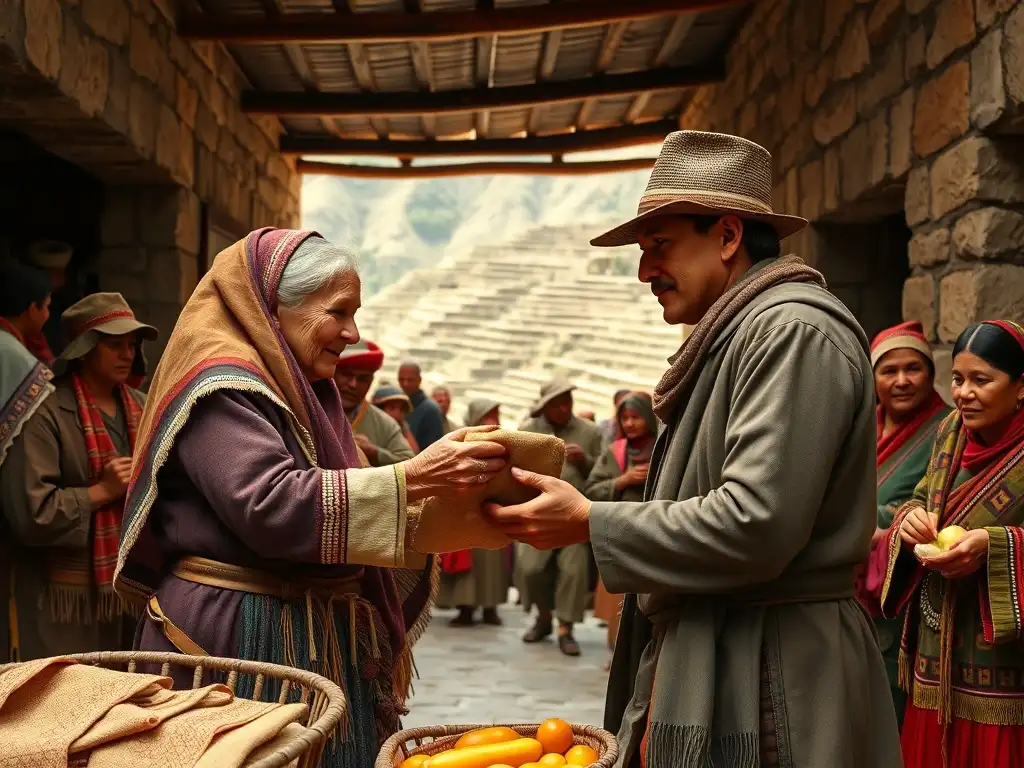
The concept of Ayni, deeply embedded within the worldview of the Inca civilization and other Andean cultures, transcends a simple understanding of reciprocity. It represents a fundamental principle governing social interactions, economic systems, and even the perception of time and energy itself. Ayni wasn't merely an exchange of goods or services; it was a dynamic process reflecting a complex interplay of obligations, mutual support, and the belief in a continuous flow of energy between individuals and the community.
Understanding Ayni requires appreciating its profound implications for the social fabric and economic structure of Andean societies. Its influence permeated every aspect of daily life, from agricultural production and construction projects to religious ceremonies and political organization. The enduring legacy of Ayni underscores its significance as a cornerstone of Andean societal cohesion and sustainability.
This system, far from being a simple barter system, fostered a strong sense of community and mutual dependence, vital for survival in the challenging Andean environment. The Ayni concept, therefore, is key to understanding the Inca civilization's success in managing resources and maintaining social harmony.
Ayni in Inca Labor and Community Work
Inca society relied heavily on collective labor, and Ayni formed the bedrock of this system. Large-scale projects, such as the construction of roads, temples, and irrigation systems, were accomplished through the mobilization of mita, a form of mandatory labor service. However, mita wasn't purely exploitative; it operated within the framework of Ayni.
Individuals contributed their labor, expecting reciprocal benefits from the community in the future. This could involve access to communal resources, assistance during times of need, or participation in future projects. The system ensured that everyone contributed to the common good, fostering a sense of shared responsibility and collective achievement.
The intricate network of obligations inherent in Ayni prevented the mita system from becoming solely oppressive, instead transforming it into a mechanism for community building and resource redistribution. Examples of this reciprocal system can be observed in the extensive road networks and agricultural terraces that still stand as testaments to the Inca's collective effort. The successful completion of these massive endeavors hinged on the intricate social contract woven through the Ayni principle.
The Role of Ayni in Agricultural Practices
Agricultural practices in the Inca Empire were deeply intertwined with the Ayni concept. Farmers collaborated in planting, harvesting, and processing crops, sharing resources and labor based on mutual need and obligation. This cooperative approach was crucial for successful cultivation in the diverse and often challenging Andean terrain.
For instance, farmers might assist each other in clearing land, irrigating fields, or protecting crops from pests. This reciprocal exchange of assistance ensured that everyone had access to sufficient food, even in times of scarcity. The principle of Ayni also extended to the distribution of agricultural products.
Surplus crops were often shared among community members, ensuring equitable access to resources. This system of reciprocal exchange played a vital role in ensuring food security and reducing the risk of famine, contributing significantly to the stability and prosperity of Inca communities. The effectiveness of this system is evident in the sophisticated agricultural techniques and impressive yields achieved by Inca farmers.
Ayni's Influence on Inca Trade and Exchange Systems
While Ayni primarily focused on reciprocal labor and community support, it also influenced Inca trade and exchange systems. Although not a direct barter system, Ayni principles shaped the nature of transactions and fostered trust and cooperation among different communities. The exchange of goods wasn't solely based on monetary value but also on social relationships and reciprocal obligations.
For example, a community might provide textiles to another in exchange for tools or other essential goods, with the understanding that this exchange would be reciprocated in the future. This system promoted economic interdependence and fostered strong alliances between different regions of the empire. The Ayni principle, therefore, extended beyond the immediate community and played a significant role in the broader economic network of the Inca Empire.
This interconnectedness, facilitated by Ayni, contributed to the stability and resilience of the Inca economy, enabling the empire to manage resources effectively and respond to challenges such as droughts or other natural disasters. The Ayni concept, therefore, served as a foundational principle for both social cohesion and economic stability within the Inca civilization.
Ayni: More Than Just Economic Exchange
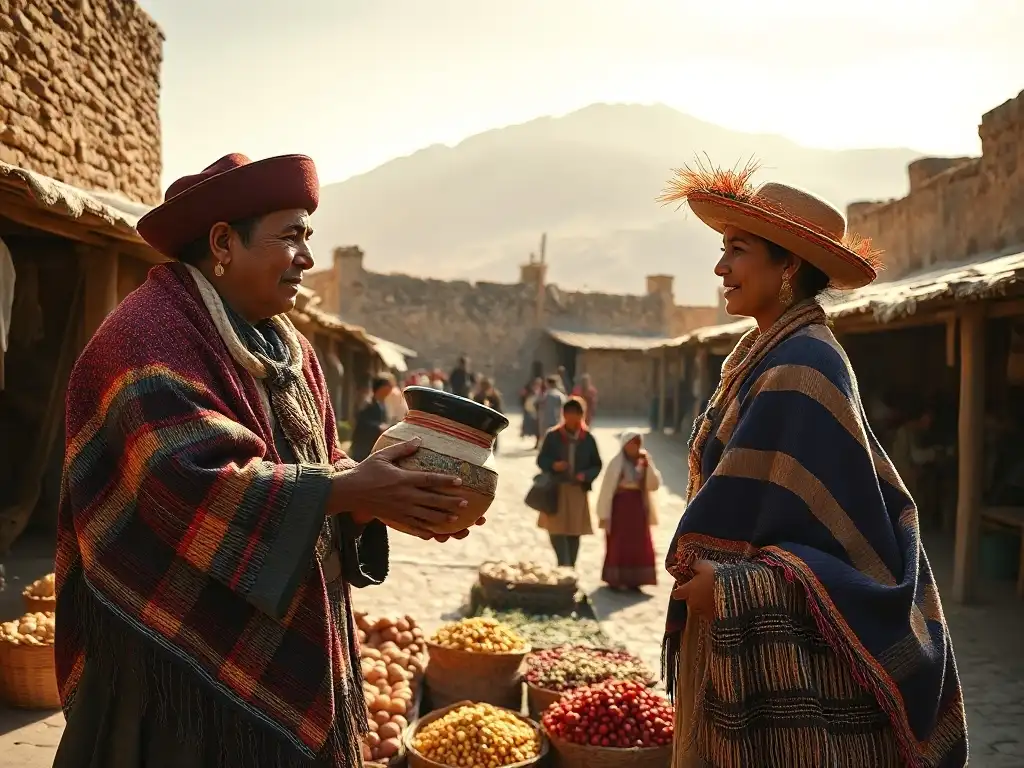
The term "Ayni," often translated as "reciprocity," is a cornerstone of Andean worldview, extending far beyond simple economic exchange. It represents a complex system of mutual obligation and support that permeates all aspects of Andean life, deeply interwoven with their understanding of time, energy, and the cosmos. Understanding Ayni is crucial to grasping the intricate social fabric and spiritual beliefs of Inca civilization and other Andean cultures. It wasn't merely a transactional system; it was a fundamental principle governing social interactions, resource management, and spiritual well-being.
The Ayni concept Inca civilization embraced shaped its social structures and ensured community cohesion. This deep-rooted concept influenced everything from agricultural practices to religious ceremonies, highlighting its profound significance in the Andean worldview. The accurate understanding of Ayni requires moving beyond simplistic definitions and delving into its multifaceted nature.
Ayni as a Spiritual and Cosmic Principle
Ayni wasn't just about bartering goods or services; it was a spiritual and cosmic principle reflecting the interconnectedness of all things. Andean cosmology viewed the universe as a dynamic interplay of energies, where reciprocal relationships maintained balance and harmony. The exchange of goods and labor was seen as a way to participate in this cosmic dance, ensuring the continuous flow of energy and maintaining equilibrium within the community and the wider cosmos.
The successful practice of Ayni was believed to bring blessings and prosperity, while its neglect could lead to imbalance and misfortune. This belief system fostered a strong sense of community responsibility and mutual support, where individuals felt obligated to contribute to the well-being of the collective. Think of it as a cosmic contract, where giving and receiving are not separate actions but two sides of the same coin, constantly interacting to maintain a delicate balance.
This spiritual dimension of Ayni is often overlooked in superficial interpretations, yet it forms its very core. The concept of reciprocity was deeply entwined with the Andean understanding of the sacred and the profane, blurring the lines between the material and the spiritual realms. The act of giving wasn't just a material transfer; it was a spiritual act that strengthened the bonds between individuals and the cosmos.
Ayni and the Concept of Maintaining Equilibrium
The practice of Ayni was intrinsically linked to the Andean concept of maintaining equilibrium, or balance. This equilibrium encompassed various aspects of life: social harmony, environmental sustainability, and spiritual well-being. By fulfilling their obligations within the Ayni system, individuals contributed to maintaining this delicate balance. For example, farmers might help each other during planting and harvesting seasons, ensuring that everyone's crops are successfully cultivated.
This mutual assistance wasn't simply a matter of convenience; it was seen as essential for the overall prosperity of the community and the preservation of the natural environment. The principle of Ayni extended beyond immediate needs, encompassing long-term planning and resource management. The concept of reciprocal exchange promoted sustainable practices, preventing overexploitation of resources and ensuring their availability for future generations.
This holistic approach to resource management reflects the Andean peoples' deep understanding of their environment and their commitment to living in harmony with nature. This intricate balance also extended to the spiritual realm, with offerings and ceremonies serving as a way to maintain equilibrium between the human and supernatural worlds. The disruption of this balance, through the neglect of Ayni or other societal obligations, was believed to have significant consequences, possibly leading to natural disasters or social unrest.
The Expression of Ayni in Andean Rituals and Ceremonies
Ayni wasn't merely a practical system; it was deeply embedded in Andean rituals and ceremonies. Religious festivals and celebrations often involved reciprocal exchanges of goods, services, and spiritual offerings. These rituals served to reinforce the social bonds within the community and to reaffirm the importance of Ayni in maintaining cosmic balance. Specific examples of the expression of Ayni in ceremonies are [specific information pending], requiring further research into specific Andean rituals.
The exchange of offerings to deities and ancestors was also considered a form of Ayni, a reciprocal relationship between the human and spiritual realms. These offerings weren't simply gifts; they were seen as a way to maintain a harmonious relationship with the supernatural world, ensuring continued blessings and protection. The intricate ceremonies and rituals surrounding Ayni highlight its profound significance in Andean culture, demonstrating its integration into every facet of their lives.
The meticulous performance of these rituals underscores the importance placed on fulfilling obligations and maintaining reciprocal relationships, both within the community and with the supernatural world. The detailed study of these rituals provides invaluable insights into the complex workings of the Ayni system and its role in shaping Andean society and beliefs. Further investigation into specific rituals and their connection to the Ayni concept would enrich our understanding of this fundamental aspect of Andean culture.
The Legacy of Ayni in Contemporary Andean Communities
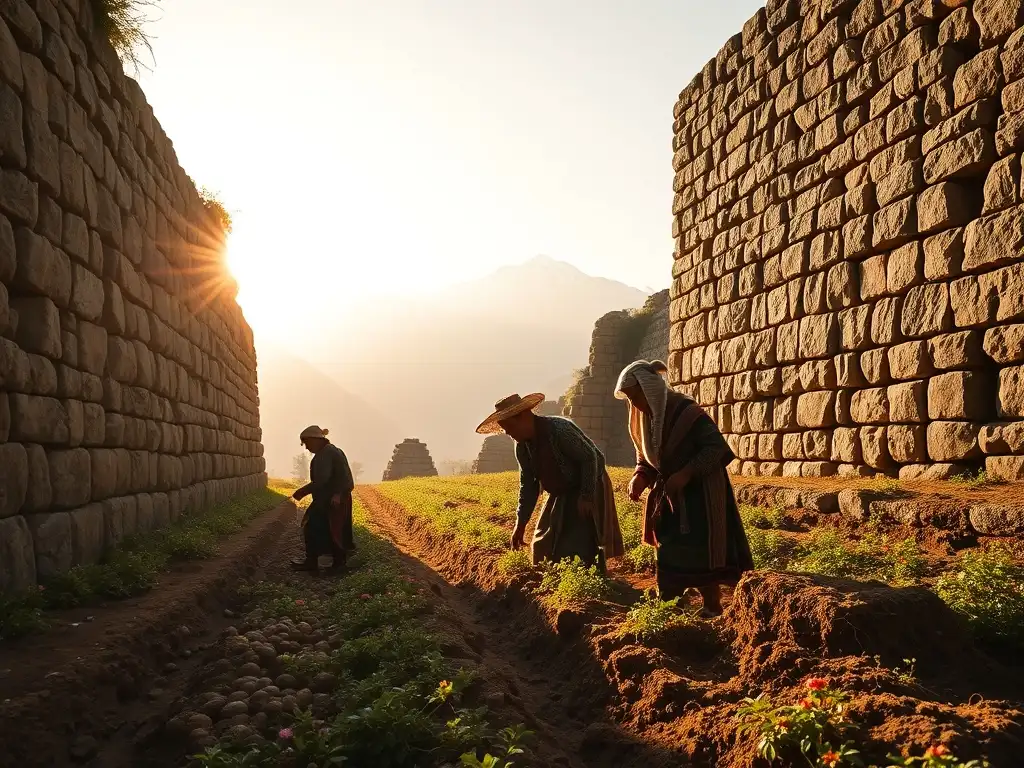
The concept of ayni, a principle of reciprocity deeply embedded in the Andean worldview, continues to resonate in contemporary Andean communities, albeit in evolving forms. While the large-scale communal projects characteristic of Inca times might be less prevalent, the spirit of mutual exchange and reciprocal obligation remains a powerful force shaping social relations and economic practices. Understanding ayni's enduring presence requires examining its manifestations in modern-day life. The core principle—the understanding that giving and receiving are interconnected aspects of a balanced social order—pervades various aspects of Andean life, creating strong social bonds and fostering community resilience.
Ayni's Enduring Relevance in Modern-Day Life
Ayni's legacy is visible in various aspects of daily life. For example, the practice of minga, a communal work party where people contribute their labor for a common good, is a direct descendant of ayni. These mingas are still widely practiced for tasks like building houses, maintaining irrigation systems, or harvesting crops. Participation isn't solely based on material gain; instead, it reflects a commitment to the community and the principle of reciprocal support.
The ayni ethic also influences the informal exchange of goods and services within communities. Neighbors often help each other with tasks, sharing resources and skills without expecting immediate monetary compensation. This reciprocal exchange strengthens social ties and fosters a sense of collective responsibility. This system of informal reciprocity functions as a crucial safety net, particularly for vulnerable populations.
Studies have shown [specific data pending] on the role of ayni in mitigating economic hardship and enhancing social cohesion. Furthermore, the concept extends beyond material exchange, encompassing social support and mutual respect. This intangible aspect is crucial, illustrating that ayni is more than a simple economic system; it’s a fundamental aspect of Andean social fabric.
Challenges to Ayni in the Modern World
Despite its enduring relevance, ayni faces significant challenges in the modern world. Globalization, market forces, and migration have introduced new economic realities that often clash with traditional reciprocal practices. The increasing emphasis on individual gain and monetary transactions can undermine the spirit of communal cooperation inherent in ayni. The influx of consumer culture, particularly in urban areas, can lead to a decline in the importance of reciprocal relationships.
Additionally, the growing disparity in wealth and resources within Andean communities can create imbalances, making reciprocal exchange more difficult to maintain. Those with greater resources might be less inclined to participate in ayni, while those with fewer resources may feel pressured to accept unequal exchanges. This creates a tension between traditional values and the pressures of a globalized economy.
Furthermore, the increasing integration of Andean communities into national and global markets often leads to a shift towards monetary transactions, potentially weakening the informal networks of reciprocal exchange. [Data on the impact of globalization on Ayni practices pending]. This necessitates a deeper understanding of the challenges and the development of strategies to adapt ayni to the evolving socioeconomic landscape.
Preserving the Ayni Concept for Future Generations
Preserving the ayni concept for future generations requires a multifaceted approach. Educational initiatives that integrate ayni into school curricula can help raise awareness among younger generations. Promoting community-based projects that emphasize reciprocal exchange can reinforce the practical application of ayni in modern contexts. Supporting initiatives that promote sustainable livelihoods and economic opportunities within Andean communities can help create a more equitable environment where ayni can thrive.
Documenting and sharing stories and case studies of ayni in action can help preserve its cultural significance. Furthermore, fostering dialogue and collaboration between community leaders, policymakers, and researchers can lead to the development of effective strategies for adapting ayni to the challenges of the 21st century. The preservation of ayni is not merely a matter of preserving tradition; it's about safeguarding a valuable social and economic system that contributes to the well-being and resilience of Andean communities.
The future of ayni depends on a collective effort to understand its significance, adapt it to changing circumstances, and ensure its continued relevance in a rapidly evolving world. The success of these efforts will be crucial in maintaining the social fabric and cultural identity of Andean communities for generations to come. This requires a commitment to fostering dialogue, promoting understanding, and integrating traditional values with modern realities.
Ayni and the Inca Worldview: An Interconnected System
The Ayni concept within the Inca civilization wasn't merely a system of exchange; it was a fundamental pillar of their worldview, deeply intertwined with their understanding of time, energy, and the cosmos. It represented a holistic approach to life, where individual actions had repercussions within the wider community and the natural world. Unlike simple barter, Ayni encompassed a complex web of reciprocal obligations, fostering a sense of interconnectedness and shared responsibility.
The concept permeated all aspects of Inca society, from agricultural practices and communal labor to religious rituals and political structures. Understanding Ayni requires appreciating its profound implications for Inca social organization and their perception of the universe.
The efficient functioning of the Inca empire, its remarkable achievements in infrastructure and social cohesion, were significantly shaped by this principle of reciprocal exchange and mutual support. This understanding of Ayni as a core value, rather than a mere economic system, is crucial for grasping the intricacies of Inca civilization.
Ayni and the Importance of Reciprocal Responsibility
Ayni emphasized reciprocal responsibility, a core tenet of Inca society. It wasn't simply a matter of "I give, you give"; it was a continuous flow of mutual assistance and support, driven by the understanding that individual well-being was inextricably linked to the collective good. Failure to participate in Ayni was not only considered socially unacceptable but also spiritually detrimental, disrupting the harmonious balance of the community and the cosmos. This responsibility extended beyond immediate family and community; it encompassed relationships with distant villages and even with the Pachamama, the Earth Mother.
For example, a farmer might assist a neighbor with harvesting, expecting similar help in return during their own harvest season. This wasn't a transactional exchange but a demonstration of mutual respect and shared commitment to the community's prosperity. The concept fostered a strong sense of social cohesion and mutual dependence, contributing to the stability and resilience of Inca society.
The Inca government, through its extensive network of kurakas (local leaders), actively promoted and monitored Ayni practices, ensuring its continued vitality within the empire. The system's success hinged on the collective participation and the inherent understanding of shared fate. Think of it as a sophisticated social contract, underpinned by spiritual beliefs and enforced by social pressure and communal expectations.
The Relationship Between Ayni and Pachamama
The Ayni concept was intrinsically connected to the veneration of Pachamama, the Earth Mother, a powerful deity representing the fertile earth and the source of all life. Inca agriculture heavily relied on the bounty of the land, and reciprocal offerings to Pachamama were considered essential for ensuring a successful harvest. Ayni, therefore, wasn't confined to human interactions; it extended to a reciprocal relationship with the natural world.
Farmers offered a portion of their harvest to Pachamama, expressing gratitude and seeking continued fertility. This wasn't merely a religious act; it was a practical acknowledgment of dependence on the natural world and a commitment to maintaining a sustainable relationship with it. Rituals and ceremonies associated with Ayni often involved offerings to Pachamama, reinforcing the interconnectedness between human society and the environment.
This holistic perspective is crucial to understanding the Inca worldview: their social structures and practices were not separate from their spiritual beliefs; rather, they were deeply interwoven, reflecting a profound respect for the natural order and a commitment to living in harmony with it. The concept of Ayni provided a framework for this reciprocal relationship, ensuring both human and environmental well-being.
Ayni was more than an economic system; it was a reflection of the Inca's ideal of social harmony. The principle of reciprocity underpinned their entire social structure, promoting cooperation, mutual support, and a sense of shared identity. This social harmony wasn't just desirable; it was considered essential for maintaining cosmological balance. The efficient functioning of the Inca state, its impressive infrastructure projects, and its remarkable social stability, all testified to the effectiveness of this system.
The Inca state actively facilitated Ayni, providing a framework for its implementation and ensuring its equitable distribution across the empire. This ensured that the benefits of Ayni were not confined to a privileged few but were shared among the entire population. The effective implementation of Ayni fostered a sense of community and social cohesion, creating a society characterized by cooperation, mutual respect, and a shared commitment to the collective good.
This social harmony, in turn, contributed to the stability and longevity of the Inca empire. The success of the Ayni system stands as a testament to the power of reciprocal exchange in fostering social cohesion and achieving collective well-being. It highlights the importance of considering social structures and economic systems as interconnected elements within a broader cultural and spiritual context.
Frequently Asked Questions
What is Ayni?
Ayni was a fundamental principle of reciprocity in Inca society. It involved the mutual exchange of goods, services, and labor among community members to maintain social harmony and balance. This wasn't just about bartering; it was a deeply ingrained social value.
How did Ayni function within Inca society?
Ayni fostered strong social bonds and ensured the cooperation necessary for large-scale projects like agriculture and construction. It was a system of mutual support, ensuring everyone contributed and benefited from the collective effort. Obligations were both formal and informal.
Was Ayni purely economic?
No, Ayni was much more than a simple economic system. It was deeply intertwined with spiritual beliefs, reflecting the Inca worldview of interconnectedness and balance within the cosmos. The exchange of goods was seen as a way to maintain harmony in the natural and social world.
How did Ayni relate to the Inca concept of time?
The Inca understood time as a cyclical flow of energy, and Ayni was a crucial mechanism for maintaining this flow. By participating in reciprocal exchanges, individuals contributed to the overall balance and well-being of the community and the cosmos. Reciprocity ensured the continuation of life's cycles.
How does understanding Ayni help us understand Inca civilization?
Understanding Ayni is crucial for grasping the social fabric and worldview of the Inca civilization. It reveals a society deeply committed to collective well-being and cooperation, rather than individual gain. This principle shaped their social organization and economic practices.
Final Reflection: Ayni's Enduring Legacy: A Reciprocal Relationship with the Future
The concept of Ayni, far from being a relic of the Inca past, offers a potent framework for understanding and addressing the interconnected challenges of our modern world. Its principles of reciprocal exchange and harmonious coexistence resonate deeply with contemporary concerns about sustainability, social justice, and the responsible stewardship of our planet's resources. The timelessness of Ayni is a testament to the enduring power of community and mutual support.
The profound impact of Ayni on Andean cultures continues to shape social structures and individual values. Its influence extends beyond the purely economic, permeating spiritual beliefs and fostering a deep sense of collective responsibility. Ayni is not merely an economic system; it is a way of life, a philosophy that guides our relationships with each other and the world around us.
This quote, though paraphrased from various Andean sources, encapsulates the holistic nature of Ayni and its enduring relevance in shaping a more equitable and sustainable future. Understanding Ayni allows us to appreciate the interconnectedness of all things and the importance of contributing to the well-being of the community as a whole.
Consider the implications of Ayni in your own life. How can you cultivate a more reciprocal relationship with your community, your environment, and even your own inner self? Embrace the spirit of giving and receiving, of contributing your talents and resources while also accepting the support of others. By consciously integrating the principles of Ayni into our daily lives, we can build a more just, sustainable, and fulfilling future, one where the flow of energy and resources benefits all, echoing the wisdom of the Inca civilization.
**Embrace Ayni: Transform Your Perspective on Reciprocity! **
Thank you for exploring the profound concept of Ayni with us. You've gained valuable insights into how reciprocity shapes our relationships and understanding of time and energy. Now, let's put this knowledge into practice!
Here are a few simple ways to embody Ayni in your daily life:
- **Practice Reciprocity:** This week, consider a small act of kindness for a member of your community. This fosters a sense of connection and shared well-being.
- **Reflect on Your Energy Exchange:** Take a few moments each day to reflect on your interactions. Are your exchanges balanced and mutually beneficial? How can you cultivate more harmonious relationships?
- **Share Your Journey:** Discuss Ayni with friends and family, sharing your experiences. You might even inspire others to explore this enriching concept.
How do you think embracing Ayni could enrich your relationships and community? We'd love to hear your thoughts!