
The Clay's Form: Exploring the Andean Art of Ceramics and its Connection to the Earth

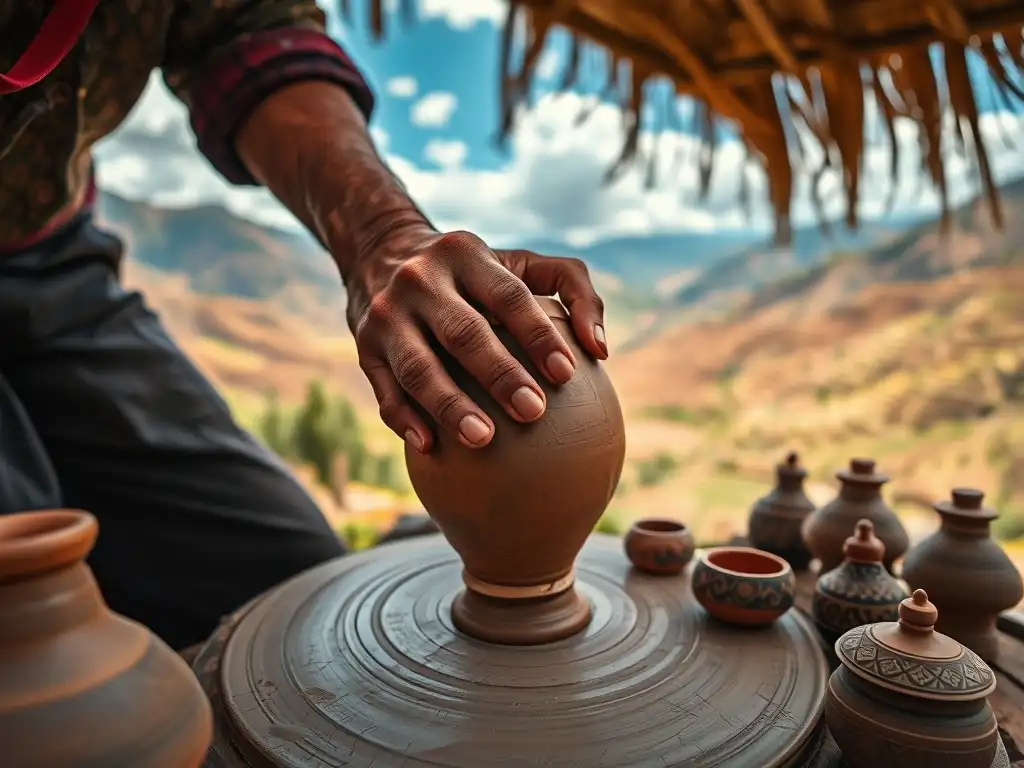
Step into a world sculpted from clay and imbued with the spirit of the Andes. For centuries, the masterful artisans of ancient civilizations like the Inca, Moche, and Nazca, wove intricate narratives into their ceramics, revealing a profound connection to the earth and cosmos. Prepare to be captivated by the intricate beauty and hidden meanings within Andean ceramic art history, a testament to ingenuity and a window into a vibrant worldview. Discover the secrets held within the clay... explore further to unearth the fascinating story of Andean cosmology and the artistry that shaped it.
- The Clay's Form: Exploring Andean Ceramic Art History and its Earthly Connection
- The Cultural Significance of Andean Ceramics: More Than Just Vessels
- Exploring Notable Andean Ceramic Styles: A Journey Through Time
- The Enduring Legacy of Andean Ceramic Art History
- Frequently Asked Questions
- Final Reflection: Echoes of the Earth in Andean Clay
- Unleash Your Creativity with Andean Ceramics!
The Clay's Form: Exploring Andean Ceramic Art History and its Earthly Connection
The Andes Mountains, a spine of towering peaks and fertile valleys, nurtured civilizations that left an indelible mark on human history. Beyond their impressive architectural feats and sophisticated social structures, the Andean peoples developed a profound relationship with the earth, reflected vividly in their art, particularly their ceramics.
This article delves into the rich history of Andean ceramic art, exploring its evolution from early, simple forms to the intricate and expressive styles that characterize different Andean cultures. We will examine the techniques employed, the sources of clay, and the deep-seated connection between these artistic creations and the Andean worldview, demonstrating how the very earth provided both the medium and the inspiration for their artistic expression.
Understanding Andean ceramic art history unveils a profound understanding of their cosmology, societal structures, and intimate connection with their environment. This exploration will shed light on how these vibrant societies used clay not merely as a material, but as a conduit to express their spiritual beliefs, societal structures, and daily lives, ultimately reflecting their profound respect for “Pachamama,” Mother Earth.
The Genesis of Andean Pottery: A Deep Rooted Tradition
The earliest examples of Andean pottery date back thousands of years, predating even the Inca Empire. These initial pieces, often simple in form and decoration, provide valuable insights into the development of ceramic techniques and the evolving artistic sensibilities of the region. Archaeological evidence suggests that pottery making emerged gradually, with early forms focusing on functionality – containers for food storage and water transport.
The transition from purely utilitarian objects to pieces incorporating decorative elements signifies a shift towards a more symbolic and artistic use of clay. The discovery of early pottery shards, often found alongside other artifacts, helps researchers reconstruct the daily lives and rituals of early Andean communities.
The careful examination of these fragments reveals not only the technical skills of the potters but also the cultural significance attributed to these objects. Early Andean pottery, therefore, represents more than just functional objects; they are silent witnesses to the genesis of a rich artistic tradition deeply intertwined with the land.
Pre-Columbian Ceramic Techniques: Shaping the Andean World
The creation of Andean ceramics involved a complex interplay of skill, knowledge, and artistic vision. Different cultures across the Andes developed unique techniques, reflecting their distinct artistic styles and technological advancements. From the simple hand-building methods of early periods to the sophisticated wheel-throwing techniques adopted later, the evolution of ceramic production mirrors the broader development of Andean societies.
Early Forms of Andean Pottery: Initial Expressions in Clay
Early Andean pottery, often created using coil and pinch techniques, demonstrates remarkable ingenuity. Potters skillfully manipulated clay to form a variety of shapes, from simple bowls and jars to more complex effigy vessels depicting animals and humans. These early forms, though rudimentary in comparison to later styles, reveal a deep understanding of the material properties of clay and the potential for creative expression.
The use of natural pigments, often derived from minerals found in the surrounding environment, added a further dimension to these early creations. These simple yet expressive pieces serve as a testament to the enduring human impulse to shape and decorate the world around us.
The Development of Ceramic Technology in the Andes: Kilns and Techniques
Over time, Andean potters refined their techniques, introducing innovations such as the use of kilns for firing pottery at higher temperatures. This led to the production of more durable and aesthetically pleasing vessels. The development of more sophisticated kilns allowed for greater control over the firing process, resulting in a wider range of colors and surface finishes.
The use of different clays and glazes further expanded the artistic possibilities, contributing to the diversity and complexity of Andean ceramic styles. The evolution of ceramic technology in the Andes is a testament to the ingenuity and adaptability of Andean potters, reflecting their ongoing quest for both functional and artistic excellence. The advancements in kiln technology, for instance, allowed for the creation of larger and more intricate pieces, pushing the boundaries of ceramic artistry.
Andean Clay Sources: The Earth as Inspiration
The very earth provided the raw material for Andean ceramic art. Different regions boasted distinct clay deposits, each with its unique properties influencing the final product. The color, texture, and plasticity of the clay varied significantly, impacting the potter's choices in terms of shaping and decorating techniques. This intimate relationship between the clay source and the final artistic creation underscores the deep-seated connection between the Andean peoples and their environment.
The diversity of clays found throughout the Andes contributed to the rich tapestry of ceramic styles and regional variations observable across the different Andean cultures. The earth, therefore, was not just a source of material; it was an active participant in the creation of Andean ceramic art. The color of the clay often influenced the choice of decorative motifs, further highlighting the close relationship between the artistic expression and the natural environment.
The Cultural Significance of Andean Ceramics: More Than Just Vessels
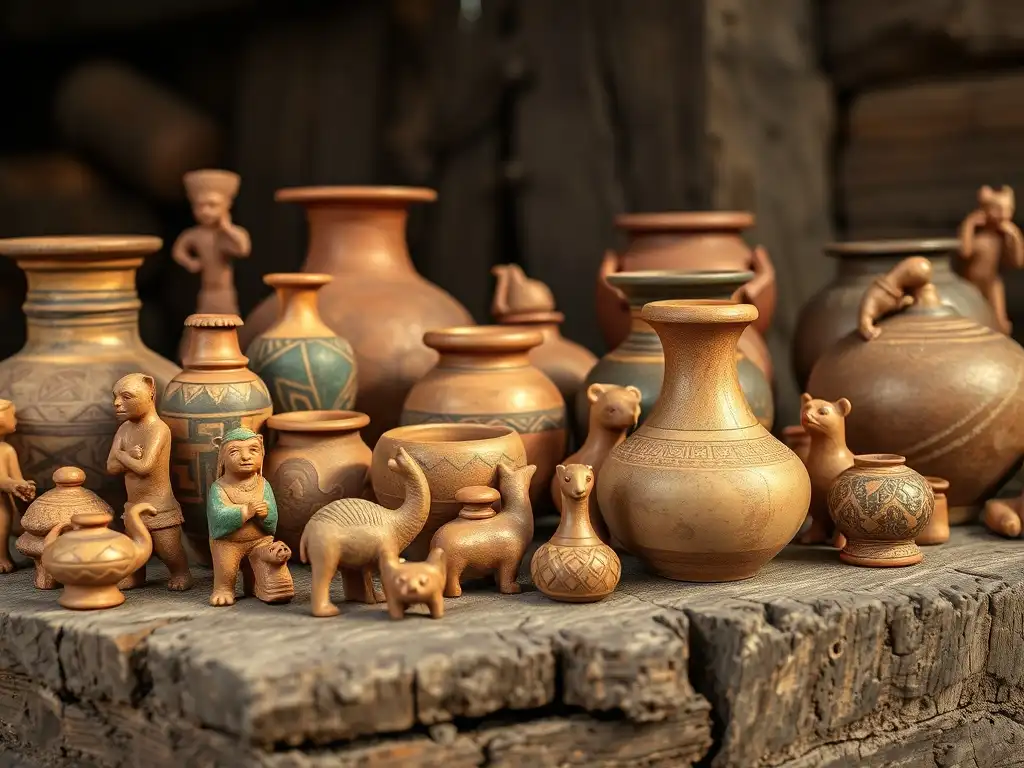
Andean ceramic art history reveals that pottery transcended mere functionality; it served as a powerful medium for expressing cultural beliefs, social structures, and cosmological perspectives. For Andean civilizations, the creation and use of ceramics were deeply intertwined with their worldview, reflecting their profound connection to the earth and their understanding of the cosmos. The clay itself, sourced from the very land they inhabited, was imbued with spiritual significance, becoming a tangible link between the human and divine realms.
This section explores the multifaceted cultural significance of Andean ceramics, demonstrating how these seemingly simple vessels held profound meaning within their societies. The meticulous craftsmanship, intricate designs, and symbolic representations all contribute to a richer understanding of Andean cosmology and worldview. The study of Andean ceramic art offers invaluable insights into their social hierarchies, religious practices, and daily lives.
Analyzing the stylistic choices, the materials used, and the context of discovery allows us to piece together a more complete picture of these remarkable cultures. The enduring legacy of Andean ceramic art is a testament to the artistry and ingenuity of these ancient civilizations.
Andean Pottery as a Narrative: Storytelling through Clay
Andean potters were master storytellers, using clay as their canvas to depict narratives of daily life, mythological tales, and historical events. Their pottery wasn't just functional; it was a visual record of their society. For example, Moche pottery vividly portrays scenes of warfare, ritual ceremonies, and everyday activities, offering a unique window into their social structures and beliefs.
The intricate details and dynamic compositions of these ceramics bring these stories to life, allowing us to connect with the people who created them centuries ago. The use of color, form, and composition all contribute to the narrative power of these pieces. Furthermore, the placement of the pottery within specific contexts, such as tombs or ceremonial sites, adds another layer of meaning to their narrative function.
Analyzing the iconography and the overall composition, researchers can often decipher the storyline depicted on the vessel, adding to our understanding of Andean mythology and history. The ability to “read” these narratives provides invaluable insights into the cultural values and beliefs of Andean societies. The narratives presented on Andean ceramics offer a powerful and enduring legacy, allowing us to connect with the past in a tangible and meaningful way.
Andean Ceramic Art Motifs: Deciphering Visual Language
The visual language of Andean ceramic art is rich and complex, employing a diverse range of motifs with symbolic meanings. These motifs, often repeated across different regions and time periods, provide key insights into Andean cosmology and worldview. Recurring imagery includes stylized representations of animals, plants, and human figures, often depicted in dynamic and expressive poses.
The use of geometric patterns and abstract designs further enriches the visual vocabulary, adding layers of complexity to the interpretation of these artistic expressions. The careful consideration of these visual elements is crucial for understanding their symbolic significance within the context of Andean culture. For instance, the depiction of specific animals might signify certain deities or natural forces, while geometric patterns could represent celestial bodies or cosmological concepts.
Understanding these motifs requires a multidisciplinary approach, combining art historical analysis with anthropological and archaeological research. Each motif holds a potential key to unlocking a deeper understanding of the Andean worldview and its relationship to the natural world. The enduring impact of these motifs is clear in the continued study and appreciation of Andean ceramic art.
Common Symbols in Andean Ceramics: Understanding their Meaning
Several common symbols recur throughout Andean ceramic art, each carrying specific cultural and religious meaning. For example, the feline motif, often associated with power and predation, appears frequently in Moche pottery, representing either a deity or a powerful social figure. Similarly, the serpent, a symbol of fertility and life-giving waters, is another recurring motif, reflecting the Andean reverence for nature's bounty.
The use of stylized plant forms, such as maize and coca leaves, highlights the importance of agriculture and ritual practices within Andean society. These symbols, often combined in complex compositions, create a rich tapestry of meaning, reflecting the interconnectedness of the natural and spiritual worlds. Detailed analysis of these symbols, taking into account their context and stylistic variations, can reveal further nuances in their interpretations.
Further research is needed to fully understand the [specific nuances of symbol interpretation pending] across different Andean cultures and time periods. The consistent appearance of these symbols across diverse regions and time periods underscores their enduring significance within Andean culture.
Regional Variations in Andean Ceramic Decoration: From Moche to Inca
While certain motifs and stylistic elements appear across different Andean cultures, regional variations in ceramic decoration provide valuable insights into the unique characteristics of each society. Moche pottery, known for its highly detailed and realistic depictions of human figures and scenes, contrasts sharply with the more geometric and abstract styles found in Nazca ceramics. Inca pottery, often characterized by its simpler designs and standardized forms, reflects the imperial power structure and centralized control of the Inca Empire.
These regional variations reflect not only stylistic preferences but also differences in social organization, religious beliefs, and technological capabilities. [Data on specific stylistic differences between regions pending]. A comparative analysis of ceramic styles across different Andean cultures reveals the diversity and complexity of these societies, underscoring the importance of understanding the context of each piece within its specific cultural and historical setting.
The study of regional variations provides a more nuanced understanding of the relationship between art, culture, and identity within the Andean world. The rich diversity of Andean ceramic art highlights the unique contributions of each civilization to the broader Andean cultural landscape.
The Role of Andean Ceramics in Ritual and Daily Life
Andean ceramic art wasn't merely decorative; it played a crucial role in both daily life and elaborate religious rituals. The intricate designs and forms found on these vessels often held symbolic meaning, reflecting the Andean worldview and its close connection to the earth and its cycles. For example, the depiction of agricultural scenes on Moche pottery suggests the importance of farming in their society and their reverence for the fertility of the land. These weren't just containers for food or water; they were active participants in the everyday rhythms of life, imbued with spiritual significance.
The use of ceramics in rituals varied widely across different Andean cultures. In Inca society, for instance, kero vessels – elaborate, often intricately carved drinking cups – were central to ceremonial occasions. These weren't simply functional objects; they were status symbols, reflecting the social hierarchy and the power dynamics within the Inca empire. The materials used, the designs etched onto their surfaces, and even the act of drinking from them all held deep religious and social connotations. The careful selection and preparation of these vessels before ceremonies demonstrated a profound respect for the sacred.
Furthermore, the Nazca culture is famous for its complex and striking pottery, often featuring anthropomorphic and zoomorphic figures. These vessels were not only used in rituals, but also served as offerings to the gods. Archaeological evidence suggests that these ceramics were frequently buried in tombs, accompanied by other grave goods, indicating their importance in the afterlife and the continuation of spiritual connections.
The vibrant colors and intricate designs speak to the Nazca's mastery of ceramic techniques and their deeply spiritual relationship with the earth and its forces. The careful placement and orientation of these vessels within tombs further underscore their ritual significance, suggesting a deliberate attempt to maintain a connection between the living and the dead.
Beyond ritual contexts, Andean ceramics were essential components of daily life. From simple cooking pots to intricately decorated storage jars, these vessels fulfilled a multitude of practical needs. The shapes and sizes of these everyday objects reveal much about the daily routines and social structures of different Andean communities. The careful crafting of even seemingly simple items, like cooking vessels, speaks to a deep appreciation for craftsmanship and the value placed on functional artistry.
The presence of these objects in archaeological contexts provides invaluable insights into the lives of ancient Andean people, their diets, and their social organizations. Analyzing the residues found within these vessels, for example, helps researchers reconstruct ancient diets and agricultural practices, painting a vivid picture of daily life in these societies. The study of Andean ceramic art history thus offers a unique window into the multifaceted lives of these ancient cultures.
Exploring Notable Andean Ceramic Styles: A Journey Through Time
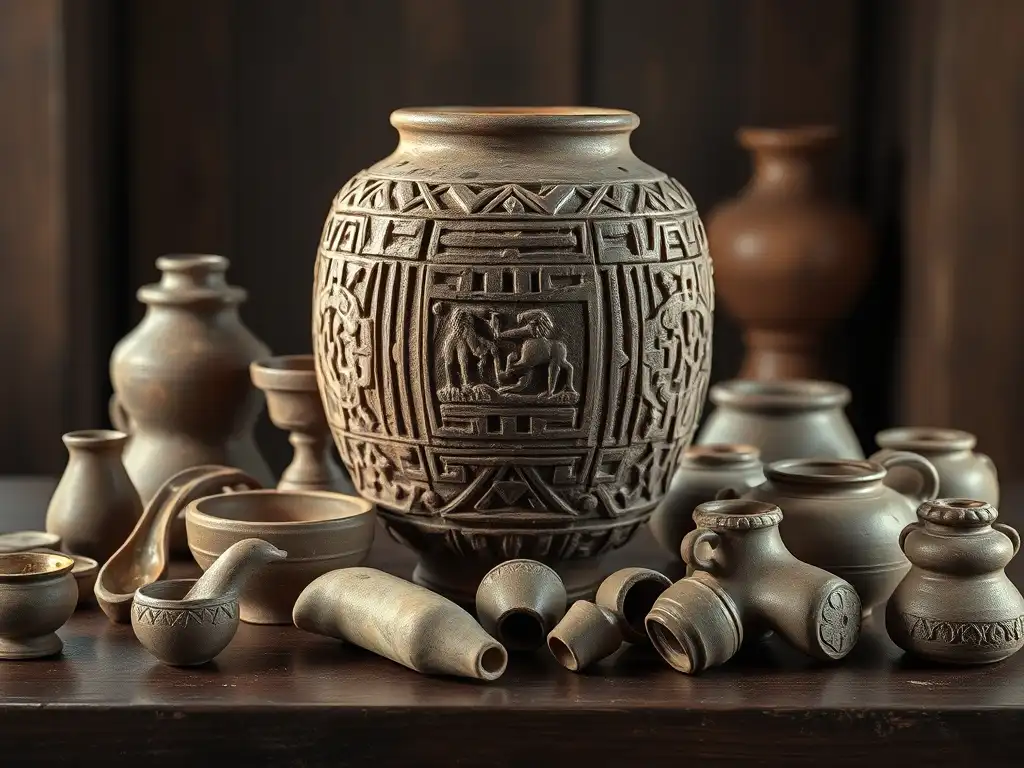
This section delves into the diverse and remarkable ceramic traditions of several prominent Andean cultures, highlighting their unique styles, techniques, and the profound connection they reveal between the Andean worldview and the natural world. Understanding Andean ceramic art history requires appreciating the stylistic nuances and the symbolic language embedded within these artifacts. The artistry wasn't merely decorative; it served as a powerful means of communication, reflecting social structures, religious beliefs, and a deep-seated reverence for the earth and its bounty.
Moche Pottery: The Masters of Portraiture and Narrative Scenes
The Moche civilization (c. 100-800 CE), flourishing along the northern coast of Peru, left behind a legacy of incredibly detailed and lifelike ceramic art. Their mastery extended beyond mere technical skill; they imbued their pottery with powerful narrative and symbolic meaning, offering invaluable insights into their society and cosmology. Moche potters were true storytellers, crafting vessels that depicted scenes of daily life, ritual ceremonies, and mythological events with astonishing realism.
The vibrant colors, intricate details, and expressive faces of their figures bring these ancient narratives to life even today. The sheer range of subjects, from intimate portraits to elaborate battle scenes, showcases the multifaceted nature of Moche society and their complex relationship with the surrounding environment.
Moche Ceramics: Iconography and Social Commentary
Moche iconography is rich and complex, often featuring powerful figures like priests, warriors, and deities interacting within elaborate scenes. These depictions weren't simply decorative; they served as potent commentaries on Moche social structures, power dynamics, and religious beliefs. For example, the frequent portrayal of sacrificial rituals reveals the importance of these ceremonies in their worldview.
The meticulous rendering of individual features in portraiture suggests a high value placed on individual identity and social status within Moche communities. The use of specific colors and motifs also held symbolic significance, often linked to specific deities or natural elements, reflecting a deep-rooted connection between the earthly realm and the spiritual world.
Further research is needed to fully decode the intricate symbolism embedded within many Moche ceramics, but existing scholarship illuminates a sophisticated and nuanced system of visual communication. Analysis of Moche ceramic styles allows us to piece together a more complete understanding of their social hierarchy, religious practices, and their interactions with the natural world – a world they clearly revered and sought to understand through their art.
Nazca Pottery: The Vibrant Colors and Geometric Designs
In stark contrast to the narrative focus of Moche pottery, the Nazca civilization (c. 100 BCE – 500 CE) is renowned for its vibrant polychromy and geometric designs. Their pottery is characterized by the bold use of color, meticulously applied in intricate patterns and designs. While not as overtly narrative as Moche work, Nazca ceramics are no less significant in their artistic achievement and cultural representation.
The precision and control demonstrated in their painting techniques are truly remarkable, a testament to their technical skill and artistic vision. The recurring use of geometric motifs and stylized figures suggests a different emphasis in their worldview, possibly reflecting a more abstract and symbolic approach to representing their cosmos and their relationship with the natural world.
Nazca Ceramic Painting Techniques: A Legacy of Precision
The creation of Nazca polychrome pottery involved a complex and meticulous process. Potters first created the vessel, often using a mold, then applied a slip (a thin coating of clay) before carefully painting the designs using finely ground pigments derived from natural sources such as minerals and plants. The pigments were mixed with a binder, likely a gum or resin, to ensure adherence and longevity.
The remarkable precision of Nazca designs, the thinness of the lines, and the vibrant saturation of colors suggest a level of mastery and artistry that remains impressive even today. The use of multiple colors, often applied in thin layers to achieve a depth and richness of tone, speaks to the advanced understanding of material science and artistic technique possessed by the Nazca artisans.
This advanced technique, coupled with the artistic sophistication of their designs, firmly establishes Nazca pottery as a pinnacle of Andean ceramic artistry, a testament to their sophisticated relationship with the earth and its resources. Further study of surviving examples could reveal even more about their methods and the specific natural materials used in this remarkable tradition.
Inca Pottery: Standardization and Imperial Influence
Inca pottery, while perhaps lacking the flamboyant stylistic diversity of earlier Andean cultures, reveals a fascinating story of imperial control and standardization. The vast Inca Empire, stretching across a significant portion of the Andes, demanded efficient systems of production and distribution. This led to a degree of standardization in ceramic forms and decoration, unlike the more regionally diverse styles seen in preceding periods. Instead of wildly varying designs, Inca pottery exhibits a preference for simpler shapes and restrained decoration.
This isn't to say it lacked artistry; rather, the artistry was expressed through subtle variations in form, the precision of execution, and the consistent use of specific motifs. The standardization facilitated mass production, enabling the efficient provisioning of the empire's vast population. This standardization, however, wasn't solely a matter of practicality.
It also served to reinforce the Inca's imperial power, projecting an image of unity and control across their diverse territories. The uniformity of their ceramic wares subtly conveyed a message of imperial power and centralized authority, subtly unifying the diverse populations under their rule. The use of specific colors and motifs, even within this standardized framework, could still reflect regional variations or allude to specific events or beliefs, demonstrating a nuanced approach to imperial control.
Inca Ceramics: Functionality and Imperial Symbolism
Inca ceramic production wasn't limited to aesthetic considerations; functionality played a crucial role. The Inca created a wide range of vessels designed for specific purposes, from large storage jars for agricultural products to intricately designed drinking vessels for elite members of society. These functional aspects are deeply intertwined with the symbolism inherent in Inca ceramics. For example, the shape and size of a vessel could indicate its intended use and the social status of its owner.
Large storage jars, often undecorated, served practical purposes, while smaller, more elaborately decorated vessels might have been used in rituals or ceremonies. The use of specific colors also carried symbolic meaning. Red, for instance, was often associated with the Inca royalty and power. The motifs used in Inca ceramic decoration frequently depicted animals, plants, and geometric patterns that held religious or cosmological significance within Inca worldview.
These motifs, while simplified in their execution due to the emphasis on standardization, still communicated important cultural and religious messages. The careful consideration of both functionality and symbolism in Inca ceramics showcases the sophisticated integration of practical needs and ideological representation within their society. Archaeological findings consistently reveal this intricate relationship, highlighting the depth of Inca artistic expression.
Tiahuanaco Pottery: The Gateway of the Gods and Religious Symbolism
Tiahuanaco pottery, originating from the powerful pre-Inca civilization centered around Lake Titicaca, is renowned for its intricate designs and profound religious symbolism. The Tiahuanaco culture, flourishing between approximately 500 and 1000 CE, left behind a rich legacy of ceramic artistry deeply intertwined with their complex religious beliefs. Their pottery often features stylized representations of deities, mythical creatures, and complex geometric patterns, all reflecting the sophisticated cosmology of this Andean civilization.
The iconic "Gateway of the Gods" itself, a monumental stone structure, is a testament to their architectural prowess and religious beliefs, and its motifs are echoed in their ceramic art. The use of specific colors, such as red and black, is believed to have held particular religious significance, potentially representing different deities or aspects of their worldview.
The precision and detail in Tiahuanaco pottery production demonstrate a high level of artistic skill and technological advancement. The vessels themselves were not merely functional; they served as conduits to the spiritual realm, participating in rituals and ceremonies central to Tiahuanaco society.
Tiahuanaco Ceramics: The Religious Meaning Behind the Forms
The forms of Tiahuanaco ceramics are far from arbitrary; they are carefully constructed to reflect the religious and cosmological beliefs of the culture. The vessels often feature zoomorphic and anthropomorphic forms, depicting figures that resemble deities or mythical beings integral to their religious pantheon. These representations are not simply decorative; they are active participants in the religious practices of the Tiahuanaco people.
The use of specific shapes and styles, even the very material of the clay itself, likely held symbolic meaning. For instance, certain types of clay might have been associated with specific deities or rituals. The intricate geometric patterns found on many Tiahuanaco vessels are also believed to represent celestial bodies, constellations, or other cosmological phenomena, suggesting a deep connection between their artistic expression and their understanding of the universe.
Analyzing the forms, motifs, and materials used in Tiahuanaco pottery provides valuable insights into their religious beliefs, social structures, and worldview, revealing a complex and sophisticated society with a profound connection to the spiritual realm. The detailed study of these artifacts continues to shed light on the rich cultural heritage of the Tiahuanaco civilization and its enduring influence on Andean art.
The Enduring Legacy of Andean Ceramic Art History
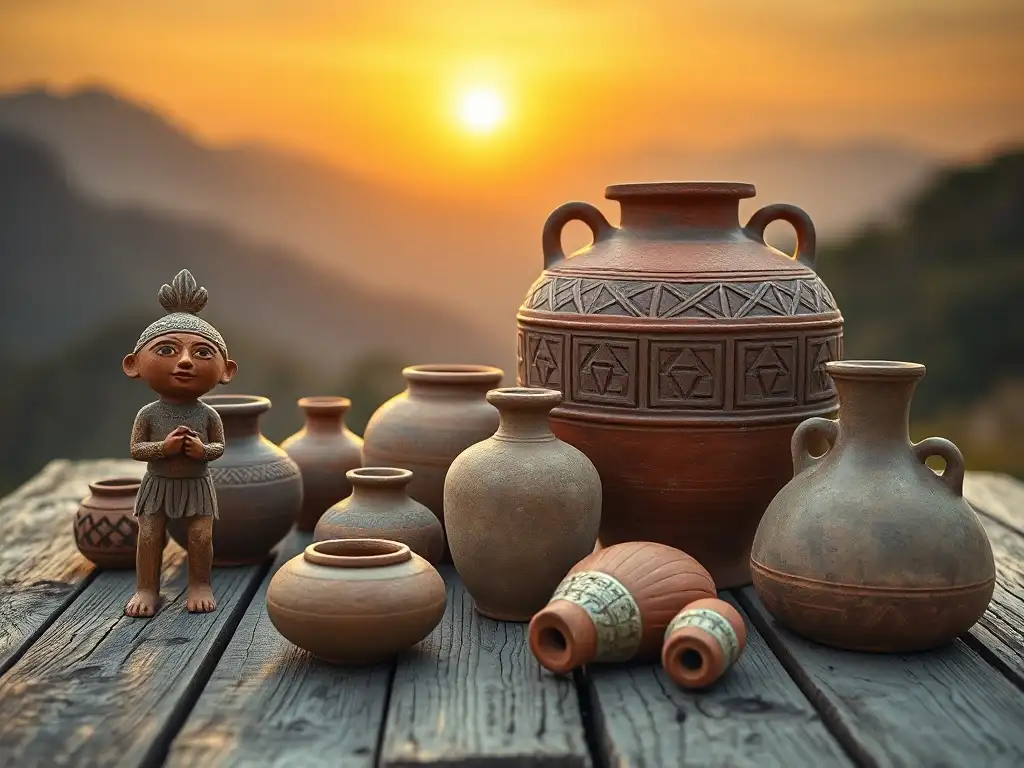
The study of Andean ceramic art history unveils a captivating narrative spanning millennia, reflecting the intricate relationship between Andean societies and their environment. From the earliest fragments unearthed in the coastal deserts to the sophisticated pottery of the Inca Empire, ceramic traditions offer invaluable insights into the beliefs, social structures, and artistic sensibilities of these remarkable cultures. This enduring legacy, expressed through diverse styles, techniques, and iconography, continues to fascinate and inspire scholars and art enthusiasts alike.
Understanding this history requires acknowledging the regional variations, the evolution of styles over time, and the profound connection between the clay itself and the spiritual world of the Andean peoples. The sheer volume of surviving artifacts, from simple utilitarian vessels to elaborately decorated ceremonial pieces, provides a rich tapestry of information, allowing researchers to piece together a complex and compelling story of human creativity and cultural adaptation.
The vibrant colors, intricate designs, and masterful craftsmanship evident in Andean ceramics showcase a level of artistic sophistication that rivals any other ancient civilization. Analysis of these pieces reveals not only aesthetic choices but also clues about social hierarchy, religious practices, and daily life.
The Connection between Andean Ceramics and the Earth
Andean Beliefs About Clay and its Spiritual Significance
Andean cultures viewed clay not merely as a material but as a vital element imbued with spiritual significance. Clay, sourced directly from the earth, was considered a sacred substance, intrinsically linked to the life-giving forces of nature. The process of transforming this raw material into functional and artistic objects was thus imbued with ritual and symbolism. For example, the Moche culture, renowned for its intricate ceramic portraiture, likely saw the act of pottery making as a form of creation mirroring the earth's own generative power.
Their elaborate depictions of deities, shamans, and scenes of daily life on their vessels suggest a deep connection between the earthly and spiritual realms. Similarly, the Nazca people, famous for their geoglyphs, also incorporated earth-based pigments into their pottery, further reinforcing the link between clay and the land. The colors used – reds, yellows, browns, and whites – often mirrored the landscape, suggesting a deliberate attempt to reflect the natural world in their artistic creations. The spiritual significance extended beyond the creation process; the finished vessels themselves often played vital roles in rituals and ceremonies, serving as containers for offerings or as representations of deities and ancestral spirits.
This deep-seated belief system firmly anchored Andean ceramic art within the broader cosmological framework of these societies. Further research into specific rituals and their associated pottery would illuminate this connection even further. [Specific details on rituals and their pottery associations pending].
Modern Andean Ceramic Practices: Continuity and Change
Despite the passage of centuries, the tradition of Andean ceramic art persists. Contemporary artisans in the Andes continue to create pottery, employing both ancient techniques and incorporating modern influences. While the scale and purpose might have shifted—from large-scale ceremonial ware to smaller, more decorative pieces—the fundamental connection to the earth and the spiritual significance of clay remain. The continuity is visible in the use of traditional techniques, such as coiling and pinching, passed down through generations.
However, change is also evident in the incorporation of new designs, glazes, and firing methods, reflecting the evolution of Andean cultures in a globalized world. Modern Andean ceramic artists often blend traditional motifs with contemporary themes, creating unique pieces that bridge the past and the present. This dynamic interplay between tradition and innovation ensures that Andean ceramic art remains a vibrant and evolving art form.
A study of modern Andean pottery reveals a fascinating blend of ancient knowledge and contemporary expression, creating a unique cultural landscape. The continued use of natural pigments, for example, highlights a commitment to maintaining the connection to the earth, while the incorporation of new designs and styles showcases the adaptability and creativity of Andean artisans. The enduring legacy of Andean ceramic art history is not just a collection of artifacts; it's a living tradition, constantly evolving while retaining its deep roots in the Andean worldview.
Preserving the Andean Ceramic Heritage: Challenges in Conservation
The preservation of Andean ceramic art presents a unique set of challenges. These fragile artifacts, often thousands of years old, are susceptible to a multitude of degradation processes. Factors like environmental conditions, such as fluctuating temperature and humidity, can cause significant damage. The porous nature of many ceramic types means they are vulnerable to water absorption, leading to cracking and flaking. Furthermore, the use of organic materials in some ceramic production processes, like plant-based pigments, makes them susceptible to biological deterioration.
The process of excavation itself can also introduce damage, as improper handling and transportation can cause fractures and abrasion. Consequently, meticulous conservation efforts are crucial. This involves careful cleaning techniques, often using specialized tools and solutions to remove dirt and salts without harming the surface. Climate control in storage facilities is also paramount to minimize environmental stress. Furthermore, ongoing research into new conservation methods, including the application of protective coatings and advanced analytical techniques to understand the materials' composition and degradation pathways, is continuously improving our ability to preserve these invaluable pieces of Andean ceramic art history.
The fight to preserve these delicate objects is ongoing, with ongoing challenges demanding constant innovation and careful attention to detail. The long-term preservation of Andean ceramic art requires a multi-faceted approach that integrates scientific expertise with cultural sensitivity. Failure to address these challenges risks the irreversible loss of irreplaceable pieces of history. The work is complex and requires significant resources, highlighting the importance of sustained funding and international collaboration in ensuring the long-term survival of these treasures.
Andean Ceramics Today: Contemporary Artists and Their Innovations
While the ancient Andean ceramic tradition is deeply rooted in the past, it continues to thrive in the present. Contemporary Andean artists are not simply replicating ancient styles; they are engaging in a dynamic dialogue between tradition and innovation. Many artists draw inspiration from ancient forms and techniques, yet they imbue their work with a contemporary sensibility. This might involve incorporating new materials, experimenting with different firing techniques, or exploring new themes and artistic expressions.
The use of modern glazing techniques alongside traditional methods is a common example of this fusion. Some artists use ancient designs as a starting point, but modify them to reflect contemporary concerns and experiences, creating works that resonate with both a sense of history and a sense of the present. This innovative spirit is evident in the diverse range of contemporary Andean ceramics, from functional pottery to highly artistic sculptures. The work of these artists not only keeps the ancient tradition alive but also enriches it, demonstrating the ongoing vitality of Andean ceramic art history.
These artists are not just creating beautiful objects; they are also acting as custodians of a rich cultural heritage, ensuring that the ancient techniques and aesthetic principles are passed on to future generations. Their work frequently addresses important social and environmental themes, reflecting the ongoing relevance of Andean art in today’s world. Furthermore, their creations offer a unique lens through which to understand the evolution of Andean art and its enduring connection to the earth and its people. The continued innovation in Andean ceramics is a testament to the resilience and adaptability of the Andean cultural heritage.
Frequently Asked Questions
What makes Andean ceramic art unique?
Andean ceramic art is unique due to its diverse styles reflecting different cultures (Inca, Moche, Nazca, etc.). The use of local clays and pigments resulted in a wide range of colors and techniques, showcasing a deep connection to the earth. Sophisticated artistry is also evident in the intricate designs and forms.
How did Andean civilizations use ceramics?
Ceramics served multiple purposes in Andean societies. They were used for everyday tasks like cooking and storing food, but also held significant ritualistic and symbolic meaning. Elaborate vessels were often used in ceremonies and burials.
What are some common motifs found in Andean ceramic art?
Common motifs include stylized animals, mythological figures, and geometric patterns. These designs often reflected religious beliefs, social structures, and the natural environment. The specific motifs varied across different cultures and time periods.
How did Andean ceramic techniques evolve over time?
Andean ceramic techniques evolved significantly over centuries, showcasing innovation and adaptation. Early techniques were simpler, while later cultures developed more complex firing methods and advanced decorative techniques, such as painting and sculpting.
Where can I learn more about the history of Andean ceramic art?
You can explore museums with Andean collections, such as the Larco Museum in Lima, Peru. Numerous academic publications and books delve into the subject, offering in-depth analyses of specific cultures and techniques. Online resources, like this website, also provide valuable information on Andean ceramic art history.
Final Reflection: Echoes of the Earth in Andean Clay
The enduring legacy of Andean ceramic art isn't merely a historical artifact; it's a vibrant testament to humanity's enduring connection to the earth, a connection as relevant today as it was millennia ago. The intricate designs, the masterful techniques, and the profound spiritual significance embedded within these ancient vessels speak volumes about the ingenuity and deep-seated beliefs of Andean cultures. Their artistry continues to resonate, reminding us of the power of human creativity to express profound truths about our place in the world.
The influence of Andean ceramic art extends far beyond museum walls; it permeates the cultural landscape, inspiring contemporary artists, shaping our understanding of ancient societies, and prompting a renewed appreciation for sustainable practices. The earth gives us everything. We must respect it, and in return, it will give us beauty and sustenance.
This sentiment, though perhaps not directly from an ancient Andean artisan, encapsulates the core philosophy reflected in their ceramic creations – a philosophy of reciprocity and reverence for the natural world that we would do well to emulate in our own time.
Consider the intricate details, the symbolic representations, the sheer artistry poured into each piece. You, the reader, are now invited to reflect on your own relationship with the earth. How can we, in our modern world, reconnect with the profound respect for nature that is so clearly embodied in Andean ceramic art? Let the echoes of the earth, resonating through these ancient vessels, inspire you to find your own creative expression, to appreciate the beauty of the natural world, and to strive for a more sustainable and harmonious existence with our planet.
Unleash Your Creativity with Andean Ceramics!
Thank you for exploring the fascinating world of Andean ceramics with us! You've discovered the rich history and artistry that deeply connects these remarkable creations to the Earth. Now, let's translate that inspiration into action.
Here are a few ways to engage with this art form and strengthen your connection to Andean culture:
- **Create your own ceramic piece:** Gather some clay and let your imagination run wild! Shape a piece that reflects your personal experiences or draws inspiration from Andean traditions.
- **Take a local pottery class or workshop:** Connect with fellow art enthusiasts and learn time-honored techniques.
- **Share your knowledge:** Discuss Andean ceramics with friends, family, or online communities. Consider sharing your creations and insights on social media to inspire others.
How will you express your connection to the earth through the art of ceramics? We'd love to see your creations and hear your thoughts!