
Andean Cosmology: Nature as a Mirror of the Cosmos


Step into a world lost to time, yet echoing with vibrant life. Imagine a civilization where the mountains whispered secrets to the gods, and the cosmos mirrored the earthly realm. Unravel the mysteries of Andean cosmology, delving into the intricate Inca beliefs that shaped their world and continue to fascinate us today. Prepare to be captivated by the profound connection between nature and the divine, a connection that holds the key to understanding the enduring legacy of the Andean people. Discover how their worldview shaped their remarkable achievements – you won't want to miss this journey.
The Andes Mountains, a majestic spine running down the western edge of South America, were not merely a geographical feature to the ancient Andean civilizations; they were a living, breathing entity deeply interwoven with their spiritual and cosmological beliefs. This article delves into the fascinating world of Andean cosmology, focusing particularly on Inca beliefs and their profound connection with the natural world. We will explore how the Andes' inhabitants viewed nature not as something separate from themselves, but as a mirror reflecting the cosmos, a vibrant tapestry of interconnectedness where the celestial and terrestrial realms intertwined.
Understanding this intricate relationship is key to appreciating the richness and complexity of Andean culture, its sophisticated technologies, and its enduring legacy. We will examine the central role of nature in their worldview, exploring key concepts and illustrating them with real-world examples from archaeological findings and anthropological studies.
This exploration of Andean cosmology, with a specific focus on Inca beliefs, will reveal the depth of their spiritual understanding and their remarkably sustainable way of life deeply rooted in their reverence for the natural world. The keyword "Andean cosmology Inca beliefs" will be explored throughout, examining the nuances and complexities of this fascinating topic.
Understanding Andean Worldview and Inca Beliefs
Andean cosmology wasn't a rigid, codified system like many other ancient belief systems. Instead, it was a dynamic, evolving understanding of the universe, deeply influenced by the environment and expressed through diverse rituals and practices. Inca beliefs, while dominant in the late pre-Columbian period, built upon and incorporated elements from earlier Andean cultures like the Moche, Nazca, and Tiahuanaco. Central to this worldview was the concept of ayni, a reciprocal exchange between humans, nature, and the supernatural.
This principle emphasized balance and harmony, requiring constant interaction and offering to maintain the equilibrium of the cosmos. Failure to uphold ayni was believed to lead to imbalance, manifesting as natural disasters, illness, or social unrest. The Inca, as rulers, played a crucial role in maintaining this cosmic balance through elaborate ceremonies and state-sponsored agricultural practices.
Archaeological evidence, such as the intricate agricultural terraces carved into the Andean slopes, showcases their dedication to this harmonious relationship with nature. The Inca's meticulous understanding of astronomy, reflected in their calendar system and monumental architecture aligned with celestial events, further highlights their deep connection with the cosmos. Their worldview wasn't merely about observing nature; it was about actively participating in its cycles and maintaining its delicate balance.
The Concept of Pachamama in Andean Cosmology
Pachamama, often translated as "Mother Earth," is perhaps the most widely recognized deity in Andean cosmology. She is not merely a passive provider but an active participant in the lives of Andean peoples. Pachamama embodies the fertility of the land, the abundance of its resources, and the cyclical nature of life and death. Inca beliefs emphasized appeasing Pachamama through offerings, rituals, and respectful interaction with the land.
These offerings weren't simply symbolic gestures; they were seen as crucial for maintaining the productivity of the land and ensuring the well-being of the community. Archaeological excavations have revealed numerous offerings to Pachamama, including food, drink, and precious artifacts, buried within the earth as a sign of respect and gratitude. The concept of Pachamama transcends a simple deity; it represents a profound understanding of the interconnectedness of all living things and the responsibility humans have to care for the environment.
The Inca’s sophisticated agricultural techniques, such as terracing and irrigation, were not merely technological achievements but also expressions of their deep reverence for Pachamama and their understanding of her vital role in sustaining life. The Inca worldview, deeply intertwined with Pachamama, demonstrates a holistic approach to life that valued both the spiritual and the material, recognizing the essential interdependence between humanity and the natural world. This belief system provides a powerful example of a sustainable and harmonious relationship with the environment, offering valuable lessons for our modern world.
Nature's Role in Andean Spiritual Practices
Andean spiritual practices were deeply intertwined with the natural world. The landscape itself was considered sacred, a manifestation of the cosmos and a source of both spiritual power and material sustenance. For Andean peoples, the mountains, rivers, and celestial bodies weren't simply geographical features or astronomical objects; they were active participants in the ongoing cosmic drama, imbued with agency and possessing spiritual significance.
Their rituals, ceremonies, and daily lives were all shaped by this profound connection to the natural environment. This wasn't a passive relationship; rather, it was a dynamic interplay, a constant exchange of energy and meaning between humanity and the world around them.
The Andean worldview held that humans were not separate from nature but inextricably linked to it, part of a larger, interconnected web of life that extended beyond the earthly realm. This understanding permeated all aspects of their culture, influencing their agriculture, social structures, and even their artistic expressions.
Sacred Mountains: Apus and Their Significance in Inca Beliefs
The towering Andes mountains, known as apus in Quechua, held immense spiritual significance for the Inca and other Andean cultures. These majestic peaks were considered sacred entities, powerful deities that protected and provided for their people. The apus were believed to be inhabited by spirits and were often the sites of pilgrimage and offerings.
Inca rulers, in particular, maintained a close relationship with the apus, viewing them as powerful allies and seeking their favor through rituals and sacrifices. The Inca cosmology recognized the apus as intermediaries between the human world and the celestial realm, facilitating communication and exchange between the two.
The specific significance of an apu often depended on its location and the resources it provided, but generally, they represented the powerful forces of nature and the enduring connection between the earthly and spiritual realms. Evidence of this reverence is found in the Inca's carefully planned agricultural terraces, often built in close proximity to these sacred mountains, demonstrating a deep understanding and respect for the environment and the spiritual power embodied within the apus.
Rivers and Water: Sources of Life and Spiritual Connection
Water, particularly rivers, played a crucial role in Andean cosmology, representing life, fertility, and the continuous flow of energy within the cosmos. Rivers were seen as powerful, life-giving forces, conduits connecting the earthly and spiritual worlds. Many Andean communities built their settlements near rivers, recognizing their importance as sources of both physical and spiritual sustenance. Rituals and offerings were often performed at riverbanks, acknowledging the sacred nature of water and its connection to the broader cosmic order.
The flow of a river symbolized the cyclical nature of life, death, and rebirth, mirroring the continuous transformations within the universe. The reverence for water wasn't merely symbolic; it was also practical, reflecting an understanding of water's vital role in agriculture and the sustenance of life itself. The sophisticated irrigation systems developed by Andean civilizations further underscore their deep respect for and understanding of the power of water.
The Sun and the Moon: Celestial Deities in Andean Culture
The sun and the moon were central figures in Andean cosmology, representing powerful deities and forces that governed the cycles of life and the rhythms of the cosmos. The sun, Inti, was the most revered deity in Inca religion, representing power, energy, and the source of all life. The moon, Mama Killa, was also highly significant, associated with fertility, cycles of growth, and the feminine principle.
Both celestial bodies were central to the Inca calendar and influenced their agricultural practices and social organization. Their movements were meticulously observed and interpreted, providing a framework for understanding the cosmic order and predicting important events.
Festivals and ceremonies were held to honor Inti and Mama Killa, demonstrating the deep-seated reverence for these celestial deities and their influence on earthly life. The Inca's sophisticated astronomical knowledge is evident in their precise calendar system, which allowed them to predict agricultural cycles with great accuracy, showcasing their intimate understanding of the cosmos.
The Interconnectedness of the Natural World and the Cosmos
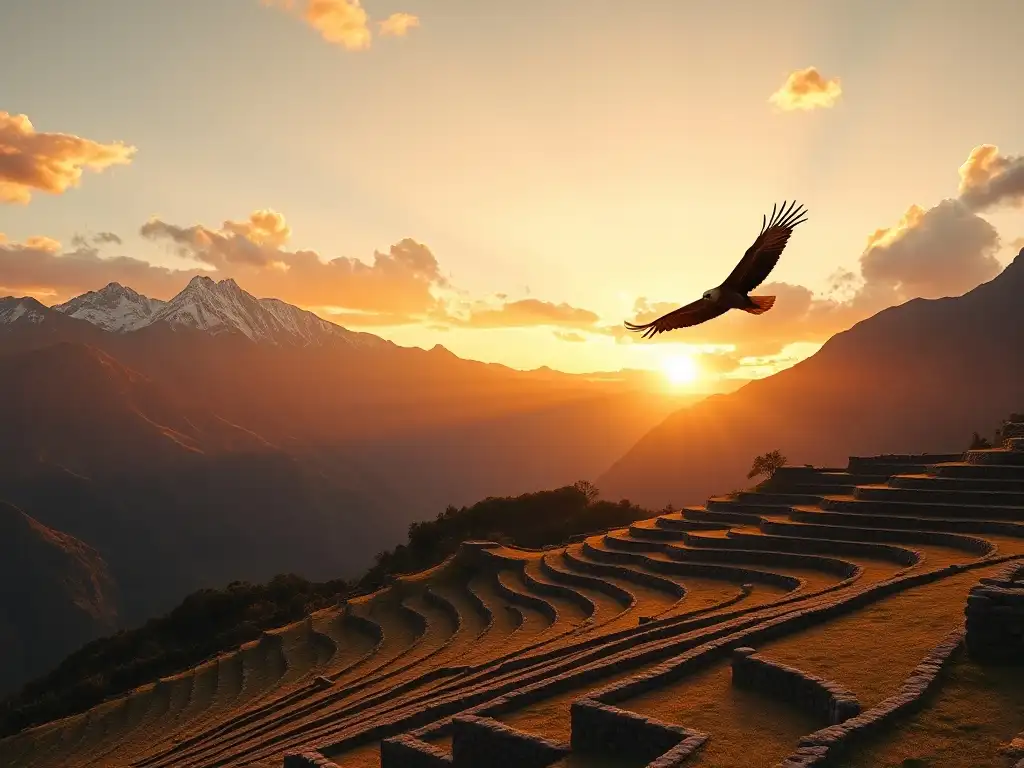
The Andean worldview emphasized a profound interconnectedness between the natural world and the cosmos. This wasn't a metaphorical connection; it was a fundamental belief that all elements of the universe—from the mountains and rivers to the stars and celestial bodies—were intrinsically linked and participated in a continuous exchange of energy and influence. Humans were not seen as separate from this interconnected web but as integral components, playing a vital role in maintaining the cosmic balance.
This concept is reflected in Andean art, mythology, and spiritual practices, which often depicted humans interacting with and being influenced by natural forces. This holistic perspective fostered a deep respect for the environment and a sense of responsibility towards maintaining the harmony of the cosmos. Their sophisticated agricultural practices and careful management of resources demonstrate a practical application of this interconnected worldview.
Cosmic Cycles and Their Manifestation in Nature
Andean cosmology recognized the cyclical nature of the cosmos, reflected in the recurring patterns observed in nature. The cycles of the sun, moon, and stars, the changing seasons, and the life cycles of plants and animals all served as powerful reminders of this cosmic rhythm. Andean societies developed intricate calendars and astronomical observations to track these cycles, using this knowledge to guide their agricultural practices, social organization, and religious ceremonies.
These cycles weren't seen as merely repeating patterns but as manifestations of the dynamic forces shaping the universe. Understanding these cycles was crucial for maintaining harmony with the cosmos and ensuring the well-being of the community. The Inca's impressive agricultural terraces and sophisticated irrigation systems are testament to their understanding and adaptation to these natural cycles.
The Concept of Ayni: Reciprocity Between Humans, Nature, and the Universe
Ayni is a Quechua term that embodies the principle of reciprocity, a fundamental concept in Andean cosmology. It refers to the balanced exchange of goods, services, and energy between humans, nature, and the universe. This reciprocal relationship wasn't just a social contract; it was a spiritual obligation, a necessary condition for maintaining cosmic harmony. By fulfilling their obligations to the natural world and the cosmos, Andean communities believed they ensured their own well-being and prosperity.
The concept of ayni permeated all aspects of Andean life, influencing their agricultural practices, social structures, and religious beliefs. Failure to reciprocate was believed to have negative consequences, disrupting the delicate balance and inviting misfortune. The concept of ayni highlights the deep interconnectedness and mutual dependence between humans and the natural world within the broader cosmic order.
Andean Astronomical Knowledge and Its Connection to Nature
Andean astronomical knowledge wasn't merely a detached intellectual pursuit; it was deeply intertwined with their daily lives, particularly agriculture and religious practices. The Incas, along with other Andean cultures, possessed a sophisticated understanding of celestial movements, using their observations to predict seasonal changes, plan agricultural activities, and guide their rituals. This intimate connection between the heavens and the earth shaped their worldview, reinforcing the idea that the cosmos and nature were inextricably linked.
The precision of their astronomical observations is evidenced by their ability to accurately predict solstices and equinoxes, crucial for determining the optimal times for planting and harvesting. Their understanding extended beyond simple observation; they recognized patterns in the movements of stars and constellations, associating specific celestial bodies with deities and natural phenomena. This intricate network of celestial and terrestrial connections formed the basis of their cosmology, a system where the rhythms of the universe mirrored the rhythms of life on Earth.
The Andean understanding of astronomy wasn't solely limited to the Incas; preceding cultures like the Nazca also exhibited sophisticated astronomical knowledge, as evidenced by their geoglyphs, some of which are believed to be astronomical markers. This continuity of astronomical observation across various Andean cultures highlights the enduring importance of celestial knowledge in their worldview.
Observations of the Sky: Integrating Astronomy into Agriculture and Rituals
The Andean peoples were keen observers of the night sky. Their agricultural practices were meticulously synchronized with the celestial calendar. For example, the appearance of certain constellations signaled the ideal time for planting specific crops.
The timing of festivals and rituals was also directly linked to astronomical events, such as solstices and equinoxes. These events weren't merely observed; they were actively engaged with through ceremonies aimed at ensuring a bountiful harvest and maintaining cosmic harmony. The positioning of temples and other sacred structures often reflected astronomical alignments, further emphasizing the integration of astronomy into their daily life and religious practices.
[Specific examples of constellations and their agricultural significance pending]. The close relationship between the cosmos and the agricultural cycle underscores the importance of celestial observation in the Andean worldview, highlighting the deep-rooted connection between the natural world and the spiritual realm. This holistic approach to understanding nature and the universe is a testament to the Andean peoples’ advanced knowledge and their sophisticated approach to agriculture.
The Andean Calendar and its Relationship to Natural Cycles
The Andean calendar wasn't a rigid, fixed system like the Gregorian calendar we use today. Instead, it was a flexible system intricately linked to observable natural cycles. It wasn't solely based on solar observations but also incorporated lunar cycles and the movements of certain stars and constellations.
This dynamic calendar allowed for adjustments based on variations in weather patterns and agricultural needs, demonstrating a remarkable adaptability to the changing environment. The calendar was intimately tied to agricultural activities, with specific periods designated for planting, harvesting, and other essential tasks. The cyclical nature of the Andean calendar reflected their understanding of the cyclical nature of life, death, and regeneration, mirroring the rhythms of the cosmos and the natural world.
The calendar wasn't just a tool for organizing time; it was a vital component of their worldview, reflecting their deep understanding of the interconnectedness of all things. [Specific details of the Andean calendar system and its variations across different cultures pending]. The integration of astronomical and agricultural knowledge within the calendar highlights the Andean people's profound connection to the natural world and their ability to adapt their practices to the environment.
Rituals and Ceremonies Reflecting Andean Cosmology
Andean rituals and ceremonies weren't simply religious practices; they were vital components of their cosmology, actively engaging with the forces of nature and the cosmos to maintain balance and ensure prosperity. These ceremonies were deeply embedded in their daily lives, reflecting their belief in the interconnectedness of the human world and the spiritual realm. The rituals were often performed at specific times of the year, coinciding with astronomical events or significant agricultural cycles.
These events were opportunities to reaffirm their connection to the cosmos and to express gratitude for the earth's bounty. The complexity and diversity of these rituals underscore the depth and richness of their cosmological beliefs. The ceremonies served both practical and spiritual purposes, reflecting the holistic nature of Andean worldview.
Offerings to Pachamama: Celebrating the Earth's Bounty
Pachamama, the Earth Mother, was a central figure in Andean cosmology. Offerings to Pachamama were a common practice, demonstrating gratitude for the earth's fertility and seeking her continued benevolence. These offerings ranged from coca leaves and chicha (a fermented corn beverage) to more substantial gifts, depending on the occasion and the community's needs.
The act of offering wasn't merely a symbolic gesture; it was a tangible expression of reciprocity, acknowledging the earth's role in providing sustenance and maintaining life. These offerings were often accompanied by prayers and rituals, reinforcing the spiritual connection between the people and the earth. The practice of offering to Pachamama highlights the deep respect and reverence that the Andean peoples held for the natural world and their understanding of the importance of maintaining a harmonious relationship with their environment.
[Specific examples of offerings and rituals to Pachamama pending]. This practice, deeply embedded in their culture, underscores the central role of reciprocity and gratitude in Andean cosmology.
The Importance of Sacred Sites: Alignments with Cosmic Energies
Sacred sites held immense importance in Andean cosmology, often selected for their alignment with astronomical events or perceived connections to cosmic energies. These sites, such as mountain peaks, caves, and springs, served as focal points for rituals and ceremonies, facilitating communication with the spiritual realm. The precise locations of these sites, often meticulously chosen, suggest a deep understanding of the landscape and its relationship to the cosmos.
The alignment of these sites with celestial events, like solstices and equinoxes, further emphasizes the integration of astronomy into their religious practices. [Specific examples of sacred sites and their astronomical alignments pending].
The construction and use of these sacred sites highlight the Andean people’s sophisticated understanding of both the terrestrial and celestial realms and their ability to integrate these two perspectives into a cohesive worldview. These sites weren't just places of worship; they were tangible manifestations of their cosmological beliefs, connecting the human world to the larger cosmos.
Modern Interpretations of Andean Cosmology and Inca Beliefs
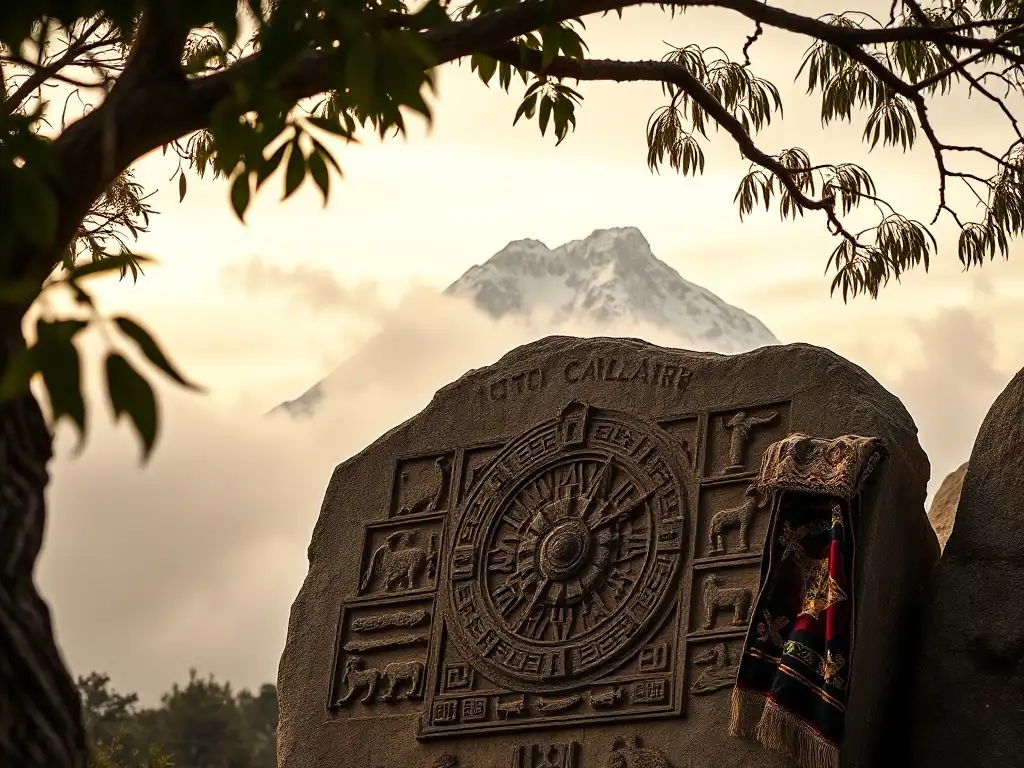
Modern scholars continue to unravel the complexities of Andean cosmology, drawing on archaeological evidence, ethnohistorical accounts, and ongoing research within Andean communities. Interpretations often highlight the interconnectedness of the cosmos, the significance of reciprocity ( ayni ), and the deep respect for Pachamama, Mother Earth. The Inca worldview, while dominant during the empire's reign, represents only one facet of the broader Andean cosmological tapestry.
Researchers are increasingly emphasizing the diversity of beliefs and practices across different Andean cultures and regions, acknowledging that Inca beliefs were superimposed onto pre-existing systems of thought. This nuanced approach allows for a richer understanding of the dynamism and evolution of Andean cosmology throughout history. For example, recent studies have focused on the role of specific mountain deities ( apus ) in shaping local practices and beliefs, moving beyond a solely Inca-centric perspective.
The emphasis has shifted towards understanding the intricate relationship between human actions and the natural world, recognizing the intricate web of reciprocal relationships that underpinned Andean societies. This renewed focus on local variations and the ongoing influence of traditional knowledge enriches the understanding of Andean cosmology and Inca beliefs.
Preserving Traditional Knowledge: The Role of Andean Communities
Andean communities play a crucial role in preserving and transmitting traditional knowledge related to cosmology and Inca beliefs. Their practices, rituals, and oral traditions offer invaluable insights into the past, providing a living link to ancient wisdom. Many communities actively participate in research projects, sharing their knowledge and perspectives with scholars.
However, the transmission of this knowledge faces challenges due to factors such as globalization, migration, and the encroachment of modern lifestyles. Efforts to document and preserve these traditions are vital not only for academic understanding but also for the cultural survival of Andean communities themselves. These efforts range from community-based archives to the creation of educational programs that promote the transmission of traditional knowledge to younger generations.
The active engagement of Andean communities is essential for the accurate and respectful interpretation of their rich cosmological heritage. This collaborative approach ensures that the study of Andean cosmology remains grounded in the lived experiences and perspectives of those who hold this knowledge.
The Continuing Relevance of Andean Wisdom in the Contemporary World
Andean cosmological principles, with their emphasis on balance, reciprocity, and respect for nature, offer valuable insights for addressing contemporary environmental and social challenges. The concept of ayni, the principle of reciprocal exchange, can be applied to promote sustainable practices and foster equitable relationships within communities and with the environment. The deep connection to Pachamama encourages a mindful and responsible approach to resource management.
The wisdom embedded in Andean cosmology provides a framework for creating more sustainable and harmonious societies. For example, the concept of sumak kawsay (good living) has gained traction as a model for sustainable development, emphasizing the interconnectedness of human well-being and environmental health.
This resonates with growing global concerns about climate change and environmental degradation, highlighting the timeless relevance of Andean perspectives on the relationship between humanity and the natural world. The enduring wisdom of Andean cosmology offers a powerful counterpoint to anthropocentric worldviews and provides a pathway towards a more sustainable and equitable future.
Andean Cosmology and the Inca Empire's Legacy
The Inca Empire, while imposing its own political and administrative structures, profoundly interacted with and adapted pre-existing Andean cosmological beliefs. The Inca rulers strategically incorporated elements of local cosmological systems to solidify their control and legitimize their rule. This resulted in a complex synthesis of diverse beliefs and practices under the umbrella of Inca imperial ideology.
While the Inca imposed their own pantheon of deities and rituals, they also acknowledged and incorporated elements of local worship and veneration of apus and other natural features. This syncretism ensured that the Inca's authority was legitimized through the existing cosmological frameworks of the conquered populations.
The empire's sophisticated administrative system, including the mit'a labor system and the extensive road network, reflected an understanding and integration of the cyclical rhythms of nature and the importance of maintaining balance within the cosmos. The legacy of the Inca Empire's influence on Andean cosmology is thus one of both imposition and adaptation, resulting in a complex and multifaceted system.
How Inca Rulers Integrated Andean Cosmological Principles
Inca rulers skillfully integrated Andean cosmological principles to bolster their authority and legitimize their rule. They presented themselves as intermediaries between the human and divine realms, embodying the cosmic order and ensuring the prosperity of the empire. The Inca emperors were considered descendants of the sun god, Inti, connecting their lineage directly to the cosmic order.
Grand temples and ceremonial centers, such as Machu Picchu and Sacsayhuamán, were built to reflect the cosmic arrangement and served as focal points for rituals reinforcing the Inca's divine right to rule. The elaborate system of festivals and ceremonies, meticulously timed according to the agricultural cycle, reinforced the interconnectedness of the human and natural worlds, with the Inca rulers at the center of this cosmic balance.
The Inca's ability to manipulate and integrate pre-existing cosmological beliefs effectively secured their dominance and ensured the empire's cohesion. This demonstrates a strategic use of religious and cosmological beliefs to consolidate political power and social order.
The Impact of Inca Beliefs on Andean Art and Architecture
Inca beliefs profoundly shaped Andean art and architecture. Structures were meticulously aligned with astronomical phenomena, demonstrating a deep understanding of celestial movements and their relationship to the agricultural cycle. The use of specific materials, colors, and motifs reflected cosmological principles and symbolized the connection between the human and divine worlds.
For instance, the intricate stonework of Inca structures, such as Sacsayhuamán, reflects a sophisticated understanding of engineering and an aesthetic sensibility rooted in cosmological beliefs. The carefully planned urban layouts of Inca cities also mirrored the cosmic order, with temples and palaces positioned in relation to mountains and celestial bodies.
The symbolic imagery found in Inca textiles, pottery, and metalwork further illustrates the integration of cosmological beliefs into artistic expression. The Andean art and architecture of the Inca period serve as a powerful testament to the integration of cosmology into daily life and artistic production, reflecting the deep connection between the Inca worldview and the material world.
Exploring the Rich Tapestry of Andean Culture Through its Cosmology
Andean cosmology wasn't a detached philosophical system; it was deeply interwoven with the daily lives of the people. Understanding their worldview requires recognizing its profound impact on their social structures, agricultural practices, and artistic expressions. The Inca, for example, viewed the emperor as a direct descendant of the sun god Inti, a belief that legitimized their rule and shaped their elaborate ceremonies and infrastructure.
This divine connection permeated all aspects of society, from the intricate network of roads connecting the empire to the meticulous agricultural terraces that harnessed the power of the Andes' slopes. The very act of farming wasn't merely sustenance; it was a ritualistic reenactment of creation, a mirroring of the cosmic order on a human scale. This is vividly seen in their agricultural practices, which weren't solely about maximizing yield but also about maintaining a harmonious relationship with the Pachamama, the Earth Mother.
Furthermore, Andean cosmology is reflected in their art and architecture. The intricate textiles, ceramics, and stonework often depict celestial bodies, mythical beings, and scenes that narrate cosmological narratives. These weren't merely decorative; they served as tangible representations of their beliefs, reinforcing the connection between the human world and the cosmos.
The monumental structures like Machu Picchu, for instance, weren't just impressive feats of engineering but also carefully planned alignments with celestial events, demonstrating a deep understanding of astronomy and its significance in their worldview. The precise placement of structures and the orientation of windows and doorways suggest a deliberate attempt to harmonize human activity with the rhythms of the cosmos. This integration of cosmology into their art and architecture showcases the holistic nature of their worldview, where the spiritual and the material were inextricably linked.
The vibrant colors and symbolic imagery found in their artifacts serve as powerful visual reminders of this intricate relationship between the human and the divine in the Andean context. Analyzing these artifacts provides invaluable insight into the depth and complexity of Andean cosmology and its profound influence on their culture.
The Andean worldview wasn't static; it evolved and adapted over centuries, influenced by various factors, including environmental changes and interactions with other cultures. However, the fundamental principles of reciprocity, balance, and harmony with nature remained central to their cosmological understanding. Studying Andean cosmology, therefore, offers a unique lens through which to understand not only their beliefs but also the intricate tapestry of their culture, its resilience, and its enduring legacy.
The depth of their understanding of the natural world and their ability to integrate it into their daily lives serves as a powerful example of a sustainable and spiritually rich way of life. Their cosmology provides a valuable framework for understanding the interconnectedness of all things and the importance of living in harmony with the environment—a lesson that remains incredibly relevant today.
- Understanding Andean Worldview and Inca Beliefs
- The Concept of Pachamama in Andean Cosmology
- Nature's Role in Andean Spiritual Practices
- The Interconnectedness of the Natural World and the Cosmos
- Andean Astronomical Knowledge and Its Connection to Nature
- Rituals and Ceremonies Reflecting Andean Cosmology
- Modern Interpretations of Andean Cosmology and Inca Beliefs
- Andean Cosmology and the Inca Empire's Legacy
- Exploring the Rich Tapestry of Andean Culture Through its Cosmology
Frequently Asked Questions
What is Andean Cosmology?
Andean cosmology is a complex system of beliefs that viewed the natural world as a reflection of the cosmos. It emphasized the interconnectedness of all things, from the mountains to the stars, and the spiritual significance of nature.
How did the Inca incorporate cosmology into their lives?
Inca beliefs were deeply intertwined with cosmology. Their religious practices, agriculture, and even urban planning were all guided by their understanding of the cosmos and its influence on their lives. Sacred sites were strategically placed to align with celestial events.
What role did mountains play in Inca cosmology?
Mountains were considered sacred entities, often seen as apus, or deities, that connected the earthly and spiritual realms. They played a crucial role in Inca rituals and agricultural practices.
How did the Inca understand the relationship between humans and nature?
The Inca believed in a harmonious relationship between humans and nature. They saw themselves as part of a larger cosmic order and believed their actions had consequences for the balance of the world. Respect for nature was paramount.
What are some key differences between Inca cosmology and other Andean cosmologies?
While sharing some common threads, Inca cosmology had unique features, such as a strong emphasis on the Sapa Inca's role as intermediary between the human and divine realms. Other Andean civilizations, like the Nazca, had different interpretations of celestial events and deities.
Final Reflection: Weaving the Threads of Andean Cosmology
The intricate tapestry of Andean cosmology, with its profound interconnectedness between humanity and nature, remains strikingly relevant in our modern world. As we grapple with ecological crises and a growing disconnect from the natural world, understanding the Andean worldview offers a powerful antidote, a reminder of our inherent responsibility to the Earth and all its beings. The ancient wisdom of the Andes challenges us to reconsider our relationship with the planet, urging a shift from dominion to reverence.
The enduring influence of Andean cosmology on contemporary indigenous communities is undeniable, a living testament to its enduring power. It continues to shape spiritual practices, social structures, and artistic expressions, offering a framework for understanding the world and our place within it. The mountains are not just mountains; they are the bones of the world, the dwelling places of the spirits.
This sentiment, echoing through generations, speaks to the deep spiritual connection that underpins the Andean worldview and its continued relevance in shaping cultural identity and environmental stewardship.
Consider the profound implications of this ancient wisdom for your own life. How can you cultivate a deeper connection with the natural world, recognizing the interconnectedness of all things? How can you integrate the principles of reciprocity and respect for the Earth into your daily actions? Let the echoes of Andean cosmology resonate within you, inspiring a more mindful and sustainable way of being, a path towards a future where humanity and nature thrive in harmony.
Unveil the Wisdom of Andean Cosmology!
Thank you for exploring the depths of Andean cosmology with us! We appreciate your time and curiosity as you've journeyed through the intricate relationship between nature and the cosmos. Now, it's time to put this knowledge into practice!
- **Start a Nature Journal:** Document your environment, reflecting on how natural occurrences mirror your own life experiences. Observe the changing seasons, the growth of plants, or the movement of animals and consider how these changes relate to your personal journey and growth.
- **Connect with a Community:** Share your insights and learn from others interested in Andean thought by joining an online forum or local group. Engaging with a community can deepen your understanding and appreciation of this rich cosmology.
- **Spend Time in Nature:** Visit a nearby park, forest, or other natural area and spend time contemplating its beauty. Reflect on how the elements of this natural space—the trees, the water, the rocks—relate to the broader cosmic order described in Andean cosmology.
How will you integrate the principles of Andean cosmology into your daily life? Share your thoughts below!