
Water as Lifeblood: Exploring Ancient Andean Hydrology and Spiritual Beliefs

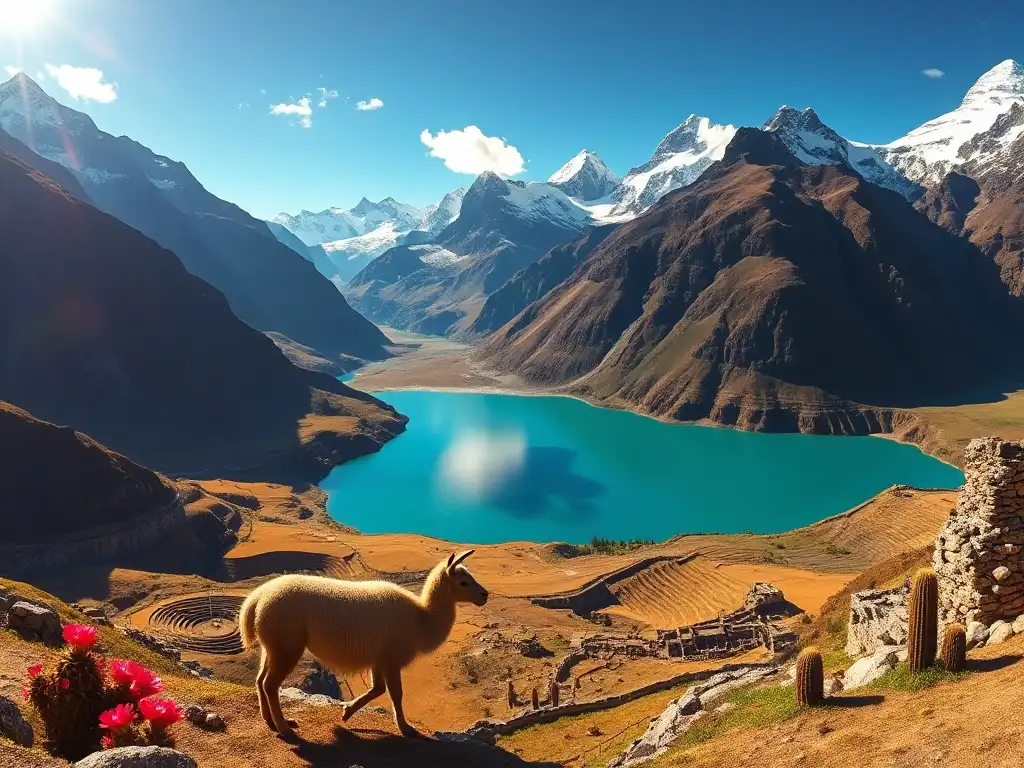
Dive into the captivating world of Andean Civilizations, where towering mountains meet breathtaking ingenuity. For centuries, these remarkable cultures thrived, leaving behind a legacy of artistry, innovation, and profound spiritual beliefs. But what secrets lie hidden beneath the surface? Uncover the astonishing story of ancient Andean water systems, a testament to their mastery of engineering and their deep connection to the cosmos – a story that intertwines practicality with powerful spiritual significance. Prepare to be amazed as we explore the intricate relationship between water, life, and the Andean worldview.
The Andes Mountains, a colossal spine running down the western edge of South America, presented ancient civilizations with a unique set of challenges and opportunities. Scarcity and abundance of water were intertwined, shaping not only their ingenious engineering feats but also their profound spiritual beliefs.
This article delves into the fascinating relationship between ancient Andean societies and water, exploring their sophisticated hydrological systems and the deeply interwoven spiritual significance this life-giving resource held within their cosmology. We will examine how their understanding of water influenced their agricultural practices, urban planning, and ultimately, their worldview, focusing on the intricate interplay between practical necessity and spiritual reverence.
Understanding their approach to water management provides invaluable insights into the ingenuity and resilience of these remarkable cultures, highlighting the enduring legacy of their sophisticated understanding of this vital element. This exploration of "ancient Andean water systems" will reveal a complex and fascinating story of human adaptation and spiritual connection.
Ingenious Water Management Systems: Canals, Aqueducts, and Reservoirs
Ancient Andean societies, including the Inca, Nazca, and Tiwanaku, developed remarkably sophisticated water management systems to thrive in diverse and often challenging environments. These weren't simply practical solutions; they were testaments to their deep understanding of hydrology and their ability to harness the power of nature. The construction of extensive canal networks, intricate aqueducts, and strategically placed reservoirs allowed them to irrigate vast agricultural lands, even in arid regions.
These systems weren't haphazard; they were meticulously planned and maintained, often incorporating ingenious techniques like subterranean channels and sophisticated water distribution systems. For example, the Nazca lines, while famous for their enigmatic geoglyphs, were also part of a larger hydrological system, with canals diverting water to support agriculture in a desert climate. The scale and complexity of these projects underscore the advanced engineering skills and collaborative efforts required for their creation and maintenance.
The precise methods used, including the materials employed and the construction techniques, varied across different cultures and regions, reflecting their adaptations to specific geographical contexts. Further research is needed to fully understand the nuances of these regionally specific systems.
Water's Role in Andean Cosmology and Spirituality: A Sacred Element
Beyond its practical applications, water held immense spiritual significance for ancient Andean civilizations. It was not merely a resource; it was considered a sacred element, intrinsically linked to life, fertility, and the cosmos. Many Andean cultures viewed water as a manifestation of divine power, associating it with deities and spirits that controlled its flow and abundance. This reverence is reflected in numerous rituals and ceremonies, where water played a central role in appeasing deities, ensuring successful harvests, and maintaining the balance of the natural world.
The integration of water into their religious beliefs shaped their social structures and daily lives, influencing everything from agricultural practices to social hierarchies. Specific rituals and ceremonies involving water varied depending on the particular Andean culture. [Specific examples of rituals and ceremonies pending]. The profound respect for water is a testament to their holistic understanding of the interconnectedness between the spiritual and material worlds.
The Legacy of Andean Water Wisdom: Modern Implications
The sophisticated water management systems and spiritual reverence for water demonstrated by ancient Andean civilizations offer valuable lessons for contemporary societies facing challenges related to water scarcity and environmental sustainability. Their innovative techniques, such as the construction of terraces and the creation of intricate irrigation systems, provide valuable insights into sustainable water management practices. Moreover, their deep spiritual connection to water highlights the importance of fostering a respectful and responsible relationship with this precious resource.
Understanding their approach to water management can inform modern efforts to address water challenges, promoting sustainable practices and fostering a more harmonious relationship between humans and the environment. The study of ancient Andean water systems offers valuable knowledge that can be applied in contemporary contexts, particularly in regions facing water scarcity.
The integration of traditional knowledge with modern technology holds immense potential for developing sustainable water management strategies. Further research into the long-term impact of these ancient systems is crucial to fully understand their success and potential applications.
- Ingenious Water Management Systems: Canals, Aqueducts, and Reservoirs
- Water's Role in Andean Cosmology and Spirituality: A Sacred Element
- The Legacy of Andean Water Wisdom: Modern Implications
- How did ancient Andean civilizations manage water resources?
- What role did water play in Andean spiritual beliefs?
- What are some examples of impressive ancient Andean water infrastructure?
- How did the geography of the Andes influence water management practices?
- What technologies did ancient Andean cultures use for water management?
The Significance of Water in Andean Cosmology
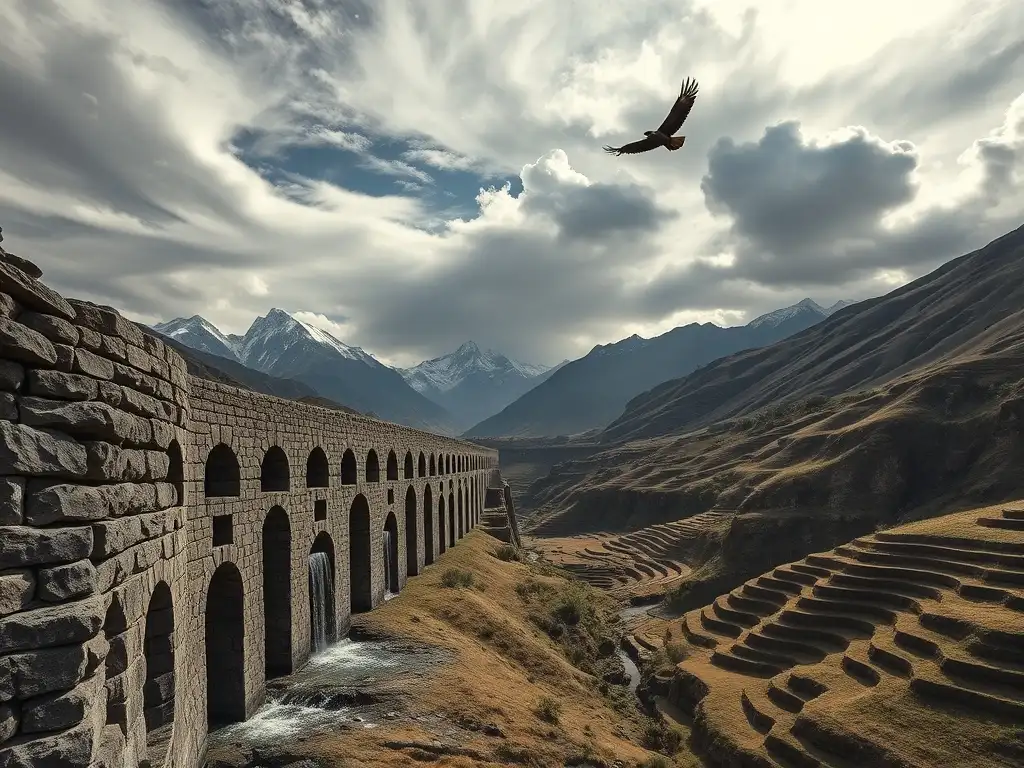
Water, in the ancient Andean worldview, transcended its purely physical properties. It wasn't merely a resource for survival; it was a lifeblood, a sacred element deeply intertwined with spiritual beliefs and cosmological understanding. The intricate network of canals, aqueducts, and reservoirs, testament to the sophisticated ancient Andean water systems, weren't simply feats of engineering; they were expressions of a profound reverence for this vital force.
Understanding this perspective is crucial to appreciating the complexity of Andean civilizations and their enduring legacy. The relationship between humans and water went beyond practical needs; it was a sacred bond, shaping their rituals, social structures, and even artistic expressions. This section will explore the divine nature of water sources and water's role as a connecting force between the earthly and spiritual realms.
The Divine Nature of Water Sources
Ancient Andean cultures didn't view water sources as passive elements of the landscape. Springs, rivers, and lakes were considered sacred sites, imbued with spiritual power. These weren't just places to collect water; they were portals to the supernatural, dwelling places of deities, and locations for ritual offerings.
Many archaeological sites reveal evidence of this reverence, with ceremonial structures built adjacent to water sources, or even integrated into the landscape itself. For example, the intricate canal systems of the Nazca, alongside their famous geoglyphs, suggest a complex interplay between practical water management and spiritual significance. The Moche, known for their elaborate irrigation systems, also depicted water deities prominently in their pottery, emphasizing the divine nature of water's power.
Consider the Pachamama, the Earth Mother, a central figure in Andean cosmology. Pachamama's life force was intrinsically linked to water; her fertility and abundance were directly dependent on the water's flow. Offering ceremonies, often involving coca leaves and other sacred objects, were performed at water sources to appease Pachamama and ensure a bountiful harvest.
These rituals weren't simply superstitious practices; they were acts of maintaining a harmonious relationship with the divine forces that controlled the life-giving water. The careful management of ancient Andean water systems wasn't just about practicality; it was a sacred duty, a way of honoring the divine power inherent in water. Failure to respect this balance could result in drought, famine, and other calamities, highlighting the profound connection between the spiritual and material worlds.
Water as a Link Between Worlds
Beyond its divine nature, water served as a crucial link between the earthly world (Kay Pacha) and the other realms of Andean cosmology: the underworld (Ukhu Pacha) and the upper world (Hanan Pacha). Water's cyclical nature—from rain falling from the heavens, flowing through the earth, and eventually returning to the sea—mirrored the cyclical nature of life, death, and rebirth. Springs, in particular, were often seen as points of connection between the underworld and the surface, where the sacred waters emerged from the depths of the earth.
This understanding is reflected in numerous myths and legends. Many stories describe how water spirits or deities inhabit springs and rivers, controlling the flow of water and influencing the fortunes of the communities that depended on them. These narratives underscored the importance of respecting water and maintaining a harmonious relationship with these powerful entities.
The construction of ancient Andean water systems, therefore, wasn't just about engineering prowess; it was about actively participating in the cosmic order, channeling the flow of energy between the different worlds. The intricate network of canals and aqueducts, carefully designed to manage and distribute water, can be interpreted as a physical manifestation of the Andean worldview, a tangible expression of their spiritual beliefs.
The careful balance of these systems reflected the delicate equilibrium that needed to be maintained between the human world and the divine. The maintenance and respect of these systems were paramount to the well-being of their communities, and their successful implementation provided a testament to their deep understanding of both hydrology and the spiritual world.
Ancient Andean Water Systems: Engineering Marvels
The ingenuity of ancient Andean civilizations in harnessing water resources is a testament to their deep understanding of their environment and their remarkable engineering skills. Their sophisticated water management systems, developed over millennia, allowed them to thrive in diverse and often challenging terrains, from the arid coastal deserts to the high-altitude Andes. These systems weren't merely practical solutions; they were deeply intertwined with their spiritual beliefs, reflecting a profound respect for the life-giving power of water.
Understanding these ancient Andean water systems provides crucial insight into their societal structures, agricultural practices, and cosmological worldview. The keyword, "ancient Andean water systems," encapsulates the core of this intricate interplay between technology and spirituality.
Pre-Incan Water Management Techniques
Long before the Inca Empire, various Andean cultures developed impressive water management techniques adapted to their specific environments. The Nazca, for example, famed for their geoglyphs, also built elaborate canals to irrigate their arid coastal lands. These canals, sometimes stretching for kilometers, were meticulously planned and constructed, showcasing a detailed knowledge of topography and hydrology.
Evidence suggests they employed sophisticated surveying techniques and understood water flow dynamics to maximize efficiency. Their success in cultivating crops in such a harsh environment is a testament to their advanced understanding of water resource management. Furthermore, the Moche culture, known for its intricate metalwork and vibrant ceramics, also developed complex irrigation systems, often utilizing gravity-fed canals and reservoirs to support intensive agriculture.
The precise methods used by the Moche in canal construction, including the materials utilized and the labor organization, remain areas of ongoing research, but clearly demonstrate a commitment to sustained water provision. These pre-Inca systems laid the groundwork for later, more expansive projects.
Inca Innovations in Hydrological Engineering
The Inca Empire significantly expanded and refined pre-existing water management technologies, creating a vast network of canals, aqueducts, and reservoirs that supported their large population and extensive agricultural production. Inca engineers excelled in adapting their techniques to varied terrains, constructing impressive feats of engineering in mountainous regions. Their mastery of stonework is evident in the precise construction of canals, which often followed contours of the land, minimizing the need for substantial earthworks.
The use of durable materials, such as stone and carefully packed earth, ensured longevity, with some sections of these ancient Andean water systems still visible today. The Inca also developed innovative techniques for water storage, building large reservoirs that provided a buffer against seasonal variations in water availability.
These reservoirs, strategically located, played a crucial role in ensuring a reliable water supply for irrigation and domestic use. Specific examples of Inca ingenuity include the intricate canal systems around Cusco and the extensive agricultural terraces found throughout the Andes.
Irrigation Canals and Terraced Agriculture
The integration of irrigation canals with terraced agriculture is a hallmark of ancient Andean water systems. Terraced farming, a technique employed across various Andean cultures, allowed for the cultivation of crops on steep slopes, maximizing arable land. These terraces were not merely flat platforms; they incorporated sophisticated water management features, including carefully designed channels to distribute water evenly across the fields.
The canals were often lined with stone or other materials to prevent erosion and leakage, demonstrating a keen understanding of soil mechanics and hydraulic principles. The effectiveness of this integrated system is evident in the high agricultural yields achieved by Andean civilizations, even in challenging mountainous environments. The design and construction of these terraces varied regionally, reflecting adaptations to local environmental conditions and cultural practices.
Detailed studies of specific terrace systems reveal the complexity of their design and the intricate knowledge required for their construction and maintenance. The sheer scale of these agricultural projects, coupled with the sophistication of their water management systems, underlines the organizational capabilities and engineering expertise of ancient Andean societies. The careful planning and execution of these ancient Andean water systems are a testament to their resilience and adaptability.
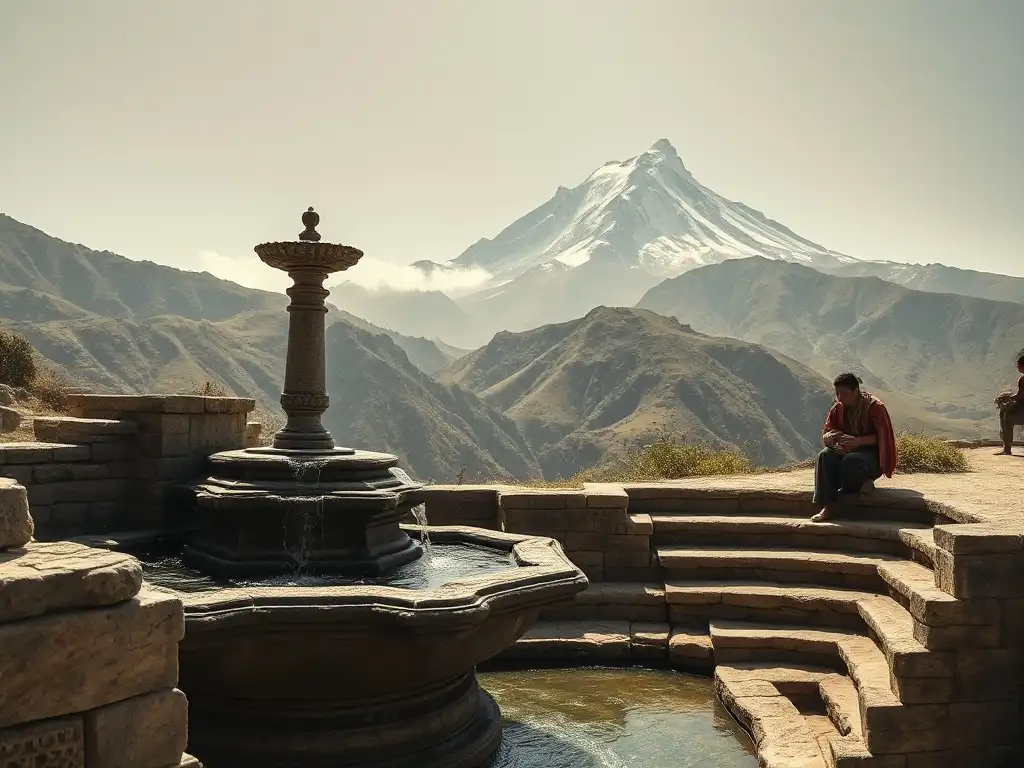
The ancient Andean civilizations held profound reverence for water, viewing it not merely as a resource but as a sacred element intrinsically linked to life, fertility, and the cosmos. Their relationship with water transcended the practical; it was deeply interwoven with their spiritual beliefs and manifested in elaborate rituals and ceremonies.
Understanding these practices offers crucial insight into their worldview and their sophisticated understanding of hydrology, even in challenging high-altitude environments. The careful management of water resources, a testament to their advanced engineering skills, was complemented by a rich tapestry of spiritual practices aimed at ensuring the continuous flow of this life-giving substance.
This section will explore the various rituals and ceremonies associated with water, highlighting their significance within the broader context of Andean cosmology. The effective management of "ancient Andean water systems" was not solely a feat of engineering, but also a reflection of their deeply spiritual connection to the natural world.
Water Deities and Offerings
Andean mythology is replete with deities associated with water, reflecting the vital role it played in their lives. These deities weren't simply abstract concepts; they were powerful entities believed to control the flow of water, influencing rainfall, floods, and the overall well-being of the community. Offerings, ranging from simple libations of chicha (a fermented maize beverage) to elaborate sacrifices of llamas or other precious goods, were regularly presented to appease these deities and ensure their continued favor.
The specific deities and rituals varied across different cultures and regions within the Andes, but the underlying theme of reverence and dependence on water remained constant. For example, the Inca revered the Apus, mountain spirits often associated with water sources, while other cultures might have focused their worship on specific lakes or springs considered sacred. Archaeological evidence, such as the discovery of ritual objects near water sources, provides concrete evidence of these practices.
Careful analysis of these artifacts allows researchers to reconstruct aspects of these ceremonies and better understand the complex relationship between the Andean people and their water deities. The frequency and nature of these offerings likely varied depending on factors such as rainfall patterns and the perceived needs of the community. The dedication to these rituals underscores the crucial role of water in maintaining the social and spiritual equilibrium of Andean society.
The Importance of Water in Andean Festivals
Water played a central role in numerous Andean festivals, often marking significant agricultural cycles or celebrating important deities. These celebrations were not mere occasions for merriment; they were deeply ritualistic events designed to reaffirm the community’s connection to the natural world and ensure its continued prosperity. Festivals frequently involved processions to sacred springs or lakes, accompanied by prayers, offerings, and symbolic acts meant to invoke the blessings of the water deities.
The timing of these festivals was often tied to the agricultural calendar, reflecting the crucial role of water in ensuring successful harvests. For example, festivals associated with the rainy season were crucial for ensuring sufficient water for crops, while those occurring during the dry season might focus on prayers for rainfall or the purification of water sources. The scale and complexity of these festivals varied considerably, ranging from small, local celebrations to large-scale events involving entire communities or even multiple ethnic groups.
Evidence of these festivals can be found in both archaeological records and surviving oral traditions, offering valuable insights into the spiritual significance of water within Andean culture. The vibrant and diverse nature of these celebrations demonstrates the multifaceted relationship between water, spirituality, and community life in ancient Andean societies.
The Spiritual Significance of Springs and Lakes
Springs and lakes held particular spiritual significance for the ancient Andean peoples. Often regarded as sacred sites, these bodies of water were believed to possess inherent power and were frequently the focus of ritual activities. Springs were often seen as the source of life, their waters imbued with potent spiritual energy. Lakes, with their vastness and depth, were associated with the underworld and the realm of the spirits.
The construction of sophisticated irrigation systems, a testament to their advanced engineering prowess, was often intertwined with the spiritual significance of these water sources. The careful channeling and management of water weren't just practical endeavors; they were also acts of reverence, demonstrating a deep respect for the spiritual power associated with these natural features. Many archaeological sites reveal evidence of ritual structures built near springs and lakes, further reinforcing their spiritual importance.
These sites often contain artifacts and evidence of offerings, confirming their use as locations for rituals and ceremonies. The reverence shown for these natural water sources emphasizes the holistic approach of Andean civilizations, integrating practical needs with spiritual beliefs in their interaction with the environment. The careful preservation and management of these resources demonstrates a profound understanding of the interconnectedness of life and the environment, a perspective that continues to resonate today.
The Interplay Between Water, Agriculture, and Society
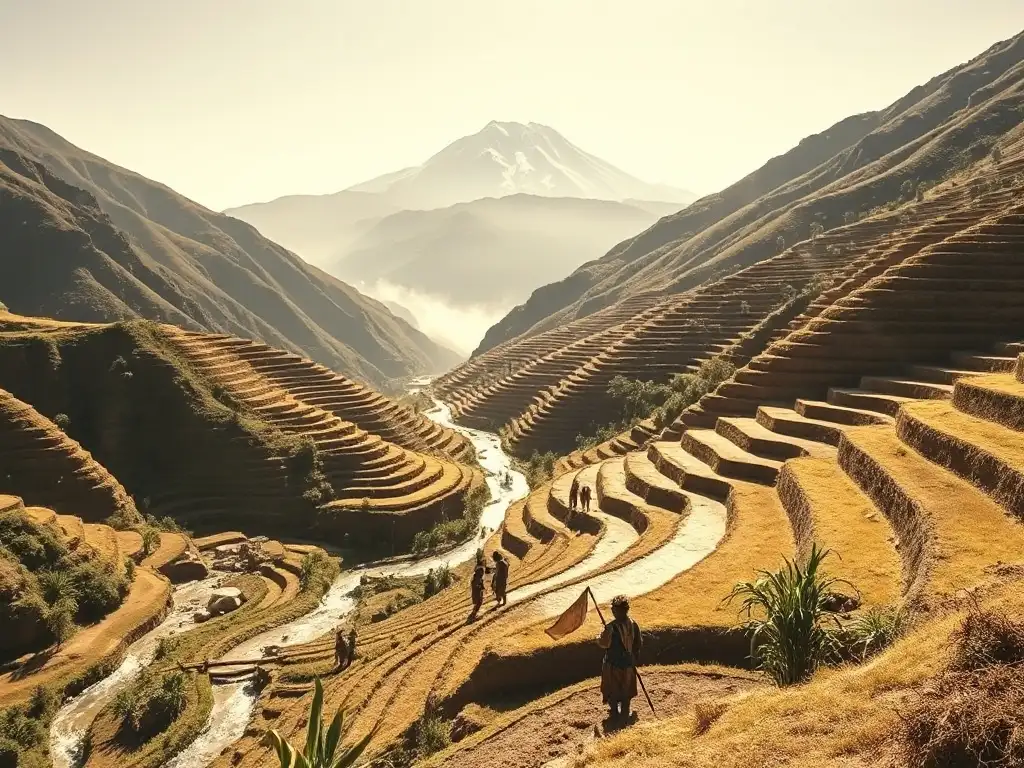
The survival and prosperity of ancient Andean civilizations were inextricably linked to their mastery of water management. Their ingenuity in harnessing water resources shaped not only their agricultural practices but also their social structures, political systems, and spiritual beliefs. Understanding this interplay is crucial to appreciating the sophistication and resilience of these remarkable cultures.
The efficient and sustainable use of water was fundamental to their success, allowing them to thrive in challenging, high-altitude environments. This section will explore the intricate relationship between water, agriculture, and the societal structures that evolved around it, examining how these ancient Andean communities achieved remarkable feats of engineering and social organization to secure their water supply. The keyword "ancient Andean water systems" is central to this understanding, highlighting the advanced techniques and societal implications of their hydrological achievements.
Sustainable Agriculture Practices
Ancient Andean agricultural practices were deeply intertwined with their sophisticated water management systems. They developed a range of ingenious techniques to optimize water use and maximize crop yields in diverse environments. These practices weren't merely about survival; they were integral to their worldview, reflecting a deep understanding of ecological balance and sustainability. Terracing, for instance, was a cornerstone of their agricultural success.
By creating a series of level platforms on steep slopes, they dramatically increased arable land and reduced soil erosion. Furthermore, they employed intricate canal systems to divert water from rivers and streams to irrigate their terraced fields. This allowed them to cultivate crops even in arid regions, ensuring a reliable food supply.
The effectiveness of these systems is evidenced by the extensive agricultural landscapes that remain visible even today, a testament to the long-term sustainability of their methods. These weren't simply rudimentary irrigation systems; they were carefully planned and maintained infrastructure reflecting a sophisticated understanding of hydrology and soil conservation. The integration of these agricultural practices with their spiritual beliefs further emphasizes their commitment to sustainable resource management.
Water Rights and Community Management
The management of water resources in ancient Andean societies was not merely a technical challenge but also a complex social and political undertaking. Access to water was fundamental to survival and prosperity, leading to the development of intricate systems of water rights and community management. These systems ensured equitable distribution and prevented conflicts over this precious resource.
Evidence suggests that water rights were often tied to land ownership and social standing, but mechanisms for collective management and dispute resolution were also in place. Community-based organizations played a vital role in maintaining irrigation canals, resolving disputes, and ensuring the fair allocation of water. This highlights the strong sense of communal responsibility and cooperation that characterized many ancient Andean societies.
The success of their water management systems depended not only on technical expertise but also on strong social cohesion and effective governance. This intricate interplay between technical innovation and social organization is a key aspect of understanding "ancient Andean water systems" and their broader societal impact. The absence of centralized control in many regions underscores the decentralized, community-driven nature of water management.
The Legacy of Ancient Andean Water Wisdom
The legacy of ancient Andean water management continues to resonate today. Their sophisticated techniques and innovative approaches to water resource management offer valuable lessons for contemporary societies grappling with water scarcity and environmental challenges. The principles of sustainable agriculture, community-based water management, and deep respect for ecological balance, all hallmarks of ancient Andean practices, remain highly relevant in the face of modern challenges.
Studying these ancient systems allows us to appreciate the ingenuity and resilience of these cultures and to gain insights into sustainable water management strategies. The enduring relevance of their achievements speaks to the timelessness of their wisdom and the importance of understanding and applying these lessons in our own time. The study of "ancient Andean water systems" is not just an exploration of the past; it is a vital resource for addressing the pressing water challenges of the present and future.
Understanding their methods contributes significantly to our collective understanding of sustainable water resource management, providing valuable models for contemporary societies. The careful consideration of their achievements, therefore, offers a path towards more sustainable and equitable water practices worldwide.
Case Studies of Ancient Andean Hydrological Sites
This section delves into specific examples of ancient Andean water systems, showcasing the ingenuity and sophistication of their hydrological engineering. These weren't simply practical solutions; they were deeply interwoven with the Andean worldview, reflecting a profound understanding of and respect for water's life-giving power. Examining these sites provides a tangible understanding of the advanced ancient Andean water systems and their integral role in sustaining complex societies.
Tipón: The Marvel of Inca Hydraulic Engineering
Tipón, located near Cusco, Peru, stands as a testament to Inca mastery of hydraulic engineering. This archaeological site boasts a remarkably intricate system of canals, aqueducts, and fountains, all meticulously carved into the hillside. Water, sourced from springs high in the Andes, was channeled down a series of terraces, creating a network that supplied water for both agricultural and domestic purposes.
The precision and scale of the engineering are astonishing; the system effectively managed water flow, even across significant changes in elevation. The water wasn't just functional; its carefully controlled distribution created a visually stunning spectacle, likely holding significant symbolic importance within Inca cosmology.
The complexity of the Tipón system is evident in its multi-tiered approach. Smaller canals fed into larger ones, allowing for precise control of water distribution. This wasn't a haphazard system; it was a carefully planned and executed feat of engineering, reflecting a deep understanding of hydrology and a sophisticated knowledge of water management techniques.
Archaeological evidence suggests that the Incas used a combination of gravity and carefully constructed channels to move water across considerable distances, minimizing water loss and maximizing efficiency. The system’s longevity speaks volumes about the quality of the Inca’s construction and their understanding of sustainable water management. It's a prime example of how ancient Andean water systems were integrated into their urban planning and daily life.
Moray: Agricultural Terraces and Water Management
Moray, also near Cusco, showcases another aspect of Inca hydrological ingenuity: agricultural terraces. This site features a series of concentric circular terraces, each at a slightly different elevation. This unique design wasn't merely aesthetic; it created microclimates within each terrace, allowing for the cultivation of a wide variety of crops, even those requiring different temperatures and humidity levels.
The ingenious system of canals and channels that crisscrossed the terraces ensured a reliable water supply for irrigation. The temperature variations between the terraces, combined with the controlled water distribution, allowed the Incas to experiment with different agricultural techniques and increase crop yields significantly, showcasing their advanced understanding of both agriculture and ancient Andean water systems.
Studies suggest that the temperature differences between the terraces could reach as much as 15°C. This allowed the Incas to grow a much wider range of crops than would have been possible in the surrounding area. The precise placement of the canals and the slope of the terraces ensured even water distribution, preventing erosion and maximizing the effectiveness of irrigation.
The Moray terraces are a powerful example of how the Incas integrated their sophisticated understanding of hydrology and agriculture to create a sustainable and highly productive farming system. This demonstrates the close link between their agricultural practices and their sophisticated ancient Andean water systems.
Pikillaqta: Wari Water Systems and Urban Planning
Pikillaqta, an impressive Wari site near Cusco, highlights the integration of water management into urban planning. Unlike the Inca sites, which often focused on monumental architecture, Pikillaqta's water system is intricately woven into the urban fabric. Canals and reservoirs were strategically placed throughout the city, ensuring a reliable water supply for its inhabitants.
The layout of the city itself seems to have been designed around the availability of water resources. This suggests a sophisticated level of urban planning that prioritized water access and management. The Wari civilization's understanding of ancient Andean water systems profoundly impacted their ability to create and sustain large urban centers.
The Wari system differed from the Inca system in its integration into the city's overall design. Instead of large, independent waterworks, Pikillaqta's system was a network of smaller canals and reservoirs distributed throughout the city. This decentralized approach ensured that every part of the city had access to water. The use of channels and reservoirs also helped to manage water flow and prevent flooding.
This demonstrates a sophisticated understanding of urban hydrology and its impact on the overall functionality and sustainability of the city. The study of Pikillaqta provides valuable insights into how the Wari integrated their understanding of ancient Andean water systems into their urban design. Further research is needed to fully understand the complexities of their system and its role in the city's development.
Modern Relevance of Andean Water Practices
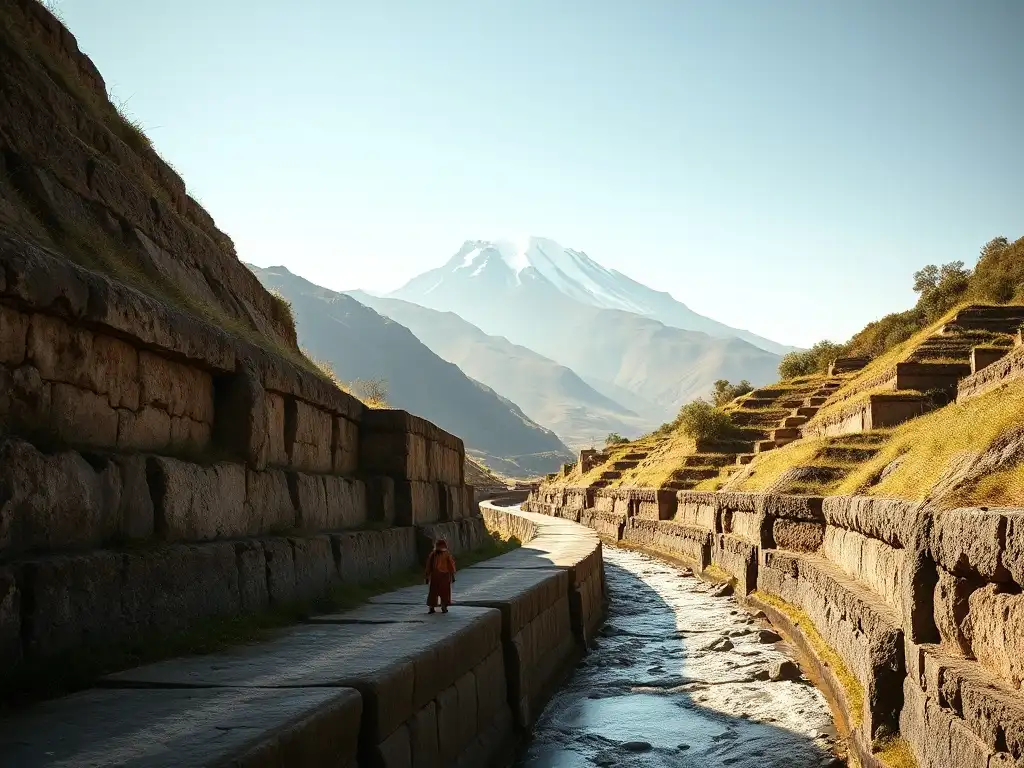
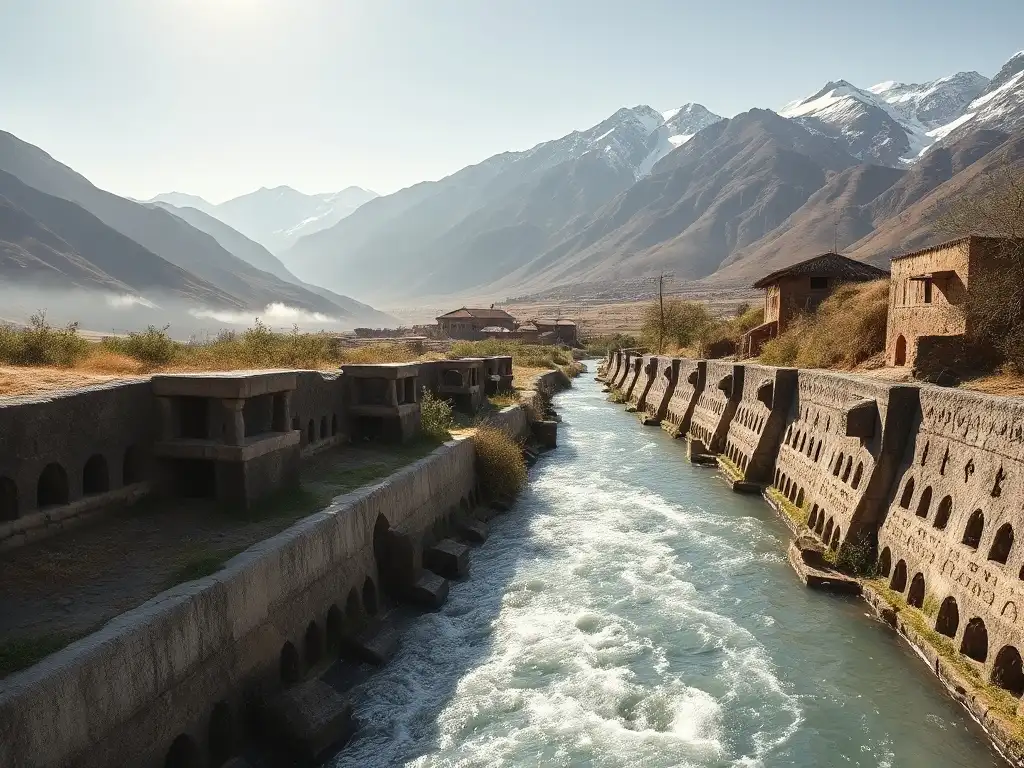
The ingenuity of ancient Andean water systems continues to resonate today, offering valuable lessons for addressing contemporary challenges. Their sophisticated understanding of hydrology and their sustainable practices provide a rich source of inspiration for modern water management strategies, particularly in the face of increasing climate change impacts and growing water scarcity. Examining these ancient techniques not only enhances our understanding of Andean civilizations but also offers practical solutions for a more sustainable future.
The legacy of their water wisdom is not merely historical; it's a vital resource for the 21st century. Understanding their approach to water resource management allows us to appreciate the interconnectedness between human societies and the environment, a lesson crucial for navigating the complexities of our modern world.
Adaptation to Climate Change
Ancient Andean communities developed remarkable resilience to climate variability through their intricate water management systems. These systems, often incorporating terraces, canals, and reservoirs, were designed to capture and store water efficiently, mitigating the effects of droughts and floods. For example, the intricate canal systems of the Nazca culture, while famed for their geoglyphs, also represent a sophisticated understanding of water distribution across arid landscapes. These systems allowed for successful agriculture even in extremely challenging environments.
This adaptability offers crucial insights for modern communities confronting the increasingly unpredictable weather patterns associated with climate change. By studying the design principles and engineering techniques employed by ancient Andean civilizations, we can develop more robust and climate-resilient water infrastructure. The integration of traditional knowledge with modern technology could lead to innovative solutions for water security in regions facing similar environmental challenges.
For instance, the use of traditional terrace farming techniques combined with modern drought-resistant crops could significantly improve agricultural yields in arid and semi-arid regions. This demonstrates that ancient Andean water systems are not just relics of the past, but rather blueprints for a sustainable future in the context of climate change. The resilience built into these systems serves as a powerful model for adaptation strategies.
Lessons for Sustainable Water Management
The ancient Andean approach to water management was deeply rooted in a holistic worldview that emphasized the interconnectedness of all living things. Water wasn't merely a resource to be exploited; it was a sacred element, integral to the balance of the ecosystem and the well-being of the community. This perspective contrasts sharply with many modern approaches that prioritize short-term economic gains over long-term environmental sustainability.
The ancient Andeans' understanding of water cycles, their careful management of water resources, and their respect for the environment offer valuable lessons for modern sustainable water management practices. Their techniques, such as the construction of qanats (underground canals) for efficient water transport and the creation of sophisticated irrigation systems, showcase a deep understanding of water conservation and efficient utilization. These methods minimized water loss and ensured equitable distribution within the community.
Furthermore, their integrated approach, which combined agricultural practices with water management, fostered a sustainable relationship between human activity and the environment. This integrated approach is a key aspect missing in many modern systems, which often treat water management as a separate issue from other aspects of development. Adopting a more holistic and integrated approach, inspired by ancient Andean practices, is crucial for achieving sustainable water management in the 21st century.
Preserving Andean Water Heritage
Preserving the knowledge and practices associated with ancient Andean water systems is crucial not only for historical preservation but also for ensuring future water security. This requires a multi-pronged approach encompassing archaeological research, community engagement, and educational initiatives. Documenting existing remnants of ancient water systems, such as canals, reservoirs, and terraces, is vital for understanding their design and functionality.
This documentation should involve not only scientific analysis but also the incorporation of traditional ecological knowledge held by contemporary Andean communities, many of whom still maintain traditional water management practices. Moreover, educational programs that highlight the ingenuity and sustainability of ancient Andean water systems can foster a greater appreciation for these practices and inspire future generations to adopt more sustainable water management strategies. This preservation effort also necessitates advocating for the protection of these sites from degradation and destruction, ensuring that these invaluable historical resources remain accessible for future study and inspiration.
The preservation of this heritage is not merely a matter of historical interest; it is a critical step towards ensuring the sustainability of water resources in the Andes region and beyond. Protecting these ancient water systems is akin to safeguarding a vital piece of the puzzle for a sustainable future. The knowledge embedded within these systems represents a treasure trove of wisdom that we must actively strive to protect and preserve for generations to come.
Conclusion: The Enduring Legacy of Andean Water Culture
The ingenuity and spiritual depth reflected in ancient Andean water systems continue to resonate today. Understanding these sophisticated hydraulic networks—from the intricate canals of the Nazca to the monumental aqueducts of the Inca—offers invaluable insights into the worldview and technological prowess of these civilizations. Their mastery of water management wasn't merely a practical achievement; it was deeply interwoven with their cosmology and spiritual beliefs, forming a holistic approach to life that prioritized harmony with the natural world.
This intricate relationship, meticulously crafted over centuries, serves as a powerful testament to human adaptability and ingenuity in the face of environmental challenges. The legacy of these ancient Andean water systems extends beyond the impressive physical structures; it's a legacy of sustainable practices, deep respect for nature, and a profound understanding of the interconnectedness of all living things. Studying these systems allows us to appreciate the enduring wisdom of Andean civilizations and consider its relevance to contemporary water management challenges.
The efficient and sustainable techniques employed by these ancient societies offer valuable lessons for modern approaches to water conservation and resource management in increasingly arid regions globally. Indeed, the ancient Andean water systems stand as a powerful symbol of human resilience and a profound connection with the environment.
The Deep Connection between Water and Life
The ancient Andean people didn't simply view water as a resource; it was considered sacred, a life-giving force intimately connected to their spiritual beliefs and cosmology. Water was inextricably linked to the Andean worldview, representing fertility, abundance, and the very essence of life itself. Their sophisticated understanding of hydrology wasn't just about engineering; it was a reflection of their deep reverence for the natural world and their belief in the interconnectedness of all living things.
This spiritual connection is evident in their numerous rituals and ceremonies centered around water sources, reflecting a profound respect for the power and significance of water in sustaining life. Many archaeological sites showcase evidence of offerings and sacrifices made to water deities, further highlighting the profound spiritual significance attributed to this precious resource. This deep connection between water and spirituality shaped their approach to water management, influencing their engineering choices and ensuring a sustainable relationship with their environment.
The integration of spiritual beliefs into their practical approaches to water management demonstrates a holistic worldview that prioritized the well-being of both the community and the environment. The deep respect for water wasn't a mere superstition; it was a cornerstone of their culture and a critical element of their survival.
Reflecting on Ancient Andean Wisdom
The study of ancient Andean water systems provides valuable lessons for contemporary society. Their sustainable practices, informed by a profound understanding of their environment and a deep spiritual connection with water, offer a compelling model for addressing modern water challenges. The ancient Andes demonstrate how careful planning, community collaboration, and respect for nature can lead to effective water management. The sophisticated techniques they developed, including sophisticated irrigation systems and water storage facilities, highlight their advanced understanding of hydrology and engineering.
Their ability to thrive in often harsh environments, relying on innovative water management strategies, serves as a powerful reminder of human adaptability and resilience. Their approach, characterized by a holistic integration of practical knowledge and spiritual beliefs, offers a valuable counterpoint to modern, often fragmented, approaches to environmental management. By examining the successes and failures of ancient Andean water systems, we can gain valuable insights into creating more sustainable and equitable water management practices for the future.
The wisdom of the Andes reminds us that a harmonious relationship with nature is not only essential for environmental sustainability but also for the spiritual and cultural well-being of humanity. The legacy of these ancient water systems serves as a powerful call to action, urging us to adopt more sustainable and responsible practices in our own management of this precious resource. The enduring legacy of the ancient Andean water systems is a testament to the power of human ingenuity, spiritual insight, and the enduring importance of respecting the delicate balance of nature.
Frequently Asked Questions
How did ancient Andean civilizations manage water resources?
Ancient Andean civilizations developed sophisticated water management systems, including canals, aqueducts, and reservoirs, to irrigate crops and supply settlements. These systems were crucial for their survival and prosperity in diverse environments. Ingenious techniques like terracing maximized water use.
What role did water play in Andean spiritual beliefs?
Water held profound spiritual significance in Andean cultures. It was viewed as a sacred element, essential for life and connected to deities and the cosmos. Many rituals and ceremonies involved water, reflecting its vital role in their worldview.
What are some examples of impressive ancient Andean water infrastructure?
The Nazca lines, though famously enigmatic, also incorporated water management systems. The Inca's sophisticated canal networks are another example, while the Moche's irrigation systems were vital to their agricultural success. Many impressive ruins still stand as testament.
How did the geography of the Andes influence water management practices?
The Andes' diverse geography, ranging from arid coastal deserts to high-altitude mountains, necessitated a range of water management solutions. This resulted in highly localized, yet innovative adaptations to the challenges presented by the specific environment of each civilization.
What technologies did ancient Andean cultures use for water management?
Ancient Andean cultures employed a wide array of technologies, including terracing, canals, aqueducts, reservoirs, and sophisticated irrigation techniques. These were adapted to suit the varied landscapes and climates across the Andean region, demonstrating remarkable engineering skills.
Final Reflection: The Enduring Legacy of Andean Water Wisdom
The intricate water systems of the ancient Andes remain a powerful testament to human ingenuity and a profound connection with nature, a connection urgently needed in our current era of climate change and resource scarcity. Their sophisticated understanding of hydrology, far exceeding the technological limitations of their time, offers invaluable lessons for sustainable water management in the 21st century. We stand to learn much from their respect for water, not just as a resource, but as a sacred element.
The enduring influence of Andean water beliefs on contemporary communities is palpable, shaping their relationship with the environment and informing their practices to this day. Their reverence for apu (mountain spirits) and the sacredness of water sources continues to inspire sustainable practices and a deep sense of responsibility towards the natural world. Water is life, and life is sacred. We must treat it with the respect it deserves.
This simple yet profound statement encapsulates the core of Andean water wisdom, a message that resonates deeply across cultures and time.
Consider, for a moment, the profound implications of this ancient knowledge. How can we, in our modern world, re-cultivate a similar respect for water? How can we integrate the wisdom of the past into our present-day solutions for water management and conservation? I urge you to reflect on the interconnectedness of all living things and the vital role water plays in sustaining life. Let the legacy of the ancient Andean water systems inspire you to become a steward of this precious resource, ensuring its availability for generations to come.
Unveil the Secrets of Andean Water Wisdom!
Thank you for exploring the fascinating intersection of ancient Andean hydrology and spiritual beliefs! You've discovered how water is a vital source of life and cultural identity for these remarkable civilizations. Now, let's deepen your connection to these timeless traditions.
Here are some powerful steps you can take:
- Connect with Nature: Visit a local water source—a river, lake, spring, or even a well—and reflect on its significance to your life and community. Consider its role in your daily life and the larger ecosystem.
- Share Your Discoveries: Discuss the importance of water in your culture or community. Share this information with friends and family to spark meaningful conversations about water conservation and respect.
- Continue Your Learning: Expand your understanding of Andean civilizations by exploring books, documentaries, or online resources focusing on their innovative water management techniques and spiritual perspectives on water.
How can you integrate the wisdom of your relationship with water into your daily life? What changes might you make to live more sustainably and respectfully toward this precious resource?