
The Sun's Embrace: How Andean Cultures Revered Solar Power in Daily Life

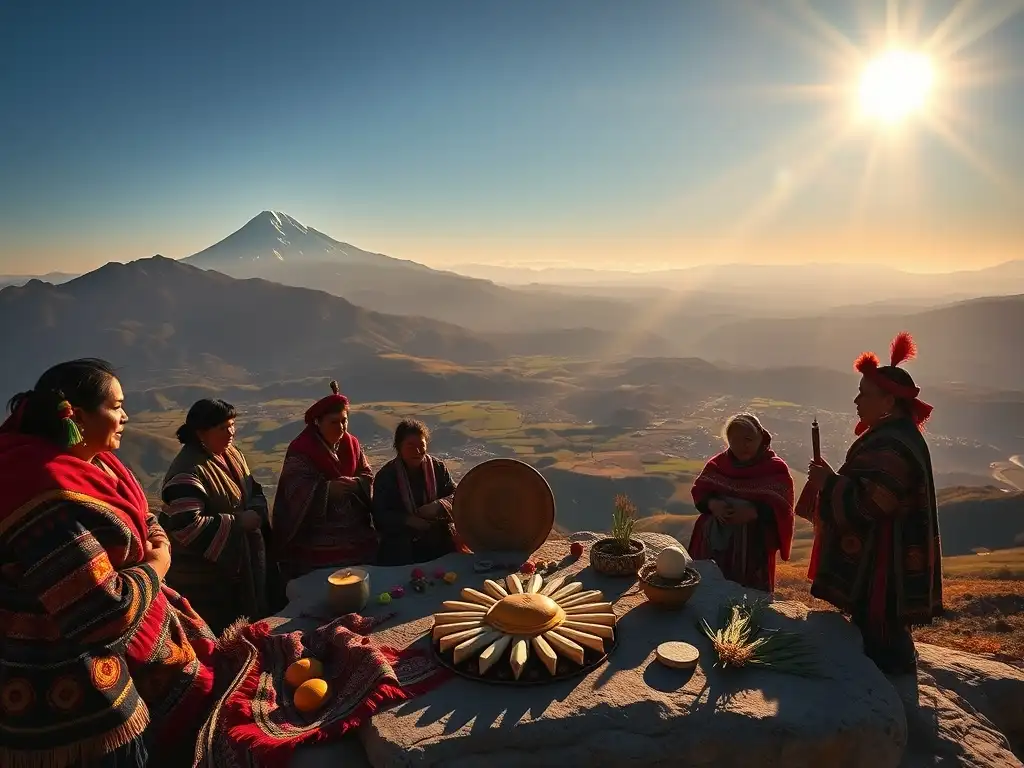
Step into a world bathed in the golden light of the Andes! Imagine a time when the sun wasn't just a celestial body, but a revered deity, its power woven into the very fabric of daily life. This is the captivating story of Andean solar power rituals, a fascinating exploration into the cosmology and worldview of ancient Andean civilizations. Uncover the secrets behind their intricate sun worship and discover how these powerful beliefs shaped their remarkable societies. Prepare to be amazed by the ingenuity and spiritual depth of the Incas, Moche, Nazca, and Tiahuanaco – their legacy awaits you.
The Andes Mountains, a spine of towering peaks piercing the sky, were home to civilizations that developed a profound and intricate relationship with the natural world. This connection, deeply spiritual and practical, is nowhere more evident than in their reverence for the sun – Inti, the life-giving source of energy and sustenance. This article delves into the fascinating world of Andean solar power rituals, exploring how these ancient cultures integrated the sun's power not just into their religious beliefs but also into their daily lives, influencing agriculture, architecture, and social structures.
We will examine the diverse ways in which different Andean societies, including the Incas, Moche, Nazca, and Tiahuanaco, honored and harnessed the sun's energy, revealing the complex interplay between spirituality, practicality, and astronomical knowledge. Understanding their approach provides valuable insights into the sophisticated understanding of the natural world possessed by these remarkable civilizations.
Inti's Influence on Agriculture and Water Management
Andean agriculture was intimately tied to the sun's cycles. The precise timing of planting and harvesting was meticulously observed, often guided by sophisticated astronomical knowledge and solar calendars. The sun's position in the sky dictated optimal planting times, maximizing crop yields.
This wasn't simply a matter of practical observation; it was deeply intertwined with religious beliefs. Many rituals were performed to ensure a bountiful harvest, directly appealing to Inti for his blessing and power. Furthermore, the management of water resources, crucial in the often arid Andean landscape, was also closely linked to the sun.
Ingenious irrigation systems, like the canals and terraces found throughout the Andes, were carefully designed to optimize water distribution based on seasonal solar patterns. The construction and maintenance of these systems were likely accompanied by ceremonies and offerings to ensure a continuous flow of water, vital for both agriculture and daily life. Archaeological evidence suggests a complex understanding of water management, reflecting a deep respect for the sun’s role in providing this essential resource.
Solar Observatories and Astronomical Knowledge
Many Andean cultures possessed an advanced understanding of astronomy, using their knowledge to create sophisticated solar observatories. These weren't merely places for scientific observation; they were sacred sites where rituals and ceremonies were performed to honor Inti and predict important agricultural cycles. Structures like the Chankillo observatory in Peru, for example, demonstrate a remarkable ability to track the sun's movement throughout the year.
These sites often incorporated precise alignments with the solstices and equinoxes, highlighting the importance of these celestial events in the Andean worldview. The precise astronomical knowledge embedded in these structures underscores the deep connection between Andean societies and the celestial bodies, particularly the sun, emphasizing its crucial role in their cosmological understanding and daily practices. The accuracy of these observations and their integration into religious practices highlight the advanced understanding of astronomy and its practical applications in Andean societies.
The Sun in Andean Art and Iconography
The sun's importance is vividly reflected in Andean art and iconography. Depictions of Inti are ubiquitous across various cultures, often portrayed as a powerful deity with golden rays emanating from his body. These representations are found in textiles, ceramics, and metalwork, showcasing the central role the sun played in their artistic expression.
The intricate designs and symbolic representations in these artifacts offer valuable insights into the Andean understanding of the sun's power and its influence on their lives. The ubiquitous presence of solar motifs emphasizes the sun's significance, not just as a source of energy, but also as a powerful symbol of life, power, and divinity within their belief system. The artistic expression of this reverence reveals a deep cultural and spiritual connection to Inti, transcending the merely practical aspects of solar power.
Solar Rituals and Festivals: Celebrating Inti's Power
Numerous festivals and rituals were dedicated to honoring Inti, often involving elaborate ceremonies, offerings, and processions. These events were crucial for maintaining social harmony and ensuring a bountiful harvest. The timing of these festivals frequently coincided with significant solar events, such as the solstices and equinoxes, emphasizing the importance of these celestial markers in their calendar and spiritual life.
Specific rituals varied across different Andean cultures, but the overarching theme of reverence for the sun remained consistent. These celebrations were not merely religious observances; they were integral parts of the social fabric, reinforcing community bonds and reaffirming the importance of the sun in their lives. Further research into specific regional variations in these rituals could shed more light on the diversity of Andean solar worship.
- Inti's Influence on Agriculture and Water Management
- Solar Observatories and Astronomical Knowledge
- The Sun in Andean Art and Iconography
- Solar Rituals and Festivals: Celebrating Inti's Power
Andean Cosmology: The Sun as a Divine Entity
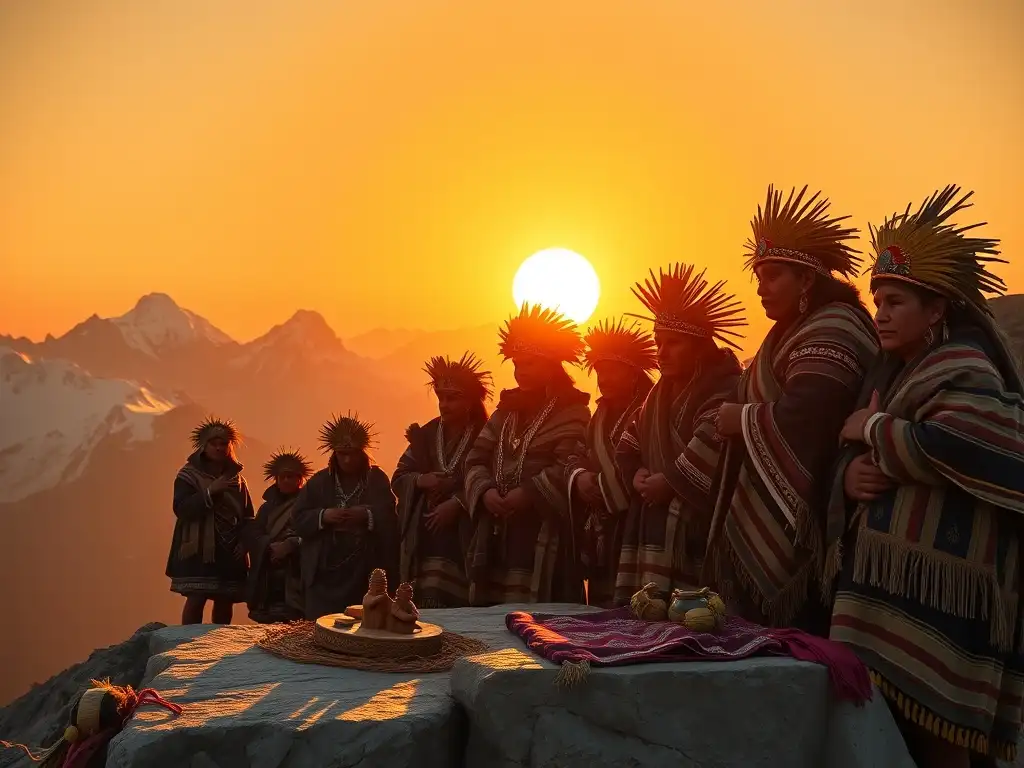
The Andean worldview was profoundly shaped by the environment, particularly the sun's life-giving power. Understanding Andean cultures requires recognizing the sun not merely as a celestial body, but as a vital, divine force interwoven into the fabric of their existence. This reverence for the sun manifested in intricate rituals, elaborate artistic expressions, and sophisticated agricultural practices, all designed to maintain a harmonious relationship with the cosmic order.
The sun's influence permeated every aspect of Andean life, from the planting of crops to the construction of monumental structures. This deep-seated belief in the sun's power is a central theme in understanding Andean solar power rituals.
Inti: The Inca Sun God and Supreme Deity
Inti, the Inca sun god, occupied the apex of the Inca pantheon. He wasn't simply a deity; he was the supreme being, the source of all life and authority. The Inca emperor was considered Inti's earthly representative, a direct descendant, further emphasizing the sun's paramount importance.
The Inca state's legitimacy and power were directly linked to their perceived connection to Inti. Elaborate rituals were performed to honor Inti, ensuring his continued benevolence and the prosperity of the empire. These rituals, often involving human sacrifice in extreme cases, underscore the absolute devotion and awe the Inca held for their sun god.
The precise details of many rituals remain debated by scholars, with ongoing research uncovering new insights into the complexity of Inca religious practices related to Andean solar power rituals. For example, the precise role of the Mama Quilla, the moon goddess, in relation to Inti's influence on agriculture is still being actively studied.
The Sun's Role in Andean Creation Myths
Across various Andean cultures, creation myths consistently emphasized the sun's fundamental role in bringing forth the world. While specific narratives varied between cultures (e.g., the Moche, Nazca, and Tiahuanaco), a common thread involved the sun’s generative power. Many myths depict the sun as the creator deity or a key figure in the creation process, often linked to the emergence of life, the formation of mountains, and the establishment of the cosmic order.
These myths provided a framework for understanding the world and their place within it, reinforcing the sun's central position in Andean cosmology and providing a cosmological justification for the importance of Andean solar power rituals. For instance, the Nazca's intricate geoglyphs, some scholars believe, might represent constellations and celestial events, further illustrating the profound relationship between Andean societies and the celestial sphere, specifically the sun's influence.
Solar Symbolism in Andean Art and Architecture
The sun's significance is vividly portrayed in Andean art and architecture. From the intricate gold and silver artifacts of the Inca to the majestic stone structures of the Tiahuanaco, solar symbolism is pervasive. The use of solar motifs, such as the sun disk (often depicted with radiating rays), is ubiquitous.
These symbols were not mere decorations; they conveyed powerful religious and political messages, reinforcing the sun's authority and the rulers' divine right to govern. The orientation of many structures, particularly temples and palaces, suggests a deliberate alignment with the sun's path, emphasizing the sun's influence on the daily lives and religious practices of Andean societies. Consider, for example, the precise astronomical alignments found in Machu Picchu, showcasing the Inca's advanced understanding of celestial movements and their integration into their architectural designs – a testament to the deep-seated importance of Andean solar power rituals.
The intricate detail and precision involved in these constructions highlight the immense cultural and religious significance attributed to the sun. The sheer scale of some of these structures also speaks to the vast resources and manpower devoted to honoring the sun god, further emphasizing the centrality of the sun in Andean society.
Andean Solar Power Rituals and Ceremonies
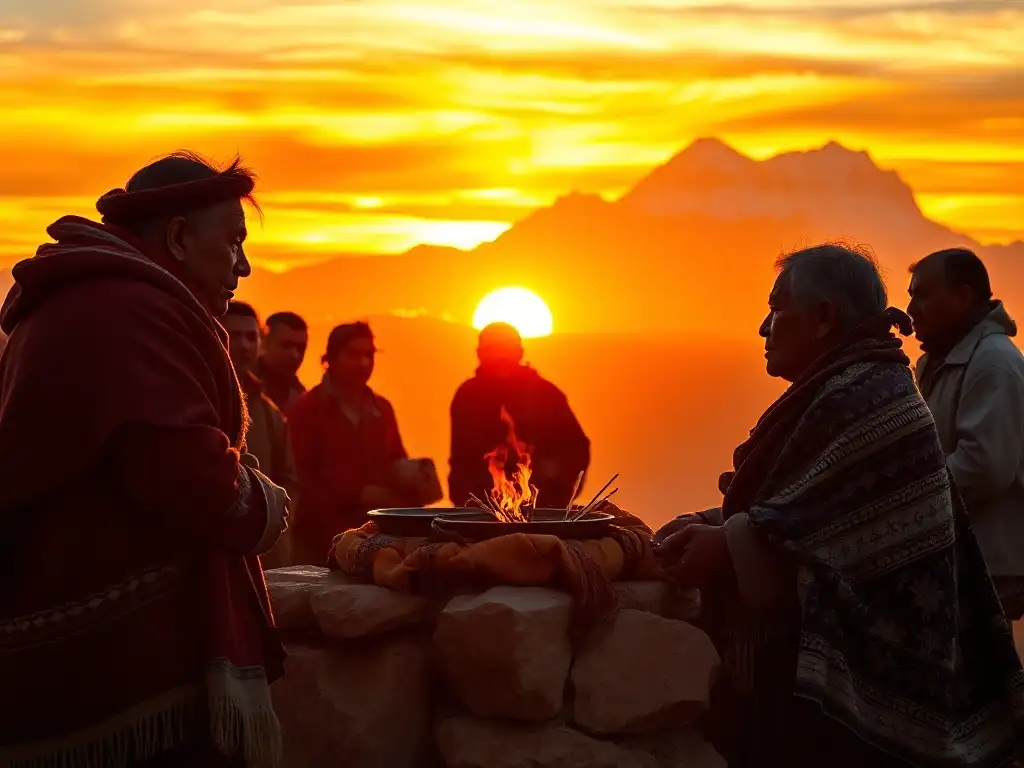
This section delves into the profound reverence for the sun, or Inti, within various Andean cultures, exploring how solar power wasn't just a physical phenomenon but a deeply spiritual force interwoven into daily life. Understanding Andean solar power rituals requires appreciating the intricate connection between cosmology, agriculture, and social structures. The sun was not merely a source of energy; it was a deity, a life-giver, and the very heart of their worldview. This influence is vividly demonstrated through festivals, architectural design, and agricultural practices.
The Inti Raymi Festival: Honoring the Sun God
The Inti Raymi, or Festival of the Sun, was the most significant solar celebration in the Inca Empire. Held annually on June 21st, the winter solstice in the Southern Hemisphere, this grand ceremony was a powerful display of Andean solar power rituals and the Inca's profound connection to the sun god, Inti. The festivities involved elaborate processions, sacrifices (including llamas and other offerings), and feasts.
The Sapa Inca, the emperor, played a central role, performing rituals aimed at ensuring the sun's continued benevolence and the prosperity of the empire. The Inti Raymi wasn't just a religious event; it was a reaffirmation of the Inca's power and their cosmic order, a societal ritual reinforcing their belief in the sun's vital role in their existence. Descriptions from Spanish chroniclers, though filtered through a colonial lens, offer glimpses into the spectacle and significance of the event, highlighting the vibrant costumes, the music, and the sheer scale of the celebration.
The modern-day reenactments, while adapted, attempt to recapture the essence of this powerful Andean solar power ritual. The festival's enduring legacy speaks volumes about the centrality of Inti within Inca cosmology and culture.
Solar Alignment in Temple Construction: Machu Picchu
Machu Picchu, the iconic Inca citadel, stands as a testament to the sophisticated understanding of astronomy and the integration of Andean solar power rituals into architecture. The precise placement of buildings and structures within the complex suggests a deliberate alignment with the sun's movements throughout the year. For example, the Intihuatana stone, meaning "hitching post of the sun," is believed to have been used to mark solstices and equinoxes.
Observing the sun's position on these key dates would have been crucial for agricultural planning and religious ceremonies. Other structures, such as the Temple of the Sun, are also thought to be strategically positioned to capture specific solar events, emphasizing the deliberate incorporation of astronomical knowledge into the design. The precision in construction, coupled with the symbolic significance of solar alignments, underscores the profound importance of the sun in Inca worldview and its practical application in daily life.
This meticulous planning showcases not only architectural prowess but also a deep understanding of the celestial cycles and their impact on Andean society. The precise nature of some of these alignments is still being researched, but the evidence strongly suggests a purposeful integration of astronomy and architecture within the Andean solar power rituals.
Agricultural Practices Guided by Solar Cycles: Potato and Quinoa Cultivation
Andean agriculture was deeply intertwined with the sun's cycles. The cultivation of staple crops like potatoes and quinoa was meticulously timed to coincide with the sun's movements and the changing seasons. Careful observation of the sun's position, coupled with traditional knowledge passed down through generations, allowed Andean farmers to optimize planting and harvesting times for maximum yields.
The ayllu, or community-based agricultural system, further reinforced this connection. Cooperative farming practices and shared knowledge ensured efficient resource management, directly linked to the sun's life-giving energy. The timing of planting and harvesting was not arbitrary; it was a sacred act, a direct engagement with the sun's power.
The success of their agricultural practices, in turn, reinforced their belief in the sun's benevolent influence and the importance of maintaining harmony with nature. The enduring success of these agricultural techniques, despite challenging environmental conditions, highlights the profound understanding of Andean solar power rituals and the symbiotic relationship between the people and the sun. The resilience of these crops and the agricultural systems built around them are a testament to the ingenuity and deep understanding of the Andean people.
Solar Energy in Daily Andean Life
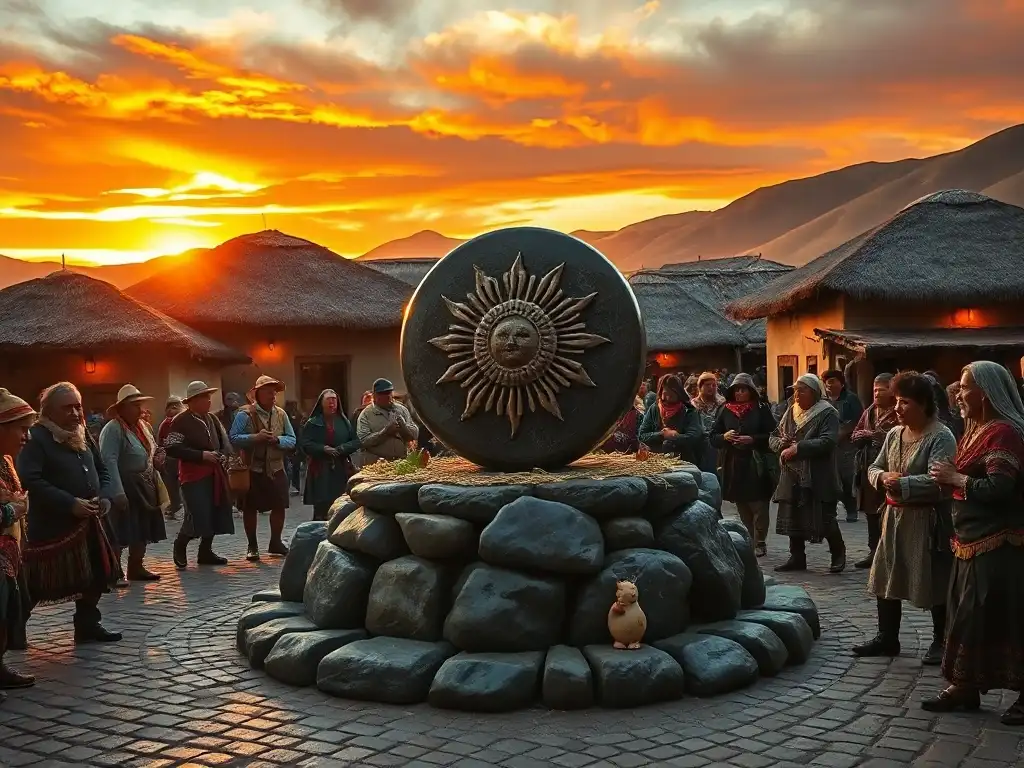
The Andean civilizations, renowned for their ingenuity and deep connection with the natural world, didn't just observe the sun; they actively integrated its power into the fabric of their daily lives. This wasn't merely a matter of religious reverence; solar energy played a crucial, practical role in shaping their agricultural practices, influencing their social structures, and even dictating their understanding of time. The reverence for the sun, therefore, wasn't separate from their daily routines; it was deeply intertwined with the very survival and prosperity of their societies.
Understanding this intimate relationship reveals a sophisticated understanding of solar energy far beyond simple worship. The term "Andean solar power rituals" thus undersells the practical applications of solar knowledge within these cultures.
Using Solar Power for Agriculture and Food Preservation
Harnessing the sun's energy was paramount for Andean agriculture. The altitude and varied climates across the Andes demanded innovative techniques for optimizing crop yields. Farmers carefully selected planting locations based on sun exposure, maximizing sunlight throughout the growing season. This wasn't random; precise knowledge of solar angles and seasonal variations allowed for the cultivation of a wide variety of crops, from potatoes and maize to quinoa and coca. Furthermore, the sun played a pivotal role in food preservation. The intense Andean sun, particularly at higher altitudes, enabled effective drying techniques for preserving food like potatoes, meats, and fruits – crucial for ensuring food security throughout the year. These methods, passed down through generations, were integral to the survival and resilience of these communities. The effectiveness of solar-drying techniques was directly linked to the understanding of solar intensity and its variability across different times of the year and across different altitudes.
Solar-Powered Irrigation Techniques
Efficient irrigation systems were essential for thriving in the often-arid Andean landscapes. While complex canal systems existed, the sun played a significant role in optimizing water management. Evidence suggests that many Andean communities employed techniques that capitalized on solar energy to heat water, making it easier to melt snow and ice at higher altitudes. This meltwater was then channeled into irrigation systems, providing a crucial supplement to rainfall, particularly during dry seasons.
The ingenuity of these methods is remarkable, demonstrating a deep understanding of the interplay between solar energy, water cycles, and agricultural productivity. Moreover, the construction and maintenance of these systems required extensive community collaboration, highlighting the social importance of harnessing solar energy. This involved careful observation of the sun's movements and the planning of irrigation infrastructure in accordance with solar patterns.
Solar Influence on Timekeeping and Calendars
Beyond practical applications, the sun profoundly influenced Andean timekeeping and calendrical systems. Many Andean cultures developed sophisticated solar calendars, often integrated with lunar and stellar observations. These calendars weren't simply tools for tracking time; they were fundamental to organizing agricultural cycles, religious ceremonies, and social activities.
The precise observation of solstices and equinoxes, marked by specific solar alignments, was crucial for determining planting and harvesting times, ensuring the success of agricultural endeavors. The intricate knowledge of celestial movements and their relationship to solar energy demonstrates an advanced understanding of astronomy and its practical implications. The development of these calendars reflects not only a deep respect for the sun's power but also an advanced level of astronomical knowledge and its application to daily life.
The precision of these calendars stands as a testament to the Andean civilizations' capabilities in observing and interpreting the sun's influence on their world. Indeed, the very structure of their society was intricately linked to the rhythms of the sun, making "Andean solar power rituals" a far too narrow term to encompass the sun's pervasive influence.
The Andean Understanding of Solar Energy's Power
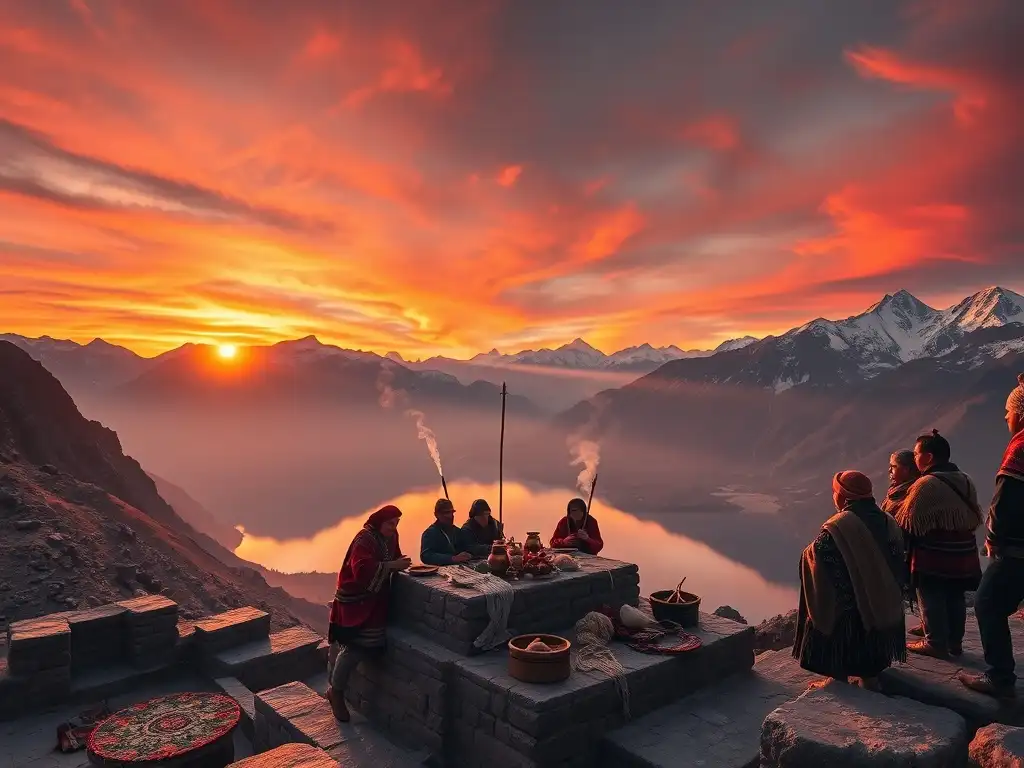
The Andean worldview deeply intertwined the physical and spiritual realms, with the sun (Inti) holding a position of paramount importance. It wasn't simply a celestial body; it was a life-giving deity, a powerful force shaping their existence, and a crucial element in their cosmology. Understanding the Andean reverence for solar power requires appreciating its multifaceted role in their daily lives, from agricultural practices to spiritual beliefs and social structures.
Their understanding wasn't solely based on scientific observation, but also on a profound spiritual connection, a belief system that saw the sun as the source of all life and the sustainer of cosmic balance. This perspective significantly influenced their rituals, architecture, and even their artistic expressions, leaving behind a rich legacy of evidence for modern scholars to decipher. Analyzing these aspects reveals a sophisticated understanding of solar energy's impact, far beyond a mere recognition of its physical properties.
Solar Energy as a Source of Life and Fertility
The sun's life-giving properties were central to Andean agricultural practices. The success of their crops, the foundation of their society, depended entirely on the sun's energy. This dependence fostered a deep respect for Inti, manifested in rituals designed to ensure bountiful harvests.
For example, the Inca celebrated Inti Raymi, the festival of the sun, a grand ceremony involving elaborate offerings, sacrifices, and processions to honor the sun god and ensure the fertility of the land. This wasn't just a symbolic act; it was a practical demonstration of their understanding of the sun's crucial role in the agricultural cycle. Detailed records, though often fragmented, suggest that specific prayers and offerings were tailored to different stages of the agricultural calendar, reflecting an intimate knowledge of the sun's influence on plant growth.
The meticulous timing of planting and harvesting, closely aligned with the solar calendar, further underscores their deep understanding and reliance on solar energy for sustenance. Their agricultural success, in challenging Andean terrains, is a testament to their sophisticated integration of astronomical knowledge and agricultural practices.
The Sun's Role in Maintaining Cosmic Order
Beyond its agricultural significance, the sun played a vital role in maintaining pacharicacu, the Andean concept of cosmic order. The sun's daily journey across the sky was seen as a continuous act of creation and renewal, a cosmic dance that maintained equilibrium in the universe. Any disruption to this order, such as eclipses or unusual solar activity, was interpreted as a sign of imbalance, often prompting elaborate rituals to restore harmony.
These rituals frequently involved human sacrifice, though the exact nature and frequency of these practices remain a subject of ongoing scholarly debate. The placement of sacred sites and temples, often aligned with the solstices and equinoxes, also reflects their keen awareness of the sun's celestial movements and their significance in maintaining cosmic order.
The precise alignment of structures like Machu Picchu with the sun's path highlights the advanced astronomical knowledge possessed by Andean cultures, showcasing their intricate understanding of the sun's influence on the broader cosmos. The Andean conception of the sun wasn't limited to its physical presence; it was a powerful symbol of order, stability, and the interconnectedness of the universe.
The Connection Between Solar Power and Spiritual Well-being
The sun's influence extended beyond the physical realm, deeply impacting the spiritual well-being of Andean individuals. Inti was not merely a deity; it was a source of spiritual energy, a life force that permeated all aspects of existence. The sun's rays were believed to possess healing properties, and exposure to sunlight was considered beneficial for both physical and mental health.
Many rituals involved bathing in sunlight or performing ceremonies in sun-drenched locations, signifying a direct attempt to harness the sun's spiritual energy. Furthermore, the sun's symbolism frequently appeared in Andean art and iconography, reflecting its centrality in their spiritual beliefs. Gold, a material often associated with the sun, was used extensively in religious objects and adornments, further emphasizing the sun's sacred significance.
The intricate designs and symbolism found in Andean textiles and pottery also frequently depicted solar motifs, illustrating the profound integration of solar power into their spiritual lives. The sun, therefore, wasn't just a source of physical energy; it was a vital component of their spiritual identity and well-being. The deep-seated connection between the sun and spiritual vitality underscores the holistic nature of the Andean worldview, where the physical and spiritual realms were inextricably linked.
Legacy of Andean Solar Reverence
The Andes Mountains, a spine of towering peaks piercing the sky, were not merely a geographical feature for the ancient Andean civilizations; they were a sacred landscape imbued with spiritual significance. The sun, that life-giving celestial body, held a position of paramount importance, shaping their cosmology, rituals, and daily lives. This reverence for solar power wasn't a mere abstract belief; it manifested in tangible ways, influencing everything from agricultural practices to architectural design and social structures. Understanding the legacy of Andean solar reverence requires examining its multifaceted expression across different cultures and time periods.
The Inca, for example, meticulously tracked the sun's movements, using their sophisticated astronomical knowledge to predict solstices and equinoxes, events that dictated crucial agricultural cycles and elaborate ceremonies. Their mastery of solar observation is evident in the precise alignment of their monumental structures, like Machu Picchu, with celestial events. This intricate relationship between the sun and the Inca exemplifies the deep-seated spiritual connection that permeated Andean societies. Beyond the Inca, other Andean cultures, such as the Moche and Nazca, also developed complex rituals and iconography centered around solar deities and phenomena.
Their pottery, textiles, and geoglyphs often depict solar motifs, highlighting the sun's symbolic power and its central role in their worldview. The profound influence of the sun on Andean cultures is undeniable, leaving an enduring legacy that continues to resonate today. This legacy is not just a historical curiosity; it's a living testament to the ingenuity and spiritual depth of these ancient civilizations.
Modern Interpretations of Andean Solar Practices
Modern scholars and researchers continue to unravel the complexities of Andean solar practices. Anthropologists, archaeologists, and astronomers collaborate to decipher the intricate astronomical knowledge embedded in ancient Andean sites. New technologies, such as remote sensing and 3D modeling, allow for a more detailed examination of architectural alignments and the precise positioning of sacred sites in relation to the sun's path. This ongoing research not only enhances our understanding of ancient Andean astronomy but also sheds light on the sophisticated mathematical and observational skills possessed by these cultures.
For example, recent studies have revealed the surprising accuracy of Inca solar calendars, demonstrating a level of precision comparable to that of many contemporary societies. Moreover, the interpretation of Andean iconography and mythology continues to evolve, enriching our comprehension of the symbolic meaning attributed to the sun and its associated deities. The sun, often depicted as a powerful god or a benevolent force, was intricately woven into the fabric of Andean society, influencing social hierarchies, political structures, and even artistic expression.
Modern interpretations strive to move beyond simplistic narratives, acknowledging the diversity of Andean beliefs and practices across different regions and time periods. This nuanced approach helps to avoid generalizations and offers a more accurate and comprehensive understanding of Andean solar reverence. The ongoing exploration of Andean solar practices is a testament to the enduring fascination with these ancient civilizations and their profound connection with the natural world.
The Enduring Influence of Solar Beliefs in Contemporary Andean Culture
The reverence for the sun hasn't vanished with the passing of centuries. Solar beliefs continue to permeate contemporary Andean culture, albeit in subtly transformed forms. While large-scale ceremonial practices may have changed, the fundamental respect for the sun's life-giving power persists in various traditions and everyday practices. In many Andean communities, agricultural cycles are still largely determined by the sun's movements, and festivals and celebrations often coincide with solstices and equinoxes.
These events are not merely calendar markers; they are opportunities to reaffirm the connection between the community and the natural world, celebrating the sun's vital role in sustaining life. Furthermore, many contemporary Andean crafts and artistic expressions still incorporate solar motifs, reflecting the enduring symbolic significance of the sun. Weavings, pottery, and other forms of art frequently feature solar imagery, showcasing the continued relevance of these ancient symbols in modern Andean society. The influence of ancient Andean solar beliefs is evident in the preservation of traditional knowledge and practices.
Elderly community members often play a crucial role in transmitting this knowledge to younger generations, ensuring the continuity of cultural traditions. This intergenerational transmission is vital for maintaining the link between the past and the present, preserving the rich legacy of Andean solar reverence. The continuing presence of solar beliefs in contemporary Andean culture highlights the enduring power of tradition and the deep-seated connection between humans and the natural world.
Preserving the Knowledge of Ancient Andean Solar Wisdom
The preservation of ancient Andean solar wisdom is crucial not only for understanding the past but also for informing sustainable practices in the present. The sophisticated astronomical knowledge of Andean cultures offers valuable insights into sustainable agriculture and resource management. Their understanding of seasonal cycles and the sun's influence on weather patterns can inform modern approaches to environmental stewardship. Moreover, the spiritual connection between Andean cultures and the natural world serves as a powerful reminder of the importance of respecting and protecting the environment.
Efforts to preserve this knowledge involve a multifaceted approach. Archaeological research continues to uncover new information about ancient Andean sites and practices, while anthropological studies explore the ongoing relevance of solar beliefs in contemporary communities. Furthermore, educational initiatives play a vital role in disseminating this knowledge to broader audiences, fostering appreciation for the rich cultural heritage of the Andes. Documenting and preserving oral traditions is equally important, as these often hold valuable insights into ancient practices and beliefs.
The collaborative effort of researchers, community members, and educators is essential for safeguarding this invaluable legacy. The preservation of ancient Andean solar wisdom is not just an academic pursuit; it's a commitment to preserving cultural heritage and promoting environmentally responsible practices for future generations. This commitment ensures that the sun's embrace continues to nurture and inspire.
Frequently Asked Questions
What role did the sun play in Andean cultures?
The sun was central to Andean life, considered a powerful deity influencing agriculture, social structures, and daily routines. Many rituals and festivals were dedicated to ensuring its continued favor.
How did Andean civilizations harness solar power?
While not in the modern sense of electricity, Andean cultures understood the sun's energy and its impact on agriculture. They developed sophisticated agricultural techniques and calendar systems based on solar cycles to maximize crop yields.
What evidence exists of Andean solar power rituals?
Archaeological findings show evidence of sun temples, observatories, and intricate ceremonial objects dedicated to the sun. These structures were carefully aligned with the solar movements, highlighting the sun's importance.
Were there specific festivals or ceremonies dedicated to the sun?
Yes, numerous festivals celebrated the sun's power throughout the year. The Inti Raymi, a major Inca festival, involved elaborate ceremonies and offerings to ensure a bountiful harvest and the sun's continued strength.
How did beliefs about solar power affect Andean technology?
Beliefs about solar power influenced the development of advanced agricultural techniques, precise calendar systems, and the construction of monumental structures aligned with the sun's movements. This demonstrates a deep understanding of the sun's influence on their lives.
Final Reflection: The Enduring Legacy of the Sun's Embrace
The reverence for solar power within Andean cultures wasn't merely a religious practice; it was a sophisticated understanding of the sun's life-giving energy, a wisdom deeply relevant to our current climate crisis. We stand at a precipice, facing the urgent need for sustainable energy solutions, and the ingenuity of these ancient civilizations offers a powerful reminder of humanity's innate connection to and dependence on the natural world. Their deep respect for the sun, far from being a relic of the past, holds valuable lessons for our future.
The enduring influence of Andean solar rituals is evident not only in the surviving archaeological sites but also in the continued presence of solar symbolism in contemporary Andean art and spirituality. These practices weren't simply about worship; they were deeply integrated into the fabric of daily life, shaping agricultural practices, social structures, and even artistic expression. The sun is not merely a celestial body, but a living force, a source of life and sustenance,
as one contemporary Andean elder eloquently stated. This perspective, emphasizing the interconnectedness of all things, offers a powerful counterpoint to our often-exploitative relationship with the environment.
Consider the profound implications of this ancient wisdom. How can we, in our modern world, recapture this sense of reverence for the sun and other natural resources? You have the power to make a difference. By embracing sustainable practices in your daily life – from reducing your carbon footprint to supporting renewable energy initiatives – you can contribute to a future where the sun's embrace nourishes us all, not just in spirit, but in sustainable energy for generations to come. Let us learn from the past to build a brighter, more sustainable future.
Embrace the Sun: Ignite Your Connection with Solar Energy!
Your exploration of Andean cultures and their deep reverence for the sun has yielded valuable insights into how sunlight shaped their daily lives and traditions. Now, let's translate that understanding into action!
Here are a few ways to cultivate a stronger relationship with solar energy:
- **Invest in solar power for your home. ** Installing solar panels can harness the sun's energy, significantly reducing your energy bills and your carbon footprint.
- **Share your enthusiasm for solar energy. ** Encourage friends and family to explore its benefits and advocate for sustainable practices within your community. Your passion can inspire positive change.
- **Reconnect with nature. ** Spend time outdoors during daylight hours, appreciating the sun's life-giving energy and reflecting on the Andean traditions that celebrated its power.
How will you integrate the spirit of the Andean sun into your life today? 🌞