
Inti Raymi: The Inca Festival of the Sun and the Rebirth of Time

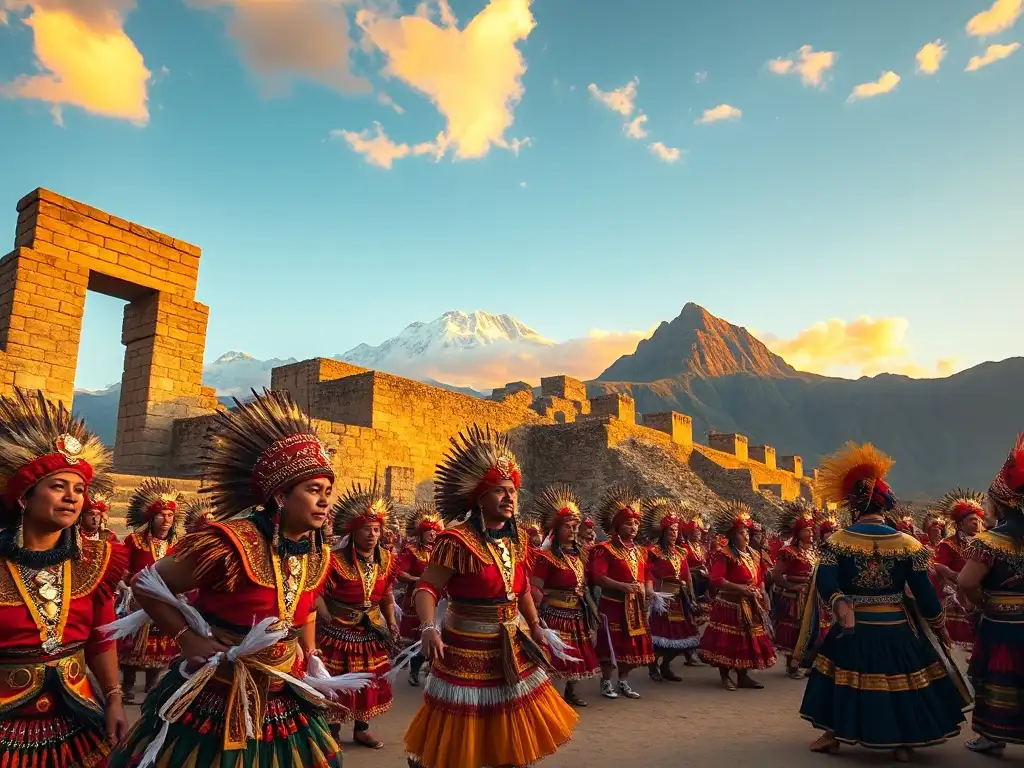
Step into a world lost to time, yet echoing with vibrant life. Discover the breathtaking legacy of the Andean civilizations, from the intricate artistry of the Nazca lines to the awe-inspiring engineering of the Incas. But prepare to be captivated by the Inca Festival Inti Raymi, a sun-drenched spectacle that reveals the heart of Andean cosmology and worldview. Journey with us to uncover the secrets behind this ancient celebration—a testament to a civilization that continues to inspire wonder. Unravel the mysteries of Inti Raymi and more...
In the heart of the Andes, where the towering mountains meet the vast expanse of the sky, lies a rich tapestry of ancient cultures. Among them, the Inca civilization stands out for its sophisticated understanding of the cosmos and its intricate relationship with the natural world. This understanding is profoundly reflected in their elaborate rituals and festivals, none more significant than the Inti Raymi, the Inca Festival of the Sun.
This article delves into the profound meaning and historical context of the Inti Raymi, exploring its role in Inca cosmology, its connection to the winter solstice, and its enduring legacy. We will examine the festival's origins, its prominence during the Inca Empire, its subsequent suppression by the Spanish conquistadors, and its remarkable revival in modern times.
Understanding the Inti Raymi provides invaluable insight into the Inca worldview and their deep reverence for the sun, a celestial body they considered the source of life and the very essence of their existence. Prepare to embark on a journey through time and space, unraveling the mysteries of this captivating Inca celebration and its enduring relevance to our understanding of Andean cosmology.
Understanding the Significance of Inti Raymi
The Inca Celebration of the Winter Solstice
The Inti Raymi, celebrated around June 21st, coincided with the winter solstice in the Southern Hemisphere. This astronomical event held profound significance for the Inca, marking not an ending, but a crucial turning point, a symbolic rebirth. The shortest day of the year represented a period of reflection and renewal, a time to honor the sun god, Inti, and ensure his continued benevolence, essential for the prosperity of the empire's agriculture and overall well-being.
The festival was not merely a celebration; it was a vital ritual aimed at ensuring the sun's return to its zenith, guaranteeing the continuation of life and the cyclical renewal of time itself. This intricate connection between astronomy, religion, and agriculture underscores the sophisticated knowledge and worldview of the Inca civilization.
Inti Raymi: A Key Ritual in Inca Cosmology
The Inti Raymi was far more than a seasonal festivity; it was a cornerstone of Inca cosmology. It served as a powerful reaffirmation of the Inca's profound belief in the sun's life-giving power and its central role in their worldview. The elaborate ceremonies, sacrifices, and processions were not arbitrary displays; they were meticulously designed rituals intended to maintain cosmic harmony and ensure the continued flourishing of the Inca empire. The festival's significance extended beyond the immediate community, encompassing the entire Inca world, uniting disparate regions under a shared belief system and a common purpose.
The Sun God Inti and His Importance
At the heart of the Inti Raymi lies the sun god, Inti. He wasn't simply a deity; he was considered the ancestor of the Inca royal family, the source of all life, and the ultimate guarantor of their prosperity and power. The Inca’s devotion to Inti permeated every aspect of their lives, from agriculture to governance.
The Inti Raymi served as the supreme expression of this devotion, a time when the entire empire united to honor and appease their celestial patron. Temples dedicated to Inti, such as the Coricancha in Cusco, served as focal points for this profound veneration, further emphasizing the sun god's central role in Inca society.
Historical Context of the Inti Raymi Festival
Origins of the Inca Sun Festival
The precise origins of the Inti Raymi are shrouded in the mists of time, lost to the passage of centuries. However, evidence suggests that sun worship existed in the Andean region long before the Inca Empire's rise. The Inca likely inherited and adapted existing traditions, integrating them into their own elaborate religious system.
Archaeological findings and historical accounts point to a gradual evolution of the festival, with its scale and complexity growing alongside the Inca Empire's expansion and consolidation of power. Further research and analysis of archaeological data are crucial to fully understand the origins and early development of this important celebration.
Inti Raymi During the Inca Empire
During the Inca Empire's zenith, the Inti Raymi reached its peak of grandeur and significance. It was a multi-day event involving thousands of participants, elaborate processions, and lavish offerings. The festival served as a powerful display of imperial power and authority, reinforcing the Inca ruler's divine status as a descendant of the sun god. The Inti Raymi showcased the empire's wealth, its organizational capabilities, and its deeply ingrained religious beliefs. The intricate choreography of the ceremonies, the precise timing of the rituals, and the sheer scale of the event are testament to the Inca's advanced social and political organization.
The Suppression and Revival of the Inti Raymi Celebration
Following the Spanish conquest, the Inti Raymi was brutally suppressed. The Spanish conquistadors, aiming to eradicate indigenous religions and impose Catholicism, actively persecuted the Inca traditions. The festival was outlawed, its sacred sites desecrated, and its practitioners punished.
However, despite the attempts at suppression, the Inti Raymi persisted in various forms, surviving underground for centuries. In the 20th century, a concerted effort led to the festival's revival, transforming it into a powerful symbol of cultural identity and resistance. Today, the Inti Raymi is a major cultural event, attracting thousands of tourists and locals alike, a testament to the enduring power of Inca traditions and the resilience of Andean culture.
Inti Raymi: Rituals and Ceremonies
The Inti Raymi festival was not merely a celebration; it was a complex series of meticulously planned rituals and ceremonies designed to honor Inti, the sun god, and ensure the continued prosperity of the Inca Empire. These rituals were deeply symbolic, reflecting the Inca worldview and their profound connection to the natural world. The entire celebration was orchestrated to reflect the cyclical nature of time and the sun's vital role in agriculture and life itself.
The precision and grandeur of the ceremonies underscore the importance the Inca placed on maintaining cosmic balance and securing a bountiful harvest. The sheer scale of the event, involving thousands of participants, demonstrated the Inca's power and their absolute devotion to their deity.
The Sacred Procession and its Meaning
The sacred procession formed the heart of the Inti Raymi celebrations. It was a breathtaking spectacle, involving the Inca emperor, his court, priests, nobles, and thousands of commoners, all dressed in vibrant, ornate clothing. The procession wound its way from the Coricancha (Temple of the Sun) in Cusco to the sacred site of Saqsayhuamán, high above the city.
This journey itself was symbolic, representing the sun's journey across the sky. The procession's route likely followed specific paths with significant cosmological meaning, each step carefully choreographed to reaffirm the Inca's connection to the divine. The movement of the procession, along with the accompanying music and chants, served to create a powerful and awe-inspiring experience, reinforcing the significance of the occasion.
Traditional Music and Dances of Inti Raymi
Music and dance played a vital role in the Inti Raymi ceremonies. Specialized musicians, using instruments such as panpipes, drums, and conch shells, created a vibrant soundscape that accompanied the processions and rituals. The music was not merely entertainment; it was believed to have magical properties, capable of influencing the natural world and appeasing the gods.
Intricate dances, performed by skilled dancers, depicted mythological stories, agricultural cycles, and the power of the sun. These performances were not simply aesthetic; they were essential components of the ritual, acting as a form of communication between the human and divine realms. The rhythmic movements and synchronized steps reflected the cyclical nature of the cosmos and the sun's life-giving energy.
Offerings and Sacrifices to the Sun God
Offerings and sacrifices were central to the Inti Raymi rituals. The Inca offered precious metals, such as gold and silver, along with elaborate textiles, food, and livestock. These offerings, often presented on specially crafted altars, symbolized the Inca's devotion and their desire to appease the sun god.
While the specific details of the sacrifices are not fully known, historical accounts suggest that animal sacrifices were common, with llamas and alpacas being particularly significant. The act of sacrifice was seen as a way to maintain cosmic equilibrium and ensure the sun's continued benevolence. The offerings represented the Inca’s gratitude for the sun's life-giving energy and their hope for a successful harvest.
Key Participants in the Inti Raymi Ritual
The Inca emperor was the central figure in the Inti Raymi celebrations. His role was not merely ceremonial; he acted as a mediator between the human and divine worlds. He was responsible for leading the rituals, making offerings, and ensuring the proper execution of the ceremonies.
Alongside the emperor, high-ranking priests, nobles, and officials played crucial roles, each with specific responsibilities within the complex ritual structure. The participation of commoners was also essential, demonstrating the collective nature of the celebration and the shared devotion to the sun god. The involvement of various social groups highlighted the importance of the Inti Raymi festival to the entire Inca society.
The Role of the Inca Priest in the Celebration
Inca priests held a position of immense power and influence during the Inti Raymi festival. They were responsible for interpreting celestial events, advising the emperor, and conducting the religious rituals. They were highly skilled in astronomy and astrology, using their knowledge to predict the timing of the solstice and to guide the ceremonies.
The priests' expertise was crucial in ensuring the proper execution of the rituals and maintaining the cosmic balance. Their role extended beyond the immediate ceremonies; they were involved in the preparation of offerings, the selection of sacrificial animals, and the interpretation of omens. Their pronouncements held significant weight, shaping the course of the celebration and influencing the lives of the Inca people.
Inti Raymi Today: A Modern Reenactment
The modern celebration of Inti Raymi is a vibrant and captivating spectacle, attracting thousands of visitors annually. While it differs significantly from the original Inca ceremony, it serves as a powerful reminder of the rich cultural heritage of the Andes and the enduring legacy of the Inca Empire. The reenactment aims to honor the past while adapting to contemporary circumstances.
The Contemporary Celebration of the Inca Festival
Today's Inti Raymi is a large-scale reenactment staged primarily in Cusco, Peru. The event involves hundreds of performers dressed in traditional Inca clothing, recreating key aspects of the original ceremony. The procession, the rituals, and the dances are all carefully choreographed to reflect historical accounts and archaeological findings. This careful recreation is an attempt to preserve and transmit the Inca cultural heritage to future generations. However, it's crucial to remember that this is a modern interpretation, informed by available historical data and artistic license.
Inti Raymi in Cusco: A Cultural Spectacle
The Inti Raymi celebration in Cusco is a major tourist attraction, showcasing the city's rich history and cultural heritage. The event generates significant economic activity, benefiting local communities and businesses. The festival attracts visitors from around the world, creating a vibrant and cosmopolitan atmosphere. The scale of the event, the colorful costumes, and the energetic performances make it a truly unforgettable cultural experience. The modern celebration acts as a testament to the enduring power and appeal of Inca traditions.
The Significance of Preserving Inca Traditions
The continued celebration of Inti Raymi is crucial for preserving Inca traditions and cultural identity. The festival serves as a powerful reminder of the rich history and cultural heritage of the Andean region. By reenacting this ancient ceremony, modern Peruvians connect with their ancestors and reaffirm their cultural identity. The preservation of these traditions is not merely a nostalgic exercise; it is a vital aspect of maintaining cultural diversity and promoting intercultural understanding. The modern Inti Raymi is a living testament to the Inca’s legacy, ensuring that their traditions continue to thrive.
The Modern Interpretation of the Inti Raymi Ceremony
The modern Inti Raymi ceremony is a carefully constructed interpretation of the original event. While striving for historical accuracy, the reenactment inevitably reflects contemporary sensibilities and understandings. The organizers and performers draw upon historical accounts, archaeological evidence, and anthropological research to inform their portrayal of the Inca festival. However, the modern interpretation also incorporates elements of theatrical performance and artistic license, making it a unique blend of historical reconstruction and contemporary expression. The modern Inti Raymi is not a perfect replica, but rather a dynamic and evolving representation of the past, adapted to the present day.
Inti Raymi and the Andean Concept of Time
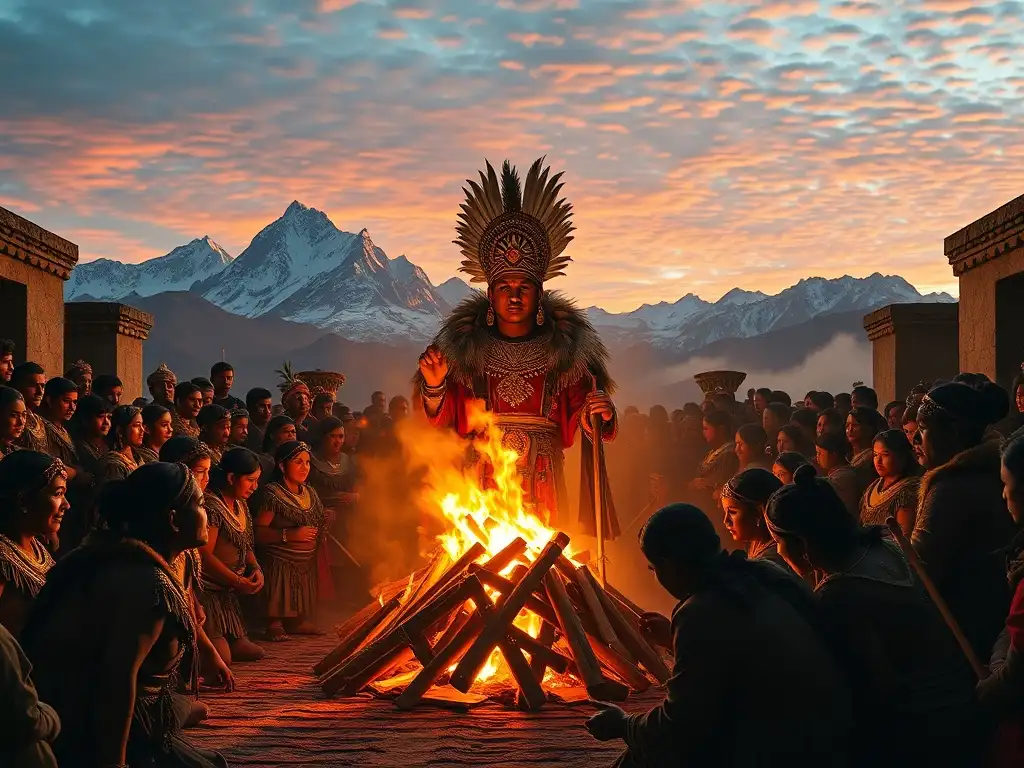
The Inca Festival of Inti Raymi, or Festival of the Sun, wasn't merely a celebration; it was a profound ritual deeply intertwined with the Andean concept of time. Unlike the linear perception of time prevalent in many Western cultures, the Inca worldview embraced a cyclical understanding of time, marked by recurring patterns in nature and the cosmos. The sun's journey, the agricultural cycles, and the rhythms of life and death all contributed to this cyclical perspective.
Inti Raymi, therefore, served as a powerful marker within this cyclical framework, a moment of renewal and regeneration. The festival wasn't just about celebrating the past year, but about actively participating in the continuous cycle of time, ensuring its harmonious continuation.
The precise astronomical calculations involved in determining the festival's date further highlight the Inca's sophisticated understanding and manipulation of this cyclical time. This meticulous attention to detail underscores the importance of Inti Raymi within their cosmological worldview.
The Inca Understanding of Cyclical Time
The Inca understanding of time was profoundly different from Western linear conceptions. Instead of a straight line progressing from beginning to end, the Inca perceived time as a cyclical process, constantly renewing itself. This cyclical view was deeply rooted in their observations of nature: the changing seasons, the sun's annual journey, and the recurring patterns of planting and harvesting. The cyclical nature of life and death also played a crucial role in shaping their understanding.
Death wasn't seen as an absolute end, but as a transition into another phase of the cycle. This holistic perspective is evident in their art, architecture, and religious practices, all reflecting a deep reverence for the cyclical flow of time. The Inca calendar, with its intricate system of recording time and predicting agricultural cycles, further exemplifies this profound understanding.
Inti Raymi: Marking the Rebirth of the Sun
Inti Raymi, at its core, marked the solstice—the rebirth of the sun. After reaching its lowest point in the southern hemisphere's winter, the sun began its ascent, symbolizing renewal and the promise of a bountiful harvest. The festival's timing, meticulously calculated using astronomical observations, ensured its precise alignment with this significant celestial event.
The rituals performed during Inti Raymi were designed to symbolically reinforce this rebirth, ensuring the sun's continued power and its life-giving energy. The Inca believed that their participation in the festival was essential to maintain the cosmic balance and ensure the prosperity of their empire. The grand spectacle of the festival itself, with its vibrant costumes, elaborate ceremonies, and sacrificial offerings, served as a powerful visual representation of this renewal.
The Link Between Inti Raymi and Agricultural Cycles
Inti Raymi’s significance extended far beyond a simple celebration of the sun; it was intrinsically linked to the agricultural cycles crucial to Inca survival. The solstice marked the beginning of the growing season, signifying the promise of a successful harvest. The festival's rituals, therefore, served as a prayer for bountiful crops and the continuation of life.
The Inca's deep connection to the land and their dependence on agriculture made Inti Raymi a vital ritual for ensuring their sustenance and prosperity. The timing of the festival, precisely aligned with the astronomical events, ensured that the agricultural calendar was synchronized with the celestial cycles, reflecting a sophisticated understanding of the interplay between the cosmos and the earthly realm. The meticulous planning and execution of the festival highlight the Inca's deep appreciation for the interconnectedness of celestial events and agricultural success.
How Inti Raymi Reflects Inca Worldview
Inti Raymi wasn't merely a festive occasion; it was a powerful expression of the Inca worldview. It reflected their deeply spiritual connection to nature, their understanding of cyclical time, and their belief in the interconnectedness of the cosmos and the earthly realm. The festival's elaborate rituals, sacrifices, and astronomical alignments all served to reinforce these core beliefs.
The Inca's reverence for the sun as the source of life and their belief in the importance of maintaining cosmic balance are clearly evident in the festival's structure and purpose. The meticulous planning and execution, involving the entire empire, demonstrate the significance of Inti Raymi in upholding the Inca social order and ensuring its continued prosperity. The festival served as a powerful reminder of the Inca's cosmological beliefs and their deep connection to the natural world.
The Cultural Legacy of Inti Raymi
The legacy of Inti Raymi extends far beyond the Inca Empire's demise. Its influence is still felt today in Andean culture and continues to shape contemporary artistic expressions. The festival's enduring power lies in its ability to encapsulate fundamental aspects of Andean identity and worldview. The rich tapestry of traditions, rituals, and beliefs associated with Inti Raymi has been passed down through generations, demonstrating the festival's remarkable resilience and cultural significance. In modern times, Inti Raymi has experienced a resurgence, becoming a symbol of cultural pride and a testament to the enduring spirit of Andean civilizations.
Inti Raymi as a Symbol of Inca Identity
Inti Raymi has become a potent symbol of Inca identity, representing the continuity of Andean culture and traditions. It stands as a powerful reminder of the Inca Empire's sophisticated civilization, its profound cosmological beliefs, and its rich cultural heritage. The festival's revival in modern times serves as a means of reclaiming and celebrating this heritage, fostering a sense of unity and pride among Andean communities.
The vibrant costumes, music, and dances associated with Inti Raymi are integral aspects of this cultural identity, passed down through generations and adapted to contemporary contexts. This enduring legacy underscores the festival's profound importance as a symbol of Inca heritage.
The Impact of Inti Raymi on Andean Culture
Inti Raymi's impact on Andean culture is profound and multifaceted. It has shaped artistic expressions, influenced social structures, and helped preserve ancient traditions. The festival has been a source of inspiration for countless artists, writers, and musicians, contributing to the rich cultural landscape of the Andes.
Its influence extends beyond the artistic realm, impacting social dynamics and contributing to the preservation of cultural identity. The festival has played a crucial role in strengthening community bonds and promoting a sense of shared heritage, further solidifying its importance in contemporary Andean life. The enduring popularity and continued celebration of Inti Raymi demonstrate its lasting influence on Andean society.
Inti Raymi and its Influence on Contemporary Indigenous Art
The influence of Inti Raymi is clearly visible in contemporary indigenous art. Artists draw inspiration from the festival's vibrant imagery, its symbolic representations, and its profound spiritual significance. The festival's themes of renewal, rebirth, and the cyclical nature of time are often reflected in contemporary Andean art forms, ranging from textiles and ceramics to paintings and sculptures.
The rich colors, intricate patterns, and symbolic motifs associated with Inti Raymi are frequently incorporated into contemporary artworks, demonstrating the festival's continued relevance and influence on artistic creativity. This ongoing inspiration highlights the festival's enduring power and its ability to connect past and present generations.
Experiencing the Inti Raymi Festival
Experiencing the Inti Raymi festival is a truly unforgettable event. The spectacle of vibrant costumes, the rhythmic sounds of ancient Andean music, and the powerful energy of the rituals create an atmosphere of awe and wonder. The festival offers a unique opportunity to connect with Andean culture, history, and spirituality.
The sheer scale and grandeur of the modern-day Inti Raymi celebration, a testament to its enduring popularity and cultural significance, provide a profound glimpse into the heart of Andean identity. Witnessing the festival firsthand allows for a deeper understanding of its historical context and its continued importance in contemporary Andean life. The experience offers a rich tapestry of sights, sounds, and emotions, creating a lasting memory of this remarkable cultural event.
Conclusion: The Enduring Power of the Inti Raymi
The Inti Raymi, far from being a mere historical reenactment, remains a potent symbol of Inca identity and Andean cosmology. Its enduring power lies in its ability to connect past, present, and future generations. The festival's vibrant spectacle, filled with music, dance, and ritual, transcends the purely visual; it is a deeply felt experience that reaffirms the connection between the Andean people and their ancestral heritage.
The meticulous reconstruction of Inca traditions, clothing, and rituals ensures the preservation of cultural memory, bolstering a sense of collective identity and pride. Moreover, the festival's growing popularity highlights a global interest in understanding and appreciating diverse cultural expressions, fostering intercultural dialogue and mutual respect.
The Inti Raymi stands as a testament to the resilience and enduring cultural richness of the Inca civilization. It serves not only as a celebration of the past but also as a catalyst for continued cultural preservation and revitalization in the present.
The Importance of Inti Raymi for Future Generations
The Inti Raymi festival plays a crucial role in educating and inspiring future generations about the Inca civilization. It provides a tangible and engaging way to learn about Inca history, culture, and traditions, surpassing the limitations of textbooks and classroom lectures. Witnessing the elaborate costumes, intricate dances, and powerful rituals provides a vivid and immersive learning experience.
The festival's participatory nature, often involving local communities and schools, actively engages younger generations in the preservation of their cultural heritage. By participating in or even simply observing the Inti Raymi, young people develop a deeper understanding and appreciation for their roots, fostering a sense of belonging and responsibility towards their cultural legacy.
The festival's continued celebration ensures that the knowledge and practices of the Inca civilization are not lost to time, but rather passed on as a living tradition. This intergenerational transmission of cultural knowledge is essential for maintaining cultural diversity and identity in a rapidly changing world.
Celebrating the Inca Heritage Through Inti Raymi
The Inti Raymi is more than just a festival; it is a powerful instrument for celebrating and preserving Inca heritage. The meticulous reconstruction of Inca rituals, clothing, and musical instruments demonstrates a deep commitment to historical accuracy and cultural authenticity. The involvement of local communities and artisans ensures that traditional skills and crafts are not only preserved but also actively practiced and passed down through generations.
The festival’s vibrant display of Inca art, music, and dance provides a captivating showcase of the richness and complexity of Inca culture, attracting both local and international audiences. This increased visibility helps to raise awareness and appreciation for Inca heritage, fostering a sense of pride and ownership amongst the Andean people and promoting intercultural understanding on a global scale.
The continued evolution and adaptation of the Inti Raymi, while remaining faithful to its core traditions, demonstrates the vitality and adaptability of Inca culture in the modern world. The festival acts as a powerful symbol of cultural resilience and continuity.
The Spiritual Significance of the Inca Sun Festival
At its heart, the Inti Raymi is a deeply spiritual celebration, reflecting the Inca's profound reverence for the sun god, Inti. The festival's rituals and offerings were believed to ensure a bountiful harvest and the continued well-being of the Inca empire. The precise astronomical timing of the festival, coinciding with the winter solstice, reflects the Inca's sophisticated understanding of astronomy and its integration into their religious and agricultural practices.
The offerings of coca leaves, maize, and other sacred objects symbolized the Inca's deep connection to the land and their dependence on the sun's life-giving energy. The elaborate ceremonies and processions were not merely spectacles, but rather powerful acts of communion with the divine, reinforcing the Inca worldview and their social order. Even today, many participants and observers experience the Inti Raymi as a spiritually enriching event, connecting with the ancient beliefs and practices of their ancestors.
The enduring spiritual significance of the Inti Raymi underscores the profound connection between the Inca people and their sacred landscape, a bond that continues to resonate across centuries. The festival serves as a powerful reminder of the deeply spiritual nature of Inca culture and its enduring influence on Andean spirituality.
- Understanding the Significance of Inti Raymi
- Historical Context of the Inti Raymi Festival
- Inti Raymi: Rituals and Ceremonies
- Inti Raymi Today: A Modern Reenactment
- Inti Raymi and the Andean Concept of Time
- The Cultural Legacy of Inti Raymi
- Conclusion: The Enduring Power of the Inti Raymi
Frequently Asked Questions
What is Inti Raymi?
Inti Raymi is the Inca festival of the sun, a celebration of the winter solstice and the renewal of the sun's power. It was a significant religious and agricultural event in the Inca Empire.
When and where was Inti Raymi celebrated?
Traditionally, Inti Raymi was celebrated on June 21st at the Sacsayhuamán fortress near Cusco, Peru. Modern celebrations are also held in various locations.
What were the main rituals and activities during Inti Raymi?
The festival involved sacrifices, processions, music, and dancing, all centered around honoring the sun god Inti. Elaborate feasts were also a key part of the celebrations.
Why is Inti Raymi important to understand Inca culture?
Inti Raymi provides valuable insight into Inca religious beliefs, their agricultural practices, and the complex social structure of their society. It showcases their sophisticated understanding of astronomy and their connection to nature.
How is Inti Raymi celebrated today?
Modern celebrations are a reconstruction of the ancient festival, aiming to preserve and revive Inca traditions. It's a major tourist attraction, drawing visitors from around the world to witness a spectacular performance.
Final Reflection: Inti Raymi – A Legacy of Light and Renewal
The vibrant legacy of Inti Raymi continues to resonate today, a powerful testament to the enduring spirit of the Inca civilization and the cyclical nature of time itself. Its re-enactment isn't merely a spectacle; it's a living bridge connecting the past to the present, reminding us of the importance of honoring our heritage and celebrating the rhythms of life. The festival's enduring popularity speaks volumes about our innate human need to connect with something larger than ourselves, to find meaning in the cycles of nature and the passage of time.
Inti Raymi's influence extends far beyond the breathtaking performances and vibrant costumes; it speaks to a deeper cultural understanding of the sun's power and the interconnectedness of all living things. The festival's re-emergence after centuries of suppression underscores the resilience of cultural identity and the enduring power of tradition. The sun is the heart of the world, and Inti Raymi is the beating of that heart.
This sentiment, though perhaps not a direct quote from Inca times, captures the essence of the festival's enduring significance. It reminds us that even in the face of adversity, the spirit of a culture can endure, finding new ways to express itself and connect with its roots.
Consider, for a moment, the cyclical nature of the sun's journey, mirrored in the festival's own rebirth. What cycles are present in your own life? What traditions, beliefs, or values do you hold dear, and how can you ensure their continued vitality? Embrace the spirit of Inti Raymi – celebrate the light within you, honor your heritage, and find renewal in the cyclical rhythms of life. Let the legacy of the Inca sun festival inspire you to find your own unique path towards growth, understanding, and connection with the world around you.
Celebrate the Sun: Join the Spirit of Inti Raymi!
Thank you for exploring the vibrant traditions of Inti Raymi with us! Your interest in this incredible festival connects you with the rich heritage of the Andean civilizations. Let's deepen your connection by actively participating in honoring the sun and its vital role in our lives.
Here are a few meaningful ways you can participate:
- Attend a local Inti Raymi festival or community event, or organize your own gathering to share its significance with loved ones.
- Learn about and recreate traditional Inti Raymi recipes and crafts. Prepare authentic dishes or create decorations that reflect the beauty and spirit of this festival.
- Share your experiences with our community! Post photos or reflections on social media using the hashtag #IntiRaymiCelebration to connect with fellow enthusiasts.
How will you uniquely celebrate the sun's power and the rebirth it symbolizes?