
Unraveling Andean Time: Cyclical Patterns and Cosmic Eras

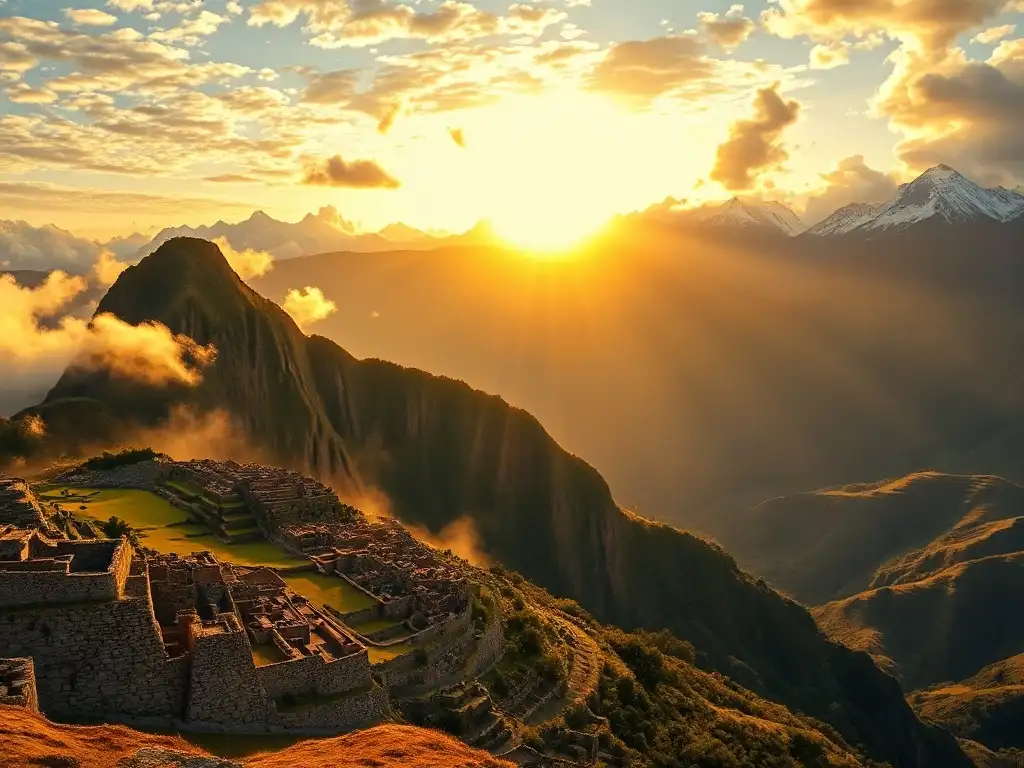
Step into a world lost to time, yet echoing in the mountains. Imagine civilizations that charted the cosmos, not in linear time, but in breathtaking cyclical patterns. This isn't just history; it's a journey through the vibrant tapestry of Andean culture, where the Incas, Moche, Nazca, and Tiahuanaco left behind more than just ruins – they left a legacy of Ancient Andean cyclical patterns that continue to fascinate and inspire. Unravel the mysteries of their cosmic worldview and discover how these ancient societies understood and interacted with the universe. Prepare to be amazed.
The Andes Mountains, a spine of rock and ice running down the western edge of South America, have witnessed millennia of human history. This majestic landscape served as both a physical and spiritual backdrop for a series of vibrant and sophisticated civilizations, each leaving behind a legacy of intricate artistry, remarkable engineering, and a unique worldview.
This article delves into the fascinating concept of time as understood by these ancient Andean cultures, exploring their belief in cyclical patterns, cosmic eras, and the profound relationship they perceived between humanity and the celestial realm. Understanding their conception of time is crucial to grasping the complexities of their societal structures, religious practices, and the enduring impact they've had on the region.
We will examine the evidence revealing how the ancient Andean peoples perceived time not as a linear progression but as a recurring cycle, interwoven with the rhythms of nature and the movements of the cosmos. This exploration of Ancient Andean cyclical patterns will unveil a rich tapestry of cosmological beliefs and practices that continue to resonate today.
Understanding Andean Concepts of Time
Unlike the linear perception of time prevalent in many Western cultures, the Andean worldview embraced a cyclical understanding of time. This wasn't simply a matter of repeating seasons; instead, it represented a continuous flow, a cosmic dance between creation and destruction, life and death, light and darkness. Evidence suggests that Andean societies meticulously tracked celestial events, correlating them with agricultural cycles, social organization, and religious rituals.
The precise methods varied across different cultures—the Inca, Moche, Nazca, and Tiahuanaco each had their own unique interpretations and systems—but the underlying principle of cyclical time remained consistent. This cyclical perspective profoundly impacted their understanding of history, shaping their narratives of origin, their relationship with the cosmos, and their approach to governance and societal organization.
Their calendars, meticulously recorded through various means, such as knotted strings (quipus) and monumental architecture, served as tangible representations of this cyclical perception of time. The intricate astronomical observations and knowledge embedded within these systems highlight the sophistication of their understanding of the universe and their place within it.
The Significance of Cyclical Time in Ancient Andean Cultures
The cyclical nature of time in Andean cosmology had profound implications for their societies. Agricultural practices were deeply intertwined with their understanding of cosmic rhythms. The planting and harvesting seasons were not arbitrary events but were carefully aligned with celestial cycles, ensuring the success of their crops and the well-being of their communities.
Religious ceremonies were also timed to coincide with specific astronomical events, reinforcing the connection between the earthly and celestial realms. Furthermore, the concept of cyclical time informed their political structures and social hierarchies. The succession of rulers, the organization of labor, and the allocation of resources were often linked to cyclical patterns, reflecting a deep understanding of the interconnectedness of all aspects of Andean life.
The cyclical view of time also influenced their artistic expression, with recurring motifs and symbolic representations found in their pottery, textiles, and monumental architecture. These artistic expressions served as visual reminders of the cyclical nature of existence, reinforcing their worldview and transmitting their beliefs across generations.
Ancient Andean Cyclical Patterns: A Deep Dive
Examining specific examples reveals the intricate nature of Andean cyclical patterns. For instance, the Inca calendar, based on a combination of solar and lunar cycles, structured their agricultural practices and religious festivals. The Moche culture, known for its elaborate pottery depicting scenes of daily life and mythology, often included representations of cyclical themes, such as the recurring cycles of nature and the cyclical rise and fall of power.
The Nazca lines, enigmatic geoglyphs etched into the desert landscape, may have served as astronomical markers, reflecting their sophisticated understanding of celestial movements and their incorporation into their worldview. The Tiahuanaco culture, with its impressive monumental architecture, also incorporated astronomical alignments into their structures, further emphasizing their understanding and use of cyclical patterns. The precise details and interpretations of these patterns are still subject to ongoing research, but the evidence undeniably points to a sophisticated and multifaceted understanding of time that was deeply embedded in their culture and civilization.
Further research into the intricate details of Andean astronomical observations and the symbolic language embedded in their art and architecture promises to further illuminate their unique perception of cyclical time. The study of Ancient Andean cyclical patterns is an ongoing journey of discovery, revealing the rich complexity of these fascinating ancient cultures.
- Understanding Andean Concepts of Time
- The Significance of Cyclical Time in Ancient Andean Cultures
- Ancient Andean Cyclical Patterns: A Deep Dive
- What are "cyclical patterns" in the context of Andean civilizations?
- How did the Incas incorporate cyclical patterns into their society?
- Did other Andean cultures besides the Incas also follow cyclical patterns?
- How did the understanding of cyclical patterns affect Andean agriculture?
- How are these cyclical patterns reflected in Andean art and architecture?
Key Elements of Andean Timekeeping

This section delves into the fundamental components that shaped the Andean understanding of time, moving beyond a simple linear progression to encompass a rich tapestry of cyclical patterns interwoven with cosmic events. Understanding Andean time requires appreciating their intricate system of observation, astronomical alignments, and the profound significance they placed on solstices and equinoxes.
This sophisticated approach to timekeeping wasn't merely a practical tool for agriculture; it was deeply embedded in their spiritual beliefs and social structures, reflecting a worldview intimately connected to the celestial realm. The concept of "Ancient Andean cyclical patterns" is central to grasping this unique perspective.
The Role of Observation in Andean Time Cycles
Andean civilizations developed remarkably accurate methods for tracking time, relying heavily on meticulous observation of the natural world. Unlike many other ancient cultures that relied primarily on written records, Andean societies transmitted their knowledge through oral traditions, intricate textiles, and monumental architecture. Their keen observation skills allowed them to identify subtle changes in the environment, correlating them with celestial events and agricultural cycles.
For example, the precise timing of planting and harvesting was directly linked to the observation of specific constellations and the changing positions of the sun. This wasn't a matter of guesswork; detailed records, though not written in the way we understand them, were kept through generations, ensuring the continuity of their agricultural practices and their understanding of "Ancient Andean cyclical patterns". The meticulous tracking of animal migrations, the flowering of plants, and the patterns of rainfall all contributed to their comprehensive understanding of seasonal rhythms.
This deep connection with the natural world fostered a profound respect for the cyclical nature of time and the interconnectedness of all living things. Evidence for this can be found in the complex iconography present on pottery and textiles, which often depict celestial events and agricultural activities in tandem.
Astronomical Alignments and Andean Calendars
The Andean understanding of time was inextricably linked to astronomical alignments. Many archaeological sites reveal a sophisticated knowledge of astronomy, with structures carefully oriented to align with significant celestial events. For instance, the precise orientation of buildings and monuments at sites like Machu Picchu and Chankillo demonstrates their ability to accurately track the solstices and equinoxes.
These alignments weren't accidental; they reflect a deep understanding of the sun's movements and its influence on the agricultural cycle. The development of calendars, though not based on a single standardized system across all Andean cultures, played a crucial role in organizing social and religious life. These calendars, often incorporating both solar and lunar cycles, facilitated the planning of festivals, ceremonies, and agricultural activities.
The integration of "Ancient Andean cyclical patterns" into their calendar systems reflects a holistic worldview where the celestial and terrestrial realms were profoundly intertwined. Further research is needed to fully understand the nuances and variations in Andean calendars across different regions and cultures. [Specific information pending on regional calendar variations and their astronomical bases]
The Importance of the Solstice and Equinox in Andean Time
The solstices and equinoxes held immense significance for the Andean civilizations, marking critical points in the agricultural cycle and serving as focal points for religious and social events. The winter solstice, for example, often corresponded to ceremonies focused on renewal and the promise of the upcoming harvest. The summer solstice, on the other hand, may have been associated with celebrations of abundance and thanksgiving.
These events were not simply observed; they were actively engaged with through rituals and offerings aimed at ensuring the continued fertility of the land and the well-being of the community. The equinoxes, marking the transition between seasons, also held symbolic importance, representing balance and harmony within the cosmos. The Inca, for example, likely incorporated these astronomical events into their elaborate religious festivals, further demonstrating the deep integration of "Ancient Andean cyclical patterns" into their social and spiritual life.
The precise nature of these celebrations varied across different Andean cultures, reflecting diverse regional traditions and beliefs. However, the overarching theme of the cyclical nature of time and the importance of maintaining harmony with the cosmos remained a constant. The careful observation and precise alignment of structures with these key astronomical events underline the high level of astronomical sophistication achieved by these ancient cultures.
Andean Cosmic Eras and World Transformations

The concept of cyclical time is central to understanding the Andean worldview. Unlike linear conceptions of history prevalent in many Western cultures, Andean societies perceived time as a continuous flow of cyclical patterns, marked by periods of creation, flourishing, decline, and renewal. This cyclical perspective profoundly influenced their cosmology, social structures, and agricultural practices. The understanding of these cycles, often tied to astronomical observations and agricultural rhythms, allowed Andean communities to navigate the complexities of their environment and maintain a sense of continuity across generations.
This section will delve into the specific Andean concepts of cosmic eras and the transformative events that defined them. Understanding these cyclical patterns sheds light on the remarkable resilience and adaptability of Andean civilizations throughout history. The core concept underpinning this cyclical understanding is Pachakuti.
The Concept of Pachakuti: Cycles of Change and Renewal
Pachakuti, a Quechua term often translated as "world upheaval" or "turning of the world," represents a fundamental concept in Andean cosmology. It signifies a radical transformation, a period of upheaval and chaos that marks the end of one era and the beginning of another. These weren't merely historical shifts; they were cosmic events involving profound changes in the natural world, social order, and even the very fabric of reality. Pachakuti wasn't necessarily viewed as inherently negative; rather, it was seen as a necessary process of renewal, a cyclical destruction paving the way for rebirth and regeneration.
The experience of Pachakuti varied across different Andean cultures. For example, the Inca might have interpreted a significant military conquest or a catastrophic natural event as a Pachakuti, while other groups might have associated it with more subtle shifts in societal norms or environmental changes. The common thread, however, was the recognition of a fundamental shift in the established order, demanding adaptation and restructuring.
Understanding Pachakuti helps us grasp the Andean perspective on time as a dynamic, ever-changing process, rather than a static, linear progression. The cyclical nature of Pachakuti highlights the importance of adaptability and resilience in the face of unpredictable events, a vital characteristic for survival in the challenging Andean environment. Evidence suggests that Inca rulers actively attempted to manage and even predict Pachakuti events through elaborate rituals, astronomical observations, and careful monitoring of environmental indicators.
Myths of World Creation and Destruction in Andean Cosmovision
Andean creation myths frequently depict cyclical patterns of creation and destruction. These narratives, passed down through generations through oral traditions and artistic representations, offer invaluable insights into their understanding of cosmic eras. While details vary across different groups (Moche, Nazca, Tiwanaku, Inca, etc. ), common themes emerge. Many myths describe multiple worlds or pacha preceding the current one, each destroyed by cataclysmic events like floods, earthquakes, or fires. These cataclysms are often attributed to the actions of powerful deities or supernatural forces, reflecting the Andean belief in the interconnectedness of the human and cosmic realms.
For instance, some myths describe a world created and subsequently destroyed multiple times, each time leading to a renewed creation with different characteristics. These myths aren't simply whimsical stories; they served as powerful tools for shaping societal values, explaining natural phenomena, and reinforcing the cyclical nature of time and the inevitability of change. The cyclical nature of creation and destruction in these myths emphasizes the transient nature of all things and the enduring power of renewal.
The repetition of creation and destruction underscores the importance of adaptability and the continuous need for communities to respond to the ever-changing environment and circumstances. Further research into specific myths from different Andean cultures would provide a more comprehensive understanding of their diverse interpretations of cosmic eras and their associated narratives.
The Inca View of Cosmic Eras: Four Suns and Pacha
The Inca concept of "Four Suns" represents a particularly well-documented example of Andean cosmology's cyclical nature. This myth describes four distinct eras, each characterized by a specific sun, a dominant form of life, and a mode of destruction. Each "Sun" represents a different world age, culminating in a destructive event that brings about the end of one era and the beginning of another. These eras are not necessarily linear; instead, they represent distinct phases within a continuous cycle of creation and destruction.
- First Sun (Pariacaca): Destroyed by a giant flood.
- Second Sun (Contisuyu): Destroyed by giant jaguars.
- Third Sun (Pachacamac): Destroyed by a great fire.
- Fourth Sun (Inti): The current era, ruled by the sun god Inti, and destined to end, according to the myth, with a great earthquake.
The Inca believed that their own era, the Fourth Sun, was also subject to eventual destruction, highlighting the cyclical nature of their worldview. This understanding of cyclical time influenced their social structures, agricultural practices, and religious rituals, emphasizing the importance of adaptation and preparation for inevitable change. The "Four Suns" myth underscores the Inca’s awareness of the transient nature of power and the cyclical pattern of creation, destruction, and renewal inherent in their understanding of the cosmos.
Further research is needed to fully understand the nuances of each Sun and their symbolic representation within the broader Inca cosmological system. [Specific details on Inca ritual practices related to the Four Suns myth pending].
Analyzing Andean Time Through Archaeological Evidence

This section delves into the tangible remnants of Andean civilizations that reveal their sophisticated understanding and tracking of time. Unlike linear Western conceptions, Andean time was cyclical, deeply intertwined with agricultural cycles, astronomical observations, and cosmological beliefs. Analyzing archaeological evidence offers invaluable insights into this unique temporal framework. The meticulous construction of monumental sites, the intricate designs on pottery and textiles, and even the arrangement of everyday objects contribute to a richer understanding of how Andean societies perceived and measured time.
The precision and intentionality evident in these artifacts challenge simplistic interpretations and highlight the advanced knowledge possessed by these ancient cultures. The recurring motifs and symbols discovered across various Andean cultures further emphasize the shared understanding of cyclical time across diverse regions and periods. This shared understanding, despite regional variations in artistic expression and architectural styles, underscores a pan-Andean cosmological framework informing their perception of time.
Machu Picchu's Alignment with Solstices and Equinoxes
Machu Picchu, the iconic Incan citadel, stands as a prime example of astronomical knowledge integrated into architectural design. Careful analysis reveals a deliberate alignment of key structures with solstices and equinoxes. The Intihuatana stone, for instance, a prominent feature of the site, is believed to have served as a solar observatory, used to track the sun's movements throughout the year.
The precise placement of buildings and terraces within the complex suggests a deep understanding of celestial cycles and their impact on agricultural practices. The positioning of windows and doorways, often meticulously oriented towards specific cardinal directions, further supports this interpretation. While the exact functions of certain structures remain debated, the consistent alignments strongly suggest a sophisticated system of timekeeping intertwined with religious and agricultural practices.
The precision involved implies years, if not generations, of observation and refinement, highlighting the commitment of the Inca to accurately tracking the cyclical passage of time. This meticulous attention to astronomical events underscores the importance of these cycles within the Inca worldview.
Material Culture and Representations of Time in Andean Art
Andean art provides a rich tapestry of visual representations reflecting their cyclical understanding of time. Textiles, pottery, and metalwork frequently incorporate motifs that symbolize renewal, regeneration, and the continuous cycle of life and death. Recurring symbols such as serpents, jaguars, and stylized depictions of celestial bodies are found across diverse Andean cultures, suggesting shared cosmological beliefs and a common understanding of time's cyclical nature.
For example, the Moche culture's intricate pottery often depicts scenes of agricultural activities, festivals, and ceremonies closely linked to the agricultural calendar and the cyclical patterns of planting and harvesting. Similarly, Nazca lines, though their precise purpose remains a subject of ongoing investigation, could have served as a giant calendar, reflecting their deep connection between the cosmos and terrestrial life.
The repetition of specific patterns and motifs in these art forms suggests a profound understanding of cyclical time, expressing their cosmology through visual language. Further research into the stylistic variations across different regions and time periods could reveal more nuanced understandings of how these cultures perceived and represented the passage of time.
Deciphering Andean Timekeeping Through Iconography
Iconography plays a crucial role in deciphering Andean concepts of time. Specific symbols and motifs, often repeated across different media and cultures, provide clues to their temporal understanding. For example, the recurring imagery of the serpent, associated with both death and rebirth, highlights the cyclical nature of life and the continuous renewal intrinsic to their worldview.
Similarly, depictions of celestial bodies, such as the sun and moon, emphasize the importance of astronomical cycles in their timekeeping systems. Analyzing the context in which these symbols appear, be it on textiles, pottery, or stone carvings, is key to understanding their meaning within the wider cosmological framework. This requires careful consideration of the specific materials used, the artistic styles employed, and the geographical location of the artifacts.
Further research, including comparative studies across different Andean cultures, is needed to fully decipher the complex iconographic language used to represent and understand the passage of time in these ancient societies. The detailed study of these iconographic elements promises to unlock further insights into the sophisticated timekeeping systems and cosmological beliefs of the Andean civilizations. The study of "Ancient Andean cyclical patterns" therefore requires a multidisciplinary approach, combining archaeological, astronomical, and art historical perspectives.
Modern Interpretations of Ancient Andean Time
The interpretation of Ancient Andean cyclical patterns has undergone a significant evolution in recent decades. Early anthropological studies often imposed Western linear models of time onto Andean cosmologies, overlooking the nuanced cyclical understanding inherent in their worldview. However, contemporary scholarship increasingly emphasizes the indigenous perspectives, recognizing the profound implications of their cyclical understanding of time for societal organization, environmental management, and spiritual practices. This shift is crucial for understanding not only the past, but also the present relevance of these ancient concepts.
The focus has moved from simply describing the patterns to analyzing their underlying principles and their continuing influence on Andean communities. Researchers now actively collaborate with indigenous communities, incorporating oral histories and traditional knowledge to enrich their interpretations and ensure respectful representation. This collaborative approach is essential for a more complete and nuanced understanding of Ancient Andean cyclical patterns.
Relevance of Andean Cyclical Patterns Today
The cyclical understanding of time prevalent in Ancient Andean cultures offers valuable insights for contemporary society grappling with issues of sustainability and long-term planning. The Inca's sophisticated agricultural techniques, for example, were deeply intertwined with their understanding of seasonal cycles and the interconnectedness of the environment. Their sophisticated water management systems, such as the qancha and andenes, highlight a profound respect for the cyclical rhythms of nature.
These systems, designed for long-term sustainability, demonstrate an approach to resource management that contrasts sharply with many modern practices characterized by short-term gains and environmental degradation. The Inca's meticulous record-keeping, often using quipus (knotted cords), demonstrates a capacity for long-term planning and data management that is remarkably sophisticated for its time. By studying their methods, we can gain valuable lessons in sustainable resource management and long-term societal planning.
Furthermore, the Andean emphasis on reciprocal relationships between humans and the natural world provides a potent counterpoint to modern anthropocentric views that often prioritize human needs above ecological balance. Understanding and applying these principles could contribute significantly to achieving a more sustainable future. The inherent respect for cyclical processes embedded in Andean cosmology offers a powerful framework for addressing the challenges of climate change and resource depletion.
Lessons from Andean Time for Modern Society
Ancient Andean cyclical patterns offer several crucial lessons for modern society. Firstly, they highlight the importance of long-term thinking, a concept often overlooked in our fast-paced, results-oriented world. The Andean emphasis on cyclical processes encourages a perspective that values continuity and sustainability over immediate gratification. This contrasts sharply with many modern economic and political systems that often prioritize short-term gains at the expense of long-term consequences.
Secondly, the Andean worldview emphasizes the interconnectedness of all things, highlighting the importance of ecological balance and reciprocal relationships between humans and the environment. This contrasts with many modern views that often see nature as a resource to be exploited rather than a partner to be respected. Thirdly, the intricate system of knowledge transmission and community participation evident in Andean societies highlights the value of collective knowledge and shared responsibility. This contrasts with the often individualistic and competitive nature of modern society.
By studying and integrating these principles into our own systems, we can strive for more sustainable, equitable, and resilient societies. The adoption of cyclical thinking in decision-making processes could lead to more environmentally conscious and socially responsible practices. This shift in perspective could significantly improve our ability to manage resources and address global challenges.
Preserving the Legacy of Andean Timekeeping
Preserving the legacy of Andean timekeeping requires a multi-faceted approach. Firstly, it necessitates the continued documentation and study of existing archaeological evidence, including the analysis of quipus, astronomical observatories, and other artifacts that provide insights into Andean understandings of time. Secondly, it is crucial to support and collaborate with Andean communities in preserving and revitalizing their traditional knowledge systems. This involves actively engaging with indigenous communities, respecting their intellectual property rights, and integrating their perspectives into academic research and educational initiatives.
Thirdly, educational programs should be developed to promote a wider understanding of Andean concepts of time and their relevance to contemporary challenges. This involves incorporating these perspectives into school curricula, museums, and other educational settings. Finally, international cooperation is essential to safeguard and promote the cultural heritage associated with Andean timekeeping.
This includes supporting research initiatives, preserving archaeological sites, and fostering respectful dialogue between different cultural perspectives. The preservation of this rich legacy is not merely an academic pursuit but a vital step toward building a more sustainable and equitable future. The integration of Andean wisdom into modern thought could contribute significantly to a more holistic and responsible approach to time management and resource utilization.
Frequently Asked Questions
What are "cyclical patterns" in the context of Andean civilizations?
Andean civilizations didn't perceive time linearly but cyclically, viewing history as a series of repeating eras influenced by cosmic events and agricultural cycles. This is reflected in their art, architecture, and religious beliefs.
How did the Incas incorporate cyclical patterns into their society?
The Inca calendar was deeply intertwined with agricultural cycles and astronomical observations. Their festivals and governance were structured around these cycles, reinforcing the importance of cyclical time.
Did other Andean cultures besides the Incas also follow cyclical patterns?
Yes, many Andean cultures, including the Moche, Nazca, and Tiahuanaco, exhibited evidence of cyclical thinking in their religious practices, art, and societal structures. Their beliefs often focused on recurring cosmic cycles.
How did the understanding of cyclical patterns affect Andean agriculture?
The understanding of seasonal cycles was crucial for Andean agriculture. Their mastery of irrigation and terracing techniques was directly linked to their knowledge of predictable cyclical patterns of weather and water availability.
How are these cyclical patterns reflected in Andean art and architecture?
Andean art often depicts cosmic events and seasonal changes, visually representing their understanding of cyclical time. Architectural alignments with celestial bodies further emphasize the importance of these patterns in their worldview.
Final Reflection: Echoes of the Andes: A Legacy of Cyclical Time
The intricate cyclical patterns of Andean cosmology, far from being relics of a distant past, offer a potent lens through which to understand our own relationship with time and the environment. Their enduring relevance is striking, particularly in a world grappling with climate change and the urgent need for sustainable practices. The cyclical understanding of time, inherent in Andean worldview, provides a powerful counterpoint to the linear progression often imposed by modern society.
The profound influence of Andean cyclical thinking continues to resonate, shaping contemporary artistic expressions, spiritual practices, and even ecological activism. The cyclical nature of life, death, and rebirth, so central to Andean thought, offers a comforting and challenging perspective on our own mortality and the impermanence of all things. The mountains remember,
a phrase often heard in Andean communities, speaks to the enduring power of cyclical time and the interconnectedness of all living beings. This profound connection to the land and its rhythms offers a valuable lesson for our increasingly disconnected world.
Consider, then, the wisdom embedded within these ancient patterns. How might embracing a more cyclical understanding of time – one that acknowledges both growth and decay, abundance and scarcity – inform your own life? Let the echoes of the Andes inspire you to cultivate a deeper awareness of the natural rhythms that govern our existence, and to find harmony within the cyclical dance of life itself. Embrace the cyclical, and find a more sustainable path forward.
Embrace the Andean Wisdom and Transform Your Perspective!
Thank you for exploring the fascinating world of Andean time and its intricate connections to the cosmos! Discovering the cyclical patterns of Andean civilizations offers profound insights into their understanding of life and the universe.
Now, let's put this knowledge into practice. Here are some ways to embrace and celebrate this ancient wisdom:
- **Immerse yourself in Andean culture:** Begin by reading books or watching documentaries about these civilizations to deepen your understanding of their traditions and philosophies. Many excellent resources are available to help you on this journey.
- **Cultivate mindfulness:** Reflect on the cyclical nature of life by creating a personal ritual that connects you to the rhythms of nature. For example, you might keep a journal documenting your experiences and feelings throughout the year, observing how they shift with the changing seasons.
- **Share your discoveries:** Discuss your newfound understanding with friends, family, or colleagues. Joining online communities dedicated to Andean culture can also foster a sense of belonging and shared learning.
How will you integrate the cyclical wisdom of the Andean civilizations into your daily life?