
Andean Civilizations: Unveiling the Sacred Bond Between People and Mountains

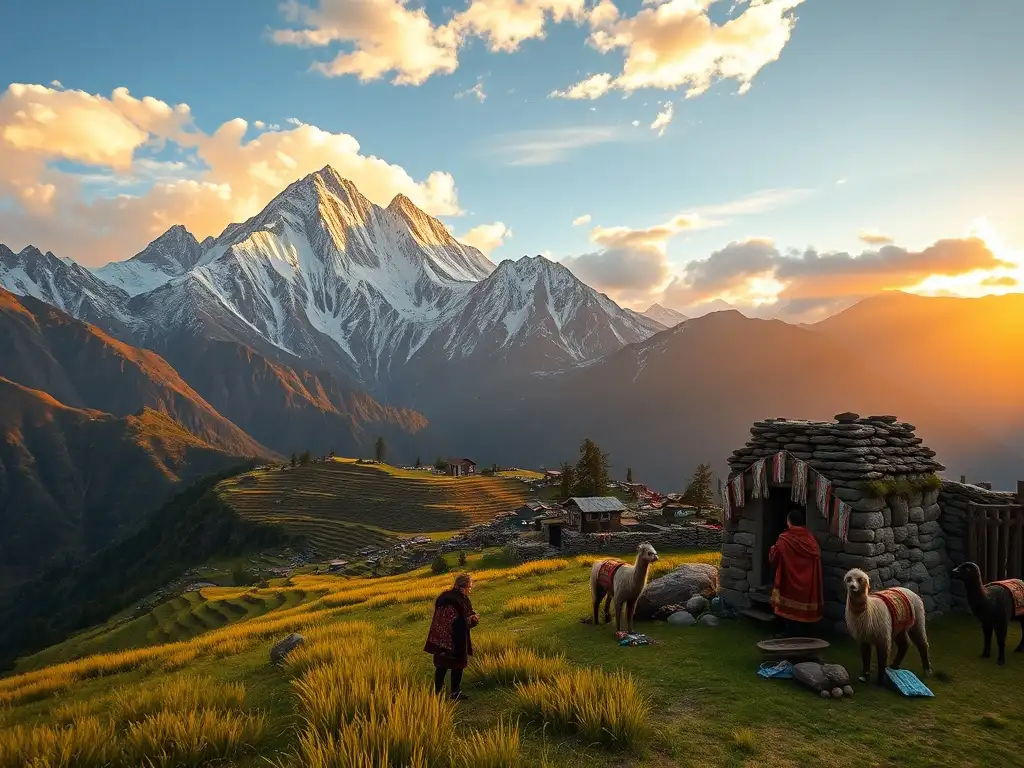
Welcome, explorer! Prepare to journey into the heart of the Andes, where the echoes of ancient empires still resonate. For centuries, the towering peaks weren't just geographical features, but sacred entities, deeply entwined with the lives of the Andean civilizations. Discover the astonishing secrets behind Andean civilizations sacred mountain rituals, a practice that shaped their worldview and connected them profoundly to the cosmos. Unravel the mysteries and witness the enduring legacy of a people who saw the mountains as more than stone – they saw them as gods. Dare to delve deeper...
The Andes Mountains, a colossal spine running down the western edge of South America, weren't merely a geographical feature for the ancient Andean civilizations; they were a living, breathing entity, deeply intertwined with their spiritual beliefs and daily lives. This article delves into the profound relationship between Andean peoples and their sacred mountains, exploring the intricate rituals and beliefs that shaped their cosmology and worldview.
We will examine how these majestic peaks served as powerful symbols, influencing everything from agricultural practices to elaborate ceremonies, demonstrating the deeply ingrained sacred mountain rituals that defined these fascinating cultures. Understanding this sacred bond is crucial to appreciating the rich tapestry of Andean civilizations, revealing a worldview profoundly different from our own, yet remarkably insightful in its connection to the natural world.
We will explore the specific rituals and beliefs of various Andean cultures, including the Incas, Moche, Nazca, and Tiahuanaco, highlighting the common threads and unique variations in their approaches to mountain worship. Prepare to journey through time and uncover the awe-inspiring reverence these civilizations held for the Andes, a reverence that continues to resonate even today.
The Profound Connection Between Andean Peoples and Their Natural World
The Andean worldview was fundamentally different from many other ancient societies. It wasn't a separation of humanity from nature, but rather a deep, intrinsic interconnectedness. The mountains, rivers, and animals were not simply resources to be exploited, but rather sentient beings, possessing spirits and playing vital roles in the cosmic order.
This animistic perspective permeated every aspect of Andean life, from agriculture and construction to social organization and political power. The cyclical nature of the Andes—the changing seasons, the unpredictable weather patterns—shaped their understanding of time and influenced their deeply spiritual practices. This holistic worldview emphasized balance and reciprocity, understanding that respecting the natural world was essential for maintaining harmony and prosperity.
Evidence of this intricate relationship is found in their art, architecture, and the numerous archaeological sites scattered throughout the Andes. For example, [specific examples of Andean art depicting mountain deities pending]. The intricate details reveal a sophisticated understanding of the natural world and a deep respect for its power.
The Andes Mountains: A Sacred Landscape for Ancient Cultures
The Andes Mountains themselves were considered apu, sacred mountain spirits. These weren't simply the peaks themselves, but entire mountain ranges, considered powerful deities with influence over the weather, fertility, and the well-being of the communities living in their shadow. Different apu were associated with specific regions and communities, each with unique characteristics and powers. The Incas, for example, venerated specific mountain peaks, such as [specific Inca mountain deity pending], performing elaborate ceremonies and offering gifts to appease and maintain a positive relationship with these powerful entities.
These rituals frequently involved pilgrimages to high-altitude shrines, offerings of coca leaves, llama sacrifices, and intricate prayers and chants. The Moche, Nazca, and Tiahuanaco cultures also developed their own unique forms of mountain worship, reflecting the diverse geographical and cultural landscapes of the Andes. The rituals varied, but the underlying principle remained constant: a profound respect for the mountains and a recognition of their vital role in the cosmic order.
Archaeological discoveries continue to shed light on the complexity and significance of these sacred mountain rituals, revealing a fascinating interplay between religion, society, and the environment. The sheer scale and complexity of some of these sites, like [specific example of an Andean sacred site pending], further emphasize the central role the mountains played in the lives of these ancient peoples. 🗺️ The enduring legacy of these rituals is evident in the continued reverence for the Andes among many Andean communities today.
- The Profound Connection Between Andean Peoples and Their Natural World
- The Andes Mountains: A Sacred Landscape for Ancient Cultures
- What role did mountains play in Andean civilizations?
- What types of rituals were performed on sacred mountains?
- Were all mountains considered sacred in Andean cultures?
- How did Andean civilizations interact with the mountain environment?
- What evidence exists to support the importance of mountain rituals?
The Significance of Mountains in Andean Cosmology
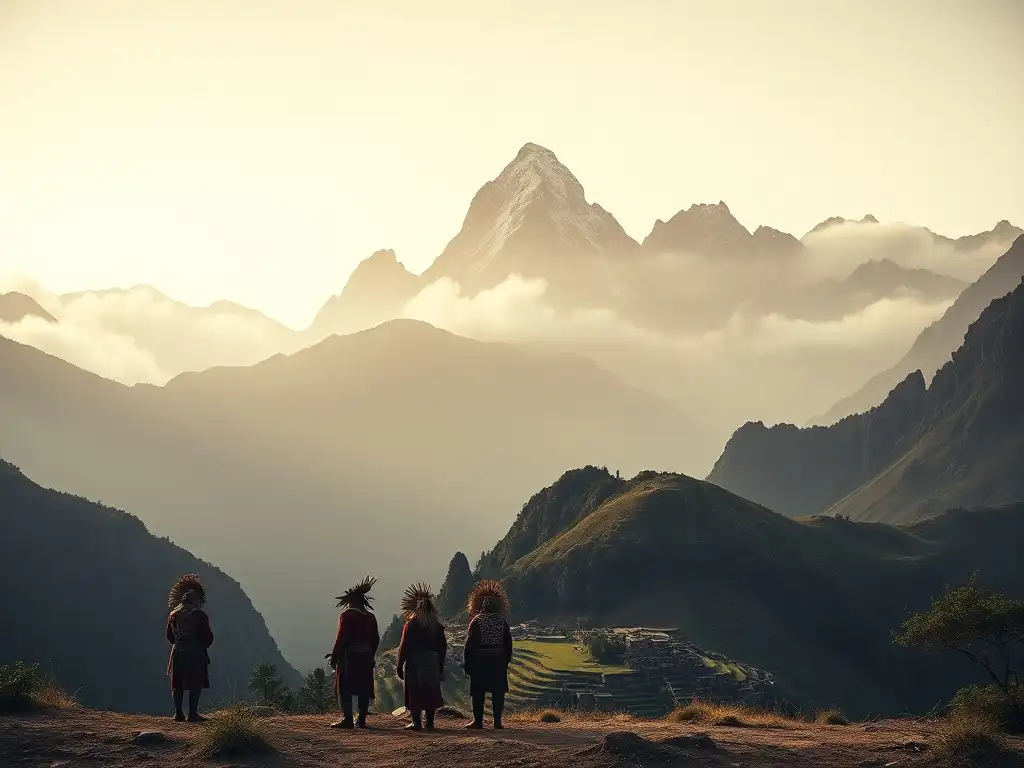
The towering Andes Mountains weren't merely geographical features to the ancient Andean civilizations; they were integral to their cosmology, deeply interwoven with their spiritual beliefs, social structures, and daily lives. Understanding the Andean worldview necessitates recognizing the profound reverence and sacredness attributed to these majestic peaks. This reverence wasn't abstract; it manifested in elaborate rituals, intricate agricultural practices, and a complex system of beliefs that saw the mountains as active participants in the lives of Andean communities.
The relationship wasn't one of human dominance over nature, but rather a complex interplay of mutual respect and interdependence, a sacred bond reflected in numerous archaeological discoveries and ethnographic accounts. This section will delve into the specific ways in which mountains shaped Andean cosmology and daily life, emphasizing the importance of Andean civilizations sacred mountain rituals.
Mountains as Apu: Deified Entities in Andean Beliefs
The Andes were not simply mountains; they were Apus, powerful and revered deities. Each mountain peak possessed its own unique spirit, personality, and influence. These weren't passive entities; Apus were considered active agents in the natural world, capable of bestowing blessings or inflicting calamities depending on their perceived satisfaction or displeasure.
This belief system permeated all aspects of Andean life. Archaeological evidence, such as the intricate designs found on textiles and pottery depicting mountain deities, and the strategic placement of ceremonial sites near mountain peaks, testifies to the profound significance of Apus in Andean culture. The Incas, for example, meticulously maintained trails and shrines along the mountain slopes, offering gifts and performing ceremonies to appease and honor the Apus, ensuring bountiful harvests and protection from natural disasters.
The concept of the Apu transcended mere anthropomorphism; it represented a fundamental aspect of Andean spirituality, a recognition of the inherent power and divinity residing within the natural world. The reverence for Apus wasn't confined to a single ethnic group; similar beliefs and practices are evident across diverse Andean cultures, highlighting the widespread and deeply rooted nature of this sacred bond.
The Role of Mountain Spirits in Daily Life and Agriculture
The influence of mountain spirits extended far beyond ceremonial practices. They were intricately woven into the fabric of daily life, particularly in agriculture. Farmers understood that the success of their crops depended heavily on the goodwill of the Apus. Before planting, elaborate rituals were conducted to ensure a bountiful harvest.
These rituals involved offerings of coca leaves, chicha (fermented corn beer), and other precious items. In some cases, animal sacrifices were also made. The offerings weren't merely symbolic gestures; they were understood as a form of communication and appeasement, a way to establish and maintain a harmonious relationship with the mountain spirits. The location of agricultural fields was often carefully chosen, taking into consideration the proximity to sacred mountain sites and the perceived influence of specific Apus.
Failure of crops was often attributed to the displeasure of the mountain deities, leading to further appeasement rituals and introspection into any perceived transgressions. This close relationship between agriculture and mountain worship ensured the continuity of Andean societies, demonstrating the practical and spiritual implications of their deeply embedded beliefs. The success of Andean agriculture, remarkable considering the challenging terrain, was intrinsically linked to their profound respect for and engagement with the sacred mountains.
Andean Worldview: Understanding the Interconnectedness of Nature and Spirit
The Andean worldview, as expressed through their interactions with the mountains, highlights a fundamental interconnectedness between the human and natural worlds. It wasn't a dualistic view separating humans from nature; instead, it emphasized a holistic perspective where humans, animals, plants, and mountains formed a single, interconnected system. The Apus weren't separate from human society; they were active participants in the everyday lives of Andean communities, influencing everything from agricultural cycles to social hierarchies.
This worldview is further supported by the integration of the mountains into their social structures, with specific communities often associated with particular Apus, indicating a complex interplay of social organization and spiritual belief. The intricate systems of reciprocity and exchange that underpinned Andean society were directly linked to their understanding of the interconnectedness of the natural world. Giving back to the mountains through offerings and rituals was seen as essential to maintaining balance and ensuring the continued flourishing of both human and natural realms.
Their cosmology wasn't merely a set of beliefs; it was a practical guide for life, shaping their social structures, agricultural practices, and their very understanding of the world around them. The reverence for Andean civilizations sacred mountain rituals underscores the profound depth and complexity of their spiritual and ecological understanding.
Sacred Mountain Rituals of Andean Civilizations
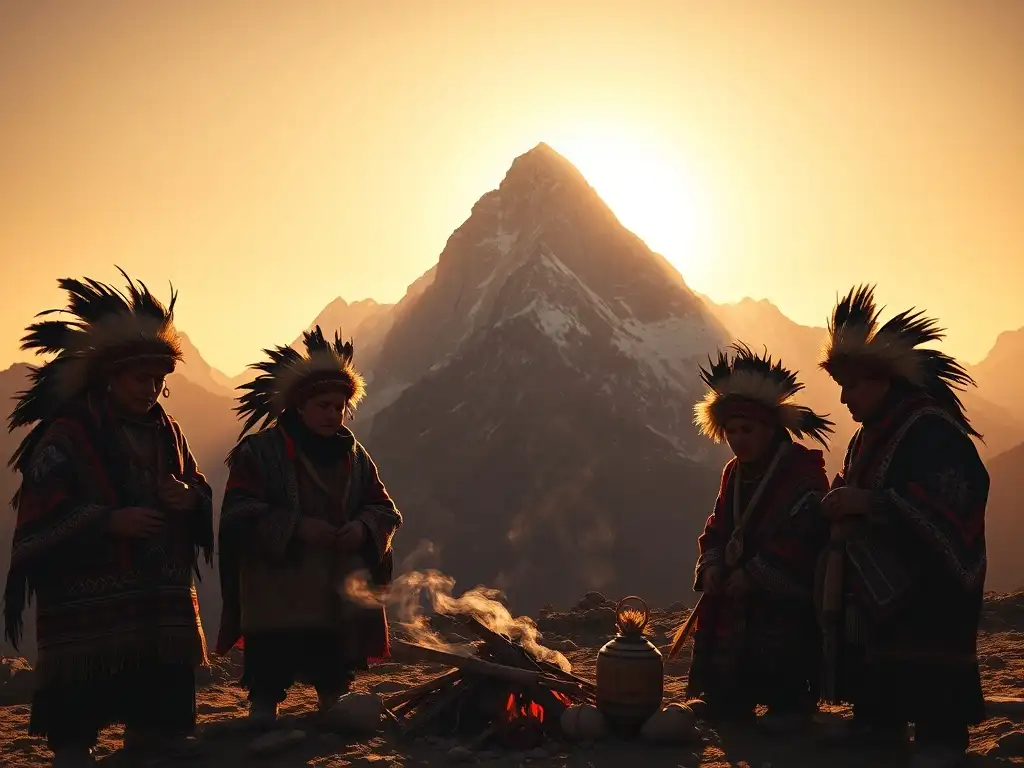
This section delves into the profound spiritual connection between Andean civilizations and their sacred mountains, exploring the rituals and ceremonies that shaped their worldview and daily lives. The towering peaks, often shrouded in mist and imbued with spiritual significance, were not merely geographical features but integral parts of their cosmology, acting as intermediaries between the earthly and celestial realms. Understanding these rituals provides crucial insight into the deeply rooted beliefs and practices of these fascinating cultures. The term "Andean civilizations sacred mountain rituals" encapsulates the central theme of this exploration.
Ancient Andean Religious Practices Centered on Mountains
Ancient Andean religious practices were deeply intertwined with the landscape, particularly the towering mountains that dominated their environment. These mountains were not simply geographical features; they were considered apu – powerful deities, ancestral spirits, or sacred entities. Many rituals aimed to appease these apu, seeking their favor for bountiful harvests, successful hunts, and protection from natural disasters. Evidence suggests that these practices varied considerably among different Andean cultures, reflecting diverse regional beliefs and traditions. For example, the Incas, with their vast empire, developed a complex system of mountain worship, while smaller groups maintained their own unique traditions.
The rituals often involved pilgrimages to mountaintops, arduous journeys undertaken with reverence and respect. Participants would carry offerings, perform specific ceremonies, and leave behind tokens of their devotion. These offerings could include coca leaves, llama fetuses, textiles, and other precious items. The act of reaching the summit itself held symbolic importance, representing a spiritual ascent and communion with the divine.
Archaeological discoveries consistently reveal evidence of these practices, including remnants of sacrificial offerings found at high-altitude sites. Detailed analysis of these artifacts helps reconstruct the intricate details of these ancient rituals. The frequency and scale of these mountain pilgrimages underscore the centrality of mountain worship in Andean life.
The Importance of Offerings and Ceremonies at Mountain Peaks
Offerings played a crucial role in Andean mountain rituals. They were not mere gifts but acts of reciprocal exchange, a way of maintaining balance and harmony between the human and spiritual worlds. The types of offerings varied depending on the specific purpose of the ritual and the apu being addressed. For example, coca leaves, a sacred plant in Andean culture, were frequently offered to ensure good health and prosperity. Llama fetuses, often found at archaeological sites, represented a significant sacrifice, symbolizing the offering of life itself to appease the mountain deities.
Ceremonies at mountain peaks were often elaborate affairs, involving priests, shamans, and community members. These ceremonies involved specific prayers, chants, and dances, each designed to communicate with the apu and secure their blessings. The precise details of these ceremonies remain partially shrouded in mystery, but archaeological findings, combined with ethnohistorical accounts, gradually shed light on their complexity and significance.
The careful placement of offerings, the intricate patterns of ceremonial activity, and the symbolic meaning of specific actions all contributed to the effectiveness of these rituals. The meticulous nature of these practices highlights the importance placed on maintaining a harmonious relationship with the mountain spirits.
The Inti Raymi Festival: A Celebration of the Sun and the Andes
The Inti Raymi festival, a celebration of the sun god Inti, stands as a prime example of the Andean civilizations' profound connection with the mountains. Observed during the winter solstice, this grand festival involved elaborate ceremonies and processions, often taking place at significant mountain sites. The Inca emperor, as the highest religious authority, played a central role in these celebrations, performing rituals aimed at ensuring the continuation of the sun's life-giving energy and the fertility of the land.
Inti Raymi was not just a religious event; it was a deeply social and political gathering, uniting the empire in a shared celebration. The festival involved music, dance, feasting, and sacrifices, creating a vibrant and powerful display of Andean culture. While many aspects of Inti Raymi were suppressed following the Spanish conquest, its legacy continues to resonate today, with modern-day celebrations recreating aspects of this ancient tradition.
The enduring popularity of Inti Raymi demonstrates the enduring power of the Andean connection to the mountains and the sun. The festival's significance as a celebration of the Andean worldview and its connection to "Andean civilizations sacred mountain rituals" is undeniable.
The Incas and Their Reverence for the High Peaks
The Inca Empire, renowned for its sophisticated engineering and intricate social structure, held a profound reverence for the Andes Mountains. This wasn't merely aesthetic appreciation; mountains were considered apu, powerful deities with agency in the world, actively involved in the lives of the Inca people. Their worldview was inextricably linked to the towering peaks, shaping their religious practices, agricultural techniques, and even their political organization.
The Inca believed the apu influenced weather patterns, crop yields, and the overall prosperity of the empire. Consequently, appeasing these mountain gods was paramount, leading to a complex system of rituals and offerings designed to maintain a harmonious relationship. This deep-seated belief in the sacredness of mountains is a key element in understanding Inca cosmology and their unique approach to governance.
The Inca's relationship with the apu wasn't passive; it was a dynamic exchange, a continuous negotiation for blessings and protection. This understanding forms the foundation of many of their rituals, which we will explore further.
Inca Mountain Worship: A Key Element of Their Empire
Inca mountain worship wasn't a singular event but a continuous practice interwoven into the fabric of daily life. Priests, known as amautas, played a crucial role, interpreting signs from nature and advising the Sapa Inca (emperor) on the appropriate rituals. These rituals often involved offerings of coca leaves, chicha (fermented corn beer), and llama sacrifices. The selection of offerings was carefully considered, reflecting the specific needs and desires of the community and the perceived needs of the particular apu.
For instance, during times of drought, offerings might focus on ensuring rainfall, while during periods of abundance, the offerings might express gratitude. Furthermore, the location of these offerings was also significant, often taking place at apachetas, man-made piles of stones erected along mountain passes and trails. These apachetas acted as both physical and spiritual markers, signifying the sacred space and the continuous connection between the human and divine realms.
The practice wasn't confined to elite priests; commoners also participated in smaller-scale rituals, demonstrating the widespread nature of this belief system. Archaeological evidence, such as the discovery of offerings at high-altitude sites, supports the pervasive nature of Inca mountain worship across all levels of society. The sheer volume of archaeological findings related to mountain worship underscores its importance within the Inca worldview.
The Capac Cocha Ritual: Human Sacrifice in Honor of the Mountains
While the majority of Inca offerings were non-human, human sacrifice, known as capac cocha, did occur, albeit less frequently than other forms of tribute. These sacrifices weren't arbitrary acts of violence but rather carefully orchestrated rituals performed to appease the apu during times of crisis or significant events, such as the death of a Sapa Inca or the start of a major construction project. The individuals selected for sacrifice were often considered to be exceptional in some way, sometimes even chosen from among the nobility.
The belief was that their pure essence would be directly transferred to the mountain deity, strengthening its power and ensuring the continued prosperity of the empire. The details surrounding capac cocha are still debated amongst scholars, with various interpretations of the available evidence. However, the available evidence strongly suggests these were not random killings, but rather highly ritualized events, reflecting a complex understanding of the relationship between the human and spiritual worlds.
The discovery of mummified remains at high-altitude sites provides crucial, albeit often disturbing, evidence of this practice. Further research and careful analysis of these remains are needed to fully understand the nuances of capac cocha.
Mountain Shrines and Sacred Sites in the Inca Empire
The Inca Empire featured numerous mountain shrines and sacred sites dedicated to the apu. These sites were strategically located, often at high altitudes with commanding views of the surrounding landscape. Their construction frequently incorporated elements of the natural environment, such as caves and natural rock formations, seamlessly integrating the sacred space with the natural world.
Many of these sites included intricate stonework, demonstrating the Inca's mastery of architecture and their dedication to creating spaces that reflected their spiritual beliefs. The placement of these shrines wasn't random; each site held a specific significance related to the particular apu it honored and the broader cosmological understanding of the Inca. Some shrines were associated with specific agricultural cycles, while others were linked to water sources, reflecting the deep connection between the apu, the land, and the Inca people's livelihoods.
The continued discovery of these sites, along with the ongoing analysis of their construction and associated artifacts, provides ever-increasing insights into the complexities of Inca religion and their profound connection with the Andean landscape. The sheer number and variety of these sites across the Inca Empire illustrates the widespread and deeply ingrained nature of their mountain worship.
The Moche and Their Depictions of Mountain Deities
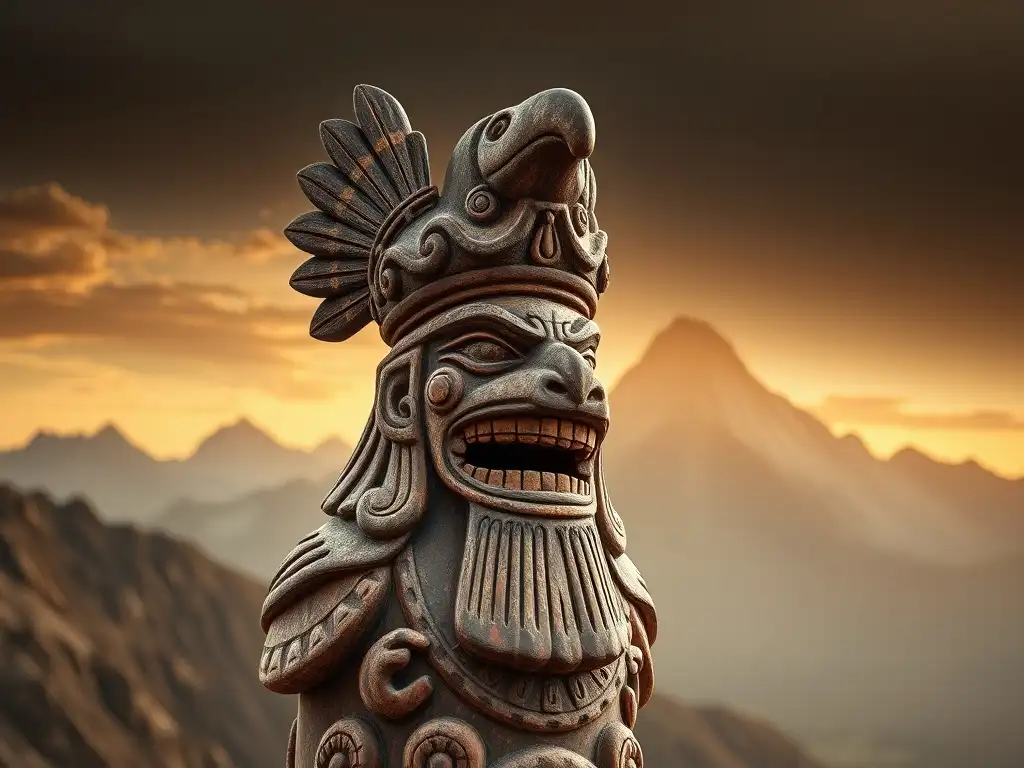
The Moche civilization, flourishing along the northern coast of Peru from approximately 100 to 800 CE, held a profound reverence for the natural world, particularly the imposing Andes mountains. Their worldview, deeply intertwined with the cyclical rhythms of nature, manifested in elaborate rituals and artistic representations that vividly portray their sacred bond with these majestic peaks.
Understanding the Moche's relationship with mountains offers crucial insight into their complex religious beliefs and societal structures, further enriching our understanding of Andean civilizations sacred mountain rituals. This section will explore the Moche's artistic expressions and archaeological evidence showcasing their veneration of mountain deities.
Moche Art and the Representation of Mountain Spirits
Moche art, renowned for its exquisite detail and vibrant colors, provides invaluable glimpses into their spiritual life. Ceramics, arguably their most prolific artistic medium, frequently depict anthropomorphic figures associated with mountains. These figures often possess features suggesting a connection to both the earthly and supernatural realms.
For example, many portrayals show figures with feline features—possibly representing mountain lions, powerful symbols in Andean iconography—or with headdresses adorned with stylized mountain peaks. These representations are not simply decorative; they are powerful statements of the Moche's belief in the spiritual potency of the mountains. The skillful execution of these pieces, with their intricate details and expressive faces, underscores the importance these deities held within their society.
The use of vibrant colors, often including reds, yellows, and blues, further emphasizes the dynamism and sacredness of these mountain spirits. The careful selection of materials and the meticulous craftsmanship point to a highly organized religious system where artistic expression served a vital ritualistic purpose.
Archaeological Evidence of Mountain Veneration in Moche Culture
Beyond artistic representations, archaeological evidence supports the notion of widespread mountain veneration within Moche culture. Excavations at various Moche sites have unearthed numerous artifacts suggestive of ritual activities associated with mountains. These include offerings found in caves and high-altitude locations, indicating pilgrimage practices and the deposition of gifts to appease or honor mountain deities.
The types of offerings vary, ranging from finely crafted pottery and textiles to agricultural products and human sacrifices. The presence of these offerings in such remote and challenging locations highlights the significance of these mountains as sacred spaces and the lengths to which the Moche went to demonstrate their devotion. Further research into the location and context of these offerings could shed more light on specific mountain deities and their associated rituals.
For instance, the discovery of specific types of offerings at particular sites could indicate localized mountain cults or regional variations in religious practices. [Specific information pending on the types of offerings found at different Moche sites and their geographical distribution].
Moche Ceramics Depicting Ai Apaec in Mountain Settings
One particularly compelling example of Moche mountain veneration is the recurring depiction of Ai Apaec, a powerful deity often associated with warfare and sacrifice, in mountain settings. Ai Apaec is frequently portrayed within mountainous landscapes, sometimes depicted in a triumphant pose, suggesting a connection between his power and the majesty of the Andes. These depictions not only illustrate the Moche's belief in the deity's power but also highlight the mountains' role in reinforcing his authority.
The strategic placement of Ai Apaec within these mountainous backdrops emphasizes the sacredness of the landscape and its role in the Moche worldview. The visual impact of these ceramic pieces, with their dynamic compositions and powerful imagery, underscores the profound connection between Ai Apaec and the mountain deities. Further research is needed to understand the specific nuances of Ai Apaec’s relationship with the mountains and the symbolism embedded within these artistic representations.
[Further analysis needed on the symbolic meaning of specific iconographic elements in these depictions]. The study of Moche ceramics depicting Ai Apaec in mountain settings offers a unique window into the complex interplay between religious belief, political power, and the natural world within this fascinating Andean civilization. The continuity of these themes across various Moche artistic styles further emphasizes their enduring significance within Moche society.
The Nazca Lines and Their Potential Connection to Mountain Beliefs
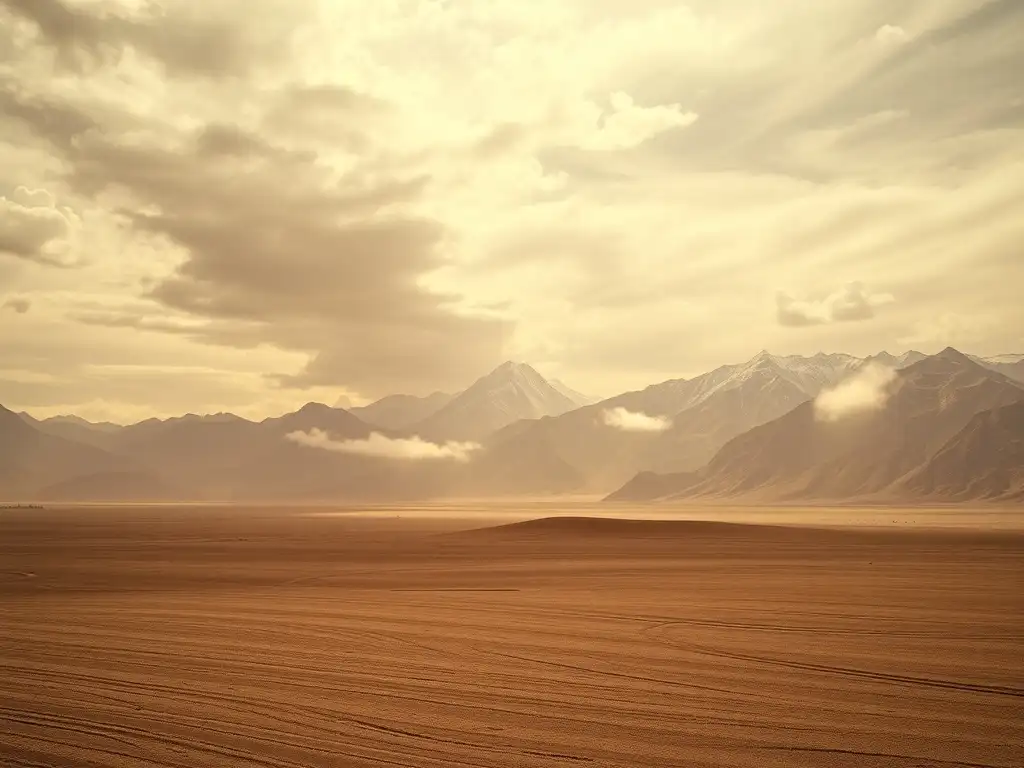
The Nazca Lines, enigmatic geoglyphs etched into the Peruvian desert, have captivated researchers for decades. While their precise purpose remains a mystery, a compelling theory suggests a deep connection between these colossal figures and the Andean civilizations' profound reverence for sacred mountains ( apus). This section explores the possibility that the Nazca Lines, far from being solely astronomical markers or ritual pathways, served as a terrestrial representation of the Andean worldview, reflecting the spiritual significance of mountain deities and their influence on the Nazca people.
Analyzing their design, orientation, and potential alignments with significant peaks offers insights into this fascinating hypothesis. Further research, including advanced geospatial analysis and archaeological investigations, is needed to fully elucidate this connection.
The ongoing debate highlights the complexity of interpreting these ancient symbols and the enduring mystery surrounding their creation. The potential link between the Nazca Lines and sacred mountain rituals represents a significant avenue for future scholarly exploration.
Several interpretations of the Nazca Lines posit a connection to Andean cosmology. Some researchers suggest that the lines themselves, forming intricate pathways and geometric shapes, may represent stylized depictions of mountain ranges, rivers, or other geographical features crucial to the Nazca worldview.
The intricate designs, often featuring stylized animals and plants, might symbolize the apus' power over the environment, representing the life-giving waters and fertile lands they controlled. The repetitive nature of certain motifs, such as the hummingbird or the spider, could indicate their importance in the Nazca pantheon, possibly representing specific mountain deities or their associated spirits.
The sheer scale of the geoglyphs, visible only from the air, suggests a powerful intentionality, perhaps signifying a connection between the earthly realm and the celestial sphere, with mountains acting as a bridge between the two. This interpretation aligns with the known Andean belief system, where mountains played a crucial role in mediating between the human and divine realms.
Alignment with Mountain Peaks: Exploring the Nazca Geoglyphs' Significance
A key area of investigation focuses on the potential alignment of the Nazca Lines with prominent mountain peaks. Preliminary studies have indicated possible correlations between certain geoglyphs and significant apus in the surrounding landscape. If these alignments are confirmed through more rigorous analysis, they would provide strong evidence supporting the hypothesis of a connection between the lines and mountain worship. Such alignments could represent ceremonial pathways, pilgrimage routes, or even symbolic representations of the apus' influence over the Nazca territory.
This research necessitates advanced geospatial technologies and a thorough understanding of both the Nazca Lines' layout and the location of significant mountain features within the Nazca region. The precision needed to establish these alignments demands careful consideration of factors like erosion, shifting sands, and the limitations of existing mapping techniques. Further investigation into these alignments could reveal important insights into the socio-religious practices of the Nazca civilization.
The Hummingbird Geoglyph's Alignment with Cerro Campana
The hummingbird geoglyph is one of the most striking and iconic figures in the Nazca Lines. Interestingly, preliminary data suggests a possible alignment between this geoglyph and Cerro Campana, a prominent mountain known to have held significant religious importance for the Andean people.
This potential correlation adds weight to the hypothesis that the Nazca Lines served as a terrestrial representation of the Andean worldview, with the hummingbird, often associated with mountain deities and fertility, being symbolically linked to the sacred mountain itself. Further investigation is needed to definitively confirm this alignment and to explore the implications of such a connection.
This specific case study offers a microcosm of the broader research challenge: combining detailed analysis of individual geoglyphs with a comprehensive understanding of the Andean cosmological framework. The thorough study of this alignment could provide crucial evidence for understanding the role of sacred mountains in Nazca society and the significance of the Nazca Lines within their spiritual beliefs.
Tiahuanaco and the Integration of Mountain Symbolism in Architecture
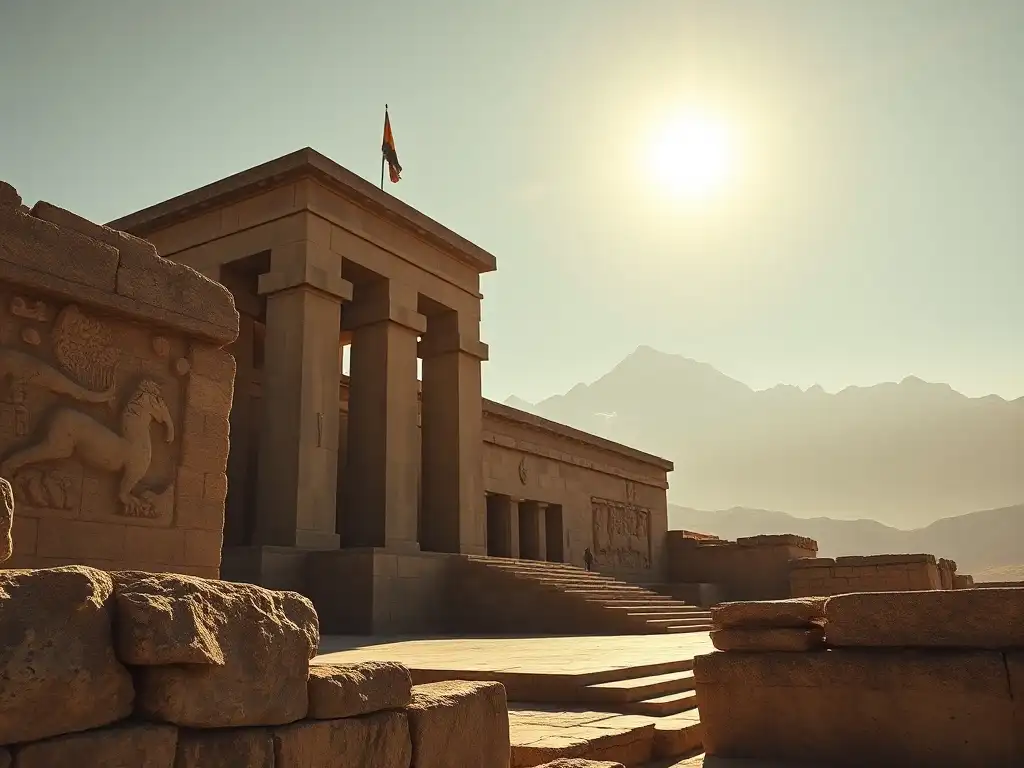
The Tiwanaku civilization, flourishing in the Altiplano region of the Andes from approximately 500 CE to 1000 CE, profoundly integrated mountain symbolism into its architecture, reflecting a deep-seated spiritual connection to the surrounding landscape. This wasn't merely aesthetic; the mountains were considered sacred entities, integral to their cosmology and worldview. The very placement and design of their structures actively engaged with the mountainous environment, creating a powerful synergy between the built environment and the natural world.
This intricate relationship, meticulously expressed through architectural features, reveals a sophisticated understanding of Andean cosmology and the paramount importance of the sacred mountains. Understanding this interaction is key to deciphering the meaning and purpose behind the monumental structures of Tiahuanaco. The careful orientation of buildings, the use of specific materials sourced from the mountains themselves, and the incorporation of mountain-inspired motifs all contribute to this fascinating interplay.
The Influence of the Andes in Tiahuanaco's Architectural Design
Tiahuanaco's architectural style is unique, characterized by massive stone blocks precisely fitted together without mortar, a testament to their advanced engineering skills. The sheer scale of the structures, such as the Kalasasaya Temple and the Akapana pyramid, is awe-inspiring. However, the influence of the Andes extends beyond mere engineering prowess.
The very choice of materials—primarily andesite, a volcanic rock readily available in the surrounding mountains—highlights the civilization's deep connection to the mountainous landscape. This wasn't just a practical decision; the sourcing of materials from specific mountain ranges likely held symbolic significance, reinforcing the sacred nature of the mountains in their worldview. Furthermore, the monumental scale of the structures themselves might be interpreted as an attempt to emulate the imposing presence of the Andean peaks, physically manifesting their spiritual power.
Analysis of the quarries and transportation methods used further illuminates this intricate relationship between the civilization and its environment. [Specific information pending on quarry locations and transportation techniques used by the Tiahuanaco].
Mountain Symbolism in Tiahuanaco's Religious Structures
The religious structures of Tiahuanaco are replete with subtle and overt references to mountain symbolism. Many scholars believe that the tiered structures, such as the Akapana pyramid, represent the layered structure of the Andes themselves, with each level signifying a different cosmological realm or a step towards the divine. The use of stepped platforms is a recurring motif in Andean architecture, often interpreted as representing the ascent towards the celestial realm, a journey mirrored in the physical act of climbing the structures.
Moreover, the intricate carvings found on the stone blocks often depict stylized mountain ranges or other natural elements, further emphasizing the importance of the Andes in their religious beliefs. These carvings, while sometimes abstract, frequently feature representations of animals and plants associated with high-altitude environments, strengthening the link between the religious structures and the sacred mountains.
[Specific examples of carvings and their interpretations pending]. The use of specific colors in the construction or decoration may also have held symbolic meaning related to mountain ranges and their associated deities.
The Kalasasaya Temple's Orientation Towards Illimani Mountain
The Kalasasaya Temple, one of the most iconic structures in Tiahuanaco, is believed to be deliberately oriented towards the majestic Illimani mountain. This precise alignment, while not fully understood, strongly suggests a conscious effort to connect the temple with the sacred mountain, emphasizing its role as a focal point in their religious practices. The sun's path across the sky, particularly during solstices and equinoxes, may have played a crucial role in the temple's orientation and the rituals performed within it.
This celestial alignment, combined with the mountain's prominent position, reinforces the idea of Illimani as a powerful, sacred entity, deeply interwoven with the spiritual life of the Tiahuanaco people. [Further research is needed to fully understand the astronomical significance of the Kalasasaya Temple's orientation]. The possibility of other significant mountain alignments within the Tiahuanaco complex warrants further investigation, potentially revealing a more complex and interconnected system of sacred geography.
The precise alignment and the potential astronomical significance of this orientation point towards a sophisticated understanding of astronomy and its integration into their religious practices, further emphasizing the profound connection between the Andean civilizations, their sacred mountains, and the cosmos. 🏔️
The Enduring Legacy of Andean Sacred Mountain Rituals
The Andes Mountains, a colossal spine running down the western edge of South America, are far more than just a geographical feature to the Andean peoples. They are the very foundation of their cosmology, deeply intertwined with their spiritual beliefs and practices for millennia. The enduring legacy of Andean sacred mountain rituals, or apu worship, continues to shape the lives and cultural practices of communities across the region, demonstrating a remarkable continuity between the ancient past and the present.
These rituals are not simply historical relics; they are living traditions, constantly evolving while maintaining their core essence – the profound connection between humanity and the sacred mountains. Understanding this legacy requires exploring the intricate web of beliefs, practices, and social structures that have sustained these traditions across generations.
The Influence of Ancient Beliefs on Contemporary Andean Cultures
Ancient Andean beliefs profoundly shaped the relationship between people and the apus, the mountain spirits considered powerful deities. Evidence from archaeological sites, such as Machu Picchu and other Inca settlements, reveals the importance of these mountains in their worldview. The Inca, and preceding cultures like the Tiwanaku and Wari, built elaborate ceremonial centers and astronomical observatories on mountaintops, highlighting the sacred nature of these landscapes.
These sites weren't just places of worship; they were integral to the social and political organization of these societies. For instance, the Inca's sophisticated road system, Qhapaq Ñan, connected sacred sites across vast distances, demonstrating the crucial role of mountain worship in unifying their empire.
Today, many Andean communities continue to practice variations of these ancient rituals. The paqos, Andean spiritual leaders, play a vital role in mediating between the human world and the apus. They conduct ceremonies involving offerings, prayers, and rituals aimed at maintaining a harmonious relationship with the mountains, ensuring good harvests, and protecting the community from harm.
These practices, often involving coca leaves, chicha (a fermented corn beverage), and other sacred offerings, are deeply embedded in daily life and continue to serve a crucial social function, reinforcing community bonds and preserving cultural identity. The persistence of these beliefs showcases the remarkable resilience of Andean traditions in the face of modernization and globalization. The continuity between ancient and modern practices demonstrates a powerful cultural memory and underscores the enduring significance of these sacred mountains.
The Importance of Protecting Sacred Mountain Sites
The protection of sacred mountain sites is paramount not only for preserving the cultural heritage of Andean civilizations but also for safeguarding biodiversity and promoting sustainable development. Many of these sites are located in fragile ecosystems, vulnerable to the impacts of climate change, mining activities, and uncontrolled tourism. The degradation of these environments directly threatens the spiritual and cultural practices that depend on them, leading to the erosion of traditional knowledge and the weakening of community bonds.
For example, the increasing demand for mineral resources has resulted in conflicts between mining companies and local communities who consider the mountains sacred. These conflicts highlight the need for collaborative approaches that respect both economic development and cultural preservation.
Furthermore, the protection of these sites is crucial for biodiversity conservation. Many sacred mountains are home to unique flora and fauna, playing a vital role in maintaining ecological balance. The preservation of these ecosystems is essential not only for the Andean communities who rely on them for their livelihoods but also for global biodiversity. Sustainable tourism practices that prioritize the cultural and environmental integrity of these sites are essential.
This involves educating tourists about the significance of these places and promoting responsible behavior that minimizes environmental impact. The challenge lies in finding a balance between economic development and the protection of sacred sites, ensuring the well-being of both the communities and the environment. This requires careful planning, community participation, and the implementation of effective conservation strategies.
Preserving the Cultural Heritage of Andean Civilizations
Preserving the cultural heritage of Andean civilizations, including the rituals associated with sacred mountains, requires a multifaceted approach. This involves not only protecting physical sites but also safeguarding intangible cultural heritage, such as traditional knowledge, practices, and beliefs. Documentation of these rituals and their significance is crucial for future generations. This includes ethnographic studies, oral history projects, and the creation of archives that preserve the stories and traditions associated with sacred mountain worship.
Moreover, supporting local communities in their efforts to protect their cultural heritage is essential. This can involve providing them with the resources and capacity to manage their sacred sites sustainably and to participate actively in decision-making processes that affect their lives and their environment. The empowerment of local communities is key to ensuring the long-term preservation of Andean cultural heritage.
Furthermore, promoting education and awareness about Andean civilizations and their connection to sacred mountains is crucial. This can involve developing educational programs, creating museums and cultural centers, and utilizing digital technologies to share stories and knowledge with a wider audience. By fostering a greater understanding and appreciation of Andean cultures, we can contribute to the preservation of their unique heritage and ensure that these traditions continue to thrive for generations to come.
The preservation of this rich cultural heritage is not only a responsibility but also an opportunity to learn from the wisdom and resilience of Andean communities and to appreciate the profound connection between humanity and the natural world. The continuing practice of Andean sacred mountain rituals serves as a powerful reminder of the enduring relationship between culture, spirituality, and the environment.
Frequently Asked Questions
What role did mountains play in Andean civilizations?
Mountains held immense spiritual significance for Andean peoples. They were seen as sacred entities, home to powerful deities and ancestors, influencing daily life and shaping their worldview. Rituals and offerings were integral to maintaining this connection.
What types of rituals were performed on sacred mountains?
Andean cultures performed various rituals, including climbing to mountaintops for offerings, leaving coca leaves and other gifts for the deities, and performing ceremonies of purification and appeasement. These rituals varied across different cultures and time periods.
Were all mountains considered sacred in Andean cultures?
While many mountains were considered sacred, not all were. The most prominent and imposing peaks tended to hold the greatest spiritual importance. Certain mountains held special significance for particular groups or regions, reflecting diverse local beliefs and practices.
How did Andean civilizations interact with the mountain environment?
Andean societies developed sophisticated systems for adapting to the challenging mountain environments. Their ingenuity is evident in their agricultural techniques, terracing, and the construction of remarkable settlements high in the Andes. Their relationship with the mountains was deeply intertwined with their survival.
What evidence exists to support the importance of mountain rituals?
Archaeological evidence, such as mountaintop shrines, offerings found at high altitudes, and depictions in ancient textiles and ceramics, strongly supports the crucial role of mountain rituals in Andean life. These findings reveal the enduring spiritual connection between the people and their sacred mountains.
Final Reflection: Echoes of the Andes: A Legacy of Reverence
The sacred bond between the Andean people and their mountains continues to resonate today, a powerful testament to the enduring strength of spiritual connection with the natural world. While the Inca Empire may have fallen, the profound respect for Apus—the sacred mountain spirits—remains a vital part of Andean culture, influencing everything from agricultural practices to contemporary environmental activism. This enduring legacy challenges our modern, often exploitative relationship with nature, urging us to reconsider our place within the intricate web of life.
The impact of Andean mountain worship extends far beyond the historical record. It's a living tradition, subtly shaping the cultural landscape and informing contemporary perspectives on environmental stewardship. The deep-seated belief in the interconnectedness of all living things, a core tenet of Andean cosmology, offers a powerful counterpoint to the anthropocentric worldview that dominates much of the modern world. As the renowned anthropologist, Eduardo Galeano, wrote: The mountains are not just stones; they are the bones of the earth, the veins of the world, the guardians of the sacred.
This sentiment encapsulates the profound spiritual significance that the Andes hold, a significance that continues to inspire awe and reverence.
Consider the profound wisdom embedded in the Andean worldview. Their reverence for the mountains wasn't merely a matter of superstition; it was a practical and spiritual strategy for sustainable living. You too can cultivate a deeper appreciation for the natural world around you, finding inspiration in the enduring legacy of the Andean civilizations. By embracing a more mindful and respectful approach to our environment, we can begin to heal the fractured relationship between humanity and nature, echoing the enduring harmony once found in the heart of the Andes.
**Embrace the Connection: Take Action Today! **
Thank you for exploring the fascinating world of Andean civilizations and the profound connection between their people and the majestic mountains. Your interest is a vital step towards appreciating and preserving these ancient cultures. Now, let's turn that curiosity into action!
- **Explore a local mountain:** Take a day trip to a nearby mountain or nature reserve. Immerse yourself in the landscape and feel the connection to the spirit of the Andes.
- **Share your newfound knowledge:** Discuss what you've learned with friends and family, or share it on social media to inspire others to appreciate these rich cultures.
- **Join a community:** Connect with online platforms or local groups that celebrate Andean heritage. Participating in discussions and events will deepen your understanding and connect you with fellow enthusiasts.
What aspect of Andean civilizations excites you most? Let's discuss it in the comments!