
Beyond Survival: The Spiritual Dimension of Andean Resource Management

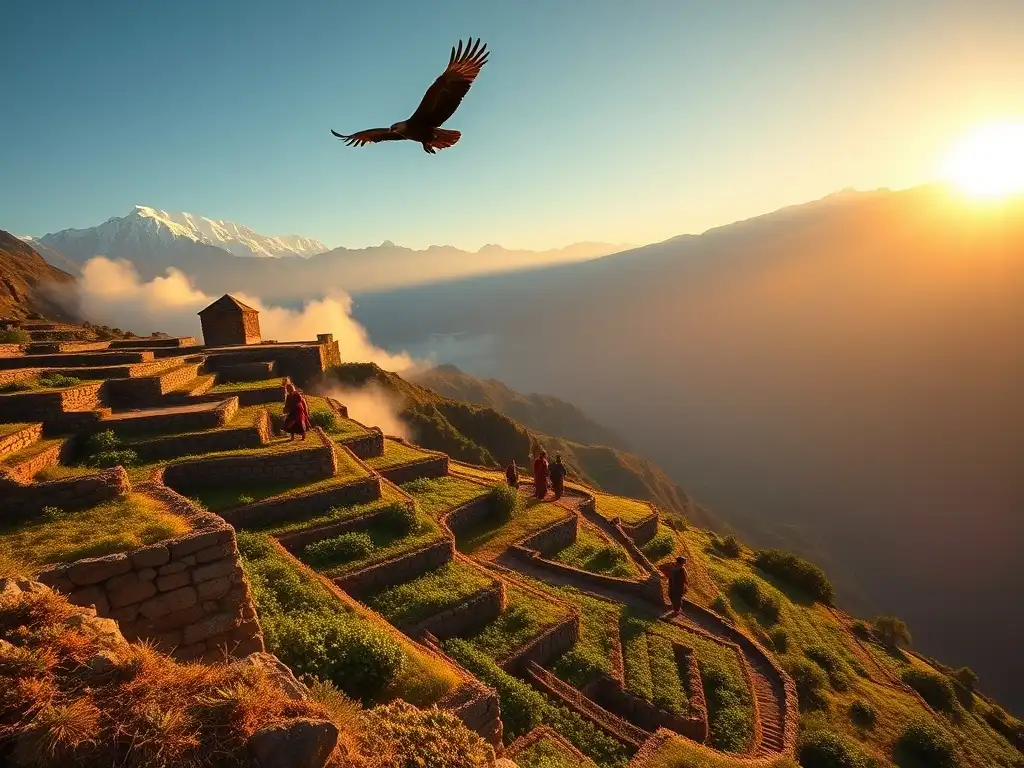
Welcome, explorer! Prepare to journey beyond the towering peaks and breathtaking landscapes of the Andes, to uncover a world shaped by profound spiritual beliefs. This isn't just a story of survival; it's a revelation of how the Andean civilizations, from the Incas to the Nazca, intricately wove their spiritual understanding into every aspect of their lives, particularly their resource management. Discover how their cosmology informed their ingenious practices—a legacy that continues to resonate today. Dive into the fascinating world of Andean civilizations spiritual beliefs and unravel the mysteries of their enduring connection to the earth.
The Andes Mountains, a spine of towering peaks and fertile valleys, nurtured some of the most sophisticated and fascinating civilizations of the pre-Columbian Americas. While often focusing on their impressive engineering feats like Machu Picchu or the Nazca Lines, a deeper understanding of Andean civilizations requires exploring their profound spiritual connection to the land and its resources.
This article delves into the intricate relationship between Andean resource management and their deeply held spiritual beliefs, revealing how their worldview shaped their sustainable practices and ensured the survival of their communities for centuries. We will examine how their cosmology, encompassing a rich tapestry of deities, rituals, and ancestor veneration, directly influenced their agricultural techniques, water management systems, and overall approach to resource utilization, far surpassing a mere focus on mere survival.
This exploration reveals a complex and nuanced understanding of Andean civilizations' spiritual beliefs and their profound impact on their relationship with the natural world, enriching our comprehension of their remarkable achievements and providing valuable insights for contemporary sustainable practices.
The Pachamama: Mother Earth and the Source of Life
The concept of Pachamama, the Earth Mother, is central to understanding Andean spiritual beliefs and their resource management strategies. Pachamama wasn't simply the physical earth; she was a divine entity, a life-giving force that provided sustenance and demanded respect. Andean societies didn't view resource extraction as exploitation but rather as a sacred exchange.
Agricultural practices, such as the intricate andenes (terraces) carved into the mountain slopes, weren't merely efficient farming techniques; they were acts of reverence, carefully designed to maintain the balance between human needs and the well-being of Pachamama. Farmers offered pagos (offerings) to Pachamama, expressing gratitude for the harvest and seeking her continued favor. These offerings, often consisting of coca leaves, chicha (fermented corn beer), and other agricultural products, were a tangible manifestation of their reciprocal relationship with the Earth Mother.
Failure to honor Pachamama was believed to result in poor harvests, natural disasters, and general misfortune, highlighting the deeply ingrained spiritual dimension of their resource management. The intricate system of reciprocity between humans and Pachamama ensured the sustainability of their agricultural practices for generations.
Water: A Sacred Element and Source of Power
Water, a precious resource in the arid and high-altitude environments of the Andes, held immense spiritual significance. Andean civilizations developed sophisticated irrigation systems, channeling water from rivers and streams to irrigate their fields. These weren't simply engineering marvels; they were also deeply spiritual endeavors. Many rivers and springs were considered sacred, inhabited by powerful apus (mountain spirits) who controlled the flow of water.
Rituals and ceremonies were performed to appease these spirits and ensure a continuous supply of water for agriculture and daily life. The construction and maintenance of these irrigation systems, therefore, were not only practical tasks but also acts of religious devotion, demonstrating a profound understanding of the interconnectedness between the spiritual and the material realms. This reverence for water, combined with practical engineering skills, allowed Andean civilizations to thrive in challenging environments.
Sacred Mountains (Apus) and the Cosmic Order
The towering apus, or mountain spirits, played a crucial role in the Andean worldview and resource management. These mountains weren't just geographical features; they were considered sacred entities, intermediaries between the human world and the celestial realm. Andean societies believed that the apus controlled the weather patterns, the flow of water, and the fertility of the land. Respecting the apus was essential for ensuring the well-being of the community.
Many agricultural rituals and ceremonies were directed towards the apus, seeking their blessings for successful harvests and protection from natural disasters. The location of settlements, the construction of agricultural terraces, and even the design of cities often took into account the spiritual significance of the surrounding mountains, reflecting a deep integration of spiritual beliefs into their practical lives. This holistic approach to resource management ensured a harmonious relationship between the human world and the natural environment.
Ancestor Veneration and the Continuity of Knowledge
Ancestor veneration was another integral aspect of Andean spirituality, influencing their resource management practices. Andean civilizations believed that their ancestors continued to exert influence on the living world, providing guidance and protection. Knowledge about sustainable resource management was passed down through generations, often through oral traditions and rituals.
The elders, who held deep knowledge of the land and its cycles, played a crucial role in guiding the younger generations in the proper use of resources. This continuity of knowledge, reinforced by spiritual beliefs, ensured that sustainable practices were maintained across generations, contributing to the long-term survival of Andean communities. The respect for ancestral wisdom and the spiritual connection to past generations shaped their approach to resource use, fostering a sense of responsibility towards future generations.
- The Pachamama: Mother Earth and the Source of Life
- Water: A Sacred Element and Source of Power
- Sacred Mountains (Apus) and the Cosmic Order
- Ancestor Veneration and the Continuity of Knowledge
- What role did spirituality play in Andean resource management?
- How did Andean spiritual beliefs influence their agricultural practices?
- What were some key deities or spirits associated with Andean resource management?
- Did Andean spiritual beliefs impact their understanding of the environment?
- How did Andean spiritual beliefs affect their social structures?
The Interwoven Nature of Andean Life: Spirituality and Sustenance
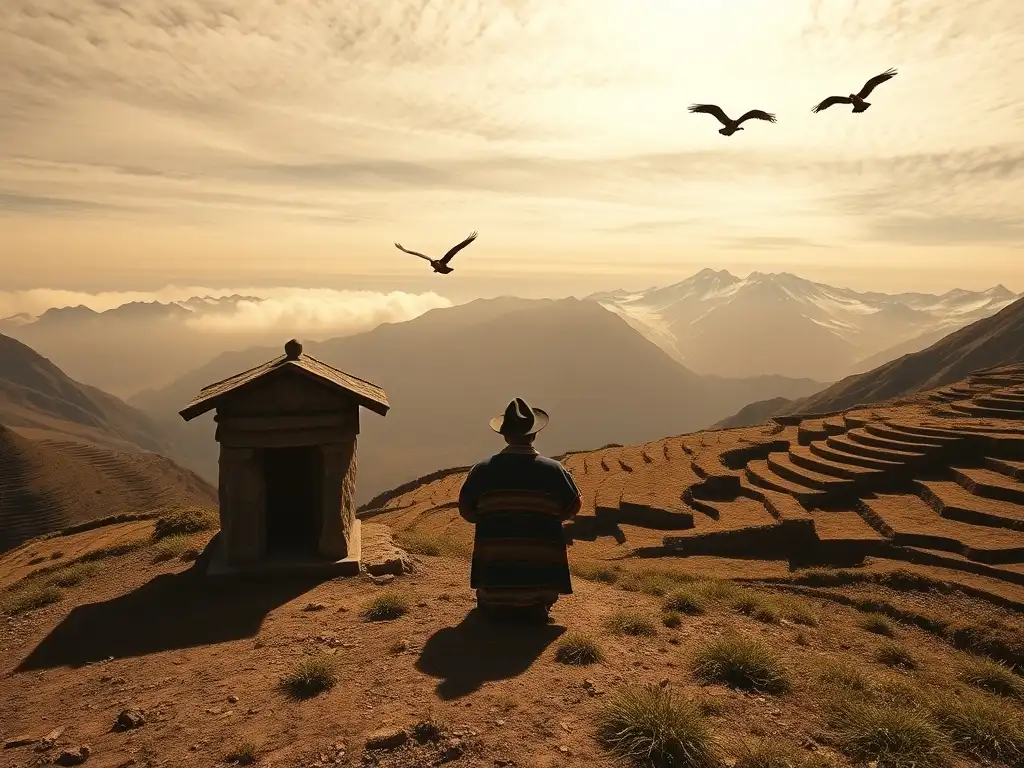
The Andean civilizations didn't simply use resources; they lived within a deeply spiritual relationship with them. Their understanding of the world wasn't a dichotomy of human needs versus natural resources, but rather a complex, interwoven tapestry where the spiritual and the material were inextricably linked. This holistic perspective shaped their resource management practices, leading to sustainable systems that endured for centuries.
Understanding this connection is key to appreciating the sophistication of Andean civilizations and their profound respect for the natural world. This section delves into how their spiritual beliefs directly influenced their approach to resource management, highlighting the interconnectedness of their worldview and their practical strategies for survival and prosperity. The concept of ayni, reciprocal exchange, was central to this philosophy.
Andean Cosmology and the Sacredness of Nature
Andean cosmology viewed the universe as a dynamic interplay of sacred forces. Mountains, rivers, and even specific plants and animals were considered apus (powerful mountain spirits) or other sacred entities, imbued with spiritual power and deserving of reverence. This wasn't simply a matter of superstition; it was a fundamental belief system that permeated all aspects of life, including agriculture, water management, and even warfare.
For example, the Inca revered the mountains as the abode of powerful deities, and their agricultural practices, such as terracing, were not only ingenious engineering feats but also acts of spiritual devotion, designed to honor and appease the mountain spirits. The precise alignment of agricultural terraces with the cardinal directions further underscores the importance of cosmological principles in their resource management. This deep connection fostered a sense of responsibility and stewardship, ensuring the sustainable use of resources, not for exploitation, but for harmonious co-existence.
The intricate system of cañaris (water channels) also demonstrates this, carefully designed not only for efficient irrigation but also to respect the sacred flow of water, considered a life-giving force. The meticulous maintenance of these systems speaks volumes about the long-term perspective and spiritual commitment involved in their resource management.
The intricate network of ceques (lines connecting sacred sites) in Cusco illustrates the Inca's profound connection to the landscape and their belief in a living, interconnected world. These lines, radiating outwards from the city, linked numerous sacred sites, including springs, mountains, and agricultural terraces, highlighting the holistic and spiritual nature of their worldview. The ceques system served as a physical manifestation of their cosmology, connecting the spiritual and the physical realms in a tangible way.
The preservation of these sites and their meticulous upkeep is testament to the importance of maintaining harmony within this intricate web of sacred places and resources. The Andean civilizations demonstrated a profound understanding of the interconnectedness of life, a perspective that directly informed their sustainable resource management practices.
The Andean Worldview: A Holistic Approach to Resource Use
The Andean worldview, characterized by its holistic and cyclical understanding of time and nature, shaped their approach to resource management in profound ways. Instead of viewing resources as commodities to be exploited, they saw them as integral parts of a living, interconnected ecosystem. This perspective is evident in their sophisticated agricultural techniques, such as waru waru (raised-bed agriculture) and andenes (terracing), which maximized land use while minimizing environmental impact.
These weren't merely efficient farming methods; they were also acts of spiritual reverence, designed to honor the land and its productivity. The use of natural fertilizers and crop rotation further demonstrates their deep understanding of ecological balance. This holistic approach not only ensured food security but also maintained the long-term health of the environment, reflecting their commitment to sustainable resource use.
The meticulous planning and execution of large-scale irrigation projects, such as the Nazca's extensive canal systems, illustrate the Andean civilizations' capacity for collaboration and their commitment to sustainable resource management. The construction and maintenance of these systems required significant effort and coordination, showcasing a remarkable degree of social organization and a deep understanding of hydrological principles.
Furthermore, the careful management of water resources was not merely a practical necessity; it also held significant spiritual meaning, reflecting the Andean reverence for water as a life-giving force. Their ability to create and sustain such complex systems over extended periods is a testament to the effectiveness of their resource management strategies and the central role of their spiritual beliefs in shaping these practices.
The careful consideration of the cyclical nature of the seasons and the intricate understanding of the environment played a crucial role in achieving sustainable resource management that was deeply interwoven with their spiritual beliefs. The very act of farming was a ritual, a way of honoring the Pachamama (Mother Earth) and ensuring her continued bounty.
Spiritual Principles Guiding Resource Management in Andean Civilizations
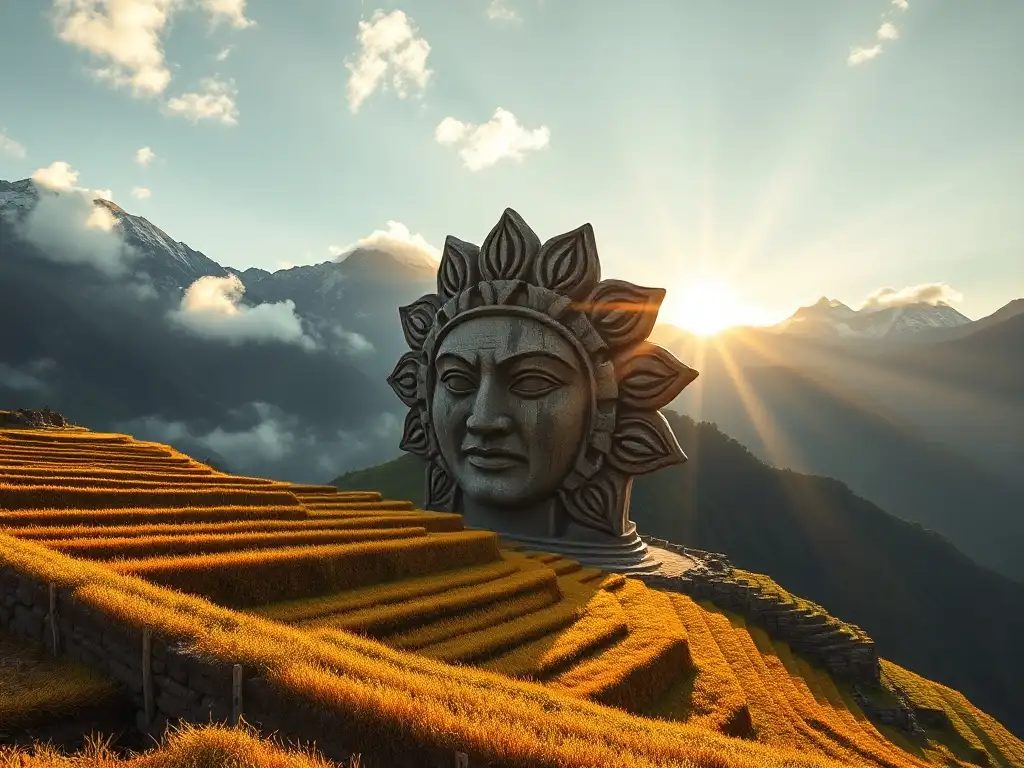
This section delves into the core spiritual beliefs that underpinned the sophisticated resource management systems of Andean civilizations. These weren't simply practical strategies for survival; they were deeply interwoven with a complex cosmology and a profound respect for the interconnectedness of all living things. Understanding these spiritual principles provides crucial insight into the remarkable achievements and enduring legacy of these Andean cultures. The concept of "Andean civilizations spiritual beliefs" is central to comprehending their approach to resource management, moving beyond a purely utilitarian view to one embedded in spiritual reciprocity and balance.
Ayni: The Principle of Reciprocity with Pachamama
Ayni, a Quechua term signifying reciprocity, formed the bedrock of Andean resource management. It wasn't merely an exchange of goods or services; it was a sacred obligation to maintain a harmonious relationship with Pachamama, the Earth Mother. This principle dictated that humans had a responsibility to give back to the earth as much as they took. Harvesting crops, for example, wasn't simply an act of extraction; it was an act of respectful exchange.
Farmers offered prayers, coca leaves, and other offerings to Pachamama, acknowledging her generosity and seeking her continued blessings. This reciprocal relationship extended beyond agriculture; it encompassed all aspects of resource utilization, from mining to fishing. Failure to uphold Ayni was believed to incur the wrath of Pachamama, resulting in poor harvests, natural disasters, or illness.
The practical implications of Ayni were far-reaching. Communities developed intricate systems of communal labor ( minka) and redistribution of resources to ensure equitable access and prevent exploitation. This system fostered a strong sense of collective responsibility and ensured the sustainable use of resources for the benefit of the entire community.
Evidence of this reciprocal relationship can be seen in the meticulous terracing of agricultural lands, which not only increased crop yields but also demonstrated a deep understanding of the land's delicate ecosystem and a commitment to its long-term health. The practice of pago a la tierra, or payment to the earth, further illustrates this deeply ingrained spiritual connection, highlighting the importance of maintaining a balanced exchange.
Maintaining Balance: The Concept of Sumaq Kawsay
Closely related to Ayni is the concept of Sumaq Kawsay, often translated as "good living" or "living well." This wasn't simply about material prosperity; it encompassed a holistic approach to life that emphasized harmony between humans, nature, and the spiritual realm. Sumaq Kawsay guided resource management by promoting sustainable practices that ensured the long-term well-being of both the community and the environment. This involved careful planning, resource conservation, and a deep understanding of ecological processes.
The pursuit of Sumaq Kawsay encouraged a mindful approach to resource use. Andean civilizations understood the interconnectedness of different ecosystems and implemented sophisticated techniques to manage water resources, prevent soil erosion, and maintain biodiversity. Their agricultural practices, including the development of diverse crop varieties and sophisticated irrigation systems, exemplify this commitment to balance and sustainability.
The concept also encompassed social harmony, emphasizing the importance of community cohesion and equitable distribution of resources as essential elements of a flourishing society. This holistic approach to well-being ensured that resource management wasn't viewed in isolation but as an integral part of a larger, interconnected system.
Respect for Apus: Honoring the Mountain Spirits
The Andean worldview revered Apus, the mountain spirits considered powerful deities inhabiting the towering peaks of the Andes. These mountains were not merely geographical features; they were sacred entities, providing essential resources such as water, minerals, and fertile land. Respect for the Apus was crucial for successful resource management, as it was believed that their favor was essential for prosperity and well-being.
Communities often performed rituals and offerings at mountain shrines ( apachetas), seeking blessings for successful harvests, safe travels, and protection from natural disasters. These actions weren't simple superstitions; they were deeply ingrained practices reflecting a profound understanding of the spiritual power associated with the mountains and their essential role in the ecosystem. The meticulous planning and construction of Inca roads, often traversing challenging mountain terrains, also reveals a deep respect for the Apus, reflecting not only engineering prowess but also a spiritual reverence for these sacred landscapes.
The careful management of water resources, often channeled from high-altitude glaciers, further emphasizes the interconnectedness between the spiritual realm and practical resource management. Neglecting the Apus was believed to invite misfortune, highlighting the profound influence of spiritual beliefs on the daily lives and resource management practices of Andean civilizations.
The Role of Sacred Sites in Resource Allocation
The Andean civilizations didn't view resource management as a purely practical endeavor; it was deeply intertwined with their spiritual beliefs and practices. Sacred sites, far from being mere geographical locations, served as crucial nodes in their intricate system of resource allocation and stewardship. These sites, often located in areas with significant ecological importance – such as mountain peaks, springs, or fertile valleys – were considered dwelling places of powerful deities or apus (mountain spirits). Their presence imbued these areas with a sacredness that profoundly influenced how resources were utilized.
For instance, the Inca Empire, renowned for its sophisticated agricultural techniques, carefully managed its terraced fields ( andenes) and irrigation systems. These weren't simply engineered marvels; they were also integral parts of a spiritual landscape. Specific andenes might be dedicated to particular deities or agricultural cycles, influencing planting schedules and crop selection. The allocation of land for cultivation wasn't arbitrary; it was guided by a complex understanding of the spiritual energies associated with different locations. This ensured a harmonious relationship between human activity and the sacred landscape, contributing to both agricultural productivity and spiritual well-being.
The reverence for sacred sites extended beyond agriculture. Access to water resources, vital for survival in the Andean highlands, was often regulated by the proximity to these sacred places. Springs and rivers originating near sacred mountains were treated with utmost respect, and their usage carefully controlled to prevent depletion or pollution. Rituals and ceremonies were regularly performed at these sites to ensure the continued flow of water and to appease the apus who controlled these life-giving resources. This demonstrates a holistic approach to resource management, where spiritual practices were directly linked to the sustainable use of vital resources.
Furthermore, the selection of sites for settlements and infrastructure projects wasn't solely based on practical considerations like defensibility or access to resources. The spiritual significance of a location played a crucial role. The Inca capital, Cusco, was strategically located at the intersection of several ceques—lines radiating outwards from the city, connecting it to numerous sacred sites.
This arrangement reflected the Inca belief that the city acted as a nexus of spiritual power, influencing its development and resource management strategies. The meticulous planning and construction of the Inca road system, too, was influenced by the location and importance of sacred sites along the routes, highlighting the interconnectedness of spiritual beliefs and practical infrastructure. Failure to respect these sacred sites could have been interpreted as an affront to the spiritual forces, potentially resulting in resource scarcity or natural disasters, reinforcing the importance of respecting the spiritual dimension of resource management.
Specific Examples of Spiritual Practices in Andean Resource Management

This section delves into the concrete ways Andean civilizations intertwined their spiritual beliefs with their resource management strategies. Understanding this connection is crucial to appreciating the holistic worldview that shaped their societies and their remarkably sustainable practices. The very act of resource management wasn't merely a practical endeavor; it was a sacred duty, a dialogue with the spiritual forces that governed their world. This deep-seated reverence for the natural world profoundly influenced their agricultural techniques, water management systems, and animal husbandry practices. The following examples illustrate the pervasive influence of Andean spiritual beliefs on their resource management.
Agricultural Rituals and the Blessing of the Land
Andean agricultural practices were deeply imbued with spiritual significance. Farming wasn't simply a means of subsistence; it was an act of communion with the apus (mountain spirits) and pachamama (Mother Earth). Before planting, elaborate rituals were performed to ensure a bountiful harvest. These rituals often involved offerings of coca leaves, chicha (a fermented corn beverage), and other sacred items, presented as gifts to appease and honor the earth deities. The act of planting itself was considered sacred, with specific times and methods dictated by the agricultural calendar and the phases of the moon.
The concept of ayni, reciprocal exchange, was central to Andean agricultural practices. Farmers believed that by offering gifts to the land, they would receive a reciprocal blessing in the form of a plentiful harvest. This wasn't a passive exchange; it was an ongoing dialogue, a relationship of mutual respect and obligation between humans and the natural world.
This spiritual framework fostered a sense of responsibility and stewardship towards the land, ensuring its long-term fertility and productivity. Evidence of these rituals can be found in archaeological sites across the Andes, where offerings and ceremonial objects have been discovered alongside agricultural terraces and irrigation systems.
The meticulous construction of terraces themselves, often painstakingly carved into steep mountain slopes, reflects not only engineering prowess but also a deep respect for the land’s capacity to sustain life. Failing to honor pachamama through proper ritual and sustainable practices was believed to bring about crop failure or other misfortunes.
Water Management: Sacred Canals and Spiritual Cleansing
Water, a life-giving force, held immense spiritual importance for Andean civilizations. Their sophisticated irrigation systems were not just engineering marvels; they were also sacred channels that connected the earthly realm with the spiritual world. The construction and maintenance of canals and aqueducts were often accompanied by rituals aimed at purifying the water and ensuring its continuous flow. These rituals might involve offerings to water spirits or the performance of cleansing ceremonies to remove any impurities that could obstruct the flow of water.
The Inca Empire, in particular, developed an extensive network of canals and aqueducts that provided water to vast agricultural areas. These weren't just functional; they were carefully integrated into the landscape, reflecting a holistic understanding of the interconnectedness of water, land, and spirit. For instance, the intricate system of canals in Cusco, the Inca capital, was not only a marvel of engineering but also a sacred landscape, imbued with spiritual significance.
Specific locations along these canals might have been designated for offerings or ceremonies, further reinforcing the spiritual dimension of water management. Maintaining the purity and flow of these sacred waterways was essential for the well-being of the community, demonstrating a deep understanding of the importance of water conservation and the interconnectedness of the spiritual and material worlds.
Animal Husbandry: Respect for the Spirits of Fauna
Andean civilizations also held deep spiritual respect for the animals they raised. Llama and alpaca herding wasn't simply an economic activity; it was a relationship based on mutual respect and reciprocity. Animals were not seen as mere commodities but as sentient beings with their own spirits. Rituals were performed to ensure the animals' health and well-being, often involving offerings and prayers to animal spirits or deities associated with livestock.
The Andean worldview recognized the interconnectedness of all life, including humans and animals. The practice of ayni extended to animal husbandry, with farmers believing that by treating their animals with respect and care, they would receive a reciprocal blessing in the form of healthy herds and abundant wool and meat. This approach to animal husbandry contrasts sharply with exploitative practices, demonstrating a sustainable and ethically informed approach to resource management.
The selection of animals for sacrifice was also a carefully considered ritual, highlighting the deep spiritual meaning attributed to these events within the broader context of Andean spiritual beliefs and resource management. The careful management of animal populations, avoiding overgrazing and ensuring sustainable practices, further underscores their holistic and deeply spiritual approach to resource management within Andean civilizations.
Mining and the Earth's Energy: Spiritual Significance
Mining in the Andes wasn't simply an economic activity; it was deeply intertwined with spiritual beliefs and practices. Andean civilizations, such as the Inca and pre-Inca cultures, viewed the earth as a living entity, a source of life-giving energy. Minerals, therefore, weren't just resources to be exploited but held sacred power, connecting the human realm with the spiritual world. The act of mining was seen as a ritualistic interaction with this powerful force, requiring respect, reciprocity, and offerings to appease the earth spirits.
The extraction of minerals, particularly precious metals like gold and silver, wasn't a reckless endeavor. Evidence suggests meticulous planning and careful consideration of the environmental impact, even in large-scale operations. This wasn't solely driven by practicality; it was rooted in a belief that harming the earth would incur the wrath of its spirits, leading to misfortune and diminished yields. This is reflected in the archaeological record, where we find evidence of carefully constructed mines, often with intricate ventilation systems and support structures, demonstrating a level of respect and planning rarely associated with purely economic motives.
Furthermore, the process itself involved specific rituals. Before beginning any mining activity, shamans or priests would perform ceremonies to appease the earth spirits and ensure a successful and safe extraction. These rituals might involve offerings of coca leaves, chicha (fermented corn beer), or other sacred objects, placed in designated locations within the mines or at the entrance.
The intention was to establish a harmonious relationship with the earth, ensuring its continued generosity and the well-being of the miners. The belief was that without this spiritual connection, the earth would withhold its treasures, or even actively retaliate against those who disregarded its sanctity.
The spiritual significance extended beyond the extraction process. The processed minerals, particularly gold and silver, were often incorporated into religious artifacts and ceremonies, symbolizing the earth's energy and its connection to the divine. These precious metals, carefully extracted and painstakingly crafted, served as powerful mediums for communicating with the spiritual realm, reinforcing the profound link between Andean resource management and spiritual beliefs.
The use of these materials in religious contexts further highlights the deep integration of spiritual practices within Andean societies' economic activities. This holistic approach ensured a sustainable and respectful interaction with the environment, guided by a worldview that prioritized harmony between the human and spiritual worlds.
How Andean Spiritual Beliefs Shaped Sustainable Resource Practices
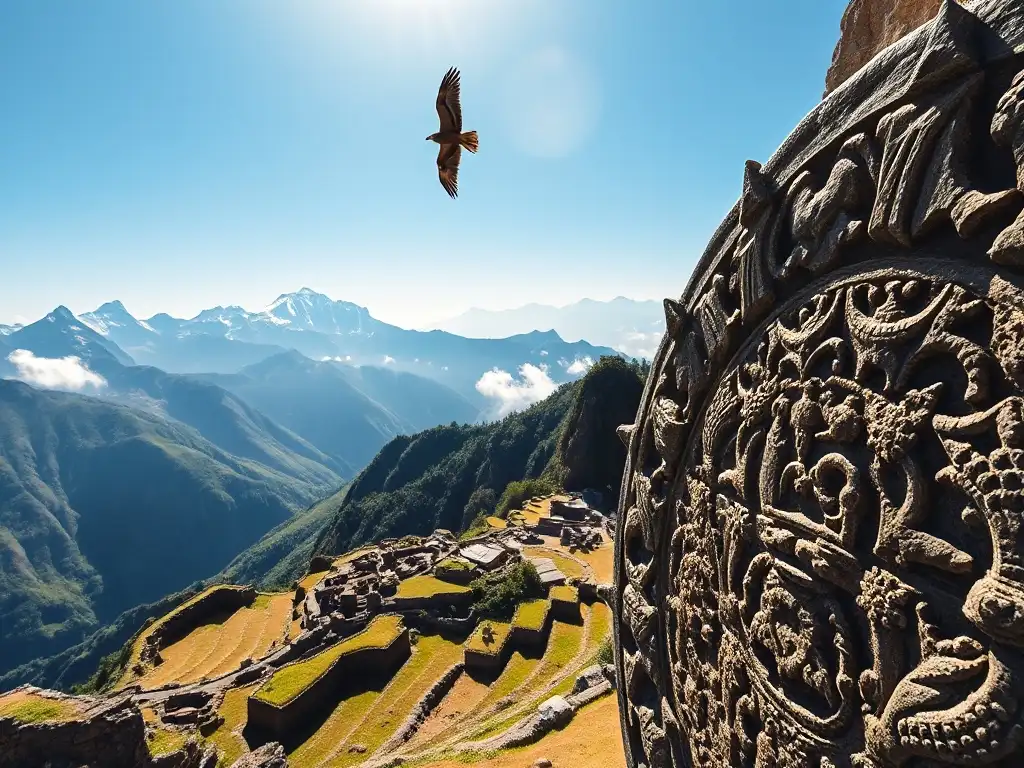
Andean civilizations spiritual beliefs were deeply intertwined with their resource management strategies. Unlike many modern approaches focused solely on immediate economic gain, Andean societies viewed resource management through a lens of reciprocal exchange and long-term sustainability, reflecting their profound reverence for the Pachamama (Mother Earth) and the interconnectedness of all living things. This worldview fostered a complex system of practices aimed not only at meeting immediate needs but also at ensuring the well-being of future generations.
The concept of ayni, reciprocal exchange, permeated all aspects of life, including resource management. Communities understood that taking from the earth required giving back in return, a principle reflected in practices like controlled burning, terracing, and crop rotation.
This wasn't merely a pragmatic approach; it was a spiritual obligation, rooted in the belief that neglecting this reciprocal relationship would invite imbalance and misfortune. Evidence of this can be seen in the meticulously planned agricultural terraces that still exist today, a testament to the long-term vision and sustainable practices of Andean civilizations.
The Long-Term Vision of Andean Resource Management
The Andean approach to resource management fundamentally differed from modern exploitative practices. Instead of prioritizing short-term profits, Andean communities prioritized long-term sustainability. This long-term perspective is evident in their sophisticated agricultural techniques, such as the construction of extensive irrigation systems and the development of diverse cropping patterns.
These methods not only increased yields but also minimized environmental damage and ensured resilience against climate variability. For instance, the waru waru agricultural system, a unique raised-bed technique, allowed for efficient water management and improved soil fertility. This wasn't just about maximizing food production; it was about maintaining a harmonious relationship with the Pachamama, ensuring her continued bounty for generations to come.
The meticulously planned and constructed terraces cascading down the Andes mountainsides are a powerful visual representation of this long-term vision, demonstrating a deep understanding of hydrology and soil conservation that continues to inspire modern sustainable agriculture practices. The longevity of these systems, some of which are still in use today, speaks volumes about the effectiveness and wisdom of the Andean approach. Analysis of soil samples from these ancient agricultural sites reveals remarkably high levels of organic matter, further highlighting the effectiveness of their sustainable methods.
Contrasting Andean Practices with Modern Exploitation
A stark contrast exists between the sustainable resource management practices of Andean civilizations and many modern approaches. Modern industrial agriculture, for example, often prioritizes maximizing short-term yields, often at the expense of long-term environmental sustainability. Intensive monoculture farming depletes soil nutrients, contributes to biodiversity loss, and relies heavily on chemical fertilizers and pesticides, which have detrimental effects on the environment. This stands in stark contrast to the Andean emphasis on biodiversity and soil health.
Andean farmers cultivated a wide variety of crops, creating resilient ecosystems that were less susceptible to pests and diseases. Furthermore, their methods minimized soil erosion and degradation, ensuring the long-term productivity of their land. The difference is not merely one of scale; it's a fundamental difference in philosophy.
Modern practices often prioritize profit over ecological balance, while Andean practices prioritized a balanced relationship between humans and nature, viewing them as inextricably linked. The consequences of this difference are increasingly evident in the environmental challenges facing the world today. The depletion of natural resources, climate change, and biodiversity loss are all symptoms of a system that prioritizes short-term gains over long-term sustainability, a lesson that the Andean civilizations understood millennia ago.
The Importance of Ancestral Knowledge for Environmental Sustainability
The ancestral knowledge of Andean civilizations holds valuable lessons for contemporary environmental sustainability. Their deep understanding of ecological principles and their sustainable practices offer a blueprint for addressing the environmental challenges of the 21st century. Reviving and integrating these traditional methods into modern approaches could significantly enhance agricultural practices, improve resource management, and promote environmental conservation. For example, the principles of ayni—reciprocal exchange—could be applied to modern resource management strategies, fostering a sense of responsibility and stewardship towards the environment.
Similarly, the sophisticated agricultural techniques employed by Andean civilizations, such as terracing and water management systems, could inspire the development of more sustainable agricultural practices. The integration of indigenous knowledge with modern scientific understanding offers a powerful pathway towards achieving environmental sustainability. This approach acknowledges the value of traditional wisdom while leveraging the tools and techniques of modern science.
The preservation and dissemination of this ancestral knowledge are crucial for ensuring the long-term health of the planet and building a more sustainable future. The wisdom of the Andean civilizations serves as a powerful reminder of the importance of respecting and working in harmony with nature. 🌱
Lessons from the Andes: Reconnecting with the Spiritual in Resource Use

The Andean civilizations, renowned for their sophisticated agricultural techniques and intricate social structures, didn't simply manage resources; they revered them. Their approach to resource management was deeply intertwined with their spiritual beliefs, a holistic worldview that prioritized harmony with nature and a reciprocal relationship with the land. This wasn't merely a pragmatic strategy for survival; it was a deeply held spiritual practice, reflecting a profound understanding of interconnectedness. Understanding this perspective offers valuable insights for contemporary environmental challenges.
The concept of ayni, the principle of reciprocity and balance, permeated all aspects of Andean life, including resource management. This principle, often misunderstood as simple exchange, encompassed a far deeper spiritual dimension, emphasizing the mutual obligations between humans and the natural world. Ignoring this spiritual foundation risks a superficial understanding of Andean resource management practices.
The Relevance of Andean Wisdom for Today's World
The challenges of climate change, resource depletion, and environmental degradation are global concerns demanding innovative solutions. The Andean civilizations, facing their own environmental pressures centuries ago, developed sustainable practices rooted in their spiritual beliefs. Their wisdom offers valuable lessons for today's world, prompting a re-evaluation of our relationship with nature.
Modern societies, often driven by a utilitarian view of nature, can learn from the Andean emphasis on reciprocity and respect for the environment. For example, the intricate terrace farming systems of the Inca, not only maximized agricultural output but also minimized soil erosion and conserved water resources. These weren't just engineering marvels; they were expressions of a spiritual connection to the land.
The Andean understanding of the interconnectedness of all living things—from the smallest insect to the highest mountain—provides a powerful counterpoint to the anthropocentric worldview that often fuels environmental destruction. This holistic perspective is crucial for developing truly sustainable practices. The Andean approach highlights the importance of considering the long-term consequences of our actions, a perspective often lacking in short-sighted, profit-driven approaches to resource management.
Integrating Spirituality and Ecology for a Sustainable Future
Integrating spirituality and ecology is not about imposing religious beliefs on environmentalism; rather, it's about recognizing the profound interconnectedness between human well-being and the health of the planet. The Andean worldview demonstrates the potential for a more holistic and sustainable approach to resource management. By acknowledging the spiritual dimension of our relationship with nature, we can move beyond purely utilitarian perspectives and cultivate a deeper sense of responsibility towards the environment.
This involves fostering a sense of reverence for nature, recognizing its intrinsic value beyond its instrumental use. This shift in perspective is crucial for developing effective and lasting solutions to environmental problems. For example, incorporating traditional Andean knowledge into contemporary conservation efforts can lead to more effective and culturally appropriate strategies.
This involves working with local communities, respecting their traditional practices and incorporating their deep ecological understanding into modern conservation models. This collaborative approach, rooted in mutual respect and understanding, offers a powerful pathway towards a more sustainable future. The integration of spirituality and ecology offers the potential to move beyond purely technical solutions and engage with the deeper emotional and spiritual dimensions of environmental stewardship.
Contemporary Applications of Andean Environmentalism
The principles of ayni and pachamama (Mother Earth) are not relics of the past; they hold profound relevance for contemporary environmental challenges. The concept of reciprocity, central to Andean cosmology, can be applied to modern resource management practices. This means striving for a balance between human needs and the needs of the environment, recognizing the limitations of natural resources and avoiding unsustainable practices. Several contemporary initiatives are drawing inspiration from Andean environmentalism.
For example, [Specific examples of contemporary initiatives integrating Andean principles pending]. These examples demonstrate the potential for applying ancient wisdom to modern problems. Furthermore, the Andean emphasis on community-based resource management offers valuable lessons for collaborative conservation efforts. The communal spirit of Andean societies, where resources were managed collectively for the benefit of the entire community, contrasts sharply with the often individualistic and competitive approaches prevalent in many modern societies.
Emulating this collaborative spirit is crucial for achieving truly sustainable resource management. The study of Andean civilizations provides a powerful reminder that sustainable practices are not just technologically feasible but are also deeply rooted in spiritual and cultural values. By reconnecting with these values, we can pave the way for a more harmonious and sustainable relationship with the natural world. The legacy of the Andean civilizations offers a valuable roadmap for navigating the environmental challenges of the 21st century.
Conclusion: The Enduring Legacy of Andean Spiritual Resource Management
The meticulous and deeply spiritual approach to resource management employed by Andean civilizations offers invaluable lessons for contemporary societies grappling with environmental challenges. Their worldview, intricately woven with reverence for the Pachamama (Mother Earth) and the interconnectedness of all living things, provided a framework for sustainable practices that are strikingly relevant today. Understanding their beliefs isn't simply an academic exercise; it's a crucial step towards building a more sustainable future.
The Andean civilizations' sophisticated understanding of their environment, coupled with their spiritual beliefs, allowed them to thrive for centuries, a testament to the power of a harmonious relationship between humanity and nature. Their legacy is a powerful reminder that economic prosperity and environmental stewardship are not mutually exclusive, but rather, intrinsically linked. By studying their practices, we can gain insights into how to cultivate a more respectful and sustainable relationship with our planet, moving beyond mere survival to a flourishing coexistence.
The enduring impact of their spiritual approach to resource management resonates even now, prompting a reassessment of our own values and priorities. Further research into specific Andean communities and their unique practices is needed to fully appreciate the diversity and complexity of this rich spiritual heritage. This deeper understanding can inform the development of more effective and sustainable environmental policies for the 21st century.
The Spiritual Heart of Andean Resource Management
The Andean worldview wasn't merely a set of abstract beliefs; it was a practical guide for daily life, deeply influencing their resource management strategies. Their spiritual connection to the Pachamama, manifested in rituals, ceremonies, and daily practices, ensured a responsible and sustainable approach to agriculture, water management, and the use of natural resources. For example, the capacocha, a ritual sacrifice often involving children, is interpreted by some scholars as a way to maintain equilibrium within the cosmos and ensure the fertility of the land.
While ethically complex, understanding the ritual within its socio-religious context provides insight into the profound significance placed on maintaining a harmonious relationship with the spiritual and natural worlds. The intricate systems of andenes (terraces) built across the Andes, not only demonstrate remarkable engineering prowess but also reflect a deep understanding of the land's capabilities and limitations. These terraced fields optimized water usage, prevented soil erosion, and increased agricultural yields, showcasing a holistic approach that considered both spiritual and practical needs.
The meticulous observation of celestial cycles, crucial for agricultural planning, was interwoven with their spiritual beliefs, highlighting the inseparable nature of their cosmology and practical life. The cyclical nature of Andean agriculture, mirroring the cyclical nature of the cosmos, reinforces the interconnectedness of their spiritual beliefs and their resource management strategies. Their practices demonstrate a sophisticated understanding of ecological balance, far surpassing many modern approaches that prioritize short-term gains over long-term sustainability.
A Call to Reconsider Our Relationship with Nature
The enduring legacy of Andean spiritual resource management compels us to critically examine our own relationship with the natural world. Our current trajectory of unsustainable resource consumption, driven by profit maximization and a disregard for ecological limits, stands in stark contrast to the Andean approach. The Andean civilizations' emphasis on reciprocity, respect, and spiritual interconnectedness offers a powerful counter-narrative to our anthropocentric worldview.
Their example reminds us that true prosperity isn't solely measured in economic terms, but also in the health of our planet and the well-being of future generations. The challenge lies in integrating the wisdom of past civilizations into our present-day practices. This requires a paradigm shift, moving away from exploitative models of resource management towards a more holistic and sustainable approach that recognizes the inherent value of nature and its spiritual significance.
By embracing a more interconnected and respectful approach, as exemplified by the Andean civilizations, we can strive towards a future where economic progress and environmental stewardship are not in conflict, but rather, mutually reinforcing. The study of Andean spiritual beliefs and their impact on resource management provides a crucial framework for achieving this vital goal, offering a path towards a more sustainable and harmonious future for all. Adopting a more spiritual and mindful approach to our relationship with nature is not merely an option; it's a necessity for our collective survival and well-being.
Frequently Asked Questions
What role did spirituality play in Andean resource management?
Andean civilizations didn't see resource management as merely practical; it was deeply intertwined with their spiritual beliefs. Successful harvests and resource abundance were seen as blessings from their gods, requiring respect and reciprocity. Spiritual rituals were integral to agricultural practices and resource allocation.
How did Andean spiritual beliefs influence their agricultural practices?
Andean agriculture wasn't just about producing food; it was a sacred act. Farmers performed rituals to ensure a bountiful harvest, appeasing deities associated with water, fertility, and the land. Sacred landscapes like mountains and springs were central to these practices.
What were some key deities or spirits associated with Andean resource management?
Various deities held sway over different resources. Pachamama, the Earth Mother, was paramount, representing fertility and abundance. Water deities and mountain spirits were also crucial, influencing rainfall, irrigation, and mining activities. Ancestor veneration also played a significant role.
Did Andean spiritual beliefs impact their understanding of the environment?
Absolutely. The Andean worldview emphasized a harmonious relationship between humans and the natural world. They believed that disrupting the ecological balance would incur the wrath of the deities, leading to scarcity and misfortune. This fostered a sense of environmental responsibility.
Spiritual beliefs were integral to the social fabric. Priests and shamans held significant power, mediating between the people and the divine realm. Rituals and festivals reinforced social cohesion and reaffirmed the community's connection to the land and its resources. Social hierarchy was often intertwined with spiritual authority.
Final Reflection: Weaving the Threads of Andean Spirituality
The enduring legacy of Andean civilizations isn't merely etched in stone and metal, but woven into the very fabric of their relationship with the natural world. Their sophisticated resource management systems, far from being purely pragmatic, reveal a profound spiritual understanding that continues to resonate today, offering valuable lessons for a world grappling with ecological crises. This deep connection between spirituality and sustainability challenges our modern, often exploitative, approach to resource management.
The intricate tapestry of Andean spiritual beliefs, with its reverence for Pachamama and the interconnectedness of all living things, offers a powerful counterpoint to the dominant Western worldview. It reminds us that our well-being is inextricably linked to the health of the planet. The Earth is not something we inherit from our ancestors; it is something we borrow from our children.
This quote, though not directly Andean, perfectly encapsulates the profound responsibility inherent in their worldview, a responsibility we must urgently reclaim in our own time.
Consider the implications of this ancient wisdom. How can we integrate a deeper respect for the natural world into our daily lives? How can we move beyond mere survival and cultivate a more harmonious relationship with the Earth, drawing inspiration from the enduring legacy of Andean spirituality? The answer lies not in passive contemplation, but in active engagement – in making conscious choices that reflect a profound understanding of our interconnectedness with all living beings and the sacredness of the land. Let the wisdom of the Andes guide you toward a more sustainable and spiritually fulfilling future.
Embrace the Spirit of Andean Wisdom!
Thank you for exploring the profound connection between Andean resource management and spirituality. Your participation enriches your understanding and honors the legacy of these ancient practices. Now, let's integrate this wisdom into our daily lives.
- Reflect on your resource use: Consider how you can better harmonize your daily routines with nature, drawing inspiration from Andean principles.
- Share your insights: Discuss your newfound understanding of sustainable living with friends and family, sparking conversations about responsible resource management.
- Join the community: Connect with local environmental groups or online forums dedicated to sustainable practices and Andean philosophies to deepen your understanding.
What aspect of Andean spirituality most inspires your journey toward sustainable living? Let's share our thoughts!